Ensuring and promoting human rights: Tireless efforts deserving international recognition

Vietnam was one of the 14 countries elected by the United Nations (UN) General Assembly to the UN Human Rights Council (UNHRC) for the 2023-2025 term on October 11, 2022. This is the fruit of tireless efforts made by the nation’s Party and State in taking care of its people and protecting human rights with many favourable policies to ensure people’s comprehensive development and leave no one behind. The efforts have been recognised and praised by the international community.

Perfecting policies, laws to promote human rights

With the message of “Mutual Respect, Dialogue and Cooperation, Ensuring All Human Rights, for All” for its three-year membership at the UNHRC, Vietnam is sure to directly contribute to protecting and promoting human rights worldwide – a main task of the United Nations.

Putting the people at the centre of development has been a consistent strategic orientation and a thorough action philosophy of Vietnam throughout the millennia-long history of its national construction and defence, and the present cause of national construction and development.
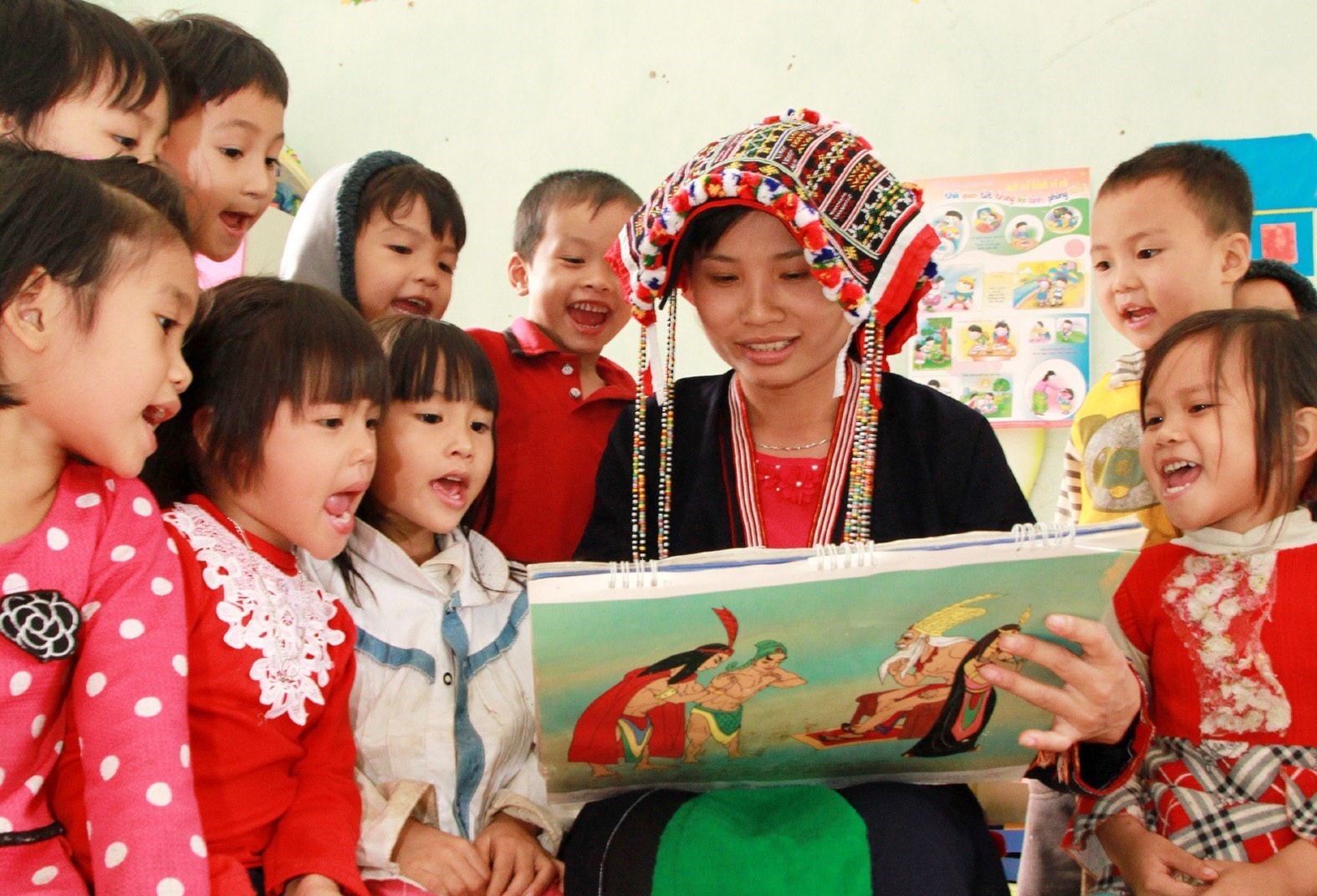
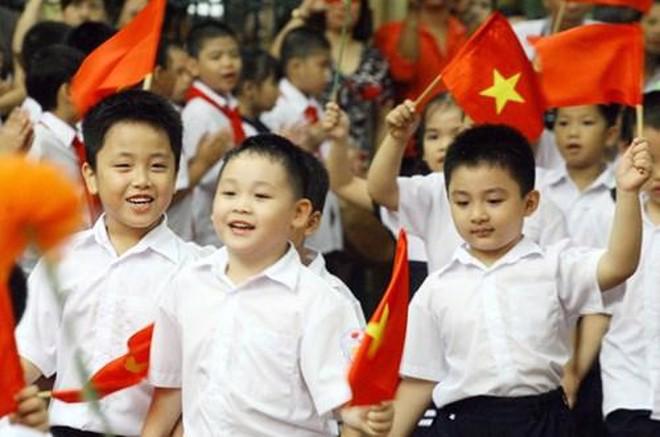
Teaching ethnic minority children (Photo: VNA)

The documents adopted at all National Congresses of the Communist Party of Vietnam have so far affirmed that the people are the most precious resource and caring for their happiness is the highest target of the regime.

Most recently, the Resolution of the 13th National Party Congress, adopted in 2021, again asserted the Party and State’s consistent policy on guaranteeing and promoting human rights, in which people are both the centre and the key players. This was both enshrined in the 2013 Constitution and many other relevant legal documents, and has also been reflected through the country’s efforts in guaranteeing and promoting fundamental human rights on politics, economy, and culture, among others, as well as in ensuring gender equality and protecting vulnerable groups in society.

Notably, to better ensure rights of vulnerable groups, including women, children and persons with disabilities (PwDs), many national action programmes have been launched. They include a programme supporting people with disabilities for 2021-2030, a national strategy on gender equality for 2021-2030, a programme to protect children online and an action programme for children in 2021-2030, and a programme on fighting human trafficking in 2021-2025, with a vision towards 2030.

Vietnam has rolled out the Law on Gender Equality and the Law on Persons with Disabilities, and is working hard to consolidate the legal system in this regard.
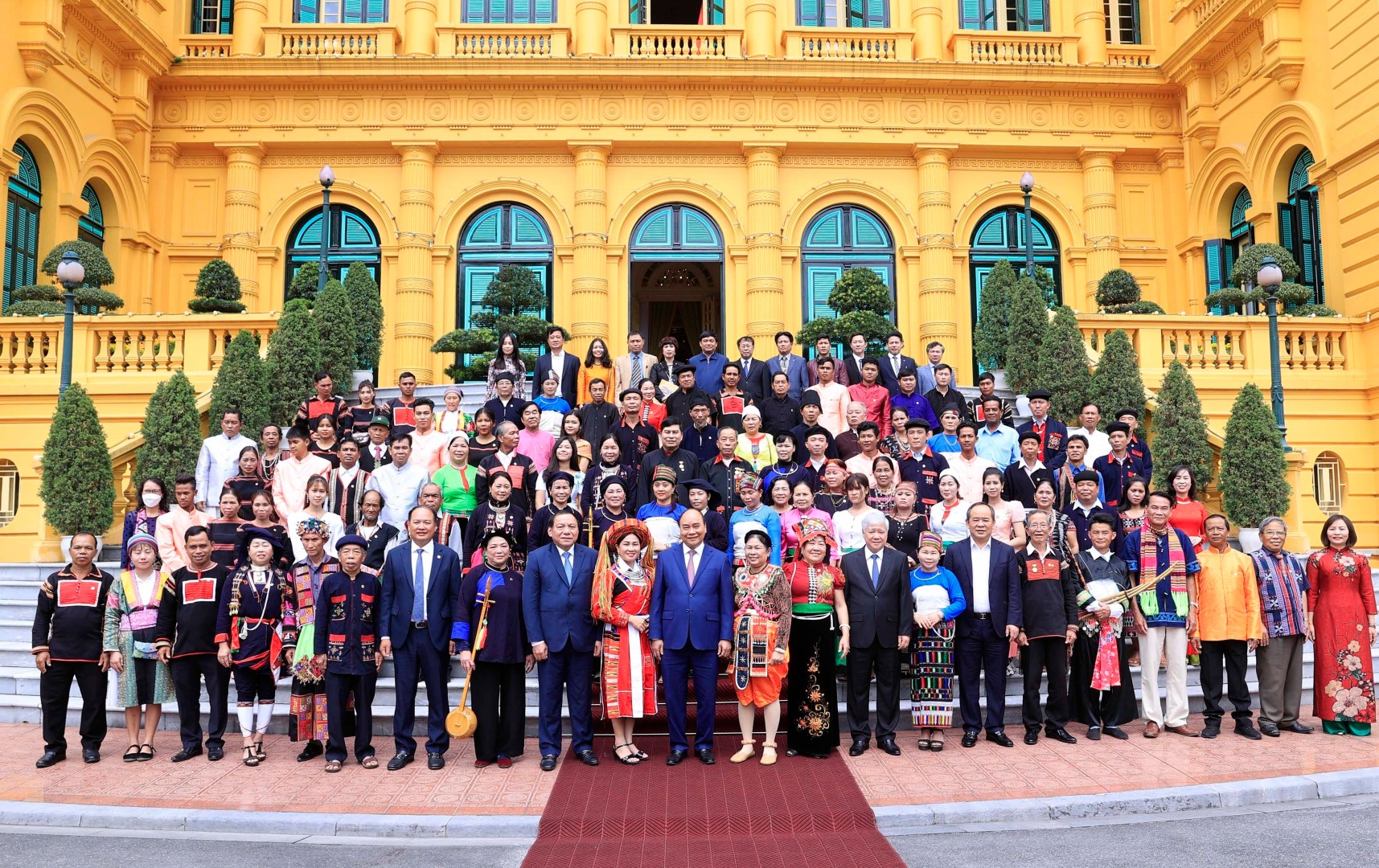
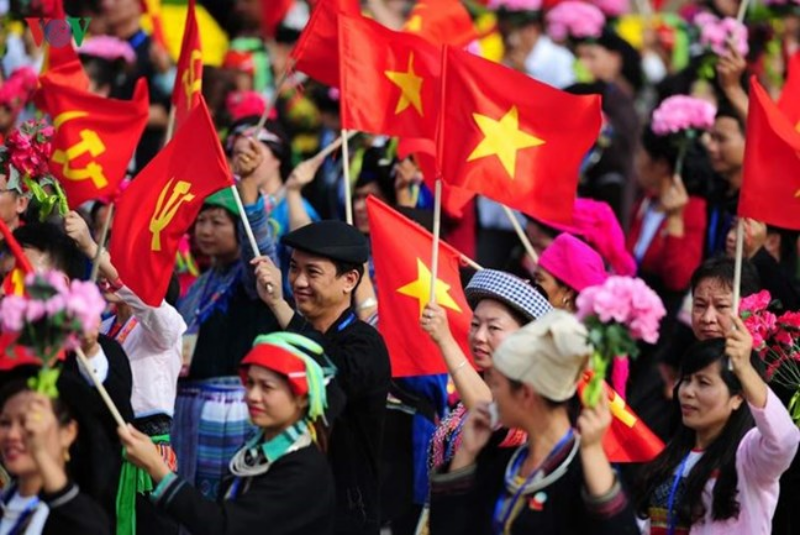
President Nguyen Xuan Phuc meets outstanding village leaders and artisans from ethnic minority groups across the nation (Photo: VNA)

Besides, the Vietnamese Party, State and political system have worked hard to ensure that no one is left behind, particularly during the COVID-19 pandemic outbreak.

Over the past two years, the Government has issued two aid packages, one worth 62 trillion VND (2.73 billion USD) in 2020 and another valued at 26 trillion VND in 2021, which targeted those affected by the pandemic, including labourers, poor households, children, pregnant women, women with small children and social policy beneficiaries.

Regarding religion and belief, as a country with religious and belief diversity, its Party and State have always pursued a consistent policy of respecting and ensuring the right to freedom of belief and religion, and promoting good cultural and moral values and resources of religions in service of national development.

Thanks to the care of the Party and State, religious organisations in Vietnam have carried forward the traditions of patriotism and great national solidarity, followed the motto of leading both good religious and secular life, and accompanied the nation, significantly contributing to national construction and defence.

Deputy Minister of Home Affairs Vu Chien Thang stressed in one of his writings that religions have never had such favourable conditions for their activities in Vietnam like now.

Thang noted respecting the freedom of belief and religion is a consistent policy of the Vietnamese Party and State and has been institutionalised in the legal system, as it is one of the fundamental rights of the people and enshrined in the Constitution from the 1946 version to the 2013 one.

Inheriting late President Ho Chi Minh’s viewpoint and thought on religion, in each period of the revolution, the Party and State have issued many guidelines, policies, and laws on belief, religion, ensuring the freedom to belief and religion, creating a legal foundation for religions to be practiced stably and enhancing the relations between the State and religious organisations.
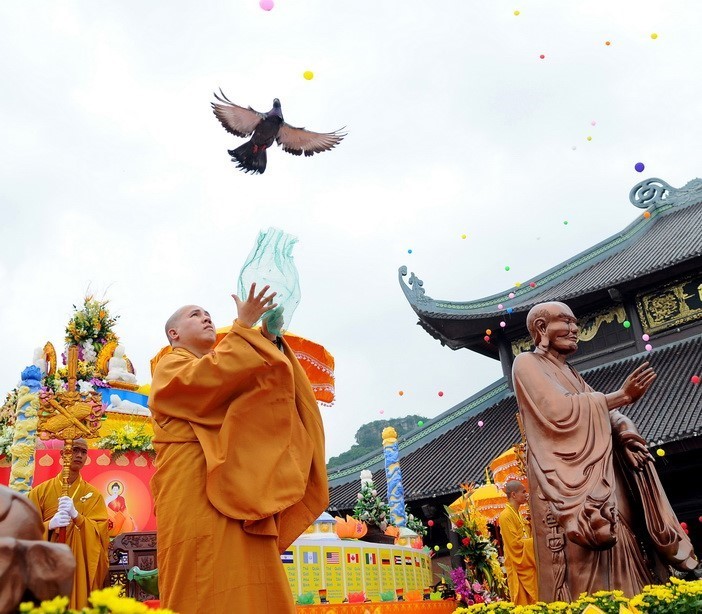
Releasing pigeons to pray for peace at the opening of the UN Day of Vesak 2014 at Bai Dinh Pagoda in Ninh Binh province (Photo: VNA)

Since the Party Central Committee’s Resolution No 25-NQ/TW, issued on March 12, 2003, on religious affairs in the new context, more than 30 legal documents related to belief and religion have been issued, reflecting the State’s attention to people’s legitimate belief and religious demand.

Thang said thanks to religion-related guidelines, policies, and laws, the numbers of religious dignitaries, followers, and places of worship have been on the rise; and people’s right to the freedom of belief and religion better ensured.

Vietnam is currently State party to seven out of nine key international human rights treaties and 25 conventions of the International Labour Organisation

According to the Government Committee for Religious Affairs, the State has recognised and licensed 43 organisations belonging to 16 religions with about 26.5 million followers, making up 27% of the national population, of which over 54,000 are dignitaries, along with nearly 30,000 worship places.

Furthermore, Vietnam also attaches great importance to the adherence to, and implementation of international treaties in protecting and promoting human rights in the country.

Vietnam is currently State party to seven out of nine key international human rights treaties and 25 conventions of the International Labour Organisation (ILO). A roadmap has been set for future ratification of ILO Convention No. 87 on Freedom of Association and Protection of the Right to Organise.

Vietnam abides by its obligations under international human rights treaties to which it is a party, including that of reporting on their implementation in the country.

Tireless efforts in all circumstances

Considering the protection and promotion of human rights as a focal point of the country in any circumstances, Vietnam has exerted numerous efforts to care for the people, especially disadvantaged groups, including ethnic minorities and persons with disabilities, even in toughest time when Vietnam, a developing country was struggling with economic difficulties and challenges from the COVID-19 pandemic.

Throughout the national development process, the Vietnamese Party and State have consistently paid attention to ethnic issues and promoted equality between ethnic groups to ensure national unity.

Ensuring the right to education for ethnic minorities is a fundamental goal of Vietnam’s development policy. The Party and State always give priority to education in remote, mountainous and ethnic-inhabited areas, and islands.

By 2020, the literacy rate of ethnic minorities reached 90%, and the percentage of children going to school at the right age at all levels of education has been on the rise. These are remarkable achievements because ethnic-inhabited and mountainous areas account for nearly three quarters of the country’s natural area and are home to 53 ethnic minorities with 14.12 million people, making up 14.7% of the total population.

Special attention has been paid to education and training as well as improving the quality of human resources for ethnic minorities. Currently, there are 316 boarding schools for ethnic minorities in 49 provinces and cities nationwide, with incentive policies to support their training. More than 800,000 ethnic minority people received vocational training in the 2016-2020 period.
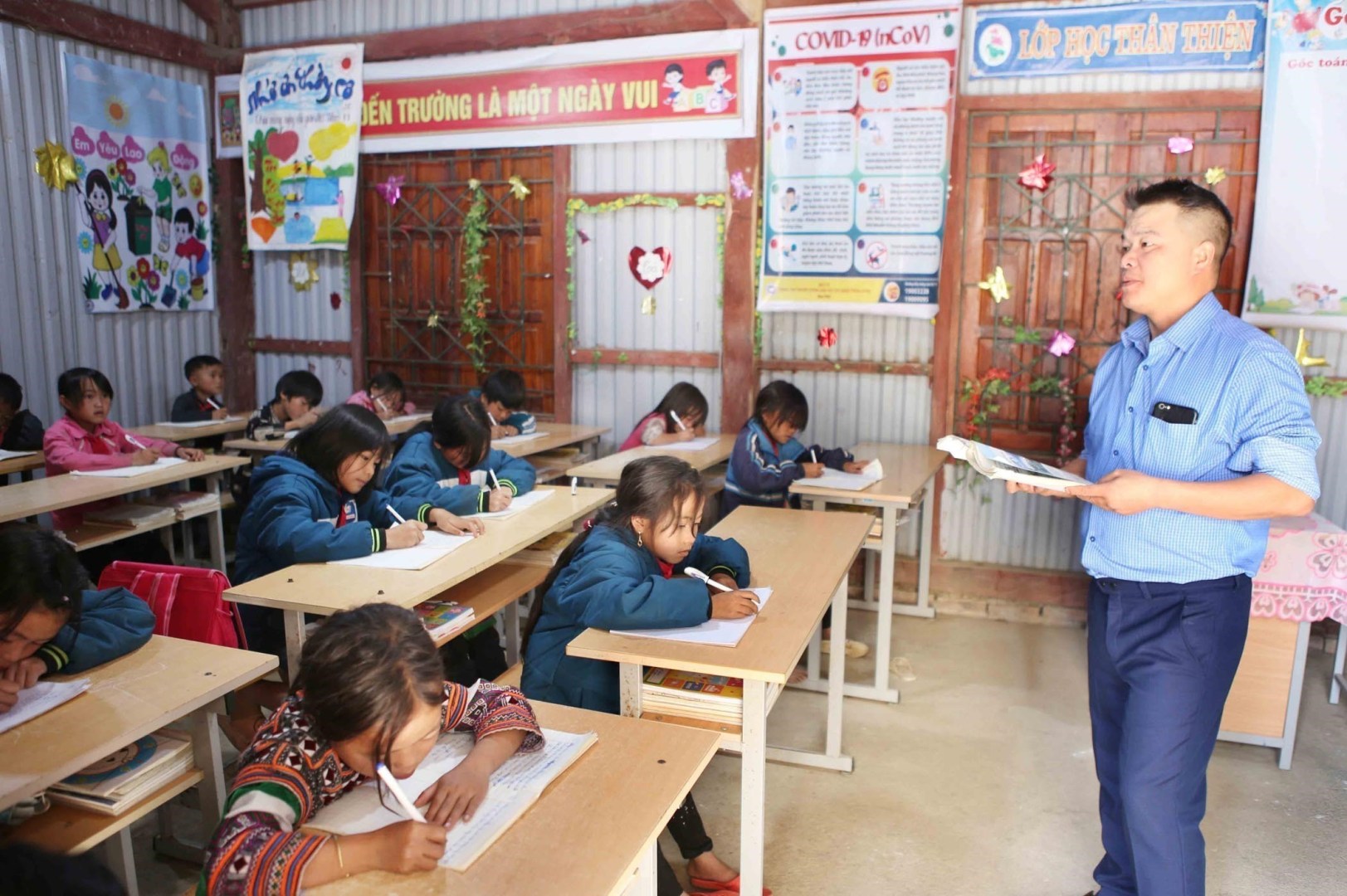
At a class of ethnic minority children in Lai Chau (Photo: VNA)

Creating sustainable livelihood for ethnic minority residents to help them get out of poverty is also the consistent policy of Vietnam, which has produced major achievements.
Statistics show that the household poverty rate dropped from 58.1% in 1993 to 2.75% in 2020 under new criteria.

During 2016 – 2020, though Vietnam encountered many natural disasters and disease outbreaks, especially the COVID-19 pandemic, the National Assembly and Government still doubled investment in poverty reduction compared to the previous period.

Nearly 1.7 trillion VND was spent on poor and disadvantaged districts and communes in the Northwest, Central Highlands and Southwest regions in the reviewed period.

More attention has also been paid to ethnic minorities and mountainous areas as seen in the Prime Minister’s approval of the national target programme on socio-economic development in those areas for the 2021 – 2030 period in October 2021. The programme aims to reduce the rate of poor households by more than 3% per year, see more than 98% of five-year-old children attending school, and the rate of students at primary and secondary schools, and high schools being 97.95% and 60%, respectively.

Harvesting Shan Tuyet tea in Ha Giang (Photo: VNA)

Ethnic minority people enjoy the right to participate in the political system, state management, candidacy to the National Assembly, and the People’s Councils. The proportion of ethnic deputies among the total number of deputies has been on the rise, ranging from 15% and 17% over the past four National Assembly tenures.

In early 2022, the Government approved the national target programme on sustainable poverty reduction for the 2021-2025 period with total funding of at least 75 trillion VND, targeting to reduce the nationwide poverty rate by 1-1.5%, by over 3% among ethnic minority households, and by 4-4.5% in poor districts per year. The number of poor and near-poor households is expected to decrease by half by 2025.

Persons with disabilities in Vietnam have been also the subject to receive assistance from the Party and State, with PwD-related issues always mainstreamed in the national development framework.

Vietnam has about 7 million people with disabilities, accounting for 7.8% of the country’s population, of which 48% are women and 28.3% are children. About 87% of people with disabilities live in rural areas and still face difficulties and thus, need support from the State and society. 
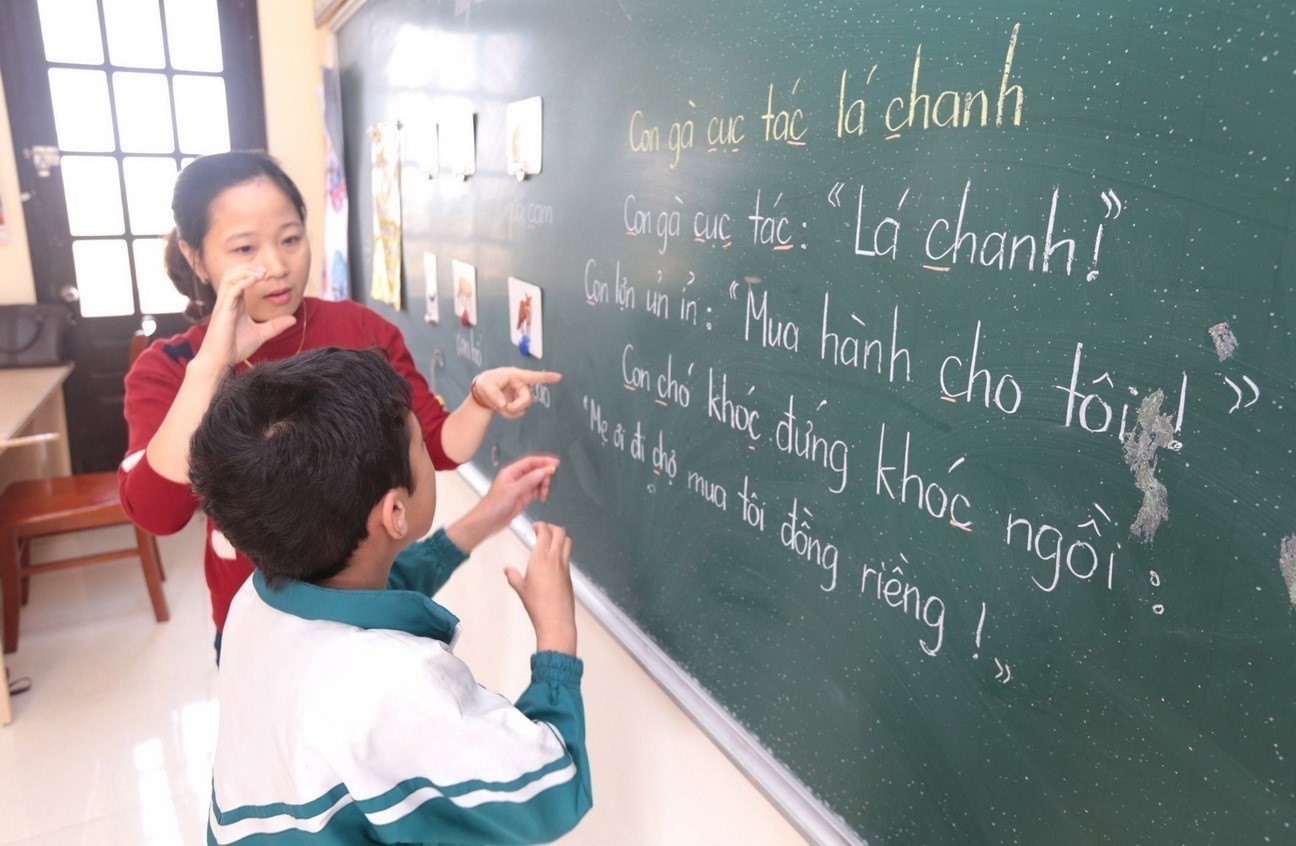
Teaching students with disabilities at Tien Lu School of Rehabilitation and Vocational Training for Persons with Disabilities in Hung Yen province (Photo: VNA)

In addition to recognising and protecting the rights and obligations of PwDs like all other citizens, Vietnam always has given special priorities to this vulnerable group. The Government and National Assembly have made specific and practical policies and laws for PwDs, which creates favourable conditions for them to exercise their rights in politics, economy, culture, and society, to promote their ability to stabilise their lives, integrate into the community, and participate in social activities.

Under the national programme on PwDs for 2021 – 2030, millions of PwDs, including children, have received care at social protection establishments while all persons with special disabilities have been covered with health insurance. 

The number of PwDs accessing support policies and programmes has kept increasing. To date, nearly 3 million of PwDs had their disability level assessed and received disability certificates. Over 1.1 million people with disabilities are receiving monthly social benefits.

In addition, Vietnam now has 63 rehabilitation hospitals and centres, all of its centrally-run general hospitals have rehabilitation departments, 90% of its provincial-level ones and 40% of provincial specialised hospitals have this kind of department. At the commune level of almost all localities, PwDs have their health records monitored and those with extremely severe disabilities are granted health insurance cards. 

Besides, there are 20 educational and integration support centres, 107 special educational centres for disabled children, 256 training establishments for PwDs, and 400 PwD-owned businesses at present.

People with disabilities in Thang Binh district, Quang Nam province receive vocational training support from the “Hold My Hand” Project in the 2018-2021 period (Photo: VNA)

Vocational education and job creation for PwDs are also given much attention. In the period 2012-2022, about 17,000-20,000 people have received vocational training under the Vocational Training Scheme for rural workers each year. 

Currently, 63 employment service centres nationwide provide consultation on vocational training and introduce job placement for about 20,000 disabled people yearly with a success rate of over 50%.

Preferential loans have been offered to PwDs, small and medium-sized enterprises, cooperatives, cooperative groups, and business households that employ a lot of PwDs. 

From 2012 to 2020, nearly 39,000 people with disabilities got loans from the National Fund for Employment. 

Speaking at the Celebration of the International Day of Persons with Disabilities (December 3, 1992-2022) and Forum “Listening to the voices of persons with disabilities” on December 1, 2022, Deputy Minister of Labour, Invalid and Social Affairs Nguyen Van Hoi said that besides care and support from the Party, State, Government, and the community, PwDs in Vietnam are always determined to overcome difficulties and challenges for a better life.

Hoi affirmed that in the coming years, Vietnam will continue to fully implement the provisions of the Constitution and the law on people with disabilities as well as international commitments in which Vietnam participates, including the review of the ten-year implementation of the Law on Persons with Disabilities.

On that basis, ministries and branches will study to amend, supplement and propose content related to people with disabilities to include in the Law on Social Insurance, and the Law on Employment following the conventions and with practice.

Athletes with disabilities in Ho Chi Minh City participate in a running tournament in the city (Photo: VNA)

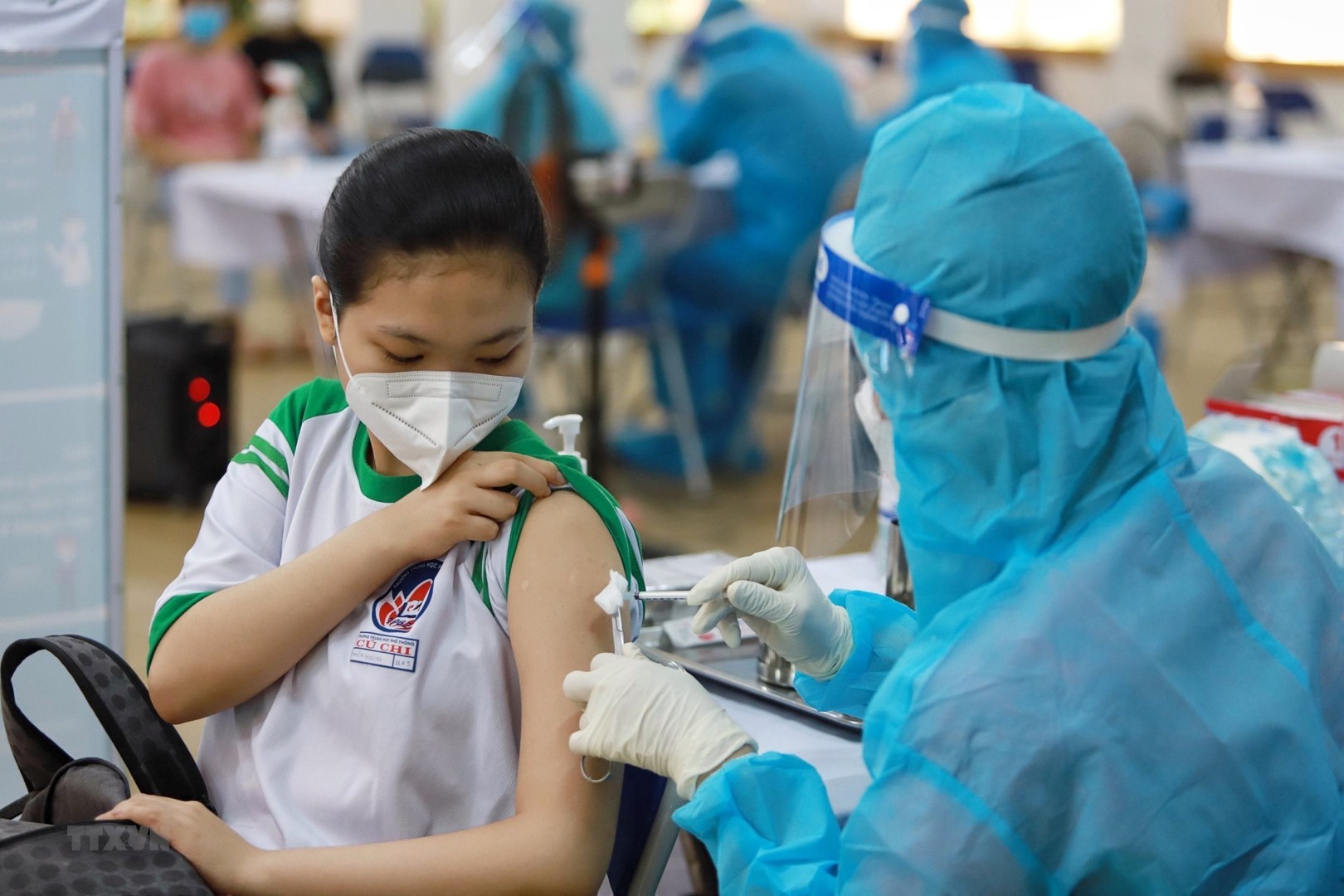
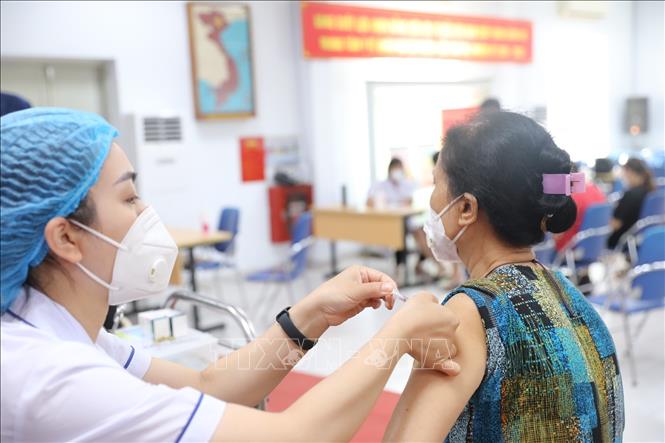
In addition, Vietnam’ efforts to ensure human rights during the pandemic were also demonstrated in the country’s drastic, synchronous and methodical implementation of the vaccine strategy, in which vaccine diplomacy plays the key role, heading to the goal of providing free-of-charge COVID-19 vaccination to all people. 

With the engagement of the entire political system, huge efforts were made to bring Vietnamese citizens living, working and studying worldwide home amid the complicated development of COVID-19. 

In a statement in February this year, spokesperson of the Foreign Ministry Le Thi Thu Hang affirmed the repatriation of Vietnamese people who were in extremely difficult circumstances abroad and wished to go home amid the COVID-19 pandemic is a sound and humane policy of the Party and the State.

COVID-19 vaccination in Da Nang city (Photo: VNA)

According to the spokesperson, since the first flight carrying Vietnamese citizens in China’s Wuhan city back to Vietnam in early February 2020, more than 1,000 similar flights have been operated, repatriating about 240,000 Vietnamese from 60 countries and territories safely.

A survey conducted by Latana research firm on people’s satisfaction with their government’s response to the COVID-19 pandemic showed that 96% of Vietnamese people are satisfied with the Government’s COVID-19 prevention and control activities.

Recognition from international community

Vietnam’s joining the UN Human Rights Council for the 2023-2025 term has been the strongest affirmation of the country’s high sense of responsibility and willingness to make more contributions to human rights protection and promotion in the world. The country’s tireless efforts in the work have been widely recognised by the international community.

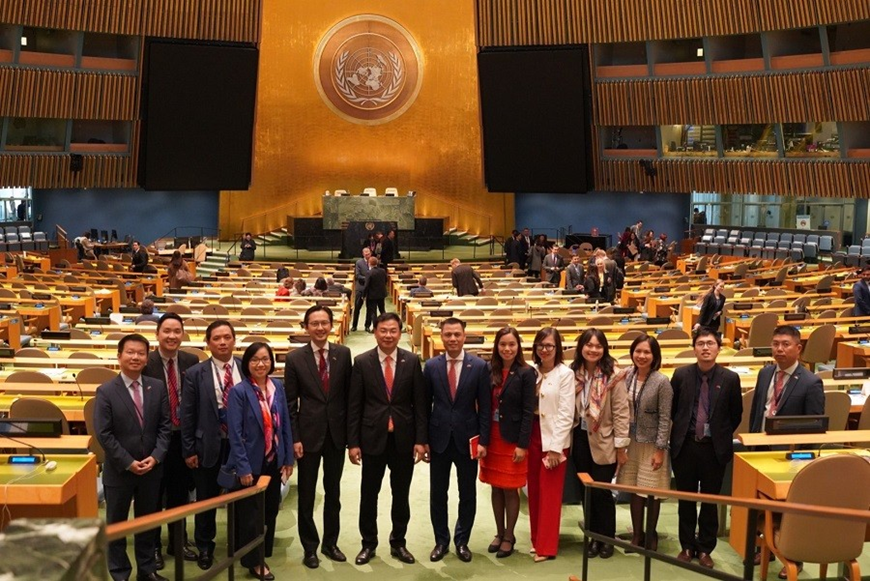
Vietnam was elected to the United Nations Human Rights Council (UNHRC) for the 2023-2025 tenure on October 11 at the 77th session of the UN General Assembly in New York. (Photo: VNA)

Right after Vietnam was elected to the council, UN Secretary-General Antonio Guterres expressed his belief that Vietnam will maintain active and effective contributions to the promotion and protection of human rights.

He affirmed that Vietnam is one of the indispensable members of the UN, and the country has and will make meaningful contributions to the common work of the UN in solving global challenges, for peace and development in the world.

“Vietnam’s election to the UNHRC for the period 2023-2025 presents a great responsibility but also an important opportunity to redouble efforts in protecting and promoting economic, social, cultural, civil and political rights in line with international human rights standards.”

UN Resident Coordinator in Vietnam Pauline Tamesis

In her article titled “Dignity, Freedom and Justice for All” on the occasion of Human Rights Day (December 10), UN Resident Coordinator in Vietnam Pauline Tamesis stated that 2022 marks the 45th anniversary of Vietnam’s membership to the UN, citing UN Secretary General Antonio Guterres as saying during his recent visit that upholding human rights in all its dimensions remain vital to the next chapter of Vietnam’s development success story.

According to Tamesis, Vietnam’s election to the UNHRC for the period 2023-2025 presents a great responsibility but also an important opportunity to redouble efforts in protecting and promoting economic, social, cultural, civil and political rights in line with international human rights standards.

UN Resident Coordinator in Vietnam Pauline Tamesis (Photo: VNA)

Among Vietnam’s pledges as part of its election to the UNHRC, it is encouraging that the country prioritised upholding its commitments and obligations under the international human rights treaties, of which Vietnam has ratified seven out of nine, strengthening education on human rights, and addressing the impacts of climate change on the enjoyment of human rights, with particular attention on the rights of vulnerable groups, she wrote.

Meanwhile, Thai Ambassador to Vietnam Nikorndej Balankura said that Vietnam’s role in the international organisation as a whole has been very commendable. In the past years, Vietnam has successfully performed the role of a member of the UN Security Council and had represented the Asia region and Southeast Asia in particular very well.

Thai Ambassador to Vietnam Nikorndej Balankura (Photo: VNA)

The fact that Vietnam has been elected to the UNHRC is both commendable and well deserved. Vietnam is an ASEAN candidature so Vietnam’s candidacy has been supported by both ASEAN and of course, including Thailand. It’s a successful second election, not the first one. So it’s even more pronounced the success of Vietnam. Joining the council will strengthen the Vietnamese human rights record, advancing the protection and promotion of human rights, he held.

Indian Ambassador to Vietnam Sandeep Arya expressed his delight that Vietnam is in the council, affirming that India supported Vietnam’s candidature, and looks forward to Vietnam being a part of the council.

Philippine Ambassador to Vietnam Meynardo Los Banos Montealegre said that “the Philippines congratulates Vietnam for its election to the UNHRC for the term 2023-2025. The Philippines extended unilateral support to Vietnam’s candidate to the Council, which undoubtedly reflects our confidence to Vietnam’s important role in achieving and protecting universal human rights.”

New Zealand Ambassador to Vietnam Tredene Dobsoncongratulated Vietnam for its election to the UNHRC, emphasising that it’s such an important role at such a critical time.

“Vietnam is very well known for its contribution to international peace and security”, he said, noting that Vietnam has shown increased support for international peacekeeping operations.
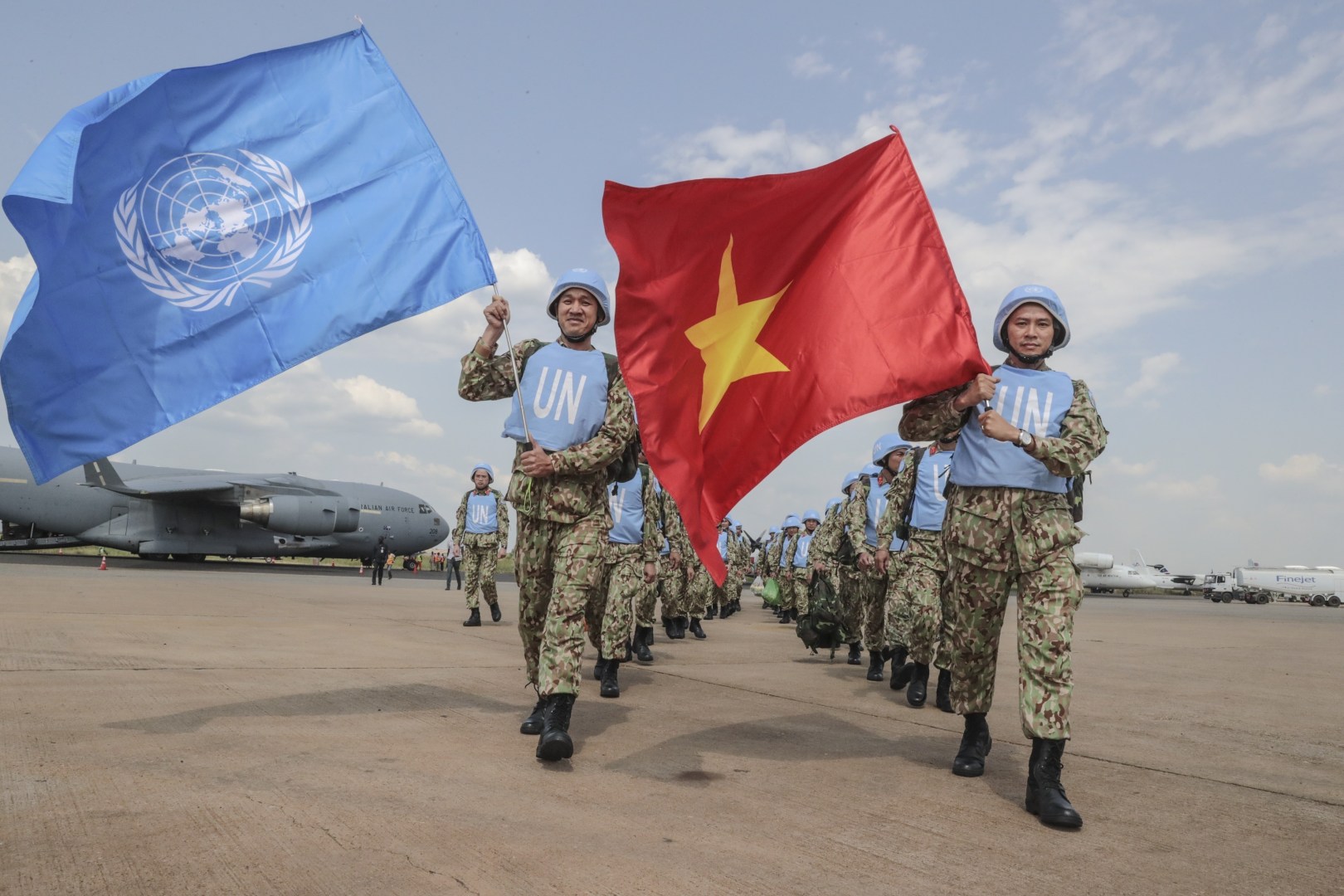
Vietnamese military doctors raise United Nations and Vietnam flags at Juba International Airport, starting the UN peacekeeping mission in South Sudan (Photo: VNA)

Domestically, Vietnam has shown that with strong policy dedicated towards economic development, the country can ensure and support people’s economic, cultural and social rights, he held, expressing his hope that Vietnam will bring that experience to the council.

At the same time, Australian Ambassador to Vietnam Andrew Goledzinowski said that Australia looks forward to Vietnam’s using its vote and influence as a Council member to promote a strong multilateral human rights system and to advance human rights globally. It is a heavy responsibility.

Human rights is an important area of bilateral engagement between Vietnam and Australia, he said, showing his hope to learn more about Vietnam’s priorities and objectives for its term on the Human Rights Council, as well as exchanging views on how both Vietnam and Australia can strengthen their engagement with the international human rights system during their bilateral Human Rights Dialogue early next year.
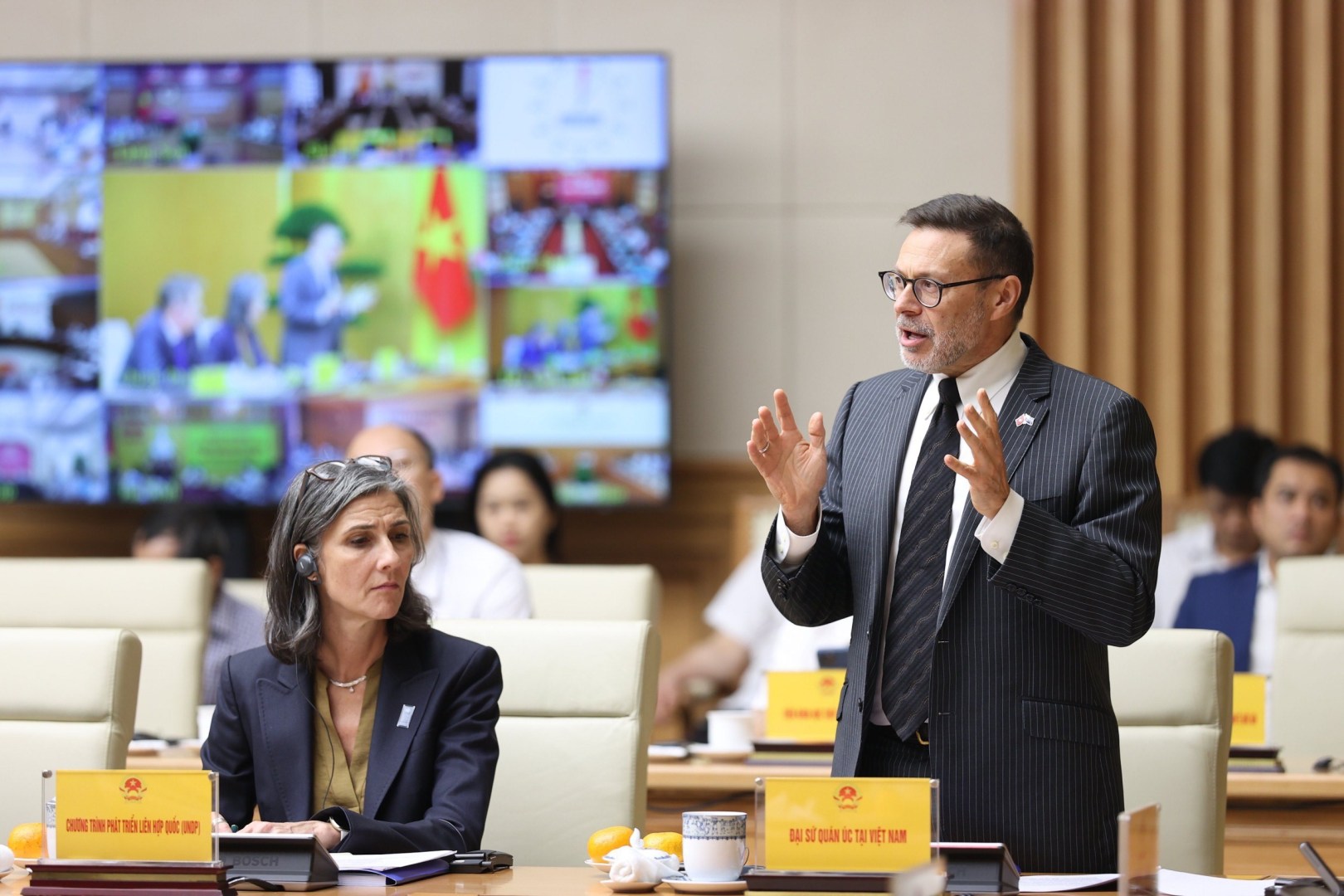
Australian Ambassador to Vietnam Andrew Goledzinowski (R)
(Source: Australian Embassy in Vietnam)

He also highlighted Vietnam’s strong engagement in relevant multilateral human rights bodies and processes, including the Universal Periodic Review and UN Special Rapporteur.

Speaking to the press right after Vietnam’s election to the council, Foreign Minister Bui Thanh Son said that Vietnam today enjoys a new national posture and strength after thirty-five years of Doi Moi with sound policies and position, and experience accumulated since its previous terms as a member of the UNSC and the UNHRC. This lays a very important foundation for Vietnam’s confidence in performing its mandate at the UNHRC for 2023-2025. 

As a reliable partner, and an active and responsible member, Vietnam will continue to work closely with fellow member states and make substantial contributions to the common work of the UNHRC. These include advancing dialogue and international cooperation in the spirit of mutual respect and understanding, and promoting human rights taking into account the particular conditions and legitimate needs and interests of countries, especially developing countries, he said.

“We will join hands with other member states to advance initiatives and solutions for the right to live in peace, right to development, rights of vulnerable groups, gender equality, right to access to healthcare, education and employment, and response to climate change and epidemics, among many others. In its 2023-2025 term, Vietnam will perform its reporting obligation under the 4th Cycle of the Universal Periodic Review (UPR), and other international conventions on promoting civil and political rights, fighting discrimination, and championing the rights of women and persons with disabilities,” the FM stated.

Although many difficulties and challenges are forecast for 2023 and following years, ensuring and promoting human rights will continue to be a focal point of Vietnam during the country’s path towards inclusive development with no one left behind./.

A Xoe dance performance of Thai community in Yen Bai (Photo: VNA)
Hien Do<br>Mai Hien<br>Bich Huong<br>Kim Anh<br>Vu Loc
Hien Do
Mai Hien
Bich Huong
Kim Anh
Vu Loc

推动越中全面战略合作伙伴关系不断迈上新台阶

越共中央总书记阮富仲对中国进行正式访问之旅取得了圆满成功,助力增进了越中团结友谊,进一步深化越中全面战略合作伙伴关系。

具有历史性意义的一次访问

越中两国在彼此外交布局中均占有特殊重要的位置,这在阮富仲总书记此访中得到充分体现。与一般意义上的双边关系不同,越中关系具有鲜明特征,两国都是共产党领导的社会主义国家,两党关系在两国关系中发挥重要的引领作用,是两国关系的集中体现。两党交往史比两国建交史更加久远。越中两党从诞生之初就深度合作,已有近百年的时间,这决定了两党关系对两国关系的战略引领。用胡志明主席的话来说,双方是“同志加兄弟”的关系,这是对越中关系最生动、准确的写照。

越中两国在近代有着相同的历史遭遇,在争取国家独立和民族解放的历程中,不约而同找到了一条相同的道路,形成了共同的理想信念,建立了共产党领导的社会主义国家。

阮富仲总书记此访是一次承前启后、继往开来的重要访问。对越南而言,越共十三大胜利召开,越南正朝着建党建国两个百年目标迈进。对中国来说,中国刚刚纪念建党100周年、全面建成小康社会,实现第一个百年奋斗的目标,迈上了全面建设社会主义现代化国家新征程。中方在中共二十大胜利闭幕后立即接待阮富仲总书记到访,体现了双方关系的特殊重要性。

这次访问的意义不仅在于加强两党最高领导人之间的战略沟通,而且还是越南中央领导和中共新一届领导集体见面交流的一次重要机会。

相关安排“不同寻常”

这次中方对阮富仲总书记的接待规格和相关安排是非常不同寻常的,应该说是接待元首级领导人的最高规格。阮富仲总书记此行不仅是中共二十大后接待的第一位外国最高领导人,也是新冠疫情发生近三年来中方首次接待外国领导人的正式访问,近三年来首次在天安门广场鸣放礼炮、首次举办欢迎仪式、检阅仪仗队等。

中国驻越大使熊波接受媒体采访时表示,除会谈外,习近平总书记还专门同阮富仲总书记茶叙,以一种非常亲切的方式轻松交流,这在接待其他领导人时是很少见的。一系列安排中的最大亮点,是中共中央总书记、国家主席习近平为阮富仲总书记颁授“中华人民共和国友谊勋章”。这个勋章分量很重,只颁发给为促进中国同其他国家友好关系发展及人类进步事业作出重要贡献的德高望重人士。习近平表示,颁发这个勋章体现了中国共产党和中国人民对阮富仲总书记、对越南人民的友好感情,“体现了我们对阮富仲总书记高度重视和敬意”。

这次访问也是阮富仲总书记和习近平总书记时隔五年再次面对面交流。“他们是两党最高领导人,同时也是志同道合的好同志,好朋友”,熊波大使说。

越中关系远远超出双边范畴

对于越中关系机遇,中国驻越大使熊波表示,最显著的优势是政治优势。双方都坚持共产党的领导,坚持人民当家作主,坚持以人民为中心的发展思想,社会保持长期稳定,发展具有很强的可预见性、稳定性和确定性。特别是以越共十三大和中共二十大为契机,两党都制定了今后10年、20年乃至30年的发展目标和规划,双方合作可基于这些规划作出长远设计。其次,越中开展经贸投资合作互补性很强,双方产业链供应链高度嵌套关联。第三,越中是山水相连的邻国,交通便利,互联互通优势显著。

中国驻越大使熊波

熊波大使表示,中国是世界上最大的发展中国家、全球第二大经济体,多年来对世界经济增长贡献率保持在30%以上,也是包括越南在内的东盟各国最大贸易合作伙伴。越南是东盟重要成员,在东盟及地区发挥着日益重要的作用,经济发展充满活力。越中关系的影响已超越双边,对地区乃至世界和平稳定与发展都具有非常重要、积极的作用。中方始终视越南为在国际地区平台中的重要合作伙伴,期待同越方加强在东盟—中国框架下、在澜湄等次区域机制中的合作,加强在东亚乃至亚太区域事务中的合作。

此次两党最高领导人会谈和发表联合声明,均强调越中走好社会主义道路将为人类和平和进步事业作出重要贡献,充分表明越中关系的影响远超双边范畴,具有世界意义。这次访问必将推动新时代中越全面战略合作伙伴关系适应新形势新要求,取得新发展、迈上新台阶。

“成果显著”和“在各方面取得圆满成功”的一次访问

这是越南外交部部长裴青山于11月1日接受媒体记者采访时所发表的评论。裴青山认为,阮富仲总书记此次访华是两国特别重要事件并在各方面取得了圆满成功。

阮富仲总书记是中国共产党中央委员会和中共中央总书记、中国国家主席习近平在中共二十大后所接待的第一位外国最高领导人,充分体现了两党和两国的互相重视;为深化新时代越中全面战略合作伙伴关系做出重要的贡献。

在当前地区和世界形势错综复杂,两国的革新、改革开放和社会主义建设事业均步入发展新阶段等的背景下, 阮富仲总书记此访具有非常重要的意义,助力进一步加强和深化新时代的越中全面战略合作伙伴关系;夯实两国牢固的政治基础,促进两国在各个领域的务实合作;增进越中两国人民的友谊。

此次访问表明,越南党和国家始终高度重视并将发展同中国党、国家和人民的良好关系摆在头等优先地位,其符合两国人民的根本利益,并为地区和世界的和平、合作与发展作出贡献。此外,此访还旨在奉行越南独立自主、多边化、多元化、积极主动融入国际社会;是国际社会的朋友、可靠的伙伴和负责任的成员等的外交政策。

裴青山外长评价说,此次访问“在各方面上取得圆满成功”,双方发表了共13点的联合声明,涵盖对两国关系发展具有至关重要的战略引领作用的内容。

双方一致同意秉持“睦邻友好、全面合作、长期稳定、面向未来”十六字方针和“好邻居、好朋友、好朋友、好同志和好伙伴”四好精神,巩固和发展越中全面战略合作伙伴关系。

双方就许多务实合作内容达成了一致,包括加快推动商签两国政府间推进共建“一带一路”倡议和“两廊一圈”框架对接合作规划,加快为越南农林水产品开放中国市场的进程,在中国各地设立越南商务处等。

对于海上问题,双方认为妥善管控和处理海上分歧,维护东海及地区和平稳定至关重要。双方同意继续推动全面有效落实《东海各方行为宣言》(DOC),早日达成有效、富有实质内容、符合包括1982年《联合国海洋法公约》在内的国际法的“东海行为准则”(COC);管控好海上分歧,不采取使局势复杂化、争议扩大化的行动,维护东海的和平稳定,促进海上合作。

裴青山还表示,今后双方将集中促进互相了解,巩固和加强政治互信,保持高层和各级代表团的互访和接触机制。

两国将在经贸、投资合作等领域创造强有力的实质性变革,提高效率,带来切实的利益,为两国关系奠定坚实的基础,同时维持东海和地区内和平稳定环境。

裴青山强调,“我坚信,凭借充分、全面、有效地落实阮富仲总书记的此次访华所达成的高层共识和重要成果,越中睦邻友好和全面战略合作伙伴关系将继续迈出进一步强劲发展的步伐。”

在各场会谈、会见中,双方相互通报了各自党和国家情况,就越中两党两国关系及当前国际地区局势深入交换意见,达成一系列重要共识。

在此访问,双方发表了《关于进一步加强和深化越中全面战略合作伙伴关系的联合声明》。

中国驻越南大使熊波在越共中央总书记阮富仲对华访问结束后接受媒体记者采访时表示,此次访问取得的最重要成果就是双方已达成政治共识。

熊波认为:“双方都高度肯定对方社会主义事业发展取得的成就。越方高度评价中共二十大胜利召开和过去五年、新时代十年取得的重大理论创新和实践成果,中方祝贺越共十三大胜利召开,双方都支持对方走好社会主义道路,实现两党各自确定的国家中长期发展目标。”

阮富仲和习近平共同见证双方合作文件的签署。图自越通社

此外,熊波大使特别强调, “此访发表的联合声明,签署的13份务实合作文件,含金量都非常高”。

熊波大使认为,双方达成许多共识,尤其是政治共识和在各重要问题的共识就是此次访问的突出和具有重要意义的成果。他同时表示,因此访准备时间不多,双方只能签署13项合作文件,双方仍在推进许多其他文件的签署。

熊波大使在对近年来越中关系做出评价时已提出各大亮点,即疫情中仍保持高层频繁交往,贸易保持增长和加强抗疫和联防联控合作。在贸易合作关系中,中国连续多年成为越南最大伙伴,越南是中国在东盟的最大贸易伙伴。据越南海关总局的数据,2021年,双边贸易额达近1660亿 美元。

今年前9月,越南从中国货物进口额达911.6亿美元,并对中国出口额达412.2亿美元。在该阶段,越南对中国贸易顺差约500亿美元。2021年,越南对中国贸易逆差540亿美元。

熊波大使强调,中方不追求对越贸易逆差,两国之间的贸易不平衡这一问题需时间来解决。

熊波大使补充说,“此次访问意义非凡,必将推动新时代中越全面战略合作伙伴关系适应新形势新要求,取得新发展、迈上新台阶”。(完)

Вьетнам – новый потенциал, новое положение, новые устремления

Здание Landmark 81, где расположены отель Vinpearl Luxury Landmark 81 и обсерватория Landmark 81 SkyView, самая высокая в Юго-Восточной Азии. Фото: ВИА

Вьетнам является другом, надежным партнером всех стран и ответственным членом международного сообщества. Развитие страны создала и создает новый потенциал, новое положение, новые устремления в направлении к быстрому и устойчивому развитию в ближайшие годы.

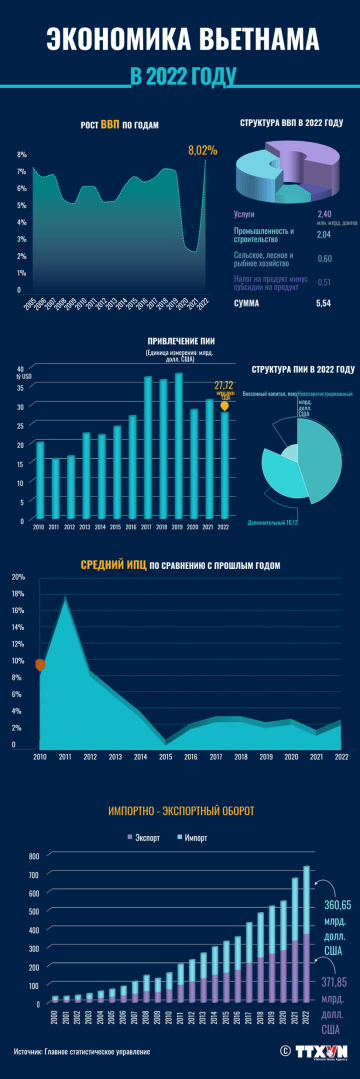
«Вьетнам противоречит тенденции слабого роста в Азии»; «Вьетнам — яркое пятно», «Вьетнам является исключением», – эти слова пресса и международные организации использовали для оценки экономического роста Вьетнама в 2022 году.

Благодаря политике безопасной адаптации для восстановления после пандемии COVID-19 Вьетнам добился экономического роста в 8% (обновление официальных данных), что выше поставленного плана в 6-6,5%, в условиях мирового экономического спада.

Кроме экономического развития Вьетнам уделяет приоритетное внимание повышению уровня жизни населения, обеспечению средств к существованию и созданию основы для реализации экономических, социальных и культурных прав населения.

Доход на душу населения растет с каждым годом, а доля бедных домохозяйств снизилась до менее 3%. Свобода слова, свобода печати и право на доступ к информации обеспечиваются все лучше и лучше.

По индексу гендерного развития, Вьетнам занимает 65-е место из 162 стран. В частности, доля женщин-депутатов Национального собрания Вьетнама является одной из самых высоких в мире.

Вьетнаму удалось справиться с эпидемией COVID-19, благодаря чему он является одной из стран с высоким уровнем охвата вакцинацией и первой, которая открылась после пандемии.

Согласно оценке Программы развития ООН по глобальному человеческому развитию на 2021-2022 гг., даже в самый сложный период пандемии COVID-19 Вьетнам по-прежнему хорошо справлялся с обеспечением прав человека. Страна по индексу человеческого развития поднялась на 2 позиции в мировом рейтинге, заняв 115-е место в 2021 году.

Индонезийская журналистка Веирамалла Анджая подчеркнула: «Вьетнам, как ответственная страна, всегда поддерживал защиту прав человека во всем мире. Вьетнам стремится внести свой вклад в общечеловеческие, позитивные и прогрессивные ценности прав человека посредством своего участия в связанных с правами человека форумах Организации Объединенных Наций и других международных организаций».

  • Профилактика коррупции и борьба с ней

Говоря о выдающихся достижениях 2022 года, нельзя не отметить обнадеживающие результаты в работе по профилактике коррупции и борьбе с ней.

Многие международные газеты освещают работу по профилактике коррупции и борьбе с ней во Вьетнаме.

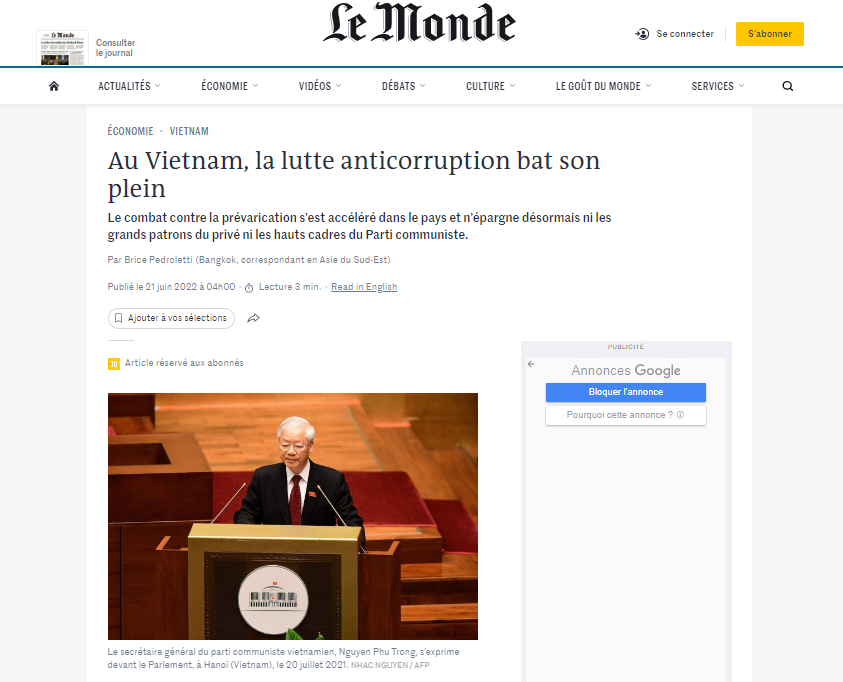
Газета Le Monde опубликовала статью «Во Вьетнаме борьба с коррупцией идет полным ходом», в которой автор отметил, что борьба с коррупцией во Вьетнаме резко ускорилась, и теперь никто не является исключением, начиная от гигантов частного сектора и заканчивая членами партии, которые являются высокопоставленными чиновниками.

В статье под названием «Невозможно быть коррумпированным: Вьетнам обещает усилить кампанию против взяточничества» Bloomberg подчеркнул: «Конференция, посвященная подведению итогов 10-летней работы по профилактике коррупции и борьбе с ней во Вьетнаме, открыла новый этап в борьбе с коррупцией».

«Последние дисциплинарные дела высокопоставленных чиновников показывают решимость партии и правоохранительных органов в борьбе с коррупцией в духе без компромиссов, запретных зон и исключений».

Times of India в статье «Борьба Вьетнама с коррупцией: успехи и вызовы» пишет: «Генеральный секретарь партии Нгуен Фу Чонг ясно осознал, что борьба с коррупцией должна быть непрерывным процессом и является важным фактором для реагирования на вызовы в предстоящий период». В статье делается вывод о том, что Вьетнам показал пример, которому могут последовать и другие страны, поскольку коррупция является глобальной проблемой.

  • Активизация международной интеграции

Достижения социально-экономического развития вместе с активизацией международной интеграции создали материальные и ресурсные условия для того, чтобы Вьетнам все лучше и лучше обеспечивал основные права и свободы населения.

Вьетнам всегда был активным, инициативным и ответственным членом региональных и международных организаций, форумов, выполняя такие важные роли, как председатель АСЕАН, непостоянный член Совета Безопасности ООН; страна принимает участие в миротворческих силах ООН, активно способствуя поддержанию мира, стабильности и процветания в регионе и мире.

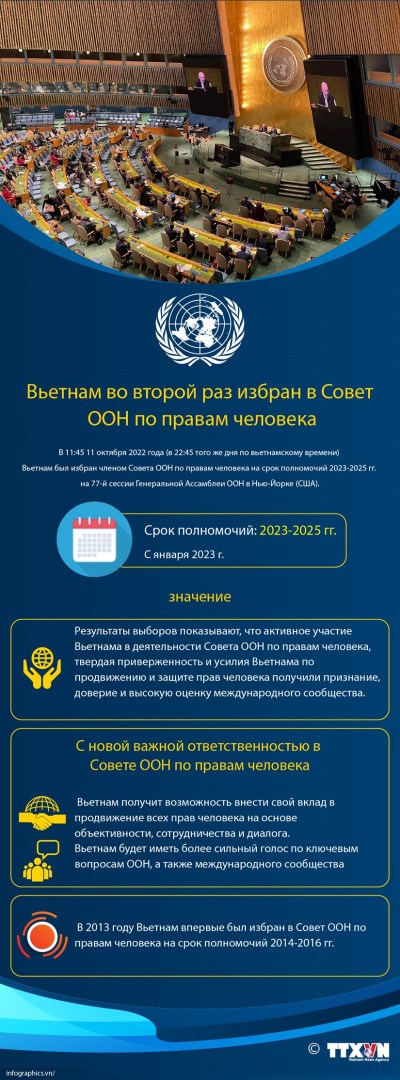
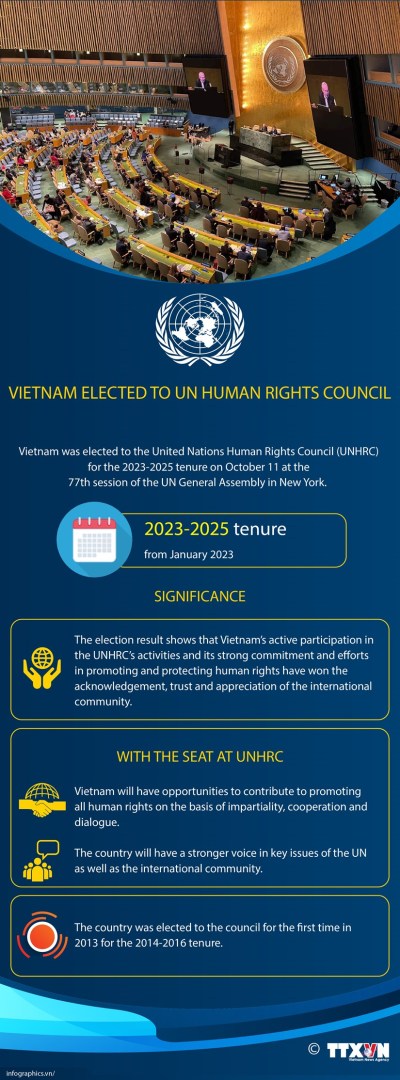
11 октября 2022 г., Вьетнам был избран во второй раз членом Совета ООН по правам человека на срок 2023–2025 гг., что свидетельствует о признании международным сообществом политических усилий и достижений Вьетнама во все лучшем и лучшем обеспечении прав населения во всех областях.

Превращение своих твердых убеждений в потенциал, положение и престиж страны на протяжении более 35 лет политики «Доймой» (обновление), а также храбрость и многолетний опыт, накопленный партией и народом в процессе труда и творчества, отражают устремления Вьетнама к развитию страны с видением до 2045 года, что является не только мечтой, но и желанием, имеющим реальную основу с четко распланированными шагами.

Это устремление к развитию связано с процессом построения и продвижения национальной системы ценностей, системы культурного богатства и силы вьетнамцев в новую эпоху инноваций, творчества, одновременно сохраняя и оберегая традиционные духовные и культурные ценности, продвигая мягкую силу великого национального единства, ведя страну к благополучному и счастливому будущему./.
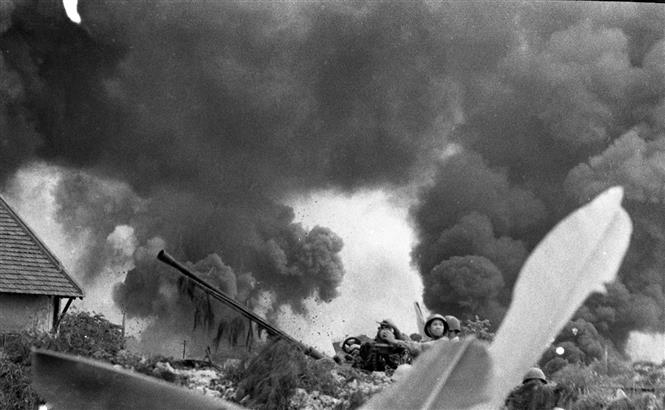
“Vietnam: nuevo potencial, nueva posición, nueva aspiración”

Panorama del edificio Landmark 81 en Ciudad Ho Chi Minh, el más alto del Sudeste Asiático (Fuente: VNA)

A lo largo de miles de años de construcción y defensa de la nación, el pueblo vietnamita ha trabajado con diligencia, creatividad y luchado heroicamente para derrotar a los invasores y defender con firmeza la soberanía, la independencia y la unificación del país. Vietnam hoy “es un amigo, un socio confiable de todos los países y un miembro responsable de la comunidad internacional”. Las oportunidades han ido creando nuevos potenciales, posiciones y aspiraciones, hacia el desarrollo rápido y sostenible del país en los próximos años.

“Vietnam revierte la débil tendencia de crecimiento de Asia”; “Vietnam es un punto brillante”, “es una excepción”. Estas son las palabras que la prensa y los organismos internacionales han utilizado para evaluar el crecimiento económico de Vietnam en 2022.

Gracias a la política de adaptación segura para recuperarse de la pandemia, Vietnam ha logrado un crecimiento económico del 8,02 por ciento, superior al plan establecido de 6-6,5 por ciento en el contexto de la recesión económica mundial.

El ingreso per cápita aumenta cada año, mientras la tasa de pobreza disminuye a menos del tres por ciento. La libertad de expresión, la libertad de prensa y el derecho de acceso a la información están cada vez mejor garantizados.

Vietnam es un país multirreligioso, donde alrededor del 95 por ciento de la población profesa alguna religión o creencia, incluidos más de 26 millones de seguidores de culto. Esta cifra representa el 27 por ciento de los habitantes.

En términos de índice de desarrollo de género, Vietnam ocupa el puesto 65 entre 162 países para incorporarse al grupo de los más altos entre los cinco grupos cimeros en el mundo.

Vietnam ha logrado controlar la pandemia de la COVID-19 y es uno de los países con un alto índice de cobertura vacunal y en abrirse tras la pandemia.

Con gran determinación para superar las dificultades, Vietnam organizó los 31 Juegos Deportivos del Sudeste Asiático con éxito, seguridad y eficacia, dejando una buena impresión en los amigos internacionales.

El periodista indonesio Veeramalla Anjaiah enfatizó: “Como nación responsable, Vietnam siempre ha apoyado la protección de los derechos humanos a nivel mundial. El país se esfuerza por contribuir a los valores comunes, positivos y progresistas de los derechos humanos a través de su participación en los foros relacionados con ese tema de las Naciones Unidas y otras organizaciones internacionales”.

  • Trabajo anticorrupción

Al referirse a los logros socioeconómicos sobresalientes en 2022, se deben mencionar resultados alentadores en el trabajo anticorrupción.

Muchos periódicos internacionales han informado sobre la lucha contra la corrupción en Vietnam.

El periódico Le Monde publicó un artículo titulado “En Vietnam – La lucha contra la corrupción está en pleno apogeo”. El medio subrayó: “La lucha contra la corrupción en Vietnam se ha acelerado y ahora no excluye a nadie, desde los gigantes en el sector privado a los miembros del Partido que son funcionarios de alto rango”.

En el artículo titulado “No se puede ser corrupto: Vietnam promete intensificar la campaña anticorrupción”, el sitio web de noticias Bloomberg enfatizó: La conferencia de balance de los 10 años de trabajo anticorrupción en Vietnam han abierto una nueva fase en el combate a ese mal, con la participación de los Comités Directivos locales para la lucha anticorrupción.

“Las sanciones disciplinarias aplicadas recientemente a funcionarios de alto rango muestran la determinación del Partido y de los organismos encargados de hacer cumplir la ley en la lucha contra la corrupción, con un espíritu de tolerancia cero, sin exclusión, sin excepción”.

El sitio web de noticias Times of India, en el artículo: “La lucha contra la corrupción en Vietnam: avances y desafíos”, señaló que: El secretario general Nguyen Phu Trong se ha dado cuenta claramente de que la lucha contra la corrupción debe ser un proceso continuo y constituye un factor importante para responder a los desafíos del próximo período. Según el artículo, Vietnam ha brindado una valiosa lección que otros países pueden seguir, pues la corrupción es un problema global.

En 2022, se detectaron y manejaron muchos casos negativos de corrupción que implicaron conexiones y colusión desde el nivel central hasta el local, y entre funcionarios y empresas.

El trabajo anticorrupción también se ha extendido al sector no estatal, como lo demuestran casos graves como Viet A, FLC, Tan Hoang Minh y An Dong, entre otros.

  • Fortalecimiento de la integración internacional

Los logros del desarrollo socioeconómico, junto con el fortalecimiento de la integración internacional, han creado las condiciones materiales y de recursos para que Vietnam garantice cada vez mejor los derechos y libertades fundamentales de las personas. En la orientación de desarrollo del país para el período 2021 – 2030, el Partido Comunista de Vietnam afirmó: “Continuar con la implementación de la política exterior de independencia, autodeterminación, multilateralismo y diversificación; promover una integración internacional profunda y efectiva; mantener un ambiente pacífico y estable y mejorar la posición y el prestigio de Vietnam en la arena internacional”.

Hasta ahora, Vietnam ha establecido relaciones diplomáticas con 189 de 193 países en todos los continentes, y nexos económicos y comerciales con más de 230 países y territorios.

A lo largo de los años, Vietnam siempre ha sido un miembro activo, proactivo y responsable de organizaciones y foros regionales e internacionales al desempeñar cargos importantes como presidente de la ASEAN, miembro no permanente del Consejo de Seguridad de la ONU, así como participar en las fuerzas de mantenimiento de la paz de esa organización, contribuyendo activamente a la garantía de la paz, la estabilidad y la prosperidad en la región y el mundo.

Más recientemente, el 11 de octubre de 2022, Vietnam fue elegido por segunda vez, miembro del Consejo de Derechos Humanos de las Naciones Unidas para el período 2023-2025, lo que demuestra el reconocimiento de la comunidad internacional a las políticas, esfuerzos y logros de Vietnam en garantizar cada vez mejor los derechos de los pobladores en todos los campos.

Con una firme convicción en el potencial, la posición y el prestigio del país tras más de 35 años de renovación, así como en la valentía y la larga experiencia que nuestro Partido y pueblo han acumulado en la práctica del trabajo y la creatividad, la aspiración a desarrollar el país con visión al 2045 no es solo un sueño, sino un anhelo de darle vida a la realidad, con pasos específicos.

Esa aspiración de desarrollo está asociada con el proceso de construcción y promoción del sistema de valores nacional, el sistema de valores culturales y la fuerza humana vietnamita en la nueva era de innovación, creatividad y conservación, preservando los valores espirituales y culturales tradicionales y promoviendo el poder blando de gran unidad nacional para llevar al país a un desarrollo próspero y feliz./.

Vietnam, nouveau potentiel, nouvelle position, nouvelles aspirations

Landmark 81, d’une hauteur prévue de 461m, composé de 81 étages, est le plus haut gratte-ciel du Vietnam. Photo: VNA
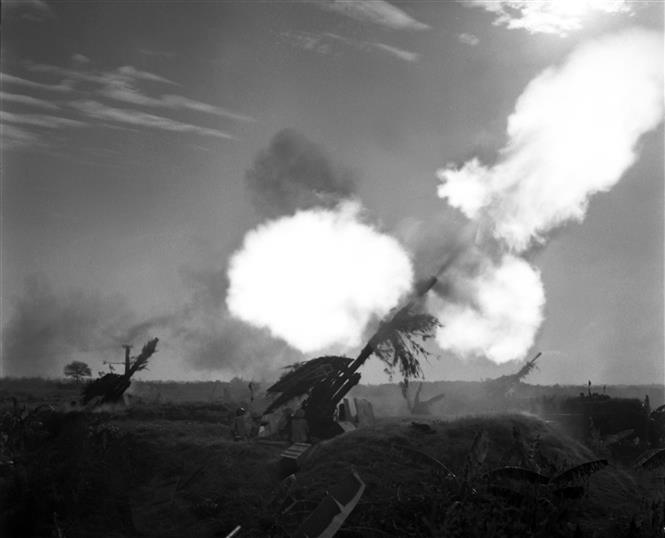
Au cours de milliers d’années d’édification et de défense de la nation, le peuple vietnamien a travaillé laborieusement  et d’une façon créative, et a combattu héroïquement pour vaincre tous les envahisseurs, défendre fermement la souveraineté, l’indépendance et l’unification du pays.  

Le Vietnam “est ami, partenaire fiable de tous les pays et membre responsable de la communauté internationale”. Les fortunes du pays ont d’ores et déjà créé de nouveaux potentiels, de nouvelle position, de nouvelles aspirations, vers le développement rapide et durable du pays dans les années à venir.

“Le Vietnam inverse la tendance à la faible croissance de l’Asie”.

“Le Vietnam est une destination phare et  une exception”.

Ce sont les  mots que la presse et les organisations internationales ont utilisés pour évaluer la croissance économique du Vietnam en 2022.

Grâce à la politique d’adaptation en toute sécurité pour la relance post-pandémique, le Vietnam a réalisé une croissance économique de 8,02%, supérieure au plan fixé de 6 à 6,5%, et ce malgré le contexte de ralentissement économique mondial.

Parallèlement au développement économique, le Vietnam accorde la priorité à l’amélioration du niveau de vie de sa population, à la garantie des moyens de subsistance et à la création d’une base permettant à ses citoyens de bénéficier de droits socio-économiques et culturels.

Le revenu par tête augmente chaque année, le taux de pauvreté est de moins de 3 %. La liberté d’expression, la liberté de la presse et le droit d’accès à l’information sont de mieux en mieux garantis.

Le Vietnam est un pays multiconfessionnel et multireligieux avec environ 95% de sa population ayant une croyance et une vie religieuse, dont plus de 26 millions d’adeptes de religions, représentant 27% de la population du pays.

En termes d’indice de développement du genre, le Vietnam se classe 65e sur 162 pays dans le monde. En particulier, le taux de femmes députées est parmi le plus élevé au monde.

Le Vietnam a réussi à contrôler l’épidémie de Covid-19, fait partie des pays à fort taux de couverture vaccinale et est le premier à s’être ouvert après la pandémie.

Avec une grande détermination et en surmontant les difficultés, le Vietnam a organisé avec succès, en toute sécurité et efficacité les 31èmes Jeux SEA des Jeux d’Asie du Sud-Est, laissant une bonne impression auprès des amis internationaux.

C’est la preuve de la justesse de la décision du gouvernement vietnamien de rouvrir les activités touristiques, de s’adapter de manière flexible et sûre à l’épidémie pour relancer l’économie.

Selon l’évaluation du Programme des Nations Unies pour le développement sur le développement humain mondial 2021-2022, même dans la période la plus difficile de la pandémie de Covid-19, le Vietnam a réussi à garantir les droits de l’homme. L’indice de développement humain a gagné deux places dans le classement mondial, pour  occuper le 115e rang en 2021.

Le journaliste indonésien Veeramalla Anjaiah a affirmé: “Étant un pays responsable, le Vietnam soutient toujours la protection des droits de l’homme dans le monde. Le Vietnam s’efforce de contribuer aux valeurs communes, positives et progressistes de l’humanité en matière de droits de l’homme grâce à sa participation aux forums des Nations Unies et d’autres organisations internationales sur les droits de l’homme.

  • Prévention et lutte contre la corruption

S’agissant des acquis socio-économiques notables en 2022, il ne faut pas oublier ses résultats encourageants dans la prévention et la lutte contre la corruption.

Un certain nombre de journaux internationaux ont rendu compte de la lutte contre la corruption au Vietnam.

Le journal français Le Monde a publié l’article intitulé “Au Vietnam – La lutte anticorruption bat son plein”, soulignant que le combat contre la corruption s’est accéléré dans le pays et n’épargne désormais ni les grands patrons du privé ni les hauts cadres du Parti communiste.

Dans un article intitulé “Ne peut pas être corrompu : le Vietnam promet d’intensifier la campagne anti-corruption” (‘Can’t Be Corrupt’: Vietnam Vows to Step Up Anti-Graft Campaign), le site d’information Bloomberg a affirmé que la conférence nationale passant en revue les 10 ans de travail de prévention et de lutte contre la corruption a ouvert une nouvelle phase dans la lutte contre ce fléau avec l’implication des comités locaux de pilotage de la prévention et de la lutte contre la corruption. “Les dernières sanctions disciplinaires à l’encontre de hauts dirigeants prouve la grande détermination du Parti et des organes judiciaires dans la lutte contre la corruption avec comme mots d’ordre pas de tolérance, pas de zones interdites, pas d’exceptions”, a écrit l’article.

“Campagne anti-corruption du Vietnam : progrès et défis” (Vietnam’s anti-corruption campaign: Progress and challenges), a écrit le site d’information The Times of India.

Le secrétaire général du Parti communiste du Vietnam, Nguyen Phu Trong, a affirmé que la lutte contre la corruption devait être un processus continu, un élément essentiel pour faire face aux défis dans la période à venir. L’exemple vietnamien fournit une leçon précieuse qui pourrait être suivie par d’autres nations car la corruption est endémique à l’échelle mondiale, a conclu l’article.

  • Renforcement de l’intégration internationale

Les acquis obtenus par le Vietnam dans le développement socio-économique ainsi que le renforcement de l’intégration internationale ont créé les conditions matérielles et des ressources pour que le pays garantisse de mieux en mieux les droits et libertés fondamentaux de son peuple.

Au fil des ans, le Vietnam a toujours été un membre actif, proactif et responsable des organisations et forums régionaux et internationaux en jouant des rôles importants tels que président de l’ASEAN, membre non permanent du Conseil de sécurité de l’ONU et participation à la force de maintien de la paix des Nations Unies, contribuant activement au maintien de la paix, de la stabilité et de la prospérité dans la région et dans le monde.

Plus récemment, le 11 octobre 2022, le Vietnam a été élu pour la deuxième fois membre du Conseil des droits de l’homme des Nations Unies pour le mandat 2023-2025, démontrant la reconnaissance de la communauté internationale envers ses politiques, efforts et réalisations pour garantir de mieux en mieux les droits des personnes dans tous les domaines.

Avec la ferme confiance dans le potentiel, la position et le prestige du pays après plus de 35 ans de Renouveau, l’aspiration à développer le pays avec une vision jusqu’en 2045 n’est pas seulement un rêve mais une aspiration à concrétiser, avec des étapes claires et précises.

Cette aspiration au développement est associée au processus de construction et de promotion du système de valeurs national, du système de valeurs culturelles et de la force humaine dans la nouvelle ère d’innovation, de créativité et de conservation, en préservant les valeurs spirituelles et culturelles traditionnelles, en promouvant la force de grande union nationale, amenant le pays à un développement prospère et heureux./.

Vietnam – New potential, global position and aspirations

A corner of Ho Chi Minh City (Photo: VNA)

Vietnam is a friend, a reliable partner of all countries and a responsible member of the international community. Its stature has generated new potential toward rapid and sustainable development in the coming years.

“Vietnam bucks Asia’s weakening growth trend”, “Vietnam is a bright spot”, “Vietnam is an exception”, foreign media and international organisations commented on Vietnam’s economic growth this year.

Thanks to the policy of safe adaptation to recover from COVID-19, Vietnam has achieved an economic growth of 8.02%, higher than the set target of 6-6.5 %, amid global economic downturn.

Along with economic development, Vietnam prioritises improving people’s lives, ensuring livelihoods, and creating a foundation for citizens to enjoy socio-economic and cultural rights.

Per capita income increases every year while the rate of poor households has been reduced to below 3%. The freedom of speech, freedom of the press and the right to access to information are better guaranteed.

About the gender development index, Vietnam ranked 65th out of 162 countries globally, among the top of five groups in the world. In particular, the percentage of Vietnamese National Assembly female deputies is among the highest globally.

With success in COVID-19 curbs, Vietnam is among countries with high vaccination rate and was the first to re-open following the pandemic.

According to the United Nations Development Programme’s Human Development Report 2021-2022, Vietnam performed well in ensuring human rights even in the most difficult period of COVID-19, leaping two places to the 115th in the global human development index 2021.

As a responsible nation, Vietnam supports the protection of human rights and dignity worldwide and always participates in such efforts at the UN and other international organisations, said Indonesian journalist VeeramallaAnjaiah.

  • Anti-corruption

The Le Monde newspaper ran an article entitled “Au Vietnam – La lute anticorruption bat son plein” (In Vietnam – The fight against corruption in full swing”, saying that Vietnam’s fight against corruption has gathered pace without any exception, from business executives in the private sector to high-ranking officials as Party members. 

In the article “Can’t be corrupt: Vietnam vows to step up anti-graft campaign”, Bloomberg stressed that the nationwide teleconference reviewing the 10-year anti-corruption campaign kicks off a new phase in the Party’s anti-graft push with the participation of local anti-corruption steering committees.

“This proves the great determination of the Party and judicial authorities in the fight against graft with a mindset of no tolerance, no forbidden zones, no exceptions,” the report said.

Meanwhile, in the article “Vietnam’s anti-corruption campaign: Progress and Challenge”, The Times of India said Party General Secretary Nguyen Phu Trongrealises that the anti-corruption drive has to be a continuing process. It is an essential element for anticipating the challenges in the coming period. It concluded the Vietnamese example provides a valuable lesson that can be followed by other nations as corruption is endemic globally.

  • Global integration

Socio-economic achievements together with global integration have created conditions for Vietnam to better ensure basic rights and freedom of citizens.

Vietnam has always been an active, proactive and responsible member of regional and global organisations and forums through holding important roles such as ASEAN Chair, a non-permanent member of the UN Security Council, joined the UN peacekeeping operations, making active contributions to maintaining peace, stability and prosperity in the region and the world. 

Most recently on October 11, 2022, Vietnam was elected for the second time as a member of the UN Human Rights Council for the 2023-2025 tenure, demonstrating the international community’s recognition of Vietnam’s policies, efforts and achievements in better ensuring citizens’ rights in all spheres. 

From a solid belief in the potential of the country after more than 35 years of renewal, strong will and rich long-term experience that the Party and people have accumulated in labour and creativity, the national development with a vision to 2045 is not only a dream but also an aspiration, with clearly anticipated steps.

This development is associated with the process of building and promoting the national and cultural value systems together with Vietnamese human strength in the new era of innovation, preserving traditional spiritual and cultural values, the soft power of great national unity, thus bringing the country to prosperity and happiness./.

释放新潜力 开辟新空间 打造新高地

Landmark 81正式成为越南第一高楼。

越南是世界各国的可靠朋友、可靠伙伴和国际社会有责任、有担当的一员。 在新的征程上,越南不断释放新潜力,开辟新空间,打造新高度,努力实现快速可持续发展目标。

“越南扭转了亚洲疲软的增长趋势”、越南是“一个亮点”、“一个例外”等等,这是国际媒体和组织用来称赞越南2022年经济增长的词语。

得益于“安全、灵活适应疫情”政策,越南在世界经济低迷的背景下实现了8%的经济增长速度,高于6%至6.5% 的既定目标;人均收入逐年增加,贫困率下降到3%以下;言论自由、新闻自由日益得到良好的保障。

在性别发展指数方面,越南在162个国家中排名第65位,越南女性国会代表比例位居世界前列。

越南成功控制新冠肺炎疫情,是疫苗覆盖率高且重新开放最早的国家之一。据联合国开发计划署2021-2022年人类发展报告,在新冠肺炎疫情最艰难时期,越南在保障人权方面仍表现良好。越南人类发展指数在全球排名中上升了2位,位居第115位(2021年)。

印度尼西亚记者维拉马拉·安贾亚(Veeramalla Anjaiah)表示:“作为一个负责任的国家,越南一直支持保障人权,通过参与联合国和其他国际组织的人权相关论坛,努力为人类进步做出贡献。”

深入推进反腐败斗争

谈及2022年取得的突出成果,不得不提及反腐败斗争取得令人鼓舞的成就。

法国《世界报》(Le Monde)发表文章说:“越南正在深入推进反腐败斗争,从私营部门的巨头到高级党员领导,无一例外”。

彭博社新闻网站在题为《不能腐败:越南坚决打响反腐斗争》的文章中强调,“近期发生的高官纪律处分案件,彰显了越南党和执法机关以零容忍、无禁区和无例外精神整治腐败的坚定决心。”

《印度时报》新闻网在题为《越南反腐败斗争:进步与挑战》的文章中写道,越共中央总书记阮富仲已明确指出,反腐败斗争是一个不间断的过程且是一个应对新时期新挑战的重要因素。文章总结道,在腐败是一个全球性问题的背景下,越南为其他国家提供了宝贵的经验教训。

加快推进国际一体化进程

社会经济发展成就以及国际化进程为越南越来越好地保障人民的基本权利和自由创造了条件。

越南一直是区域和国际组织有责任、担当和积极奉献的一员。越南担任着东盟轮值主席国、安理会非常任理事国等重要角色。越南还积极参与联合国维和行动,为维护地区和世界和平、稳定与繁荣做出积极贡献。

2022年10月,越南第二次当选联合国人权理事会成员(2023 – 2025年),这是国际社会对越南在各个领域不断努力保障人权方面的充分认可。

在实施革新35年多来取得的成就以及对越南党的领导的的坚定信念的基础上,越南2045年发展愿景不只是一个梦想,而且是一个现实的、有明确蓝图的渴望。这一发展渴望与在新时代建设和弘扬国家价值体系、文化价值体系和越南人的力量的过程息息相关,同时维护传统精神和文化价值,发挥全民族大团结的软实力,致力于建设繁荣幸福的越南。(完)

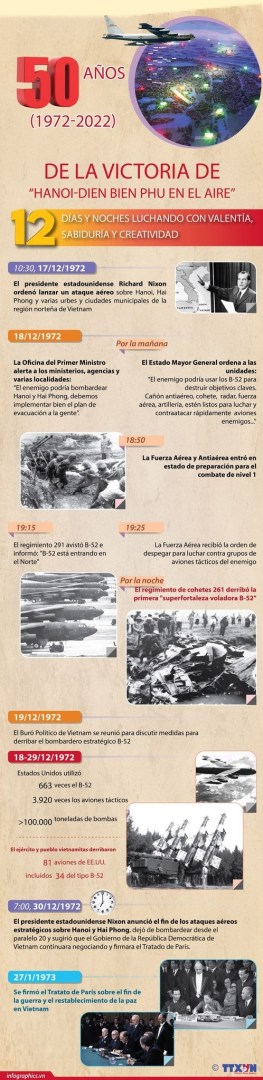
50 лет назад, в конце декабря 1972 года, в небе над Ханоем, Хайфоном и рядом других городов вьетнамская армия и народ отбили американские массированные бомбардировки, совершив победу «Ханой-Дьенбьенфу в воздухе», победив «идола» Б-52 ВВС США.

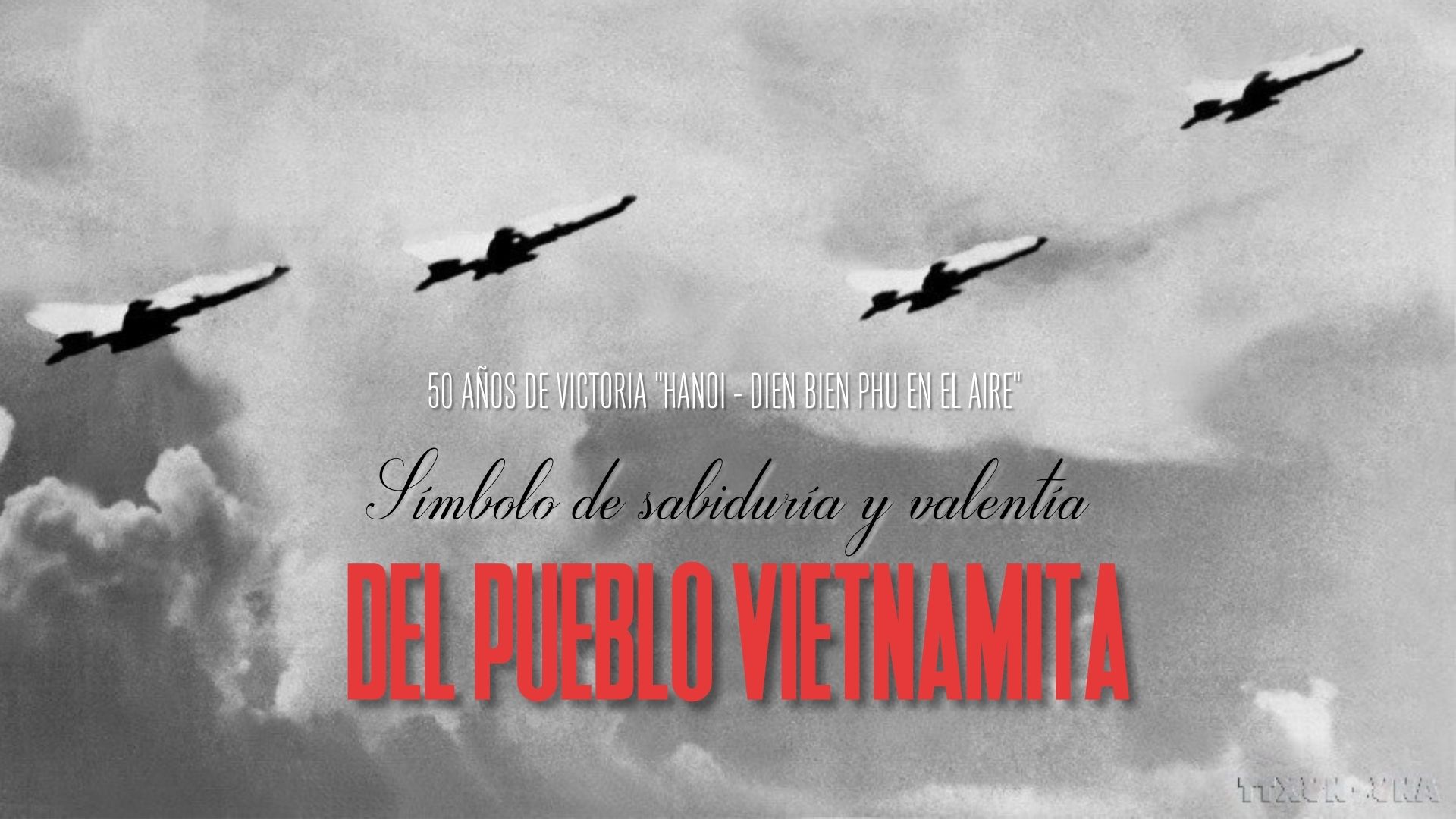
Победа «Ханой-Дьенбьенфу в воздухе» – великий эпос вьетнамского народа в ХХ веке, одна из славных побед в истории борьбы против иноземных захватчиков Вьетнама. Победа в битве «Ханой-Дьенбьенфу в воздухе» навсегда остается символом храбрости и мудрости вьетнамского народа в эпоху Хо Ши Мина.

Зенитчики и военно-воздушные силы защищают небо Ханоя. (Фото: ВИА)

В начале 1972 года война сопротивления вьетнамского народа против США за национальное освобождение вступила в острую фазу. На всех трех фронтах, включая военный, политический и дипломатический, страна одержала большие победы. Стратегия «вьетнамизации войны» США грозила полным крахом. Чтобы спасти эту стратегию, американские империалисты сговорились провести стратегический воздушный налет с помощью бомбардировщиков B-52, чтобы заставить Вьетнам подписать Парижское соглашение в их версии, уничтожить и разрушить экономический и оборонный потенциал Севера страны, ограничить поддержку революции на Юге, поколебать решимость вьетнамского народа против США, низвергнуть борьбу движения народов во всем мире.

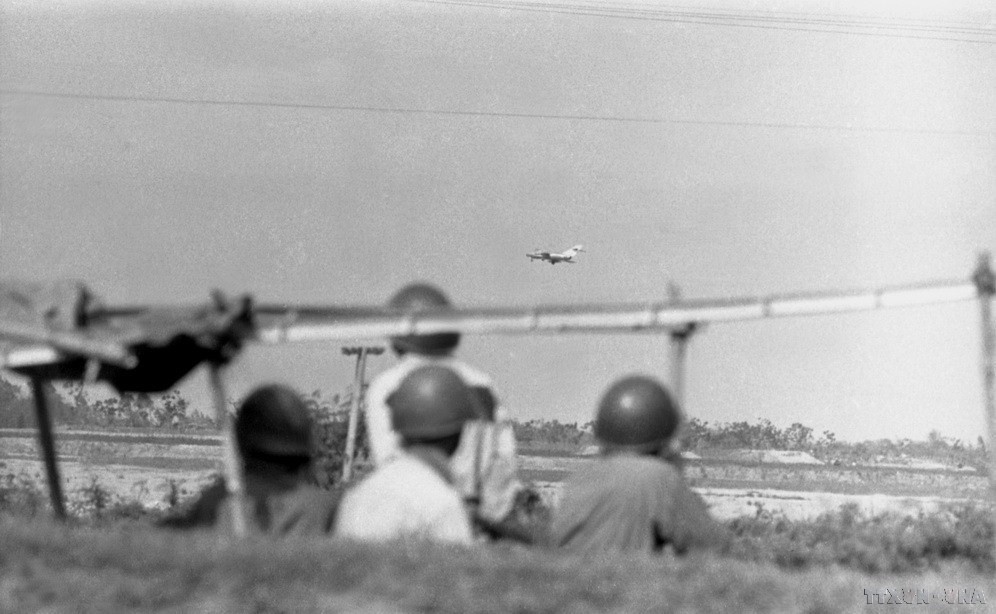
Боевая группа ополченцев в общине М уезда Тылием (Ханой) держит постоянную повышенную боевую готовность, участвовав в сбитии множества американских самолетов. (Фото: ВИА)

14 декабря 1972 года президент США Никсон официально утвердил план стратегического рейда B-52 на Ханой и Хайфон под кодовым названием «Полузащитник II» (Linebacker II – что означает «Отбить мяч перед воротами»). Для выполнения этого амбициозного плана США мобилизовала самые большие силы со времен Второй мировой войны: использовали 193 из 400 стратегических бомбардировщиков B-52, которые были у США в то время; 1.077 из всего 3.043 самолетов тактической авиации; 6 из 24 авианосцев; более 50 самолетов-заправщиков и 60 боевых кораблей всех видов из состава 7-го Тихоокеанского флота.

ЦК Партии и президент Хо Ши Мин оценивали обстановку, заранее и точно прогнозировали эскалацию войны и тактику по затягиванию войны США. Еще в 1965 году, когда США ввели B-52 во Вьетнам, президент Хо Ши Мин поручил ПВО-ВВС изучить B-52 и найти способы сбивать их. Хо Ши Мин сказал: «Рано или поздно США пошлют В-52 атаковать Ханой, и во Вьетнаме США однозначно проиграют, но только проиграв в небе Ханоя».

Как и сказал Хо Ши Мин, с 18 по 29 декабря 1972 г. США начали операцию «Полузащитник II», совершив 4.583 вылета самолетов, 663 налета B-52, сбросив десятки тысяч тонн бомб на Северный Вьетнам. Только на Ханой ВВС США сбросили более 10.000 тонн бомб.

Ханой, Хайфон и другие города стали особыми «полями сражений» в эти дни. Ведомые духом героизма, стойкости, изобретательности и творчества радарные войска «рассекали помехи в поисках врагов», а силы ПВО превратились в «Огненного дракона», «Серебряную ласточку» в разгроме стратегического американского налета, совершив настоящее чудо XX века, которое прозвали «Ханой-Дьенбьенфу в воздухе» по аналогии с сокрушительной победой в битве под Дьенбьенфу над французским колониализмом.

За 12 дней и ночей боев с ВВС США, вьетнамские ЗРК, народные ополченцы сбили 81 самолет, в том числе 34 В-52, взяли в плен и уничтожили сотни американских летчиков.

За 12 дней и ночей боев с ВВС США, вьетнамские ЗРК, народные ополченцы сбили 81 самолет, в том числе 34 В-52, взяли в плен и уничтожили сотни американских летчиков. Поражение ВВС США в этом налете вынудило власти США пойти на деэскалацию, прекратить бомбардировки северной 20-й параллели, предложив вернуться за парижский стол переговоров и подготовиться к подписанию Соглашение о прекращении войны и выставлении мира во Вьетнаме.

Громкая победа Вьетнама и большие потери американских империалистов в 12-суточном воздушном сражении были восприняты миром как битва «Дьенбьенфу в воздухе», которая стала блестящей вехой, символом революционного героизма вьетнамской армии и народа в разгроме крупнейшего стратегического воздушного налета США, вынудившего их подписать Парижское соглашение 27 января 1973 года о прекращении войны во Вьетнаме.

Победа «Ханой-Дьенбьенфу в воздухе» — один из славных подвигов, великий эпос ХХ века, навсегда вошла в историю национального строительства и защиты Родины, став символом воли, мудрости и храбрости Вьетнама в эпоху Хо Ши Мина.

В этом году Вьетнам празднует 50-летие Победы «Ханой-Дьенбьенфу в воздухе» 1972 года, отмечая и ее бессмертный дух в истории и восхищение народов в мире./.

Солдаты 3-й роты X зенитно-артиллерийского батальона, оборонявшие столицу, сбили много американских бомбардировщков. (Фото: архив ВИА)

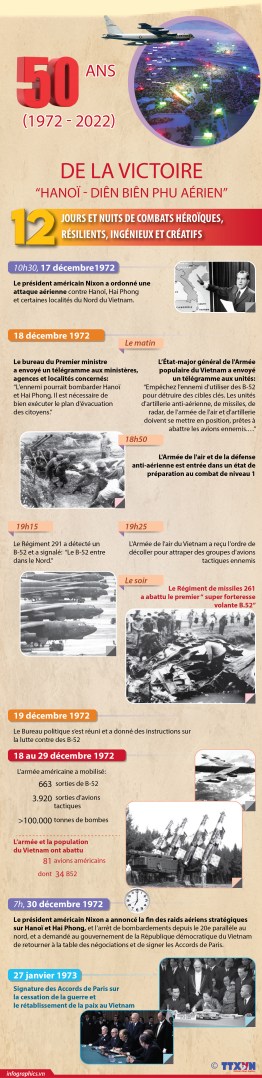
Hace 50 años, a fines de diciembre de 1972, en Hanoi, Hai Phong y otras ciudades, el ejército y pueblo vietnamitas derribaron los aviones B-52 de la fuerza aérea de Estados Unidos, creando así la victoria “Hanoi – Dien Bien Phu en el aire”.

El triunfo se consideró una gran epopeya de la nación en el siglo XX, una de las gloriosas victorias en la historia nacional contra los invasores extranjeros, y un símbolo de la valentía y sabiduría del pueblo vietnamita en la era de Ho Chi Minh.

Soldados de defensa aérea y antiaérea protegen el cielo de Hanoi. Foto: VNA

A principios de 1972, la resistencia del pueblo vietnamita contra el imperialismo estadounidense entró en una fase drástica. Vietnam obtuvo grandes victorias en los distintos frentes: militar, político y diplomático. La estrategia yanqui de “vietnamización” de la guerra entró en peligro de derrumbarse por completo.
Para salvar esta política, los imperialistas yanquis conspiraron para realizar un ataque aéreo estratégico con B-52 a fin de presionar a la parte vietnamita a aceptar la firma del Acuerdo de París bajo los términos revisados de los mismos. Al mismo tiempo, destruyeron los potenciales económicos y de defensa del Norte, limitaron el apoyo a la revolución del Sur y sacudieron la determinación del pueblo vietnamita de luchar contra el imperialismo estadounidense, amenazando así el movimiento de lucha de los pueblos del mundo.

El equipo de combate de la milicia del distrito de Tu Liem (Hanoi) estaba en alerta máxima, contribuyendo al derribo de muchos aviones estadounidenses. Foto: VNA

El 14 de diciembre de 1972, el entonces presidente estadounidense, Richard Nixon, aprobó oficialmente el plan de incursión estratégica con B-52 en Hanoi y Hai Phong, conocido como “Operación Linebacker II”.

Dado este plan, el imperio estadounidense movilizó la fuerza más grande desde la Segunda Guerra Mundial, con el uso de 193 de los 400 bombarderos estratégicos B-52 que tenía en ese momento, mil 77 aviones tácticos de un total de más tres mil unidades, seis de los 24 portaaviones, más de 50 aviones de reabastecimiento y varios otros de apoyo, junto con 60 buques de guerra de todo tipo de la Séptima Flota de Estados Unidos.

Con perspicacia, el Comité Central del Partido Comunista y el Presidente Ho Chi Minh evaluaron la situación, pronosticaron de manera temprana y precisa los complots del imperialismo estadounidense acerca de la escalada de ataque en el Norte y la prolongada de la guerra.

Ya en 1965, cuando Estados Unidos dirigió sus B-52 al campo de batalla de Vietnam, cometiendo crímenes repetidamente contra el pueblo vietnamita, el Presidente Ho Chi Minh asignó el estudio de contramedidas a la Fuerza de Defensa Aérea-Antiaérea. Dijo que, “tarde o temprano, los imperialistas estadounidenses llevarían a cabo el ataque con B-52 en Hanoi y solo aceptarían perder la guerra siempre que el ataque fracasara”.

Como predijo el Presidente Ho Chi Minh, del 18 al 29 de diciembre de 1972, los imperialistas yanquis realizaron la campaña “Linebacker II”, lanzando miles de toneladas de bombas sobre Vietnam del Norte en un total de cuatro mil 583 salidas de vuelos, de los cuales 663 fueron de B-52. Particularmente, se arrojaron más de 10 mil toneladas de bombas en Hanoi.

Hanoi, Hai Phong y otras ciudades se convirtieron en campos de batalla especiales. Con el espíritu de lucha heroica, resiliente y creativo, las tropas vietnamitas lograron derrotar la emboscada estratégica del enemigo, contribuyendo al milagro “Hanoi-Dien Bien Phu en el aire”.

Después de 12 noches y días de lucha, el ejército y el pueblo del Norte derrumbaron 81 vuelos, incluidos 34 B-52, mataron y capturaron a más de cien pilotos estadounidenses.

Después de 12 noches y días de lucha, el ejército y el pueblo del Norte derrumbaron 81 vuelos, incluidos 34 B-52, mataron y capturaron a más de cien pilotos estadounidenses. El fracaso de la Fuerza Aérea de Estados Unidos obligó a las autoridades del país norteamericano a terminar incondicionalmente la campaña Linebacker II y sentarse a la mesa de negociaciones para firmar el Acuerdo de París, poniendo fin a la guerra y restaurando la paz en Vietnam.

“Dien Bien Phu en el aire” fue testigo de la contundente victoria de Vietnam y la gran pérdida de los imperialistas estadounidenses en la batalla aérea de 12 días y noches.

Aunque la victoria “Hanoi-Dien Bien Phu en el aire” cumplió 50 años, todavía tiene sus valores en la historia de salvaguardia de la nación así como la admiración del pueblo progresista en el mundo./.

Soldados de la artillería antiaérea de Hanoi contribuyen a la destrucción de muchos aviones estadounidenses. Foto: Archivo de VNA

Il y a 50 ans, fin décembre 1972, dans le ciel de Hanoi, Hai Phong et d’autres villes, l’armée et le peuple vietnamiens ont obtenu une victoire historique face aux forteresses volantes B-52 de l’armée de l’air américaine.

La victoire « Hanoï-Dien Bien Phu aérien » constitue une grande épopée de la nation vietnamienne au XXe siècle, l’une des glorieuses victoires contre les envahisseurs étrangers du peuple vietnamien. La victoire sera pour toujours un symbole du courage et de l’intelligence du peuple vietnamien à l’époque de Ho Chi Minh.

Des soldats de défense aérienne et de l’armée de l’air protègent le ciel de Hanoï. Photo d’archives de la VNA

Au début de 1972, la guerre de résistance contre les impérialistes américains pour le salut national du peuple vietnamien était entrée dans une période acharnée. Sur les trois fronts : militaire, politique et diplomatique, le Vietnam avait remporté de grandes victoires. La stratégie des impérialistes américaines de « vietnamiser la guerre » risquait de s’effondrer complètement.

Afin de sauver la stratégie, les impérialistes américains ont décidé de mener un raid aérien stratégique avec des avions B-52 pour faire pression sur le Vietnam afin  qu’il accepte la signature de l’Accord de paix de Paris selon leurs termes révisés, pour détruire les potentiels économiques et militaires du Nord, pour limiter son soutien à la révolution du Sud et ébranler la détermination du peuple vietnamien à lutter contre les impérialistes américains et aussi pour menacer le mouvement de lutte des peuples du monde.

Les troupes combattantes du district de Tu Liem se préparent à défendre le ciel de Hanoï. Photo d’archives de la VNA

Le 14 décembre 1972, le président américain Nixon a officiellement approuvé le plan de raid stratégique B-52 intitulé “Linebacker II” contre Hanoï et Hai Phong. Les impérialistes américains ont mobilisé la plus grande force depuis la Seconde Guerre mondiale en utilisant 193 des 400 bombardiers stratégiques B-52 que les États-Unis avaient à l’époque ; 1.077 des 3.043 avions tactiques de l’armée de l’air (avec une flotte d’avions F.111 d’environ 50 unités) ; 6 des 24 porte-avions ; plus de 50 avions de ravitaillement en vol et un certain nombre d’autres avions de service, sans compter 60 navires de guerre de toutes sortes de la Septième flotte des États-Unis opérant dans l’océan Pacifique.

Avec perspicacité et clairvoyance, le Comité central du Parti et le Président Ho Chi Minh ont correctement évalué la situation, prévu tôt et avec précision les complots et  actions d’escalade pour attaquer le Nord des impérialistes américains. Dès 1965, lorsque les États-Unis ont utilisé des B-52, le Président Ho Chi Minh a chargé la Défense aérienne et l’Armée de l’air la mission de rechercher et d’attaquer ces bombardiers stratégiques. Le Président Ho Chi Minh a prévu que tôt ou tard, les impérialistes américains enverraient des B-52 pour attaquer Hanoï et le Vietnam.

Comme le Président Ho Chi Minh l’avait prédit, du 18 au 29 décembre 1972, les impérialistes américains ont mené l’opération “Linebacker II”, avec le total de 4.583 sorties d’avions, dont 663 de B-52, lançant des dizaines de milliers de tonnes de bombes et de balles sur le Nord. A Hanoï, l’armée de l’air américain a largué plus de 10.000 tonnes de bombes.

Hanoï, Hai Phong et d’autres villes sont toutes devenues de terribles “champs de bataille”. Avec l’esprit de combativité, de résilience, d’ingéniosité et de créativité, l’armée et le peuple vietnamiens ont obtenu la victoire historique de «Hanoï-Dien Bien Phu aérien ».

Pendant les 12 jours et nuits de combats contre l’armée de l’air américain, l’armée et le peuple vietnamiens ont abattu 81 avions, dont 34 B-52, capturant et tuant des centaines de pilotes américains.

Pendant les 12 jours et nuits de combats contre l’armée de l’air américain, l’armée et le peuple vietnamiens ont abattu 81 avions, dont 34 B-52, capturant et tuant des centaines de pilotes américains. L’échec de l’armée de l’air américain a forcé l’administration américaine à arrêter les bombardements au 20e parallèle Nord et à proposer au Vietnam de retourner à la table des négociations pour se préparer à la signature des accords de paix de Paris mettant fin à la guerre et rétablissant la paix au Vietnam.

La victoire retentissante du Vietnam a été saluée dans le monde entier. La victoire “Hanoi-Dien Bien Phu aérien” a marqué un jalon brillant de l’héroïsme révolutionnaire de l’armée et du peuple vietnamiens, obligeant les États-Unis à signer le 27 janvier 1973 les accords de Paris mettant fin à la guerre au Vietnam.

La victoire “Hanoi-Dien Bien Phu aérien” est l’un des exploits glorieux, une grande épopée du XXe siècle. Elle est entrée à jamais dans l’histoire de l’édification et de la défense nationales, devenant un symbole de la volonté, du courage et de l’intelligence du Vietnam à l’époque de Ho Chi Minh.

La victoire “Hanoi-Dien Bien Phu aérien” en 1972 est entrée dans l’histoire il y a 50 ans, mais elle est toujours vivante. Elle a obtenu l’admiration des peuples progressistes de part le monde et a toujours ses valeurs dans l’histoire  de la nation. -VNA

La victoire « Hanoï-Dien Bien Phu aérien » constitue une grande épopée de la nation vietnamienne au XXe siècle, l’une des glorieuses victoires contre les envahisseurs étrangers du peuple vietnamien. Photo d’archives de la VNA