Các sản phẩm báo chí chất lượng cao của VietnamPlus
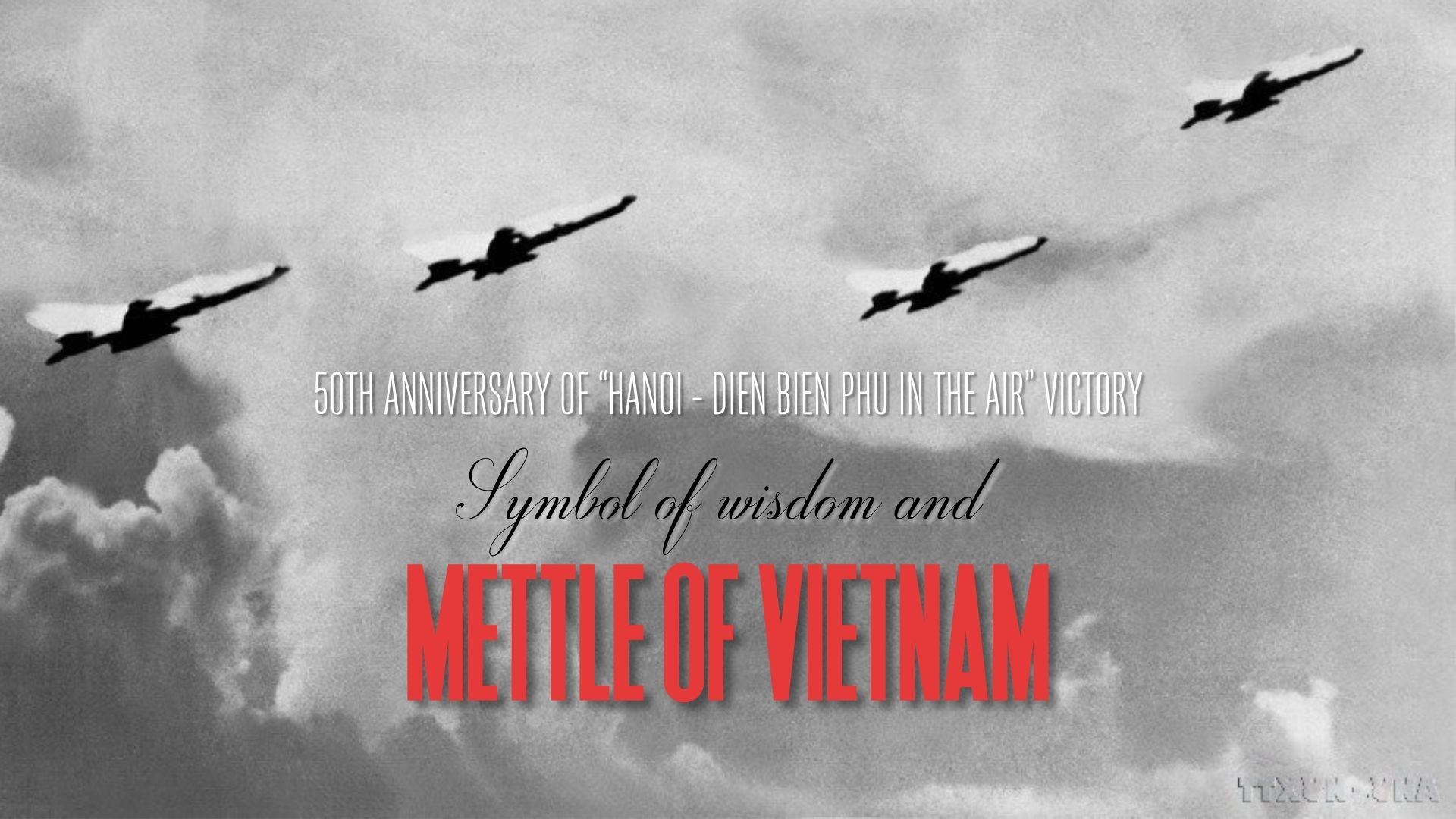
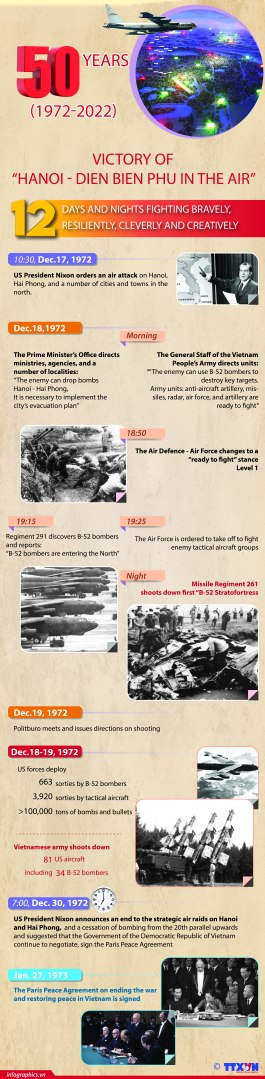
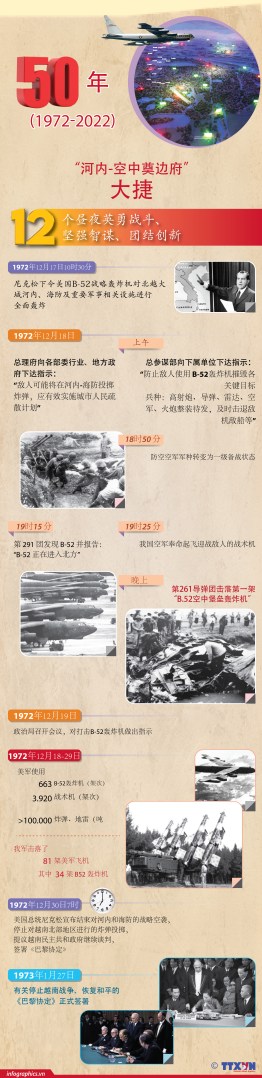
Hanoi (VNA) – Fifty years ago, in late December 1972, the army and people of Vietnam defeated B52 bombers, the pride of the US Air Force, to win the resounding “Hanoi – Dien Bien Phu in the Air” victory in the skies above Hanoi, Hai Phong, and other localities in the North.
The victory, whose name derives from the victory of the Dien Bien Phu Campaign in 1954 that put an end to the French colonial rule over Indochina, was an epic of the Vietnamese people in the 20th century. It was one of the most glorious feats of arms in the country’s history of fighting foreign invaders, and forever a symbol of the Vietnamese people’s mettle and wisdom in the Ho Chi Minh era.
Anti-aircraft and air defence soldiers safeguard the skies of Hanoi. (Photo: VNA)
In early 1972, the resistance war against the US entered its fiercest stage. Vietnam secured great wins across the three fronts of military, politics, and diplomacy. Meanwhile, the US “Vietnamisation” strategy faced the risk of complete failure.
To save its “Vietnamisation” strategy, the US imperialists plotted to wage a strategic airstrike using B52 bombers to force Vietnam to sign the Paris Peace Accords with articles revised as they wanted, destroy the North’s economic and defence resources, hamper the delivery of support for the revolution in the South, sway the Vietnamese people’s determination to fight against the US, and threaten the struggling movement by people around the world.
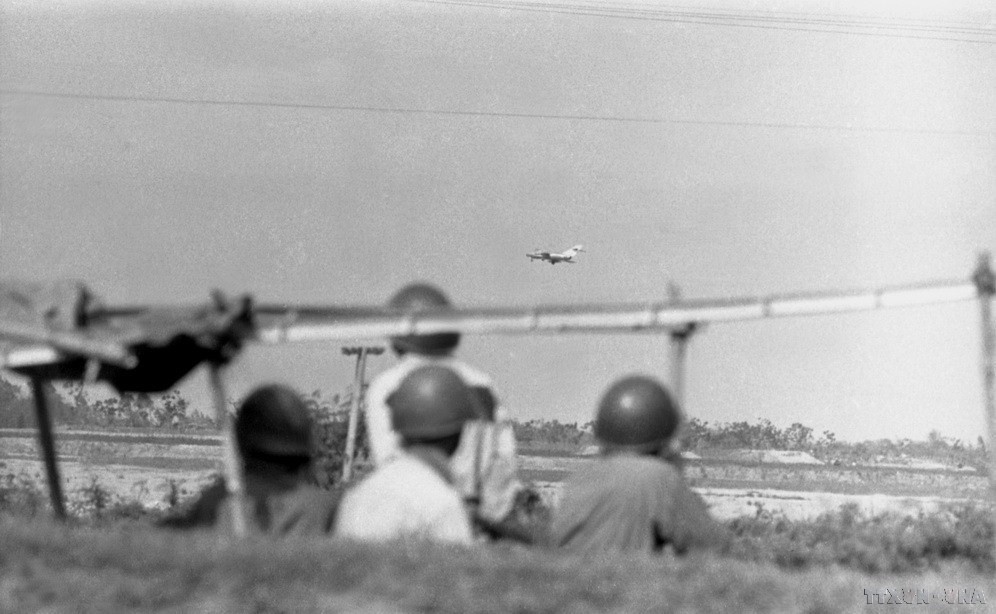
Militia of Tu Liem district, Hanoi, stay vigilant and opportunely open fire, helping shoot down many US aircraft. (Photo: VNA)
On December 14, 1972, US President Richard Nixon officially approved a strategic aerial bombing operation called “Linebacker II” in Hanoi and Hai Phong. With this plan, the US imperialists mobilised the greatest force since World War II: 193 of the 400 B-52 bombers that the US had at that time; 1,077 of the 3,043 tactical aircraft (including a squadron of about 50 F-111 fighters); six of the 24 aircraft carriers; more than 50 tanker aircraft, other types of service planes, and 60 warships of all kinds from the US Seventh Fleet in the Pacific.
Clear-headed and judicious, the Party Central Committee and President Ho Chi Minh made the right assessment and an early and precise forecast of the US imperialists’ plot to escalate in the North, along with ruses to prolong the war.
From 1965, when the US deployed the B-52s to the Vietnamese battlefield and continually committed crimes against the Vietnamese people, President Ho Chi Minh assigned the Air Defence – Air Force Service to devise measures to cope with the B-52s.
“Sooner or later, the US imperialists will deploy the B-52s to attack Hanoi, and in Vietnam, the US will definitely lose, but it will lose only after losing in the skies of Hanoi,” he said.
As the leader predicted, from December 18 to 29, 1972, the US waged the “Linebacker II” operation, in which its aircraft made 4,583 sorties, including 663 sorties by the B-52s, dropping tens of thousands of tonnes of munition on the North of Vietnam. In particular, its air force bombarded Hanoi alone with over 10,000 tonnes of munition.
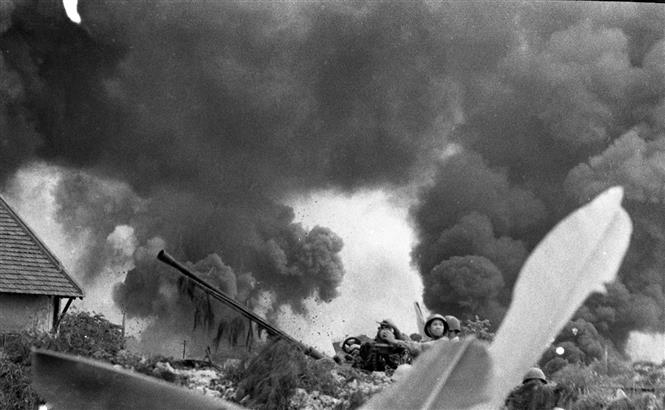
Air defence forces of Hanoi create a fire net in the skies of the capital city to shoot down many US aircraft in the 12-day-and-night battle in December 1972. (Photo: VNA)
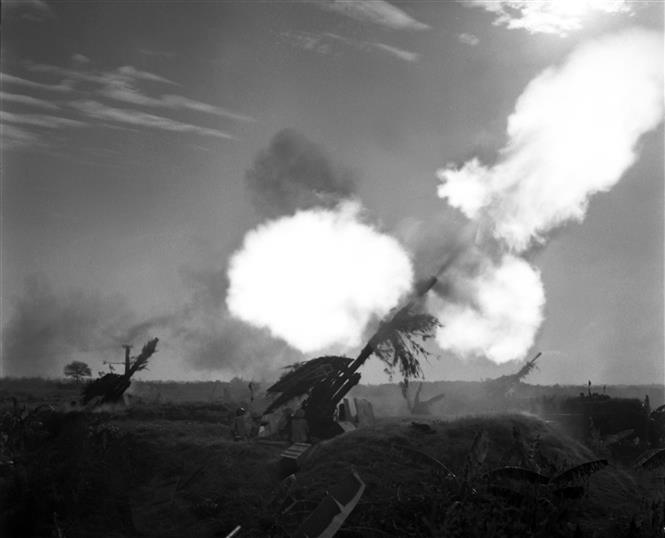
Hanoi’s anti-aircraft artillery force defending Long Bien Bridge shoots US aircraft in December 1972. (Photo: VNA)
The air defence artillery force strongly resists US aircraft to safeguard Hanoi during the 12-day-and-night battle in December 1972. (Photo: VNA)
Aircraft of Vietnam make a sortie. (Photo: VNA)
Confident of winning, Hanoi, Hai Phong, and other localities became “special” battlefields. In this battle, with a brave, unyielding, smart, and creative fighting spirit, the radar troops overcame jamming to search for enemy aircraft while air defence – air force aircraft turned into “Rong lua” (Fire dragon) and “En bac” (Silver swallow) to defeat the enemy’s strategic raids, making a decisive contribution to the miraculous victory.
During 12 days and nights resisting the US Air Force, the troops and people of the North shot down 81 aircraft, including 34 B-52s, and caught or killed hundreds of US pilots.
During 12 days and nights resisting the US Air Force, the troops and people of the North shot down 81 aircraft, including 34 B-52s, and caught or killed hundreds of US pilots. That forced the US administration to deescalate, stop bombardments on areas to the north of the 20th parallel, invite Vietnam to return to the negotiations in Paris, and prepare for the signing of the agreement on ending the war and restoring peace in Vietnam.
The resounding victory by Vietnam and the huge losses suffered by the US imperialists in the 12-day-and-night air battle were described by the world as the “Dien Bien Phu in the Air” victory. This triumph marked a brilliant milestone for the Vietnamese army and people’s revolutionary heroism, defeating the US’s biggest airstrike and forcing the imperialists to sign the Paris Peace Accords on January 27, 1973 to end the war in Vietnam.
The victory was one of the most glorious in the 20th century. It went down in the history of Vietnam and became a symbol of the country’s will, wisdom, and mettle in the Ho Chi Minh era.
Fifty years have passed since the win, but its everlasting value and spirit remain intact in the country’s history and the eyes of progressive people around the world./.
Soldiers of Company 3 of anti-aircraft artillery corps X stay wise and brave, open fire in a timely and precise manner to shoot down many US aircraft. (Photo: VNA)
Ha Van Sieu, subjefe de la Administración de Turismo de Vietnam, valoró altamente la velocidad de recuperación del turismo en la provincia sureña de Ba Ria-Vung Tau.
Reveló las señales positivas de la industria sin humo, reflejadas en una alta ocupación de alojamiento de los excursionistas domésticos los fines de semana, de más de 90 por ciento.
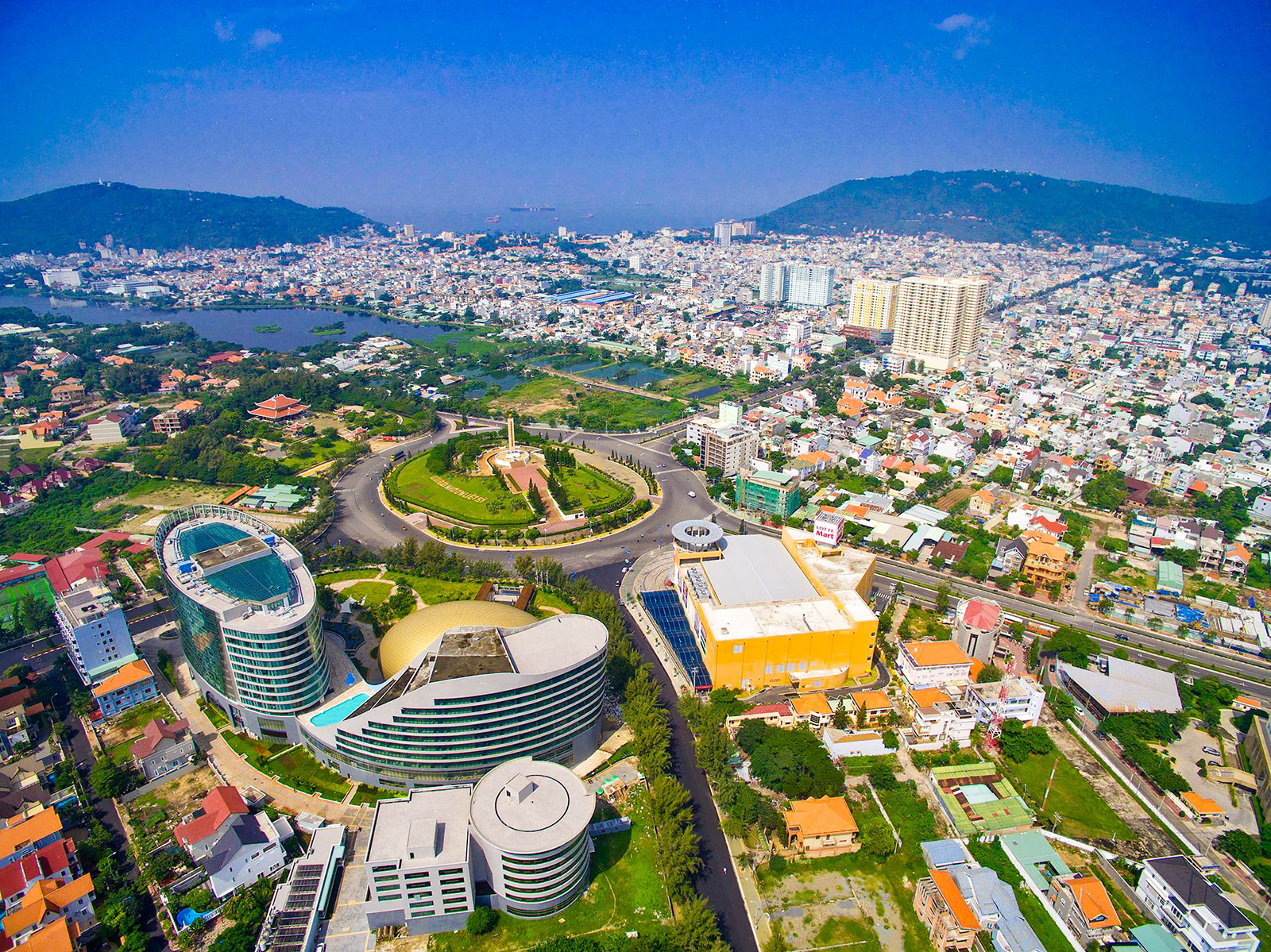
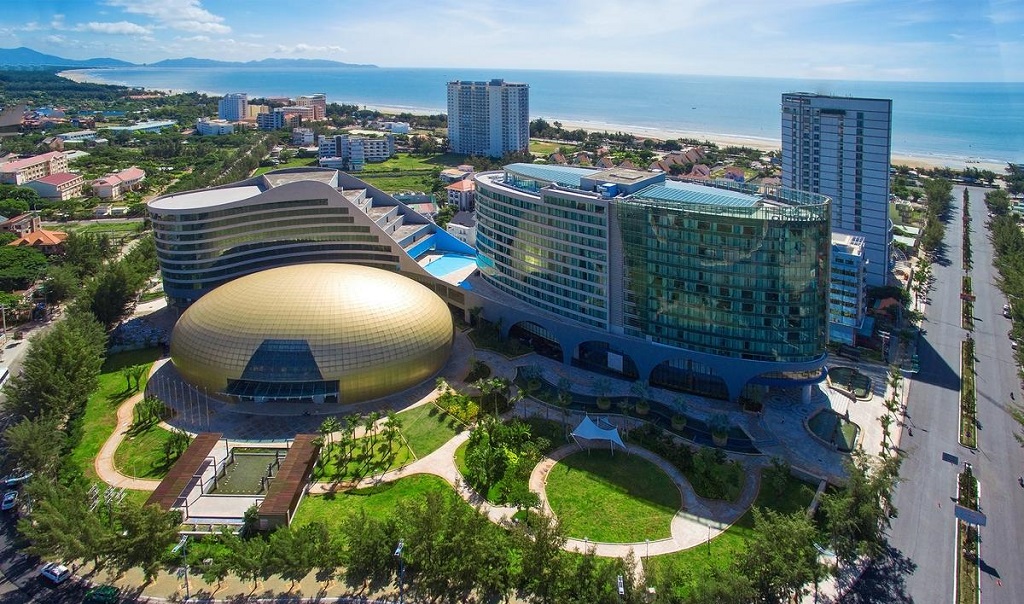
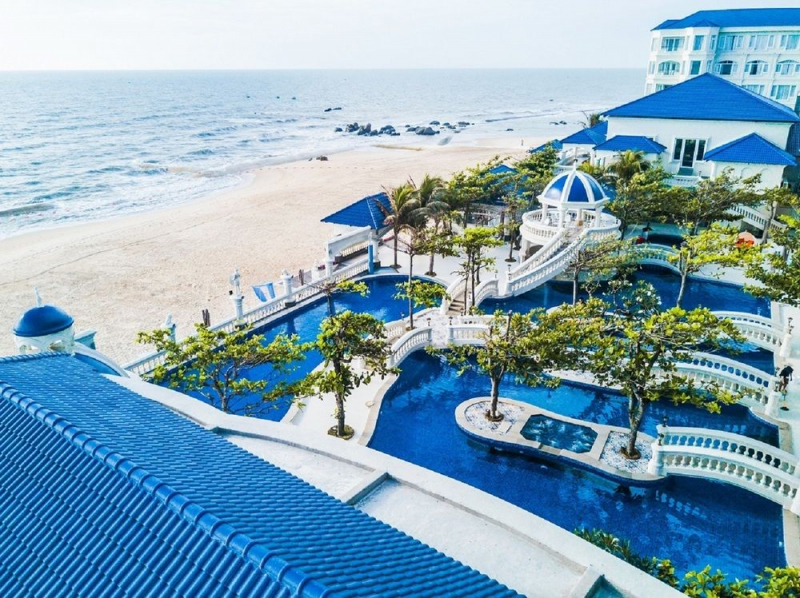
The Grand Ho Tram Resort& Casino
Recomendó a Ba Ria-Vung Tau intensificar las medidas encaminadas a promover y elevar las imágenes de los paisajes locales para atraer a viajeros extranjeros.
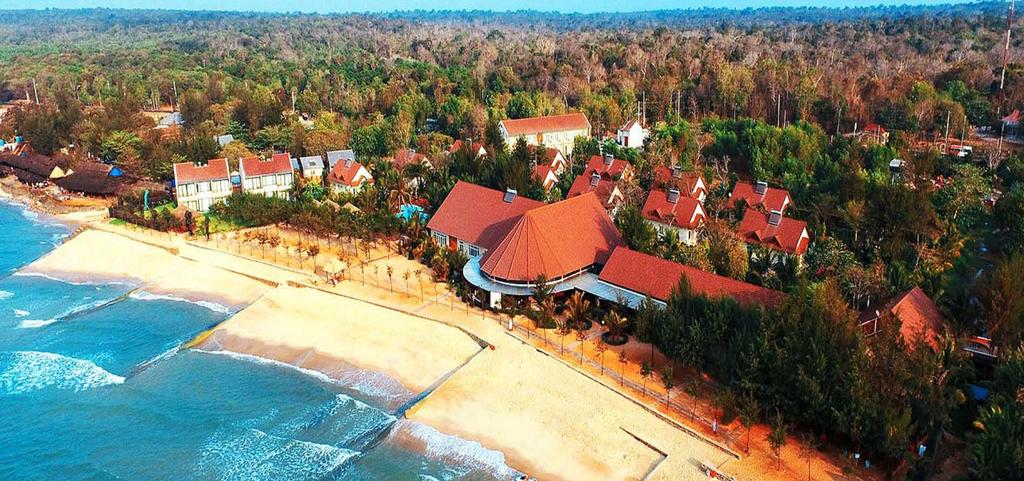
Entre los sitios de alojamiento en Ba Ria-Vung Tau, sobresale Grand Ho Tram Resort& Casino que tiene mil 100 habitaciones y suele operar con la máxima capacidad los fines de semana.
Según su vicepresidenta encargada de Relaciones Exteriores, Le Thi Thanh Thai, el resort explota el espacio litoral romántico y ofrece el servicio adecuado con el segmento de huéspedes de familias y grupos pequeños.
Mientras tanto, el resort Vietsovpetro logró 60 por ciento del ingreso fijado del año al cierre de mayo pasado. Su subdirector Nguyen Duc Trong reiteró que además de ofrecer servicio a los huéspedes en la industria de petróleo y gas, el complejo destina 40 por ciento del número de habitaciones para turistas. Agregó que las actividades de negocios de su empresa prosperan gracias a la demanda creciente de relajación post-pandemia.
De acuerdo con el Departamento provincial de Turismo, los resorts y hoteles litorales con jardines y paisajes hermosos han reportado buen crecimiento con la ocupación habitacional los fines de semana de más de 80 por ciento. A partir de abril, más visitantes de bancos, empresas y escuelas regresan a Ba Ria-Vung Tau para celebrar eventos, conferencias y seminarios en combinación con turismo.
Trinh Hang, jefe del Departamento provincial de Turismo, pronosticó que será más rápida hasta 2025 la recuperación del turismo nacional a un estado similar al de 2019. Sin embargo, Ba Ria-Vung Tau aspira a alcanzar para 2023 el crecimiento en número de visitantes e ingresos de la época anterior a la pandemia.
Destacó los esfuerzos de la localidad por mejorar los servicios en los sitios turísticos y hoteles. En el resort Lan Rung Phuoc Hai, los trabajadores se concentran estos días en limpiar las malas hierbas y cultivar más flores y plantas ornamentales. Mientras que el resort Ruong continúa manteniendo el espacio rural con los campos de bambú, plátano y guayaba.
El Departamento propuso al Comité Popular local celebrar el festival gastronómico y firmar un acuerdo de cooperación turística con varias localidades sureñas y altiplanas, reveló, y agregó que su entidad también exhortó a lanzar diversos paquetes de promoción turística y los programas encaminados a desarrollar los recursos humanos e impulsar la transformación digital en la industria sin humo.
Adelantó que esos planes, implementados sincrónicamente, brindarán oportunidades de recuperación rápida al turismo, en contribución a afirmar el papel clave de esa industria en la estructura económica de la provincia./.
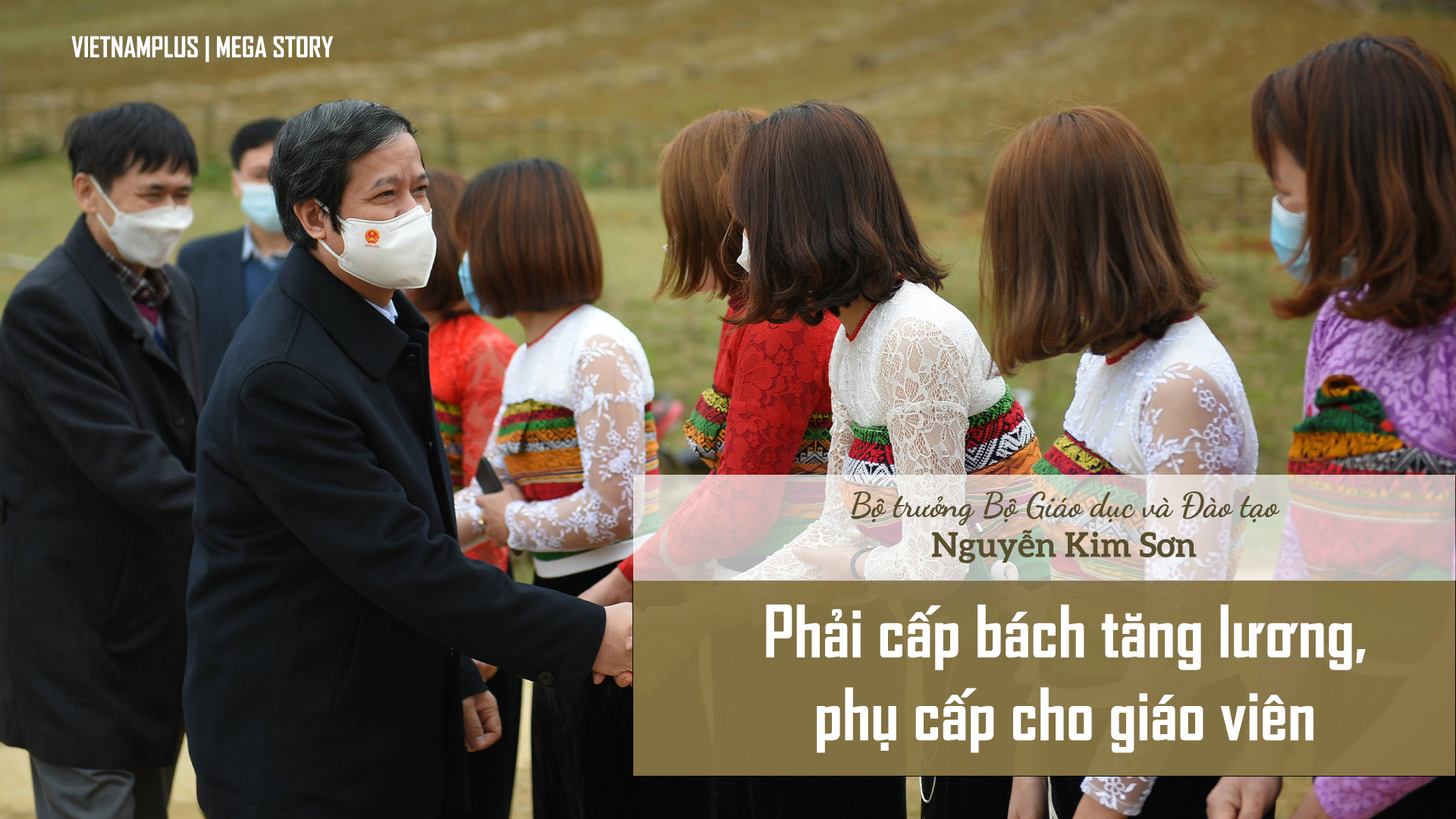
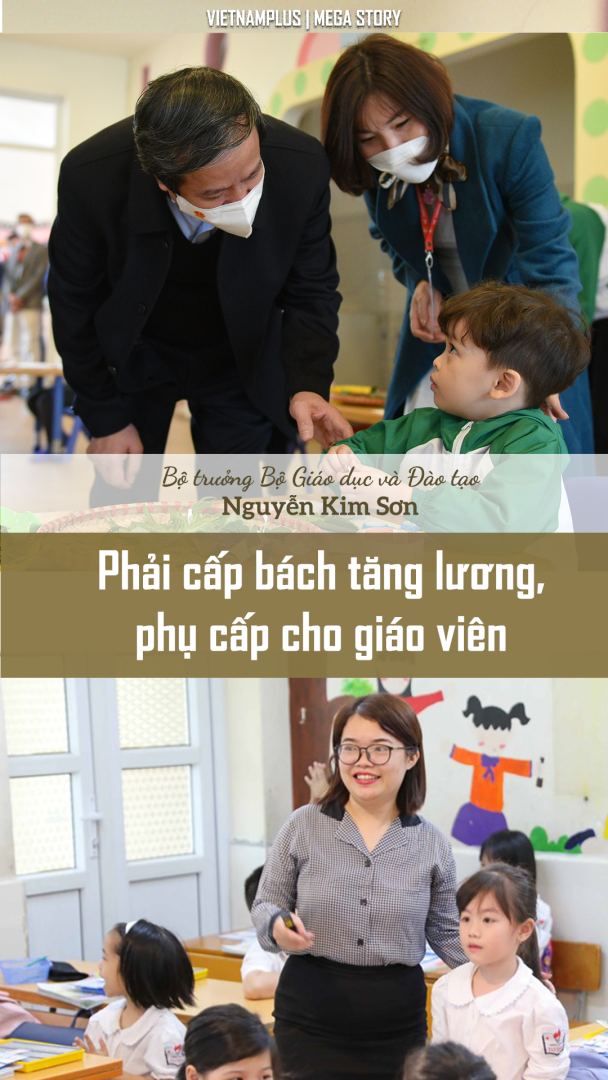
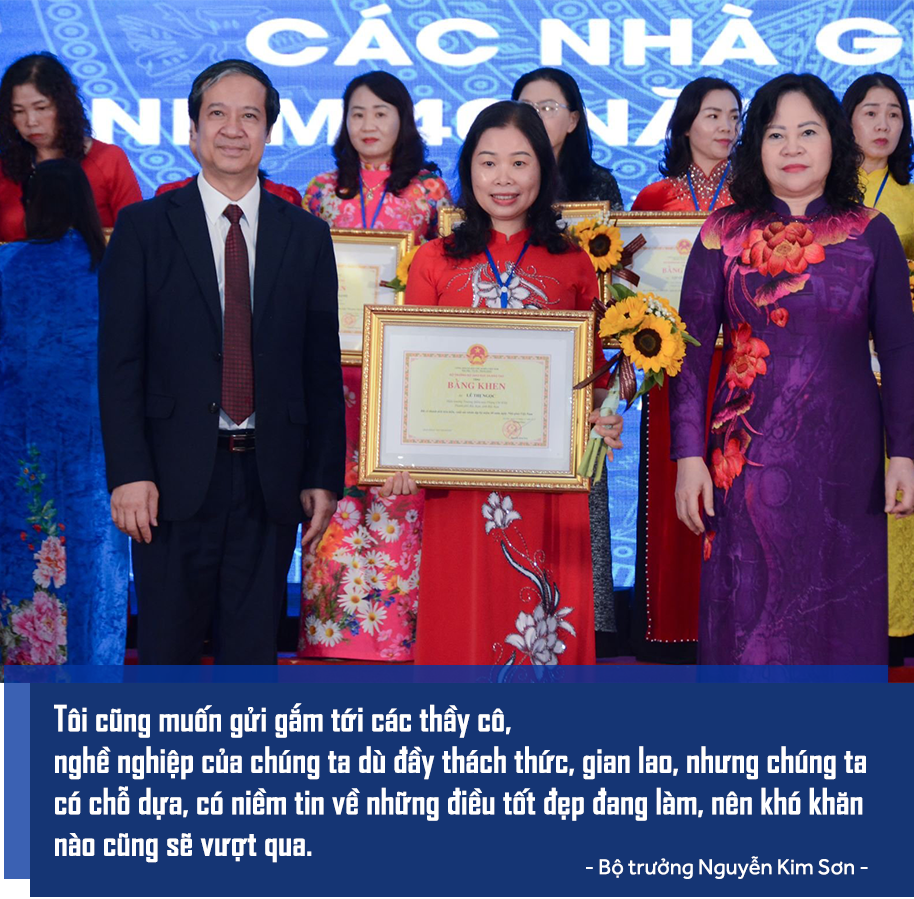
Nhân dịp kỷ niệm 40 năm Ngày Nhà giáo Việt Nam 20/11, Bộ trưởng Bộ Giáo dục và Đào tạo Nguyễn Kim Sơn đã có những chia sẻ với phóng viên Báo Điện tử VietnamPlus về những vấn đề thiết yếu với nhà giáo như lương, phụ cấp, môi trường làm việc…
Trước hết, xin được chúc mừng Bộ trưởng nhân 40 năm Ngày Nhà giáo Việt Nam 20/11! Kính chúc Bộ trưởng luôn mạnh khỏe, hạnh phúc và thành công! Thưa Bộ trưởng, ông có thể chia sẻ về ngày lễ đặc biệt này?
Bộ trưởng Nguyễn Kim Sơn: Ngày 20/11 không chỉ là một ngày lễ tôn vinh, tri ân nghề giáo mà còn thể hiện một tinh thần – tinh thần của một quốc gia, một dân tộc vốn có truyền thống hiếu học, coi trọng sự học, coi trọng tri thức. Trong đó, sự học được tôn vinh và vai trò của người thầy được đặt ở một vị trí đặc biệt.
Cũng không phải đến bây giờ ngày 20/11 mới là dịp thể hiện truyền thống tôn sư trọng đạo. Trước đây khi chưa có 20/11 chưa được chính thức công nhận là Ngày Nhà giáo Việt Nam thì nét truyền thống này đã được thể hiện bằng nhiều cách khác nhau và tinh thần đó luôn là dòng chảy lớn trong lịch sử phát triển của dân tộc, của giáo dục và của nghề giáo.
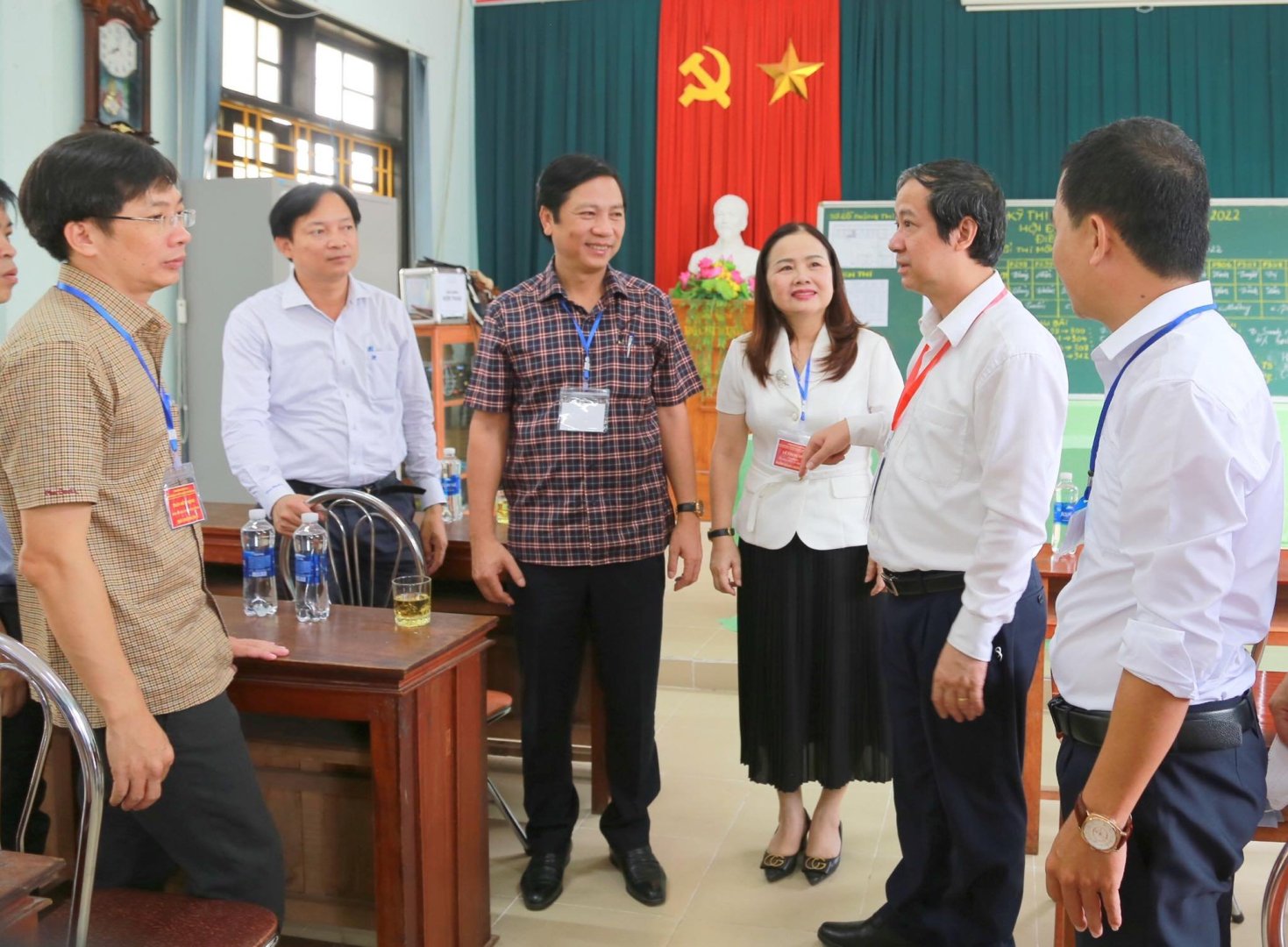
Bộ trưởng Bộ Giáo dục và Đào tạo Nguyễn Kim Sơn (đứng thứ hai từ phải sang) kiểm tra công tác tổ chức thi tốt nghiệp trung học phổ thông và động viên các thầy, cô giáo trong hội đồng thi. (Ảnh: Bộ Giáo dục và Đào tạo)
Năm 1982, ngày 20/11 chính thức được công nhận là Ngày Nhà giáo Việt Nam. Theo đó, cứ đến dịp 20/11, tinh thần và truyền thống biết ơn, tri ân nhà giáo lại được tập trung và hội tụ. Tôn vinh nghề giáo và các thầy cô giáo đã trở thành nét văn hóa, nét tinh thần, nét đẹp trong quan hệ, trong ứng xử của người Việt Nam.
Thưa Bộ trưởng, nghề giáo được coi là nghề cao quý nhất trong những nghề cao quý, nhưng tình trạng giáo viên bỏ việc, chuyển việc, giáo viên lương thấp tái diễn nhiều năm nay. Bộ trưởng cũng như ngành giáo dục sẽ có giải pháp, đề xuất gì để giải quyết vấn đề trên, giúp giáo viên yên tâm cống hiến?
Bộ trưởng Nguyễn Kim Sơn: Theo thống kê từ các địa phương, trong 10 tháng năm 2022, cả nước có hơn 16.000 giáo viên bỏ việc, nghỉ việc, chuyển việc. Bình quân cứ 100 nhà giáo thì một người ra khỏi ngành. Con số này chiếm khoảng 1% lực lượng nhà giáo nói chung (gồm cả công và tư).
Con số này phát sinh phần lớn là bậc mầm non và tiểu học, xảy ra chủ yếu ở TP. HCM, Đồng Nai, Bình Dương, Long An… những nơi bị ảnh hưởng nặng nề nhất của dịch bệnh COVID-19. Một phần trong số đó bị buộc chuyển việc bất đắc dĩ vì gần 1.000 cơ sở mầm non, cả quy mô trường và nhóm trẻ giải thể, đóng cửa nên gọi nhóm này là mất việc làm thì chính xác hơn, số này khoảng hơn 2.000. Số khác mất việc tạm thời và đã làm việc trở lại khi 1.560 cơ sở nhóm trẻ tư thục hoạt động trở lại dịp đầu năm học vừa rồi.
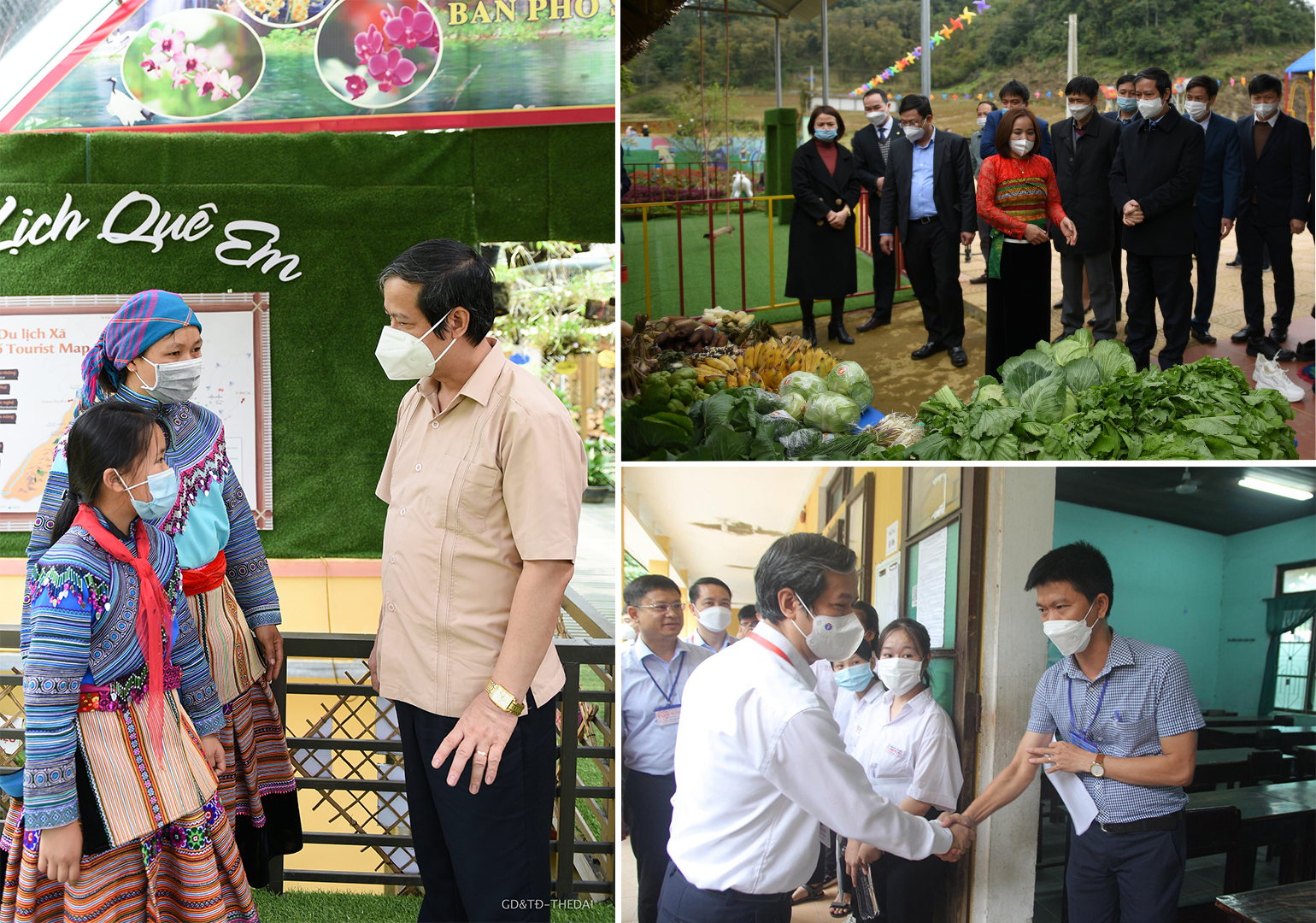
Bộ trưởng Nguyễn Kim Sơn đến thăm nhiều nhà trường và động viên các thầy, cô giáo, học sinh và phụ huynh. (Ảnh: Bộ Giáo dục và Đào tạo)
Nhìn chiều cạnh khác, như vậy, 99% nhà giáo trên khắp đất nước vẫn đang bám trường, bám lớp cùng học sinh. Số đông vẫn đang khắc phục khó khăn, đảm bảo việc dạy và học cùng các hoạt động của nhà trường. Phần tuyệt đại bộ phận vẫn không ngừng phấn đấu vươn lên, đổi mới, tự đổi mới, đương đầu với thách thức và yêu cầu ngày càng cao của việc dạy học và kiểm tra đánh giá… Đây là điều cần ghi nhận và đánh giá cao, không bởi 1% giáo viên vì nhiều lý do khác nhau rời nghề mà giảm đi niềm tin hoặc có cái nhìn ảm đạm về nghề giáo, …
Tuy nhiên, số giáo viên nghỉ việc, chuyển việc cũng cảnh báo chúng ta nhiều điều, rằng cần quan tâm hơn tới nhà giáo, đặc biệt là giáo viên mầm non và tiểu học, quan tâm hài hòa cả tới đội ngũ giáo viên cả hệ thống công và tư. Trong đó có đòi hỏi phải cấp bách tăng lương và phụ cấp ưu đãi cho giáo viên.
Bộ Giáo dục và Đào tạo đã đề xuất điều chỉnh phụ cấp ưu đãi cho giáo viên bậc mầm non. Hiện nay, phụ cấp ưu đãi của giáo viên mầm non đang tính 35%, nếu tốt nhất tăng phụ cấp ưu đãi cho giáo viên mầm non tương tự như phụ cấp ưu đãi của y tế cấp cơ sở, nếu không thì cũng tối thiểu tăng 35% lên 70% ngang với mức ưu đãi cũ của y tế cơ sở.
Trong điều kiện kinh tế của đất nước còn khó khăn, để cải thiện đời sống, nâng lương cho một bộ phận chiếm hơn 70% viên chức cả nước sẽ phải từng bước cải thiện dần. Tuy nhiên, trong chừng mực có thể, sự quan tâm của Đảng, Nhà nước, Chính phủ chính là nguồn động viên đối với lực lượng nhà giáo.
Có rất nhiều yếu tố để giáo viên gắn bó với nghề chứ không chỉ vấn đề về lương. Đó còn là vấn đề về cơ hội phát triển nghề nghiệp, phát triển chuyên môn, vấn đề về môi trường làm việc, môi trường học đường, nguyên tắc, thái độ của học sinh, phụ huynh, xã hội và cả tâm thái nghề nghiệp của giáo viên. Tất cả những điều đó cần phải có những bước chăm lo, cải thiện để nhà giáo có thể gắn bó hơn với nghề.
Vâng thưa Bộ trưởng, môi trường làm việc đúng là một trong những vấn đề rất quan trọng và giáo viên luôn mong muốn một môi trường làm việc dân chủ, giảm bớt hồ sơ, sổ sách, các cuộc thi. Bộ trưởng có thể cho biết vấn đề này đã và sẽ được triển khai như thế nào trong thời gian tới để giảm áp lực cho giáo viên?
Bộ trưởng Nguyễn Kim Sơn: Để giảm áp lực cho nghề giáo, ngành Giáo dục sẽ tiếp tục quan tâm cải thiện môi trường làm việc, tăng cường quản trị trường học, điều lệ nhà trường và nâng cao văn hóa học đường. Môi trường làm việc thuận lợi cũng là một yếu tố quan trọng để thầy cô giáo phát huy tốt năng lực, sở trường và thực hiện tốt trách nhiệm của nhà giáo.
Bộ sẽ rà soát các chế độ chính sách quy định về quản trị làm việc, hoạt động chuyên môn, phát triển bản thân, giảm những công việc hành chính ngoài chuyên môn cho giáo viên.
Hiện nay, Bộ Giáo dục và Đào tạo đang hoàn thiện hồ sơ lập đề nghị xây dựng Luật Nhà giáo, sẽ chuyển Bộ Tư pháp thẩm định và trình Chính phủ theo quy định. Với ý nghĩa và tầm quan trọng của dự án Luật này, quá trình xây dựng, Bộ Giáo dục và Đào tạo sẽ nghiên cứu, xem xét đầy đủ các khía cạnh của nghề nhà giáo để có thể đưa ra các chính sách tốt đối với đội ngũ nhà giáo.
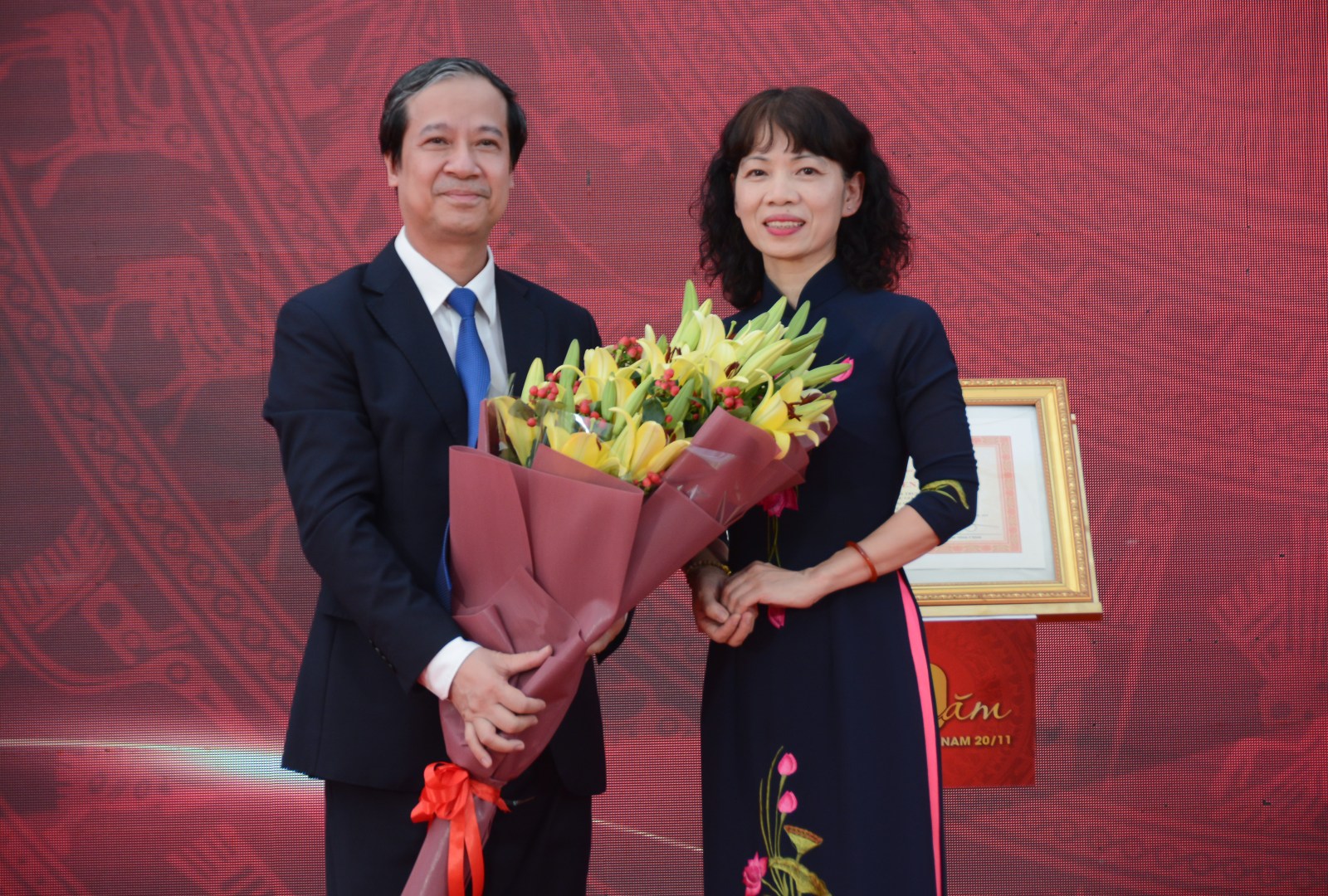
Bộ trưởng dự lễ kỷ niệm 40 năm Ngày Nhà giáo Việt Nam tại Trường Tiểu học, Trung học cơ sở, Trung học phổ thông Thực nghiệm Khoa học giáo dục. (Ảnh: Bộ Giáo dục và Đào tạo)
Đổi mới giáo dục là việc tất yếu phải làm theo Nghị quyết của Trung ương, do đó, ngành tính toán hỗ trợ tối đa để giáo viên có thể điều chỉnh bản thân, thích ứng được yêu cầu, phương pháp dạy học, tiếp cận chương trình, sách giáo khoa, cách kiểm tra, đánh giá, tương tác với học sinh. Đây là thay đổi lớn nên cần quá trình, ngành giáo dục và nhà trường phải hỗ trợ, chia sẻ thì giáo viên mới có thể hoàn thiện, phục vụ tốt cho công việc.
Đặc biệt, về phía xã hội, phụ huynh, học sinh cũng cần sự chia sẻ, đồng hành với giáo viên và sự chia sẻ, đồng hành này cũng là tốt cho học sinh.
Liên quan đến triển khai chương trình giáo dục phổ thông 2018, vẫn còn những khó khăn đặt ra như tập huấn, bồi dưỡng giáo viên, thiếu giáo viên dạy các môn học mới. Bộ trưởng có thể cho biết ngành sẽ có giải pháp gì để gỡ khó cho vấn đề này?
Bộ trưởng Nguyễn Kim Sơn: Để triển khai Chương trình giáo dục phổ thông 2018, có rất nhiều việc phải làm, trong đó có một phần việc quan trọng là tập huấn, hỗ trợ cho lực lượng giáo viên. Tập huấn có nhiều phương diện. Bộ Giáo dục và Đào tạo có một chương trình lớn để triển khai tập huấn cho lực lượng giáo viên cốt cán, qua lực lượng giáo viên cốt cán sẽ có tập huấn lan tỏa cho hệ thống. Còn có các cuộc giao ban, trao đổi, hội nghị triển khai điểm mới trong Chương trình giáo dục phổ thông.
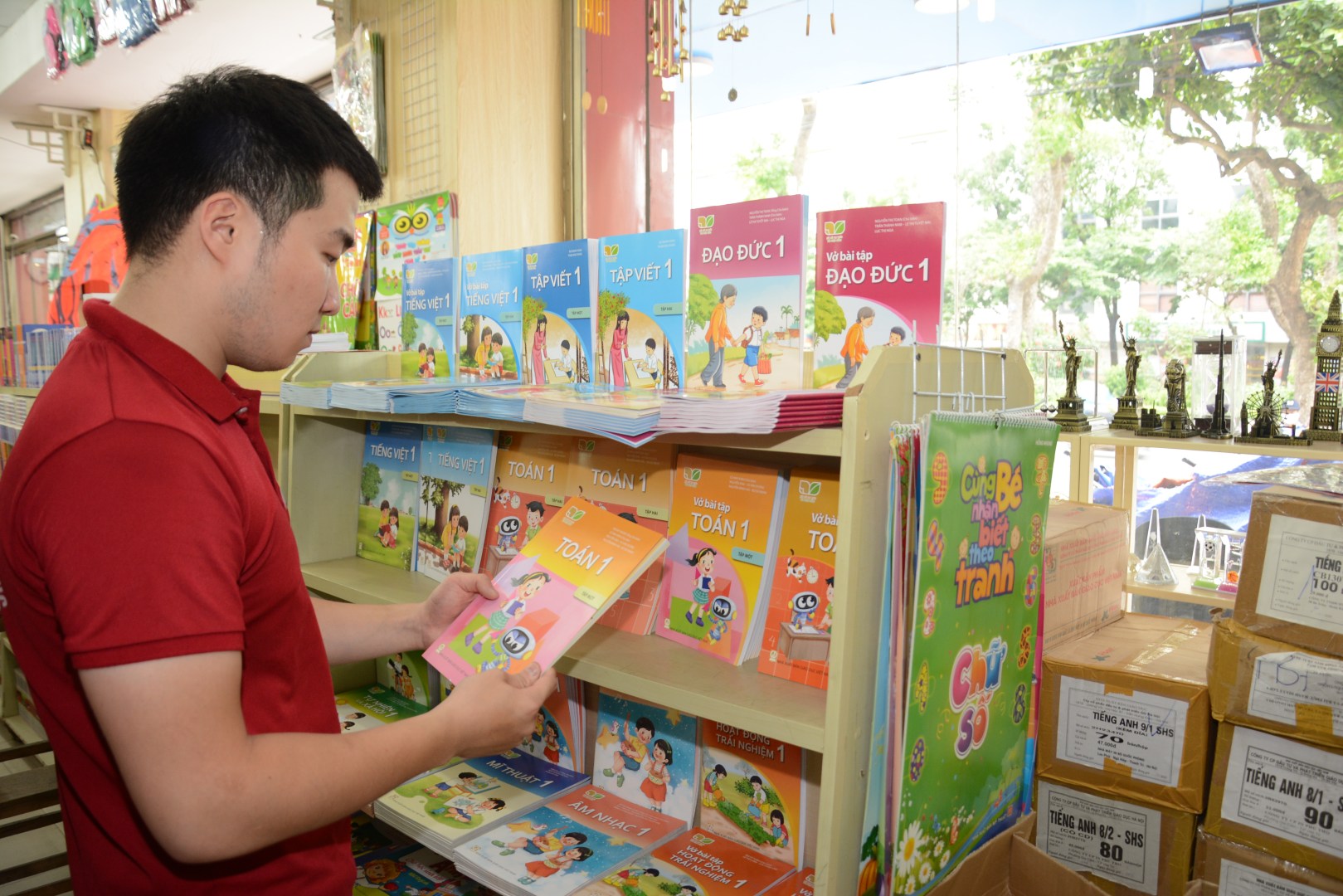
Các hoạt động hỗ trợ giáo viên về môn học mới, phương pháp mới cần nhiều thời gian, kéo dài theo cả quá trình. (Ảnh: PV/Vietnam+)
Bên cạnh đó, đối với từng bộ sách giáo khoa, từng lớp trong quá trình thay sách giáo khoa mới của chương trình mới, các nhà xuất bản, các nhóm tác giả sách cũng có trách nhiệm phải tập huấn, hướng dẫn cho giáo viên quá trình sử dụng sách.
Có rất nhiều việc mà chúng tôi đã, đang và sẽ làm để có thể tiếp tục hỗ trợ lực lượng giáo viên, đặc biệt là về các môn học mới và những phương pháp mới. Tuy nhiên, đây không phải là câu chuyện một sớm, một chiều có thể giải quyết hết được mà cần phải có quá trình.
Để giải quyết vấn đề thiếu giáo viên dạy các môn học mới, chúng tôi đã kiến nghị với Trung ương Đảng, Quốc hội, Chính phủ trong việc sắp xếp một lượng biên chế giáo viên có thể tuyển dụng để đáp ứng căn bản số lượng này. Bên cạnh đó, nhiều địa phương đã năng động, linh hoạt huy động các nguồn nhân lực có trình độ, phù hợp, tăng cường kỹ năng sư phạm để lực lượng này tham gia giảng dạy, nhất là đối với môn Tin học và môn Ngoại ngữ.
Có rất nhiều việc mà chúng tôi đã, đang và sẽ làm để có thể tiếp tục hỗ trợ lực lượng giáo viên, đặc biệt là về các môn học mới và những phương pháp mới.
Đối với các tỉnh miền núi, vùng sâu, vùng xa vốn khó khăn trong thu hút nguồn tuyến, cần phải có thêm các chính sách đặc thù để thu hút giáo viên, đáp ứng yêu cầu giảng dạy. Các trường đào tạo sư phạm cần mở rộng hơn quy mô đào tạo giáo viên các môn học này. Các địa phương thực hiện theo Nghị định 116 cũng phải cần tích cực hơn nữa trong việc đặt hàng để đào tạo giáo viên.
Nhân dịp kỷ niệm 40 năm Ngày Nhà giáo Việt Nam, Bộ trưởng có chia sẻ, nhắn nhủ gì tới hàng triệu giáo viên trên cả nước, những người đã và đang miệt mài cống hiến cho sự nghiệp “trồng người”?
Bộ trưởng Nguyễn Kim Sơn: Có thể nói, ngành giáo dục đang đứng trước nhiều nhiệm vụ rất nặng nề, những thách thức rất lớn mà sự nghiệp đổi mới giáo dục đặt ra. Vì vậy, tôi mong rằng, mỗi nhà giáo chúng ta sẽ cố gắng vượt qua được những thách thức, hoàn thành sứ mệnh. Khi làm được điều đó thì vinh quang của nghề giáo sẽ được xã hội ghi nhận, tôn vinh. Bên cạnh đó, mỗi chúng ta cũng cần không ngừng cố gắng nâng cao trình độ về chuyên môn, đổi mới về kỹ năng của bản thân để hoàn thành tốt nhất các nhiệm vụ.
Nhân dịp kỷ niệm 40 năm Ngày Nhà giáo Việt Nam, tôi gửi tới các thầy cô giáo lời chúc mừng tốt đẹp, mong các thầy cô sẽ có ngày kỷ niệm thật vui và ý nghĩa.
Xin trân trọng cảm ơn Bộ trưởng!
Bộ trưởng Nguyễn Kim Sơn chia sẻ nhân ngày 20/11
Vietnam, RoK enjoy thriving relations after three decades
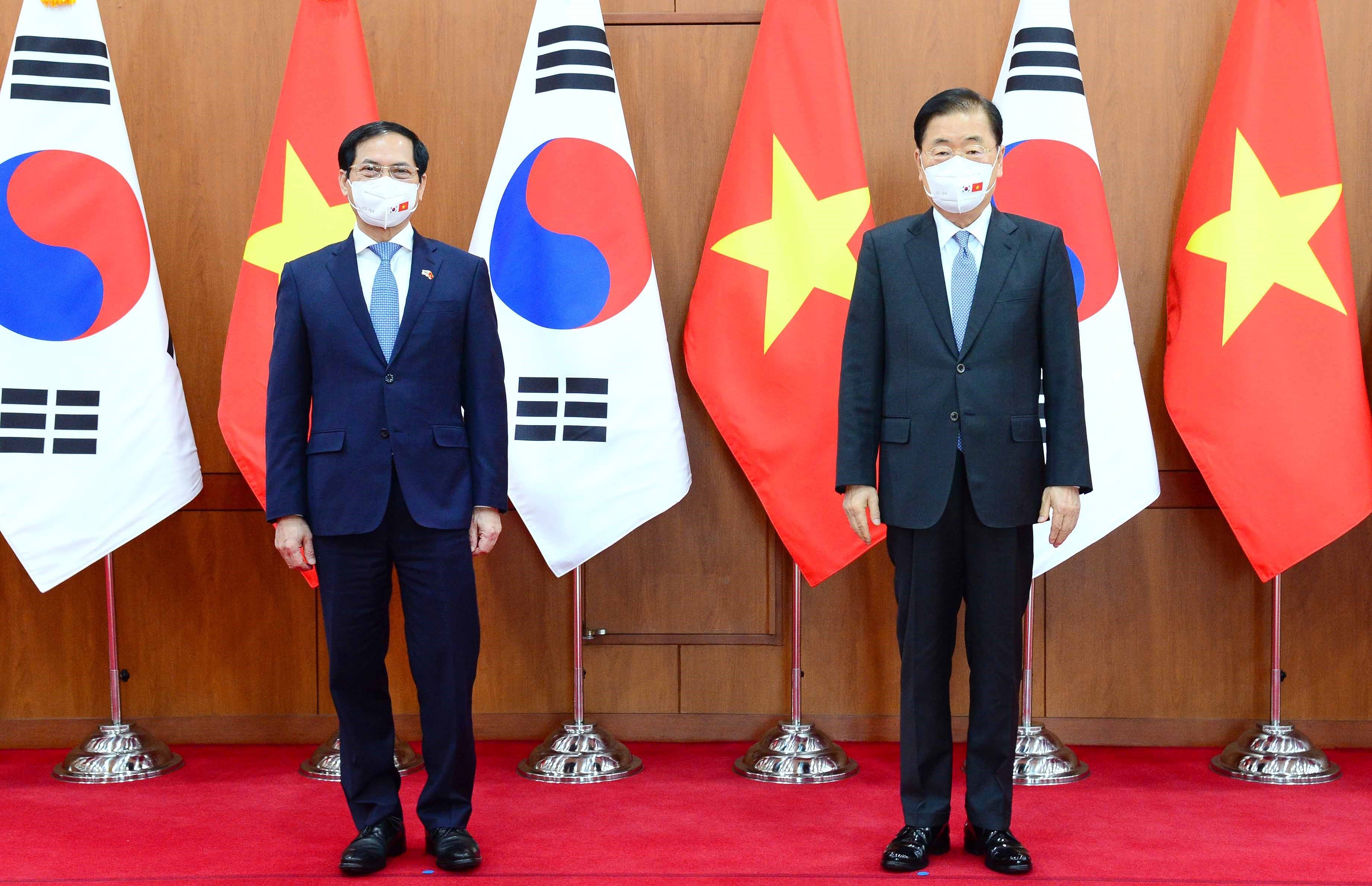
Minister of Foreign Affairs Bui Thanh Son, in his visit to the Republic of Korea (RoK) in February this year, remarked that the relations between Vietnam and the ROK are currently at its best.
The two countries have made significant progress in bilateral cooperation across all spheres, especially economic, cultural, and tourism aspects. Their relationship has gone a long way, marking its three decades of growth this year.
Official history spanning three decades
In April, 1992, Vietnam and the RoK signed an agreement on the exchange of the liaison offices between the two countries. In December the same year, they inked a joint statement on the establishment of ambassadorial-level diplomatic relations and the RoK opened its embassy in Hanoi. In March 1993, Vietnam opened its embassy in Seoul. In November 1993, the RoK General Consulate began its operation in the southern hub of Ho Chi Minh City.
Vietnam and the Republic of Korea set up their diplomatic relations in 1992 and lifted the ties to a strategic cooperative partnership in 2009.
In August 2002, the two nations issued a joint statement on their comprehensive partnership in the 21st century during the then Vietnamese President Tran Duc Luong’s visit to the RoK.
In October 2009, they lifted their bilateral ties to a strategic cooperative partnership, on the occasion of the then RoK President Lee Myeong Bak’s visit to Vietnam.
Despite the difficulties caused by the COVID-19 pandemic over the past two years, the two countries’ relations have been strongly promoted via the exchanges of delegations and bilateral contacts in various forms. The maintenance of regular meetings at all levels has contributed to enhancing their mutual understanding and political trust, creating a solid premise for cooperation between the two sides.
National Assembly Chairwoman Nguyen Thi Kim Ngan (sixth from right) and Speaker of the RoK National Assembly Park Byeong Seuk (seventh from right) after their talks in Hanoi in November 2, 2020 (Photo: VNA)
In late October and early November 2020, Speaker of the RoK National Assembly Park Byeong Seuk paid a visit to Vietnam, while the RoK visit made by National Assembly Chairman Vuong Dinh Hue took place in December 2021. Also noteworthy were RoK Foreign Ministers Kang Kyung-wha and Chung Eui-yong’s visits to Vietnam in the context of complicated pandemic developments, and Foreign Minister Son’s trip to the East Asian nation in early 2022. The Vietnamese diplomat’s visit marked the first key step in a series of the events as both nations are celebrating the 30th anniversary of their diplomatic relations, and seeking to officially elevate their existing strategic partnership to a comprehensive strategic one.
In March, President Nguyen Xuan Phuc and RoK President-elect Yoon Suk-yeol had phone talks, in which both leaders agreed to maintain the exchange of high-level delegations and meetings with various forms; support the strengthening of security, defence and defence industry cooperation; and closely cooperate in implementing activities to celebrate the 30th diplomatic anniversary towards upgrading the relations to a comprehensive strategic partnership.
President Nguyen Xuan Phuc holds phone talks with the RoK’s President-elect Yoon Suk-yeol. (Photo: VNA)
The leaders held that the two nations will coordinate in implementing measures to lift their bilateral trade to 100 billion USD by 2023 and 150 billion USD by 2030; as well as effectively performing existing trade agreements such as the Vietnam – RoK Free Trade Agreement (VKFTA), and the Regional Comprehensive Economic Partnership Agreement (RCEP). Vietnam and the RoK will continue to cooperate closely in regional and international issues, and assisting the former in performing its role as the coordinator of the RoK-ASEAN relations in 2021-2024, they noted.
Bilateral cooperation thriving across all spheres
Since the establishment of the bilateral diplomatic ties 30 years ago, collaboration between the two nations has seen outstanding developments in all fields, bringing interests to both sides and helping promote mutual trust and understanding.
Setting aside the past and looking towards the future, Vietnam and the RoK shook hands and established official diplomatic relations 30 years ago to open up a new chapter in their history – Foreign Minister Son.
Regarding official development assistance (ODA), Vietnam has received about 20% of the RoK’s total. The East Asian nation’s total assistance to Vietnam has been valued at more than 500 million USD, 90% of which is ODA and 10% non-refundable aid. Serving the development cooperation, priorities have been given to transport and urban infrastructure, health care, education-training, environment, clean energy, and IT.
Apart from the ODA, the RoK has been ready to provide Vietnam with preferential credit loans through a financial cooperation framework to support the Southeast Asian nation in implementing large-scale infrastructure projects.
Workers produce electronic products at a factory of the Korean-invested Daeyang Co. Ltd in Bac Giang province (Photo: VNA)
Concerning trade-investment, the countries’ bilateral trade stood at about 80 billion USD in 2021, surging close to 160 times from 1992. The turnover reached 66.8 billion USD in the first nine months of this year, up 18.2% year-on-year. The set target of 100 billion USD will be fulfilled by 2023 if the pace is maintained.
Also as of September 2022, the RoK had run some 9,438 valid projects worth 80.5 billion USD, ranking first in terms of registered capital and project number in Vietnam. It has remained its position as Vietnam’s top foreign investor for many years, with registered capital increasing by over 700 times since 1992. The focus of the FDI has shifted over time, moving from manufacturing industries in the 1990s to real estate in the early 2000s, and the production of advanced technological equipment at present. Korean firms play an important role in the Vietnamese economy, making up about 30% of the country’s combined export value.
There are about 200,000 nationals of either country living, working, and studying in the other. The friendship between the two peoples is increasing deepened through vibrant bilateral exchanges in terms of tourism and culture.
Korean tourists arrive in Phu Quoc after nearly-two-year “frozen” period due to the COVID-19 pandemic. (Photo: VNA)
Before the COVID-19 pandemic outbreak, nearly 4.3 million Korean tourists came to Vietnam in 2019, making the East Asian nation the second largest market of the sector for Vietnamese. Meanwhile, the number of Vietnamese people traveling to the RoK increased 2.1 times in the 2016-2019 period, from 251,000 to 523,000.
Vietjet aircraft (Photo: VNA)
After Vietnam reopened its door to international travel on March 15 this year, the number of Korean arrivals has increased rapidly to 500,000 in the first nine months. Also in the period, 100,000 Vietnamese visited the RoK which reopened its border in June.
To better serve the travel demand between the two countries, Vietnamese budget carrier Vietjet Air in July this year launched direct routes linking Vietnam’s Hanoi, Nha Trang, Da Nang and Ho Chi Minh City to Busan – a beautiful port city in the south of the RoK and well-known for its beaches, temples and the unique coloured Gamcheon culture village, romantic Haeundae Dalmaji Hill and Haedong Yonggungsa temple, among other hidden gems. In June, Korean Air – the RoK’s biggest airline – reopened its direct air route from Incheon to the central city of Da Nang, an attractive destination for Korean tourists.
Vietnam and the RoK have seen extensive cultural exchange, said RoK Minister of Culture, Sports and Tourism Hwang Hee in an interview granted to the Vietnam News Agency in January this year with regard to the meeting with his Vietnamese counterpart Nguyen Van Hung taking place earlier.
Hwang expressed his hope that the 30th anniversary will be a chance for the countries to learn more about each other’s history and culture, thereby creating an environment in which they can explore new cooperation fields such as sports and music.
A performance at Vietnam – Republic of Korea Festival 2022 in Da Nang city in September 2022 (Photo: VNA)
Both Vietnam and the RoK hold great potential and enthusiasm, so the prospect of bilateral cooperation is considerable, Hwang Hee went on, noting that cultural exchange has an important role to play in helping create the foundation and momentum for sustainable development.
According to him, the two sides share many cultural similarities, with the Vietnamese and Korean peoples familiar to each other’s cultures. The Korean Cultural Centre in Vietnam, established in November 2006, is the first in Southeast Asia and has been acting as an ambassador in this field between the two countries.
The RoK will also exert efforts to popularise the Vietnamese culture to its people, the minister affirmed.
Seoul workshop seeks ways to better support Vietnamese workers in the RoK (Photo: VNA)
Labour cooperation is also a bright spot in bilateral relations. The RoK is the second largest market for Vietnamese workers, while Vietnam is also the second largest source of foreign workers in the RoK. There are currently 48,000 Vietnamese workers in the RoK.
In addition, 76 Vietnamese localities have signed cooperation agreements with Korean counterparts and organisations. The Vietnamese community in the RoK and the Korean community in Vietnam have made active contributions to each country’s socio-economic development.
Fast combat support ship ROKS Daecheong visits Ho Chi Minh City in September 2022, along with helicopter training ship ROKS Hansando (Photo: VNA)
Setting aside the past and looking towards the future, Vietnam and the RoK shook hands and established official diplomatic relations 30 years ago to open up a new chapter in their history, said Foreign Minister Son, stating that such choice has proven correct as seen in the fruits of cooperation and development that the two countries are enjoying today./.
Vietnam and Brunei are celebrating the 30th anniversary of their bilateral diplomatic relations this year (February 29). Over the past three decades, their friendship and all-round cooperation have seen strong and substantial developments.
Mutual trust, understanding
The upgrade of Vietnam – Brunei relations to a comprehensive partnership in 2019 was a very important step, marking a transformation in both quantity and quality of bilateral relationship, demonstrating their leaders’ common determination to deepen ties in a practical manner that suits new situation and common trend of the region and the world.
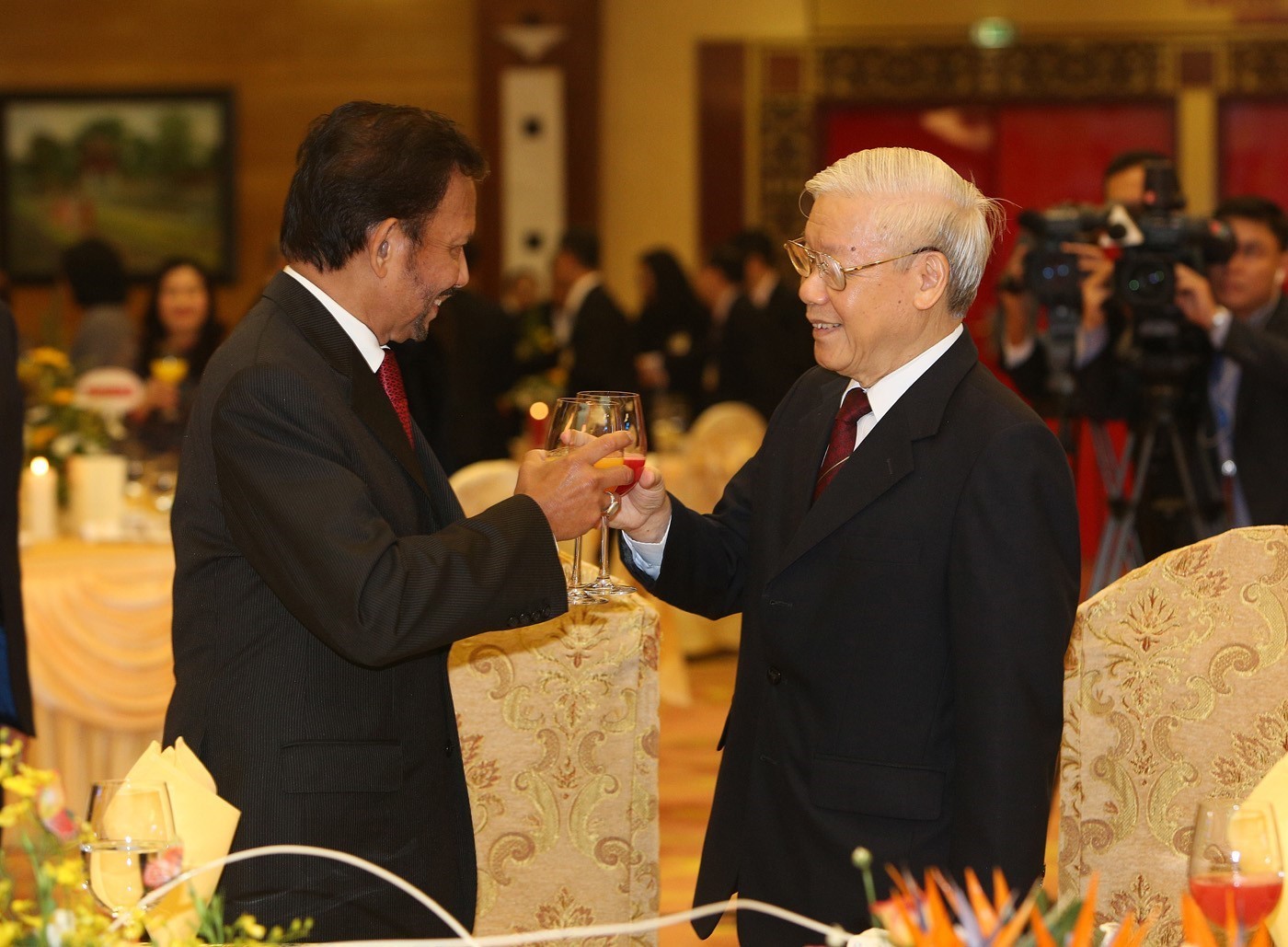
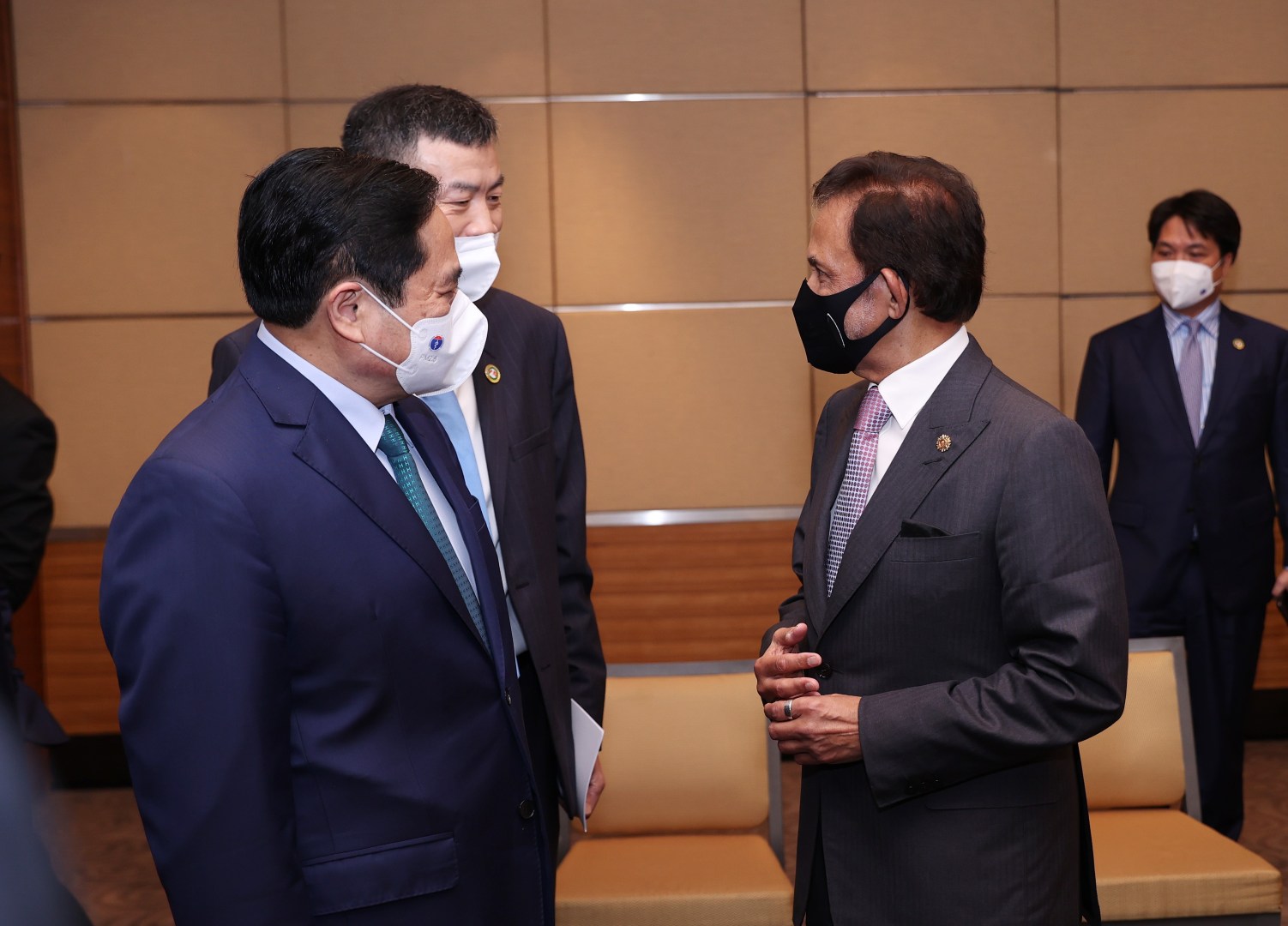
Then President Nguyen Phu Trong (right) and Sultan of Brunei Haji Hassanal Bolkiah toast at a banquet in Hanoi on March 27, 2019 (Photo: VNA)Prime Minister Pham Minh Chính (left) meets Sultan of Brunei Haji Hassanal Bolkiah in Jakarta on April 24 last year. (Photo: VNA)
Since 2019, the Vietnam – Brunei comprehensive partnership has thrived in main pillars of politics-security, trade-investment and people-to-people diplomacy.
In terms of politics, the two sides have maintained regular exchanges of delegations, with political trust being further consolidated and enhanced.
Amid the complicated COVID-19 pandemic developments in 2021, the two countries maintained high-level exchanges in flexible forms. While attending the ASEAN Leaders’ Meeting in Jakarta on April 24, 2021, Prime Minister Pham Minh Chinh met Sultan of Brunei Haji Hassanal Bolkiah. National Assembly Chairman Vuong Dinh Hue held talks with President of Legislative Council of Brunei Abdul Rahman Taib on June 9, 2021. Deputy Prime Minister and Foreign Minister Pham Binh Minh held phone talks with the country’s second Minister of Foreign Affairs Dato Erywan Pepin Yusof on January 19. Minister of Foreign Affairs Bui Thanh Son also held phone talks with Brunei’s second Minister of Foreign Affairs Erywan Pepin Yusof.
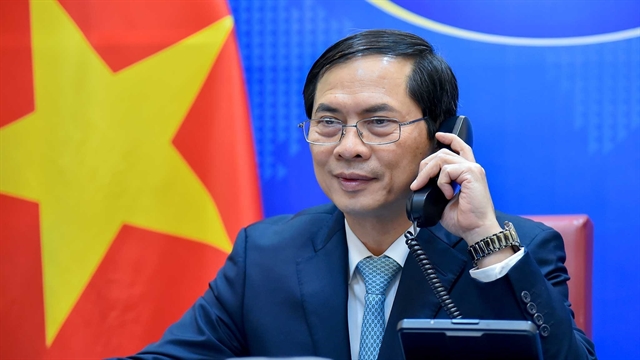
Foreign Minister Bui Thanh Son held phone talks with Brunei Second Minister of Foreign Affairs Dato Erywan Pehin Yusof on April 13 last year. (Photo: VNA)
Most recently, within the framework of the Brunei visit from September 6-8, Foreign Minister Son and second Minister of Foreign Affairs of Brunei Erywan Pepin Yusof co-chaired the second meeting of the Joint Committee on Vietnam-Brunei Bilateral Cooperation on September 7.
Promoting economic, trade bonds
Economic cooperation has grown strongly, exceeding the target of 500 million USD earlier than schedule in 2025 set by two countries’ leaders. Currently, there are two major Vietnamese projects underway in Brunei. The project to build a BFI fertiliser plant in Brunei, designed and installed by LILAMA Corporation in 2018, has been completed and became operational in October 2021. This is a key project contributing to realising the goal of economic diversification in the Vision Strategy 2035 of the Brunei Government.
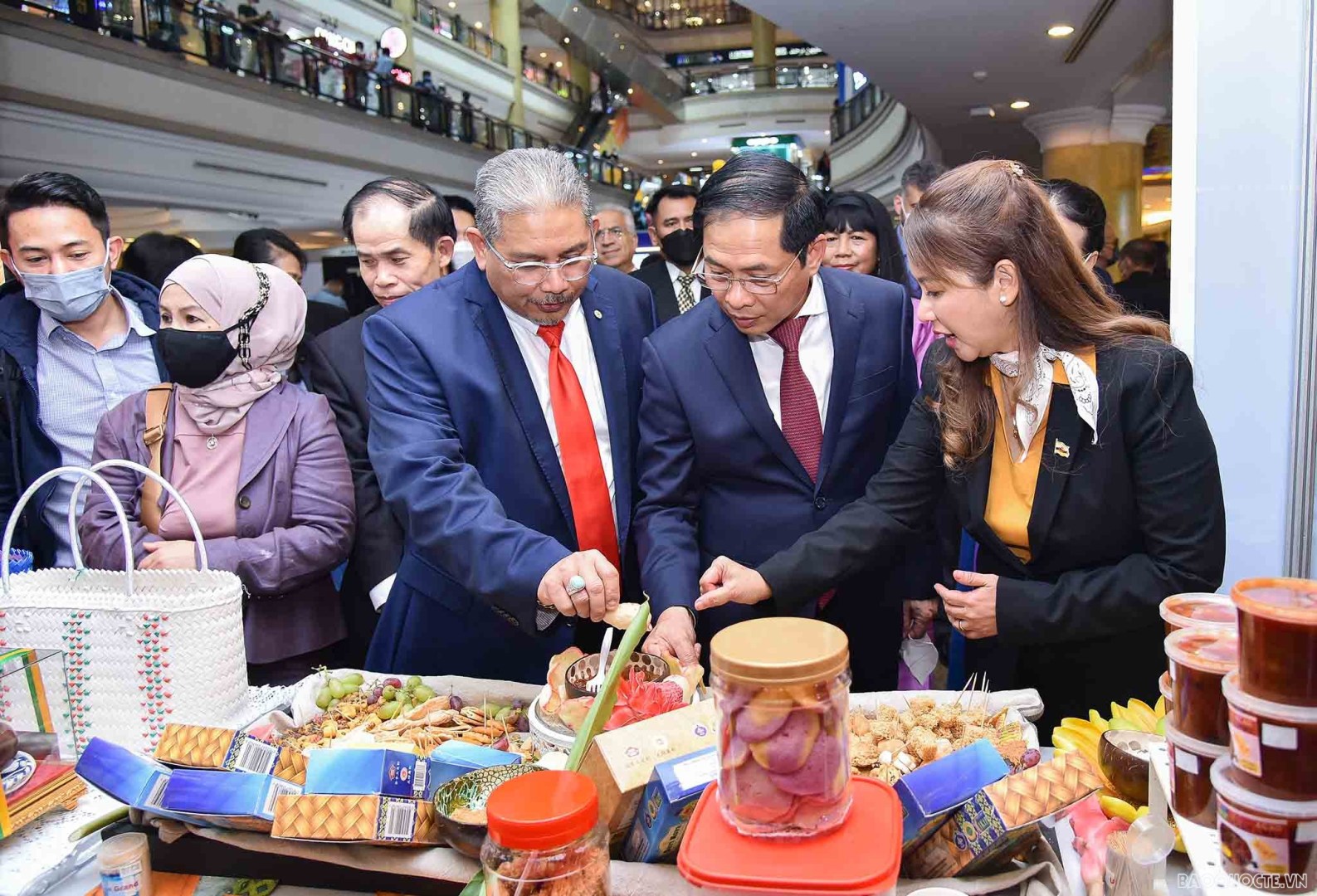
Vietnamese goods such as coffee, juice and dried fruit have penetrated the Brunei market. (Photo: VNA)
Another project is a joint effort by PV Drilling Brunei – a branch of the PetroVietnam Drilling & Well Service Corporation, and Brunei Shell Petroleum. Since October 2021, PV Drilling has provided semi-submersible drilling rig for the BSP for at least a span of six years.
Recently, the Brunei Government has paid attention to investment in agro-fisheries, construction and infrastructure development to diversify the economy and reduce dependence on oil. These areas are strengths of Vietnam. The success of the project by LILAMA and several small-scale construction projects by Vietnamese partners in Brunei is a driving force to attract more Vietnamese investors to Brunei to explore the market.
Maritime cooperation is also one of the main pillars to carry out the contents of the Vietnam – Brunei comprehensive partnership for the benefit of the two nations. They need to step up sea and ocean cooperation, including activities such as effectively deploying a hotline to support fisheries activities, a joint venture in exploitation, expanding cooperation in aquaculture and processing, sharing information about law enforcement, and coping with security challenges at sea.
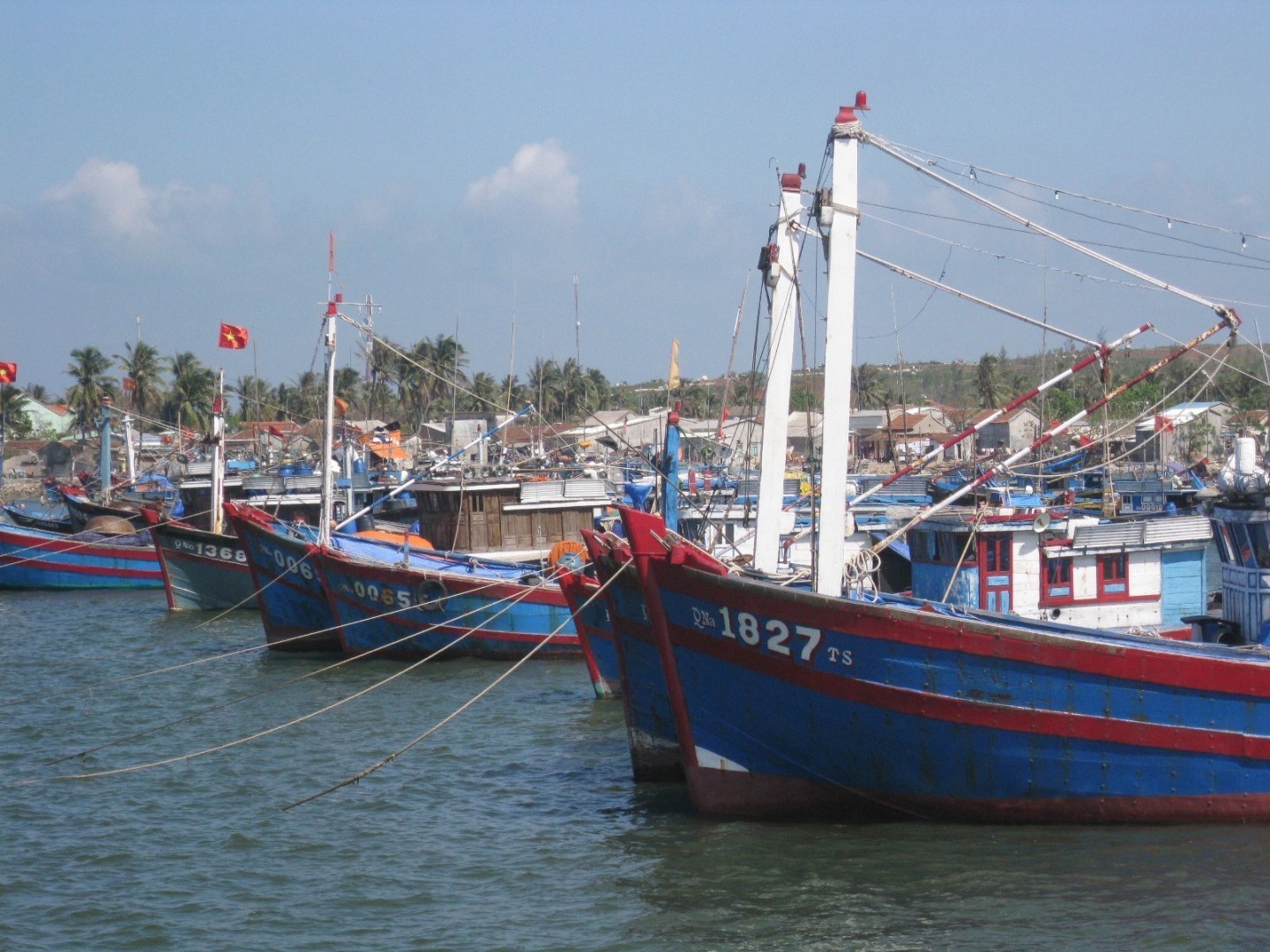
Illustrative image. It is necessary for Vietnam and Brunei to step up sea and ocean cooperation, including activities such as effectively deploying a hotline to support fisheries activities. (Photo: VNA)
Regarding the people-to-people diplomacy and citizen protection, the COVID-19 pandemic has brought about unprecedented experiences over the past two years. The Vietnamese citizens in Brunei were stranded due to the impact of the border closure order. The Brunei government actively assisted them with legal papers to stay there pending flights back home.
Mutual support at multilateral forums
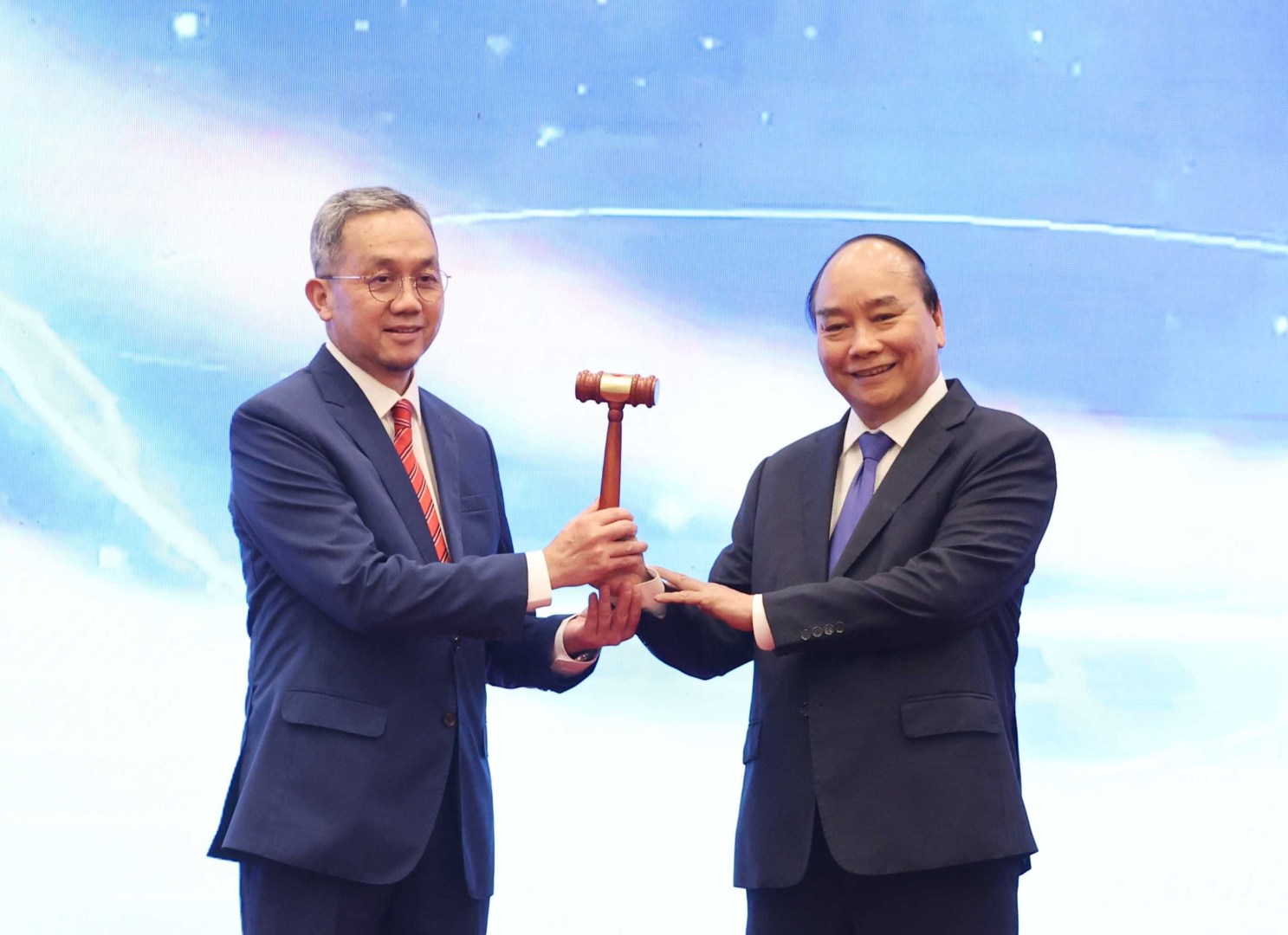
Pengiran Haji Sahari bin Pengiran Haji Salleh, Ambassador of Brunei Darussalam to Vietnam (left) receives a hammer, which represents ASEAN Chairmanship, from then Vietnamese PM Nguyen Xuan Phuc. (Photo: VNA)
Brunei and Vietnam are close partners that regularly assist each other at multilateral forums to which they are members such as ASEAN, the United Nations and related cooperation frameworks. Brunei supports Vietnam to join international forums. The two countries offer mutual liaison within the ASEAN framework and other regional and global forums.
In 2020 and 2021, Vietnam and Brunei successfully assumed the role of ASEAN rotating chairs, respectively. They actively supported each other’s initiatives and contributed to the building of the ASEAN Community, strengthened ASEAN’s centrality in the region, and backed each other in the fight against epidemics and in cooperation in regional economic recovery and development.
In the coming time, the two sides will maintain the measures of sharing experiences and coordinate their stances on regional and international issues, including responding to traditional and non-traditional security challenges; maintaining peace, stability, security, safety, freedom of navigation and overflight; upholding the rule of law in the East Sea; boosting negotiations to reach an effective and practical Code of Conduct in the East Sea (COC) in line with international law, including the 1982 United Nations Convention on the Law of the Sea (UNCLOS).
Vietnamese Ambassador to Brunei Tran Van Khoa and overseas Vietnamese pose for a photo at the 2022 Xuan Que Huong (Homeland Spring) programme, (Photo: VNA)
On the occasion of the official Brunei visit by Vietnamese Foreign Minister Bui Thanh Son on 6-8 September, Chargé d’Affaires of Brunei to Vietnam Syaffeenazz Tahir highlighted the significance of the visit and the development of the relations bilaterally and within ASEAN Community.
She stressed the visit is Son’s first after being appointed as Minister of Foreign Affairs of Vietnam to co-chair the second meeting of the Joint Commission for Bilateral Cooperation (JCBC). It is expected to help strengthen the bilateral comprehensive partnership in a more substantive way.
In addition, it also enabled both sides to exchange views on regional and international issues of mutual concern, with both sides underscoring the importance of upholding ASEAN’s centrality and enhance coordination through multilateral cooperation. This is particularly crucial in the efforts to address current and future challenges for the shared benefit of the two peoples, countries and the whole region.
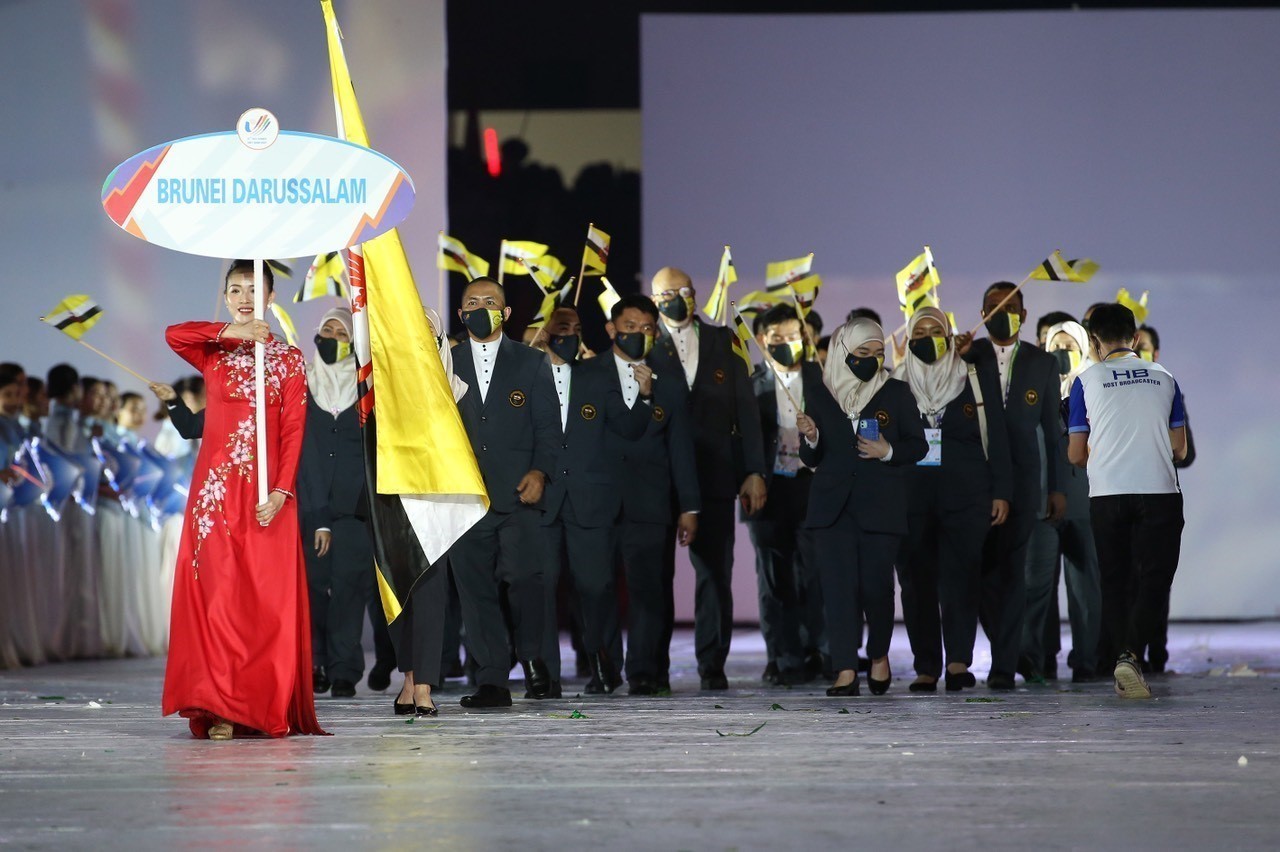
The Brunei sports delegation paraded at My Dinh National Stadium at the opening ceremony of the 31st SEA Games in Hanoi. (Photo: VNA)
She said she believes that the warm and friendly relations between Brunei and Vietnam will continue to grow from strength to strength as reflected in the active and increasingly multifaceted cooperation between the two countries. Brunei looks forward to working closely with Vietnam in strengthening existing cooperation and exploring potential collaborations in energy and aquaculture, she said.
According to her, the two countries also enjoyed good progress in culture, youth and sport exchanges through the mutual participation of the two peoples in events and activities organised in respective countries. These include Brunei’s participation in the recent 31st Southeast Asian Games successfully hosted by Vietnam in May 2022, as well as Vietnam’s involvement in the Southeast Asian Youth Al – Quran Reading Competition and the Hassanal Bolkiah Trophy for ASEAN Youth Football Championship organised by Brunei./
Vietnam and Brunei have made new strides in their relationship since the establishment of a comprehensive partnership on the occasion of the State visit to Vietnam by the Sultan of Brunei in March 2019.
The two countries established diplomatic relations in February 1992. In June 2000, they signed a Memorandum of Understanding on the establishment of a Bilateral Cooperation Committee.
In November 2001, they signed cooperation agreements on maritime and trade, and a Memorandum of Understanding (MoU) on tourism cooperation.
An MoU on cooperation between the two defence ministries was signed during a Vietnam visit by the Brunei Deputy Defence Minister in November 2005.
The two countries inked memoranda of understanding on cooperation in sports and youth affairs, and oil and gas, along with an agreement on double taxation avoidance during Prime Minister Nguyen Tan Dung’s Brunei visit in August 2007.
Since August 1, 2007, Brunei has waived visa requirements for Vietnamese ordinary passport holders for 14 days and since August 8, 2007, Vietnam has offered visa exemption to Brunei ordinary passport holders for a two-week stay.
In 2013, they successfully piloted a wet rice farming project in Brunei to help the country ensure food security.
In October 2014, Brunei national flag carrier – Royal Brunei Airlines – officially launched a direct flight service linking Ho Chi Minh City and Bandar Seri Begawan capital. Since then, Vietnam has become a favourite tourist destination for Brunei people, bringing the two countries closer.
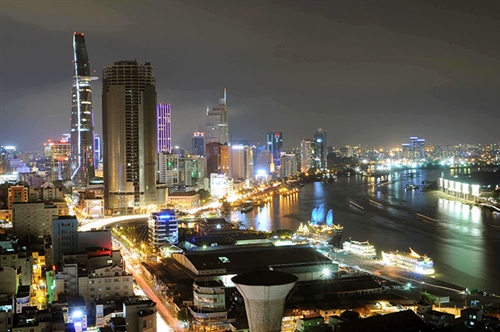
A corner of Ho Chi Minh City. (Photo: VNA)
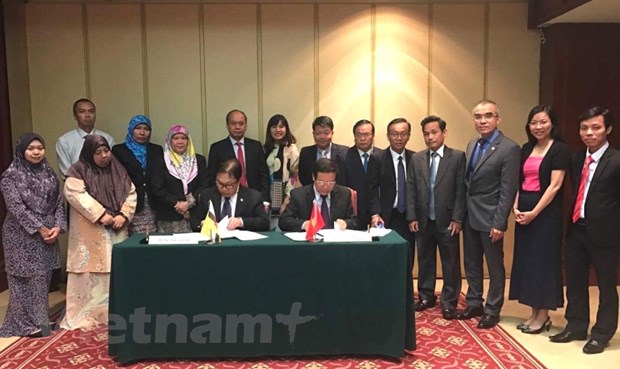
In April 2017, a working delegation from the Vietnamese Ministry of Agriculture and Rural Development visited and held a working session with the Brunei Ministry of Industry and Primary Resources to launch agreements on cooperation in agriculture, seafood processing, and fishing in Brunei’s exclusive economic zone.
Vietnam and Brunei signed an agreement to accelerate the establishment of a hotline dealing with emerging issues relating to fisheries and fishermen in April 2017. (Photo: VNA)
Also in 2017, the two countries held activities celebrating the 25th anniversary of bilateral diplomatic ties. Events included the first meeting of the Vietnam-Brunei Bilateral Cooperation Committee which was co-chaired by Vietnamese Deputy Prime Minister and Foreign Minister Pham Binh Minh and Brunei Minister at the PM’s Office and Second Minister of Foreign Affairs & Trade Lim Jock Seng.
The first meeting of the Vietnam-Brunei Bilateral Cooperation Committee was co-chaired by Vietnamese Deputy Prime Minister and Foreign Minister Pham Binh Minh (R) and Brunei Minister at the PM’s Office and Second Minister of Foreign Affairs & Trade Lim Jock Seng in 2017. (Photo: VNA)
They outlined measures to strengthen cooperation in economy-trade-investment, defence-security, oil and gas, agriculture and fisheries, culture-tourism, education-training, and labour.
At the first meeting of the Vietnam-Brunei Bilateral Cooperation Committee in 2017. (Photo: VNA)
On the occasion of the State visit to Vietnam by Sultan of Brunei Haji Hassanal Bolkiah from March 26-28, 2019, Vietnam and Brunei issued a joint statement on the establishment of Vietnam-Brunei comprehensive partnership.
Then President Nguyen Phu Trong (R) and Sultan Darussalam Haji Hassanal Bolkiah. (Photo: VNA)
The two countries’ leaders witnessed the signing of an MoU on the use of a hotline to share information about tackling illegal, unreported, and undocumented (IUU) fishing between the Vietnamese Minister of Agriculture and Rural Development and Brunei Minister of Primary Resources and Tourism. Both sides agreed to further cement maritime cooperation, including aquaculture and seafood processing, sharing experience and information about law enforcement at sea, and jointly coping with security challenges at sea to ensure maritime safety and freedom.
They consented to promote a balanced and sustainable two-way trade, towards the goal of 500 million USD by 2025. They also agreed to make the most of market access incentives in line with free trade agreements, including promising markets in Brunei–Indonesia–Malaysia–Philippines East ASEAN Growth Area (BIMP-EAGA) and the Mekong Sub-region, as well as create favourable conditions for businesses, promote linkages between their enterprises, join trade fairs and promptly deal with business problems for the benefit of both sides. They committed to close cooperation in agriculture, especially in poultry meat, rice, fresh vegetables and fruits, fisheries, technical capacity and Halal certification for firms meeting international standards to produce food, cosmetics and pharmaceuticals for export to Islamic markets globally.
In 2021, the two countries pushed forward yearly priority goals, especially response to COVID-19, implementation of the ASEAN Charter, building post-2025 ASEAN Community Vision, and promoting ASEAN’s role in sub-regional cooperation.
In 2022, Vietnam and Brunei are celebrating the 30th anniversary of diplomatic ties.
At the invitation of Second Minister of Foreign Affairs of Brunei Dato Erywan Pehin Yusof, Minister of Foreign Affairs Bui Thanh Son paid an official visit to Brunei and co-chaired the second meeting of the Joint Commission for Bilateral Cooperation (JCBC) in Bandar Seri Begawan from September 6-8.
Second Minister of Foreign Affairs of Brunei Dato Erywan Pehin Yusof (R) and Minister of Foreign Affairs Bui Thanh Son. (Photo: VNA)
During the meeting, the two sides agreed to accelerate the building of an action programme implementing the comprehensive partnership for 2023-2027. They also agreed to arrange visits by leaders, materialise signed agreements, extend the memorandum of understanding (MoU) on agriculture and fishery. The two sides vowed to coordinate to cope with traditional and non-traditional security challenges, including trans-national crime, cybercrime and terrorism. They will also step up negotiations of cooperation documents in such areas as the transfer of sentenced persons and crime combat.
The two sides will encourage their businesses to step up connectivity, diversify supply sources and trade structure, and seek investment opportunities, especially in potential areas like agriculture-fishery, forestry, energy-oil-gas and processing industry, contributing to ensuring food security and production chain.
To promote more balanced trade, Son suggested Brunei facilitate the entry of Vietnamese goods, especially rice and agricultural and aquatic products that meet Halal standards, into the market.
At the second meeting of the Vietnam-Brunei Bilateral Cooperation Committee. (Photo: The World & Vietnam Report)
The Vietnamese minister expressed his hope that Brunei will early ratify the Comprehensive and Progressive Agreement for Trans-Pacific Partnership (CPTPP), contributing to creating new cooperation opportunities between the two countries.
The two ministers also consented to step up cooperation in education and people-to-people exchange via sport, cultural, youth and women’s exchanges and within the framework of ASEAN, diversify tourism products and encourage carriers to consider opening more direct air routes, and promote cooperation between universities.
Exchanging viewpoints on regional and global issues of mutual concern, the ministers highly appreciated the close and effective coordination between the two countries over the past time at regional and international forums, especially in ASEAN and the United Nations, helping to strengthen the solidarity and central role of ASEAN, as well as maintain peace and stability, and promote cooperation in the region and the world.
They agreed to continue working closely with each other to promote ASEAN’s common principles and stances on relations with partners, as well as in the Myanmar and East Sea issues. They also agreed to step up the implementation of the Declaration on the Conduct of Parties in the East Sea (DOC), and coordinate in negotiations on an effective and efficient Code of Conduct in the East Sea (COC) in accordance with international law and the 1982 United Nations Convention on the Law of the Sea (UNCLOS).
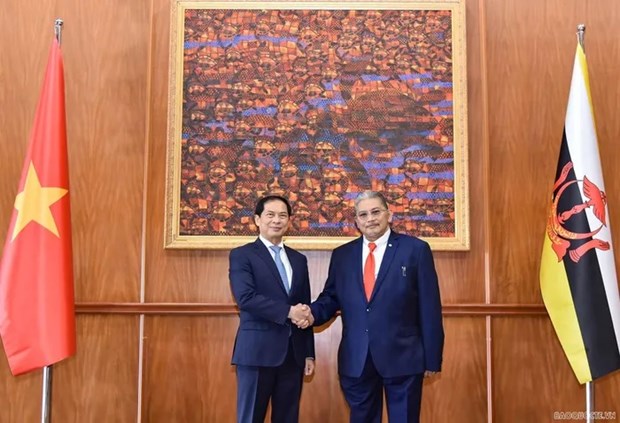
Meeting Sultan Haji Hassanal Bolkiah, Son expressed his wish that the Sultan would continue paying attention to Vietnam-Brunei comprehensive partnership. He said it is important to soon resume all-level visits after the pandemic, promote a more balanced trade growth in the direction of reducing trade deficit for Vietnam. These include creating favourable conditions for Vietnamese goods, especially rice and agricultural and aquatic products meeting Halal requirements, to enter the Brunei market. Together, the two countries must encourage businesses to expand investment, open direct flight services and facilitate economic development, culture, tourism and people-to-people exchange.
Sultan Haji Hassanal Bolkiah received Vietnamese Minister of Foreign Affairs Bui Thanh Son (L) on September 7, 2022. (Photo: VNA)
The host vowed to direct Brunei ministries and agencies to work closely with Vietnam to realise results of the JCBC-2 and carry forward bilateral comprehensive partnership in a more effective and practical manner, thus bringing benefits to the two peoples./.
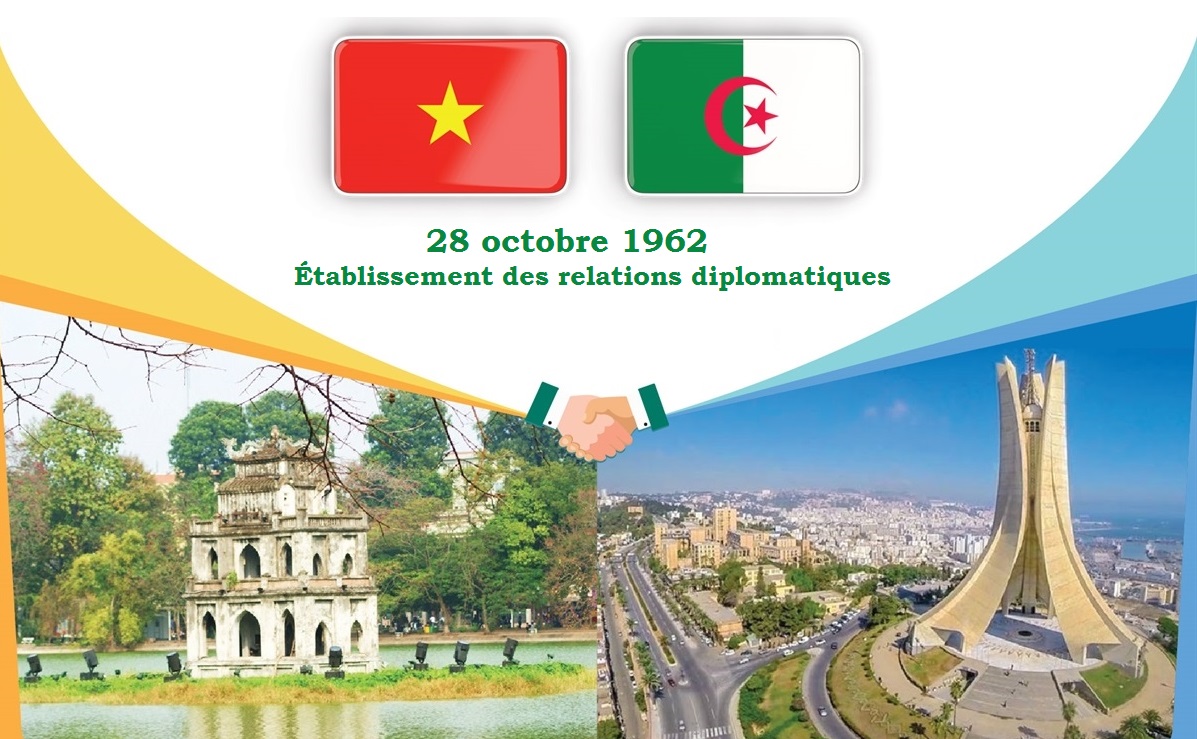
Les relations d’amitié traditionnelle entre le Vietnam et l’Algérie sont cultivées, développées et consolidées depuis l’établissement de leurs relations diplomatiques en octobre 1962.
Les deux pays partagent de nombreuses similitudes conférant un caractère spécial à leurs relations bilatérales qui on connu un développement important sur les plans politique, économique et culturel.
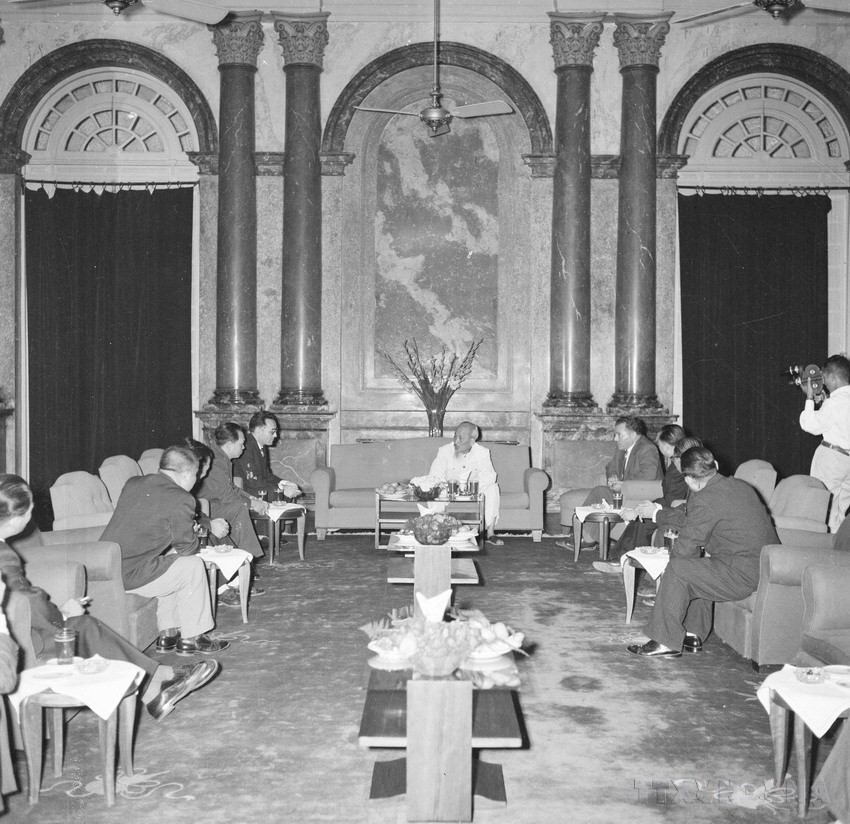
Le président Ho Chi Minh a reçu la délégation du gouvernement provisoire de l’Algérie en visite au Vietnam, le 13 décembre 1958. Photo: VNALe président Ho Chi Minh a reçu la délégation du gouvernement provisoire de l’Algérie en visite au Vietnam, le 13 décembre 1958. Photo: VNA
60 ans de bonnes relations d’amitié traditionnelles
Les relations entre les deux pays ont été cultivées au cours des années de guerre contre le colonialisme et l’occupation étrangère. En 1958, le Vietnam a été l’un des premiers pays à avoir reconnu officiellement le Gouvernement provisoire de la République algérienne. Le pays d’Asie du Sud-Est a ensuite ouvert une ambassade en Algérie en 1962, juste après son indépendance.
Le Vietnam a été l’un des premiers pays à avoir reconnu officiellement le Gouvernement provisoire de la République algérienne, en 1958 et à ouvrir une ambassade en Algérie en 1962, juste après son indépendance.
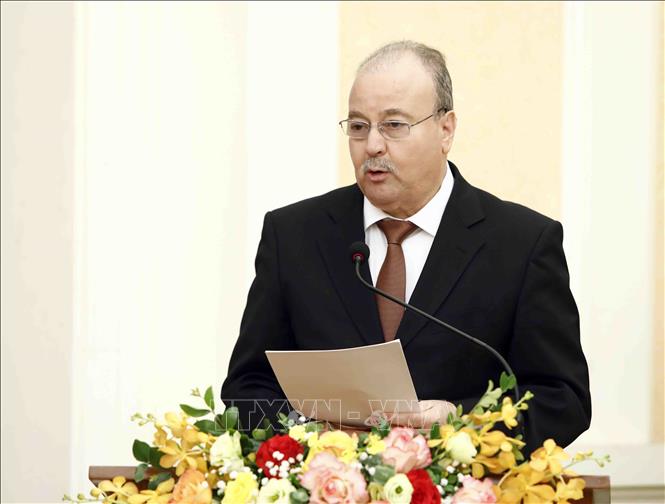
Ambassadeur d’Algérie au Vietnam, Boubazine Abdelhamid. Photo: VNA
Depuis lors, les relations entre le Vietnam et l’Algérie n’ont cessé de se consolider et de se développer. Les deux pays ont continué à se soutenir sur le plan politique, dans la défense et l’édification de la Patrie de chacun.
Ces dernières années, la coopération entre les deux pays s’est également élargie dans divers domaines.
Les deux pays ont renforcé leur confiance politique et leur compréhension mutuelle grâce au maintien des échanges de délégations à tous les niveaux, des mécanismes tels que le Comité de coopération intergouvernementale, la Consultation politique entre les deux ministères des Affaires étrangères… Grâce à cela, les dirigeants des deux pays ont partagé une évaluation commune sur les questions bilatérales et internationales, et ont atteint un consensus élevé sur le renforcement de la coopération entre les deux pays.
Le Vietnam et l’Algérie ont établi plusieurs mécanismes de coopération bilatérale, dont des groupes d’amitié parlementaires et des associations d’amitié populaires.
Les deux pays ont signé 12 accords et une vingtaine de textes sous forme de protocoles ou mémorandums dans divers domaines tels que diplomatie, économie, sciences et techniques, culture, sports, tourisme, justice, postes et télécommunication, contrôle phytosanitaire à l’importation de végétaux et animaux, transport maritime, éducation, formation professionnelle, finance, agriculture… Il faut citer, entre autres, l’accord de transport maritime, l’accord de promotion du commerce, l’accord d’exemption de visa pour les titulaires de passeports diplomatiques.
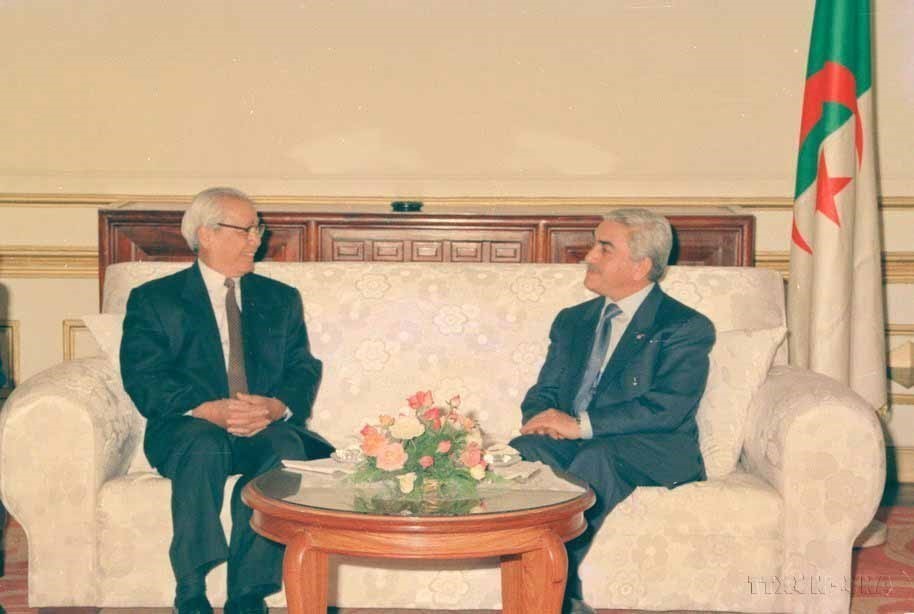
Le président Le Duc Anh a reçu le président algérien Lianime Zerouae lors de sa visite au Vietnam le 21 octobre 1996. Photo: VNA
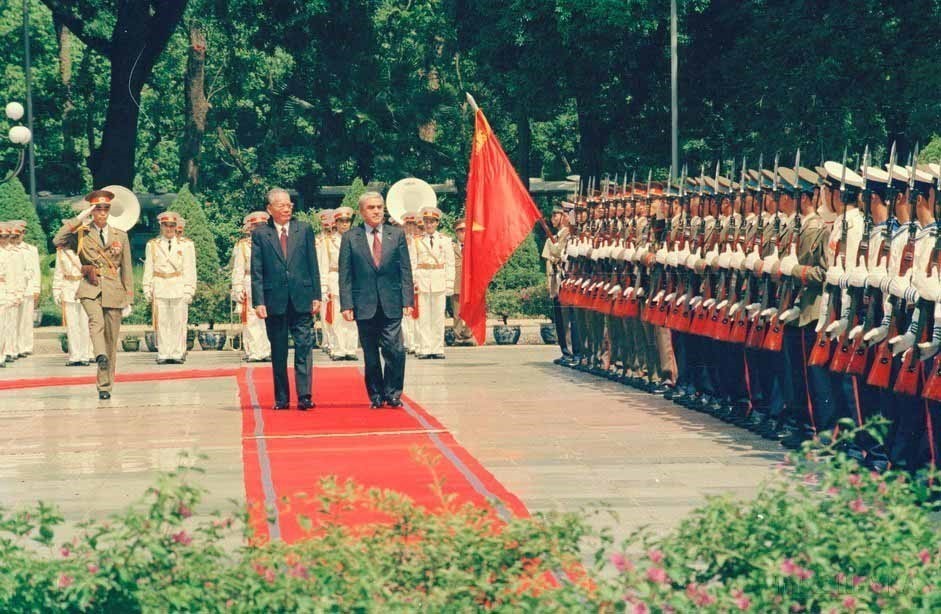
Cérémonie d’accueil du président algérien Lianime Zerouae lors de sa visite au Vietnam le 21 octobre 1996. Photo: VNA
Le Premier ministre Vo Van Kiet a reçu le président algérien Lianime Zerouae le 22 octobre 1996. Photo: VNA
Le secrétaire général Do Muoi a reçu le président algérien Lianime Zerouae le 22 octobre 1996. Photo: VNA
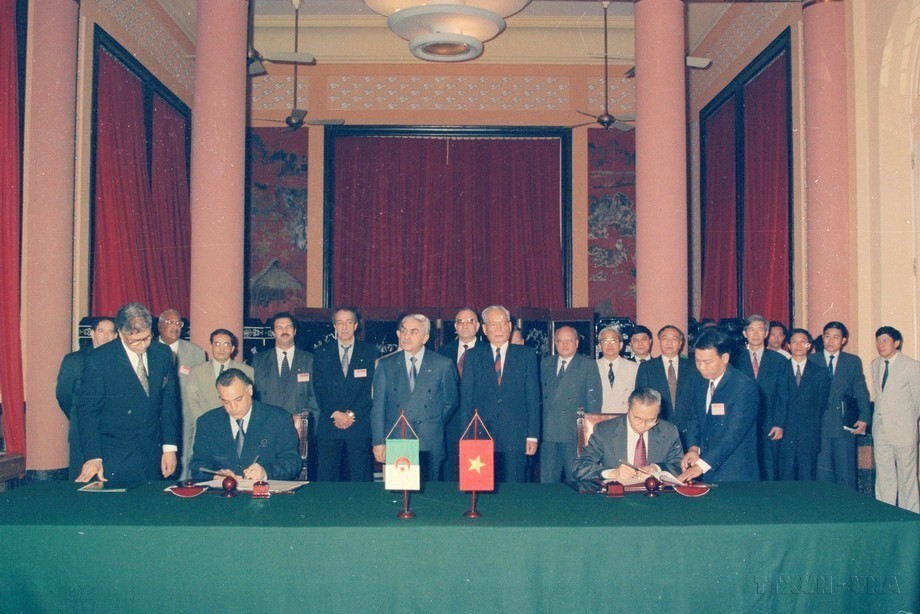
Le président Le Duc Anh et le président algérien Lianime Zerouae ont assisté à la cérémonie de signature de l’accord sur la promotion et la protection des investissements et de l’accord sur les échanges et la coopération culturels entre les deux pays le 23 octobre 1996. Photo: VNA
Le président algérien Lianime Zerouae rencontre une élève vietnamienne du Collège Vietnam-Algérie. Photo: VNA
De nombreux accords ont été signés, notamment durant les années 70 après le triomphe des Vietnamiens sur les Américains et la réunification du pays en 1975. Il faut citer, entre autres, l’accord de transport maritime, l’accord de promotion du commerce, l’accord d’exemption de visa pour les titulaires de passeports diplomatiques.
La maîtrise de la pandémie de COVID-19 et la tenue de la 12e session de la Commission mixte à Hanoï en décembre prochain vont donner une nouvelle impulsion aux relations bilatérales.
Amplifier les échanges commerciaux
L’Algérie est l’un des premiers partenaires du Vietnam en Afrique en termes de commerce bilatéral. Le volume des échanges commerciaux bilatéraux ont passé de 82 millions de dollars en 2009 à 281 millions de dollars en 2017.
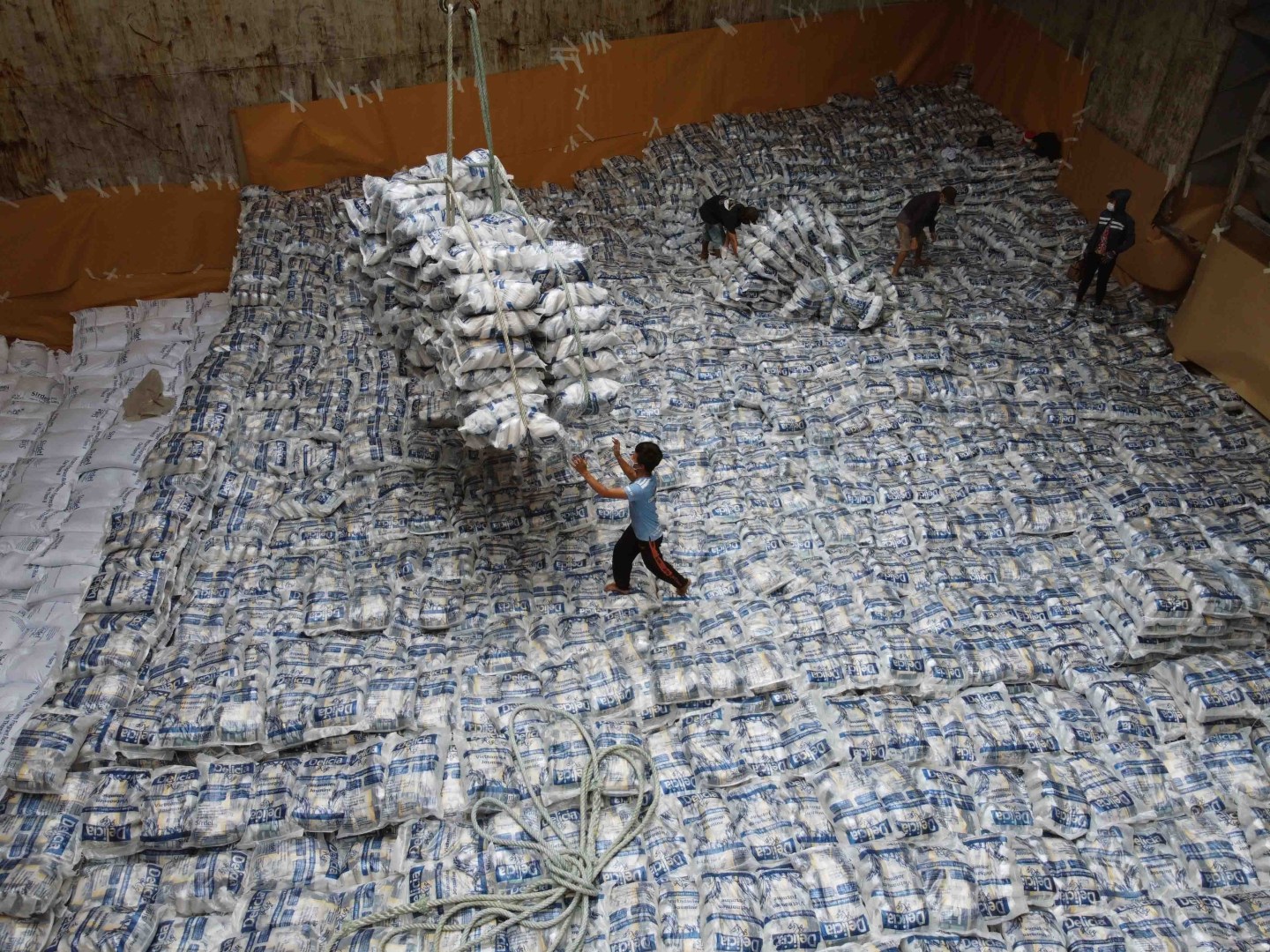
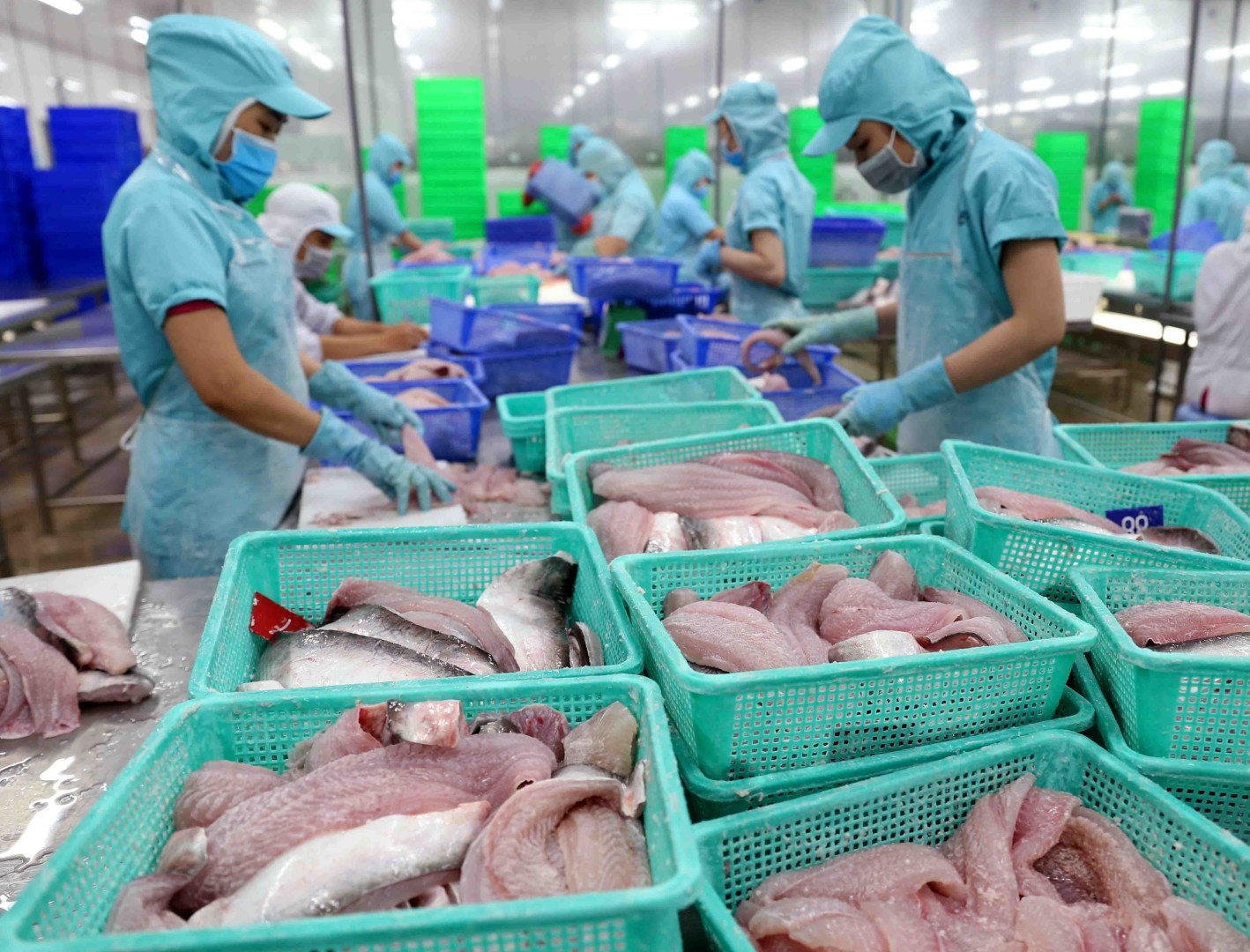
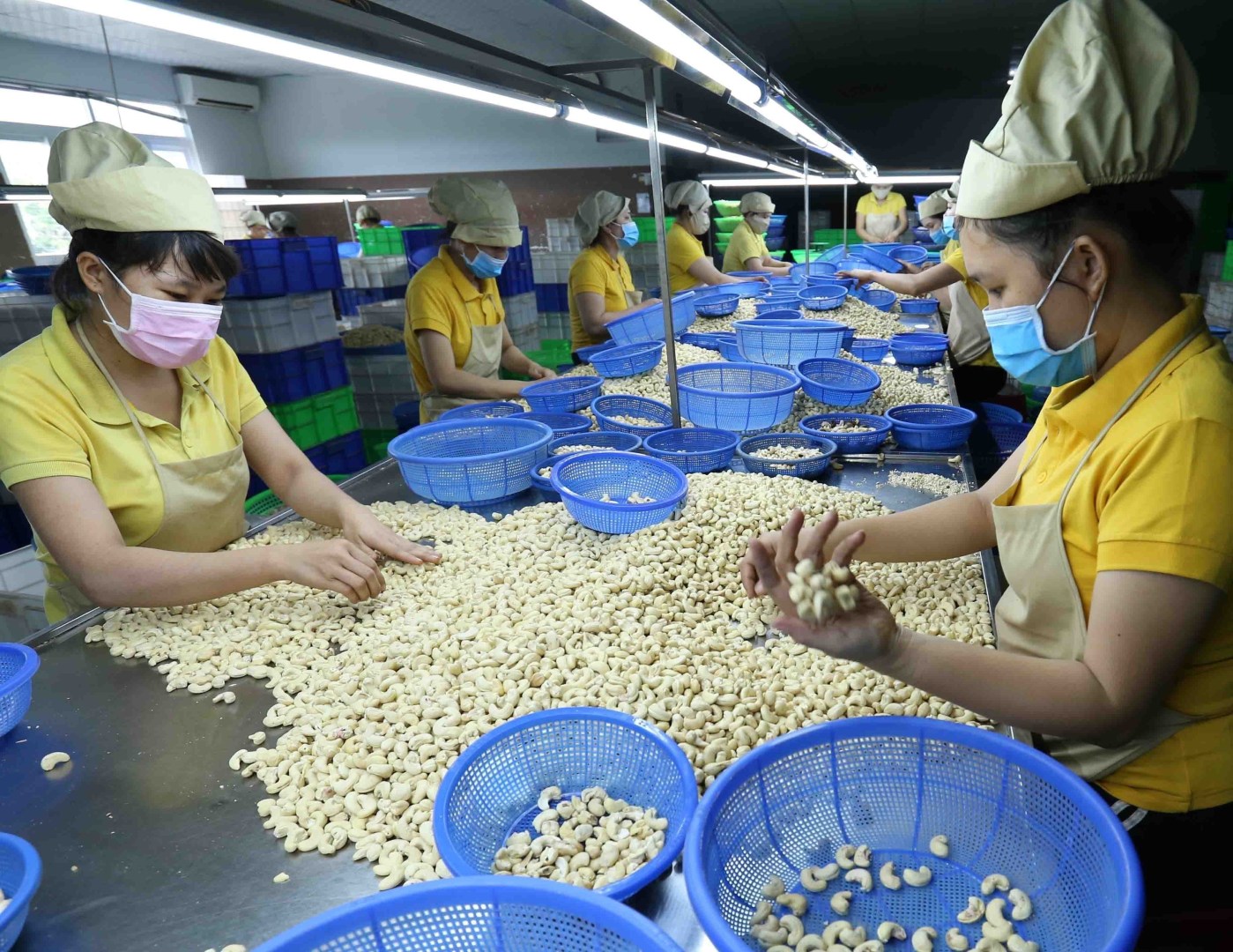
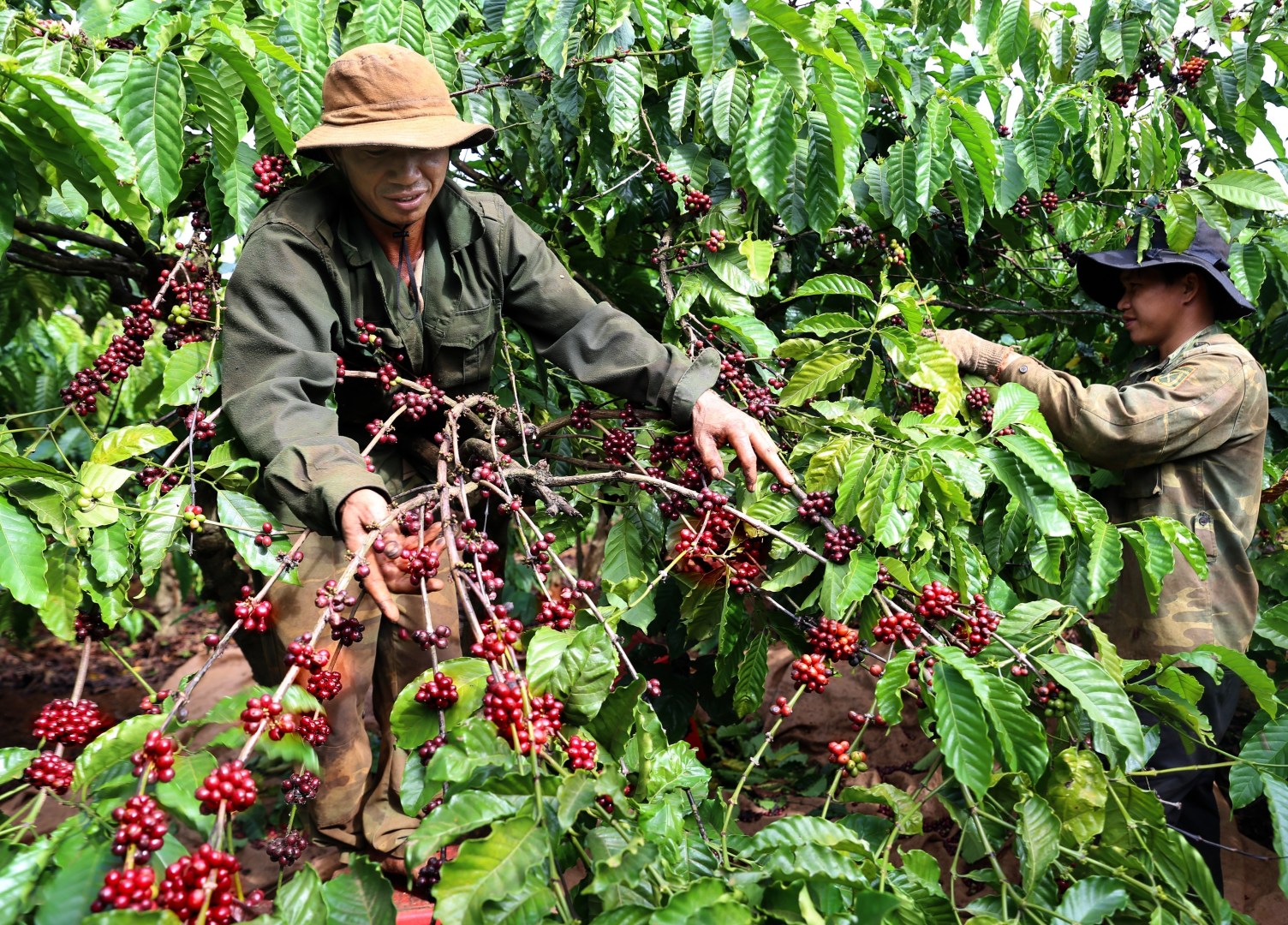
Les principaux produits vietnamiens exportés vers l’Algérie comprennent le café, le riz, le poivre, les produits aquatiques d’eau douce,… Photo: VNA
Les principaux produits vietnamiens exportés vers l’Algérie comprennent le café, le riz, le poivre, les produits aquatiques d’eau douce,… Photo: VNA
Les principaux produits vietnamiens exportés vers l’Algérie comprennent le café, le riz, le poivre, les produits aquatiques d’eau douce,… Photo: VNA
Les principaux produits vietnamiens exportés vers l’Algérie comprennent le café, le riz, le poivre, les produits aquatiques d’eau douce,… Photo: VNA
Les principaux produits vietnamiens exportés vers l’Algérie comprennent le café, le riz, le poivre, les produits aquatiques d’eau douce,… Photo: VNA
En 2021, le commerce bilatéral est estimé à 262,54 millions de dollars dont 231,57 millions provenaient des importations algériennes et 30,97 millions de dollars, des exportations algériennes vers le Vietnam. Ce chiffre a atteint près de 110 millions de dollars au cours des neuf premiers mois de 2022.
L’Algérie, quatrième économie d’Afrique avec une population de plus de 44 millions d’habitants, a besoin d’importer des biens où le Vietnam a des atouts, en particulier produits agricoles tels que café, poivre, noix de cajou et fruits de mer, entre autres.
La structure des biens d’exportation entre les deux pays n’est pas concurrentielle mais complémentaire. Le Vietnam compte une population de près de 100 millions de personnes et l’Algérie, 44 millions. Tous les deux pays occupent des positions économiques stratégiques et sont des “portes d’entrée” de leur région respective.
Cependant, le commerce bilatéral entre le Vietnam et l’Algérie est encore assez modeste par rapport à leur potentiel.
Pour stimuler leurs échanges commerciaux, la partie algérienne et la partie vietnamienne encouragent leurs entreprises à participer davantage à l’exploration du marché algérien pour acheter des produits, notamment agroalimentaires (dattes, huile d’olive), des minéraux (engrais et produits d’enrichissement des sols), du gaz (GPL) et d’autres matières premières.
En outre, il faudra procéder à la rénovation du cadre juridique de la coopération algéro-vietnamienne car parmi les nombreux projets d’accords et accords gouvernementaux de coopération bilatérale dans différents domaines, certains nécessitent d’être actualisés notamment l’accord sur la protection réciproque des investissements. La nouvelle loi algérienne sur les investissements constitue un des éléments favorables à leur développement.
Une série d’activités marquant les 60 ans des relations Vietnam – Algérie
La célébration cette année du 60eme anniversaire de l’établissement des relations diplomatiques entre le Vietnam et l’Algérie constitue une grande opportunité pour concrétiser les actions visant à développer les relations de coopération et de partenariat entre les deux pays, malgré la pandémie du Covid 19 qui a ralenti considérablement les relations bilatérales durant ces deux dernières années.
Afin de célébrer cet événement important, l’ambassade d’Algérie au Vietnam organise cette année une série d’activités culturelles.
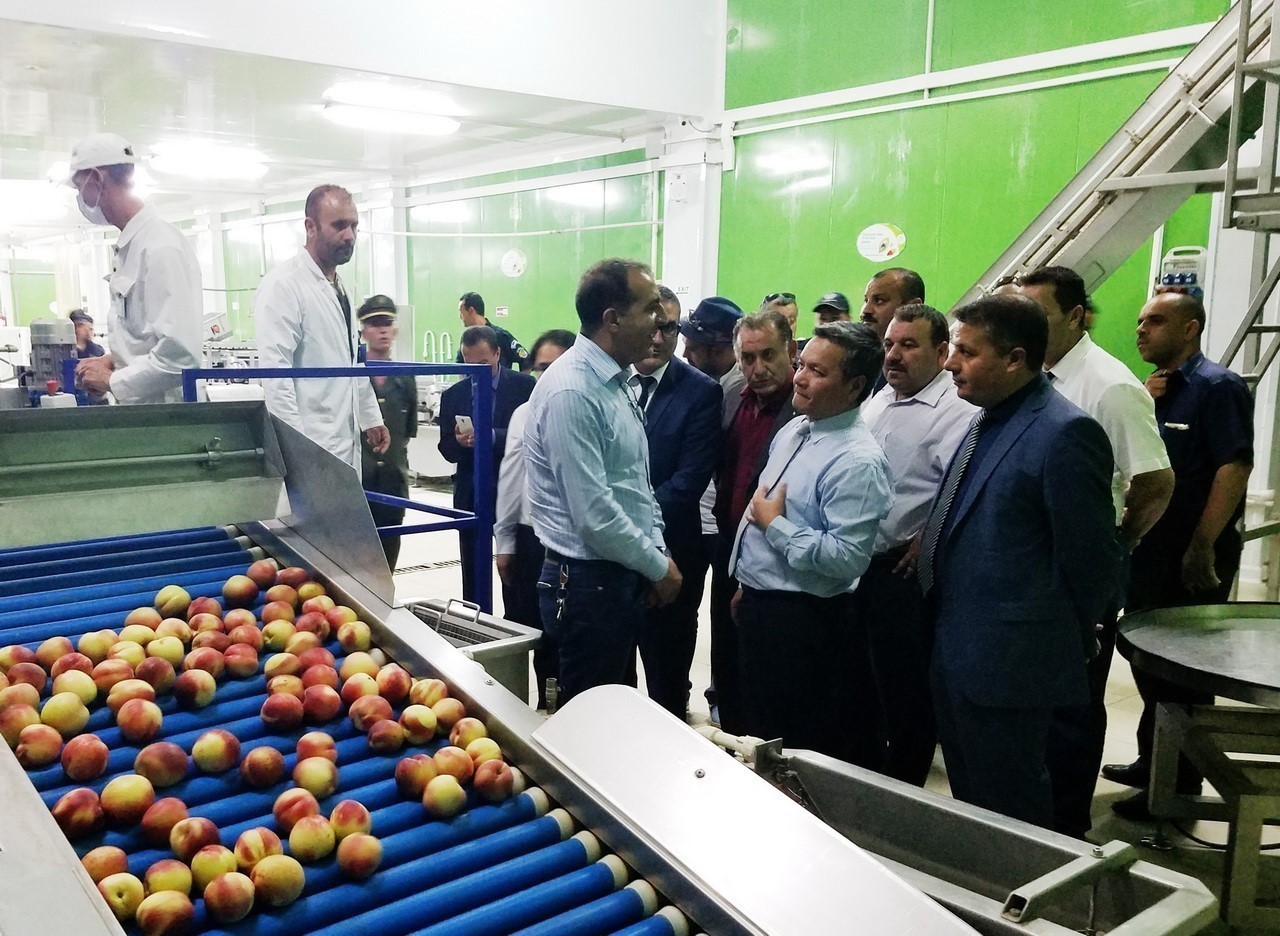
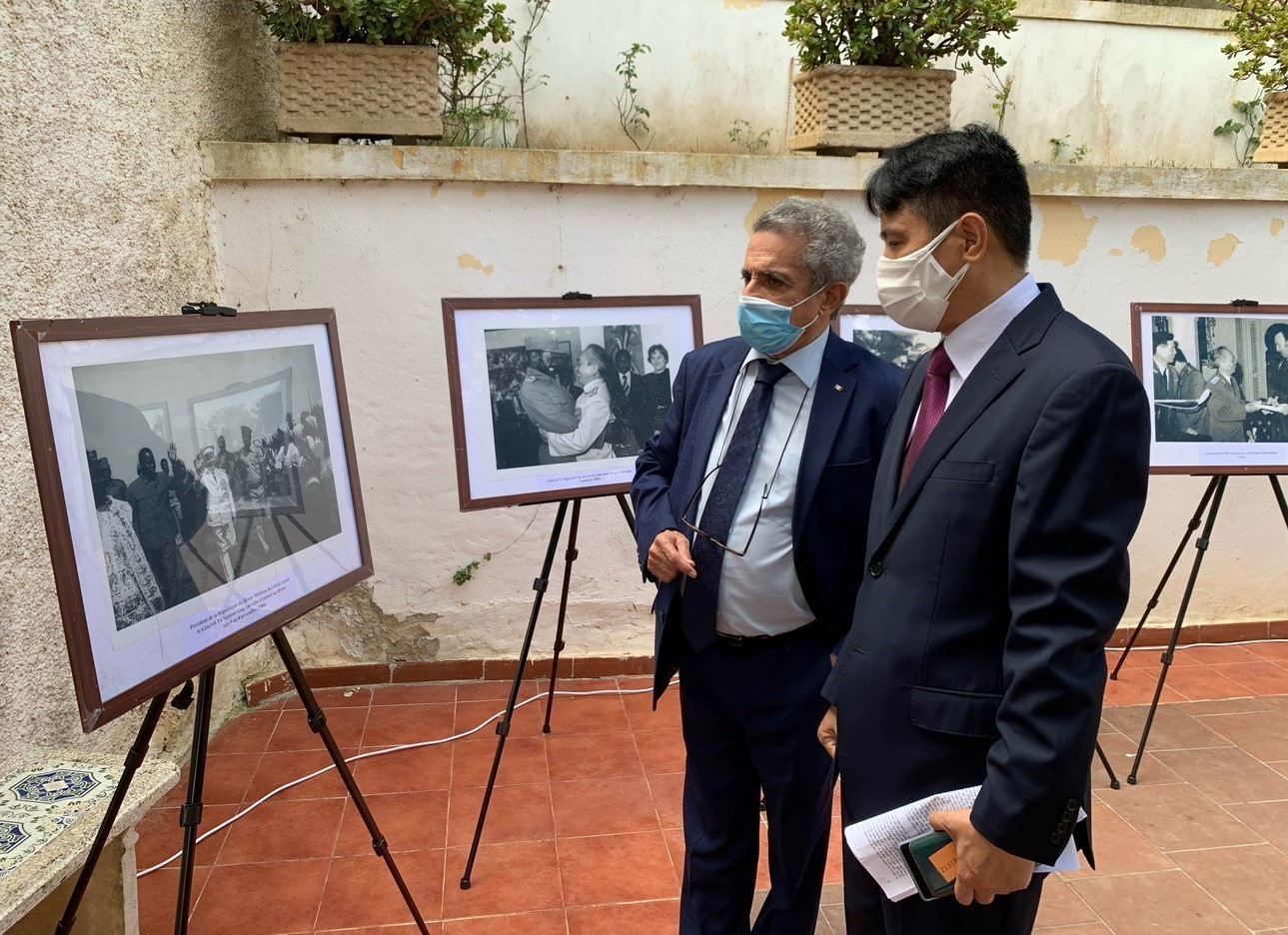
Une délégation de l’Ambassade du Vietnam en Algérie visite une entreprise dans la province algérienne de Médéa. Photo: VNAL’ambassadeur du Vietnam en Algérie Nguyen Thanh Vinh (à droite) et le conseiller commercial Hoang Duc Nhuan (à gauche) lors de la cérémonie d’ouverture du pavillon du Vietnam à la 53e Foire internationale d’Alger (2022). Photo: VNAL’ambassadeur du Vietnam en Algérie Nguyen Thanh Vinh et membre du Comité central du Parti du Front de libération nationale (FLN) algérien, Mourad Lamoudi, assistent à une exposition de photos et de documents à l’occasion du 110e anniversaire du général Vo Nguyen Giap (2021 ). Photo: AlgériePrésentation des produits et marchandises vietnamiens au peuple algérien lors d’un événement organisé par l’ambassade du Vietnam en Algérie. Photo: VNA
La tenue des consultations politiques (3e session) entre les deux ministères des Affaires étrangères à Hanoï en mai dernier a constitué un bon départ pour cet événement important. Les deux pays veulent que cette célébration soit à la hauteur des bonnes relations entre les deux pays, comme en témoigne l’entretien téléphonique prévu entre les deux chefs d’Etat.
L’ambassade d’Algérie à Hanoï va également organiser plusieurs activités, notamment une réception qui sera jumelée avec celle de la Fête nationale du 1er novembre comme exposition de photos à Hanoï ; journée d’études à l’Académie diplomatique relevant du ministère vietnamien des Affaires étrangères ; concours de dessins d’enfants et de chants au Collège d’amitié Algérie – Vietnam ; cérémonie en l’honneur d’anciennes directrices et d’anciens directeurs de cet établissement scolaire. La pièce de Kateb Yacine “l’homme aux sandales de caoutchouc” évoquant le Président Hô Chi Minh qui sera jouée au théâtre national vietnamien.
L’année 2022 marque le 60e anniversaire de l’établissement des relations diplomatiques entre le Vietnam et l’Algérie. Dans les temps à venir, les relations multiformes bilatérales allant de la politique à la diplomatie, à l’économie, à la culture et aux échanges entre les deux peuples continueront de se développer davantage. -VNA
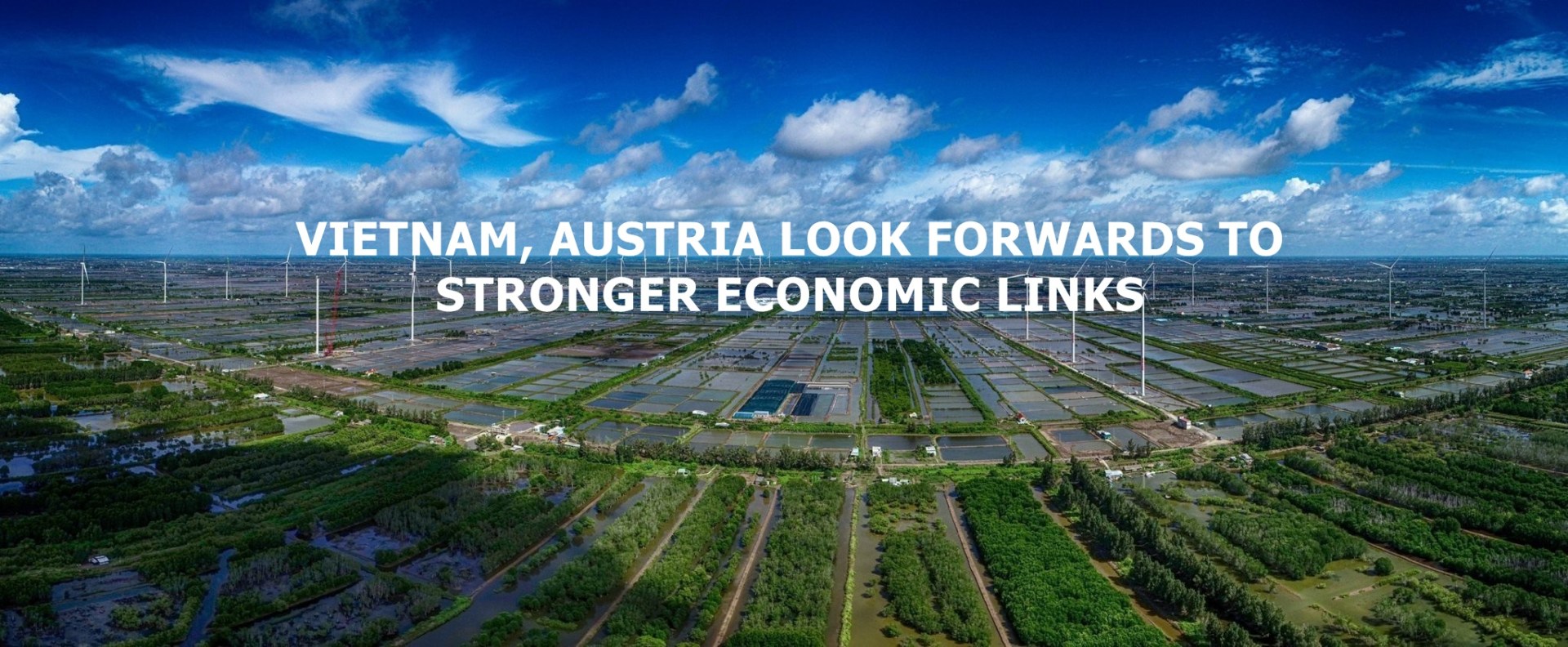
Hanoi (VNA) – Economic partnerships are one of the highlights in Vietnam – Austria relations, and both have shown their determination to strongly advance these ties.
The two countries are celebrating the 50th anniversary of bilateral diplomatic ties this year (December 1, 1972 – 2022). Austria was one of the first Western countries to set up diplomatic relations with Vietnam.
In a recent interview granted to the Vietnam News Agency, Austrian Ambassador to Vietnam Hans-Peter Glanzer said over the last 50 years, Vietnam and Austria have developed excellent relations in a broad spectrum of sectors, and that these relations are based on mutual respect and a sincere wish to deepen mutual understanding and cooperation.
He described the economic field as a prime example for the remarkable development of bilateral relations.
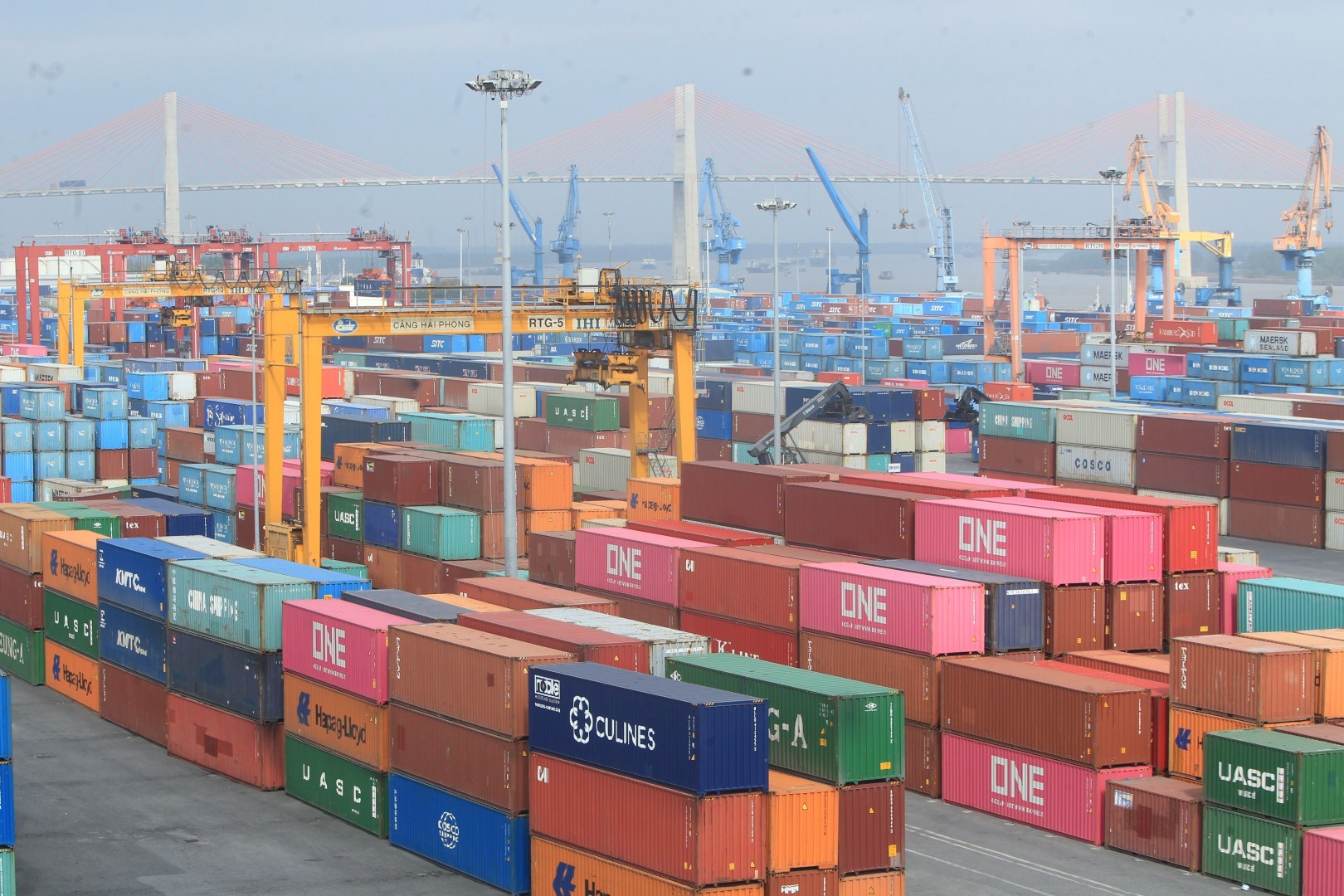
Statistics of Vietnam show that over the past years, the two countries have recorded considerable strides in economic and trade connections. Bilateral trade approximated 3.5 billion USD in 2021, and Austria is currently one of the 10 largest trading partners of Vietnam in the European Union (EU).
Containers of goods at a terminal of Hai Phong Port. Trade between Vietnam and Austria approximated 3.5 billion USD in 2021. (Photo: VNA)
Bright prospects for economic partnerships
“The mentioned positive trend of economic relations and in particular the trade part has been further strengthened by Vietnam’s free trade agreement with the European Union (EVFTA). The opening of an office of the Commercial Section of the Austrian Embassy in Ho Chi Minh City in 2019 was a further step to promote our trade and investment relations,” Ambassador Glanzer said in the interview.
Currently, around 50 Austrian companies have branches in Vietnam, yet there is still room for more Austrian investment in Vietnam, he noted. “We see prospects of increased cooperation in areas such as environmental technology, (renewable) energy, vocational training, tourism, agriculture, sustainable – in particular urban – transport solutions, and healthcare infrastructure.”
He said that at the last meeting of the Joint Commission on Trade and Economic Cooperation which took place at the vice ministerial level in Vienna in last June, both sides agreed that economic cooperation needs to be enhanced.
A wind and solar power project in the central province of Ninh Thuan. Renewable energy is viewed as a potential area for Vietnam – Austria economic cooperation. (Photo: VNA)
The diplomat also highlighted the great potential in new areas such as renewable energy, green finance and environmental protection, adding that Austrian companies have a lot to offer, for example in the field of renewable energy.
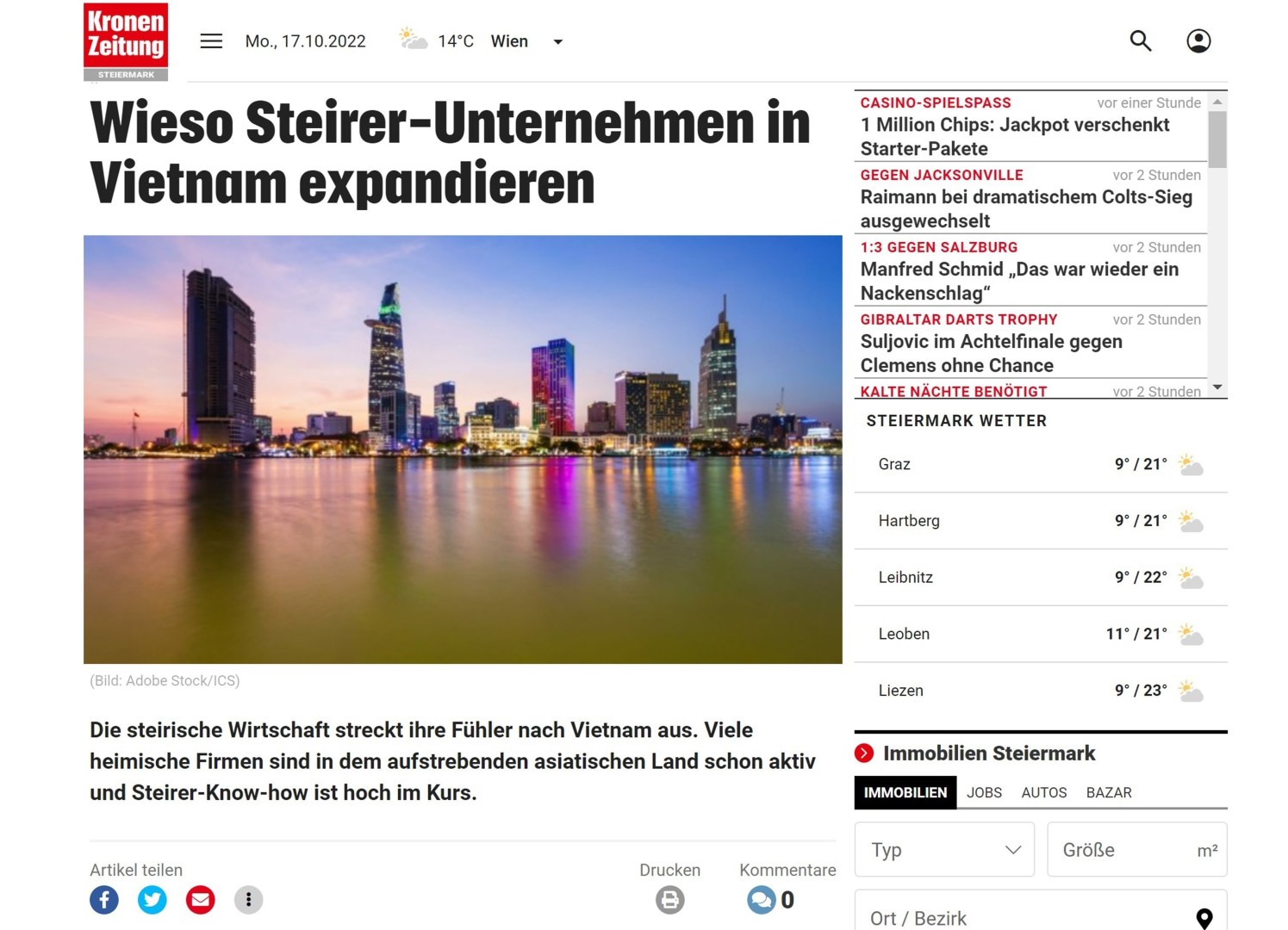
Meanwhile, regarding a recent visit to Vietnam by a delegation of enterprises from Styria – the second biggest in terms of area and the fourth populous state of Austria, an article published on the European country’s Kronen Zeitung newspaper said the Vietnamese economy is booming with the presence of more and more foreign firms and investors, which is a trend that companies in Styria do not want to miss.
It quoted Barbara Eibinger-Miedl, Minister for Economy, Tourism, Europe, Science and Research at the Government of Styria, as saying that there are ample opportunities for Austrian firms to invest in Vietnam in energy technology and environment, design and construction, as well as green technology.
The Kronen Zeitung newspaper covers a visit to Vietnam by a delegation of businesses from the Austrian state of Styria. (Source: VNA)
Chief Executive of the Internationalisation Centre Styria Robert Brugger said after a two-year closure due to the COVID-19 pandemic, now is the right time for Styria to rise again as Vietnam has also returned to its growth trajectory in a spectacular way. He quoted experts as saying that Vietnam’s economy can grow by 7% annually, and Austrian businesses want to seek opportunities there.
According to the writing, Vietnam’s industry is growing strongly with the emergence of new factories, especially those in Hanoi and Ho Chi Minh City. Therefore, the potential of cooperation related to infrastructure and environment solutions is huge.
So far, a number of Austrian firms are doing well in Vietnam, namely equipment manufacturer Andritz, power train system developer EVL List, steel maker Voestalpine, among others.
Kronen Zeitung newspaper quoted data from the Austrian Federal Economic Chamber (WKO) as showing that in 2021, Styria exported 28 million EUR (27.6 million USD) worth of goods to Vietnam while spending 147 million EUR on imports from the latter.
At a seminar recently held by the WKO in Vienna, WKO Regional Manager for Asia Christina-Maria Schösser hailed Vietnam as a fast and stably growing economy that boasts favourable conditions for Austrian firms, saying over the past years, Vietnam has become the third biggest Asian importer of Austria and a promising market for Austrian projects, the article noted.
A wood processing factory in Tan Uyen town of the southern province of Binh Duong. Wood products are among the Vietnamese goods exported to Austria. (Photo: VNA)
Determination to turn potential into reality
With such enormous potential, both countries have expressed their willingness to push up bilateral economic partnerships as seen in recent mutual visits.
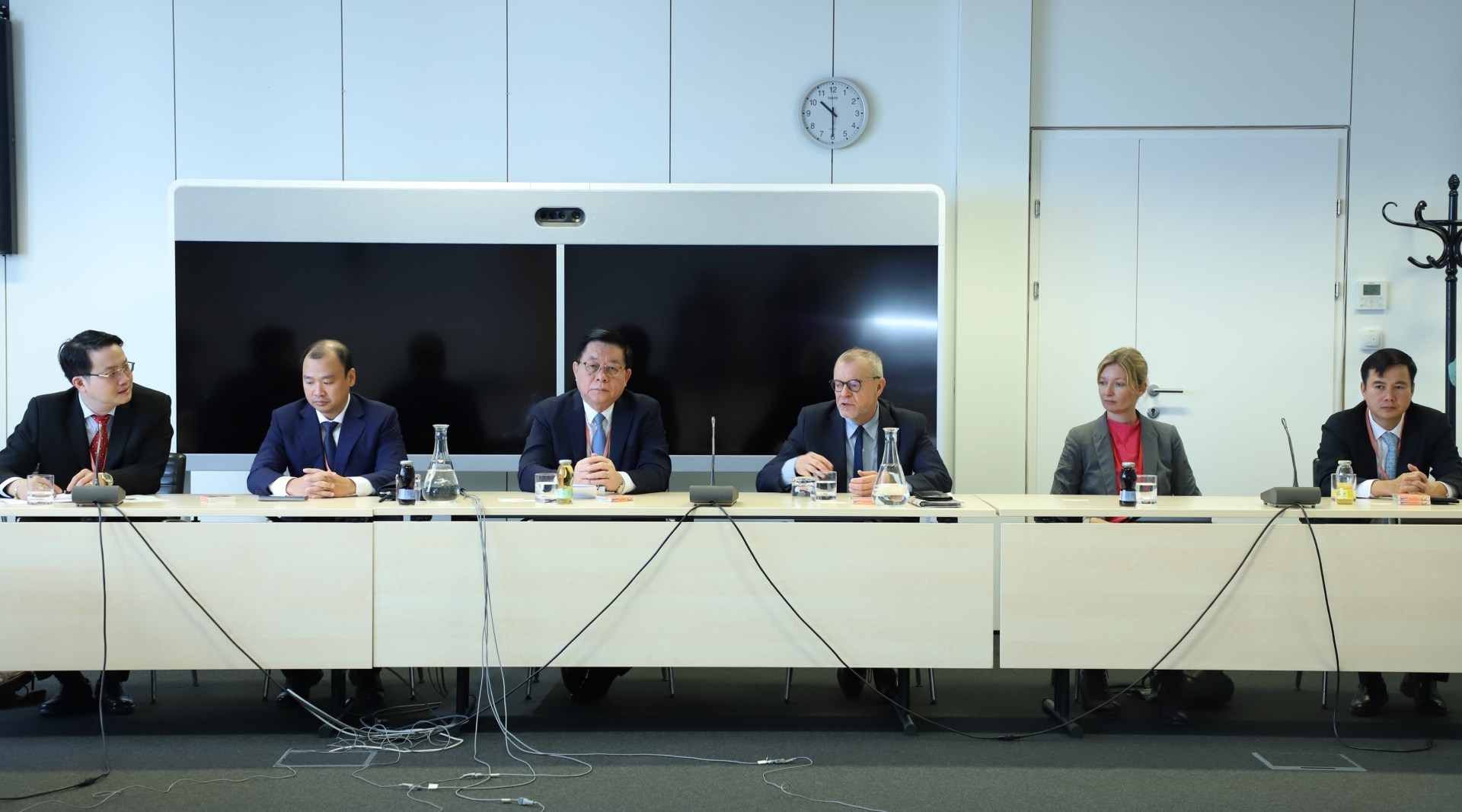
In his working visit to Austria from October 15 to 17, Nguyen Trong Nghia, member of the Party Central Committee’s Secretariat and Chairman of its Commission for Information and Education, had meetings with Harald Troch, deputy head of the Human Rights Committee of the Foreign Relations Committee of the Austrian Parliament, and Maria Maltschnig, secretary in charge of international relations of the Social Democratic Party of Austria.
Nguyen Trong Nghia (third from left), Secretary of the Communist Party of Vietnam Central Committee and Chairman of the committee’s Commission for Information and Education, at a meeting with Harald Troch (third from right), deputy head of the Human Rights Committee of the Foreign Relations Committee of the Austrian Parliament, and Maria Maltschnig (second from right), secretary in charge of international relations of the Social Democratic Party of Austria. The meeting is part of Nghia’s visit to Austria from October 15 to 17, 2022. (Photo: VNA)
The Austrian officials highlighted Vietnam’s position and role, describing the country as an important partner of their country in the Asia-Pacific region. They also agreed to coordinate with Vietnam to effectively implement the EVFTA and promote the Austrian Parliament’s ratification of the EU – Vietnam Investment Protection Agreement (EVIPA).
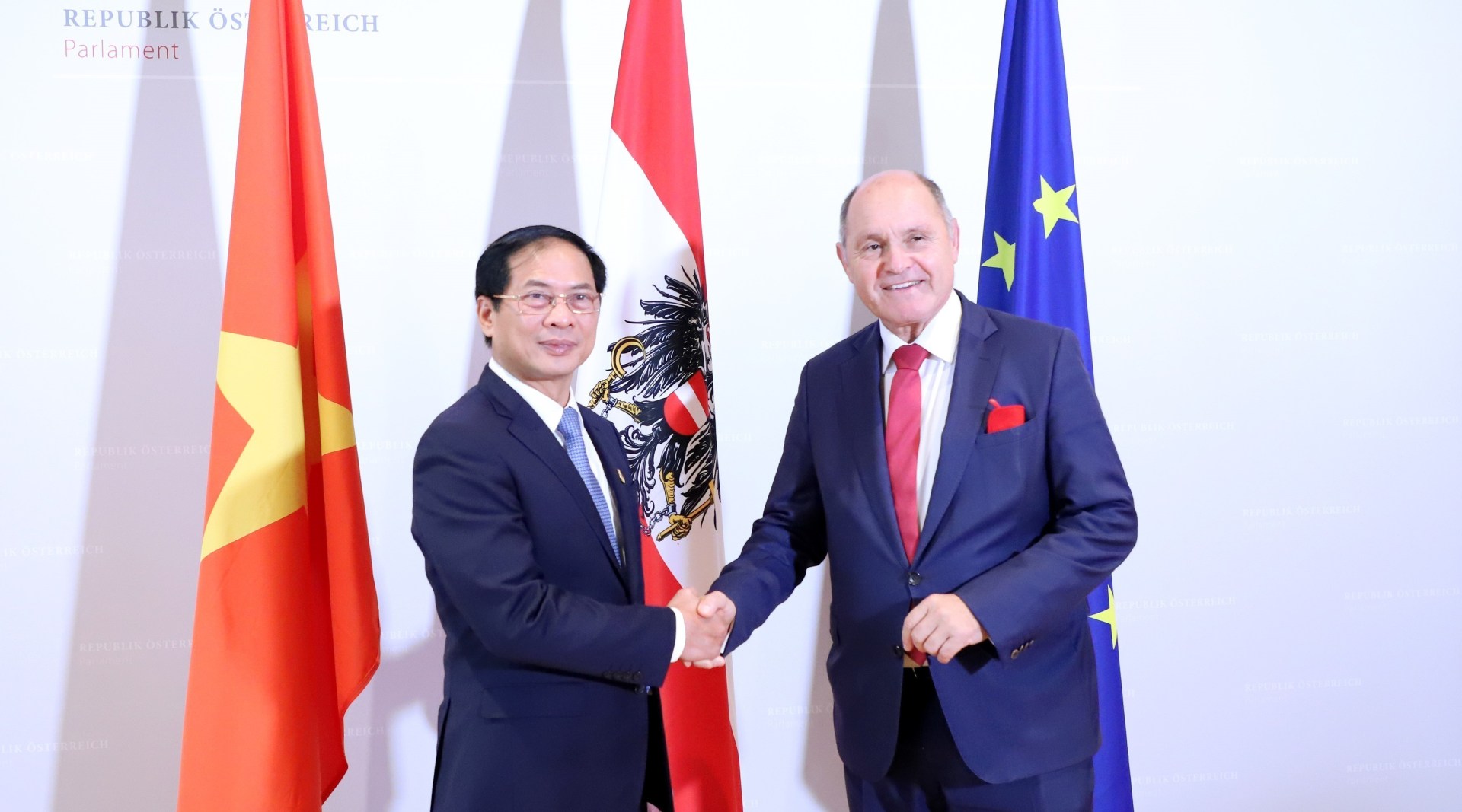
During his official visit to the EU country on September 28 – 29, Minister of Foreign Affairs Bui Thanh Son paid a courtesy call to President of the National Council of Austria Wolfgang Sobotka, held talks with his Austrian counterpart Alexander Schallenberg, and met with Minister for Digital and Economic Affairs Martin Kocher and Minister for the EU and Constitution at the Federal Chancellery of Austria Karoline Edtstadler.
The two sides noted with satisfaction that thanks to the EVFTA, trade and investment have become a bright spot in the Vietnam – Austria ties, with bilateral trade reaching 3.35 billion USD, up nearly 14% from 2020.
Foreign Minister Bui Thanh Son (left) meets with President of the National Council of Austria Wolfgang Sobotka in Vienna in late September 2022. (Photo: VNA)
They agreed to keep close coordination to seize opportunities created by the EVFTA and create conditions for their countries’ exports to access each other’s markets.
The Austrian side took note for consideration the Vietnamese Foreign Minister’s proposal that the Austrian Parliament early ratify the EVIPA and the Austrian Government support the early removal of the EU’s yellow card warning regarding illegal, unreported, and unregulated (IUU) fishing for Vietnam’s seafood.
Minister Son and his hosts also discussed the possibility of expanding cooperation to new fields such as green finance, renewable energy, and environmental protection.
Over the past years, policies issued by the two Governments have facilitated substantive and fruitful cooperation between the countries’ businesses and as a result, bilateral economic links have been growing unceasingly, Son told the Vietnam – Austria business forum held in Vienna in late September.
The Vietnam – Austria business forum in Vienna in late September 2022 (Photo: VNA)
He called on Vietnamese and Austrian enterprises to tighten connections in the fields matching their strength and potential such as high technology, clean energy, climate change response, vocational training, digital transformation, pharmaceuticals, tourism, and farm produce trading.
Also at this forum, WKO Regional Manager for Asia Christina-Maria Schösser noted Austrian enterprises are mainly small- and medium-sized ones but strong at the areas Vietnam has demand for, especially high technology and innovation. The WKO hopes that businesses of the two countries will have more opportunities to cooperate in the future, she added.
In mid-October, a delegation of enterprises from the Austrian state of Styria visited Vietnam to learn more about business opportunities in the Southeast Asian country.
Talking to Vice Chairman of the Hanoi People’s Committee Nguyen Manh Quyen in the capital city on October 17, Barbara Eibinger-Miedl, Minister for Economy, Tourism, Europe, Science and Research at the Government of Styria, said many Austrian companies have been cooperating successfully with Vietnamese partners, and that she hopes the two sides will keep working together in the fields of green energy, circular economy, education, environmental technology, and waste treatment.
At the meeting, representatives of some Austrian enterprises shared information to seek partnerships with Hanoi firms.
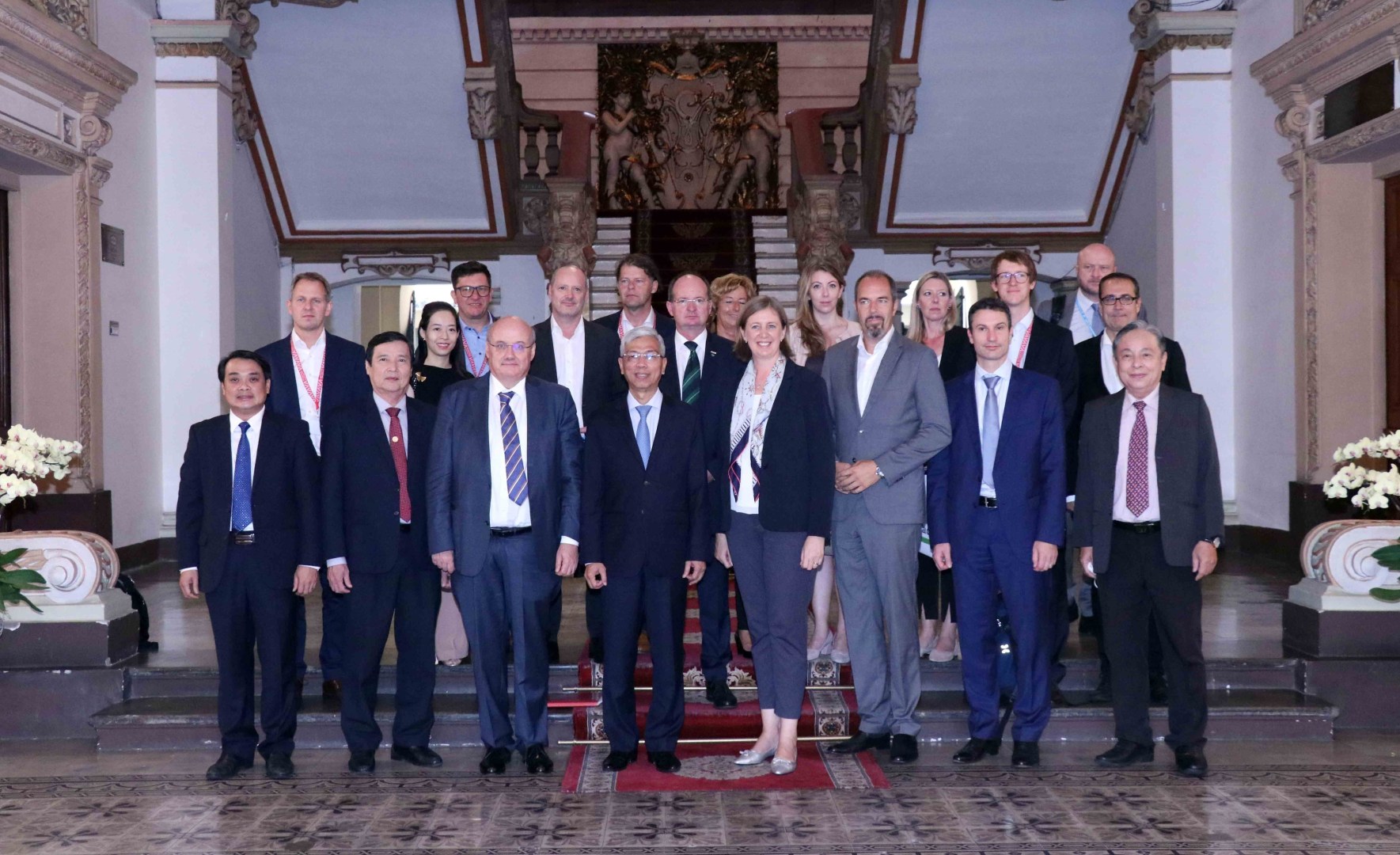
Vice Chairman of the Ho Chi Minh City People’s Committee Vo Van Hoan ( front, fourth from left), Barbara Eibinger-Miedl (front, fourth from right) – Regional Minister for Economy, Tourism, Europe, Science and Research at the State Government of Styria, and other officials pose for a photo in the Vietnamese city on October 19, 2022. (Photo: VNA)
Receiving the Styria delegation on October 19, Vice Chairman of the HCM City People’s Committee Vo Van Hoan stated the southern metropolis welcomes and is ready to create optimal conditions for Styria enterprises to explore chances and promote investment, especially in the hi-tech industrial park that will be opened soon.
Eibinger-Miedl underlined that Styria wishes to foster ties with HCM City in the areas of common concern like green technology, smart city building, and circular economy development, and to bolster coordination to translate cooperation potential into concrete projects in the future./.
Nguyen Thi Ngoc Thuy
Editor
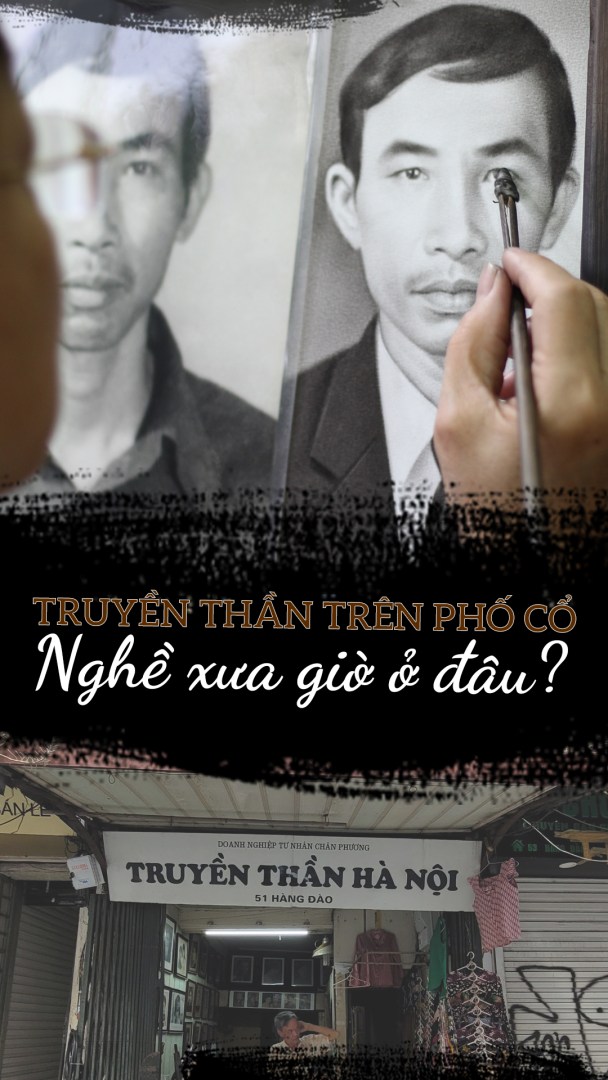
Trong ký ức của những người Hà Nội ở độ tuổi ngoài 50 vẫn còn lưu giữ hình ảnh những cửa hiệu vẽ truyền thần nằm trên những con phố cổ. Ở đó, một không gian nho nhỏ, nói đúng hơn là chật hẹp vẫn treo đầy những bức ảnh truyền thần bằng bột đen… đa số là ảnh chân dung của những nghệ sĩ tên tuổi thế giới và của những người xưa cũ, khăn xếp, áo the… Đâu đó trên giá là những bức vẽ ảnh thờ dang dở đang chờ hoàn thiện…
Nhưng rồi cùng với thời gian, như một tất yếu khi mà nhiếp ảnh cùng với công nghệ tiên tiến đi kèm ngày càng phát triển thì những tiệm truyền thần cứ thưa vắng dần… cho đến một ngày, dường như đã biến mất khỏi không gian phố cổ, biến mất khỏi đời sống thường nhật… Bỗng một ngày, người cũ đi qua phố xưa, thấy thiếu, thấy nhớ và chợt tự hỏi, nghề truyền thần giờ ra sao? Liệu nó có còn tồn tại trong cuộc sống đương đại hôm nay? Và nếu còn thì sẽ còn lại bao lâu?
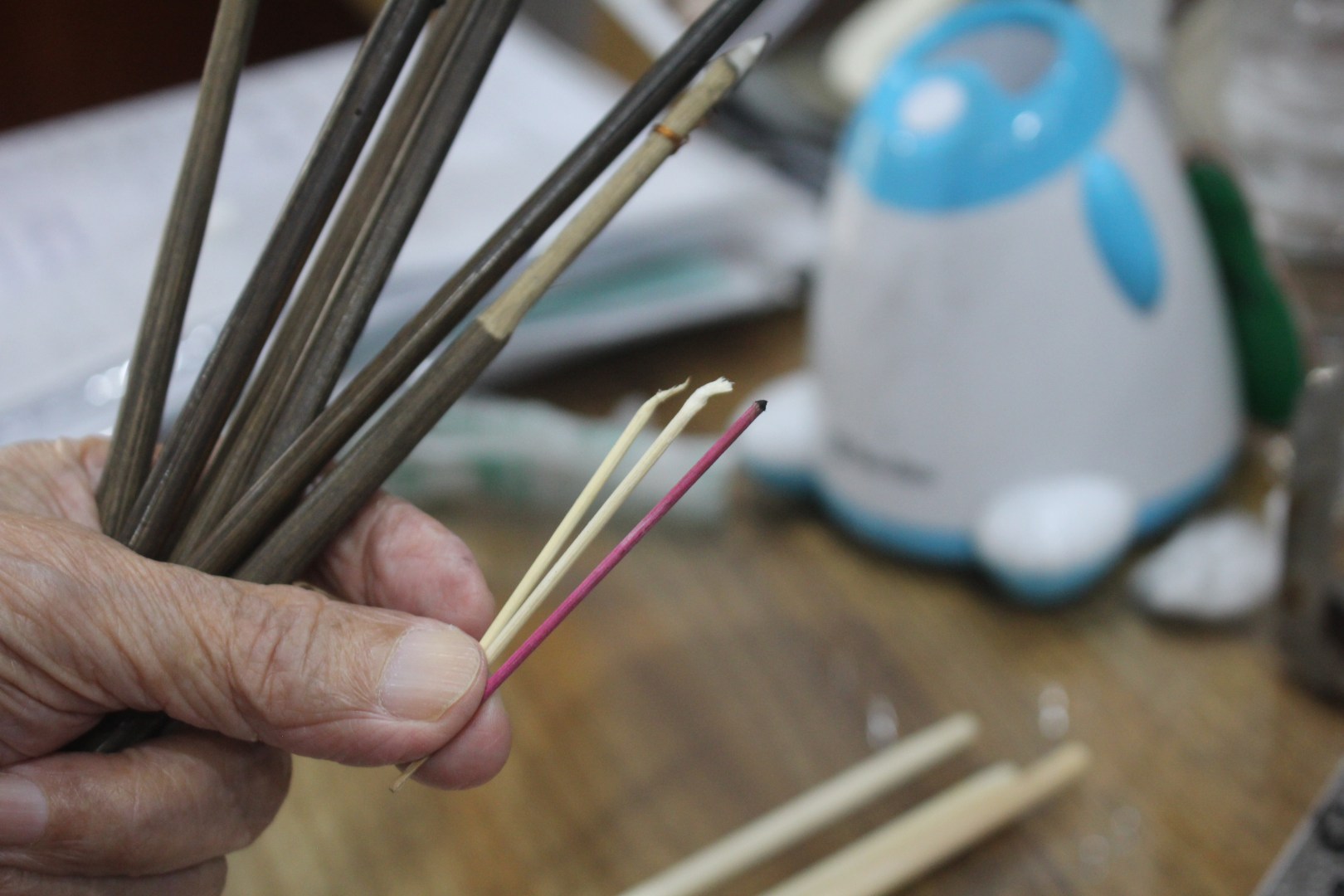
Tranh truyền thần được định nghĩa là một thể loại hội họa mà người họa sỹ truyền lại cái “thần” của người được vẽ, có nghĩa là truyền đạt được cảm xúc, thần thái thông qua tác phẩm. Có hai loại truyền thần, một là vẽ lại từ một bức ảnh và là vẽ theo sự mô tả của người đặt hàng. Dù là ở thể loại nào thì cũng đều đòi hỏi người họa phải vô cùng kiên trì, cần mẫn để truyền được thần thái của người được vẽ mà quan trọng nhất là nghệ thuật điểm nhãn. Đây là nét độc đáo trong các bức tranh truyền thần mà không một loại tranh nào khác có.
Theo họa sỹ Lê Thiết Cương, truyền thần thực tế không chỉ tồn tại duy nhất ở Việt Nam, mà nó còn gắn liền với một giai đoạn đáng nhớ của lịch sử. Đó một giai đoạn không bao giờ lặp lại – “là thời không có cái riêng, không có cá tính, không có mốt tóc, mốt quần mốt áo. Thế mới thấy truyền thần là khó, vẽ họ khác nhau mà vẫn phải toát lên cái gì đó giống nhau, vẽ họ để thấy họ chứ không vẽ họ để thấy mình.”
“Chỉ ở Việt Nam trong một thời điểm nhất định thì nghề truyền thần mới có sự bùng nổ, đó là thời mà nhiếp ảnh còn là trò xa xỉ, không phải ai cũng có tiền để phóng to một bức ảnh, khi mà đời sống còn nghèo khó, khi mà chiến tranh liên miên, khi mà người chết nhiều quá, người chết nhiều hơn người sống, ở một đất nước mà việc thờ cúng những người đã khuất là một thứ đạo thì đó chính là những lý do để truyền thần ra đời,” họa sỹ Lê Thiết Cương nhận xét.
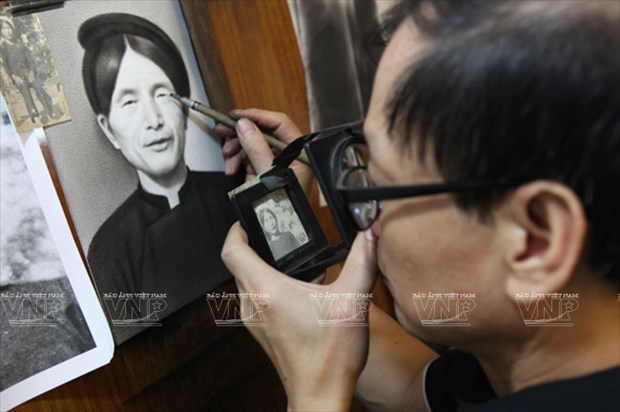
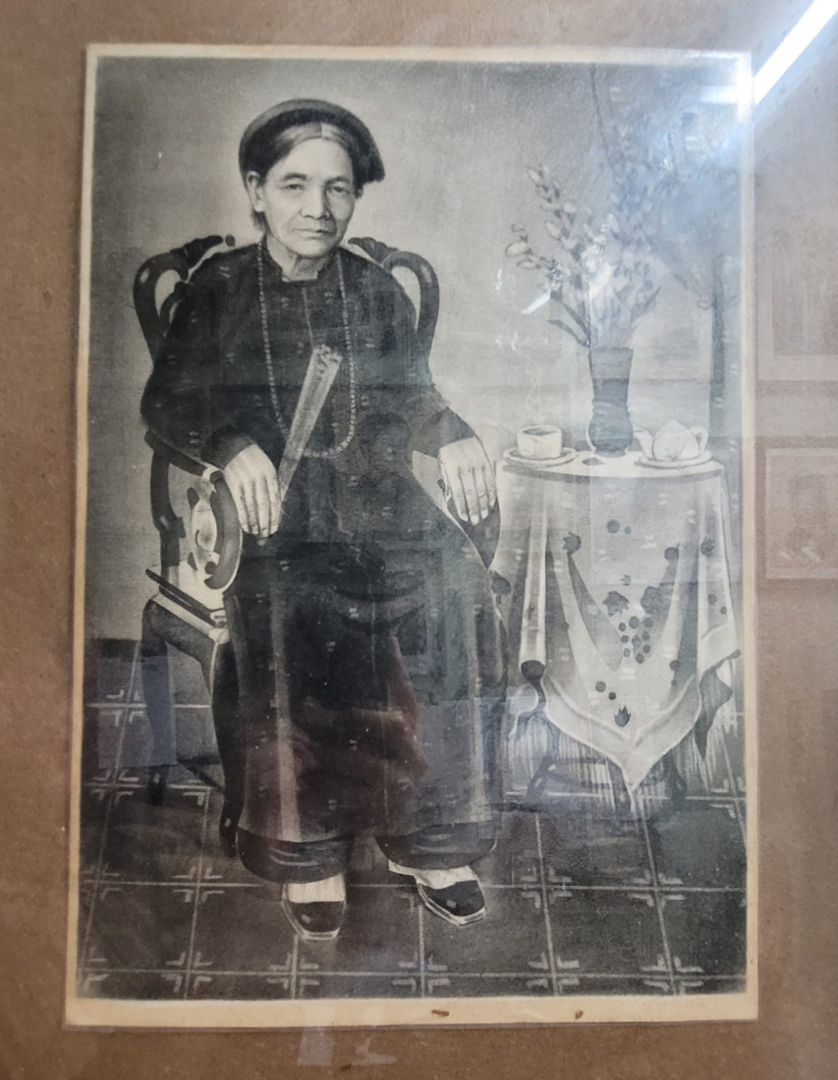
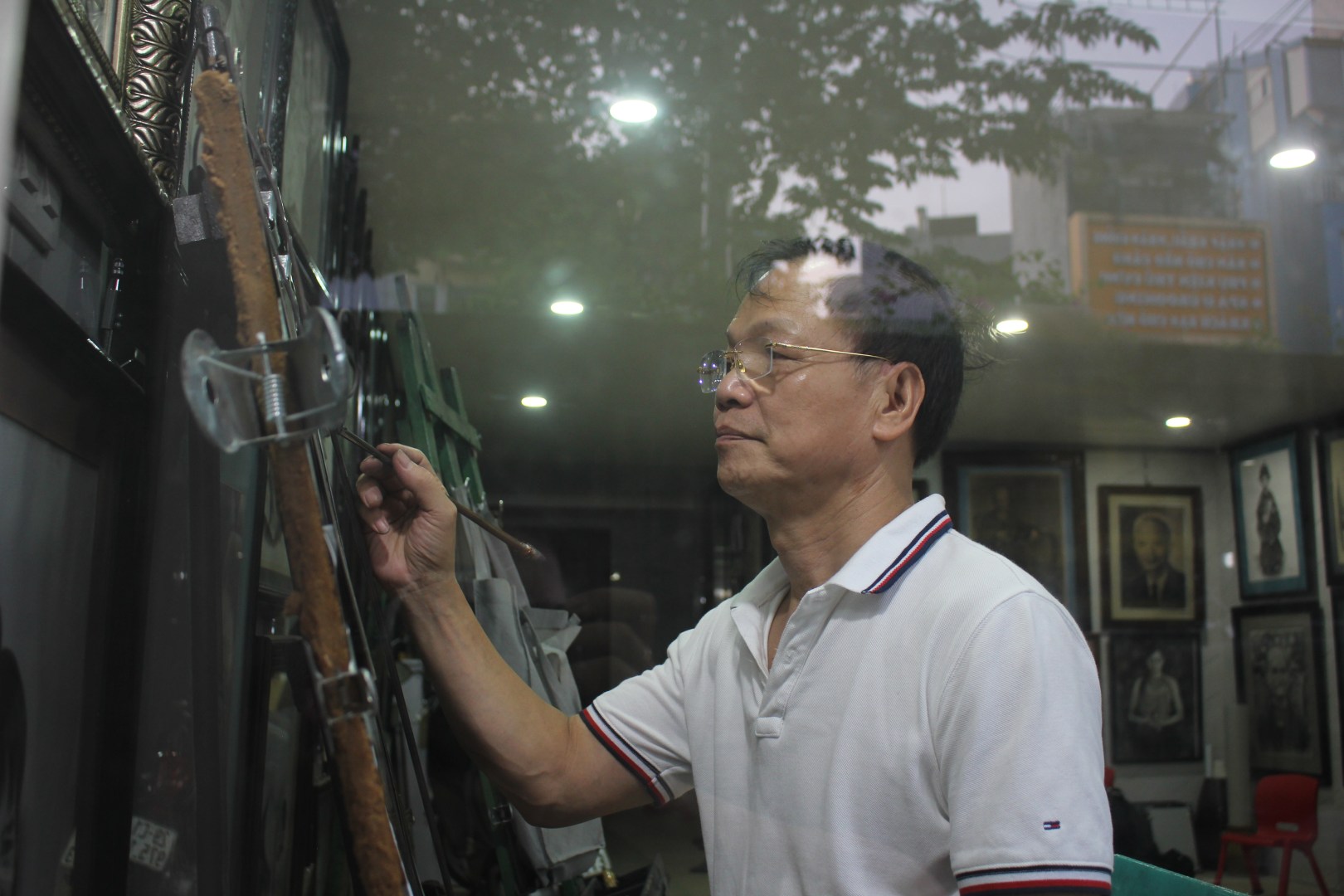
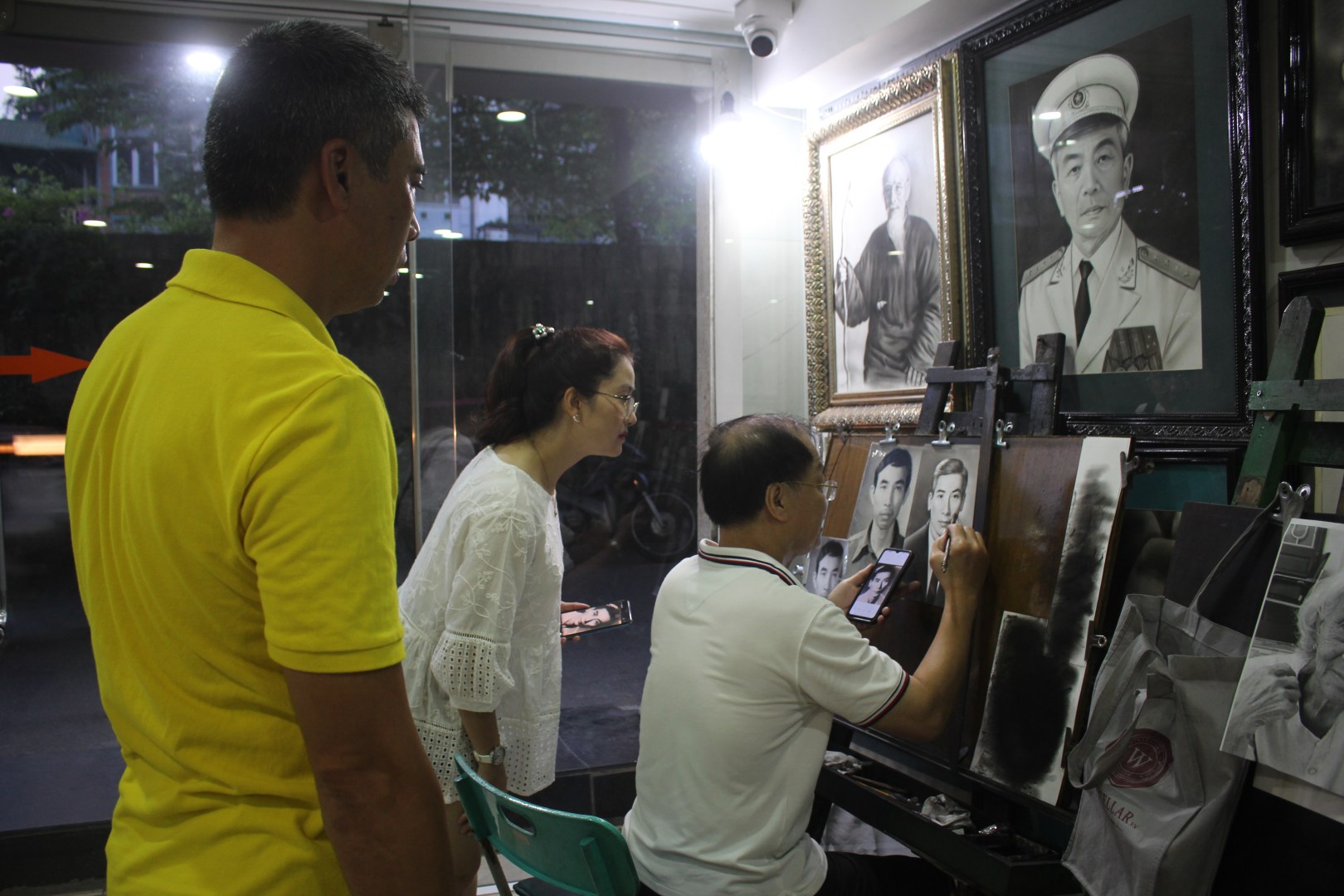
Họa sỹ Trần Thịnh dùng kính lúp để soi ảnh gốc (thường nhỏ và cũ, khó nhìn), vẽ thành tranh thờKhông gian tiệm 51 Hàng Đào – có lẽ vừa là địa chỉ cuối cùng của truyền thần tại phố cổ Hà Nội, vừa lưu giữ cái chật chội vốn có, đặc trưng nơi kinh kỳ kẻ chợ Tranh vẽ truyền thần một cụ bà tại tiệm 51 Hàng Đào
Họa sỹ Nguyễn Bảo Nguyên – một tên tuổi kỳ cựu của nghề vẽ truyền thần tại phố cổ kể lại rằng, vào những năm 1960, nghề truyền thần “bùng nổ” do nhu cầu làm ảnh thờ bị dồn lại suốt một thời gian dài. Người lính Việt Nam hy sinh trong công cuộc bảo vệ Tổ quốc, cha mẹ già yếu qua đời nơi hậu phương, gia đình mong có bức ảnh trang trọng đặt trên bàn thờ. Đó là những bức vẽ không chỉ phải giống, mà còn phải truyền tải được thần thái của một người mà họa sỹ đó chưa từng gặp, đôi khi là qua bức ảnh rất bé, rất cũ hoặc là qua lời tả của người thân.
Gọi là “bùng nổ,” chứ truyền thần vốn tốn thời gian và mất nhiều tiền. “Nếu không thật cần thiết, chẳng ai lại đi thuê vẽ truyền thần,” cụ Bảo Nguyên chia sẻ.
“Thời đó, nhu cầu vẽ vẽ truyền thần nhiều tới nỗi tiền công vẽ còn cao hơn lương kỹ sư nhiều lần. Trong khi lương kỹ sư chỉ có 50 đồng/tháng thì bằng vẽ truyền thần, tôi kiếm được 250 đồng, đủ nuôi một gia đình với 10 miệng ăn,” cụ Bảo Nguyên nhớ lại.
Theo nhà thơ Nguyễn Thụy Kha, dẫu khi xưa truyền thần là vẽ từ một bức ảnh nhỏ thành tranh lớn, nhưng người ta vẫn dùng chữ ‘truyền thần’ chứ không phải ‘phóng to.’ Tôi cho rằng đây là một từ rất hay. Nó đã đi theo dân tộc này từ trước khi nghề chụp ảnh phổ biến. Người ta đã vẽ trực tiếp rất nhiều, người ta cũng vẽ trong tưởng tượng nữa.”
Nhà thơ cũng kể lại một ấn tượng về nghề truyền thần vào thời cuối năm 1972 mà theo ông, đây cũng là một câu chuyện mà “chỉ Việt Nam mới có.” Khi ấy, người chết vì sự kiện 12 ngày đêm Mỹ đánh bom Hà Nội nhiều vô cùng. Một người bạn của ông Thụy Kha là họa sỹ Mạnh Kiểm đã ngồi vẽ liên tục hết ngày này qua ngày khác cho biết bao nhiêu người, vẽ đến nỗi thay đổi tâm thức trong đầu. “Thậm chí có thể gọi là điên,” ông Thụy Kha nhận xét. “Vì ông ấy vẽ truyền thần quá nhiều, bị chuyển thức thành một người khác. Trong nước ta, có lẽ ông Mạnh Kiểm là người vẽ nhiều nhất trong một thời gian ngắn nhất.
Thế rồi chiến tranh cũng lùi vào những trang sử cũ. Đó cũng là khi nhiếp ảnh trở nên phổ biến. Từ những năm 80, 90, đất nước sang trang, bước vào đời sống mới, nhu cầu mới mở ra. Các tiệm vẽ truyền thần trên phố cổ Hà Nội giảm từ 40-50 tiệm xuống còn một nửa, rồi tiếp tục giảm đến mức chỉ còn đếm trên đầu ngón tay, giờ chỉ còn một tiệm ở địa chỉ 51 Hàng Đào.
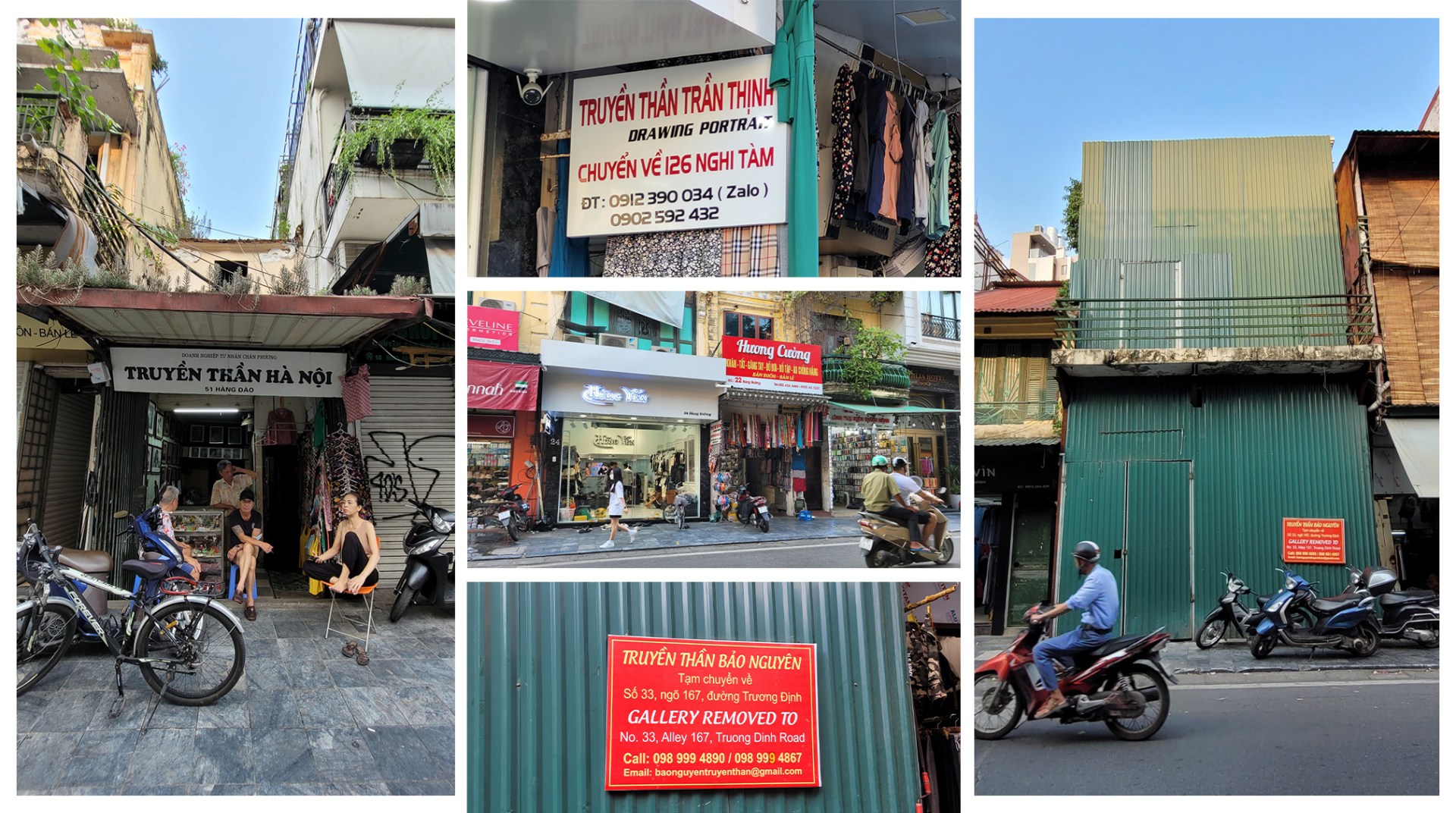
Nghề xưa cũ ở Hà Nội, gắn liền với định danh phố cổ, nay nhường chỗ lại cho những cửa hàng kinh doanh khác mà thường gặp nhất là quần áo thời trang…
Những “dấu ấn” còn lại về nghề truyền thần trên phố cổ Hà Nội: Ảnh bên trái, treo biển “Truyền thần Hà Nội” là tiệm 51 Hàng Đào, ở giữa và bên phải là các tiệm nổi tiếng lâu đời 24 Hàng Đường và 47 Hàng Ngang hiện nay. (Ảnh: Minh Anh/Vietnam+)
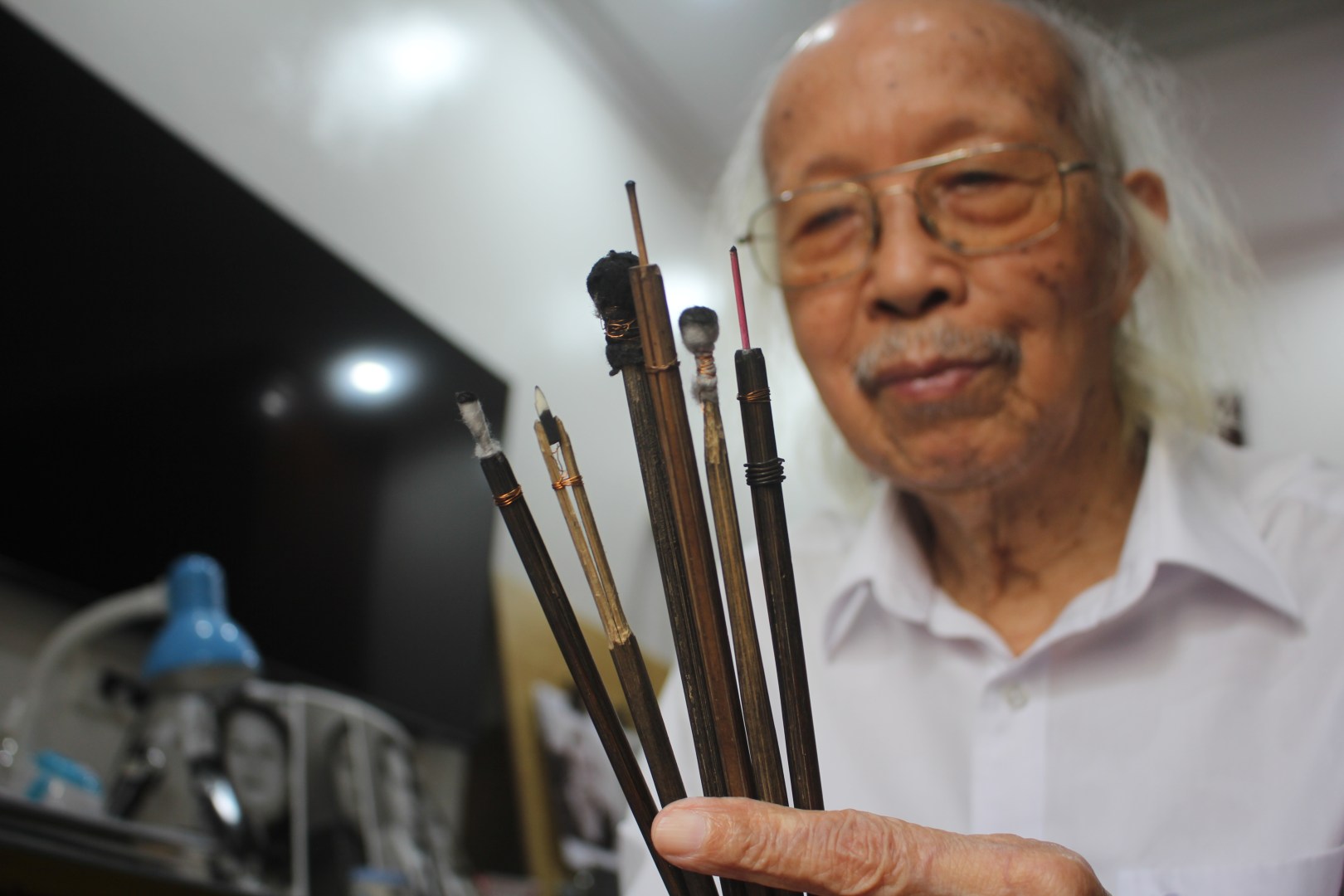
Cụ Bảo Nguyên sinh năm 1934 tại Hà Nội, có lẽ là nghệ nhân vẽ truyền thần lớn tuổi nhất phố cổ mà đến nay còn theo nghề. Khách hàng tìm đến địa chỉ cũ ở 47 Hàng Ngang giờ đây chỉ còn thấy ngôi nhà bị quây tôn xanh như công trình xây dựng.
Ba năm trước, cửa tiệm của cụ Bảo Nguyên bị cháy. Nguyên nhân được thông báo là chập điện. Ngoài một số bức vẽ gia đình được cụ cất riêng, phần lớn những bức lớn nhỏ khác treo trong không gian chật hẹp dưới 10m2 đều chịu cháy hoặc bị nước phun vào làm quăn hỏng nhiều.
Căn tiệm để lại một biển thông báo chuyển địa điểm để khách liên hệ nếu có nhu cầu. Đó là nhà riêng của cụ Bảo Nguyên tại con ngõ 167 Trương Định, quận Hai Bà Trưng, Hà Nội.
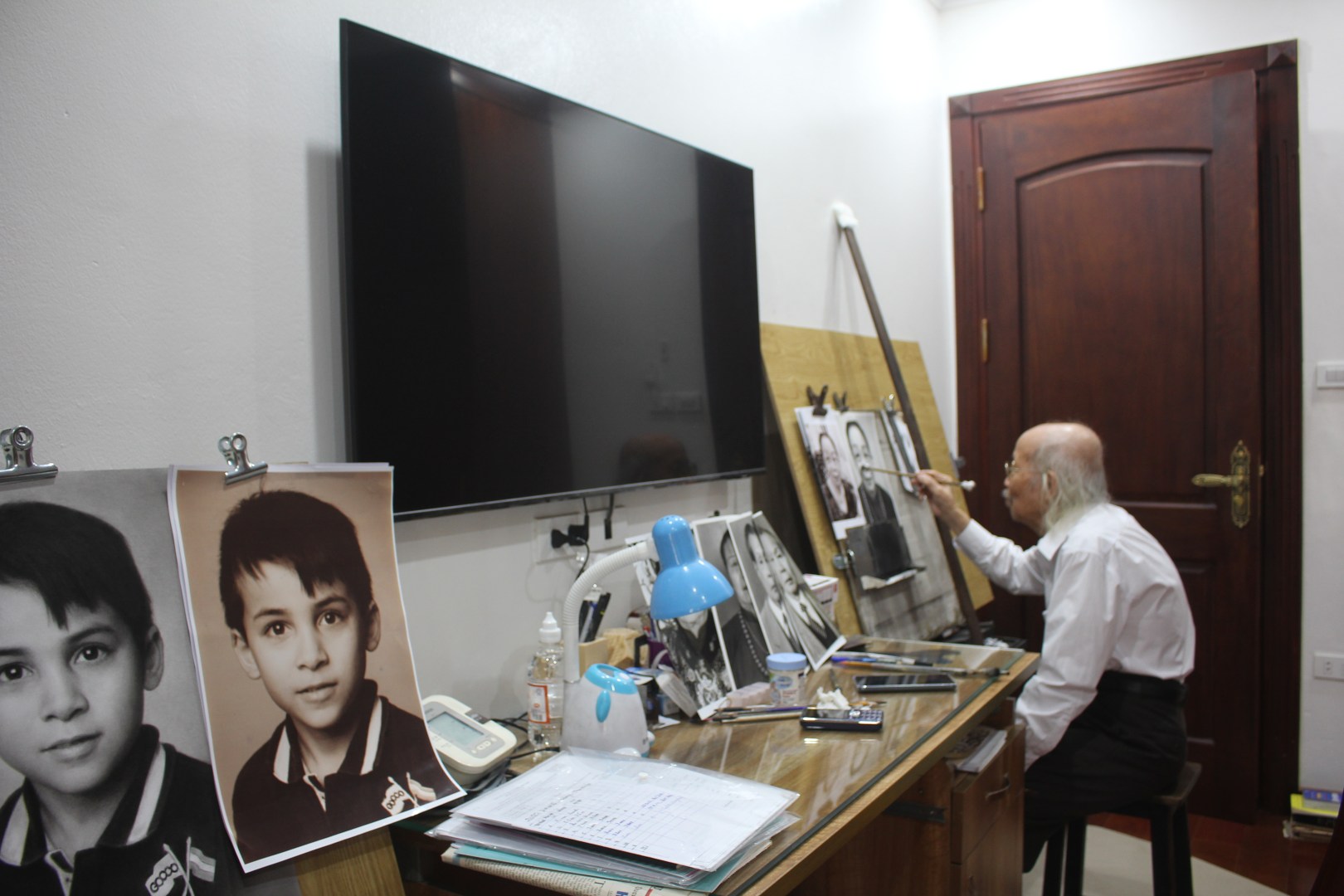
Ở tuổi 88, cụ Bảo Nguyên vẫn túc tắc đi lại, chậm rãi nhưng vững chắc, không phải vịn, tựa vào đâu. Phòng vẽ của cụ trước ở tầng ba, nay chuyển xuống tầng hai, ở một góc trong phòng ngủ của hai vợ chồng cụ để tiện lên, xuống nhà khi có khách đến gặp, đặt cụ vẽ.
“Văn phòng” mới của cụ Bảo Nguyên cũng chính là nơi mà cụ nghỉ ngơi hàng ngày. (Ảnh: Minh Anh/Vietnam+)
Gọi là một góc, nhưng ngoài cái giường và cái tủ thì những không gian còn lại đều dành cho đồ vẽ. Ở đó, là bức vẽ hai anh em cậu bé con lai Âu-Việt của một gia đình đa quốc tịch nọ, có hình vẽ chân dung một diễn viên lớn tuổi người Thụy Điển do một người Mỹ đến đặt vẽ làm quà tặng, có người họ hàng cụ chỉ vẽ cho vui, có cặp vợ chồng lão niên được vẽ ảnh thờ… tất cả còn mới rượi.
Ngồi vào giá vẽ, cụ bảo nghề này tuổi già mỏi mắt, tay run, không ngồi được lâu thì không theo được. Cũng cũng chính sự bền bỉ với nghề mà đôi bàn tay cụ giờ vẫn khéo léo vững vàng, đôi mắt không hoen nhòe khi tập trung vẽ lâu, trí tuệ minh mẫn. “Khách một thời cũng ít, thậm chí có thời điểm hầu như không có khách. Một phần là do giá cả và thời gian. Một bức truyền thần dao động từ một triệu hơn đến 3 triệu đồng, thậm chí có bức lên tới hàng chục triệu đồng nếu vẽ tranh lớn, nhiều người. Trong khi đó, một bức ảnh chụp được xử lý trên máy tính chỉ tốn từ vài chục đến vài trăm ngàn đồng. Để vẽ một bức cũng phải 2-3 ngày trong khi xử lý công nghệ photoshop thì chỉ vài chục phút đến 1 tiếng nên ít người chọn truyền thần là đương nhiên,” cụ Bảo Nguyên chia sẻ.
Dù bây giờ lượng khách đã trở lại nhiều hơn, nhưng cụ Bảo Nguyên cũng không có ý định trở lại tiệm cũ nơi phố cổ Hàng Ngang. “Sức khỏe tôi giờ kém xưa, giờ dọn lại lên phố thì nhiều đồ đạc quá, làm ở nhà thi thoảng mệt lại ngả lưng ra giường nghỉ ngơi, đỡ thì lại quay ra giá vẽ làm việc tiếp. Vả lại, khách quen lạ vẫn theo biển báo mà đến đây…” cụ tâm sự.
Tiệm 24 Hàng Đường của họa sỹ Trần Thịnh, nơi ông đã vẽ hơn chục nghìn bức trong suốt gần nửa thế kỷ nay, cũng không còn là nơi ông chọn làm nghề. Con phố Hàng Đường đông đúc không khí kẻ chợ đã trở nên ồn ào quá mức với người họa sỹ 68 tuổi. Ông chọn chuyển về nhà riêng tại 126 Nghi Tàm, một căn nhà biệt lập nằm ở con đường dưới đê.
“Dẫu cách biệt với mặt đường chỉ một lớp cửa kính nhưng quả thật yên ắng hơn hẳn. Ở tuổi này mình lại cần một sự tĩnh lặng như vậy,” ông Thịnh nói. Hàng ngày ông nhẩn nha vẽ. Những khách hàng, người thân quen nghe danh lâu đời nên cũng lần theo địa chỉ mà tìm đến ông.
Phố cổ giờ đây còn lại cửa tiệm vẽ truyền thần duy nhất của họa sỹ Thế Dung nằm ở số 51 Hàng Đào.
Nhưng dù phố nghề không còn, thì nghề vẫn đó. Đến nhà những họa sỹ theo nghề như cụ Nguyên, ông Thịnh, ông Dung… vẫn thấy trên giá vẽ, bàn làm việc, khung gỗ cạnh bàn, trên đất những bức ảnh đang được hoàn thiện hoặc đã xong mà khách chưa đến lấy…
Dẫu ít nhưng ngày nay, vẫn còn đâu đó những người tin vào giá trị của một bức tranh truyền thần, đó có thể là một vị lão niên đã đi qua thời chiến tranh hay cũng có thể là một trung niên lớn lên trong thời bình. Với những người này, họ cho rằng phải là tranh vẽ cẩn thận, tỉ mẩn như truyền thần mới xứng làm tranh thờ cúng.
Vào một chiều mùa Thu, một người đàn ông 75 tuổi, tên Nguyễn B. đội mũ bộ đội bước vào tiệm vẽ truyền thần tại số 51 Hàng Đào để nhận về bức tranh ông đặt vẽ để thờ cha. Đây là một trường hợp khá đặc biệt bởi bức ảnh mẫu được dùng để truyền thần đã qua xử lý máy tính do bức ảnh gốc không còn ai giữ được.
Những nét thử bút, giảm độ đậm nhạt trên giá vẽ truyền thần. (Ảnh minh họa: Minh Anh/Vietnam+)
Chiếc ảnh mẫu mà ông Nguyễn B. mang đến thực chất rất rõ nét. Do gia đình không giữ được tư liệu ngày xưa của cụ, nên các chi tiết đã được tiệm ảnh tái tạo, phục dựng hoàn toàn từ mô tả và đường nét trên mặt của các thành viên gia đình.
Theo ông Nguyễn B. không muốn dùng luôn bức ảnh hiện có để làm ảnh thờ, bởi với ông tranh truyền thần mang một giá trị tinh thần lớn lao. Đây cũng đã là truyền thống lâu đời trong gia đình ông. “Ảnh này là dựng,” ông giơ bức hình lên. “Tôi phải đi hỏi bao nhiêu người trong nhà, tập trung ý kiến của các anh em ruột, con cháu, xem giống ai nhất, có nét mặt thế nào… rồi phục chế lại. Gia đình nhà tôi vẫn giữ nếp gia phong từ xưa đến giờ, từ xưa đến giờ truyền lại ảnh của các cụ đều là vẽ truyền thần hết” ông Nguyễn B. kể.
Ông bảo sau này cũng sẽ gửi thêm ảnh hai vợ chồng mình hồi trẻ để vẽ theo đúng lối truyền thống này. Đó cũng là niềm tin gửi gắm ở người họa sỹ và phong cách vẽ xưa cũ, là truyền thần sao cho bức ảnh ở độ tuổi nào cũng có thể làm “già đi” dưới bàn tay tài tình của họ – một đặc điểm rất riêng của nghề.
Một người trung niên như anh Hoàng Tuấn Anh (quận Hoàn Kiếm) cũng có cùng niềm tin với tranh truyền thần. Tháng 9/2022, anh mang tới tiệm vẽ của họa sỹ Trần Thịnh một bức tranh vẽ cụ thân sinh của mình. Anh muốn nhờ ông Thịnh chỉnh giúp cho bên má bầu, tròn hơn một chút.
Bố anh Tuấn Anh mất năm 60 tuổi nhưng gia đình chỉ còn một bức ảnh nhỏ từ năm 20 tuổi. Ông Thịnh phải hình dung ra gương mặt của người đàn ông ngoài lục tuần rồi thêm những nếp nhăn khóe mắt, khóe miệng và mái đầu bạc.
Vợ chồng anh Hoàng Anh Tuấn chụp với họa sỹ Trần Thịnh (giữa). (Ảnh: Minh Anh/Vietnam+)
Ông Trần Thịnh tại nhà riêng, nơi ông tiếp tục làm nghề hiện nay. (Ảnh: Minh Anh/Vietnam+)
Họa sỹ truyền thần từ ảnh, nhưng là ảnh được chụp và gửi điện thoại. (Ảnh: Minh Anh/Vietnam+)
Vợ chồng anh Hoàng Anh Tuấn chăm chú dõi theo nét bút họa sỹ. (Ảnh: Minh Anh/Vietnam+)
Sau khi nhận ảnh về lần đầu, anh chị lại mang qua để nhờ ông chỉnh cho gương mặt bố trông bầu hơn một chút. Ông Thịnh nhẹ nhàng tô chiếc bút tự chế vào viền khuôn mặt, chỉnh lại vài đường, nắn sửa tỉ mỉ cho phần má rộng ra một chút. Sau một lúc dõi theo họa sỹ thì vợ chồng anh Tuấn Anh thốt lên: “Đúng rồi đấy ạ, giống rồi đấy chú ạ,” thì ông Thịnh cũng nở một nụ cười nhẹ, ngắm tác phẩm rồi trao lại cho hai người khách.
Theo họa sỹ Trần Thịnh, sau một thời gian “trống vắng” gần đây những người chọn truyền thần thay vì phục chế ảnh trên máy tính như anh Tuấn Anh đã ngày một nhiều lên. “Họ nhận ra rằng làm trên máy tính ảnh thiếu đi phần hồn, không phục dựng lại thần thái được như truyền thần. Cũng bởi đa phần các kỹ thuật viên photoshop không phải là họa sỹ, họ rất thạo công nghệ, nhưng thiếu đi con mặt nghệ sĩ,” ông nhận xét.
Nhưng đặc thù hơn cả, có lẽ phải kể đến bức vẽ truyền thần những nhân vật lịch sử do cụ Bảo Nguyên thực hiện. Đầu năm 2022, một người xưng là hậu duệ của thái sư Lê Văn Thịnh đến gửi gắm cụ vẽ một bức truyền thần toàn thân để đặt trong nhà thờ họ.
Từ những hình dung về một thầy đồ nghèo ở độ tuổi ngoài 50, đội khăn xếp ra sao để trông trán vẫn rộng, toát lên vẻ thông minh nhưng vẫn nghiêm nghị… cụ Bảo Nguyên dùng sự nhạy bén, sáng tạo của mình và cả thời gian dài tìm hiểu thái sư Lê Văn Thịnh qua những trang sử để chuyển hóa hình dung lên tờ giấy.
“Bút” vẽ từ đũa và bông – một trong vô vàn họa cụ tự chế của họa sỹ truyền thần Việt Nam. (Ảnh: Minh Anh/Vietnam+)
Trước đó, cụ cũng từng được gửi gắm các bức vẽ nhà sử học Ngô Sĩ Liên, ông nghè Vũ Tông Phan. Nghe danh cụ từ lâu nên họ tìm đến và tin tưởng gửi gắm cụ để vẽ. Đến nay cụ vẫn vẽ trung bình mỗi tháng trên dưới 30-40 bức, vừa để tự duy trì tay nghề, vừa vẽ để phục vụ người có nhu cầu.
Phố cổ giờ đây còn lại cửa tiệm vẽ truyền thần duy nhất nằm ở số 51 Hàng Đào được họa sỹ Thế Dung thuê để tiếp tục sống với nghề. Theo sự thay đổi của thời thế, số người tìm đến vẽ truyền thần làm ảnh thờ đã giảm đi rất nhiều nhưng dẫu phố nghề không còn, thì nghề vẫn đó. Đến nhà những họa sỹ theo nghề như cụ Nguyên, ông Thịnh, ông Dung… vẫn thấy trên giá vẽ, bàn làm việc, khung gỗ cạnh bàn, dựng góc tường… là những bức vẽ còn tươi màu mực. Và, trong sự chuyển đổi đó, nghề truyền thần cũng tự tìm cho mình lối đi mới…
Đầu tiên là sự chuyển dịch từ vẽ ảnh thờ sang chân dung… “Ở thời mà nhu cầu vẽ truyền thần làm ảnh thờ đã giảm mạnh, truyền thần đã rẽ sang nhánh mới. Đó là nhánh vẽ chân dung các tài tử điện ảnh, các ngôi sao ca nhạc, thể thao, như Marilyn Monroe, Che Guevara, Ricky Martin, David Beckham… Việt kiều ở các xứ thuộc Pháp thì ưa chuộng tranh truyền thần chân dung Nam Phương Hoàng Hậu, vua Bảo Đại hoặc các cô gái Bắc kỳ trên từ bưu ảnh cũ…” họa sỹ Lê Thiết Cương kể lại.
Đối diện gò Đống Đa thời đó cũng có một cửa hàng tranh truyền thần treo chân dung nhiều người nổi tiếng như Tạ Bích Loan, Đan Trường, Minh Vượng… Hay có cả những đôi trẻ chụp ảnh cưới, chú rể mặc comple, thắt cà vạt, ôm hoa cười tươi. Đó gần như là một “dấu mốc” mà họa sỹ Lê Thiết Cương nhận xét là: Lần đầu tiên có người cười trong tranh truyền thần.
“Những bức chân dung này có bán được hay không? Chưa bàn vội nhưng rõ ràng chơi chiêu này để quảng cáo tay nghề thì rất thuyết phục. Truyền thần đã ngang hàng với hội họa, bình đẳng với hội hoạ khi nó cũng là những bức tranh để treo trang trí trong nhà. Truyền thần đứng giữa hội hoạ và đồ họa vì nó vừa đa bản vừa đơn bản. Truyền thần là nghệ thuật. Chiến tranh có thể chết nhưng truyền thần sẽ không bao giờ chết,” họa sỹ Lê Thiết Cương kết luận.
Quả đúng như khẳng định của họa sỹ Lê Thiết Cương, gần đây, truyền thần đã trở lại với đời sống ở một phương diện khác – như một thú chơi đặc sắc cho khách nước ngoài khi ghé thăm Hà Nội.
Họa sỹ Trần Thịnh kể, ban đầu có những người nước ngoài đi ngang tiệm ghé vào xem rồi thấy thích thú với thể loại này nên họ đã ngồi lại để ông vẽ kỷ niệm. Có người, khi đem về nước phát hiện ra chưa có chữ ký của họa sỹ, có dịp trở lại Việt Nam bèn lặn lội tìm cho được ông để nhờ ký bằng được. “Họ vô cùng coi trọng các giá trị nghệ thuật, đặc biệt khi nó được người nghệ sỹ làm thủ công hoàn toàn,” ông nói.
Người nọ mách người kia, dần dà ngày càng có nhiều khách nước ngoài tìm đến các tiệm truyền thần thuê vẽ. Theo ông Trần Thịnh, cũng bởi nhiều nước họ không có vẽ truyền thần nên khách có thể làm quà cho người thân khi về nước.
Ngòi bút tự chế từ tăm, chân hương. (Ảnh: Minh Anh/Vietnam+)Những họa cụ tự chế từ đũa gỗ, bông, tăm tre, chân cây hương, dây thép… bao lâu nay vẫn vậy. (Ảnh: Minh Anh/Vietnam+)
Với họa sỹ Bảo Nguyên, do sự độc đáo trong cách sử dụng chất liệu vẽ dùng muội than (muội đèn) – một chất liệu khó phai màu, rất bền nên những người tìm đến ông Nguyên để ghi lại chân dung cũng ngày một nhiều lên. Về sau, trong những lần du ngoạn, cụ Bảo Nguyên đã dùng máy ảnh ghi lại hình ảnh của những người, những cảnh tình cờ gặp và sau đó, dùng nét bút, muội than tái hiện lại họ trong tranh. Và những bức vẽ về hình ảnh bà mẹ địu con ở vùng cao, những em bé trong trang phục dân tộc với đôi má bầu bĩnh… đã được khách nước ngoài rất thích và sẵn sàng trả giá cao để sở hữu như một món quà lưu niệm độc đáo.
Với nhánh rẽ này, có lẽ câu trả lời cho câu hỏi về sự tồn tại, truyền nghề của truyền thần đã bắt đầu có lời giải đáp. Như sự tin tưởng của cụ Bảo Nguyên: “Tôi không sợ cái nghề này mai một, cho dẫu cái gì sinh ra rồi tự nó sẽ mất đi, và rồi lại phục hồi và được tôn vinh – đó như là một quy luật, một sự tuần hoàn. Giữa những sản phẩm của công nghệ với sự hào nhoáng rồi sẽ có lúc làm người ta cảm thấy nhàm chán và đó là lý do để những thứ truyền thống, giản dị như là nghề vẽ truyền thần tồn tại…”/.