PROMOUVOIR LA CONNEXION ROUTIERE INTERREGIONALE DANS LA REGION DU SUD-EST

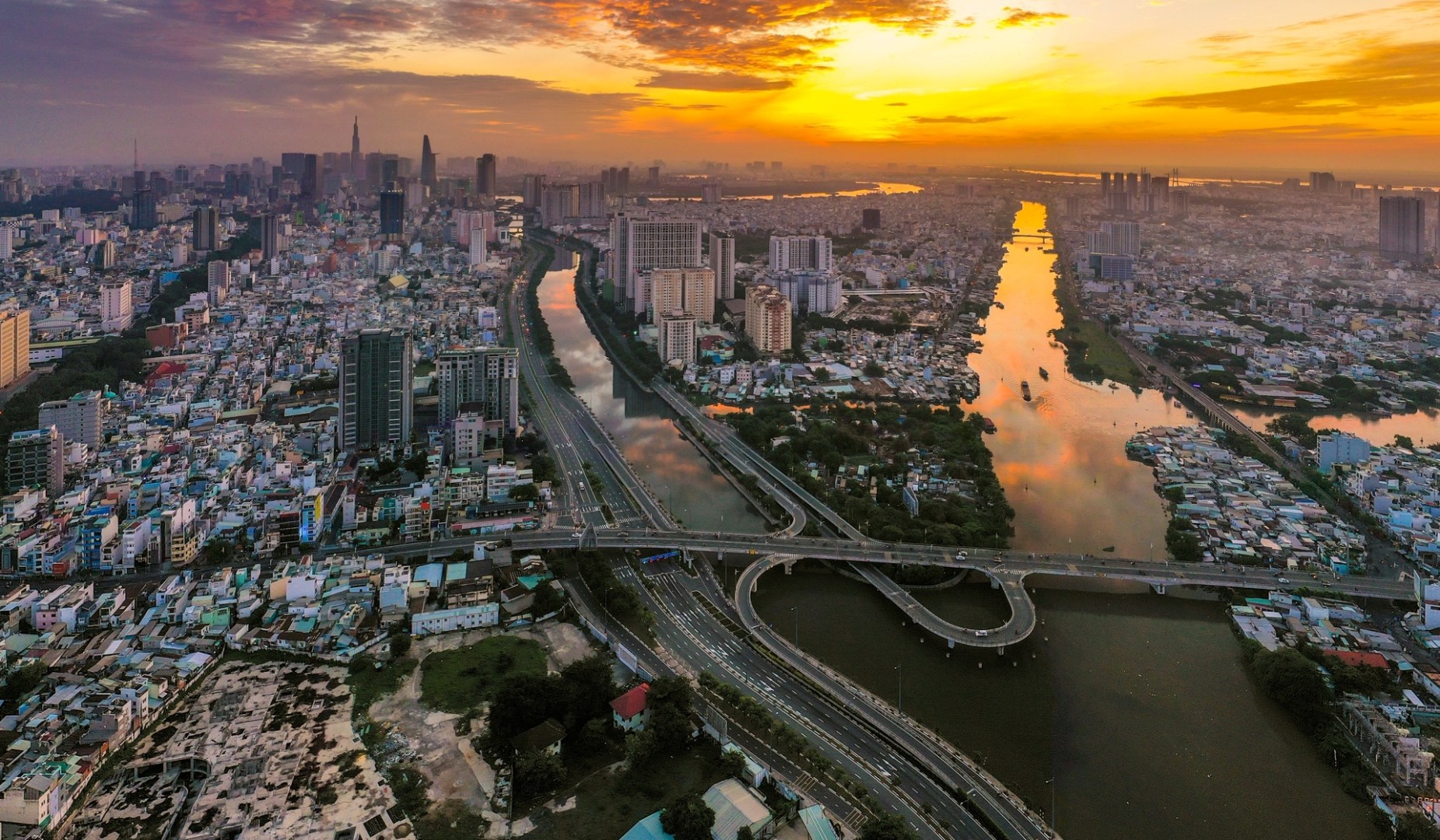
Le Sud-Est est depuis longtemps la première région économique du pays. Photo: baodautu.vn

Le Sud-Est est depuis longtemps la première région économique du pays. L’année 2023 est spéciale avec une série de grands projets de transport interrégionaux commenceront à être mis en œuvre pour former un réseau de transport complet et synchrone pour répondre aux besoins de développement.

Cela constituera une force motrice, créant une dynamique pour la région économique du Sud-Est, contribuant à améliorer l’efficacité des activités logistiques des grandes zones économiques et industrielles de la région économique clé du Sud.
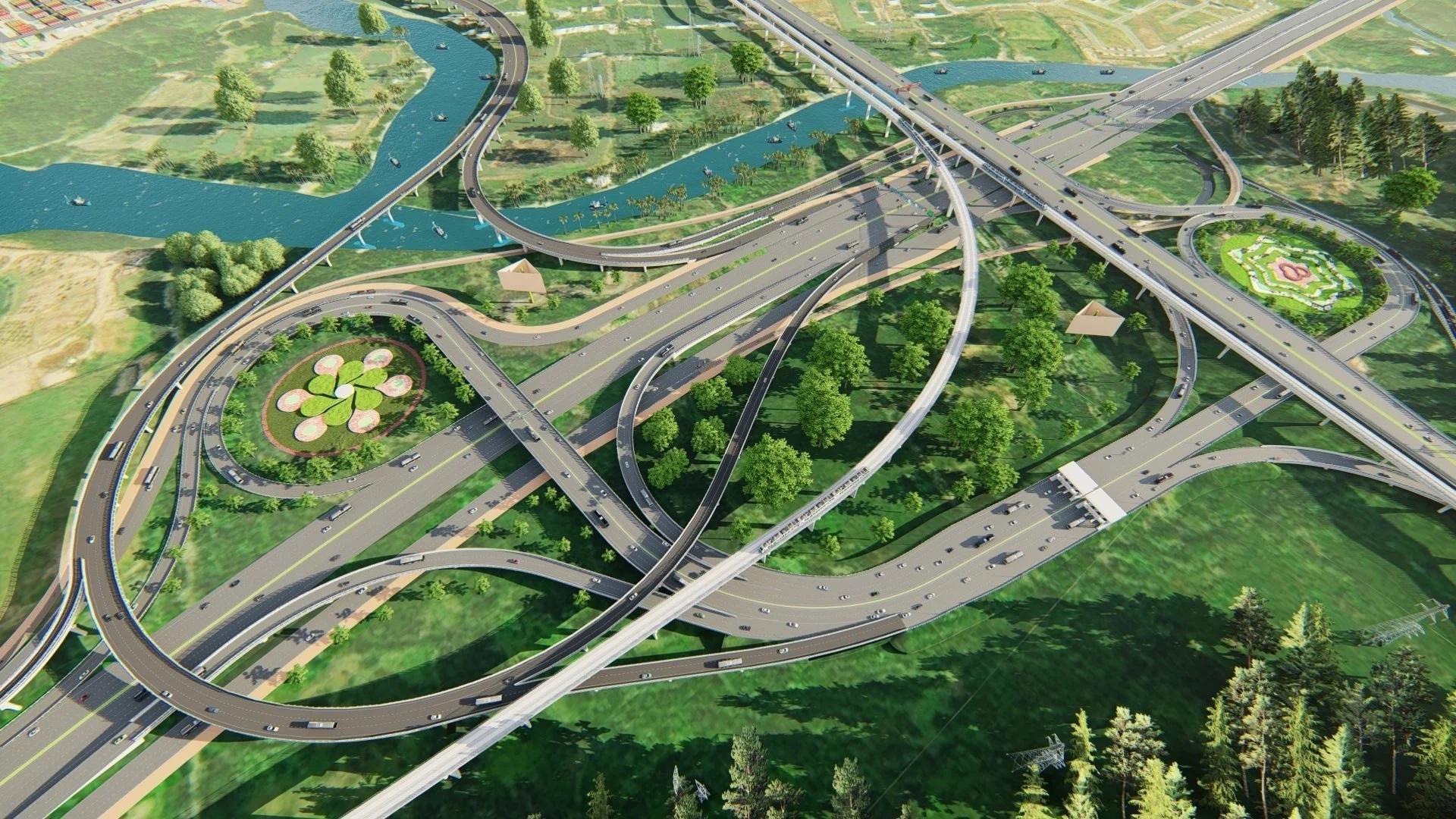
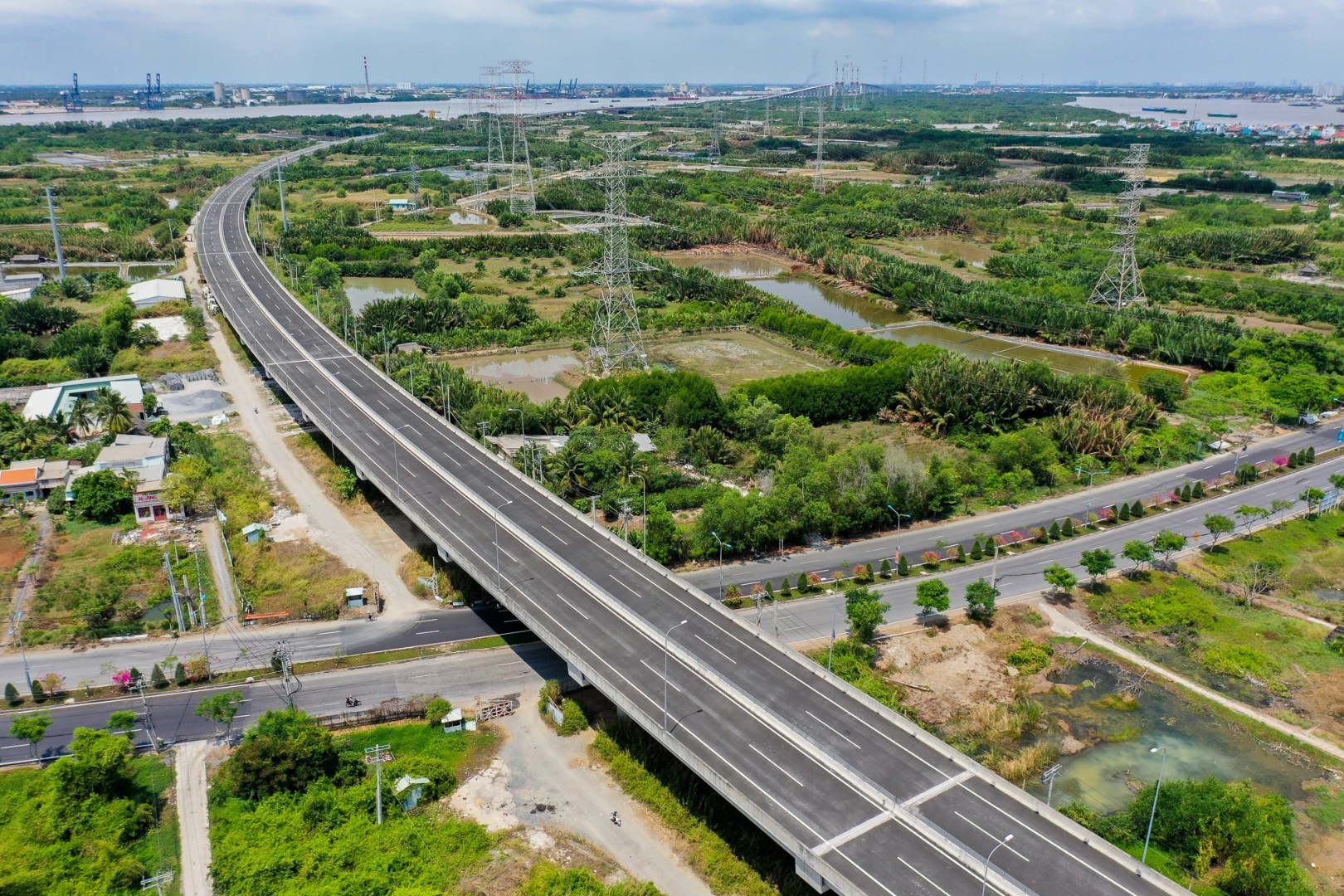
Projet de construction de la route périphérique No3, passant par Ho Chi Minh-Ville et les provinces septentrionale de Binh Duong, Dong Nai et Long An. Photo: thanhnien.vn

En juin dernier, la 1er phase du projet de construction de la route périphérique No3, passant par Ho Chi Minh-Ville et les provinces septentrionale de Binh Duong, Dong Nai et Long An, a débuté. Il s’agit du plus grand projet de transport du Sud, avec une longueur de 76 km et un investissement total de près de 75 400 milliards dôngs, soit près de 3 142 milliards de dollars.

Les travaux de la 1er phase du projet de la route périphérique No3 devraient être achevé en 2026, contribuant au développement de corridors industriels, à la liaison de nombreux pôles portuaires, à la réduction des temps de trajet et des coûts logistiques.

Avec la route périphérique No4 – Ho Chi Minh-Ville, le projet de route périphérique No3 – Ho Chi Minh-Ville joue un rôle très important dans la connexion de la région du Sud-Est et dans la réduction de la pression du trafic de Ho Chi Minh-Ville, la plus grande zone urbaine de la région. Par conséquent, les localités de la région s’efforcent d’accélérer l’avancement des travaux pour achever bientôt projet.

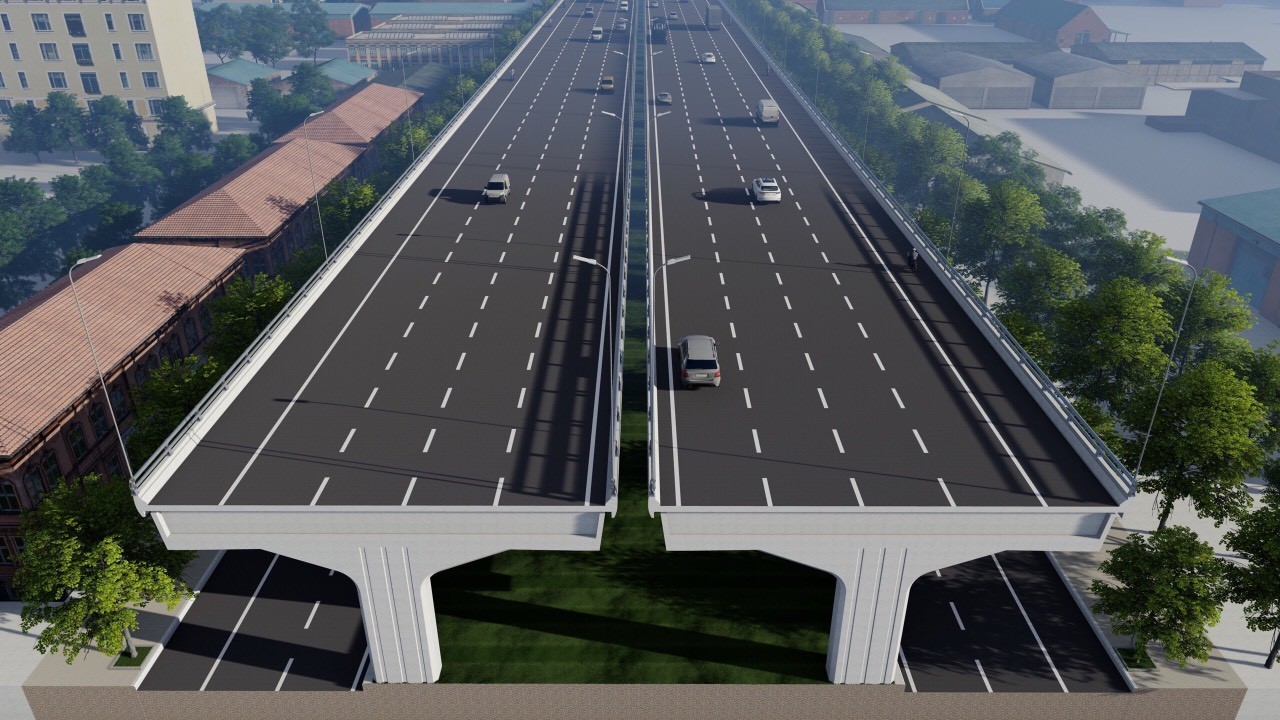
Parallèlement, le projet de construction de l’autoroute Bien Hoa – Vung Tau traversant les deux provinces de Dong Nai et Ba Ria – Vung Tau a également officiellement commencé. D’une longueur de 53,7 km, l’autoroute est dotée d’un investissement total de près de 18 000 milliards de dôngs.
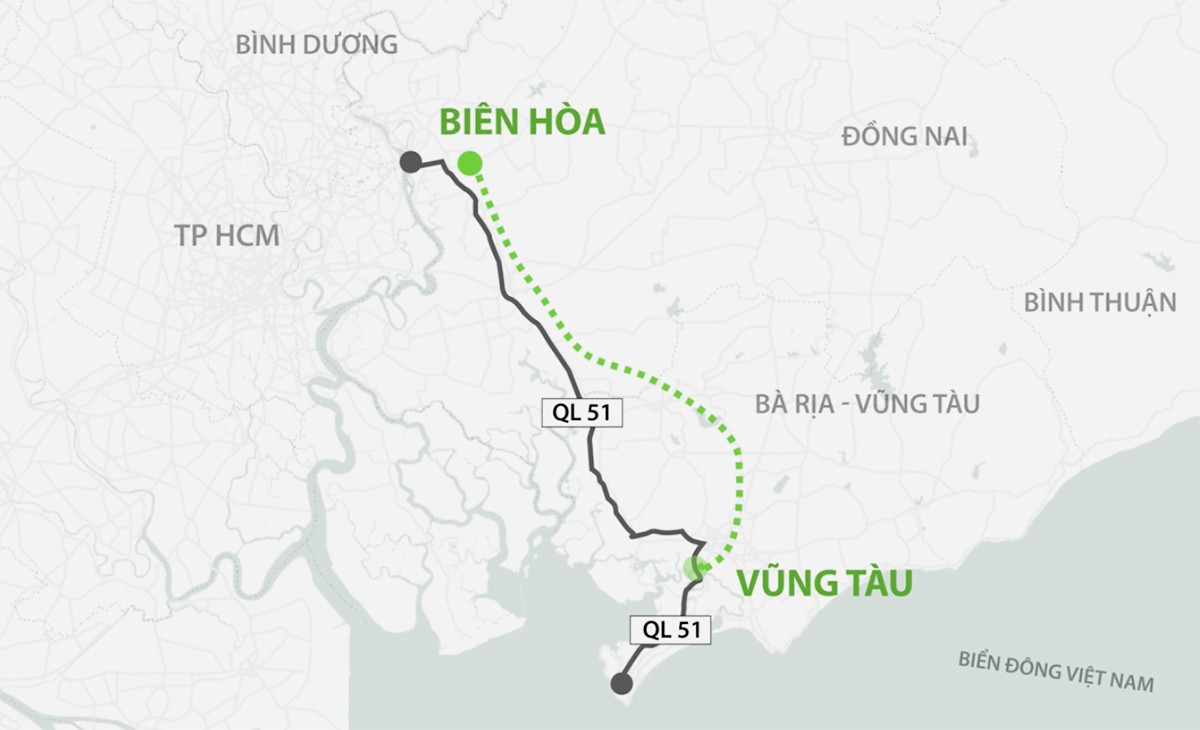
D’une longueur de 53,7 km, l’autoroute Bien Hoa – Vung Tau est dotée d’un investissement total de près de 18 000 milliards de dôngs. Photo: baodautu.vn

Les dirigeants des villes et provinces du quadrilatère économique comprenant Ho Chi Minh-Ville, Dong Nai, Binh Duong et Ba Ria – Vung Tau ont travaillé pour renforcer la coopération dans la mise en œuvre de projets de liaison routière entre les localités.

Une série de projets clés tels que l’autoroute Bien Hoa – Vung Tau, l’aéroport de Long Thanh, l’autoroute Ben Luc – Long Thanh et un certain nombre d’autres autoroutes nationales seront également mis en œuvre et achevés, créant une motivation pour le développement de la région du Sud-Est.

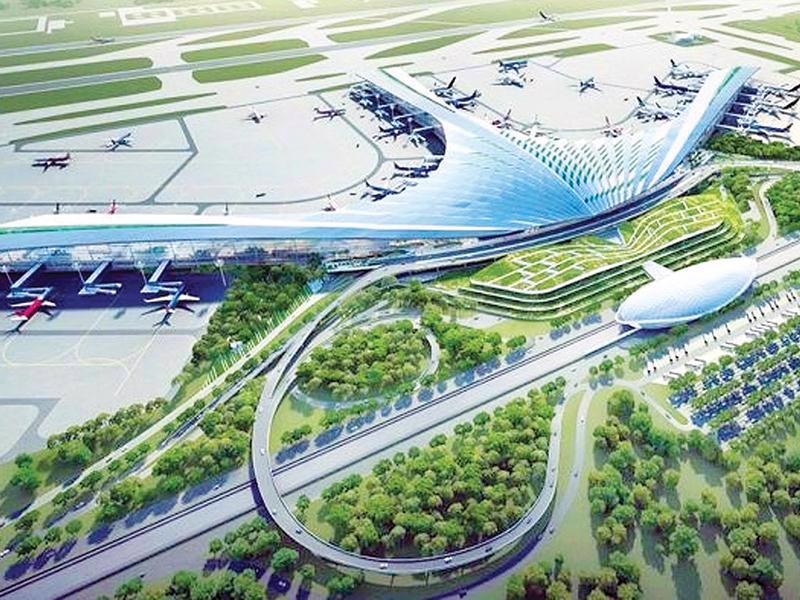
Photo de gauche: Autoroute Bien Hoa – Vung Tau. Photo: VGP
Photo de droite : Aéroport de Long Thanh. Photo: vneconomy.vn
Photo au-dessous : Autoroute Ben Luc (Long An) – Long Thanh -Dong Nai). Photo: vietnamnet.vn

Le développement synchrone de l’ensemble du système de transport comprend le trafic routier, les chemins de fer, les voies navigables, les aéroports et les ports maritimes, en particulier le développement des autoroutes et des voies ferrées reliant les localités.

Avec le rythme actuel, une série de projets clés tels que l’autoroute Bien Hoa – Vung Tau, l’aéroport de Long Thanh, l’autoroute Ben Luc – Long Thanh et un certain nombre d’autres autoroutes nationales seront achevées en 2025. À ce moment-là, la ville satellite se développera, créera davantage d’opportunités commerciales.

Selon Pham Van Canh, expert du Conseil consultatif du projet de la route périphérique No3 – Ho Chi Minh-Ville, cette route joue un rôle important national et bénéficie d’une priorité en termes d’investissement dans le but d’améliorer la connectivité entre les villes satellites des deux côtés de la route et de réduire ainsi la congestion du trafic à Ho Chi Minh-Ville.

Cérémonie de mise en chantier de la route périphérique No3. Photo: SGGP

Cette route favorisera le développement économique et créera les conditions nécessaires au développement de zones urbaines, industrielles, commerciales pour les localités traversées par elle-même.

En particulier, la route périphérique No3 augmente non seulement la connectivité intra-régionale et grâce à la porte d’entrée de la province de Long An, elle augmentera aussi la connexion entre la région économique dynamique de la région du Sud-Est et le delta du Mékong, contribuant ainsi à compléter et à exploiter le potentiel de ces deux régions, contribuant à accroître la résilience de l’économie ainsi que l’ampleur du Produit intérieur brut régional (GRDP) d’ici 2030.

Autoroute périphérique No3 – Ho Chi Minh-Ville. Photo: baodautu.vn

En outre, le projet de l’aéroport international de Long Thanh, dans la province de Dong Nai, qui devrait être achevé en 2026,  contribuera à accélérer le développement du quadrilatère économique de la région du Sud-Est.
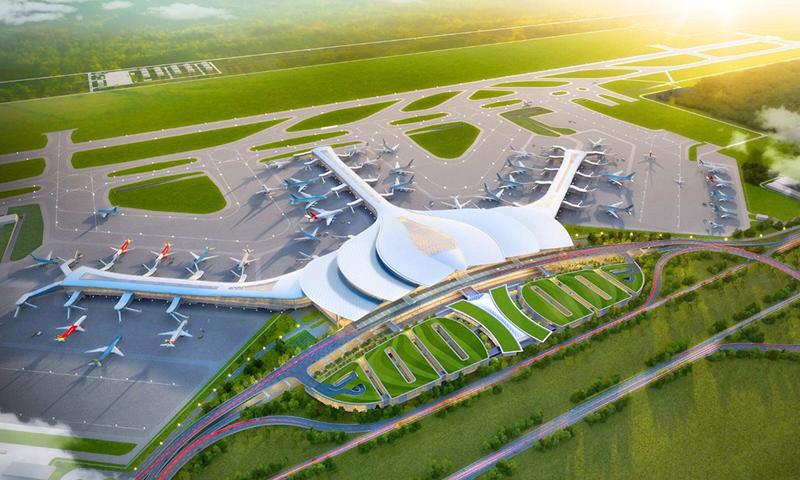
Projet de l’aéroport de Long Thanh. Photo: baochinhphu.vn

Selon le ministère des Transports, en ce qui concerne les routes, la construction de l’autoroute Nord-Sud et d’autres reliant Ho Chi Minh-Ville aux portes d’entrée, aux nœuds de trafic importants, les rocades ainsi que 52 autoroutes nationales de plus de 6 400 km de long assumeront le rôle de rassemblement de passagers et de marchandises pour les connexions interrégionales.
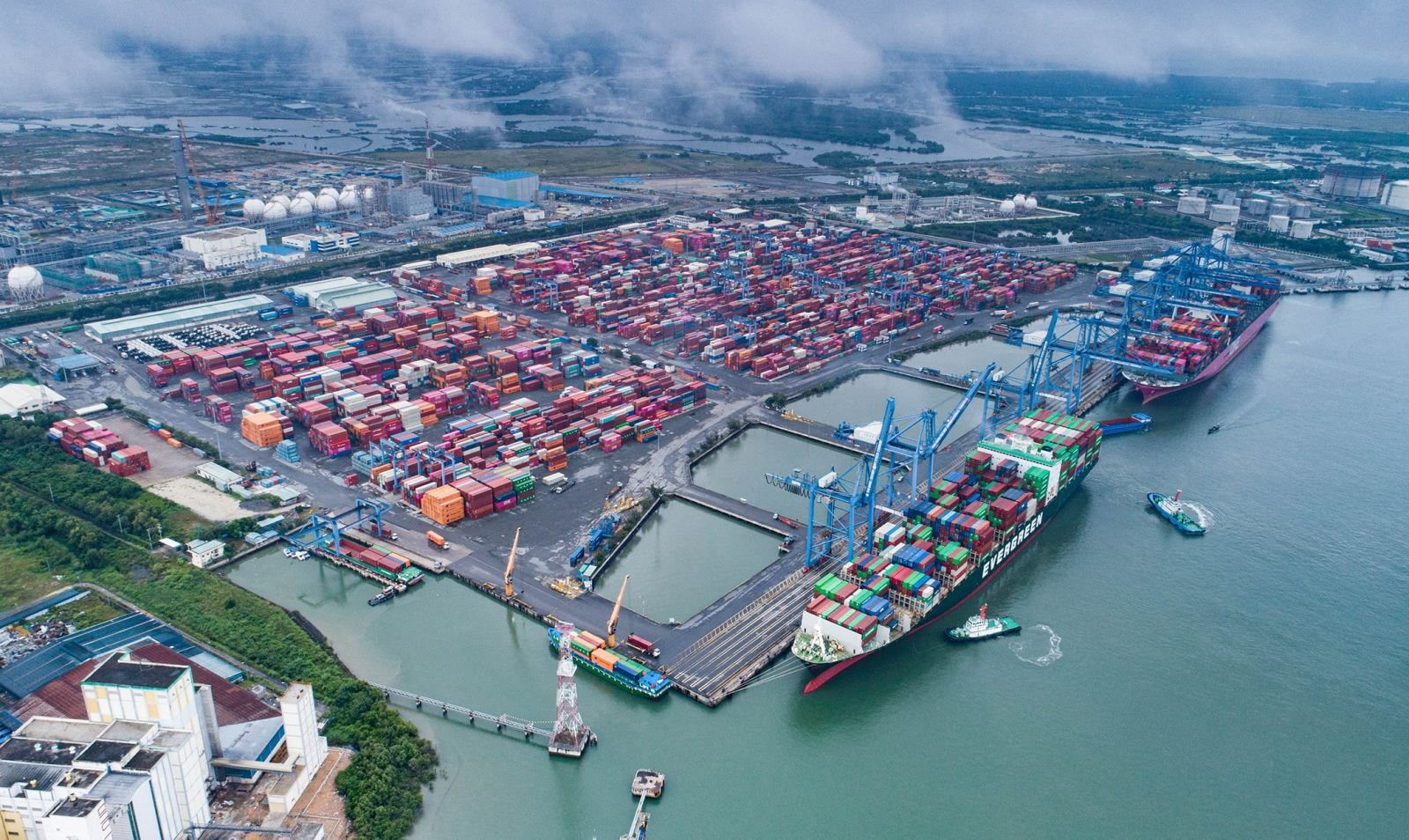
Zone portuaire de Cai Mep – Thi Vai. Photo: VNA

En ce qui concerne la voie navigable, on continuera d’investir et de moderniser les ports fluviaux, de développer le corridor fluvial et logistique du Sud, de moderniser les équipements de chargement et de déchargement des ports fluviaux.

Les dirigeants de la province de Dong Nai ont déclaré qu’outre l’aéroport de Long Thanh, en 2024, Dong Nai disposera du port maritime de Phuoc An.
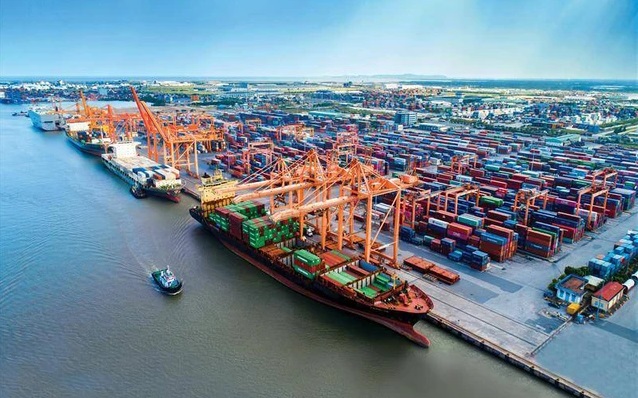
Système fluvial et logistique du Sud. Photo: vneconomy.vn

L’entrée en service de ces projets contribuera à promouvoir une nouvelle dynamique de croissance. Les entreprises provinciales bénéficieront de plus d’avantages dans l’importation et l’exportation de marchandises, et le budget provincial disposera également de sources de revenus plus importantes.

À long terme, la mise en œuvre de la construction de l’autoroute Bien Hoa – Vung Tau contribuera à éliminer les goulots d’étranglement pour le développement de la zone portuaire de Cai Mep – Thi Vai, à améliorer la connectivité et à réduire les délais de transport de marchandises entre les zones industrielles et le plus grand port en eau profonde du Vietnam./.

L’aéroport international de Long Thanh et le port maritime de Cai Mep – Thi Vai seront deux nouveaux pôles de croissance de la région du Sud-Est. Photo : baobariavungtau.com.vn

PROMUEVEN CONEXIÓN INTERREGIONAL EN EL SURESTE DE VIETNAM

La región sureste es una locomota económica de Vietnam. (Foto: baodautu.vn)

El 2023 se considera un año especial, ya que marca el comienzo de la implementación de una serie de grandes proyectos interregionales de transporte, con el fin de establecer una red vial completa y sincronizada que satisfaga las necesidades de desarrollo en la región sureste de Vietnam.

Se trata de un impulso para esta región, una locomotora económica de Vietnam, ayudando a mejorar la productividad en las operaciones logísticas en las zonas económicas e industriales principales en el Sur.  

Primera fase del proyecto de la carretera de circunvalación 3 que atraviesa Ciudad Ho Chi Minh y las provincias de Binh Duong, Dong Nai y Long An. (Foto: thanhnien.vn)

En junio pasado, se inició la primera fase del proyecto de construcción de la carretera de circunvalación 3 que atraviesa Ciudad Ho Chi Minh y las provincias de Binh Duong, Dong Nai y Long An. Esta es la obra de transporte más grande en el Sur de Vietnam, con una longitud de 76 kilómetros y una inversión de casi 3,15 mil millones de dólares.

El proyecto se prevé terminar en 2026, abriendo espacio para el desarrollo de corredores industriales, conectando puertos marítimos y reduciendo el tiempo y los costos logísticos.

Junto con la carretera de circunvalación 4 – Ciudad Ho Chi Minh, la carretera de circunvalación 3 – Ciudad Ho Chi Minh juega un rol importante en la conexión de la región sureste, así como en el alivio de la presión del transporte para esa urbe más grande en la región.

Por lo tanto, las localidades en la región están concentrando sus esfuerzos en acelerar la construcción, a fin de completar pronto el proyecto. 

Mientras tanto, inició también el proyecto de autopista Bien Hoa – Vung Tau que atraviesa dos provincias, a saber, Dong Nai y Ba Ria-Vung Tau. Esta vía tiene una longitud de 53,7 kilómetros con una inversión de casi 743 millones de dólares, cubierta por el presupuesto central y local. 

El proyecto de autopista Bien Hoa – Vung Tau tiene una longitud de 53,7 kilómetros con una inversión de casi 743 millones de dólares, cubierta por el presupuesto central y local. (Foto: baodautu.vn)

Las autoridades de cuatro localidades del cuadrilátero económico del sureste, a saber, Ciudad Ho Chi Minh, Dong Nai, Binh Duong y Ba Ria – Vung Tau, han trabajado para fortalecer la cooperación en la implementación de proyectos de conexión de transporte entre las localidades.

Una serie de proyectos claves como la autopista Bien Hoa – Vung Tau, el aeropuerto Long Thanh, la autopista Ben Luc – Long Thanh y algunas carreteras nacionales más también se implementarán. Cuando se completen, crearán un impulso para el desarrollo del sureste de Vietnam.

Foto en la izquierda: Diseño del autopista Bien Hoa – Vung Tau (Foto: VGP)
Foto en la derecha: El aeropuerto Long Thanh (Foto: vneconomy.vn)
Foto abajo: Autopista Ben Luc (Long An) – Long Thanh (Dong Nai) (Foto: vietnamnet.vn
)

La interconexión del transporte no solo implica el crecimiento de la red de carreteras, sino también un desarrollo integral de todo el sistema de transporte, que incluye carreteras, ferrocarriles, vías fluviales, aeropuertos,puertos marítimos, y especialmente, el despliegue de una red de autopistas y ferrocarriles que conectan las localidades entre sí.

Con el progreso actual, se espera que 2025 marque la finalización de una serie de proyectos claves como la autopista Bien Hoa – Vung Tau, el aeropuerto Long Thanh, la autopista Ben Luc – Long Thanh y otras carreteras nacionales. En ese momento, las ciudades satélite se desarrollarán, se expandirá el espacio industrial y se crearán más oportunidades comerciales, confiando en el nuevo impulso de la región del sureste de Vietnam.

Según Pham Van Canh, experto del Consejo Asesor del Proyecto de Construcción de la Circunvalación 3 – Ciudad Ho Chi Minh, la vía planificada forma parte de la red de autopistas, con gran importancia nacional y se prioriza la inversión para mejorar la conectividad entre las ciudades satélite a ambos lados de la carretera, reduciendo la congestión del tráfico en Ciudad Ho Chi Minh.

La inauguración de la carretera de circunvalación 2 Ciudad Ho Chi Minh y las dos ejes verticales (Foto: sggp.org.vn)

El proyecto impulsará el progreso económico, creará condiciones para el desarrollo de áreas urbanas, industriales, comerciales y de servicios para las localidades que atraviesa la carretera. Al mismo tiempo, abrirá un nuevo espacio de desarrollo para aprovechar el potencial de uso del terreno, aumentando la eficiencia de la inversión para las localidades circundantes.

En particular, la carretera de circunvalación 3 no sólo aumentará la conectividad intrarregional, sino que también, a través de la puerta de entrada de la provincia de Long An, aumentará la conectividad entre la región económica dinámica del sureste y la región del Delta del Mekong, ayudando a aprovechar bien el potencial de estas dos zonas. Se prevé que la capacidad de transporte interregional mejorada impulsará fuertemente el crecimiento económico y la escala del Producto Interno Bruto (PIB) provincial hasta 2030.

La carretera de circunvalación 3 Ciudad Ho Chi Minh (Foto: baodautu.vn)

El proyecto del aeropuerto internacional Long Thanh, el más grande del país que se está construyendo en la provincia de Dong Nai y se espera completar en 2026, ayudará al cuadrilátero económico del sureste a tener condiciones adicionales para acelerar su desarrollo.

El proyecto de aeropuerto internacional Long Thanh (Foto: baochinhphu.vn)
El complejo portuario Cai Mep – Thi Vai (Foto : VNA)

Según el Ministerio de Transporte, la formación de la autopista Norte – Sur, las autopistas que conectan Ciudad Ho Chi Minh con los puertos y nodos de tráfico importantes, las carreteras de circunvalación en Ciudad Ho Chi Minh y las dos ejes verticales y tres horizontales en la región del Delta del Mekong, junto con 52 carreteras nacionales de más de 6,4 mil kilómetros, con el papel de reunir y trasladar a pasajeros y mercancías, impulsarán la conectividad interregional.

En cuanto a las vías fluviales interiores, se continuarán invirtiendo y mejorando los puertos, desarrollando corredores fluviales y logísticos en el sur, aplicando técnicas avanzadas en los sistemas de ese modo de transporte y modernizando el equipo de carga y descarga en los puertos.

El sistema de navegación y logística de la región sureña de Vietnam (Foto: vneconomy.vn)

Un representante de la provincia de Dong Nai reveló que, además del aeropuerto Long Thanh, en 2024, Dong Nai construirá el puerto marítimo Phuoc An. Cuando estos proyectos entren en funcionamiento, contribuirán a establecer y fomentar un nuevo impulso de crecimiento. Las empresas locales tendrán más facilidades para importar y exportar bienes, y se aportarán al presupuesto de la provincia con más fuentes de ingreso.

A largo plazo, la implementación de la construcción de la autopista Bien Hoa – Vung Tau ayudará a resolver los problemas de desarrollo para el área del puerto Cai Mep – Thi Vai, mejorará la capacidad de conexión y reducirá el tiempo de transporte de mercancías desde las zonas industriales de la región hasta el mayor puerto marítimo de agua profunda de Vietnam, especialmente cuando se combina con el aeropuerto internacional Long Thanh./.
El aeropuerto internacional Long Thanh y el puerto marítimo Cai Mep – Thi Vai, dos nuevos polos de crecimiento de la región sureste de Vietnam (Foto: baobariavungtau.com.vn)

MAJOR TRANSPORT PROJECTS LAUNCHED IN SOUTHEAST REGION TO BOOST INTER-REGIONAL CONNECTIONS

The Southeast has long been the leading economic region of Vietnam. (Photo: baodautu.vn)

A series of large inter-regional transport projects have been launched in the southeast region in 2023 to form a completed and uniform transport network meeting the region’s development needs, creating new driving forces for the region’s economic growth. 

The network will also help improve the efficiency of logistics activities in large economic and industrial parks of the southern key economic region.

In June 2023, Phase 1 of the Ring Road 3 project passing through Ho Chi Minh City and the provinces of Binh Duong, Dong Nai, and Long An, is kicked off. (Photo: thanhnien.vn)

In June, Phase 1 of the Ring Road 3 project passing through Ho Chi Minh City and the provinces of Binh Duong, Dong Nai, and Long An, was kicked off. It is the largest transport project in the south, with a length of 76 km and a total investment of nearly 75.4 trillion VND (over 3.1 billion USD).

The Ring Road 3’s Phase 1 is expected to be completed in 2026, opening up space for developing industrial corridors, connecting many seaport clusters, and reducing travel time and logistics costs.

Along with the Ring Road 4 – Ho Chi Minh City, the Ring Road 3 – Ho Chi Minh City plays a very important role in connecting localities in the southeast region as well as reducing traffic pressure for Ho Chi Minh City – the region’s largest urban area. Therefore, localities in the region are focusing efforts on the work to early complete the construction of these two ring roads. 

Meanwhile, the Bien Hoa – Vung Tau expressway project passing through the two provinces of Dong Nai and Ba Ria – Vung Tau also officially started this year. The 53.7-km expressway has a total investment of nearly 18 trillion VND funded by the central budget and localities where the expressway passes through.

The Bien Hoa – Vung Tau expressway project passes through the two provinces of Dong Nai and Ba Ria – Vung Tau. (Photo: baodautu.vn)

Leaders of Ho Chi Minh City and Dong Nai, Binh Duong and Ba Ria-Vung Tau provinces have worked to strengthen cooperation in implementing inter-regional traffic projects.

A series of key projects such as the Bien Hoa – Vung Tau expressway, Long Thanh airport, Ben Luc – Long Thanh expressway and other national highways are being implemented. Once completed, they will create new drivers for the development of the southeast region. 

Above, left: Blueprint of Bien Hoa-Vung Tau expressway (Photo: VGP)
Above, right: Blueprint of Long Thanh International Airport (Photo: vneconomy.vn)
Below: Ben Luc (Long An province) – Long Thanh (Dong Nai province) expressway (Photo: vietnamnet.vn)

Transport infrastructure development is not just the development of the road network but the synchronous development of the entire transport system covering roads, railways, waterways, airports and seaports, especially expressway and railway networks that connect localities.

At the current progress, 2025 will see the completion of a series of key projects such as the Bien Hoa – Vung Tau expressway, Long Thanh airport, Ben Luc – Long Thanh expressway and other national highways. At that time, satellite urban areas will be formed, industrial space will be expanded, which create more business opportunities in the southeast region. 

According to Pham Van Canh, a member of the Advisory Council of Ring Road 3 – HCM City Project, the route is part of the expressway network. It has national importance and thus receives investment priority with the aim of improving connectivity between satellite urban areas along the route and reduce traffic pressure in Ho Chi Minh City.

At the groundbreaking ceremony of the Ring Road 3 – HO Chi Minh City and two expressways. (Photo: sggp.org.vn)

The project will also promote economic development, and facilitate the development of urban, industrial, commercial and service areas for the localities which the project passes through. At the same time, it opens up new development space to exploit the potential of land funds and increase investment efficiency for neighbouring localities.

In particular, Ring Road 3 will enhance not only intra-regional connectivity but also the connection between the southeastern region and the Mekong Delta region via the gateway of Long An province, thus helping better exploit the potential of these two regions. It is forecasted that strongly improved inter-regional traffic capacity will help increase the resilience of the economy as well as the scale of GRDP by 2030.

Blueprint of Ring Road 3 – Ho Chi Minh City project. (Photo: baodautu.vn)

The Dong Nai-based Long Thanh International Airport project, the largest airport in the country is expected to be completed in 2026, bringing more opportunities to accelerate the economic development of the southeastern region’s four economic poles -Ho Chi Minh City, Dong Nai, Binh Duong and Ba Ria – Vung Tau provinces. 

Long Thanh International Airport project (Photo: baochinhphu.vn)

In the future, besides Tan Son Nhat airport, Ho Chi Minh City’s seaports, Ba Ria – Vung Tau’s seaports and most importantly the Cai Mep – Thi Vai port cluster, this economic quadrilateral area will have a new “gateway” – the Long Thanh airport.

Cai Mep-Thi Vai port complex (Photo: VNA)

According to the Ministry of Transport, a road system will be formed with the North-South expressway, expressways connecting HCM City and important gateways and transport hubs, Ring Roads in HCM City, two vertical axis roads and three parallel axis roads in the Mekong Delta, along with 52 national highways with a total length of more than 6,400km.

Regarding inland waterways, Vietnam will continue to invest and upgrade inland waterway ports, develop the southern waterway and logistics corridor, and modernise the process of good loading/unloading at river ports.

Vietnam will continue to invest and upgrade inland waterway ports in the south. (Photo: vneconomy.vn)

A representative of Dong Nai province said that besides Long Thanh airport, Dong Nai will have Phuoc An seaport by 2024. Once put into operation, the projects will contribute to creating new growth momentum. Businesses in the province will have more advantages in importing and exporting goods, and the provincial budget will also have more sources of revenue. 

In the long term, the construction of the Bien Hoa – Vung Tau expressway will help improve connectivity and shorten freight and logistics time from industrial parks in the region to the Cai Mep – Thi Vai port complex, the largest deep-water port cluster in Vietnam, especially when Long Thanh International Airport is opened./.

Long Thanh International Airport and Cai Mep – Thi Vai seaport will be two new growth poles of the Southeast region. (Photo: baobariavungtau.com.vn)

促进东南部地区交通互联互通

越南东南部地区长期以来一直是全国经济火车头。 图自baodautu.vn

越南东南部地区长期以来一直是全国经济火车头。 2023年是特殊的一年,一批跨区交通工程开工,形成完整、互联互通、满足发展需求的交通网络。

这将成为推动东南部经济的主引擎和主动力,有助于提高南部重点经济区大型经济区和工业园区的物流活动效率。

胡志明市、平阳、同奈、隆安等省市的三环路胡志明市路段项目。图自 thanhnien.vn

经过胡志明市、平阳、同奈、隆安等省市的三环路胡志明市路段项目将于6月动工兴建。 这是南方最大的交通工程,全长76公里,总投资近75.4万亿越盾(约合31.42亿美元)。

三环路胡志明市段项目预计于2026年建成,开辟了产业走廊发展新空间,连接更多海港集群,减少出行时间和物流成本。

三环路、四环路胡志明市段项目在连接东南部地区以及缓解该地区最大城市—胡志明市的交通压力方面发挥着非常重要的作用。因此,该地区各地方正在抓紧工作进度,尽快完成这两条环路的建设。

另一方面,经过同奈和巴地头顿两省的边和-头顿高速公路项目也在开工建设。边和-头顿高速公路项目全程53.7公里,投资总额18万亿越盾(约合7.43亿美元)。

边和-头顿高速公路项目全程53.7公里,投资总额18万亿越盾(约合7.43亿美元)。图自 baodautu.vn

胡志明市、同奈、平阳与巴地头顿省四省领导举行工作交谈,以加强地方间交通互联互通项目实施的合作。

边和-头顿高速公路、隆城城机场、边沥—隆城高速公路等一批重点项目和其他公路工程项目也将陆续部署建成,为东南地区的发展注入动。

边和-头顿高速公路
隆城城机场

边沥—隆城高速公路。图自互联网

交通联动发展不仅仅是道路交通网络的发展,而是整个交通运输体系,其中包括:公路、铁路、水路、机场、港口,特别是发展连接各地方的高速公路和铁路网络的同步发展。

按照目前的进展,2025年将是边和-头顿高速公路、隆城机场、边沥—隆城高速公路等一系列重点项目以及其他一些公路工程项目竣工的时间。 届时,卫星城市将发展壮大,拓展产业空间,创造更多商机,并对东南部地区的发展韧性充满信心。

三环路胡志明市段项目顾问理事会专家范文景表示,该线路规划成为国家重点高速公路网的一部分,优先投资提高道路两侧卫星城市之间的互联互通能力,减少城市交通拥堵。

政府总理范明政下令同时开工三项国家重要交通项目。图自互联网

项目将促进经济发展,为项目经过的地方小区、工业、商业和服务业的发展创造条件。 同时,为周边地区发掘土地资金利用潜力、提高投资效率开辟了新的发展空间。

特别的是,三环路不仅增加了区域内的互联互通,而且通过隆安省的门户,将增加东南部地区经济活力区与九龙江三角洲地区之间的联系,有助于更好地支持和挖掘这两个地区的潜力。预计,跨区域流通能力的大幅提升将有助于提升经济韧性和2030年GRDP规模。

三环路胡志明市段项目效果图。图自 baodautu.vn

随着在同奈省投资建设的全国最大机场-隆城国际机场项目预计将于2026年竣工,将有助于东南部地区“经济四边形”拥有更多加速发展的机会和条件等。

隆城国际机场项目图自 baochinhphu.vn

今后,新山一机场,胡志明市港口系统、巴地-头顿港口以及最重要的盖梅-施威港口群这个经济四边形将补充新的“门户”,为其创造更多的发展动力。

巴地-头顿港口。图自越通社

交通运输部称,道路交通方面,形成南北高速公路,连接胡志明市与各门户、重要的交通枢纽的高速公路,胡志明市的各条环路,以及总长超过6400公里的52条国道将承担旅客和货物的运输,为跨区域互联互通作出贡献。

内河交通方面,继续投资升级内河港口,发展南方水路和物流走廊,实现港口设施和装备的现代化。

同奈省领导代表透露,除了隆城机场外,到2024年,同奈省将拥有福安港口,这些项目投入运营后将有助于创造出更多的经济增长新动能。同奈省范围内的企业在货物进出口方面将具有更多优势,省级财政预算也会提升。

从长远来看,边和-头顿高速公路建设的实施,将有助于消除盖梅-施威港口的发展瓶颈,提升互联互通水平,缩短区域内各工业园区至该地区越南这一最大的深水港口群的货运和物流时间。(完)

新山一机场,胡志明市港口系统、巴地-头顿港口以及最重要的盖梅-施威港口群这个经济四边形将补充新的“门户”图自 baobariavungtau.com.vn

Nestlé Vietnam joins hands to help Vietnamese women thrive in new era

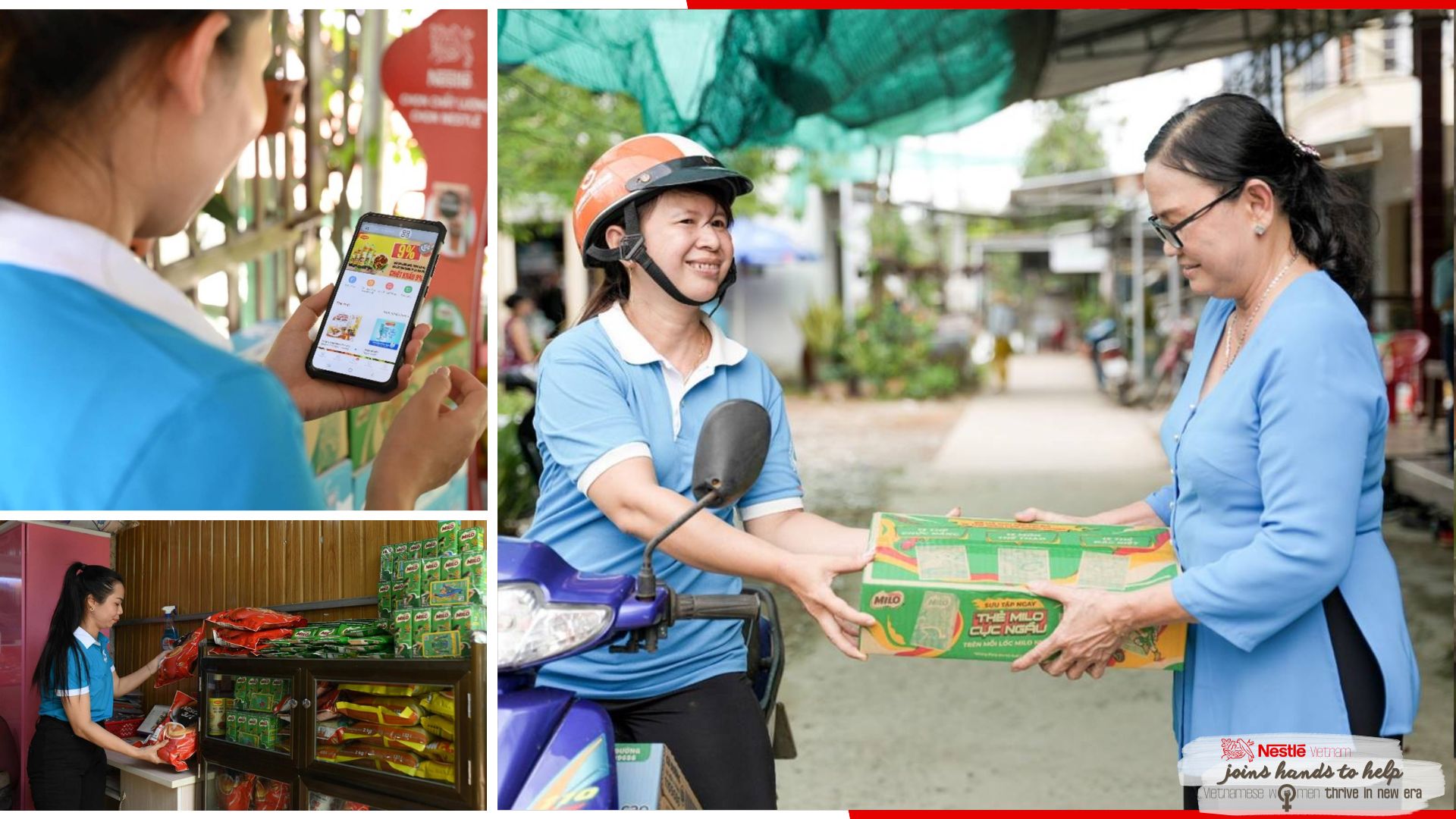
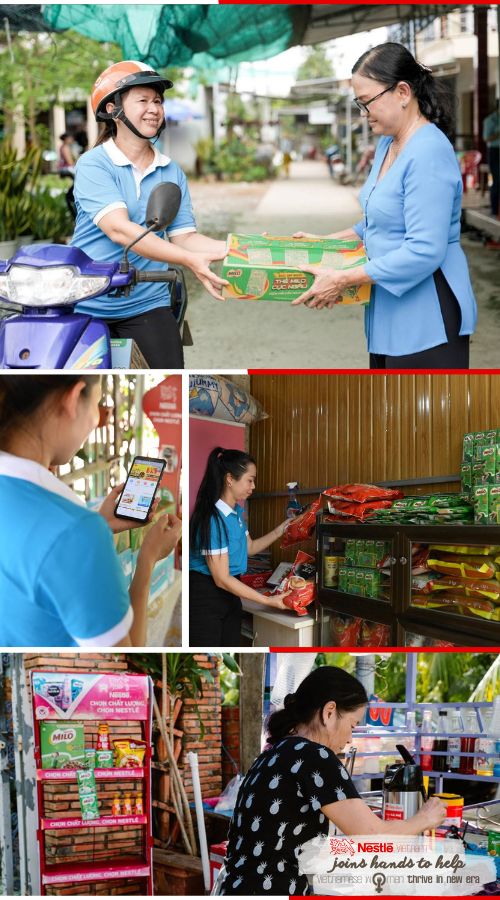
The house of Chung Thi Bich Ngoc in the southern province of Soc Trang stands out with a red shelf neatly displaying Nestlé products such as NESCAFÉ, MILO, cereals, soy sauce and spices.

Participating in the Chi Nest (Sister Nest) Program for 3 years, Ngoc now confidently introduces Nestlé products clearly.

She shared: “Becoming Chi Nest helps me increase my income and have a better family life. Besides, I contribute to strengthening the connection between women in the commune, helping them learn more about quality and nutritious products for children and family. I am very happy when people call me Chi Nest.”

Ngoc is a rural woman growing rice in Soc Trang Province. Farming is hard and unstable as it is significantly subjected to weather. Thus, she and her husband had to struggle to raise their two children.

In 2020, she learned about the “Nestlé accompanies women” program – a partnership between Vietnam Women’s Union and Nestlé Vietnam. At first, she was attracted by interesting activities of the program such as role play which help her gain nutrition and health knowledge naturally and efficiently.

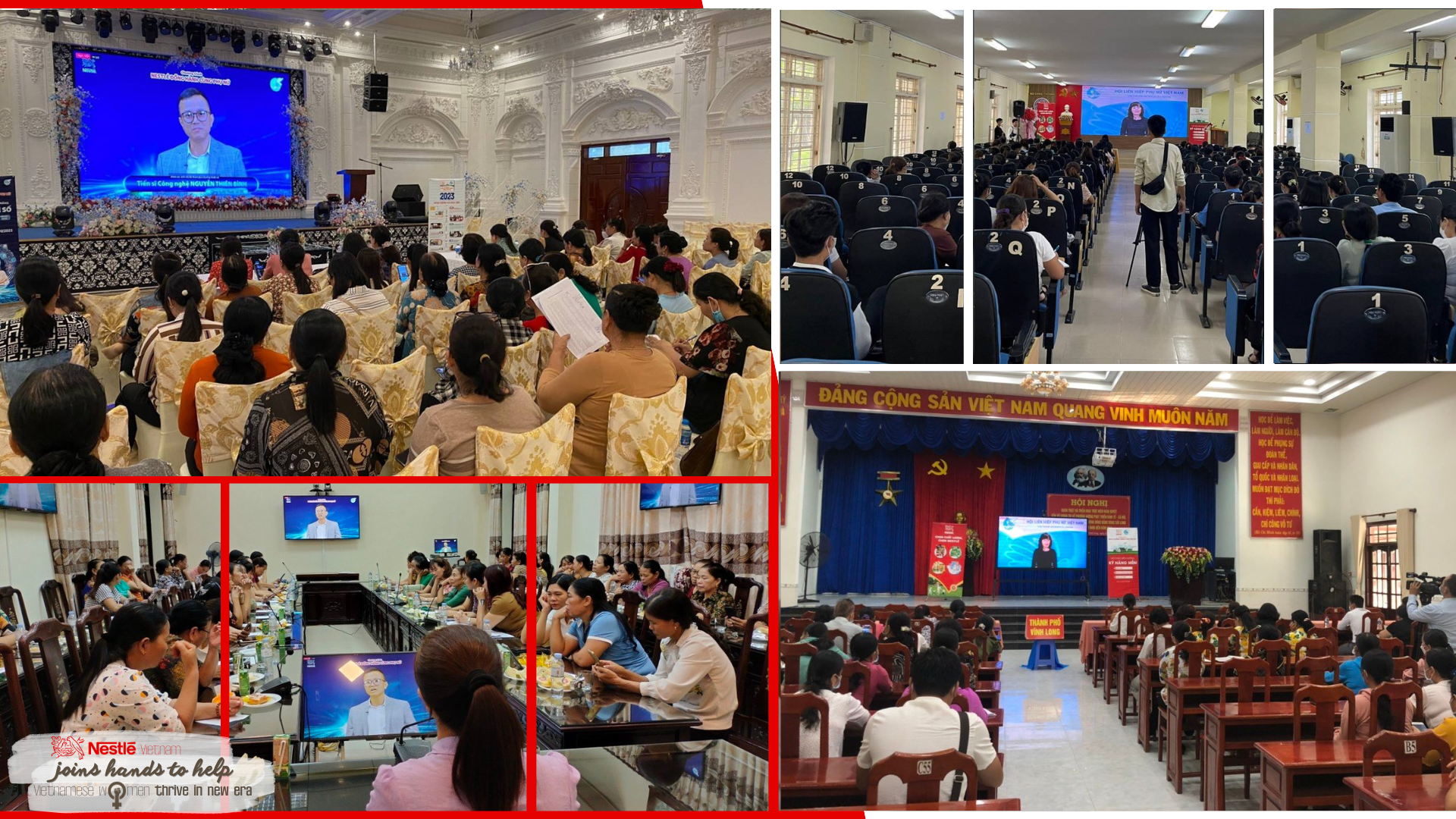
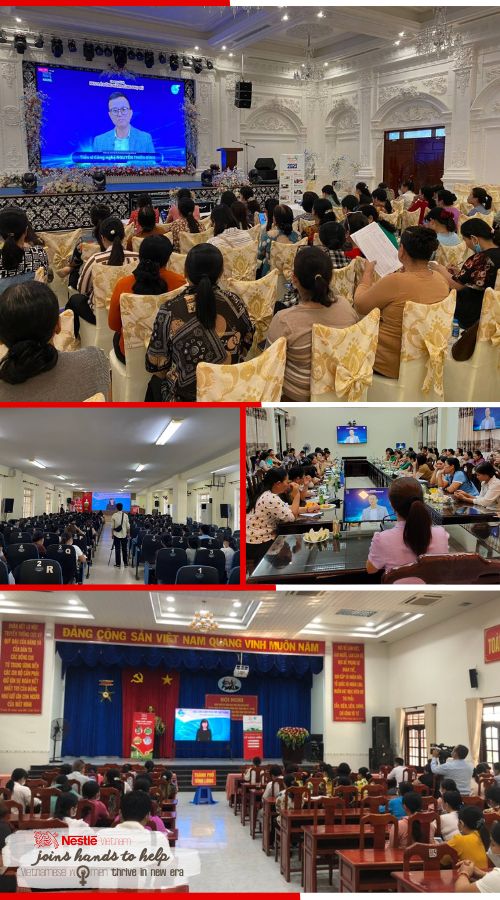
Nestlé accompanies women’ program organised by Nestlé Vietnam and Vietnam Women’s Union. The partnership aims to promote gender equality and women’s empowerment

Ngoc told VietnamPlus that in the past she also used a few Nestlé products, but since joining the program and becoming a “Chi Nest” she and other members in the commune have been able to know many other quality brands and products from Nestlé.

Thanks to various nutrition and health trainings from the program, Ngoc managed to take care her family with delicious and nutritious meals. During the process of introducing Nestlé products to households in the commune, Ngoc also had many opportunities to interact and spread her knowledge to other members and families in addition to improving her income.

“Every month I earn an additional VND 2 million from the Nestlé store. In rural areas, such extra income is very good. I have better conditions to take care of my children,” said Ngoc.

Starting from the same objectives of women’s empowerment and gender equility of Vietnam Women’s Union and Nestlé Vietnam, the bilateral cooperation program focuses on the three key pillars: equipping nutrition and health knowledge for women, helping the capability building for the Vietnamese women of the new era; creating sustainable livelihoods for women; and accelerating the digital transformation for women, especially those in rural areas.

Sharing the same opinion, Nguyen Thi Nhai, Tan Dan Commune, Khoai Chau District, the northern province of Hung Yen said: “Since its implementation in 2020, the ‘Nestlé accompanies women’ program has created more opportunities for many women in different regions to increase their income, take control of their lives and develop family economy.

Nhai is both a member of the communal Women’s Union and “Chi Nest.” She is both active in her daily work at the Women’s Union and fully takes care of her family.

“In our family, husband and wife earn money equally, share daily housework and strive to be an example for children to live a positive, useful life,” she said.

Nhai acknowledged that the women’s stalls with the criteria “Safety-Happy-Convenience” along with various training programs on nutrition, soft skill, especially digital skills and health care, helped women improve their quality of life, increase income, and build happy families.

‘Nestlé accompanies women’ program has created more opportunities for many women in different regions to increase their income, take control of their lives and develop family economy.

Officially started in December 2020 at 9 provinces, the “Nestlé accompanies women” program has expanded to 21 provinces nationwide by November 2023.

With many activities and initiatives, the program has helped thousands of women, especially rural women, improve their knowledge and skills, gradually keep pace with the digital transformation process and create sustainable livelihoods.

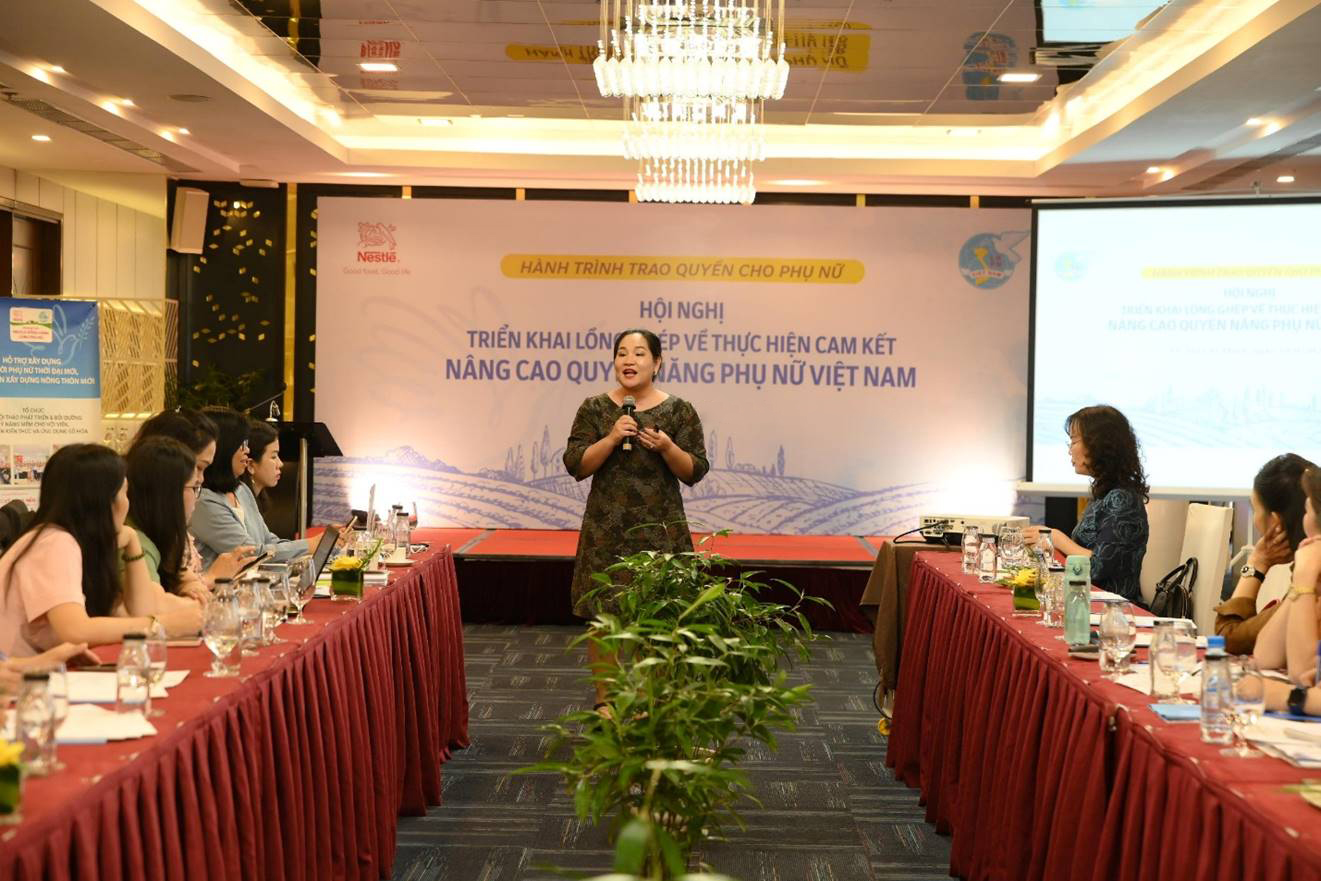
Conference to summarise the implementation of the cooperation agreement between the Vietnam Women’s Union and Nestlé Vietnam in 2023

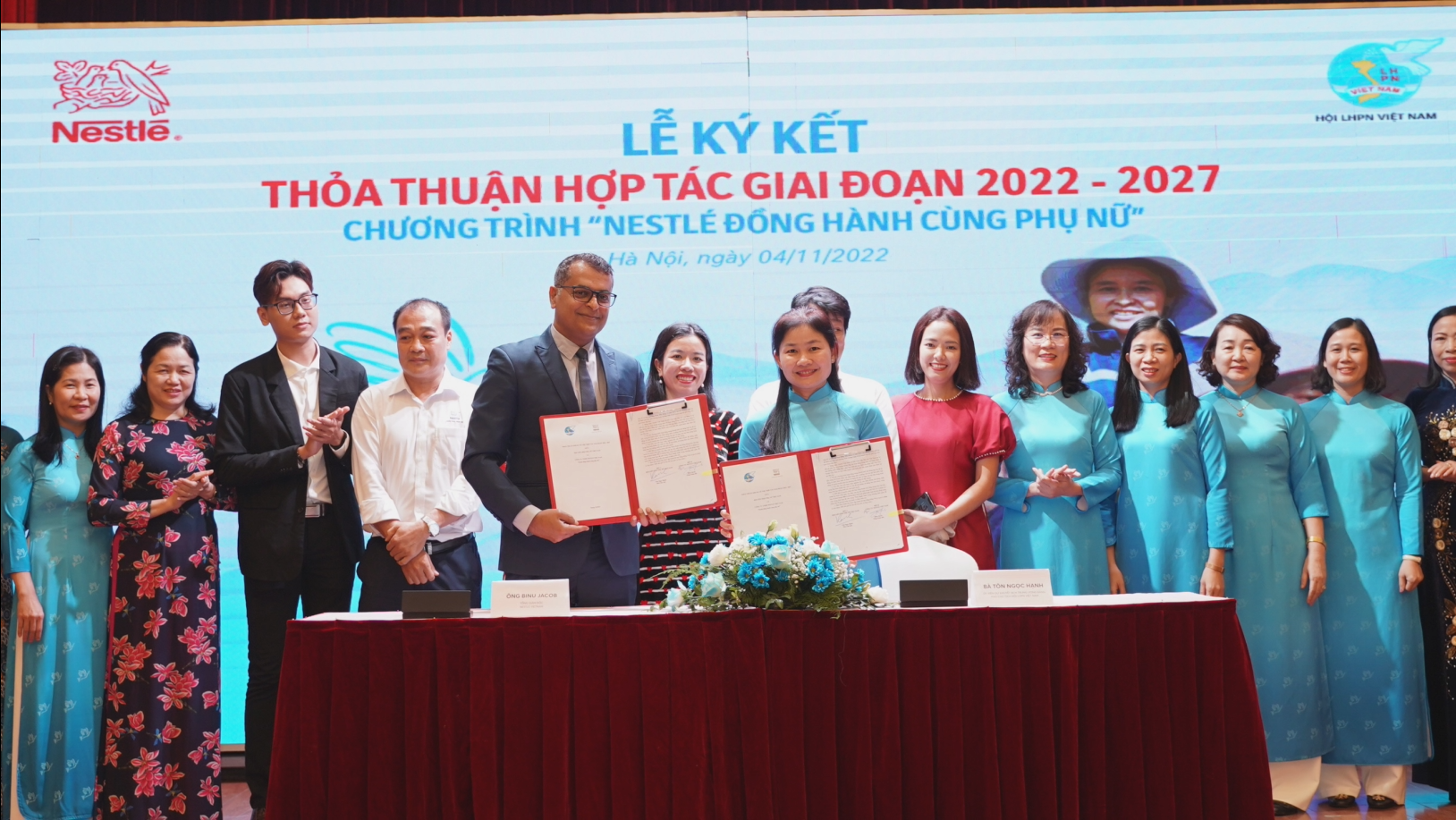
On November 24-25, the Vietnam Women’s Union and Nestlé Vietnam organized a conference to summarize the implementation of the joint program in 2023 and a field trip to Hung Yen to visit Nestlé Bong Sen factory.

In addition to representatives of the 21 provincial women’s unions participating in the project and that of the women’s unions at all level and individuals members with excellent achievements, the conference also had the participation of representatives of 13 provincial women’s unions and relevant representatives of the state agency.

2023 is the first year of implementing the strategic cooperation program in the period of 2022-2027 between the Vietnam Women’s Union and Nestlé Vietnam

From 2021 until now, the program has trained 13,000 members for nutritional knowledge and skills and healthy living. Among them, 4,000 members have been trained about communication skills and family financial management, and 5,000 members have been trained on digital technology knowledge skills.

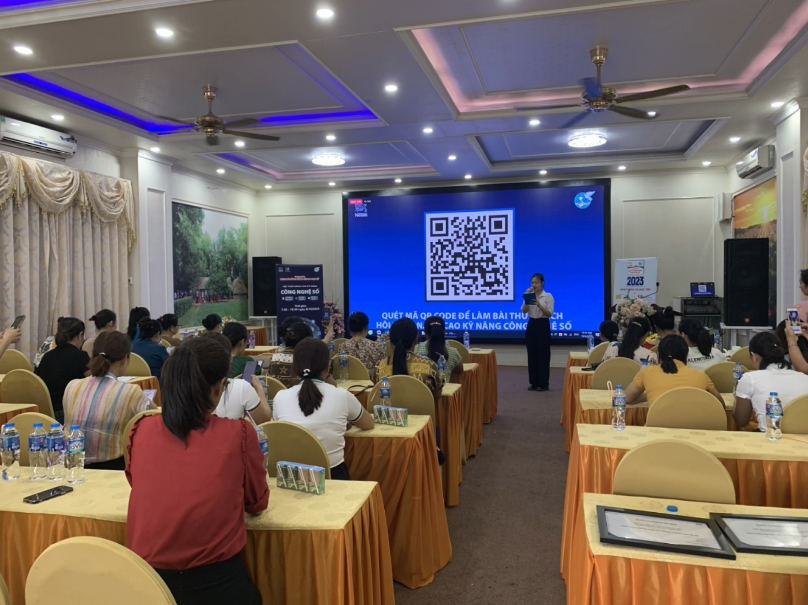
In training activities on knowledge and use of digital applications, 100% of members participated. Thanks to that, women, especially rural women – the main beneficiaries of the program, have gradually become confident in taking control of their lives, especially updating and leveraging the strengths of digital technology.

By the end of September 2023, the program has created and maintained sustainable livelihood models and promoted digital applications in 790 communes, with 1,840 models nationwide.

From 2021 until now, the program has trained 13,000 members for nutritional knowledge and skills and healthy living. Among them, 4,000 members have been trained about communication skills and family financial management, and 5,000 members have been trained on digital technology knowledge skills

In addition to improving nutritional knowledge, equipping soft skills and creating sustainable livelihood models, one of the program’s focus activities in 2023 and in the coming time is to promote digital transformation to partly help realize the Government’s goal that by 2025, Vietnam’s digital economy will account for 20% of GDP and increase to 30% by 2030.

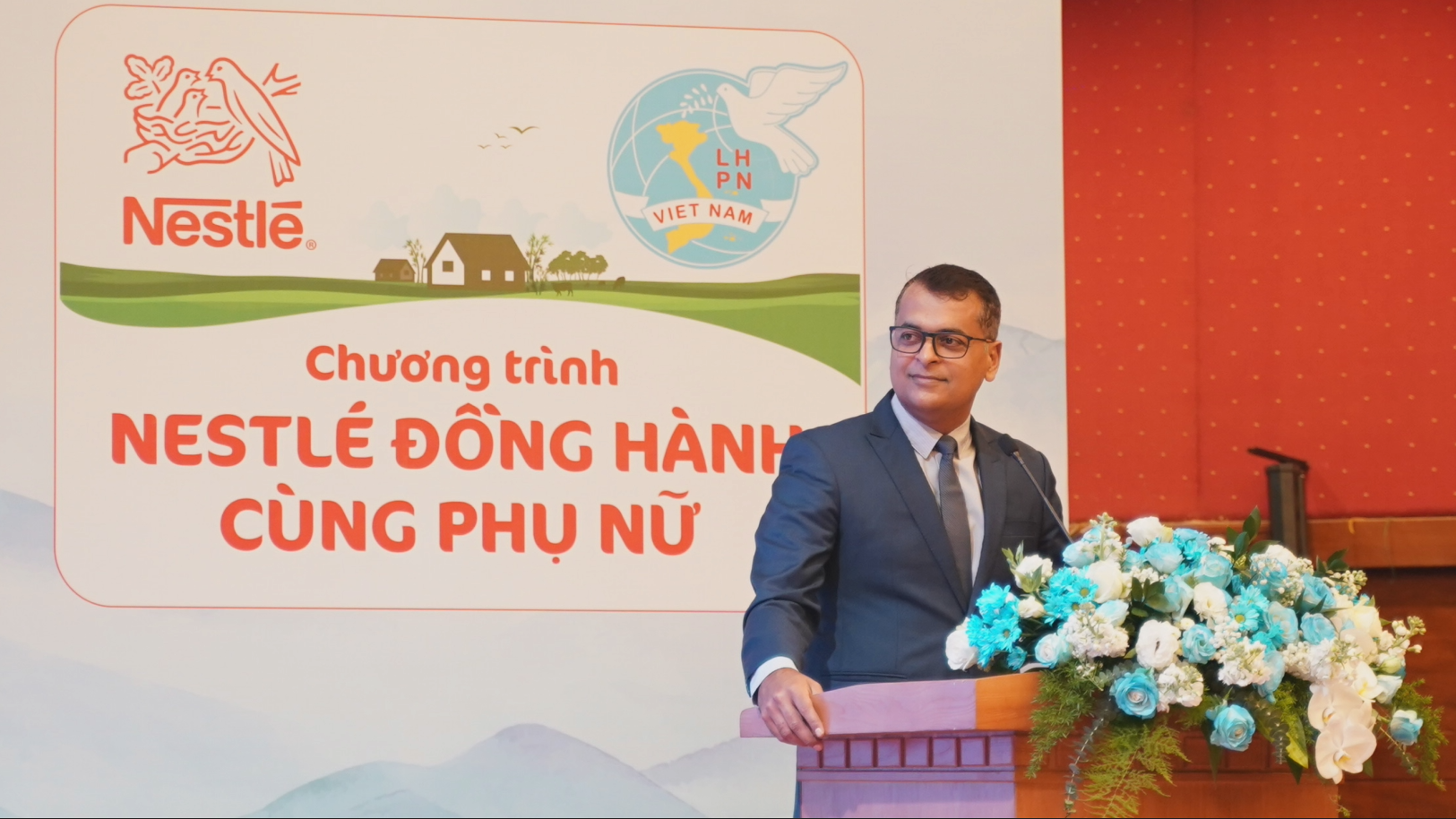
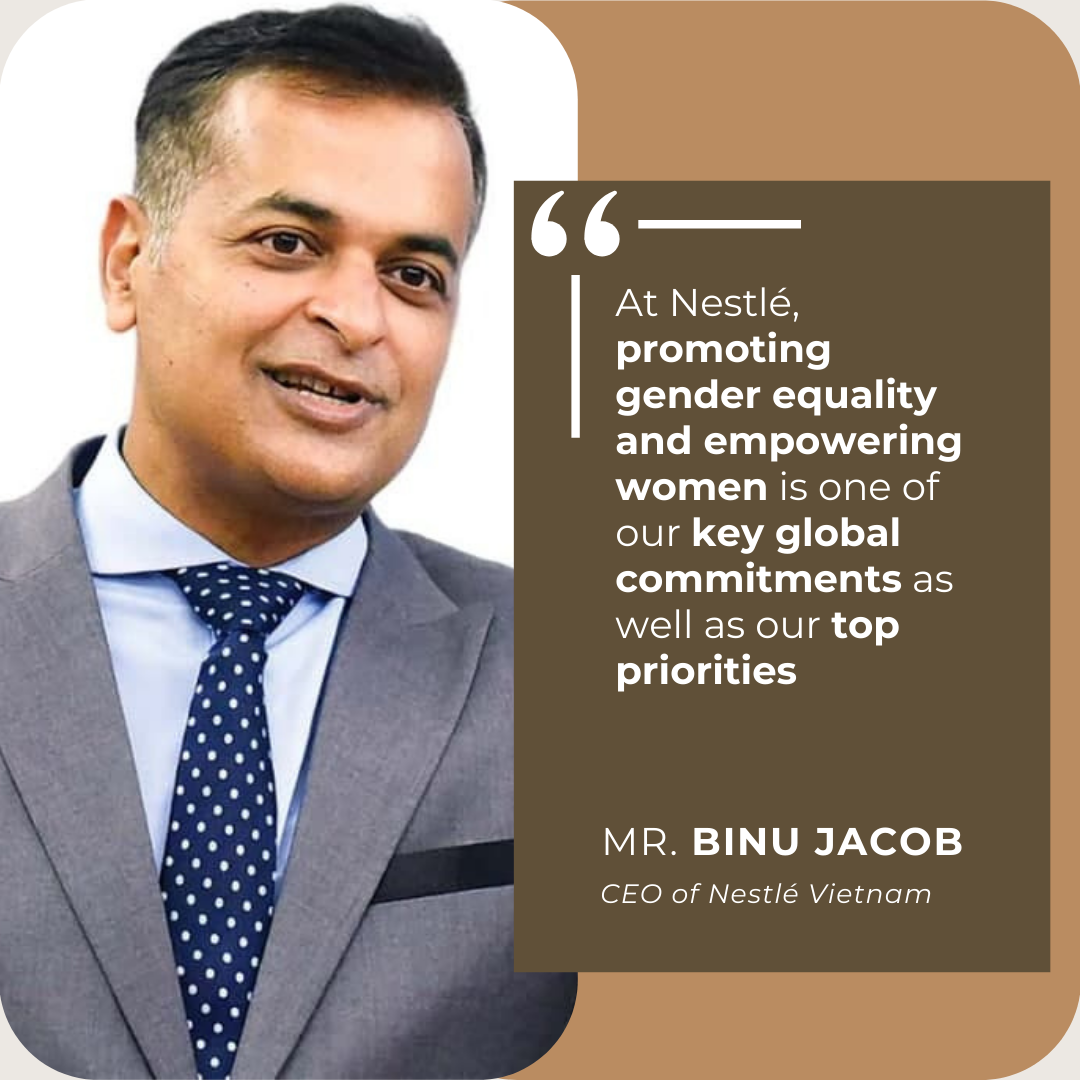
Binu Jacob, CEO of Nestlé Vietnam shared his pride and happiness to see thousands of women becoming more confident in taking control of their own lives and contributing to the economic development of families and localities thanks to the “Nestlé accompanies women” program.

“At Nestlé, promoting gender equality and empowering women is one of our key global commitments as well as our top priorities. In Vietnam, from the very first day of our operation, alongside promoting sustainable development, we also put the enhancement of women empowerment and the promotion of gender equality in the workplace and throughout the value chain as a top priority for Nestlé,” said Binu Jacob.

That’s the reason why Nestlé Vietnam collaborated with the Vietnam Women’s Union to implement the long-term strategic cooperation program “Nestlé accompanies women” to contribute to the improvement of health, nutrition, and safety of women and children in Vietnam.

“We aim to support Vietnam women, especially those in rural areas, to be equipped with the necessary capacity and skills in the new era,” he said.

The results achieved by the “Nestlé accompanies women” program show the role of effective multi-stakeholder cooperation patterns in realizing commitments and policies on enhancing women’s empowerment and promoting gender equality.

In 2024, the Vietnam Women’s Union and Nestlé Vietnam will continue to implement and expand the cooperation program with various activities and initiatives under the 3 main pillars of the program.

In 2024, the Vietnam Women’s Union and Nestlé Vietnam will continue to develop and expand the cooperation program with many specific activities and initiatives under the 3 main pillars of the program

“I believe that in the coming years of the cooperation program, we will achieve more positive results, approach and support more women nationwide, contributing to the goal of promoting women empowerment, gender equality, improving the quality of life, which subsequently will contribute to the realization of the country’s digital transformation and new rural development,” said Binu.

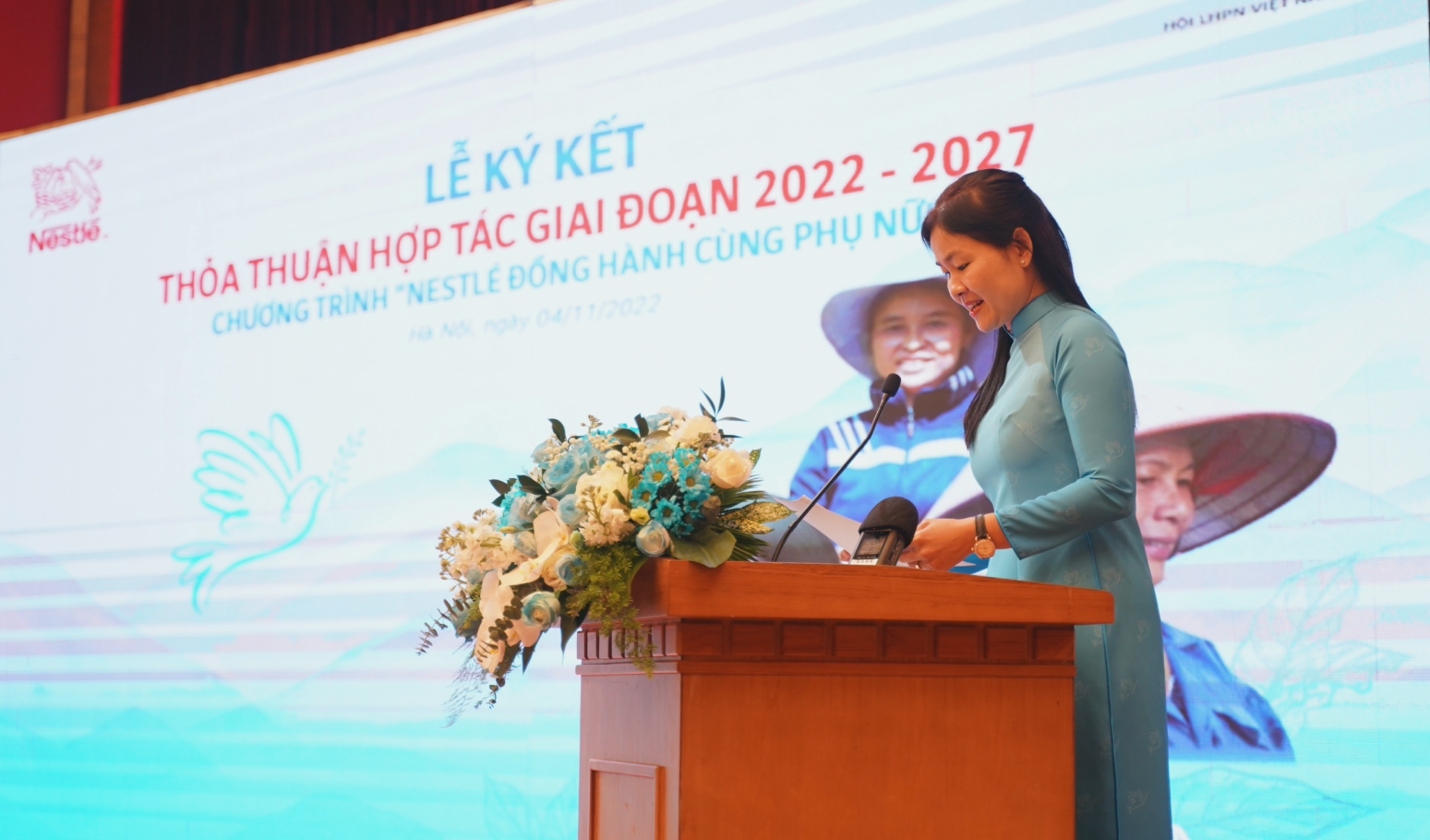
Ton Ngoc Hanh, Vice President of the Vietnam Women’s Union said: “With affection, responsibility and enthusiasm to deliver Vietnam Women’s Union’s missions, we believe that in the following years, we will increasingly develop with new approaches with the greater determination. We expect and believe that the implementation of the Cooperation Agreement to contribute to empowering women and building Vietnam Women’s Union will become more professional and effective.”

Mai Thuy Ngan, Acting Director of the Center for Digital Government, Ministry of Information and Communications believed that the results of the program have proved that digital transformation is the process of changing thinking and business models to create new values. Digital transformation is a topic that has been talked about a lot in recent years, but it’s still difficult to figure how to achieve and where to start.

“The program’s endeavour to bring digital transformation skills to thousands of women in 21 provinces is a huge success, affirming the core role of Women’s Unions at all levels. Thanks to programs like this, rural women will not be left behind in the digital transformation process,” said Ngan.

According to Le Bui Thi Mai Uyen, Food Business Unit Director of Nestlé Vietnam, this year’s statistics show that “Safety-Happy-Convenience” stall models helped women increase their income by an average of about 30% compared to 2022.

Besides, thanks to joining trainings provided by the program, many women already know how to use the mobile application to manage goods sources, store information as well as grasp customer habits.

Chi Nest Chung Thi Bich Ngoc from Soc Trang Province agreed, saying that now she’s no longer embarrassed to use social networks to promote products, transact with customers and deliver goods in the commune.

Thanks to the program, she feels more confident and happier. She wishes the program would reach more women in the country./.

УСТОЙЧИВОЕ РАЗВИТИЕ ДУРИАНА

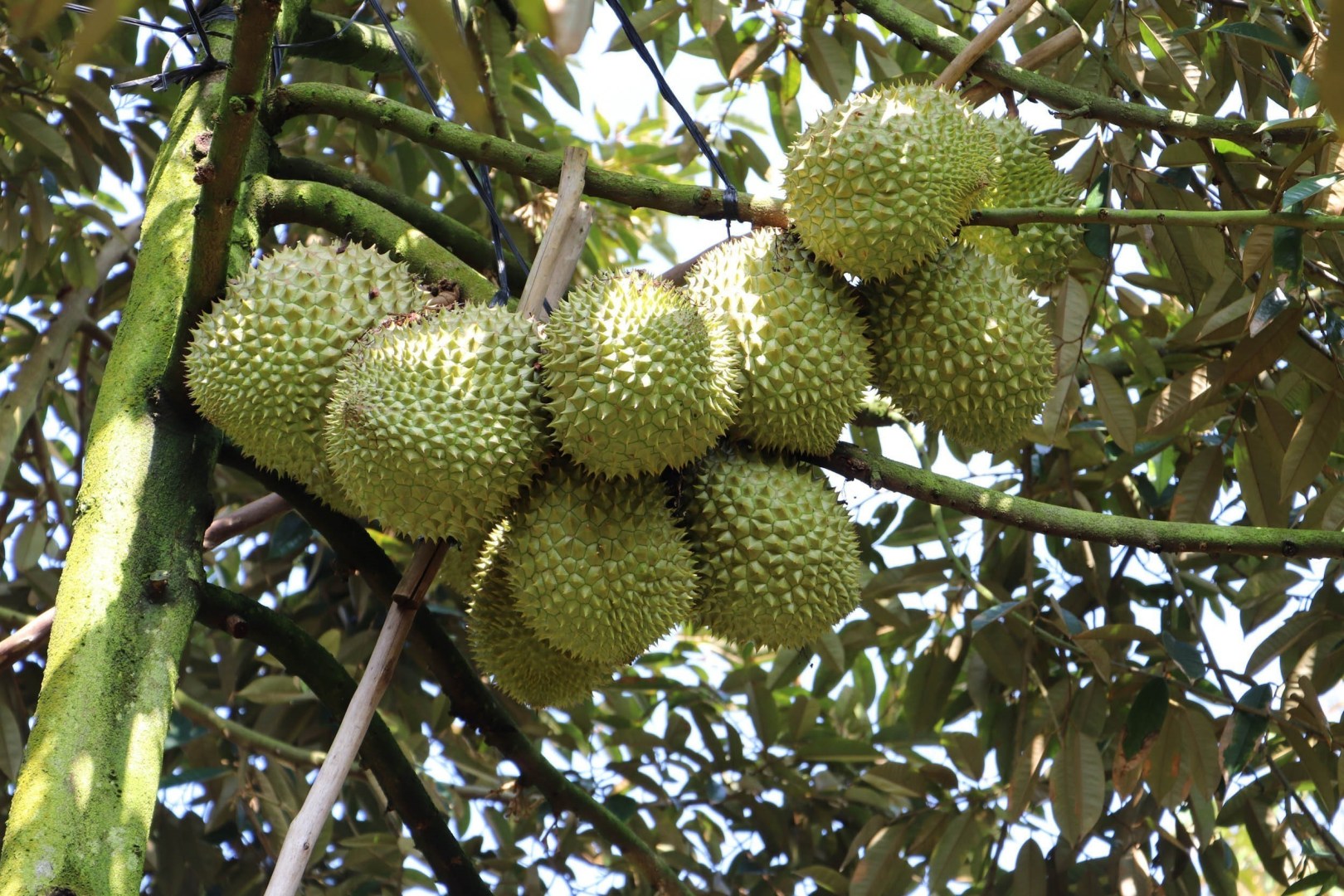
Дуриан, выращенный в коммуне Фуфунг, уезд Чолать, провинция Бенче (Фото: ВИA)

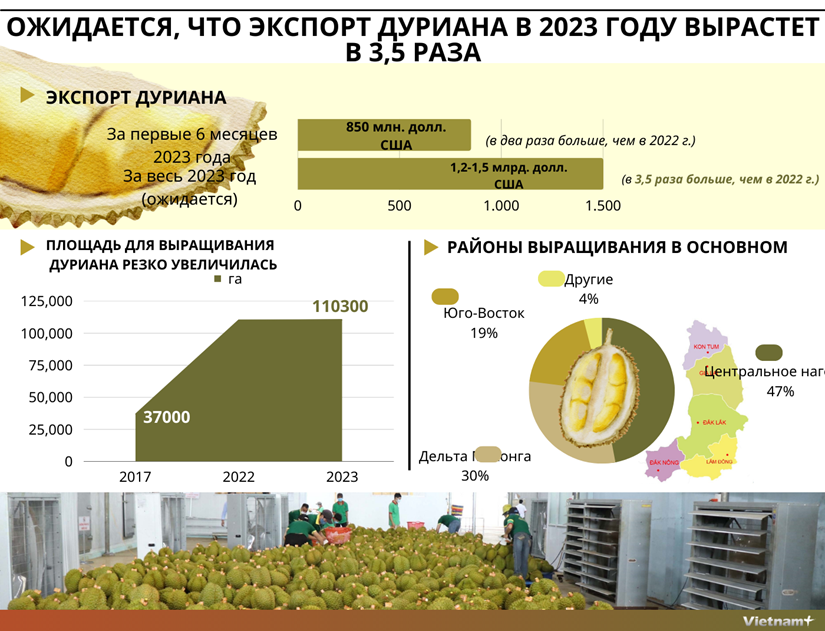
Дуриан принес «всеобщую радость», когда 7 мая 2023 года «Король фруктов» принес более 1 млрд. долл. США, а по прогнозам, в этом году может превысить 2,2 млрд. долл. США.

По оценкам на сегодняшний день в стране выращивается более 112.000 га дуриана. За последние 5 лет площади выращивания дуриана увеличивались почти на 25% в год, а текущий объем общего производства составляет около 900 000 тонн. Выращивание дуриана сосредоточено в таких основных регионах, как Центральное нагорье с площадью более 52 000 га (около 47%), дельта реки Меконг площадью 33 000 га (около 30%), Юго-восток – 21 000 га (около 19%) и нескольких других населенных пунктах.

Зона выращивания дуриана в общине Милонг, уезд Каолань, провинция Донгтхап, имеет право на экспорт дуриана в Китай. (Фото: ВИA)

За последние два года цены на дуриан выросли, поскольку между Министерством сельского хозяйства и развития сельских районов Вьетнама и Главным таможенным управлением Китая был подписан протокол о фитосанитарных требованиях к дуриану, экспортируемому из Вьетнама в Китай. Это создало ряд возможностей и сильную движущую силу для развития категории данного фрукта, значительно увеличив доходы и прибыль фермеров и предприятий в цепочке товарной категории.

По словам Нгуен Хоай Зыонга, директора Департамента сельского хозяйства и развития сельских районов провинции Даклак, где выращивается около 23 000 га дуриана, помимо положительных, благоприятных факторов, также возникают неизбежные трудности, вызовы и риски в связи с «горячего роста».

Дуриан, выращенный в коммуне Фуфунг, провинция Бенче. (Фото: ВИA)

Нгуен Тхи Тхай Тхань, председатель совета директоров акционерного общества Ban Me Green Farm, прокомментировала, что одной из основных трудностей в производстве дуриановых продуктов является неустойчивая связь между сельскохозяйственным производством и потреблением продуктов.

«Сектор производства дуриана пока не имеет прочной связи между кооперативами, фермерами и предприятиями. Растущие цены могут нарушить отношения между предприятиями и фермерами, дестабилизируя товарную категорию и качество потребляемой и экспортируемой продукции. Между тем, сами кооперативы, на самом деле, даже не продвигают свою роль и ценности в сфере коммуникаций», cказала Нгуен Тхи Тхай Тхань.

Рабочий собирает урожай донского дуриана в уезде Кронг Пак. (Фото: ВИA). (Фото: ВИA)

Ле Ань Чунг, директор по внешним связям инвестиционно-девелоперской компании Van Hoa в Даклаке, сказал, что «резкий рост цен» на дуриан нанес ущерб предприятиям-экспортерам.

«Мы надеемся, что власти и Ассоциация дуриана провинции Даклак проинформируют местное население, фермеров о качествах данного фрукта, предоставят большое количество полезной информации, техник и проведут инструктаж по уходу за деревом дуриана, чтобы люди узнали не только истинную ценность плодов дуриана, но и смогли бы прийти к стабильной ценовой политике и качеству…» – добавил Ле Ань Чунг.

Помогая вьетнамскому дуриану продвигаться дальше

Директор Департамента сельского хозяйства и развития сельских районов Даклака заявил, что для того, чтобы вьетнамская индустрия дуриана продвигалась дальше и обеспечивала устойчивые рынки, все заинтересованные стороны в цепочке создания стоимости должны тесно сотрудничать. Это означает, что фермеры, предприятия, местные администрации, государственные органы управления и ученые должны работать вместе над развитием отрасли.

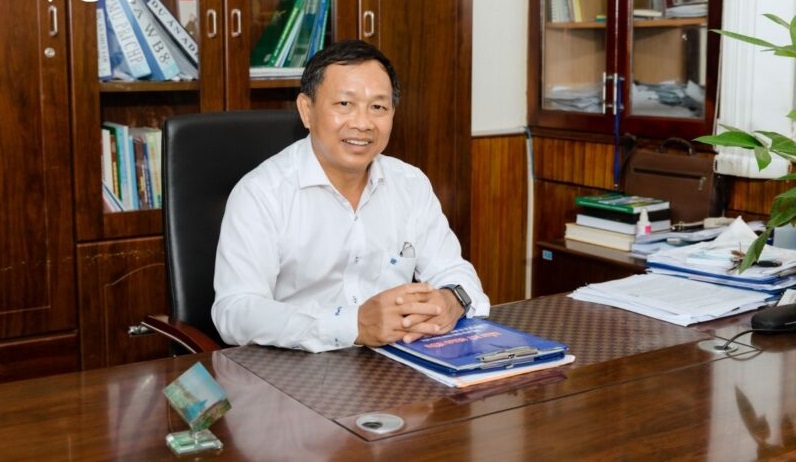
Председатель Ассоциации дуриана Даклак Ву Дык Кон.(Фото: vov.vn)

Председатель Ассоциации дуриана Даклак Ву Дык Кон отметил, что для создания квалифицированной продукции, отвечающей стандартам карантина растений и безопасности пищевых продуктов, необходимо организовать производственную цепочку от районов выращивания до упаковочных предприятий, пунктов карантинной обработки растений и экспортных предприятий.

Кроме того, необходимо применять информационные технологии для управления зонами выращивания и упаковочными предприятиями с помощью кодов, которые будут использоваться для проведения инспекций и мониторинга.

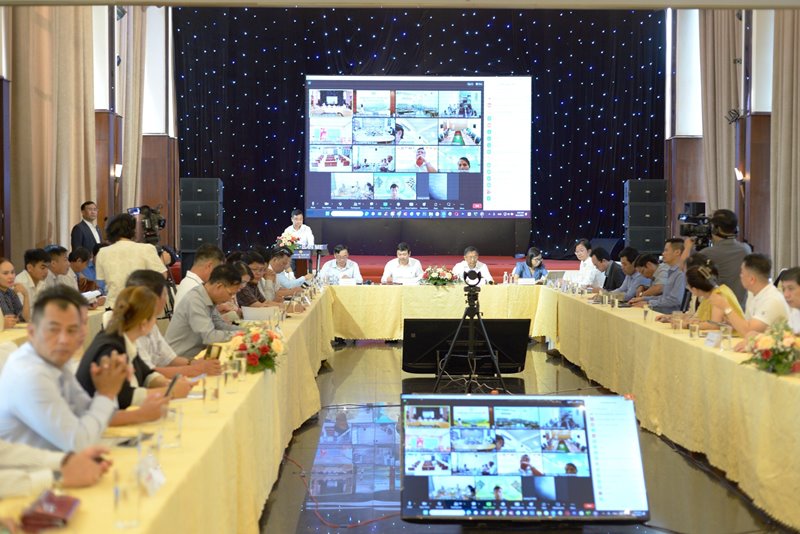
Участники форума, посвященного текущей ситуации с производством и экспортом дуриана в 2023 году и решениям для эффективного и устойчивого развития вьетнамской дуриановой промышленности, который состоялся 11 сентября в городе Буонматхуот, провинция Даклак. (Фото: mard.gov.vn)

Выступая на недавнем форуме, посвященном текущей ситуации с производством и экспортом дуриана в 2023 году и решениям для эффективного и устойчивого развития выращивания вьетнамского дуриана, министр сельского хозяйства и развития сельских районов Ле Минь Хоан сказал, что бизнес-сообщество, производители дуриана и местные государственные органы управления должны предвидеть трудности и проблемы в этой отрасли, несмотря на растущий экспорт фрукта.

Министр подчеркнул, что необходима устойчивая структура отрасли для обеспечения развития выращивания дуриана в частности и других отраслей в целом. Реструктуризация производства – это не просто улучшение техники посадки, а создание пространства для совместной работы фермеров и бизнеса.

Предприятия должны сотрудничать с фермерами с момента посева семян, чтобы направлять их и завоевывать их доверие.

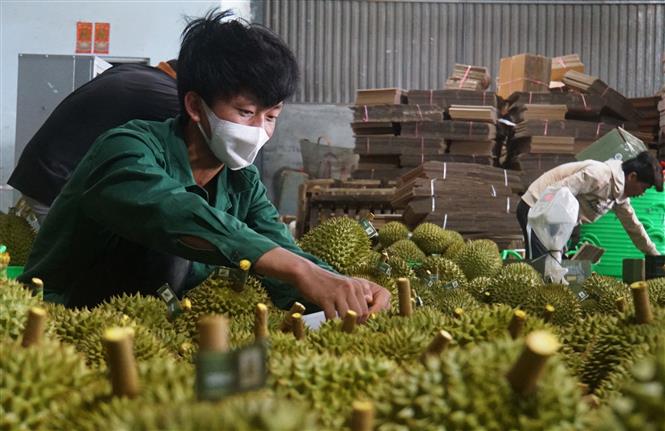
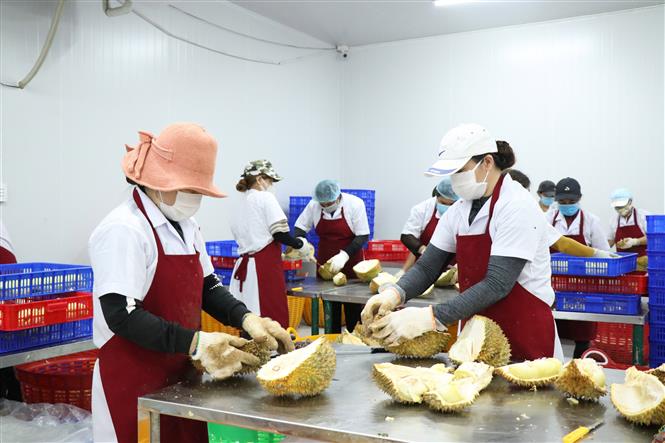
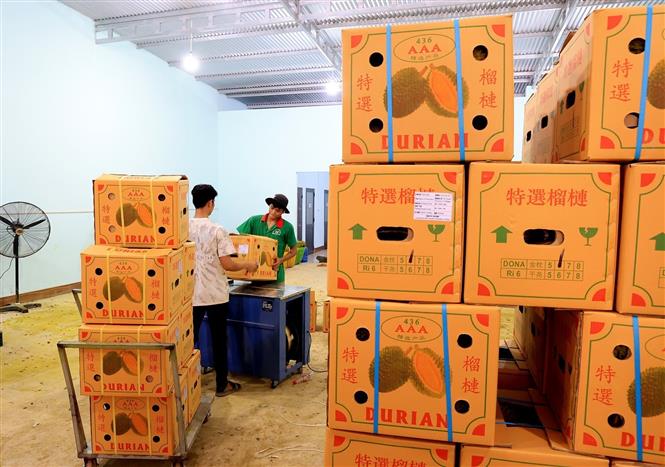
Упаковка дуриана для экспорта в Китай на фруктовом складе Хунг Лоан в районе Танфу, южная провинция Донгнай. (Фото: ВИA)

Министр подчеркнул, что настало время ужесточить государственное управление. Кроме того, предприятия должны осознать, что торговля дурианом – это не только прибыль, но и ответственность перед национальным сельским хозяйством, поэтому необходимо заменить деловые отношения на отношения сотрудничества./.

Фермеры Тьенжанга получат огромный урожай дуриана в межсезонье в 2023 году. (Фото: ВИA)

POUR UN DÉVELOPPEMENT DURABLE DE LA FILIÈRE DU DURIAN

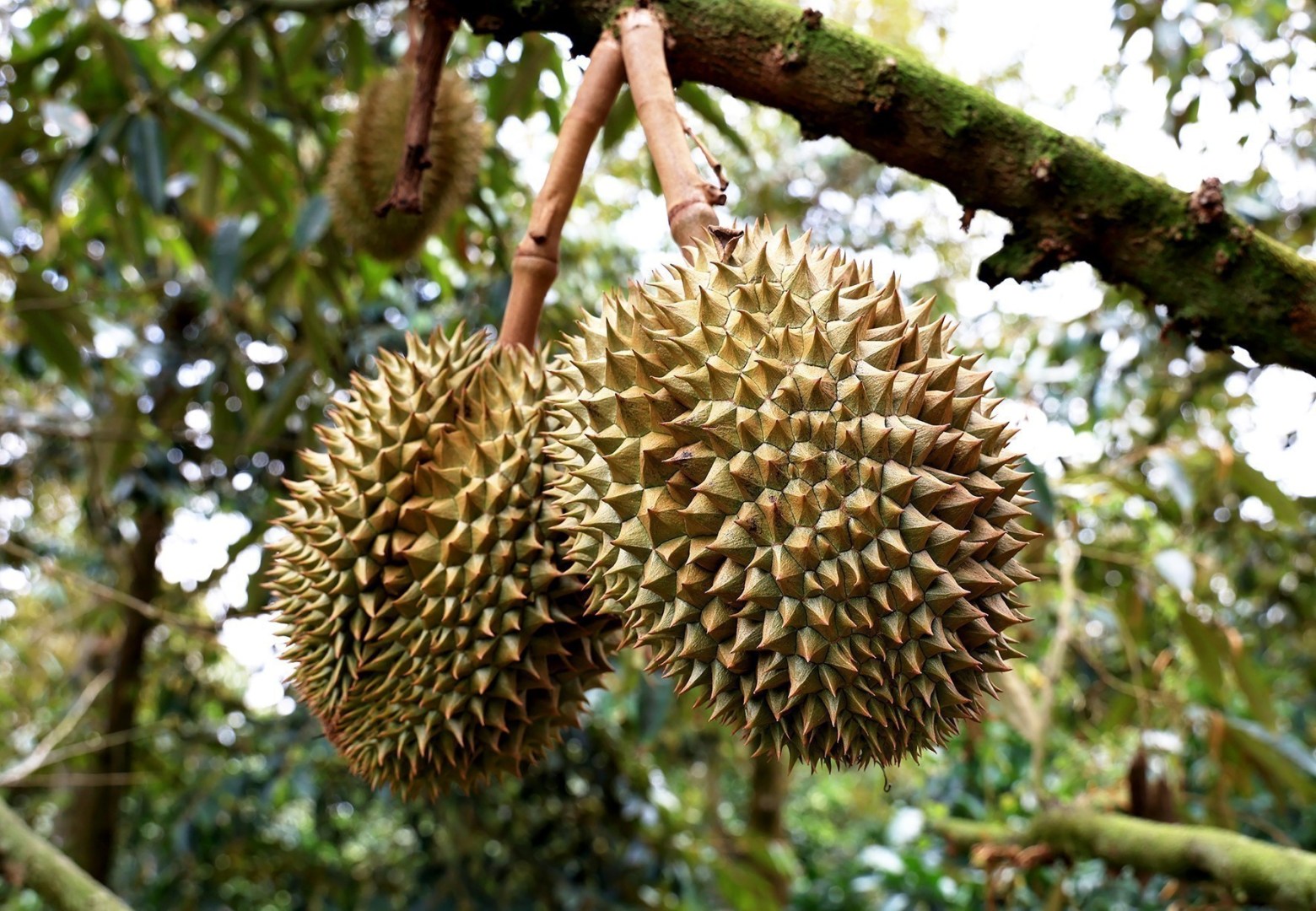
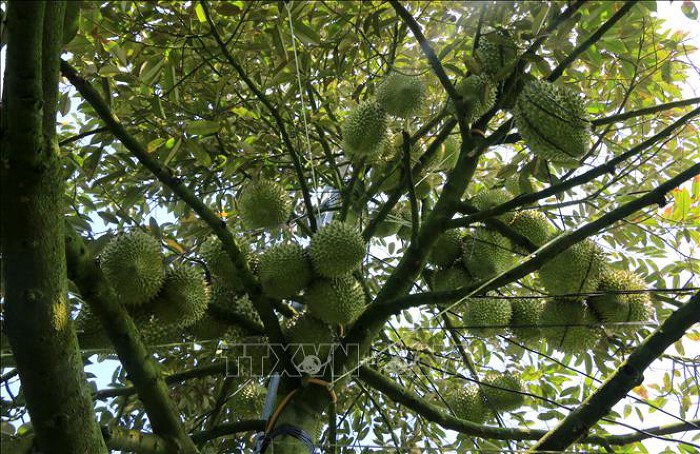
Des durians mûrs se préparent pour la récolte dans la zone de culture du durian de la commune de Phu Phung, district de Cho Lach, province de Ben Tre. Photo: VNA

Les exportations de durians – “roi des fruits” ont rapporté plus d’un milliard de dollars au cours des sept premiers mois de 2023 et devraient s’élever à plus de 2 milliards de dollars cette année.

Le Vietnam compte actuellement plus de 112.000 ha de culture du durian, principalement dans les Hauts Plateaux du Centre avec plus de 52.000 ha, le delta du Mékong, 33.000 ha, la région Sud-Est, 21.000 ha et plusieurs autres localités.. Ces cinq dernières années, la superficie a augmenté d’environ 25% chaque année, atteignant une production totale d’environ 900.000 tonnes.

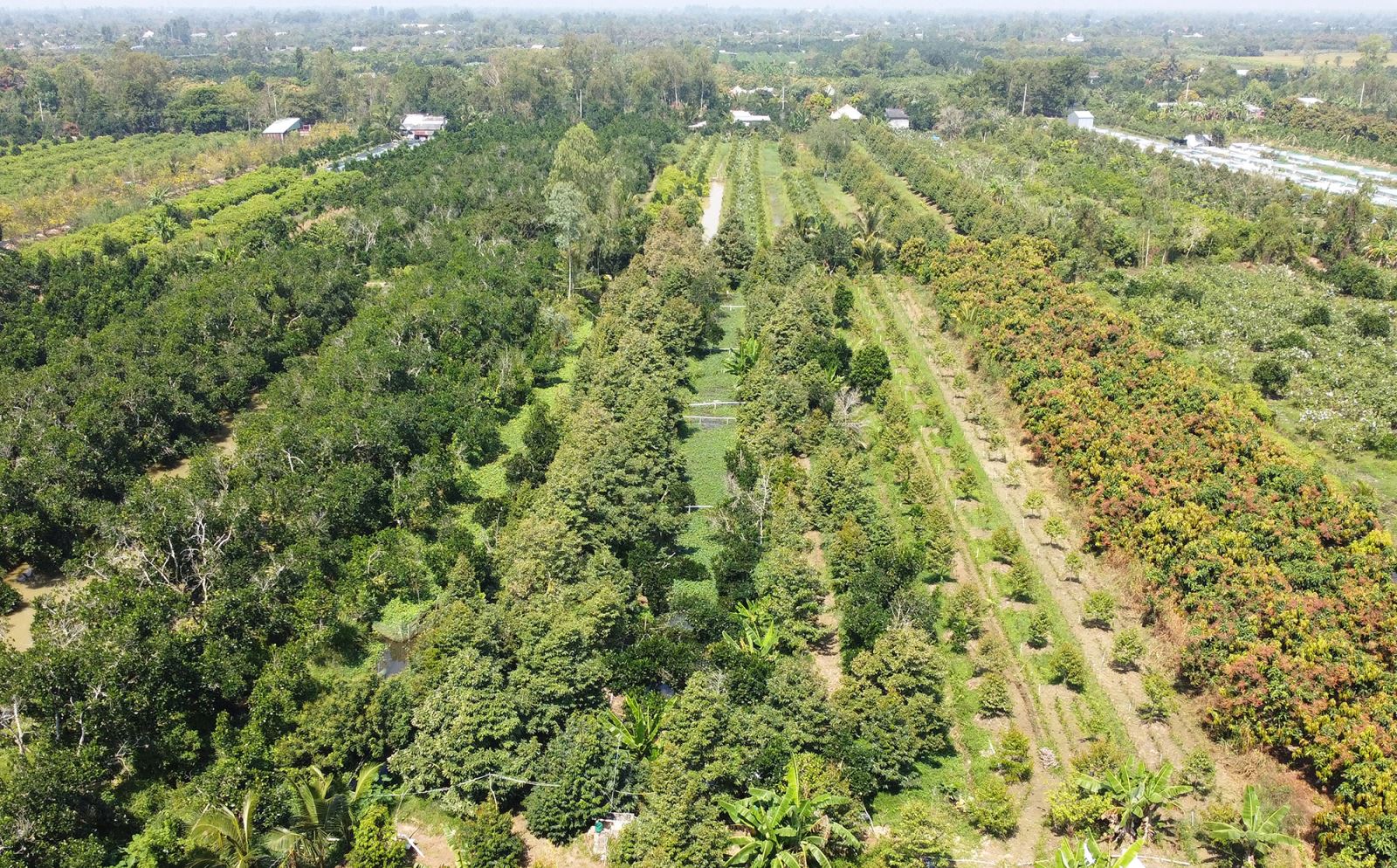
Zone de culture du durian dans la commune de My Long, district de Cao Lanh, province de Dong Nai répondent aux conditions d’exportation vers la Chine. Photo: VNA

Ces deux dernières années, les prix du durian a fortement augmenté depuis la signature du protocole sur les exigences phytosanitaires pour les durians exportés du Vietnam vers la Chine entre le ministère vietnamien de l’Agriculture et du Développement rural et l’Administration générale des douanes chinoises. Cela a créé une forte impulsion pour le développement de la filière du durian, augmentant considérablement les revenus et les profits des agriculteurs et des entreprises de la chaîne d’approvisionnement.

Selon Nguyen Hoai Duong, directeur du Service de l’agriculture et du développement rural de la province de Dak Lak, où environ 23.000 hectares de durians sont cultivés, en plus des facteurs positifs et favorables, il existe des défis et des risques liés à cette “croissance excessive”.

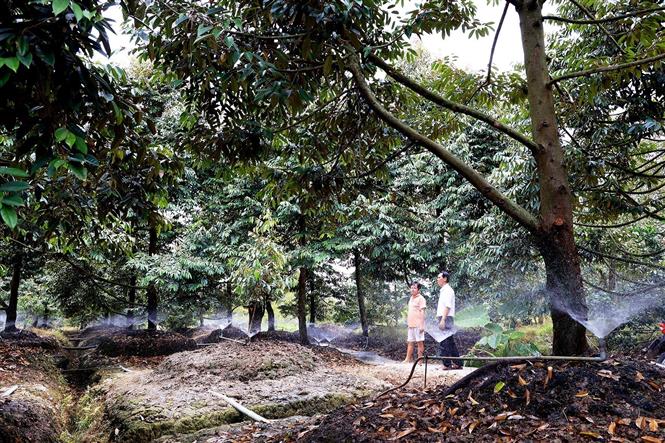
Préparation pour la récolte du durian dans la commune de Phu Phung, province de Ben Tre. Photo: VNA

Nguyen Thi Thai Thanh, présidente du Conseil d’administration de la Société par actions Ban Me Green Farm, a déclaré que l’un des principaux défis était le manque de lien durable entre la production agricole et l’écoulement des produits.

“La filière ne bénéficie pas d’une coopération étroite entre les coopératives, les agriculteurs et les entreprises. Les liens entre les entreprises et les agriculteurs peuvent être facilement rompus lorsque les prix augmentent, ce qui peut perturber la stabilité de la filière et affecter la qualité des produits destinés à la consommation sur le marché national et à l’exportation. Parallèlement, les coopératives ne peuvent pas vraiment promouvoir leur rôle et leur valeur dans les zones de coopération”, a fait remarquer Nguyen Thi Thai Thanh.

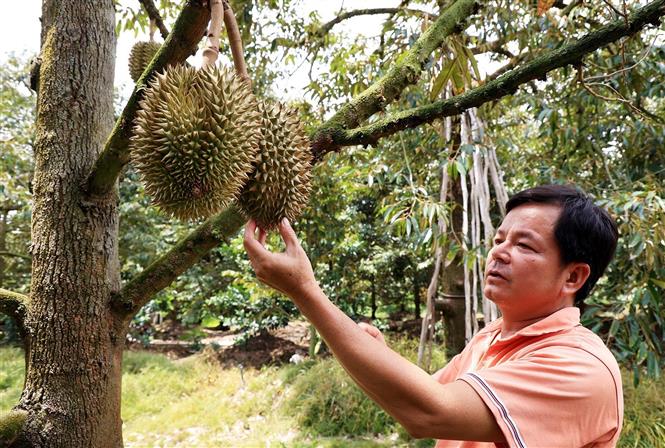
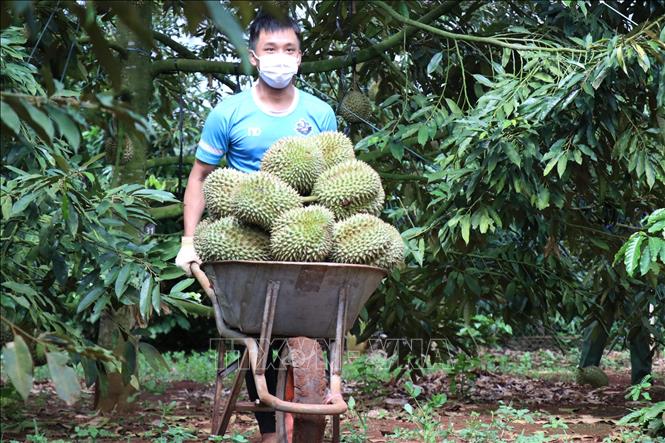
Récolte du durian Dona dans le district de Krông Pac. Photo: VNA

Le Anh Trung, de la Société d’investissement et de développement Van Hoa à Dak Lak, a déclaré que la “forte augmentation” des prix du durian causait des dommages aux exportateurs.

“Nous espérons que les autorités et l’Association du durian de la province de Dak Lak organiseront des campagnes de communication pour faire connaître aux gens la véritable valeur du durian, parallèlement à des formations pour vulgariser des connaissances et savoir-faire. Il est également important de stabiliser les prix et la qualité afin de rassurer les entreprises et les agriculteurs”, a recommandé Le Anh Trung.

Selon Nguyen Hoai Duong, directeur du Service de l’agriculture et du développement rural de la province de Dak Lak, pour créer un marché durable, il est nécessaire d’avoir la collaboration de toutes les parties concernées dans la chaîne de développement de la filière.

Vu Duc Con, président de l’Association du durian de Dak Lak. Photo: VOV

Vu Duc Con, président de l’Association du durian de Dak Lak, a souligné la nécessité de bien organiser la chaîne de production afin de créer des produits de qualité répondant aux normes de contrôle phytosanitaire et de sûreté alimentaire.

En outre, il est nécessaire d’appliquer les technologies de l’information dans la gestion et la fourniture de codes d’identification afin de faciliter l’inspection, la surveillance et les activités de traçabilité.

Forum intitulé “Situation de la consommation et de l’exportation du durian en 2023 et solutions pour un développement efficace et durable de la filière au Vietnam” tenu le 11 septembre dans la ville de Buôn Ma Thuôt, province de Dak Lak. Photo: http://www.mard.gov.vn

Lors d’un récent forum intitulé “Situation de la consommation et de l’exportation du durian en 2023 et solutions pour un développement efficace et durable de la filière au Vietnam”, le ministre de l’Agriculture et du Développement rural, Lê Minh Hoan, a recommandé aux entreprises, aux cultivateurs et aux autorités locales d’anticiper les difficultés et les défis auxquels ils pourraient être confrontés.

Le ministre a mis l’accent sur la nécessité de mettre en place une structure durable pour cette filière, impliquant à la fois la production et la commercialisation.

Pour que le secteur se développe efficacement, il faut commencer par la production, c’est-à-dire que les entreprises doivent travailler en étroite collaboration avec les agriculteurs dès les premières étapes pour établir la confiance.

Étapes pour conserver le durian.
Emballage de boîtes de durian pour l’exportation vers la Chine dans le district de Tan Phu, province de Dong Nai. Photo: VNA

Selon le ministre Le Minh Hoan, il est temps de combiner une gestion étroite de l’État avec une gestion spécialisée au niveau local. En outre, les entreprises doivent comprendre que le commerce du durian ne se limite pas seulement aux bénéfices, mais revêt aussi une responsabilité envers l’agriculture nationale, afin de passer d’une relation de “conclure un marché de gré à gré” à une vraie coopération. -VNA

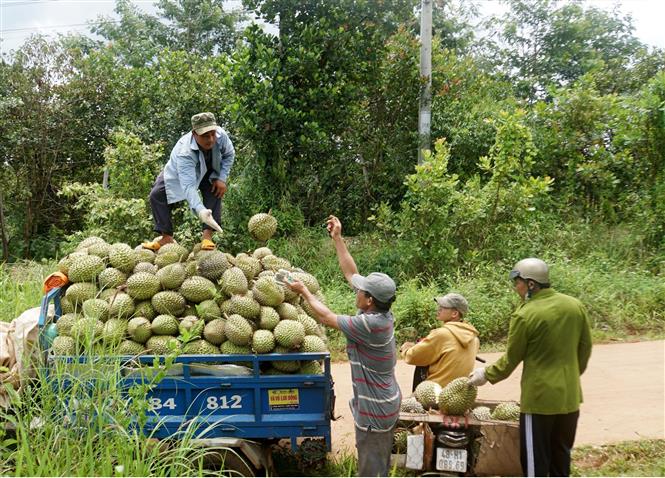
Les agriculteurs de Tien Giang ont une récolte abondante de durian de contre-saison en 2023. Photo: VNA

VIETNAM SE ESFUERZA POR DESARROLLO SOSTENIBLE DE PRODUCCIÓN DE DURIÁN

Durián cultivado en la comuna de Phu Phung, distrito de Cho Lach, provincia sureña de Ben Tre (Foto: VNA)

El durián generó a Vietnam más de mil millones de dólares en los primeros siete meses de 2023 y se prevé que el valor de exportación de la fruta supere los dos mil millones de dólares durante todo el año.

Datos oficiales señalan que Vietnam tiene actualmente más de 112 mil hectáreas de durián con una producción anual de unas 900 mil toneladas. En los últimos cinco años, la superficie de durián registró un aumento anual de casi un 25%. Las principales zonas productoras de durián del país incluyen la Altiplanicie Occidental con más de 52 mil hectáreas, que representan alrededor del 47% del área total, la región del Delta del Mekong con 33 mil hectáreas (alrededor del 30%) y la región del Sudeste con 21 mil hectáreas (alrededor de 19 %).

La zona de cultivo de durián en la comuna de My Long, distrito de Cao Lanh, provincia de Dong Thap, es elegible para exportar a China. (Foto: VNA)

En los últimos dos años, los precios del durián aumentaron con fuerza, después de que el Ministerio de Agricultura y Desarrollo Rural de Vietnam y el Departamento General de Aduanas de China firmaran un protocolo sobre requisitos de cuarentena vegetal para la exportación oficial de durián a China. La firma del documento ha creado oportunidades y una fuerte motivación para el desarrollo de la industria del durián, aumentando significativamente los ingresos y las ganancias de los agricultores y las empresas de la cadena de producción.

Según Nguyen Hoai Duong, director del Departamento de Agricultura y Desarrollo Rural de la provincia altiplana de Dak Lak, la localidad tiene alrededor de 23 mil hectáreas de tierra cultivadas con durián. Además de los factores favorables, han surgido muchas dificultades, desafíos y riesgos, debido al “crecimiento en caliente”.

Durián cultivado en la comuna de Phu Phung, provincia de Ben Tre. (Foto: VNA)

Nguyen Thi Thai Thanh, presidenta de la Junta Ejecutiva de la Empresa Ban Me Green Farm, reiteró que un desafío importante para la industria del durián es la falta de un vínculo sostenible entre la producción y el consumo.

“La industria del durián carece de un vínculo estrecho entre cooperativas, agricultores y empresas. Cuando los precios del durián se disparan, los agricultores están dispuestos a suspender los contratos de venta existentes con las empresas. Esto conduce a la inestabilidad en las operaciones de la industria y también afecta la calidad de los productos. Al mismo tiempo, las cooperativas no han desempeñado plenamente su papel en la cadena de vinculación”, señaló.

Un trabajador cosecha durián en el distrito de Krong Pac. (Foto: VNA)

Le Anh Trung, director de Relaciones Públicas de la Compañía de Inversión y Desarrollo Van Hoa en Dak Lak, subrayó que un fuerte aumento en los precios del durián perjudica a las empresas exportadoras.

“Esperamos que las autoridades y la Asociación de Durián de la provincia de Dak Lak realicen actividades de comunicación para ayudar a la gente a conocer el valor real del fruto del durián y proporcionen formación a los agricultores para mejorar las técnicas agrícolas, estabilizando así los precios y la calidad de los productos, lo cual tranquilizará a ambas empresas y agricultores”, propuso.

Ayudando al durián vietnamita a llegar más lejos

Según el director del Departamento de Agricultura y Desarrollo Rural de Dak Lak, Nguyen Hoai Duong, para que la industria vietnamita del durián llegue más lejos y asegure mercados sostenibles, todas las partes interesadas en la cadena de valor deben colaborar estrechamente. Esto significa que los agricultores, las empresas, las administraciones locales, los organismos de gestión estatales y los científicos deberían trabajar juntos para desarrollar la industria, agregó.

El presidente de la Asociación del Durián de Dak Lak, Vu Duc Con (Foto: vov.vn)

Por su parte, el presidente de la Asociación del Durián de Dak Lak, Vu Duc Con, sugirió la necesidad de organizar una cadena de producción desde las áreas de cultivo hasta las instalaciones de envasado, las instalaciones de tratamiento de cuarentena vegetal y las empresas exportadoras para crear productos calificados que cumplan con los estándares de cuarentena vegetal y seguridad alimentaria.

Además, subrayó la necesidad de aplicar tecnologías de la información con códigos en la gestión de las áreas de cultivo e instalaciones de envasado, en servicios para atender las actividades de inspección.

El 11 de septiembre se celebró en la ciudad de Buon Ma Thuot, provincia de Dak Lak, el foro sobre la situación actual de la vinculación del consumo y la exportación de durián en 2023 y soluciones para un desarrollo eficaz y sostenible de la industria del durián de Vietnam. (Foto: http://www.mard.gov.vn)

Al hablar en un foro reciente sobre la situación actual de la vinculación entre la producción y la exportación de durián en 2023 y las soluciones para un desarrollo efectivo y sostenible de esta industria de Vietnam, el ministro de Agricultura y Desarrollo Rural, Le Minh Hoan, resaltó que la comunidad empresarial, los productores y las agencias locales deben anticiparse a las dificultades y desafíos, a pesar de la creciente exportación del rubro.

El funcionario subrayó la necesidad de una estructura industrial sostenible para garantizar el desarrollo del durián, en particular, y de otras industrias, en general.

Los participantes en el Foro sobre la situación actual de la producción y la vinculación de las exportaciones de durián en 2023 y las soluciones para el desarrollo eficaz y sostenible de la industria del durián de Vietnam, celebrado el 11 de septiembre en la ciudad de Buon Ma Thuot, provincia de Dak Lak. (Foto: mard.gov.vn)

Reestructurar la producción no consiste simplemente en mejorar las técnicas de siembra, sino también en crear un espacio para que se reúnan agricultores y empresas. Las empresas deben trabajar junto con los productores desde la etapa de siembra de semillas para guiarlos y ganarse su confianza.

Embalaje del durián para exportación a China de la empresa de frutas Hung Loan, en el distrito de Tan Phu, provincia sureña de Dong Nai. (Foto: VNA)

Le Minh Hoan ratificó que es hora de reforzar la gestión estatal. Además, dijo, las empresas deben ser conscientes de que el comercio de durián no es sólo para obtener ganancias sino también una responsabilidad para con la agricultura nacional, reemplazando las relaciones comerciales con relaciones de cooperación./.

Los agricultores de Tien Giang tendrán una abudante cosecha de durián en 2023. (Foto: VNA)

2023年越南榴莲出口额或超20亿美元

槟椥省助苈县(Chợ Lách)富风乡的榴莲种植区,“树上熟”榴莲等待收获。图自越通社

2023年7月份,越南——“果中之王”榴莲出口额突破10亿美元,带来了巨大喜悦。预计,全年出口总额可超过20亿美元。

至今,全国榴莲种植面积逾11.2万公顷。近5年来,榴莲种植面积每年增长近25%,目前的总产量约达90万吨。其中,在西原地区的种植面积超5.2万公顷(占47%左右),九龙江三角洲地区为3.3万吨(占30%左右),南部以东地区为2.1万公顷(约合19%)和其他部分地方。

同塔省高岭县美隆乡的榴莲种植区获得了向中国出口的许可证。图自越通社

在过去两年,随着越南农业与农村发展部与中国海关总局之间的《越南榴莲输华植物检疫要求议定书》的签署,榴莲价格显著提升。这为榴莲产业带来巨大机遇和新的发展动力,有助于提高榴莲种农的收入和企业的利润。

得乐省农业与农村发展厅厅长阮淮阳表示,除了顺利的要素外,也难免会有因“爆发式增长”带来的困难、挑战和各种风险。

槟椥省助苈县(Chợ Lách)富风乡的榴莲种植区榴莲种农进行榴莲栽培。图自越通社

邦美绿色农产股份公司董事长阮氏泰青评估说,榴莲产业中最大的挑战之一是农业生产对接和产品销售链仍缺乏可持续性。

她认为:“在榴莲产业中,合作社、农民与企业之间的对接还不够紧密。榴莲价值升高可能会破坏企业与农户之间的对接,导致产业不稳定并影响到销售产品和出口产品的质量。而合作社尚未发挥好其在对接中的作用和价值。”

在克容帕县(Krông Pắc)收获榴莲种苗。图自越通社

得乐省万和发展投资公司对外事务经理黎英忠认为,榴莲价格的“过热增长”给出口企业造成了巨大损失。

黎英忠建议:“我们希望主管部门、得乐省榴莲协会将开展宣传活动,让农民了解榴莲的真正价值,同时为他们举行种植技术培训活动,确保榴莲价格和质量的稳定性,帮助企业和农民放心地生产和收购”。

得乐省农业与农村发展厅厅长阮淮阳表示,为了让榴莲产品走得更远,打造可持续出口市场,那么价值链中的所有主体必要携手并进,共同向前迈进。农民、企业、种植地方政府、国家管理机构、科学家等需要在产业发展对接空间中一道同行。

得乐省榴莲协会主席武德昆。图自互联网

得乐省榴莲协会主席武德昆建议应有效打造从种植区到包装场所、检疫单位和出口企业之间的整个务实的生产对接链条,旨在创造满足植物建议和食品安全的优质产品。

此外,还需要将信息技术应用在代码管理和供应商方面,以提高各个环节之间的同步性,并服务产品监测和追溯工作。

9月11日,“2023年榴莲销售与出口现状及越南榴莲产业有效可持续发展的解决方案”论坛在得乐省邦美蜀市举行。图自www.mard.gov.vn

在近日举行的“识别2023年榴莲销售与出口对接中的现状及促进越南榴莲有效、可持续发展的解决方案”论坛上,越南农业与农村发展部部长黎明欢希望企业界、榴莲种农和各地方国家管理机构在兴奋喜迎榴莲通过正贸渠道出口机遇的同时,还要预测该产业内的各种困难和挑战。

黎明欢认为,为了促进榴莲产业乃至其他产业发展,需要进行产业可持续重组,其中必须有生产与销售,即农民与企业的参与。生产重组不仅仅是改进种植技术,而且还要为农民与企业加强对接创造空间。

为了促进产业的有效发展,需要从生产环节开始。这意味着企业需要注重与农民加强对接和建立信任关系。

榴莲肉加工和冷冻保鲜。
同奈省新富县新富镇 20 号公路一水果加工厂准备将榴莲装箱并出口到中国。图自越通社

黎明欢强调,是时候将加强国家管理与地方管理协调。此外,企业也需要改变业务思维,榴莲的贸易不仅是为了利润,而且还要对国家农业负责。(完)

前江省农民2023年反季节榴莲喜获丰收。图自越通社

STRIVING TOWARDS SUSTAINABLE DEVELOPMENT OF DURIAN PRODUCTION

Durian grown in Phu Phung commune, Cho Lach district, Ben Tre province (Photo: VNA)

Durian earned the country more than 1 billion USD in the first seven months of this year and the export value of the fruit is forecast to top 2 billion USD the whole year.

Currently, Vietnam has more than 112,000 ha of durian with a yearly output of about 900,000 tonnes. In the last five years, the durian area increased by nearly 25% yearly. The country’s major durian-growing areas include the Central Highlands with more than 52,000 ha, accounting for about 47% of the total area, the Mekong Delta region with 33,000 ha (about 30%), and the Southeast region with 21,000 ha (about 19%).

Durian-growing area in My Long commune, Cao Lanh district, Dong Thap province is eligible to export durian to China. (Photo: VNA)

In the past two years, durian prices have surged strongly after a protocol on plant quarantine requirements for official durian export to China was signed between the Ministry of Agriculture and Rural Development of Vietnam and the General Department of Customs of China. The document’s signing has created opportunities and strong motivation for the development of the durian industry, significantly raising income and profits for farmers and businesses in the product chain.

Nguyen Hoai Duong, Director of the Department of Agriculture and Rural Development of Dak Lak province, said that the Central Highlands province has about 23,000 ha of land under durian. Besides the favourable factors, many difficulties, challenges and risks have emerged due to “hot growth”.

Durian grown in Phu Phung commune, Ben Tre province. (Photo: VNA)

Nguyen Thi Thai Thanh, chairwoman of Ban Me Green Farm Joint Stock Company, said a major challenge for the durian industry is the lack of sustainable linkage between production and consumption.

“The durian industry lacks a tight bond between cooperatives, farmers, and businesses. When durian prices soar, farmers are ready to suspend existing selling contracts with businesses. This leads to instability in the industry’s operations and also affects quality of products. At the same time, cooperatives have not fully played their role in the linkage chain,” Thanh noted.

A worker harvests Dona durian Krong Pac district. (Photo: VNA)

Le Anh Trung, Director of Public Relations of Van Hoa Investment and Development Company in Dak Lak, said that a sharp increase in durian prices causes damage to export businesses.

“We hope that the authorities and Dak Lak province’s durian association will have communication activities to help people know the real value of durian fruit, and provide training for farmers to improve farming technique, thus stabilising prices and quality of products, which will reassure both businesses and farmers”, Trung proposed.

Helping Vietnamese durian go farther

The Director of the Department of Agriculture and Rural Development of Dak Lak said in order for the Vietnamese durian industry to go farther and secure sustainable markets, all stakeholders in the value chain must collaborate closely. This means that farmers, businesses, local administrations, State management agencies, and scientists should work together in developing the industry.

Chairman of the Dak Lak Durian Association Vu Duc Con (Photo: vov.vn)

Chairman of the Dak Lak Durian Association Vu Duc Con said that it is necessary to organise a production chain from growing areas to packaging facilities, plant quarantine treatment facilities and export enterprises to create qualified products that meet plant quarantine and food safety standards.

In addition, it is necessary to apply information technology in managing growing areas and packaging facilities with codes that will be used to serve inspection and monitoring activities.

Participants at the forum on the current situation of durian production and export linkage in 2023 and solutions for effective and sustainable development of Vietnam’s durian industry held on September 11 in Buon Ma Thuot city, Dak Lak province. (Photo: mard.gov.vn)

Speaking at a recent forum on the current situation of durian production and export linkage in 2023 and solutions for effective and sustainable development of Vietnam’s durian industry, Minister of Agriculture and Rural Development Le Minh Hoan said that business community, durian growers, and local state management agencies need to anticipate the difficulties and challenges in this industry despite the growing export of the fruit.

The minister stressed that a sustainable industry structure is needed to ensure the development of the durian industry in particular and other industries in general.

Restructuring production is not simply about improving planting techniques but creating a space for farmers and businesses to sit together. Businesses should work together with growers from the stage of sowing seeds to guide them and gain their trust.

Packing durian for export to China at Hung Loan Fruit Warehouse in Tan Phu district, southern province of Dong Nai. (Photo: VNA)

The minister emphasised that it is time to tighten state management. In addition, businesses should be aware that trading durian is not only for profit but also a responsibility to the national agriculture, replacing business relationships with cooperative relationship./.

Tien Giang farmers have a bumper crop of off-season durian crop in 2023. (Photo: VNA)