VIETNAM PRESERVES, PROMOTES CULTURAL IDENTITIES OF ETHNIC MINORITY GROUPS WITH VERY SMALL POPULATION

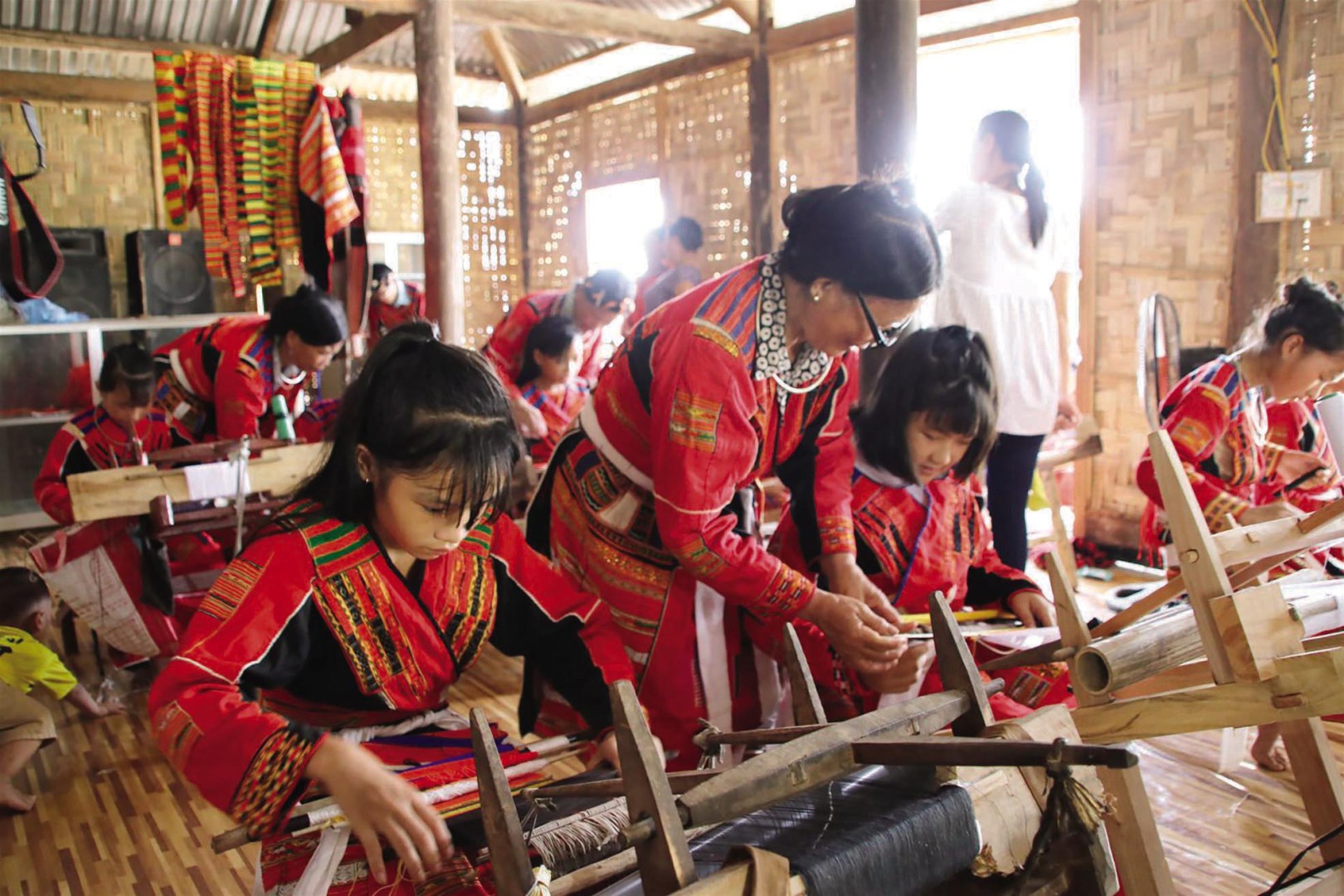
Traditional brocade weaving class of the Pa Then ethnic group. (Photo: VNA)

The first cultural festival of ethnic groups with populations of fewer than 10,000 will take place in the northern mountainous province of Lai Chau from November 3-5. The event aims to honour, promote and spread cultural identities of ethnic minority groups with very small population.


The Ministry of Culture, Sports and Tourism in coordination with the People’s Committee of Lai Chau province holds the opening ceremony of the first cultural festival of ethnic groups with populations of fewer than 10,000 on the evening of November 3, 2023 at at the People’s Square of Lai Chau province. (Photo: VNA)

Spreading cultural identity values of ethnic minority groups

Themed “Preserving, promoting and spreading traditional cultural identities of ethnic minority groups”, the three-day event, the first of its kind, is also a chance for Lai Chau to promote its unique cultural identity and attract more tourists.

Participating in the festival will be people representing 14 ethnic minorities with populations of fewer than 10,000, namely the people of O Du, Brau, Ro Mam, Pu Peo, Si La, Cong, Bo Y, Co Lao, Mang, Lo Lo, Chut, Lu, Pa Then and Ngai from 13 northern, central and Central Highlands provinces (Lai Chau, Cao Bang, Thai Nguyen, Dien Bien, Ha Giang, Lao Cai, Yen Bai, Tuyen Quang, Son La, Nghe An, Ha Tinh, Quang Binh and Kon Tum).

Bo Y ethnic minority people, Lao Chai commune, Muong Khuong town, Lao Cai province (Photo: VNA)

The festival is a part of Lai Chau province’s Culture- Tourism Week 2023 which will feature several activities, including a flower offering to the monument dedicated to President Ho Chi Minh. A highlight is the opening ceremony with diverse cultural, sports and tourism activities, and reenactment of festival and traditional cultural activities of ethnic groups with a population of less than 10,000 people. Outstanding artisans who have many achievements in contributing to the preservation and transmission of traditional culture of the 14 ethnic groups are participating in the festival.Outstanding artisans who have many achievements in contributing to the preservation and transmission of traditional culture of the 14 ethnic groups are participating in the festival.

The festival also includes performances of traditional music and shows of traditional costumes of ethnic minority groups, and a reenactment of Pa Then ethnic people’s fire dancing ceremony, among others.

Fire dancing of Pa Then ethnic people in Lam Binh district, Tuyen Quang province (Photo: VNA)

The Cultural Festival for Ethnic Minorities with a population of less than 10,000 people aims to honour, promote and spread identity values of those ethnic minority groups, contributing to educating patriotic traditions and national pride, strengthening the great national unity bloc while raising awareness and responsibility of people from all walks of life in the cause of preserving and promoting the cultural identity of 54 ethnic groups in Vietnam.

The Cong ethinic minority community in Nam Khao commune, Muong Te district (Lai Chau) focuses on teaching culture to young generation. (Photo: VNA)

Preserving, promoting cultural values of ethnic group

The Party and State have determined that the culture of ethnic minorities is a precious heritage, contributing to the richness, diversity and unity of the Vietnamese culture. Preserving the cultural identity of ethnic minorities, especially culture of those with very small population, is an important political task.
Every year, the Ministry of Culture, Sports and Tourism organises activities to celebrate the Vietnam Ethnic Groups’ Culture Day from central to local levels.

The ministry also conducts surveys and opens classes to teach intangible traditional culture and traditional crafts of ethnic minorities such as Bo Y, Pu Peo, Odu, Brau, Romam, Mang, Cong, Lo Lo, Chut, Si La, among others.

An art performance of actors and artisans of Cong ethnic group, Nam Khao commune, Muong Te border district, Lai Chau province. (Photo: VNA)

According to statistics from the Committee on Ethnic Minority Affairs (CEMA), there are currently three central museums and 65 provincial museums that have been collecting, preserving, and displaying traditional cultural heritage of Vietnam’s ethnic groups.

During 2016-2018, there were four special national relic sites, eight historical, cultural relic sites and scenic landscape related to ethnic minority group recognised as national relic sites. Besides, 559 ethnic minority artisans were awarded State honorary titles by the President in 2015 and 2019.

In addition, localities across the country have restored many unique cultural festivals of local ethnic minority groups, and compiled dossiers on unique cultural ethnic practices and submitted to the State for recognition as national intangible cultural heritage. Many books on cultural values of ethnic minorities have been published by researchers, contributing to preserving and promoting Vietnamese cultural values.

To date, more than 80 typical traditional festivals of ethnic minority people have been revived and maintained by local administrations with the support of the Ministry of Culture, Sports and Tourism.

More than 30 traditional villages and hamlets of 25 ethnic groups in the provinces representing regions across the country have also received support to conserve the local culture and develop tourism based on the local cultural identity values. The work has helped replicate and develop cultural tourism villages, cultural tourism sites, creating momentum for economic restructuring, and accelerating hunger eradication and poverty reduction.

The promotion of cultural values of ethnic groups in association with tourism has showed numerous advantages. Majestic natural landscape combined with rich and diverse cultural life and unique, regionally flavored dishes of ethnic minority people are advantages for developing community-based tourism, which has attracted many tourists, especially international visitors, who enjoy the experience of eating, living, and working with local people. Thereby, the locals have more opportunities to escape poverty, increase income, stabilise their lives and promote indigenous cultural values.
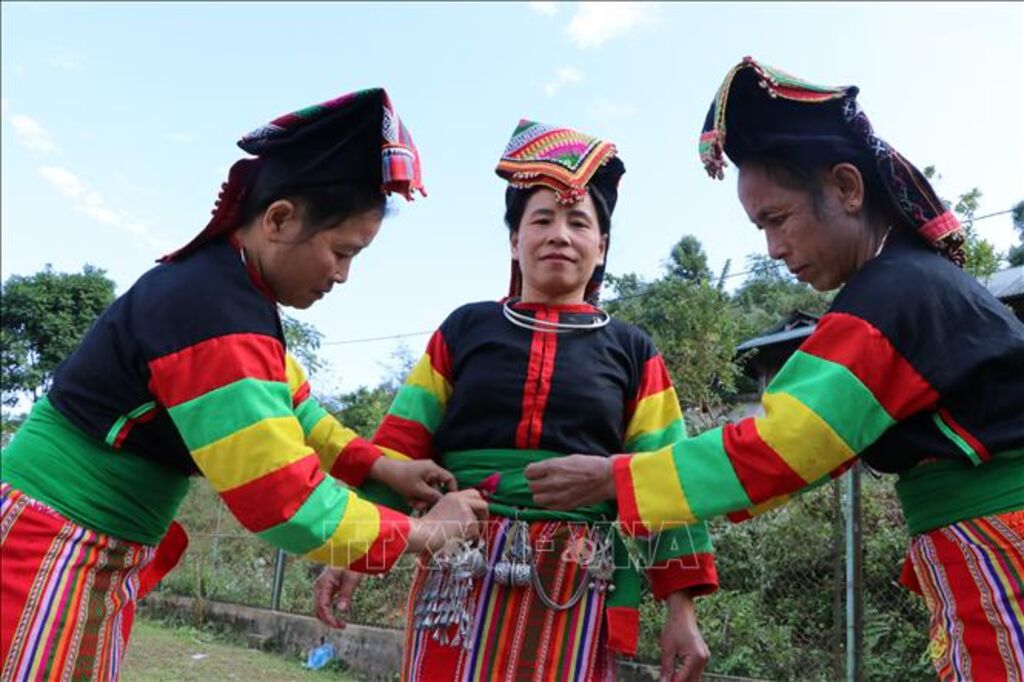

During holidays and Tet of the Cong ethnic group, children and adults wear colorful traditional costumes to go to festivals. (Photo: VNA)

Vietnam is a multi-nationality country with 54 ethnic groups. The Viet (Kinh) people account for 87% of the country’s population and mainly inhabit the Red River delta, the central coastal delta, the Mekong delta and major cities. The other 53 ethnic minority groups, totaling over 8 million people, are scattered over mountain areas (covering two-thirds of the country’s territory) spreading from the North to the South.

Among ethnic minorities, the largest ones are Tay, Thai, Muong, Hoa, Khmer, and Nung with a population of around 1 million each, while the smallest are Brau, Roman, Odu with several hundred people each.

Spring is considered the season of festivals for ethnic minority people. Each ethnic group has its own festivals characterizing its customs, beliefs and farming practice. Some of the festivals of ethnic groups with very small population include:

“Thunder” celebration of the O Du

 The O Du ethnic minority people, numbering around 500 and living in the mountainous areas in the central province of Nghe An, celebrate a New Year when they hear the first thunder in early spring, hence the name Thunder festival. It signals the New Year as well as time to begin a new crop. During the ceremony, O Du people beat the gongs to gather all villagers for a New Year celebration. They kill buffaloes and pigs to worship deities and pray for happiness. 

During the day of the first thunder, they organize ceremonies to accredit dignitaries and shaman in the village, change names for adult men to mark their maturity, and name new-born babies. 

The O Du depend on the thunder from when they are born until they die. The believe thunder salvages the souls of the dead.

Sowing rice festival of the Brau
The Brau is one of the smallest ethnic groups living in the Central Highlands province of Kon Tum with a population of some 400. The festival of sowing rice is the most important of Brau people. Before festival day, families prepare tribute offerings such as buffaloes, pigs and chicken. Villagers build a 1 meter high pole called Sooc-rooc, which is topped with a basket containing items offered to the gods. A strong buffalo is washed and fed before being tied to a 5-meter decorated pole called Gung which is placed in the middle of the festival site. Ritual sacrifices kick off the festival.

 During the beating of gongs, a village elder recites prayers, asking for good luck. The chief of the ritual applies blood of the sacrificed animal to the walls of the Rong communal house, the Tha gongs, wine jars and papooses as a means of communication with the gods. Brau people believe that the Earth, Water and Rice deities are decisive for crops, so prayers for favourable weather, good harvest and prosperity are recited.

Fire jumping by the Pa Then
Nhay lua (fire jumping), a harvesting festival, is an original cultural activity of the Pa Then, an ethnic group with a population of over 8,000. Held right after Tet (Lunar New Year festival), the festivity, which reflects the Pa Then’s strength and wish to conquer nature, aims to win support from the god of fire for favourable weather, bumper crops and happiness. The god of fire is also believed by the Pa Then to expel evil spirits and save people from misery, bringing them peace and prosperity./.
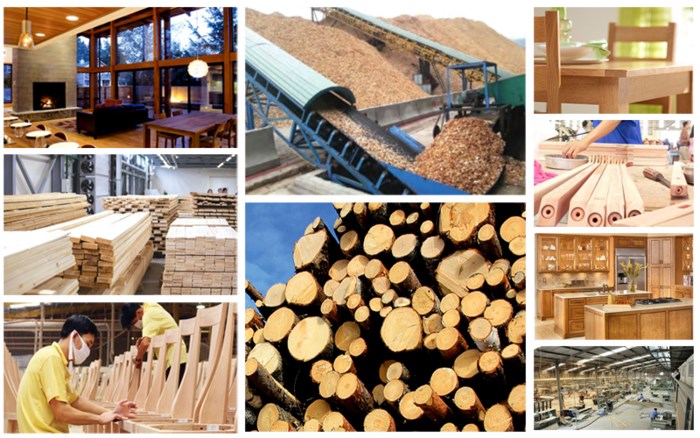
PLENTY OF ROOM FOR WOOD, FURNITURE INDUSTRY TO BOOM: EXPERTS

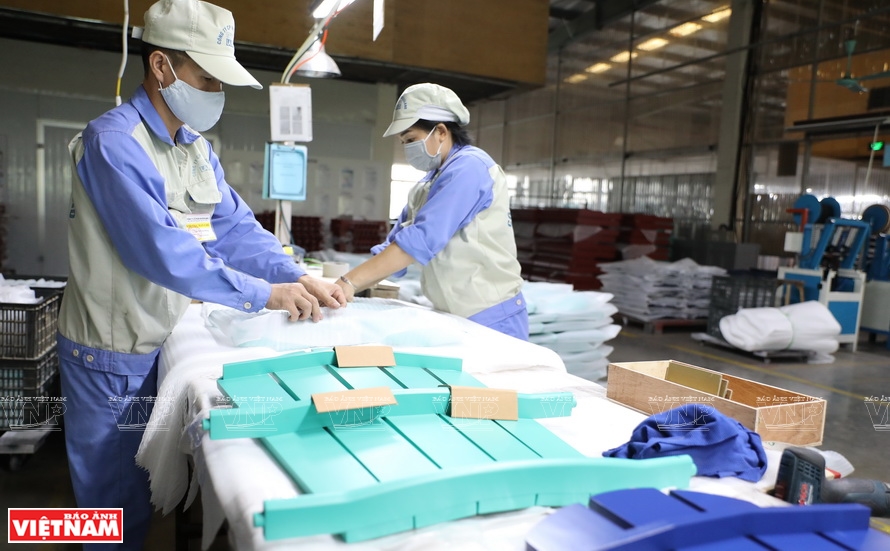
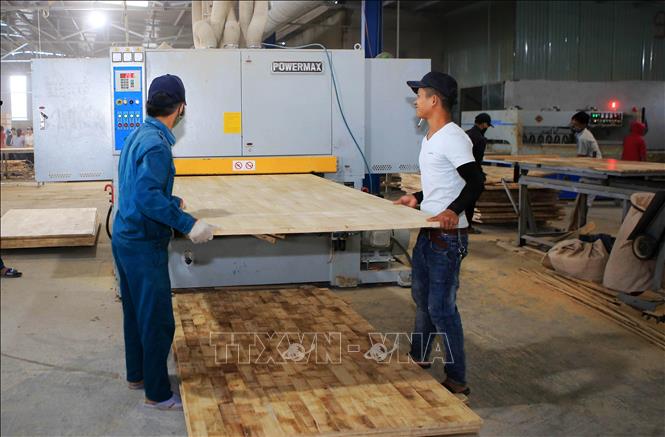
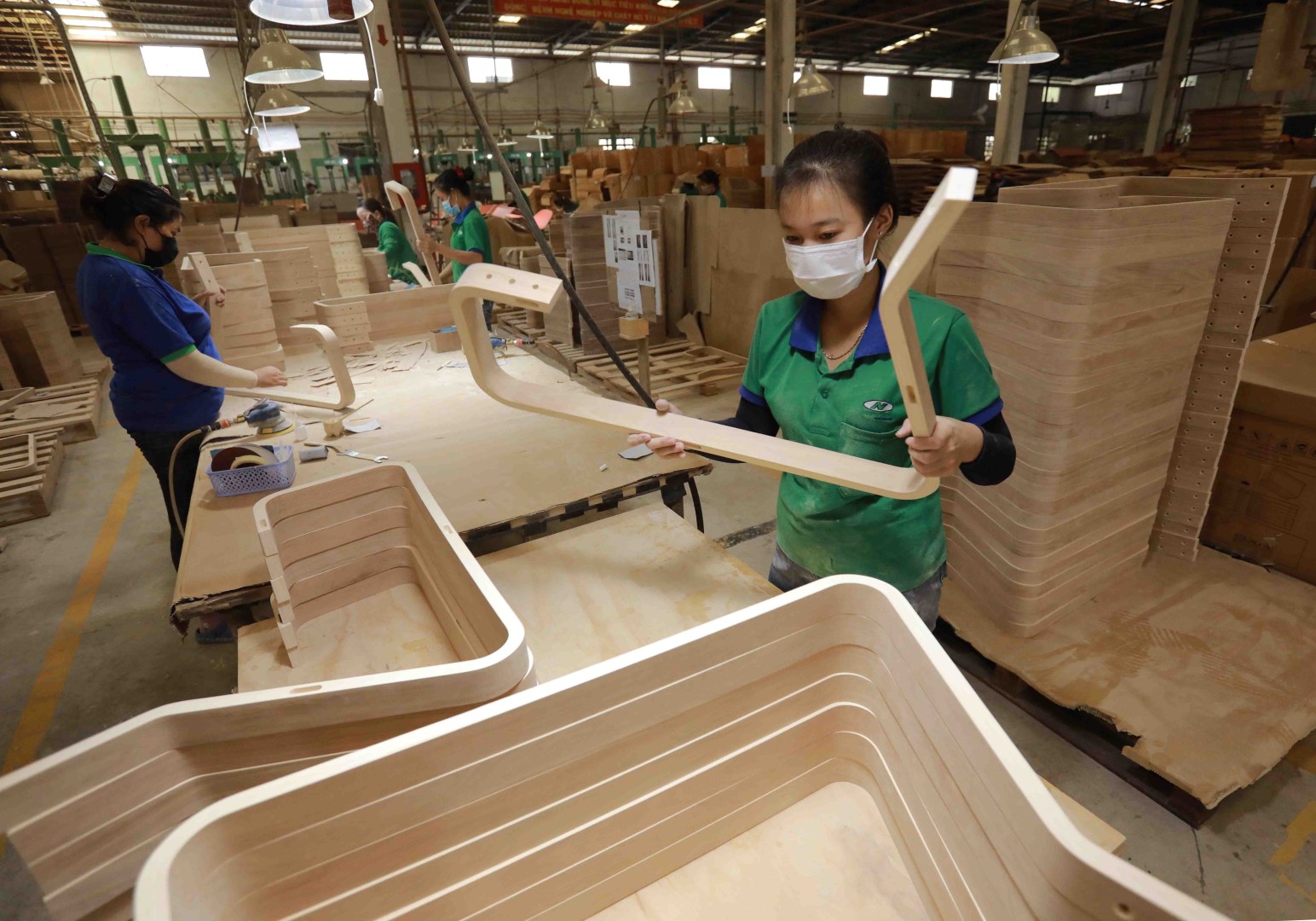
Producing curved plywood for export at Nhat Nam company in An Dien commune, Ben Cat district of Binh Duong province. Photo: VNA

Thanks to the recovery of orders from the beginning of the second quarter of this year, the wood processing and furniture industry is moving toward positive growth, with stable demand from major markets such as the US, Australia, the Republic of Korea, and India.

According to the Department of Forestry under the Ministry of Agriculture and Rural Development (MARD), in the first half of this year, forestry exports hit 6.42 billion USD, down 29% year on year. Despite this modest result, experts are still optimistic about the sector’s capacity to complete its target of 14 billion USD in exports for this year thanks to new orders.

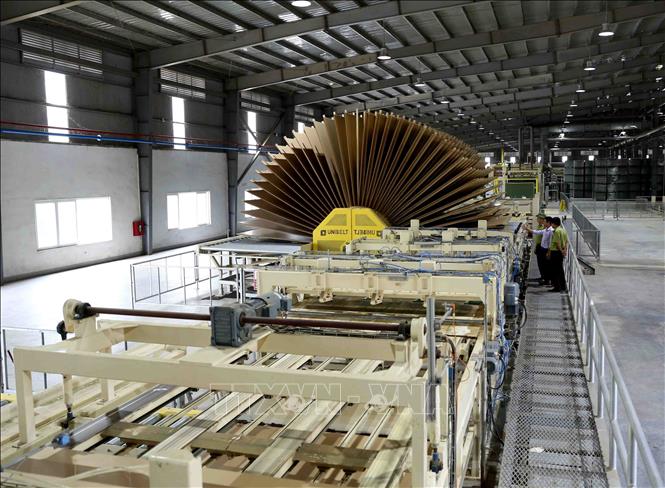
In the photo: MDF wood production line at the factory of Thanh Thanh Dat MDF Joint Stock Company in Ha Tinh. Photo: VNA

Room for development in the next five years

The first months of 2023 were a tough time for the wood processing and furniture industry with negative figures forecast from the end of 2022. A lack of orders forced many factories to reduce production and cut their workforce. Some enterprises even halted operations.

Preliminary survey results among domestic businesses conducted by the Handicraft and Wood Industry Association of Ho Chi Minh City (HAWA) showed that in the first six months of 2023, orders that businesses in the industry received dropped by an average of 30%. However, in July, they have seen a recovery in orders again due to the beginning of the year-end furniture shopping season in the world market.

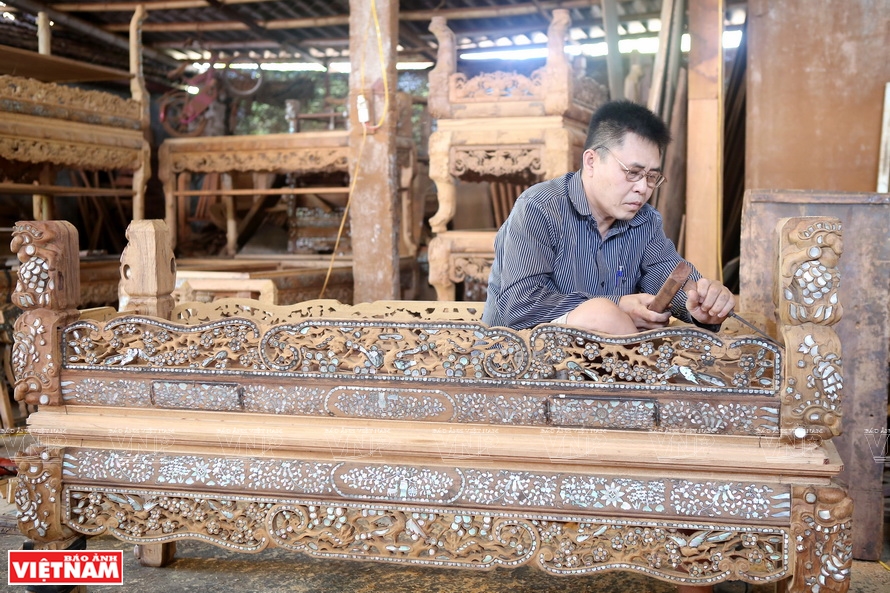
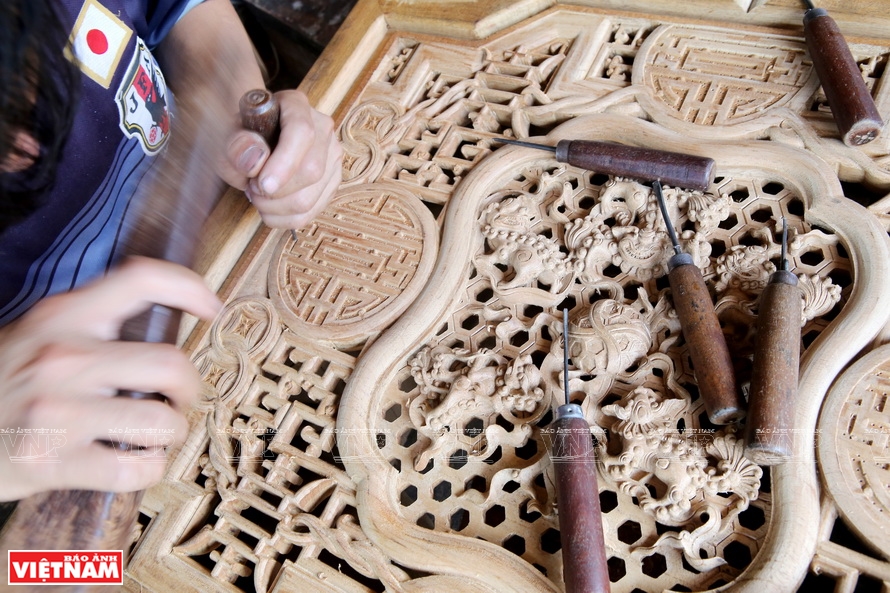
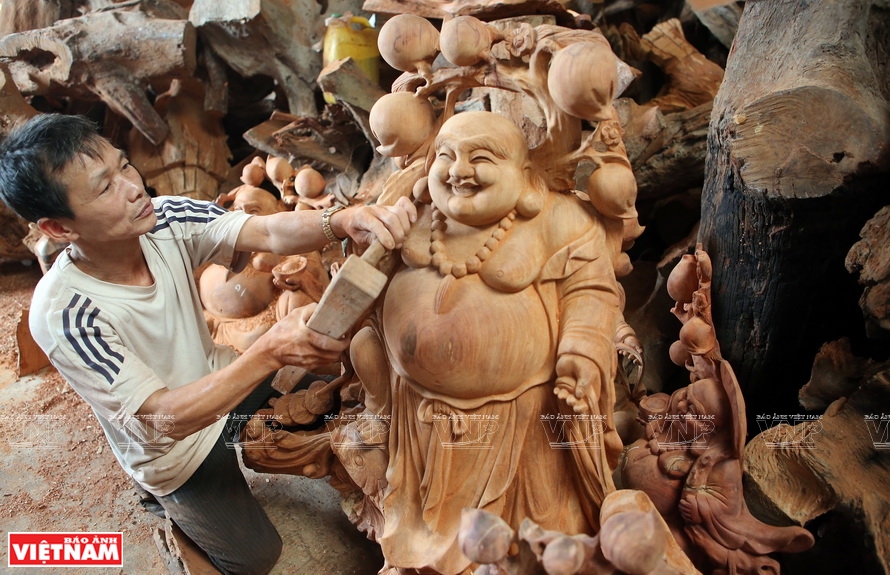
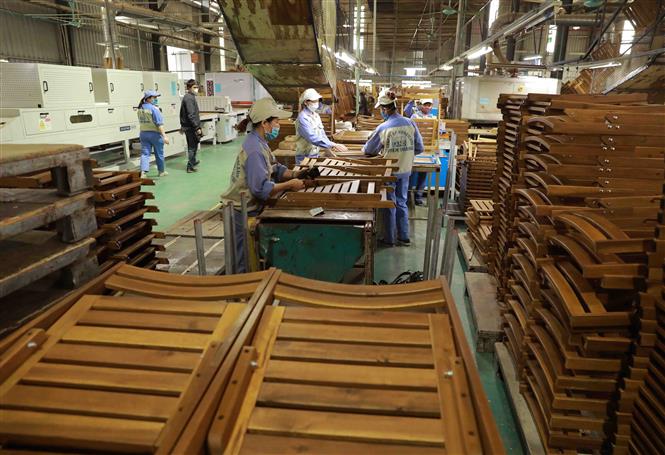
With their talent and creativity, artisans at traditional wood craft villages of Vietnam have made products with exquisite patterns. Photo: VNP

Asserting that the industry’s difficulties from order shortage is just temporary, economist Pham Phu Ngoc Trai said that Vietnam’s furniture sector has plenty of room to expand in the next five or 10 years.

Compared to the global average GDP growth rate of 3%, the compound growth rate of the world furniture industry is 4.5%, and the average growth rate of Vietnam’s wood processing industry is 15.4% per year, the expert noted, stressing that the figures reflect the potential of this industry.

Tran Nhu Trang, representative of the Swiss Import Promotion Programme (SIPPO) in Vietnam said leading wood export markets of Vietnam like the US, Europe and Japan are showing signs of recovery. Along with positive signs in production growth, new trends and demands have been seen in these markets, she said.

Vietnam’s wood processing and furniture industry is also eyeing opportunities to enter a number of markets in the Middle East, which can be an important turning point for the sector, enabling it to complete its export targets, said Trang.

Meeting new requirements is a must

Data from the Import-Export Department under the Ministry of Industry and Trade, among the five largest wooden furniture importers – the EU, the US, the UK, Canada and Japan, the imports of the EU and UK from Vietnam are modest. Meanwhile, import demand in these markets is large.

Vietnam’s wood industry are advised to focus on using sustainable raw materials and production processes, helping to reduce carbon emissions into the environment. Photo baochinhphu.vn

However, these markets have new requirements for exporters in carbon emission reduction commitments, forcing the wood sector to focus on using sustainable materials and ensuring a sustainable production process to minimise carbon emissions into the environment.

Experts underlined that in order to meet sustainability goals and satisfy increasingly strict requirements of the market, the Vietnamese wood industry must design new strategies.

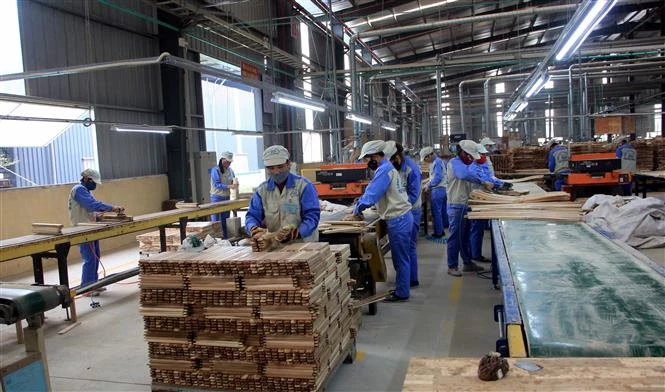
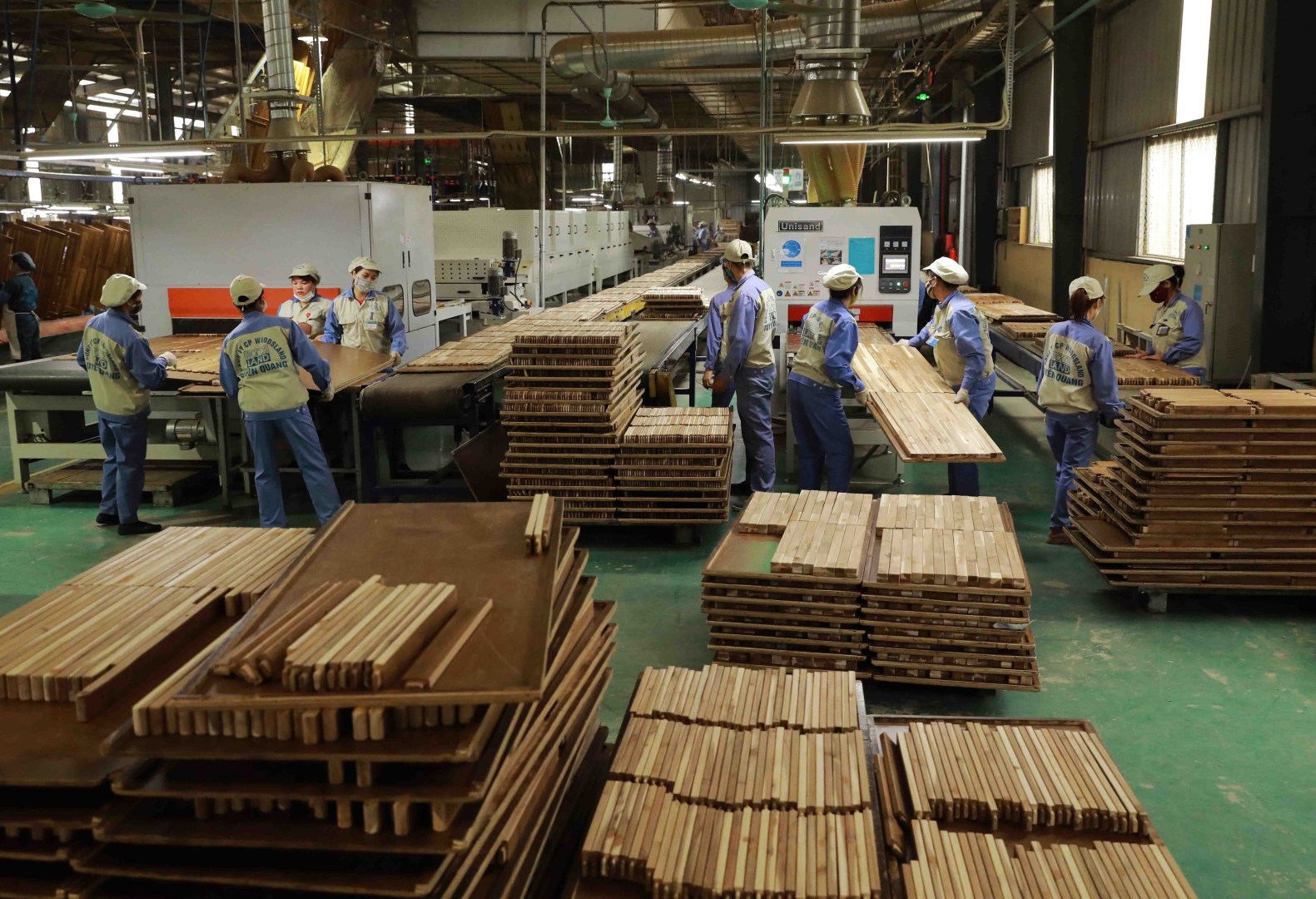
Woodsland Tuyen Quang Company’s interior and exterior wooden furniture products have been exported to the US, Canada, Europe, Russia, and Japan markets. Photo: VNA

Firstly, it is necessary to enhance the quality and added value of their products to improve their competitiveness and attraction in choosy markets, they advised.

Secondly, wood businesses should make stronger investment in researching and developing products with creative and unique designs, satisfying the diverse aesthetic tastes of consumers, they added.

Enhancing the quality and added value of products is a good way to improve domestic firms’ competitiveness and attraction in choosy markets. Photo: VNA

Secondly, wood businesses should make stronger investment in researching and developing products with creative and unique designs, satisfying the diverse aesthetic tastes of consumers, they added.

Pham Thi Ngoc Thuy, Director of the Office of Private Economic Development Research Board, said that new market challenges related to the European Union Timber Regulation (EUTR) or the net-zero emission goal will drive Vietnam’s wood processing and furniture industry towards a more positive direction, enabling it to further expand and lure more investment inflows from foreign investors.

HAWA General Director Nguyen Chanh Phuong said that sustainable development is a challenge, but it can also be a new opportunity for businesses. The sector may really face the problem of reducing emissions by 2028, he predicted.

Promoting furniture exports requires close coordination among businesses and relevant agencies, thus ensuring compliance with regulations and standards of a particular market.

Economists also underlined the crucial need for improving business quality management and operational capacity as an important factor to maintain their reputation and meet the high quality requirements of demanding markets.

It is also necessary to promote marketing and promotion of the Vietnamese wood furniture trademark in the world by using modern communication channels and digital technology. These moves will help to reach a large number of potential customers and create a trustworthy, high-quality image for the Vietnamese wood industry, they added./.

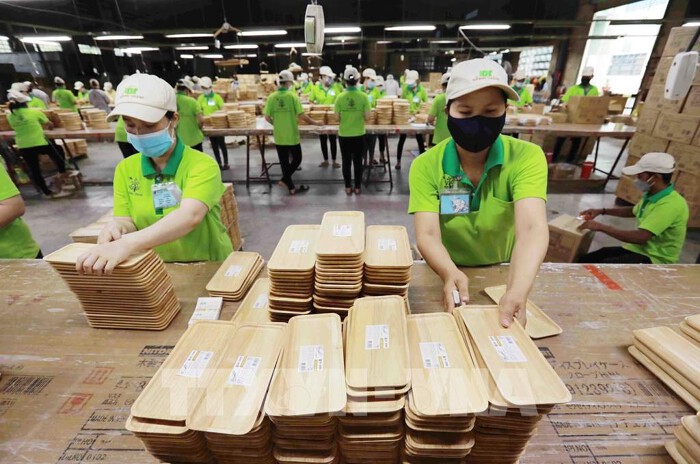
The factory of Woodsland Tuyen Quang JSC has a design capacity of processing 150,000 cu.m of wood each year. Photo: VNA

lE VIETNAM S’EFFORCE D’ÊTRE LE ROI INCONTESTÉ DES EXPORTATEURS MONDIAUX DE NOIX DE CAJOU

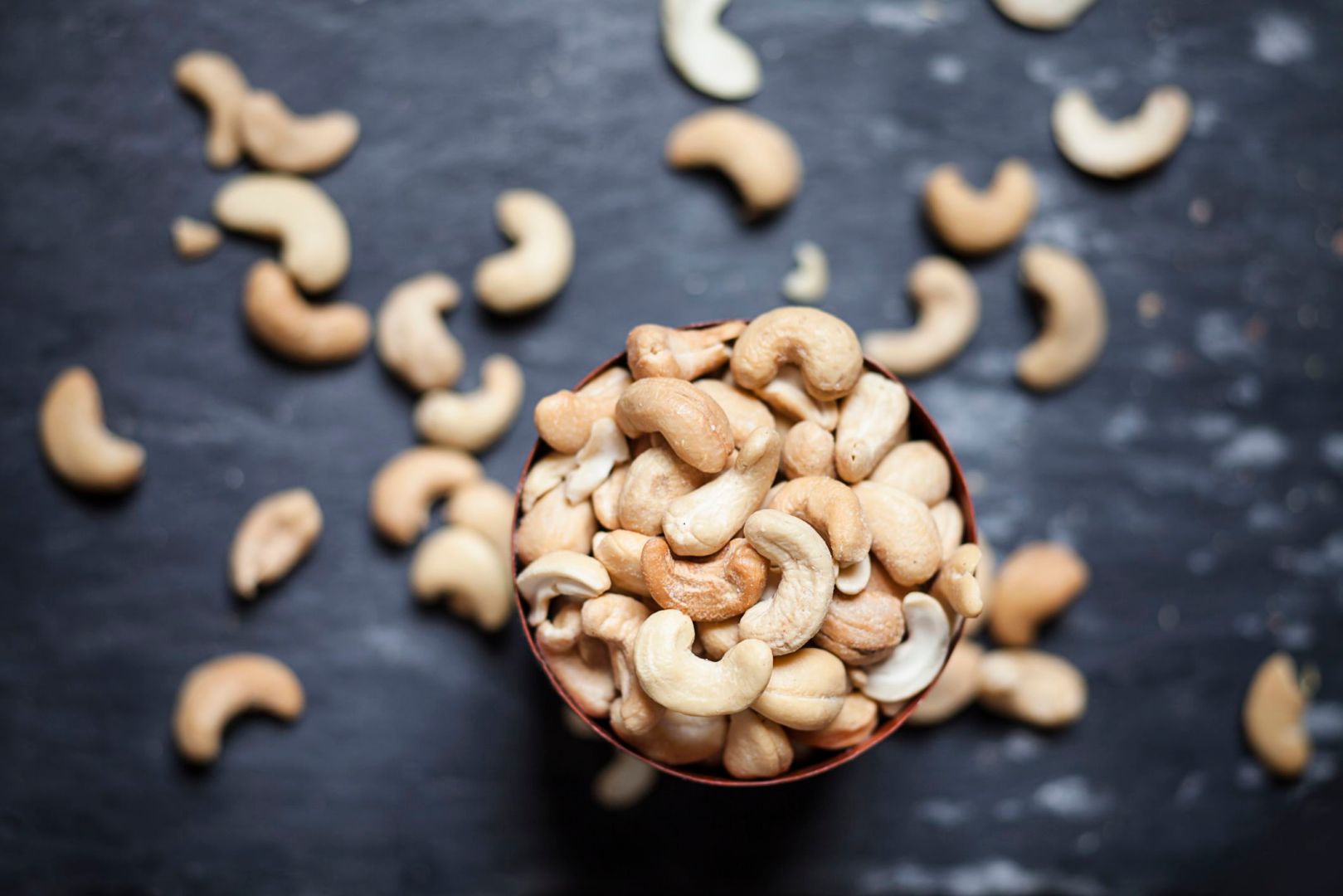
Le Vietnam maintient sa position de premier exportateur mondial de noix de cajou avec une valeur d’environ 3 milliards de dollars par an. Photo: nongnghiep.vn

Ces derniers temps, le Vietnam maintient sa position de premier exportateur mondial de noix de cajou avec une valeur d’environ 3 milliards de dollars par an.

Bien que le pays soit considéré comme le principal producteur mondial de noix de cajou, le Vietnam est confronté à une concurrence féroce de pays comme le Cambodge et certains pays d’Afrique.

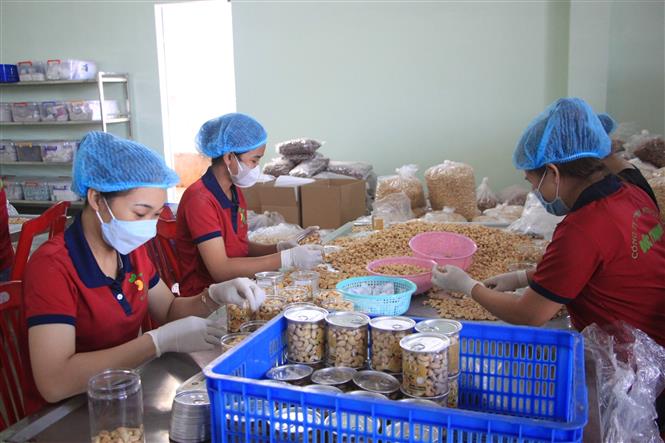
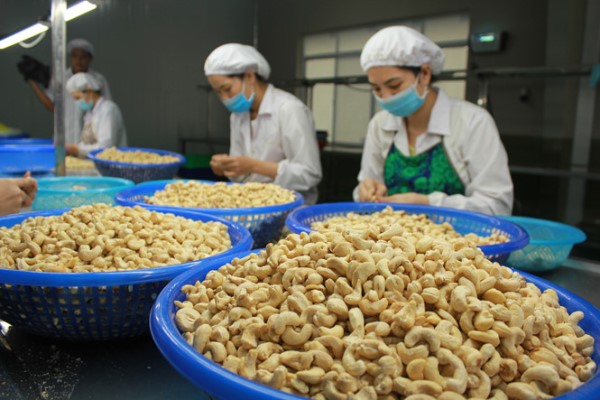
Des ouvriers emballent des noix de cajou pour les exporter. Photo: VNA

Défis pour l’anacardier

Selon les experts, le développement de la culture de la noix de cajou au Vietnam, en particulier dans la province de Binh Phuoc (Sud), présente encore de nombreuses opportunités ainsi que des défis.

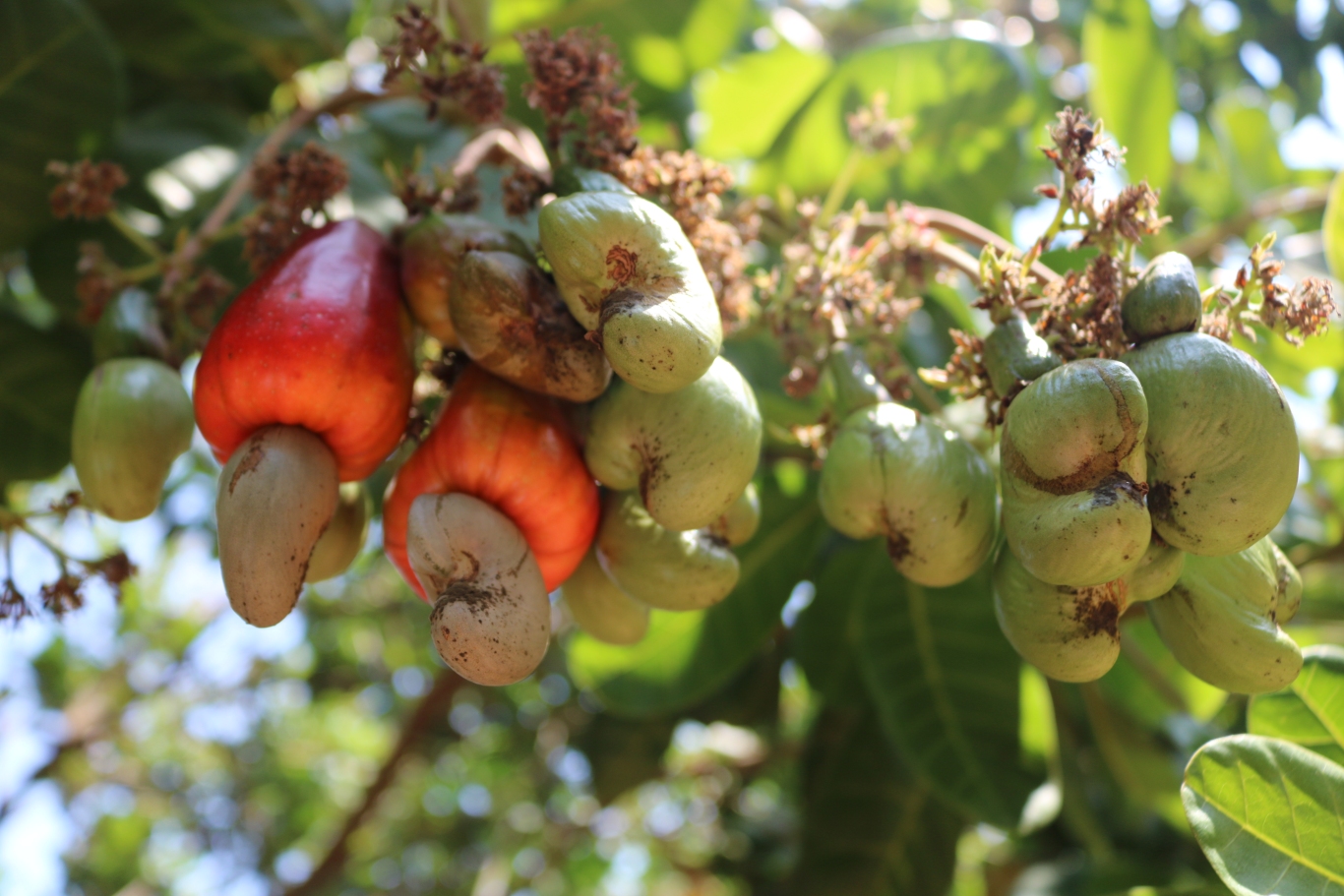
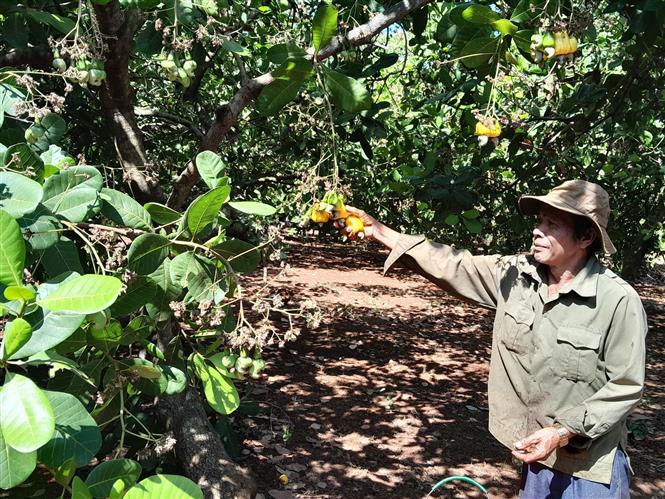
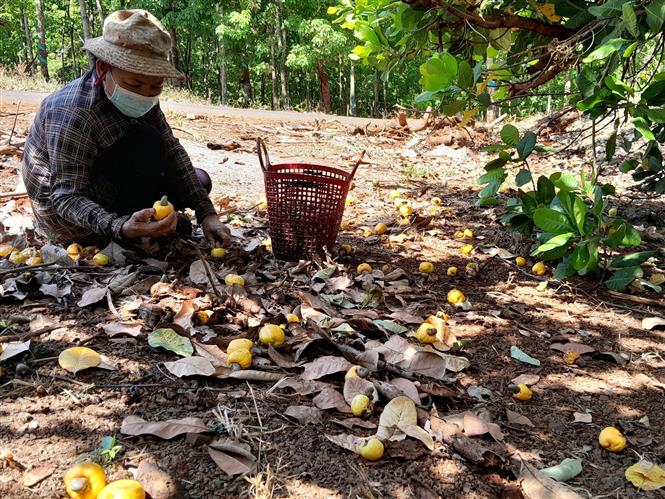
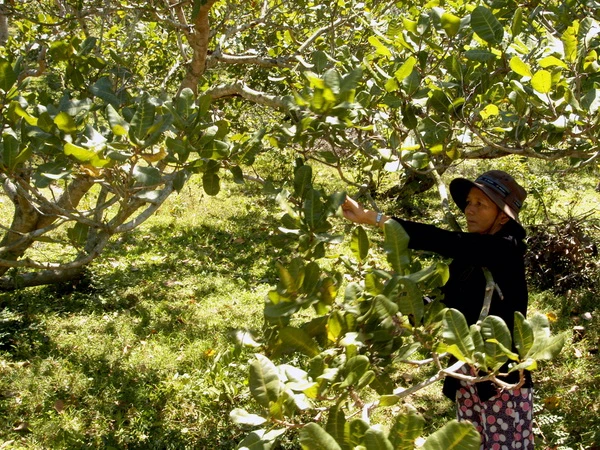
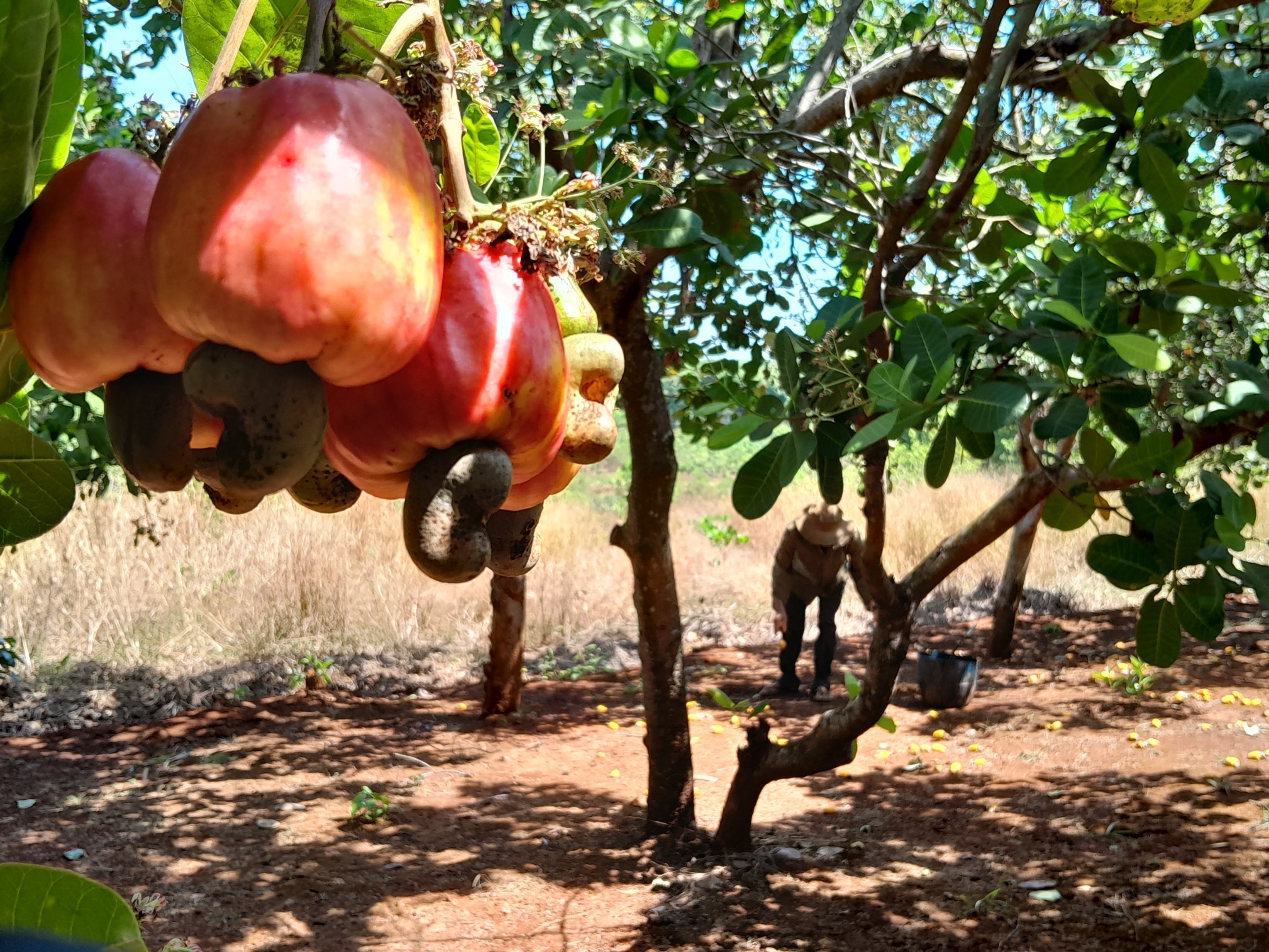
Récolte des noix de cajou dans la commune de Duc Hanh, district de Bu Gia Map, province de Binh Phuoc. Photo: VNA

“Notre industrie de la noix de cajou est actuellement confrontée à de grands risques liés aux catastrophes naturelles et aux changements climatiques, la concurrence féroce du Cambodge, des pays d’Afrique de l’Ouest et de l’Est qui disposent également de vastes terres pour développer cette culture et l’industrie de transformation et d’exportation”, a souligné Tran Cong Khanh, directeur du Centre de recherche et de développement de la noix de cajou relevant de l’Institut des sciences agronomiques du Sud Vietnam (IAS).

La province cultive la noix de cajou sur près de 152.000 hectares, avec une production de 170.000 tonnes/an. Grâce aux conditions naturelles favorables et à l’application de techniques de pointe dans la culture, la province de Binh Phuoc a atteint des rendements élevés, selon Tran Tuyet Minh, vice-présidente du Comité populaire de la province de Binh Phuoc.

Selon le Service provincial de l’agriculture et du développement rural, la transformation de la noix de cajou est également devenue le principal secteur industriel et la force majeure de la province. Actuellement, il existe 1.416 installations de transformation à Binh Phuoc, le plus grand nombre dans tout le pays. Chaque année, l’industrie de transformation de la noix de cajou de Binh Phuoc contribue de 27 à 45% du total des exportations.

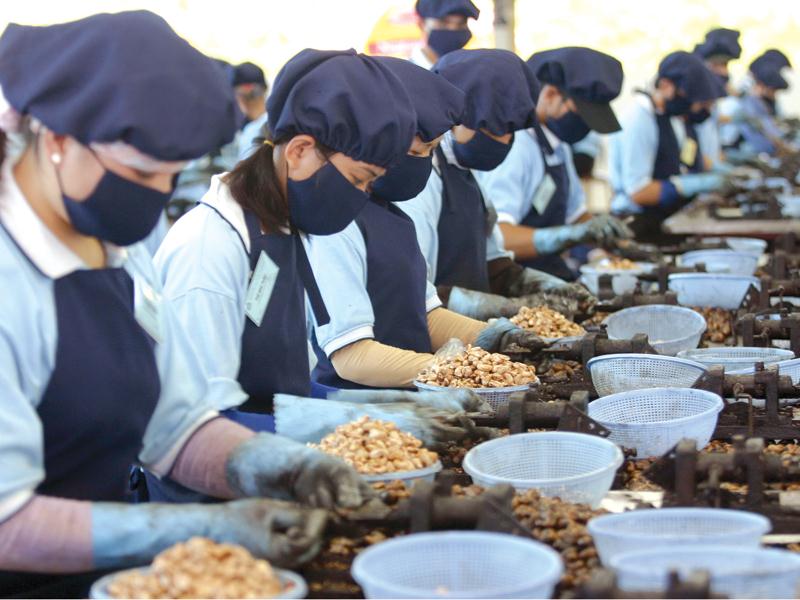
En 2022, la valeur totale des exportations de produits à base de noix de cajou de Binh Phuoc a atteint 1,045 milliard de dollars. Photo: VNA

En 2022, la valeur totale des exportations de noix de cajou de Binh Phuoc a atteint 1,045 milliard de dollars. Ce secteur a contribué à une transformation importante de la structure de production agricole, passant d’une agriculture vivrière à une agriculture moderne axée sur la production marchande.

Une fois transformée, la noix de cajou de Binh Phuoc est exportée vers plus de 100 pays et territoires dans le monde, tels que l’Europe, les États-Unis, le Japon, l’Australie, la Chine, qui représentent environ 70% de la part de marché mondiale de l’industrie de la noix de cajou.
La filière emploie environ 80 000 travailleurs, dans les installations de transformation et la récolte.

Cependant, l’approvisionnement en noix de cajou brutes de la province ne couvre qu’environ 30 % de sa capacité de transformation, les 70 % restants sont importés d’Indonésie, du Cambodge et d’Afrique…

L’Association de la noix de cajou du Vietnam signe un mémorandum de coopération dans l’approvisionnement en matières premières avec l’Association cambodgienne de la noix de cajou lors de la conférence. Photo: VNA

Changer de mode de pensée dans la production

Le vice-président de l’Association vietnamienne de la noix de cajou, Bach Khanh Nhut, a déclaré qu’après plus de 40 ans de développement, cette filière nationale a fait de grands progrès.

Le Vietnam est devenu le premier exportateur mondial, représentant plus de 75 % du total.

Cependant, le Vietnam ne représente qu’environ 30% dans la chaîne de valeur mondiale de cette industrie, le reste appartenant aux distributeurs et aux entreprises de torréfaction de café internationaux.

Ces dernières années, la quantité de noix de cajou importée au Vietnam pour effectuer certaines étapes de transformation avant d’être réexportée a augmenté rapidement. Cela est le résultat de l’autorisation d’importer des noix de cajou brutes sans l’application de mesures de protection de l’industrie de transformation nationale, a déclaré Bach Khanh Nhut.

Le Vietnam est le plus grand exportateur mondial de noix de cajou. Photo: baodautu.vn

Selon lui, le secteur de la noix de cajou du Vietnam de Binh Phuoc en particulier, doit s’orienter vers une transformation en profondeur avec des produits diversifiés, répondant aux différents besoins et goûts des consommateurs.

En outre, il est nécessaire d’appliquer des modèles de haute technologie, de biotechnologies, de production agricole bio, d’agriculture verte et propre. Il faut promouvoir l’application d’une production sûre répondant aux normes VietGAP et GlobalGAP, mettre en œuvre de manière synchrone des solutions sur les semences, les techniques agricoles et les investissements dans l’agriculture intensive pour garantir la productivité et la qualité.

En mars 2018, l’Office national de la propriété intellectuelle du Vietnam relevant du ministère des Sciences et des Technologies a officiellement délivré un certificat de protection d’indication géographique pour la “Noix de cajou de Binh Phuoc” valable sur l’ensemble du territoire vietnamien.

Selon le Service des sciences et technologies de Binh Phuoc, cette indication géographique ouvre de nombreuses opportunités pour ce secteur. Il s’agit d’une forme de protection de la propriété intellectuelle de haut niveau, liée à l’indication de l’origine du produit, permettant aux entreprises d’accéder progressivement à des marchés exigeants. C’est l’occasion de faire entrer la noix de cajou de Binh Phuoc sur le marché international. -VNA

Récolte des noix de cajou dans la commune de Duc Hanh, district de Bu Gia Map, province de Binh Phuoc. Photo: VNA

BUSCA VIETNAM MANTENER POSICIÓN COMO PRODUCTOR LÍDER DE ANACARDO

El volumen de las exportaciones de anacardos de Vietnam siempre ha mantenido la posición número uno en el mundo, con un valor de tres mil millones de dólares por año. (Foto: nongnghiep.vn)

En los últimos años, el volumen de las exportaciones de anacardos de Vietnam siempre ha mantenido la posición número uno en el mundo, con un valor de tres mil millones de dólares por año.

Aunque ha sido considerado como el principal país productor del planeta, la industria del anacardo de Vietnam se enfrenta a muchas oportunidades y desafíos entrelazados en el contexto de una feroz competencia con naciones como Camboya y algunos países africanos.

Trabajadores empacan anacardos para exportar. (Foto: VNA)

Desafíos del “árbol billonario”

Según las evaluaciones de los expertos, el desarrollo del anacardo en Vietnam, en general, y en la provincia sureña de Binh Phuoc -la “capital” de esta nuez-, en particular, todavía cuenta tanto con espacios y como con desafíos.

La gente cosecha anacardos al comienzo de la temporada en la comuna de Duc Hanh, Bu Gia Map, Binh Phuoc. (Foto : VNA)

La industria del anacardo de Vietnam enfrenta actualmente un alto riesgo de desastres naturales y el cambio climático, así como una competencia feroz cuando Camboya, los países de África occidental y oriental, con grandes fondos de tierras, también amplían zonas de cultivo y la industria de procesamiento y exportación de anacardos, enfatizó el director del Centro de Investigación y Desarrollo de Anacardos del Instituto de Ciencia y Tecnología Agrícola del Sur, Tran Cong Khanh.

Binh Phuoc cuenta con más de 152 mil hectáreas de anacardos, con una producción de 170 mil toneladas por año, informó la vicepresidenta del Comité Popular provincial Tran Tuyet Minh y agregó que las favorables condiciones naturales, el cultivo de variedades de anacardos de alto rendimiento y la aplicación de nuevos avances técnicos ayudan a Binh Phuoc a mantener una alta productividad de estos frutos.

De acuerdo con el Departamento de Agricultura y Desarrollo Rural de Binh Phuoc, el procesamiento de anacardos también se convierte en una industria clave y fuerte de la provincia. Actualmente, existen mil 416 instalaciones de procesamiento de anacardos en la localidad. Cada año, la industria aporta entre el 27% y el 45% del volumen total de exportaciones de la provincia.

En 2022, las exportaciones de productos de anacardo de Binh Phuoc alcanzaron mil 45 millones de dólares.. (Foto: VNA)

En 2022, las exportaciones de productos de anacardo de Binh Phuoc alcanzaron mil 45 millones de dólares. La industria procesadora de anacardos ha contribuido a una fuerte transformación en la estructura de la producción agrícola, desde una agricultura autosuficiente a una moderna con una gran producción de productos básicos.

Los productos de anacardo de la provincia de Binh Phuoc se exportan a más de 100 países y territorios de todo el mundo, como Europa, América, Japón, Australia y China, representando alrededor del 70% de la cuota de exportación mundial, en contribución a la creación de puestos de trabajo regulares para unas 80 mil personas en las unidades de procesamiento de anacardos y recolectores de hortalizas.

Sin embargo, la producción local solo cubre el 30% de la materia prima para las instalaciones de procesamiento de anacardos en la provincia y las empresas sectoriales deben importar anacardos crudos de Indonesia, Camboya y África.

Las asociaciones de anacardo de Vietnam y Camboya firman un memorando de cooperación en el suministro de materia prima. (Foto: VNA)

Cambio de pensamiento en la producción

El vicepresidente de la Asociación de Anacardos de Vietnam, Bach Khanh Nhut, confirmó que después de más de 40 años de establecimiento y desarrollo, la industria de anacardo de Vietnam ha logrado grandes avances.

Vietnam domina la tecnología de procesamiento y se convierte en el líder mundial en exportaciones de anacardos, representando más del 75% de las ventas mundiales; sin embargo, en la cadena de valor de la industria mundial del anacardo, Vietnam solo representa el 30%.

Una paradoja es que, si bien Vietnam es el mayor exportador mundial de anacardos, en los últimos años, la cantidad de esos frutos importados para realizar algunos pasos adicionales y luego exportarlos ha aumentado rápidamente. Se trata de la consecuencia de permitir la importación de anacardos a Vietnam sin aplicar medidas para proteger la industria nacional de procesamiento de anacardos, subrayó Bach Khanh Nhut.

Vietnam es el mayor exportador mundial de anacardo. (Foto: baodautu.vn)

En cuanto a las soluciones fundamentales y estratégicas para la industria vietnamita del anacardo, en general, y para Binh Phuoc, en particular, según Bach Khanh Nhut, es necesario transformar fuertemente al procesamiento profundo con productos diversos para satisfacer las necesidades y los gustos de los consumidores.

Además, consideró la importancia de aplicar modelos de aplicación de alta tecnología, biotecnología, producción agrícola orgánica, agricultura verde y limpia en el cultivo de anacardos; promover la aplicación de una producción segura que cumpla con los estándares VietGAP y GlobalGAP; implementar sincrónicamente soluciones en materia de semillas, técnicas agrícolas e inversiones en agricultura intensiva para garantizar la productividad y la calidad de las materias primas agrícolas.

Con anterioridad, en marzo de 2018, el Departamento de propiedad intelectual del Ministerio de Ciencia y Tecnología otorgó oficialmente un certificado de protección para la indicación geográfica “Anacardo Binh Phuoc”, válido indefinidamente en todo el territorio de Vietnam.

Según el Departamento provincial de Ciencia y Tecnología, la exitosa protección de la indicación geográfica ” Anacardo Binh Phuoc” abrió grandes oportunidades para la industria del anacardo. También, se trata de un chance para llevar los productos de anacardo Binh Phuoc al mercado internacional./.

La gente cosecha anacardos al comienzo de la temporada en la comuna de Duc Hanh, Bu Gia Map, Binh Phuoc. (Foto: VNA)

ВЬЕТНАМСКАЯ ИНДУСТРИЯ ОРЕХОВ КЕШЬЮ ДОЛЖНА СОХРАНИТЬ СВОЮ ПОЗИЦИЮ № 1 В МИРЕ

Экспортный оборот орехов кешьюВьетнама всегда занимает первое место в мире и составляет около 3 млрд. долл. США в год.Фото: nongnghiep.vn

В последние годы вьетнамский экспорт орехов кешью неизменно занимает первое место в мире с годовым оборотом около 3 млрд. долл. США.

Однако данная индустрия во Вьетнаме, хоть и считается ведущим мировым производителем орехов кешью, сталкивается с множеством возможностей и вызовов в условиях жесткой конкуренции с такими странами, как Камбоджа и некоторые африканские страны.

Рабочие упаковывают орехи кешью на экспорт. Фото: ВИА

Дерево, экспортная  стоимость которого достигает млрд. долл. США, сталкивается с многочисленными вызовами

По оценкам экспертов, развитие деревьев кешью во Вьетнаме в целом и в «столице» кешью Вьетнама Биньфыок в частности все еще имеет множество возможностей и вызовов.

Люди собирают орехи кешью в начале сезона в общине Дыкхань, уезд Бу Жа Мап, Биньфыок. Фото: ВИА

«Вьетнамская индустрия орехов кешью в настоящее время сталкивается с риском стихийных бедствий, а изменения климата довольно существенны. Острая конкуренция со стороны Камбоджи, стран Западной и Восточной Африки, обладающих обширными земельными угодьями, ускоряет процесс выращивания кешью, его переработки и экспорта», – сказал Чан Конг Хань, директор Центра исследований и разработок деревьев кешью (Южный институт сельскохозяйственных наук).

Провинция Биньфыок считается «столицей» кешью Вьетнама, поскольку на ее долю приходится более 50% площади и 50% объемов производства орехов кешью в стране

«В Биньфыоке выращивается более 152.000 гектаров кешью, годовой объем производства составляет 170.000 тонн. Кроме того, благодаря подходящим природным условиям, фермеры выращивают высокоурожайные сорта кешью, подходящие для субэкологических регионов, применяют новые технологические достижения в интенсивном земледелии и уходе, позволяющие повысить урожайность кешью Биньфыок», – сказал заместитель председателя Биньфыок Чан Туйет Минь.

По данным Департамента сельского хозяйства и развития сельских районов Биньфыока, перерабатывающий сектор орехов кешью также стал основной промышленностью и сильной стороной провинции. В настоящее время в провинции насчитывается 1416 предприятий по переработке орехов кешью, что является крупнейшим показателем в стране. Ежегодно на долю сектора по переработке кешью в Биньфыоке приходится от 27 до 45% общего экспортного оборота.

В 2022 году общая стоимость экспортного оборота продуктов из орехо кешью Биньфыока достиг 1,045 млрд. долл. США. Фото: ВИА.

В 2022 году общая стоимость экспортного оборота продуктов из орехов кешью Биньфыок достигла 1,045 млрд. долл. США. Перерабатывающая промышленность внесла свой вклад в кардинальную трансформацию структуры сельскохозяйственного производства: от самодостаточного сельского хозяйства к современному сельскому хозяйству с крупным товарным производством.

После переработки продукция из кешью провинции Биньфыок экспортируется более в более чем 100 стран и регионов мира, включая Европу, США, Японию, Австралию и Китай, что составляет около 70% мирового экспортного рынка кешью и способствует созданию постоянных рабочих мест примерно для 80. 000 рабочих на предприятиях по переработке орехов кешью и по сбору урожая в садах.

Однако предприятия по переработке орехов кешью в провинции не занимаются активным поиском сырья. Поставки необработанных орехов кешью в провинции обеспечивают лишь около 30% перерабатывающих мощностей провинции, в то время как 70% сырья орехов кешью зависит от импорта из Индонезии, Камбоджи и Африки…

На конференции Ассоциация кешью Вьетнама подписала меморандум о сотрудничестве в области поставок сырья с Ассоциацией кешью Камбоджи. Фото: ВИА.

Изменение видения производства

Вице-председатель Вьетнамской ассоциации производителей орехов кешью Vinacas Бать Кхань Ньыт сказал, что вьетнамская индустрия кешью за более чем 40 лет становления и развития добилась значительного прогресса.

Освоив зарубежное оборудование для переработки орехов кешью, теперь она стала мастером технологий, занимая лидирующие позиции в мире по экспорту орехов кешью, на долю которого приходится более 75% мирового экспорта.

Однако в глобальной цепочке создания стоимости индустрии кешью, на долю Вьетнама приходится всего 30%, остальная стоимость принадлежит международным дистрибьюторам, которые занимаются обжаркой орехов кешью.

«Парадокс заключается в том, что, хотя Вьетнам и является крупнейшим в мире экспортером орехов кешью, в последние годы объёмы орехов кешью, импортируемых во Вьетнам для переработки на экспорт, быстро увеличились. Это является следствием разрешения импорта орехов кешью во Вьетнам без применения сопутствующих мер по защите отечественной промышленности по переработке кешью», – подчеркнул Бать Кхань Нат.

Вьетнам является крупнейшим в мире экспортером орехов кешью. Фото baodautu.vn

«Что касается основательных решений, имеющих стратегический характер для вьетнамской индустрии кешью в целом и индустрии кешью в провинции Биньфыок в частности, то необходимо как можно быстрее перейти к глубокой переработке с использованием разнообразных продуктов, отвечающих потребностям и вкусам «конечных потребителей»», отметил Бать Кхань Нат.

Кроме того, Чан Конг Хань сказал, что необходимо применять модели высоких технологий, биотехнологий, органического сельскохозяйственного производства, зеленого и экологически чистого сельского хозяйства при выращивании деревьев кешью; продвигать применение производства в направлении стандартов безопасности VietGAP, GlobalGAP; внедрять синхронные решения по сортам, методам выращивания, интенсивным инвестициям для обеспечения урожайности и качества сельскохозяйственного сырья.

Проблема, поставленная Департаментом науки и технологий Биньфыок, – это проблема географических указаний. В марте 2018 года Бюро интеллектуальной собственности (Министерство науки и технологий) официально выдало сертификат об охране географического указания «Орехи кешью Биньфыок», который действует бессрочно на всей территории Вьетнама.

По данным Департамента науки и технологий Биньфыок, успешная защита географического указания «Орехи кешью Биньфыок» открыла большие возможности для индустрии кешью. Это общая интеллектуальная собственность, которая является формой защиты высокой интеллектуальной собственности, связанной с указанием происхождения продукта, что позволяет предприятиям и людям использовать поэтапный подход развития рынка. Это также даёт возможность поставлять продукцию из орехов кешью Биньфыок на международный рынок./.

Люди собирают орехи кешью в начале сезона в общине Дыкхань, уезд Бу Жа Мап, Биньфыок. Фото: ВИА

越南保持世界第一大腰果出口国地位

越南腰果仁出口额一直保持世界第一大地位,年均出口额约30亿美元。图自nongnghiep.vn

多年来,越南腰果仁出口额一直保持世界第一大地位,年均出口额约30亿美元。

越南被视为世界第一大腰果生产国,然而在当前与柬埔寨和非洲一些国家进行激烈竞争的背景下,越南腰果产业正面临许多机遇与挑战。

工人在打包出口腰果。图自越通社

据各位专家的评价,目前平福省乃至越南腰果树发展的机遇与挑战并存。

平福省布嘉地图德行公社的人们在季节初收获腰果。图自越通社

越南南方农业科技院腰果研发中心主任陈功卿表示,目前我国腰果业正面临遭受自然灾害和气候变化的严重影响,来自柬埔寨、西非和东非等国家的激烈竞争,这些国家土地广阔并正发展腰果树、腰果加工和腰果仁出口。

平福省人民委员会副主席陈雪明表示,“目前平福省腰果种植面积15.2万公顷,年均产量达到17万吨。因自然条件适合种植腰果,同时当地居民种植高产、适合生态分区的腰果品种,加大新技术应用力度,助力提升平福腰果产量”。

据平福省农业与农村发展厅的介绍,目前腰果加工业也成为该省主力和优势工业产业。目前,该省腰果加工厂1416个,在全国位居第一。每年平福省腰果加工业对出口总额贡献率达27-45%。

2022年,平福腰果产品出口总额达10.45亿美元。图自越通社

2022年,平福腰果产品出口总额达10.45亿美元。腰果加工业已为农业生产结构转型,从自供自给农业转向现代、大规模商品化生产农业。

经加工后,腰果产品出口到100多个国家和地区,如欧洲、美洲、日本、澳大利亚和中国,占世界腰果业出口市场份额的70%左右,为腰果加工厂和腰果园约8万名劳动者创造就业机会。

然而,平福省境内各家要过加工厂的原料仍不稳定,该省腰果原料供应只能满足加工功率的30%左右,70%腰果原料依赖于印度尼西亚、柬埔寨和非洲等国家和地区的供应来源。

越南腰果协会与柬埔寨腰果协会签署合作备忘录。图自越通社

越南腰果协会副主席白庆日认为,越南腰果产业经40年形成与发展已迈出长足的步伐。

从探索学习借鉴外国腰果加工技术设备和经验,越南已把握技术,成为世界第一大腰果仁出口国,占全国腰果仁出口量的75%以上。

然而,在全球腰果业价值链中,越南只占30%,剩下的价值属于国际分销商和腰果烤炸商。

白庆日先生还表示,尽管越南是世界第一大腰果仁出口国,但近年来进口到越南进一步加工然后再出口的腰果仁数量快速增加。这是准许进口腰果仁而不采用保护国内腰果产业措施的举动带来的后果。

越南被视为世界第一大腰果生产国。图自baodautu.vn

白庆日先生已对平福省乃至越南腰果产业提出基本型和战略性的解决方案,如大力转向深加工,产品多样化,满足消费者不同需求和偏好。

越南南方农业科技院腰果研发中心主任陈功卿认为在腰果种植中需要采用高技术、生物技术、有机农业生产、绿色和清洁农业也等模式;推进采用达VietGAP和GlobalGAP标准的生产;同步实施关于种植、耕作技术、集约投资等的措施来确保农产品原料产量和质量。

平福省科技厅还提出地理标志认证的问题。2018年3月,科技部知识产权局已正式签发“平福腰果”地理标志认证,该认证在全国范围内无期限生效。

平福省科技厅表示,成功保护“平福腰果”地理标志认证已为腰果产业带来许多机会。这是共同的知识产权,是较高的知识产权保护形式,允许企业和人民使用,从而逐步拓展市场,特别是针对标准严格的市场,是把平福省腰果产品走出国门,远销国际市场的机会。(完)

平福省布嘉地图德行公社的人们在季节初收获腰果。图自越通社

VIETNAM’S CASHEW INDUSTRY MOVES TO MAINTAIN WORLD’S TOP SPOT

Vietnam’s turnover from cashew nut exports has consistently held the top position in the world, with an annual value of approximately 3 billion USD. (Photo: nongnghiep.vn)

In recent years, Vietnam’s turnover from cashew nut exports has consistently held the top position in the world, with an annual value of approximately 3 billion USD.

Considered a leading cashew nut producer of the world, but Vietnam is facing numerous opportunities and challenges, particularly amidst fierce competition from Cambodia and several African nations.

Workers package cashew nuts for exports. (Photo: VNA)

Challenges facing “billion-dollar” trees

According to experts, the development of cashew trees in Vietnam in general and in the “cashew capital” of Binh Phuoc in particular still sees ample room for growth intertwined with challenges.

People harvest cashew in Duc Hanh commune, Bu Gia Map district, Binh Phuoc province (Photo: VNA)

The industry is currently exposed to natural disasters and climate change risks, said Tran Cong Khanh, Director of the Centre for Cashew Research and Development under the Southern Institute of Agricultural Science and Technology.

Tough competition has also posed a considerable concern, as countries with large land reserves like Cambodia as well as Western and Eastern African nations are vigorously developing cashew cultivation and processing for exports.

According to Vice Chairwoman of the provincial People’s Committee Tran Tuyet Minh, Binh Phuoc has over 152,000ha of cashew, yielding around 170,000 tonnes per year. Its natural conditions, combined with the adoption of advanced agricultural techniques, have helped increase the productivity of cashew trees in the province.

Binh Phuoc now houses 1,416 cashew nut processing facilities – the largest number in the country – with the processing industry contributing between 27% and 45% to the province’s total annual export revenue.

In 2022, Binh Phuoc’s cashew nut exports earned 1.045 billion USD (Photo: VNA)

In 2022, the province’s cashew exports topped 1.04 billion USD. After processing, Binh Phuoc’s cashew products are exported to over 100 countries and territories worldwide, including Europe, the US, Japan, Australia, and China, comprising approximately 70% of the global cashew export market share. This industry provides regular jobs for around 80,000 workers in processing facilities and in cashew orchards.

However, local raw materials have met only about 30% of the province’s processing capacity while the remaining 70% has relied on raw cashew nuts imported from Indonesia, Cambodia, and Africa.

Despite being recognised as a leading global producer of cashew nuts, the cashew industry in Vietnam is facing various challenges and opportunities. These challenges include potential impact of natural disasters and climate change, as well as tough competition from countries such as Cambodia and several African nations.

The Vietnam Cashew Association signs a memorandum of cooperation in raw material supply with the Cambodia Cashew Association at a conference in February 2023. (Photo: VNA)

Changing production mindsets

Vice Chairman of the Vietnam Cashew Association (VINACAS) Bach Khanh Nhut assessed that the Vietnamese cashew industry has made significant progress over the pas more than four decades. Starting from learning and adopting foreign processing technology, Vietnam has now become a technological leader in the field and topped the world in cashew nut exports.

However, Vietnam only accounts for 30% of the global cashew value chain, with the remaining value belonging to distributors and international roasting and frying firms.

“It’s paradoxical that while Vietnam is the world’s largest exporter of cashew nuts, in recent years, the import of cashew nuts into Vietnam for additional processing and re-export has increased rapidly. This is the consequence of allowing the import of cashew nuts into Vietnam without applying protective measures for the domestic cashew processing industry,” said Nhut.

Vietnam is the world’s largest exporter of cashew nuts. (Photo: baodautu.vn)

He suggested that there should be a shift towards deep processing with diverse products that meet the various needs and preferences of end consumers.

Additionally, Khanh, Director of the Centre for Cashew Research and Development, recommended the application of advanced technology, biotechnology, organic farming, and green agriculture in cashew cultivation. It is crucial to promote the adoption of production in accordance with safety standards such as VietGAP and GlobalGAP. Implementing cohesive solutions regarding varieties, cultivation techniques, and investment in deep cultivation is necessary to ensure the productivity and quality of agricultural raw materials.

In March 2018, the Intellectual Property Office under the Ministry of Science and Technology officially granted an unlimited validity certificate for the geographical indication “Hat dieu Binh Phuoc” (Binh Phuoc Cashew Nuts) across the entire territory of Vietnam, opening up significant opportunities for the industry./.

An orchard in Duc Hanh commune, Bu Gia Map district, Binh Phuoc province (Photo: VNA)

绿色能源:未来可持续发展的解决方案 

越南将在无污染的环境中打造稳定的绿色经济、友好的循环经济。图自baotainguyenmoitruong.vn

确保实施国家工业化、现代化过程的重要任务之一是建立、保护和发展绿色、清洁和可持续能源来源。做好该工作后,越南将能在没有污染的环境中创建稳定的绿色经济和友好型循环经济等。

2021年11月8日在英国格拉斯哥召开的《联合国气候变化框架公约》第26次缔约方大会(COP26)的参会代表。图自法新社/越通社

在2021年举行的《联合国气候变化框架公约》第26次缔约方大会(COP26)后,政府已为实现减排和应对气候变化的目标采取积极行动,审议通过2021-2030年阶段绿色经济而增长的国家行动计划;到2050年阶段应对气候变化的国家战略等。

政府也提出实现各项承诺的总体路线图,如制定法律框架,促进和援助企业界、各部门、各地方共同承担减排目标的责任。

确保能源安全推动越南经济可持续发展论坛。图自kinhtedothi.vn

越南能源协会副主席阮文微表示,能源结构转型将帮助越南减轻环境的压力和避免在水电、热电、石油和核电等方面过度依赖于外部。

力争到2050年,可再生能源比例占生产电量的67.5%至71.5%。图自越通社

特别的是,政府总理刚批准了第八号电力规划,其中提出成功实现公正能源转型与生产现代化、建设智能电网,先进电力系统管理相结合,使其符合合世界绿色转型、减排和科技发展。力争到2050年,可再生能源比例占生产电量的67.5%至71.5%。

目前拥有许多允许越南推动可再生能源发展的趋势。

第一,越南水电在各种电源中成本最低。此外,太阳能发电和风能基于技术进步和投资项目数量多目前能与煤电竞争。

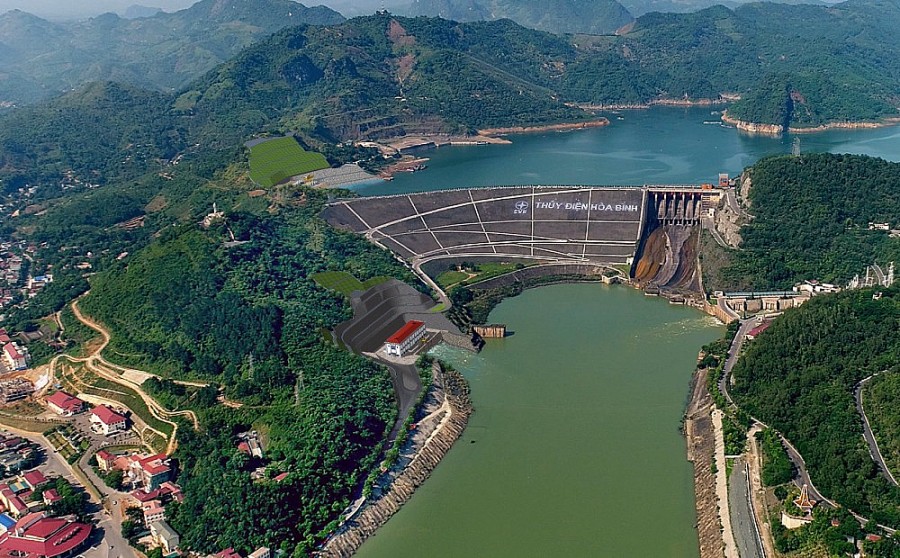
越南水电在各种电源中成本最低。图自越通社

具体而言,截至目前,越南电力系统拥有1.65万兆瓦太阳能发电,其中50%为屋顶太阳能发电;4500兆瓦风电,占国家电力系统总电量的30%。

预期,未来数十年可再生能源的成本将继续下降。与此同时,使用化石燃料的火电成本呈增加趋势,因环保要求日益严格。

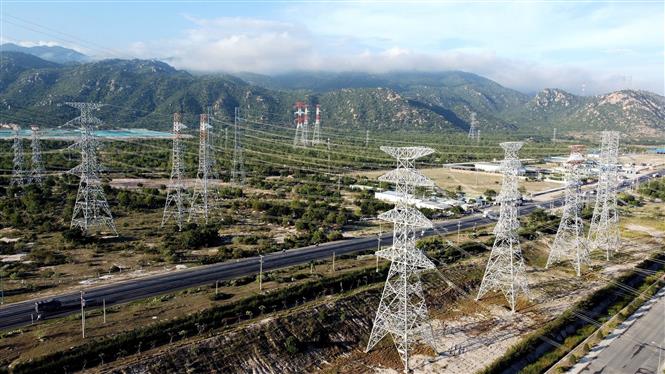
可再生能源发电项目的线路连接到平顺省永新 500千伏变电站。图自越通社

第二,大范围环境污染、气候变化等由化石燃料造成的问题已使得政府、企业、投资者和居民看出需减少经济体温室气体排放量的迫切性。

减少温室气体排放。图自baotainguyenmoitruong.vn

第三,以环境和经济的效果,政府已提出快速提升可再生能源比例,2020年初级能源销售总量中的可再生能源比例从2020年的31%增加至2050年的90%。

第四,工业进步在加快展开电力产业中可再生能源。

据韩国国际协力机构(KOICA)驻越南办事处首席代表赵汉代(Cho Han Deog)表示,越南拥有发展可再生能源的优势。越南各地方汇聚利于发展可再生能源的因素。

为了赶上第四次工业革命,政府需特别关注能源管理,把握系统升级技术,避免技术的落后。

越南纺织服装协会(Vitas)主席武德江。 图自互联网

越南纺织服装协会(Vitas)主席武德江表示,越南纺织服装业早就使用来自屋顶太阳能光伏发电的绿色能源、可再生能源,为企业带来许多利益,因为纺织服装企业用电量较大。

然而,可再生能源、绿色能源利用中最重要问题是金融。因不是认可企业都拥有投入可再生能源 与生产发展并行的能力。同时不是任何银行都向企业提供贷款以对该领域进行投资。

因此,我们需要地方和国家预算,同时动员私人资金。政府需出台支持政策,鼓励各家银行向企业提供绿色信贷、绿色而金融和绿色债券。

此外,国家管理机关需考虑到把剩余的电力与国家电网并网,为企业安装可再生能源、减少成本、提升企业 产品竞争力等创造收入,出台具体机制来吸引对可再生能源的投资,确保利益和谐。

从另一个角度,经济与政策研究院(VEPR)副院长阮国越认为,屋顶太阳能光伏发电需要储存电能。因此,需考虑到与国家电网并网,需出台准许投资者并网的政策。(完)

宁顺省顺北县风力发电和太阳能发电综合厂。图自越通社

ЗЕЛЕНАЯ ЭНЕРГИЯ: РЕШЕНИЯ ДЛЯ УСТОЙЧИВОГО РАЗВИТИЯ БУДУЩЕГО

Вьетнам создаст стабильную зеленую экономику, экономику замкнутого цикла в незагрязненной окружающей среде. Фото baotainguyenmoitruong.vn

Важной задачей для обеспечения реализации индустриализации и модернизации страны является создание, защита, развитие устойчивых зеленых и экологически чистых источников энергии. И только сделав это хорошо, Вьетнам создаст стабильную зеленую экономику, экономику замкнутого цикла в незагрязненной окружающей среде.

Вскоре после саммита Организации Объединенных Наций по изменению климата 2021 года (COP26) правительство предприняло позитивные шаги по сокращению выбросов и реагированию на изменение климата, обнародовав Национальный план действий по обеспечению зеленого роста на 2021-2030 годы и Национальную стратегию по изменению климата на 2050 год.

Правительство также предлагает общую дорожную карту для реализации обязательств путем создания правовых коридоров, продвижения и поддержки бизнес-сообщества, отраслей промышленности и населенных пунктов, которые совместно несут ответственность за достижение целевых показателей по сокращению выбросов.

К зеленой, экологически чистой энергии

Нгуен Ван Ви, вице-председатель Вьетнамской энергетической ассоциации, заявил, что реструктуризация энергетики поможет Вьетнаму снизить нагрузку на окружающую среду и избежать внешней зависимости от гидроэнергетики, тепловой энергии, нефти, газа и атомной энергетики.

Кроме того, премьер-министр только что утвердил энергетический план № 8, в котором поставлена цель в виде успешной реализации справедливого энергического перехода, связанного с модернизацией производства, построением умных сетей, передовым управлением энергосистемой, в соответствии с тенденцией зеленой трансформации, сокращением выбросов, научно-технологического развития мира.

С ориентацией на 2050 год доля  возобновляемых источников энергии достигнет 67,5-71,5% объемов произведенной электроэнергии.

В настоящее время насчитывается ряд тенденций, которые позволяют Вьетнаму продвигать развитие возобновляемых источников энергии.

Во-первых, гидроэнергетика Вьетнама имеет самую низкую стоимость среди всех источников энергии. Кроме того, солнечная и ветровая энергетика в настоящее время могут конкурировать с угольной тепловой энергией благодаря преимуществам технологического прогресса и количеству крупных инвестиционных проектов.

Необходима синхронизированная политика

По словам Чо Хан Деога, странового директора Корейского агентства международного сотрудничества (KOICA), Вьетнам обладает рядом преимуществ для развития возобновляемых источников энергии, которых нет у многих стран. Именно в населенных пунктах Вьетнама в полной мере сочетаются элементы развития возобновляемой энергетики.

Чтобы идти в ногу с Четвертой промышленной революцией, существует мнение, что правительству необходимо уделять особое внимание управлению энергопотреблением, доступу к передовым системным технологиям в будущем, чтобы избежать отставания.

Ву Дык Жанг, председатель Вьетнамской текстильной и швейной ассоциации (Vitas). (Фото: ВИА)

Ву Дык Жанг, председатель Вьетнамской текстильной и швейной ассоциации (Vitas), отметил, что текстильная и швейная промышленность очень рано начала использовать зеленую энергию, возобновляемые источники энергии на крышах и солнечную энергию. Это принесло большие выгоды предприятиям, тем более что текстильная и швейная промышленность является одним из крупнейших секторов, потребляющих электроэнергию.

Однако наиболее важным вопросом при внедрении возобновляемых источников энергии, зеленой энергетики, является финансовый источник. Ведь не каждый бизнес может позволить себе инвестировать в возобновляемые источники энергии параллельно с развитием производства. Не каждый банк предоставляет средства предприятиям для инвестирования в эту сферу.

Поэтому необходимо иметь местное и государственное финансирование, а также мобилизовать частные ресурсы. Правительству нужна политическая поддержка, поощряющая банки предоставлять «зеленые» кредиты, «зеленое  финансирование» и «зеленые облигации» для доступа бизнеса. 

Кроме того, управляющим органам необходимо
рассмотреть план по подаче избыточной электроэнергии в энергосистему для
создания доходов предприятиям, устанавливающим возобновляемые источники
энергии, способствуя снижению себестоимости, повышению конкурентоспособности
продукции предприятий, а также необходимость в конкретных механизмах
привлечения инвестиций в возобновляемые источники энергии, обеспечения
гармоничных выгод для всех предприятий.


С другой точки зрения, доктор Нгуен Куок Вьет, заместитель директора Института экономических и политических исследований (VEPR), сказал, что проблема заключается в том, что развитие возобновляемого источника энергии с крыш не может производиться и потребляться полностью самостоятельно, предприятиям необходимо иметь запасы энергии. Следовательно, следует рассмотреть возможность подключения к национальной энергосистеме и разработать
политику, позволяющую инвесторам подключаться./.

Комплекс ветряных электростанций, совмещенных с солнечной энергией, в уезде Тхуанбак (Ниньтхуан). Фото: ВИА

ÉNERGIE VERTE: sOLUTION dE dÉVELOPPEMENT dURABLE pOUR l’AVENIR

Le Vietnam pourra créer une économie verte stable, une économie circulaire conviviale dans un environnement sans pollution. Photo: baotainguyenmoitruong.vn

Une tâche importante pour assurer la mise en œuvre du processus d’industrialisation et de modernisation du pays est de créer, protéger et développer des sources d’énergie durables, propres et vertes. Réalisant bien cet objectif, le Vietnam pourra créer une économie verte stable, une économie circulaire conviviale dans un environnement sans pollution.

Les délégués participant à la conférence des Nations unies sur les changements climatiques (COP26) à Glasgow, au Royaume-Uni, le 8 novembre 2021. Photo: AFP/VNA

Immédiatement après la conférence des Nations unies sur les changements climatiques (COP26) de 2021, le gouvernement vietnamien a pris des mesures positives en faveur de l’objectif de réduction des émissions et de réponse au changement climatique, en promulguant un  Plan d’action national sur la croissance verte pour 2021-2030 et la Stratégie nationale sur le changement climatique  à l’horizon 2050.

Le gouvernement a également lancé une feuille de route globale pour concrétiser les engagements en créant un couloir juridique, promouvant et soutenant les entreprises, les secteurs et les localités dans la mise en œuvre des objectifs de réduction des émissions.

Forum intitulé “Assurer la sécurité énergétique pour un développement économique durable au Vietnam”. Photo: kinhtedothi.vn

Vers des sources d’énergies propres et vertes

Nguyen Van Vy, vice-président de l’Association des énergies du Vietnam, a déclaré que la restructuration énergétique aiderait le Vietnam à réduire la pression environnementale et à éviter de dépendre de sources  extérieures pour l’hydroélectricité, l’énergie thermique, le pétrole, le gaz et l’énergie nucléaire.

Les énergies renouvelables bénéficieront d’une priorité particulière et devraient représenter environ 67,5-71,5 % de toute la production d’électricité d’ici 2050. Photo: VNA

En particulier, le Premier ministre vient d’approuver le Plan national de développement de l’électricité VIII, qui vise à répondre simultanément aux exigences nationales en matière de sécurité énergétique, de développement socio-économique, d’industrialisation et de modernisation, tout en réussissant une transition énergétique juste, conformément à la tendance mondiale de réduction des émissions. Parallèlement, les énergies renouvelables bénéficieront d’une priorité particulière, qui devrait représenter environ 67,5-71,5 % de toute la production d’électricité d’ici 2050.

De nombreuses tendances permettent au Vietnam de promouvoir le développement des énergies renouvelables.

Premièrement, l’hydroélectricité vietnamienne est celle qui coûte le moins cher parmi les sources d’énergie. De plus, l’énergie solaire et l’énergie éolienne peuvent désormais rivaliser avec l’énergie thermique au charbon grâce à l’avantage des avancées technologiques et au nombre de grands projets d’investissement.

L’hydroélectricité vietnamienne est celle qui coûte le moins cher parmi les sources d’énergie. Photo: VNA

Plus précisément, d’une capacité modeste avant 2017, le système électrique du Vietnam dispose actuellement de plus de 16 500 MW de capacité d’énergie solaire (dont 50% d’énergie solaire sur les toits) et de plus de 4 500 MW de capacité d’énergie éolienne, ce qui équivaut à 30% de la capacité électrique totale du système électrique national.

On s’attend à ce que les coûts des sources d’énergie renouvelables continuent d’être réduits considérablement au cours des prochaines décennies. Parallèlement, le coût des sources d’énergie thermique utilisant des combustibles fossiles tend à augmenter en raison d’exigences de plus en plus strictes en matière de protection de l’environnement.

Des lignes de projets d’énergies renouvelables sont connectées au poste de transformation de 500 kV de Vinh Tan, province de Binh Thuan (Centre). Photo: VNA

Deuxièmement, les problèmes causés par les combustibles fossiles, notamment la pollution atmosphérique et le changement climatique, ont fait prendre conscience au gouvernement, aux entreprises, aux investisseurs et aux citoyens de la nécessité de réduire les émissions de gaz à effet de serre dans l’économie.

Réduire les émissions de gaz à effet de serre. Photo: baotainguyenmoitruong.vn

Troisièmement, avec l’efficacité environnementale et économique des énergies renouvelables, le gouvernement s’est fixé pour objectif d’augmenter rapidement la proportion de ces sources d’énergie dans le bilan énergétique national de 31% en 2020 à plus de 90% en 2050.

Quatrièmement, les progrès technologiques ont joué un rôle important dans l’accélération de la promotion des énergies renouvelables dans le secteur de l’électricité.

Besoin d’une politique synchrone

Selon Cho Han Deog, directeur national de l’Agence sud-coréenne de coopération internationale (KOICA), le Vietnam présente de nombreux avantages en matière de développement des énergies renouvelables. Des localités vietnamiennes disposent pleinement des éléments nécessaires au développement des énergies renouvelables.

Pour suivre le rythme de la 4e révolution industrielle, le gouvernement devrait accorder une attention particulière à la gestion des énergies et à l’accès aux technologies modernes

Le président de l’Association vietnamienne du textile et de l’habillement (VITAS), Vu Duc Giang. Photo: baodautu.vn

Le président de l’Association vietnamienne du textile et de l’habillement (VITAS), Vu Duc Giang, a déclaré que l’industrie du textile et de l’habillement a eu accès très tôt à l’énergie verte, à l’énergie renouvelable provenant de l’électricité sur les toits, à l’énergie solaire…

Cependant, le problème le plus important dans l’utilisation des énergies renouvelables et de l’énergie verte est le financement.

ll faut donc disposer de sources budgétaires provenant de la localité, de l’État et mobiliser des sources privées pour développer les énergies renouvelables. Le gouvernement devrait fournir un soutien politique et encourager les banques à proposer des crédits verts, des financements verts et des obligations vertes aux entreprises./.
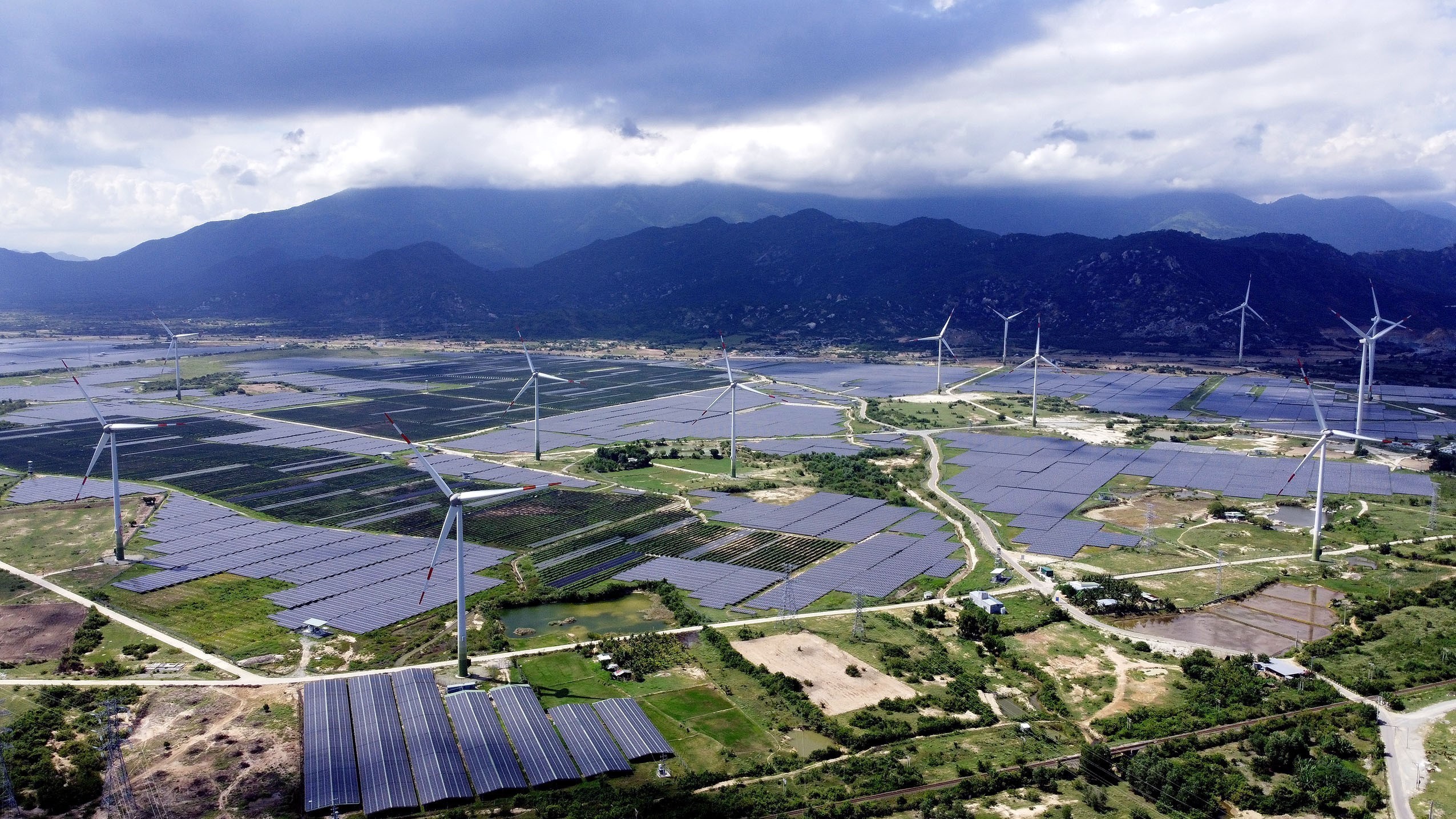
Le complexe du parc éolien solaire dans le district de Thuan Bac, province de Ninh Thuan (Centre). Photo: VNA