OPPORTUNITIES IN PLACE FOR ADVENTURE TOURISM IN VIETNAM

Tourists experience ziplining over a river in the Phong Nha – Ke Bang National Park, the central province of Quang Binh. (Photo: phongnhaadventuretours.com)

Hanoi (VNA) – Adventure tourism is increasingly popular in the world and attractive to those who love trying new exciting experiences. With diverse terrains, Vietnam is a haven for developing this type of tourism, but safety still needs to be given the top priority.

Identified as an important type of travel, adventure tourism had a global market value of about 324.9 billion USD in 2022, and the figure is predicted to hit 2 trillion USD by 2032, Bloomberg cited a forecast of market research firm Allied Market Research.
Travellers experience adventure tourism activities in Vietnam. (Photo: khamphavietnam.vn)

Home to many mountains, hills, caves, rivers, and springs, Vietnam boasts huge potential for adventure tourism, said Nguyen Anh Tuan, Director of the Institute for Tourism Development Research (ITDR) under the Vietnam National Authority of Tourism at the Ministry of Culture, Sports and Tourism.

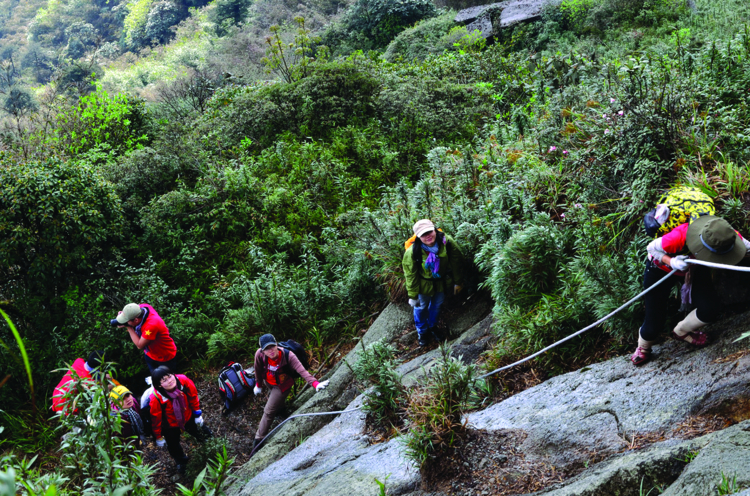
Adventure tourism itself includes several sub-types such as air-based (helicopter tours, paragliding, parachuting), land-based (camping, mountaineering, trekking, rope walking), and water-based ones (kayaking, waterfall exploration, and diving).
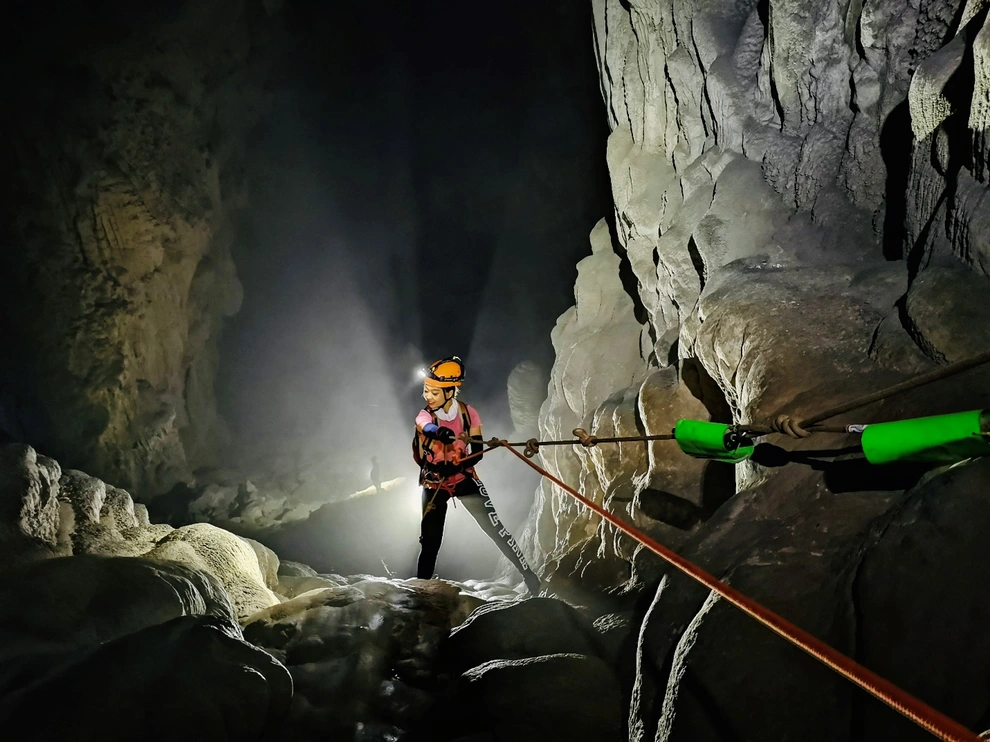
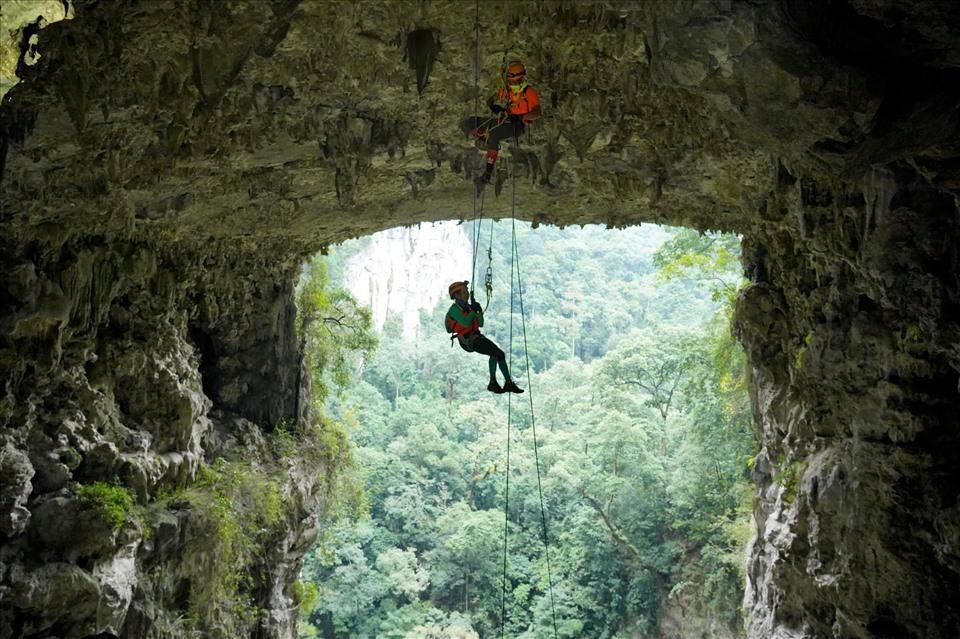
Tourists explore Son Doong Cave in Quang Binh province.
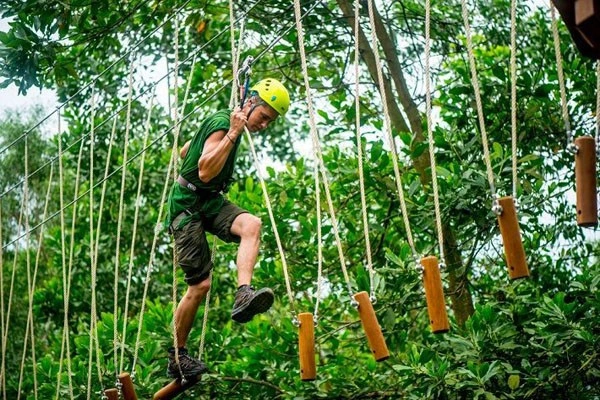
A tourist tries highwire, an outdoor game in which players step on many wooden slabs hung on big trees or concrete poles, in Hue city.
A zipline system over the Chai River – Toi Cave in the Phong Nha – Ke Bang National Park.
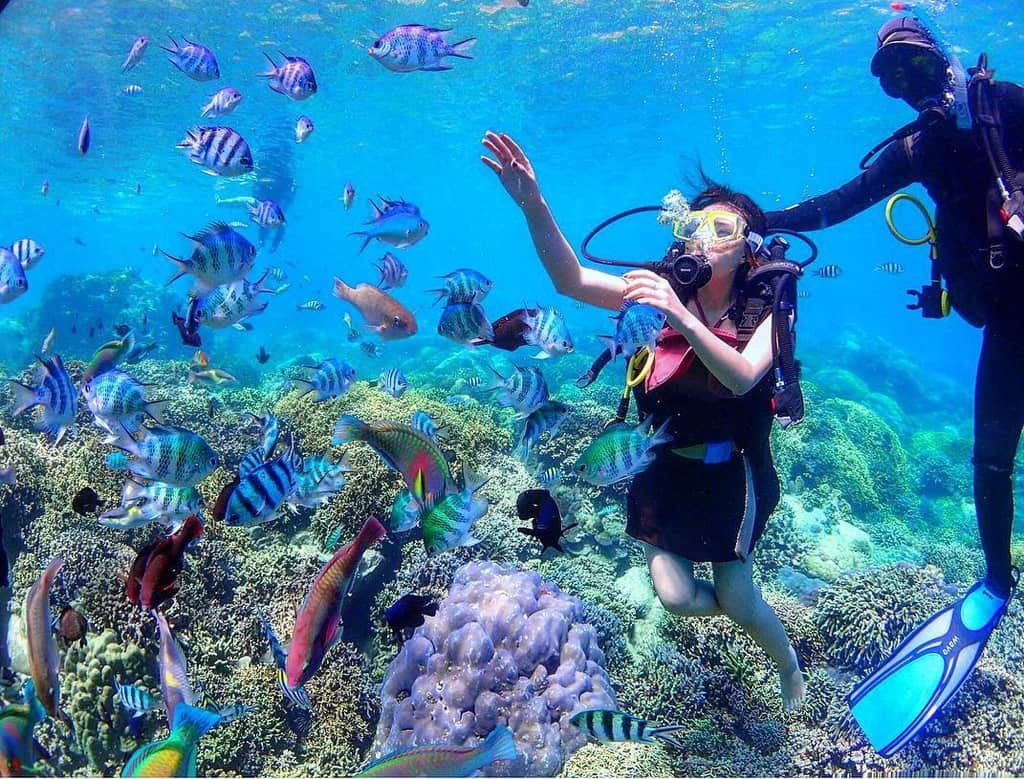
A diving tour off the coast of Hon Mun (Mun Islet) in Nha Trang city, the central province of Khanh Hoa.
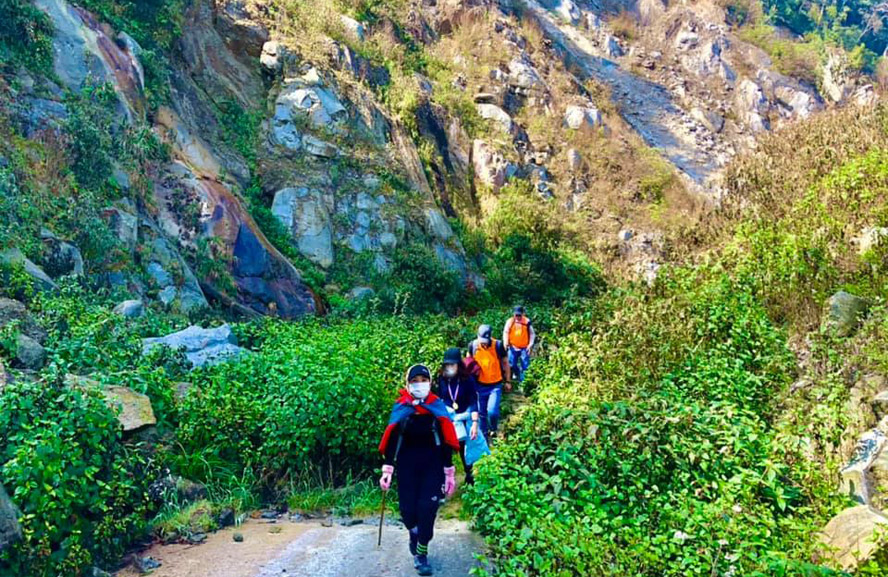
Travellers climb Mount Pu Xai La Leng in central Nghe An province.

Many provinces and cities such as Ha Giang, Bac Kan, Lao Cai, Lai Chau, Quang Ninh, Quang Binh, Nghe An, and Hanoi have built strategies for developing adventure tourism.

In the northeastern and northwestern regions, a number of adventure tours have been launched, including the tours of Mount Fansipan in Lao Cai province, Mount Bach Moc Luong Tu in Lai Chau province, Mount Tay Con Linh in Ha Giang province, Ban Gioc Waterfalls in Cao Bang province, and the Ba Be National Park in Bac Kan province.

In Hanoi, the management board of the Ba Vi National Park has offered a mountaineering tour of this park for many years. Meanwhile, outstanding products of adventure travel in the central region include tours of caves in Quang Binh province and tours of Mount Pu Xai Lai Leng in Nghe An province.

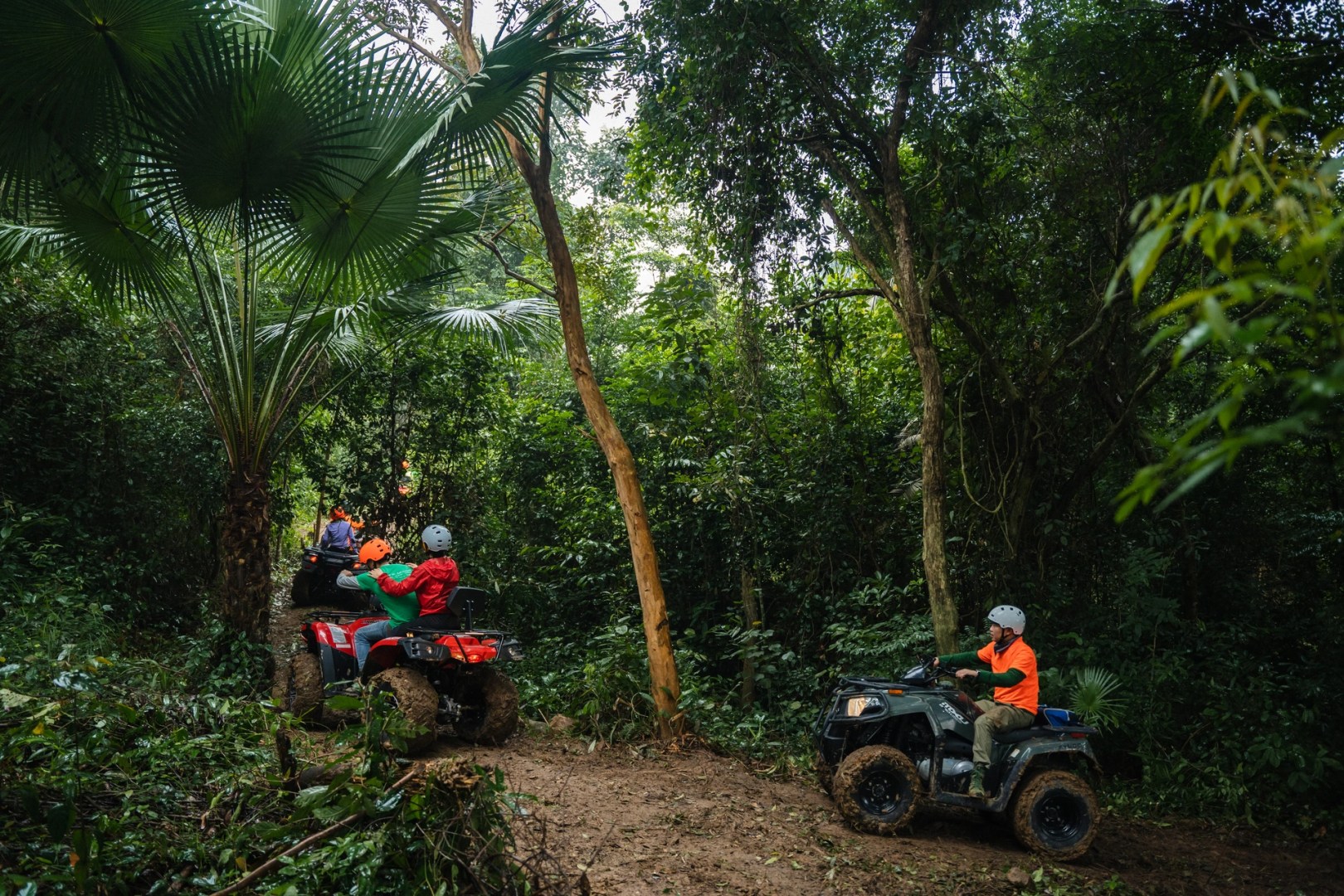
Travellers experience a new adventure tour in Tan Hoa commune of Minh Hoa district, Quang Binh province. (Photo: VNA)

The love to conquer oneself

Most of those who love adventure tourism want to try mountaineering, exploring caves, and paragliding, among others, to merge themselves with nature and gain the feeling of having conquered their fears.

“Trekking has provided challenges and a sense of freedom. I can spend time in nature, have more friends sharing the same interest with me during challenging journeys, and equip myself with many more survival skills in life,” said Duc Hieu, a 24-year-old man who has hiked for five years.

Thu Quynh, 24, overcame slopes, forests, and springs to reach the peaks of Lao Than, Nhiu Co San, and Cu Nhu San in 2021.
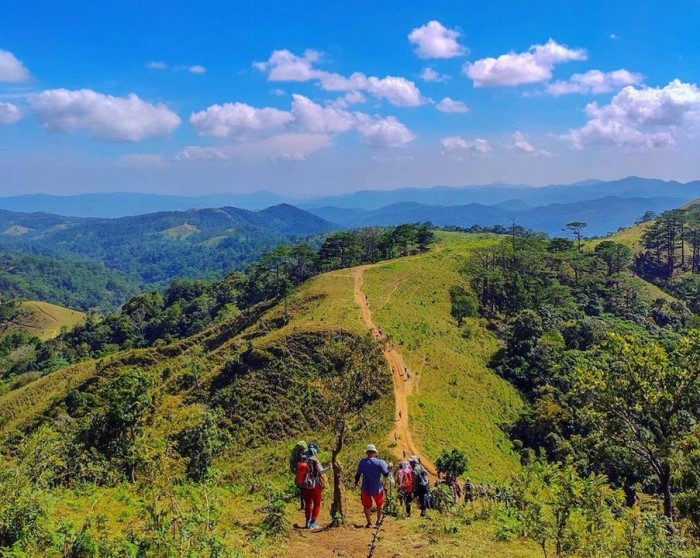
Boasting many challenging stretches and scenic landscapes, the trekking route of Ta Nang – Phan Dung from the Central Highlands province of Lam Dong to the south central province of Binh Thuan has attracted a large number of young travellers. (Photo: http://www.vietrekking.com)

Quynh said she was completely satisfied as climbing mountains was extremely tiring but once reaching the peak, it was rewarding. Standing on the tops of mountains, she felt she could merge with nature, with the fresh air, the bright sun, and a sea of drifting clouds there.

In its Decree 168/ND-CP, dated December 31, 2017, the Government issued regulations on measures for ensuring safety for travelers who use the tourism products posing risks to their lives and health. In 2018, the national standards on adventure tourism were also released.


Flyboarding off the coast of Nha Trang city, Khanh Hoa province
Water skiiing off in Nha Trang city
Downhilling is also a sport attractve to young people. (Photo: VNA)

In particular, the Vietnam tourism development strategy until 2030, approved by the Prime Minister on January 22, 2020, listed adventure sports tourism as one of the key tourism products of the country. Accordingly, some adventure tourism products Vietnam can develop in the time ahead include paragliding, hot air ballooning, parachuting, ziplining, mountain and sand biking and driving, rope walking, mountain and cliff climbing, diving, waterfall kayaking, waterskiing, surfing, and cave and forest exploration.

The ITDR held that to strongly boost adventure tourism, businesses should design products meeting Vietnamese and international safety standards, seriously comply with legal regulations on adventure tourism, improve service quality, and frequently examine safety and hygiene conditions. Meanwhile, local authorities need to conduct the recognition of qualified tourism service suppliers and encourage them to maintain service quality to ensure standardised services and safety conditions for travellers.
A tourist tries non-motorised paragliding over Son Tra Peninsula in central Da Nang city. (Photo: VNA)

Travelers need to adhere to the rules on adventure tourism while tour guides must be provided with training to ensure safety for all visitors. In addition, authorities need to keep close supervision and conduct frequent inspection to ensure that businesses and staff members comply with legal regulations and technical standards of adventure tourism products, according to the ITDR.

The Ministry of Culture, Sports and Tourism requested the provincial-level People’s Committees coordinate with relevant agencies to support sustainable tourism that features professional service, competitive prices, a clean environment, and destinations that are safe, civilized and friendly.

Vu The Binh, Chairman of the Vietnam Tourism Association, said standards on adventure tourism are now in place, but the important thing is how to effectively apply them in reality. To do that, the National Authority of Tourism needs to monitor the development and progress of adventure tourism around the country to keep things safe and in check./.

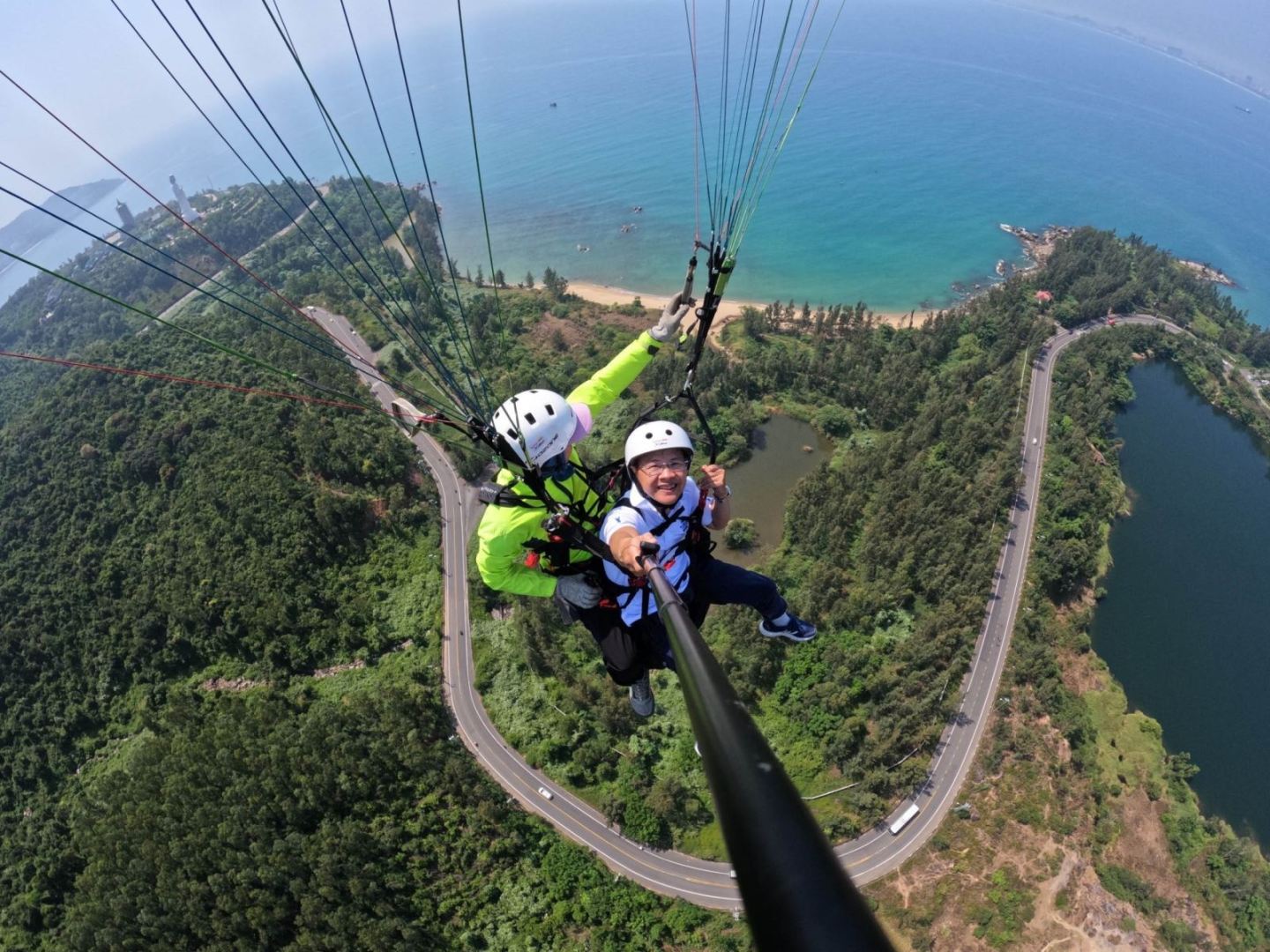
Thanks to paragliding, tourists can enjoy magnificent landscapes of mountains and the sea in Da Nang. (Photo: VNA)

越南探险旅游迎来发展机遇

Zipline – 跨越河流和峡谷的滑索活动。 图自phongnhaadventuretours.com

探险旅游是独特而新鲜的旅游产品,满足了世界上日益流行的趋势,吸引着游客前来探索和体验。越南地形多样,探险旅游的发展优势较多,但安全问题成为重中之重。

在世界上,探险旅游成为了重要旅游类型。美国彭博新闻社援引美国联合市场研究机构(Allied Market Research)的调查结果报道,探险旅游市场全球规模2022年达3249亿美元,预计2023年达2万亿美元。

广平省仙泉(Suối Tiên)。
番西邦峰山路起伏陡峭。
广平省100米高处跳伞。
图自khamphavietnam.vn

越南文化体育与旅游部国家旅游局旅游发展研究所所长阮英俊表示,越南拥有许多山洞和河溪,探险旅游发展潜力巨大。

探险旅游可分为空中探险旅游(乘坐直升机游览、滑翔伞和跳伞等)、陆地探险旅游(野餐之旅、登山和在绳子上保持平衡等)、水下探险旅游(划船、探索瀑布和潜水等)。

广平省韩松洞(hang Sơn Đoòng)
顺化市的 Highwire游戏
风牙-格邦国家公园滑索游戏。
庆和省芽庄潜水活动。
游客攀登乂安省普赛莱棱(Pu xai lai leng)峰。

目前,河江、北件、老街、莱州、广宁、广平、乂安和河内等许多省市都制定了促进探险旅游开发的战略。其中,越南东西北地区已开发许多产品,例如征服老街省番西邦峰、莱州省白木梁子峰、河江省西昆岭山峰、高平省板约瀑布、探索北件省三海国家公园洞穴。 河内巴维国家公园管理委员会多年来已开发登山旅游线路,以探索该国家公园。 在中部地区,广平省洞穴探索之旅和乂安省征服Pu Xai Lai Leng峰之旅是典型探险旅游产品。

游客在广平省明化县新化乡体验新的冒险之旅。图自越通社

热爱探险旅游的人大部分都想尝试登山、探索洞穴和滑翔伞等模式,与大自然融为一体,并带来超越自我的感觉。

热爱徒步旅行(长时间步行)已有5年的德孝先生(24岁)表示,“徒步旅行给我带来了舒适和自由,我可以更多地与大自然交流,在充满挑战的旅程中结识更多与我同行的友人,在生活中练习更多的生存技能。”

秋琼(24岁)于2021年用自己双脚征服了老矧(Lảo Thẩn)山、纽古山(Nhìu Cồ San )和居努山(Cú Nhù San)等三座山,翻坡、穿过森林、涉水溪流,完成了这次旅行。

塔南(Tà Năng)-潘勇(Phan Dũng)徒步路线风景优美,吸引了大量年轻人前来探索。图自www.vietrekking.com

她说,“感觉非常爽,爬山很累,也很费力气,但当爬到山顶的时候,我觉得我所付出的一切都是值得的。站在山顶,我感觉自己沉浸在大自然、清新空气、火红阳光、飘荡云海之中。

目前,探险旅游在越南并没有正式的概念,但2017年《旅游法》提到了存在影响到游客生命和健康风险的旅游产品。越南政府2017年12月31日颁布第168号议定中规定了在存在影响到游客生命和健康风险的旅游产品中必须要确保游客安全的措施。2018年,越南颁布了《探险旅游国家标准——参与者信息》(TCVN 12549:2018)。

在芽庄的水上飞板(Flyboard)活动
在芽庄划独木舟
速降自行车(downhill)是一项深受年轻人关注的运动。图自越通社

特别是,越南政府总理2020年1月22日签发第147号决定中批准了到2030年越南旅游业发展战略,其中探险旅游被确定为越南旅游业的主要旅游产品之一。因此,今后几年,越南可以集中开发部分探险旅游产品,如滑翔伞、热气球、降落伞;空中绳索竞技探险运动;在山区和沙丘上骑自行车、摩托车、越野车,走绳运动,攀岩,穿越瀑布,潜水,在急流上划独木舟,骑摩托艇,滑水,风帆冲浪,探索洞穴、森林、山脉等。

据越南国家旅游局旅游发展研究院的消息,为了推动探险旅游强劲增长,企业需要打造确保越南和国际安全标准的探险旅游产品;严格遵守有关探险旅游经营的法律规定,提高服务质量,定期检查质量、安全状况、卫生条件等,确保达标。各地方按照2017年《旅游法》的规定考虑公认当地达标的旅游服务经营场所,为游客提供服务,同时制定鼓励服务经营场所保持经营服务条件和标准的机制,制定服务质量标准和游客安全标准。

游客在岘港市山茶半岛体验机动滑翔伞。图自越通社

因此,必须建议和指导游客充分遵守越南探险旅游的规定,以确保游客安全。导游人员必须经过培训,全面遵守技术规程,对游客进行引导和服务。 各职能单位定期检查、督促、提醒、呼吁企业和从业人员提高遵守法律法规和技术专业标准和要求的责任意识,确保开发探险旅游产品中绝对安全。

越南文化体育旅游部建议各省市人民委员会指导旅游厅、文化体育旅游厅同有关机关配合采取相关措施,加快旅游复苏,推动旅游业朝着“特色产品-专业服务-手续方便简单-有竞争力的价格-干净优美的卫生环境-安全文明友好的目的地”方向实现可持续发展。越南旅游协会主席武世平表示,探险旅游标准已颁布,重要的是这些规定在实践中的有效实施和运用,而为了做到这一点,需要国家旅游局和各地方发挥更大的作用。(完)

参加滑翔伞活动,游客能够从高空俯瞰岘港的山海美景。图自越通社

VIETNAM Y SU OPORTUNIDAD DE DESARROLLAR EL TURISMO DE AVENTURA

Zipline – tirolesa sobre ríos y barrancos. (Foto: phongnhaadventuretours.com)

El turismo de aventura es una línea de productos “únicos y extraños”, que responde a una tendencia cada vez más popular en el mundo y atrae a turistas para explorar y experimentar. Con un terreno diverso, Vietnam tiene muchas ventajas para desarrollar este tipo de turismo.

En el mundo, el turismo de aventura se identifica como un tipo importante de la llamada industria del ocio. Se estima que la escala global de este mercado alcanzó aproximadamente 324,9 mil millones de dólares en 2022 y se espera que ascienda a dos billones de dólares para 2032, según la agencia noticiosa estadounidense Bloomberg citando a la firma de estudios de mercado Allied Market Research.

Manantial Suoi Tien, en la provincia de Quang Binh.
Escalada en la montaña Fansipan.
Descenso de montaña desde una altura de 100 metros en el sumidero de Kong, en Quang Binh. (Foto: khamphavietnam.vn)

En Vietnam, un país que se destaca por abundantes montañas, cuevas, ríos y arroyos, el potencial para desarrollar el turismo de aventura es enorme, evaluó Nguyen Anh Tuan, director del Instituto de Investigación para el Desarrollo Turístico, dependiente de la Autoridad Nacional de Turismo, del Ministerio de Cultura, Deportes y Turismo.

Se puede clasificar en grupos como: turismo de aventura aéreo (viajes en helicóptero, parapente y paracaídas); turismo de aventura terrestre (viajes de picnic, montañismo, caminatas y equilibrio sobre cuerda); turismo de aventura submarina (canotaje, exploración de cascadas y buceo).

Exploración de la cueva de Son Doong (Quang Binh).
Highwire en la ciudad de Hue es un juego al aire libre que consiste en muchos paneles de madera sujetos a cables atados a grandes árboles o postes de concreto.
Tirolesa sobre el río Chai – Cueva Toi, en el Parque Nacional Phong Nha – Ke Bang.
Buceo en Hon Mun, en la ciudad de Nha Trang (Khanh Hoa).
Los turistas suben a la cima de Pu sai lai leng, en la provincia de Nghe An.

Actualmente, muchas provincias y ciudades como Ha Giang, Bac Kan, Lao Cai, Lai Chau, Quang Ninh, Quang Binh, Nghe An y Hanoi adoptaron estrategias para la explotación de los viajes de aventura. Por ejemplo, la región este-noroeste ofrece muchos productos como: Conquista de los picos Fansipan (Lao Cai), Bach Moc Luong Tu (Lai Chau) y Tay Con Linh (Ha Giang), cascada Ban Gioc (Cao Bang), y las cuevas en el Parque Nacional Ba Be (Bac Kan). En Hanoi, la junta de gestión del Parque Nacional Ba Vi lanzó recorridos de escalada hace muchos años. En el centro, resalta la exploración de cuevas en Quang Binh o Nghe An, así como la montaña Pu xai lai leng.

Turistas experimentan el nuevo tour de aventuras en la comuna de Tan Hoa, distrito de Minh Hoa, Quang Binh. (Foto: VNA)

La pasión por superarse a uno mismo

Los amantes de los viajes de aventura suelen probar sus límites con la escalada, exploración de cuevas y viajes en parapente para mezclarse con la naturaleza y disfrutar de la sensación de superarse a de sí mismos.

“El trekking me brinda comodidad y libertad. Puedo comunicarme más con la naturaleza, establecer más amistades con el mismo gusto en el desafiante viaje y entrenar más habilidades de supervivencia en la vida”, dijo Duc Hieu, de 24 años, quien practica trekking (caminatas de larga duración) desde hace cinco años.

Por otro lado, Thu Quynh, de 24 años, conquistó tres montañas: Lao Than, Nhiu Co San y Cu Nhu San, con sus propios pies, en 2021.

La ruta de senderismo Ta Nang – Phan Dung, con muchos niveles de dificultad y paisajes hermosos, atrae a un gran número de jóvenes exploradores. (Foto: http://www.vietrekking.com)

“Se siente genial, escalar montañas es sumamente agotador, requiere mucha fuerza, pero al subir a la cima siento que todos mis esfuerzos valieron la pena. Al parar en la cima de las montañas, siento que estoy inmersa  en la naturaleza, el aire fresco, los rayos del sol, el mar de nubes flotando y ondulando”, comentó.

Hasta la fecha, el turismo de aventura no tiene un concepto oficial en Vietnam, pero la Ley de Turismo de 2017 menciona los productos turísticos y aquellos con riesgos de afectar la vida y la salud de los excursionistas. El Gobierno también estipuló medidas para garantizar la seguridad de los turistas respecto a esos productos en el Decreto No. 168/ND-CP del 31 de diciembre de 2017. En 2018, se emitió el Estándar Nacional de Turismo de Aventura – Información para los Participantes (TCVN 12549:2018).

Flyboard en la ciudad de Nha Trang, provincia de Khanh Hoa
Piragüismo en Nha Trang
El descenso, también conocido como ciclismo de descenso, es un deporte que llama la atención de los jóvenes. (Foto: VNA)

En particular, la Estrategia de Desarrollo Turístico de Vietnam hasta 2030, aprobada por el Primer Ministro en la Decisión No. 147/QD-TTg del 22 de enero de 2020, trazó orientaciones para uno de los productos claves de la industria sin humo: Turismo de deportes de aventura. En consecuencia, algunas experiencias concernientes que Vietnam puede centrarse en desarrollar en los próximos años incluyen paseos en parapente, globo aerostático; paracaidismo; columpio de cuerda a alta altitud; viajes en bicicleta, motocicleta, vehículos todoterreno en montañas y dunas de arena; equilibrio sobre cuerda, entre otras.

Según el Instituto de Investigación para el Desarrollo Turístico, en busca de desarrollarse con fuerza, las empresas necesitan crear productos que cumplan con los estándares de seguridad nacionales e internacionales; seguir estrictamente las regulaciones legales sobre negocios de turismo de aventura y mejorar la calidad del servicio, verificar periódicamente la calidad, las condiciones de seguridad y la limpieza.

Las localidades necesitan aplicar ampliamente el reconocimiento de los establecimientos de servicios turísticos estándar y, al mismo tiempo, trazar mecanismos para incentivarlos a mantener las condiciones y estándares comerciales de acuerdo con las disposiciones de la Ley de Turismo de 2017.

Los turistas experimentan el parapente en la península de Son Tra, ciudad de Da Nang. (Foto VNA)

Es preciso asesorar y guiar a los turistas para que cumplan plenamente con las normas sobre turismo de aventura en Vietnam. Los guías turísticos deben estar capacitados, implementar plenamente los procedimientos técnicos, guiar y atender a los turistas. Las unidades funcionales inspeccionan, orientan, recuerdan y movilizan periódicamente a las empresas y trabajadores para que aumenten su responsabilidad en el cumplimiento de las normas legales, así como de los criterios técnicos y profesionales, con sujeción a garantizar la absoluta seguridad en la operación de productos de turismo de aventura.

El Ministerio de Cultura, Deportes y Turismo también solicitó a los comités populares de las provincias y ciudades que ordenen a las autoridades pertinentes coordinarse para materializar soluciones encaminadas a acelerar la recuperación y el desarrollo turístico de manera efectiva y sostenible, según el principio de “Productos especiales – Servicios profesionales – Procedimientos favorables y sencillos – Precios competitivos – Entorno higiénico limpio – Destinos seguros, cultos y amigables”.

Al decir de Vu The Binh, presidente de la Asociación de Turismo de Vietnam, ya existen regulaciones sobre los estándares del turismo de aventura. Lo importante es la cuestión del control y la aplicación efectiva de ellas en la práctica y, por tal motivo, necesitamos un mayor desempeño de la Autoridad Nacional de Turismo y las localidades./.

Con la experiencia del parapente, los turistas podrán apreciar el maravilloso paisaje de las montañas y playas de Da Nang desde arriba. (Foto: VNA)

RÉVEILLER LE POTENTIEL DU TOURISME D’AVENTURE AU VIETNAM

La tyrolienne Zip-Line” pour survoler des rivières et montagnes. Photo : phongnhaadventuretours.com

Le tourisme d’aventure est une tendance croissante, devenant de plus en plus populaire dans le monde et attirant de nombreux touristes à explorer. Avec un relief diversifié, le Vietnam dispose d’un grand potentiel pour développer le tourisme d’aventure.

Selon un rapport du cabinet d’études de marché Allied Market Research, l’industrie mondiale du tourisme d’aventure pèsera 366,7 milliards de dollars d’ici 2022 et devrait atteindre 4,6 milliards de dollars d’ici 2032.

Des touristes découvrent des sites touristiques à Quang Binh. Photo : khamphavietnam.vn

Le directeur de l’Institut de recherche sur le développement du tourisme, Nguyen Anh Tuan a déclaré que le Vietnam, bénéficiant de nombreuses collines, grottes, rivières et ruisseaux, dispose d’un grand potentiel pour développer le tourisme d’aventure.

Le tourisme d’aventure peut être divisé en groupes tels que : le tourisme d’aventure aérien (vol en hélicoptère, parapente, parachutisme…) ; le tourisme d’aventure terrestre (pique-nique, escalade, trekking, slackline…) ; tourisme d’aventure nautique (nautisme, rafting, plongée…).

Des touristes explorent la grotte de Son Doong à Quang Binh, jouent à Highwire dans la ville de Hue, font de la tyrolienne “Zip-Line” dans le parc national de Phong Nha – Ke Bang, font de la plongée sous-marine à Hon Mun (province de Nha Trang) et montent au sommet du mont Pu Sai Lai Leng (province de Nghe An).

Ces dernières années, de nombreuses villes et provinces telles que Ha Giang, Bac Kan, Lao Cai, Lai Chau, Quang Ninh, Quang Binh, Nghe An et Hanoï, ont mis en place des stratégies pour promouvoir le tourisme d’aventure, a indiqué Nguyen Anh Tuan

Notamment, les régions du Nord-Est et du Nord-Ouest proposent de nombreux produits touristiques, tels que : la conquête des sommets du Fansipan (province de Lao Cai), de Bach Moc Luong Tu (province de Lai Chau), de Tay Con Linh (province de Ha Giang), visite de la cascade de Ban Gioc (province de Cao Bang), des grottes du parc national de Ba Be (province de Bac Kan). Au Centre, le tourisme d’aventure se distingue surtout par l’exploration des grottes de la province de Quang Binh et la conquête du sommet de Pu xai lai leng (province de Nghe An). À Hanoï, le Comité de gestion du parc national de Ba Vi organise également des circuits de trekking et d’escalade.

Les touristes explorent le nouveau circuit d’aventure intitulé “Exploration de la forêt de Lim – Maison de Kong” dans la commune de Tan Hoa (district de Minh Hoa, Quang Binh). Photo: VNA

Pour ceux qui aiment le tourisme d’aventure, ils ont presque essayé d’escalader des montagnes, d’explorer des grottes, de faire du parapente… pour se mêler à la nature, conquérir de nouvelles routes et de nouveaux défis pendant leur voyage.

Duc Hieu, 24 ans, pratique le trekking depuis 2018. “Le trekking m’a apporté confort et liberté. Je peux communiquer davantage avec la nature, avoir plus d’amis partageant la même passion et pratiquer de nombreuses techniques de survie.”

Pour Thu Quynh, 24 ans, elle a conquis trois montagnes de Lao Than, Nhiu Co San, Cu Nhu San en 2021.

L’itinéraire de randonnée Ta Nang – Phan Dung attire de nombreux jeunes à explorer. Photo http://www.vietrekking.com

“Ça fait tellement de bien” a dit-elle. “L’ascension de la montagne est extrêmement fatigante et demande beaucoup d’efforts. Mais lorsque vous atteignez le sommet, vous avez l’impression que tout ce que vous avez dépensé en valait la peine. Debout au sommet de la montagne, vous avez l’impression d’être immergé dans la nature, l’air frais, le soleil rouge, la mer de nuages flotte”.

Au Vietnam, le tourisme d’aventure n’a pas de concept officiel, mais la Loi sur le tourisme de 2017 mentionne les produits touristiques qui présentent des risques pour la vie et la santé des touristes. Le gouvernement a également stipulé des mesures visant à garantir la sécurité des touristes dans le décret N° 168/ND-CP du 31 décembre 2017.

Des sports attirent l’attention des jeunes. Photo: VNA

En 2018, la Norme nationale sur le tourisme d’aventure – Informations pour les participants (TCVN 12549:2018) a également été publiée. La stratégie de développement du tourisme vietnamien à l’horizon 2030, approuvée par le Premier ministre dans la décision N° 147/QD-TTg du 22 janvier 2020, a identifié le tourisme d’aventure comme l’un des produits clés du tourisme vietnamien. En conséquence, certains produits de tourisme d’aventure qui peuvent être promus, comprennent le parapente, la montgolfière, le parachute, le saut pendulaire, le vélo tout terrain, le moto tout terrain, le véhicule tout terrain, la slackline, l’escalade, la tyrolienne de la cascade, la plongée sous-marine, le rafting en eaux vives, le jet ski, le planche à voile, le parachute ascensionnel, le trekking.

De nombreuses localités ont développé des produits de tourisme d’aventure uniques et attrayants, devenant initialement des marques touristiques locales. Mais les experts ont recommandé qu’avant de développer des produits de tourisme d’aventure, il soit nécessaire d’évaluer l’impact sur l’industrie touristique afin de choisir des produits prioritaires en fonction du potentiel et des avantages de chaque localité.

Selon l’Institut de recherche sur le développement du tourisme, relevant de l’Administration nationale du tourisme du Vietnam, pour promouvoir le tourisme d’aventure, les voyagistes doivent développer des produits attrayants tout en garantissant les normes de sécurité vietnamiennes et internationales, se conformer strictement aux réglementations légales sur les activités de tourisme d’aventure et améliorer la qualité des service, vérifier régulièrement la qualité, les conditions de sécurité et sanitaires.

Les localités doivent appliquer largement la reconnaissance des établissements touristiques standards. Dans le même temps, il faut avoir un mécanisme visant à encourager les entreprises touristiques à appliquer des normes de services touristiques, à préparer des documents attestant du respect des normes de services touristiques, conformément aux dispositions de la loi sur le tourisme de 2017 afin d’améliorer la qualité des services et les conditions de sécurité.

Les touristes peuvent découvrir le parapente motorisé sur la péninsule de Son Tra (Da Nang). Photo: VNA

Les localités doivent également établir des instructions et des procédures spécifiques pour les participants au tourisme d’aventure, basées sur les normes vietnamiennes en matière de tourisme d’aventure qui ont été publiées en 2018. En conséquence, les touristes doivent être conseillés et invités à se conformer pleinement aux réglementations avant, pendant et après avoir participé à des activités de tourisme d’aventure pour assurer la sécurité.

Les guides touristiques doivent être formés, mettre pleinement en œuvre les procédures techniques, guider et servir les touristes. Les unités fonctionnelles doivent sensibiliser et contrôler régulièrement les voyagistes et guides touristiques pour améliorer leur responsabilité en matière de respect des réglementations légales et assurer une sécurité absolue dans l’exploitation des produits de tourisme d’aventure.

Le ministère de la Culture, des Sports et du Tourisme a demandé aux Comités populaires des villes et provinces de charger les services du Tourisme et les services de la Culture, des Sports et du Tourisme de présider et de se coordonner avec les agences compétentes pour mettre en œuvre efficacement la résolution N° 82/NQ-CP sur les principales, tâches et solutions pour accélérer la reprise et le développement durable du tourisme.

Selon Vu The Binh, président de l’Association vietnamienne du tourisme, il est important de contrôler et d’appliquer efficacement des réglementations et les normes du tourisme d’aventure ainsi que de promouvoir le rôle de l’Administration nationale du tourisme et des localités en la matière./.

Avec le parapente, les joueurs ont la chance d’admirer les magnifiques paysages des montagnes et de la mer de Da Nang. Photo : VNA

ПЕРЕД ВЬЕТНАМОМ ОТКРЫВАЮТСЯ ШИРОКИЕ ВОЗМОЖНОСТИ ДЛЯ РАЗВИТИЯ ПРИКЛЮЧЕНЧЕСКОГО ТУРИЗМА

Туристы катаются на зиплайне. Фото phongnhaadventuretours.com

Приключенческий туризм – это «уникальный и особый» вид туристических продуктов, который соответствует тенденции, становящейся все более популярной во всем мире и привлекающей туристов, стремящихся к открытиям и впечатлениям. Благодаря своему разнообразному рельефу Вьетнам имеет много преимуществ для развития этого вида туризма, однако вопросы безопасности должны быть в приоритете.

Во всем мире приключенческий туризм признан одним из важных видов путешествий, а глобальный масштаб этого рынка в 2022 году оценивается примерно в 324,9 млрд долл. США и, как ожидается, к 2032 году он достигнет 2 трлн долл. США, сообщает информационное агентство Bloomberg со ссылкой на исследовательскую компанию Allied Market Research.

Водный ручей в Шуойтьен, Куангбинь. Крутая горная дорога при восхождении на гору Фаньксипан. Спуск на веревке с высоты 100 метров в пещеру Конг, Куангбинь. Фото khamphavietnam.vn

По словам Нгуен Ань Туана, директора Института исследований развития туризма при Национальной администрации туризма Министерства культуры, спорта и туризма, во Вьетнаме имеется большое количество холмов, пещер, рек и ручьев, поэтому потенциал для развития приключенческого туризма очень велик.

Приключенческий туризм можно разделить на такие группы, как: воздушный (полеты на вертолете, полеты на параплане, прыжки с парашютом …); наземные (выезды на пикники, альпинизм, пешие походы, балансирование на канате …); водные приключенческие путешествия (катание на лодках, посещение водопадов, дайвинг …).

Открой для себя пещеру Шондонг (Куангбинь)
Highwire в Хюэ — это игра на открытом воздухе, состоящая из множества деревянных панелей, закрепленных на тросах, привязанных к большим деревьям или бетонным столбам.
Зиплайн по маршруту «Река Чай – Темная пещера» расположен в национальном парке Фонгня – Кебанг.
Дайвинг-тур в Хонмун, Нячанг
Туристы совершают восхождение на вершину Пушайлайленг. (провинция Нгеан).

В настоящее время во многих провинциях и городах, таких как: Хажанг, Баккан, Лаокай, Лайчау, Куангнинь, Куангбинь, Нгеан и Ханой, разработали стратегии по продвижению эксплуатации приключенческих туров. Например, в Восточно-Северо-Западном регионе существует целый ряд продуктов, которые эксплуатируются таким образом: восхождение на вершину горы Фансипан (Лаокай), посещение Бать Мок Лыонг Ты (Лайчау) или Тай Кон Линь (Хажанг), водопада Банжок (Каобанг) и пещер в национальном парке Бабе (провинция Баккан). А правление Национального парка Бави уже много лет проводит альпинистский тур по национальному парку. В Центральном регионе в приключенческий туризм входит посещение пещер в Куангбине или Нгеане, а также покорение вершины Пушайлайленг.

Посетителей ждет новый приключенческий тур «Открой для себя лес Лим – Дом Конга» в общине Танхоа (уезд Миньхоа, провинция Куанг Бинь). (Фото: ВИА)

Люди, которым нравится преодолевает себя

Любители приключений, в основном, путешествуют, чтобы попробовать свои силы через разные виды туризма, особенно такие, как альпинизм, спелеология, полеты на параплане, чтобы испытать чувство единения с природой и преодоления себя.

«Треккинг даёт мне покой и свободу. Я могу больше общаться с природой, находить новых друзей с общими интересами, а в сложных путешествиях, отработать больше навыков выживания», – сказал 24-летний Дык Хиеу, который занимается треккингом уже 5 лет.

24-летняя Тху Куюнь самостоятельно покорила три вершины: Лаотхан, Ньиу Ко Шан и Ку Ньу Шан в 2021 году. Чтобы преодолеть это путешествие она взбиралась по склонам, пробиралась через леса и переходила ручьи вброд…

Треккинговый маршрут Тананг – Фанзунг с рядом уровней сложности и множеством красивых пейзажей привлекает большое количество молодых людей. Фото www.vietrekking.com

«Чувствую себя прекрасно, пока я взбиралась на гору, потратила много сил, но, достигнув вершины, поняла, что это того стоило. Стоя на вершине горы, погружаюсь в природу, свежий воздух, а вокруг меня море из облаков и вдали виднеется красное солнце».

На сегодняшний день приключенческий туризм не имеет официальной концепции во Вьетнаме, но в Законе о туризме 2017 года упоминается, что туристические продукты могут повлиять на жизнь и здоровье туристов. В Постановлении № 168/ND-CP от 31 декабря 2017 года Правительство также предусмотрело меры по обеспечению безопасности для туристов туристических продуктов, представляющих риск для жизни и здоровья. В 2018 году также был издан национальный стандарт приключенческого туризма в виде информации для участников.

Флайборд в Нячанге
Гребля на каноэ
Даунхилл, также известный как скоростной спуск на велосипеде, — это вид спорта, который привлекает внимание молодежи. фото ВИА

Особенно, Стратегия развития туризма Вьетнама до 2030 года, утвержденная премьер-министром Решением № 147/QD-TTg от 22 января 2020 года, в которой определили, что основным туристическим продуктом вьетнамского туризма является приключенческий спортивный туризм. Соответственно, некоторые продукты приключенческого туризма во Вьетнаме могут быть нацелены на развитие в ближайшие годы, особенно такие, как полеты на парапланах, воздушных шарах; прыжки с парашютом; прогулки на велосипедах, мотоциклах, внедорожниках по горам и песчаным дюнам; балансирование на канате; восхождение на горы и скалы; гребля на каноэ с тремя парашютами; спелеология и т.д.

По данным Института исследований развития туризма при Национальной администрации туризма Вьетнама, для обеспечения стабильного роста предприятиям необходимо создавать продукты приключенческого туризма, соответствующие вьетнамским и международным стандартам безопасности; строго соблюдать закон о приключенческом туристическом бизнесе и улучшать качество услуг, регулярно проверять качество, условия безопасности. Населенные пункты широко применяют признание стандартных учреждений туристических услуг, обслуживающих туристов на своей территории, а также имеют механизмы поощрения учреждений обслуживания к поддержанию условий ведения бизнеса, стандартов обслуживания туристов, подготовке документов о признании в соответствии со стандартами туристического обслуживания и положениями Закона о туризме 2017 года по стандартизации качества обслуживания и условий безопасности для туристов.

Путешественники совершают безмоторные полеты на параплане на полуострове Шонча (Дананг). (Фото: ВИА)

Соответственно, туристы должны быть проинформированы , руководствоваться в полном соответствии с правилами до, во время и после участия в мероприятиях приключенческого туризма для обеспечения безопасности. Гиды должны быть обучены, полностью выполнять технические процедуры, направлять, обслуживать туристов. Функциональным подразделениям необходимо регулярно инспектировать, убеждать, напоминать, лоббировать предприятия, сотрудников с целью повышения чувства ответственности в соответствии с правовыми нормами, а также стандартами, техническими требованиями и опытом для обеспечения абсолютной безопасности при эксплуатации приключенческих туристических продуктов.

Министерство культуры, спорта и туризма также обратилось к Народному комитету провинций и городов с просьбой дать указание Департаменту туризма, Департаменту культуры, спорта и туризма координировать свои действия с соответствующими ведомствами для эффективной реализации решений по ускорению восстановления и устойчивого развития туризма в направлении «особые продукты – профессиональные услуги – удобные, простые процедуры – конкурентоспособные цены – чистая и красивая окружающая среда – безопасное, цивилизованное место назначения».

По словам Ву Тхе Биня, председателя Ассоциации туризма Вьетнама, положения о стандартах приключенческого туризма уже существуют, важным является вопрос обеспечения контроля и эффективного применения таких положений на практике, а для этого необходима более активная роль Национальной и местной администрации туризма./.

Благодаря приключенческому полету на параплане игроки смогут увидеть чудесные виды на горы и море Дананга с высоты. Фото: ВИА

越南木材和木制家具出口潜力巨大

2023年第二季度末,越南木制家具出口订单量开始回升。图自越通社

2023年第二季度末,越南木制家具出口订单量开始回升。越南主要市场——美国开始进口木制品。澳大利亚、韩国、印度等市场也在稳定发展,增加对木制家具的进口

农业与农村发展部林业局表示,2023年前6月,越南林产品出口额达64.2亿美元,较2022年同期下降近29%。然而,木材业仍对今年底在企业开始拥有新订单后出口额可突破140亿美元的大关持可乐观态度。

2023年前6月,越南林产品出口额达64.2亿美元,较2022年同期下降近29%。图自越通社

2023年前几个月,木材和木制家加工行业不景气,订单短缺致使各家生产厂需下调产量,裁员,甚至退还场地、厂房等等。

据胡志明市木材加工与手工艺品协会(HAWA)对各家企业进行初步调查的结果显示,2023年前6月,行内各家企业订单数量平均下降30%。然而,7月份,行内各家企业订单数量开始回升,服务世界市场年底家具采购季。

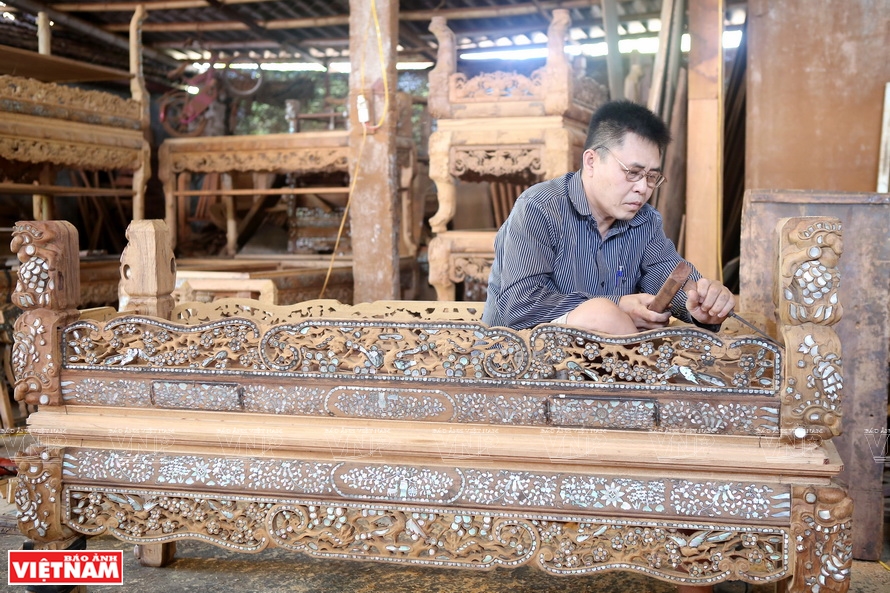
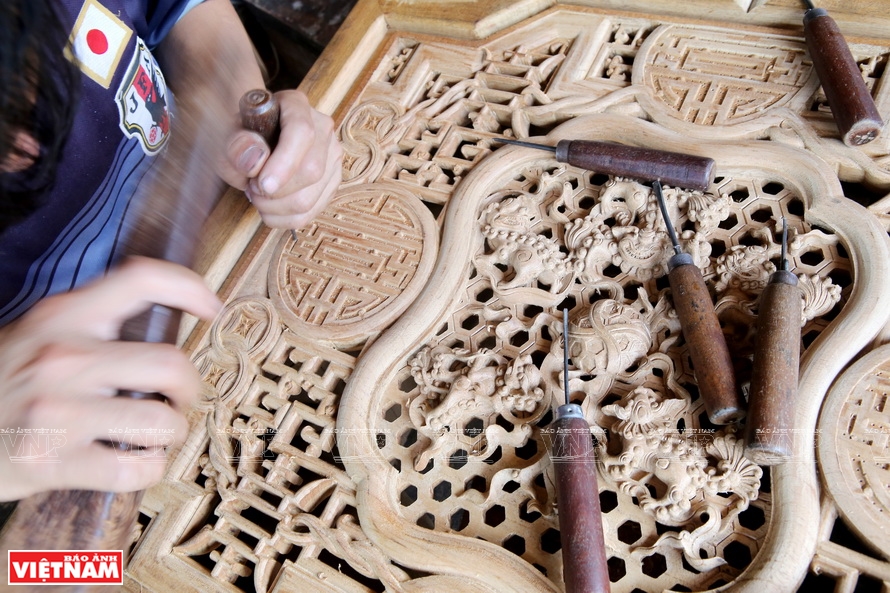
越南传统工艺艺人以其才华和创造力凿刻出精美的图案。图自《越南画报》

范富玉斋表示,木材产业订单量短缺这一困难只是暂时的,未来5年和10年内,越南木制家具发展空间广阔。与全球平均GDP增长3%的水平和全球家具增长4.5%相比,越南木材加工业年均增长15.4%的水平证明该行业的地位和巨大潜力。

瑞士进出口促进规划署(SIPPO)驻越南代表陈如庄介绍了美国、欧洲、日本等越南木材各大出口市场复苏情况。可喜的是,不仅产量增长出现积极信号,而且这些市场还出现许多新趋势和新要求。

越南木材出口市场业正迎来向中东一些国家供应产品的机会。这是越南家具行业重要转折点,为该行业完成出口目标创造机会。

据工贸部进出口局,越南木制家具五大出口市场为欧盟、美国、英国、加拿大和日本,其中欧盟和英国从越南进口比重仍处于较低水平。而这些市场进口需求仍较大。

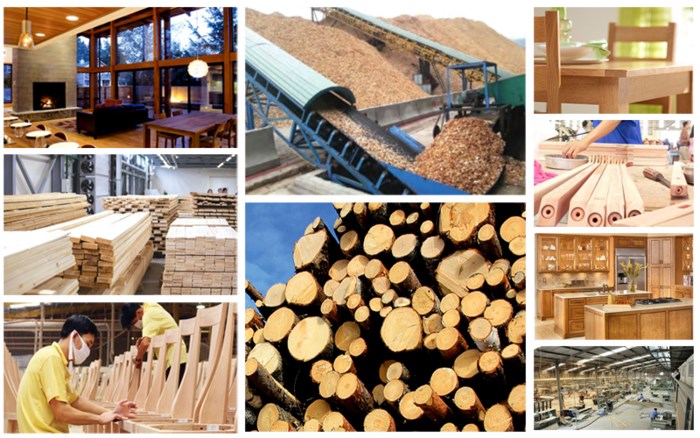
越南的木材工业必须注重使用可持续的原材料和生产工艺,有助于减少环境中的碳排放。 图自 baochinhphu.vn

然而,这些市场对减少碳排放承诺的需求较高。其要求越南木材产业需集中原料来源和可持续生产过程,有助于减少碳排放量。

为了满足可持续目标和市场日益严格的要求,越南木材产业需确定新的战略:

第一,需提高产品质量和附加值,从而提升竞争力和吸引标准严格市场的关注。

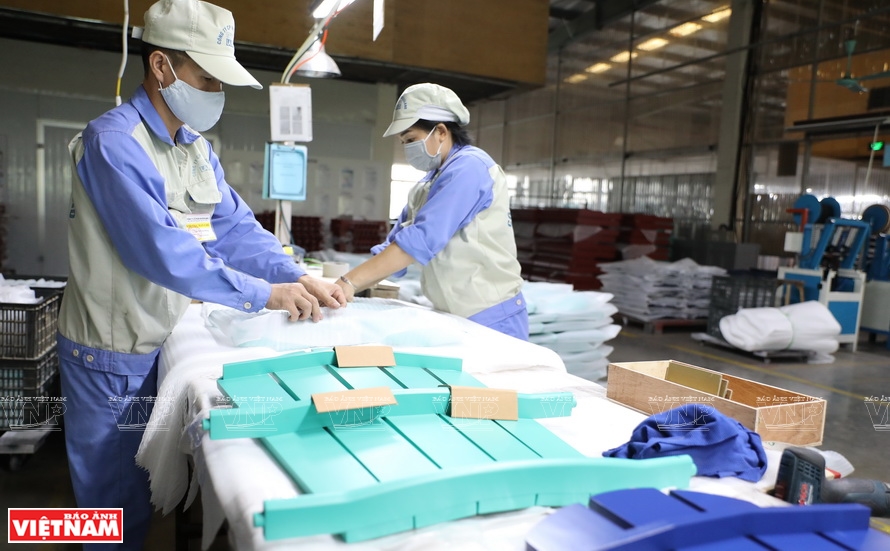
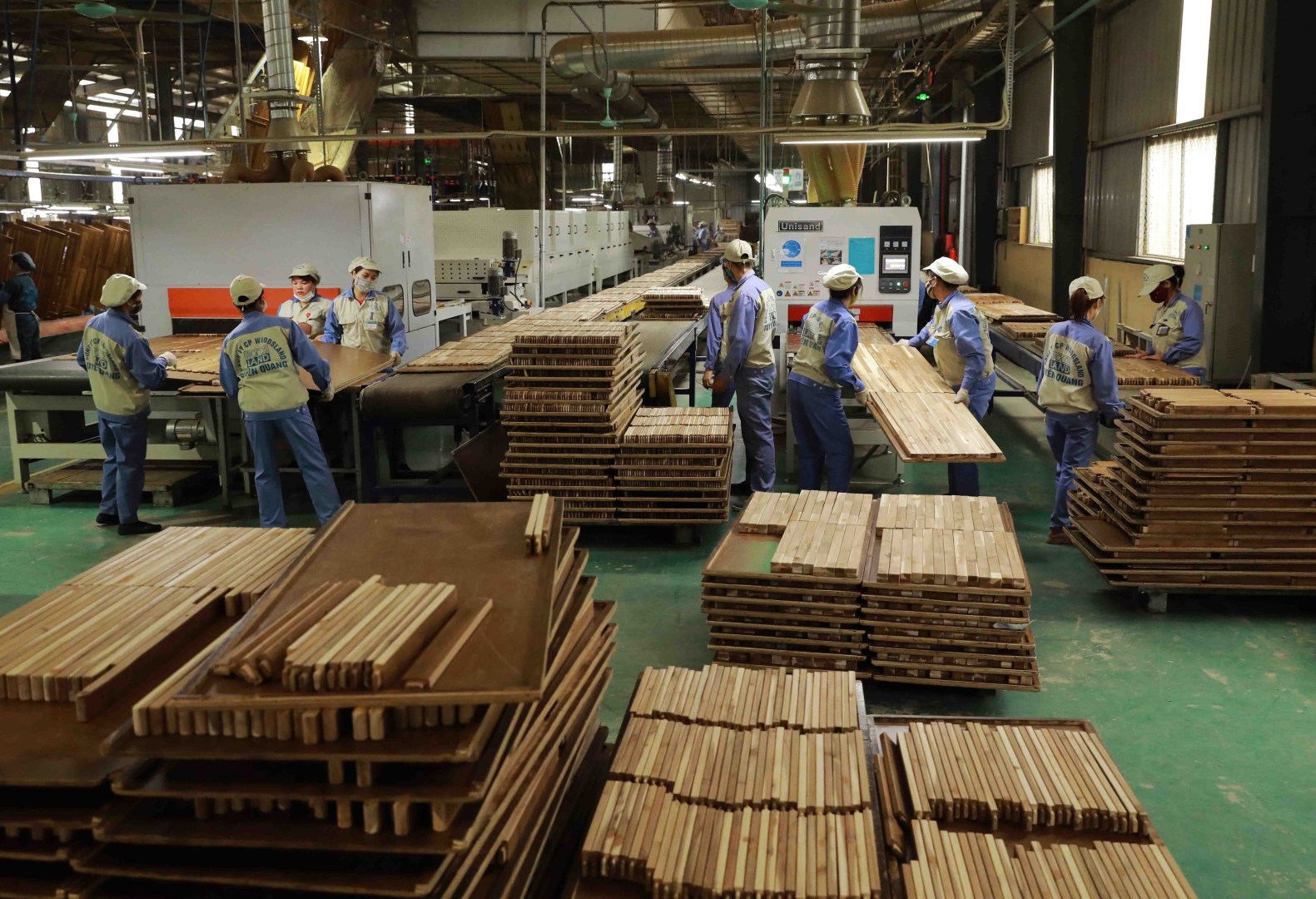
Woodsland 宣光公司的室内外木制家具产品出口到美国、加拿大、欧洲、俄罗斯和日本等市场。 图自越通社

第二,需投入研发,提出具有创造性和独特设计的产品,适应消费者丰富多样的审美偏好。

提高产品的质量和附加值,以提高竞争力并吸引要求苛刻的市场的眼球。 图自越通社

私营经济发展研究委员会(第四委)办公室主任范氏玉水表示,市场上有关欧洲木材和木制品法规(European Union Timber Regulation)认证的新挑战或净零排放的目标将帮助越南木材加工和林产业朝着更积极方向发展。从而,为该产业走得更远,吸引更多外商企业的投资创造条件。

据胡志明市木材加工与手工艺品协会秘书长阮正方表示,可持续发展工作是企业面临的挑战同时也是新机遇。可能到2028年,木材行业还需真正应对减排的难题。

促进木制家具出口也需要企业与有关机关之间的紧密合作,确保严格遵守每个市场的出口标准和规定。提高质量管理和运行能力也是保持权威,满足标准严格市场高质量要求的重要因素。

在全球大力推进越南木制家具品牌促销和推广力度是必要的。使用现代和数字技术宣传渠道将帮助触达广大潜在顾客,为越南木材产业树立可靠和优质的形象。(完)

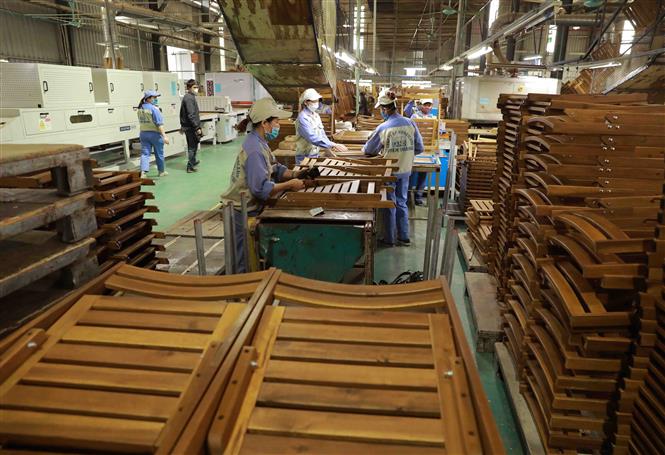
Nhà máy chế biến gỗ của Công ty CP Woodsland Tuyên Quang có công suất thiết kế 150.000 m3/năm. Ảnh TTXVN

INDUSTRIA DE MADERA Y MUEBLES DE VIETNAM DISPONE DE GRAN ESPACIO DE EXPORTACIÓN

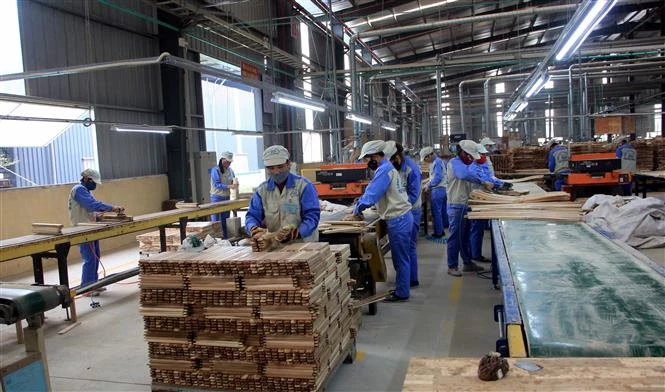
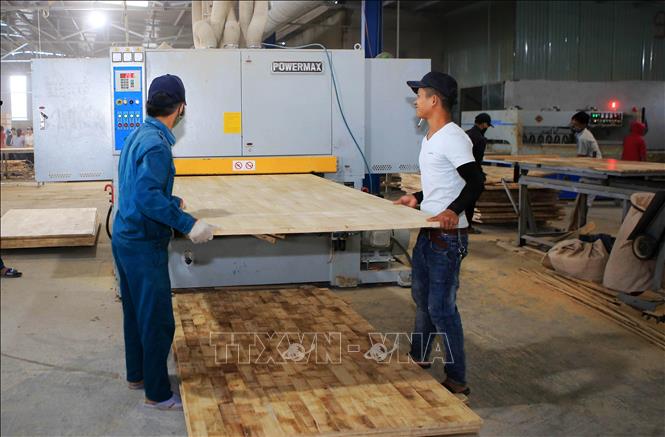
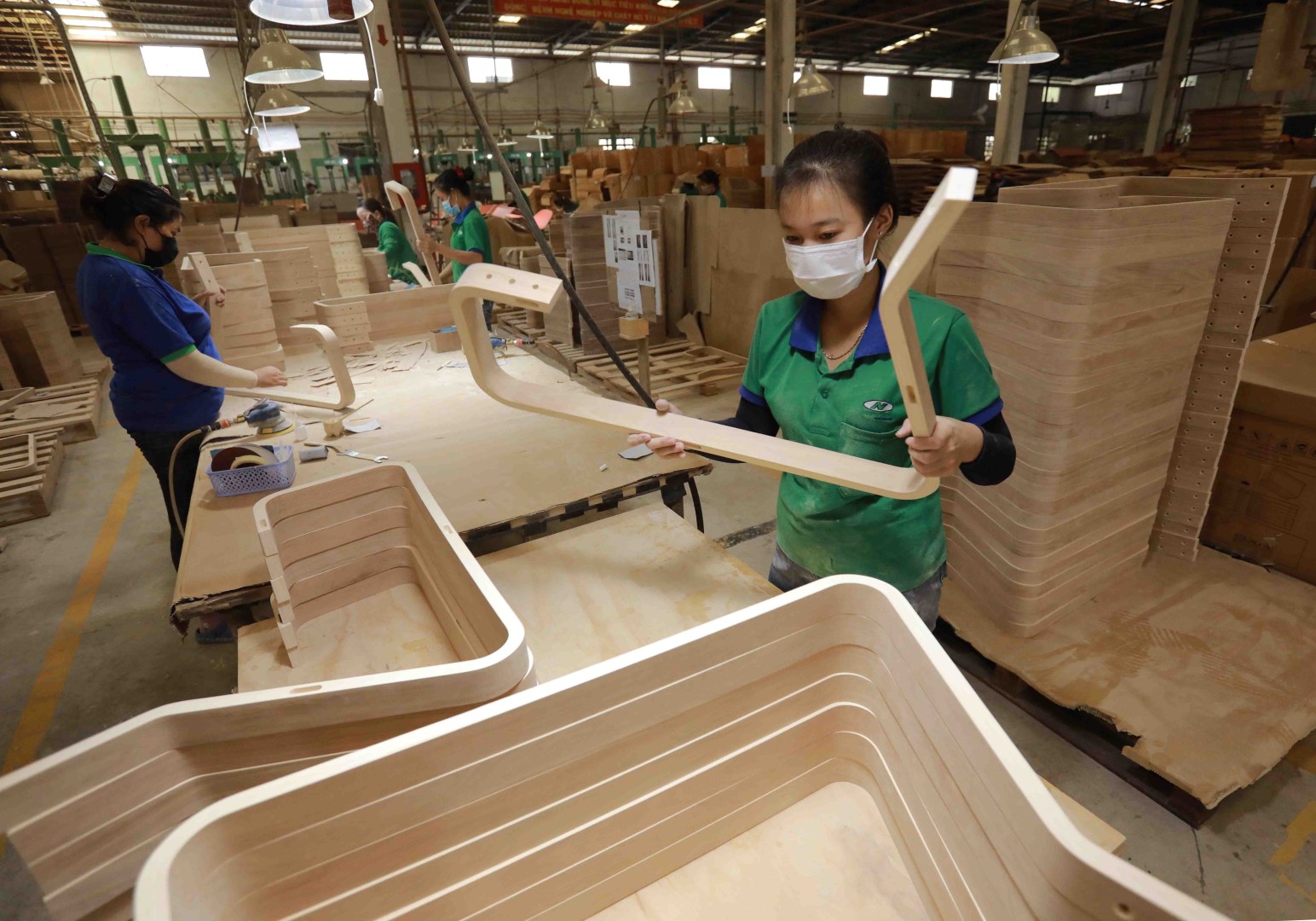
Producción de madera contrachapada curva para exportación en la fábrica de Nhat Nam, comuna de An Dien, distrito de Ben Cat, provincia sureña de Binh Duong. (Fuente:VNA)

Los pedidos de exportación de madera para muebles se han recuperado desde finales del segundo trimestre de 2023, aunque no se han restablecido con tanta fuerza. El principal mercado de Vietnam es Estados Unidos, que ha comenzado a importar una gran cantidad de productos de madera, mientras Australia, Corea del Sur y la India también tienen la necesidad de comprar más muebles.

Según el Departamento Forestal (Ministerio de Agricultura y Desarrollo Rural), se estima que el valor de las exportaciones de productos forestales de Vietnam en los primeros seis meses de 2023 alcanzó 6,42 mil millones de dólares, una reducción interanual de alrededor de 29%. Sin embargo, la industria de la madera sigue siendo optimista y se espera que registre unos 14 mil millones de dólares a finales de año por las ventas al extranjero, gracias a los nuevos pedidos recibidos por parte de las empresas nacionales.

Línea de producción de madera MDF en la fábrica de Thanh Thanh Dat, en la provincia central de Ha Tinh. (Fuente:VNA)

Espacio para el desarrollo de la rama en los próximos cinco años

La industria de procesamiento maderero y del mueble registró cifras negativas en los primeros meses de 2023. Aunque estaba previsto para finales de 2022, la falta de pedidos provocó que las fábricas redujeran su capacidad, mano de obra e incluso la devolución de terrenos y talleres.

Los resultados preliminares de una encuesta realizada con empresas por la Asociación de Artesanía y Procesamiento de Madera de Ciudad Ho Chi Minh (HAWA) muestran que, en los primeros seis meses de 2023, los pedidos en las entidades en el campo disminuyeron en promedio un 30%. Sin embargo, en julio de 2023, comenzaron a recibir pedidos nuevamente, en correspondencia con la temporada de compras de muebles de fin de año en el mercado mundial.

Artesanos de aldeas tradicionales vietnamitas, con su talento y creatividad, cincelan y tallan patrones exquisitos sobre madera. (Fuente:VNA)

Al señalar que la dificultad de la reducción de los pedidos en la actualidad de la industria de madera puede ser temporal, el economista Pham Phu Ngoc Trai subrayó que el sector de muebles de Vietnam aún dispone de suficiente espacio para desarrollarse en los próximos cinco hasta 10 años.

“En comparación con el aumento promedio del Producto Interno Bruto (PIB) global del 3%, la tasa de crecimiento compuesta de la industria mundial del mueble es del 4,5%; mientras el incremento promedio de la industria procesadora de madera de Vietnam registra el 15,4%/año, reflejando así la posición y el gran potencial de la rama”, comunicó Trai.

Tran Nhu Trang, representante del Programa SIPPO Vietnam, compartió específicamente sobre la situación de recuperación de los cinco mercados principales receptores de productos madereros de la nación indochina como Estados Unidos, Europa y Japón, entre otros. La buena noticia es que no sólo se ven señales positivas sobre el crecimiento de la producción, sino también nuevas tendencias y requisitos desde esos mercados.

El mercado de exportación de madera de Vietnam igual enfrenta la oportunidad de suministrar productos a algunos países del Medio Oriente. Se trata de una señal que marca un importante punto de inflexión para la industria del mueble de Vietnam, lo cual crea condiciones para completar su objetivo de exportación.

Cumplen con nuevos estándares

Según el Departamento de Importación-Exportación (Ministerio de Industria y Comercio), entre los cinco mayores mercados receptores de muebles de madera a nivel global, que son la Unión Europea (UE), Estados Unidos, Reino Unido, Canadá y Japón, la proporción de las importaciones de la UE y el Reino Unido procedentes de Vietnam sigue siendo baja. Mientras tanto, la demanda de compra en esos mercados se ve muy grande.

La industria maderera de Vietnam debe centrarse en el uso de materias primas y procesos de producción sostenibles, lo que ayuda a reducir las emisiones de carbono al medio ambiente. (Foto: baochinhphu.vn)

Sin embargo, vale la pena señalar que tales mercados también imponen altos requisitos en cuanto a su compromiso de reducir las emisiones de carbono, lo cual requiere que la industria maderera de Vietnam se centre en el uso de materias primas y procesos de producción sostenibles, ayudando a minimizar las emisiones de carbono al medio ambiente.

Con tal de conquistar los objetivos de sostenibilidad y cumplir con los requisitos cada vez más estrictos del mercado, la industria maderera de Vietnam necesita determinar una nueva estrategia.

Productos madereros interiores y exteriores de la compañía Woodsland Tuyen Quang se exportan a los mercados de Estados Unidos, Canadá, Europa, Rusia y Japón. (Foto: VNA)

En el primer lugar, resulta necesario mejorar la calidad y el valor añadido de los productos en aras de aumentar la competitividad y atraer la atención de mercados exigentes.

En segundo lugar, es necesario invertir en investigación y desarrollo, con vistas a ofrecer productos con diseños creativos y únicos, adaptándose a los diversos gustos estéticos de los consumidores.

Mejoran la calidad y el valor añadido de los productos para aumentar la competitividad y atraer la atención de mercados exigentes. (Foto: VNA)

Al reposicionar la visión de desarrollo de la industria del mueble de Vietnam en el nuevo contexto, Pham Thi Ngoc Thuy, directora de la Oficina de la Junta de Investigación de Desarrollo Económico Privado, dijo que los nuevos desafíos del mercado relacionados con el Reglamento de la Madera de la UE (EUTR) o el objetivo Net Zero igualmente ayudarán al desarrollo de la rama de procesamiento de madera y productos forestales de Vietnam en una dirección más positiva. A partir de ahí, se crean las condiciones para que la industria llegue más lejos, atrayendo mayor capital de inversión de empresas extranjeras.

Al decir de Nguyen Chanh Phuong, secretario general de HAWA, en materia de desarrollo sostenible, se trata de un desafío pero también de una nueva oportunidad para las empresas. Quizás para 2028 la industria maderera realmente enfrente el problema de reducir las emisiones. 

Promover las exportaciones de madera para muebles requiere una estrecha cooperación entre empresas y agencias competentes, lo que ayuda a asegurar el cumplimiento de las regulaciones y estándares de exportación de cada mercado. Mientras, el mejoramiento de la gestión de la calidad y de la capacidad operativa deviene otro factor importante para mantener la reputación y cumplir con los altos requisitos de calidad de los mercados exigentes.

Resulta necesario impulsar el marketing y la divulgación de la marca de la madera para muebles de Vietnam en el mundo. El uso de canales de comunicación modernos y tecnología digital ayudará a acceder a un gran número de clientes potenciales y crear una imagen confiable y de alta calidad para la industria maderera de la nación indochina./.

La fábrica de procesamiento de madera Woodsland Tuyen Quang tiene una capacidad de diseño de 150.000 m3/año. (Fuente: VNA)

VIETNAM WINS SEAT AT WORLD HERITAGE COMMITTEE FOR 2023 – 2027

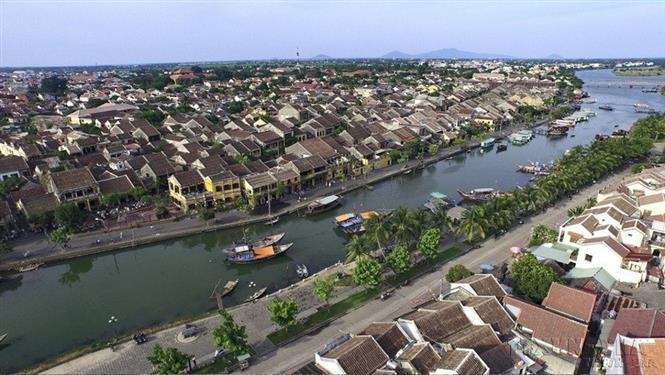
A corner of the Complex of Hue Monuments – a UNESCO world cultural heritage site in the central province of Thua Thien-Hue. (Photo: VNA)

With 121 out of the 171 valid votes, Vietnam has secured the highest number of votes in Group 4 of the Asia-Pacific, officially becoming a member of the World Heritage Committee for the 2023-2027 term.

The country scored its landslide win at the election held as part of the 24th session of the General Assembly of States Parties to the Convention concerning the Protection of the World Cultural and Natural Heritage (World Heritage Convention) in Paris on November 22.

Vietnam earned the highest number of votes in Group 4 and was ranked second out of the nine countries elected to the committee from five regions.

Vietnam’s contributions to heritage conservation acknowledged

The Vietnamese delegation attending the 24th session of the General Assembly of States Parties to the Convention concerning the Protection of the World Cultural and Natural Heritage (Photo: VNA)

The World Heritage Committee is one of the most crucial governing bodies within the United Nations Educational, Scientific and Cultural Organization (UNESCO), empowered to make decisions on key issues related to the recognition of cultural and natural heritages worldwide. It evaluates the conservation status of global heritage sites, while determining policies, budgetary directions, and development orientations under the World Heritage Convention which boasts the biggest membership in UNESCO, at 194.

Given its significance, the election for a seat in the 21-member committee is always challenging and highly competitive.

On Vietnam’s remarkable win, Deputy Minister of Foreign Affairs Ha Kim Ngoc stated that this marks the second time the nation has assumed a role in the highest governing body for culture within UNESCO.

The diplomat, who is also Chairman of the Vietnam National Commission for UNESCO and head of the Vietnamese delegation attending the 24th session, stressed that the election holds important significance in many aspects. It affirms the righteous foreign policy of the Vietnamese Party and State, as encapsulated in the spirit of the 13th National Party Congress and Directive No. 25-CT/TW of the Party Central Committee’s Secretariat on multilateralism, diversification, comprehensive and extensive international integration, strengthening and elevating multilateral foreign diplomacy and effectively coordinating political, economic, and cultural diplomacy as well as bilateral and multilateral diplomacy.

The Presidium announces the voting results. Vietnam has 121/171 valid votes. (Photo: VNA)

Overwhelmingly winning the election also reflects Vietnam’s international prestige as well as the international community’s trust in and support for the country’s ability to contribute and manage in global multilateral institutions. It acknowledges Vietnam’s tangible contributions to her relationship with UNESCO in the conservation and promotion of heritage values at home and around the world.

Vietnamese cultural heritages contribute to enhancing Vietnam’s image in the world. (Photo: VNA)

According to Ngoc, many pieces of good news have come to Vietnam recently.

In late October, Da Lat in the Central Highlands province of Lam Dong and Hoi An in the central province of Quang Nam were named in the UNESCO Creative Cities Network (UCCN) in terms of music as well as of crafts and folk art, respectively. The two were among the 55 new members of the network announced on October 31 on the occasion of World Cities Day.

On November 8, Vietnam was elected a Vice President of the 42nd session of the UNESCO’s General Conference, representing the Asia-Pacific. The General Conference’s duty is to set the programmes and the budget of UNESCO, elects the members of the Executive Board, and appoints, every four years, the Director-General.

On November 21, at its 42nd session in Paris, the 42nd UNESCO General Conference passed a resolution on the list of eminent personalities and historical events commemorated in 2023 – 2024, which included Progenitor of Vietnamese traditional medicine Le Huu Trac (1724 – 1791), alias Hai Thuong Lan Ong. The man was not only a great physician and pharmacist but also an excellent poet and writer, and a thinker with progressive thought and profound humanitarian spirit. After passing away, he was honoured as the “Saint of medicine of Vietnam”.

The 42nd UNESCO General Conference honours Progenitor of Vietnamese traditional medicine Le Huu Trac (Photo: VNA)

These achievements have contributed to presenting a dynamic image of Vietnam in innovation and international integration as well as her maintaining of rich traditions and a distinct national identity, Ngoc said. They stem from the effective implementation of the nation’s cultural diplomacy strategy until 2030, and comprehensive, cohesive, and widespread campaigning with international partners in Hanoi, Paris, and the capitals of other countries through Vietnamese diplomatic missions.

Vietnam participating in orienting UNESCO’s operations

Ambassador Le Thi Hong Van, head of Vietnam’s Permanent Delegation to UNESCO (Photo: VNA)

Ambassador Le Thi Hong Van, head of Vietnam’s Permanent Delegation to UNESCO, emphasises that by simultaneously participating in all five of UNESCO’s top governing mechanisms for the first time, Vietnam has an opportunity to actively and positively contribute to the overall programmes and major orientations of the organisation, particularly in the cultural domain. This also helps raise awareness of the importance of heritage, as it is not only a vital resource for cultural diversity, creativity, and dialogue among cultures but also a driving force for peace, self-empowerment, and sustainable development.

UNESCO Director-General Audrey Azoulay (Photo: VNA)

As a member of the World Heritage Committee for the 2023-2027 term, Vietnam will be well-positioned to further contribute to the improvement and implementation of the goals and priorities set by the World Heritage Convention. The country can also share her experiences in harmonising the relationship between conservation and development of world heritages. UNESCO Director-General Audrey Azoulay once affirmed that Vietnam is a typical success story in linking economic and cultural development and also a good model for environmental conservation and sustainable tourism development.

Speaking to the press on the evening of November 22, Le Thi Thu Hien, Director of the Department of Cultural Heritage under the Ministry of Culture, Sports and Tourism, stated that as a member of the World Heritage Committee, Vietnam will join 20 other member states to supervise the implementation of the convention, protect, preserve, and bring into play the values of the 1,199 world heritage elements around the globe, and consider the recognition of new ones to uphold, promote, and pass down historical and cultural values to future generations, and help with sustainable development in the world.

She said the election result is the fruit of concerted efforts and effective coordination among agencies under the Ministry of Foreign Affairs, the Ministry of Culture, Sports and Tourism, the Vietnam National Commission for UNESCO, and the Permanent Delegation to UNESCO as well as other organs and experts in Vietnam and overseas.

The 24th session of the General Assembly of States Parties to the Convention concerning the Protection of the World Cultural and Natural Heritage (World Heritage Convention) is scheduled for November 22 and 23, as part of the 42nd session of the General Conference of UNESCO.

During the first meeting, the Vietnamese delegation actively engaged in and made contributions to the discussions.

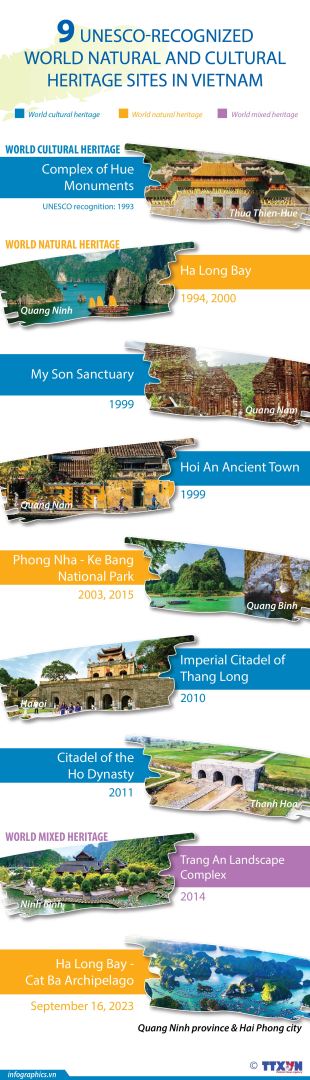
In diplomatic exchanges, member countries spoke highly of Vietnam’s efforts in protecting its eight cultural and natural world heritages and ongoing building of new dossiers to help enrich the global cultural diversity.

Vietnam’s experiences, understanding, and efforts in safeguarding and promoting world heritages in terms of theory, legal aspects, management, and practical implementation were acknowledged as valuable lessons for many countries regionally and internationally. The Southeast Asian nation’s efforts have contributed to the effective implementation of the World Heritage Convention, the protection and preservation of cultural and natural heritage for humanity, and the promotion of the overall sustainable development of nations.

Vietnam has 35 titles recognised by UNESCO, including eight world cultural and natural heritages, 15 intangible cultural heritages, three world documentary heritages, six documentary heritages in the Asia-Pacific region, and three creative cities./.

A performance of Ca Tru singing, which was inscribed in 2009 on the UNESCO List of Intangible Cultural Heritage in Need of Urgent Safeguarding (Photo: VNA)

ЭКСПОРТНЫЙ ПОТЕНЦИАЛ ДЕРЕВООБРАБАТЫВАЮЩЕЙ И МЕБЕЛЬНОЙ ПРОМЫШЛЕННОСТИ ОСТАЕТСЯ ЗНАЧИТЕЛЬНЫМ

Производство гнутой фанеры на экспорт на заводе Nhat Nam Plywood Co., Ltd.,община Андиен, уезд Бенкат, провинция Биньзыонг. (Фото: ВИА)

С конца второго квартала 2023 года заказы по экспорту мебели для интерьера начали возвращаться, хотя еще не полностью восстановились. Основным рынком сбыта для Вьетнама являются Соединенные Штаты, которые начали импортировать большое количество изделий из древесины, в то время как рынки Австралии, Южной Кореи и Индии также стабильно развиваются, создавая спрос на импорт большего количества изделий интерьерной мебели…

По данным Департамента лесного хозяйства (Министерство сельского хозяйства и развития сельских районов), стоимость экспорта лесной продукции Вьетнама за первые 6 месяцев 2023 года оценивается в 6,42 млрд долл. США, что почти на 29% меньше по сравнению с аналогичным периодом 2022 года. Сектор древесины и изделий из нее сохраняет оптимизм: ожидается, что к концу этого года, когда компании начнут получать новые заказы, экспорт достигнет отметки 14 млрд долл.

На фото: Линия по производству древесины MDF на заводе Акционерного общества MDF Thanh Thanh Dat (Хатинь). (Фото: ВИА)

Пространство для развития на ближайшие 5 лет

Деревообрабатывающая и мебельная промышленность в первые месяцы 2023 года получила необнадеживающие цифры, хотя это прогнозировалось с конца 2022 года, отсутствие заказов привело к сокращению мощностей фабрик, сокращению рабочей силы и даже к возвращению помещений и фабрик-производителей…

Предварительные результаты опроса предприятий, проведенного Ассоциацией ремесленников и деревообработчиков города Хошимина (HAWA), показывают, что за первые 6 месяцев 2023 года заказы на предприятиях сектора сократились в среднем на 30%. Однако в июле 2023 года предприятия сектора снова начали принимать заказы для сезона покупок предметов интерьера на мировом рынке.

Ремесленники из деревни традиционного деревянного промысл используя свой талант и творчество, вырезают замысловатые узоры. (Фото: ВИА)

Учитывая, что трудности с текущем сокращением заказов в деревообрабатывающей промышленности носят лишь временный характер, экономист Фам Фу Чай сказал, что индустрия интерьера во Вьетнаме имеет достаточно возможностей для развития в ближайшие 5-10 лет.

«По сравнению со среднемировым ростом глобального ВВП на уровне 3%, двукратный темп роста мировой индустрии интерьера составляет 4,5%, деревообрабатывающая промышленность Вьетнама растет в среднем на 15,4% в год – это показатель, который демонстрирует положительный и значительный потенциал», – сказал он.

Чан Ньы Чанг, представитель швейцарской программы содействия импорту (SIPPO) во Вьетнаме, подробно рассказала о ситуации с восстановлением на 5 крупнейших экспортных рынках древесины Вьетнама, таких как США, Европа, Япония и др. Приятно, что есть не только позитивные сигналы о росте производства, но и новые тенденции и запросы с этих рынков.

У вьетнамского рынка экспорта древесины также появляются возможности поставок продукции в некоторые страны Ближнего Востока. Это сигнал, который знаменует собой важный поворотный момент для индустрии интерьера Вьетнама, создавая возможности для неё выполнить поставленные экспортные задачи.

Необходимо отвечать новым стандартам

Как отмечает Департамент импорта и экспорта (Министерство промышленности и торговли), из пяти крупнейших рынков импорта деревянной мебели в мире – Европейского союза (ЕС), Соединенных Штатов, Соединенного Королевства, Канады и Японии – доля импорта ЕС и Соединенного Королевства из Вьетнама остается низкой. Между тем спрос на импорт на этих рынках огромен.

ngành công nghiệp gỗ của Việt Nam phải tập trung vào việc sử dụng nguồn nguyên liệu và quá trình sản xuất bền vững, giúp giảm thiểu lượng khí thải carbon ra môi trường. Ảnh baochinhphu.vn

Однако стоит отметить, что эти рынки также предъявляют высокие требования к их приверженности сокращению выбросов углекислого газа. Это требует, чтобы весь лесопромышленный комплекс Вьетнама сосредоточился на использовании экологически чистого сырья и производственных процессов, способствующих сокращению выбросов углекислого газа в окружающую среду.

Чтобы достичь целей устойчивого развития и соответствовать все более жестким требованиям рынка, лесопромышленному комплексу Вьетнама необходимо определить новую стратегию.

Мебель и изделия для экстерьера компании Woodland Tuyen Quang экспортируются в США, Канаду, Европу, Россию, Японию. (Фото: ВИА)

Во-первых, необходимо улучшить качество и добавленную стоимость продукции, чтобы повысить конкурентоспособность и привлечь внимание требовательных рынков.

Во вторых, необходимо инвестировать в исследования и разработки, предлагать инновационные продукты с уникальным дизайном, адаптированные к различным вкусам потребителей.

Повысить качество и добавленную стоимость продукции, чтобы повысить конкурентоспособность и привлечь внимание требовательных рынков. (фото ВИА)

Говоря о видение развития индустрии интерьера в новом контексте, Фам Тхи Нгок Тхуи, директор Бюро по исследованиям частного экономического развития, сказала, что новые рыночные вызовы, связанные с правилами Европейского союза по лесоматериалам ( EUTR) или целью «чистого нуля», также помогут деревообрабатывающей промышленности и лесопромышленному комплексу Вьетнама, в целом, развиваться в более позитивном направлении. Исходя из этого, необходимо создать условия для дальнейшего развития сектора, привлекая ещё больше потоков капитала из-за рубежа.

По словам Нгуена Чан Фыонга, генерального секретаря HAWA по устойчивому развитию, это одновременно и вызов, и новая возможность для бизнеса. Вполне возможно, что к 2028 году перед новым лесопромышленным сектором действительно будет стоять задача по сокращению выбросов.

Содействие экспорту деревянной мебели также требует тесного сотрудничества между предприятиями и органами власти, обеспечивающими соблюдение экспортных правил и стандартов каждого рынка. Улучшение управления качеством и производственными мощностями также является важным фактором поддержания репутации и соответствия высоким требованиям к качеству на требовательных рынках.

Необходимо содействовать маркетингу и популяризации вьетнамских мебельных брендов в мире. Использование современных каналов связи и цифровых технологий поможет охватить большое количество потенциальных клиентов и создать надежный, высококачественный имидж деревообрабатывающей промышленности Вьетнама./.

Деревообрабатывающий завод акционерного общества Woodsland Туенкуанг» имеет проектную мощность 150.000 м3/год. (фото: ВИА)

LE POTENTIEL D’EXPORTATION DU BOIS ET DE SES DÉRIVÉS EST ENCORE TRÈS IMPORTANT

Les activités de production de la sarl Nhât Nam installée dans la commune d’An Diên, district de Bên Cat, province de Binh Duong (Sud). Photo: VNA

Les commandes à l’exportation d’ameublements ont repris depuis la fin du deuxième trimestre 2023, même si elles ne se sont pas encore fortement redressées.. Le principal marché du Vietnam est les États-Unis, qui ont commencé à importer un grand nombre de produits en bois. Les marchés australien, sud-coréen et indien sont également en croissance constante et ont besoin d’importer davantage de produits d’ameublement…

Selon le Département des forêts du ministère de l’Agriculture et du Développement rural, la valeur des exportations de produits sylvicoles du Vietnam au cours des six premiers mois de 2023 a atteint 6,42 milliards de dollars, en baisse de près de 29% par rapport à la même période de 2022. La filière bois reste optimiste et peut atteindre le cap de 14 milliards de dollars d’exportations d’ici la fin de l’année, lorsque les entreprises commenceront à recevoir de nouvelles commandes..

Chaîne de production de la société par actions MDF Thanh Thanh Dat, implantée dans la province de Ha Tinh (Centre). Photo: VNA

Opportunités de développement dans les cinq ans

L’industrie de la transformation du bois et du meuble a enregistré des chiffres négatifs au cours des premiers mois de 2023. Depuis fin 2022, le manque de commandes a amené les usines à réduire leurs capacités, leur main-d’œuvre et même leur production….

Les résultats d’une enquête préliminaire auprès des entreprises menée par l’Association de l’artisanat et de la transformation du bois de Hô Chi Minh-Ville (HAWA) montrent qu’au cours des 6 premiers mois de 2023, le nombre des commandes a diminué en moyenne de 30 %. Cependant, en juillet 2023, les entreprises ont recommencé à en recevoir au service du besoin d’achat de meubles de fin d’année sur le marché mondial.

Un artisan d’un village de métier traditionnel du Vietnam. Photo: VNP

Estimant que les difficultés actuelles ne sont que temporaires, l’économiste Pham Phu Ngoc Trai a déclaré que l’industrie vietnamienne du meuble avait suffisamment de marge pour se développer dans les 5 à 10 ans.

Par rapport au taux de croissance moyen du PIB mondial de 3%, le taux de croissance composé de l’industrie mondiale du meuble est de 4,5% et le taux de croissance moyen de l’industrie de transformation du bois du Vietnam de 15,4% par an prouve une excellente position et du potentiel.

Trân Nhu Trang, représentante du programme SIPPO Vietnam, a parlé spécifiquement de la reprise de principaux marchés d’exportation de bois du Vietnam, tels que les États-Unis, l’Europe, le Japon. La bonne nouvelle est qu’il existe non seulement des signaux positifs concernant l’augmentation de la production, mais également de nombreuses nouvelles tendances et exigences de ces marchés.

Le marché d’exportation du bois du Vietnam est également confronté à l’opportunité de fournir des produits à certains pays du Moyen-Orient. Il s’agit d’un signal qui marque un tournant important pour l’industrie vietnamienne du meuble, créant une opportunité pour cette industrie d’atteindre son objectif d’exportation.

Répondre aux nouvelles normes

Selon le Département d’import-export du ministère de l’Industrie et du Commerce, parmi les cinq plus grands débouchés de meubles en bois au monde, à savoir l’Union européenne (UE), les États-Unis, le Royaume-Uni, le Canada et le Japon, la proportion d’importation de produits vietnamiens de l’UE et du Royaume-Uni reste faible tandis que leur demande est très importante..

L’industrie du bois vietnamienne se concentre sur des matières premières et des processus de production durable, contribuant ainsi à réduire les émissions de carbone. Photo: baochinhphu.vn

Il faut noter que ces marchés imposent également des exigences élevées quant aux engagements à réduire les émissions de carbone. Cela nécessite que l’industrie du bois vietnamienne se concentre sur des matières premières et des processus de production durables, contribuant ainsi à réduire les émissions de carbone..

Pour répondre aux exigences de plus en plus strictes du marché, la filière doit déterminer une nouvelle stratégie.

Les produits de la compagnie Woodsland Tuyên Quang exportés vers les Etats-Unis, le Canada, l’Europe, la Russie et le Japon. Photo: VNA

Premièrement, il est nécessaire d’améliorer la qualité et la valeur ajoutée des produits pour accroître la compétitivité et attirer l’attention des marchés exigeants.

Deuxièmement, il faut investir dans la recherche et le développement, en proposant des produits aux designs créatifs et uniques, adaptés aux divers goûts esthétiques des consommateurs.

Il est nécessaire d’améliorer la qualité et la valeur ajoutée des produits pour accroître la compétitivité et attirer l’attention des marchés exigeants.. Photo: VNA

Pham Thi Ngoc Thuy, directrice du Bureau du Conseil de recherche sur le développement économique privé (Division IV), a déclaré que les nouveaux défis du marché liés au Règlement sur le bois de l’Union européenne (RBUE) ou à l’objectif Net Zero aideront également le secteur du bois et ses dérivés du Vietnam à évoluer dans une direction plus positive.

Selon Nguyen Chanh Phuong, secrétaire général de HAWA, le développement durable est un défi mais aussi une nouvelle opportunité pour les entreprises. Peut-être que d’ici 2028, l’industrie du bois sera réellement confrontée au problème de la réduction des émissions.

Il est nécessaire de promouvoir la commercialisation et la promotion de la marque vietnamienne dans le monde. L’utilisation des canaux de communication modernes et de la technologie numérique contribuera à s’approcher à un grand nombre de clients et à créer leur confiance en l’industrie du bois vietnamienne./.

L’usine de transformation du bois de la société par actions Woodsland Tuyen Quang a une capacité instalée de 150 000 m3/an. Photo : VNA