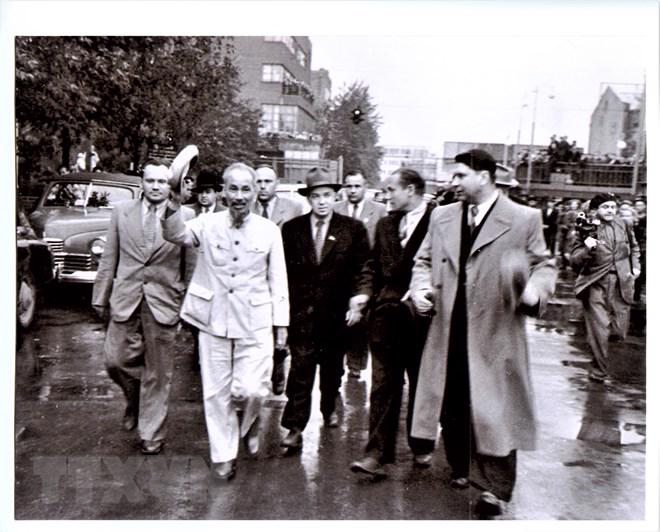
Le Président Ho Chi Minh (2e, gauche) et le premier secrétaire du Comité central du Parti Le Duan (2e, droite) lors du XXIIe Congrès du Parti communiste de l’Union Soviétique en 1961. Photo: VNA
S’ouvrir, s’intégrer pour se développer
Le Président Ho Chi Minh (Oncle Ho) a réfléchi à la question de l’ouverture et de l’intégration dans son processus de recherche de la meilleure voie révolutionnaire pour la nation.
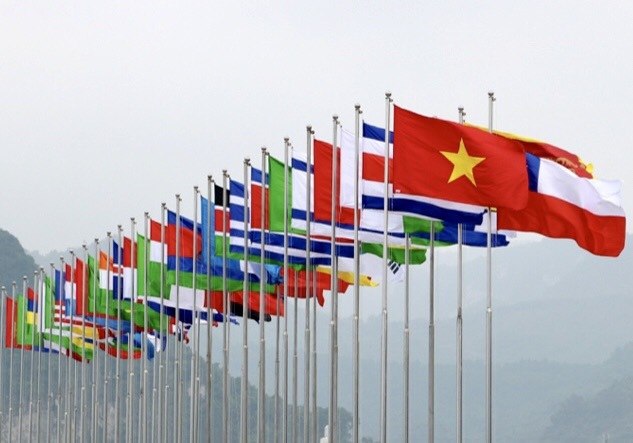
Le drapeau vietnamien et les drapeaux d’autres pays dans la salle de conférence de Thuy Dinh, dans la province de Ninh Binh, où se déroule la fête bouddhique de Vesak 2019.
Dans un article publié le 2 août 1919 dans le journal français L’Humanité, il a écrit : “… En principe, le progrès commun dépend du développement de l’internationalisme et la civilisation n’est bénéfique que lorsque les relations internationales sont élargies et renforcées.”
Après le succès de la Révolution d’août 1945, l’Oncle Ho a cherché à élargir les relations internationales pour favoriser le développement socio-économique du pays, et à envoyer à l’étranger des cadres pour étudier les sciences et les technologies avancées.
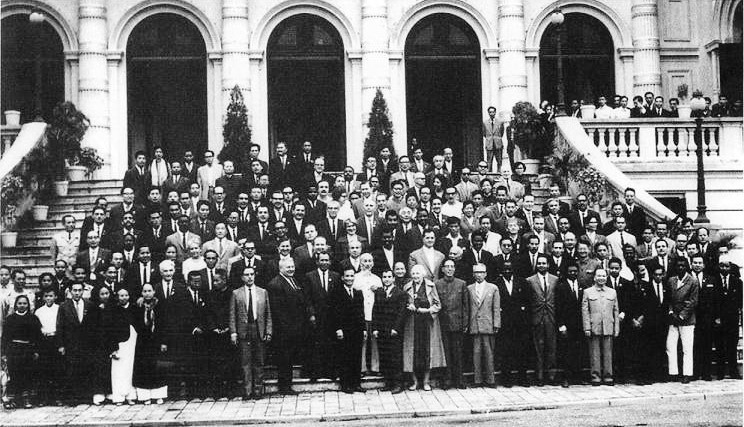
Le Président Ho Chi Minh (chemise blanche, milieu, deuxième rang) et des délégués participant à la Conférence internationale de solidarité avec le peuple du Vietnam contre l’agression impérialiste américaine : pour la défense de la paix, au Palais présidentiel en novembre 1964. Photo : VNA
Dans une lettre adressée au secrétaire d’État américain James Byrnes (le 1er novembre 1945), il a présenté l’initiative sur la diplomatie populaire, ouvrant la voie à la coopération entre les peuples du Vietnam et des États-Unis.
Toutefois, sa pensée stratégique sur l’économie ouverte a été formulée le plus clairement et pleinement dans sa lettre “Appel aux Nations Unies” (décembre 1946), qui énonce les points suivants :
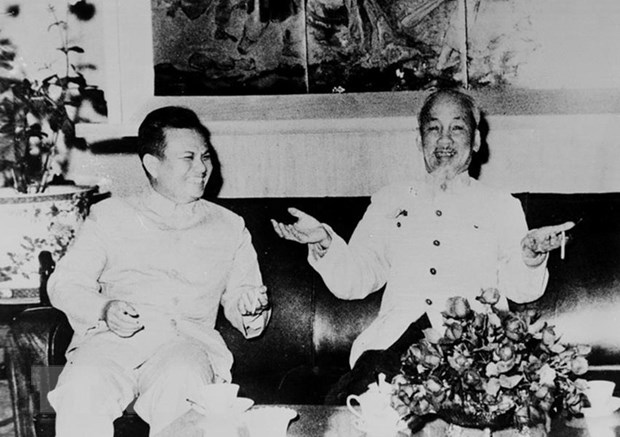
Le Président Ho Chi Minh reçoit le chef de la délégation du Parti et du Front patriotique lao Kaysone Phomvihane en visite d’amitié au Vietnam en 1966. Photo : VNA
Le Président chinois Mao Zedong (premier, gauche) reçoit le Président Ho Chi Minh (milieu) lors de sa visite d’amitié en Chine, le 25 juin 1955. Photo : VNA
a. Le Vietnam accueille favorablement les investissements des capitalistes et des techniciens étrangers dans toutes ses industries.
b. Le Vietnam est prêt à élargir ses ports, ses aéroports et ses routes pour le commerce et le transit international.
c. Le Vietnam accepte de rejoindre toutes les organisations internationales de coopération économique sous la direction des Nations Unies.
d. Le Vietnam est prêt à signer des accords de sécurité spéciaux avec les marines et les forces armées dans le cadre des Nations unies, ainsi que des traités relatifs à l’utilisation de certaines bases navales et aériennes.
Ces points de vue ont montré la pensée visionnaire de l’Oncle Ho durant la Révolution vietnamienne.
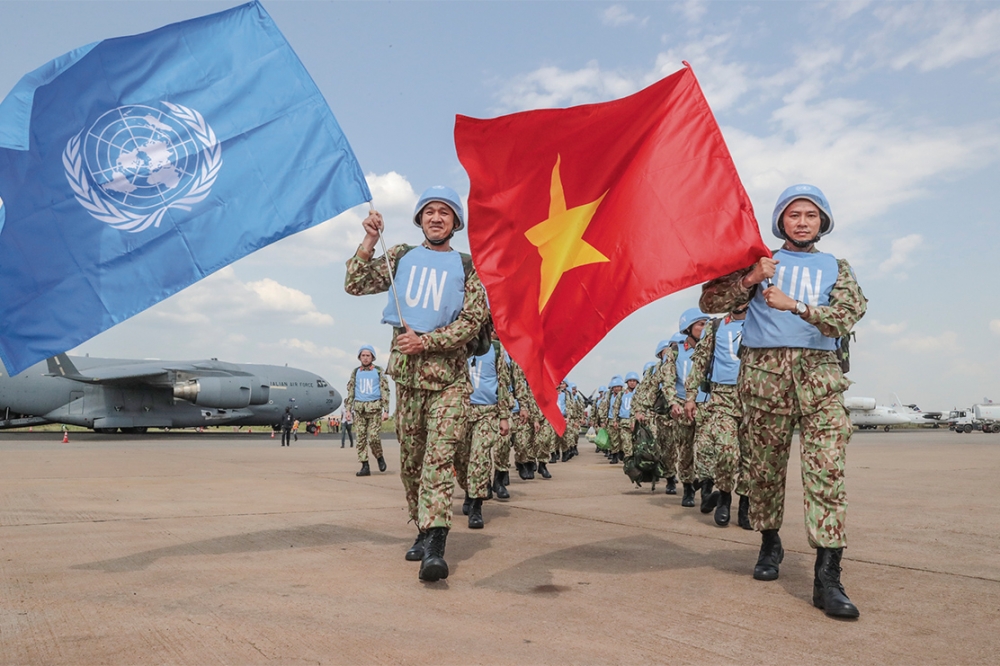
Le Vietnam envoie des soldats pour participer à l’opération de maintien de la paix des Nations Unies au Soudan du Sud à partir de 2018. Photo : ONU
Attirer les forces extrinsèque pour optimiser les forces intrinsèques
L’Oncle Ho a poursuivi avec persistance la politique d’ouverture pour contribuer au maintien de la stabilité régionale et mondiale, afin que le peuple vietnamien puisse vivre en paix et en liberté, ainsi que l’intégration économique internationale pour recevoir des aides d’amis internationaux et valoriser les potentiels du Vietnam grâce à ces aides.
En mettant en œuvre activement l’intégration internationale, ces dernières années, le Vietnam participe de plus en plus aux mécanismes multilatéraux.
L’intégration est importante, mais il faut compter sur sa propre force. L’Oncle Ho a souligné : “Nous devons compter sur notre propre force. Si la force est grande, la diplomatie l’emportera. La force est le gong et la diplomatie est le son. Si le gong est fort, le son sera fort.”
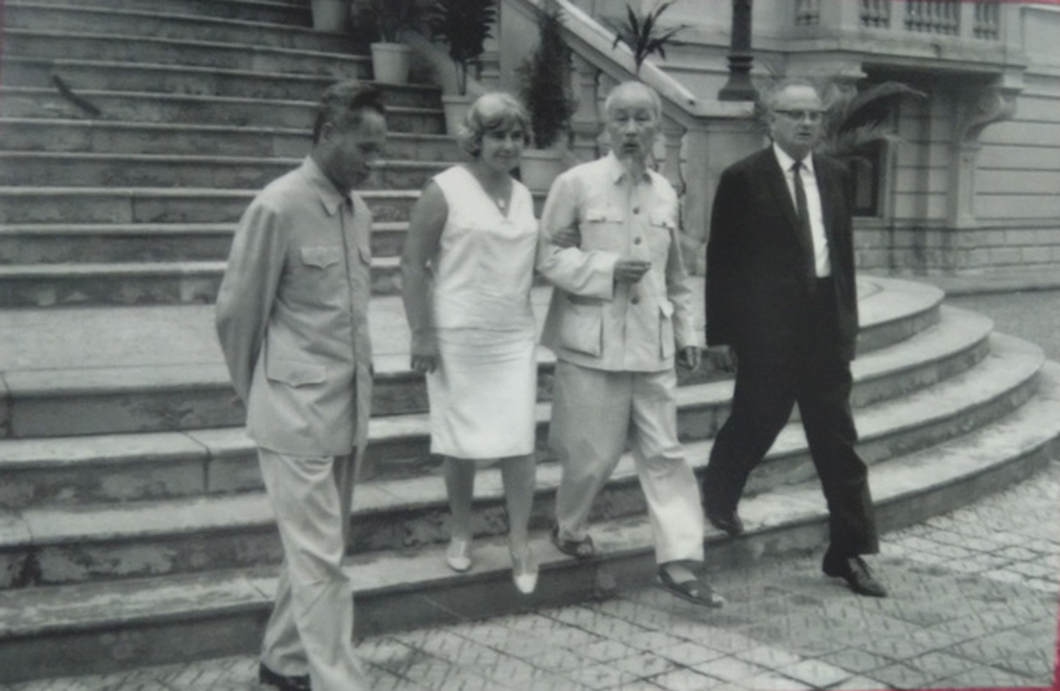
Le Président Ho Chi Minh (2e, droite) et le Premier ministre Pham Van Dong (premier, gauche) reçoivent le journaliste Wilfred Burchett et son épouse, grands amis du peuple vietnamien, en 1966. Photo : Thien Dieu
Le Président Ho Chi Minh visite une usine à Sverdlovsk, aujourd’hui Ekaterinbourg, en 1955. Photo : VNA
Les relations extérieures du Vietnam avec d’autres pays sont de plus en plus consolidées, élargies et développées.
“Chaque Vietnamien doit promouvoir fortement l’esprit d’indépendance et d’autonomie. Une nation qui n’est pas autonome mais attend l’aide d’autres peuples ne mérite pas d’être indépendante.”
Le président ho chi minh
Il a rappelé :
“Nos cadres doivent bien travailler avec des experts étrangers, apprendre des expériences avancées d’autres pays, préserver et faire bon usage des machines et des matériaux que nos amis nous ont offerts ; et doivent lutter strictement contre la bureaucratie, le gaspillage et la corruption. Il faut édifier progressivement un contingent de cadres chargés de l’économie internationale dotés de qualités révolutionnaires et de bonnes qualifications professionnelles pour coopérer facilement et apprendre des entrepreneurs étrangers.”
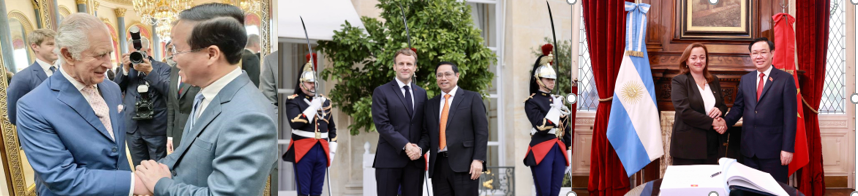
Le secrétaire général du Comité central du Parti communiste du Vietnam Nguyen Phu Trong avec des dirigeants d’autres pays. Après 35 ans de mise en œuvre du Doi moi (Renouveau), le Vietnam obtient de nombreuses grandes réalisations importantes, dont celles dans les affaires étrangères.
Actuellement, le Vietnam élabore une politique extérieure adaptée à la situation nationale et internationale, garantissant les principes du fondement idéologique du Président Ho Chi Minh, servant de base pour l’expansion des relations économiques. Le 10e Congrès national du Parti a affirmé : “s’intégrer activement dans le monde, en gérant bien les rapports entre l’indépendance, l’autonomie et l’intégration internationale ; s’intégrer au monde de manière complète, étendue, flexible et efficace pour les intérêts de la nation, du peuple, en garantissant l’indépendance, l’autonomie et la souveraineté nationales.”
Le Vietnam est en développement stable, devenant le premier exportateur mondial de produits agricoles et aquatiques, s’intégrant plus profondément au monde.
La politique extérieure du Vietnam garantit la protection de la souveraineté nationale, de l’indépendance et de l’autonomie du pays, la voie de développement national selon les orientations socialistes, le développement de relations d’amitié et d’égalité avec les autres nations, l’utilisation de l’aide et de la coopération des peuples du monde pour le processus de Renouveau, d’édification nationale et de défense du peuple vietnamien. Elle contribue en outre à maintenir la paix et la stabilité dans la région et dans le monde pour se concentrer sur la construction et le développement économiques, à assurer une large intégration du Vietnam à l’économie mondiale, à améliorer constamment sa position dans la région et dans la communauté internationale./.
President Ho Chi Minh (front, second from left) and First Secretary of the Workers’ Party of Vietnam, now the Communist Party of Vietnam, Le Duan (front, second from right) attend the 22nd Congress of the Communist Party of the Soviet Union in 1961. (Photo: VNA)
Opening the door, integration for development
During his journey to seek a right revolutionary path for Vietnam, President Ho Chi Minh formed the thought on the issue of opening the door for integration.
The flags of Vietnam and other countries fly outside the Thuy Dinh convention hall in Ninh Binh province, the venue of the Vesak Day celebration in 2019.
In an article published on the L’Humanite newspaper on August 2, 1919, he wrote that in terms of principles, common progress depended on the development of internationalism and civilisation could only be beneficial when international relations were expanded and enhanced.
After the success of the 1945 August Revolution, President Ho Chi Minh considered the expansion of international relations and sending of personnel to other countries to learn advanced sciences and technologies necessary for the socioeconomic development in Việt Nam.
President Ho Chi Minh (white shirt, centre, second row) in a photo with delegates to the international conference on solidarity with the Vietnamese people to fight the US imperialists, held at the Presidential Palace in November 1964. (Photo: VNA)
In his letter sent to then US Secretary of State James Byrnes on November 1, 1945, the Vietnamese leader put forth the initiative of building people-to-people diplomacy to start cooperative ties between the peoples of the Vietnam and the US.
His strategic thought on an open economy was mentioned most fully and clearly in the “Appeal to the United Nations” issued in December 1946. In this letter, he stated that with democratic countries, Vietnam was ready to carry out the open door and cooperation policy in all fields:
President Ho Chi Minh receivesKaysone Phomvihane, head of the delegation of the Party and the Patriotic Front of Laos, during the latter’s visit to Vietnam in 1966. (Photo: VNA)
Chinese President Mao Zedong (front, left) welcomes President Ho Chi Minh on June 25, 1955 during the latter’s visit to China. (Photo: VNA)
a. Vietnam would create favourable conditions for investment from foreign companies into all of its industries.
b. Vietnam was ready to expand ports, airports and roads for international trade and transit.
c. Vietnam accepted to take part in all international economic cooperation organisations under the leadership of the United Nations.
d. Vietnam was ready to sign special security agreements and conventions related to the use of some of its naval and air force bases with naval and ground forces within the framework of the UN.
Throughout the revolution, those viewpoints reflected the President’s far-sighted vision.
Vietnamese soldiers have joined the UN peacekeeping mission in South Sudan since 2018. (Source: UN)
Attracting external resources to bring into play internal strength
President Ho Chi Minh steadfastly pursued the door opening policy to help maintain stability in the region and the world so that the Vietnamese people could live in peace and freedom and pursued economic integration into the world to receive assistance from international friends in order to have conditions for tapping into the country’s potential.
Over the past years, Vietnam’s integration into the world has reached a new level as seen in the country’s participation in increasing multilateral mechanisms.
However, he also emphasised that the internal strength must be the key and noted with great internal strength, diplomacy would be successful. “If the internal strength is a gong, diplomacy is the sound. Only when the gong is large can the sound be big.”
The leader called on each Vietnamese citizen to strongly uphold the spirit of independence, self-reliance, standing on their own feet, and “exerting their own efforts to liberate themselves”. He said: “If a nation does not exert its own efforts but waits for help from others, it does not deserve independence.”
President Ho Chi Minh (second from right) and Prime Minister Pham Van Dong (first, left) receive Australian journalist Wilfred Burchettand his wife, who are great friends of the Vietnamese people, in 1966. (File photo)
President Ho Chi Minh visits the Uralmash factory named Ordzhonikidze in Sverdlovsk, now Yekaterinburg city of Russia, in 1955. (Photo: VNA)
Vietnam’s relations with other countries have been increasingly reinforced and expanded.
“If a nation does not exert its own efforts but waits for help from others, it does not deserve independence.”
PRESIDENT HO CHI MINH
The President requested cadres work well with foreign experts, learn advanced experience from other countries, and properly preserve and use the machinery and commodities provided by other countries; stringently fight bureaucracy, wastefulness, and embezzlement; and gradually build a contingent of international economics personnel who have both revolutionary virtues and high specialised capacity to easily cooperate with and learn from foreign entrepreneurs.
Party General Secretary Nguyen Phu Trong meets with leaders of other countries. Over 35 years of implementing the Doi moi (Renewal) policy, Vietnam has obtained a number of significant achievements, including many on external relations.
Nowadays, Vietnam has built a foreign policy matching the domestic and international situations and also conforming to the principles based on President Ho Chi Minh’s ideology, serving as the basis for expanding external economic relations.
The 10th National Party Congress affirmed the policy of actively integrating into the world and properly handling the relationship between independence, self-reliance and international integration; and comprehensively, intensively, flexibly, and effectively integrating into the world for the sake of national interests with national independence, self-reliance, and sovereignty guaranteed.
Vietnam’s foreign policy is targeted at firmly maintaining national sovereignty, independence, self-reliance, and the socialist-oriented development path; setting up friendly and equal relations with other nations, making use of the assistance and cooperation from people around the world for its national reform, development, and safeguarding; firmly maintaining regional and global peace and stability to focus on economic development; ensuring Vietnam’s extensive integration into the global economy; and unceasingly improving the country’s position in the region and the world./.
Green bamboo, evergreen Bamboo hedges have been in legend. Gaunt stem, fragile leaves But bamboo forms ramparts.
There goes a popular Vietnamese poem that depicts the aesthetic look of bamboo, using it as a metaphor to extol the Vietnamese people’s ingrained virtues of resilience, indomitability, and solidarity.
Bamboo holds great significance in the daily lives of Vietnamese people, as it is largely used in their daily life, from food to tools and homes. During the war, bamboo was also made into various kinds of rudimentary weapons. Strong roots, sturdy stems, and flexible branches are all noteworthy traits of bamboo.
In recent years, bamboo has been held in high regard within the concept of the country’s modern diplomacy to promote a unique and special foreign policy of independence, self-reliance, flexibility, and diversification of relations.
The idea of bamboo diplomacy was first coined by Party General Secretary Nguyen Phu Trong in a diplomatic conference in 2016. At the event, he highlighted the importance of diplomacy in maintaining peace, preventing conflict, and fostering international cooperation in the context of the rapidly changing world.
The leader also emphasised Vietnam’s distinctive approach to diplomacy, reflecting the teachings of late President Ho Chi Minh who often used the image of bamboo as a metaphor to describe the resilience, flexibility, and strength of the Vietnamese nation.
Since then, bamboo diplomacy has been reaffirmed as the guiding principle for Vietnam’s foreign policy, and the Party chief explicitly reiterated this concept at the first-ever National Conference on Foreign Affairs, held in Hanoi on December 14, 2021.
“Vietnamese diplomacy is soft and wise but still persistent and resolute; flexible and creative but consistent, valiant and resilient against all challenges and difficulties facing national independence and people’s happiness; and united and humanitarian but resolute, persistent and patient in safeguarding the national interest.”
Party General Secretary Nguyen Phu Trong
Utilising invariables in response to variables
Generations of Vietnamese leaders have built and nurtured a unique and special foreign relations strategy that holds independence, resilience, and national interest in the greatest esteem. These are the unwavering principles amid numerous variables, especially the heightened strategic competition among the major powers.
According to the Party leader, the roots of Vietnamese diplomacy are honourable conduct, humanitarianism, peace, justice, and righteousness, all of which contribute to the country’s prosperity and its people’s well-being. He reiterated that President Ho Chi Minh laid a firm foundation for revolutionary diplomacy which fought for national independence and territorial integrity.
Inheriting from his forefathers’ diplomatic philosophy, President Ho Chi Minh, the founder of modern Vietnam and its first foreign minister, developed his own thoughts on diplomacy that combined patriotism, national culture, diplomatic tradition, and human culture.
The late leader advocated that national independence and socialism must be pursued together, along with self-reliance and self-dependence, and accompanied by international solidarity. He also stressed the significance of developing national strengths that are aligned with those of the era to ensure that the country is able to adapt itself to and thrive in any circumstances.
President Ho Chi Minh talking to officers and soldiers of the Tien Phong Division at the Gieng Temple on September 19, 1954, where he said: “The Hung Kings had the merit of founding the country, we must work together to protect it.” (File Photo. Source: Dang Cong San)
President Ho Chi Minh with people from all walks of life (File Photos. Source: VNA)
“Taking a broad view and thinking carefully” are the guidelines the late President formed for revolutionary diplomacy. This suggests that diplomacy should be approached in a comprehensive and thoughtful manner, taking into account various factors and potential outcomes to ensure national interests. In that sense, independence and self-reliance must be closely associated with international solidarity and cooperation.
President Ho Chi Minh also placed great importance on building friendship and cooperation with neighbouring countries, expanding relations with countries on all five continents, and establishing ties with major powers in the interest of the revolution.
In particular, he always placed Vietnam in the context of the world’s development and paid close attention to major global trends. His diplomatic philosophy reflects the peace-loving tradition of the Vietnamese nation and harmoniously combines national and international values.
In line with President Ho Chi Minh’s views, Party leader Trong emphasised the important role of diplomacy in the national revolutionary movement, which contributed to Vietnam’s significant victories.
From Bamboo to Diplomacy
Bamboo Diplomacy – A Legacy of Vietnam (Video by VNA)
Vietnam’s determination to pursue a foreign policy that draws on these characteristics is seen as a pragmatic response to the challenges facing the country in a rapidly-changing world, according to scholars.
Phan Xuan Dung, Research Officer at the Vietnam Studies Programme of the Singapore-based ISEAS–Yusof Ishak Institute, pointed out that bamboo grows in groups and is stronger when standing together, reflecting the importance of collective strength and unity in the Vietnamese culture, making it an ideal embodiment of Vietnam’s foreign policy.
Strong roots are core guiding principles such as national interests, independence, self-reliance, diversification, and multilateralisation of external relations. These principles are deeply rooted in late President Ho Chi Minh’s thoughts on diplomacy and provide the foundation for the country’s foreign policy, Dung said.
The solid stems signify Vietnam’s resilience in implementing its foreign policy despite the various challenges it is facing. This reaffirms Vietnam as a friend to all nations, one that is building strong relationships that can withstand strong storms.
The flexible branches represent Vietnam’s ability to be steadfast in principles while being flexible in tactics, he said.
Bamboo performance at 31st SEA Games in Hanoi in 2022 (Source: VNA)
Carl Thayer, Emeritus Professor at the University of New South Wales, said by understanding the concept of bamboo diplomacy, anyone can gain valuable insights into the building blocks of Vietnam’s success.
Bamboo diplomacy is not only about reacting to great power shifts, but also about promoting Vietnamese culture, identity, and economic ties with strategic and comprehensive partners, he said. It is guided by many Vietnamese terms that shape its practice, including multilateralism, diversification, self-reliance, and independence.
Pursuing this diplomacy, Vietnam remains consistent with its “Four No’s” principles enunciated in the 2019 National Defense White Paper, which are neither joining any military alliances, siding with one country against another, giving any other countries permission to set up military bases or use its territory to carry out military activities against other countries, nor using force or threatening to use force in international relations, Thayer said.
“This approach reflects the fact that over the decades, the country has remained a resilient bamboo patch, independent, and self-sufficient.”
“Vietnam’s bamboo diplomacy is characterised by independence, positivity, and a commitment to non-interventionism. Vietnam can be counted on to uphold its values and principles, even in the midst of a complex and ever-changing geopolitical landscape.”
Carl Thayer, Emeritus Professor at University of New South Wales, Canberra
Vietnam’s bamboo diplomacy has a crucial role to play in the national revolutionary movement, which contributed to Vietnam’s significant victories, including the negotiations on and the subsequent signing of the Geneva Agreement in 1954 and the Paris Peace Accords in 1973. These agreements ushered in an era of peace, independence, unification, and development in Vietnam.
The signing of the Paris Peace Accords on ending the war and restoring peace in Vietnam on January 27, 1973, marks a brilliant milestone in the history of Vietnamese revolutionary diplomacy in the Ho Chi Minh era. This tremendous victory is not only for the Vietnamese people but also for peace lovers around the globe. (File Photos. Source: VNA)
Yoichiro Sato, Professor at the Ritstumeikan Asia Pacific University, said given Vietnam’s history of war and the need for self-reliance, it is understandable why bamboo diplomacy became an important and fundamental aspect of Vietnamese culture and national character. “Vietnam’s bamboo diplomacy is a realistic approach to protect its national interests,” he said.
Sato noted that Vietnam’s history of resilience and ability to withstand external pressure has a role to play in shaping the country’s bamboo diplomacy. Throughout its national history, Vietnam has faced multiple foreign powers and other challenges, yet the country has managed to survive and maintain its independence.
Moreover, the Vietnamese government has consistently emphasised the importance of independence, even during the recent peak of the COVID-19 pandemic, Sato said. Despite facing a serious shortage of vaccines during the initial stage of the pandemic, Vietnam called for national unity to keep all people together to overcome the challenges, and to leave no one behind, he added.
“I think the emphasis on national independence and unity is not something unique in Vietnam, but my impression is that it is particularly strongly emphasized in Vietnam’s case. And that’s very important.”
Yoichiro Sato, Professor at Ritstumeikan Asia Pacific University
Vietnam has so far established diplomatic ties with 190 out of the 193 UN members. Meanwhile, the Party has established relations with 247 political parties in 111 countries, and the National Assembly has relationships with the parliaments of 140 countries, according to Vietnam’s Ministry of Foreign Affairs.
As for multilateral diplomacy, Vietnam has proven to be a responsible member of more than 70 international organisations and forums, including the UN, ASEAN, APEC, ASEM, and the WTO.
The country has fulfilled its international responsibilities as a non-permanent member of the UN Security Council, rotating chair of ASEAN, and host of the ASEAN Summit, ASEM Summit, APEC Summit, and World Economic Forum on ASEAN.
Bamboo Diplomacy: From Words to Action
According to Minister of Foreign Affairs Bui Thanh Son, Vietnam’s bamboo diplomacy is reflected in all of its foreign activities. The policy also affirms Vietnam as a brave, sincere, loyal, reliable, and responsible nation.
Amid strong global headwinds, bamboo diplomacy allows Vietnam to forge a diverse network of partnerships, especially with major powers. These relations have aided the country in expanding trade and investment connections, enhancing national defence capacity, increasing international prestige, and ensuring a peaceful and stable external environment for national development.
The foreign minister highlighted 2022 marked a surge in Vietnam’s foreign activities, with comprehensive implementation across all channels of the Party, State, Government, National Assembly, and people-to-people exchange.
Also in 2022, Vietnam protected more than 21,000 of its citizens abroad. Amid the Russia – Ukraine conflict, authorities completed the safe evacuation of approximately 6,000 nationals from the conflict zone. They also brought back 1,400 Vietnamese people scammed into working illegally in Cambodia. Vietnam also took measures to protect citizens and brought 700 of its fishermen back home, according to the Ministry of Foreign Affairs.
Behind these achievements is the application of Vietnam’s bamboo diplomacy, according to scholars.
According to Phan Xuan Dung, bamboo diplomacy is a suitable concept for promoting Vietnam’s diplomatic identity in the current context. First, it is appropriate because the image of bamboo is deeply ingrained in Vietnamese culture, values, and diplomatic traditions. Second, the recent promotion of bamboo diplomacy reflects Vietnam’s confidence in its diplomatic achievements and implementation of foreign policies, Dung explained.
In particular, he said, Vietnam’s international integration since the start of Doi Moi (Reform) policy in 1986 has proved highly successful. As General Secretary Nguyen Phu Trong stated, Vietnam “has never had such a great fortune, potential, international stature and prestige as it is having now.”
“Bamboo diplomacy allows Vietnam to forge a diverse network of partnerships, especially with major powers. Most importantly, this approach enables Vietnam to maintain its independence and autonomy amidst growing major powers’ competition in the region.”
Phan Xuan Dung, Research Officer at ISEAS–Yusof Ishak Institute, Singapore
Through these relations, Vietnam has been able to expand trade and investment ties, enhance its national defense capabilities, gain international prestige, and ensure a peaceful and stable external environment for national development, Dung said.
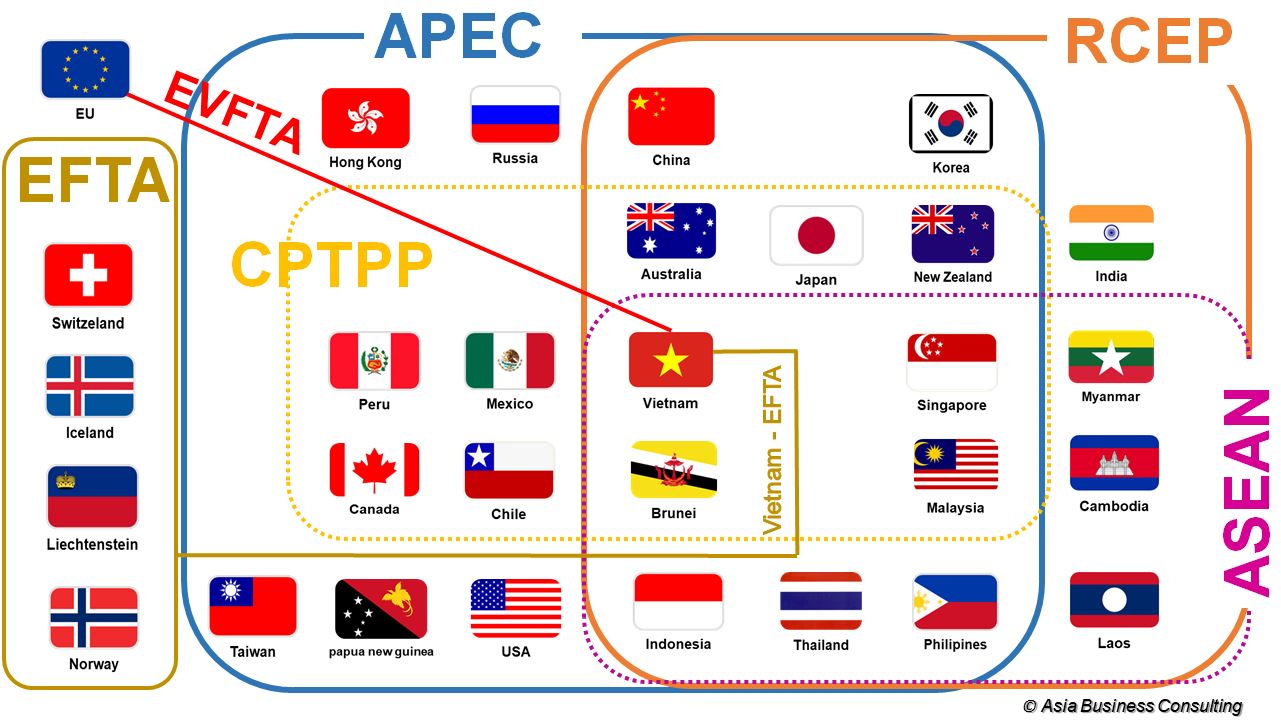
Thirty years ago, Vietnam had trade relations with only 30 countries and territories, but now the figure has amounted to 230. Particularly, Vietnam has signed a number of free trade agreements, including new-generation ones such as the Comprehensive and Progressive Agreement for Trans-Pacific Partnership (CPTPP), the EU-Vietnam Free Trade Agreement (EVFTA), and the Regional Comprehensive Economic Partnership (RCEP).
According to Stephen Nagy, Professor at International Christian University, through the application of bamboo diplomacy in a flexible, resilient, and responsive manner, Vietnam has successfully maintained pragmatic relationships with major countries and other Southeast Asian nations to promote its own development and security agenda.
“Vietnamese bamboo diplomacy is pragmatic, realistic, and regionally focused. It’s pragmatic in terms of forming relationships with all different kinds of countries, primarily focusing on Southeast Asia, and working with extra-regional partners to improve its security, stability, and prosperity.”
Stephen Nagy, Professor at International Christian University, Tokyo
Both Dung and Nagy see Vietnam as a middle power. They quoted the Asia Power Index 2023 from the Lowy Institute as saying that by the latest rankings, Vietnam was the second-most diplomatically influential country in Southeast Asia.
Vietnam was ranked 12th out of the 26 countries in terms of comprehensive power in Asia in 2022, unchanged compared to 2021, according to the institute’s report.
The rankings were weighted on eight thematic measures of power, divided into two groups: resources (economic capability, military capability, resilience, future resources), and influence (economic relationships, defense networks, diplomatic influence, and cultural influence).
Accordingly, Vietnam made it into the top 10 of the future resources, economic relationships, and diplomatic influence in Asia.
“If we use data sets like the Lowy Institute’s Asia Power Index, it’s clear that Vietnam is a middle power in terms of its overall resources, population, economic size, and diplomatic power,” Nagy said.
Vietnam has undertaken some economic reforms over the past 40 years to attract overseas development aids, as well as foreign direct investment to position itself as a new manufacturing hub in Southeast Asia, he added. “The move contributes to increasing prosperity and accelerating the development of Vietnam.”
Despite the challenges posed by the COVID-19 pandemic, Vietnam remains one of the top 20 recipients of foreign investment in 2020, as reported by the UN Conference on Trade and Development. (Source: VNA)
Besides the economic dimension, scholars like Thayer and Dung provided a concrete example that demonstrates the success of Vietnam’s bamboo diplomacy in promoting cultural values.
It is the country’s ability to attract a growing number of tourists and build strong bonds with people from different countries, based on the appeal of Vietnamese culture, politeness, and cuisine, Thayer said.
“This soft power approach is a key component of Vietnam’s bamboo diplomacy, which emphasises the need to build positive relationships with other countries and foster mutual understanding and respect.”
Agreeing with Thayer, Dung said by promoting the diplomatic identity of resilience, solidarity, and flexibility embodied by bamboo, Vietnam showcases its unique cultural identity and fosters a positive image of the country abroad.
After a two-year hiatus due to COVID-19, Vietnam reopened its doors to international tourists on March 15, 2022, and has since seen a surge in foreign holidaymakers visiting the country.
Bamboo diplomacy: Path ahead
Scholars pointed out that Vietnam is facing a growing number of challenges as it navigates the rapidly changing global situation. These challenges are exacerbated by various factors, including global geopolitical tensions and economic slowdown.
The COVID-19 pandemic has presented significant challenges to foreign policy, including Vietnam’s bamboo diplomacy, according to Nagy. Large-scale lockdowns and travel restrictions have disrupted global supply chains, and all countries have been affected.
It is likely that these challenges will persist, and there may be further unexpected events, such as natural disasters, transnational disease outbreaks, or economic recessions that make it more difficult for Vietnam and other countries to balance their relationships, he went on.
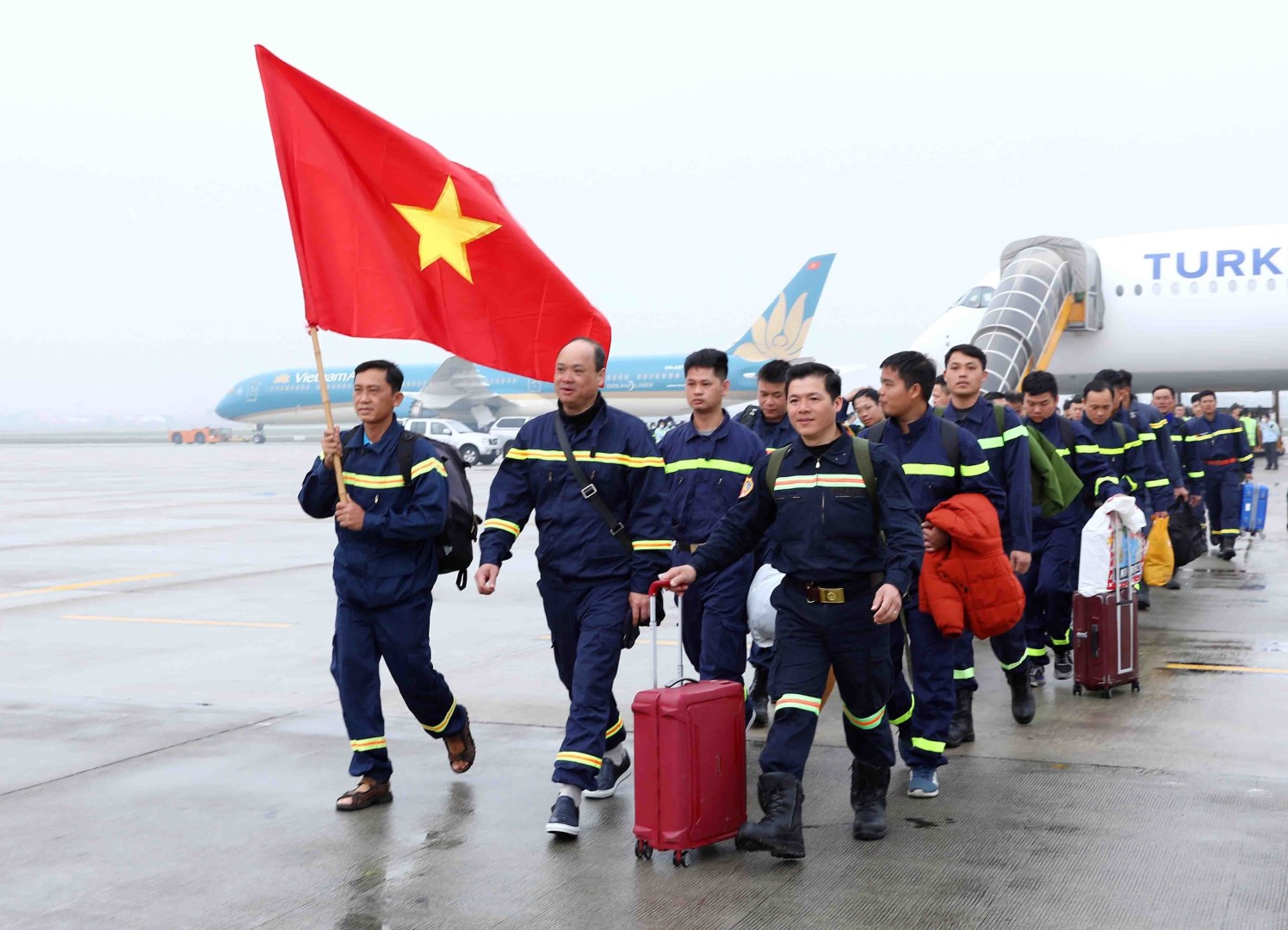
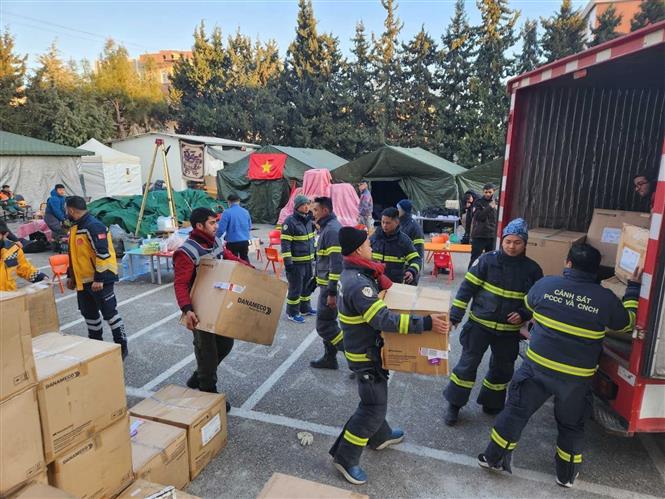
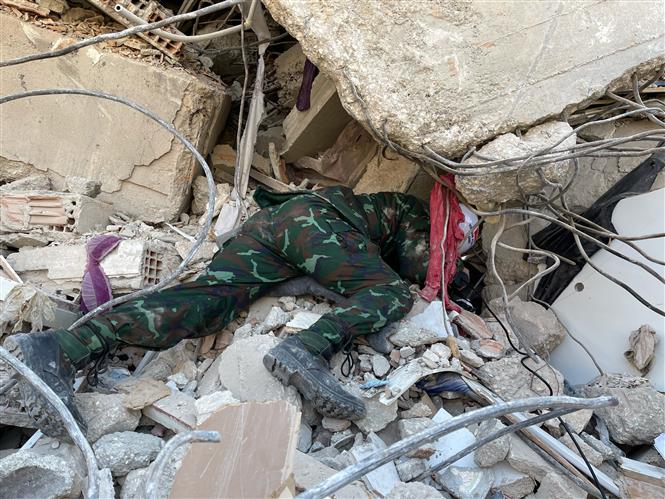
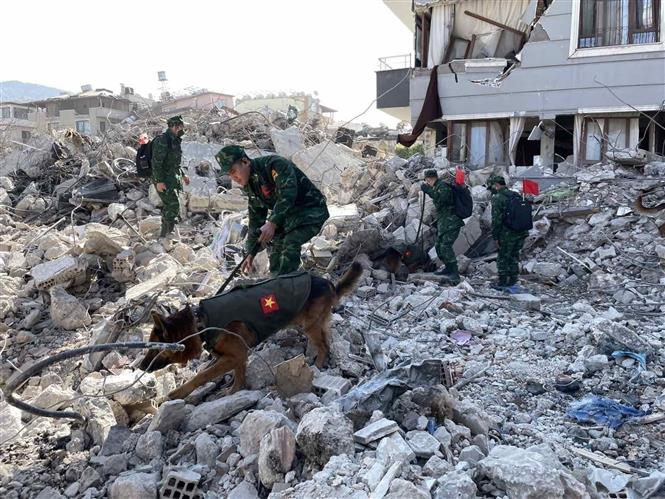
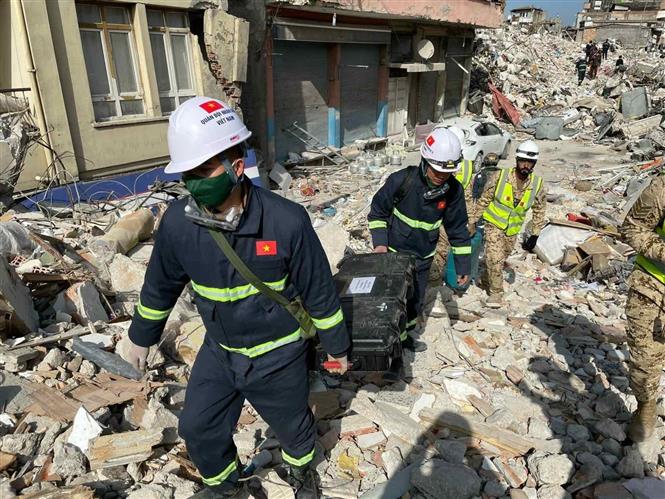
Vietnamese search and rescue teams join international efforts in addressing the consequences of the deadly earthquake in Turkey early this year (Source: VNA)
Vietnam needs creative solutions and a continued focus on flexibility and resilience in foreign policy, to counter a number of challenges ahead, according to scholars.
Vietnam must tackle these headwinds with great care and skill if it wishes to maintain its independence, promote its interests, and uphold its values, Thayer said, adding that the country also needs good relations with all major powers to achieve its goals of raising income levels and developing the economy.
“Vietnam could use its relationships with multiple partners to its advantage. Even if these partners have disagreements with each other, Vietnam can still navigate these situations to benefit its own interests.”
This is possible because Vietnam can leverage its position as a trusted partner and mediator to help resolve disputes or find mutually beneficial solutions, Thayer said.
According to Sato, amid growing international tensions, Vietnam is expected to continue its bamboo diplomacy due to its success in maintaining balanced relationships with all nations. However, as its strength and influence increase, greater efforts are required to build on its accomplishments.
Meanwhile, Dung pointed out that despite the growing external challenges, Vietnam has been able to maintain its independence and autonomy while recording high economic growth and building closer ties with all major powers in the region.
“Vietnam’s reputation has continued to rise on both regional and international platforms. Consequently, Vietnam has compelling reasons to continue its bamboo diplomacy to advance its foreign policy goals,” he said.
Scholars held that Vietnam must ensure sufficient flexibility, resilience, and adaptability to maintain its strategic autonomy, good partnerships, and sound relations with all nations.
By balancing its relationships and adapting to different circumstances, Vietnam can continue to secure its national interests while maintaining a good rapport with countries across the globe, according to Nagy.
He suggested Vietnam continue building dialogue with various partners, investing in young people so that they can effectively communicate and engage with the regional community, and working with regional and international partners to sustain economic growth.
Amidst formidable challenges ahead, Vietnam is determined to build on the achievements of bamboo diplomacy and continue this approach as a unique foreign policy. By doing so, Vietnam is positioning itself as a rising player in the international arena and charting a path toward a brighter and more prosperous future, according to scholars./.
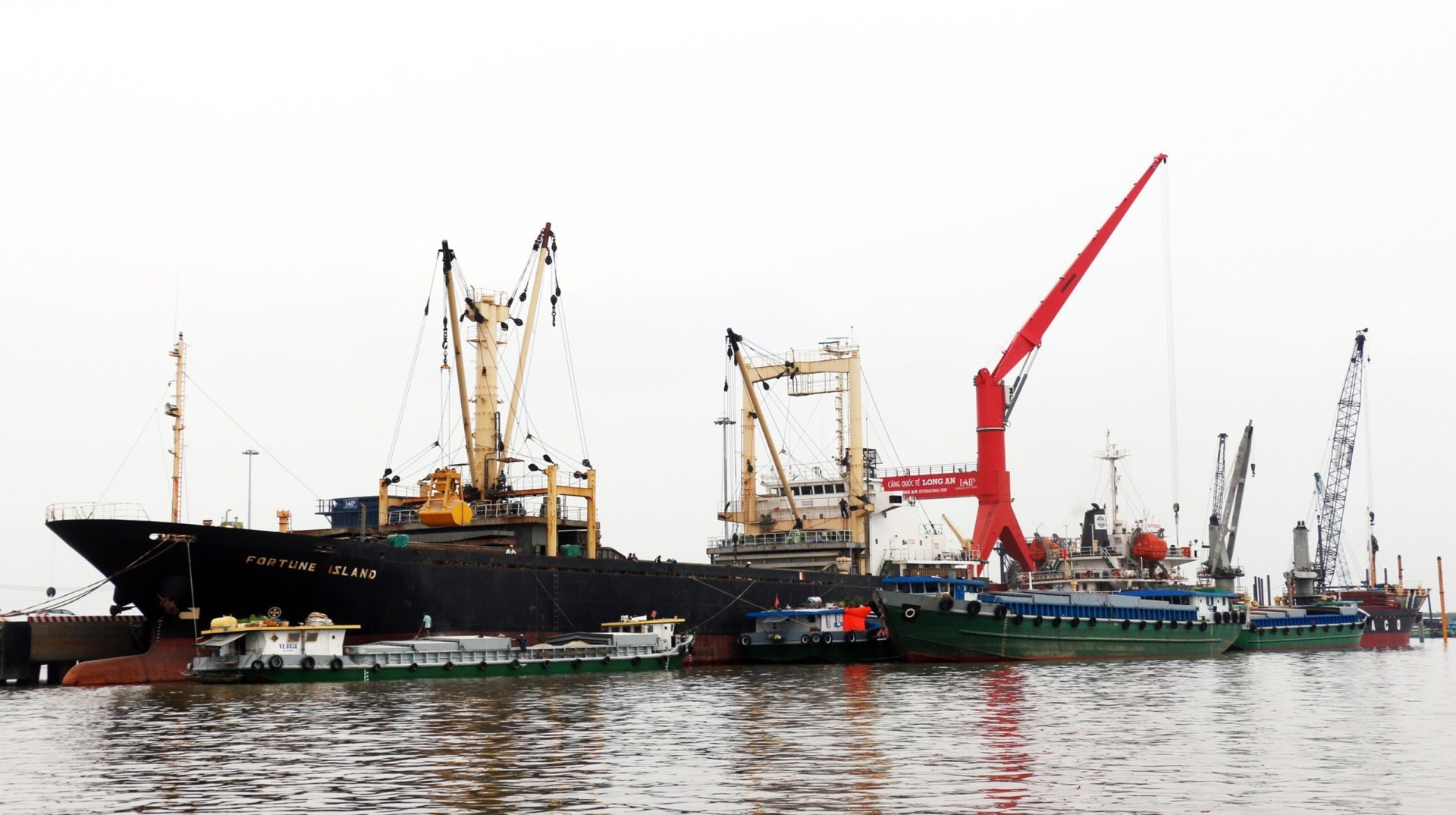
El puerto internacional de Long An, con capacidad de recibir barcos de 30 mil a 50 mil toneladas y con posición favorable en el comercio con Ciudad Ho Chi Minh y las localidades del Delta del Mekong, es una ventaja para captar inversiones en la provincia. Foto: VNA
Ubicado en la ruta marítima del centro del Sudeste Asiático, el Delta del Mekong de Vietnam, con condiciones naturales favorables y gente amable, cuenta actualmente con muchas oportunidades para recibir una ola de inversión de países vecinos.
Las provincias y ciudades de la región han implementado diversas políticas a favor de las actividades de las empresas de inversión extranjera directa (IED), ayudando a crear un entorno de negocios abierto y contribuyendo así a convertir al Delta del Mekong en un destino cada vez más fiable y atractivo para los inversores.
El Delta del Mekong se ha convertido en un destino fiable y atractivo para los inversores.
Potencial para atraer inversiones
Según el Ministerio de Planificación e Inversión, al considerar la infraestructura como una plataforma para el desarrollo socioeconómico, creando una fuerza motriz para atraer inversiones, en el período 2021 – 2025, el presupuesto estatal dedicado a los proyectos de infraestructura en el Delta del Mekong prevé llegar a casi 13,65 mil millones de dólares, un aumento del 23,3 por ciento con respecto al lustro anterior. Además, unos 5,97 mil millones de dólares del capital del presupuesto estatal se asignan a los Ministerios de Transporte, de Agricultura y Desarrollo Rural, y de Salud, para implementar otros proyectos y programas en la región.
El ministro de Planificación e Inversión, Nguyen Chi Dung, señaló que el capital se dedicará a proyectos de desarrollo de infraestructura de transporte, especialmente las rutas que conectan el Delta del Mekong con Ciudad Ho Chi Minh y la región del Sudeste mediante dos carreteras, vías navegables interiores y ferrocarriles. Al mismo tiempo, se desarrollará una carretera costera desde la provincia de Tien Giang a la de Kien Giang, y se continuarán el control de la intrusión del agua salada, la reubicación y restablecimiento de población para garantizar la defensa y seguridad nacionales y formar un corredor económico abierto frente al mar.
Se espera que en junio de este año se iniciará la construcción del proyecto de carretera Chau Doc – Can Tho – Soc Trang (del proyecto del autopista Norte – Sur), con una longitud de más de 188 kilómetros, pasando por las provincias de An Giang, Hau Giang y Soc Trang y la ciudad de Can Tho. Junto con eso, la provincia de Kien Giang también propuso al Gobierno permitir la inversión anticipada en la autopista Ha Tien – Rach Gia, de casi 100 kilómetros de longitud.
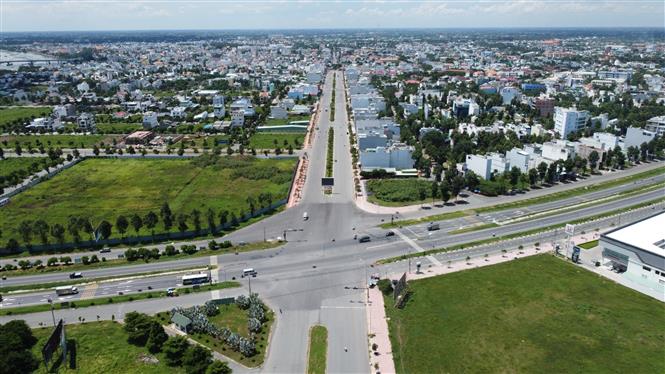
En términos de atracción de IED, Long An constituye el puesto 13 en el país y el tercero en la región económica clave del Sur. Foto: VNA
Situada en la puerta de entrada al Delta del Mekong, la provincia de Long An ocupa el tercer lugar a nivel nacional en el proceso de desarrollo de parques industriales. En términos de atracción de IED, Long An constituye el puesto 13 en el país y el tercero en la región económica clave del Sur (después de la provincia de Ba Ria – Vung Tau y Ciudad Ho Chi Minh) y lidera las provincias y ciudades en el Delta del Mekong. Hasta la fecha, la localidad ha atraído inversiones en 167 proyectos fuera de las zonas industriales, de los cuales 16 proyectos extranjeros aglutinan un capital registrado total de 4,5 mil millones de dólares.
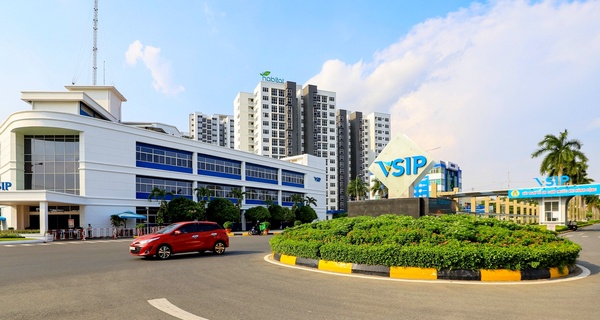
El parque industrial VSIP Can Tho, una atracción de inversión en el Delta del Mekong.
En la ciudad de Can Tho, el parque industrial VSIP Can Tho fue construido de acuerdo con criterios de una zona industrial verde, limpia y respetuosa con el medio ambiente y está bajo una gestión inteligente y moderna. De esta manera, ha creado una gran fuente de ingresos para el presupuesto estatal, contribuyendo en gran medida a la causa de la industrialización y modernización de la localidad.
Crear un entorno de inversión abierto
Durante muchos años, la provincia de Long An ha apoyado activamente a los inversores desde la etapa de comprensión del entorno de inversión hasta la implementación del proyecto. Para proyectos de gran envergadura con maquinaria de tecnología avanzada y poco impacto al medio ambiente, las autoridades competentes emitirán un certificado de registro de inversión dentro de un día hábil a partir de la fecha de recepción de los documentos completos y válidos.
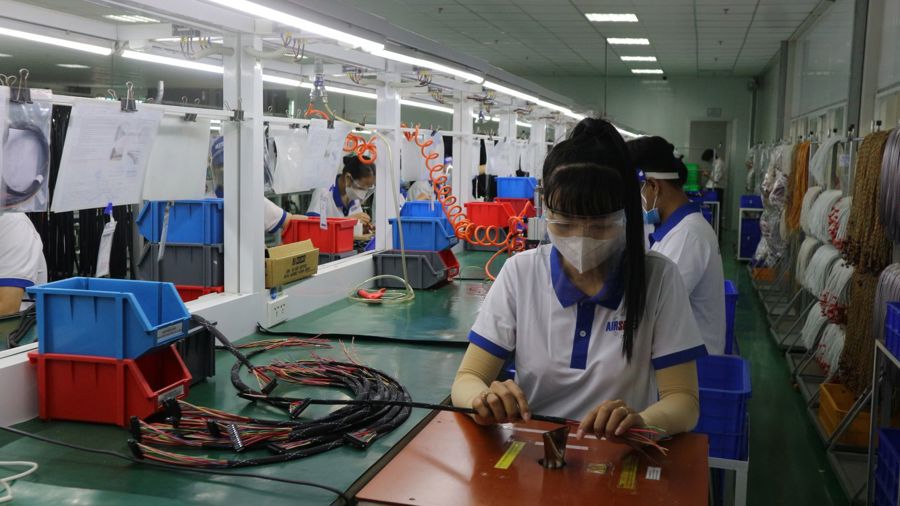
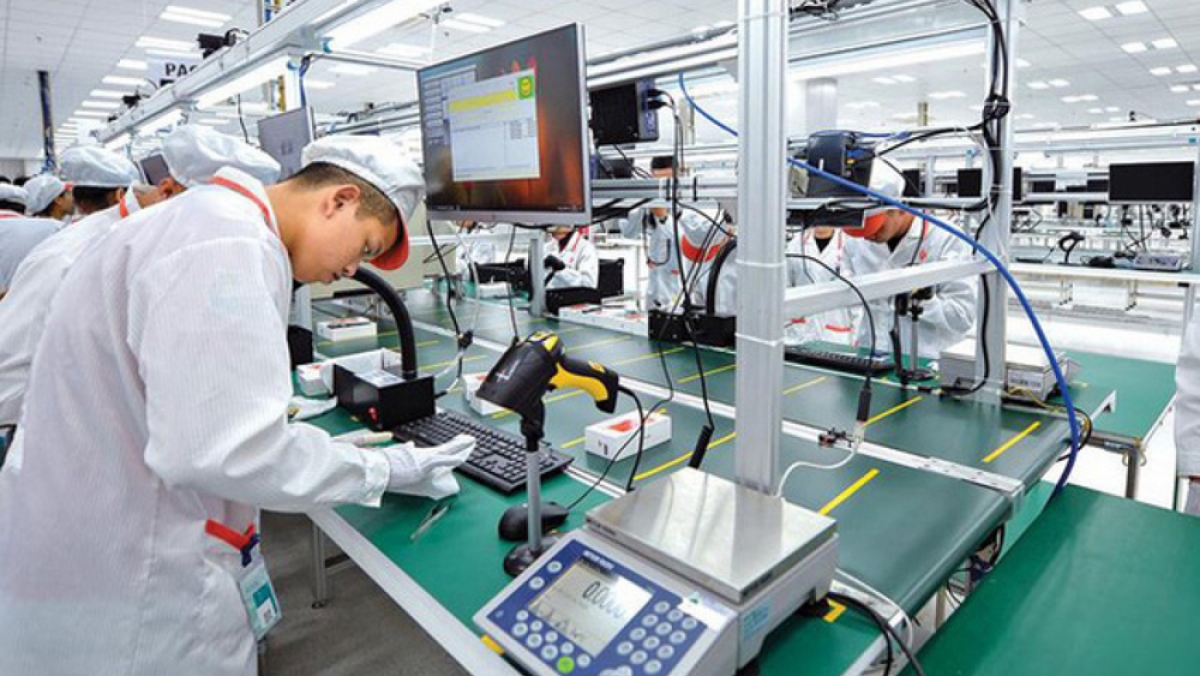
Una cadena de producción en la zona industrial Long Hau (provincia de Long An). Foto: VNA
El presidente del Comité Popular de Long An, Nguyen Van Ut, dijo que en 2023, la provincia considera actualizar la agencia local de promoción de inversiones para que tenga la capacidad de presentar, invitar y asesorar a los principales inversionistas de las corporaciones multinacionales del mundo, asegurando la consistencia y la transparencia con autoridades competentes en los procedimientos de concesión de licencias de inversión.
Además de prestar atención a la resolución de dificultades e implementar sincrónicamente soluciones para ayudar a las empresas a desarrollar la producción y los negocios, la ciudad de Can Tho fortalece la promoción de potenciales locales a inversores nacionales y extranjeros a través de muchos canales diferentes.
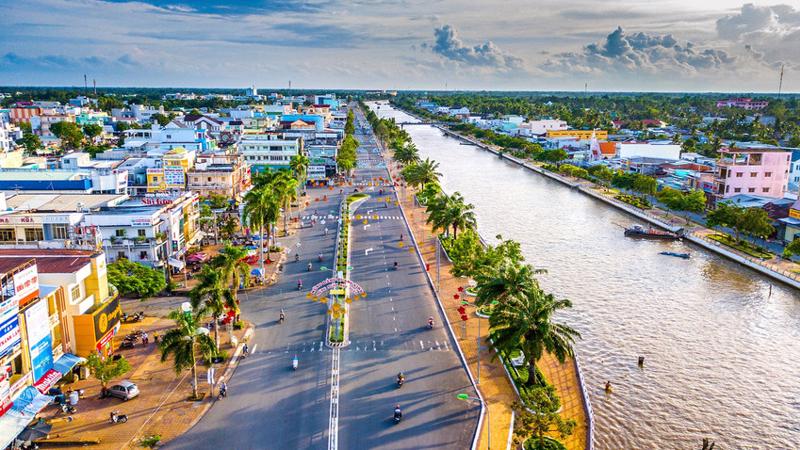
Can Tho se convertirá en en centro dinámico del Delta del Mekong.
El presidente del Comité Popular municipal, Tran Viet Truong, dijo que Can Tho crea todas las condiciones más favorables para las empresas en aras de convertirse en un destino fiable y atractivo para la inversión. El gobierno local se compromete a acompañar a empresas e inversores en el proceso de investigación e implementación de actividades de inversión y negocios en la ciudad.
Mientras tanto, la provincia de Vinh Long emitió recientemente el programa de promoción de inversiones en 2023 con el objetivo de promover programas de inversión y desarrollo socioeconómico en la localidad. Al mismo tiempo, atrae capital de inversión en los campos de interés, aprovechando las ventajas y potencialidades locales. En consecuencia, Vinh Long prioriza proyectos en economía digital, tecnologías de información y comunicación, industria biológica, agricultura de alta tecnología, tecnología ambiental, energía limpia e infraestructura técnica.
Vinh Long prioriza atraer proyectos en economía digital e industrias desarrolladas sobre la base de la tecnología 4.0
Según el vicepresidente del Comité Popular de Vinh Long Nguyen Van Liet, junto con la implementación de proyectos claves, su localidad organizará programas de promoción de inversiones, realizará intercambios de información con organizaciones, agencias y asociaciones extranjeras para conectar y promover los potenciales locales. También asistirá a programas de promoción de inversiones nacionales y extranjeras organizados por ministerios,departamentos y localidades.
De acuerdo con la Agencia de Inversiones Extranjeras (Ministerio de Planificación e Inversión), a finales de enero de este año el Delta del Mekong contaba con más de mil 880 proyectos de IED válidos, con un capital registrado total de más de 35 mil millones de dólares./.
Buscan desarrollar el Delta del Mekong como marca internacional de turismo agrorural y ecoturismo.
Международный порт Лонг-ан способен принимать суда водоизмещением 30 000 – 50 000 тонн, имеет выгодное положение в торговле с Хошимином и провинциями в дельте Меконга, что является благоприятным условием для привлечения иностранных инвесторов. Фото: ВИА
Дельта Меконга, расположенная на морском пути регионального центра АСЕАН, наделена благоприятными природными условиями, мирными жителями, которая в настоящее время находится перед многими возможностями для приветствия инвестиционной волны из соседних стран.
Провинции и города в регионе имеют множество руководящих принципов и политик, направленных на устойчивое развитие предприятий с прямыми иностранными инвестициями (ПИИ), тем самым создавая открытую инвестиционную и деловую среду, дельта Меконга все больше становится надежным и привлекательным местом назначения для инвесторов.
Дельта Меконга становится все более надежным и привлекательным местом для инвесторов.
Потенциал для привлечения инвестиций
По данным Министерства планирования и инвестиций, опредив инфраструктуру как опору для социально-экономического развития, создающую движущую силу для привлечения инвестиций, в период 2021-2025 годов ожидается, что общий объем государственной бюджетной поддержки проектов в дельте Меконга составит около 320.000 млрд донгов (около 13,65 млрд. долл. США), увеличившись на 23,3% по сравнению с периодом 2016-2020 гг.
Кроме того, около 140.000 миллиардов донгов (около 55,97 млрд. долл. США) из государственного бюджета инвестируется через министерства: транспорта, сельского хозяйства и развития сельских районов, здравоохранения… для реализации проектов в регионе.
Министр планирования и инвестиций Нгуен Тьи Зунг заявил, что капитал будет сосредоточен для проекта развития транспортной инфраструктуры, особенно маршрутов, соединяющих дельту Меконга с городом Хошимин и юго-восточным регионом через две скоростные автомагистрали, внутренние водные пути и железные дороги. В то же время, развитие прибрежной дороги от Тиенжанга до Киенжанга, связанную со сдерживанием вторжения соленой воды, перераспределением населения, обеспечением национальной обороны и безопасности, формированием открытого экономического коридора, выходящего к морю.
Ожидается, что в июне этого года проект скоростной автомагистрали Чаудок – Кантхо – Шокчанг относится к участку восточного скоростного автомагистрали Север – Юг протяженностью более 188 км, проходящего через 4 провинции и города: Анжанг, Кантхо, Хаужанг и Шокчанг будет начат строительством. Наряду с этим, скоростная автомагистраль Хатиен-Ратьжа протяженностью почти 100 км также была предложена правительству провинцией Киенжанг для инвестиций раньше, чем ожидалось.
Провинция Лонг-ан стоит на 13 месте во всей стране и 3-ем месте среди ключевых южных экономических зон за привлечение инвестиции для развития. Фото: ВИА
Провинция Лонган, расположенная у входа в дельту Меконга, является третьим населенным пунктом в стране по развитию промышленных парков (после провинции Донгнай, провинции Биньзыонг). По объему привлечения прямых иностранных инвестиций Лонган занимает 13-е место в стране и 3-е место в Южной ключевой экономической зоне (после провинции Бариа – Вунгтау, Хошимина) и всегда лидирует среди провинций и городов дельты Меконга.
ПромзонаVSIP Кантхо – ключевой проект в создании волнового эффекта в дельте Меконга
На сегодняшний день провинция привлекла инвестиции в 167 проектов за пределами за пределами промышленных зон, в том числе в 16 иностранных проектов с общим зарегистрированным инвестиционным капиталом в размере 4,4,5 млрд. долл. США.
В городе Кантхо промышленный парк VSIP Can Tho – ключевой проект, который уже давно распространился в дельте Меконга, спланированный в соответствии с критериями экологичности, чистоты, безвредности для окружающей среды, интеллектуального управления, современного, устойчивого развития. Таким образом, решая проблему труда и занятости, принося большие доходы в местный бюджет, внося значительный вклад в индустриализацию и модернизацию населенного пункта.
Создать открытую инвестиционную среду
На протяжении многих лет провинция Лонг-ан активно поддерживает инвесторов от этапа изучения инвестиционной среды до реализации проекта. Для крупномасштабных инвестиционных проектов, приносящих добавленную стоимость провинции, использующих передовые технологии и машины, оказывающих незначительное воздействие на окружающую среду, компетентный орган выдает свидетельство о регистрации инвестиций в течение одного рабочего дня после получения полного действительного досье.
Линия производства в промзоне Лонгхау (провинция Лонг-ан). Фото: ВИА
Председатель народного комитета Лонган Нгуен Ван Ут сказал, что в 2023 году провинция рассматривает возможность модернизации провинциального агентства по продвижению инвестиций, чтобы иметь возможность представлять, приглашать, консультировать крупных инвесторов в мире, транснациональные корпорации, обеспечивать согласованность и последовательность с компетентными органами в процедуре лицензирования инвестиций. Отрасли и уровни провинции серьезно придерживаются принципа ”всегда сопровождать предприятия”. Это также послание Лонгана в этом году под девизом ”подкрепить слово действием”.
В столице дельты Меконга, помимо заботы об устранение трудностей, внедряются синхронные решения для поддержки предприятий в развитии производства, бизнеса, город Кантхо активно продвигает и представляет потенциал местности местным и иностранным инвесторам и предприятиям по множеству различных каналов.
Кантхо станет динамичным центром региона дельты Меконга.
Председатель Народного комитета города Кантхо Чан Вьет Чыонг сказал, что Кантхо создает все самые благоприятные условия для бизнеса, создавая хорошо открытую среду, превращение Кантхо в надежное и привлекательное место назначения для иностранных инвесторов. Власти Кантхо стремится сопровождать предприятия и инвесторов в процессе изучения и реализации инвестиций в бизнес в городе.
Провинция Виньлонг только что выпустила Программу поощрения инвестиций на 2023 год с целью продвижения инвестиций и программ социально-экономического развития в провинции. В то же время, провинция приглашает и привлекает инвестиционный капитал в областях, в которых заинтересована провинция, максимально используя преимущества и потенциал провинции. Соответственно, Виньлонг уделяет приоритетное внимание привлечению проектов для развития цифровой экономики, секторов развития на технологической платформе 4.0, таких как индустрия ИКТ, биоиндустрия, применение высоких технологий в сельском хозяйстве, экологические технологии, чистая энергетика, техническая инфраструктура…
Виньлонг считает приоритетным привлечение проектов для развития цифровой экономики, отраслей, развивающихся на базе технологии 4.0
Народного комитета провинции Виньлонг Нгуен Ван Лиета, наряду с реализацией ключевых проектов, Виньлонг будет организовывать программы поощрения инвестиций, проводить обмен информацией с иностранными организациями, агентствами и ассоциациями, чтобы связать продвижение местного потенциала с зарубежным бизнес-сообществом. В то же время Виньлонг примет участие в программах поощрения инвестиций в стране и за рубежом, организованных министерствами, центральными ведомствами и провинциями.
Департамент иностранных инвестиций (Министерство планирования и инвестиций) сообщил, что по состоянию на конец января 2023 года в дельте Меконга действуют 1884 проекта прямых иностранных инвестиций с общим зарегистрированным капиталом более 35 млрд. долл. США./.
Превращение дельты Меконга в международный бренд агротуризма и экотуризма
Le port international de Long An est capable de recevoir des navires de 30.000 à 50.000 tonnes, occupant une position favorable dans les échanges entre la province de Long An et Ho Chi Minh-Ville et d’autres provinces du delta du Mékong. Il s’agit d’une condition favorable pour attirer les investisseurs à Long An. Photo: VNA
Situé sur la route maritime du centre de la région ASEAN et doté de conditions naturelles favorables, le delta du Mékong se prépare à accueillir une vague d’investissements directs étrangers (IDE).
Les villes et provinces de la région déploient de nombreuses directives et politiques pour que les entreprises d’investissement direct étranger (IDE) se développent de manière stable et durable, créant un environnement ouvert, aidant le delta du Mékong à devenir une destination de plus en plus fiable et attrayante pour les investisseurs.
Le delta du Mékong devient une destination fiable et attrayante pour les investisseurs.
Potentiel pour attirer des investissements
Selon le ministère du Plan et de l’Investissement, pour créer une motivation à attirer les investissements, au cours de la période 2021 – 2025, le fonds budgétaire total de l’État accordé aux projets dans le delta du Mékong devrait atteindre environ 320.000 milliards de dongs (environ 13,65 milliards de dollars), soit une hausse de 23,3% par rapport à la période 2016 – 2020. En outre, environ 140.000 milliards de dongs (environ 5,97 milliards de dollars) d’investissement du budget de l’État seront investis par l’intermédiaire des ministères du Transport, de l’Agriculture et du Développement rural, de la Santé… pour mettre en œuvre des projets dans la région.
Le ministre du Plan et de l’Investissement, Nguyen Chi Dung, a déclaré que le fonds serait destiné aux projets de développement des infrastructures de transport, en particulier les routes reliant le delta du Mékong à Hô Chi Minh-Ville et à la région du Nam Bô oriental, les voies navigables intérieures et les voies ferrées.
Le projet d’autoroute Chau Doc – Can Tho – Soc Trang (reliant le port de Tran De) faisant partie du projet d’autoroute Est Nord – Sud, d’une longue de plus de 188 km, traversant 4 provinces et villes : An Giang, Can Tho, Hau Giang et Soc Trang, devrait être mis en chantier en juin prochain. Parallèlement à cela, la province de Kien Giang a proposé au gouvernement pour un investissement plus tôt que prévu de l’autoroute Ha Tien – Rach Gia, d’une longue de près de 100 km.
En termes de l’attractivité d’IDE, la province de Long An est se classe 13e du pays et 3e de la région économique clé du Sud. Photo: VNA
La province de Long An est la troisième localité du pays en matière de développement des zones industrielles (après les provinces de Dong Nai et Binh Duong). En termes de l’attractivité d’IDE, Long An se classe 13e du pays et 3e de la région économique clé du Sud (après la province de Ba Ria – Vung Tau, Hô Chi Minh-Ville) et domine toujours les provinces et villes de la région du delta du Mékong. Jusqu’à présent, la province a attiré 167 projets d’investissement en dehors des zones industrielles, dont 16 projets étrangers avec un capital d’investissement total enregistré de 4,5 milliards de dollars.
Le parc industriel VSIP Can Tho est un projet clé qui a depuis longtemps créé un effet d’entraînement dans le delta du Mékong.
Dans la ville de Can Tho, le parc industriel VSIP Can Tho est un projet clé de la région du delta du Mékong, planifié selon les critères d’une industrie verte, propre et respectueuse de l’environnement, de gestion intelligente, de développement moderne et durable.
Créer un environnement d’investissement ouvert
Depuis de nombreuses années, la province de Long An soutenait toujours les investisseurs. Pour les projets d’investissement à grande échelle apportant une valeur ajoutée à la province et utilisant des technologies avancées, les autorités compétentes délivreront le certificat d’investissement en une journée.
Une chaîne de production dans le parc industriel de Long Hau, dans la province de Long An. Photo: VNA
Le président du comité populaire provincial de Long An, Nguyen Van Ut, a déclaré qu’en 2023, la province envisageait de mettre à niveau l’agence de promotion des investissements de Long An pour qu’elle ait la capacité de présenter, d’inviter et de conseiller les principaux investisseurs et les sociétés multinationales, en garantissant cohérence et transparence avec les autorités compétentes dans les procédures d’autorisation d’investissement. Les branches de tous les niveaux suivent sérieusement l’esprit de “Toujours accompagner les entreprises”.
La ville deCan Tho deviendra le centre dynamique du delta du Mékong.
Le président du comité populaire de la ville de Can Tho, Tran Viet Truong, a déclaré que Can Tho créait un environnement ouvert et les conditions les plus favorables pour les entreprises et faisait de Can Tho une destination fiable et attrayante pour les investisseurs étrangers. Les autorités municipales se sont engagées à accompagner les entreprises et les investisseurs dans l’étude et la mise en œuvre de leurs projets dans la ville.
La province de Vinh Long vient de publier son programme de promotion des investissements en 2023 dans le but de promouvoir les programmes d’investissement et le développement socio-économique, et en même temps attirer des capitaux d’investissement dans les domaines auxquels la province s’intéresse, en tirant le meilleur parti de ses avantages et potentiels. En conséquence, Vinh Long donne la priorité aux projets dans l’économie numérique, les industries développées sur la base de la technologie 4.0 telles que l’industrie des TIC, l’industrie biologique, l’agriculture de haute technologie, les technologies environnementales, l’énergie propre, l’infrastructure technique…
D’après le vice-président du comité populaire provincial de Vinh Long, Nguyen Van Liet, parallèlement à la mise en œuvre de projets clés, Vinh Long organisera des programmes de promotion des investissements, procédera à des échanges d’informations avec des organisations, des agences et des associations étrangères pour connecter et promouvoir les potentiels locaux avec les entreprises étrangères. Dans le même temps, Vinh Long participera à des programmes de promotion des investissements nationaux et étrangers organisés par les ministères, les secteurs, les villes et provinces.
Selon le Département des investissements étrangers du ministère du Plan et de l’Investissement, fin janvier 2023, il y avait 1.884 projets d’IDE opérationnels dans le delta du Mékong, d’un capital social total de plus de 35 milliards de dollars./.
Développer la marque internationale pour le tourisme agro-rural et l’écotourisme dans le delta du Mékong.
Long An international port, capable of receiving ships of 30,000 – 50,000 tonnes and located in the route connecting Ho Chi Minh City and Mekong Delta provinces, is a good condition for Long An to attract foreign investors. Photo: VNA
The Mekong Delta region, located on the maritime route in the centre of the ASEAN region, has great potential to draw strong investment waves from countries, especially neighbouring nations.
To tap the opportunities ahead, regional localities have designed various policies and measures to support foreign investors in developing stably and sustainably, including creating a smooth environment for them. The efforts are expected to turn the region into an attractive destination for investors.
The Mekong Delta region has become increasingly attractive to investors.
Great potential for investment attraction
According to the Ministry of Planning and Investment (MPI), in the 2021-2025 period, the region expects to be allocated 320 trillion VND (about 13.65 billion USD) of State capital for infrastructure projects, up 23.3% over the 2016-2020 period. Meanwhile, it will also get about 140 trillion VND (5.97 billion USD) of State funding through ministries for other projects across the region.
Minister of Planning and Investment Nguyen Chi Dung said that the capital will be poured into infrastructure development projects, especially routes connecting the region with Ho Chi Minh City and the Southeastern region through roads, waterways and railways. At the same time, a coastal route linking Tien Giang and Kien Giang provinces will be developed in association with salt water intrusion prevention and security-defence protection, forming an open economic corridor towards the sea.
In the first six months of this year, the construction of 188-km Chau Doc – Can Tho – Soc Trang expressway, part of the North-South Expressway that crosses four localities of An Giang, Can Tho, Hau Giang and Soc Trang was launched, while Ha Tien-Rach Gia expressway with a length of nearly 100km was also proposed by Kien Giang.
Long An ranks 13th in the country and 3rd in the southern key economic region in FDI attraction Photo: VNA
Long An province, located in the gateway to the Mekong Delta region, ranks third among localities across the country in the process of developing industrial parks after Dong Nai and Binh Duong provinces. In terms of FDI attraction, Long An ranks 13th in the country and third in the southern key economic region after Ba Ria – Vung Tau and Ho Chi Minh City. It always leads the provinces and cities in the Delta region in the field. To date, the province has attracted 167 projects outside industrial parks, including 16 foreign-invested projects with a total registered capital of 4.5 billion USD.
The Vietnam-Singapore Industrial Park (VSIP) has shown widespread efficiency in the Mekong Delta region
Meanwhile in Can Tho city, the Vietnam-Singapore Industrial Park (VSIP) has been one of the major projects developed towards green, smart, modern and sustainable manufacturing. The project has created a large number of jobs and paid a great amount to the local budget collection, contributing to the city’s modernisation and industrialisation.
Creating smooth investment environment
Over the years, Long An has been highly evaluated by investors for its support in exploring the local investment environment and implementing their projects. Investment projects meeting the province’s requirements and priorities have received investment licensing within one day.
Production at a factory in Long Hau Industrial Park (Long An). Photo: VNA
Chairman of the People’s Committee of Long An province Nguyen Van Ut said that this year, the province will upgrade its investment promotion capacity to lure more big investors and multinational groups, while fostering coordination among authorised agencies in processing the procedures to issue investment licences with the motto of accompanying businesses.
At the same time, Can Tho, the capital of the Mekong Delta region, is focusing on assisting local firms to expand production and business operations, and introducing its potential to domestic and foreign investors through different channels.
Can Tho is expected to become a locomotive for the Mekong Delta region
Chairman of the Can Tho People’s Committee Tran Viet Truong said that Can Tho will provide optimal conditions for businesses, while creating a smooth business climate and turning itself into a trustworthy and attractive address for foreign investors. The local administration commits to accompanying businesses and investors to explore opportunities and implement their projects in the city, he pledged.
In Vinh Long province, a plan for investment promotion for 2023 was issued with an aim to put fourth investment and socioeconomic development programmes in the locality. It has also called for investment in its prioritised sectors such as digital economy, biotechnology, high-tech agriculture, environment, clean energy and technical infrastructure development.
Vinh Long prioritises projects in digital economy and sectors based on technology of the Frouth Industrial Revolution
Vice Chairman of the Vinh Long People’s Committee Nguyen Van Liet said that along with implementing major projects, Vinh Long will also organise investment promotion programmes and exchange information with foreign organisations, agencies and associations to introduce the province’s potential to foreign investors. At the same time, Vinh Long will also join investment promotion events inside and outside the country with the same purpose, he said.
According to the Foreign Investment Agency under the Ministry of Planning and Investment, as of the end of January 2023, the Mekong Delta region, comprising 13 cities and provinces had hosted 1,884 FDI valid projects worth over 35 billion USD./.
The Mekong Delta region is being developed into an international trademark in agritourism and ecotourism
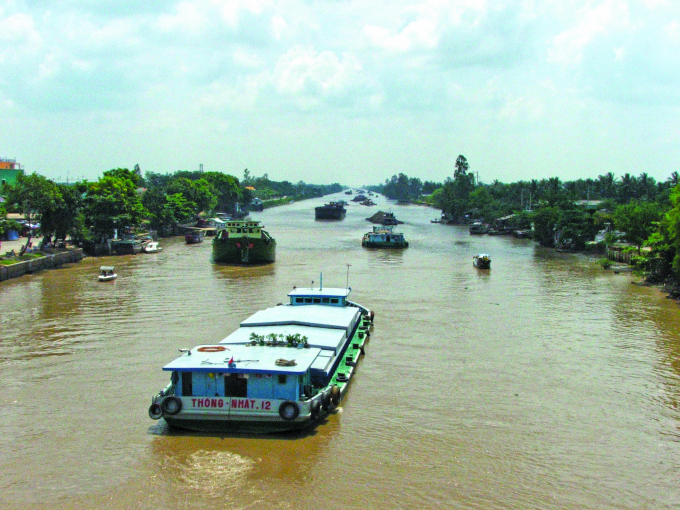
Vietnam ha promovido activamente la cooperación internacional en el transporte por vías navegables interiores.
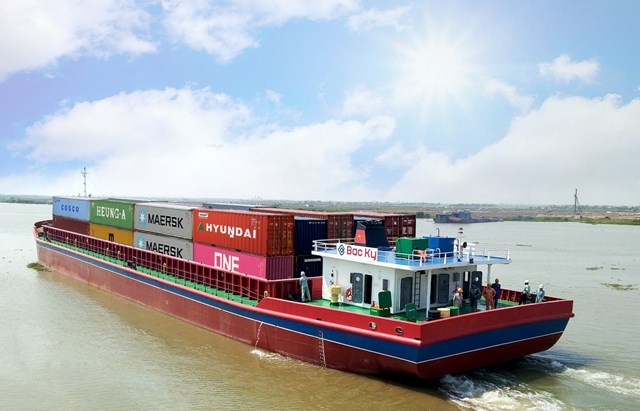
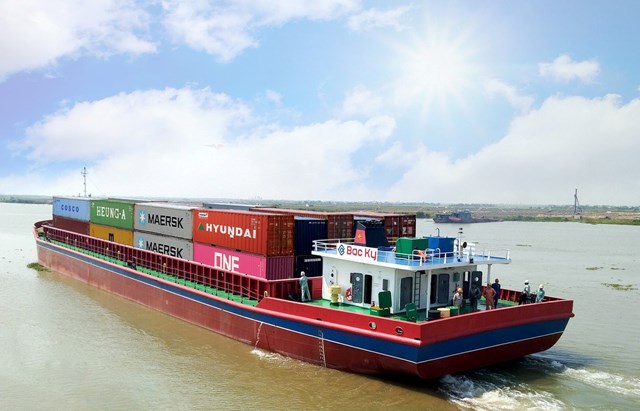
Vietnam se conecta por rutas fluviales y costeras con países vecinos como Laos y Camboya, lo que abre oportunidades de cooperación y promueve el transporte fluvial transfronterizo, brindado así beneficios económicos y socioeconómicos para los países. En consecuencia, Vietnam ha promovido activamente la cooperación internacional en el transporte por vías navegables interiores.
*Cooperación efectiva con Camboya
Vietnam y Camboya firmaron un acuerdo de transporte acuático en 2009.
Según la Administración de Vías Navegables Interiores de Vietnam (VIWA), en 2009, Vietnam y Camboya firmaron el Acuerdo sobre Transporte Acuático, estableciendo un marco legal para la implementación efectiva de la libertad de navegación en el sistema del Mekong para el desarrollo sostenible de la cuenca del Río y creando condiciones favorables para el tránsito y las actividades de navegación transfronteriza en las vías navegables reguladas.
Ta Van Thanh, subjefe del Departamento de Transporte de la VIWA, dijo que desde que entró en vigencia el mencionado acuerdo en 2011, los dos países han aprobado trámites para cerca de 78 mil vehículos, más de 406 mil tripulantes, casi 20 millones de toneladas de carga y casi 1,3 millones de pasajeros.
El volumen de carga a través de la ruta fluvial entre las dos naciones está aumentando, especialmente se contabiliza una subida anual de 20 por ciento para los contenedores. En 2022 se registraron unos 400 mil TEUs y, en los dos primeros dos meses de 2023, esa cifra superó los 150 mil TEUs.
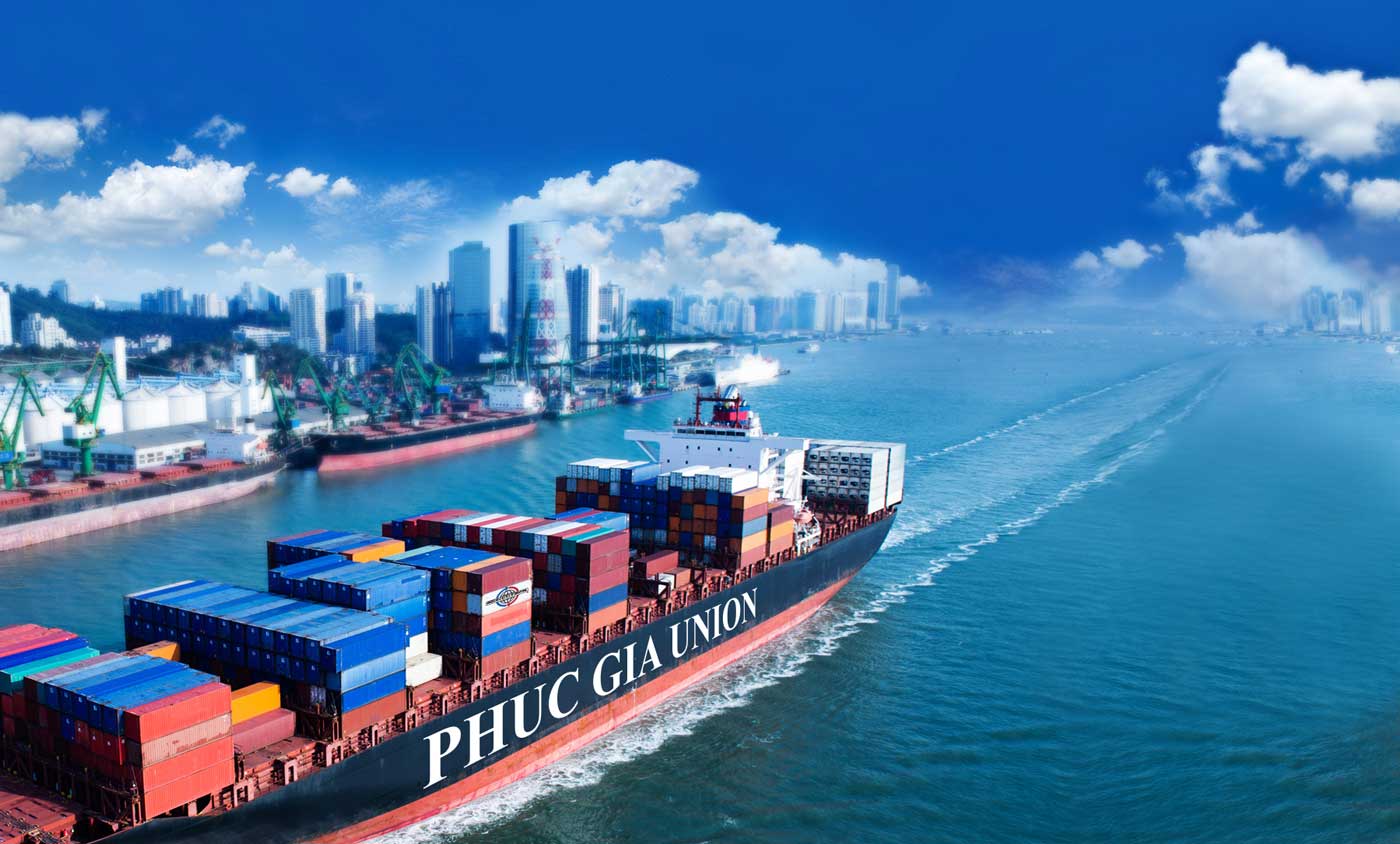
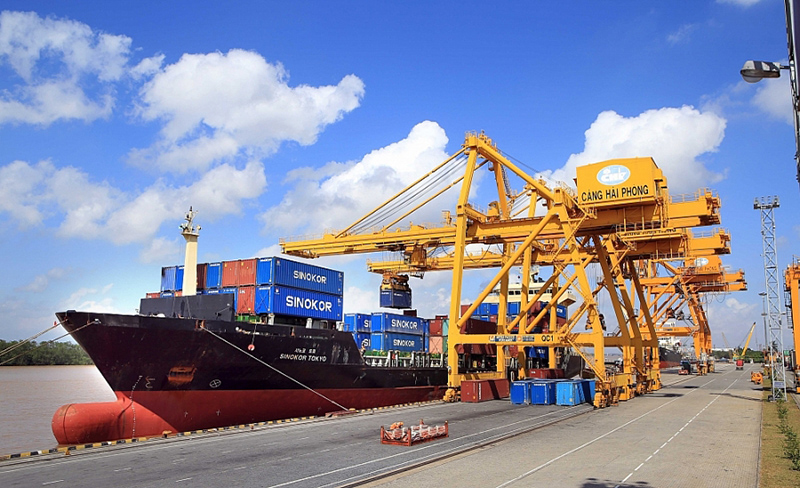
Contenedores de carga en el puerto internacional de Lach Huyen, en la ciudad norteña de Hai Phong. (Foto: VNA)
A través de esta ruta, se generaron empleos para los trabajadores y alrededor de 60 millones de dólares al año en ganancias para las empresas de transporte y de carga de Vietnam.
De acuerdo con la VIWA, se trata de una de las vías de transporte fluvial más importantes, que contribuye a mejorar el comercio y la cooperación entre los dos países. Por lo tanto, a lo largo de los años, el Departamento de Transporte de la VIWA ha coordinado activamente con las agencias y unidades relevantes para eliminar las dificultades y crear condiciones favorables para las actividades de navegación entre las dos naciones.
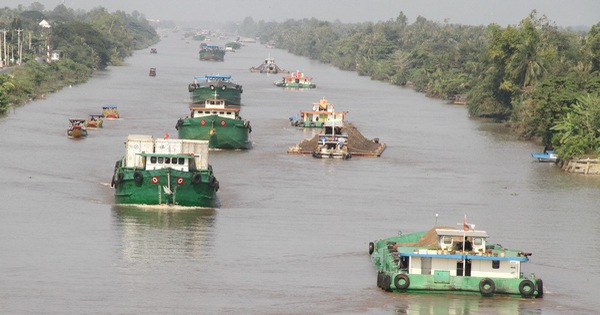
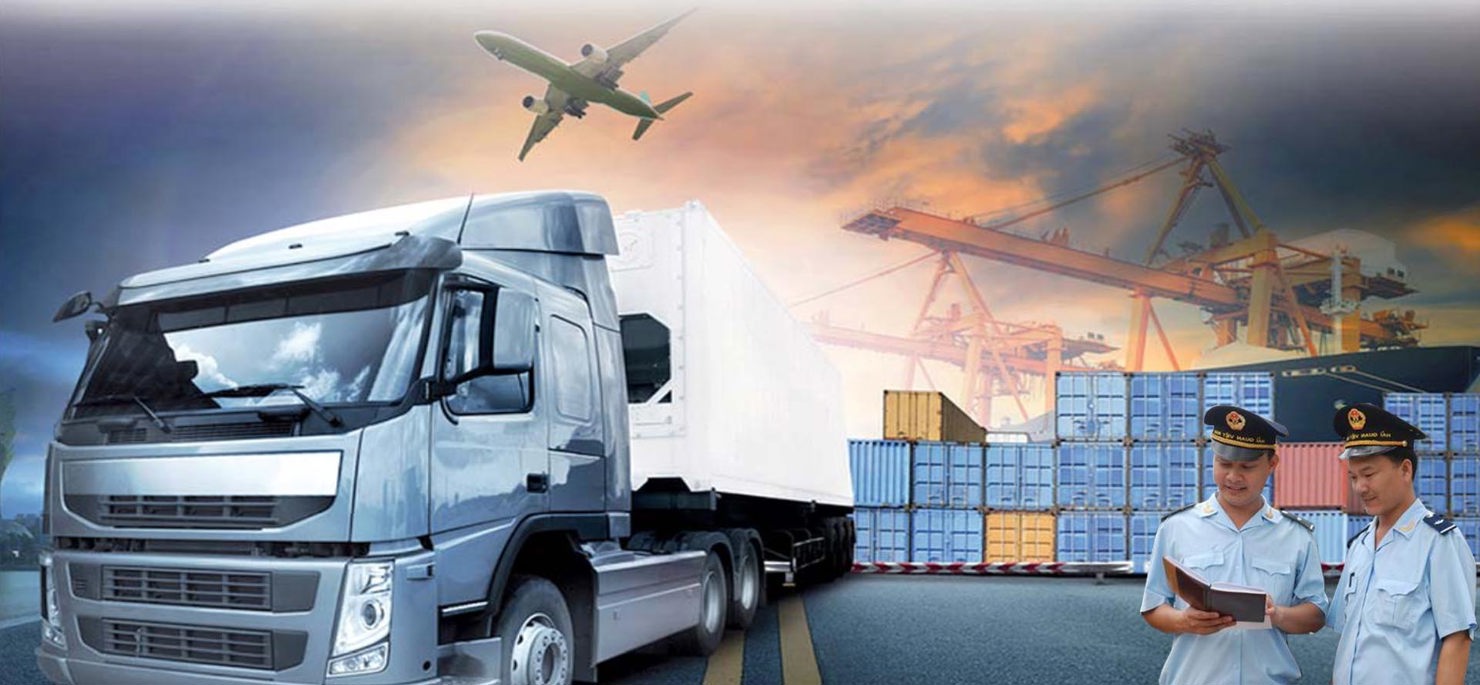
Todo el sistema de vías navegables interiores se considera un “canal verde” para los vehículos en el transporte de mercancías. (Foto baodautu.vn)
Lo más destacado de los resultados de colaboración de los últimos dos años es la emisión de la Circular 74/2021/TT-BTC, fechada el 27 de agosto de 2021, la cual estipula que los medios de transporte de vías navegables interiores deben pagar tarifas de navegación interior, en lugar de las de peaje del transporte marítimo internacional, por lo que son de 10 a 11 veces inferiores a las del último.
Junto con eso, la VIWA también propuso que Ciudad Ho Chi Minh promulgue una resolución sobre la tarifa por el uso de infraestructura y obras de servicios públicos en el área de los puertos marítimos fronterizos de la urbe.
En consecuencia, a partir del 1 de agosto de 2022, quedaron exentos de tasas las mercancías importadas temporalmente para reexportación, las mercancías exportadas temporalmente para reimportación, las almacenadas en depósitos aduaneros, las en tránsito, las exportadas e importadas transportadas dentro y fuera del puerto por vehículos de navegación interior que operan en vías navegables en virtud del Acuerdo sobre Transporte Acuático entre Vietnam y Camboya.
A criterio de economistas, esta normativa ha creado grandes ventajas para las empresas de transporte acuático, reduciendo los costos logísticos en general, contribuyendo así al aumento de transporte de carga en la ruta.
Hasta el momento, alrededor de 100 empresas y organizaciones e individuos han operado en esta ruta, incluidos grandes operadores de contenedores con oficinas de representación en Camboya como SNP, Gemadept, GLS y New Cang Cypress.
Sin embargo, para continuar desarrollando esta vía fluvial de manera sostenible, los expertos sugirieron a las autoridades simplificar los procedimientos para reducir el tiempo y el coste de transporte y logística.
*Concretar el potencial de cooperación con Laos
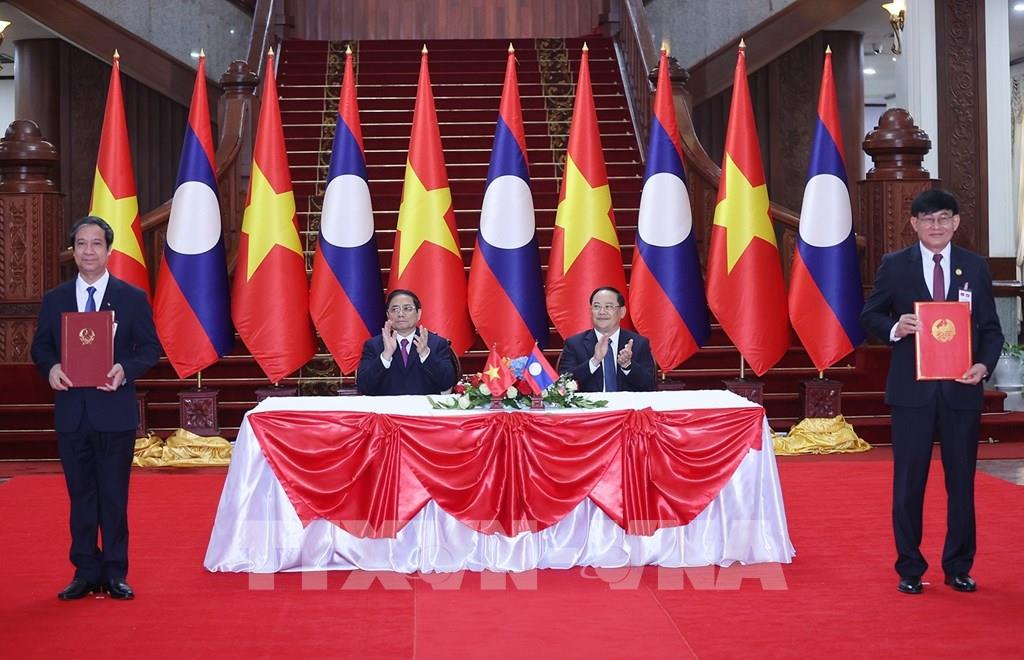
Según la VIWA, durante su visita oficial a Laos a principios de este año, el primer ministro vietnamita, Pham Minh Chinh, y su homólogo anfitrión, Sonexay Siphandone, presenciaron la ceremonia de firma de 10 documentos de cooperación, incluido un acuerdo de colaboración integral en el transporte fluvial entre el Ministerio de Transporte de Vietnam y el Ministerio de Obras Públicas y Transporte de Laos.
El primer ministro vietnamita, Pham Minh Chinh, y su homólogo anfitrión, Sonexay Siphandone, presenciaron la ceremonia de firma de 10 documentos de cooperación bilateral. (Foto: VNA)
El pacto firmado fue el fruto de cooperación durante los últimos tres años entre las dos carteras y agencias relevantes de las dos naciones, incluidas la Administración de Vías Navegables de Laos, la Administración Marítima de Vietnam y la VIWA.
Un funcionario de la VIWA reveló que para completar el borrador del Acuerdo, se realizaron viajes de estudios en varios ríos y puertos en los dos países, lo cual demostró que el río Mekong es la principal vía fluvial del sistema de transporte acuático de Laos, con más de mil 800 kilómetros que atraviesan su territorio, 29 puertos y más de cuatro mil 500 vehículos de carga y pasajeros.
Algunas áreas tienen un gran potencial para promover la cooperación logística con Vietnam como la zona portuaria de Vientiane, ubicada al centro de Laos y al noreste del río Mekong. El puerto está conectado con el puerto vietnamita de Vung Ang a través del ferrocarril Laos – Vietnam.
El puerto de Vung Ang, que bordea las provincias laosianas de Bolikhamsai y Khammouane, le brinda a Laos un acceso importante al Mar del Este, así como a los principales mercados de Corea del Sur, Japón y otros países de la región.
Al decir de los expertos de la VIWA, Laos tiene un gran potencial para el transporte por vías navegables y la oportunidad de ampliar la conectividad y la cooperación con Vietnam. Sin embargo, los recursos humanos, la infraestructura y el equipamiento aún son limitados.
Por lo tanto, el acuerdo de cooperación integral recién firmado ayuda a favorecer las actividades de transporte acuático en Laos en el período 2022 – 2027, especialmente en intercambio de experiencias y conocimientos, formación de recursos humanos, mejoramiento del sistema legal, gestión y operación de puertos y muelles, logística y otros servicios relacionados. También, facilita el transporte de mercancías importadas y exportadas desde Laos a través del sistema de puertos marítimos y de navegación interior de Vietnam.
La implementación de este pacto no solo apoyará a Laos en el campo del transporte por vías navegables interiores, sino también promoverá el transporte transfronterizo y la logística entre los dos países.
En 2023 y los años siguientes, la VIWA continuará implementando de manera efectiva la cooperación internacional en el segmento de las vías navegables, especialmente con Laos y Camboya; y al mismo tiempo, promoverá la implementación de proyectos en el marco de la cooperación Vietnam-Australia, y del mecanismo Mekong-Lancang, dijo un representante la entidad./.