Vietnam’s foreign direct investment powers economy into the future

With a fresh open-door policy as well as attractive incentives and investment environment, Vietnam has drawn a large amount of foreign direct investment (FDI) in recent years despite the impact of COVID-19 across the globe. According to experts, FDI has driven the country’s economic development and international economic integration.

With its advantages of a smooth business climate, stable political environment, steadily developing macro-economy, and abundant and low-cost workforce, Vietnam is an ideal destination for foreign investors.

Recognising the significance and role of FDI, the Government has issued many policies and rolled out many measures to ensure an attractive and safe environment for investors. This includes the Law on Foreign Investment 1987, and the Politburo’s Resolution 50-NQ/TW dated August 20, 2019, on orientations to complete the institutions and policies to enhance the quality and efficiency of foreign investment cooperation until 2030.

Alongside, domestic firms have also worked hard to improve their human resources and the production chain to attract more investors.

Thanks to these efforts, the FDI inflows to Vietnam have increased in recent years, especially after Vietnam signed on to a variety of bilateral and multilateral free trade agreements (FTAs). In the 2015-2019 period, total registered FDI capital into Vietnam expanded from 22.7 billion USD in 2015 to 38.95 billion USD in 2019, while the number of distributed capital also increased from 14.5 billion USD in 2015 to 20.38 billion USD in 2019. The number of newly registered FDI projects also rose from 1,843 in 2015 to 3,883 in 2019.

Even when the whole globe was suffering from COVID-19, investment activities in Vietnam continued to grow.

In 2020, Vietnam was among the 20 top countries in the world in terms of FDI attraction with 28.53 billion USD. The figure rose to 31.15 billion USD in 2021, which stood at 27.72 billion USD in 2022.

Despite COVID-19 impacts, only a slight drop was seen in the amount of FDI disbursed in 2020 and 2021 at 19.98 billion USD and 19.74 billion USD, respectively. The disbursement rose 13.5% in 2022 to 22.4 billion USD.

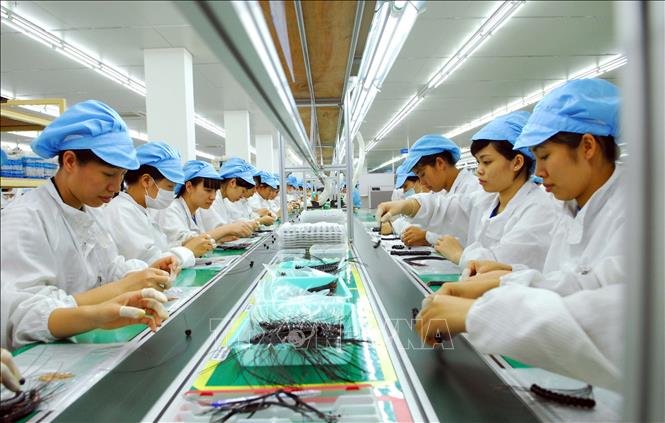
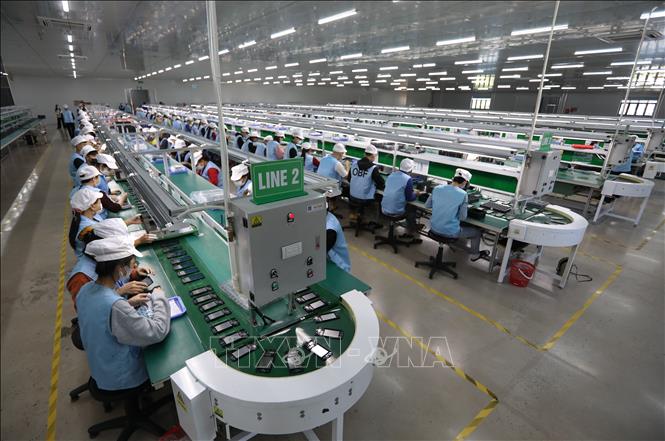
Foreign investors have poured money into 19 out of the 21 civil economic sectors, mostly in retail, wholesale, manufacturing-processing and science-technology.

Last year, 108 countries and territories invested in Vietnam, led by Singapore with nearly 6.46 billion USD, accounting for 23.3% of total FDI Vietnam lured in the year. The Republic of Korea came second with 4.88 billion USD, followed by Japan with 4.78 billion USD.

The figures showed that despite adverse impacts of the COVID-19 pandemic, foreign investors have maintained confidence in the economy and investment environment of Vietnam.

According to Brook Taylor, General Director of VinaCapital, fundamental factors underpinning the growth of the Vietnamese economy remain unchanged. Vietnam is an open economy with high export potential and great attractiveness thanks to strong foreign investment inflows. In addition, domestic demand is also increasing, he said, underlining that Vietnam is moving forward like leading economies in Asia such as Japan or the Republic of Korea.

Data from the Ministry of Planning and Investment (MPI) showed that the disbursement rate of FDI in Vietnam accounted for over 23% of total disbursed social investment in the country. The average GDP generated in the FDI sector makes up 19.8% of the GDP of the whole economy. It is employing nearly 5 million labourers, and producing 42% of total profit of the business sector.

The increase in the FDI inflows has not only created favourable conditions for Vietnam to speed up the expansion of the international market, but also helped the country improve its business activities in all aspects, thus reducing the capital burden for many large-scale projects.

Alongside, the attraction and use of FDI has also motivated the economic transition and restructuring and growth model renovation, enhancing the competitiveness of the nation, sectors, products and services, and promoting the reform of institution, legal policies, and environmental considerations, heading to the development of a full, modern and integrated market economy.

According to the MPI, the policy to open the door for FDI and trade activities has proved efficient in speeding Vietnam’s integration to the world as well as its engagement with the regional production network and diversification of export activities. At the same time, the policy has created a large number of jobs for a young and increasing workforce, thus improving the income of the State and the national balance of payment.
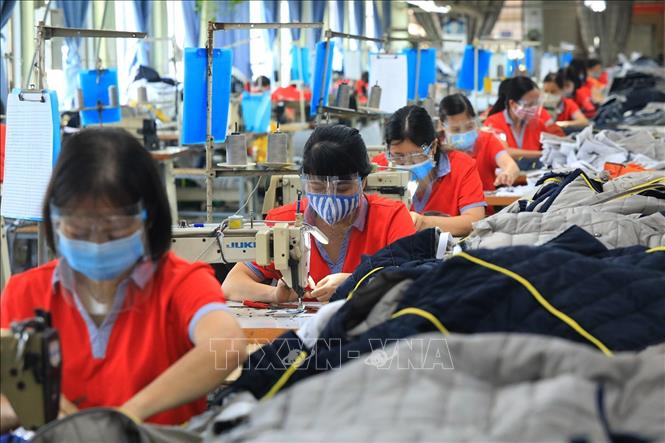
Apart from these direct benefits, in reality, FDI has created considerable indirect benefits to other areas of the economy, such as the introduction of technologies, business secrets, national standards in manufacturing and services, workforce skill development, and job creation in supporting industries and services.

The reality is that after 35 years of officially opening to attract investment, FDI capital has played and will still play a very important role in socio-economic development, becoming a key driving force for international economic integration./.

Le Vietnam demeure une destination fiable pour les investisseurs étrangers

Grâce à ses politiques ouvertes avec des privilèges et son climat d’affaires attractif, le Vietnam a attiré au fil des ans un grand montant d’investissements directs étrangers (IDE).

Même lorsque le monde était fortement touché par la pandémie de COVID-19, le Vietnam a toujours été une destination de prédilection des investisseurs étrangers. Les IDE sont devenus une force motrice pour le développement économique du Vietnam et son intégration internationale.

L’attractivité du Vietnam est due à ses avantages concurrentiels dont un climat d’investissement favorable, la stabilité politique, le développement stable de l’environnement macroéconomique, une main-d’œuvre riche.

Reconnaissant la signification et le rôle des IDE, le gouvernement vietnamien a pris de nombreuses politiques et solutions pour créer un climat d’investissement attractif et sûr, telles que la loi sur l’investissement étranger de 1987 et la résolution N°50-NQ/TW du 20 août 2019 du Bureau politique sur les orientations pour perfectionner les institutions et les politiques, améliorer la qualité et l’efficacité des investissements étrangers d’ici 2030.

Les entreprises elles-mêmes, ces dernières années, n’ont cessé de s’améliorer en termes de ressources humaines et de chaînes de production pour attirer les investisseurs.

Grâce à ces efforts, au fil des ans, les IDE au Vietnam n’ont cessé de croître, en particulier après l’adhésion du Vietnam à des accords de libre-échange (ALE) bilatéraux et multilatéraux.

Au cours de la période 2015-2019, le montant total des IDE enregistrés au Vietnam a connu une forte hausse, passant de 22,7 milliards de dollars en 2015 à 38,95 milliards de dollars en 2019. Les IDE décaissés ont également augmenté, passant de 14,5 milliards de dollars en 2015 à 20,38 milliards de dollars en 2019. Le nombre de nouveaux projets d’investissement a atteint 3.883 en 2019, contre 1.843 en 2015.

En 2020, le Vietnam a été l’un des 20 premiers pays en termes de montant d’IDE dans le monde, avec un 28,53 milliards de dollars. En 2021, ce nombre s’est élevé à 31,15 milliards de dollars et en 2022 à 27,72 milliards de dollars.

Malgré le Covid-19, les décaissements n’ont connu qu’une légère baisse. Ils ont atteint 19,98 milliards de dollars en 2020, en baisse de 2%, et 19,74 milliards de dollars en 2021 (-1,2%), avant de progresser de 13,5% en 2022 pour s’établir à 22,4 milliards de dollars.

Les investisseurs étrangers ont versé leur capital dans 19 sur un total de 21 secteurs économiques nationaux. En ce qui concerne le nombre de nouveaux projets, les secteurs du commerce de gros et de détail, de la fabrication et de la transformation et des activités professionnelles en science et technologie, ont attiré le plus de projets.

Parmi les 108 pays et territoires investissant au Vietnam en 2022, Singapour a été en tête avec un investissement total de près de 6,46 milliards de dollars, suivi de la République de Corée avec près de 4,88 milliards de dollars, et du Japon avec plus de 4,78 milliards de dollars.

Ces chiffres montrent que malgré les impacts néfastes de la pandémie de COVID-19, les investisseurs étrangers sont demeurés confiants en l’économie et l’environnement d’investissement du Vietnam.

Selon Brook Taylor, directeur général de la compagnie VinaCapital, les facteurs fondamentaux de la croissance économique du Vietnam sont restés inchangés. Le Vietnam demeure une économie ouverte avec un fort potentiel d’exportation et une grande attractivité pour les investissements étrangers dans le secteur manufacturier à l’exportation. À cela s’ajoute le fait que la demande intérieure augmente également. Le Vietnam suit la voie de développement des puissances asiatiques telles que le Japon ou la République de Corée…

Selon les données du ministère du Plan et de l’Investissement, les décaissements des IDE au Vietnam pour la période 2016-2019 ont représenté plus de 23% du capital d’investissement réalisé par toute la société. Le PIB du secteur à capitaux étrangers a représenté 19,8% du PIB de l’économie alors que ce secteur attirait près de 5 millions de travailleurs et générait les profits les plus élevés, représentant plus de 42% du secteur des entreprises.

L’augmentation des investissements étrangers crée des conditions favorables pour que le Vietnam non seulement renforce l’expansion de marchés étrangers,mais également améliore de nombreux aspects des activités commerciales, réduisant le fardeau du capital pour de nombreux grands projets.

En outre, l’attraction et l’utilisation des capitaux étrangers contribuent également à promouvoir la transformation et la restructuration économiques ; à rénover le modèle de croissance ; à rehausser la compétitivité du pays, des secteurs, produits et services ; à promouvoir la réforme des institutions, des politiques juridiques, de l’environnement des affaires ; et à développer une économie de marché à part entière, moderne et intégrée.

Selon le ministère du Plan et de l’Investissement, la politique d’ouverture du Vietnam en matière d’IDE et de commerce a contribué à promouvoir l’intégration du pays à l’économie mondiale et sa participation aux réseaux de production des régions, et à diversifier ses exportations. En même temps, cette politique a créé un bon nombre d’emplois pour la population jeune, augmentant ainsi les recettes de l’État et la balance des paiements du pays.

Outre des avantage directs, les IDE ont commencé à générer d’importants avantages indirects, en créant des effets d’entraînement sur d’autres secteurs de l’économie tels que l’introductionde technologies,de normes internationales en matière de fabrication et de services ; le développement des compétences de la main-d’œuvre et la création d’emplois dans la sous-traitance industrielle et les services.

En effet, 35 ans après l’ouverture officielle des portes du pays aux IDE, ceux-ci ont joué un rôle très important dans son développement socio-économique, devenant même un moteur principal de son développement économique et de son intégration économique internationale./.
越南仍是值得外国投资者信赖的投资目的地

近年来,越南开放和优惠政策以及具有吸引力的营商环境已吸引大量外商投资项目和外商直接投资资金。连在全球遭受新冠肺炎疫情的巨大影响时,投资者对越南的投资活动仍活跃和有效。外资已成为越南经济发展和融入世界经济的动力。

越南以开放的投资环境、稳定的政治环境、稳定发展的经济环境、丰富多样和价格低廉的人力资源等优势成为对外国投资者具有吸引力的国家之一。

因充分意识到外资的意义和作用,越南政府已颁布多项政策和开展多项创建安全和具有吸引力的投资环境的措施,如1987年《外国投资法》和最近越共中央政治局于2019年8月20日颁布的关于到2030年完善法律体系和政策,提高外国投资质量和合作效果的第50-NQ/TW号决议。

与此同时,为了吸引投资者,近年来各家企业还不断完善人力资源队伍、生产线等。

基于上述努力,多年来,特别是自越南参加多项双边和多边自贸协定后,流入越南的外资不断增加。在2015-2019年阶段,流入越南的注册外资总额连续增加,从2015年的227亿美元提升至2019年的389.5亿美元。不仅注册资金增加,而实际到位的外资资金也增高,从2015年的145亿美元提升至2019年的203.8亿美元;新注册投资项目从2015年的1843个增加至2019年的3883个。

因全球遭受新冠肺炎疫情的巨大影响,流入地区各国的外商投资大幅下降,但投资者对越南的投资活动尽管下降但仍活跃和有效。

2020年越南跻身跻身世界上吸引外国直接投资最多的20大国家名单,注册资金达285.3亿美元。2021年,该数字提升至311.5亿美元,2022年为277.2亿美元。

尽管遭受疫情的巨大影响,但2020和2021年实际到位的外资资金仅小幅下降。2020和2021年实际到位资金分别为199.8亿美元和197.4亿美元,分别下降2%和1.2%;2022年已提升至224亿美元,增长13.5%。

外国投资者已对21个国民经济产业中的21个进行投资。从新项目来看,零售贸易、加工制造业和科技专业活动等领域的项目最多。

2022年,108个国家和地区对越南投资,其中新加坡投资总额近64.6亿美元,位居第一,占对越投资总额的23.3%;韩国以对越南投资总额近48.8亿美元位居第二;日本以投资资金超47.8亿美元,位居第三。

上述数据表明,尽管受新冠肺炎疫情的不利影响,但外国投资者仍然对越南的经济和投资环境充满信心。

据VinaCapital基金管理公司总经理布鲁克泰勒(Brook Taylor)表示,推动越南经济增长势头的基本因素保持不变。越南仍然是一个开放的、具有强大的出口潜力和对出口制造业的对外国投资者具有很大的吸引的经济体。 此外,国内需求也在增加。越南正在像日本或韩国等亚洲主要经济体一样在发展道路上翻身。

越南计划与投资部的数据显示,2016-2019年间,越南外商直接投资实际到位资金占全社会投资到位总额的23%以上。外资企业的平均GDP占越南GDP总额的19.8%,吸引近500万劳动者,盈利额占全国企业的42%。

外国投资资本的增长不仅为越南加快国际市场扩张速度创造了许多有利条件,而且在专业知识、技术等商业活动的许多方面得到改善,减轻了许多大型项目的资本负担。此外,吸引和利用外资也有助于促进经济结构调整和增长模式转型,提高国家、产业和产品、服务的竞争力;推进体制和法律政策改革,改善营商环境,发展全面、现代、一体化的市场经济。

越南计划与投资部表示,越南对外国直接投资和贸易的开放政策显然有助于促进越南融入全球经济、参与区域生产网络和实现出口市场多样化。同时,这一政策为不断增长的年轻人口创造了大量的就业机会,从而改善了国家收入和国家收支平衡。

除了直接利益之外,外商直接投资通过对其它经济领域产生溢出效应,开始带来明显的间接利益,例如引进新技术、新商业决策、制造业和服务业的国际标准,为劳动力加强能力建设,以及创造配套产业和服务领域中的更多就业机会。

实际表明,在实施革新,开放招商引资35年后,外国直接投资一直为越南经济社会发展发挥着非常重要的作用,成为了越南经济发展和融入国际经济的重要推动力。(完)

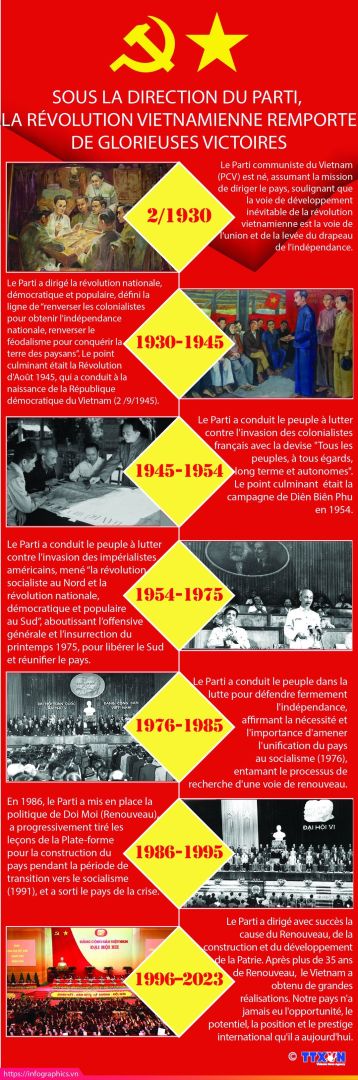
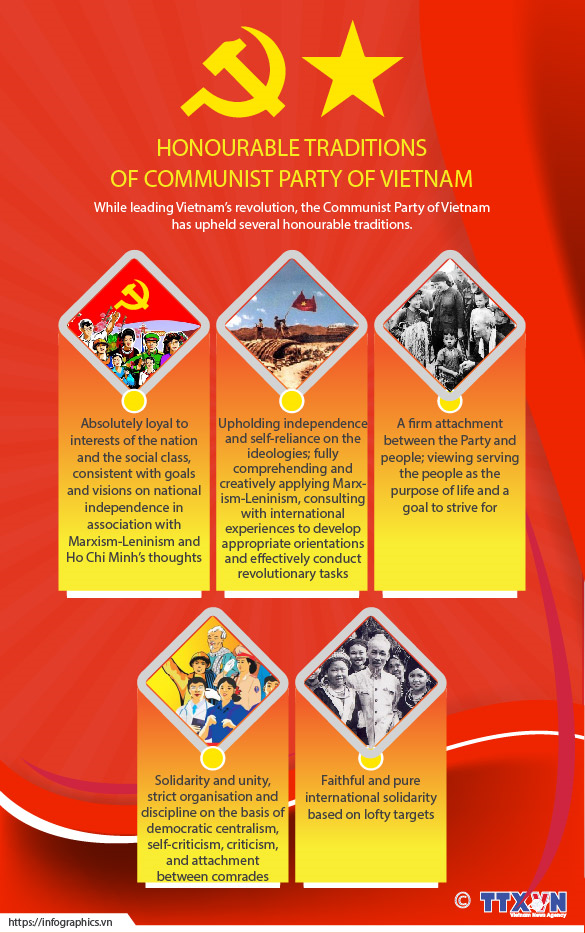
越南共产党——民族领导者和同行者

1930年2月3日,阮爱国(胡志明主席在此前多年从事革命生涯期间的名字)领袖在近20年出国寻找救国之路后已主持召开越南三个共产组织合并成为越南共产党的会议。

自1930年1月6日至2月7日,在作为共产国际代表的阮爱国的主持下,合并各共产组织、成立越南共产党的会议在香港九龙召开。图自越通社

该重大事件成为越南民族立国和捍卫国家史上的重要里程碑,同时结束了越南20世纪初救国路线和爱国运动领导组织危机的伟大转折点,同时也是越南革命取得胜利和后续阶段民族发展的决定性开端。

越南共产党以正确路线已激发和唤起越南人民中的民族解放的渴望。仅在走向党的革命路线15年内,越南民族已创造出伟大奇迹——胜利实现1945年八月革命,摧毁封建专制制度和殖民统治,成立越南民主共和国,推动越南民族迈进独立和自由的纪元。

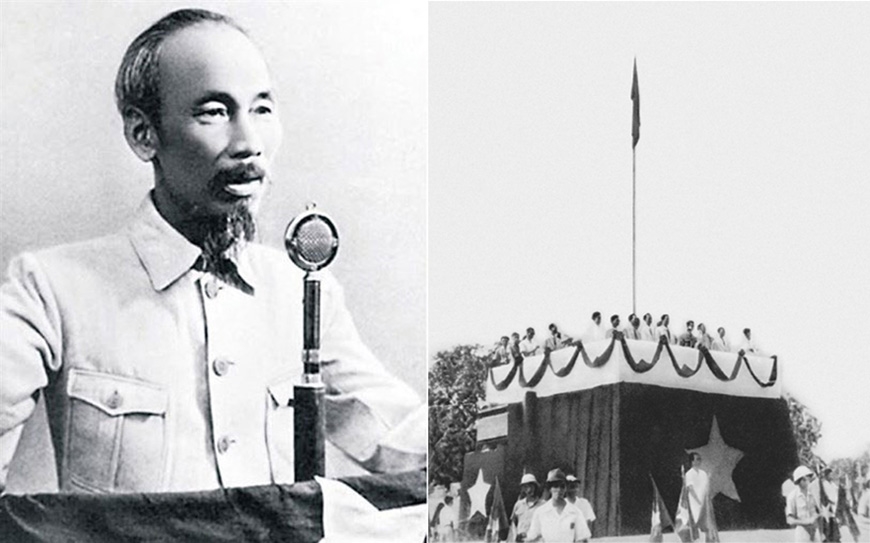
1945年9月2日,胡志明主席在巴亭广场宣读《独立宣言》,宣布越南民主共和国诞生。我们国家迈进新时代,民族历史中最辉煌的时代——胡志明时代。

在党领导下越南军队和人民已进行以胡志明战役为巅峰的1975年春季总进攻和崛起,结束抗击法殖民和美帝国侵略者长达一个世纪多的长征,实现国家统一,开启国家独立、统一和走向社会主义的纪元。

抗击法殖民和美帝国侵略者两场战争的胜利是一系列促成越南革命无敌力量的综合成果。但一切因素的源泉正是越南工人先锋队——党的正确领导。

国家统一后,全国迈进社会主义建设事业,面临国内、地区和国际的种种困难和挑战。在此情况下,我们党再一次承担对民族和历史的责任,提倡和领导革新事业(1986年举行的党第六次全国代表大会)。党已决定一贯和长期实施多经济成分发展政策;同时革新社会政策,着重于改善人民各方面生活的措施。

实施革新35年后,越南已取得许多巨大和具有历史意义的成就。其中,经济增长和发展是最突出的成就。

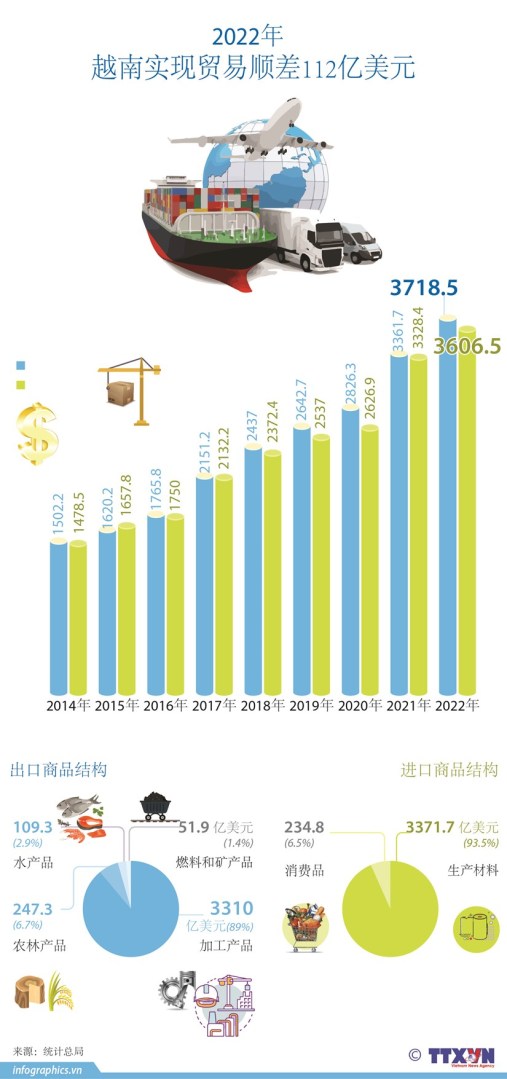
越南已摆脱贫穷和欠发达国家行列,从2008年起跻身中等收入国家行列。2022年,人均收入达4000美元。特别,2022年,全国GDP增长达8.02%,创下2011-2022年阶段新高。其他新纪录已诞生,如进出口额突破7000亿美元,贸易顺差达112亿美元,连续7年实现贸易顺差。

为了扎实做好粮食安全保障工作,目前越南成为世界大米出口大国之一,越南农产品日益深入进军标准较为严格的许多市场。越南经济大力融入地区和世界。目前,越南与200多个国家和地区建立贸易关系,与100多个国家签署双边贸易,其中包括许多新一代贸易协定。

对外关系日益扩大和走向深入,越南在国际舞台上的地位和威望日益提升。截至目前,越南已与193个联合国成员中的191个建立外交关系,与包括亚太地区各大国和联合国安理会5个常任理事国在内的30多个国家建立全面战略伙伴关系。

在多边层面上,越南是联合国、东盟、亚太经合组织、亚欧会议和世界贸易组织等70多个重要国际组织和论坛的积极和负责任的成员。越南还成功举行多个重大国际会议和完成重要国际重任,如联合国安理会非常任理事国、东盟轮值主席国,成功举办亚欧会议、亚太经合组织领导人会议和世界经济论坛东盟会议等。

在越南共产党的领导下,越南人民的革命事业已取得许多巨大、具有历史和时代意义、改变每个人生活和民族命运的胜利。我国从殖民地和奴隶的民族成为独立的国家;人民生活不断得到改善和提高,经济社会发展取得许多成果并获国际社会的高度评价和认可;对外关系和融入国际不断扩大,经济、贸易和投资的合作得到加强。上述巨大成就是我们国家继续革新和发展,自信走向未来的重要基础。(完)

Коммунистическая партия Вьетнама – лидер и соратник народа

3 февраля 1930 года, после почти 20 лет поисков способа спасти страну, Нгуен Ай Куок (так звали президента Хо Ши Мина в течение многих лет революционной деятельности) председательствовал на конференции по объединению трех партийных организаций во Вьетнаме в Коммунистическую партию Вьетнама.

С 6 января по 7 февраля 1930 г. на полуострове Цзюлун в Гонконге (Китай) под председательством товарища Нгуен Ай Куока, представителя Коммунистического Интернационала, проходила Конференция по объединению коммунистических организаций и созданию Коммунистической партии Вьетнама. (Фото: ВИА)

Это важное событие знаменовало важный поворотный момент в истории строительства и защиты страны вьетнамского народа, положило конец кризису курса спасения страны и руководящей организации вьетнамского патриотического движения в начале XX века, а также стало решающей отправной точкой для победы вьетнамской революции в поздние периоды. При правильном направлении Коммунистическая партия Вьетнама вдохновила и возродила национально-освободительное устремление вьетнамского народа. Всего за 15 лет следования революционному курсу Партии народ Вьетнама совершил великий подвиг – успешно осуществил Августовскую революцию 1945 года, сломил колониально-феодальное господство, создал Демократическую Республику Вьетнам, выведя народ в эпоху независимости и свободы.

2 сентября 1945 года на площади Бадинь (Ханой) президент Хо Ши Мин зачитал Декларацию Независимости, провозгласив рождение Демократической Республики Вьетнам. Страна вступила в новую эпоху, самую яркую эпоху в истории страны – эпоху Хо Ши Мина.

Генеральным наступлением и восстанием весны 1975 года, кульминацией которых стала историческая военная операция им. Хо Ши Мина, под руководством Партии, армия и народ Вьетнама завершили более чем вековую борьбу против французских колонизаторов и американских империалистических захватчиков, воссоединили страну, открыв эру национальной независимости, объединения и перехода к социализму.

Победа в двух длительных войнах сопротивления против французских колонизаторов и американских империалистических захватчиков была совокупным результатом ряда факторов, создавших непобедимую силу вьетнамской революции. Но источником всех этих факторов является правильное руководство Партии – авангарда вьетнамского рабочего класса.

После воссоединения вся страна вступила в дело строительства социализма, столкнулась с жесткими вызовами и трудностями как внутри страны, так и в регионе, и на международной арене. В этой ситуации Партия еще раз подтвердила свою ответственность перед народом и историей, инициируя и руководя делом по обновлению (VI съезд Партии в 1986 г.). Соответственно, Партия решила последовательно и долгосрочно проводить политику многоотраслевого экономического развития, в то же время обновляя социальную политику, сосредоточив внимание на решениях во имя улучшения жизни людей.

После более чем 35 лет реализации курса обновления Вьетнам добился больших достижений исторического значения.

Среди них наиболее выдающимися достижениями являются рост и экономическое развитие. Вьетнам вышел из группы бедных и слаборазвитых стран, и в 2008 году вошел в число стран со средним уровнем дохода. К 2022 году доход на душу населения превысил 4.000 долл. США. В частности, в 2022 году рост национального ВВП составил 8,02%, что является самым высоким показателем за период 2011-2022 гг. Были также установлены многие другие рекорды, такие как импортно-экспортный оборот, достигший более 700 млрд. долл. США, положительное сальдо торгового баланса в размере 11,2 млрд. долл. США, и положительное сальдо торгового баланса седьмой год подряд.

Надежно решив продовольственную проблему, Вьетнам в настоящее время является одним из ведущих мировых экспортеров риса, вьетнамская сельскохозяйственная продукция все активнее проникает на многие потребительные рынки. Экономика Вьетнама активно интегрируется в регион и мир. В настоящее время Вьетнам установил торговые отношения с более чем 200 странами и территориями, подписал двусторонние торговые соглашения с более чем 100 странами, в том числе многие соглашения нового поколения.

Международные отношения все больше расширяются и углубляются. повышаются позиции и престиж Вьетнама на международной арене. На сегодняшний день Вьетнам установил дипломатические отношения со 191 из 193 государств-членов ООН, стратегические партнерства и всесторонние партнерские отношения с более чем 30 странами, включая все основные страны Азиатско-Тихоокеанского региона и 5 постоянных членов Совета Безопасности ООН.

На многостороннем уровне Вьетнам является активным и ответственным членом более 70 важных международных организаций и форумов, таких как Организация Объединенных Наций, АСЕАН, АТЭС, АСЕМ, ВТО… Вьетнам также успешно организовал множество крупных международных конференций и выполнил множество важных международных обязательств в качестве непостоянного члена Совета Безопасности Организации Объединенных Наций, ротационного председателя АСЕАН, выступал принимающей стороны саммита АСЕАН, саммита АТЭС, Всемирного экономического форума по АСЕАН…

Под руководством Коммунистической партии Вьетнама революционное дело вьетнамского народа одержало большие победы, имеющие историческое и эпохальное значение, изменившие жизнь, судьбу каждого человека и всей нации.

Вьетнам из колонизированной страной с порабощенным народом превратился в независимую страну, жизнь людей постоянно улучшается и повышается, многие достижения в области социально-экономического развития получили признание и высокую оценку международного сообщества, постоянно расширяются внешние связи, международная интеграция, укрепляются экономическое сотрудничество, торговля и инвестиции.

Вышеуказанные большие достижения создали важную предпосылку для того, чтобы Вьетнам продолжил обновляться и развиваться, уверенно шагая в будущее./.

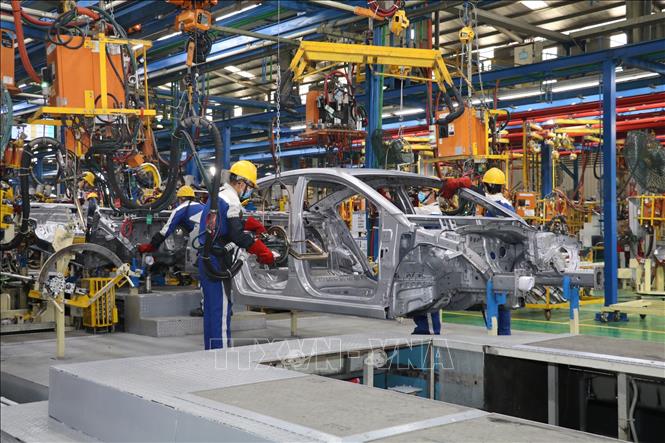
Линия по производству современных автомобилей на заводе VinFast Хайфон (принадлежит Vingroup). (Фото: ВИА)
Partido Comunista de Vietnam lidera y acompaña a la nación

El 3 de febrero de 1930, Nguyen Ai Quoc (pseudónimo del Presidente Ho Chi Minh durante muchos años de actividades revolucionarias) presidió una conferencia para aunar a las tres organizaciones comunistas del país en el Partido Comunista de Vietnam (PCV).

Del 6 de enero al 7 de febrero de 1930, una conferencia para aunar a las organizaciones comunistas en el Partido Comunista de Vietnam se efectuó bajo el auspicio de Nguyen Ai Quoc en la península de Kowloon, Hong Kong (de China) (Foto: VNA)

Ese importante acontecimiento marcó un punto de inflexión crucial en la historia de construcción y defensa de la nación, puso fin a la crisis en los lineamientos de salvación nacional y liderazgo del movimiento patriótico a principios del siglo XX y también constituyó el punto de partida decisivo para la victoria de la revolución vietnamita y el desarrollo del país en las etapas posteriores.

Con la dirección correcta, el PCV inspiró y revivió fuertemente la aspiración de liberación nacional en el pueblo. Solo 15 años después de seguimiento de la línea revolucionaria del Partido, Vietnam consiguió enormes hazañas: implementó con éxito la Revolución de Agosto en 1945, aplastó la dominación colonial-feudal y estableció la República Democrática de Vietnam (actual República Socialista de Vietnam), liderando al pueblo a la era de independencia y libertad.

El 2 de septiembre de 1945, en la plaza capitalina de Ba Dinh, el Presidente Ho Chi Minh leyó la Declaración de Independencia, proclamando solemnemente el nacimiento de la República Democrática de Vietnam. El país entró en una nueva era, considerada la más brillante en la historia de la nación: la era de Ho Chi Minh.

Con la Ofensiva General y el Levantamiento de la Primavera de 1975, que culminó en la histórica Campaña Ho Chi Minh, el ejército y el pueblo vietnamitas pusieron fin a más de un siglo de lucha contra el colonialismo francés y el imperialismo estadounidense, dando paso a una época de independencia, reunificación y camino al socialismo.

El triunfo de las dos guerras de resistencia contra los invasores franceses y estadounidenses fue el resultado combinado de una serie de factores que crearon la fuerza invencible de la revolución vietnamita. Sin embargo, la fuente de todos esos factores se debió al liderazgo acertado del Partido y la vanguardia de la clase obrera vietnamita.

Tras la reunificación, Vietnam entró en el proceso de construcción del socialismo y enfrentó arduos desafíos y dificultades tanto en el país, como en la región y en el ámbito internacional. Ante esa situación, el PCV reafirmó una vez más su responsabilidad con la nación y la historia, al iniciar y liderar el proceso de renovación (en el VI Congreso Nacional del Partido en 1986). En consecuencia, optó por desplegar consistente y duraderamente la política de desarrollo económico multisectorial, además de renovar las políticas sociales, centrándose en soluciones para mejorar la vida de los pobladores.

Después de más de 35 años de renovación, Vietnam ha cosechado grandes logros de transcendencia histórica. Entre ellos, los resultados más destacados radican en el crecimiento y el desarrollo económico.

Vietnam salió de la condición de un país pobre y subdesarrollado y se ha clasificado entre los estados de ingresos medios desde 2008. En 2022, el ingreso per cápita superó los cuatro mil dólares y el Producto Interno Bruto (PIB) registró un crecimiento del 8,02 por ciento, el más alto en el periodo 2011-2022. También se establecieron muchos otros récords en ese año, como un valor de importación y exportación por encima de los 700 mil millones de dólares y un superávit comercial de 11,2 mil millones de dólares. Se trata del séptimo año consecutivo en que Vietnam logró una balanza comercial positiva.

Al abordar el problema alimentario, Vietnam deviene actualmente uno de los principales exportadores de arroz del mundo; mientras que sus productos agrícolas ingresan más profundamente en muchos mercados exigentes. La economía del país indochino se integra con fuerza en la región y el mundo. En la actualidad, Vietnam tiene relaciones comerciales con más de 200 países y territorios y firmó acuerdos comerciales bilaterales con más de 100 naciones, incluidos muchos tratados de nueva generación.

Las relaciones exteriores se amplían y profundizan constantemente, mejorando la posición y el prestigio de Vietnam en el ámbito internacional. Hasta la fecha, Vietnam estableció vínculos diplomáticos con 191/193 estados miembros de las Naciones Unidas (ONU), así como asociaciones estratégicas e integrales con más de 30 países, incluidos los principales de Asia-Pacífico y los cinco miembros permanentes del Consejo de Seguridad de la ONU.

En el ámbito multilateral, Vietnam es miembro activo y responsable de más de 70 importantes organizaciones y foros internacionales como la ONU, la Asociación de Naciones del Sudeste Asiático (ASEAN), el Acuerdo Integral y Progresivo de Asociación Transpacífico (APEC), la Reunión Asia-Europa (ASEM) y la Organización Mundial del Comercio (OMC), entre otros. También organizó exitosamente muchas conferencias internacionales importantes y cumplió con diversas responsabilidades mundiales como miembro no permanente del Consejo de Seguridad de la ONU, presidente rotatorio de la ASEAN, así como anfitrión de las Cumbres de la ASEAN y la APEC y el Foro Económico Mundial sobre la ASEAN.

Bajo el liderazgo del PCV, la revolución vietnamita obtuvo victorias contundentes y de trascendencia histórica, las cuales cambiaron la vida de cada ciudadano y el destino de todo el pueblo. De un país colonizado, Vietnam pasó a ser una nación independiente. La vida de los pobladores se mejora incesantemente; muchos logros en el desarrollo socioeconómico han sido reconocidos y apreciados por la comunidad internacional; las relaciones exteriores y la integración internacional se expanden constantemente, mientras que la cooperación económica, comercial y de inversión se fortalece. Esos grandes logros crean una premisa importante para que el país continúe renovando y desarrollándose, avanzando con confianza hacia el futuro./.

Línea de producción de vehículos de VinFast (del conflomerado Vingroup) en la ciudad de Hai Phong (Foto: VNA)

Le Parti communiste du Vietnam, dirigeant et compagnon de la nation

Le 3 février 1930, après près de 20 ans de recherche du chemin du salut national, Nguyên Ai Quôc, le futur président Hô Chi Minh, a présidé la conférence de fusion de trois organisations communistes en le Parti communiste du Vietnam.

Du 6 janvier au 7 février 1930, la conférence d’unification des organisations communistes en vue de fonder le Parti communiste du Vietnam s’est tenue dans la péninsule de Kowloon, à Hong Kong (Chine), sous la présidence de Nguyên Ai Quôc, au nom de l’Internationale communiste.

Cet événement important représentait un grand tournant dans l’histoire de l’édification et de la défense de la nation vietnamienne, mettant fin à la crise en politique de salut national et en organisation dirigeante du mouvement patriotique vietnamien au début du XXe siècle et marquant le point de départ décisif pour la victoire de la révolution vietnamienne et le développement de la nation dans les étapes ultérieures.

Avec une direction judicieuse, le Parti a fortement inspiré et ravivé l’aspiration à la libération nationale du peuple vietnamien. En seulement 15 ans de mise en œuvre de la ligne révolutionnaire du Parti, le peuple vietnamien a réalisé des exploits inégalés : il a mené avec succès la Révolution d’août 1945, brisé le joug colonial et aboli le régime féodal, fondé la République démocratique du Vietnam, fait entrer la nation dans l’ère d’indépendance et de liberté.

Le 2 septembre 1945, sur la place de Ba Dinh, à Hanoi, le président Hô Chi Minh a proclamé la Déclaration d’indépendance, donnant naissance à la République démocratique du Vietnam, ouvrant une nouvelle ère, la plus brillante de l’histoire de la nation – l’ère Hô Chi Minh.

Avec l’insurrection et l’offensive générale du printemps 1975, culminant à la campagne historique Hô Chi Minh, sous la direction du Parti, l’armée et le peuple vietnamiens ont accompli une longue marche de lutte de plus d’un siècle contre les colonialistes français puis les impérialistes américains, réunifié la Patrie, inaugurant une nouvelle ère du pays indépendant, unifié et en marche vers le socialisme.

La victoire des deux longues guerres de résistance contre les colonialistes français et les impérialistes américains a été le résultat combiné d’une série de facteurs qui ont créé la force invincible de la révolution vietnamienne. Ces facteurs tirent leur origine dans la direction judicieuse du Parti – l’avant-garde de la classe ouvrière vietnamienne.

Après la réunification nationale, tout le pays est entré dans l’œuvre de construction du socialisme, bravant les défis et difficultés acerbes à la fois dans le pays, la région et sur la scène internationale. Face à cette situation, le Parti a affirmé de nouveau sa responsabilité envers la nation et l’histoire, initiant et menant l’œuvre de rénovation (au 6e Congrès national du Parti en 1986). Le Parti a décidé de mettre en œuvre de manière cohérente et à long terme la politique de développement d’une économie à plusieurs composantes, et en même temps, de renouveler les politiques sociales, en se concentrant sur des solutions pour améliorer la vie de la population dans tous les aspects.

Après plus de 35 ans de rénovation, le Vietnam a enregistré de grandes réalisations d’importance historique, dont les plus remarquables sont la croissance et le développement économique.

Le Vietnam est sorti du statut de pays pauvre et sous-développé et est classé parmi les pays à revenu intermédiaire depuis 2008. Le revenu par habitant a atteint plus de 4.000 dollars en 2022. En particulier, en 2022, la croissance du PIB vietnamienne a atteint 8,02%, son meilleur niveau pendant la période 2011-2022. De nombreux autres records ont également été établis, tels qu’un chiffre d’affaires à l’importation et à l’exportation de plus de 700 milliards de dollars, un excédent commercial pour la septième année consécutive, de 11,2 milliards de dollars.

En finissant avec le problème alimentaire, le Vietnam est aujourd’hui l’un des principaux exportateurs de riz au monde; les produits agricoles vietnamiens pénètrent de plus en plus de nombreux marchés exigeants. L’économie vietnamienne s’intègre fortement à la région et au monde. Actuellement, le Vietnam entretient des relations commerciales avec plus de 200 pays et territoires, a signé des accords commerciaux bilatéraux avec plus de 100 pays, dont de nombreux accords de nouvelle génération.

Les relations extérieures du Vietnam se sont sans cesse élargies et approfondies, la position et le prestige du Vietnam sur la scène internationale sont renforcés. Jusqu’à présent, le Vietnam a établi des relations diplomatiques avec 191/193 États membres de l’ONU, des partenariats stratégiques et des partenariats intégraux avec plus de 30 pays, y compris tous les principaux pays de la région Asie-Pacifique et les cinq membres permanents du Conseil de sécurité de l’ONU.

Au niveau multilatéral, le Vietnam est un membre actif et responsable de plus de 70 organisations et forums internationaux importants tels que l’ONU, l’ASEAN, l’APEC, l’ASEM, l’OMC… Le Vietnam a également organisé avec succès de nombreuses conférences internationales et rempli de nombreuses responsabilités internationales importantes en tant que membre non permanent du Conseil de sécurité de l’ONU, président tournant de l’ASEAN, hôte des Sommets de l’ASEM, de l’ASEAN, de l’APEC et du Forum économique mondial sur l’ASEAN…

Sous la direction du Parti, l’oeuvre révolutionnaire du peuple vietnamien a remporté de grandes victoires d’importance historique, changeant la vie et le destin de chaque personne et de toute la nation. Le Vietnam, d’un peuple colonisé vivant en esclaves, est devient une nation indépendante ; la vie de la population a été continuellement améliorée, de nombreuses réalisations socio-économiques ont été reconnues et appréciées par la communauté internationale ; les relations extérieures, l’intégration internationale sont en constante expansion, la coopération économique, le commerce et l’investissement sont renforcés. Ces grandes réalisations créent une prémisse importante pour que le Vietnam poursuit son œuvre de rénovation et de développement, en avançant vers l’avenir avec confiance./.

Ligne de production de véhicules modernes à l’usine de VinFast Hai Phong de Vingroup. Photo: VNA

Communist Party of Vietnam – leader, companion of nation

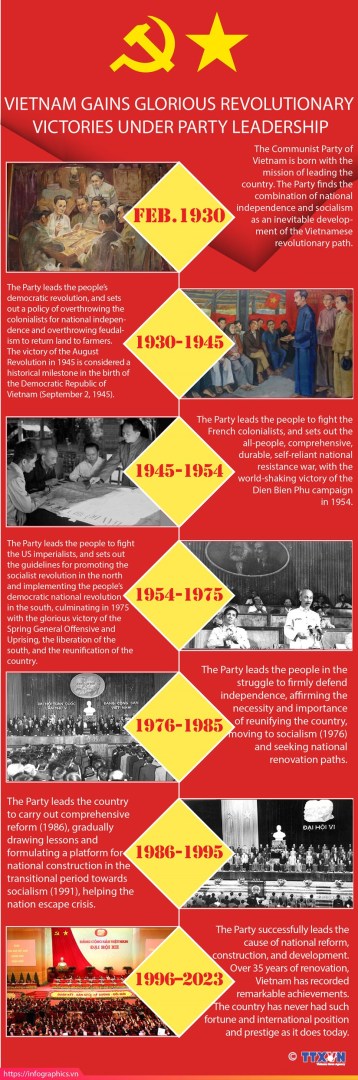
On February 3, 1930, nearly 20 years after leaving the country to seek ways for national salvation, Nguyen Ai Quoc (later known as President Ho Chi Minh) chaired a conference to merge three communist organisations in Vietnam into the Communist Party of Vietnam (CPV), marking an important milestone in the country’s history of national construction and defence.

Nguyen Ai Quoc (pseudonym of President Ho Chi Minh), chairs a conference to merge communist organisations into a single party organisation, the Vietnamese Communist Party, in Hong Kong (China) from January 6 – February 7, 1930. ( Photo: VNA)

The event was a turning point for the country, ending a crisis in orientations for national salvation and leadership of the patriotic movement of Vietnam in the early 20th century. The moment also became the starting point for the victory of Vietnamese revolution and the growth of the nation in the following periods.

With sound policies, the CPV strongly inspired and revived aspirations for national liberation among the Vietnamese people. Only 15 years following the Party revolutionary path, Vietnam had made a great miracle – the success of the August Revolution in 1945, smashing the colonial-feudal rule, establishing the Democratic Republic of Vietnam, and bringing the nation into the era of independence and freedom.

On September 2, 1945, at the Ba Dinh Square in Hanoi, President Ho Chi Minh read the Declaration of Independence, giving birth to the Democratic Republic of Vietnam. A new era opened for the nation, the most glorious era in the national history – the Ho Chi Minh era.

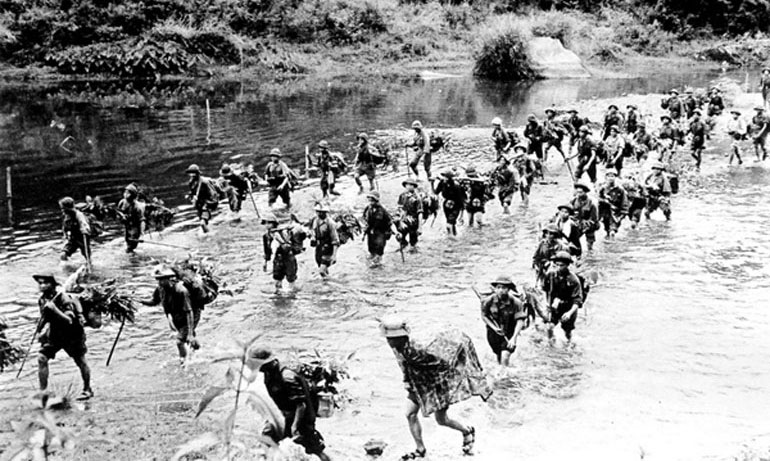
Thirty years later, with the 1975 Spring General Offensive and Uprising, with its peak being the historical Ho Chi Minh Campaign, under the leadership of the Party, the military and people of Vietnam ended their century-long fight against the French colonialists and the American imperialists, reunifying the nation, and opening an era of national independence, unity and socialism.

The success of the two long-term resistance wars against the French colonialists and the American imperialists was the combined result of a series of factors that created the invincible strength of the Vietnamese revolution. But the origin of these factors is the wise leadership of the Party – the vanguard force of the Vietnamese working class.

Following the national reunification, the country entered a period of socialism building with numerous challenges and difficulties from both the inside and outside. In this context, the Party once again showed its responsibility before the nation and history by launching and leading the “Doi Moi” (Renewal) cause, which started from the sixth Party Congress in 1986. Accordingly, the Party decided to implement a constant and long-term policy of developing a multi-sector economy, while renewing social policies, focusing on solutions to improve people’s living conditions in all aspects.

After 35 years of renewal, Vietnam has recorded great achievements of historical significance, with the most outstanding one being economic growth.

The country has escaped from the status of a poor and underdeveloped country, and joined the middle-income group since 2008. Per capita income topped 4,000 USD in 2022. In the year, the country’s GDP growth hit 8.02%, the highest level in the 2011-2022 period. Many other records were also set, including import-export turnover of over 700 billion USD, trade surplus of 11.2 billion USD, making 2022 the seventh consecutive year that Vietnam had enjoyed a trade surplus.

Sustainably settling food security, Vietnam is currently one of the leading rice exporters, while Vietnamese farm produce has now entered more choosy markets. The national economy is now strongly integrated into the region and the world. The country has established trade partnerships with more than 200 countries and territories, and signed bilateral trade deals with more than 100 countries, including many new-generation agreements.

At the same time, the country’s foreign relations have been increasingly expanding and deepening. Vietnam’s position and reputation in the international arena have been enhanced. To date, the country has established diplomatic relations with 191 out of 193 UN member states, along with strategic partnerships and comprehensive partnerships with more than 30 countries, including all major countries in the Asia-Pacific region and the five permanent members of the United Nations Security Council.

Multilaterally, the country has been an active and responsible member of more than 70 important international organisations and forums such as the United Nations (UN), Association of Southeast Asian Nations (ASEAN), Asia-Pacific Economic Cooperation (APEC) forum, the Asia-Europe Meeting (ASEM), and the World Trade Organisation (WTO).

Vietnam has successfully organised many large-scale international events and completed many important international tasks as a non-permanent member of the UN Security Council, the ASEAN Chair, the host of the ASEM Summit and APEC Economic Leaders’ Meeting and the World Economic Forum on ASEAN.

Under the leadership of the CPV, the revolutionary cause of Vietnamese people has gained successes of historical and epochal significance, changing the lives of every Vietnamese and the destiny of the entire nation. Living conditions have constantly improved, while the country’s achievements in socio-economic development have been recognised and applauded by the international community, along with expanded international integration and strengthened economic, trade and investment partnership. These attainments have created an important foundation for the country to continue to renovate itself and thrive, confidently heading to the future./.

The electronic vehicle production chain at VinFast Hai Phong factory run by Vingroup. (Photo: VNA)

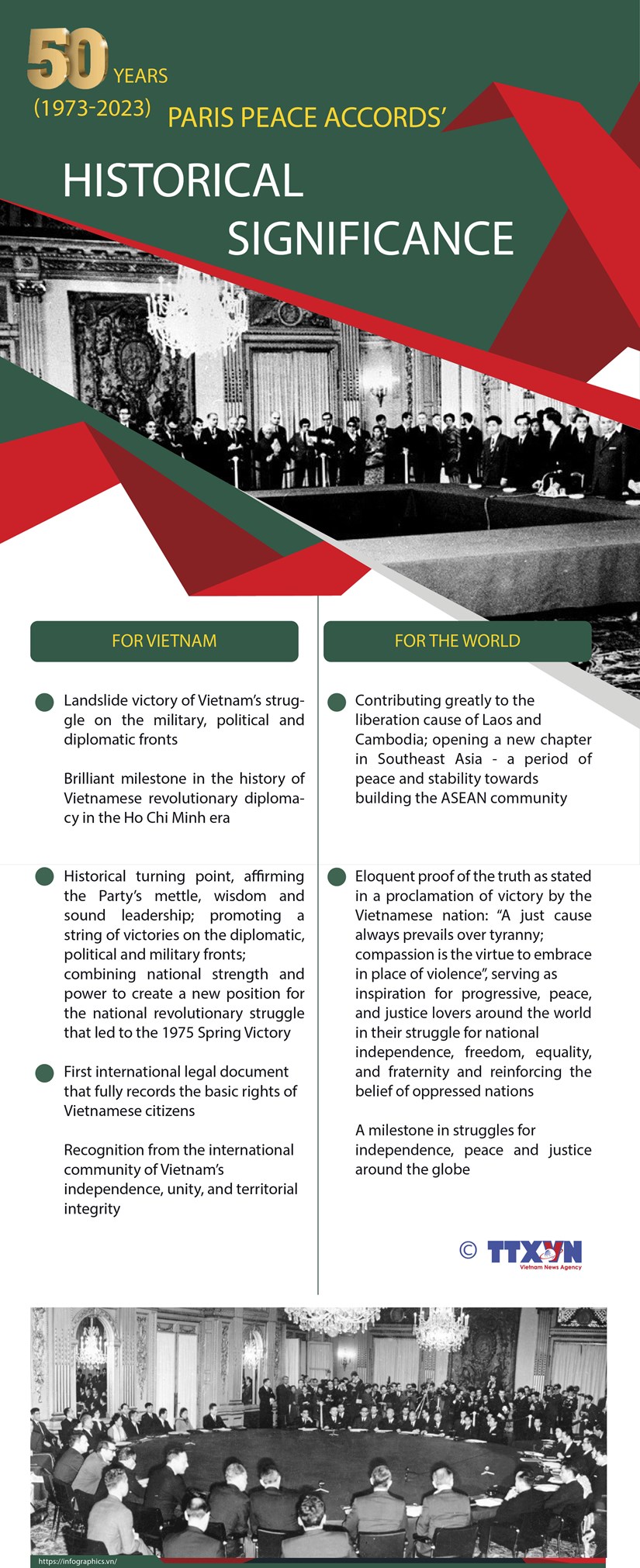
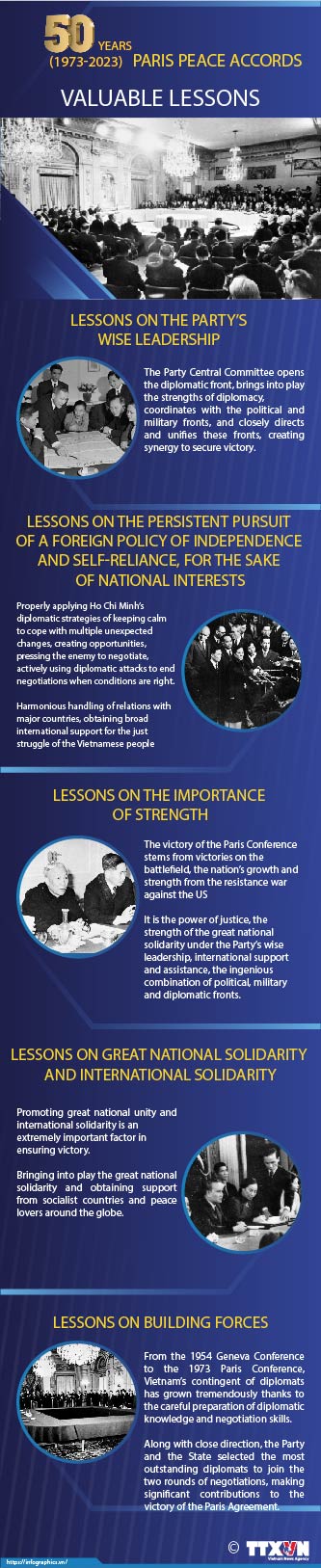
Paris Agreement: Lessons on independence, self-reliance, int’l solidarity

Minister of Foreign Affairs of the Provisional Revolutionary Government of the Republic of South Vietnam Nguyen Thi Binh signed the Treaty of the International Conference on Vietnam, on March 2, 1973 (Photo: VNA)

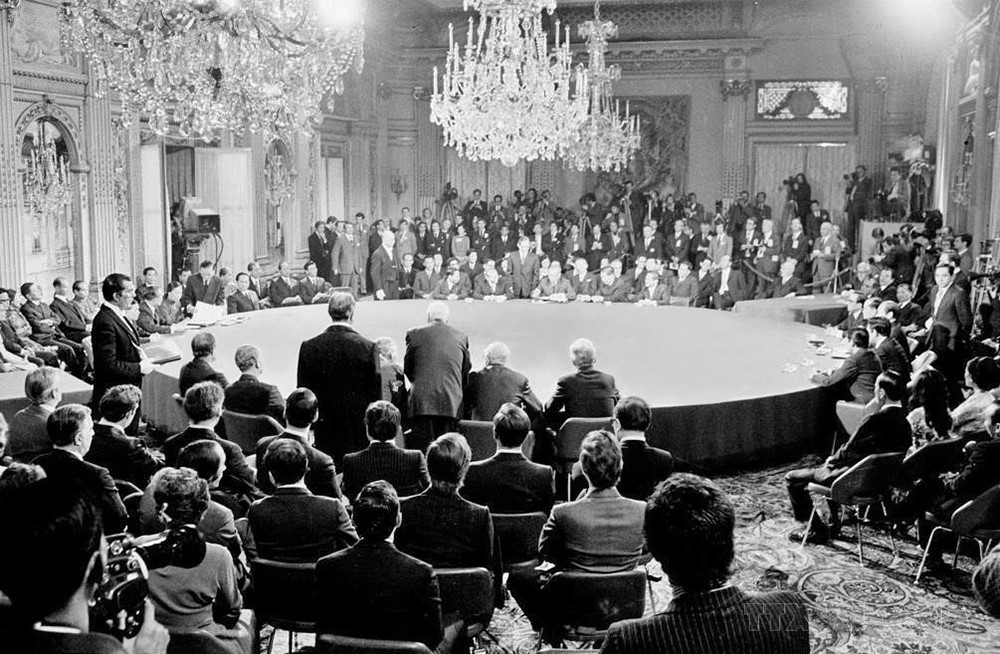
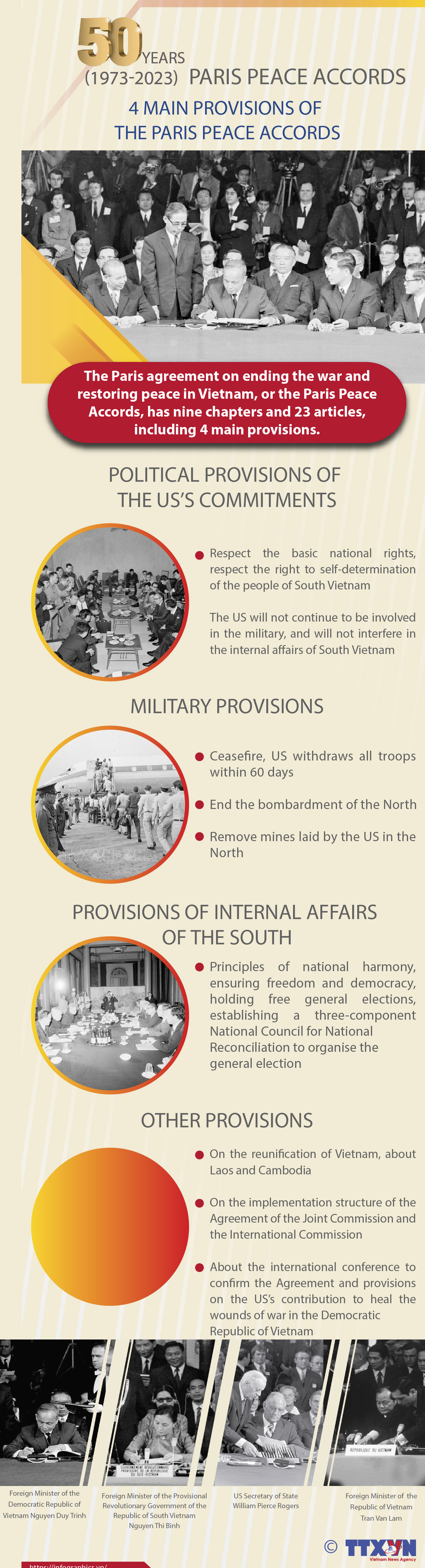
The signing of the Paris Agreement on ending the war and restoring peace in Vietnam on January 27, 1973, was a resounding victory of Vietnam’s revolutionary diplomacy in the Ho Chi Minh era, making important contributions to the common victory of the whole nation and, at the same time, leaving invaluable diplomatic lessons, including those related to national independence and international solidarity.

Vietnam’s anti-American resistance war and national liberation fight as well as negotiations at the Paris Conference took place in a very complicated historical context. It was at a time when the system of the socialist countries had taken shape and grew stronger and stronger, actively helping the world revolutionary movement, including the Vietnamese revolution.

But within the socialist bloc, there were different views on the way to build socialism and fight for national liberation, and even sharp conflicts arose. On the other hand, the enemy of the Vietnamese people were the US imperialists with strong economic and military potential.

With lessons drawn from the anti-French resistance war, the Central Committee of the Vietnam Workers’ Party upheld the spirit of independence, self-reliance and international solidarity in both resistance and negotiation guidelines. These were the two basic guiding points that run through the entire negotiations at the Paris Conference from the beginning to the end.

From 1965 to the end of 1966, the US imperialists both escalated the aggression war against Vietnam and made the “fake peace” argument, asking the Government of the Democratic Republic of Vietnam to sit down for negotiations.

In January 1967, the 13th conference of the Central Committee of the Party decided to open a new diplomatic front in order to more strongly denounce the crimes of the US imperialists and expose their peace tricks, uphold the righteous stance of the revolution, and take advantage of the sympathy, support and assistance of the socialist countries and progressive people around the world, including the Americans.


In 1968 spring, the Vietnamese army and people launched a general offensive and uprising throughout the southern battlefield (with urban areas as the main direction), forcing the administration of US President Lyndon B. Johnson to de-escalate the war and agree to sit at the negotiating table with Vietnam at the Paris Peace Conference.

On May 13, 1968, the official negotiations between a delegation of the Government of the Democratic Republic of Vietnam and that of the US Government began in Paris, marking a new phase of the Vietnam war. Vietnam officially competed on both battlefield and on the diplomatic front, with the motto “fight and talk at the same time”.

Vietnam steadfastly required the US to unconditionally cease its bombing raids and all other war activities against the Democratic Republic of Vietnam, while other relevant issues of the two sides would be discussed later. Meanwhile, the US side raised a demand that the North withdraw its troops from the South, and stop sending people and reinforcements into the South.

Conscious of Vietnam’s correct stance and resolute attitude and, at the same time, difficulties and losses on the battlefield, the movement against the war of all classes of Americans increased.

On November 1, 1968, US President Johnson was forced to declare an end to all acts of war against the North of Vietnam. Following the event, the struggle between Vietnam and the US began to revolve around the format and the participants of the conference and came to an agreement to organise a four-party conference, including the Democratic Republic of Vietnam, the National Front for the Liberation of the South (then the Provisional Revolutionary Government of the Republic of South Vietnam), the US, and the Republic of Vietnam (Saigon administration).

Taking the initiative to step into the situation of “fight and talk” was really a great creativity of the Vietnamese Party, demonstrating independence and self-reliance in terms of policymaking.

In 1969, Richard Nixon was elected as President of the US and proposed a strategy known as “Vietnamisation” of the war, under which the expeditionary troops and those of some allied countries gradually withdrew. The army of the Republic of Vietnam served as the main combatants but were still commanded by the US through a contingent of military advisors and the provision of capital, technical weapons and means of war.

On January 25, 1969, the four-party Conference on Vietnam officially convened its first session. During the negotiations, the Vietnamese side struggled in all aspects related to the war, but focused on the two most important issues, namely demanding for the withdrawal of all US and allied troops from the South and for their respect to the basic national rights and self-determination right of the people of South Vietnam. The demand was supported by many governments around the world.

World public believed that the Vietnamese side had shown goodwill for peace, demanding that the US government soon end the aggression war against Vietnam. At the Paris Peace Conference, Vietnam took advantage of public forums with official speeches and insightful speeches to win public opinions.

The Vietnamese side also attached great importance to the press mobilisation. During the nearly 5 years of negotiations, the Paris Peace Conference held nearly 500 press briefings, seeing them as invaluable opportunities to denounce the stubbornness of the US and the Saigon administration, and at the same time hold up the peace and goodwill stance of Vietnam, actively contributing to the great solidarity of the world people’s front in support of the Vietnamese revolution, and strongly isolating the US – Saigon administration on the international arena.

The great military victories of the Vietnamese revolution on the battlefield (Route 9 – Southern Laos Campaign 1971, Easter Offensive 1972) resulted in heavy losses to the enemy, step by step thwarting the US strategy of “Vietnamisation” of the war, and creating advantages for Vietnam at the negotiating table.

Unable to shake Vietnam’s position at the negotiating table, Nixon intensified military actions on the battlefield. On December 14, 1972, he approved a plan to launch strategic air raids, mainly using B-52 strategic aircraft, on Hanoi and Hai Phong.

With the airstrikes, the US wanted to win military victories and create strength in the negotiations at the Paris Conference, forcing the Government of the Democratic Republic of Vietnam to sign an agreement to end the war and destroy the economic potential and defence forces of North Vietnam, especially making big cities unable to support the resistance war in the South. Moreover, the airstrikes were expected to offer more time to the army and administration of Saigon to strengthen their forces and cause panic among the Vietnamese people. Through unprecedented strategic raids and devastating destruction, the US wanted to rattle its military power to the world and deter countries that were struggling against imperialism.

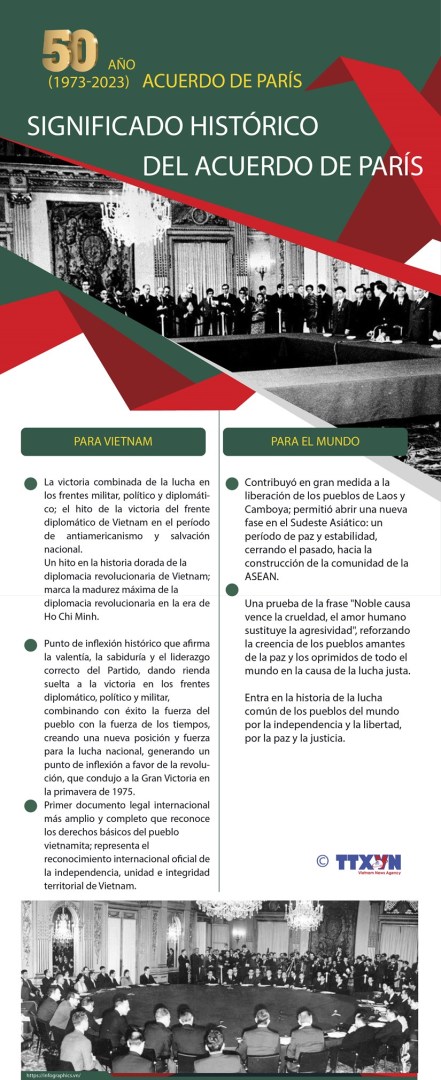
The signing ceremony of the Paris Agreement on ending the war and restoring peace in Vietnam on January 27, 1973, at the Paris Convention Center (Photo: VNA)

The Paris Peace Conference (1968 – 1973) has forever gone down in the history of the Vietnamese nation in general and the Vietnamese revolutionary diplomacy of the Ho Chi Minh era in particular as a hallmark that never fades. Celebrating the 50th anniversary of the signing of the Paris Peace Agreement (January 27), Vietnam is more deeply aware of the significance of this special historical document. Many lessons have been learned from the historical negotiations, in which the lesson on upholding the spirit of independence and international solidarity still holds profound theoretical and practical values.

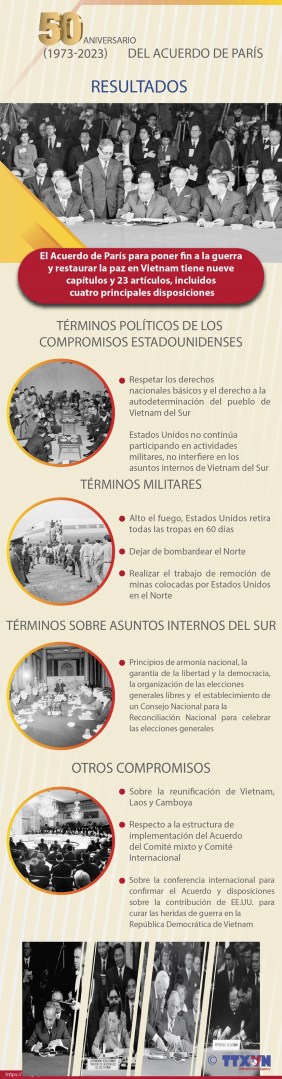
From December 18-29, 1972, the US launched strategic air raids (mainly by B-52s) on Hanoi and Hai Phong but they were a complete failure. The North Vietnamese air defence forces shot down 81 aircraft of all kinds (including 34 B-52s), forcing the US and the Saigon administration to sign an agreement to end the war (January 27, 1973). Accordingly, the US and other countries committed to respect the independence, sovereignty, unity and territorial integrity of Vietnam, withdraw all expeditionary troops and troops of allied countries, and destroy all US military bases. They pledged not to continue military involvement or interfere in internal affairs of the South Vietnam. The parties let the people of the South determine their own political future through free general elections; recognised the actual status quo in South Vietnam with two governments, two armies, two regions of control and three political forces; ceased fire on the spot; and swapped prisoners and captured civilians. With the Paris Agreement, Vietnam “beat the US out”, created favourable conditions to the complete liberation of the South and national reunification in the spring of 1975./.


Acuerdos de Paz de París: lecciones históricas sobre independencia y autonomía

Nguyen Thi Binh, ministra de Relaciones Exteriores del Gobierno Revolucionario Provisional de la República de Vietnam del Sur, firmó el Acta de la Conferencia de París sobre Vietnam, el 2 de marzo de 1973 (Fuente: VNA).

La firma de los Acuerdos de Paz de París se consideró una victoria contundente de la diplomacia revolucionaria de Vietnam en la era de Ho Chi Minh, contribuyó en gran medida al triunfo de toda la nación y dejó valiosas lecciones diplomáticas sobre la independencia, autonomía y solidaridad internacional.

De acuerdo con los historiadores, las negociaciones de París sobre Vietnam (1968 – 1973) constituyeron una lucha extremadamente difícil y complicada de Vietnam con Estados Unidos. Finalmente, se firmaron el 27 de enero de 1973 los Acuerdos de París sobre el cese de la guerra y restablecimiento de la paz en Vietnam.

La lucha de resistencia del pueblo vietnamita contra el imperialismo estadounidense, en general, y las negociaciones en la Conferencia de París, en particular, se desarrollaron en un contexto histórico muy complicado, marcado por la formación y desarrollo cada vez más fuerte del sistema de países socialistas, al cual ayudó activamente el movimiento revolucionario mundial, incluido el vietnamita.

Sin embargo, en el mismo ceno de los países socialistas, existían diferentes visiones, incluidas agudas contradicciones, sobre el camino de construcción del socialismo y lucha de liberación nacional. Mientras, el imperialista estadounidense, enemigo del pueblo vietnamita, poseía el potencial económico y militar muy poderoso.

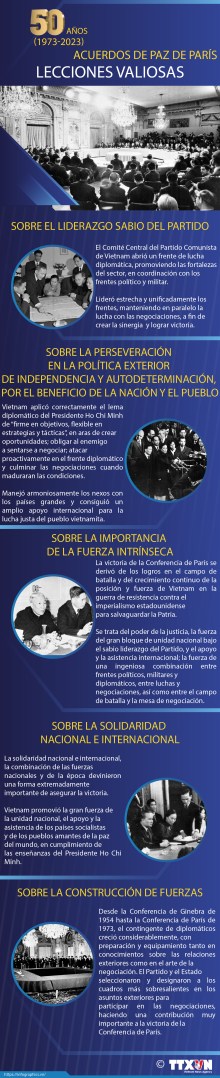
Basado en lecciones de la lucha de resistencia contra los colonialistas franceses, el Comité Central del Partido de los Trabajadores de Vietnam mantuvo en alto el espíritu de independencia, autonomía y solidaridad internacional tanto en la lucha como en las negociaciones. Esos factores se consideran las direcciones básicas en todo el proceso de negociaciones en la Conferencia de París.

Al realizar una mirada retrospectiva, desde 1965 hasta finales de 1966, los imperialistas estadounidenses intensificaron la guerra de invasión en Vietnam y lanzaron el argumento de la “paz falsa”, exigiendo así al Gobierno de la República Democrática de Vietnam negociar.

En enero de 1967, el XIII Pleno del Comité Central del Partido de los Trabajadores de Vietnam decidió crear un nuevo frente diplomático para denunciar con más fuerza los crímenes de los imperialistas estadounidense y exponer las artimañas de la “paz falsa”; defender la postura justa de la revolución; obtener el apoyo y la ayuda de los países socialistas y de los pueblos progresistas en el mundo, incluido el estadounidense.

En la primavera de 1968, el ejército y pueblo de Vietnam emprendieron la Ofensiva General y levantamiento en todo el campo de batalla del Sur, lo cual obligó a la entonces administración del presidente estadounidense Lyndon Baines Johnson a reducir la escalada de la guerra y sentarse en la mesa de negociaciones en la Conferencia de París.

El 13 de mayo de 1968, se iniciaron en París las negociaciones oficiales entre la delegación del Gobierno de la República Democrática de Vietnam y la del Gobierno de Estados Unidos, marcando una nueva fase de la lucha de resistencia de Vietnam, de enfrentarse en el campo de batalla y, al mismo tiempo, en el frente diplomático, con el lema de luchar al mismo tiempo de negociar.

Vietnam mantuvo con firmeza su posición de exigir, en primer lugar, a Estados Unidos poner fin de forma incondicional a los bombardeos y todas las demás actividades bélicas contra la República Democrática de Vietnam; y luego, debatir los temas relevantes de las dos partes. A su vez, el lado estadounidense propuso al Norte retirar sus tropas del Sur y dejar de enviar a combatientes y vituallas a esa área.

Ante la postura legítima y la actitud resuelta de Vietnam y debido a numerosas dificultades y pérdidas en el campo de batalla, el movimiento contra la guerra se extendió a todos los estratos sociales del pueblo estadounidense.

El 1 de noviembre de 1968, el presidente Johnson se vio obligado a declarar el fin de todos los actos bélicos contra Vietnam del Norte. Después de ese acontecimiento, la lucha de Vietnam contra Estados Unidos giró alrededor de la cuestión de la forma y elementos para la conferencia; y se llegó, posteriormente, al acuerdo de organizar una conferencia cuatripartita entre la República Democrática de Vietnam, el Frente Nacional de la Liberación de Vietnam del Sur (Gobierno Revolucionario Provisional de la República de Vietnam del Sur), Estados Unidos y la República de Vietnam (Gobierno de Saigon).

El hecho de tomar la iniciativa de adoptar la postura de luchar al mismo tiempo de negociar fue realmente una decisión creativa del PCV, lo que demostró la posición independiente y la autonomía en la adopción de lineamientos.

En 1969, Richard Nixon fue elegido presidente de Estados Unidos y propuso la estrategia de “vietnamización de la guerra”. En consecuencia, las tropas expedicionarias y de algunos países aliados se retiraron gradualmente al país de origen; para que el ejército de la República de Vietnam ocupara el principal papel, pero bajo la dirección de Estados Unidos a través de un sistema de asesores militares; asistencia financiera, de armas técnicas y de medios de guerra.

El 25 de enero de 1969, se celebró la primera sección de la Conferencia cuatripartita sobre Vietnam. Durante el proceso de negociación, la parte vietnamita luchó en todos los aspectos relacionados con la guerra, centrado principalmente en dos cuestiones importantes: exigir la retirada de todas las tropas estadounidenses y las aliadas del Sur y el respeto de los derechos nacionales básicos y la autodeterminación del pueblo de Vietnam del Sur. Esas reivindicaciones recibieron el apoyo de muchos gobiernos de todo el mundo.

La opinión pública mundial tuvo la clara noción de que la parte vietnamita mostró la “buena voluntad por la paz”, y en ese sentido, exigió al Gobierno de Estados Unidos poner fin pronto a la guerra de invasión en Vietnam. En el marco de la Conferencia de París, a menudo la parte vietnamita pronunciaba perspicaces discursos oficiales en foros públicos para movilizar el apoyo de la opinión pública.

Vietnam concedía gran importancia a la movilización de la prensa. Durante casi cinco años de negociaciones, en el marco de la Conferencia de París se efectuaron cerca de 500 ruedas de prensa, las cuales fueron consideradas por Vietnam como oportunidades para denunciar la obstinación de Estados Unidos y el Gobierno de Saigón y, al mismo tiempo, defender y realzar la postura justa y buena voluntad por la paz del país. Esas acciones contribuyeron activamente a incrementar la solidaridad del frente mundial de los pueblos en apoyo a la revolución vietnamita y aislar fuertemente a Estados Unidos- el Gobierno de Saigon en la arena internacional.

Las grandes victorias militares de la revolución vietnamita en el campo de batalla (Operación Ruta 9 – Sur de Laos 1971 y la Ofensiva primavera-verano de 1972, entre otras) provocaron al enemigo cuantiosas pérdidas, quebrantaron la estrategia estadounidense de “vietnamización de la guerra” y crearon condiciones favorables para Vietnam en la mesa de negociaciones.

Al resultar incapaz de sacudir la posición de Vietnam en la mesa de negociaciones, Richard Nixon intensificó las acciones militares en los campos de batalla. El 14 de diciembre de 1972, Nixon aprobó un plan para lanzar ataques aéreos estratégicos principalmente con aviones B-52 en Hanoi y Hai Phong.

Con los ataques aéreos, Estados Unidos pretendió lograr la victoria militar, ganar una posición prevaleciente en las negociaciones en la Conferencia de París, obligar así al Gobierno de la República Democrática de Vietnam a firmar un acuerdo para poner fin a la guerra, y destruir el potencial económico de Vietnam del Norte, especialmente las grandes ciudades, para que no pudiera prestar asistencia a la lucha de resistencia en el Sur.

Por otra parte, Estados Unidos tuvo como intención proponer más tiempo al ejército y el Gobierno de Saigón para fortalecer sus fuerzas y provocar el pánico entre el pueblo vietnamita, a la par de demostrar al mundo su poderío militar y disuadir a los países que luchan contra el imperialismo.

Lễ ký Hiệp định Paris về chấm dứt chiến tranh, lập lại hòa bình ở Việt Nam, ngày 27/1/1973, tại Trung tâm Hội nghị quốc tế ở Paris (Pháp). Ảnh: TTXVN

La Conferencia de París (1968 – 1973) dejó para siempre en la historia de la nación vietnamita, en general, y de la diplomacia revolucionaria vietnamita en la era de Ho Chi Minh, en particular, una impronta imborrable. Conmemorar el 50 aniversario de la firma de los Acuerdos de París (27 de enero de 1973 – 27 de enero de 2023) es recordar la envergadura y el alto significado de ese documento histórico especial.

Se han aprendido muchas lecciones de las mencionadas negociaciones históricas; entre ellas, la de realzar el espíritu de independencia y solidaridad internacional que todavía mantiene aún sus profundos e intactos valores teóricos y prácticos.

Del 18 al 29 de diciembre de 1972, Estado Unidos libró un ataque aéreo estratégico (principalmente con B-52) en Hanoi y Hai Phong. Sin embargo, ese intento fue un completo fracaso. Las fuerzas de defensa antiaérea de Vietnam del Norte derribaron 81 aviones de todo tipo (incluidos 34 de B-52), lo que obligó a Estados Unidos y al Gobierno de Saigón a firmar un acuerdo para poner fin a la guerra (27 de enero de 1973). En consecuencia, Estados Unidos y otros países se comprometieron a respetar la independencia, soberanía, unidad e integridad territorial de Vietnam; retirar todas las tropas expedicionarias y las de países aliados; destruir todas las bases militares estadounidenses; no participar ni interferir en los asuntos internos de Vietnam del Sur; permitir que el pueblo del Sur determinara su propio futuro político a través de elecciones generales libres; reconocer el hecho de que en Vietnam del Sur hay dos gobiernos, dos ejércitos, dos zonas de control y tres fuerzas políticas; y cesar el fuego, intercambiar prisioneros y civiles capturados. Con los Acuerdos de París, Vietnam repelió a Estados Unidos, creando condiciones favorables para derrumbar a los títeres, liberar completamente el Sur y reunificar el país en la primavera de 1975.