FESTIVALS SPOTLIGHT THAI ETHNIC MINORITY’S UNIQUE CULTURE IN LAI CHAU

The Han Khuong Festival of the Thai people in Than Uyen district, Lai Chau province (Photo: VNA)

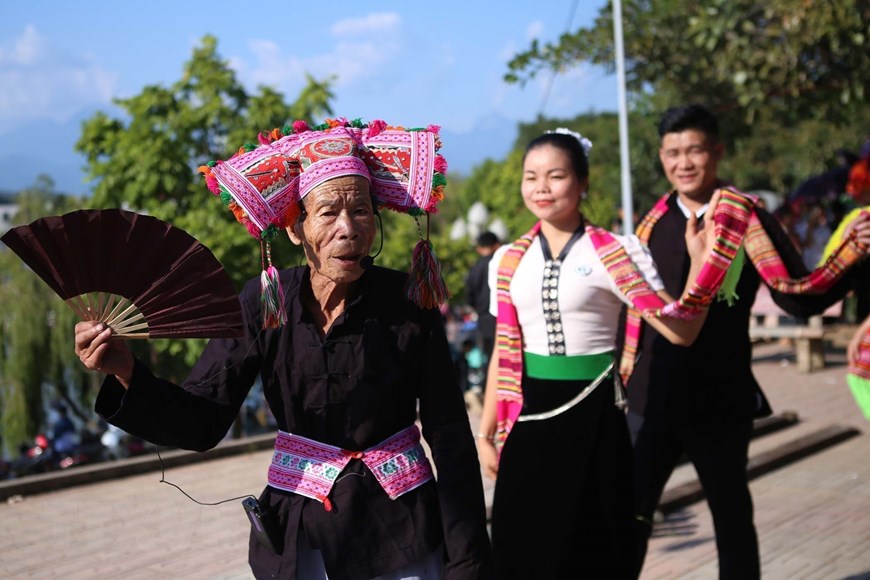
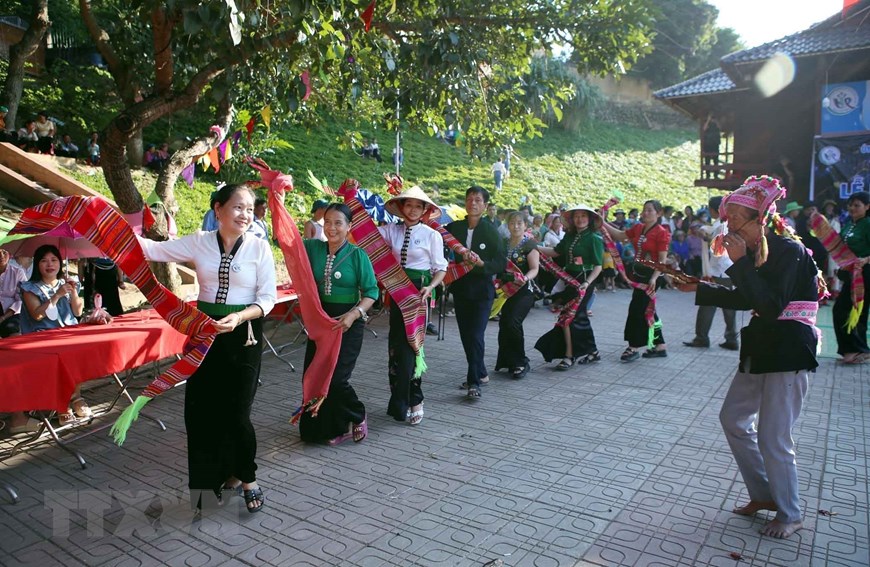
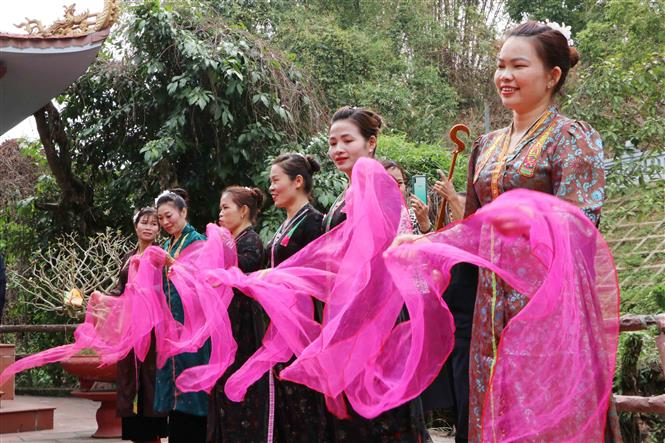
The northern mountainous province of Lai Chau is home to many different ethnic minority groups, including the Thai ethnic community, which are working hard to preserve traditional culture and festivals.

Lung Tung, Then Kin Pang, Nang Han, Kin lau khau mau, and Han Khuong festivals are some of the unique festivals of the Thai ethnic people in the locality.

Lung Tung Festival

The Thai people in Than Uyen district held their traditional New Year festival of Lung Tung (Going to the field) from the 6th – 10th days of the first lunar month.

This festival was last held in 1960 and gradually disappeared. It was revived in 2018, contributing to preserving and promoting the cultural identity of the Thai people in particular and the ethnic minorities of Than Uyen district and Lai Chau province in general
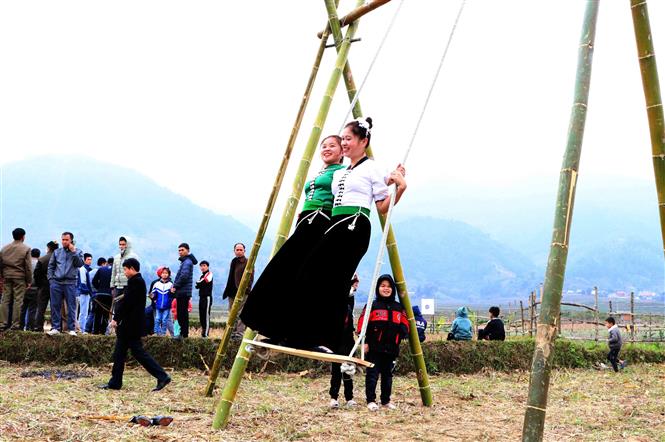
The Lung Tung festival of the Thai people in Than Uyen district, Lai Chau province (Photo: VNA)

Lung Tung consists of two parts featuring the offering ceremony and festive activities.

Highlights of the festival, marking the start of a new farming year, are rituals paying tribute to Han (a deity that helps the Thai fight against invaders and defend their territory) and the gods of the mountains and the forest.
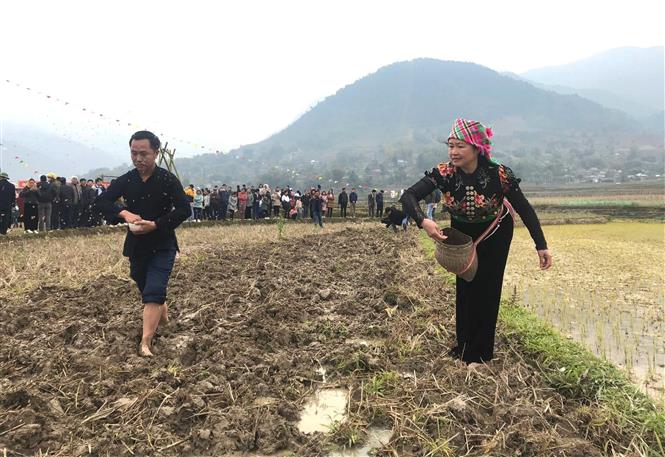
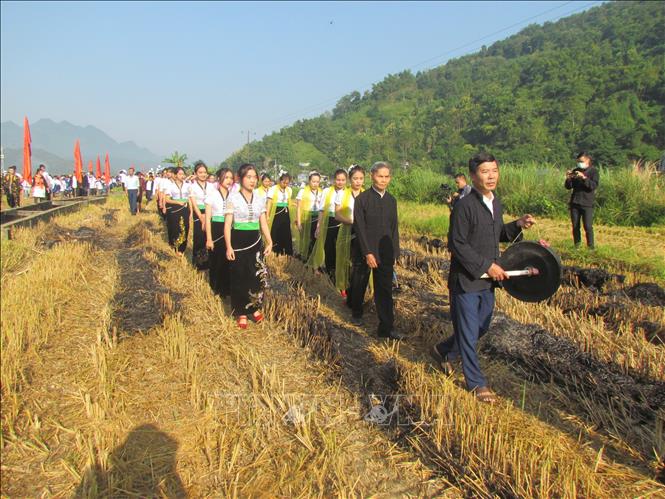
The local authority representatives and people go to the field to perform the plowing and sowing rituals, hoping for a year of bumper crops and good weather (Photo: VNA)

The local authority representatives and people went to the field to perform the plowing and sowing rituals, hoping for a year of bumper crops and good weather.

During festive activities, local people and visitors participate in folk games, Nem Con (throwing a ball through a ring for good luck), crossbow shooting, and tug of war, and art and cultural exchanges.

The Lung Tung festival contributes to strengthening community bonds, preserving the fine traditional cultural values of ethnic groups, and popularising the image of Than Uyen district to tourists.

Then Kin Pang Festival

The Then Kin Pang Festival is held annually on the 10th day of the third lunar month in Khong Lao commune in Phong Tho district. It’s a traditional event of the White Thai ethnic people and features several unique and attractive cultural events. Thousands of people flock to the locality to join the festival on the day.

The Then Kin Pang festival plays a significant role in the spiritual lives of the Thai ethnic people and is an occasion for local people to express their wishes for a peaceful life, good health, and abundant crops, among other things.

The legend of the White Thai ethnic people tells the story of the God of Heaven sending the “Then” deities down to the mortal world to become ordinary people in order to save mankind. Those who were sick were given medicine by Then. Anyone facing misfortune or bad luck would have Then’s blessings to overcome their difficulties.

The Then Kin Pang festival plays a significant role in the spiritual lives of the Thai ethnic people and is an occasion for local people to express their wishes for a peaceful life, good health, and abundant crops, among other things. (Photo: VNA)

“Then” also serves as a representative who prays to the divine spirits in the heavens for the well-being of the people, bringing good weather and abundant harvests, and ensuring the happiness and prosperity of the local community.

During the festival, the Lu Lieng – Lu Huong (those blessed by Then) offer their gratitude to “Then” through offerings.
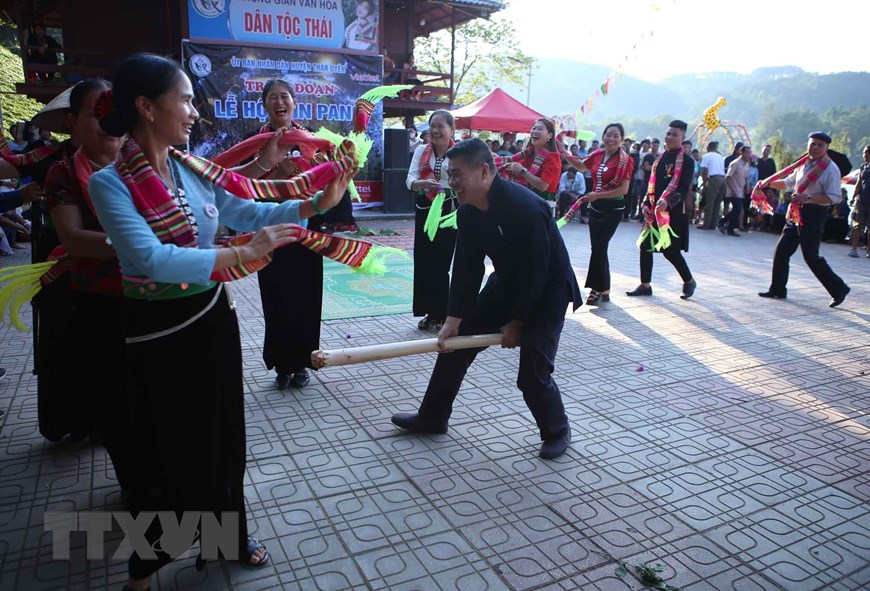
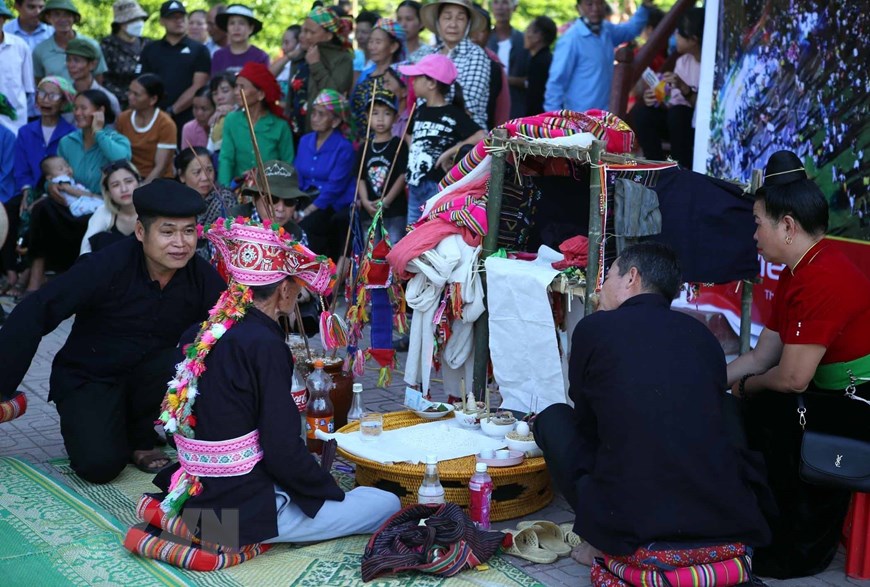
The Then Kin Pang Festival of the Thai people in Lai Chau province (Photo: VNA)

The Then altar is elaborately decorated with colourful ornaments. The flowers are the main offerings as they are considered the symbol of the Then Kin Pang festival.

Offerings include a boiled pig, two boiled roosters, eggs, black sticky rice, and white silver.

In addition to the offerings dedicated to “Then” and Then Kin Pang, there is always a feast to express gratitude to those who have contributed to establishing and protecting the village.

The Then Kin Pang festival also offers a meeting opportunity for local men and women. After the festival, many couples get married.

The Then Kin Pang festival consists of two parts – an incense offering ceremony and a festive time featuring various special activities, folk games, and dances of the ethnic Thai people.

The festival contributes to boosting the spiritual lives of local people and raises the sense of responsibility among different generations in preserving and promoting Vietnam’s cultural heritage. It also offers a chance for ethnic minority groups to exchange culture and promote the great national unity bloc.

Nang Han Festival

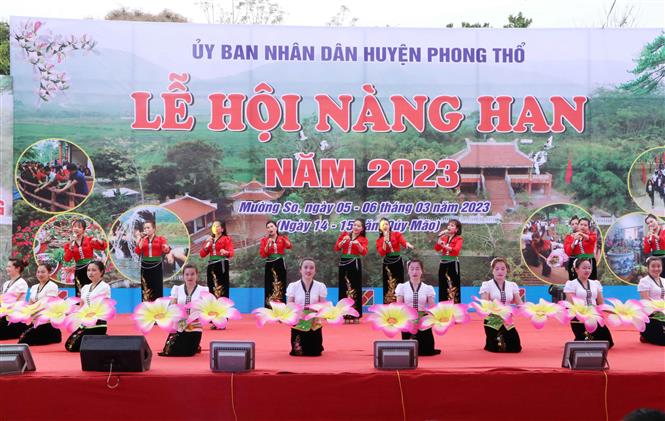
The Nang Han Festival, which is to honour the female hero Nang Han, who helped the White Thai people repel foreign invaders, is celebrated annually on the 15th day of the second lunar month in Muong So commune, Phong Tho district.

The festival is also to pray for good weather, prosperity, bumper crops, and peace for local residents.

According to the legend of the local Thai community, Nang Han was the daughter of a poor Thai family in Chieng Sa (now Muong So commune). She disguised herself as a man and rallied strong young men of the village to fight invaders. She led the uprising of the people from the 16 Thai areas to defeat invaders in the north.

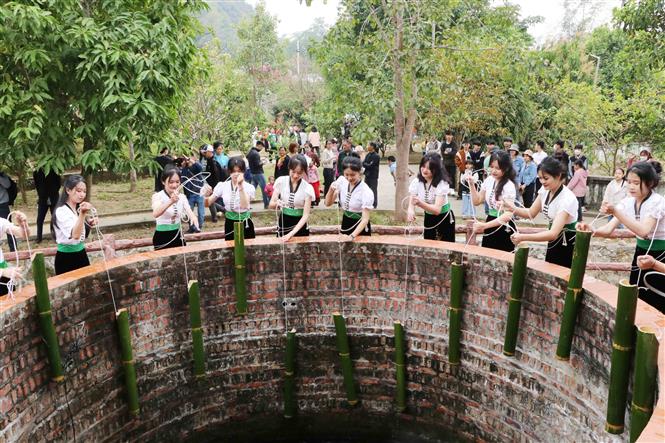
The Nang Han Festival of the White Thai people in Phong Tho district, Lai Chau province. (Photo: VNA)

After defeating the enemy, she bathed in Tay An well (in Muong So commune) and then returned to heaven. In remembrance of her contributions, the local community built a temple to worship her and organised the Nang Han festival at the relic site.

The Nang Han festival includes six ceremonial rituals called “Tung song to”, “Phai Le to”, “Tha Oc”, “Tha Hu No”, “Then Hau Phet” and “Quat Bo Heo”, conducted by priests. Notably, the festival features 32 folk dances of Thai people.

During the festival, villagers gather in front of the Nang Han temple to watch traditional singing and dancing performances. The shamans conduct outdoor rituals. Offerings to Nang Han include fruits, sticky rice and chickens, and silver paper from the Thai community. After the rituals, local women in the dance troupe perform traditional folk songs praising their homeland, love, and the hero’s contributions.
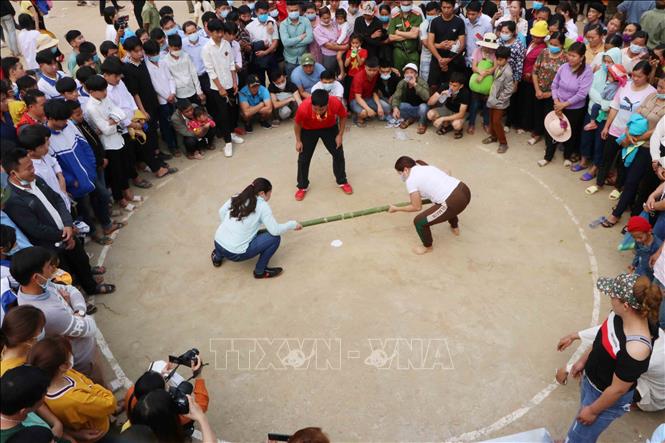
The “day gay” (stick pushing) game of the Thai people at the Nang Han Festival (Photo: VNA)

Festive activities feature folk games such as tug of war, “nem con” (“con”’ throwing), “day gay” (stick pushing), and a contest to catch fish in a stream.

Thai people’s traditional dishes such as three-colour sticky rice, grilled fish, and grilled moss are also introduced during the festival.

Kin Lau Khau Mau Festival

Kin Lau Khau Mau (new rice) festival of White Thai ethnic people in Phong Tho district takes place every year in late Autumn in Muong So field.

During the festival, locals pray for good health, favourable weather, bumper crops, and prosperity. The festival also offers an opportunity for all ethnic groups in Lai Chau province to exchange culture and promote the great national solidarity bloc, making contributions to building Vietnamese culture and a unique cultural identity.
During the Kin Lau Khau Mau Festival, locals pray for good health, favourable weather, bumper crops, and prosperity. (Photo: VNA)

Several rituals are held during the festival, including a rice procession, pounding young rice, praying for peace and good fortune, and worshiping the Gods.

Following the rituals, the Thai people and visitors take part in folk games like tug-of-war and traditional dances such as “Nhay Sap” (bamboo pole dance) and Xoe dancing.
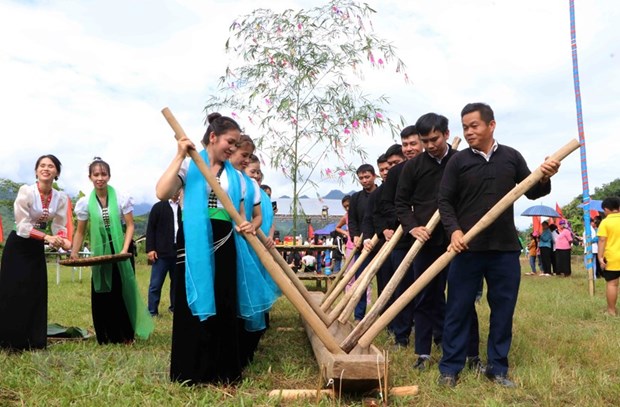
Pounding young green rice. (Photo: VNA)

The ceremony of green rice pounding to pray for peace attracts crowds of tourists to experience.

Young green rice is roasted over a low-heat fire and stirred constantly until the grains crack and become fragrant. This is an important step that determines the deliciousness of rice. After pounding, young rice flakes are wrapped in green “dong” leaves to retain their softness and fragrance.

Phong Tho district is now home to 11 ethnic groups, with the Thai people accounting for over 20%.

The district has carried out an array of measures over the years to protect the ethnic culture, through preserving eight traditional festivals of the Dao, Thai, and H’Mong people. It has also urged local residents to preserve their traditional culture in tandem with tourism development.

Han Khuong Festival

The Han Khuong festival of the Thai people was held in the eleventh lunar month each year, after the harvest.

It is a unique form of traditional cultural activities, handed down through many generations of the Thai people in the Northwest, and is recognised as an Intangible Cultural Heritage.
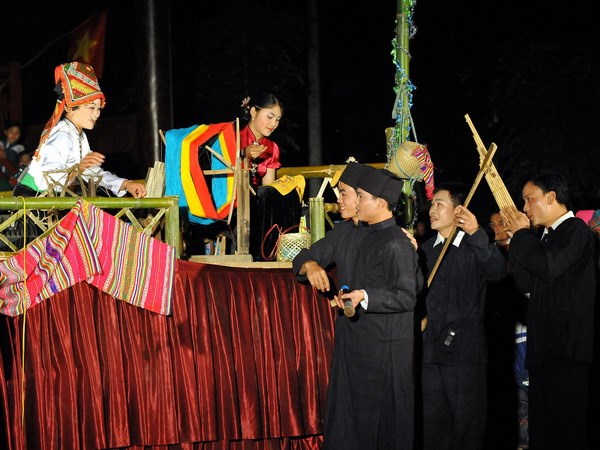
Men and women sing in pairs in the Han Khuong festival (Photo: VNA)

Han Khuong means the stage, which is constructed outdoor; it can be square or rectangular in shape with an area of 15-20 sq.m. The stage is 1.2-1.5m from the ground with a bamboo floor and surrounded by lattice bamboo bars.

In the middle of the floor, there is a bamboo tree with leaves intact at the top and decorated with colourful fake animals called “Lach xay chinh”. It also consists of a kitchen fire in the centre.

The Thai people consider Han Khuong a dating place with love songs by Thai boys and girls, which is an ancient cultural activity of Thai people.
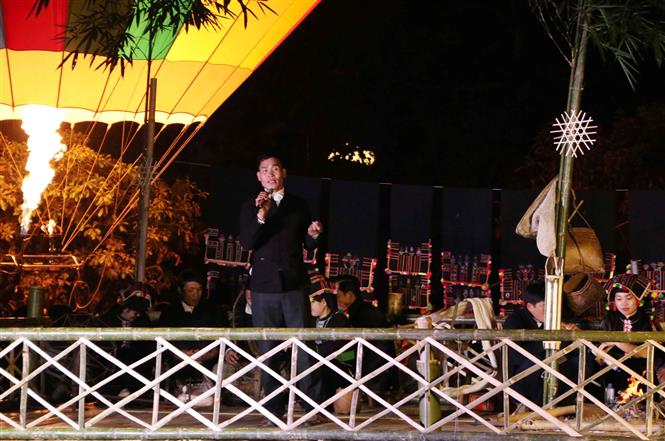
Han Khuong means the stage, which is constructed outdoor; it can be square or rectangular in shape with an area of 15-20 sq.m. The stage is 1.2-1.5m from the ground with a bamboo floor and surrounded by lattice bamboo bars. (Photo: VNA)

At four corners, there are four colorfully decorated small Neu poles called Lac Xay. The floor is called “San hoa Han Khuong”. The hostess named “Xao Ton Khuong” is often a beautiful and kind-hearted girl whom everybody likes and who can communicate well and sing beautifully. Four girls standing at four places with stairs are called “Xao Lac Xay”. They make cotton strings, put ladders near kitchen fire, and hang strings in front of the stairs. If boys want to go to the stage, they have to win the girls in a singing contest, and then sing to be invited to sit down and drink tea.

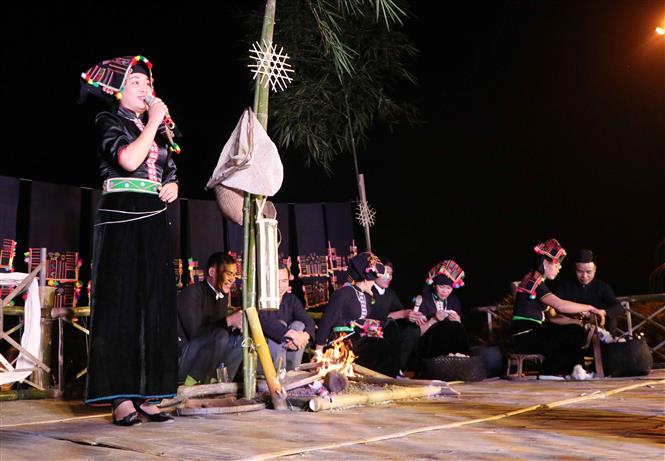
Han Khuong is not only the place for singing where young people meet each other, it is also the place to discuss and exchange ideas of the community. (Photo: VNA)

Han Khuong is not only the place for singing where young people meet each other, it is also the place to discuss and exchange ideas of the community. The festival also contributes to teaching young people about the traditions of Thai people in Lai Chau./.
TURNING KATE FESTIVAL INTO SPECIAL TOURISM PRODUCT OF BINH THUAN

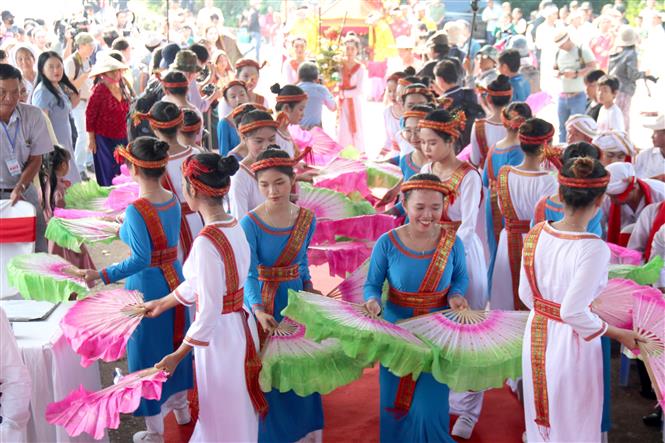
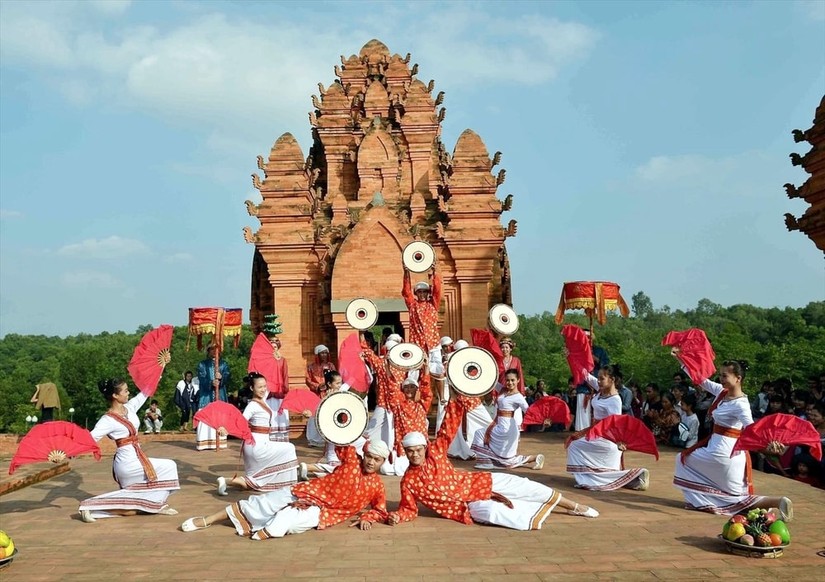
The Kate Festival is a unique traditional festival of Cham people in Binh Thuan. (Photo: VNA)

The Kate Festival, one of the most important cultural events of the Cham ethnic people in Binh Thuan, which takes place from the end of the sixth month to the middle of the seventh month in Cham calendar, is a unique tourism product helping the south central province to draw visitors.

The Kate Festival is a unique traditional festival of Cham followers of Brahmanism in Binh Thuan, which is home to second largest Cham community in Vietnam after neighbouring Ninh Thuan province.

It aims to show respect to gods and pray for favourable weather, bumper harvests, marital harmony, and the health and protection of society.

A national intangible cultural heritage

The Kate Festival demonstrates traditional cultural values of the Cham Brahman community, showing their respect and gratitude towards gods and ancestors for giving and protecting people’s health, a peaceful life, wealth and happiness.

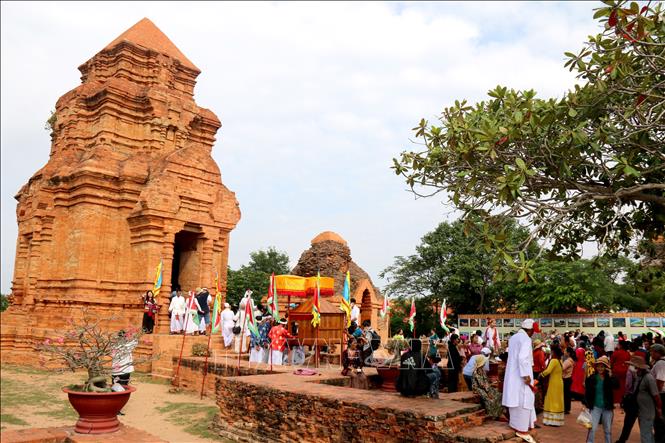
Kate Festival, which has a long history, has been well maintained in Binh Thuan. (Photo: VNA)

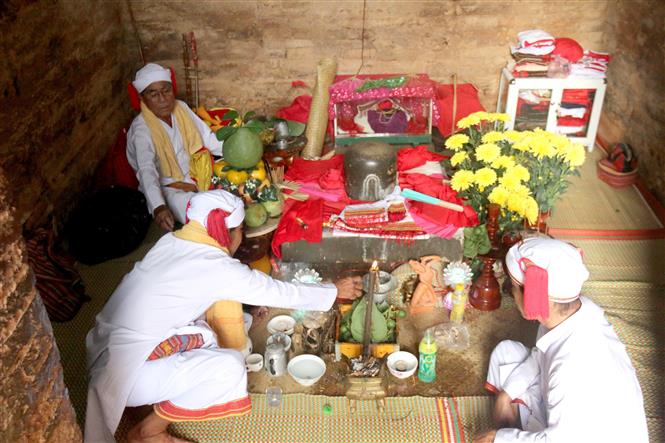
With a long history, the Kate Festival begins with rituals at Cham temples and towers, then moves to the villages, families of monks, dignitaries and Cham Brahman families.

On the occasion, all family members gather so that grandparents and parents can educate their descendants to be grateful, respect their ancestors, and pray to their ancestors for a prosperous year and good fortune.

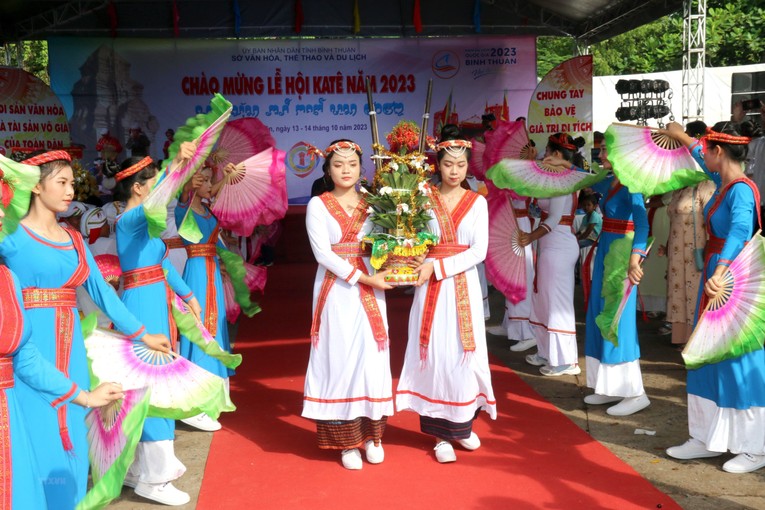
This year, the festival took place from October 13-14 with major activities held at Po Sah Inu towers in Phan Thiet city.

Various festive activities are held during the annual Kate Festival. (Photo: VNA)

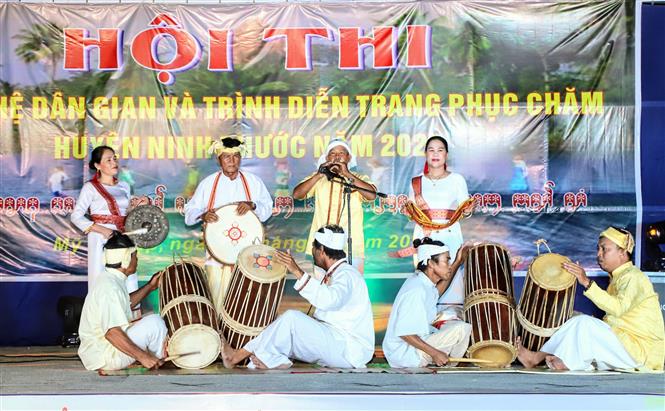
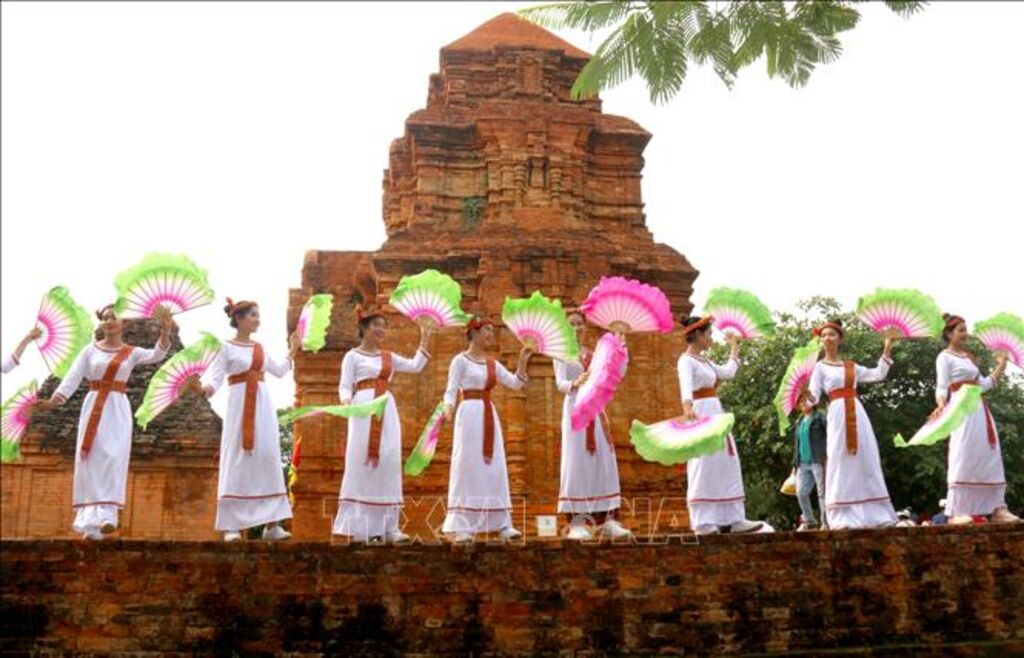
The Po Sah Inu Goddess costume carrying ceremony is the most important ritual of the Kate Festival. Under the direction of religious dignitaries, the procession of the Goddess’s costumes takes place among the majestic and ancient beauty of Po Sah Inu towers. Cham men and women join traditional dances with the melodious sound of Para nung drums and Saranai trumpets.

Po Sah Inu towers, five to 16 meters tall, stand on an area of nine hectares on the Ba Nai Hill, seven kilometers northeast from downtown Phan Thiet city. The only Cham architectural vestige in Phan Thiet has just three towers remaining. The towers were built in what experts call the Hoa Lai architectural style, one of several styles used during the reign of the Champa Kingdom.

At the Po Sah Inu Goddess’ costume carrying ceremony. (Photo: VNA)

Together with the Goddess costume carrying ceremony, the festival also features other traditional rituals and performances, including the opening ceremony of the main tower, Linga-Yoni altar bathing rite, dressing up and making offerings on the occasion of Kate in front of the main tower. 

Cham dignitaries carry out traditional rituals at Kate Festival, including the opening ceremony of the main tower and Linga-Yoni altar bathing rite. (Photo: VNA)

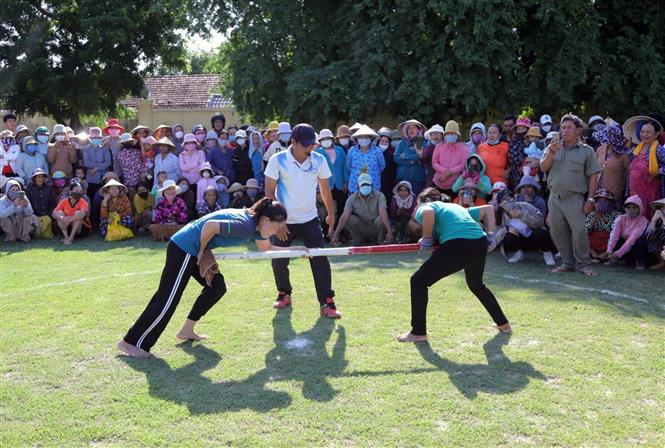
This year, festive activities of the Kate Festival are diverse with competitions and games carrying the cultural identity of Cham people, including contests of preparing and decorating offerings, making ginger root-shaped crackers, pounding rice, and carrying water to overcome obstacles.

The event is a chance to foster the solidarity and mutual love in the local community, and raise awareness of the ethnic group’s origin, moral values, personality, and spirit of harmony to unite members of the community.

Compared to other festivals in the province such as Rijanugar, Suc dang, Ramuwan New Year, Kate Festival is on a larger scale. It gathers not only Cham people but also people from other ethnic groups in nearby localities, including King, Raglai, Co Ho, Hoa, Tay, and Nung. Visitors can take part in Brahman rituals and enjoy traditional music.

The Kate Festival is one of five unique festivals of Binh Thuan included in the list of typical local festivals that should be preserved and promoted for tourism development.

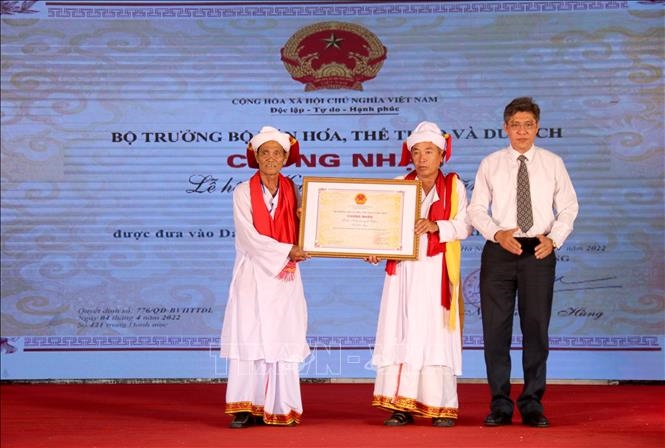
Particularly, on April 4, 2022, the Minister of Culture, Sports and Tourism signed Decision No. 776/QD-VHTTDL recognising the Kate Festival of Cham people in Binh Thuan as a national intangible cultural heritage.

At a ceremony to hand over the certificate recognising the Kate Festival as a national intangible cultural heritage. (Photo: VNA)

Turning Kate Festival into attractive tourism product

Binh Thuan is home to more than 40,000 Cham people who live primarily in the districts of Tuy Phong, Bac Binh, Ham Thuan Bac and Tanh Linh. The local community wants to preserve the traditional cultural values of their Cham heritage.

Along with meeting the demand for spiritual practices of Cham people, the festival has become a chance for Binh Thuan to attract tourists, and an entertainment opportunity for local residents thanks to its festive activities.

Vo Thanh Huy, Deputy Director of the provincial Department of Culture, Sports and Tourism affirmed that the Kate Festival is not only a unique and typical folk festival with close attachment to the social and spiritual practices of Cham people, but also a tourism product that makes important contributions to promoting the image and special cultural identity and values of the Cham community to visitors, helping boost local tourism development.

Recently, the People’s Committee of Binh Thuan has approved a project to preserve and promote the values of the Kate Festival of Cham people in Binh Thuan to serve tourism development.

The project aims to conserve and develop the special cultural values of the Kate Festival in a sustainable manner, thus meeting the demand for religious and belief practices of the Cham community, while turning Kate into an attractive tourism product to lure more domestic and foreign visitors to the south central locality.

To this end, in the time to come, Binh Thuan will strengthen coordination among provincial departments, sectors and agencies in the management and organisation of the festival.

Along with increasing communications and popularisation of the meaning, values and uniqueness of the festival, the province will work to mobilise capital for the restoration of temples and towers related to the festival, while upgrading the environment and landscapes around temples, towers, and villages.

The Kate Festival organising board in Po Sah Inu tower of Phan Thiet city and other localities were requested to send a detailed plan of the festival to travel firms to introduce the festival to visitors and integrate the festival into their tours, while increasing tourism promotion activities to attract more tourists.

Cham people in Binh Thuan enjoy Kate Festival (Photo: VNA)

The locality has also encouraged religious dignitaries, artisans and the elderly of the Cham community to pay greater attention to teaching and transferring traditional rituals during the Kate Festival to the young generation, contributing to preserving and promoting the values of the festival.

Binh Thuan is also working to apply for UNESCO recognition of Cham people’s towers and the Kate festival as world heritage, creating motivation for the Cham ethnic minority people to maintain their heritage and boosting tourism development in a sustainable fashion.

Thanks to its great advantages in beautiful landscapes and cultural values with a large number of cultural and historical relic sites, Binh Thuan boast high potential for tourism development.

With 192km of coastline, Binh Thuan province is home to islands, islets, coves, bays, and white sand beaches with clear blue water, which form famous tourist attractions. Popular tourist sites in the province include Phan Thiet, Mui Ne, Doi Duong and Ham Tan.

In the first six months of 2023, Binh Thuan welcomed 4.46 million tourist arrivals, up 86% year-on-year, according to Deputy Director of the provincial Department of Culture, Sports and Tourism Nguyen Lan Ngoc.

Of the total, the number of foreign visitors was 133,000, a five-fold increase compared to that of the same period last year. Revenue from tourism activities reached 11.34 trillion VND (480.4 million USD), up 2.5 times.

The host of the Visit Vietnam Year 2023 is making efforts to fulfill its targets of serving 6.7 million tourists, including 220,000 foreigners, and earning 15.9 trillion VND from tourism services this year./.
GLOBAL TREATY EXPECTED TO TACKLE PLASTIC POLLUTION

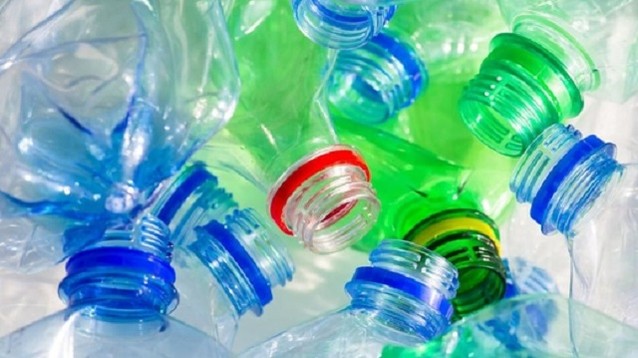
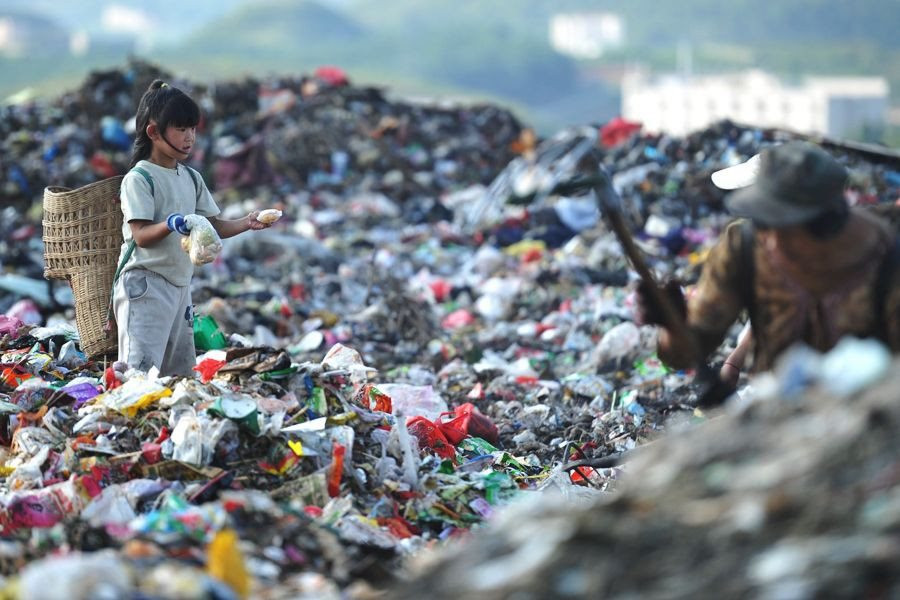
Plastic pollution has become one of the biggest challenges facing all countries. Photo: moitruong.net

Vietnam and the rest of the world are working on a global plastics treaty, which is expected to put an end to plastics pollution, protect people’s health, save the environment from the adverse impacts of plastic waste, and reducing the production and use of single-use plastics.

Plastic waste pollution (plastic pollution) is the phenomenon of accumulation of plastic items in the environment that causes adverse effects on the living environment. Photo baotainguyenmoitruong.vn

Global cooperation against plastic waste – an urgent need

After two rounds of negotiations in Uruguay in 2022 and France in 2023, the building of the global treaty on plastic pollution is entering an important stage. The third negotiation of the deal will take place in November 2023 in Nairobi, Kenya, while following rounds are slated for 2024.

Vice Director of the Vietnam Administration of Seas and Islands under the Ministry of Natural Resources and Environment (MoNRE), Truong Duc Tri said that as an active and responsible country, Vietnam is highly aware of the protection of the maritime and island environment. This awareness includes the preservation of maritime biodiversity, and the marine and coastal environment as well as controlling ocean plastic waste, aiming to promote sustainable marine economic development.

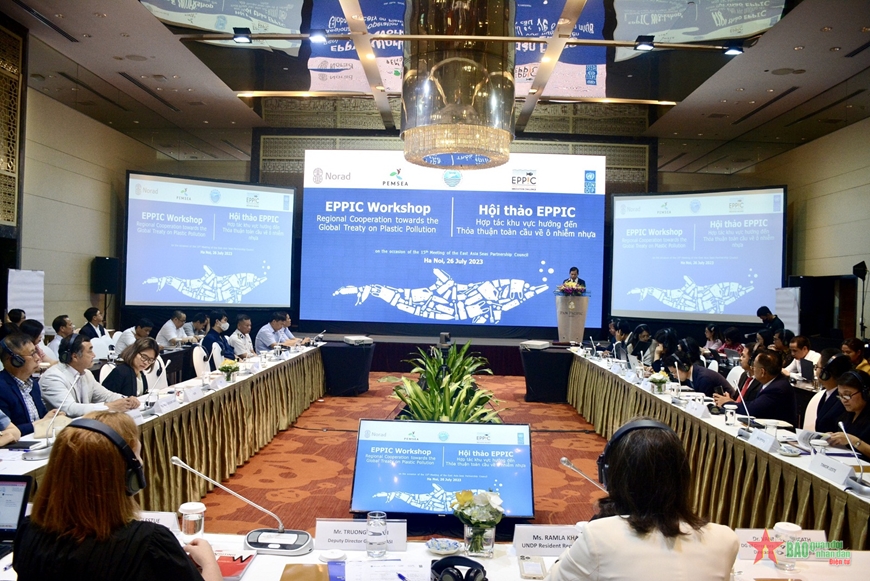
Vice Director of the Vietnam Administration of Seas and Islands under the Ministry of Natural Resources and Environment (MoNRE) Truong Duc Tri speaks at a conference on regional cooperation towards the global treaty on plastic pollution. Photo: qdnd.vn

He called on coastal countries to work harder to deal with pressing issues including marine environment pollution and ocean plastic waste in order to build a safer living environment and make contributions to the conservation of nature and marine biodiversity.

Coastal states should continue to effectively implement the Sustainable Development Strategy for the Seas of East Asia Implementation Plan as well as regional programmes and projects regarding protection of marine environment.

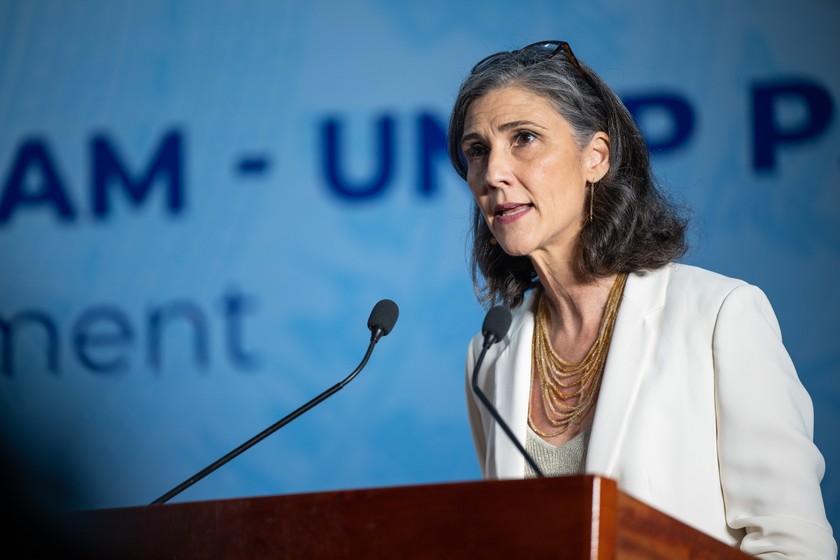
UNDP Resident Representative in Vietnam Ramla Khalidi. Photo: UNDP

Highlighting the “key role” of cooperation in coping with worsening plastics pollution, UNDP Resident Representative in Vietnam Ramla Khalidi called attention to two aspects in the fight against plastic pollution. One of which is to recognise, support, and enhance the contributions of informal waste workers to the waste management system, and the other aspect is to study how the global treaty could be based on these contributions. Realising the ambitious goals of the global plastics treaty will require adequate financing, especially through innovative financing mechanisms, ensuring that efforts are fully supported to create transformation on the ground, she said.

Opportunities to perfect environment-related policy

Regarding Vietnam’s participation in the global plastics treaty, Director of MoNRE’s International Cooperation Department Le Ngoc Tuan said that the ministry has formed a working group to take part in the second session of the Intergovernmental Negotiating Committee for the global treaty to end plastic pollution.

Delegations at a workshop themed “Global Treaty on Plastic Pollution: Second session of the Intergovernmental Negotiating Committee and Vietnam’s orientations for following sessions”. Photo: moit.gov.vn

The treaty brings about both challenges and opportunities for Vietnam to speed up the completion of policy and institutions related to the environment, especially in the management of plastic waste.

Vu Thi Dung from the MoNRE’s International Cooperation Department said that the common goals agreed to by Vietnam and other participating countries include ending plastic pollution, protecting human health and the environment from negative impacts throughout the life cycle of plastic, reducing the production, use and disposal of plastics, and promoting a circular plastic economy to end plastic pollution.

Vietnam can accelerate the improvement of policy and institutions related to environment, especially in the management of waste in general and plastic waste in particular. Photo: tapchimoitruong.vn

Hoang Thanh Vinh, programme analyst for chemicals, waste, and the circular economy at the UNDP Vietnam’s Climate Change and Environment Unit (CCEU) said that the National Plastic Action Partnership (NPAP) and the UNDP pledge to continue to accompany the inter-sectoral working group of the Vietnamese Government during the next negotiations, aiming to build Vietnam’s proposal towards a global treaty to end plastic waste.

The National Plastic Action Partnership (NPAP) and the UNDP pledge to continue to accompany the inter-sectoral working group of the Vietnamese Government during the next negotiations. Photo: tapchimoitruong.vn

Dr. Quach Thi Xuan, chief representative of Pacific Environment Vietnam underlined that the global plastics treaty is a chance for countries to work together to deal with plastic and the environment. However, she held that on the other hand, it is also a challenge requiring countries to carefully consider their commitments to ensure that they can achieve economic development goals and environmental protection targets at the same time in parallel with implementing their responsibilities to the international community.

The Pacific Environment will accompany the Vietnamese team during the negotiations for the treaty, and hopes that the country will show strong support to measures to reduce plastics and plastic waste on the foundation of extensive and in-depth consultation with domestic and foreign stakeholders, she stated./.
Reusing is the most effective way to reduce plastic pollution. Photo: Internet

越南致力于推进关于塑料污染的全球条约的建设

塑料污染已成为全球范围内最严重的环境问题之一 。图自moitruong.net

塑料污染已成为全球范围内最严重的环境问题之一,若不及时采取解决措施加以预防,将会给人类的未来留下后果。

面对这一迫切需求,越南与世界各国正在积极谈判,推进关于塑料污染全球条约的建设,旨在终结塑料污染,保护人类健康和环境免受在塑料生命周期的任何阶段造成的不利影响;减少塑料的生产、使用和处置。

塑料垃圾污染是塑料物品在环境中堆积并对居住环境造成不良影响的现象。图自 baotainguyenmoitruong.vn

全球合作是迫切需求

经过 2022 年在乌拉圭和 2023 年在法国先后举行的两次谈判后,《关于塑料污染全球条约》的技术谈判进程现已进入重要阶段,第三轮谈判将于 2023年11 月在肯尼亚内罗举行,并预计将于2024 年底得以批准。

越南自然资源与环境部海洋与岛屿局副司长张德智强调,作为一个积极、负责任的成员国,越南始终重视海洋和岛屿环境保护,特别是关于海洋生物多样性保护、海洋和海岸带环境的问题;解决塑料垃圾和海洋塑料垃圾问题,促进海洋经济可持续发展。

越南自然资源与环境部海洋与岛屿局副司长张德智在会上发表讲话。图自互联网

张德智建议沿海国家继续做出更多努力,解决海洋环境污染、海洋塑料垃圾等紧迫问题,致力于打造更安全的生存环境,为自然和海洋生物多样性保护工作做出重要贡献。

与此同时,沿海国家应继续配合并有效落实《东亚海洋可持续发展战略》行动计划以及区域海洋环境保护规划和项目。

联合国开发计划署(UNDP)驻越南首席代表拉姆拉·哈利迪。图自UNDP

联合国开发计划署(UNDP)驻越南首席代表拉姆拉·哈利迪(Ramla Khalidi)强调合作在解决日益严重的塑料污染问题中的“核心作用”,并指出对抗塑料污染的两个重要方面,即认可、支持和加强非正规废物处理人员对废物管理系统的贡献,并考虑如何在这些贡献的基础上制定一项全球条约。实现《关于塑料污染的全球条约》雄心勃勃的目标将需要巨额资金,特别是通过创新的融资机制,以确保实现实质性改变的努力得到充分支持。

改善环境政策的机会

关于越南在《关于塑料污染全球条约》的参与,自然资源与环境部国际合作司司长黎玉俊表示,该部已主持并成立了出席有关该条约的政府间谈判会议第二轮谈判的工作代表团。

“关于塑料污染的全球协议:第二轮谈判结果和越南对下论谈判的方向”研讨会场景。图自moit.gov.vn

该全球条约对越南来说既是挑战也是机遇,有助于加快完善环境政策机构,特别是包括塑料废物在内的废物管理。

来自自然资源与环境部国际合作司的武氏容表示,越南参与谈判的《关于塑料污染的全球条约》的共同目标包括终结塑料污染,保护人类健康和环境免受在塑料生命周期的任何阶段造成的不利影响,通过促进循环经济来消除塑料污染,减少塑料的生产、使用和处置。

越南可以加快改善环境政策,特别是对包括塑料废物在内的废物管理政策。图自tapchimoitruong.vn

联合国开发计划署(UNDP)驻越南代表处化学品、废物和循环经济项目主任黄成永表示,《国家塑料行动伙伴计划》(NPAP)和UNDP将在下一轮谈判为越南政府跨部门工作组提供支持,为达成有助于终结塑料污染的全球条约制定越南提案。

国家塑料行动伙伴计划(NPAP)和联合国开发计划署(UNDP)在各轮谈判上陪伴越南政府的跨部门工作组。图自 baotainguyenmoitruong.vn

太平洋环境组织越南首席代表郭氏春表示,关于塑料污染的全球条约是各国共同努力解决塑料污染问题的机遇,但同时也是一种挑战,需要各国认真考虑国家承诺程度,以同时确保经济发展和环境保护目标以及对国际社会的责任。

太平洋环境组织强调将在条约谈判过程中继续支持越南谈判团,希望越南在与国内广泛深入磋商的基础上,大力支持旨在减少塑料和塑料污染的解决方案。(完)

回收再利用是减少塑料污染最有效的方法。 图自互联网

HACIA ACUERDO GLOBAL CONTRA LA CONTAMINACIÓN POR PLÁSTICO

La contaminación plástica se ha convertido en uno de los mayores desafíos que deben enfrentar los países. (Foto: moitruong.net)
 

La contaminación por plásticos se ha convertido en uno de los problemas ambientales más severos a escala global, y si no hay soluciones oportunas para prevenirla dejará consecuencias a la humanidad en el futuro.

Ante esa necesidad urgente, Vietnam y otros países del mundo han acelerado las negociaciones con vistas a construir un acuerdo global para acabar con la contaminación por plásticos, proteger la salud humana y el medio ambiente de los efectos adversos durante todo el ciclo de vida del plástico; reducir la producción, uso y eliminación de este material.

La contaminación por desechos plásticos (contaminación plástica) es el fenómeno de la acumulación de artículos de plástico en el medio ambiente, causando efectos adversos. (Foto: baotainguyenmoitruong.vn)

Cooperación global deviene un requisito urgente

Luego de dos sesiones de negociación en Uruguay, en 2022, y Francia, en 2023, la conversación técnica para desarrollar el acuerdo global contra la contaminación por plásticos entra en un proceso importante, pues se está preparando el borrador del acuerdo para negociarse en la tercera sesión en noviembre en Nairobi, Kenia, y las siguientes citas, antes de aprobarse a finales de 2024.

El subdirector del Departamento de Mares e Islas de Vietnam, del Ministerio de Recursos Naturales y Medio Ambiente, Truong Duc Tri, aseguró que como un miembro activo y responsable, Vietnam siempre defiende la importancia de la protección del medio ambiente de los mares y las islas, especialmente en los aspectos relacionados con la conservación de biodiversidad marina, medio marino y zonas costeras; y se compromete a resolver las cuestiones de desechos plásticos de los océanos y promover el desarrollo económico marino sostenible.

El subdirector del Departamento de Mares e Islas de Vietnam, del Ministerio de Recursos Naturales y Medio Ambiente, Truong Duc Tri, habla en el seminario de cooperación regional hacia el acuerdo global sobre la contaminación por plásticos. (Foto: qdnd.vn)

Pidió a los países hacer mayores esfuerzos para resolver los problemas urgentes, incluida la contaminación ambiental marina y los desechos plásticos de los océanos, con el fin de lograr un entorno de vida más seguro y hacer una contribución importante a la conservación de la naturaleza y la biodiversidad marina.

Ratificó la necesidad de trabajar juntos con el fin de hacer efectivo el Plan para implementar la Estrategia de desarrollo sostenible en el mar de Asia Oriental, así como los programas y proyectos regionales sobre protección del medio marino.

Ramla Khalidi, representante residente del Programa de las Naciones Unidas para el Desarrollo (PNUD) en Vietnam. (Foto: PNUD Vietnam)

Al referirse al “papel clave” de la cooperación en la solución del creciente problema de la contaminación plástica, Ramla Khalidi, representante residente del Programa de las Naciones Unidas para el Desarrollo (PNUD) en Vietnam, destacó dos aspectos críticos en la lucha contra la contaminación plástica, incluido el reconocimiento, el apoyo y, en última instancia, la mejora de las contribuciones de los trabajadores informales de residuos al sistema de gestión de estos materiales.

Comentó que para lograr los ambiciosos objetivos del acuerdo global contra la contaminación por plásticos se necesitará una financiación adecuada, especialmente a través de mecanismos de financiamiento innovadores, en los que el sector informal de los estados miembros del sudeste asiático desempeña un papel importante en la gestión de residuos.

Oportunidad para mejorar la política medioambiental

Respecto a la participación de Vietnam en el acuerdo global contra la contaminación por plásticos, el director del Departamento de Cooperación Internacional del Ministerio de Recursos Naturales y Medio Ambiente, Le Ngoc Tuan, dijo que la cartera presidió y estableció una delegación de trabajo que participa en la segunda sesión del Comité Intergubernamental de Negociación sobre Contaminación por Plásticos.

Delegados asistentes al seminario “Acuerdo global sobre la contaminación por plásticos: Resultados de la segunda sesión de negociaciones y orientación de Vietnam para las próximas sesiones”. (Foto: moit.gov.vn)

El acuerdo global es tanto un desafío como una oportunidad para que Vietnam pueda perfeccionar las instituciones de política ambiental, especialmente la gestión de residuos, en general, incluidos los plásticos.

Vu Thi Dung, del Departamento de Cooperación Internacional del Ministerio de Recursos Naturales y Medio Ambiente, señaló los objetivos del acuerdo global que incluyen: poner fin a la contaminación plástica, proteger la salud humana y el medio ambiente de los efectos negativos a lo largo del ciclo de vida del plástico; reducir la producción, uso y eliminación del plástico mediante la promoción de una economía plástica circular.

Vietnam puede acelerar la mejora de las instituciones de política ambiental, especialmente la gestión de residuos, en general, incluidos los residuos plásticos. (Foto: tapchimoitruong.vn)

Hoang Thanh Vinh, gerente del Programa de Productos Químicos, Residuos y Economía Circular del PNUD en Vietnam, dijo que el Programa de Asociación de Acción Nacional sobre Plásticos (NPAP) y el PNUD acompañarán al grupo de trabajo interdisciplinario del Gobierno en las próximas sesiones de negociación a fin de desarrollar una propuesta vietnamita hacia un acuerdo global para acabar con la contaminación plástica.

El Programa de Asociación de Acción Nacional sobre Plásticos (NPAP) y el PNUD continúan acompañando al grupo de trabajo interdisciplinario del Gobierno en las sesiones de negociación. (Foto: baotainguyenmoitruong.vn)

Quach Thi Xuan, representante principal del Programa Ambiental Regional del Pacífico en Vietnam, afirmó que el tratado global es una oportunidad para que los países trabajen juntos para resolver el problema de la contaminación plástica, pero también constituye un desafío que requiere que los estados consideren cuidadosamente el nivel de compromiso del país para asegurar simultáneamente los objetivos de desarrollo económico y protección ambiental, así como cumplir con sus responsabilidades ante la comunidad internacional.

El Programa Ambiental Regional del Pacífico seguirá acompañando a la delegación vietnamita en el proceso de negociación con la esperanza de que Vietnam apoye firmemente soluciones destinadas a reducir la contaminación plástica y basada en consultas amplias y profundas con los gobiernos nacionales y extranjeros, dijo./.

Reutilizar es la forma más eficaz para reducir la contaminación plástica. (Foto: Internet)

К ГЛОБАЛЬНОМУ СОГЛАШЕНИЮ ПО БОРЬБЕ С ПЛАСТИКОВЫМ ЗАГРЯЗНЕНИЕМ

Пластиковое загрязнение становится одной из самых больших проблем, с которыми сталкиваются страны. Фото moitruong.net

Пластиковое загрязнение стало одной из очень серьезных экологических проблем в глобальном масштабе, без своевременных решений по предотвращению, которое оставит последствия для человечества в будущем.

Сталкиваясь с этой проблемой, Вьетнам и другие страны по всему миру активно ведут переговоры по созданию глобального соглашения  по борьбе с пластиковым загрязнением, направленного на прекращение пластикового загрязнения, защиту здоровья человека и окружающей среды от неблагоприятных воздействий на протяжении всего жизненного цикла пластика; сокращение производства, использования и утилизация пластика.

Загрязнение пластиковыми отходами (пластиковое загрязнение) — это явление накопления пластиковых предметов в окружающей среде, оказывающее неблагоприятное воздействие на среду обитания. Фото baotainguyenmoitruong.vn

Глобальное сотрудничество является настоятельным требованием p bách

После двух сессий переговоров в Уругвае в 2022 году и Франции в 2023 году технические переговоры по созданию глобального соглашения по борьбе с пластиковым загрязнением в настоящее время вступают в важную фазу, разрабатывая текст соглашения для проведения третьей сессии переговоров, которая состоится в ноябре 2023 года в Найроби, Кения, и последующих сессиях перед принятием в конце 2024 года.

Заместитель директора Департамента моря и островов Вьетнама (Министерство природных ресурсов и окружающей среды) Чыонг Дык Чи отметил, что как активное и ответственное государство-член, Вьетнам всегда подчеркивает важность защиты морской и островной среды, особенно вопросов, связанных с сохранением морского биоразнообразия, морской среды и прибрежных зон; решением проблем пластиковых отходов, океанских пластиковых отходов и содействия устойчивому морскому экономическому развитию.

Чыонг Дык Чи, заместитель директора Вьетнамского департамента морей и островов Министерства природных ресурсов и окружающей среды, выступил на конференции по региональному сотрудничеству в целях достижения глобального соглашения по пластиковому загрязнению. Фото qdnd.vn

Заместитель директора Департамента Чыонг Дык Чи призвал страны продолжать прилагать дальнейшие усилия для решения неотложных проблем, включая загрязнение морской среды, пластиковые отходы океана в целях создания более безопасных мест обитания, а также внесения важного вклада в сохранение природы и морского биоразнообразия.

В то же время страны, имеющие выход к морю, должны продолжать содействовать эффективной реализации плана по реализации стратегии устойчивого развития Восточноазиатского моря, а также региональных программ и проектов по защите морской среды.

Рамла Халиди, представитель Программы развития Организации Объединенных Наций (ПРООН) во Вьетнаме

Подчеркивая «ключевую роль» сотрудничества в решении растущей проблемы пластикового загрязнения, Рамла Халиди, представитель Программы развития Организации Объединенных Наций (ПРООН) во Вьетнаме, отметила два важных аспекта борьбы с пластиковым загрязнением: признание, поддержка и укрепление вклада неформальных работников по переработке отходов в систему управления отходами  и рассмотрение того, как глобальный пакт может опираться на этот вклад. 

Реализация амбициозных целей глобального соглашения по борьбе с пластиковым загрязнением потребует адекватного финансирования, особенно с помощью инновационных финансовых механизмов, обеспечивающих адекватную поддержку усилий по осуществлению преобразований в реальном мире.

Возможность усовершенствовать экологическую политику

Что касается участия Вьетнама в глобальном соглашении по борьбе с пластиковым загрязнением, директор Департамента международного сотрудничества (Министерство природных ресурсов и окружающей среды) Ле Нгок Туан сказал, что Министерство природных ресурсов и охраны окружающей среды возглавило и сформировало делегацию для участия в состоявшейся второй сессии Межправительственной конференции по ведению переговоров по глобальному соглашению по борьбе с пластиковым загрязнением.

Делегаты на семинаре «Глобальное соглашение по пластиковому загрязнению: результаты второй сессии переговоров и ориентация Вьетнама на следующие сессии» Фото moit.gov.vn

Глобальное соглашение является как вызовом, так и возможностью для Вьетнама ускорить совершенствование институтов экологической политики и управления отходами в целом, включая пластиковые отходы, в частности.

Ву Тхи Зунг, Департамент международного сотрудничества (Министерство природных ресурсов и окружающей среды), сказала, что глобальное соглашение по борьбе с пластиковым загрязнением было согласовано странами, включая Вьетнам, на основе общих целей: прекращение пластикового загрязнения, защита здоровья человека и окружающей среды от негативных воздействий на протяжении всего жизненного цикла пластика; сокращение производства, использование и утилизация пластика на протяжении всего его жизненного цикла, тем самым способствуя развитию цикулярной экономики.

Вьетнам может ускорить совершенствование институтов экологической политики, особенно управления отходами в целом, включая пластиковые отходы.

Хоанг Тхань Винь, менеджер Программы развития Организации Объединенных Наций по химическим веществам, отходам и экономике замкнутого цикла (ПРООН) во Вьетнаме, сказал, что Национальная партнерская программа действий по пластмассам и ПРООН продолжат сопровождать межведомственную делегацию правительства на последующих сессиях, чтобы сформулировать предложение Вьетнама по созданию глобального соглашения о прекращении пластикового загрязнения.

Национальная программа партнерства действий по пластмассам (NPAP) и ПРООН продолжают сопровождать межведомственную рабочую группу правительства на переговорных сессиях. Фото baotainguyenmoitruong.vn

По словам доктора Куать Тхи Суана, главного представителя Тихоокеанской экологической организации во Вьетнаме, глобальное соглашение по борьбе с  пластиковым загрязнением – это возможность для стран совместно решить проблему пластикового загрязнения, а также и вызов, который требует от стран тщательно обдумать свои обязательства по обеспечению одновременного достижения целей экономического развития и охраны окружающей среды и выполнять обязательства перед международным сообществом.

Тихоокеанская экологическая организация подтвердила, что она продолжит сопровождать вьетнамскую делегацию в процессе переговоров по глобальному соглашению по борьбе с пластиковым загрязнением, ожидая, что Вьетнам решительно поддержит решения, направленные на сокращение пластикового загрязнения на основе обширных и глубоких консультаций с заинтересованными сторонами внутри страны и за рубежом./.

Повторное использование — наиболее эффективный способ уменьшить пластиковое загрязнение . фото-интернет

VERS UN TRAITÉ MONDIAL POUR METTRE FIN À LA POLLUTION PLASTIQUE

La pollution plastique est devenue l’un des problèmes environnementaux les plus graves à l’échelle mondiale. Photo: moitruong.net

La pollution plastique est devenue l’un des problèmes environnementaux les plus graves à l’échelle mondiale. Si aucune solution rapide n’est trouvée pour la prévenir, elle aura des conséquences pour l’humanité à l’avenir.

Face à ce besoin urgent, le Vietnam et d’autres pays du monde négocient activement en vue de conclure un Traité mondial contre la pollution plastique. L’objectif est de mettre fin à cette pollution et de protéger la santé humaine et l’environnement des effets néfastes tout au long du cycle de vie du plastique, de réduire la production, l’utilisation et l’élimination du plastique.

La pollution plastique est l’accumulation d’objets en plastique dans l’environnement, ce qui a des effets néfastes sur l’environnement. Photo: baotainguyenmoitruong.vn

La coopération mondiale est une nécessité urgente

Après deux sessions de négociation en Uruguay en 2022 et en France en 2023, le processus de négociation technique en vue d’élaborer un Traité mondial contre la pollution plastique entre maintenant dans une phase importante. Le texte de l’accord est en cours d’élaboration en vue des négociations lors de la troisième session prévue en novembre prochain à Nairobi, au Kenya, ainsi que lors des sessions suivantes avant la ratification en fin 2024.

Truong Duc Tri, directeur adjoint de l’Agence des mers et des îles du Vietnam relevant du ministère des Ressources naturelles et de l’Environnement, a souligné que le Vietnam, en tant que pays membre actif et responsable, accorde une grande importance à la protection de l’environnement marin et insulaire, notamment en ce qui concerne la conservation de la biodiversité marine, de l’environnement marin et des zones côtières. Il est nécessaire de résoudre les problèmes liés aux déchets plastiques et aux déchets plastiques océaniques, tout en promouvant le développement économique maritime durable.

Truong Duc Tri, directeur adjoint de l’Agence des mers et des îles du Vietnam relevant du ministère des Ressources naturelles et de l’Environnement, à colloque intitulé “Coopération régionale vers un Traité international sur la pollution plastique”. Photo: qdnd.vn

Le directeur adjoint de l’Agence des mers et des îles du Vietnam a suggéré que les pays côtiers continuent de redoubler d’efforts pour résoudre les problèmes urgents, tels que la pollution de l’environnement marin et les déchets plastiques des océans, afin de créer un environnement de vie plus sûr et de contribuer de manière significative à la préservation de la nature et de la biodiversité marine.

Parallèlement, les pays côtiers doivent continuer à accompagner et à mettre en œuvre de manière efficace le Plan de mise en œuvre de la Stratégie de développement maritime durable de l’Asie de l’Est ainsi que les programmes et projets régionaux visant à protéger l’environnement marin.

Mme Ramla Khalidi, représentante en chef du Programme des Nations Unies pour le développement (PNUD) au Vietnam. Photo: UNDP Vietnam

Soulignant le “rôle clé” de la coopération dans la résolution du problème croissant de la pollution plastique, Mme Ramla Khalidi, représentante en chef du Programme des Nations Unies pour le développement (PNUD) au Vietnam, a souligné deux aspects importants dans la lutte contre la pollution plastique : reconnaître, soutenir et renforcer la contribution des travailleurs informels aux systèmes de gestion des déchets et examiner la manière dont un Traité mondial pourrait tirer parti de ces contributions. La réalisation des objectifs ambitieux du Traité mondial contre la pollution plastique nécessitera un financement adéquat, notamment par le biais de mécanismes de financement innovants pour soutenir les efforts visant à créer de réels changements.

Possibilité de développer la politique environnementale

En ce qui concerne la participation du Vietnam au Traité mondial contre la pollution plastique, Le Ngoc Tuan, directeur du Département de la coopération internationale du ministère des Ressources naturelles et de l’Environnement, a déclaré que le ministère avait présidé et mis en place une délégation pour participer à la deuxième session du Comité intergouvernemental de négociation (CIN) sur la pollution plastique.

Des délégués au séminaire intitulé le “Traité mondial sur la pollution plastique : résultats de la deuxième session de négociations et orientation du Vietnam lors des prochaines sessions”. Photo: moit.gov.vn

Le Traité mondial constitue à la fois un défi et une opportunité pour le Vietnam d’accélérer l’amélioration des politiques environnementales, en particulier la gestion des déchets, notamment les déchets plastiques.

Mme Vu Thi Dung, du Département de la coopération internationale, a déclaré que le Traité mondial contre la pollution plastique avait été convenu par des pays, dont le Vietnam, avec des objectifs communs tels que mettre fin à la pollution plastique, protéger la santé humaine et l’environnement contre les effets néfastes tout au long du cycle de vie du plastique, réduire la production et l’utilisation de plastique, éliminer les plastiques tout au long de leur cycle de vie, et promouvoir une économie circulaire du plastique pour mettre fin à la pollution plastique.

Le Vietnam peut accélérer l’amélioration des institutions et politiques environnementales, en particulier la gestion des déchets, notamment les déchets plastiques. Photo: tapchimoitruong.vn

Hoang Thanh Vinh, responsable du programme des produits chimiques, des déchets et de l’économie circulaire du PNUD au Vietnam, a indiqué que le Programme national de partenariat d’action sur les plastiques (NPAP) et le PNUD continuent d’accompagner le groupe de travail interdisciplinaire du gouvernement lors des prochaines séances de négociation pour élaborer une proposition vietnamienne en vue d’un Traité mondial contre la pollution plastique.

Le Programme national de partenariat d’action sur les plastiques (NPAP) et le PNUD continuent d’accompagner le groupe de travail interdisciplinaire du gouvernement lors des prochaines séances de négociations. Photo: baotainguyenmoitruong.vn

Selon Mme Quach Thi Xuan, représentante de l’organisation Pacific Environment Vietnam, le Traité mondial contre la pollution plastique est une opportunité pour les pays de collaborer afin de résoudre le problème de la pollution plastique. Cependant, il représente également un défi qui nécessite une réflexion approfondie sur l’engagement des pays à atteindre simultanément les objectifs de développement économique et de protection de l’environnement, tout en assumant leurs responsabilités envers la communauté internationale.

Pacific Environment continuera à soutenir la délégation vietnamienne dans le processus de négociation en vue de l’adoption d’un Traité mondial contre la pollution plastique. L’organisation espère que le Vietnam soutiendra fermement les solutions visant à réduire l’utilisation des plastiques et la pollution plastique, en s’appuyant sur des consultations approfondies avec les autorités nationales et les acteurs étrangers./.

La récyclage est le moyen le plus efficace de réduire la pollution plastique. Photo : Internet

DESARROLLO DEL TURISMO NOCTURNO PROMETE EXPERIENCIAS MEMORABLES PARA VISITANTES

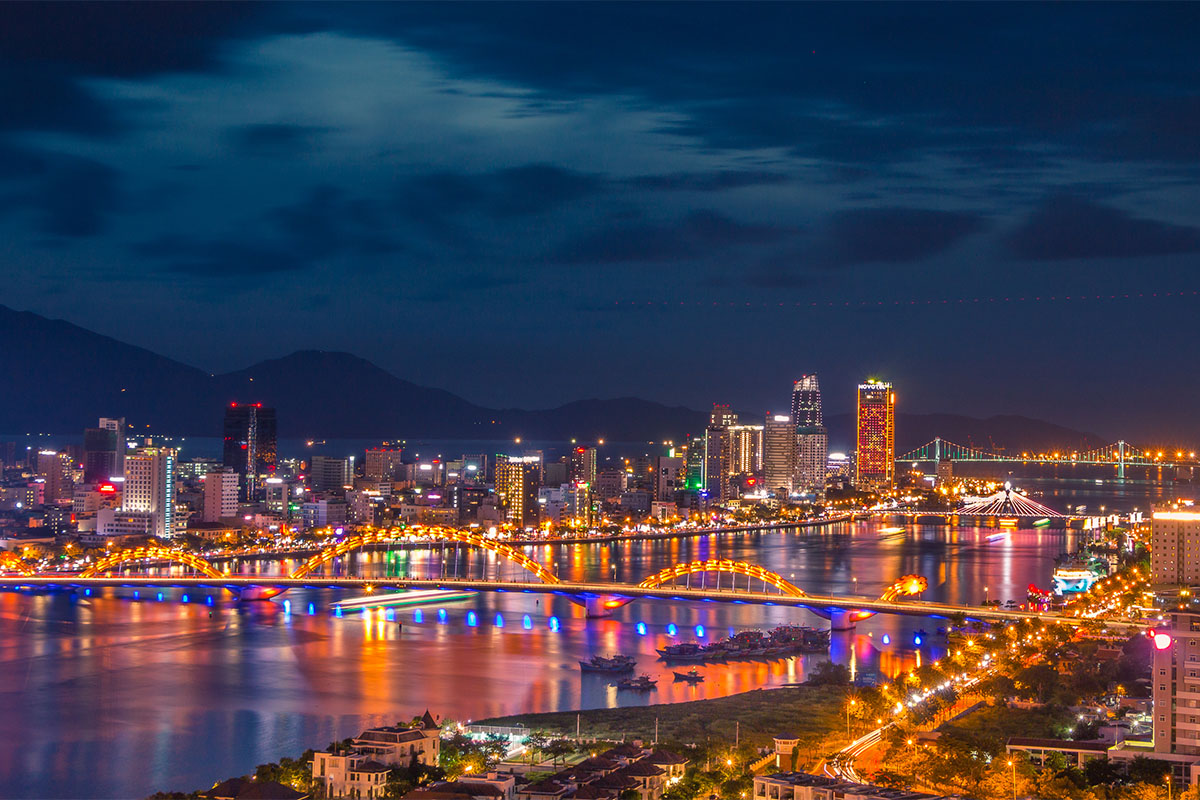
Un rincón de la ciudad de Da Nang por la noche. (Foto: baodanang.vn)

Se espera que el turismo nocturno pronto sea popular en Vietnam, contribuyendo al desarrollo económico del país después de que el Ministerio de Cultura, Deportes y Turismo emitiera recientemente el Proyecto “Algunos modelos para promover los productos turísticos nocturnos”, con el objetivo de afirmar la marca y mejorar la competitividad, a fin de brindar experiencias memorables a los visitantes.

Sobre esa base, el proyecto se centrará en desarrollar las actividades culturales, festivales y de entretenimiento nocturno, en aras de contribuir a promover y preservar la cultura tradicional, creando un espacio único e impactante para los turistas, especialmente los internacionales. Esta es una dirección que una serie de localidades, particularmente áreas turísticas claves, han probado inicialmente, con vistas a acelerar las fortalezas locales.

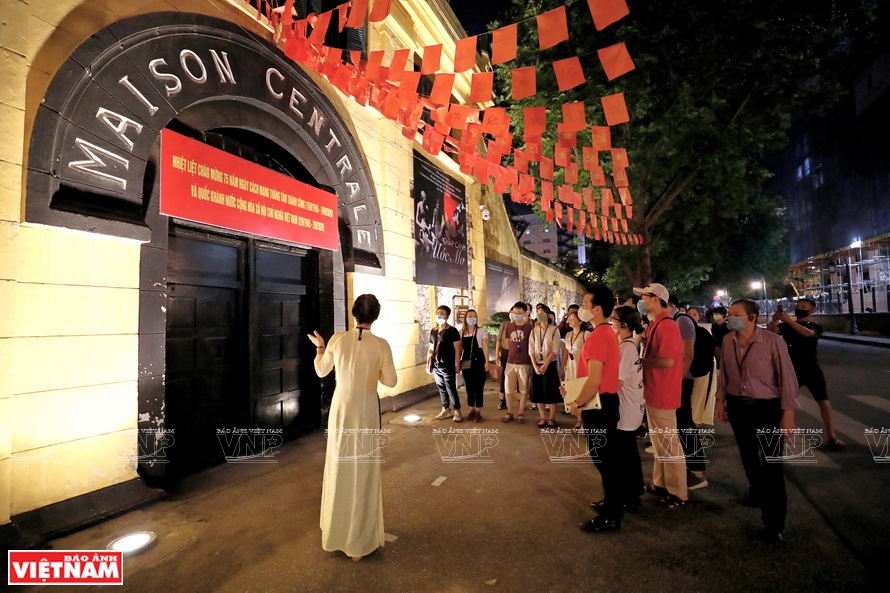
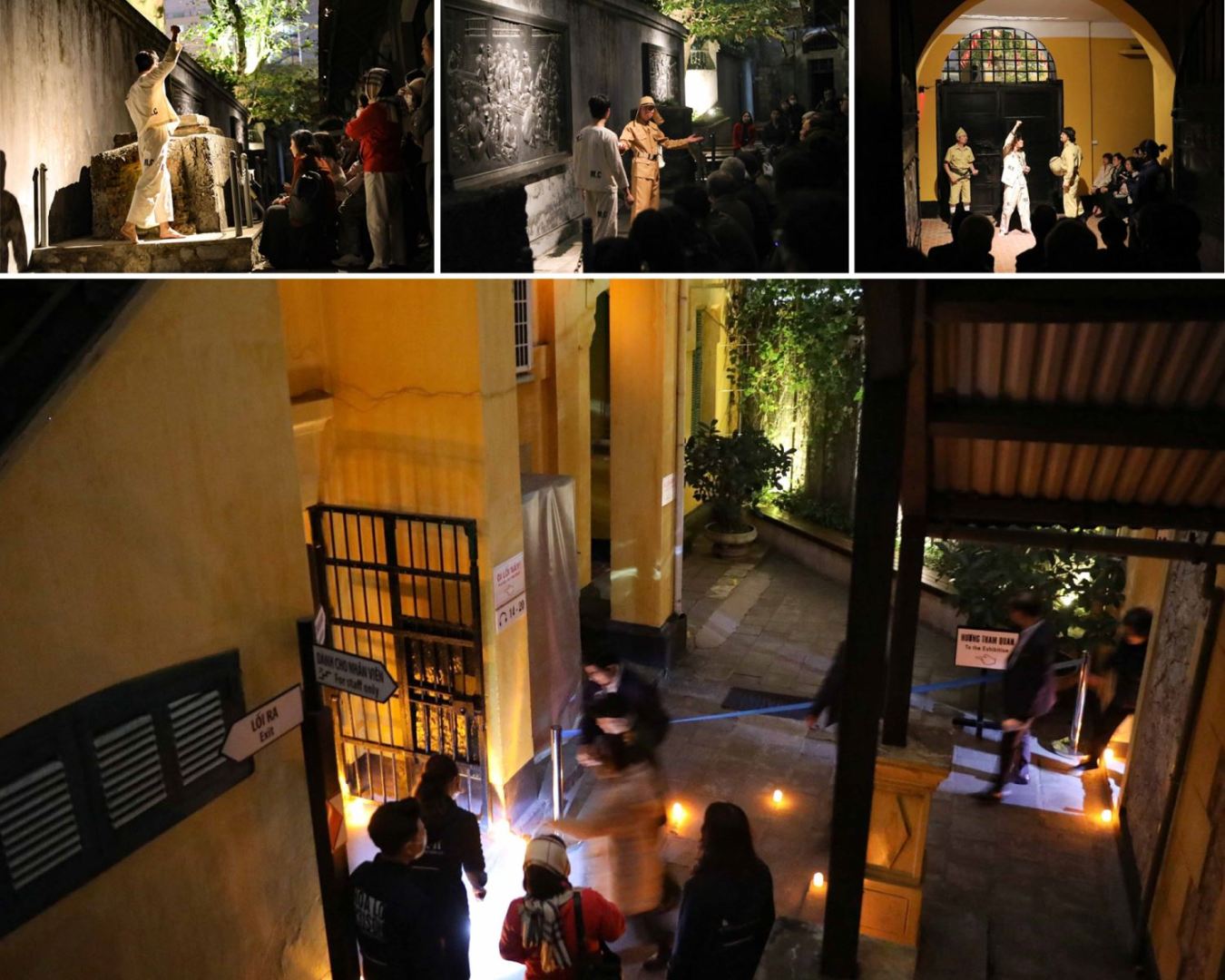
Tour nocturno en la reliquia de prisión de Hoa Lo (Fuente:VNA)

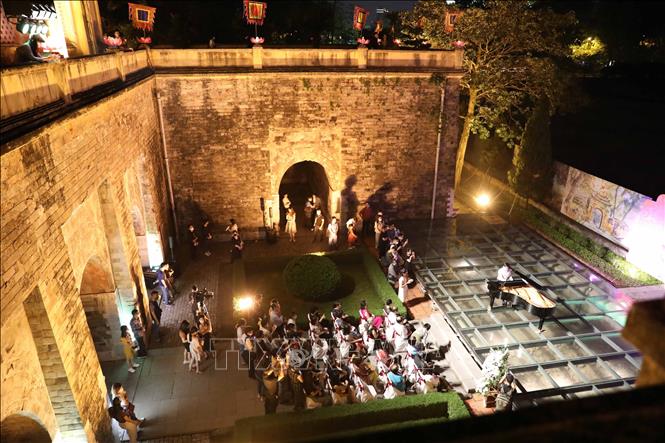
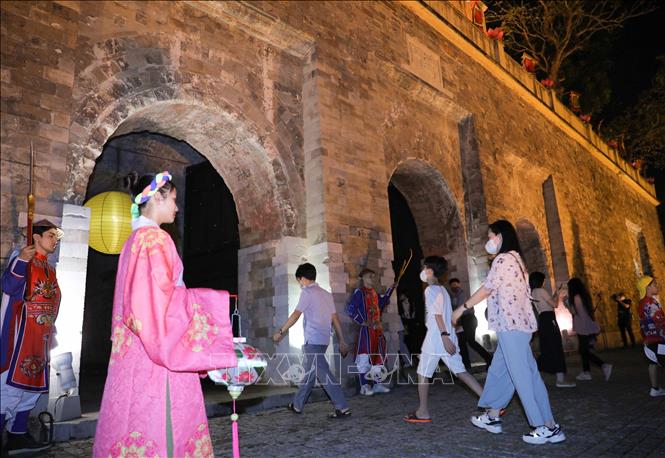
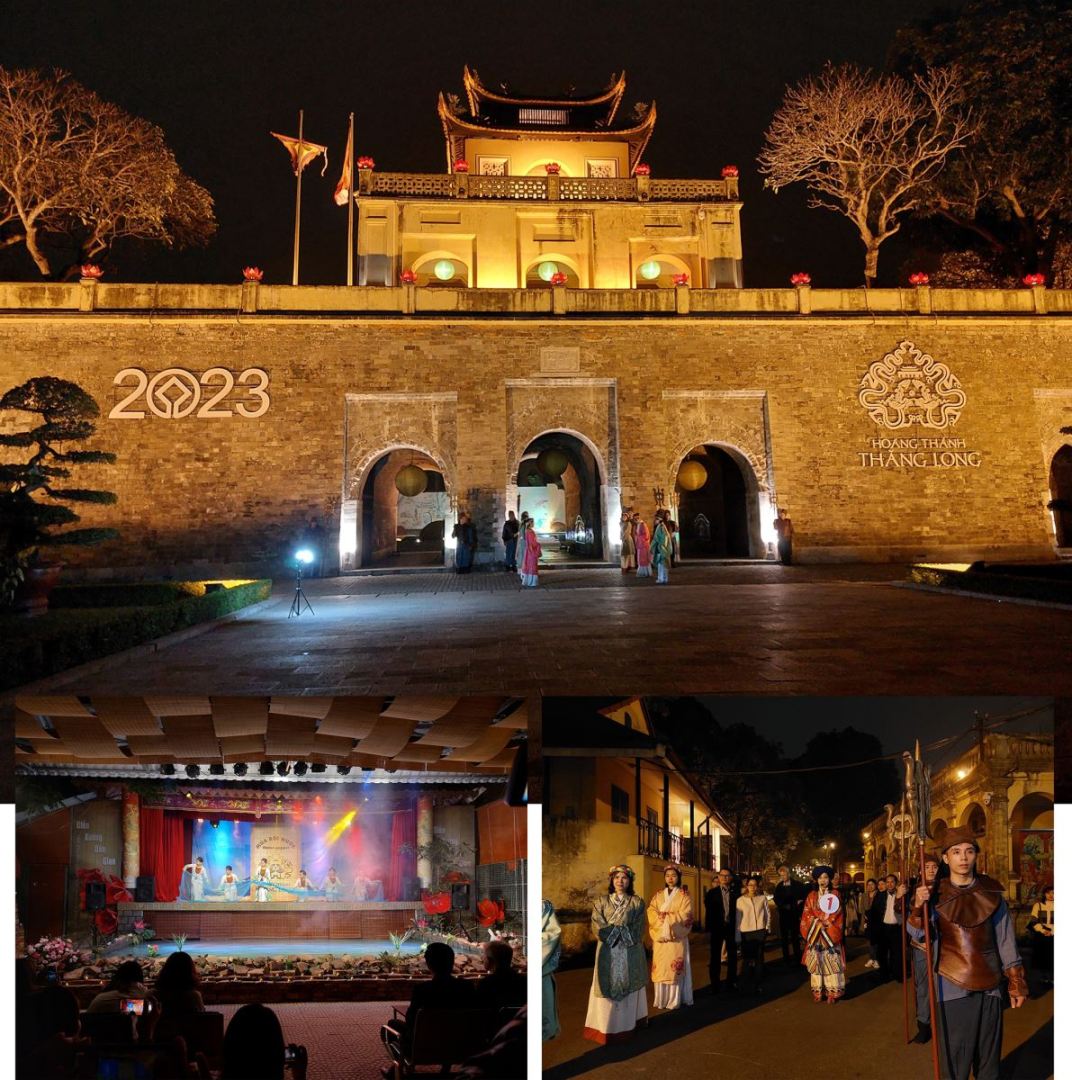
En Hanoi, el tour nocturno denominado “Decodificando la Ciudadela Imperial de Thang Long”, lanzado a partir de abril de 2022, a favor de viajeros domésticos durante el fin de semana recibió una rápida acogida. Se trata del segundo producto turístico nocturno de la urbe, luego de la iniciativa de recorrido por la reliquia de la prisión de Hoa Lo.

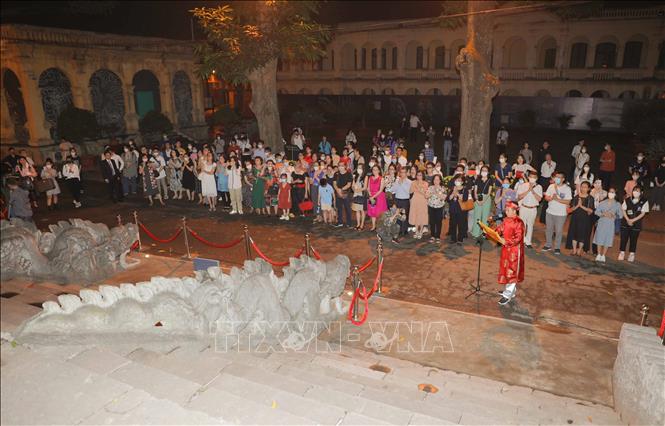
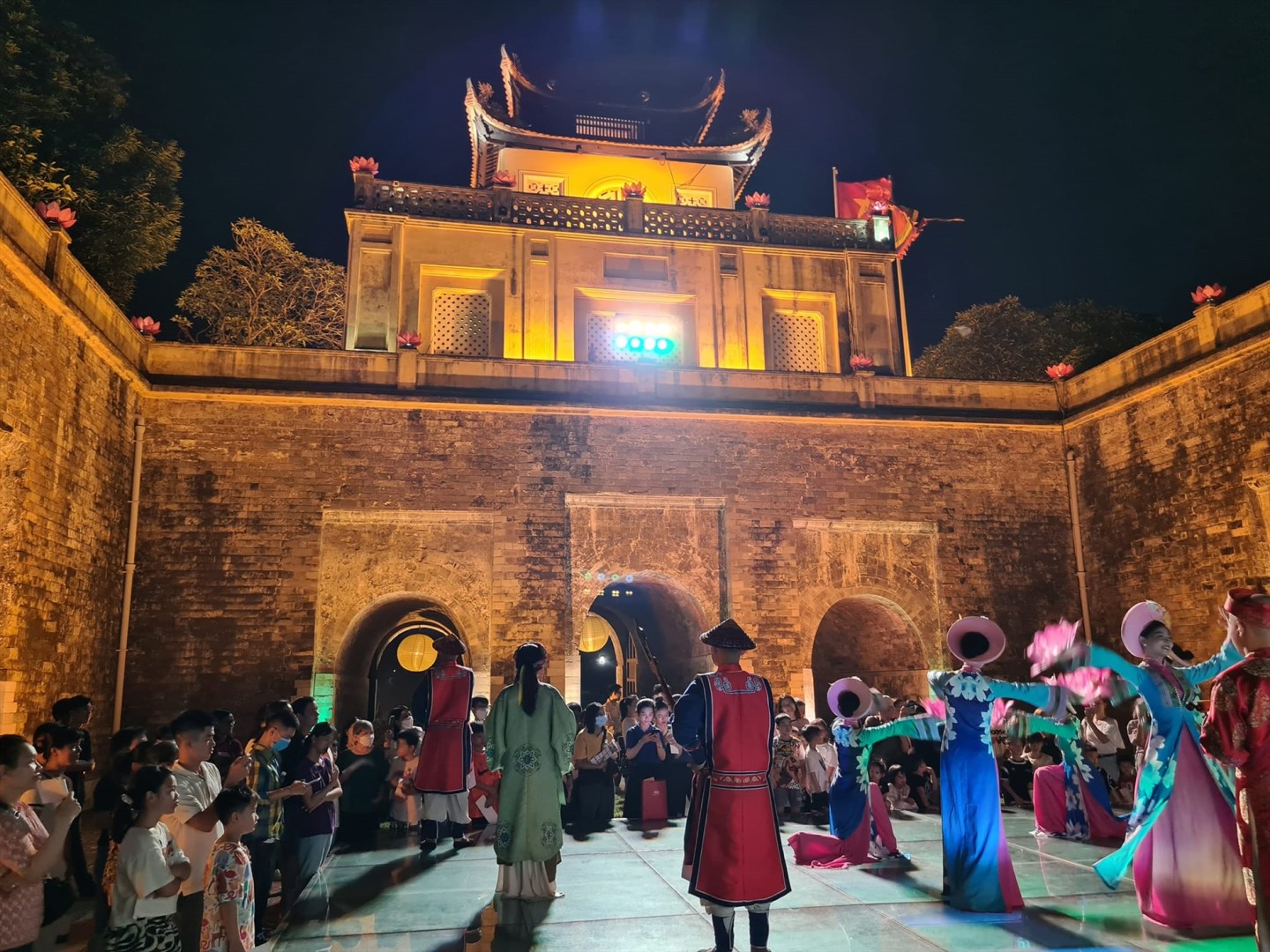
El tour, que dura aproximadamente 1,5 horas, lleva a los visitantes a viajar el área de Doan Mon, observar representaciones artísticas en el piso de vidrio del pozo arqueológico de Doan Mon y llegar a la galería “Thang Long – Hanoi, una historia milenaria desde el subsuelo”, así como experimentar una decodificación de la Ciudadela Imperial de Thang Long mediante la luz láser en el antiguo río.

Tour nocturno denominado “Decodificando la Ciudadela Imperial de Thang Long” (Fuente:VNA)

Según el Centro de Conservación del Patrimonio de Thang Long – Hanoi: El recorrido nocturno “Decodificando la Ciudadela Imperial de Thang Long” es una dirección creativa para construir productos turísticos nuevos y únicos en torno a los valores culturales e históricos especiales de la ciudadela imperial, brindando a los visitantes una experiencia diferente y atractiva.

El director de la Compañía de Turismo Sostenible STID, Phung Quang Thang, opinó que lo difícil es cómo construir una historia cultural para que los turistas reciban conocimiento histórico a través de artefactos antiguos y, al mismo tiempo, crear un elemento de entretenimiento para los viajeros.

Experimentan el recorrido nocturno de la Ciudadela Imperial de Thang Long para visitantes extranjeros, llamado “La Noche de la Ciudadela Imperial de Thang Long: una sensación única” (Fuente:VNA)

Quang Ninh deviene la localidad líder en la explotación de productos turísticos nocturnos. El director del Departamento de Turismo provincial, Pham Ngoc Thuy, compartió: El turismo nocturno en Quang Ninh se está desarrollando con énfasis en servicios como cruceros, presentaciones musicales y calles nocturnas. Gracias a estas actividades, la localidad recibió 8,86 millones de visitantes, con ingresos totales estimados en más de 691 millones de dólares. La provincia ocupa el tercer lugar en el país, sólo detrás de Hanoi y Ciudad Ho Chi Minh en ingresos por la industria del ocio en el primer semestre de 2023.

Cruceros por la bahía de Ha Long. (Fuente: VNA)

Diversas localidades, sobre todo Ciudad Ho Chi Minh, Thua Thien – Hue, Da Nang, Binh Thuan, Khanh Hoa, Binh Dinh o Can Tho, están explotando las fortalezas existentes destinadas a desarrollar productos turísticos nocturnos, con el objetivo de atraer más visitantes.

Aumentar la competitividad y atraer a turistas

Los especialistas evalúan que el turismo nocturno no sólo permite a los visitantes disfrutar de la cultura local única y las especialidades culinarias, sino que también ayuda a dispersar el número diario de viajeros, reduciendo la carga en los principales destinos turísticos durante las horas pico y mejorando la sostenibilidad.

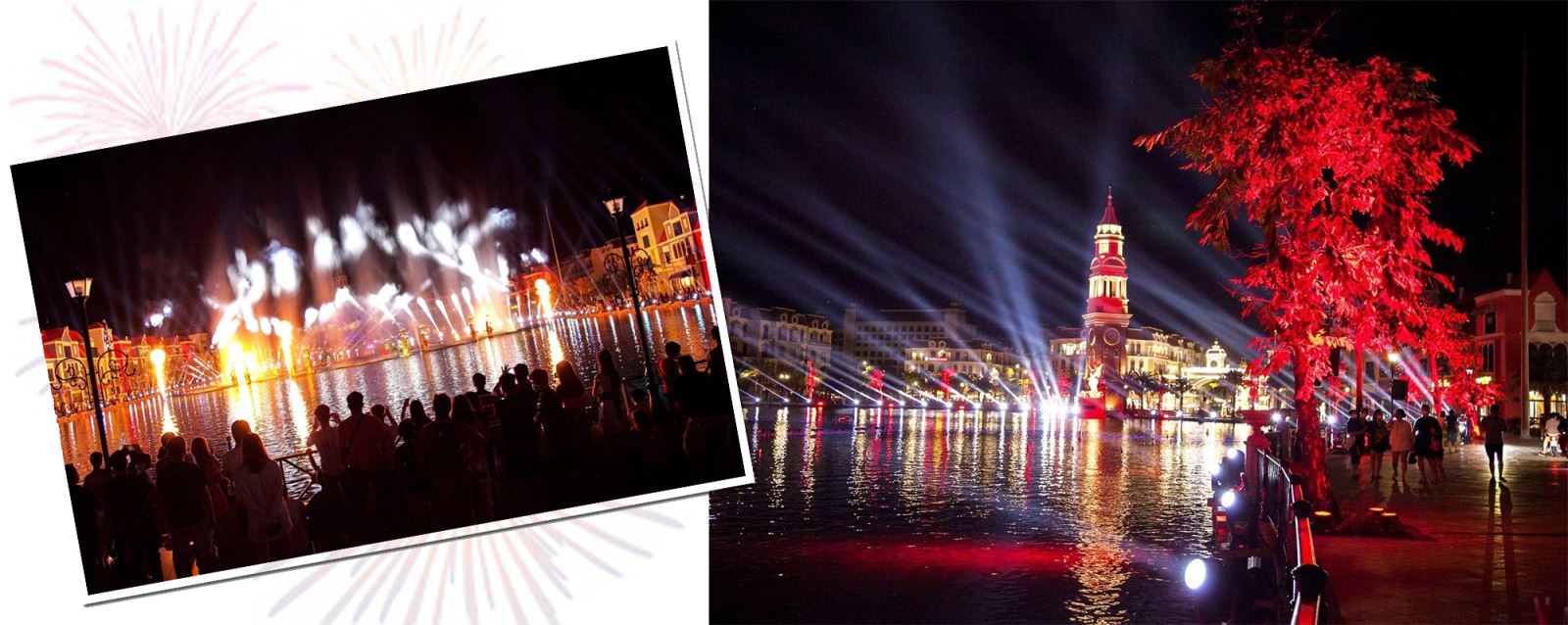
La ciudad festiva “insomne” de Grand World (Phu Quoc) recrea una espléndida “Venecia en miniatura” por la noche. (Fuente: VNA)

Además, el turismo nocturno ayuda a crear muchos nuevos puestos laborales para la población local, como guías, gestores de alojamiento, actividades culturales, fomento de la economía local y aumento de la competitividad de la industria sin humo nacional. Sin embargo, el turismo nocturno en Vietnam todavía enfrenta una serie de problemas que necesitan soluciones prácticas para luego desarrollarse.

Es necesario resolver las dificultades

A finales de 2022, el Instituto de Investigación para el Desarrollo del Turismo (Administración Nacional de Turismo de Vietnam) llevó a cabo el “Estudio sobre el desarrollo de servicios nocturnos para atender a los turistas en el país” con una encuesta de campo en Da Nang, Hoi An (Quang Nam), Ciudad Ho Chi Minh y Da Lat (Lam Dong). Se trata de localidades que ya cuentan con operaciones de servicio nocturno y están aplicando de manera piloto la ampliación del horario de organización de las actividades hasta las 6:00 horas del día siguiente. Sin embargo, a través de encuestas y actividades prácticas, representantes de dichas zonas han planteado dificultades y obstáculos que resulta necesario resolver en los trabajos de organización, gestión y desarrollo de los mencionados servicios.

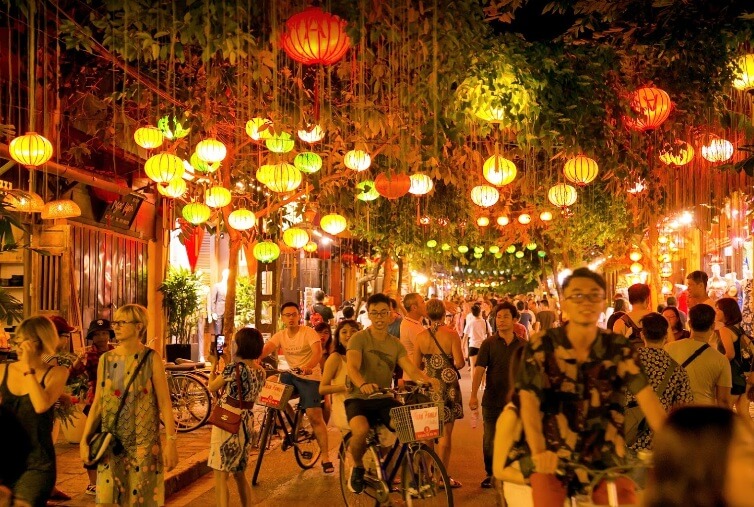
En la ciudad de Hoi An, provincia central de Quang Nam, los servicios aún son deficientes, por lo que los turistas llegan principalmente para viajar y rara vez se alojan; los recursos humanos participantes en las actividades y servicios nocturnos se ven limitados, debido a que sus estilos y las concepciones de vida de las personas no mantienen en correspondencia con dichas operaciones. Además, se trata de una ciudad antigua y un patrimonio cultural mundial, por lo que se necesita una planificación adecuada al momento de desarrollar el turismo por la noche.

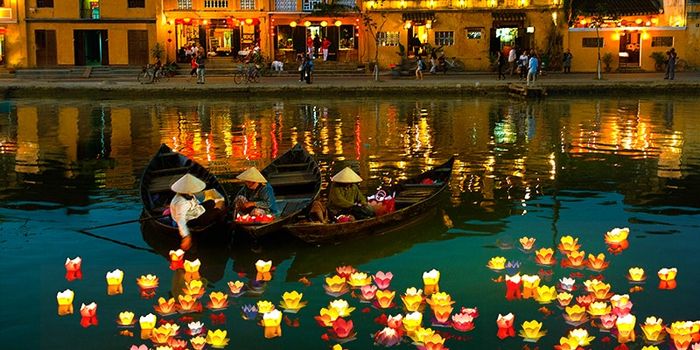
Un rincón de la antigua ciudad de Hoi An por la noche. (Fuente: baoquangnam.vn)

En cuanto a la urbe de Da Lat, provincia altiplana de Lam Dong, la infraestructura y la planificación aún no satisfacen las necesidades de circulación de vehículos y la calidad del servicio no es realmente profesional; a la vez se suma la contaminación ambiental y el ruido.

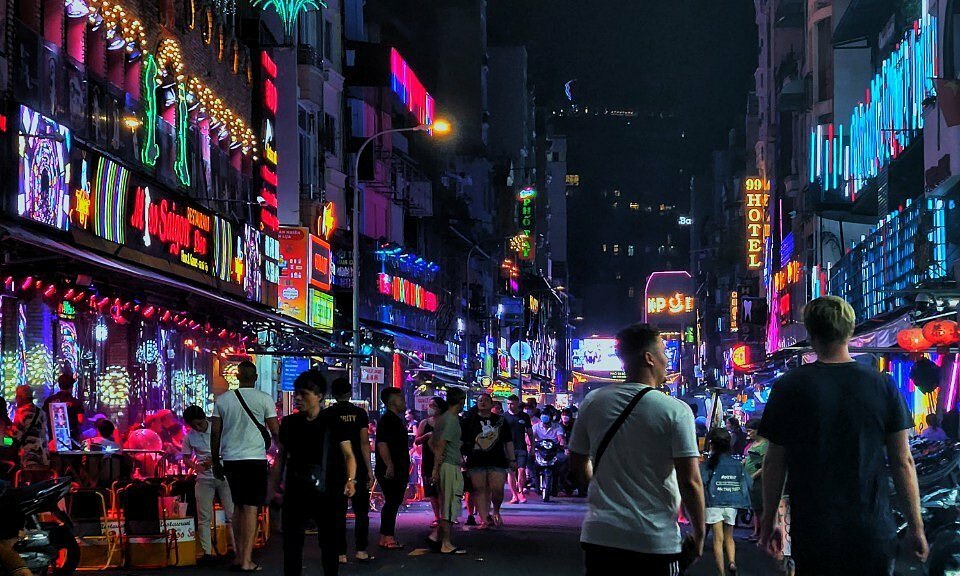
Numerosas actividades turísticas nocturnas en Ciudad Ho Chi Minh siguen siendo espontáneas y tienen problemas de gestión. (Fuente: thanhnien.vn)

Mientras tanto, muchas actividades turísticas nocturnas en Ciudad Ho Chi Minh siguen siendo espontáneas y también deviene necesario prestar atención adecuada a las cuestiones de gestión y contaminación ambiental.

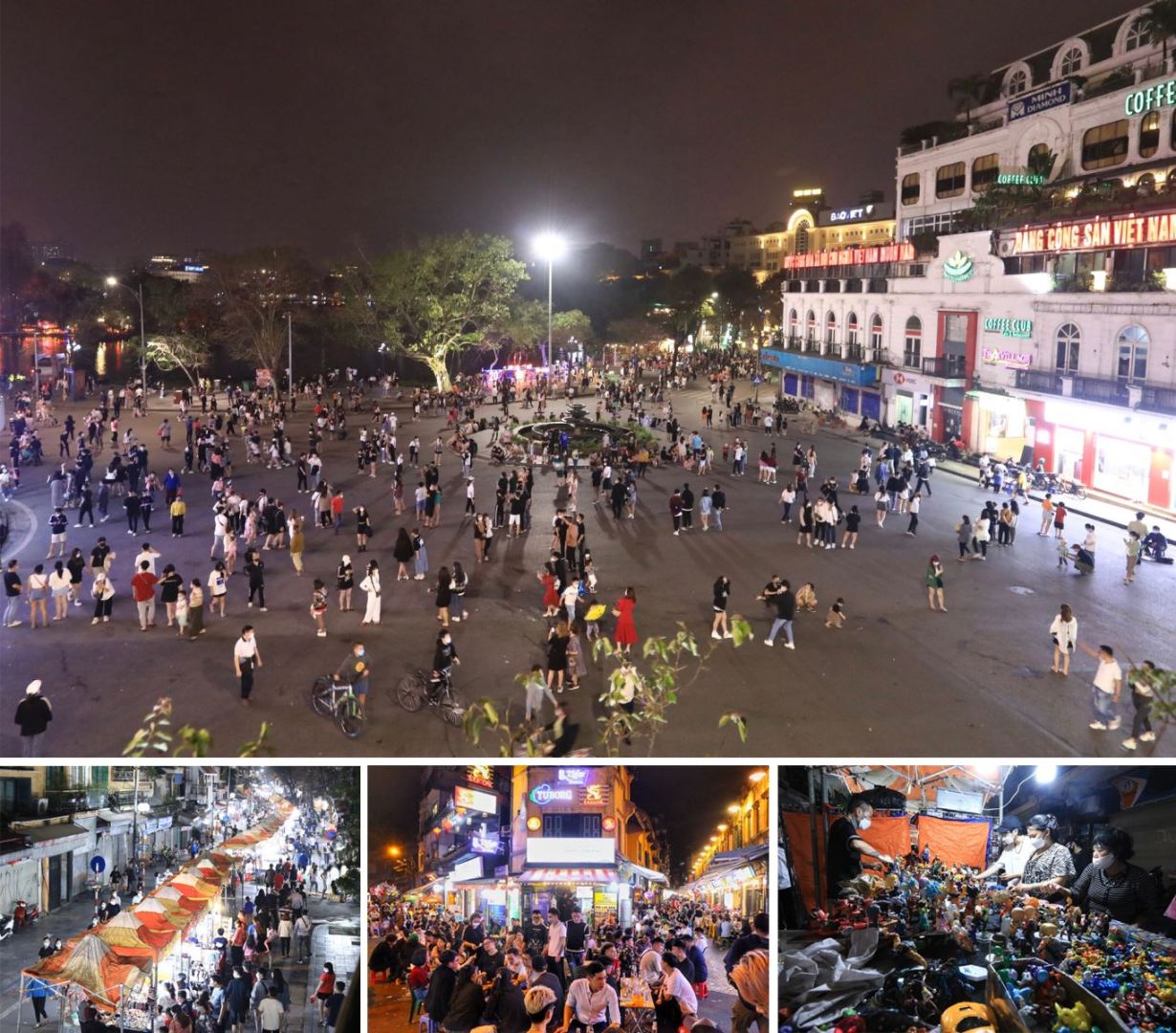
En el caso de Hanoi, la dificultad es la falta de recursos humanos involucrados en la gestión de las actividades nocturnas; mecanismos para alentar a los hogares a expandir las actividades comerciales y la planificación clara sobre el espacio y el horario de los servicios nocturnos, mientras la infraestructura y materiales técnicos no actúan sincronizados.

Un gran número de personas vienen a divertirse en la calle peatonal (Hanoi). (Fuente: VNA)

Construir una marca de turismo nocturno en Vietnam

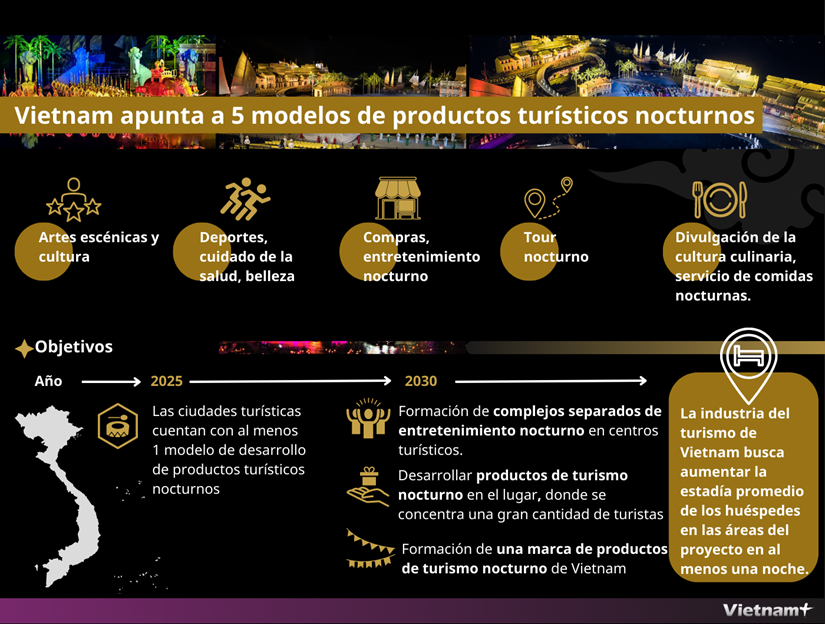
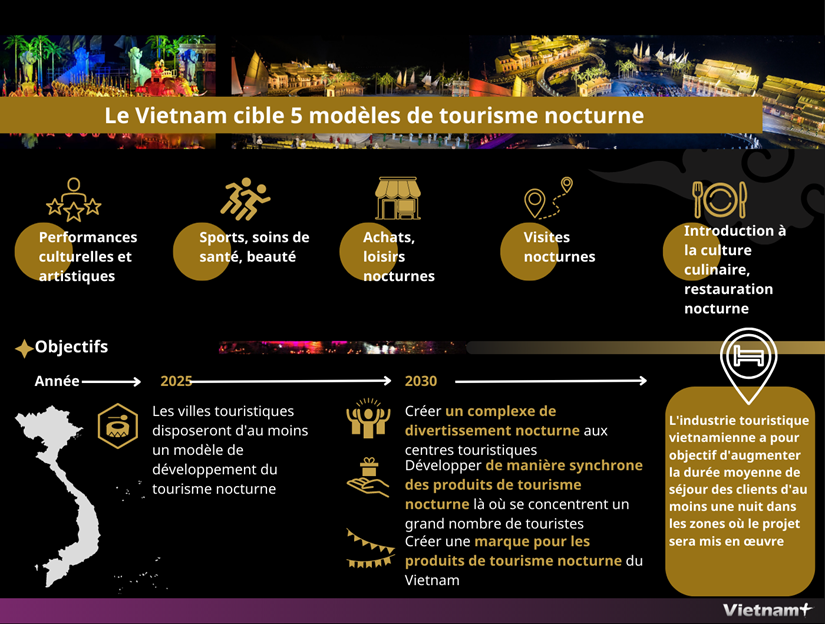
El proyecto del Ministerio de Cultura, Deportes y Turismo perfila cinco modelos para desarrollar productos turísticos nocturnos acompañados de servicios típicos y de apoyo. Se trata de modelos de actividades relativas a las actuaciones culturales, artísticas, deportes, cuidado de salud, belleza, compra, entretenimiento y recorrido nocturno, presentación de cultura gastronómica y servicios de comidas-bebidas.

Bui Hoai Son, miembro permanente de la Comisión de Cultura y Educación de la Asamblea Nacional, dijo que para implementar con éxito el turismo nocturno y lograr eficiencia económica, resulta necesario invertir adecuadamente en infraestructura como iluminación de las calles, utilidades y transporte públicos y elaborar regulaciones y políticas de asistencia en aras de alentar a las empresas a participar en esas actividades junto con la protección ambiental y derechos de la comunidad local.

Se puede ver que el desarrollo de productos turísticos nocturnos constituye una dirección potencial. Sin embargo, para explotarlos y desarrollarlos eficazmente se necesita la cooperación de las agencias de gestión, las empresas y la comunidad./.

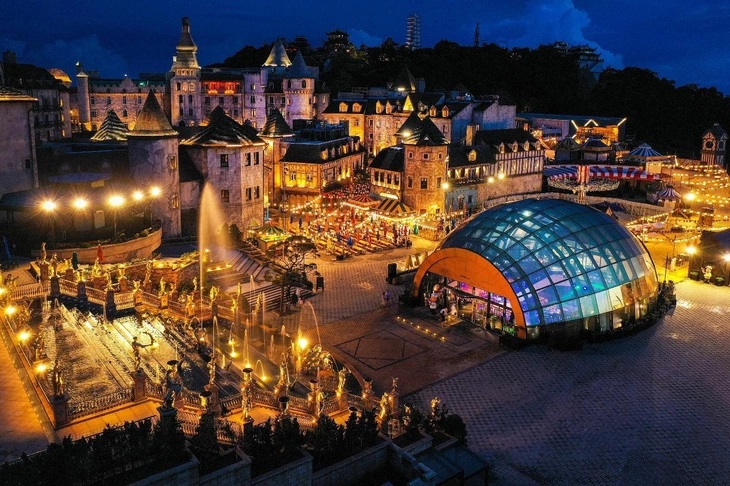
El complejo turístico Sun World Ba Na Hills brilla por la noche (Fuente: Sun Group)

РАЗВИТИЕ НОЧНОГО ТУРИЗМА ОБЕЩАЕТ МНОЖЕСТВО НЕЗАБЫВАЕМЫХ ВПЕЧАТЛЕНИЙ

Ночной Дананг. (Фото: baodanang.vn)

Ожидается, что ночной туризм вскоре станет популярным во Вьетнаме и внесёт свой вклад в экономическое развитие страны, ввиду того, что Министерство культуры, спорта и туризма недавно выпустило проект «Некоторые модели разработки продуктов ночного туризма» с целью утверждения бренда и повышения конкурентоспособности, что должно принести посетителям множество незабываемых впечатлений.

Соответственно, проект будет сосредоточен на развитии культурных мероприятий, фестивалей, ночных развлечений, способствующих продвижению и сохранению традиционной культуры, созданию уникального и впечатляющего пространства для посетителей, особенно иностранных. Это направление, которое многие населенные пункты, особенно ключевые туристические места, изначально опробовали для продвижения местных ресурсов и преимуществ.

Ночной тур в бывшую тьюрму Хоало. (Фото: ВИА)

В Ханое в апреле 2022 года был запущен ночной тур «Расшифровка императорской цитадели Тханглонг» для внутренних туристов. Это также 2-й ночной туристический продукт Ханоя, после ночной экскурсии по памятнику «Тюрьма Хоало».
Этот тур продолжается около 1,5 часов и позволяет посетителям посетить район Доанмон и посмотреть художественные представления на стеклянном полу в яме раскопки Доанмон, посетить галерею «Тханглонг – Ханой, тысячелетняя история из-под земли», попробовать расшифровать артефакты Императорской цитадели Тханлонг с помощью лазерного света.

Ночной тур “Расшифровка цитадели Тханглонг”. (Фото: ВИА)

По данным Центра сохранения наследия Тханглонг-Ханой: ночной тур «Расшифровка императорской цитадели Тханглонг» – это творческое направление по созданию новых, уникальных туристических продуктов, ориентированных на особые культурные и исторические ценности Императорской цитадели Тханлонг, дающее посетителям различный и привлекательный опыт. 
Директор компании по устойчивому туризму S.T.I.D Фунг Куанг Тханг считает, что трудно создавать и  культурную историю для посетителей, чтобы они получали исторические знания с помощью древних артефактов, и развлекательные элементы, чтобы вызвать у них волнение.

Ночная экскурсия по Императорской цитадели Тханлонг для иностранных гостей под названием «Ночь Императорской цитадели Тханлонг – уникальное ощущение».

Куангнинь – ведущий населенный пункт в эксплуатации ночных туристических продуктов. Директор Департамента туризма Фам Нгок Тхуи поделился: в настоящее время ночной туризм в провинции Куангнинь развивается за счет таких услуг, как рестораны на яхтах, музыка на берегу залива и ночные улицы. Благодаря этой деятельности Куангнинь принял 8,86 млн. туристов, общий доход от которых оценивается в 16,600 млрд. донгов. По доходам от туризма в первой половине 2023 года Куангнинь занимает третье место в стране после Ханоя и Хошимина.

Туристические круизы на заливе Халонг. (Фото: ВИА)

Многие другие населенные пункты, такие как Хошимин, Тхыатхиен-Хюэ, Дананг, Биньтхуан, Кханьхоа, Биньдинь или Кантхо, изучают и эксплуатируют имеющиеся преимущества для разработки продуктов ночного туризма и привлечения туристов.

Повышение конкурентоспособности, привлечение посетителей

По оценкам экспертов, ночной туризм позволяет туристам насладиться уникальной местной культурой и отведать местные деликатесы, а также способствует распределению потока туристов в течение дня, снижению нагрузки на основные туристические направления в часы пик и повышению устойчивости.

«Бессонный» фестивальный город Гранд-Ворлд (Фукуок) воссоздает великолепную «миниатюрную Венецию». (Фото: ВИА)

Кроме того, ночной туризм создает новые возможности для трудоустройства местных жителей, например, гидов, менеджеров по размещению и культурной деятельности, способствуя развитию местной экономики и одновременно повышая конкурентоспособность национальной индустрии туризма. Однако ночной туризм во Вьетнаме по-прежнему сталкивается со многими сопутствующими проблемами, которые требуют практических решений для развития.

Трудности, которые необходимо преодолеть

В конце 2022 года исследовательский институт развития туризма (Национальная администрация туризма Вьетнама) провел «исследование и разработку ночных услуг для туристов во Вьетнаме» с практическими опросами в Дананге, Хойане (Куангнам), Хошимине и Далате (Ламдонг). В этих провинциях уже проводятся ночные услуги и в настоящее время реализуется пилотная инициатива по увеличению времени ночных услуг до 6 часов на следующий день. Через результаты опросов и оперативные практики представители населенных пунктов выявили трудности и проблемы, требующие разбора в организации, управлении и развитии ночных услуг.

В Хойане услуги по-прежнему оставляет желать лучшего, поэтому туристы приезжают в основном для осмотра достопримечательностей и редко остаются на отдых. Более того, образ жизни и мировоззрение местных жителей не располагают к ночному времяпрепровождению, что ограничивает количество людей, участвующих в мероприятиях и ночных услугах. Кроме того, Хойан является древним городом и объектом всемирного культурного наследия, поэтому развитие ночных услуг должно быть в соответствии с планированием.

Древний Хой-ан ночью. (Фото: baoquangnam.vn)

Что касается Далата, то инфраструктура и планирование не соответствуют потребности по передвижению, пешим прогулкам, а качество услуг оставляет желать лучшего.

Многие виды ночного туризма в Хошимине по-прежнему носят спонтанный характер и имеют проблемы с управлением. (Фото: thanhnien.vn)

Между тем, многие виды ночного туризма в Хошимине носят, в большей степени, спонтанный характер и требуют рассмотрения вопросов управления и загрязнения окружающей среды.

В случае Ханоя трудности заключаются в нехватке кадров, занимающихся управлением ночной жизнью, в отсутствии механизмов поощрения домашних хозяйств к расширению своей предпринимательской деятельности, в отсутствии четкого планирования пространства и времени ночных услуг, а также в синхронизированной инфраструктуре и технической документации.

Большое количество людей приходит развлечься в пешеходной зоне (Ханой). (Фото: ВИА)

Формирование бренда ночного туризма во Вьетнаме

В рамках проекта Министерства культуры, спорта и туризма были определены 5 моделей разработки ночных туристических продуктов, сопровождаемых специальными услугами и дополнительными сервисами: культурные и художественные представления; спортивные мероприятия и уход за здоровьем и красотой; шоппинг и ночные развлечения; ночные экскурсии по достопримечательностям; знакомство с кулинарной культурой и услугами ночных продуктов.

Доцент, доктор Буй Хоай Шон, постоянный представитель парламентского комитета по культуре и образованию, сказал, что для успешного внедрения ночного туризма, повышения экономической эффективности необходимо адекватно инвестировать в инфраструктуру, такую как уличное освещение, коммунальные услуги, общественный транспорт, чтобы обеспечить удобство и безопасность посетителей; необходимо ввести нормативные акты и политику поддержки, поощряющие предприятия к участию в ночных мероприятиях, но при этом защищающие окружающую среду и интересы местных сообществ.

Видно, что развитие продуктов ночного туризма является потенциальным направлением. Однако для эффективного использования и развития ночного туризма необходимо сотрудничество туристических агентств, бизнеса и общества./.

Курорт Бана ночью. (Фото: Sun Group)

RÉVEILLER LE POTENTIEL DU TOURISME NOCTURNE

Vie nocturne à Da Nang. Photo: baodanang.vn

Le tourisme nocturne devrait bientôt devenir populaire au Vietnam, contribuant au développement économique du pays après que le ministère de la Culture, des Sports et du Tourisme ait récemment publié le projet sur certains modèles de développement de produits touristiques nocturnes  en vue d’affirmer la marque et d’améliorer la compétitivité du tourisme national et apporter des expériences inoubliables aux visiteurs.

Circuit nocturne à la Maison centrale de Hoa Lo à Hanoï. Photo: VNA

En avril 2022, le Centre de préservation du patrimoine Thang Long-Hanoï a lancé le circuit nocturne “Décoder la Cité impériale de Thang Long” réservé aux visiteurs vietnamiens, qui a été très apprécié. Il s’agit également du deuxième produit touristique nocturne de Hanoi, après celui dans la Maison centrale de Hoa Lo.

La visite nocturne « Décodage de la Cité impériale Thang Long  dure environ une heure et demie. La visite commence à la porte de Doan Môn qui mène directement à la Cité interdite impériale. Le visiteur assiste à des spectacles tenus sur un podium flottant sur le plan d’eau dénommé Doan Môn. Puis il visite l’exposition « Thang Long-Hanoï, histoire millénaire ». Le circuit se termine par le jeu « Décodage de la Cité impériale de Thang Long » auquel participent tous les visiteurs. Des objets emblématiques de la Cité impériale Thang Long sont projetés avec des rayons de laser sur l’espace archéologique et le touriste doit trouver les bonnes réponses sur les objets.

La visite nocturne « Décodage de la Cité impériale de Thang Long. Photo: VNA

Selon un représentant du Centre de préservation du patrimoine Thang Long-Hanoï, cette visite est une direction créative pour créer de nouveaux produits touristiques uniques, ciblant les valeurs culturelles et historiques spéciales de la Cité impériale de Thang Long, et offrant aux visiteurs une expérience différente et attrayante.

Le directeur de la société de tourisme durable S.T.I.D, Phung Quang Thang, a déclaré que la difficulté est de savoir comment construire une histoire culturelle afin que les visiteurs puissent acquérir des connaissances historiques à travers des artefacts anciens tout en créant un élément de divertissement pour susciter leur enthousiasme.

Circuit nocturne à la découverte de la Cité impériale de Thang Long destiné aux étrangers : “La nuit au palais royal de Thang Long – une expérience unique”.

Quang Ninh est la localité leader dans l’exploitation du tourisme nocturne. La directrice du Service provincial du tourisme, Pham Ngoc Thuy, a déclaré que le tourisme nocturne se développait actuellement en mettant l’accent sur un certain nombre de services tels que croisières-restaurants, musique dans la baie et rue nocturnes. Grâce à ces activités, Quang Ninh a accueilli 8,86 millions de visiteurs, pour une recette totale estimée à 16 600 milliards de dôngs (680,6 millions de dollars). Elle se classe au troisième rang national, derrière Hanoï et Hô Chi Minh-Ville, en termes de revenus touristiques au premier semestre 2023.

Croisières sur la baie d’Ha Long. Photo: VNA

Hô Chi Minh-Ville, Thua Thiên – Huê, Da Nang, Binh Thuân, Khanh Hoa, Binh Dinh ou Cân Tho exploitent tous leurs atouts existants pour développer des produits de tourisme nocturne.

Attirer davantage de touristes

Les experts estiment que le tourisme nocturne permet non seulement aux touristes de profiter de la culture locale et de déguster des spécialités culinaires, mais contribue également à disperser leur nombre pendant la journée, réduire la surfréquentation des sites touristiques aux heures de pointe et améliorer la durabilité.

La ville festive « sans sommeil » de Grand Monde à Phu Quoc (Sud) recrée une « Venise miniature » la nuit. Photo VNA

En outre, le tourisme nocturne contribue à créer de nouveaux emplois locaux, stimulant ainsi l’économie locale tout en augmentant la compétitivité de l’industrie touristique nationale. Cependant, le tourisme nocturne présente encore de nombreux problèmes qui nécessitent des solutions pratiques, en vue d’un développement durable.

Des lacunes qui doivent être résolues

Fin 2022, l’Institut de recherche sur le développement du tourisme (Autorité nationale du tourisme du Vietnam – ANTV) a mené une “Recherche sur le développement des services de nuit pour servir les touristes au Vietnam” avec des enquêtes à Da Nang, à Hôi An, à Hô Chi Minh-Ville, à Da Lat. Il s’agit des localités qui disposent déjà d’opérations de service de nuit et testent l’extension des heures de service jusqu’à 6 heures du matin. A travers des enquêtes et des activités pratiques, les représentants de ces localités ont soulevé les difficultés et les obstacles à résoudre dans l’organisation, la gestion et le développement des services de nuit.

À Hôi An, les services sont encore fragmentaires de sorte que les visiteurs viennent principalement pour visiter et pas rester. Les ressources humaines participant aux activités et services nocturnes sont encore limitées.

La ville de Hôi An dans la nuit. Photo: baoquangnam.vn

A Da Lat, les infrastructures et l’aménagement ne répondent pas encore aux besoins de circulation des véhicules. La qualité du service n’est pas vraiment professionnelle. À cela s’ajoutent la pollution et le bruit.

De nombreuses activités de tourisme nocturne à Hô Chi Minh-Ville. Photo: thanhnien.vn

De nombreuses activités de tourisme nocturne à Hô Chi Minh-Ville sont encore spontanées et les questions de gestion et de pollution doivent également faire l’objet d’une attention appropriée.

Pour Hanoï, la difficulté réside dans le manque de ressources humaines et il n’existe aucun mécanisme pour encourager les ménages à développer des activités nocturnes.

Des rues piétonnières à Hanoi dans la nuit. Photo: VNA

Créer une label du tourisme nocturne au Vietnam

Le projet sur le développement du tourisme nocturne mentionne aussi cinq modèles de développement de produits :  performances culturelles et artistiques ; activités sportives, soins de santé et de beaut ; shopping ; visites nocturnes et gastronomie.

Pour le succès du tourisme nocturne, il est nécessaire d’investir de manière appropriée dans les infrastructures telles que éclairages, services et transports publics afin de garantir la commodité et la sécurité des touristes ; d’introduire des réglementations et des politiques de soutien pour encourager les entreprises à participer aux activités nocturnes, de protéger l’environnement et les droits des communautés locales, a estimé le prof. associé-docteur Bui Hoai Son, membre permanent de la Commission de la culture et de l’éducation de l’Assemblée nationale.

On voit que le développement du tourisme nocturne est une direction prometteuse mais encore largement sous-exploitée. Pour véritablement développer cette forme de tourisme, une coopération entre agences de gestion, entreprises et les citoyens sera nécessaire./. 

Ba Na à Da Nang (Centre) dans la nuit. Photo : Sun Group