TIMELESS ELEGANCE OF VIETNAMESE AO DAI

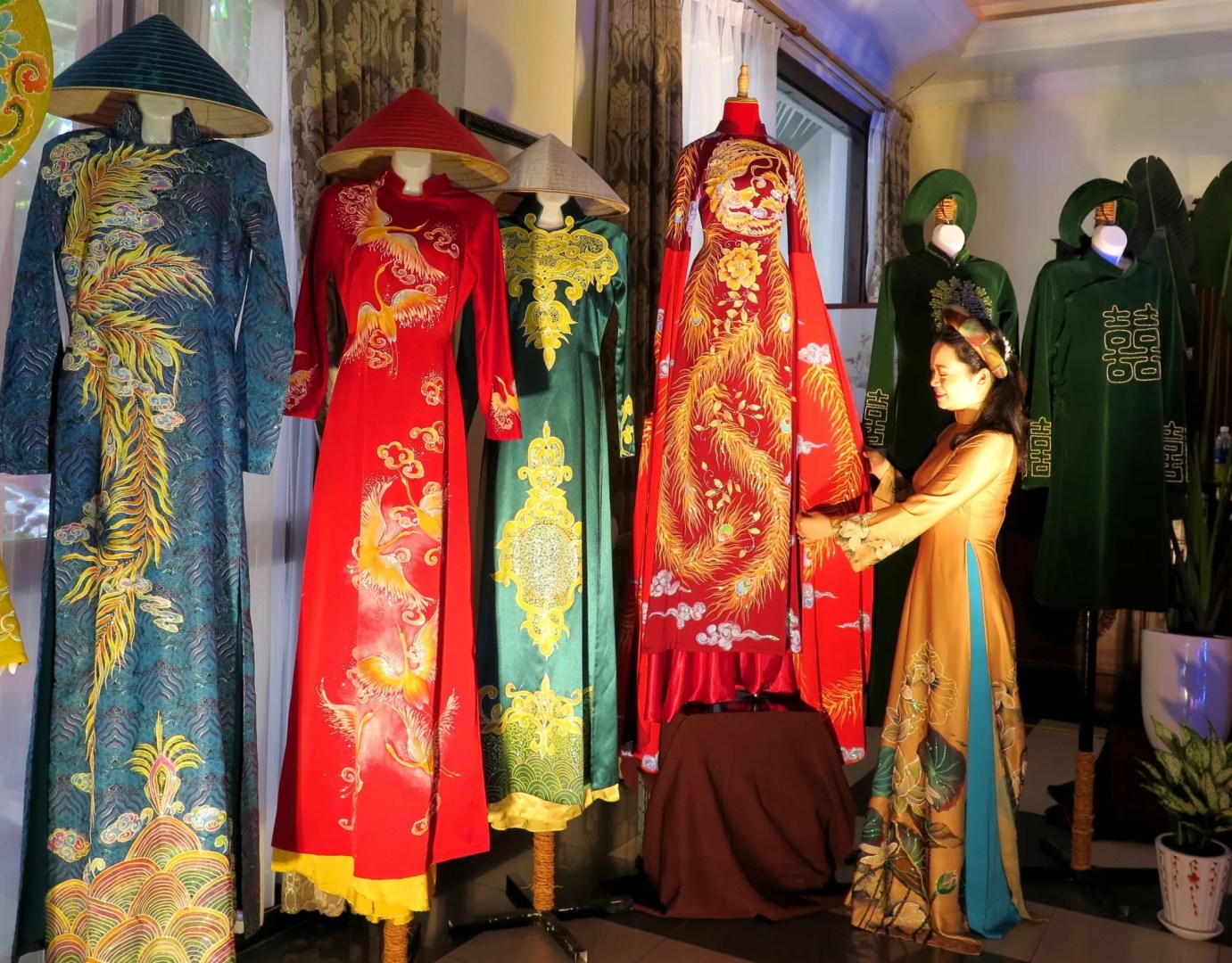
Some samples in the “Golden Imprint” Ao Dai collection (Photo: VNA)

For generations, Ao Dai (traditional long tunic dress) has embodied the beauty of Vietnamese culture and become an indispensable dress for significant events in the country and among its people.

Ao Dai has established itself as a cultural symbol connected with the image of Vietnamese women. The dress has seen significant changes through the years but its typical traditional characteristics have been preserved, contributing to enhancing the charming beauty of Vietnamese women.

Ao Dai has established itself as a cultural symbol connected with the image of Vietnamese women. (Photo: VNA)

Over the past hundreds of years, Ao Dai has been an endless source of inspiration for movies, music and fine art, and part of the soul of Vietnamese people at home and abroad.

The beauty of Vietnamese Ao dai is mentioned by poet Dinh Vu Ngoc in his poem “Chiec Ao Dai Vietnam”, which was roughly translated as:

“The fatherland’s dress, slender shape

“The national beauty split into two flaps

“The flap on the side of the East Sea with sparkling waves

“The flap on the side of the Truong Son Mountains is brilliant with flowers

“The wide flap in the South flying in the wind

“The waspy waist of the Central region

“The heartbeat of Hanoi on the chest

“The fragrance of three regions, the fragrance of flesh.

Each country has its own traditional attire, such as the Kimono of Japan, Hanbok of the Republic of Korea, or Kilt of Scotland. Vietnamese are proud of their “Ao Dai”.  The word “Ao Dai” has been included in the Oxford dictionary that explains Ao Dai is a Vietnamese woman’s long-sleeved tunic with ankle-length panels at front and back, worn over trousers.

While it is simple to wear, the dress highlights the beauty of women, therefore, Ao Dai has become a popular attire of Vietnamese women (Photo: VNA)

Beyond being a consumer product, Ao Dai holds a more significant role as a distinctive cultural product imbued with national identity and a symbol of Vietnamese women.

There has never been an official document designating Ao Dai as the national costume. But in the minds of Vietnamese people and the eyes of international friends, Ao Dai is a symbol of Vietnamese culture.

The dress is worn on various occasions, from family gatherings to diplomatic events, art performances, festivals (especially the traditional Tet – Lunar New Year holiday), fashion shows and beauty contests, both at home and abroad.
Ao Dai is a symbol of Vietnamese women (Photo: VNA)

Unlike traditional dresses of many other countries worldwide, it is not complicated to put on the Ao Dai. While it is simple to wear, the dress highlights the beauty of women. Ao Dai, therefore, has become a popular attire of Vietnamese women.

The traditional dress has played an important role in promoting Vietnam’s tourism. Tourists to the country, especially women, often brought home Ao Dai as a special souvenir.

Over the past years, many designers have breathed new life into Ao Dai with new designs. Such designers as Minh Hanh, Vo Viet Chung and Si Hoang have contributed to promoting Ao Dai in the regional and international fashion industry.

Foreign models in modern Vietnamese Ao Dai. (Photo: VNA)

History of Ao Dai

Although the exact origin of Ao Dai is unknown, researchers concluded that its history dates back thousands of years. It has undergone many transformations to reach its current form. The oldest image preserved so far of Ao Dai was “Ao Giao Linh” (cross-collared robe) in about 1744 when Southern Vietnam was ruled by Lord Nguyen Phuc Khoat while the North was under the control of Trinh Lords. It was then worn with black skirts and a cloth belt.

Phan Thanh Hai, Director of the Department of Culture, Sports and Tourism of the central province of Thua Thien-Hue, said Lord Nguyen Phuc Khoat deserved great merit in making Ao Dai the official dress of that time.

Ao Ngu Than (five-panel gown) in the 19th century (Photo: Vietnam Pictorial)

During the 19th century, the outfit evolved into the “Ao Ngu Than” (five-panel gown). It then has two flaps sewn together in the back, two flaps in the front, and a flap hidden underneath the main front flap. However, Ao Ngu Than is shorter and not so tight as the modern Ao Dai.

In the 1930s, artist Cat Tuong (or Le Mur) took Ao Dai to new advanced level when he combined Western dress style with traditional Ao Dai. The new outfit was resized to fit women’s bodies with a floor-length and curved flap, a pinched waist, along with a Western-style heart-shaped collar, and puffed sleeves.

The showcase of Lemur Ao Dai at a ceremony to mark the establishment of the Institute of Vietnamese Costume at Ho Chi Minh City Museum. (Photo: VietnamPlus)

After the Ao Dai Lemur faded into history, designer Le Pho again changed the Ao Dai, adding elegant lines that were more suitable for Vietnamese women and culture.

In the 1960s, Dung, a Saigon-based designer altered the traditional costume, adding raglan sleeves and connecting the front panel of the Ao Dai to the back, with the ingenious use of buttons that went from the collar to the armpit and down to the hip. This created a comfortable dress that was snug on the female body while showing fewer wrinkles and giving more ease of movement.

Today, the Vietnamese Ao Dai has seen various modifications in terms of styles and materials, from traditional to avant-garde. Yet, it maintains its uniqueness and charm that is unmatched by any other attire.

An Ao Dai collection by designer Tuan Khai (Photo: VNA)

Honouring Ao Dai

Due to its value, Vietnam hosts numerous competitions and ao dai shows to preserve and promote this unique attire.

Notably, the annual Ao Dai Festival receives attention and investment from the government, aiming to honour and preserve the traditional outfit.

An Ao Dai show at a ceremony held in celebration of the 20th anniversary of Phong Nha – Ke Bang National Park in Quang Binh province being recognised by UNESCO as a world natural heritage site (Photo: VNA)

This is not only an opportunity for Vietnamese people to show off their elegant and sophisticated beauty, but also offers a chance for Ao Dai designers to show off their talent.

Ao Dai not only exists in the minds of the Vietnamese but also finds its way into various forms of art such as painting, music, and cinema. Such a simple dress has stood the test of time, spanning hundreds of years without showing any signs of fading.

Representatives of diplomatic agencies in Ho Chi Minh City visit the display area of silk fabrics (Photo: VNA)

The Ao Dai is also promoted by different regions in Vietnam through various events. For instance, Ao Dai festival has formed part of the Hue Festival which gathers various collections of dress by famous designers.

Currently, “Ao Dai Hue” has become a special tourism product that has left a good impression on domestic and foreign visitors, contributing to preserving and promoting the nation’s traditional cultural values.

In Ho Chi Minh City, after the ninth edition, this year’s Ao Dai Festival was celebrated with many prominent figures serving as ambassadors for the event, including artists, travel bloggers, business people, fashion designers, diplomats, and teachers.

Over 3000 people of different ages join the Ao Dai parade on Ho Chi Minh City’s streets (Photo: VNA)

Hanoi Tourism Ao Dai Festival 2023

Taking place from October 27-30, the Hanoi Tourism Ao Dai Festival 2023 featured a series of cultural activities to promote the elegant beauty of Ao Dai and Hanoi tourism.

Festival-goers were treated to a feast of vibrant colours, courtesy of collections of Ao Dai in various colours and styles tailored by renowned designers and fashion brands from around the country, such as Viet Bao, Quang Hoa, Cao Minh Tien, Ngoc Han, OZ Design House, and La Sen Vu. This year’s highlight was the “Ao Dai street,” named “Dao Buoc Ho Guom” (Strolling around Sword Lake), which recreated a cultural and historical space featuring symbols of the capital’s thousand-year history, including models of craft villages, the West Lake lotus, the One Pillar Pagoda, Thang Long Imperial Citadel, and the Quan Chuong Gate.

Some samples of Hanoi Flowers collection (Photo: VNA)

The festival’s exhibition spaces had 60 booths introducing archived photos, Ao Dai designs from popular brands across the country and tourism products.

Other activities include a seminar on the orientation and development of Ao Dai in the community and its connection to tourism, the musical programme “Nhip Pho” (Street Rhythm), Ao Dai dance performances, and Ao Dai flashmob dances.

Deputy Director of Hanoi Department of Tourism Nguyen Hong Minh said that the festival aims to promote Hanoi as a “safe, friendly, and attractive” destination, attracting more domestic and foreign travelers and gradually positioning itself as an annual activity of the city’s tourism./.

A Hanoian girl in white Ao Dai standing next to bicycles full of fresh flowers on Phan Dinh Phung Street. (Photo: VNA)

ENERGÍA VERDE: SOLUCIONES DE DESARROLLO SOSTENIBLE PARA EL FUTURO

Vietnam formará una economía verde sostenible. (Foto: baotainguyenmoitruong.vn)

Una tarea importante para garantizar el proceso de industrialización y modernización del país es crear, proteger y desarrollar fuentes de energía sostenibles, limpias y verdes. Y sólo si lo hace bien, Vietnam creará una economía verde estable y una economía circular amigable en un ambiente libre de contaminación.

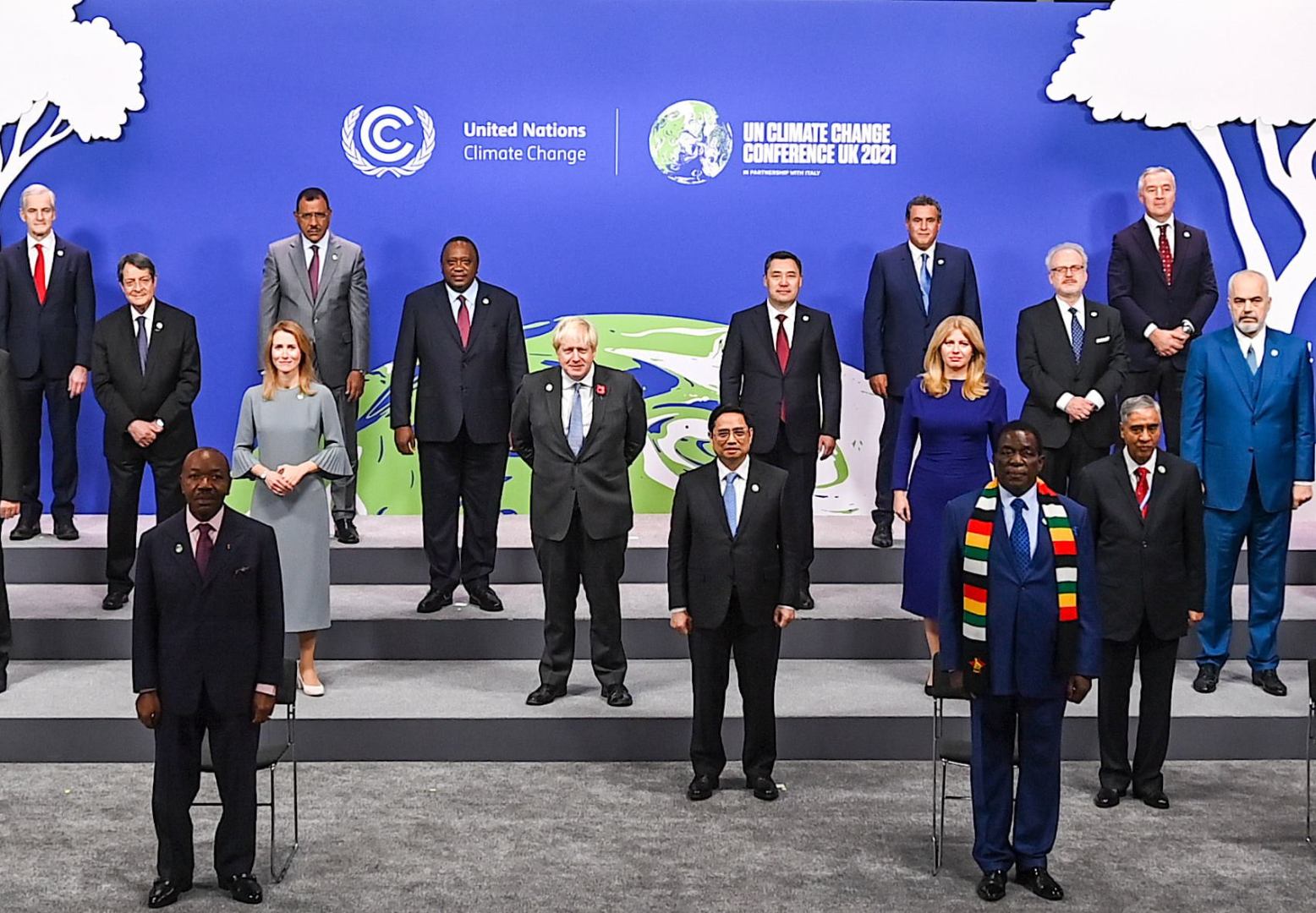
Delegados a la Conferencia de la ONU sobre Cambio Climático (COP 26) en Glasgow, Reino Unido, en 2021 (Foto: AFP/VNA)

Justo después de la Cumbre de las Naciones Unidas sobre el Cambio Climático (COP26) de 2021, el Gobierno vietnamita dio pasos positivos hacia el objetivo de reducir las emisiones y responder al cambio climático, mediante la promulgación del Plan de acción nacional sobre crecimiento verde para el período 2021-2030 y la Estrategia nacional sobre cambio climático hasta 2050.

El Gobierno también lanzó una hoja de ruta integral para cumplir los compromisos mediante la construcción de un corredor legal, promover y apoyar a la comunidad empresarial, las industrias y las localidades de compartir la responsabilidad de implementar objetivos de reducción de emisiones.

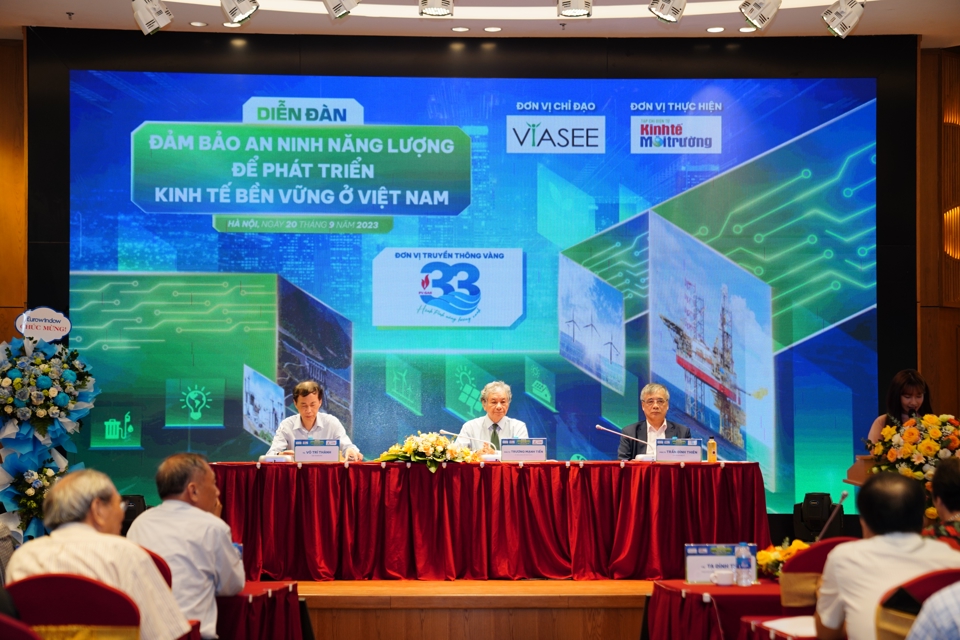
El foro sobre seguridad energética para el desarrollo económico sostenible de Vietnam (Foto: kinhtedothi.vn)

Hacia fuentes de energía limpias y verdes

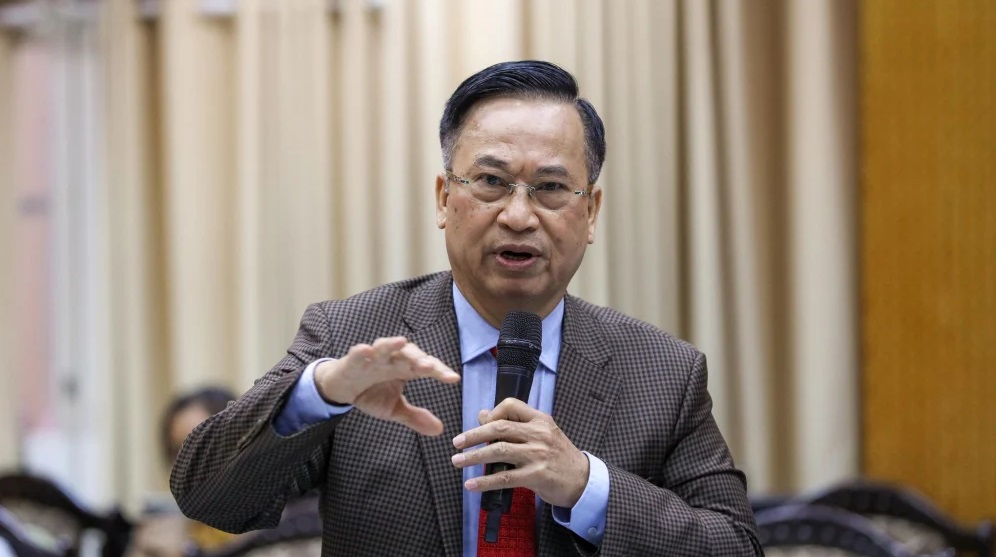
Nguyen Van Vy, vicepresidente de la Asociación de Energía de Vietnam, comentó que la reestructuración energética ayudará a Vietnam a reducir la presión ambiental y evitar la dependencia de fuentes externas de energía hidroeléctrica y térmica, petróleo y gas y energía nuclear.

Vietnam se esfuerza por aumentar la proporción de energías renovables en la producción eléctrica del país entre el 67,5% y el 71,5% para 2050. (Foto: VNA)

En particular, el Primer Ministro recién aprobó el Plan de Energía 8, que fija el objetivo de implementar con éxito una transición energética justa asociada a la modernización de la producción, la construcción de redes inteligentes y la gestión de sistemas eléctricos avanzados, en línea con la tendencia mundial de transformación verde, reducción de emisiones y desarrollo científico y tecnológico. De cara a 2050, la proporción de energías renovables alcanzará el 67,5%-71,5% de la producción eléctrica.

Hay muchas tendencias que permiten a Vietnam promover el desarrollo de energías renovables.

En primer lugar, la energía hidroeléctrica de Vietnam tiene el costo más bajo entre las fuentes de energía. Además, la energía solar y la eólica ahora pueden competir con la energía térmica del carbón, gracias a la ventaja de los avances tecnológicos y al número de grandes proyectos de inversión.

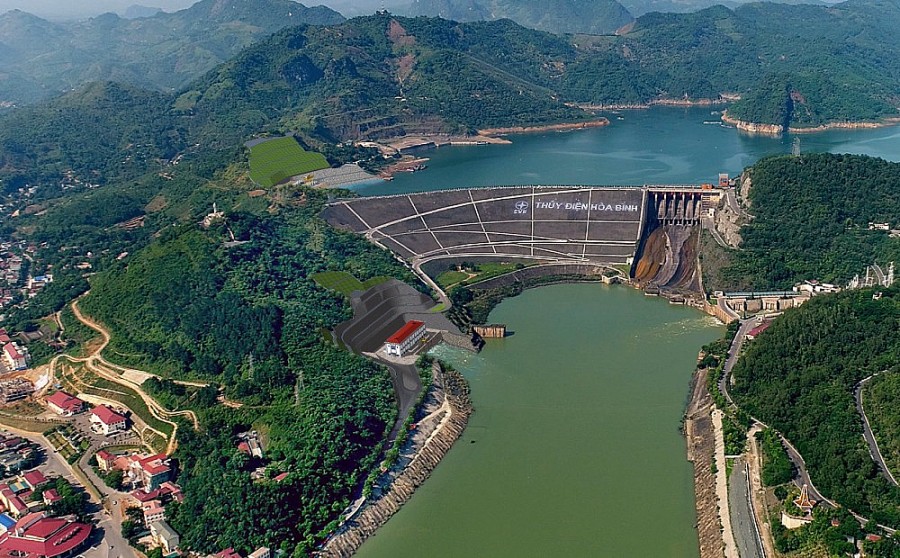
La energía hidroeléctrica sigue siendo la fuente de electricidad de menor costo. (Foto: VNA)

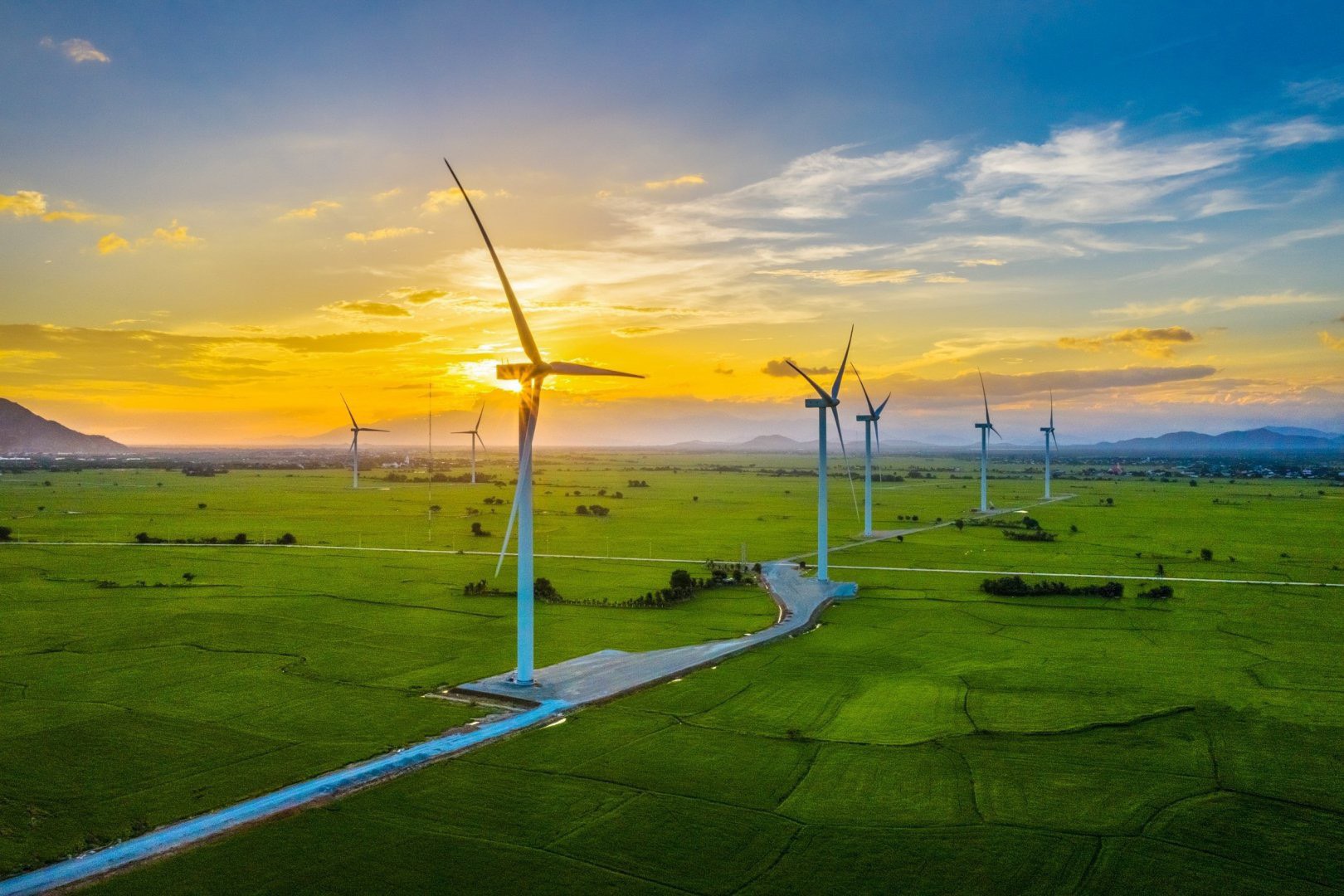
Específicamente, desde una capacidad insignificante antes de 2017, el sistema eléctrico de Vietnam ahora tiene más de 16 mil 500 MW de capacidad de energía solar (de los cuales el 50% es energía solar en tejados) y más de cuatro mil 500 MW de capacidad de energía eólica, equivalente al 30% de la capacidad de energía total del sistema eléctrico nacional.

Se espera que las fuentes de energía renovables sigan reduciendo los costos significativamente en las próximas décadas. Mientras tanto, el coste de las fuentes de energía térmica que utilizan combustibles fósiles tiende a aumentar debido a los requisitos cada vez más estrictos de protección del medio ambiente.

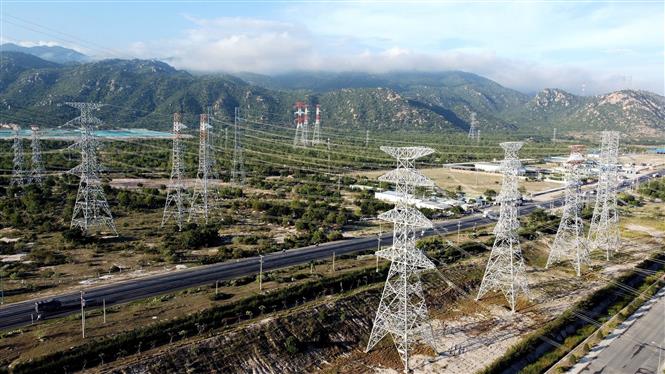
Se agregó electricidad procedente de proyectos de energía renovable a la estación de transformación de 500 kV de Vinh Tan, en la provincia de Binh Thuan. (Foto: VNA)

En segundo lugar, los problemas causados por los combustibles fósiles, incluida la contaminación atmosférica generalizada y el cambio climático, ayudan al Gobierno, las empresas, los inversores y el pueblo a que se den cuenta de la necesidad de reducir las emisiones de gases de efecto invernadero en la economía.

Es necesario reducir las emisiones de gases de efecto invernadero. (Foto: baotainguyenmoitruong.vn)

En tercer lugar, con eficiencia ambiental y económica, el Gobierno se ha fijado el objetivo de aumentar rápidamente la proporción de fuentes de energía renovables en el balance energético general y la proporción de energías renovables en el consumo total de energía primaria, pasando del 31% en 2020 a más del 90%. en 2050.

En cuarto lugar, los avances tecnológicos han jugado un papel importante en la aceleración del despliegue de energía renovable en el sector energético.

Se necesita una política uniforme

Según Cho Han Deog, director nacional de la Agencia de Cooperación Internacional de Corea del Sur (KOICA), Vietnam posee muchas ventajas para el desarrollo de energías renovables que muchos países no tienen.

Para mantenerse al día con la Cuarta Revolución Industrial, las opiniones dicen que el Gobierno debe prestar especial atención a la gestión energética y acceder a tecnología para mejorar el sistema en el futuro y evitar quedarse atrás.

El presidente de la Asociación Vietnamita de Textiles y Confección, Vu Duc Giang. (Foto: baodautu.vn)

Según el presidente de la Asociación Vietnamita de Textiles y Confección, Vu Duc Giang, el sector ha adoptado la energía verde y renovable durante mucho tiempo, y el uso de energía solar en los tejados ha aportado beneficios a muchas empresas que consumen una enorme cantidad de electricidad.

Sin embargo, la cuestión más importante en la aplicación de energías renovables y verdes es la financiación. Porque no todas las empresas pueden invertir en energías renovables junto con el desarrollo de la producción, y no todos los bancos están dispuestos a conceder préstamos a empresas para que desarrollen infraestructura de energía renovable.

Además de los fondos locales, el Gobierno debería crear incentivos para apoyar a las empresas y alentar a los bancos comerciales a ofrecer créditos verdes, finanzas verdes y bonos verdes para las empresas.

Las agencias de gestión deberían tener planes para ayudar a las empresas a vender la energía sobrante que generan a la red nacional como una forma de ayudarlas a reducir los costos de producción y mejorar la competitividad de sus productos. También se necesita establecerse mecanismos específicos para atraer inversiones en energía renovable para garantizar beneficios armonizados para las empresas.​

El subdirector del Instituto de Investigación Económica y Política de Vietnam, Nguyen Quoc Viet, reiteró que como la energía solar en los tejados no es una energía totalmente autoproducida ni autoconsumida, las empresas deberían tener un plan de reserva. Para ello, añadió que la incorporación de energía a la red nacional debería ser objeto de un cuidadoso análisis./.

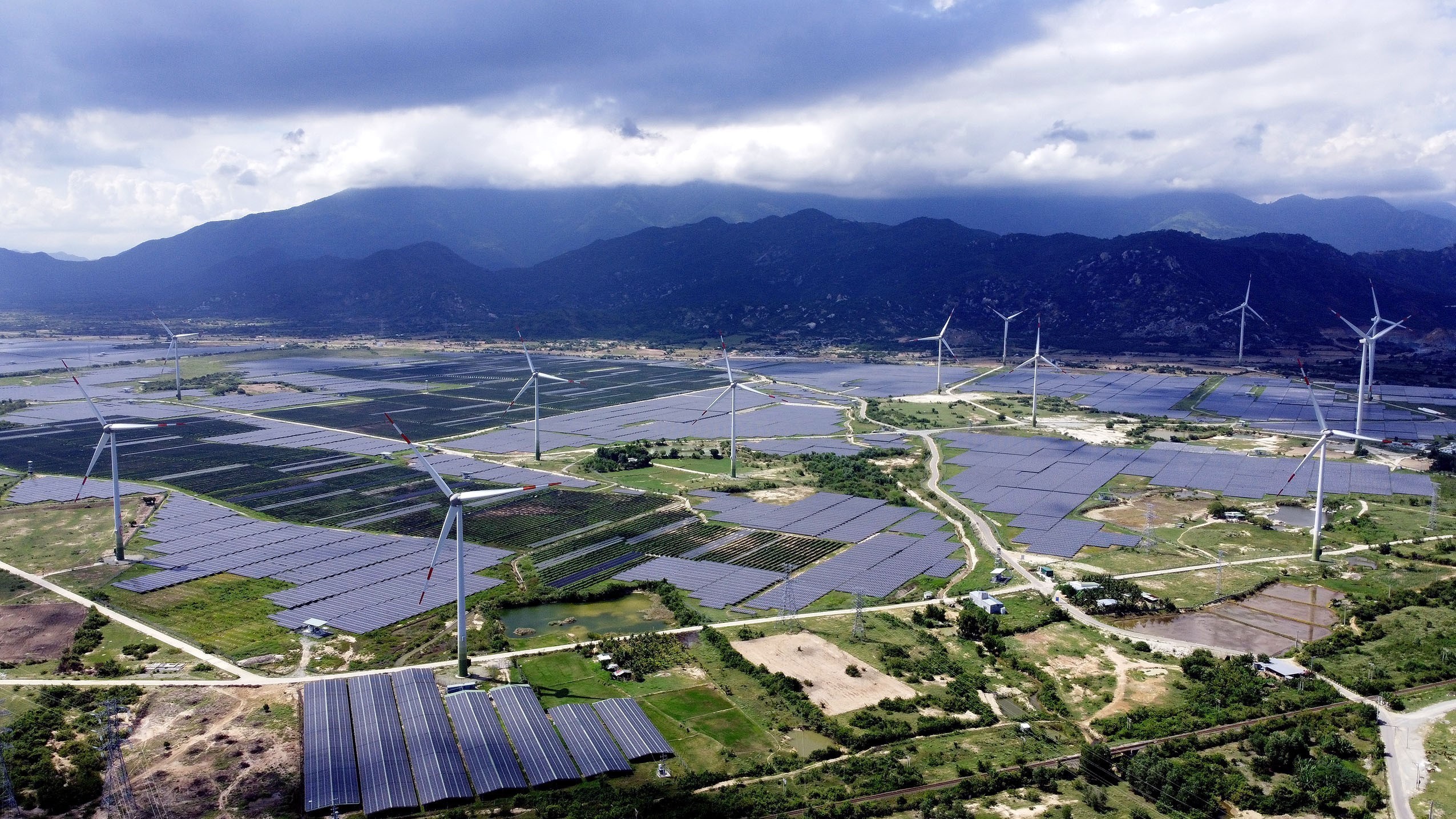
Planta de energía eólica y solar en el distrito de Thuan Bac, provincia de Ninh Thuan (Foto: VNA)

SECURING A SUSTAINABLE FUTURE VIA GREEN TRANSITION

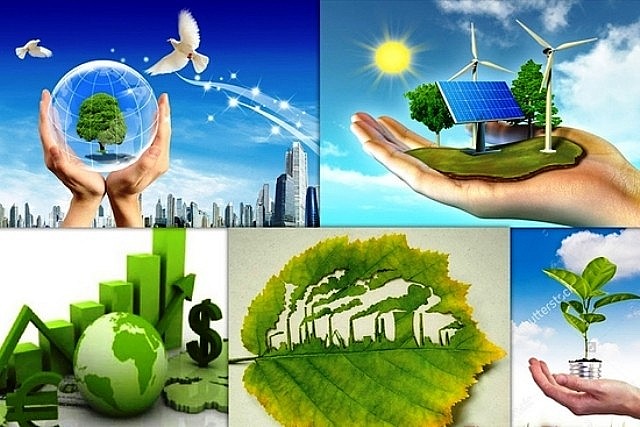
Vietnam will form a sustainable green economy. (Photo: baotainguyenmoitruong.vn)

Development of clean energy will help Vietnam carve out a stable green and circular economy during its industrialisation and modernisation process.

Delegates to the UN Climate Change Conference (COP 26) on Glasgow, the UK in 2021 (Photo: AFP/VNA)

Right after the UN Climate Change Conference (COP 26) in 2021, the Government took bold steps to realise its set targets on emissions reduction and climate change response, with the issuance of the National Action Plan on Green Growth during the 2021-2030 period, and the National Strategy on Climate Change.

A road map has been drawn to meet the goals, including building legal corridors and supporting business community, sectors and localities to join efforts to reduce carbon footprint.

The forum on ensuring energy security for sustainable economic development in Vietnam held in Hanoi on September 20 (Photo: kinhtedothi.vn)

Heading towards green, clean energy

Vice Chairman of the Vietnam Energy Association Nguyen Van Vy said energy shifting will  help ease the environmental burden while reducing the country’s dependence on imports of hydropower, thermal power, oil and gas, and nuclear power.

Vietnam strives to increase the share of renewable energy in the country’s power mix to between 67.5% and 71.5% by 2050. (Photo: VNA)

Notable, the Prime Minister has recently approved the National Power Development Plan VIII, which guides the development of power plants and power grids between 2021 and 2030.

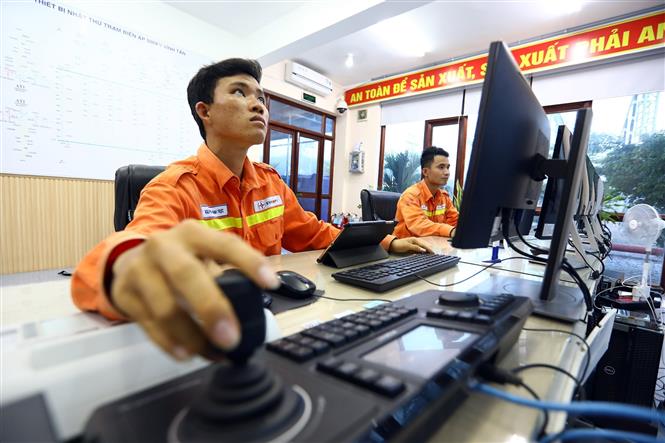
The plan aims to maintain Vietnam’s energy security by ensuring a sufficient supply of electricity to fuel a projected annual GDP growth rate of 7% during the period. It also aims to get Vietnam into the top four countries in ASEAN in terms of power reliability. Additionally, half of the office buildings and homes in the country would be powered by rooftop solar panels by 2030.

Regarding the just energy transition, Vietnam strives to increase the share of renewable energy in the country’s power mix to between 67.5% and 71.5% by 2050. It also seeks to generate green energy for exports, with a target of between 5 to 10 GW by 2030. Energy-related greenhouse gas emissions would be cut to around 27 and 31 million tonnes.

Besides hydropower, which remains the lowest-cost source of electricity, solar power and wind power have gained the competitive edge over coal-fired one thanks to advantages of continuous investments and advanced technologies.

Hydropower remains the lowest-cost source of electricity. (Photo: VNA)

To date, 16,500 MW of solar power, and more than 4,500 MW of wind power have been added to the national grid, accounting for 30% of the total electricity capacity.

Prices of renewable power are expected to fall sharply in the next decades, while electricity generated from fossil fuels will become costlier due to stringent environmental requirements to be put in place.

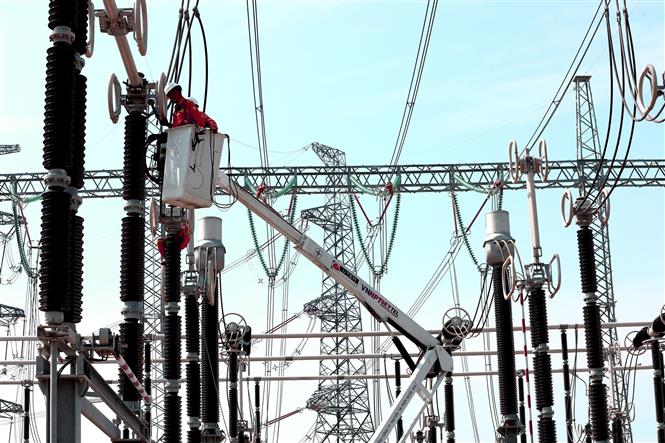
Electricity from renewable energy projects added to 500kV Vinh Tan transformation station, Binh Thuan province

As fossil fuels are by far the largest contributor to global climate change, governments, enterprises and citizens all over the world have seen it a must to cut greenhouse gas emissions.

It is necessary to reduce greenhouse gas emissions. (Photo: baotainguyenmoitruong.vn)

The Government has envisaged to increase the share of renewable energy in the total primary energy from 31% in 2020 to 90% by 2050. Advanced technology has an important role to play in accelerating the implementation of renewable energy in the power sector.

Uniform policies needed

Experts said although Vietnam boasts huge potential for renewable energy development, the Government should pay due regard to energy management and technology access to upgrade the power system in the future.

Chairman of the Vietnam and Textile & Apparel Association Vu Duc Giang (Photo: baodautu.vn)

According to Chairman of the Vietnam and Textile & Apparel Association Vu Duc Giang, the sector has embraced green and renewable energy for a long time, with the use of rooftop solar power having brought benefits to many enterprises which consume a massive amount of electricity.

However, financial issues are the main barrier to the expansion of green and renewable energy, Giang said. Not all of businesses are able to invest both in the energy and production, and not all of the banks are willing to make loans for firms to develop renewable energy infrastructure.  

Besides local funds, the Government should pen incentives to support enterprises, and encourage commercial banks to offer green credit, green finance and green bonds for enterprises.

Furthermore, management agencies should have plans to assist businesses in selling the spare energy they generate back to the national grid as a way to help them reduce production costs as well as improve competitiveness for their products.

Specific mechanisms should be put in place to lure investment in renewable energy to ensure harmonised benefit for enterprises.

Deputy Director of the Vietnam Institute for Economics and Policy Research Nguyen Quoc Viet said that as rooftop solar power is not totally self-produced and self-consumed energy, enterprises should have a reserve plan.

To this end, adding the power to the national grid should come under careful scrutiny, he added./.
Wind and solar power plant in Thuan Bac district, Ninh Thuan province (Photo: VNA)

LE PARC NATIONAL PHONG NHA – KE BANG, PARCOURS DE 20 ANS DE PRESERVATION D’UN PATRIMOINE MONDIAL

La route menant à la grotte Phong Nha – Ke Bang. Photo : VNA
Il y a plus de 20 ans, le 3 juillet 2003, lors de sa 27e session, le Comité du patrimoine de l’UNESCO a approuvé la demande du Vietnam de reconnaître le Parc national de Phong Nha-Ke Bang comme patrimoine mondial avec des critères de valeur globale exceptionnelle en termes de géologie et de géomorphologie. La morphogenèse de cette région non calcaire se caractérise par des monts de faible altitude couverts d’une végétation dense. L’érosion a formé des barres rocheuses le long des vallées des rivières Son et Chay. À côté de la valeur géologique, topographique et géomorphologique, la nature a donné à Phong Nha-Ke Bàng des paysages aussi mystérieux que majestueux.

Le fait que le parc national de Phong Nha-Ke Bang soit devenu un site du patrimoine mondial a été une étape importante qui a reconnu non seulement sa valeur globale exceptionnelle, mais également les efforts conjugués pour préserver l’intégrité et promouvoir ses ressources patrimoniales.

Honoré à deux reprises en tant que site du patrimoine naturel mondial

Le Parc national de Phong Nha-Ke Bang est situé dans deux districts de Bo Trach et Minh Hoa (province de Quang Binh, au Centre), dans une zone montagneuse calcaire d’environ 201 000 hectares. La superficie centrale de ce parc est de 85 754 hectares et une zone tampon de 195 400 hectares.

La beauté du Parc national Phong Nha Ke Bang attire les touristes à Quang Binh. Photo : phongnhakebang.vn

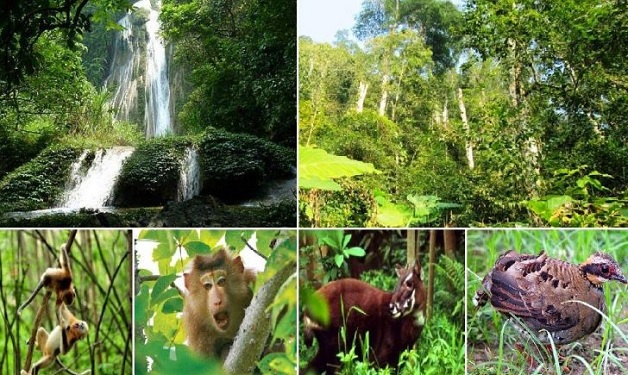
Ce parc national se caractérise par des formations calcaires, 300 grottes, des rivières souterraines et une flore et une faune rares répertoriées dans le Livre Rouge du Vietnam et dans la Liste Rouge mondiale.

Système de faune et de flore dans le Parc national de Phong Nha – Ke Bang. Photo : phongnhakebang.vn

Connaissant de nombreux changements majeurs en stratigraphie et géomorphologie, le relief de cette zone est extrêmement complexe. Phong Nha-Ke Bang présente des preuves impressionnantes de l’histoire de la Terre, aidant les chercheurs à comprendre l’histoire géologique et topographique de la région.

Grâce aux efforts du gouvernement vietnamien et au soutien international, le Parc national de Phong Nha-Ke Bang a été étendu à plus de 123 320 hectares afin de préserver de manière intacte la plus grande zone de montagnes calcaires anciennes d’Asie du Sud-Est.

Le Parc national de Phong Nha-Ke Bang est étendu à 123 326 hectares afin de préserver intacte la plus grande zone d’anciennes montagnes calcaires de l’Asie du Sud-Est. Photo : VNA

En juillet 2015, lors de la 39e session à Bonn, en Allemagne, avec le plein accord des pays membres du Comité du patrimoine mondial, Phong Nha-Ke Bang a été inscrit pour la deuxième fois sur la Liste du patrimoine mondial selon deux critères : biodiversité et écologie.

Phong Nha-Ke Bang a été inscrite à deux reprises sur la Liste du patrimoine mondial selon deux critères de biodiversité et d’écologie.

Phong Nha-Ke Bang abrite des animaux aussi grands que des éléphants, des tigres, des gaurs et aussi petits que des geckos de Phong Nha…

Ces 20 dernières années, le Conseil de gestion du parc s’est toujours intéressé à la conservation, aux recherches scientifiques pour promouvoir   ce patrimoine.

Préservation durable 

Ces 20 dernières années, le Conseil de gestion du Parc national de Phong Nha-Ke Bang a toujours considéré la gestion et la protection des forêts comme la tâche la plus importante.

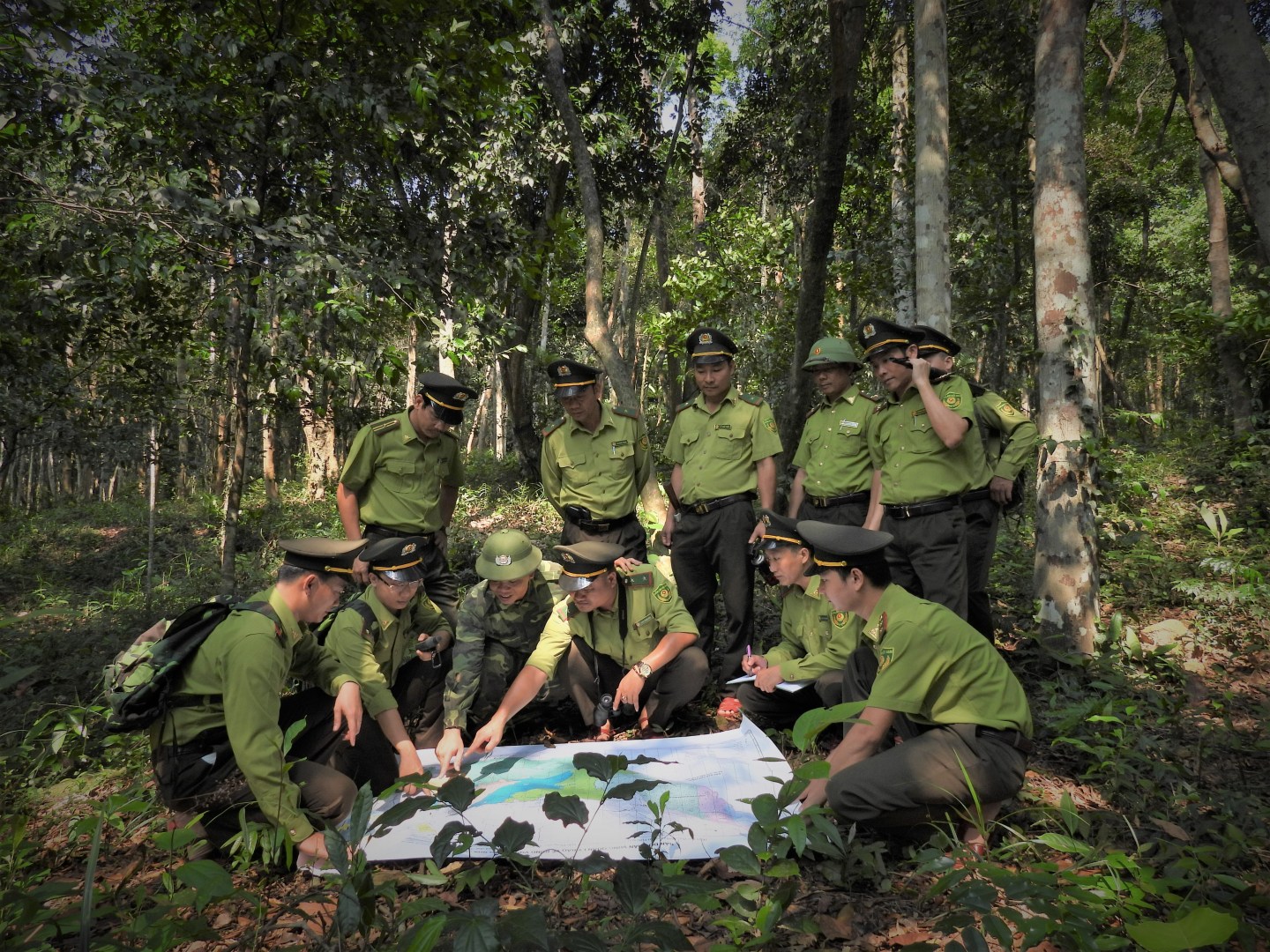
Le Conseil de gestion du Parc national de Phong Nha-Ke Bang considère toujours la gestion et la protection de la forêt comme une tâche prioritaire. Photo phongnhakebang.vn

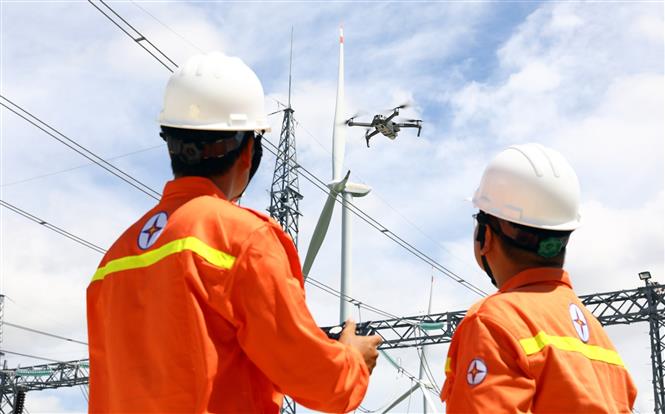
Des applications telles que SMART, SIG, Drones… ont été appliquées aux activités de patrouille et de protection de la forêt, de surveillance de la biodiversité, de surveillance des changements de sol et des impacts des catastrophes naturelles et humaines.

Grâce à cela, l’efficacité de la gestion des ressources naturelles est efficace et constamment améliorée, le nombre et la fréquence des rencontres avec des animaux forestiers augmentent, en particulier les primates.

Il y a eu plus de 2 000 experts internationaux venant à Phong Nha-Ke Bang pour effectuer des recherches. Tous conviennent qu’il s’agit d’un patrimoine naturel rare au monde.

Les recherches sont considérées comme un pilier de la préservation des ressources. Ces 20 dernières années, le Comité de gestion du parc  a coopéré de manière proactive avec des organisations nationales et étrangères pour mener à bien des études scientifiques dans les domaines de l’environnement, de la géologie – géomorphologie, de l’écologie, de la biodiversité, de la culture et de l’histoire.

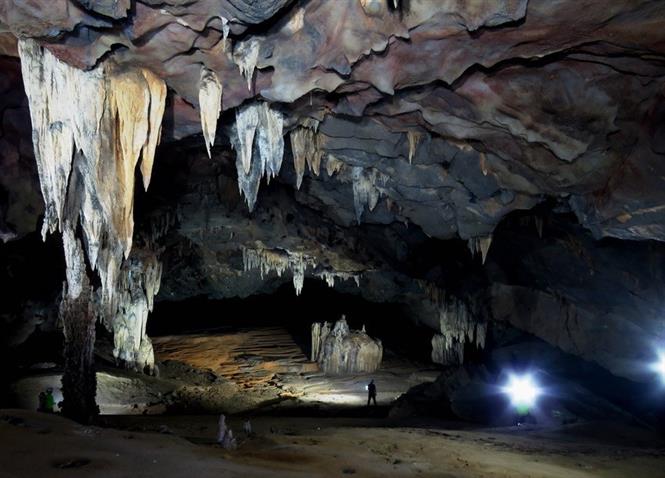
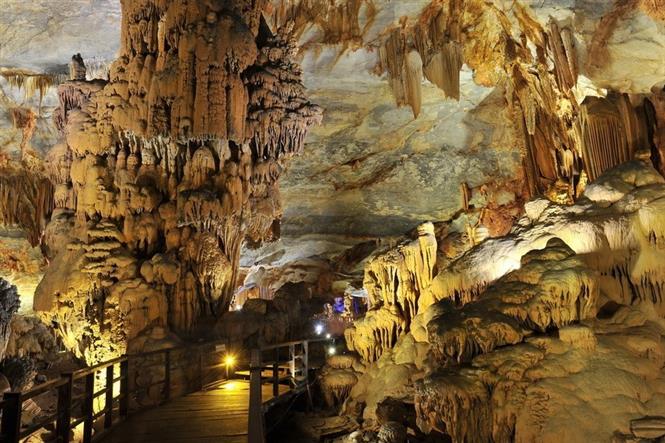
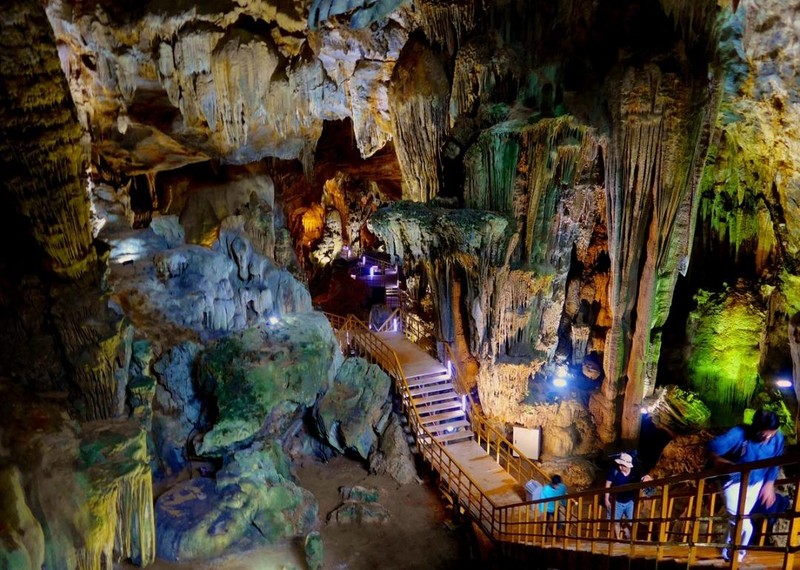
À l’intérieur de la grotte, outre la magnificence des stalactites, se trouvent également une flore et une faune rares et uniques. Photo Vietnam+

À ce jour, le parc a publié une liste de près de 3 000 espèces végétales, découvert cinq nouvelles espèces végétales ; publié une liste de près de 1 400 espèces animales, découvert 38 nouvelles espèces animales ; cultivé plus de 91 000 plants forestiers de 124 espèces ; planté plus de 11 000 arbres forestiers supplémentaires pour préserver les ressources génétiques.

En particulier, la répartition de la population de cyprès bleus âgée de 500 ans, d’une superficie d’environ 4.000 hectares, a été bien étudiée, montant que cette espèce rare pousse principalement sur des montagnes calcaires à plus de 600 m d’altitude.

En outre, le parc a accueilli et sauvé près de 1 500 animaux sauvages sans compter 1 335 individus relâchés dans la nature.  Actuellement, le parc élève 64 individus d’animaux sauvages de toutes espèces, dont 7  tigres d’Indochine.

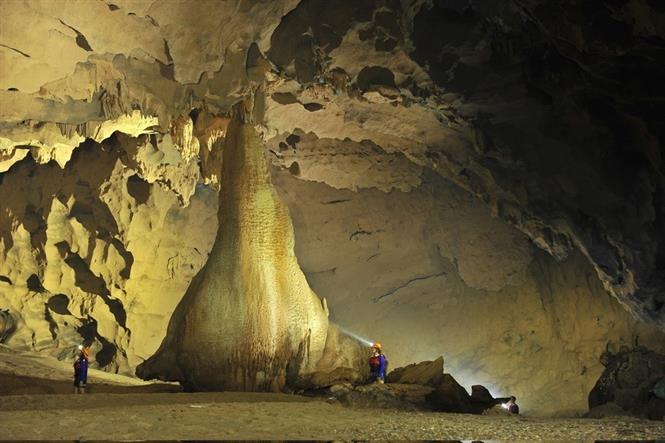
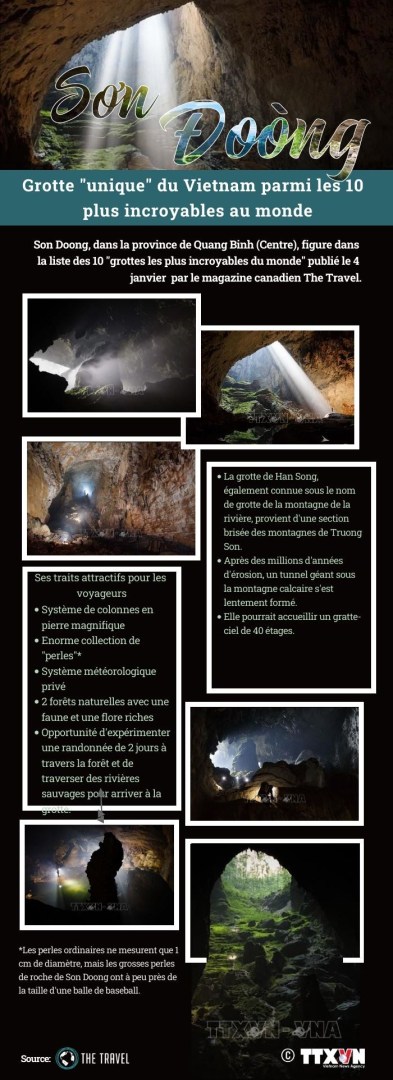
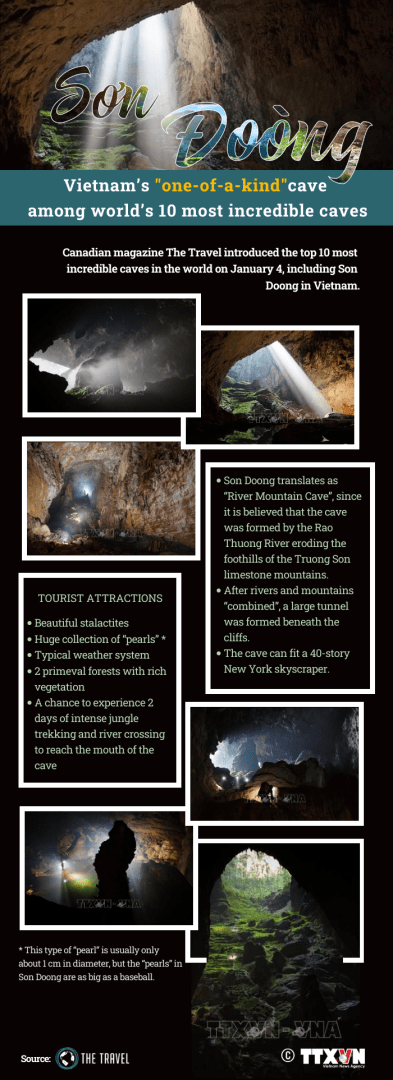
Les équipes d’enquête ont découvert 425 nouvelles grottes dont 389 ont été mesurées, avec une longueur totale de 243 km. La plus importante est Son Doong, la plus grande grotte du monde, qui revêt une importance importante dans la recherche sur l’exploration des grottes dans la région, apportant une grande contribution à la promotion de l’image du Vietnam, de Quang Binh et de Phong Nha-Ke Bang dans le monde.

Développement du tourisme durable

Outre la tâche de gestion et de préservation des valeurs patrimoniales, l’accent est mis aussi sur la promotion de la valeur du patrimoine à travers le tourisme et les activités de services.

Le Comité de gestion du parc diversifie progressivement les produits touristiques. À ce jour, Phong Nha-Ke Bang compte 15 itinéraires et sites touristiques en activité avec de nombreux types de tourisme tels que : exploration de grottes, camping, trek, tyrolienne…

De nombreux types de tourisme à la découverte de Phong Nha-Ke Bang. Photo : phongnhakebang.vn

En particulier, le circuit touristique « À la conquête de Son Doong – la plus grande grotte du monde » est considéré comme un circuit de classe mondiale./.

Le circuit touristique « À la conquête de Son Doong – la plus grande grotte du monde » est considéré comme un circuit de classe mondiale. Photo : thanhnien.vn

DOS DÉCADAS DE PRESERVACIÓN DE PATRIMONIO MUNDIAL PHONG NHA – KE BANG

La entrada a la cueva Phong Nha – Ke Bang. (Foto: VNA)

Hace más de 20 años, el 3 de julio de 2003, en su 27 período de sesiones, el Comité del Patrimonio Mundial (UNESCO) aprobó la propuesta de Vietnam para reconocer el Parque nacional Phong Nha-Ke Bang como Patrimonio de la Humanidad, por su excepcional valor global en geología y geomorfología.

La honra del Parque nacional Phong Nha-Ke Bang como el Patrimonio de la Humanidad constituye un hito importante que no sólo reconoce su valor global excepcional, sino que también evalúa los esfuerzos para preservar la integridad y promover los valores patrimoniales.

Dos veces honrado como Patrimonio Natural Mundial

Ubicado en dos distritos de Bo Trach y Minh Hoa de la provincia centrovietnamita de Quang Binh, el parque está situado en una zona montañosa de piedra caliza de unas 201 mil hectáreas y cuenta con un área núcleo de 85 mil 754 hectáreas y una zona de amortiguamiento de 195 mil 400 hectáreas.

La belleza atractiva del Parque nacional Phong-Nha Ke Bang en Quang Binh. (Foto: phongnhakebang.vn)

Diversas formaciones de piedra caliza, 300 cuevas, ríos subterráneos y una flora y fauna raras, que figuran en el Libro Rojo de Vietnam y el Libro Rojo Mundial, coronan las características únicas del parque nacional.

El sistema de flora y fauna en el Parque nacional Phong Nha-Ke Bang. (Foto: phongnhakebang.vn)

Phong Nha-Ke Bang muestra evidencias impresionantes de la historia de la Tierra, lo que ayuda a los investigadores a comprender la historia geológica y topográfica de la región.

Con los esfuerzos del gobierno vietnamita y el apoyo internacional, el Parque nacional Phong Nha-Ke Bang se amplió a 123 mil 326 hectáreas para preservar intacta la zona montañosa antigua de piedra caliza más grande del sudeste asiático.

El Parque nacional Phong Nha-Ke Bang se amplió a 123 mil 326 hectáreas para preservar intacta la zona montañosa de piedra caliza antigua más grande del sudeste asiático. (Foto: VNA)

En julio de 2015, en el 39 período de sesiones celebrado en Bonn, Alemania, con el pleno acuerdo de los países miembros del Comité del Patrimonio Mundial, el parque se inscribió por segunda vez en la Lista del Patrimonio Mundial según dos criterios de biodiversidad y ecología.

Phong Nha-Ke Bang es el hogar de animales tan grandes como elefantes, tigres, toros y tan pequeños como gekkos de Phong Nha, entre otras especies.

El Parque nacional Phong Nha-Ke Bang fue inscrito por segunda vez en la Lista del Patrimonio Mundial según dos criterios de biodiversidad y ecología.

El reconocimiento del patrimonio constituye la base para el desarrollo sostenible del sitio sobre el principio de armonía entre la promoción de los valores y la preservación intacta de los recursos del parque.

Por lo tanto, la Junta administrativa del Parque ha tomado la gestión de la conservación como base, la investigación científica como núcleo y la promoción de los valores del patrimonio como fuerza impulsora.

Preservación del patrimonio sostenible

Durante las dos últimas décadas, la Junta administrativa del Parque nacional Phong Nha-Ke Bang siempre ha considerado la gestión y la protección de los bosques como la tarea clave.

La Junta administrativa del Parque nacional Phong Nha-Ke Bang considera la gestión y la protección de los bosques como la tarea clave. (Foto: phongnhakebang.vn)

Aplicaciones como SMART, GIS y Drones se han aplicado en actividades de patrullaje de protección forestal y el monitoreo de la biodiversidad y los impactos de desastres naturales y humanos.

Gracias a tales labores, se ha mejorado la eficiencia de la gestión de los recursos del patrimonio.

Más de dos mil expertos llegaron a Phong Nha-Ke Bang para investigar y todos coinciden en que se trata de un patrimonio natural poco común en todo el mundo.

La Junta administrativa ha cooperado con organizaciones nacionales y extranjeras para realizar temas y tareas científicas en los campos del medio ambiente, geología – geomorfología, ecología, biodiversidad, cultura e historia, en aras de preservar los valores del patrimonio.

Dentro de la cueva, además de la magnificencia de las estalactitas, también hay una flora y fauna raras y únicas. (Foto: Vietnam+)

Hasta la fecha, la autoridad del Parque Nacional Phong Nha-Ke Bang organizó investigaciones, publicó una lista de casi tres mil variedades de plantas y de casi 1.400 especies animales, produjo más de 91 mil plántulas de 124 especies y plantó más de 11 mil árboles adicionales para preservar los recursos genéticos y crear paisajes.

Además, el parque recibió y rescató a casi 1.500 animales salvajes y liberó a mil 335 especies en su entorno natural.

Los equipos de investigación han descubierto 425 nuevas cuevas en siete áreas. De ellas, se han medido 389 cuevas con una longitud total de 243 km. El descubrimiento de la cueva más grande del mundo de Son Doong contribuye a la promoción de la imagen de Vietnam, Quang Binh y Phong Nha-Ke Bang en todo el mundo.

Desarrollo turístico sostenible

Además de la tarea de gestión y preservación de los valores patrimoniales, se centra en la promoción del valor del patrimonio a través del turismo y las actividades de servicios.

La Junta administrativa diversifica los productos turísticos. Hasta la fecha, Phong Nha-Ke Bang cuenta con 15 rutas y atracciones turísticas con diversos tipos de turismo como exploración de la naturaleza, cuevas, camping, trekking y tirolesa.

Diversos tipos de turismo para explorar el Parque nacional Phong Nha – Ke Bang. (Foto phongnhakebang.vn)

En particular, la ruta turística “La conquista de Son Doong -cueva más grande del mundo” se considera una de las excursiones de clase mundial./.

La ruta turística “La conquista de Son Doong -cueva más grande del mundo” se considera una de las excursiones de clase mundial. (Foto: thanhnien.vn)

НАЦИОНАЛЬНЫЙ ПАРК ФОНГНЯ-KEБАНГ – 20 ЛЕТ СОХРАНЕНИЯ ВСЕМИРНОГО НАСЛЕДИЯ

Дорога к пещере Фонгня-Кебанг. Фото: ВИА

3 июля 2003 г. Комитет всемирного наследия при Организации Объединенных Наций по вопросам образования, науки и культуры (ЮНЕСКО) одобрил заявку Вьетнама на признание национального парка Фонгня-Кебанг объектом всемирного природного наследия с критериями исключительной мировой ценности с точки зрения геологии и геоморфологии.

Это признание является важной вехой не только в подтверждении исключительной глобальной ценности парка, но и в признании усилий по сохранению и популяризации наследия.

Дважды удостоен статуса Всемирного природного наследия

Парк площадью 85.754 га расположен в центре горного хребта Аннамит в провинции Куанг Бинь и на западе граничит с лаосским заповедником Хин-Намно.

Красота привлекает туристов национального парка Фонгня-Кебанг в Куангбине. Фото phongnhakebang.vn

На территории площадью 123.326 га расположены наземные и водные биотопы, первичные и вторичные леса, участки естественного возобновления, тропические густые леса и саванны, а также крупные, часто впечатляющие и значимые с научной точки зрения пещеры.

Система флоры и фауны Национального парка Фонгня – Кебанг. Фото: phongnhakebang.vn

Ландшафт парка образован известняковыми плато и тропическими лесами. Геологическое разнообразие характеризуется такими впечатляющими явлениями, как многочисленные пещеры и подземные реки. Здесь сохраняется высокий уровень биоразнообразия, включающий в себя множество эндемичных видов.

Усилиями вьетнамского государства и при международной поддержке национальный парк Фонгня-Кебанг был расширен до 123.326 гектаров. Расширение территории позволило создать более целостную экосистему и обеспечить дополнительную защиту водосборных бассейнов, имеющих огромное значение для целостности известняковых ландшафтов.

Национальный парк Фонгня-Кебанг был расширен до 123 326 гектаров, чтобы сохранить целостность древних известняковых ландшафтов в Юго-Восточной Азии. Фото: ВИА

3 июля 2015 года на 39-м заседании в Бонне (Германия) Комитет всемирного наследия ЮНЕСКО принял решение включить парк в список Всемирного наследия в соответствии с 2 критериями биоразнообразия и экологии.
Национальный парк является образцом «Экосистемы и биоразнообразия» и располагает уникальной популяцией вечнозеленых тропических лесов, включая 500-летние кипарисы, не встречающиеся больше нигде на Земле.

Фонгня-Кебанг во второй раз был внесен в Список всемирного наследия по двум критериям: биоразнообразию и экологии.

Это признание стало важной вехой, свидетельствующей не только о мировой ценности объекта, но и об усилиях по сохранению и популяризации ценностей ресурсов наследия.

Она также создает основу для устойчивого развития наследия с одновременным повышением его ценности и сохранением природных ресурсов.

Поэтому за последние 20 лет руководство парка приняло за основу управления охраной природы – научные исследования, а за движущую силу – продвижение ценностей наследия.

Устойчивое сохранение наследия

На протяжении последних двух десятилетий Совет директоров неизменно считал управление и охрану лесов своей главной задачей.

Правление национального парка Фоння-Кебанг всегда рассматривает управление лесами и их защиту в качестве первоочередной задачи. Фото phongnhakebang.vn

Такие приложения, как конкретные, измеримые, достижимые, актуальные и привязанные ко времени (SMART), географические информационные системы (ГИС) и беспилотники, были оптимизированы для патрулирования лесов, мониторинга биоразнообразия и почв, а также оценки природных и антропогенных воздействий.

Благодаря этим усилиям удалось значительно повысить эффективность управления ресурсами. Также увеличилась численность диких животных, особенно лангуров.

К настоящему времени национальный парк Фонгня – Кебанг с исследовательскими целями посетили более 2000 человек, представляющих международные природоохранные сообщества. Все они единодушно подтвердили, что это исключительно редкий объект природного наследия мирового масштаба.

Научные исследования являются краеугольным камнем в сохранении ценности природных ресурсов. В последние 20 лет правление Национального парка активно сотрудничает с отечественными и международными организациями для реализации научных проектов и задач в различных областях, включая экологию, геологию-геоморфологию, экологию, биоразнообразие, культуру-историю.

Помимо сталактитов, в пещере обитают редкие виды флоры и фауны. Фото: ВИА

К настоящему времени в национальном парке изучено и занесено в список около 3 000 видов растений, пять из которых новые; почти 1400 видов животных; а также выращено более 91000 лесосеменных саженцев из 124 видов.

Примечательно, что в национальном парке Фонгня-Кебанг также был обнаружен 500-летний известняковый хвойный лес, общая площадь которого составляет около 4 тыс. га.

Кроме того, в этом парке приняли и спасли около 1500 диких животных, а 1335 животных было выпущено обратно в дикую природу. В настоящее время в парке обитают 64 спасенных диких животных разных видов, в том числе семь индокитайских тигров.

С 2003 г. специалисты Британской королевской ассоциации пещер исследовали и открыли 425 пещер в семи районах и системах, 389 из которых было измерено с общей протяженностью 243 км. Наиболее примечательным стало открытие самой большой в мире пещеры Шондонг, которая сыграла важную роль в спелеологических исследованиях пещер региона и внесла значительный вклад в продвижение имиджа Вьетнама, провинции Куангбинь и Фонгня-Кебанг в мире.

Устойчивое развитие туризма

Помимо управления и сохранения объекта, правление Национального парка уделяет особое внимание популяризации его ценностей через туристическую и сервисную деятельность.

В настоящее время на территории объекта Всемирного природного наследия предлагается 15 маршрутов с различными комбинациями, включающими в себя изучение природы, пещер, кемпинг, пеший туризм и зиплайнинг.

Открой для себя насыщенные и разнообразные виды туризма парка Фонгня-Кебанг. Фото phongnhakebang.vn

В частности, тур по исследованию пещеры Шонгдонг признан одним из туристических туров международного уровня ./.

Туристический маршрут «Покори Шондонг – самую большую пещеру в мире» признан одним из туров международного уровня. Фото thanhnien.vn

丰芽-格邦国家公园20年世界遗产保护

前往丰芽-格邦国家公园之路。图自越通社

20年前的2003年7月3日联合国教科文组织按照地质、地貌标准将广平省丰芽-格邦国家公园公认为世界自然遗产。

丰芽-格邦国家公园被公认为世界自然遗产是一个重要里程碑,不仅承认其全球性价值,而且还评估了遗产资源价值完整性保护和弘扬中所作出的努力。

两次荣获世界自然遗产称号

丰芽-格邦国家公园地处越南广平省布泽县及明化县,位于面积201万公顷的石灰岩山区,中心区面积85754公顷,缓冲区面积19.54万公顷。

丰芽-格邦国家公园地处越南广平省布泽县及明化县,位于面积201万公顷的石灰岩山区图自 phongnhakebang.vn

岩溶地质、300多个洞穴、地下暗河和被纳入越南红皮书和世界濒临绝种动植物红皮书的稀有动植物群等是丰芽-格邦国家公园的特殊之处。

丰芽-格邦国家公园拥有非常丰富的动植物系统。图自phongnhakebang.vn

经历了十分复杂的地貌演化过程,丰芽-格邦国家公园展示了地球历史令人印象深刻的证据,帮助研究人员了解该地区的地质和地形历史。

在越南政府的努力和国际社会的支持下,丰芽-格邦国家公园面积扩大至123326公顷,完整地保存了东南亚最古老的石灰岩地形。

在越南政府的努力和国际社会的支持下,丰芽-格邦国家公园面积扩大至123326公顷,完整地保存了东南亚最古老的石灰岩地形。图自越通社

2015年7月,在德国波恩(Bonn)市举行的联合国教科文组织(UNESCO)世界遗产委员会第39届会上,在世界遗产委员会成员国的一致同意下,丰芽-格邦国家公园以生态体系和生物多样性两个方面第二次荣获世界自然遗产荣誉称号。

丰芽-格邦国家公园以生态体系和生物多样性两个方面第二次荣获世界自然遗产荣誉称号。图自互联网

丰芽-格邦国家公园被公认为世界自然遗产已成为一个重要里程碑,不仅承认其全球性价值,而且还评估了遗产资源价值完整性保护和弘扬中所作出的努力。

对遗产的认可是在将价值弘扬又完整性保护资源和谐原则,实现遗产可持续发展的基础。

因此,20年来,公园管委会以保护管理为基础、科研为核心、弘扬遗产价值为动力。

20年来,丰芽-格邦国家公园管理委员会一直将森林管理保护工作作为第一任务。

20年来,丰芽-格邦国家公园管理委员会一直将森林管理保护工作作为第一任务。图自phongnhakebang.vn

SMART、GIS、无人机等先进技术已被应用于森林保护、巡逻活动以及生物多样性、土壤变化及自然灾害影响的监测工作。

因此,森林资源管理效率不断提高,森林动物出现频率不断增加,特别是灵长类动物。

作为世界罕见的自然遗产,丰芽-格邦国家公园迎来了世界各国考察团、专家代表2000多人次前来研究考察。

研究工作被认为是保护资源价值的支柱。20年来,丰芽-格邦国家公园管理委员会积极与国内外组织合作,开展在环境、地质、生态、生物多样性、文化、历史等领域的科研项目。

丰芽-格邦洞穴内,除了钟乳石的壮观美丽外,还有一些珍稀的动植物群。图自 Vietnam+

截至目前,丰芽-格邦国家公园共组织调查并公布了近3000种植物,发现了5种植物新物种;调查并发布近1400种动物,发现38种动物新物种;生产林业苗木124个品种9.1万多株;补充种植 1.1万多棵林木,以保护遗传资源并创造景观。

特别是该公园拥有分布面积约4000公顷的500年树龄的岩生翠柏林,主要生长在海拔600米以上的石灰岩山上。

丰芽-格邦国家公园接收并拯救了近1500只野生动物,并将1335只野生动物放归大自然。目前,该公园正在饲养和救助各种野生动物64头,其中包括7头印支虎。

考察团在丰芽-格邦国家公园发现了425个新洞穴。其中,已进行调查测量的洞穴389个,总长243公里。其中最突出的是世界最大洞穴韩松洞(Son Doong),该洞穴对宣传推广广平省乃至越南旅游形象作出了重要贡献。

除了管理和保护遗产价值外,丰芽-格邦国家公园管理委员会还重视发展公园旅游服务活动,充分挖掘遗产的价值。

截至目前,丰芽-格邦国家公园共运营了15条旅游路线和旅游景点,种类丰富多样。图自phongnhakebang.vn

截至目前,丰芽-格邦国家公园共运营了15条旅游路线和旅游景点,种类丰富多样,例如:探索大自然、洞穴、露营、徒步、空中飞人等活动。特别是“征服韩松洞 – 世界最大洞穴”旅游路线被认为是具有世界等级的旅游线路之一。(完)

特别是“征服韩松洞 – 世界最大洞穴”旅游路线被认为是具有世界等级的旅游线路之一。图自thanhnien.vn

PHONG NHA – KE BANG NATIONAL PARK – 20 YEARS OF WORLD HERITAGE CONSERVATION

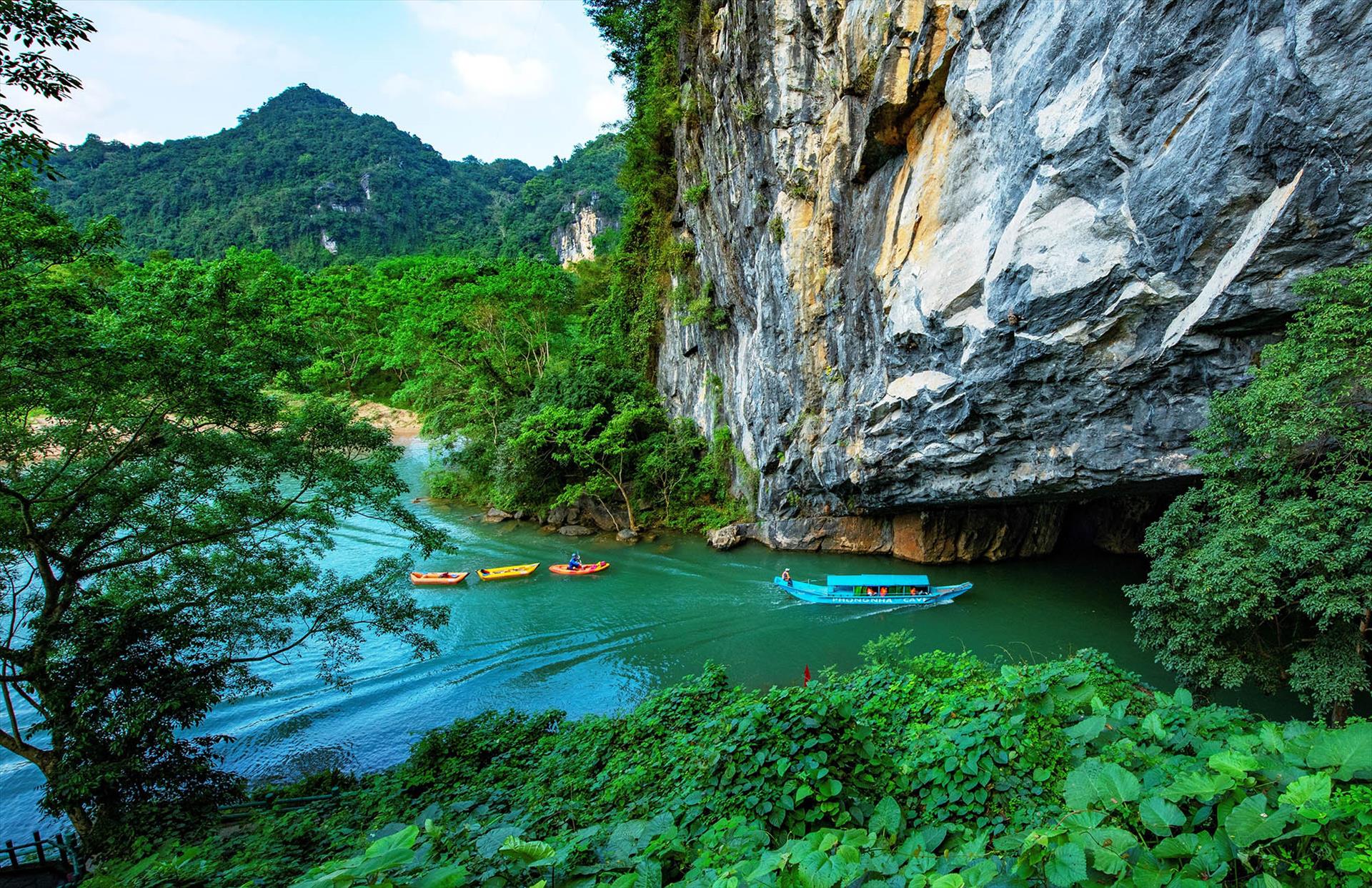
Road to Phong Nha – Ke Bang cave. Photo: VNA

On July 3, 2003, the World Heritage Committee under the United Nations Educational Scientific and Cultural Organisation (UNESCO) approved Vietnam’s submission to recognise its Phong Nha-Ke Bang National Park as a World Natural Heritage Site, with criteria of exceptional global value in terms of geology and geomorphology.

The recognition has been seen as a milestone that not only acknowledges the park’s outstanding values but also assesses efforts in preserving and promoting the heritage.

Twice honoured as World Natural Heritage

Covering 85,754 hectares, the park is located in the middle of the Annamite Mountain Range in Quang Binh province, and shares its boundary with the Hin Namno Nature Reserve in Laos to the west.

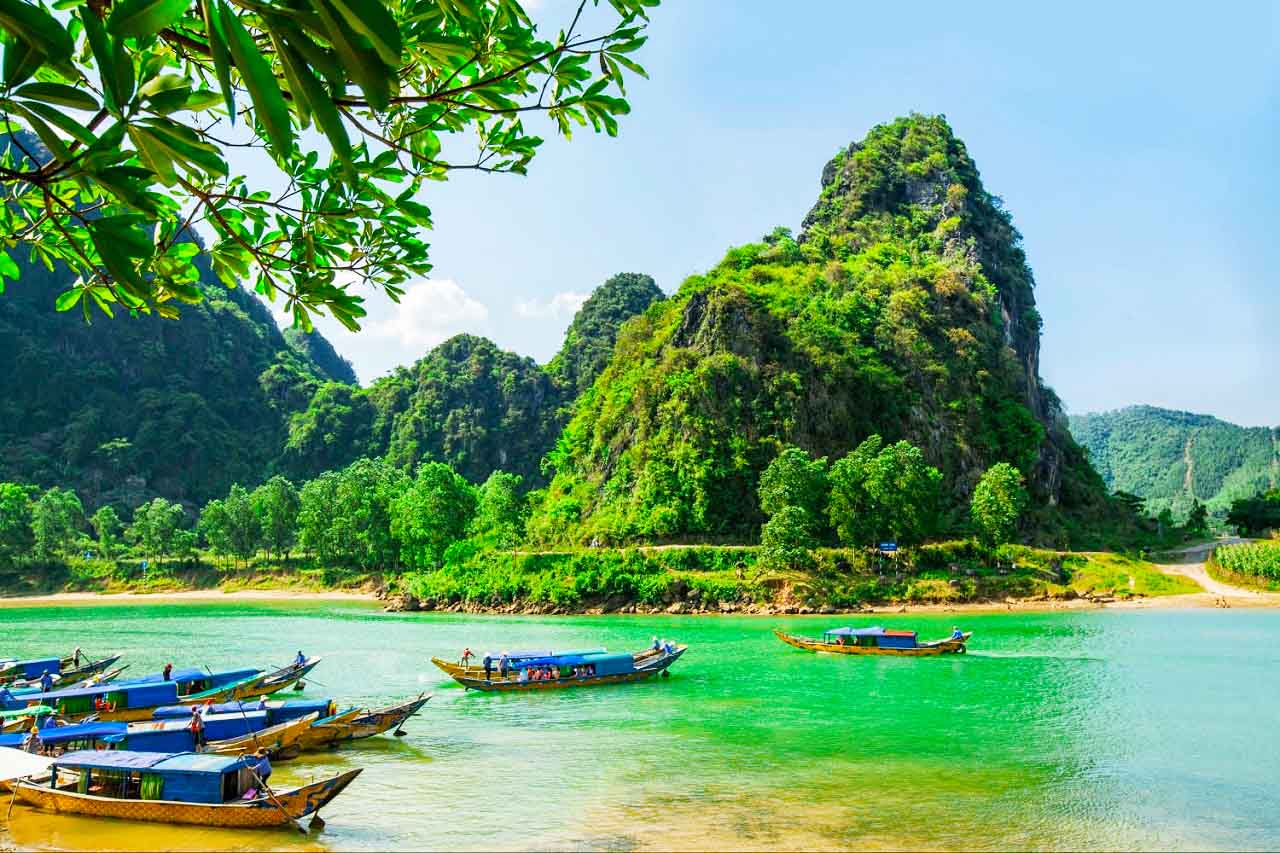
The park’s landscape is formed by limestone plateaus and tropical forests. Photo: phongnhakebang.vn

The property comprises an area of 123,326 ha and contains terrestrial and aquatic habitats, primary and secondary forest, sites of natural regeneration, tropical dense forests and savanna and is rich in large, often spectacular, and scientifically significant caves.

The park is home to nearly 3,000 species of flora and some 1,400 species of fauna. Photo: VNA

The park’s landscape is formed by limestone plateaus and tropical forests. It features great geological diversity and offers spectacular phenomena, including a large number of caves and underground rivers. The site harbours a high level of biodiversity and many endemic species. The extension ensures a more coherent ecosystem while providing additional protection to the catchment areas that are of vital importance for the integrity of limestone landscapes.

The Vietnamese Government, with the support of international organisations, saw the park expand to more than 123,000 hectares to preserve the largest ancient limestone region in Southeast Asia.

The park features great geological diversity and offers spectacular phenomena, including a large number of caves and underground rivers. Photo: VNA

On July 3, 2015, at the 39th meeting in Bonn, Germany, the UNESCO’s World Heritage Committee agreed to add the criterion of outstanding value representing the evolutionary and development processes of terrestrial ecosystems, possessing meaningful natural habitats for biodiversity conservation.

The national park is a model of “Ecosystem and Biodiversity” with a unique population not found anywhere else on Earth, an evergreen tropical forest with a 500-year-old cypress species.

The UNESCO recognition creates the basis for sustainable development of the heritage.

The recognition has become a significant milestone that not only acknowledges the global value of the site but also efforts in preserving and promoting the heritage resources values.

It also creates the basis for sustainable development of the heritage with value promotion and natural resources preservation in parallel.

Therefore, over the past 20 years, the park management board has taken conservation management as the foundation, scientific research as the core, and heritage value promotion as the driving force.

Sustainable heritage preservation

Over the past two decades, the board has consistently regarded forest management and protection as a primary mission.

The Phong Nha – Ke Bang National Park management board has consistently regarded forest management and protection as a primary mission. Photo: phongnhakebang.vn

Such applications as specific, measurable, achievable, relevant, and time-bound (SMART) and geographic information system (GIS) and drones have been optimised in forest patrol, biodiversity and soil monitoring, and the assessment of natural and human-induced impacts.

Thanks to such efforts, the effectiveness of resources management has been improved significantly. Wildlife populations and sightings there have also increased, especially langurs.

More than 2,000 people from international conservation communities have so far visited the Phong Nha – Ke Bang National Park for research purposes. All of them have unanimously affirmed that this is an exceptionally rare natural heritage site on a global scale.

Research is the cornerstone in preserving the value of natural resources. Over the past 20 years, the management board has proactively collaborated with both domestic and international organisations to implement scientific projects and tasks in various fields, including the environment, geology-geomorphology, ecology, biodiversity, and culture – history.

The park is home to nearly 3,000 species of flora and some 1,400 species of fauna. Photo: VNA

The park has announced a catalogue of nearly 3,000 species of flora, with five newly discovered; and nearly 1,400 species of fauna, with 38 newly found; and produced over 91,000 forestry seedlings from 124 species.

Notably, the 500-year-old limestone coniferous forest has been found in the Phong Nha-Ke Bang National Park, with a total area of about 4,000 hectares.

Furthermore, the park has received and rescued nearly 1,500 wild animals, and released 1,335 animals back into the wild. It is now home to 64 rescued wild animals of various species, including seven Indochinese tigers.

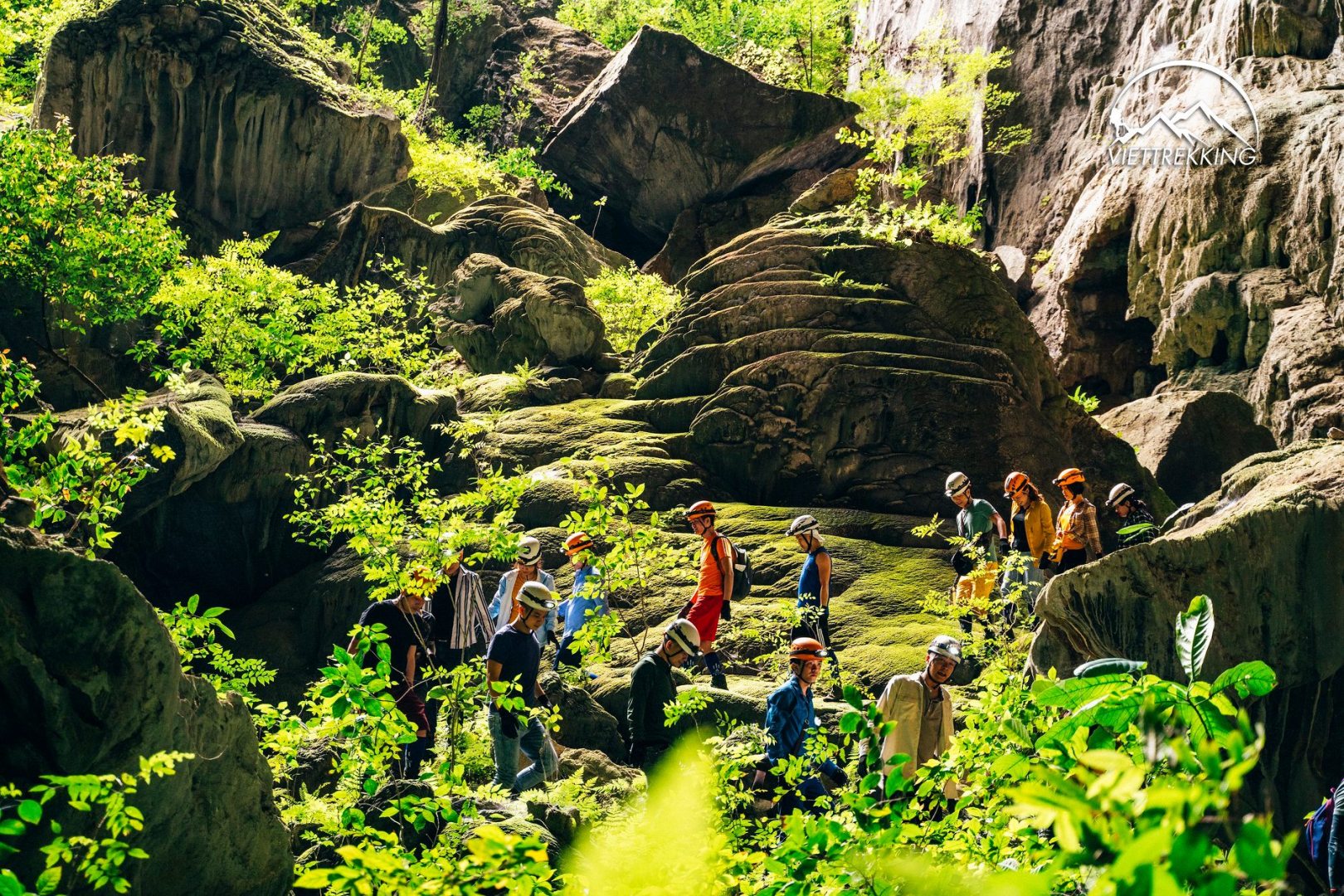
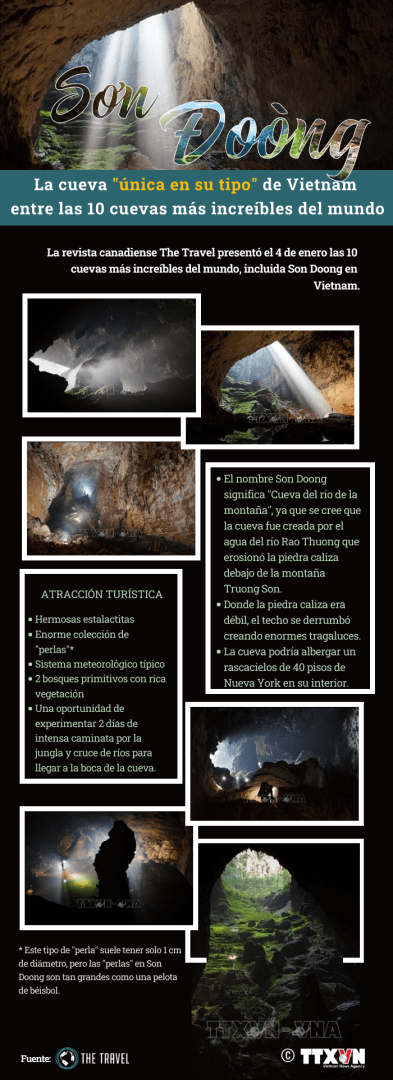
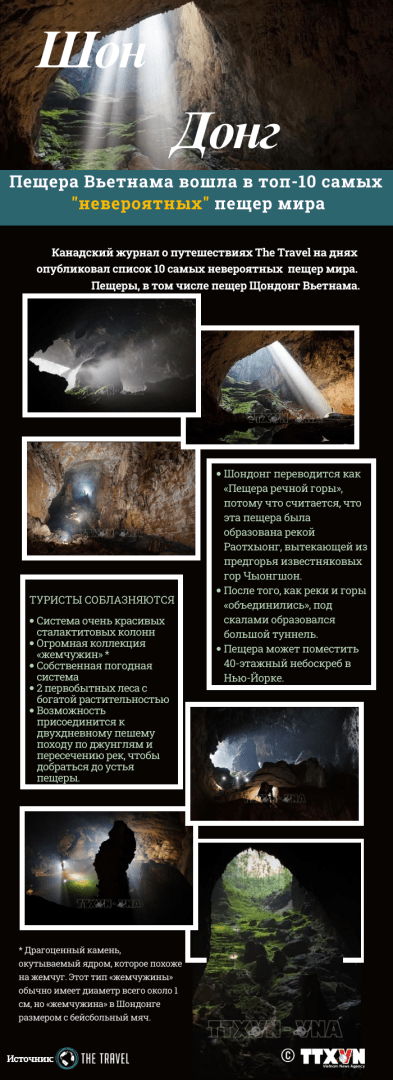
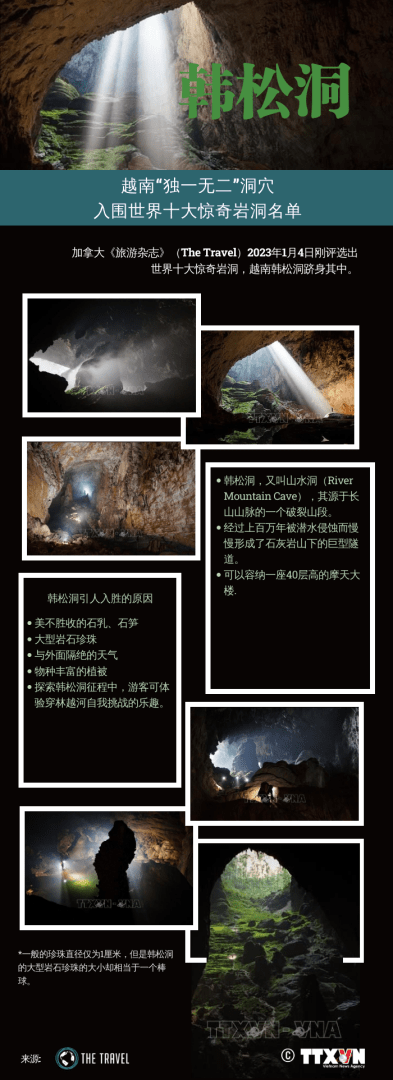
Since 2003, experts from the Royal British Cave Association surveyed and discovered 425 caves in seven areas and systems, of which 389 caves have been measured with a total length of 243 km. The most prominent was the discovery of Son Doong – the world’s largest cave. The site is important in caving research in the region, promoting the image of Vietnam and Quang Binh and Phong Nha-Ke Bang around the world.

Sustainable tourism development

Apart from managing and preserving the heritage, the management board has also paid special attention to promoting its values through tourism and service activities.

Currently, the World Natural Heritage site has 15 different routes possible on a tour that include various combinations of nature exploration, caves, camping, walking, and zip line areas.

Diverse types of tourism have been launched to explore Phong Nha-Ke Bang. Photo: phongnhakebang.vn

Notably, the tour to explore Son Doong cave is regarded as one of the international-level tourism tours./.

The tour to explore Son Doong cave is regarded as one of the international-level tourism tours. Photo: thanhnien.vn

海外越南人——国家发展的重要资源

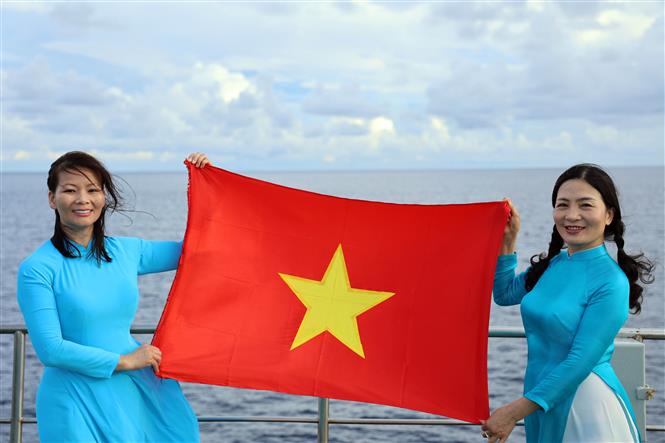
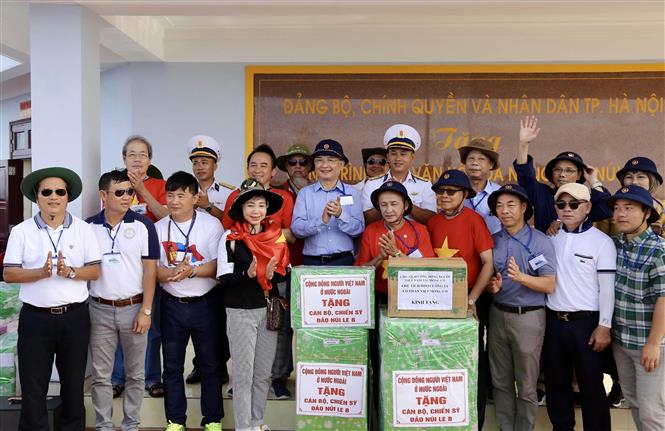
来自世界17个国家的40余名海外越南人看望慰问长沙岛县和DK1海上高脚屋的军民。图自越通社

目前,海外越南人约有530万人,在130个国家和地区生活和工作。 无论身在何处,越南侨胞都始终心系祖国,是越南民族不可分割的一部分。

随着国家基业、潜力、地位和国际威望日益提升,海外越南人的信心也日益增强。 在当今祖国建设和发展事业中,海外越南人已成为促进国家发展的重要资源。

领导干部与海外越南人社群见面。图自越通社

越共中央政治局2021年8月12日签发的关于新形势下侨务工作的第12号结论(12-KL/TW)实施两年来,祖国与侨胞、侨胞与祖国的紧密联系得到了更加明确和及时的肯定。

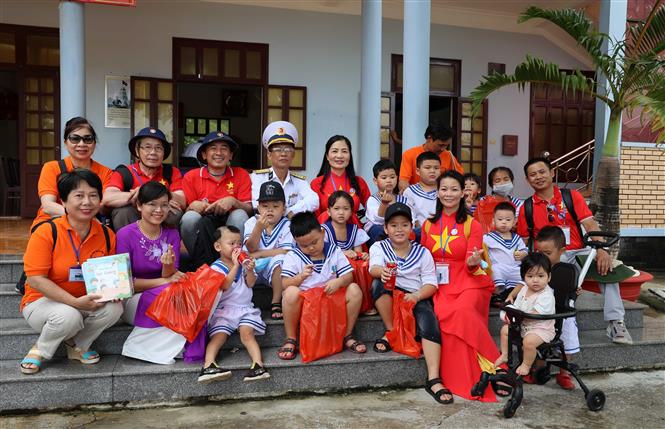
第四工作代表团由200名代表组成,其中包括来自世界22个国家的47名海外越南侨胞,访问了长沙岛县和DK1海上高脚屋的军民。图自越通社

对海外越南人的符合“党意民心”的民族大团结观点、主张和政策得到了海内外人民的赞成、支持和一致贯彻。其中,动员、吸引海外越南人资源的工作继续得到重视,正因为如此,越来越多的海外越南人为祖国、家乡贡献资金、智慧和“软”资源。

胡志明市侨汇总额一直领先全国。图自越通社
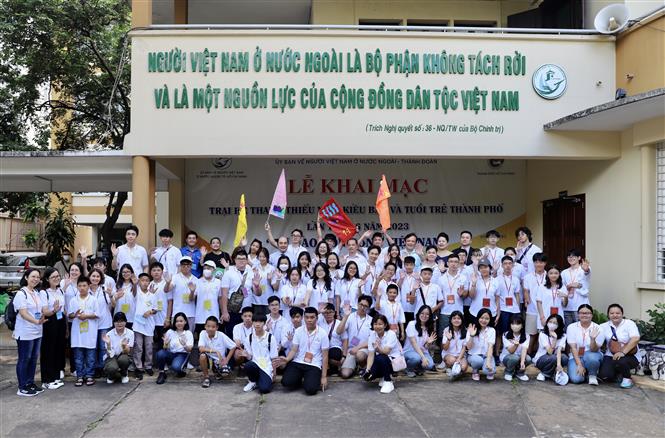
2023年第16次“侨胞青少年与胡志明市青年”夏令营开幕式。图自越通社

为国家发展作出贡献的有旅居130个国家和地区的530万越南人,其中有为党和国家领导人就高素质人力资源、金融、贸易、投资、科技、人工智能、初创、创新创意、疾病防控、经济发展模式等诸多重大问题建言献策的50万多名商人和知识分子。

全球疫苗和免疫联盟(GAVI)战略总监、COVAX机制前负责人、法国越南侨民奥雷利亚·阮(Aurélia Nguyen)。图自越通社

目前海外越南人在越南有注册资本总额超过17亿美元的投资项目376个以及注资越南企业数千家。汇回越南的汇款相当稳定,2023年可能增长3.6~4.5%。胡志明市侨汇总额一直领先全国。2021年,尽管受到疫情影响,流入该市的汇款金额达到约65亿美元,比2020年增长9%;2022年该数字达约68亿美元。

Tran集团总经理陈廷雄表示,侨汇的增加证明海外越南人已经找到了稳定的发展道路,在世界各国站稳了脚跟。汇款数额不仅有助于支持胡志明市的经济发展,而且也是稳定该市乃至越南的外汇供应来源。

为落实中央政治局第12号结论,越南政府总理于2022年8月3日发布第930号决定,其中批准“2023-2030年海外越南人越南语日”方案。

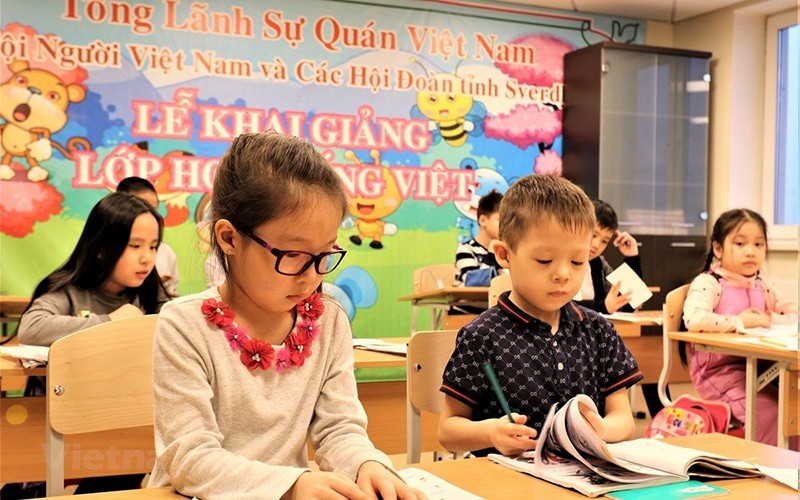
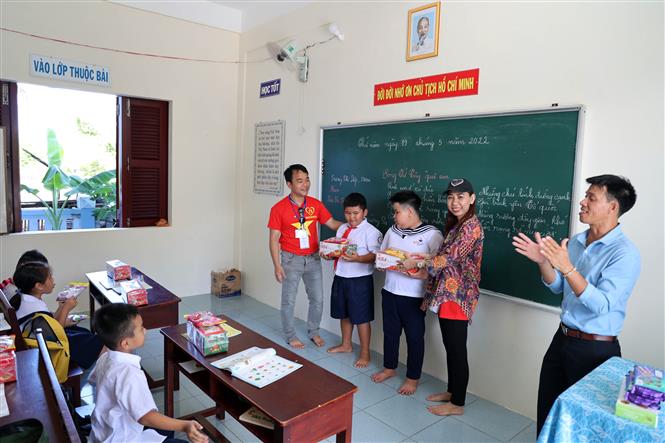
海外越南人不仅贡献资金和智慧,而且还积极保存、传播和传承越南文化。向海外越南人尤其是年轻一代教授越南语已成为世界范围内广泛的运动。

其中值得一提的是,在美国目前有大约 200 个越南语教学中心和机构;在泰国开设了39个越南语培训班;在柬埔寨设立了33所越南语学校和班级;在老挝有13所学校和越南语教学中心等。

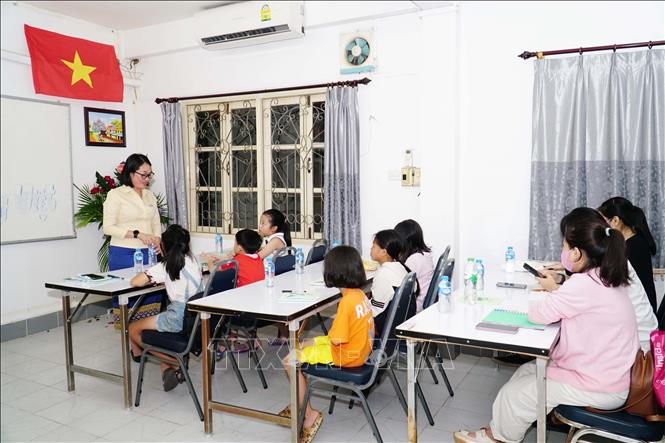
向海外越南人尤其是年轻一代教授越南语已成为世界范围内广泛的运动。图自越通社

在老挝首都万象,自今年7月初以来,佛迹寺的免费越南语班在因新冠肺炎疫情中断一段时间后重新开放。这些越南语班有助于在国外保护、弘扬和推广海外越南人的语言和文化特色 。

担任越南语老师的旅老越侨丁氏方栾表示,凭借自己当老师的经验,她自愿参加免费越南语班的教学工作,让在老挝出生的第二代、第三代越侨都能讲越南语或认知越南语言和了解越南文化。

丁氏方栾老师说
越南外交部副部长、海外越南人国家委员会主任黎氏秋恒。图自越通社

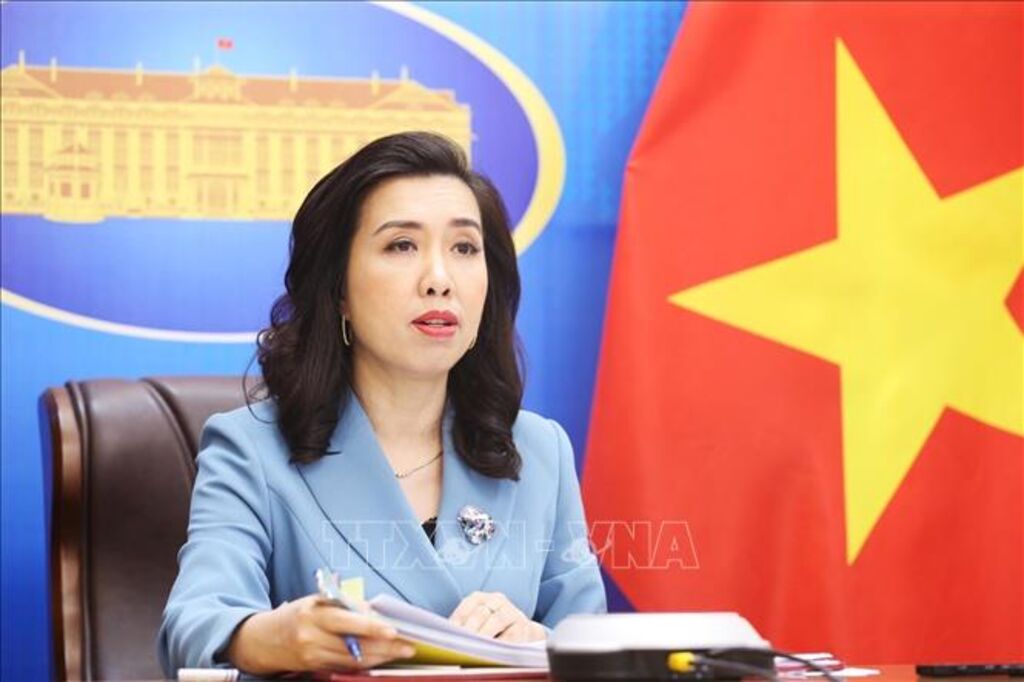
越南外交部副部长、海外越南人国家委员会主任黎氏秋恒强调:“第12号结论中的一个非常重要的目标是动员年轻一代。2023年越南夏令营项目框架下,我们让来自世界各国和地区的海外青年侨胞参观越南历史遗迹,参加感恩主题活动,向他们介绍传统之美以及越南的美味菜肴,其中特别强调说越南语并保留越南语的重要性。 ”

越南外交部海外越南人国家委员会信息文化司司长丁黄灵表示:“通过传播民族文化和民族精神价值,我们力争建立一个团结、稳定、发展、心系祖国、向国际友人展现越南文化特色和价值的海外越南人社群。 同时,我们希望海外越南人进一步弘扬对祖国的信心、自豪感和热爱之情。”(完)

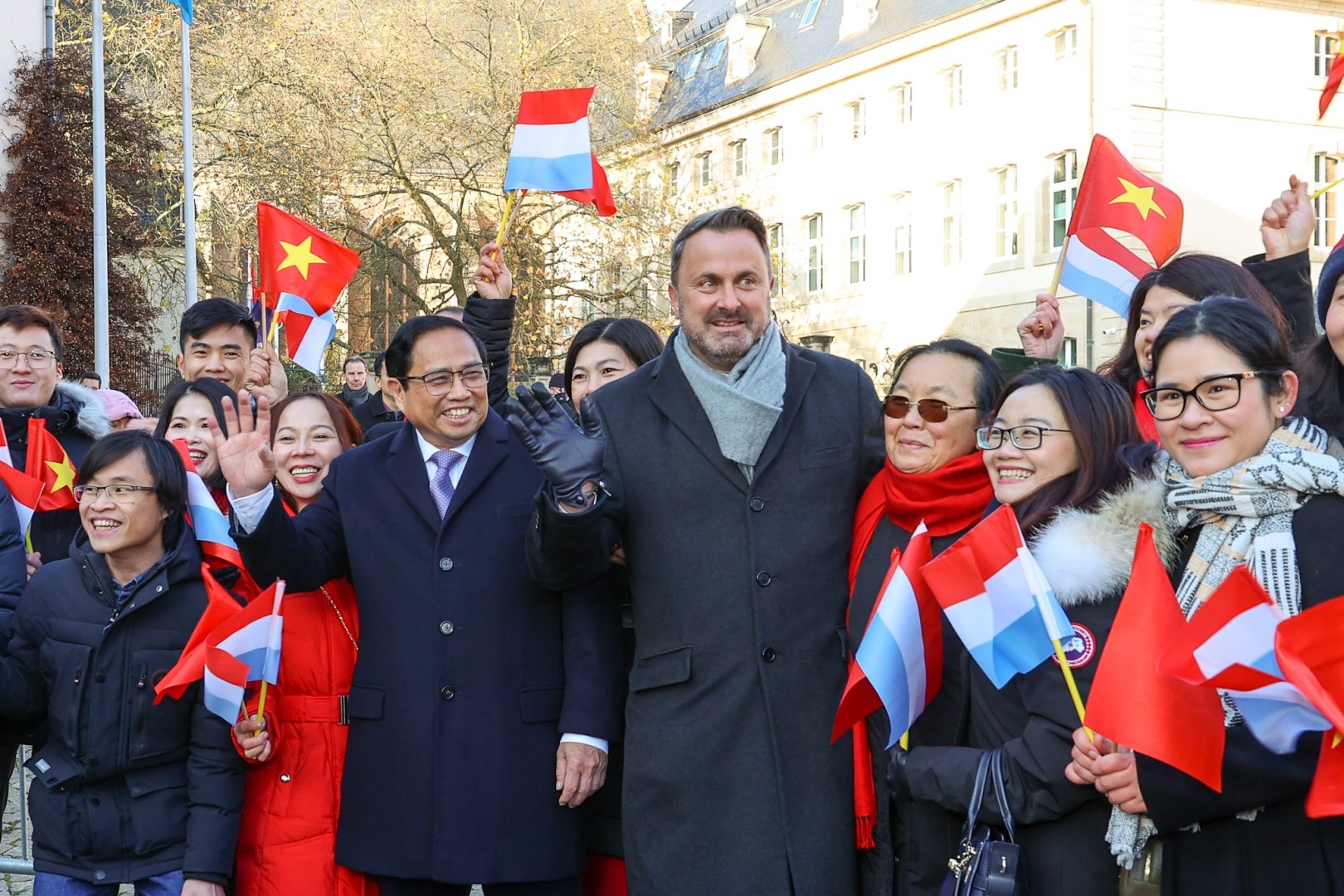
越南政府总理范明政与参加2023年“家乡之春”活动的海外越南人合影。图自越通社

ВЬЕТНАМСКИЕ СООТЕЧЕСТВЕННИКИ, ПРОЖИВАЮЩИЕ ЗА РУБЕЖОМ – ВАЖНЫЙ РЕСУРС В РАЗВИТИИ СТРАНЫ

Более 40 вьетнамцев, проживающих за рубежом, из 17 стран мира посетили войска и жителей островного уезда Чыонгша и платформы DK1. (Фото: ВИА)

В настоящее время зарубежная вьетнамская община насчитывает около 5,3 млн. человек, живущих и работающих в 130 странах и территориях, которая является неотъемлемой частью вьетнамского этнического сообщества. Где бы ни находились вьетнамские соотечественники, они всегда помнят о своём Отечестве.

По мере того как потенциал, положение, международная репутация страны все больше повышаются, доверие вьетнамской общины за рубежом также все больше укрепляется. В деле строительства и развития страны сегодня вьетнамские соотечественники становятся важным ресурсом, способствующим развитию страны.

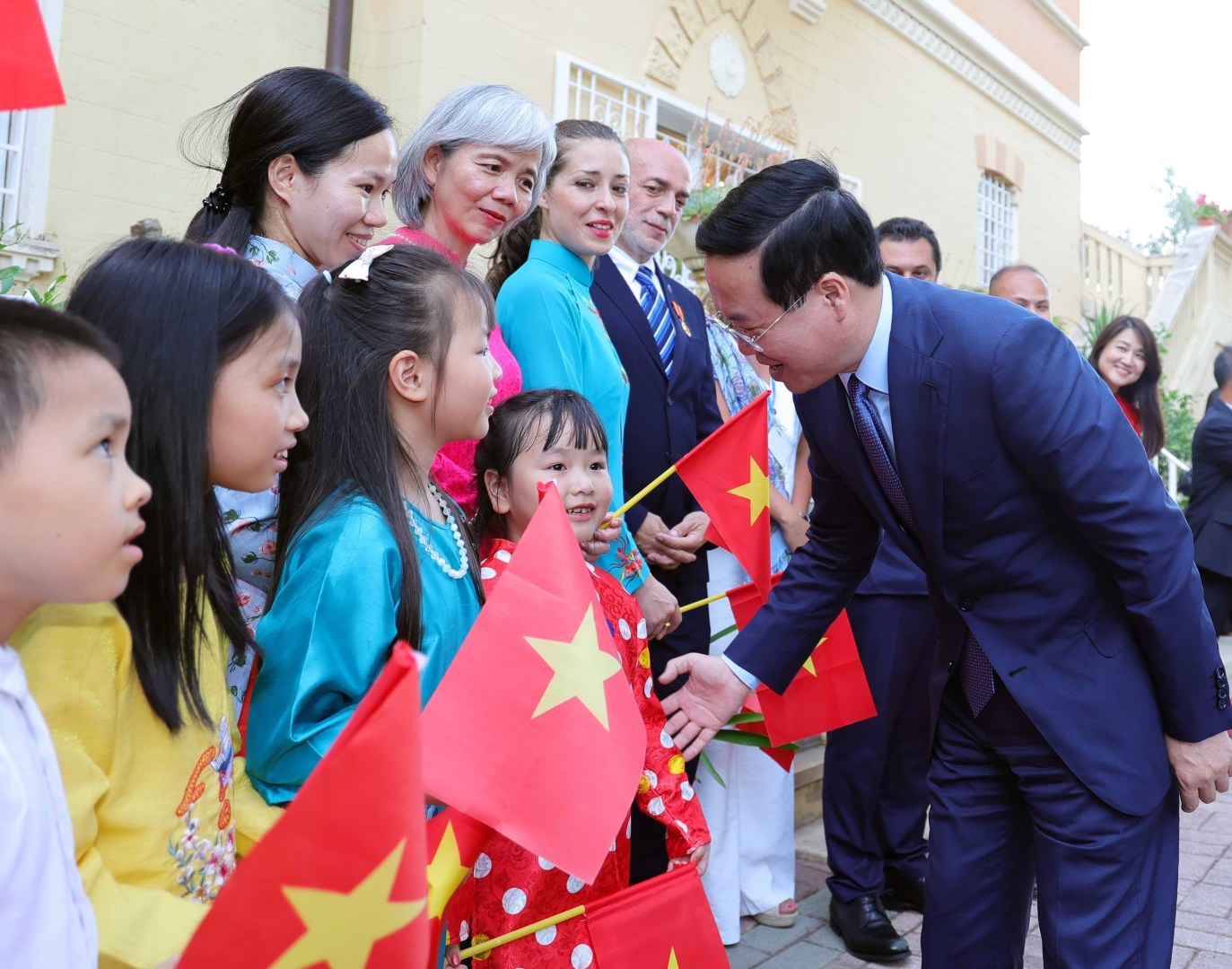
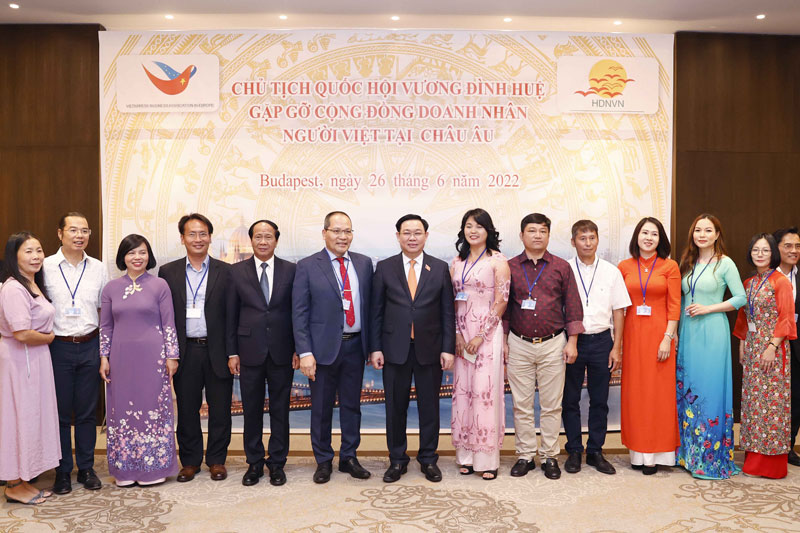
Руководители встречаются с вьетнамской общиной за рубежом. фото ВИА


Мобилизация огромных ресурсов вьетнамской общины за рубежом

Тесная связь и привязанность вьетнамцев, проживающих зарубежом к Отечеству чётко подтверждаются после двухлетней реализации заключения Политбюро №12-KL/TW от 8 декабря 2021 года о работе с вьетнамцами, проживающими за границей, в новой ситуации (заключение № 12).

Рабочая группа № 4, состоящая из 200 делегатов, в том числе 47 делегатов-вьетнамцев, проживающих за рубежом из 22 стран мира, завершает программу посещения архипелага Чыонгша и платформы DK1. (фото ВИА)

Взгляды, руководящие принципы, политика великого национального единства в отношении вьетнамской общины за рубежом «Воля партии и сердца людей», получили одобрение, поддержку и единогласное внедрение людьми внутри страны и за рубежом.

В частности, по-прежнему уделяется особое внимание работе по великому национальному единству, мобилизации и привлечению зарубежных ресурсов; благодаря этому все больше вьетнамских соотечественников за рубежом участвуют в предоставлении знаний, экономических и «мягких» ресурсов своей родине и стране в целом.

Хошимин всегда лидирует в стране по объёму получаемых денежных переводов. фото ВИА
Открытие летнего лагеря для молодых вьетнамцев, проживающих зарубежом. (Фото ВИА)

Вклад в общие достижения страны вносят более 5,3 миллионов вьетнамцев, живущих и работающих в 130 странах и территориях, а также более 500 тысяч высококвалифицированных бизнесменов и интеллектуалов. Они всегда активно принимаю участие в консультировании партийных, государственных руководителей по таким важным вопросам, как высококачественные человеческие ресурсы, финансы, торговля, инвестиции, технологии, искусственный интеллект, стартапы, инновации, профилактика эпидемий и борьба с ними, модель экономического развития и т.д.

Аурелия Нгуен, француженка вьетнамского происхождения, директор по стратегии программы Глобального альянса по вакцинам и иммунизации (ГАВИ), бывший исполнительный директор программы COVAX. (Фото: ВИА)

В настоящее время во Вьетнаме существует 376 инвестиционных проектов, принадлежащих вьетнамцам, проживающим в зарубежных странах, с общим зарегистрированным капиталом более 1,7 млрд. долл. США и капиталом, вложенным в тысячи предприятий. Поток денежных переводов во Вьетнам достаточно стабилен и может увеличиться на 3,6-4,5% в 2023 году. Как правило, Хошимин всегда является ведущим населенным пунктом в стране по объему получаемых денежных переводов. В 2021 году, несмотря на последствия пандемии, объем денежных переводов, поступающих в город, достиг примерно 66,5 млрд. долл. США, увеличившись на 9% по сравнению с предыдущим годом, а в 2022 году достиг примерно 66,8 млрд. долл. США.

По словам Чан Динь Хунга, генерального директора Tran Group (США), денежные переводы увеличиваются, демонстрируя, что вьетнамцы нашли стабильный путь развития, имеют более прочный статус, подтверждая позицию вьетнамского народа во многих странах мира. Соответственно, объем денежных переводов не только способствует экономическому развитию Хошимина, но и является источником, способствующим стабилизации иностранной валюты в городе в частности и в стране в целом.

Чествование вьетнамского языка в зарубежной вьетнамской общине

Конкретизируя Заключение 12, Премьер-министр издал Решение № 930/QD-TTg от 3 августа 2022 года об утверждении проекта «День чествования вьетнамского языка во вьетнамских общинах за рубежом в период 2023-2030 годов».

Зарубежные вьетнамцы не только вносят свой вклад в развитие страны инвестиционными ресурсами и интеллектом, но и активно сохраняют, распространяют и передают вьетнамскую культуру. Обучение вьетнамскому языку вьетнамцев, проживающих за границей, особенно молодёжи, стало широко широкомасштабным движением, которое активно развивается во всем мире.

Так, например, в США насчитывается около 200 центров и учреждений, обучающих вьетнамскому языку; в Таиланде – 39 классов; в Камбодже открыто 33 школы и классы; в Лаосе – 13 школ и центров…

Обучение вьетнамскому языку вьетнамцев, проживающих за границей, особенно молодёжи, стало широко широкомасштабным движением, которое активно развивается во всем мире. Фото: ВИА

В столице Лаоса Вьентьяне в начале июля этого года возобновились бесплатные занятия по изучению вьетнамского языка в пагоде Фаттить, приостановленные в связи с пандемией COVID-19. Целью этих занятий является содействие сохранению, развитию и продвижению вьетнамского языка и культурной самобытности вьетнамцев в зарубежных странах.

Вьетнамская преподавательница, Динь Тхи Фыонг Лоан, проживающая в Лаосе, сказала, что добровольно преподает вьетнамский язык, чтобы вьетнамцы второго и третьего поколения, родившиеся в Лаосе, могли изучать как язык, так и вьетнамскую культуру на основе ее опыта.

сказала Фыонг Лоан.
Заместитель министра иностранных дел, глава Государственного комитета по делам вьетнамцев за рубежом Ле Тхи Тху Ханг . Фото: ВИА

Заместитель министра иностранных дел, глава Государственного комитета по делам вьетнамцев за рубежом Ле Тхи Тху Ханг подчеркнула: «В Заключении 12 поставлена очень важная цель, – это мобилизация молодого поколения. В 2023 году мы организовали программу летнего лагеря во Вьетнаме, чтобы привезти во Вьетнам вьетнамскую молодежь из стран и территорий по всему миру, чтобы они могли посетить исторические реликвии, затем принять участие в других мероприятиях и выразить благодарность, а также познакомиться с красотой традиций и кухней. В частности, мы подчеркиваем необходимость говорить по-вьетнамски и сохранять вьетнамский язык».

Динь Хоанг Линь, директор Департамента информации и культуры Государственного комитета по делам вьетнамцев за рубежом Министерства иностранных дел, сказал, что «путем распространения культурных ценностей, а также национального духа, мы хотим построить единое, стабильное, развитое сообщество вьетнамцев за рубежом, которое стремится к Отечеству и четко выражает вьетнамскую культурную самобытность и ценности международным друзьям. В то же время мы надеемся, что вьетнамцы, проживающие за рубежом смогут и дальше укреплять свою уверенность, гордость и любовь к своей Родине»./.

Премьер-министр Фам Минь Тьинь фотографируется с проживающими за рубежом вьетнамцами, которые присутствовали на программе «Весна на родине-2023». Фото: ВИА