DESTINOS SUGERENTES PARA ESCAPADAS ROMÁNTICAS EN VIETNAM EN PLENO OTOÑO

Tarde de Otoño en el lago Hoan Kiem. (Foto: VNA)

Quienes deseen disfrutar de unas vacaciones tranquilas y sumergirse en los hermosos colores de la naturaleza antes de la llegada del invierno, pueden elegir a Vietnam como destino pues el otoño es hermoso y recomendable aquí. Las cinco mejores escapadas de otoño a Vietnam incluyen: Hanoi, bahía de Lan Ha, Ha Giang, Da Lat y Phu Quoc. 

La calle Phan Dinh Phung luce hermosa, con luces que atraviesan árboles de cientos de años. (Fuente: VNA)

Especialidades del otoño de Hanoi

Durante el otoño, Hanoi se convierte en una ciudad que encanta a los sentidos. Es un lugar donde te encontrarás inmerso en el aura fragante de las flores, con vendedores ambulantes ofreciendo flores vibrantes a lo largo de las calles.
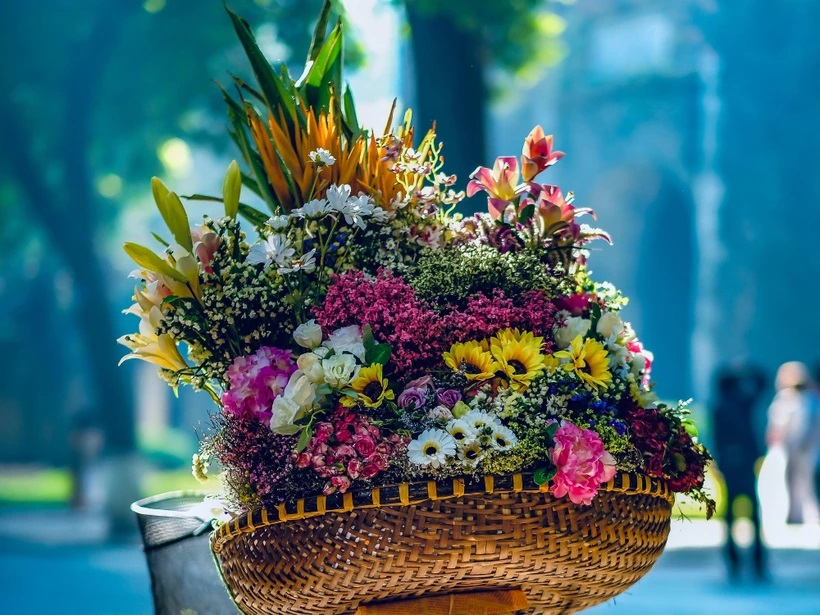
Las calles de Hanoi adornadas con hermosas flores. (Fuente: Vietnam+)

A lo largo del otoño, calles como Phan Dinh Phung, Quan Thanh y Quang Trung y las que rodean el Lago Oeste disfrutan del encanto etéreo de las flores de leche blanca.

Por lo general, a los visitantes se les invita a explorar el casco antiguo, donde descubren joyas escondidas en cada callejón. Es posible que se topen con encantadores cafés y restaurantes en las aceras que ofrecen la oportunidad de disfrutar de arroz verde tierno y dulces donuts de miel en el vigorizante aire otoñal.

Lugares recomendados: el lago de Hoan Kiem (Espada Restaurada), la torre de la bandera nacional en la calle de Dien Bien Phu, distrito de Ba Dinh, y el templo de la literatura (Van Mieu – Quoc Tu Giam), conocida “primera universidad de Vietnam”.
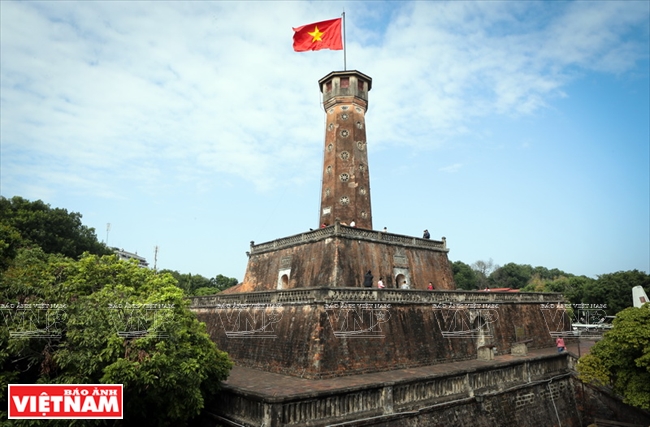
La torre de la Bandera de Vietnam en la capital, Hanoi. (Fuente: VNA)

Bahía de Lan Ha – una “joya” escondida en el corazón del patrimonio

Al este de la isla Cat Ba, frente a la ciudad de Hai Phong, la bahía de Lan Ha resulta conocida por su impresionante belleza natural y una exuberante vegetación que adorna la mayoría de sus islas. Con una superficie de hasta siete mil hectáreas, la bahía tiene hasta 400 pequeñas islas con formas únicas.

La belleza de la Bahía de Lan Ha. (Fuente: VNA)

Deviene una elección perfecta para aquellos que buscan un destino virgen con paisajes impresionantes y una atmósfera tranquila, y para los viajeros que han explorado previamente la bahía de Ha Long y buscan una experiencia fresca y cautivadora.

Vista de la Bahía de Lan Ha (Cat Ba, Hai Phong) desde arriba. (Fuente: VNA)

Sitios recomendados: considere a Lan Ha Floating Homestay (flotante casa de familia) en Cat Ba, que cuenta con vistas al mar, jardines, un bar y una playa privada. También, se encuentra convenientemente cerca de atracciones como la Isla de Moños y el puerto de Ben Beo.

Meseta rocosa de Dong Van

Gracias al otoño, en los meses de octubre y noviembre, la meseta de Dong Van, en la provincia montañosa norteña de Ha Giang, se convierte en un tapiz de flores de trigo sarraceno de color blanco y rosa violeta. Muchos viajeros optan por explorar Ha Giang en moto para sumergirse por completo en la belleza única de esta región a finales de año.

Las flores de trigo sarraceno cubren las montañas de Ha Giang en los últimos meses del año. (Fuente: VNA)

Los lugareños conceden gran importancia al trigo sarraceno y, generalmente, lo cultivan después de la cosecha de arroz de verano y otoño. Los viajeros que se embarquen en un viaje otoñal no sólo disfrutarán de los colores vibrantes de las flores, sino que también tendrán la oportunidad de probar vino y pasteles elaborados con semillas de trigo sarraceno.

Ubicada en el distrito Quan Ba, la meseta tiene una altura de mil a mil 600 metros sobre el nivel del mar con una superficie de dos mil 356 kilómetros cuadrados y se extiende por los distritos Quan Ba, Yen Minh, Meo Vac y Dong Van.

El 80 por ciento de esta zona está formada de piedra caliza que data de cientos de millones de años con huellas ligadas a la historia del desarrollo de la corteza terrestre.

Además de la reliquia nacional del reino Vuong y el asta de la bandera nacional Lung Cu, allí donde se pueden contemplar paisajes maravillosos ocultos en las nubes que rodean las montañas o escondidos tras los abetos chinos con follajes que se extienden hacia la luz del sol.

Junto con sus valores geológicos, este lugar es casa de numerosas etnias, tales como Mong, Dao, Tay, Nung, Lo Lo y Pu Peo llevando consigo un acervo cultural original.

El número de visitantes a Ha Giang aumentó drásticamente de sólo dos mil visitantes en 2010 a 2,2 millones en 2022 y se espera que la cifra supere los tres millones este año.

Estancia recomendada: Panhou Retreat en Hoang Su Phi es un complejo que ofrece bungalows ubicados junto a un lago y un jardín. Los visitantes pueden realizar recorridos de trekking con guías locales, participar en clases de cocina, tomar baños de hierbas y disfrutar de masajes relajantes.

Da Lat – ciudad de las flores

Por su clima fresco durante todo el año, Da Lat se considera un destino ideal para viajeros en cualquier época, pero en otoño se transforma en un paraíso de girasoles silvestres dorados. Tan pronto como llegue a la ciudad de Bao Loc, 121 kilómetros antes de Da Lat, la vista de los girasoles silvestres que adornan las brumosas colinas de pinos lo cautivará.

Conocida con los apodos de “París en miniatura”, “ciudad de las flores” o “tierra del amor”, Da Lat es un destino romántico elegido por muchas parejas. En particular, con un clima constantemente fresco y noches frías, Da Lat constituye un escape ideal para quienes buscan un respiro del calor de las llanuras.

Caminos de girasoles silvestres en Da Lat. (Fuente: Vietnam+)

Da Lat no solo se distingue por hermosas vistas de coloridas colinas de flores y una sensación de tranquilidad y paz en la ciudad de montaña, los visitantes también pueden experimentar muchas actividades deportivas al aire libre como kayak, tenis y golf.

Estancia recomendada: El Da Lat Edensee Lake Resort & Spa queda a sólo 10 kilómetros del centro de la ciudad y a 30 kilómetros del aeropuerto Lien Khuong. Con vistas al lago Tuyen Lam, ofrece un ambiente sereno en medio de un impresionante entorno natural.

Isla de Phu Quoc

La isla más grande de Vietnam, Phu Quoc, resulta famosa por sus prístinas playas de arena blanca, aguas cristalinas y antiguos pueblos de pescadores. La mejor época para visitar Phu Quoc es de octubre a noviembre, cuando está en su momento más hermoso.

Buceo para ver corales en la isla de Phu Quoc. (Fuente: VNA)

En Phu Quoc, los viajeros disponen de muchas opciones para elegir entre actividades como nadar, hacer kayak, bucear para explorar arrecifes de coral, recorrer en bicicleta paisajes pintorescos, conocer plantaciones de pimientos, visitar instalaciones tradicionales de producción de salsa de pescado y presenciar el cultivo de perlas.
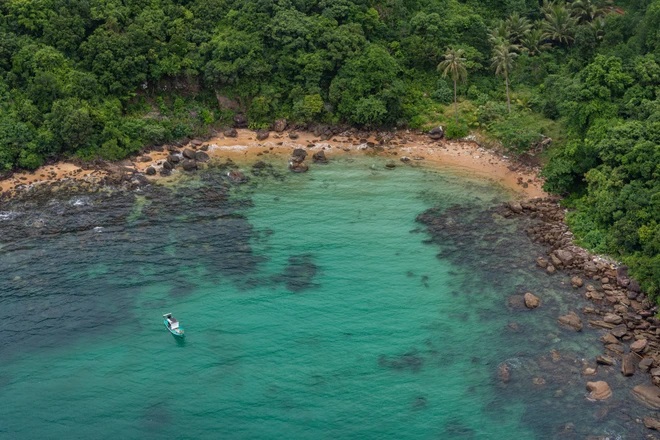
Una esquina en la isla de Phu Quoc. (Fuente: Vietnam+)

Al mismo tiempo, Phu Quoc posee una variedad de instalaciones de alojamiento para satisfacer todas las necesidades de los visitantes, desde tiendas de campaña locales tradicionales hasta los hoteles y complejos turísticos de lujo más importantes del mundo.

Los visitantes pueden descubrir en la isla de las perlas muchos destinos atractivos con una belleza natural única, como: las playas Rach Vem y Dai, el parque nacional de Phu Quoc, el pueblo pesquero de Ham Ninh y muchos islotes como Hon Thom, Hon Dam, Hon Mong Tay y Hon May Rut.

Vale la pena reconocer que la naturaleza de la parte sur de la isla tiene una belleza singular con arena blanca cremosa, agua azul cristalina que se puede ver hasta el fondo, y el grupo de islas Hon Thom posee el área de conservación de coral más grande de Phu Quoc de hasta nueve mil 720 hectáreas.

Estancia recomendada: El Ocean Bay Phu Quoc Resort & Spa es un resort de cinco estrellas frente al mar con una ubicación privilegiada. Está cerca de lugares de interés populares como la playa de Ong Lang y la pagoda Sung Hung./.
METICULOSIDAD DE LABOR DE EXTRACCIÓN DE SEDA EN ALDEA DE OFICIO DE VIETNAM

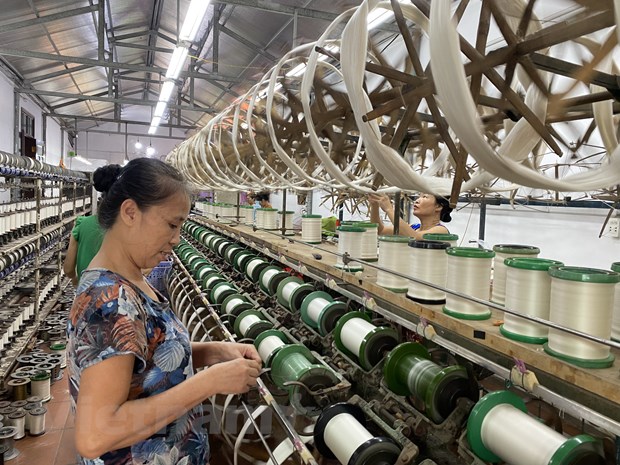
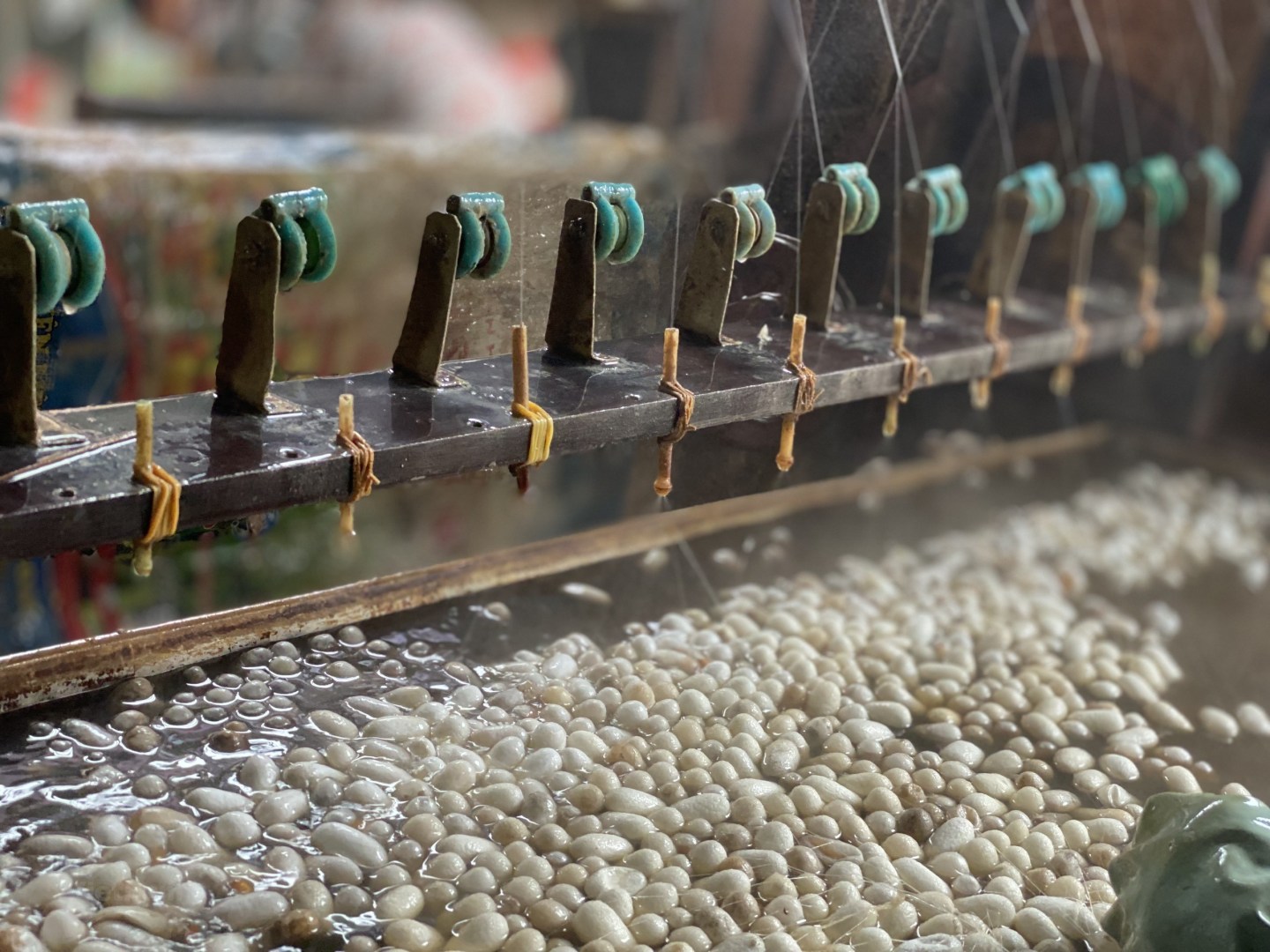
 Finos hilos de seda se tiran continuamente sobre los cuencos de seda, (Foto: Vietnam+)

La aldea de Co Chat, en la comuna de Phuong Dinh, distrito de Truc Ninh, provincia norvietnamita de Nam Dinh es conocida desde la dinastía Tran por su profesión de criadora de gusanos de seda, que proporciona materia prima a las aldeas tejedoras de Cu Tru y Nhu Nuong y sus alrededores.

Los agricultores de Co Chat trabajan diligentemente durante todo el año en los campos de moreras y en las labores de cría de gusanos de seda e hilado, produciendo rollos de seda brillantes con hilos finos como rayos de sol que son famosos en toda la región.

Las manos de los artesanos de las sedas están blancas por el constante movimiento de los capullos y la manipulación de los hilos de seda. (Foto: Vietnam+)

El oficio del pueblo alcanzó su auge desde que los colonialistas franceses llevaron a cabo la primera explotación colonial (en 1897). Co Chat en particular y Truc Ninh en aquel período se consideraron áreas del cinturón de suministro de materias primas de la Empresa deTejidos de algodón del Norte.

La seda de Co Chat era tan famosa en aquella época que los capitalistas franceses construyeron una fábrica de seda en el pueblo de Co Chat con el objetivo de explotar las habilidades laborales de los indígenas, así como el potencial de la región de las moreras.

Esa fue también la “edad de oro” de la seda Co Chat. Comerciantes de todas partes, a pie o en barcos, acudían en masa a Co Chat para comprar seda con el fin de venderla en el muelle de Do Che, una zona portuaria concurrida y bulliciosa de Nam Dinh antes de 1945.

La seda Co Chat también recibió el premio “Nueve Productos Tecnológicos”, otorgado por la Oficina del Gobernador de Bac Ky en 1942 en una feria en la Ciudadela de Thang Long, donde convergían las élites de las aldeas artesanales.

¿Por qué es tan famosa la seda Co Chat? Quizás sea porque la gente de la aldea de Co Chat tiene sus propias técnicas en el proceso de hilado que resultan diferentes a las de otros lugares.

Cada año, la gente de Co Chat comenzará la primera temporada de cultivo de seda en febrero y marzo, y la labor durará hasta el final del noveno mes lunar.

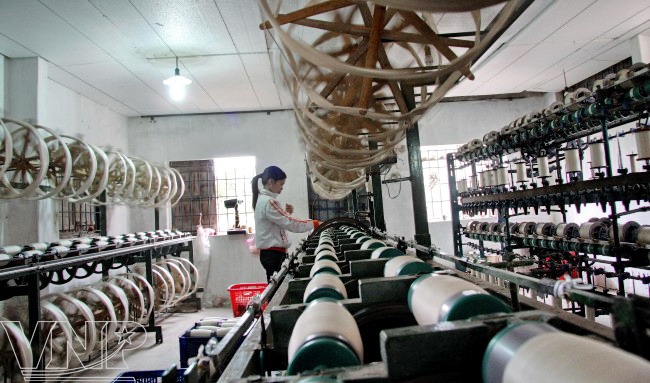
Aplicación de maquinaria moderna al proceso de hilado de la seda antes de tejer. (Foto:Vietnam+)

La principal fuente de suministro de capullos para la antigua aldea de Co Chat estaba en la aldea de Hop Hoa, ubicada en la orilla del dique del río Ninh Co, también en la comuna de Phuong Dinh.

Sin embargo, el área de cultivo de moreras de la aldea se ha reducido significativamente hoy día; además, criar gusanos de seda resulta muchas veces más difícil que otros tipos de gusanos (cuyas pupas se sirven como alimentos), por lo que la mayoría de los hogares de la aldea de Hop Hoa han cambiado a la cría de gusanos cuyas pupas sirven de alimentos y han dejado de proporcionar capullos de gusanos de seda a la aldea de Co Chat.

Por esa razón, la aldea de Co Chat tienen que comprar capullos de gusanos de seda de otras localidades como Yen Bai, Thanh Hoa, Thai Binh, Ha Nam y Gia Lam (de Hanoi) para hilar los mismos.

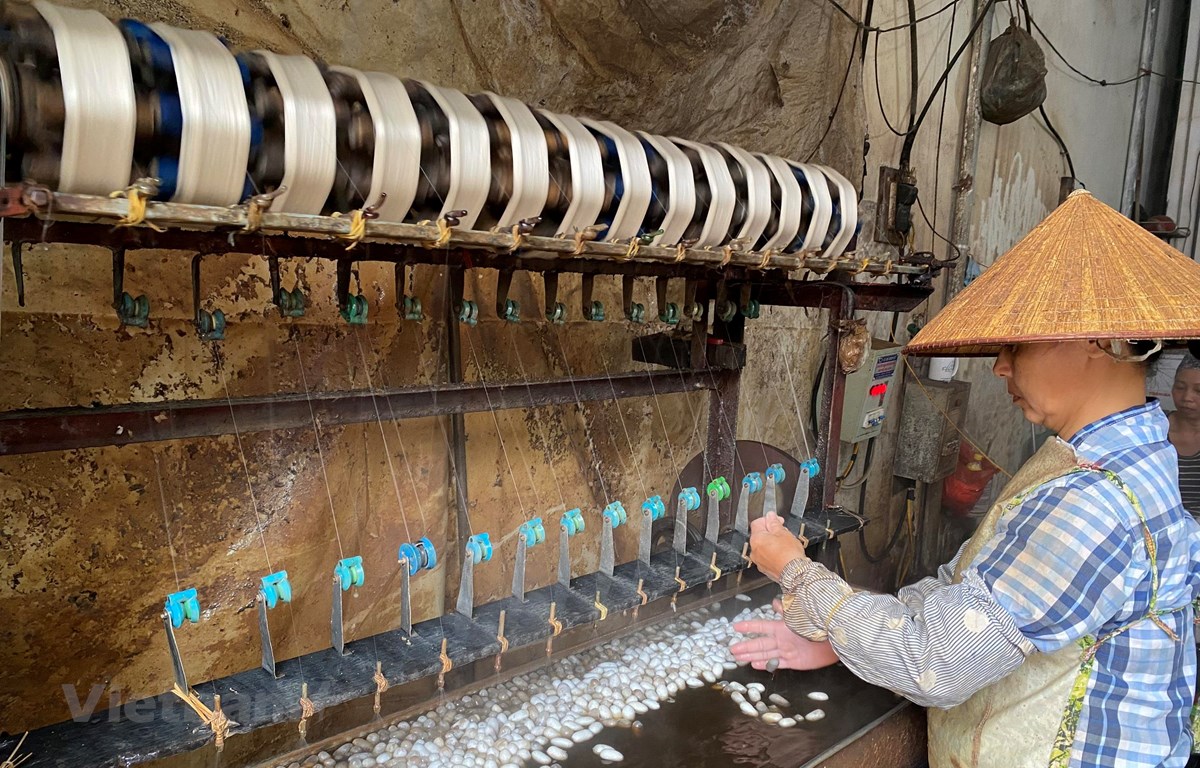
El hilandero de seda debe remover el capullo con meticulosidad, de lo contrario el hilo de seda será demasiado grueso o demasiado fino. Si trabaja a plena capacidad, un trabajador puede hilar 20 rollos de seda al día. (Foto: Vietnam+)

Hay dos tipos de capullos de gusanos de seda: si comen hojas de yuca, producirán capullos blancos, si comen hojas de morera, producirán capullos amarillos.

Para llevar a cabo el proceso de extracción de la seda, los trabajadores de Co Chat deben ser extremadamente hábiles, meticulosos y pacientes. Primero, debes clasificar los capullos de gusano de seda según su calidad, luego poner los capullos en una olla con agua hirviendo y remover continuamente hasta que la capa del capullo se desprenda del exterior.

El bobinado de seda requiere que los trabajadores estén muy concentrados y trabajen decenas de horas al día en condiciones de calor y humedad.

En una olla con agua hirviendo, “danzan” capullos de gusanos de seda; los hilos de seda se deslizan lentamente por el pequeño agujero y se enrollan en la rueca. (Foto: Vietnam+)

Según los artesanos, los hilos se secan al sol antes del hilado para obtener seda terminada. Cuanto más soleado sea el clima, más hermosa será la seda. A la luz solar intensa, solo es necesario secarla durante dos días, pero cuando el clima está nublado, la seda debe secarse durante una semana entera, lo cual afecta el brillo del producto.

Bajo el sol, los rollos de seda brillan ligeramente. (Foto: Vietnam+)

Muchos hogares en la aldea de Co Chat han utilizado lámparas de calor para secar la seda, lo que acorta el proceso y garantiza la calidad del hilo.

Según la familia de Pham Van Giang, una de las en la aldea que se especializan en la extracción de seda, el uso de máquina combinada con una secadora eléctrica ayuda a su hogar a producir entre cinco y seis kilógramos de seda al día.

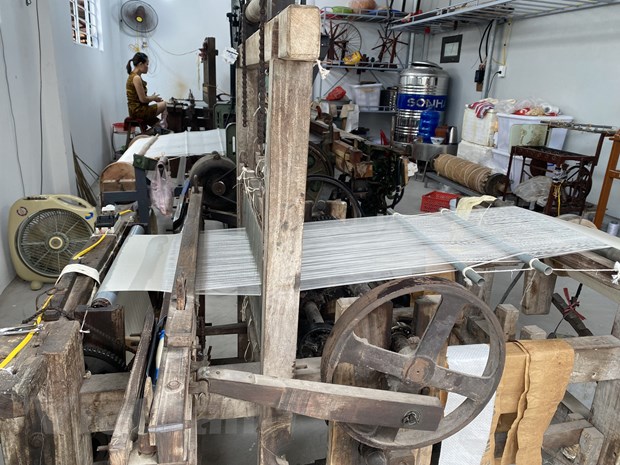
Telar de seda tradicional de la gente del pueblo de Co Chat. (Foto: Vietnam+)

La seda producida por la familia de Van Giang se vende a establecimientos de tejido de seda y se exporta a varios países como Laos, Tailandia y China.  El precio de venta por kilogramo de seda es de aproximadamente 1,3-1,5 millones de dongs vietnamitas (alrededor de 65,2 dólares). Cada trabajador obtiene un ingreso de 10,8 dólares al día.

Según Van Giang, después de excluir los costos de las materias primas, la mano de obra y el transporte, la ganancia sigue siendo modesta, incluso, por no hablar de la dependencia del tipo de cambio en los mercados receptores.

Como muchas aldeas, el oficio de producción de seda del pueblo de Co Chat tampoco puede escapar del riesgo de “degradarse”. De acuerdo con Van Giang, sus hijos y la mayoría de los jóvenes de la aldea no quieren seguir la profesión de sus padres porque el trabajo de producción manual es duro y los ingresos son aún limitados.

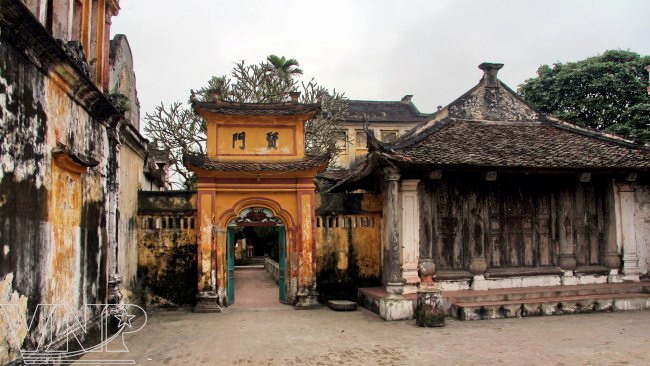
Co Chat es un antiguo pueblo de la antigua ciudadela Thanh Nam. (Foto: Vietnam+)

En el pasado, todas las familias de la aldea trabajaban en la industria de la seda, pero ahora sólo quedan 30 hogares que todavía mantienen la profesión de sus antepasados.

Para contribuir a preservar y desarrollar el oficio tradicional de la aldea, algunas familias han invertido de manera proactiva en maquinaria y tecnología moderna, para mejorar la eficiencia de las etapas de hilado y tejido de la seda, lo cual ha resultado en una mayor productividad e ingresos.

Gracias a las antiguas técnicas, los productos de seda modernos de Co Chat, ya sean producidos a mano o a máquina, son de alta calidad, con fibras de seda finas, duraderas, suaves y llamativas.

La técnica manual de devanado de seda de los artesanos de la aldea de Co Chat es poco común en cualquier otra región. El más popular es el capullo blanco porque produce seda de alta calidad y valor. (Foto: Vietnam+)
 

En 2021, se estableció la Cooperativa de Seda Co Chat, que reúne a artesanos calificados de 11 hogares que aún conservan las técnicas tradicionales.

Estos artesanos entusiastas han investigado el mercado y aplicado tecnología moderna combinada con técnicas tradicionales para proveer al mercado productos de alta calidad, al tiempo que proporcionan materias primas calificadas para diversas marcas de moda nacionales e internacionales.

Los productos tradicionales de tela de seda hechos a mano de la marca Chat Silk de la Cooperativa cumplen con los estándares “Cada comuna, un producto” (OCOP) de cuatro estrellas, por lo que los productos de la aldea son conocidos cada vez por más consumidores.

La seda Co Chat, ya sea hecha a mano o a máquina, es muy bonita y de alta calidad. (Foto: Vietnam+)

Tal resultado constituye un logro significativo porque ayuda a las personas de Co Chat a tener más motivación para continuar preservando y desarrollando el orgulloso oficio tradicional.

Los residentes en la aldea de Co Chat esperan que las autoridades locales de todos los niveles presten más atención y adopten soluciones de apoyo prácticas y específicas, como la creación de condiciones para el acceso a la asistencia crediticia de los bancos para la producción y los negocios; apoyo a la inversión en mejora tecnológica; y la cooperación para encontrar una producción estable para los artículos artesanales de la aldea./.
TRONG QUAN DUC BAC FOLK SINGING TOUCHES THE SOUL

During holidays and Tet, the trong quan club in Giang Thuong village, Duc Bac commune, Song Lo district stages performances along the banks of Lo River (Photo: VNA)

Trong Quan Duc Bac, a distinctive form of folk singing between male and female groups, is considered a cultural “specialty” with great artistic value of residents in Duc Bac commune, Song Lo district, the northern province of Vinh Phuc, after centuries of practice.

History of enchanting melody

According to the elderly, the Trong Quan folk singing has existed for a long time, but no one remembers exactly when it began.

A long time ago, people settled down on the bank of the Lo River, forming a small village called Trai Lep. It was later renamed Ke Lep, and the entire village made a living along the Lo river.

Men and women perform Trong quan Duc Bac. Foto VNA

One time when the floodwaters of the Lo river raged fiercely, a portion of land was separated from Ke Lep and merged with the Phu Ninh village, now Thep hamlet, Phu Ninh commune, Phu Tho district in the northern province of Phu Tho. 

A legend tells of a mother giving birth to a baby girl while dreaming. When growing up, the girl followed Ba Trung to fight against foreign invaders, and she called herself Nuong princess). Following the victory over the enemy, she passed away on the land of Ke Lep by the Lo river. The people of Ke Lep went to Phu Ninh and asked for permission to build a temple dedicated to her.

Members of Bui Xa drumming club adjust costumes for each other before the performance (Photo: VNA)
Drum for performances in Bui Xa commune, Thuan Thanh district, Bac Ninh province (Photo: VNA)

Since then, the two riverside villages, Phu Ninh and Duc Bac, have had a close relationship. Every year, people in Duc Bac village welcome Phu Ninh villagers for a ceremony to worship the princess and pray for happiness and peace. The Trong Quan melody originated from this tradition. The intriguing aspect of this singing form lies in the close combination of lyrics and rhythm, with the young men moving to the rhythm around young women.

Later on, the festival was renamed “Le hoi Khai xuan cau dinh” (also known as Trong Quan Duc Bac festival). It usually takes place for three days at the beginning of the Lunar New Year (Tet). According to tradition, on the first day of Tet, the young men of Duc Bac, dressed in white pants and shirts with red belts, and red scarves on their heads, along with drums on their shoulders, gather at the village’s wharf to welcome the young women from Phu Ninh. Along the riverbank, they walk shoulder to shoulder, singing while strolling together. The maidens wear a small drum on their chests while the young men simultaneously sing and strike the drum faces with drumsticks. Each pair of male and female participants stand facing each other, with the female taking a step back while the male advances forward. They continue this singing and walking rhythm until they reach the entrance of the village temple.

The charming melody of the singing style conveys love with intense vitality, featuring three characteristic tunes: don dao (welcoming the maiden), mo ca (singing for fish), and dum (singing for rowing). Each song either by men or women always ends with the phrase “kia hoi i a trong quan”, akin to an affirmation of roots, establishing a sequential and unbroken connection between the two sides. This is a singing segment that carries a sense of openness and exchange, serving as an introductory phase. The repetition of the phrase gives the melody in Trong Quan Duc Bac a rustic, folksy, humorous and emotionally rich quality.

TRONG QUAN DUC BAC FOLK SINGING TOUCHES THE SOUL. Foto VNA

In addition to the popular songs, young men and women, while performing, also creatively compose lyrics for responses and competitions. Moreover, Trong Quan Duc Bac is a means for the older generation in the village, during festivals or weddings, to educate their descendants on moral values, love for the homeland, and to express wishes for good fortune. Through the musical melodies, they convey prayers to the spirits, seeking blessings for their families, villages, peace, bumper harvest, prosperous livelihoods and happy lives.

The melody is accompanied by the sound of drums, which are made with a leather surface and a wooden tang with a pink silk strap. The exchange between the two sides unfolds continuously, spanning from the village’s wharf to the village gate, and then proceeding to the entrance of the temple in the village, bringing the event to a fulfilling conclusion.

In the continuity of those love songs, one can still recognise the tight structure of the songs. It involves distinct content for each singing segment. This means the gatherings are conducted through cleverly crafted lyrical dialogues, expressing the affection between men and women.

It could be said that Trong Quan Duc Bac is intricately woven into the lives of the local people as a resilient spiritual aspect of traditional culture. The singing style has born witness to the ups and downs throughout the history of the nation.

Artists from the Vinh Phuc provincial cultural centre are teaching Trong quan Duc Bac singing to students in Duc Bac commune (Photo: VNA)

In the early years of the 20th century, the village festival along with the Trong Quan melody was an indispensable traditional beauty of Duc Bac people at the beginning of each year. During the war, the melody accompanied the people of Duc Bac to various regions, inspiring soldiers to fight against the enemy.

However, when the temple at Duc Bac was burnt down in a battle in 1947, the festival temporarily fell into oblivion. 

It was not until 2002, when researchers of the Vietnam Conservatory of Music came to Duc Bac to study the revival of the Trong Quan festival that the folk songs were heard again. The authority of Vinh Phuc has paid great attention to the preservation of the local tangible and intangible heritage in the province. 

Preserving, upholding heritage values

In 2019, Trong Quan Duc Bac was named as a National Intangible Cultural Heritage by the Ministry of Culture, Sports and Tourism.

In 2019, Trong quan Duc Bac was recognised by the Ministry of Culture, Sports and Tourism as a national intangible cultural heritage (Photo: VNA)

To preserve and uphold the values of the Intangible Cultural Heritage and folk songs in the province, the Vinh Phuc provincial People’s Council issued a resolution on support for artisans in the field of intangible cultural heritage and the activities of outstanding folk singing clubs during the 2021-2025 period.

In addition, Trong Quan Duc Bac clubs in the province cooperate with several schools in Song Lo district to hold performances, introducing the history, performance periods, and unique features of the singing form. The clubs contribute to popularising and preserving the values of the National Intangible Cultural Heritage.

Elementary pupils in Vinh Phuc practise Trong Quan Duc Bac singing (Photo: VNA)

Duc Bac commune has opened classes to teach Trong Quan Duc Bac singing at local elementary and secondary schools.

The direct teaching of Trong Quan Duc Bac aims to pass down the intangible cultural heritage of the locality to the younger generation, educating them about the tradition of the homeland and instilling a sense of national pride.

TRONG QUAN DUC BAC FOLK SINGING TOUCHES THE SOUL. Foto VNA

The Trong Quan melodies selected for the school curriculum are easy to remember, easy to learn, and cheerful, suitable for the psychological characteristics of elementary school students.

Students from elementary and high schools in Duc Bac commune learn the traditional folk songs through extracurricular classes, experiential activities, or in music lessons as part of the local curricula.

Through the singing, traditional culture has passed down from generation to generation.

To preserve and promote the genre of music in the modern time, synchronous measures are needed, with attention paid to honouring artisans and encouraging the community to protect and carry forward the heritage’s value.

Notably, to turn the folk art into a unique tourism product for Vinh Phuc, it is necessary to organize performances at cultural-historic sites and popular tourist attractions, and included Trong Quan shows in programmes of community-based tours./.

A corner of Vinh Phuc province. Foto VNA

VIETNAM PRESERVES, PROMOTES VALUES OF MOTHER GODDESSES WORSHIP

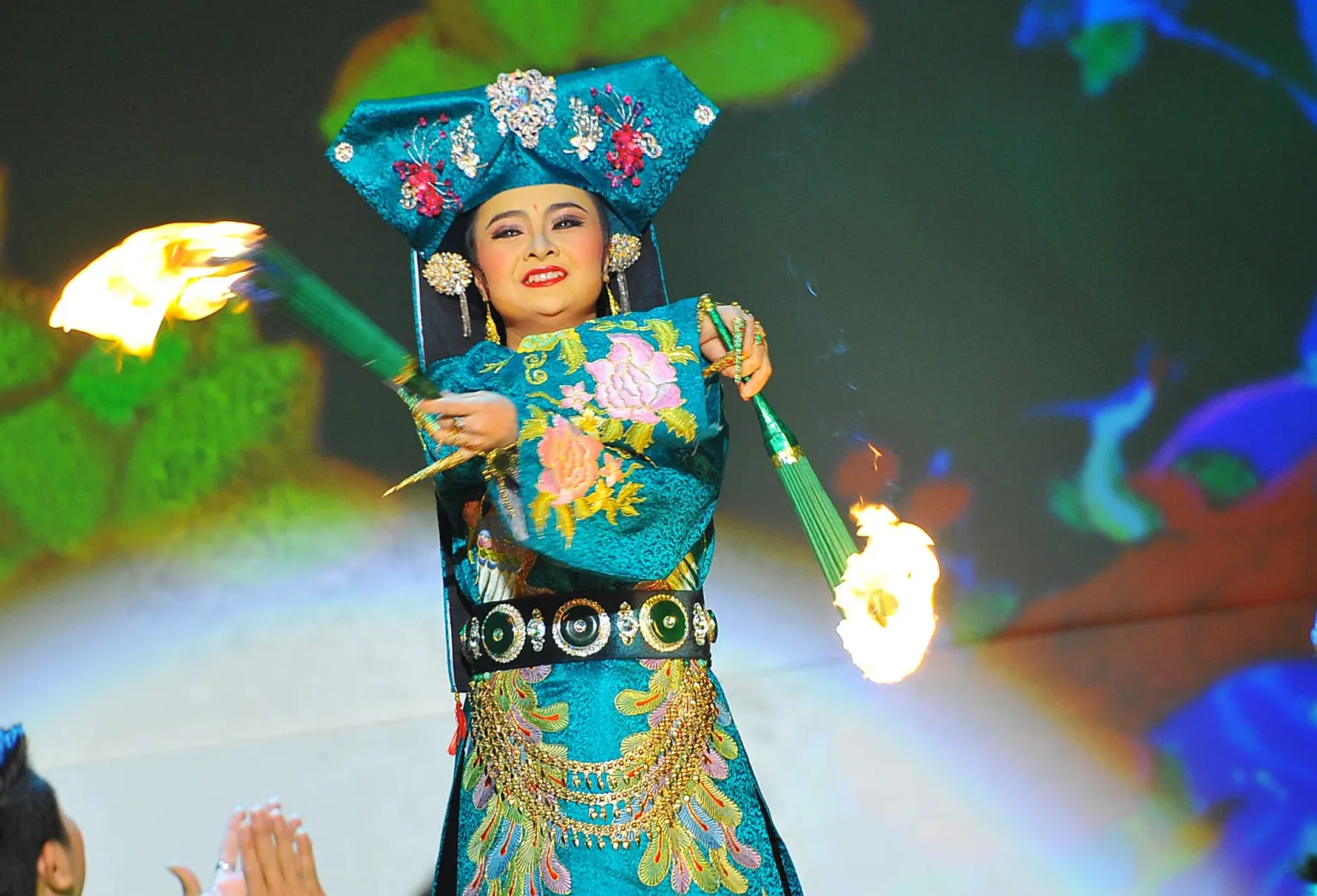
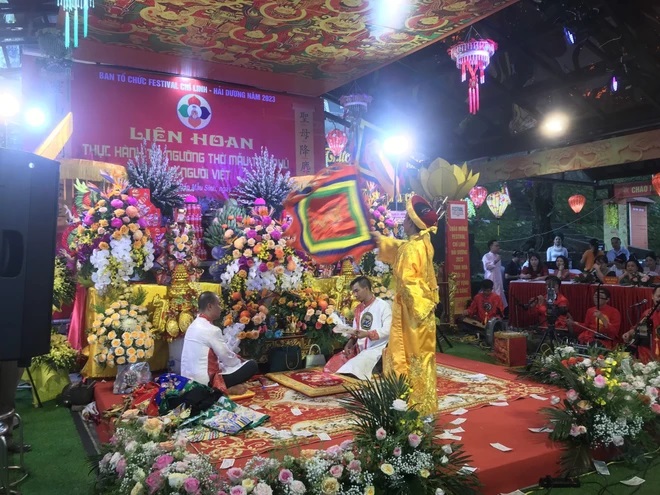
An artist performs “Tu phu” ( Four Realms) play directed by Viet Tu. The play is inspired by the trance rituals in the Mother Goddesses worship. (Photo: VNA)

The belief in the Mother Goddesses in the Three Realms is a form of worshiping the Mother incarnating in the sky, rivers, forests, and mountains, which is formed on the foundation of the worshiping of Goddesses. 

People worship Mother Goddess Lieu Hanh along with the Goddesses who govern the sky, the forests, the rivers, and historical or legendary figures who contributed to the country and the people. According to bibliographies and legends, she was a fairy who came to earth, became a human, then a Buddhist nun, and was honored as “Mother of the World,” one of the four immortal saints of the Vietnamese people.

Since the 16th century, this belief has grown through cultural and religious activities and has a profound influence on the social and spiritual life of Vietnamese people.

The worship of Mother Goddesses of the Three Realms was practiced in the north-western, north-eastern, northern, and north-central regions and Ho Chi Minh City. It has spread to many localities around the country. Nam Dinh province is one of the localities having many typical centres of worshiping Mother Goddess Lieu Hanh, including places that preserve the legend of her descendants, such as Phu Day, Phu Nap, and nearly 400 other temples.

Nam Dinh province is one of the localities having many typical centres of worshiping Mother Goddess Lieu Hanh. (Photo: VNA)

Practitioners of the worshipping tradition include temple guardians, ritual priests, spirit mediums, mediums’ assistants, musicians who perform music and songs for the spirits, disciples, and lay adherents who share the same beliefs in the spiritual power, supernatural strength, and protection of the pantheon of Mother Goddesses. 

The guardians take care of the temples, offer daily incense and flowers to spirits, instruct worshippers and pilgrims in ritual acts and play an active role in organising spirit possession rituals and festivals. Many guardians inherit their position from their families.

Priests perform ceremonies, which involve conveying the wishes of the devotees and communities to the Mother Goddesses and spirits through prayer and petition sheets. The ritual expertise of male priests is usually passed down to sons or disciples.

Male and female spirit mediums are initiated before performing the spirit possession rituals at the temples. Each spirit possession ritual consists of 5-36 spirit incarnations, and each spirit has its costume, dance, songs, and offerings.

“Van” singing performance in a meeting on reviewing Mother Goddess Worship held in Hanoi in 2014. (Photo: VNA)

The basic practices of the Vietnamese belief in the Mother Goddesses of Three Realms are the trance rituals and festivals. The Day Shines (Phu Day) festival takes place from lunar March 3-10 in Kim Thai commune, Vu Ban district, Nam Dinh province on the death anniversary of Mother Goddess Lieu Hanh with rituals, folk performances, word formation, and the palanquin procession of Mother Goddess Lieu Hanh.

Through folk cultural elements such as costumes, music, “van” singing, dancing, and folk performances in trance performances and festivals, Vietnamese people express their concepts of history, cultural heritage, gender roles, and ethnic identity. The significance of the belief in the Mother Goddesses of Three Realms lies in that it meets the daily needs and aspirations of people such as good health, peace, and prosperous business.

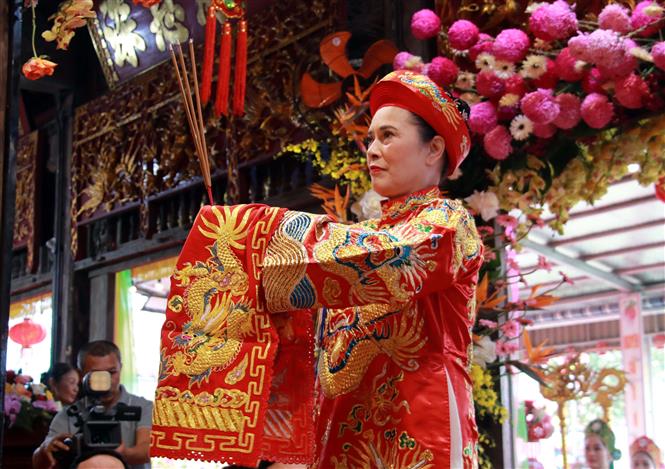
In 2016, the “Practices Related to the Viet Beliefs in the Mother Goddesses in Three Realms” is officially recognised by UNESCO as an Intangible Cultural Heritage of Humanity. (Photo: VNA)

Practices related to the belief in the Mother Goddesses demonstrates the patriotic tradition and gratefulness to people who made a great contribution to the nation and people. This is specifically evidenced by the system of worshipped gods and goddesses, which includes about 70 gods/goddesses, many of whom are historical figures and deified such as Tran Hung Dao and Pham Ngu Lao or Nguyen Xi.

Ancient Tay dance performed as part of Mother Goddesses worshipping rituals at Dong Cuong temple, Yen Bai province. (Photo: VNA)

With the openness of the belief, everyone can participate, regardless of political orientation, religion, age, gender, or profession. Vietnamese worship the Mother Goddesses and local saints, and respect and accept the gods and cultural elements of some ethnic groups including Muong, Tay, Nung, or Dao.
The national costumes and melodies in “van” singing carry the nuances of the folk culture of ethnic groups in the northern mountainous region. The gods/goddesses of ethnic minority origin demonstrate cultural exchange, equal relationships, and close bonds between ethnic groups in Vietnam.

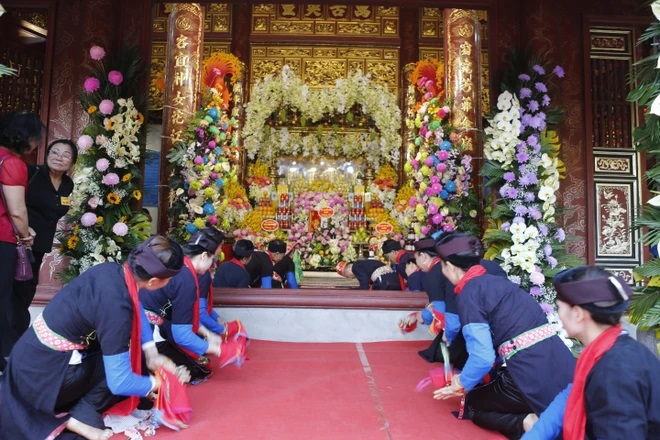
The main and central ritual of the “Practices Related to the Viet Beliefs in the Mother Goddesses in Three Realms” is the trance ritual known as a form of folk performance, expressing faith in the descending of gods in the temples. (Photo: VNA)

The trance ritual is a distinctive performance that beautifully combines spiritual beliefs with the rich folk culture of the Vietnamese people. Within the ritual, practitioners often take on the roles of historical figures, such as revered military generals or esteemed founding fathers. Through song and dance, they skillfully narrate historical stories and express the wishes and aspirations of the people.

People practice and participate in trance performances and festive activities to pray for health, luck, and happiness which are everyone’s aspirations in daily life, and guide people to compassion and kindness as the foundation of principles of people-to-people behaviour. Worshiping the Mother Goddess – a symbol of the most sacred mother contributes to promoting the value and role of women in family life and Vietnamese society. Besides, the festivals, trance performance, and “van” singing with folk cultural elements such as costumes, music, and dance are carried out in an artistic manner in association with the belief in worshiping the Mother Goddess in the Three Realms. That is also a method to preserve the history, heritage, and cultural identity of the Vietnamese people.

The main and central ritual of the “Practices Related to the Viet Beliefs in the Mother Goddesses in Three Realms” is the trance ritual known as a form of folk performance, expressing faith in the descending of gods in the temples.

Spiritual medium La Thi Tam performs at a festival on practices related to the belief in the Mother Goddess of the Three Realms in Hai Duong. (Photo: VNA)

At the conference marking the 20th anniversary of UNESCO’s Convention for the Safeguarding of the Intangible Cultural Heritage on November 29, Prof. Dr. Le Thi Thu Hien, Director of the Department of Cultural Heritage (Ministry of Culture, Sports and Tourism) said that after the “Practices Related to the Viet Beliefs in the Mother Goddesses in Three Realms” was recognised as Intangible Cultural Heritage of Humanity, provinces and cities developed action programme to preserve and promote values of the heritage.

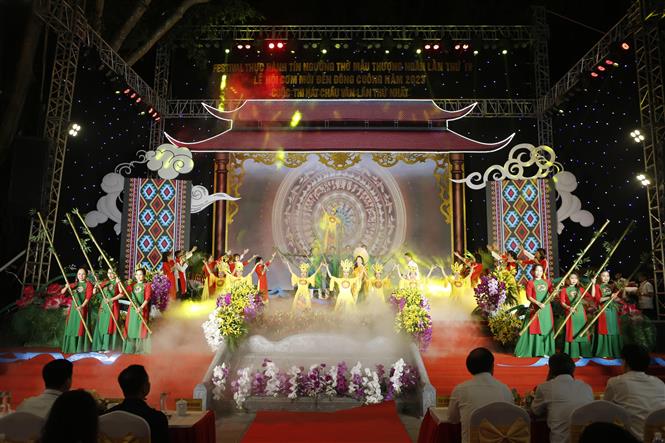
Most recently, on October 23, the fourth festival featuring Mau Thuong Ngan (Mother Goddess of Forest) worship and new rice festival opened at the national historical relic of Dong Cuong Temple in Van Yen district, Yen Bai province.

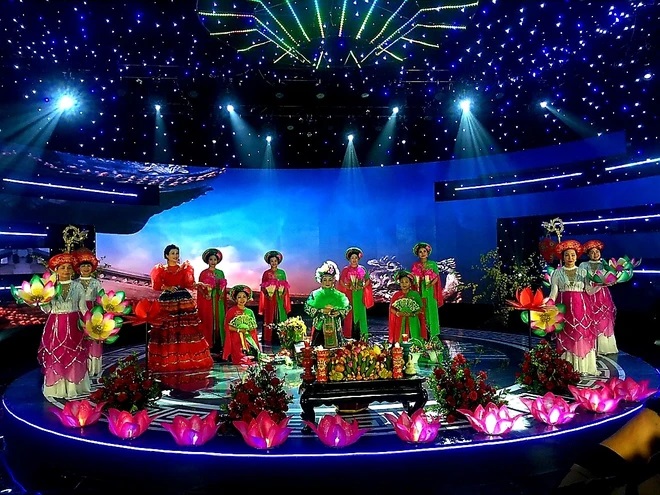
The fourth festival featuring Mau Thuong Ngan (Mother Goddess of Forest) worship and new rice festival open at the national historical relic of Dong Cuong Temple in Van Yen district, Yen Bai province. (Photo: VNA)

At the festival, visitors and people had a chance to see performance of more than 100 artisans and mediums from over 20 provinces and cities nationwide from October 17-25, and enjoy performance in a “van” singing contest.

To implement the commitments that Vietnam made to preserve the heritage, it is necessary to perfect the legal framework for managing the practices related to the Viet Beliefs in the Mother Goddesses in Three Realms, and setting up limitations in using and exploiting the heritage.

“Practices Related to the Viet Beliefs in the Mother Goddesses in Three Realms” is Vietnam’s 10th UNESCO-recognised Intangible Cultural Heritage of Humanity. (Photo: VNA)

The work of directing, inspecting, and supervising heritage practices needs to be strengthened.

Training and capacity building on heritage management, especially that of sacred and customary heritage, are needed for employees at cultural agencies at all levels.

It’s also necessary to honour, reward, and encourage artisans and heritage practitioners. Communication activities need to be promoted to help people properly understand the core values of the heritage.

“Practices Related to the Viet Beliefs in the Mother Goddesses in Three Realms” is Vietnam’s 10th UNESCO-recognised Intangible Cultural Heritage of Humanity. (Photo: VNA)

Vietnam possesses 15 intangible cultural heritage elements recognised by UNESCO including Nha Nhac – Vietnamese court music, Space of gong culture, Quan ho Bac Ninh folk songs, Ca Tru singing, Giong festival of Phu Dong and Soc temples, Xoan singing of Phu Tho province, Worship of Hung Kings in Phu Tho, Art of Don ca tai tu music and song in southern Vietnam, Vi and Giam folk songs of Nghe Tinh, Tugging rituals and games, Practices related to Vietnamese beliefs in the Mother Goddesses of Three Realms, the art of Bai Choi in central Vietnam,  Then singing practice of Tay, Nung, Thai ethnic people, The art of Xoe Thai dance, and The art of pottery making by Cham ethnic people./.

THAY THIM – UNIQUE CULTURE, TOURISM FESTIVAL IN BINH THUAN PROVINCE

At the “Nghinh Than” (Gods welcoming) ceremony of the Thay Thim Temple Festival. Photo: VNA

The Thay Thim Temple Festival is among the five outstanding culture festivals selected by the south-central province of Binh Thuan to spur local tourism.

A “Nghinh Than” (Gods welcoming) ceremony was held at the Thay Thim Temple Relic Site in Tan Tien commune, La Gi town on October 28, opening up the 2023 Thay Thim Culture-Tourism Festival.  

National intangible cultural heritage

Last year, the Ministry of Culture, Sports and Tourism included the Thay Thim Temple Festival on the list of national intangible cultural heritages. This is a milestone that will help boost local tourism and socioeconomic development, raise public awareness of cultural preservation, and diversify Vietnam’s cultural heritage.

Last year, the Ministry of Culture, Sports and Tourism includes the Thay Thim Temple Festival on the list of national intangible cultural heritages. Photo: VNA

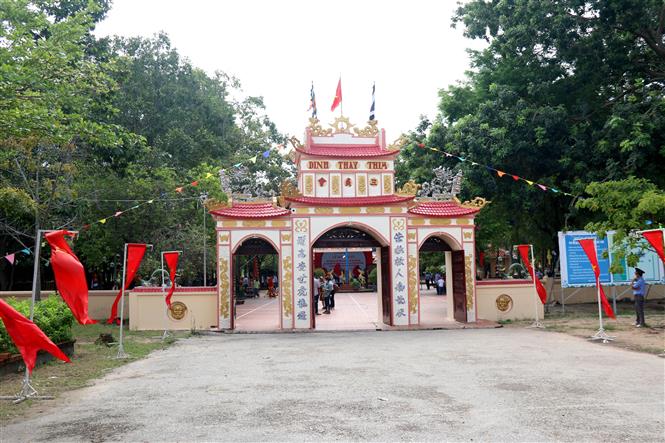
Located about 12 kilometres to the northwest of La Gi town centre, the Thay Thim Temple was recognised by the Ministry of Culture and Information (now the Ministry of Culture, Sports and Tourism) as a national historical and cultural relic site on September 27, 1997.

The festival, held in the town’s Tan Tien commune, is closely linked with local culture and traditional customs and has been upheld for more than 130 years.

The festival is a cultural and historical event that commemorates the merit and virtue of Thay Thim. Photo: VNA

“Thay Thim” (literally translated as Uncle and Aunt) is the way locals respectfully refer to a hermit and his wife, who were talented and kind-hearted people.

The legend of Thay (Chi Duc tien sinh [Mr Chi Duc]) and Thim (Chi Duc nuong nuong Ton Than [Mrs Chi Duc]) is deeply imbued with educational values that promote humanity, morality, and a noble personality. It has been passed down from generation to generation. For residents, the couple symbolizes kindness and compassion.

To pay tribute to Thay Thim, locals built a temple dedicated to them in the Bau Cai Forest, where they passed away, and chose the 15th day of the 9th lunar month to hold their commemoration.

The festival is held on two occasions each year – “Tao Mo” (Tomb Sweeping) on the fifth day of the first lunar month, and “Te Thu” (Rites held in Autumn) which takes place from the 14th to the 16th day of the 9th lunar month annually.

The festival is closely linked with local culture and traditional customs. Photo: VNA

It is a cultural and historical event that commemorates the merit and virtue of Thay Thim, who undertook noble deeds such as helping with shipbuilding, giving medications to ill persons, and taming wild animals, winning the hearts of locals.

The event features many traditional rituals, including “Nghinh Than” (Gods Welcoming) which invites Thay Thim’s spirits from their tombs about 7km away to come to the temple. Other rituals include “Thinh sac”, “Tinh sanh”, “Tuc yet”, and “Tien hien hau hien”.

Apart from solemn rituals, there are also many folk art performances like “Cheo”, “Tuong”, “Ho”, and “Ve” singing, along with folk games.

The legend of Thay Thim is also retold through a play, while the sites associated with this legend are introduced in different forms at the festival.

Thay Thim Temple in Tan Tien commune, La Gi township, Binh Thuan province. Photo: VNA

From a small event, the Thay Thim Temple Festival has become a major occurrence across the entire region, attracting participants from far and wide.

A ritual at the festival. Photo: VNA

It has long been viewed not only as a unique traditional festival of the community but also as a common cultural heritage of many neighbouring localities in the southern region.

The festival space also helps to strengthen solidarity among the community. Photo: VNA

It is a lively environment that preserves and promotes traditional culture, shows national cultural traits, and contributes to the diverse cultural heritage of Vietnam.

The festival space also helps to strengthen solidarity among the community, raises awareness of national roots, morality, personality, and the spirit of harmony.

2023 Thay Thim Temple Festival

This year’s Thay Thim Temple Festival took place from October 28-30 in a typical cultural space with many unique activities. Apart from rituals and folk games, the festival also featured cultural exchanges, art performances, and an exhibition on the legend of Thay Thim.

The festival, which was held in response to the 2023 National Tourism Year, attracted crowds of visitors both in and outside the province. Themed “Binh Thuan – Green convergence”, the National Tourism Year features  more than 200 events, including an international culinary festival, a rowing and canoeing competition, the national golf tournament, and the Binh Thuan golden tourism week.

Organisers noted that competent forces were deployed to ensure security and safety for the Thay Thim Temple Festival.

According to the provincial Department of Culture, Sports and Tourism, the Thay Thim Temple Festival has become an attractive tourist draw. People come here not only on the occasion of the festival but also all year round. In recent years, the number of visitors to the temple has been on the rise, to about 600,000 each year.

Statistics showed that Binh Thuan welcomed 4.46 million tourist arrivals in the first six months of this year, up 86% year-on-year, according to Deputy Director of the provincial Department of Culture, Sports and Tourism Nguyen Lan Ngoc. Of the total, the number of foreign visitors was 133,000, a five-fold increase compared to that of the same period last year. Revenue from tourism activities reached 11.34 trillion VND (480.4 million USD), up 2.5 times.

The Thay Thim Temple Festival has become an attractive tourist draw. Photo: VNA

The host of the Visit Vietnam Year 2023 is making efforts to fulfil its targets of serving 6.7 million tourists, including 220,000 foreigners, and earning 15.9 trillion VND from tourism services this year.

To that end, Vice Chairman of the provincial People’s Committee Nguyen Minh requested the Department of Culture, Sports and Tourism to speed up promotion activities in various forms and on different channels to develop new tourism markets.

He asked the People’s Committees of districts and cities to step up the dissemination of information about the province’s tourism environment, and intensify management to ensure security and order and environmental sanitation.

Attention should be paid to attracting strategic and competent investors to create new and attractive products.

The recognition of the festival as national intangible cultural heritage is a milestone that will help boost local tourism and socioeconomic development. Photo: VNA

Binh Thuan is implementing a project on ensuring security and safety in tourism activities, with the aim of making the south-central province a safe, friendly and quality destination.

Accordingly, Binh Thuan is striving to improve the efficiency of state management of safeguarding national security, safety, and order in tourism development during the Visit Vietnam Year 2023 themed “Binh Thuan – Green Convergence”.

With 192km of coastline, Binh Thuan province is home to islands, islets, coves, bays, and white sand beaches with clear blue water, which form famous tourist attractions. Currently, it has nearly 900 accommodation establishments with over 17,000 rooms, including 45 hotels and resorts from three to five stars with nearly 5,000 rooms. The province has 13 travel agencies, including eight international travel agencies.

Thousands of visitors flock to the festival. Photo: VNA

Before the COVID-19 pandemic, in 2019, Binh Thuan welcomed over 6.4 million visitors who spent 15.2 trillion VND (646.8 million USD). The province’s tourism contribution to the GRDP accounted for 10-12%.

In 2022, the province welcomed over 5 million visitors with a revenue of 12.8 trillion VND. It aims to attract about 6.5 million visitors, including more than 200,000 foreigners, this year.

According to a report by the provincial Department of Culture, Sports and Tourism, Binh Thuan welcomed some 4.5 million tourists in the first half of this year, up 86% year-on-year. Of the total, there were more than 135,000 foreigners, a 4.4-fold increase compared to that of the same period last year. Revenue from tourism was estimated at 11.3 trillion VND, a 1.5-fold rise against the same period last year./.

ACCORD DE LIBRE-éCHANGE VIETNAM-ISRAËL – POSSIBILITÉ D’ÉLARGIR LE MARCHÉ POUR LES PRODUITS VIETNAMIENS

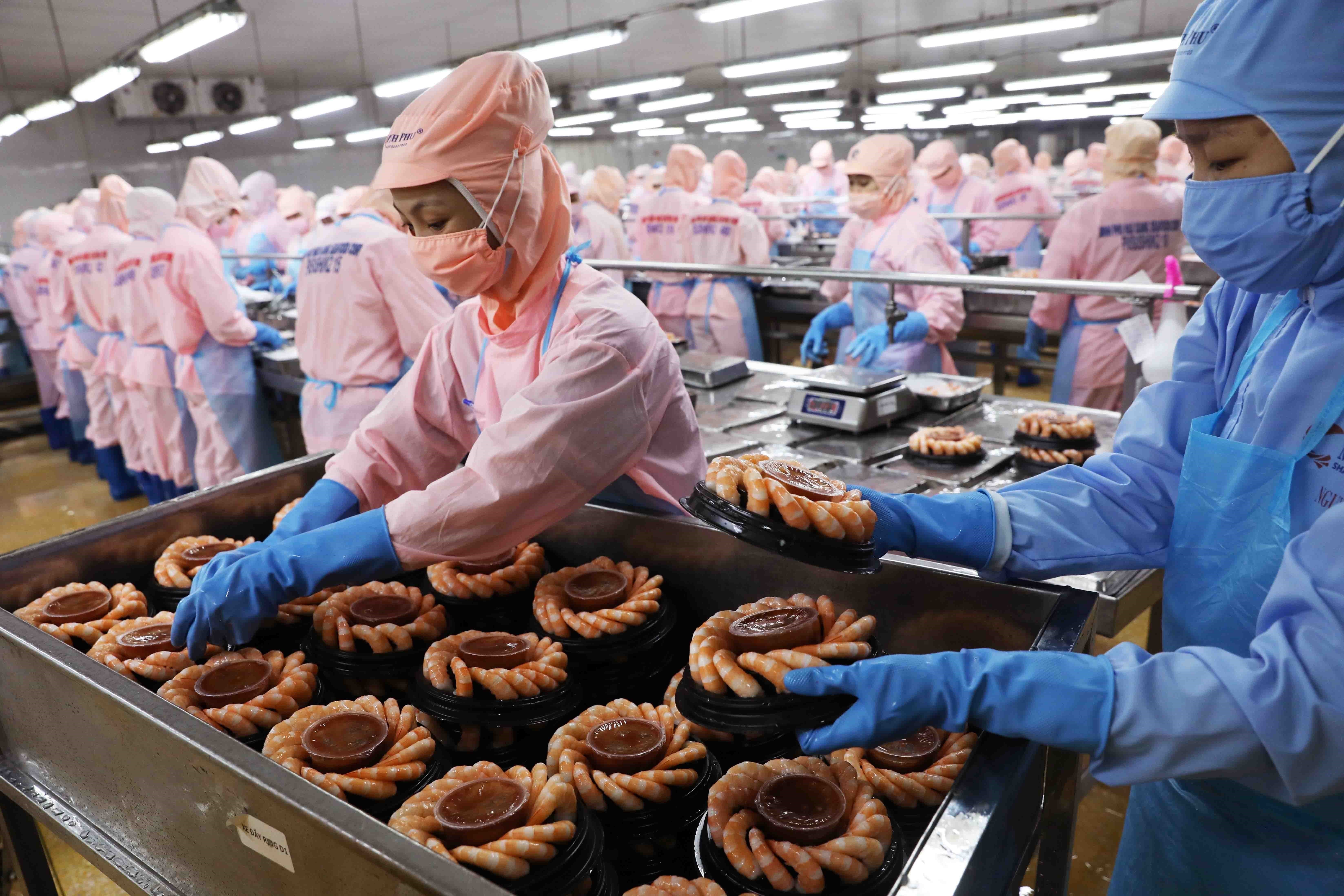
Les produits aquatiques font partie du groupe de produits exportés en grand volume vers Israël. Photo: VNA

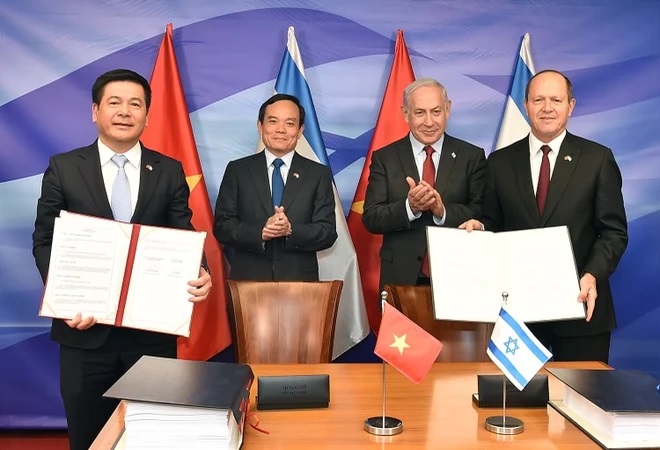
L’Accord de libre-échange Vietnam-Israël (VIFTA) a été signé en juillet dernier en Israël, dans le contexte de la célébration par les deux pays du 30e anniversaire de l’établissement de leurs relations diplomatiques (12 juillet 1993 – 12 juillet 2023).

La cérémonie de signature du VIFTA, le 25 juillet 2023, lors de la visite officielle du vice-Premier ministre vietnamien, Tran Luu Quang, en Israël. Photo: VNA

Le VIFTA a été négocié pendant 7 ans, à travers 12 échanges et a pris fin au début d’avril de cette année.

Israël est un pays très développé dans le domaine technologique : technologie de production, transformation industrielle ; nouvelle technologie ; intelligence artificielle (IA); technologie agricole et production agricole. En outre, c’est un pays qui a besoin d’importer des produits comme matières premières pour la production et le commerce, des produits alimentaires et des vivres.

Drapeaux du Vietnam et d’Israël. Photo : Shutterstock

Le Vietnam et Israël sont deux économies complémentaires, le VIFTA constitue donc une étape stratégique pour les deux pays, promettant de promouvoir le commerce bilatéral et de resserrer leurs relations économiques.

Israël n’est pas un marché densément peuplé, mais sa demande d’importation de biens de consommation est très importante, environ 25 milliards de dollars par an. Cela montre un grand potentiel de coopération bilatérale car il existe de nombreux produits israéliens dont Israël a besoin et où le Vietnam a des atouts, tels que textiles, chaussures, produits aquatiques, etc.

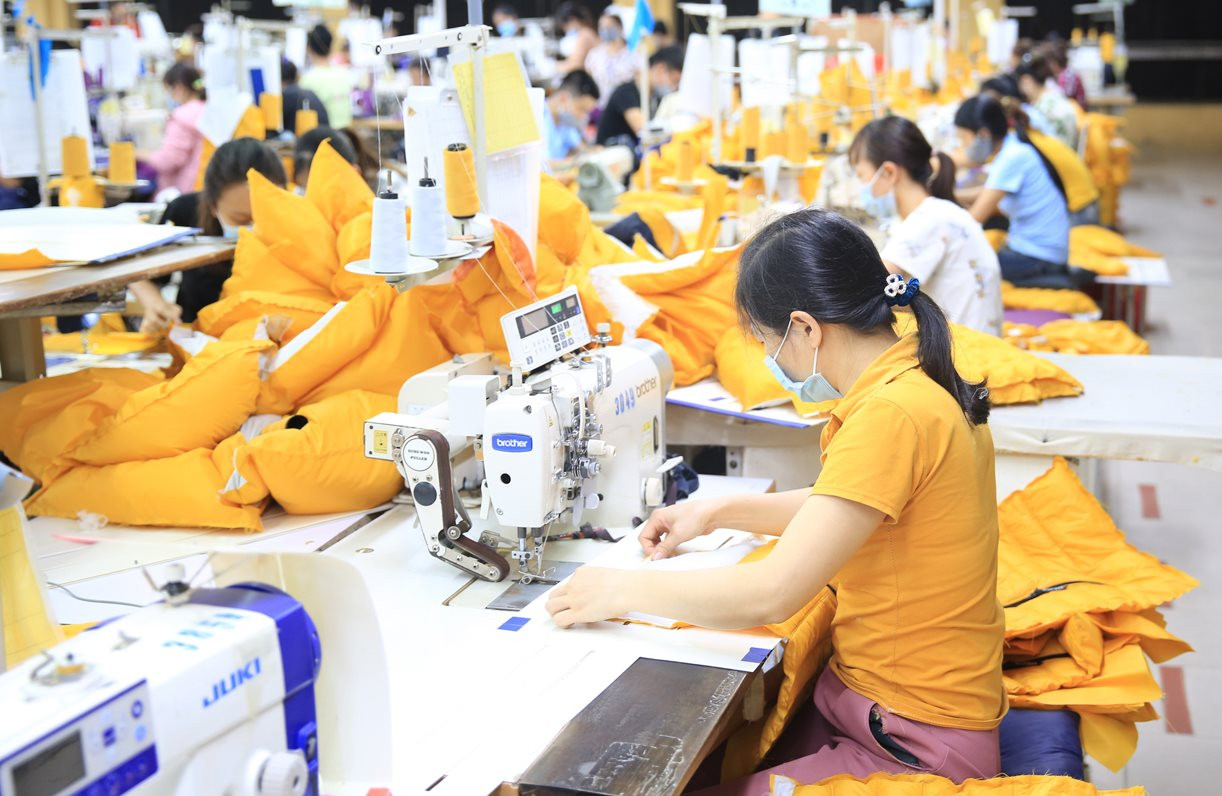
Le textile et l’habillement sont des produits ayant connu un bon chiffre d’affaires d’exportation vers Israël, environ 4 millions de dollars au premier trimestre de cette année. Photo: VNA

Actuellement, le commerce entre le Vietnam et Israël n’atteint qu’environ 2 milliards de dollars et est déficitaire pour le Vietnam. Le VIFTA constitue donc une opportunité d’augmenter ce chiffre d’affaires et d’équilibrer la balance commerciale.

Israël et le Vietnam ont des échanges commerciaux depuis 1994. Grâce à ce processus, les relations commerciales entre les deux pays se sont de plus en plus développées. Le commerce bilatéral a tendance à augmenter :  2 milliards de dollars en 2020,  2,3 milliards en 2021 et  2,6 milliards en 2023.

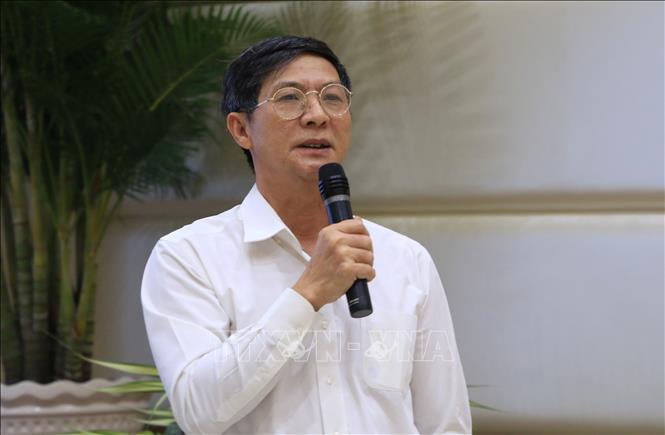
Selon Truong Dinh Hoe, secrétaire général de l’Association vietnamienne des exportateurs et producteurs des produits aquatiques (VASEP), le VIFTA aidera le secteur de l’aquaculture à surmonter cette période très difficile, avec la baisse considérable de ses exportations.

Truong Dinh Hoe, secrétaire général de de l’Association vietnamienne des exportateurs et producteurs des produits aquatiques (VASEP). Photo: VNA

Dans la structure des exportations de produits aquatiques, le marché israélien ne représente pas une part élevée, mais il s’agit d’un marché très potentiel car Israël a une demande de consommation assez importante et une liquidité élevée.

Israël se classe au 22ème rang parmi les plus de 100 marchés d’exportation des produits aquatiques du Vietnam, avec des produits tels que crevettes, calmars congelés, thon en conserve et pangasius.

En 2022, Israël se classait au 4e rang des 10 plus grands marchés d’importation de thon du Vietnam (après les États-Unis, le Canada et le Japon), avec un chiffre d’affaires à l’exportation atteignant 36,63 millions de dollars ; 8e sur le marché d’importation de céphalopodes, avec 23,22 millions de dollars, et 20e pour les crevettes surgelées, avec 21 millions de dollars.

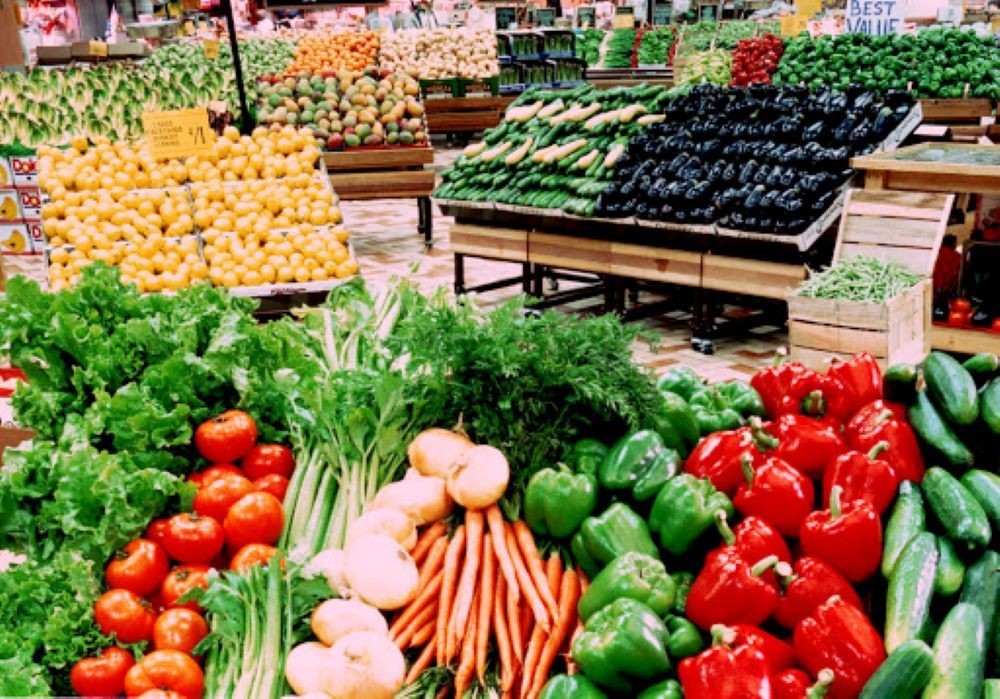
Dang Phuc Nguyen, secrétaire général de l’Association vietnamienne des fruits et légumes, estime qu’avec l’accord qui vient d’être signé, Israël deviendra bientôt le premier marché des exportations vietnamiennes de fruits et légumes.

Israël deviendra bientôt le premier marché des exportations vietnamiennes de fruits et légumes. Photo: vneconomy.vn

Bien qu’Israël soit très puissant en matière de production agricole, l’opportunité d’exporter sur ce marché des fruits et légumes frais tropicaux tels que  fruit du dragon, longane, litchi et mangue est énorme.

Nir Barkat, ministre israélien de l’Économie et de l’Industrie, a fait savoir qu’avec la signature du VIFTA, Israël ouvre davantage de portes aux produits vietnamiens pour pénétrer directement sur le marché de consommation intérieur.

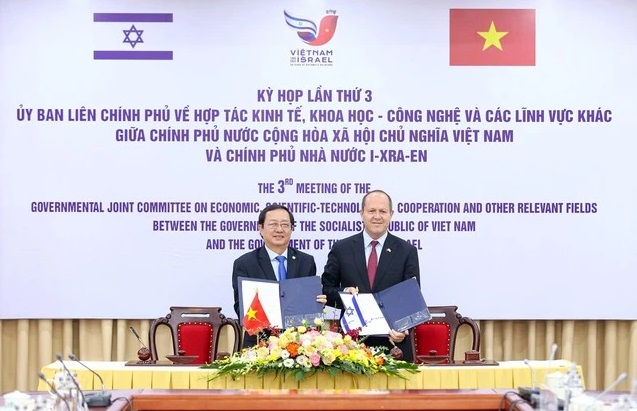
Le ministre vietnamien des Sciences et des Technologies, Huynh Thanh Dat et le ministre israélien de l’Économie et de l’Industrie, Nir Barkat, ont signé le procès-verbal de la 3e  réunion du Comité intergouvernemental Vietnam-Israël. Photo : VGP

Il a exprimé l’espoir que le Vietnam et Israël ouvriraient bientôt des vols directs  pour créer les conditions favorables permettant aux entreprises et aux investisseurs de se connecter et de partager des informations sur leurs besoins et leurs marchés respectifs, favorisant ainsi les activités de coopération plus efficaces.

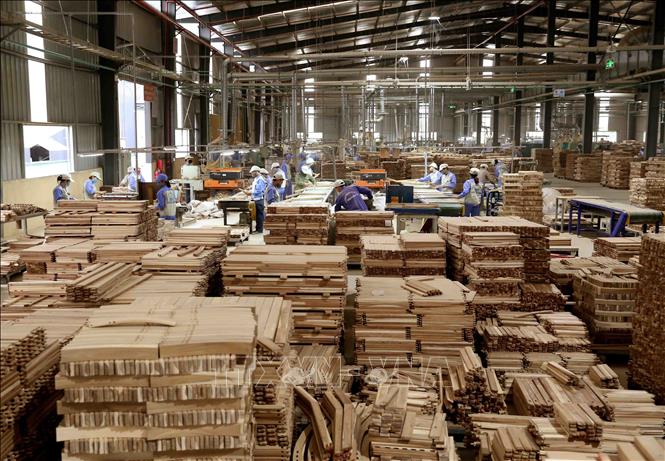
Les produits artisanaux et les objets en bois offriront davantage d’opportunités aux entreprises de ce secteur d’accéder au marché israélien et à la région du Moyen-Orient. Photo: VNA

L’entrée en vigueur du VIFTA crée un pont supplémentaire pour exporter des articles artisanaux, des objets en bois, ainsi que des produits en cuir et des chaussures du Vietnam vers le Moyen-Orient./.

Le forum économique et commercial Vietnam – Israël s’est tenu le 16 août à Hanoï pour promouvoir la coopération économique et commerciale entre les deux pays. Photo: VNA

越南以色列自贸协定:开拓越南商品市场的机会

以色列在越南100多个水产品出口市场中排名第22位。图自越通社

 值此越南与以色列在两国建交30周年(1993.7.12-2023.7.12)之际,越南-以色列自由贸易协定(VIFTA)于2023年7月25日签署。

《越南-以色列自由贸易协定》签署仪式。图自越通社

历时7年,经过12轮谈判,越南-以色列自由贸易协定谈判于今年4月初结束。

以色列是在制造加工技术、新技术、人工智能(AI)农业生产技术等技术领域的发达国家。 此外,这也是对粮食食品、生产经营材料需求量大的国家。

越南—以色列自由贸易协定将为推动越南优势产品向以色列出口创造有利前提,同时让越南企业将有机会获得以色列高科技产品,为降低生产和经营成本,提高越南商品的竞争力作出贡献。

越南—以色列国旗。 图自Shutterstock

因为越南与以色列经济互补性强,因此VIFTA对两国来说是一个战略步骤,有望促进双边贸易和密切经济关系。

以色列不是一个人口密集,但对进口消费品的需求却非常大(每年进口额约达250亿美元)的市场。纺织品服装、皮革鞋类、水产品是越南具有优势和以色列具有优势的商品。同时,以色列在新高科技领域的优势将作为越南国内生产能力的补充。

向以色列出口纺织品和服装。图自越通社

目前,越南与以色列的进出口贸易额仅达20亿美元,而越南实现贸易顺差。因此,《越南—以色列自贸协定》将是增加贸易额和实现贸易平衡的机遇。

自1994年以来,以色列与越南经贸关系蓬勃发展。两国双向贸易额从2020年的20以美元,到2021年提升为23以美元,2022年达26亿美元。

越南水产加工和出口协会(VASEP)秘书长张廷霍认为,在渔业正处在困境、出口大幅下降的背景下,VIFTA将是越南水产品扩大市场份额的机会。

越南水产加工和出口协会(VASEP)秘书长张廷霍。图自越通社

在水产品出口结构中,以色列市场所占比例并不高,但这是一个非常有潜力的市场,因为以色列的消费需求相当大,流动性也很高。

以色列在越南100多个水产品出口市场中排名第22位,其中主要出口虾类、冷冻鱿鱼、金枪鱼罐头、査鱼等。

2022年,以色列在越南10大金枪鱼进口市场中排名第四(仅次于美国、加拿大和日本),出口额达3663万美元; 鱿鱼和章鱼进口市场排名第8位,出口额达2322万美元;冷冻虾进口市场排名第20位,达2100万美元。

越南果蔬协会秘书长邓福原相信,基于新签署的协议,以色列将很快成为越南果蔬出口的十大市场。虽然以色列农业生产实力很强,但越南火龙果、龙眼、荔枝、芒果等热带新鲜果蔬出口到该市场的机会巨大。

以色列将很快成为越南果蔬出口的十大市场。图自 vneconomy.vn

邓福原表示,越南农产品的机会不仅局限于以色列市场,还为通过阿联酋这一门户,与富有潜力的中东地区开展合作提供了机会。

以色列经济产业部长尼尔·巴尔卡特(Nir Barkat)表示,以色列政府也多措并举,鼓励支持企业拓展海外市场。随着VIFTA的签署,以色列为越南商品直接打入该国市场敞开大门。因此,这是双方促进贸易和投资、为两国企业界打造商业生态系统创造机会。

越南-以色列经济科技和其他领域合作政府间委员会举行第三次会议。图自互联网

尼尔·巴尔卡特希望,越南与以色列昨日开通从胡志明市飞往以色列的直达航班,为各家企业和投资者沟通、分享彼此需求和市场信息创造了有利条件,从而促进更有效的合作活动。

手工艺品和木制品行业也在等待VIFTA的生效,以便为越南商品进军中东国家市场搭建桥梁。西西贡贸易生产发展股份公司(SADACO)董事长陈国孟认为:“对于木材行业来说,虽然目前出口到以色列的家具产品数量不多,但随着VIFTA的签署,将为越南木材企业进入该市场和中东地区创造机遇。”

手工艺品和木制品行业也在等待VIFTA的生效,以便为越南商品进军中东国家市场搭建桥梁。图自越通社

胡志明市皮革鞋业协会副主席阮文庆表示,拥有以色列这样的新市场有助于越南皮革鞋类产业扩大出口规模。尽管以色列并不是一个大市场,但其仍为行业创造突破,从长远来看将非常有价值。

此外,以色列是一个具有强大竞争力和良好条件的合作伙伴,因此不擅长进出口活动的越南企业将难以进入市场。特别是,越南消费品出口到以色列时,企业必须注意提高产品质量,特别是食品卫生安全问题。

2023年8月16日,以色列驻越南大使馆经贸办事处同越南工贸部贸易促进局和越南工商联合会在河内联合举行越以两国企业经贸论坛。图自互联网

对于木材行业来说,虽然目前出口到以色列的家具产品数量不多,但刚签署的VIFTA将为木材企业在不久的将来进入这个市场提供更多机会。

不过,专家们也警告说,尽管以色列潜力巨大,但它是一个需要高标准产品的市场,各家越南企业需要充分掌握以色列的法规才能有效打入市场。(完)

VIFTA – OPORTUNIDADES AMPLIAS PARA PRODUCTOS VIETNAMITAS

Productos acuícolas son uno de los grupos de exportaciones principales de Vietnam a Israel. (Fuente: VNA)

Vietnam e Israel firmaron el Tratado de Libre Comercio (VIFTA, inglés), en julio pasado en Israel, en el contexto de que ambos países celebran el 30 aniversario de las relaciones diplomáticas (12 de julio de 1993-2023).

La firma de VIFTA entre el ministro vietnamita de Industria y Comercio, Nguyen Hong Dien, y su homólogo israelí de Economía e Industria, Nir Barkat, en el marco de la visita de Estado a Israel del viceprimer ministro Tran Luu Quang, el 25 de julio de 2023. (Fuente: VNA)

Las negociaciones de VIFTA se llevaron a cabo en siete años con 12 reuniones y terminaron a inicios de abril de este año.

Israel es un país muy desarrollado en el campo de tecnología de producción y procesamiento industrial, nueva tecnología, inteligencia artificial y tecnología de producción agrícola. Además, tiene la demanda de importar materias primas para la producción y el comercio, alimentos y productos alimenticios.

El VIFTA creará una premisa favorable para que Vietnam promueva la exportación de productos fuertes a Israel, mientras que las empresas tendrán oportunidades para acceder a productos de alta tecnología de Israel, como contribución a reducir los costos de producción y negocios y mejorar la competitividad de las mercancías vietnamitas.

Banderas de Vietnam e Israel (Fuente: Shutterstock)

Vietnam e Israel son economías complementarias, por lo que VIFTA constituye un paso estratégico de las dos naciones, que promete promover el comercio bilateral y estrechar las relaciones económicas.

Israel no es un mercado densamente poblado, pero la demanda de importación de bienes de consumo resulta muy grande, alrededor de 25 mil millones de dólares por año. Además, el país de Medio Oriente presenta demanda de productos en los cuales Vietnam exhibe fortalezas como confecciones textiles, calzado y productos acuícolas. Y viceversa, Israel tiene fortalezas sobre alta tecnología, que será una condición para que Vietnam refuerce la capacidad de producción nacional.

El valor de exportación de los textiles y las prendas de vestir de Vietnam a Israel en el primer trimestre de este año fue de aproximadamente cuatro millones de dólares. (Fuente: VNA)

En la actualidad, el comercio entre Vietnam e Israel alcanza alrededor de dos mil millones de dólares y Vietnam registra un déficit comercial. Por lo tanto, el VIFTA ofrece una oportunidad para aumentar el trasiego mercantil y equilibrar la balanza comercial entre los dos países.

Según Truong Dinh Hoe, secretario general de la Asociación de Procesadores y Exportadores de productos acuícolas de Vietnam (VASEP), VIFTA ofrece una oportunidad para que la acuicultura vietnamita amplíe su mercado, en el contexto de que el sector se encuentra en un periodo muy difícil y las exportaciones disminuyen significativamente.

Truong Dinh Hoe, secretario general de la Asociación de Procesadores y Exportadores de productos acuícolas de Vietnam. (Fuente: VNA)

Aunque Israel carece de una proporción en la estructura de exportación de productos del mar, resulta un mercado potencial porque tiene una demanda de consumo bastante grande, con alta liquidez.

Israel ocupa el puesto 22 entre más de 100 mercados de exportación de productos del mar de Vietnam, e importa principalmente camarones, calamares congelados, atún enlatado y pangasius.

En 2022, Israel se situaba en el cuarto lugar entre 10 mayores mercados de importación de atún de Vietnam (por detrás de Estados Unidos, Canadá y Japón), con un valor de 36,63 millones de dólares; en el octavo puesto para calamar y pulpo, con 23,22 millones de dólares; y en la décima posición para camarón congelado, con 21 millones de dólares.  

Mientras, Dang Phuc Nguyen, secretario general de la Asociación de Frutas y Verduras de Vietnam, confió en que con el acuerdo recién firmado, Israel se convertirá pronto en el décimo mercado para las exportaciones de frutas y verduras vietnamitas. Aunque Israel es muy fuerte en producción agrícola, la oportunidad para exportar frutas y verduras tropicales frescas de Vietnam, como la pitahaya, el longan, el lichi y el mango a este mercado, es enorme.

Israel se convertirá pronto en el décimo mercado importador de frutas y verduras de Vietnam. (Fuente: vneconomy.vn)
 

Según el funcionario, las oportunidades para los productos agrícolas vietnamitas no sólo se limitan al mercado israelí, sino que también se expanden a la región de Medio Oriente, mediante los Emiratos Árabes Unidos (EAU).

Nir Barkat, ministro de Economía e Industria de Israel, dijo que el Gobierno israelí también cuenta con mecanismos y políticas para alentar a las empresas a desarrollarse, ampliar inversiones y cooperación en el mercado extranjero. Con la firma de VIFTA, Israel abre más su puerta a la entrada de mercancías vietnamitas.

El ministro vietnamita de Ciencia y Tecnología, Huynh Thanh Dat, y su homólogo israelí de Economía e Industria, Nir Barkat, firmaron el acto de la tercera reunión del Comité Intergubernamental Vietnam-Israel. (Fuente: VGP)

Propuso que Vietnam e Israel abran pronto vuelos directos desde Ciudad Ho Chi Minh a Israel a fin de crear condiciones favorables para que empresas e inversores se conecten y compartan información sobre las necesidades y mercados de cada uno.

Según Tran Quoc Manh, presidente de la Sociedad Anónima de Fabricación y Comercio de Saigón, dijo que el VIFTA abrirá más oportunidades para que las empresas madereras accedan al mercado israelí y a la región de Medio Oriente.

El VIFTA creará más oportunidades para que las empresas madereras accedan al mercado israelí y la región de Medio Oriente. (Fuente: VNA)

Mientras, Nguyen Van Khanh, vicepresidente de la Asociación de Cuero y Calzado de Ciudad Ho Chi Minh, también consideró que con este acuerdo, la industria del cuero y calzado vietnamita tenga más puertas para expandir las exportaciones.

El Foro Económico Vietnam-Israel se llevó a cabo el 16 de agosto de 2023 en Hanoi para promover la cooperación bilateral en economía y comercio. (Fuente: VNA)

Con tal de aprovechar este nuevo mercado, ratificó la necesidad de mejorar la calidad de las exportaciones, especialmente el problema de seguridad alimentaria, además de estudiar bien las regulaciones del mercado israelí. /.

СОГЛАШЕНИЕ VIFTA – ВОЗМОЖНОСТЬ РАСШИРИТЬ РЫНОК ДЛЯ ВЬЕТНАМСКИХ ТОВАРОВ

Рыбные продукты – один из товаров, экспортируемых в большом объеме в Израиль. (Фото: ВИA)

Вьетнамско-израильское соглашение о свободной торговле (VIFTA) было подписано в июле в Израиле в контексте празднования двумя странами 30-летия установления дипломатических отношений (12 июля 1993 г. – 12 июля 2023 г.).

Церемония подписания соглашения VIFTA между министром промышленности и торговли Вьетнама Нгуен Хонг Зиеном и министром экономики и промышленности Израиля Ниром Баркатом в рамках официального визита в Израиль 25 июля 2023 года заместителя премьер-министра Чан Лыу Куанга. (Фото: ВИA)

Переговоры по VIFTA велись в течение семи лет, через 12 раундов, и завершились в начале апреля этого года.

Израиль – очень развитая страна в области технологий: технологии производства, промышленная переработка; новые технологии; искусственный интеллект (ИИ); технологии сельскохозяйственного производства. Кроме того, это страна, которая нуждается в импорте продуктов в качестве сырья для производства и бизнеса, продовольствия и продуктов питания.

Соглашение VIFTA создаст благоприятные предпосылки для продвижения Вьетнамом экспорта товаров, имеющих сильные стороны в Израиль, в то время как предприятия получат возможность доступа к израильским высокотехнологичным товарам, способствуя снижению производственных и бизнес-издержек, а также повышению конкурентоспособности вьетнамских товаров.

Иллюстративное изображение (Фото: Shutterstock)

Экономики Вьетнама и Израиля имеют взаимодополняющий характер, поэтому VIFTA является стратегическим шагом для двух стран, обещающим развитие двусторонней торговли и укрепление экономических связей.

Израиль – малонаселенный рынок, но спрос на импортные потребительские товары огромен, около 2,25 миллиарда долларов в год. Многие товары, пользующиеся спросом в Израиле, – это швейный текстиль, кожаная обувь, морепродукты и рыбопродукты, в производстве которых Вьетнам превосходит другие страны. И наоборот, высокие технологии, в которых преуспел Израиль, являются для Вьетнама условием пополнения внутренних производственных мощностей.

Dệt may là mặt hàng có kim ngạch xuất khẩu tương đối khá sang Israel, kim ngạch quý I năm nay xấp xỉ 4 triệu USD. Ảnh TTXVN

В настоящее время объем импорта и экспорта между Вьетнамом и Израилем достигает всего около 2,2 миллиарда долларов США, а Вьетнам имеет профицит торгового баланса. Таким образом, соглашение VIFTA является возможностью увеличить товарооборот и сбалансировать торговый баланс между двумя сторонами.

Израиль и Вьетнам ведут торговлю с 1994 года. Благодаря этому процессу торговые отношения между двумя странами растут все больше. Товарооборот между Вьетнамом и Израилем имеет тенденцию к увеличению. В 2020 году импортно-экспортный оборот составил почти 2 миллиарда долларов США, но к 2021 году он увеличился до 2,3 миллиарда долларов США, а к 2022 году достиг 2,6 миллиарда долларов США.

По словам Чыонг Динь Хоэ, генерального секретаря Вьетнамской ассоциации экспортеров и производителей морепродуктов (VASEP), VIFTA – это возможность для вьетнамской продукции расширить свою долю рынка в условиях, когда рыбное хозяйство переживает очень сложный период, а экспорт значительно сокращается.

Чыонг Динь Хоэ, генеральный секретарь Вьетнамской ассоциации экспортеров и производителей морепродуктов (VASEP). (Фото: ВИA)

В структуре экспорта рыбной продукции израильский рынок не занимает высокую долю, но это очень потенциальный рынок, поскольку Израиль имеет довольно большой потребительский спрос с высокой ликвидностью.

Израиль занимает 22-е место из 100 экспортных рынков вьетнамских рыбных продуктов по таким позициям товаров как креветки, замороженные кальмары, консервированный тунец, пангасиус.

В 2022 году Израиль занимает 4-е место среди 10 крупнейших рынков Вьетнама по импорту тунца (после Соединенных Штатов, Канады и Японии) с экспортным оборотом, достигающим 36,63 млн долларов США; 8-е место на рынке импорта кальмаров и осьминогов с 23,22 млн долларов США и 20-е место по замороженным креветкам с 21 млн долларов США.

Между тем, Данг Фук Нгуен, генеральный секретарь Вьетнамской ассоциации фруктов и овощей, выразил уверенность, что с подписанием соглашения Израиль вскоре войдет в топ-10 рынков экспорта вьетнамских овощей и фруктов. Хотя Израиль очень силен в сельскохозяйственном производстве, возможности для экспорта свежих тропических овощей и фруктов Вьетнама, таких как драконий фрукт, лонган, личи, манго, на этот рынок огромны.

Израиль скоро станет одним из 10 крупнейших импортеров вьетнамских фруктов и овощей (Фото: vneconomy.vn)

По его словам, возможности для вьетнамской сельскохозяйственной продукции не ограничиваются только израильским рынком, но и открывают возможность сотрудничества с потенциальным Ближним Востоком через Объединенные Арабские Эмираты (ОАЭ).

Нир Баркат, министр экономики и промышленности Израиля, сказал, что израильское правительство также имеет механизмы и политики, поощряющие предприятия развивать, расширять инвестиции и сотрудничества на внешних рынках. С подписанием соглашения VIFTA Израиль открывает больше дверей для проникновения вьетнамских товаров непосредственно на внутренний потребительский рынок. Таким образом, это возможность для обеих сторон продвигать торговлю и инвестиции, формируя бизнес-экосистему в бизнес-сообществах двух стран.

Министр науки и технологий Вьетнама Хиюнь Тхань Дат (слева) и министр экономики и промышленности Израиля Нир Баркат показывают подписанный протокол третьего заседания Межправительственного комитета в Ханое 16 августа 2023 года. (Фото Портала правительства Вьетнама)

По словам Нира Барката, он выразил желание, чтобы Вьетнам и Израиль вскоре открыли прямые рейсы из города Хошимин в Израиль, которые помогут предприятиям, инвесторам устанавливать контакты, обмениваться информацией о потребностях друг друга и рынках сбыта, тем самым способствуя более эффективному сотрудничеству.

Что касается ремесленной промышленности, то изделия из дерева также ожидают вступления в силу VIFTA, чтобы обеспечить больше мостов для транспортировки товаров в страны Ближнего Востока. Чан Куок Мань, председатель совета директоров АО «Сайгонское производственно-торговое развитие», сказал: «Что касается деревообрабатывающего сектора, объем экспорта мебельной продукции через Израиль в настоящее время невелик, но VIFTA откроет для предприятий, занимающихся деревянными изделиями, больше возможностей доступа к этому рынку и Ближнему Востоку».

Ремесленная и деревообрабатывающая промышленность откроет вьетнамским деревообрабатывающим предприятиям больше возможностей для выхода на израильский рынок и в ближневосточный регион. (Фото: ВИA)

Между тем, Вице-президент Ассоциации кожи и обуви города Хошимин Нгуен Ван Кхань, сказал, что появление нового рынка, такого как Израиль, поможет открыть вьетнамской кожевенной промышленности больше возможностей для расширения экспорта. Израиль – не очень большой рынок для прорыва, но он очень ценен в долгосрочной перспективе.

Кроме того, Израиль является партнером с высокой конкурентоспособностью и хорошими условиями, поэтому вьетнамским предприятиям, которые не являются профессионалами в области импорта и экспорта, будет трудно получить доступ на рынок. В частности, при экспорте вьетнамских потребительских товаров в Израиль предприятия должны уделять внимание повышению качества, особенно гигиены и безопасности пищевых продуктов.

Вьетнамско-израильский бизнес-форум 16 августа 2023 года способствовал развитию экономического и торгового сотрудничества между двумя странами (Фото: ВИA)

Однако эксперты предупреждают, что, несмотря на потенциал, Израиль является рынком, требующим высоких стандартов продукции, вьетнамским предприятиям необходимо полностью понимать израильские правила, чтобы хорошо проникнуть на этот рынок./.

VIFTA – OPPORTUNITY FOR VIETNAMESE GOODS TO PENETRATE ISRAELI MARKET

Aquatic product is one of the items exported in large volume to Israel. (Photo: VNA)

The Free Trade Agreement between Vietnam and Israel (VIFTA) was officially signed on July 25, 2023 as the two countries mark the 30th anniversary of the establishment of diplomatic relations (July 12, 1993 -2023).

The signing ceremony of VIFTA between Vietnamese Minister of Industry and Trade Nguyen Hong Dien and Israeli Minister of Economy and Industry Nir Barkat within the framework of the official visit to Israel on July 25, 2023 by Deputy Prime Minister Tran Luu Quang. (Photo: VNA)

The two countries started negotiations for the agreement seven years ago, with 12 negotiation sessions, and completed negotiation in April 2023.

Israel has established itself as one of the most technologically advanced countries in the world, including industrial manufacturing and processing technology, new technology, artificial intelligence (AI), and agricultural production technology, among others. Besides, it has great demands for raw materials for the food industry.

The accord will create favourable conditions for Vietnam to export its key products to Israel while helping enterprises to have an opportunity to access to Israel’s advanced technology, contributing to cutting production, business costs while improving competitiveness of Vietnamese goods.

Illustrative image (Photo: Shutterstock)

Vietnam and Israel have complementary economies, therefore the deal is a strategic step for the two countries to promote bilateral trade and tighten economic relations.

Despite a modest population, demand for importing consumer goods in Israel is big with about 25 billion USD a year. This shows great potential for the two countries, as many products at high demand in Israel are Vietnam’s strengths, such as textiles, leather footwear and seafood. Meanwhile, Israel’s strength in high technology provides Vietnam with an avenue to improve its domestic production capacity.

Vietnam records a stable export turnover of textiles and garments to Israel, hitting approximately 4 million USD in the first quarter of 2023. (Photo: VNA)

Currently, two-way trade between the two countries is only about two billion USD and Vietnam carries a trade deficit. Therefore, the agreement is an opportunity to increase trade turnover and balance the trade between the two sides.

Israel and Vietnam have been trade partners since 1994, since then the trade relationship between them has developed. Import-export turnover was under two billion USD in 2020, but it increased to 2.3 billion USD in 2021 and 2.6 billion USD in 2022.

According to Truong Dinh Hoe, General Secretary of the Vietnam Association of Seafood Exporters and Producers (VASEP), VIFTA is an opportunity for the fishery sector to expand its export market in the context that the industry is facing a tough period.

Truong Dinh Hoe, General Secretary of the Vietnam Association of Seafood Exporters and Producers (VASEP). (Photo: VNA)

The Israeli market does not have a high proportion in Vietnam’s aquatic product export structure, but this is a very high potential market because Israel has large demand and high payment ability.

Israel ranks 22nd among over 100 seafood export markets of Vietnam, buying products such as shrimp, frozen squid, canned tuna, and pangasius.

In 2022, Israel ranked fourth among Vietnam’s 10 largest tuna import markets, after the US, Canada and Japan, with export turnover reaching 36.63 million USD, the eighth in terms of squid and octopus, with 23.22 million USD, and 20th in frozen shrimp, with 21 million USD.

Meanwhile, Dang Phuc Nguyen, General Secretary of the Vietnam Fruit and Vegetable Association, said that with the freshly signed agreement, Israel will soon enter the top 10 markets for Vietnamese fruit and vegetable exports.

Israel will soon become one of the 10 largest importers of Vietnamese fruits and vegetable (Photo: vneconomy.vn)

Although Israel is very strong in agricultural production, there are ample opportunities for exporting Vietnam’s tropical fresh fruits and vegetables such as dragon fruit, longan, lychee, and mango to the West Asian country.

Nir Barkat, Minister of Economy and Industry of Israel, said that the Israeli Government also has introduced mechanisms and policies to encourage businesses to develop and expand investment and cooperation in foreign markets. With the signing of the VIFTA, Israel is opening more doors for Vietnamese goods to directly enter its domestic consumer market. Therefore, this is a good time for both sides to promote trade and investment, forming a trading ecosystem in the business communities of the two countries.

Vietnamese Minister of Science and Technology Huynh Thanh Dat (L) and Israeli Minister of Economy and Industry Nir Barkat show the signed minutes of the third meeting of the Inter-Governmental Committee in Hanoi on August 16, 2023. (Photo Vietnam Government Portal)

The minister also hoped Vietnam and Israel will soon open direct flights from Ho Chi Minh City to Israel in order to facilitate more effective cooperative activities.

Tran Quoc Manh, Chairman of the Board of Directors of Saigon Production and Trade Development Joint Stock Company said that VIFTA will open more opportunities for wood businesses to access the Israeli market. 

The handicraft and wood industry will open more opportunities for Vietnamese wood businesses to access the Israeli market and the Middle East region. (Photo: VNA)

Meanwhile, Nguyen Van Khanh, Vice Chairman of the Ho Chi Minh City Leather and Footwear Association, commented that having a new market like Israel will lend a hand for the Vietnamese leather and footwear industry to open more doors to expand exports. Even though Israel is not a really big market, creating a breakthrough for the industry, it will be important in the long run.

In addition, Israel is a partner with great competitiveness and good conditions, so Vietnamese businesses with insufficient capacity will have difficulty in accessing the market. In particular, when exporting goods to Israel, businesses must pay attention to improving quality, especially food hygiene and safety.

The Vietnam – Israel Business Forum on August 16, 2023 helps boost economic and trade cooperation between the two countries(Photo: VNA)

Experts have also warned that Israel is a promising market but it also has high standards for products, therefore Vietnamese businesses need to have a thorough understanding of Israel’s regulations in order to be successful in this market./.