ВЬЕТНАМ: МЕЖДУНАРОДНАЯ ИНТЕГРАЦИЯ И “БАМБУКОВАЯ ДИПЛОМАТИЯ”

На протяжении всей истории вьетнамского народа внешняя политика всегда играла чрезвычайно важную роль, не только способствуя надежной защите независимости, суверенитета, единства и территориальной целостности, но также вносит большой вклад в строительство и развитие страны.

Подчеркивая важность дипломатической работы в текущей работе по строительству и развитию страны, на Национальной конференции по международным делам для реализации резолюции 13-го Национального съезда Партии 14 декабря 2021 года, Генеральный секретарь Нгуен Фу Чонг подчеркнул: «Настроены строить и развивать современную вьетнамскую внешнюю политику и дипломатию, пропитанную национальной идентичностью – «бамбуковой» дипломатией Вьетнама».
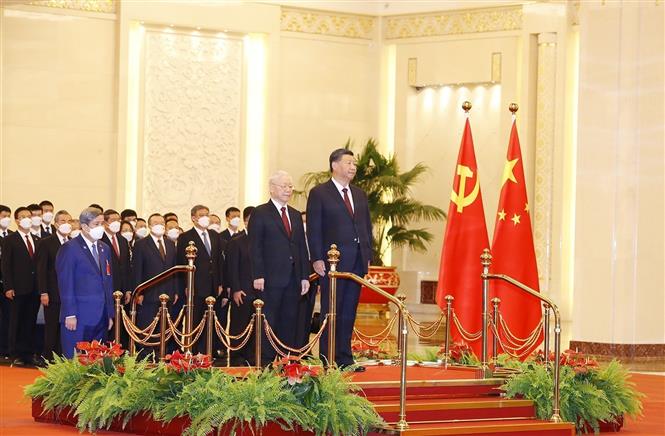
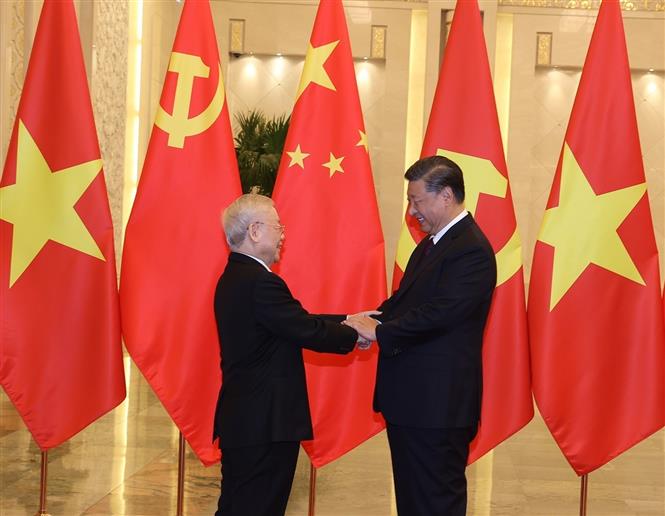
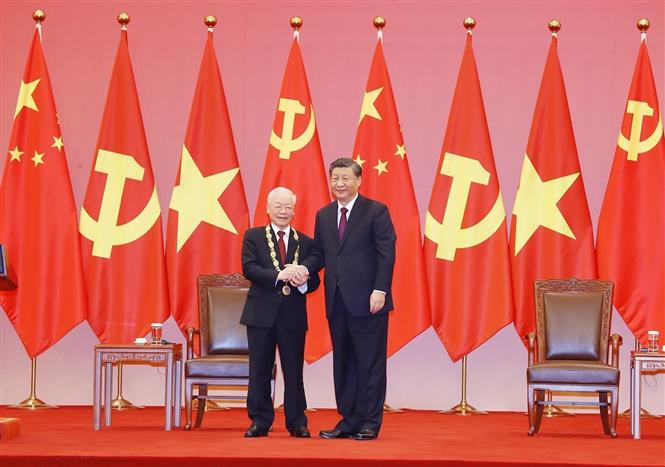
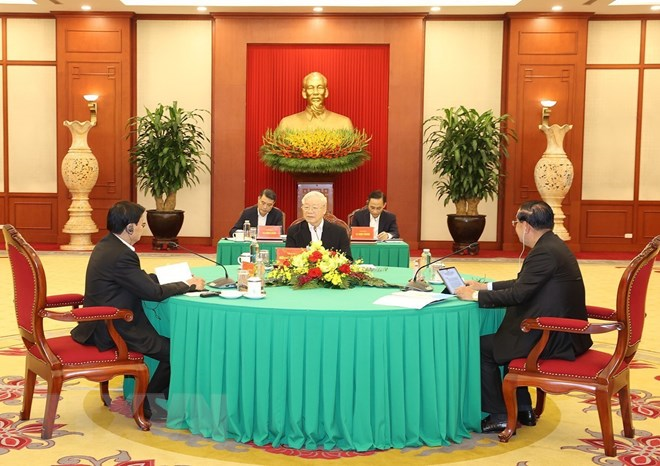
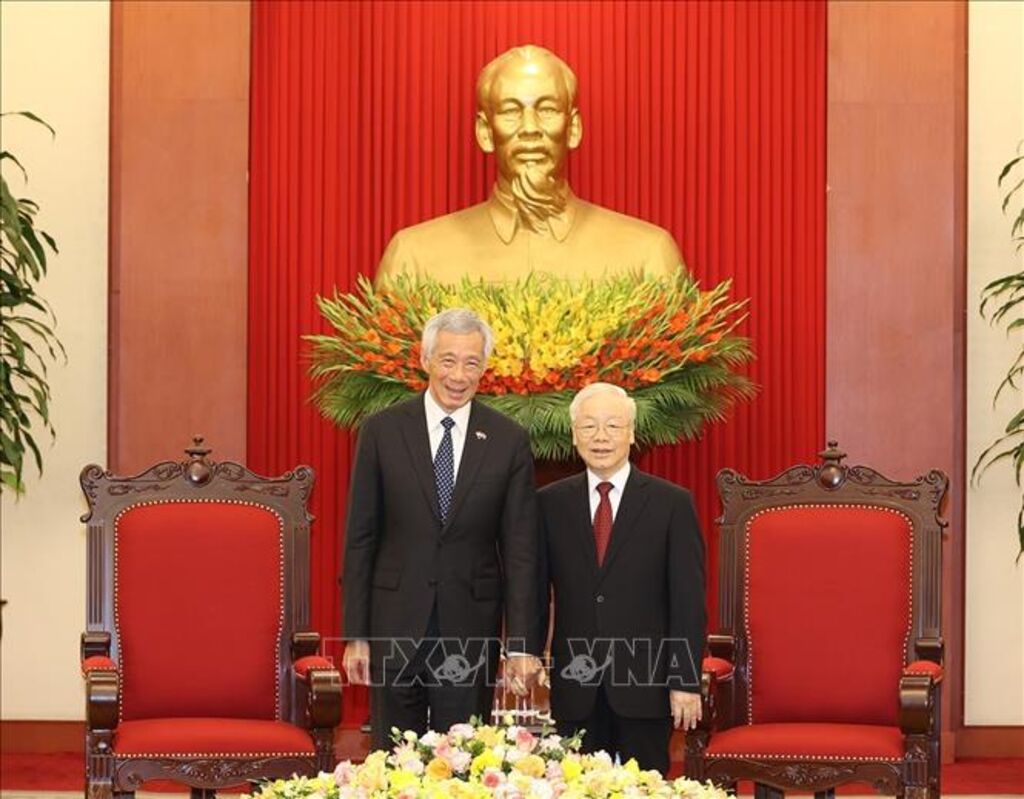
По приглашению генерального секретаря ЦК КПК, президента КНР Си Цзиньпина, Генеральный секретарь ЦК КПВ Нгуен Фу Чонг и делегация совершили официальный визит в КНР с 30 октября по 1 ноября 2022 года. (Фото: ВИА)

С всеобъемлющей и регулярной миссией поддержания мирной и стабильной обстановки, использования благоприятных международных факторов для дела Обновления и защиты Отечества, укрепления положения страны и во внешней политике Вьетнам сегодня творчески применяются основные принципы марксизма-ленинизма, основываясь фундаменте, заложенном президентом Хо Ши Мином, развиваясь с учетом внутренних условий и мировой ситуации.

Оценивая уникальную и неповторимую школу иностранных дел и дипломатии – «бамбуковую дипломатию» Вьетнама, большинство международных экспертов и ученых сходятся во мнении, что образ бамбука с «сильными корнями, крепким стволом, гибкими ветвями» пропитывает вьетнамскую идентичность и очень подходит для внешней политики Вьетнама многосторонности и диверсификации, служащей целям обеспечения национальных интересов.
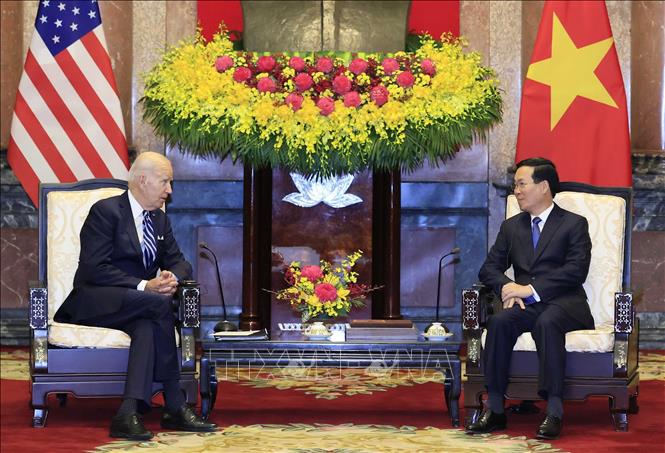
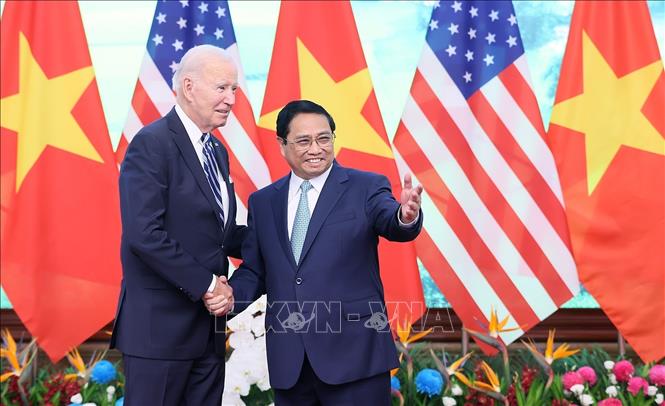
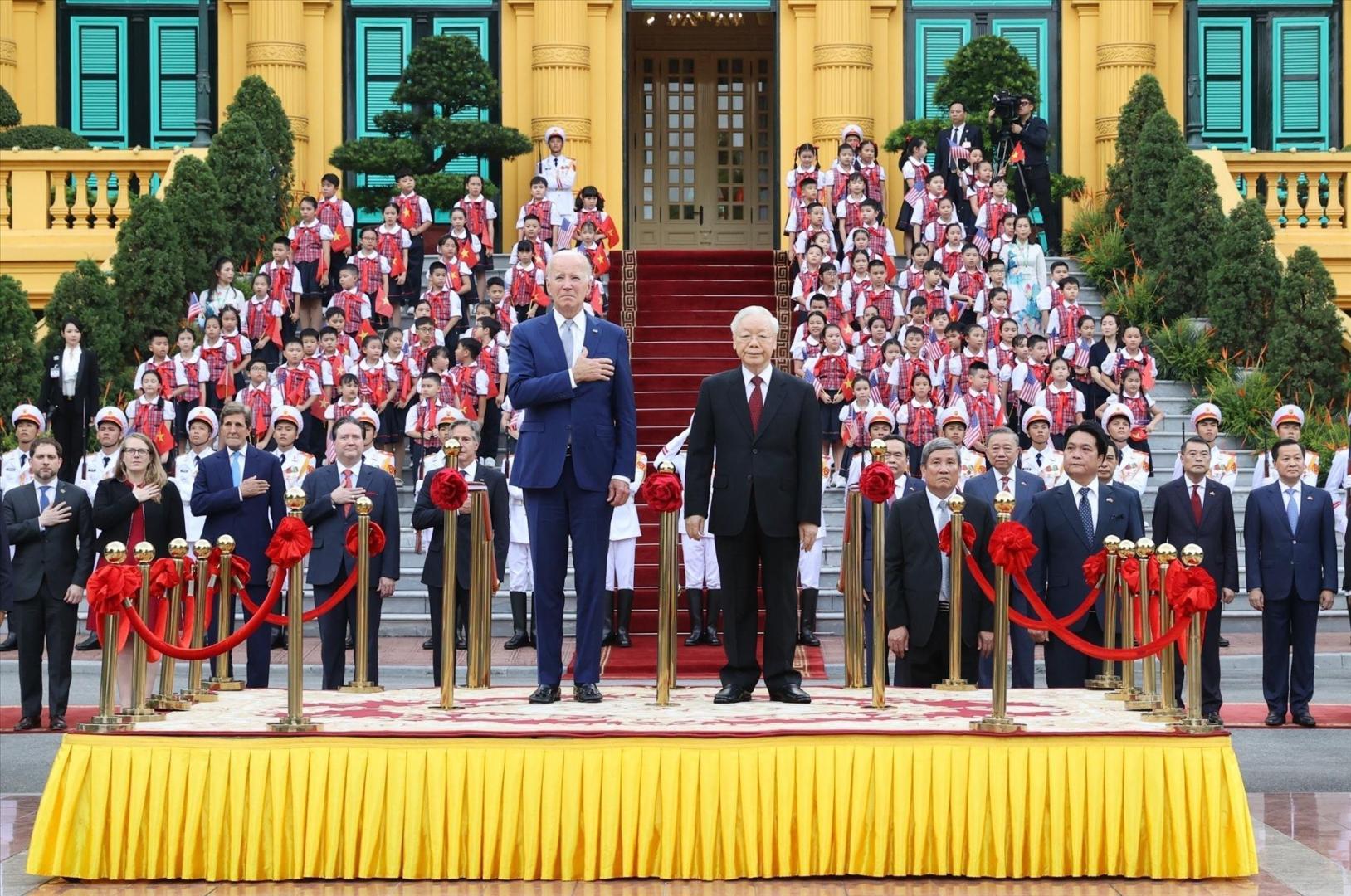
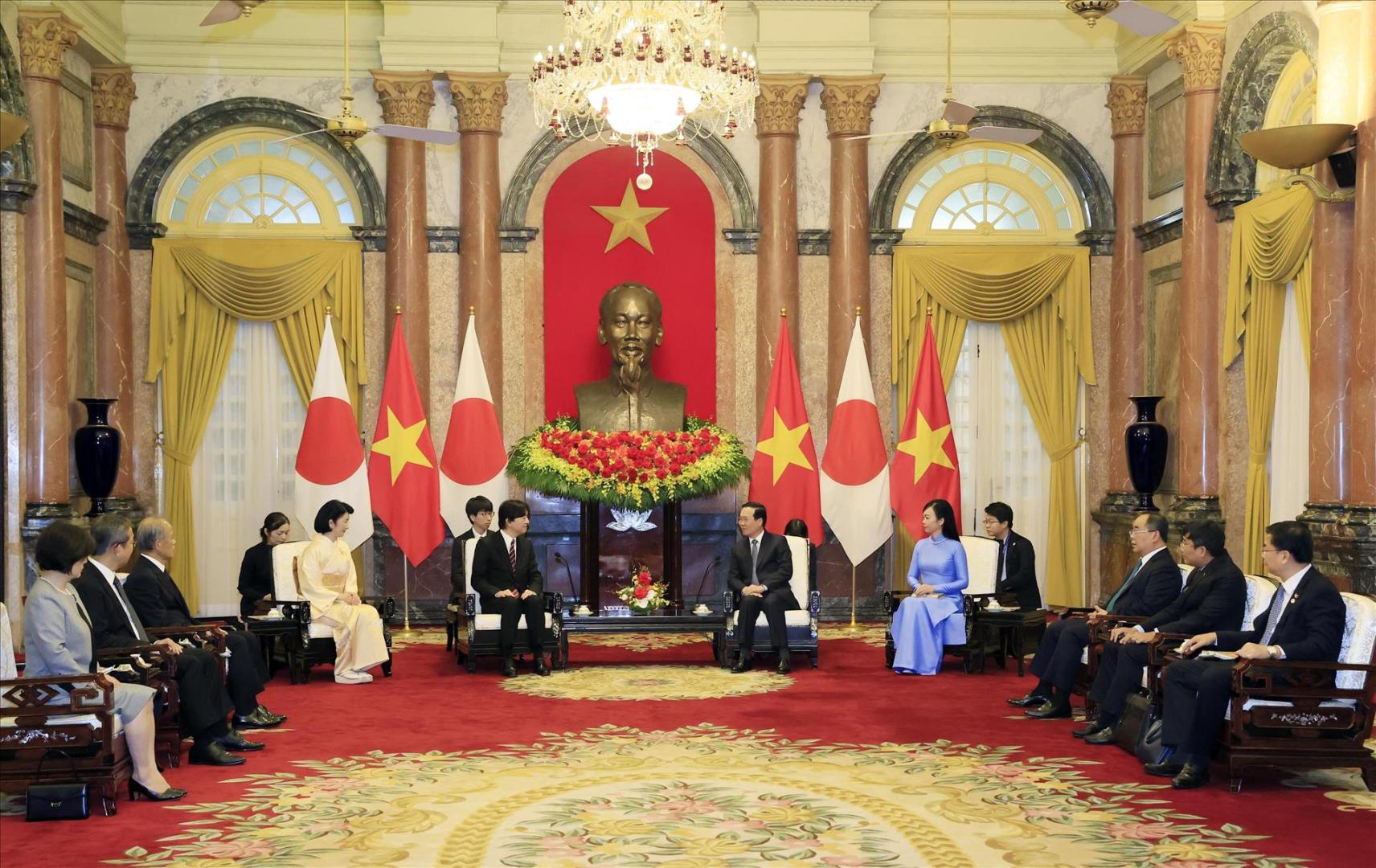
Президент США Джо Байден совершил государственный визит во Вьетнам с 10 по 11 сентября по приглашению Генерального секретаря ЦК КПВ Нгуен Фу Чонга. (Фото: ВИА)

Эксперт Лейтон Пайк, соучредитель Вьетнамско-австралийского института политики (AVPI), сказал, что бамбук вызывает образы стойкости, солидарности и силы, что является идеальной метафорой внешней политики Вьетнама, которая характеризуется гибкость, творческим подходом, волей и стойкостью перед лицом всех вызовов и трудностей.

Директор Тегеранского института исследований внешней политики (Иран) д-р Абед Акбари заявил, что Вьетнам использует концепцию «бамбуковой дипломатии» как метафору устойчивости, гибкости и способности адаптации во внешней политике.
Доктор Томотака Сёдзи, директор департамента региональных исследований Института оборонных исследований Министерства обороны Японии, заявил, что «бамбуковая дипломатия» показывает, что внешняя политика Вьетнама не догматична, а демонстрирует гибкость в зависимости от партнеров и ситуаций, что очень подходит стратегическому окружению и историческому контексту, в котором выделяется сбалансированное развитие отношений с другими странами.
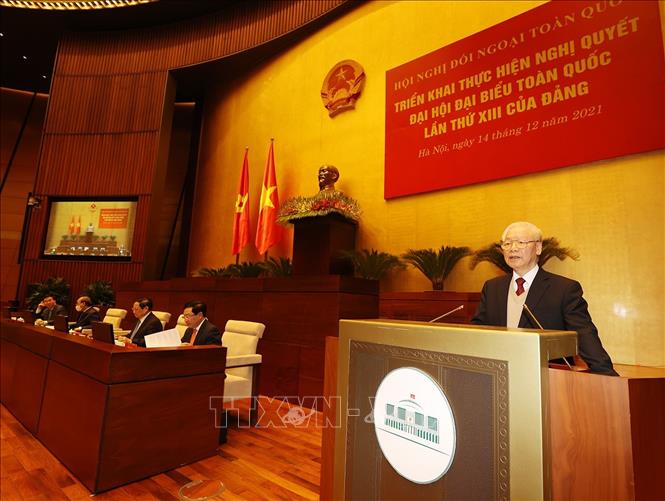
Генеральный секретарь ЦК КПВ НГуен Фу Чонг выступает с речью на Национальной конференции по международным делам. (Фото: ВИА)

По словам бывшего заместителя советника по национальной безопасности Индии С.Д. Прадхана, внешняя политика Вьетнама является гибкой и мягкой, чтобы «приспособить» все полюса многополярного мира, но по-прежнему тесно связана с интересами нации, с миром и экономическим ростом страны и региона. Это еще раз подчеркивает инициативность и уверенность во внешней политике Вьетнама, и благодаря этому Вьетнам доказал свою политику «быть другом всех стран».
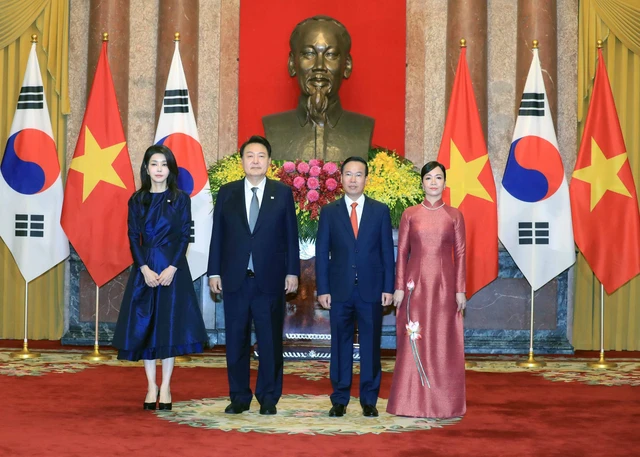
Внешнеполитические деятельности высших руководителей Вьетнама. (Фото: ВИА)

Международные эксперты и ученые также подчеркивают основной смысл внешней политики Вьетнама, который заключается в том, чтобы наилучшим образом использовать дипломатические возможности для сохранения независимости, защиты национальных интересов и благ народа. Доктор Рувислей Гонсалес Саес, вице-президент Ассоциации Кубинско-Вьетнамской дружбы отметил очень глубокое философское послание, но чрезвычайно близкое и практичное, передаваемое посредством «бамбуковой дипломатии», а именно: «Солидарность, сострадание, но решительная и настойчивая защита национальных интересов».

Доктор Джо Пейтман с факультета политики и международных отношений Ноттингемского университета (Великобритания) оценил, что «сильными корнями» бамбука в школе «бамбуковой дипломатии» являются основные руководящие принципы, такие как национальные интересы людей, независимость и самостоятельность во внешних отношениях — принципы, которые глубоко укоренились в дипломатической идеологии президента Хо Ши Мина и создают основу внешней политики Вьетнама.
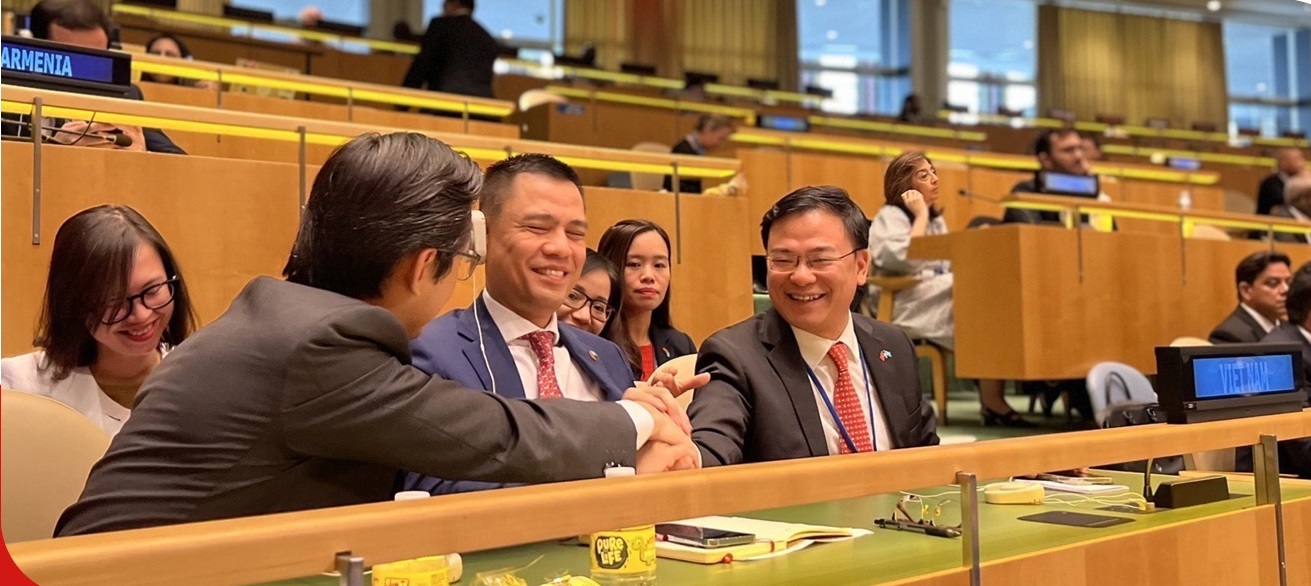
Вьетнам был избран членом Совета ООН по правам человека вечером 11 октября 2022 года по времени Нью-Йорка, США. (Фото: baoquocte.vn)

Вьетнам пользуется доверием международного сообщества и избран членом многих международных организаций, в настоящее время является вице-президентом 77-й Генеральной Ассамблеи Организации Объединенных Наций (ООН), членом Совета ООН по правам человека на срок полномочий 2023-2025 гг., членом Комиссии международного права ООН на 2023–2027 гг….

Активная деятельность Вьетнама на заседаниях агентств крупнейших мировых многосторонних организаций в полной мере продемонстрировала все более активную позицию, роль и вклад Вьетнама во двустороннюю и многостороннюю внешнюю политику, а также в усиление международного сотрудничества в глобальном масштабе. Это также живое свидетельство успеха «бамбуковой дипломатии».

24 апреля 2023 года в Нью-Йорке, США, в роли вице-председателя 77-й Генеральной Ассамблеи ООН, глава делегации Вьетнама при ООН посол Данг Хоанг Жанг председательствовал на заседании по празднованию Международного дня Матери-Земли. (Фото: ВИА)

По мнению международных экспертов, «бамбуковая дипломатия» принесла Вьетнаму все нарастающую роль на международной арене, помогая Вьетнаму добиться успеха в поддержании практических отношений с державами мира, одновременно обеспечивая национальные интересы.

Индийская газета The India Times считает, что «бамбуковая дипломатия» помогла Вьетнаму добиться успеха в сохранении независимой и сбалансированной позиции в отношениях с державами, тем самым максимизируя свои национальные интересы.
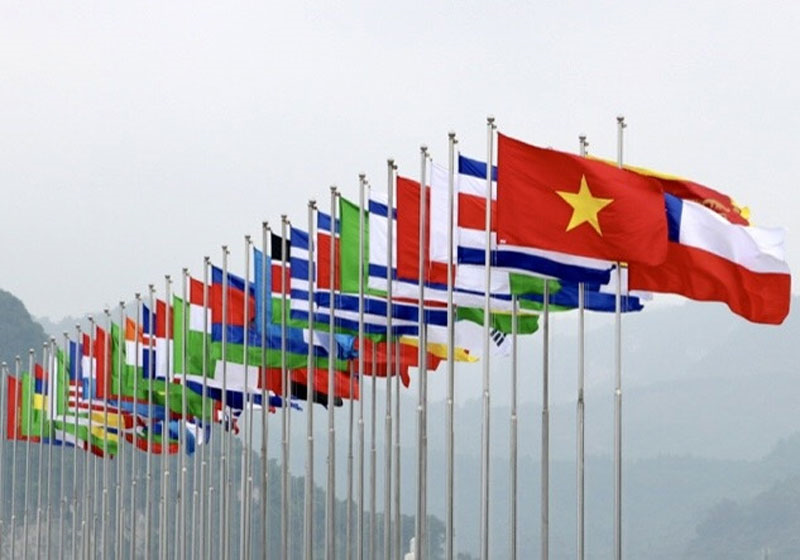
Вьетнам имеет дипломатические отношения с более чем 190 странами мира. (Фото: baoquocte.vn)

На сегодняшний день Вьетнам имеет дипломатические отношения с более чем 190 странами мира, установил стратегическое партнерство и всестороннее партнерство с 30 странами, а также поддерживает экономические отношения с более чем 230 странами и территориями, подписал 16 соглашений о свободной торговле (ССТ), включая ССТ нового поколения, является активным членом более чем 70 важных многосторонних организаций и форумов…

Благодаря реализации «бамбуковой дипломатии» Вьетнам все больше утверждает себя как надежный партнер, активный и ответственный участник процесса международной и региональной интеграции. Журналист Вэй Вэй, заведующий вьетнамским отделом Центрального радио и телевидения Китая, заявил, что внешнеполитическая работа вносит важный вклад в изменение международного положения, постепенно повышая репутацию Вьетнама на международной арене.

Президент Во Ван Тхыонг присутствовал на церемонии провода полевого госпиталя второго уровня № 5 и инженерной группы № 2, отправляющихся для выполнения миротворческой миссии ООН в Южном Судане (2023 г.). (Фото: ВИА)
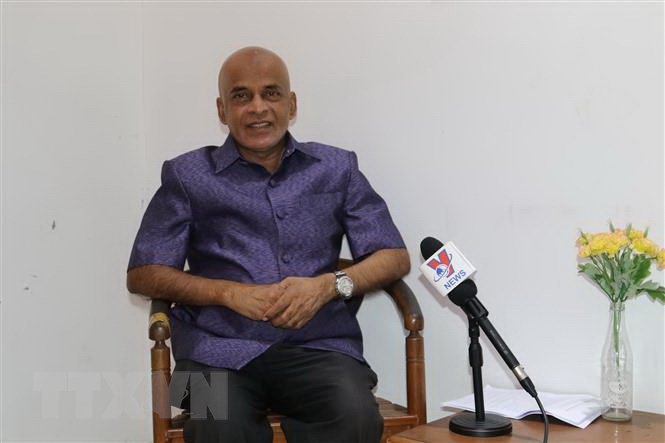
Известный индонезийский журналист Вирамалла Анджайя, старший научный сотрудник Центра исследований Юго-Восточной Азии (CSEAS). (Фото: ВИА)

Известный индонезийский журналист Вирамалла Анджайя, старший научный сотрудник Центра исследований Юго-Восточной Азии (CSEAS), подчеркнул, что Вьетнам является восходящей «звездой» Индо-Тихоокеанского региона, страной-стратегом в Юго-Восточной Азии, имея большое дипломатическое влияние в регионе.

Между тем, бывший посол Кубы во Вьетнаме Фредесман Турро Гонсалес подтвердил, что Вьетнам стал образцом для развивающихся стран, став важным игроком на международной политической арене, активно действуя и внося значительный вклад в работу международных организаций и форумов, став надежным партнером и активно участвуя в процессе международной и региональной интеграции. По его словам, вышеуказанные результаты обусловлены умным и умелым использованием Вьетнамом положительных факторов, вызванных глобализацией, не отказываясь при этом от своих внешнеполитических принципов, и в то же время ограничивая влияние негативных факторов.
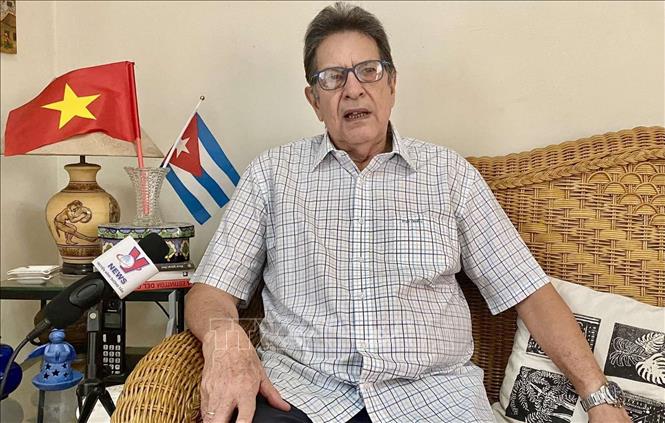
Бывший посол Кубы во Вьетнаме Фредесман Турро Гонсалес. (Фото: ВИА)

Бывший заместитель советника по национальной безопасности Индии С.Д. Прадхан высоко оценил способность Вьетнама умело решать возникающие ситуации и вносить позитивный вклад в решение международных проблем, продвигаясь к миру. Он подчеркнул, что Вьетнам, будучи председателем Совета Безопасности ООН, успешно председательствовал на двух важных заседаниях по вопросам соблюдения Устава ООН и по сотрудничеству между ООН/Советом Безопасности ООН и АСЕАН. Вьетнам также играет важную роль в продвижении концепции «Перспектив АСЕАН по Индо-Тихоокеанскому региону» (AOIP). Эти шаги значительно повысили авторитет Вьетнама на международной арене./.

越南以“竹式外交”融入国际社会 

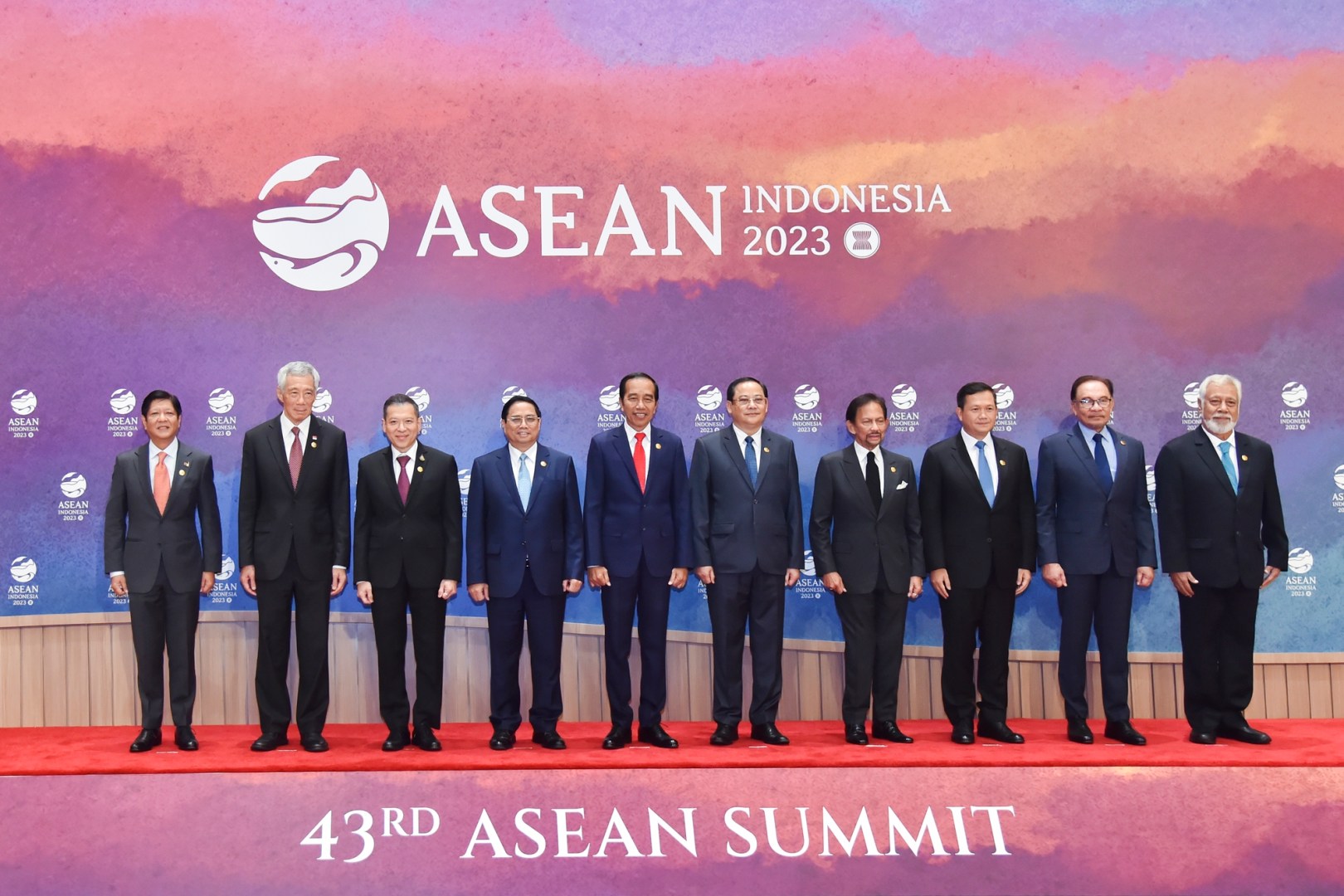
越南政府总理范明政与出席第43届东盟峰会开幕式的东盟各国代表团团长合影。图自越通社

在越南民族历史长河上,对外工作一直起着十分重要的作用,不仅致力于牢牢捍卫国家独立、主权、统一和领土完整,而且为国家建设与发展事业做出巨大的贡献。

意识到外交工作在当前国家建设与发展事业中的重要性,在2021年12月14日举行的贯彻落实越南共产党第十三次全国代表大会决议的全国对外工作会议上,越共中央总书记阮富仲强调,“力争建设和发展具有现代化、富有民族特色的‘越南竹式外交’政策。”

应中国共产党中央委员会总书记、中华人民共和国主席习近平的邀请,越南共产党中央总书记阮富仲率领越南共产党高级代表团于2022年10月30日至11月2日对中华人民共和国进行正式访问。图自越通社

其全面和定期的任务是牢牢维护和平稳定环境,为国家革新事业和捍卫祖国事业利用国际有利因素,提高越南国家的地位,越南当前对外政策创新地运用马克思列宁主义基本原理和胡志明主席奠定的基础,并符合国内外形势。

对 “越南竹式外交”政策进行评估时,国际专家和学者一致认为竹子“根系健壮,树干粗壮,枝条柔韧”的形象充满越南特色,符合越南多样化、多边化对外政策,为确保国家和民族利益目标提供服务。

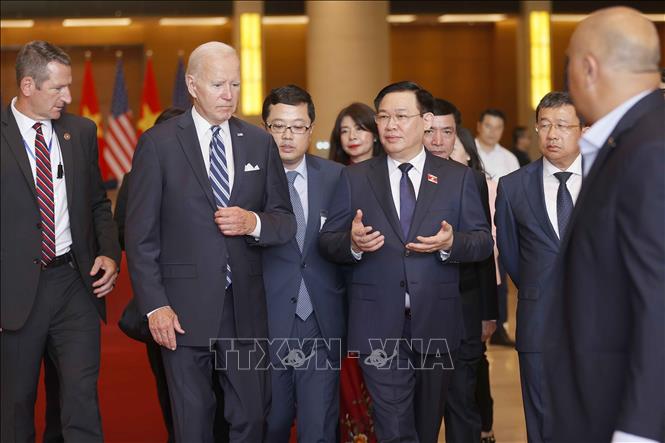
应越共中央总书记阮富仲的邀请,美国总统乔·拜登(Joe Biden)于9月10日至11日对越南进行国事访问。图自越通社

澳大利亚-越南政策研究院联合创始人雷顿·派克(Layton Pike)认为,竹子唤起了坚韧、团结和力量的形象,这是越南外交政策的理想隐喻,就是灵活创新,而面对所有挑战和困难时保持定力。

伊朗德黑兰对外政策研究所所长阿贝德·阿克巴里(Abed Akbari)博士认为,越南用“竹式外交”的概念来比喻外交政策的韧性、灵活性和适应性。

越共中央总书记阮富仲在全国对外会议上发表重要讲话。图自越通社

日本防卫省日本防卫研究所地域研究部主任庄司智孝(Tomotaka Shoji)强调,“竹式外交”体现出越南的外交政策根据合作伙伴和具体情况表现出灵活性,非常适合越南的环境战略和历史背景,其中确保同其他国家关系平衡发展的逻辑尤为突出。

印度国家安全副顾问普拉德汉(S D Pradhan)表示,越南灵活和温和的外交政策以“适应”多极世界的所有极点,但仍然与更广泛的国家利益紧密相连,力争实现国家和地区的和平与经济增长。 其进一步彰显了越南对外政策的主动性和自信,越南通过该政策证明了其“与世界所有国家” 成为朋友的主张。

越南系列对外活动组图。图自越通社

国际专家和学者们还凸显了越南外交政策的核心就是充分利用外交机遇来确保维护国家独立,保护国家利益和造福人民。

古越友好协会副主席卢维斯雷·冈萨雷斯·塞斯博士提及“竹式外交”所传达的非常深刻且极其贴近、务实的哲学信息,那就是:“团结、仁爱、但坚决、坚持维护国家和民族利益”。

美国纽约时间2022年10月11日晚,越南当选联合国人权理事会成员。图自baoquocte.vn

英国诺丁汉大学政治与国际关系学院乔•帕特曼(Joe Pateman)博士评价说,“竹式外交”政策中的竹子‘根系健壮’指的是对外关系中的民族利益、独立自主等核心指导原则,这些原则深深扎根于胡志明主席外交思想之中,为越南对外路线奠定的基础。

越南不断深受国际社会的信任,加入了多个国际组织,目前,越南担任第77届联合国大会副主席、联合国人权理事会2023-2025年任期成员和联合国国际法委员会2023-2027年任期成员等。

2023年4月24日,越南常驻联合国代表团团长邓黄江大使以77届联合国大会副主席身份在美国纽约共同主持了庆祝国际地球母亲日的会议。图自越通社

越南在世界最大多边组织各场会议上的精彩活动充分展现了越南在双边外交和多边交以及促进全球范围内的国际合作中日益积极主动的地位、作用和贡献。 这也是“竹式外交”政策取得成就的生动体现。

据国际专家的评估,“竹式外交”有助于越南在国际舞台上发挥日益重要的作用,帮助越南在确保国家利益的同时成功与主要大国保持现实关系。

《印度时报》认为,“竹式外交”助力越南成功与大国保持独立、平衡的地位,从而很好地维护了国家利益。

越南与190多个国家建立了外交关系。图自互联网

迄今为止,越南已与世界190多个国家建立外交关系,其中与30个国家建立战略伙伴关系和全面伙伴关系;与230多个国家和地区建立经济关系; 签署了16个自由贸易协定(FTA),其中包括新一代自由贸易协定;是70多个重要多边组织和框架的积极成员。

日益开放和深化的对外关系网络有助于越南巩固和平稳定环境和国家独立、主权和领土完整; 同时,开拓许多进出口市场,利用外部多项资金、技术和知识来源,为国家工业化和现代化事业提供服务。

越南国家主席武文赏出席赴南苏丹和阿卜耶伊执行联合国维和任务的五好二级野战医院和二号工兵队出征仪式。图自越通社

凭借“竹式外交”,越南日益凸显其为国际和地区一体化进程中的可靠伙伴和积极负责任的成员。中国中央广播电视总台越南语部主任魏为记者认为,对外工作为改变与进一步提高越南在国际舞台上的地位和信誉作出了重要贡献。

印度尼西亚《雅加达邮报》资深记者、东南亚研究中心(CSEAS)高级研究员维拉玛拉·安贾亚。图自越通社

印度尼西亚《雅加达邮报》资深记者、东南亚研究中心(CSEAS)高级研究员维拉玛拉·安贾亚(Veeramalla Anjaiah)强调,越南是印度洋-太平洋地区的“新兴之星”,是东南亚战略国家,在本地区具有重要的外交影响力。

与此同时,原古巴驻越南大使弗雷德斯曼·图罗·冈萨雷斯(Fredesmán Turró González)强调,越南已成为发展中国家的典范。越南目前是国际政治舞台上的重要主体,积极参加国际组织和论坛的活动并做出了许多贡献,是可靠的伙伴,积极参与国际和地区一体化进程。他认为,上述成果得益于越南在不放弃对外原则,同时减少负面因素影响的情况下,巧妙利用由全球化带来的积极因素。

原古巴驻越南大使弗雷德斯曼·图罗·冈萨雷斯。图自越通社

印度国家安全副顾问普拉德汉(S D Pradhan)高度评价越南能够巧妙地应对新发生的问题,并通过走向和平的道路为解决国际问题做出积极的贡献。他强调,作为联合国安理会轮值主席国的越南成功主办关于遵守《联合国宪章》和联合国安理会与东盟合作的两场重要会议。越南为推动《东盟印太展望》(AOIP)理念方面也发挥着重要的作用。这些举措显著提升了越南在国际舞台上的地位。(完)

VIETNAM’S INTERNATIONAL INTEGRATION THROUGH “BAMBOO DIPLOMACY”

Prime Minister Pham Minh Chinh and other heads of ASEAN member state delegates in a group photo at the opening ceremony of the 43rd ASEAN Summit (Photo: VNA)

Throughout the long history of the Vietnamese nation, foreign diplomacy has always played an extremely important role, contributing to not only safeguarding the country’s sovereignty and territorial integrity but also its construction and development.

Recognising such importance given the current nation-building and development process, at the National Foreign Relations Conference for the Implementation of the Resolution of the 13th National Party Congress on December 14, 2021, Party General Secretary Nguyen Phu Trong underscored the determination to build and develop a modern foreign “bamboo diplomacy” imbued with national identity.

General Secretary of the Communist Party of Vietnam Central Committee Nguyen Phu Trong pays an official visit to China from October 30 to November 2, 2022. (Photo: VNA)

Bamboo diplomacy has its overarching mission: maintaining a peaceful and stable environment, seizing favourable international factors for the causes of national reform and protection, and enhancing the country’s position. Vietnam’s current foreign policy creatively applies the fundamental principles of Marxism-Leninism, and was built upon the foundation laid by the late President Ho Chi Minh and tailored to domestic and the global situations.

Evaluating Vietnam’s unique and remarkable external relations diplomacy, known as “bamboo diplomacy,” many international experts and scholars agreed that the imagery of bamboo with its “strong roots, sturdy trunk, and flexible branches” embodies the essence of Vietnam and aligns well with the country’s policy of multilateralism and diversification to safeguard the interests of the nation and its people.

US president Joe Biden pays a State visit to Vietnam on September 10-11, 2023, at the invitation of Party General Scretary Nguyen Phu Trong. (Photo: VNA)

Layton Pike, co-founder of the Australia-Vietnam Policy Institute (AVPI) believed that bamboo evokes the image of resilience, solidairty and strength, making it an ideal metaphor for Vietnam’s foreign policy of flexibility, creativity, but also steadfastness in the face of challenges and difficulties.

Abed Akbari, Director of the Tehran International Studies and Research Institute, stated that Vietnam’s use of the “bamboo diplomacy” concept serves as a metaphor for resilience, flexibility and high adaptability in foreign policy.

Party General Secretary Nguyen Phu Trong delivers a speech at the National Foreign Relations Conference for the Implementation of the Resolution of the 13th National Party Congress, on December  14, 2023. (Photo: VNA)

Tomotaka Shoji, Director of the National Institute for Defense Studies’ Regional Studies Department under the Japanese Ministry of Defence, noted that the diplomacy showcases Vietnam’s foreign policy is not rigid but adaptable to partners and situations, aligning well with the strategic environment and historical context. It highlights the logic of developing balanced relations with various countries.

According to former Deputy National Security Advisor of India SD Pradhan, Vietnam’s foreign policy is flexible and supple to harmonise with all poles in the multipolar world while remaining firmly tied to larger national interests, aiming for peace and economic growth for both the nation and the region. This underscores Vietnam’s proactiveness and confidence in its foreign policy and commitment to being friends with all nations.

Party leader Nguyen Phu Trong at a working session with foreign diplomats. (Photo: VNA)

International experts and scholars also highlighted the core principles of Vietnam’s foreign policy, which revolve around effectively seizing diplomatic opportunities to ensure the maintenance of independence, safeguard national interests, and promote the citizens’ well-being.

Ruvislei González Saez, Vice President of the Cuba – Vietnam Friendship Association (CVFA), mentioned a deeply philosophical yet practical message transmitted through “bamboo diplomacy,” which is solidarity, compassion, but determination and persistence in protecting the interests of the nation and its people.

Vietnam was elected to the United Nations Human Rights Council (UNHRC) for the 2023-2025 tenure on October 11 at the 77th session of the UN General Assembly in New York. (Photo: baoquocte.vn)

Dr. Joe Pateman from the Faculty of Politics and International Relations at the UK’s University of Nottingham emphasises that the “strong roots” of the bamboo in the diplomacy philosophy represent fundamental guiding principles such as national interests, independence, and self-reliance in foreign relations. These principles have deeply rooted in President Ho Chi Minh’s diplomatic thinking, forming the foundation of Vietnam’s foreign policy.

Vietnam has earned the trust and recognition of the international community and participated in numerous international organisations. Freshly completing its one-year term as Vice President of the 77th session of the United Nations (UN) General Assembly in September, Vietnam remains a member of the UN Human Rights Council for the 2023-2025 term, and of the UN International Law Commission for 2023-2027.

Ambassador Dang Hoang Giang, Vietnam’s Permanent Representative to the United Nations (UN), addresses a meeting in New York on April 24 to celebrate International Mother Earth Day, as Vice President of the 77th session of the UN General Assembly (UNGA 77). (Photo: VNA)

According to international experts, “bamboo diplomacy” has given Vietnam an increasing role on the international stage, enabling it to maintain practical relations with major powers and ensure national interests.

The India Times noted that “bamboo diplomacy” has contributed to Vietnam’s success in sustaining its independent and balanced position in relations with larger nations, thus maximising its national interests.

Vietnam has diplomatic relations with over 190 countries worldwide. (Photo: baoquocte.vn)

Currently, Vietnam has diplomatic relations with over 190 countries worldwide, including strategic and comprehensive partnerships with 30 nations. It maintains economic ties with more than 230 countries and territories and has signed 16 free trade agreements (FTAs), including new-generation ones. Vietnam is also an active member of more than 70 important multilateral organisations and forums.

This extensive and intensive network of foreign relations has enabled Vietnam to solidify a peaceful, stable environment as well as independence, sovereignty, territorial integrity. At the same time, it has opened up numerous markets for exports and imports and attracted various sources of capital, technology, and knowledge from abroad, serving the country’s industrialisation and modernisation.

President Vo Van Thuong, military officials, and members of Level-2 Field Hospital Rotation 5 and Engineering Unit Rotation 2 at the deployment ceremony on June 29 (Photo: VNA)

Through the implementation of this type of diplomacy, Vietnam is increasingly asserting itself as a reliable partner and a proactive, responsible member in the process of international and regional integration. According to Wei Wei, head of the Vietnamese department under China’s central TV and radio station, foreign affairs play a crucial role in altering Vietnam’s international standing, gradually enhancing its reputation on the global stage.

Indonesian journalist Veeramalla Anjaiah, a senior researcher at the Center for Southeast Asian Studies (CSEAS). (Photo: VNA)

Indonesian journalist Veeramalla Anjaiah, a senior researcher at the Center for Southeast Asian Studies (CSEAS), underscored that Vietnam is a rising star of the Indian Ocean-Pacific region and a strategic country in Southeast Asia with significant diplomatic influence in the region.

Former Cuban Ambassador to Vietnam Fredesmán Turró González affirmed that Vietnam has become a model for developing nations. The country is now an important player on the international political stage, actively engaging in and making noteworthy contributions to various international organizations and forums. It is also a trusted partner who actively participates in international and regional integration.

Former Cuban Ambassador to Vietnam Fredesmán Turró González . (Photo: VNA)

Former Deputy National Security Advisor of India SD Pradhan, meanwhile, hailed Vietnam’s adept handling of various situations and its positive contributions to tackling international issues with a focus on peace. He highlighted the country’s successful chairing of two important meetings on UN Charter compliance and on cooperation between the UN and its Security Council and ASEAN. Vietnam also plays a crucial role in promoting the ASEAN Outlook on the Indo-Pacific (AOIP). These moves have significantly elevated Vietnam’s international stature./.
REMOVING IUU YELLOW CARD – OPPORTUNITY VIETNAM SHOULD NOT MISS 

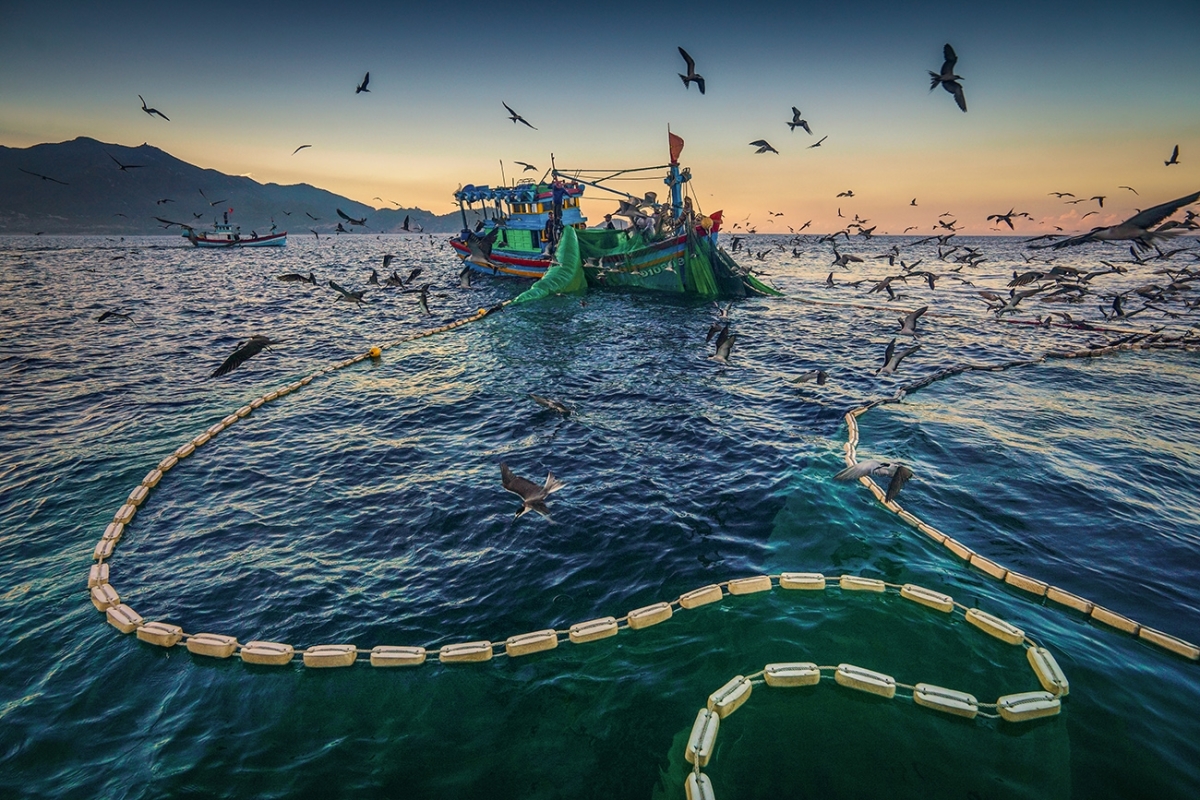
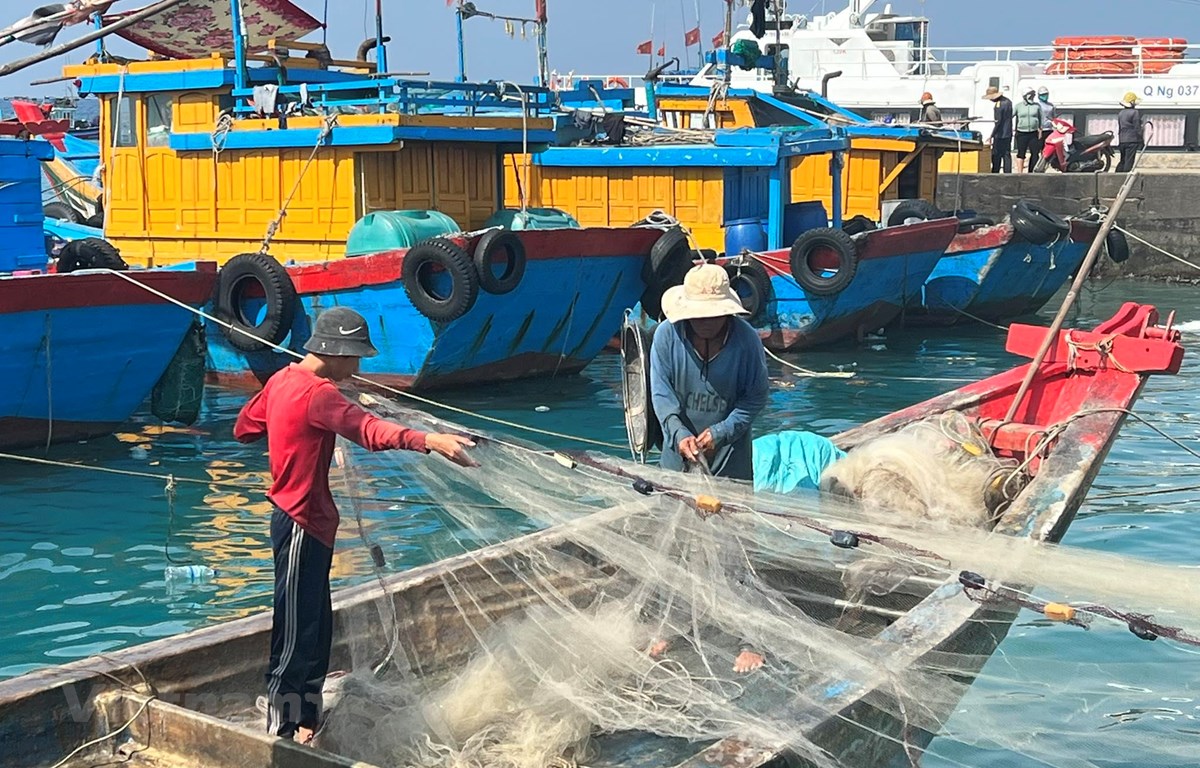
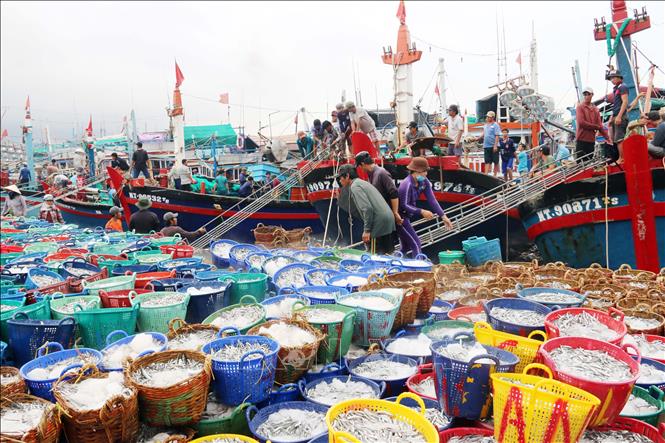
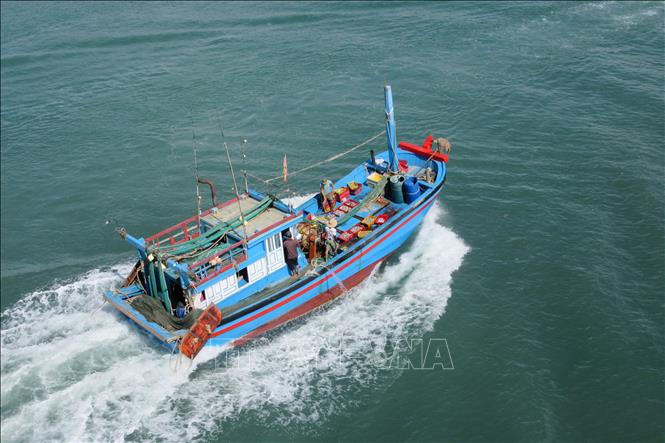
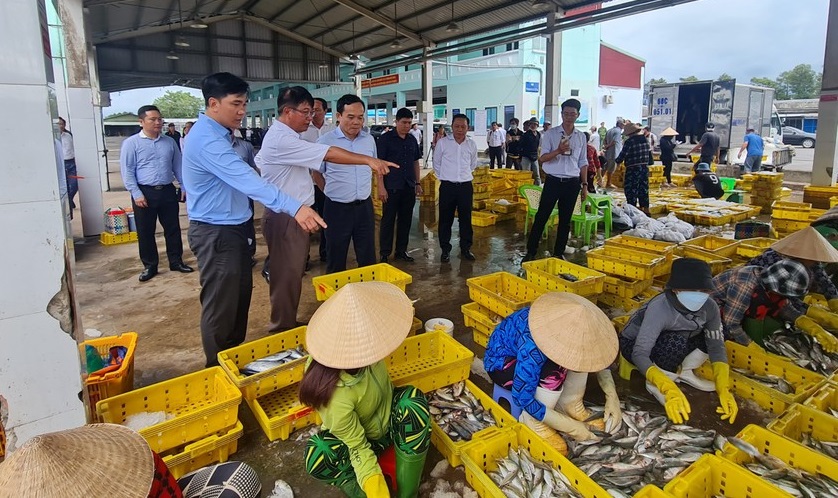
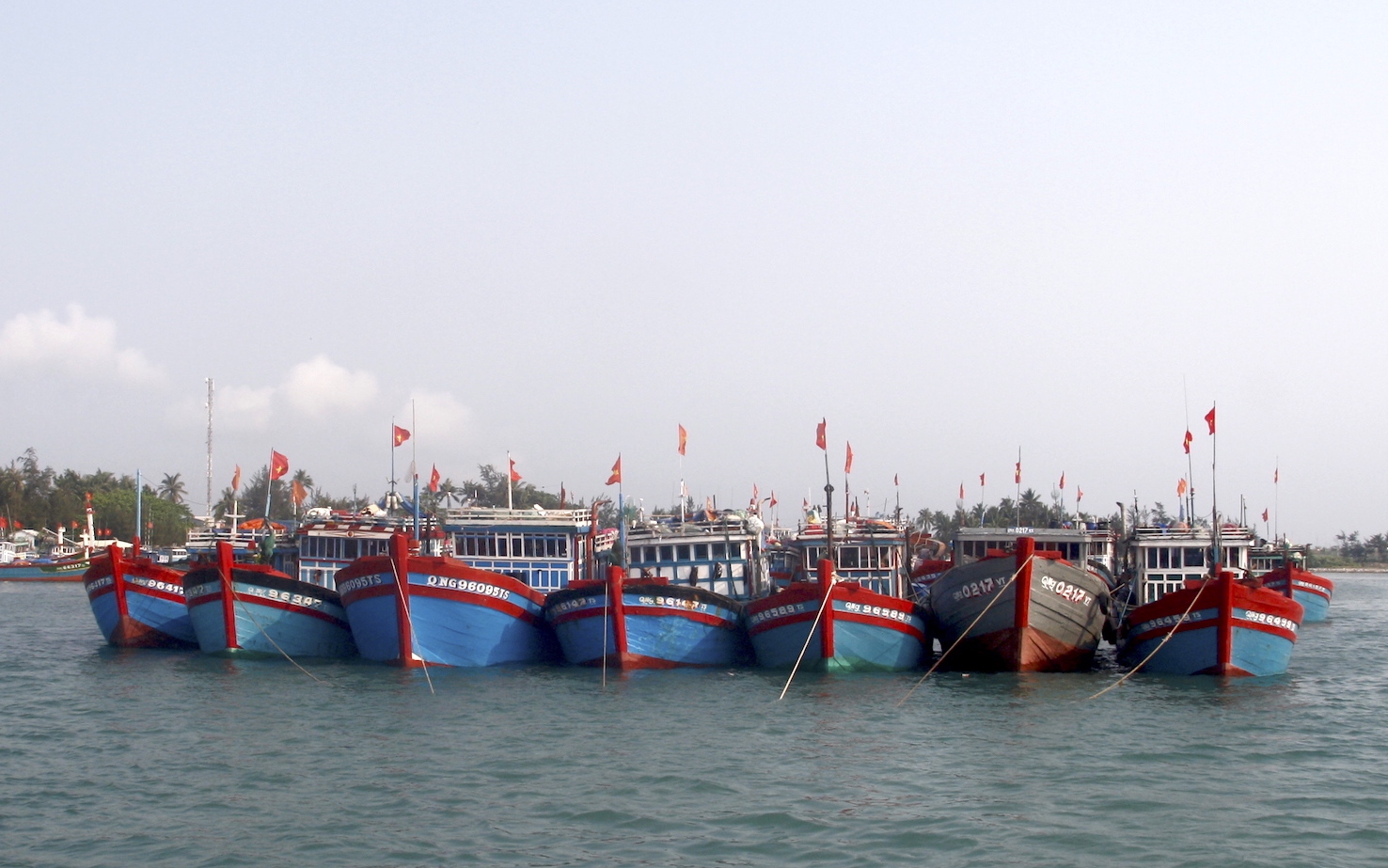
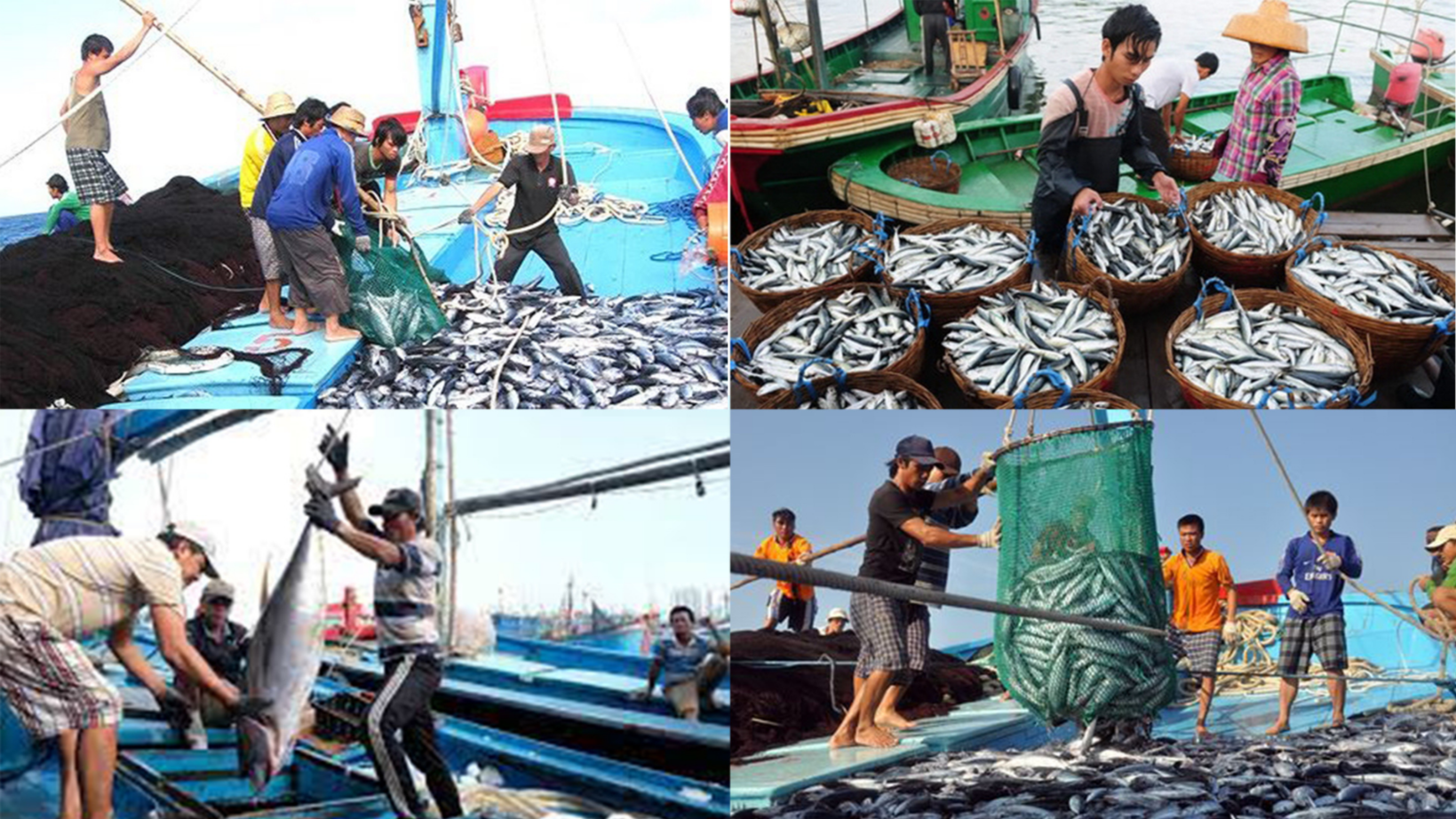
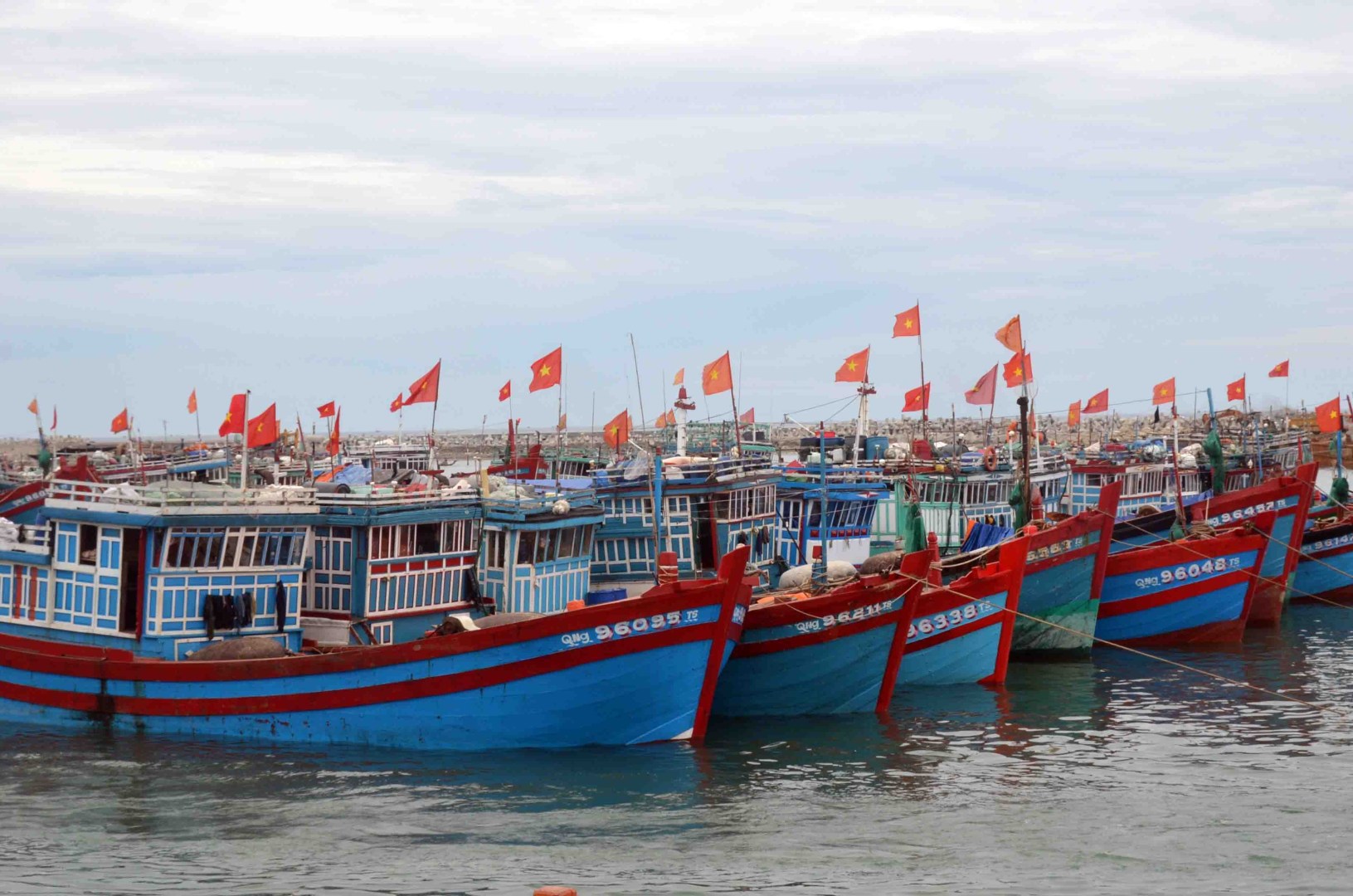
Fishing boats in Phu Yen province. (Photo: tuoitre.vn)

There are only few days left before the European Commission (EC)’s fourth on-site inspection in Vietnam over the fight against illegal, unreported, and unregulated (IUU) fishing.

With its efforts in addressing limitations over the past nearly six years, Vietnam hopes that this will be an opportunity to remove the yellow card that the EC has imposed on its seafood since October 20, 2017, due to its fishing and fishery management not meeting EC regulations.

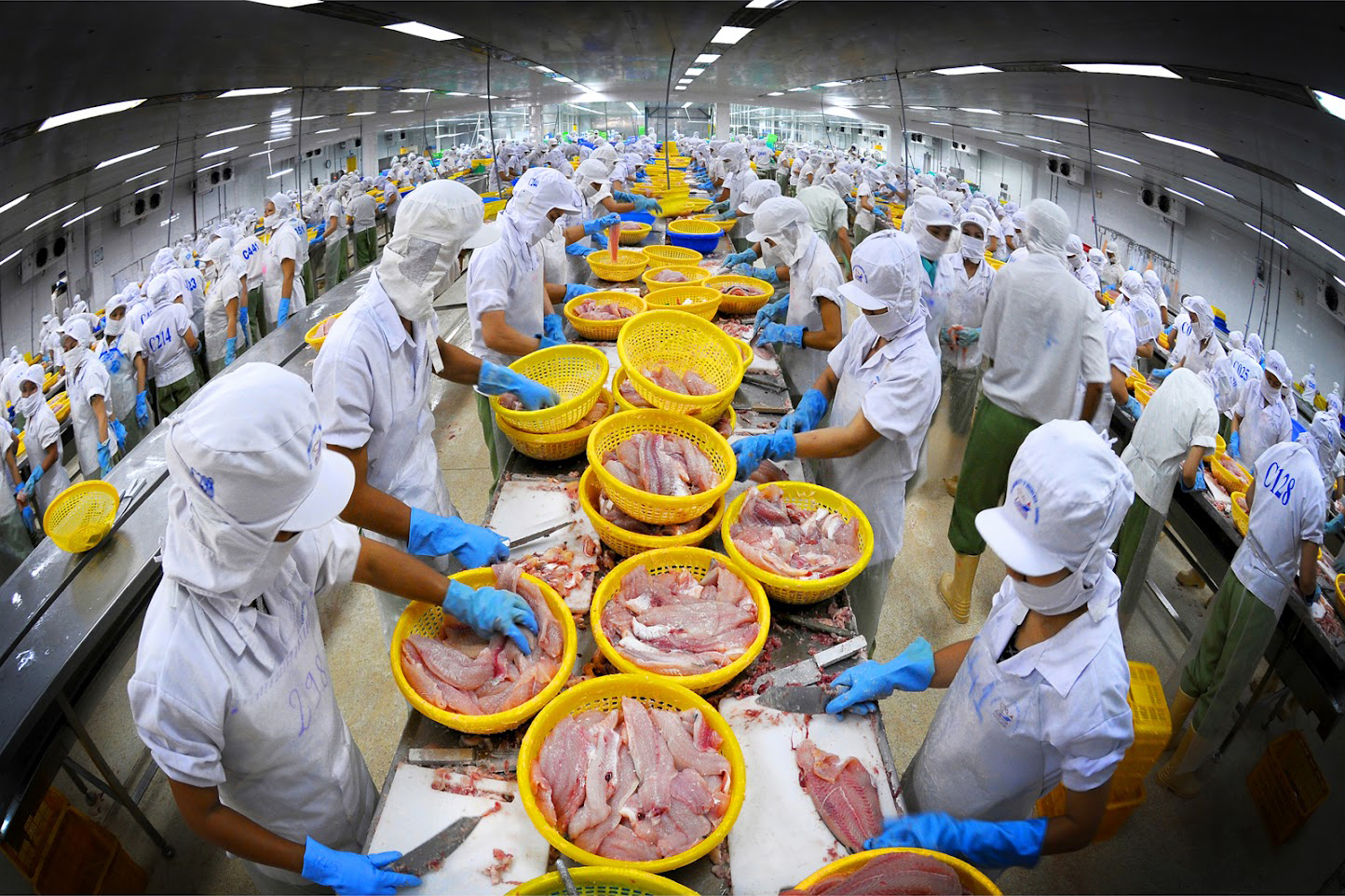
Vietnam is making efforts to develop a sustainable seafood sector. (Photo: VNA)

In essence, the EU’s regulatory system allows the traceability of imported seafood, and the classification of exporting countries to the EU by a system of colour-coded cards, comprising green, yellow, red, and, most severe, a cessation of trade. With the yellow card, all Vietnam’s seafood exports to the EU are subject to a pre-check. As a consequence, the cost of seafood export to Europe has increased, and the volume has decreased due to the extended delivery time. The EU’s IUU regulations require that seafood entering Europe must have complete traceability information, including fishing ground, fishing time, type of vessels and ports for their departure and return, fisheries law compliance, and whether the laws match EU regulations or not.

As the EU ranks among the top five largest importers of Vietnamese seafood, the imposition of the yellow card has resulted in a continuous decline in Vietnam’s seafood exports to this market since 2017, according to the report titled “A Trade-Based Analysis of the Economic Impact of Non-Compliance with Illegal, Unreported and Unregulated Fishing- The Case of Vietnam” jointly published by the Vietnam Association of Seafood Exporters and Producers (VASEP) and the World Bank (WB).

In 2022, the revenue stands at only 1.3 billion USD, but the EU still remains one of Vietnam’s top five major buyers. (Photo: nongnghiep.vn)

Compared to the 2017 figures, seafood exports to the EU decreased by 12% in 2019, equivalent to 183.5 million USD. This downward trend continued in 2020, dropping by 5.7% from the previous year. In 2022, the revenue reached only 1.3 billion USD, but the EU still remained one of Vietnam’s top five major buyers.

Vietnam’s efforts to have yellow card lifted

Right after receiving the yellow card in 2017, Vietnam proactively responded to EC recommendations. The country promptly enacted the Fisheries Law and established fishing vessel data covering registration and the issuance of fishing licenses from central to local levels.

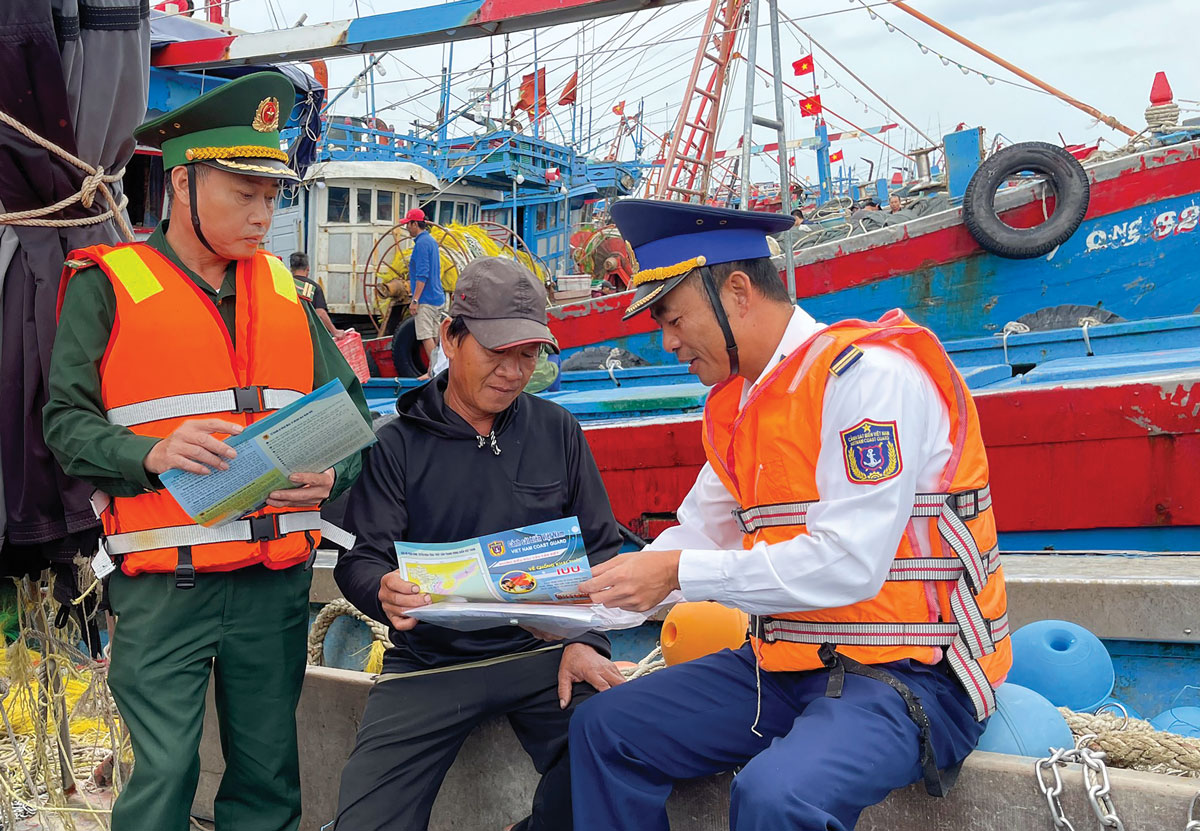
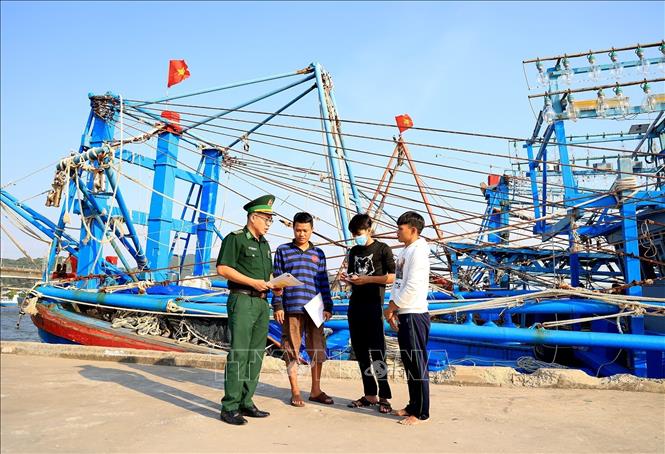
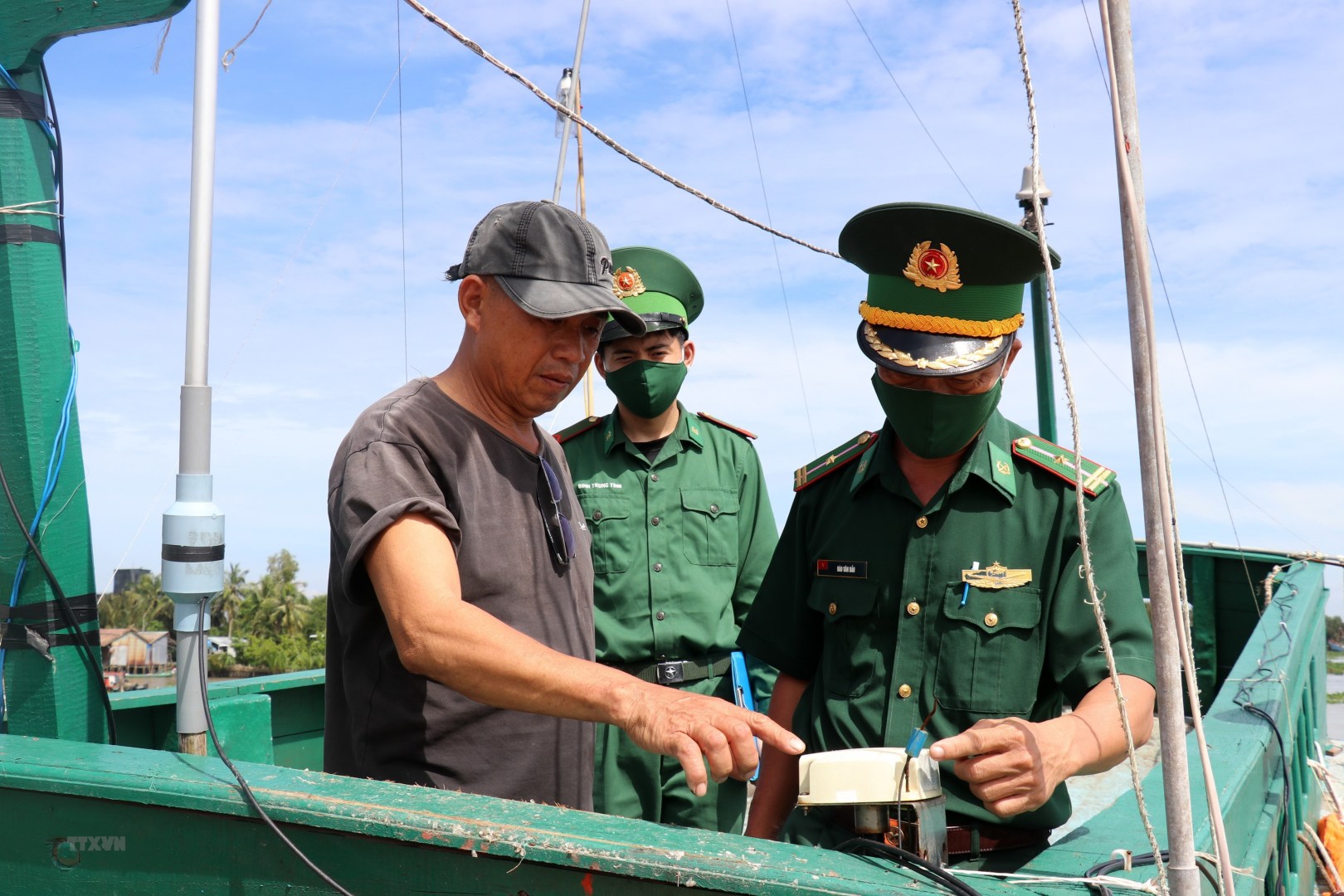
Border guards popularise fishing regulations among fishermen and boat owners. (Photo: VNA)

Relevant ministries, agencies, and coastal provinces and cities of Vietnam have implemented IUU fishing prevention tasks and solutions in line with directives of the permanent members of the Party Central Committee’s Secretariat, the Prime Minister, and the National Steering Committee on IUU Fishing Prevention.

However, Vietnam’s efforts have yet to meet the expectations of the EC, and in November 2019, the commission issued four groups of recommendations that Vietnam needed to implement regarding the legal framework, the monitoring, inspection, and control of fishing activities, the certification of seafood volume and traceability, and law enforcement.

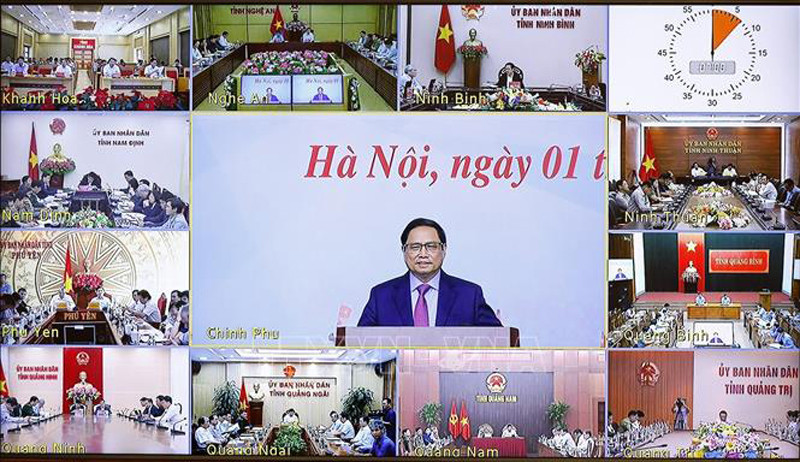
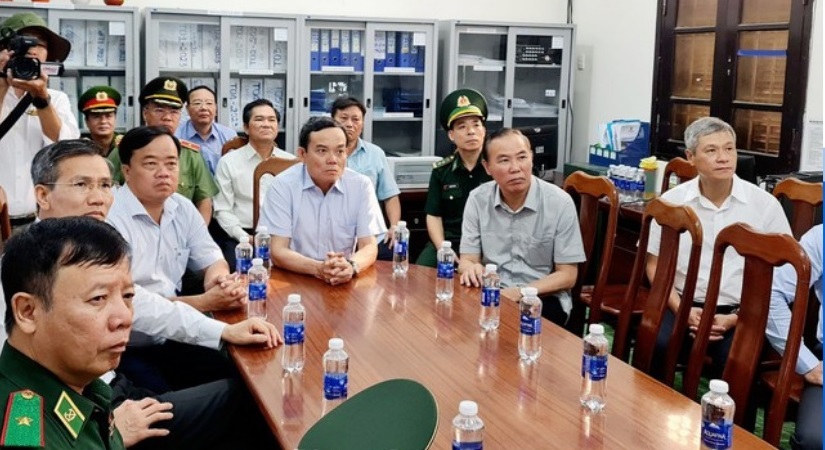
Prime Minister Pham Minh Chinh chairs an online conference on IUU fishing combat. (Photo: VNA)

To materialise the EC recommendations and prepare for the fourth working session with the EC inspection team, Deputy Prime Minister Tran Luu Quang on February 13 signed Decision No. 81/QD-TTg issuing an action plan on IUU combat.  

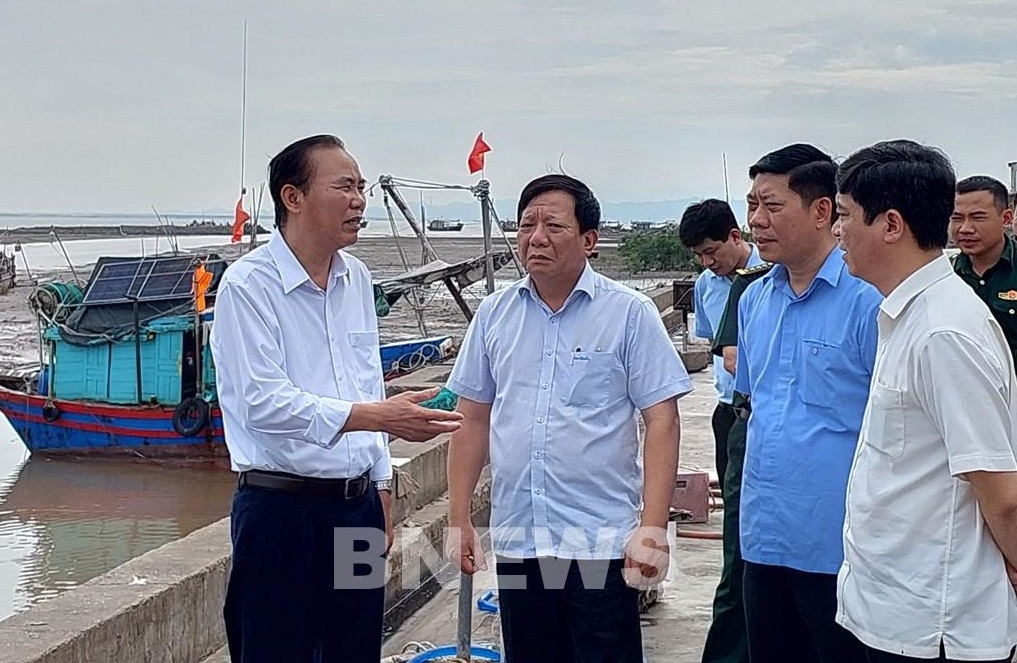
Deputy Prime Minister Tran Luu Quang and Deputy Minister of Agriculture and Rural Development Phung Duc Tien inspect the fight against IUU fishing in Ca Mau and Hai Phong. (Photo: VNA)

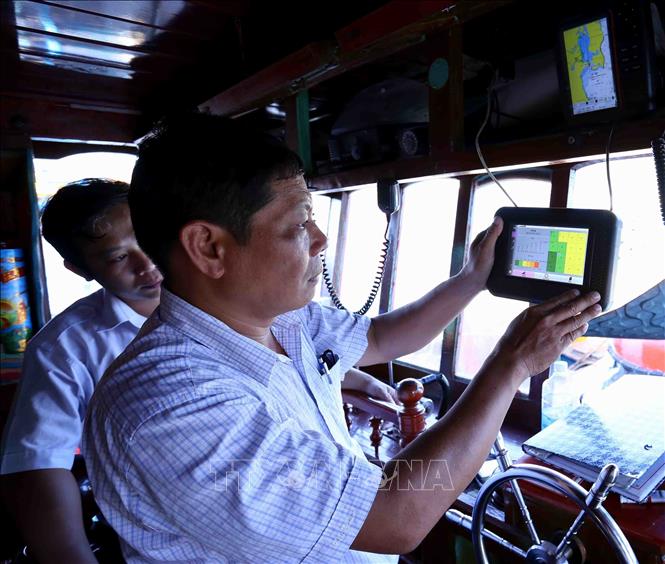
Accordingly, relevant ministries, agencies and localities have reviewed all fishing vessels in localities, completed the registration, the marking of fishing vessels, the issuance of fishing licenses, and the installation of vessel monitoring system (VMS) equipment as required. Simultaneously, they have updated 100% of fishing vessel data in the National Fisheries Database (VnFishbase), compiled a list of fishing vessels not engaged in fishing activities and those that are likely to violate fishing regulations, which has been sent to competent agencies, and assigned tasks to specific agencies and individuals. They have put an end to the illegal operations of fishing vessels in foreign waters, investigated and handled all of the violations, and stepped up the dissemination work.

The number of fishing vessels measuring 15 metres or more in length equipped with the VMS reaches 97.86%. (Photo: VNA)

Deputy Minister of Agriculture and Rural Development Phung Duc Tien said as of the end of August, the number of fishing vessels nationwide dropped by 10,000 from 2019. All fishing vessels with a length of 6 metres or more have been registered and have their information available in VNFishbase. The number of fishing vessels measuring 15 metres or more in length equipped with the VMS reached 97.86%. The Vietnam Fisheries Society has 90 associations in 16 out of the 28 coastal provinces and cities, with nearly 18,000 members. Alongside these associations, there are 5,810 offshore production teams in the country, bringing together 48,000 vessels and 252,000 fishermen.

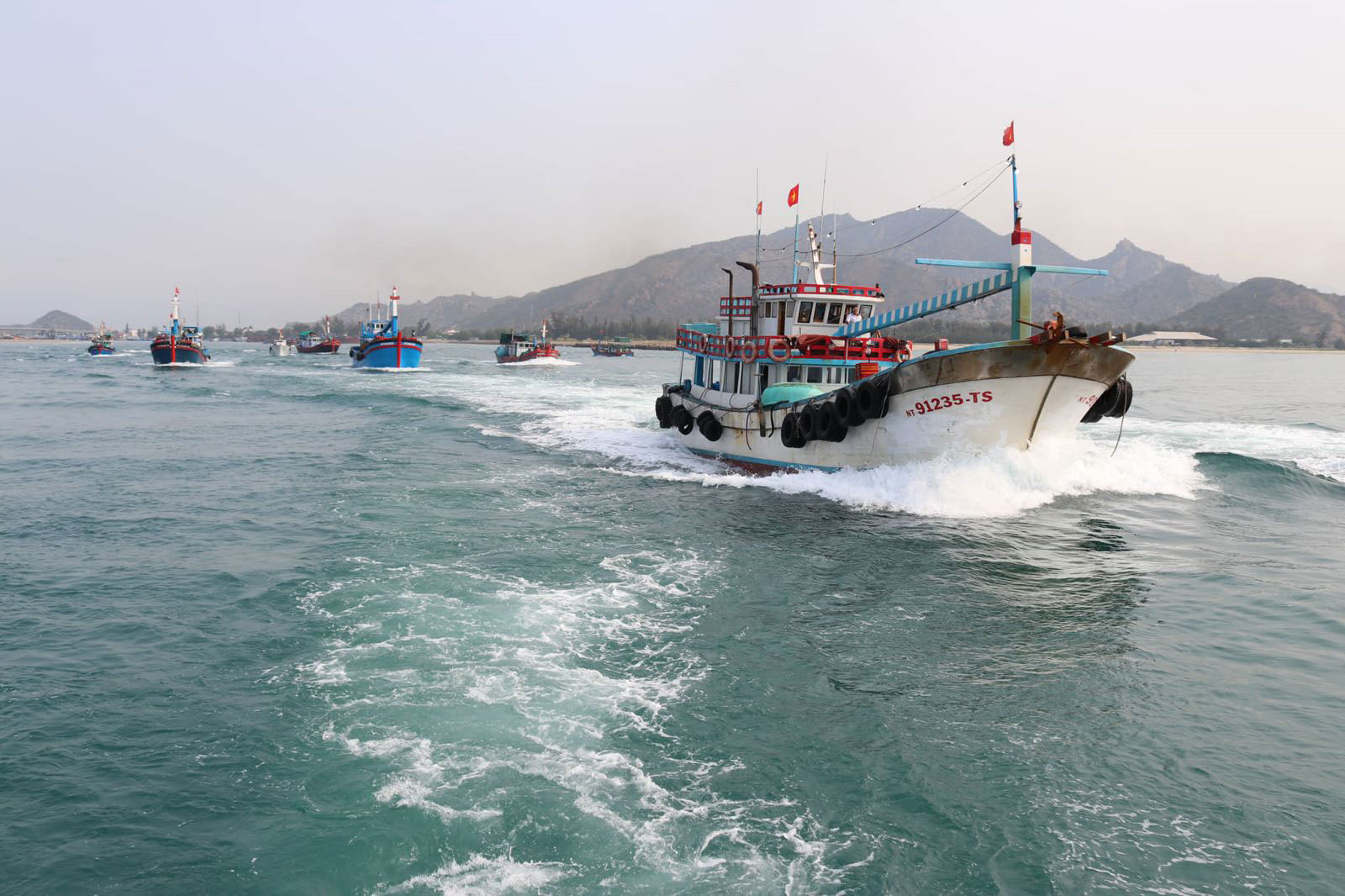
Fishing vessels in Ninh Thuan province. (Photo: VNA)

Vietnam on right track

Through inspections, the EC has concluded that Vietnam’s efforts to have the yellow card lifted are on the right track, and that the fight against IUU fishing has been prioritised by the Vietnamese government and yielded marked results. The EC has also emphasised a “clear legal framework” and pledged to support Vietnam to remove the label as soon as possible.

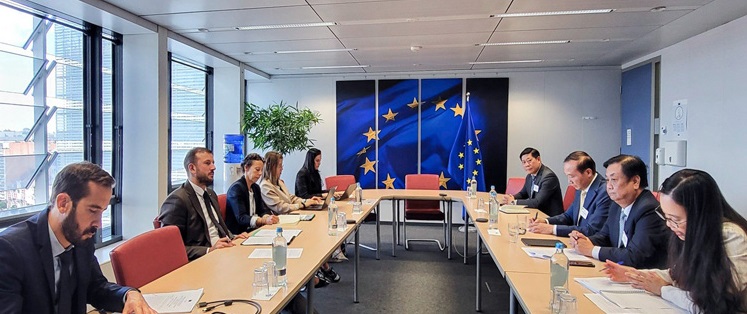
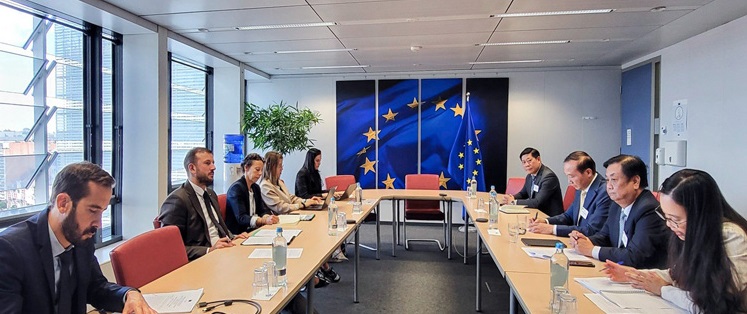
Minister Le Minh Hoan and the delegation of the Ministry of Agriculture and Rural Development visited and had a working session with with agencies of the European Commission (EC) in Brussels, Belgium, on September 18. (Photo: VNA)

For Vietnam, transforming its fishing industry to a modern, sustainable and responsible sector, and changing the mindset of fishermen remain a big challenge, requiring the strong determination of all stakeholders, especially in implementing the EC’s recommendations to prevent fishing vessels from encroaching on foreign fishing grounds.

Experts have called the yellow card a significant risk for Vietnam’s seafood industry. However, from a positive perspective, it can be seen as a crucial “examination” that will help upgrade and enhance the reputation of Vietnamese seafood. It also opens up opportunities for the country to enter demanding markets because the EU has some of the strictest requirements. Once Vietnam implements all of its recommendations, the country would form a sustainable production chain and confidently export seafood products to other promising markets. This is also roadmap for Vietnam to protect its seafood resources, and marine and ocean ecosystem and biodiversity, and ensure sustainable livelihood for coastal communities./.
Major milestones in yellow card imposition

October 23, 2017

The EC issued a yellow card warning against Vietnam’s fisheries, along with nine groups of recommendations that Vietnam needed to implement to remove the card.
May 2018

The EC conducted the first inspection.

November 2019

The EC conducted the second inspection and reduced the recommendations to four: legal framework, the monitoring, inspection, and control of fishing activities, the certification of seafood volume and traceability, and law enforcement.

From 2020 until now

Due to the COVID-19 pandemic, the EU could not conduct another inspection. The Vietnamese Ministry of Agriculture and Rural Development provided updates and a report on the implementation of the recommendation for the EC.

October 2023

The EC delegation, expected to include representatives from the Directorate-General for Maritime Affairs and Fisheries (DG MARE) and the EC Delegation in Vietnam, will come to Vietnam for the IUU fishing issue from October 10-18./.

Attention has been paid to fishery logistics. (Photo: VNA )

VIETNAM INSISTE EN RETIRO DE TARJETA AMARILLA APLICADA AL SECTOR PESQUERO

Se pescan en la isla de Yen, provincia de Phu Yen. Foto: tuoitre.vn

A mediados de octubre, una delegación de la Comisión Europea (CE) visitará Vietnam para la cuarta inspección sobre la lucha contra la pesca ilegal, no declarada y no reglamentada (IUU, por sus siglas en inglés).

Con los esfuerzos para superar las limitaciones durante los últimos seis años, Vietnam espera que esta sea una oportunidad para eliminar la tarjeta amarilla que la CE impuso a los productos pesqueros nacionales desde el 20 de octubre de 2017.

Vietnam se esfuerza por desarrollar una industria sostenible de cultivo y explotación de productos del mar. Foto: Vietnam+

La Unión Europea (UE) tiene regulaciones sobre la certificación del origen de los productos pesqueros importados, clasificando así a los países exportadores con las tarjetas verde, amarilla y roja, o una prohibición comercial en el nivel más crítico. Con tarjeta amarilla, el 100% de las exportaciones de productos del mar de Vietnam a la UE están sujetas a inspección, lo cual reduce el volumen de exportación, aumenta los costos y el tiempo de entrega.

Debido a que la comunidad regional se encuentra entre los cinco principales receptores de ese rubro vietnamita, las exportaciones pesqueras de Vietnam a este mercado han disminuido continuamente desde 2017 hasta la actualidad, según un informe sobre el impacto económico del incumplimiento de las regulaciones de pesca IUU realizado por la Asociación de Exportadores y Exportadores de Productos Acuáticos de Vietnam (VASEP) y el Banco Mundial (BM).

Las ventas vietnamitas de productos del mar a la UE en 2019 disminuyeron un 12 por ciento en comparación con la cifra registrada en 2017. La tendencia a la baja continuó en 2020, cuando las exportaciones se redujeron un 5,7% en comparación con el año anterior. En 2022, las exportaciones de productos del mar de Vietnam a la UE sólo alcanzaron los 1,3 millones de dólares.

Esfuerzos para levantar tarjeta amarilla aplicada a Vietnam

Inmediatamente después de que se le impusiera una tarjeta amarilla en 2017, Vietnam respondió activamente a las recomendaciones de la CE, promulgando la Ley de Pesca y construyendo datos sobre buques pesqueros (registro, inspección, emisión de licencias de pesca) desde el nivel central al local.

Los guardias fronterizos propagan y difunden normas de prevención y control de la pesca IUU a pescadores y propietarios de embarcaciones. Foto: VNA

Los ministerios, ramas y provincias y ciudades costeras de Vietnam también organizaron la implementación de tareas y soluciones para combatir la pesca ilegal.

Sin embargo, los esfuerzos de Vietnam no cumplieron con las expectativas de la CE y, en noviembre de 2019, la CE emitió cuatro grupos de recomendaciones que Vietnam debe implementar. Estos son (1) Marco legal; (2) Supervisar, inspeccionar y controlar las operaciones de los buques pesqueros y la gestión de la flota; (3) Certificación de producción y trazabilidad de productos pesqueros provenientes de la explotación; y (4) Aplicación de la ley.

El primer ministro Pham Minh Chinh preside la conferencia en línea sobre prevención y lucha contra la explotación ilegal de productos del mar. Foto: VNA

Para implementar activamente estas recomendaciones de la CE y prepararse para la cuarta reunión con el Equipo de Inspección de la CE, el 13 de febrero de 2023, el viceprimer ministro Tran Luu Quang firmó la Decisión No. 81/QD-TTg promulgando el “Plan de acción para combatir la pesca IUU”.

El viceprimer ministro Tran Luu Quang y el viceministro de Agricultura y Desarrollo Rural Phung Duc Tien inspeccionan la lucha contra la pesca IUU en Ca Mau y Hai Phong. Foto: VNA

En consecuencia, los ministerios, ramas y localidades pertinentes han revisado el número total de buques pesqueros locales, han completado el registro y la inspección de esas embarcaciones y la emisión de licencias de pesca, además de instalar equipos de seguimiento de buques pesqueros de acuerdo con las regulaciones. Y al mismo tiempo, han actualizado el 100% de los datos de los buques pesqueros en la Base de Datos Nacional de Pesca (VNFishbase) y han detenido los buques ilegales de pesca que operaban en aguas extranjeras.

El 97,86% de las embarcaciones pesqueras con una eslora de 15 metros o más están equipadas con sistema de seguimiento de viaje. Foto: VNA

Según el viceministro de Agricultura y Desarrollo Rural, Phung Duc Tien, en términos de gestión de la flota, a finales de agosto de 2023, todo el país había reducido cerca de 10 mil buques pesqueros en comparación con 2019. Mientras, el 97,86% de las embarcaciones pesqueras con una eslora de 15 metros o más están equipadas con sistema de seguimiento de viaje. A nivel nacional, hay casi 48 mil barcos pesqueros y 252 mil pescadores.

Los barcos pesqueros de Ninh Thuan explotan productos del mar. Foto: VNA

Vietnam va por buen camino, según evalúa la CE

A través de la inspección, la CE confirmó que el proceso del levantamiento de la advertencia de Vietnam va viento en popa y evaluó que el gobierno vietnamita ha priorizado la lucha contra la pesca IUU y ha logrado muchos resultados positivos. La CE también afirmó que “tiene un marco legal claro” para ayudar al país indochino a eliminar la “tarjeta amarilla” lo antes posible.

El 18 de septiembre en Bruselas, Bélgica, el ministro de Agricultura y Desarrollo Rural, Le Minh Hoan, y la delegación de la Cartera, sostuvieron una reunión de trabajo con representantes de agencias de la Comisión Europea. Foto: VNA

Para Vietnam, transformar una industria pesquera de captura natural en una moderna, sostenible y responsable y cambiar la conciencia de los pescadores constituye un gran desafío, ya que requiere una gran determinación de todas las partes relevantes, especialmente en la implementación de las recomendaciones de la CE.

Según los expertos, la “tarjeta amarilla” representa un gran riesgo para la industria pesquera de Vietnam, pero desde una perspectiva positiva, esta es realmente un “examen” importante para que los productos del mar vietnamitas mejoren su nivel, aumenten su prestigio y aprovechen más oportunidades para ingresar a mercados exigentes. Al superar todas las recomendaciones de la CE, Vietnam puede crear una cadena de producción sostenible y exportar con confianza productos acuáticos a otros mercados potenciales. Esta es también una hoja de ruta para que el país proteja los recursos pesqueros, los ecosistemas marinos y oceánicos, la biodiversidad y garantice medios de vida sostenibles para las comunidades costeras.

Hitos de la advertencia de “tarjeta amarilla”

El 23 de octubre de 2017

La CE advierte sobre la tarjeta amarilla para los productos del mar explotados en Vietnam y ofrece nueve grupos de recomendaciones que el país indochino debe seguir para retirar la advertencia.

Mayo de 2018

La delegación de CE llegó a Vietnam para la primera inspección

Noviembre de 2019

La CE regresó a Vietnam para la segunda inspección, reduciéndose a cuatro grupos de recomendaciones, que incluyen: marco legal; seguimiento, inspección, control de las operaciones de los buques pesqueros y gestión de la flota; certificación de la producción y trazabilidad de los productos desde la explotación, y aplicación de la ley.

Desde 2020 hasta la actualidad

Debido a la pandemia de la COVID-19, la CE no puede viajar a Vietnam para una inspección de campo. El Ministerio de Agricultura y Desarrollo Rural actualiza e informa a la Comisión sobre los resultados de la implementación de los cuatro grupos de recomendaciones de la CE.

Octubre de 2023

Se espera que el equipo de inspección de la CE, que incluye representantes de la Dirección General de Asuntos Marinos y Pesqueros (DG-MARE) y la delegación de la CE en Vietnam, viajará a Vietnam para trabajar en materia de pesca IUU del 10 al 18 de octubre./.

Las actividades de logística pesquera están cada vez más enfocadas y desarrolladas. (Foto: VNA)

ВЬЕТНАМ НЕ МОЖЕТ УПУСТИТЬ СВОЙ ШАНС В СНЯТИИ ЖЕЛТОЙ КАРТОЧКИ ЗА ИНН ПРОМЫСЕЛ

Рыбаки ловят рыбу в водах Хон-йен, Фу-йен. (Фото: tuoitre.vn)

Через несколько дней Европейская комиссия (ЕК) прибудет во Вьетнам для проведения 4-й фактической инспекции по борьбе с незаконным, несообщаемым и нерегулируемым (ННН) промыслом.

Предпринимая усилия по ликвидации ограничений в течение почти прошедших 6 лет, Вьетнам надеется, что это даст возможность снять «желтую карточку», которую ЕС ввел в отношении вьетнамских морепродуктов с 20 октября 2017 г., поскольку деятельность по эксплуатации и управлению рыболовством во Вьетнаме не соответствует нормам ЕС.

Вьетнам прилагает усилия для развития устойчивой индустрии выращивания и добычи морепродуктов. (Фото: Vietnam+)

По сути, система регулирования ЕС позволяет идентифицировать происхождение импортируемых морепродуктов, классифицируя страны, экспортирующие морепродукты в ЕС, по системе цветных карточек, включая синюю, желтую, красную, и, что наиболее серьезно, прекращение торговли. В связи с ограничениями по желтой карточке экспорт морепродуктов из Вьетнама в ЕС подлежит 100% предварительной проверке.
В результате стоимость экспорта морепродуктов в Европу возросла, количество сократилось из-за увеличения сроков доставки. Правила ЕС о ННН требует, чтобы морепродукты, импортируемые в Европу, содержали полностью отслеживаемую информацию, такую как: где ловить, когда ловить, какой тип рыболовецкого судна, в каком порту рыболовецкое судно выехало на море и вернулось; соответствует ли промысел законам об эксплуатации и управлении рыболовством принимающей страны и соответствуют ли законы этой принимающей страны правилам ЕС.

В связи с тем, что Европейский союз (ЕС) входит в топ-5 крупнейших экспортных рынков вьетнамских рыбных продуктов, получение желтой карточки ННН привело к постоянному снижению экспорта рыбной продукции Вьетнама на этот рынок с 2017 года по настоящее время, согласно отчету «Основанный на торговле анализ экономических последствий несоблюдения правил незаконного, несообщаемого и нерегулируемого рыболовства: пример Вьетнама», опубликованным Вьетнамской ассоциацией переработки и экспорта морепродуктов (VASEP) в координации со Всемирным банком (ВБ).

В 2022 году экспорт морепродуктов Вьетнама в ЕС достиг всего 1,3 миллиарда долларов США, но ЕС по-прежнему остается одним из 5 основных экспортных рынков Вьетнама. (Фото: nongnghiep.vn)

По сравнению с результатами экспорта в 2017 году оборот экспорта рыбных продуктов в ЕС в 2019 году снизился на 12%, что эквивалентно 183,5 млн долл. США. Нисходящий тренд продолжился и в 2020 году, поскольку экспорт сократится на 5,7% по сравнению с 2019 годом. В 2022 году экспорт рыбных продуктов из Вьетнама в ЕС достиг всего 1,3 млрд долл. США, но ЕС остается одним из пяти основных экспортных рынков Вьетнама.

Усилия по снятию желтой карточки Вьетнама

Сразу после выдачи «желтой карточки» в 2017 году Вьетнам активно отреагировал на рекомендации Европейской комиссии, немедленно опубликовал закон о рыболовстве и создал базу данных рыболовецких судов (регистрация, прописка, лицензирование на рыболовство), связывающую центральный и местный уровни.

Погранничники пропагандируют и распространяют среди рыбаков и судовладельцев правила предотвращения и контроля ННН промысла. Фото: ВИА)

Соответствующие министерства, ведомства, провинции и города центрального подчинения прибрежного района Вьетнама организовали реализацию задач и решений по борьбе с ННН-промыслом под руководством Постоянного члена Секретариата ЦК КПВ, премьер-министра и Национального руководящего комитета по борьбе с ННН-промыслом.

Однако усилия Вьетнама не оправдали ожиданий ЕК, и к ноябрю 2019 года ЕК выдвинула 4 группы рекомендаций, которые Вьетнам должен выполнить в ближайшем будущем. Во-первых, правовые рамки. Во-вторых, надзор и контроль деятельности рыболовных судов, управление судами. В-третьих, сертификация продукции и отслеживаемость происхождения морепродуктов. В-четвертых, правоохранительная деятельность.

Премьер-министр Фам Минь Тьинь возглавляет онлайн-конференцию по предотвращению и борьбе с незаконной добычей морепродуктов. (Фото: ВИА)

Чтобы активно выполнять эти рекомендации ЕК и подготовиться к работе с 4-й инспекционной группой ЕК, 13 февраля 2023 года заместитель премьер-министра Чан Лыу Куанг подписал решение № 81/QĐ -TTg для публикации «Плана действий по борьбе с ННН-промыслом».

Заместитель премьер-министра Чан Лыу Куанг и заместитель министра Фунг Дык Тиен ознакомились с борьбой с ННН-промыслом в Камау и Хайфоне. (Фото ВИА)

Таким образом, соответствующие министерства, ведомства и населенные пункты рассмотрели и составили статистику по всему количеству местных рыболовецких судов, завершили регистрацию, прописки, маркировку рыболовецких судов, лицензирование на рыболовство, установку оборудования круизного мониторинга (VMS) в соответствии с регламентами; наряду с этим обновили 100% данных о рыболовецких судах в Национальную базу данных по рыболовству (vnfishbase); составили список рыболовецких судов, которые не участвуют в промысле, и судов высокого риска, нарушающих ННН-промысел, чтобы направить компетентные органы, конкретные подразделения и отдельные лица для мониторинга и управления; прекратить незаконный промысел судов в иностранных водах; расследовать и обрабатывать 100% случаев незаконного промысла в иностранных водах и публиковать информацию в средствах массовой информации.

Количество рыболовных судов длиной 15 метров и более, оснащенных оборудованием для мониторинга рейса (СМС), достигло 97,86% по всей стране. (Фото ВИА)

По словам заместителя министра сельского хозяйства и развития сельских районов Фунг Дык Тьена по вопросам управления флотом, по состоянию к концу августа 2023 года количество рыболовецких судов в стране сократилось почти на 10.000 по сравнению с 2019 годом; все рыболовецкие суда длиной 6 м и более были зарегистрированы и обновлены в базе данных VNFisbase; количество рыболовецких судов длиной 6 м и более сократилось по сравнению с 2019 годом; количество рыболовных судов длиной 15 метров и более, на которых установлено оборудование круизного мониторинга (VMS), достигло 97,86% по всей стране. Союз рыболовов Вьетнама в настоящее время насчитывает 90 базовых профсоюзов в 16/28 провинциях и городах с почти 18.000 членами. Вместе с профсоюзами в стране также работают 5810 производственных бригад в море, в них принимают участие 48 000 судов и 252 000 рыбаков.

Рыболовные суда Ниньтхуана. (Фото: ВИА)

Еврокомиссия считает, что Вьетнам находится на правильном пути

В ходе инспекции ЕК подтвердила, что процесс снятия желтой карточки во Вьетнаме находится на правильном пути, оценив, что правительство Вьетнама уделяет приоритет борьбе с ННН-промыслом, которая достигла много положительных результатов. ЕК также подтвердила, что «существуют четкие правовые рамки», и намерена поддержать Вьетнам в скорейшем снятии «желтой карточки» ННН.

18 сентября в Брюсселе, Бельгия, министр Ле Минь Хоан и делегация Министерства сельского хозяйства и развития сельских местностей посетили и поработали с агентствами Европейской комиссии (ЕК). (Фото: ВИА)

Для Вьетнама преобразование рыболовства от естественного улова к современному, устойчивому, ответственному рыболовству, способствующему изменению сознания рыбаков является серьезной проблемой, требующей высокой решимости всех заинтересованных сторон, особенно в выполнении рекомендаций ЕС, чтобы не допустить возникновения ситуации, когда рыболовные суда нарушают иностранные рыболовные угодья.

По мнению экспертов, «желтая карточка» ННН – это большой риск для индустрии морепродуктов и рыбной продукции Вьетнама, но с положительной точки зрения это действительно важный «тест» для вьетнамских рыбных продуктов, которые должны быть усовершенствованы, повысить престиж и использовать больше возможностей для выхода на требовательные рынки, потому что ЕС – это рынок с самыми строгими требованиями. Но при выполнении всех рекомендаций ЕС, создав устойчивую производственную цепочку, Вьетнам может уверенно экспортировать рыбные продукты на другие потенциальные рынки. Это также является дорожной картой для Вьетнама по защите ресурсов морепродуктов, морских и океанических экосистем, биоразнообразия и обеспечением устойчивых источников средств к существованию для прибрежных сообществ устойчивым образом./.

Главные моменты дела по «желтой карточке» за ННН промысел

23 октября 2017 г.

ЕК объявила о применении «желтой карточки» в отношении выловленных во Вьетнаме морепродуктов и дала девять групп рекомендаций, которые Вьетнам должен предпринять, чтобы снять эту карточку.

Май 2018 года

Делегация ЕК прибыла во Вьетнам для проведения первой фазы проверки.

Ноябрь 2019 года

Делегация ЕК прибыла во Вьетнам для проведения второй фазы проверки, EK сократила список рекомендаций до 4 групп: правовые рамки, надзор и контроль деятельности рыболовных судов, управление судами, сертификация продукции и отслеживаемость, происхождение морепродуктов, правоохранительная деятельность.

С 2020 г. по настоящее время 

Из-за эпидемии COVID-19 делегации ЕК не смогли приехать во Вьетнам для проверки, Министерство сельского хозяйства и развития деревни Вьетнама регулярно обновляет информацию и направляет в ЕК отчеты о результатах выполнения 4 групп рекомендаций ЕК.

Октябрь 2023 г.:

Ожидается, что в состав инспекционной группы ЕС войдут представители Главного управления по морским делам и рыболовству (DG-MARE) и миссии ЕС во Вьетнаме, которая прибудет во Вьетнам для проведения работы по ННН-промыслу с 10 по 18 октября. 2023./. 

Логистика рыболовства становится все более целенаправленной и развитой. (Фото: ВИА)

LUTTE cONTRE lA pÊCHE INN: tOUT a éTÉ mIS eN oEUVRE pOUR fAIRE rETIRER lE «cARTON jAUNE» dE lA CE

Des pêcheurs opèrent au large des eaux de Hon Yen, province de Phu Yen. Photo: tuoitre.vn

Bientôt une délégation de la Commission européenne (CE) se rendra au Vietnam pour une quatrième inspection sur le terrain relative à la lutte contre la pêche illicite, non déclarée et non réglementée (INN).

Grâce aux efforts déployés ces six dernières années pour remédier à ses faiblesses, le Vietnam espère que ce sera l’occasion de faire retirer le carton jaune imposé par la CE à ses produits aquatiques depuis le 20 octobre 2017 parce que les activités de pêche et de gestion n’étaient pas conformes aux réglementations de la CE.

Le Vietnam s’efforce de développer une pêche durable. Photo : Vietnam+

Du fait de ce carton jaune, 100% des produits aquatiques vietnamiens exportés vers l’UE sont soumis à un pré-contrôle. En conséquence, le coût d’exportation vers l’Europe a augmenté et la quantité a diminué en raison des longs délais de livraison.

Étant donné que l’Union européenne (UE) fait partie des cinq plus grands marchés d’exportation de produits aquatiques vietnamiens, le carton jaune contre la pêche INN a entraîné une baisse continue des exportations de produits aquatiques vietnamiens vers ce marché depuis 2017, selon un rapport d’évaluation des impacts économique de l’analyse commerciale du non-respect des réglementations anti-pêche INN et le cas du Vietnam, publié par l’Association vietnamienne des exportateurs et producteurs de produits aquatiques (VASEP) en coordination avec la Banque mondiale (BM).

En 2022, les exportations vietnamiennes de produits aquatiques vers l’UE n’ont atteint que 1,3 milliard de dollars, mais l’UE est demeurée l’un des cinq principaux marchés d’exportation du Vietnam. Photo: nongghiep.vn

Par rapport aux exportations de 2017, les exportations de produits aquatiques vers l’UE en 2019 ont diminué de 12% en valeur, soit l’équivalent de 183,5 millions de dollars. En 2022, elles n’ont atteint que 1,3 milliard de dollars, mais l’UE est demeurée l’un des cinq principaux marchés d’exportation du Vietnam.

Efforts du Vietnam pour faire retirer le carton jaune

Immédiatement après avoir reçu le carton jaune en 2017, le Vietnam a répondu activement aux recommandations de la CE, en promulguant immédiatement sa Loi sur les produits aquatiques et en établissant des données sur les navires de pêche.

Des gardes-frontiers diffusent les réglementations de prévention et de lutte contre la pêche INN auprès de pêcheurs . Photo: VNA

Les ministères, départements concernés, provinces et villes côtières du Vietnam ont   mis  en œuvre des mesures radicales de lutte contre la pêche INN, selon des directives du permanent du secrétariat, du Premier ministre et du Comité national de direction de la prévention et de la lutte contre la pêche INN.

Cependant, les efforts du Vietnam n’ont pas répondu aux attentes de la CE et en novembre 2019, la CE a émis quatre groupes de recommandations que le Vietnam devrait mettre en œuvre : (1) cadre juridique ; (2) surveillance, inspection et contrôle des opérations des navires de pêche et la gestion de la flotte ; (3) certification de la production et traçabilité des produits issus de la pêche ; (4) Application de la loi.

Le Premier ministre Pham Minh Chinh préside une conférence en ligne sur la prévention et la lutte contre la pêche INN. Photo: VNA

Afin de mettre activement en œuvre les recommandations de la CE et de se préparer à la 4e réunion avec l’équipe d’inspection de la CE, le 13 février 2023, le vice-Premier ministre Tran Luu Quang a signé la décision n° 81/QD-TTg promulguant le «Plan d’action pour lutter contre la pêche illicite, non déclarée et non réglementée».

Le vice-Premier ministre Tran Luu Quang et le vice-ministre de l’Agiculture et du Développement rural Phung Duc Tien contrôlent la lutte contre la pêche INN à Ca Mau et à Hai Phong. Photo: VNA

En conséquence, les ministères, départements et localités concernés ont  compilé des statistiques sur le nombre total de navires de pêche locaux. Ils ont achevé l’enregistrement, l’inspection, le marquage des navires, la délivrance des licences de pêche et l’installation d’équipements de surveillance (VMS), conformément aux réglementations. 

En outre, ils ont mis à jour toutes les données des navires  dans la base de données nationale sur les pêches (VNFishbase). Ils ont dressé une liste des navires qui ne participent pas à la pêche et de ceux qui présentent un risque élevé de violer les réglementations contre la pêche INN, avant de l’envoyer aux autorités compétentes pour supervision et contrôle. Les autorités ont mené des enquêtes et traité 100 % des cas d’exploitation illégale dans les eaux étrangères et diffusé des informations dans les médias.

Le nombre de navires de pêche d’une longueur de 15 mètres et plus équipés d’équipements de surveillance des itinéraires (VMS) a atteint 97,86 % à l’échelle nationale. Photo: VNA

Selon le vice-ministre de l’Agriculture et du Développement rural, Phung Duc Tien, fin août 2023, les informations sur tous les bateaux de pêche d’une longueur de 6 m et plus avaient été enregistrées et mises à jour dans la base de données VNFisbase. Le taux de  navires de pêche d’une longueur de 15 mètres et plus munis d’équipements de surveillance des itinéraires (VMS) a atteint 97,86% à l’échelle nationale.

Le syndicat des pêcheries du Vietnam compte actuellement 90 antennes dans 16 des 28 provinces et villes côtières, avec près de 18.000 membres. Le pays compte également 5.810 équipes de production en mer, avec 48.000 navires et 252.000 pêcheurs.

Des bateaux de pêche de la province de Ninh Thuan opèrent au large et dans les zones maritimes frontalières. Photo: VNA

La CE estime que le Vietnam est sur la bonne voie

Grâce aux inspections, la CE a confirmé que le processus au Vietnam était sur la bonne voie, constatant que la lutte contre la pêche INN était une priorité pour le gouvernement vietnamien et avait abouti à de nombreux résultats positifs.

Le 18 septembre à Bruxelles, en Belgique, une délégation du ministère de l’Agriculture et du Développement rural travaille avec des agences de la Commission européenne (CE). Photo: VNA

Pour le Vietnam, le passage à une pêche moderne, durable et responsable exige une grande détermination de toutes les parties prenantes, notamment dans la mise en œuvre des recommandations de la CE pour empêcher toute violation des eaux étrangères par des navires de pêche.

Selon des experts, le respect de toutes les recommandations de la CE signifie que le Vietnam pourra créer une chaîne de production durable et exporter en toute confiance ses produits aquatiques vers d’autres marchés potentiels. Il s’agit également d’une feuille de route permettant au pays de protéger ses ressources halieutiques, les écosystèmes marins et océaniques, la biodiversité et de garantir des moyens de subsistance durables à ses communautés côtières.

Repères de l’application du «carton jaune»

23 octobre 2017

La CE lève?? applique??? le carton jaune pour les produits halieutiques du Vietnam, donnant neuf groupes de recommandations que le Vietnam doit suivre pour faire retirer la carte.

Mai 2018
Première inspection de la CE au Vietnam

Novembre 2019
Deuxième inspection de la CE, recommandations réduites à quatre groupes que sont cadre juridique ; surveillance, inspection et contrôle des opérations des navires de pêche et la gestion de la flotte ; certification de la production et traçabilité des produits issus de la pêche ; application de la loi.

Depuis 2020

En raison de l’épidémie de COVID-19, la CE n’a pas pu envoyer d’experts au Vietnam pour une inspection sur le terrain. Le ministère de l’Agriculture et du Développement rural a informé la CE des résultats de la mise en œuvre de ses quatre groupes de recommandations.

Octobre 2023

Une délégation de la CE pourrait se rendre au Vietnam pour travailler sur la lutte contre la pêche INN du 10 au 18 octobre 2023./.

La logistique de la pêche est de plus en plus ciblée et développée. Photo: VNA

越南解除IUU黄牌警告不可错过的机会

渔民在富安省燕岛水域捕鱼。图自互联网

距离欧盟委员会(EC)赴越南进行打击非法、不报告和不管制(IUU)捕捞活动的第四次检查日渐临近。

凭借近六年来所做出的努力,越南希望这将成为解除欧盟委员会自2017年10月20日起对越南水产品发布的 “黄牌警告”的良机。

越南正在努力发展可持续的海洋养殖与捕捞业。图自Vietnam+

受“黄牌警告”的限制,越南所有水产品出口到欧盟前必须接受检查。这导致越南水产品输欧成本增加,而且交货时间长也导致出口量减少。欧盟的打击IUU捕捞规定要求进口到欧洲的水产品具有捕捞地点、捕捞时间、捕捞时所用的渔船种类、船舶出海并返回陆地的港口、捕捞活动是否符合所在国的渔业捕捞和管理法律以及所在国法律是否与欧盟规定一致等完整的可追溯信息。

据越南水产品加工与出口协会(VASEP)同世界银行(WB)联合发布的《通过贸易分析评估不遵守 IUU规定给经济造成的影响:越南案例》报告显示,由于欧盟是越南水产品出口的前五大市场,遭受IUU黄牌警告使得越南对该市场的水产品出口量从2017年至今持续下降。

2022年,越南水产品对欧出口额仅达13亿美元,但欧盟依然是越南的五个主要出口市场之一。图自nongnghiep.vn

2019年越南水产品对欧出口额较2017年下降了12%,相当于近1.84亿美元。下降趋势继续持续到2020年,出口额同比下降了5.7%。2022年,越南水产品对欧出口额仅达13亿美元,但欧盟依然是越南的五个主要出口市场之一。

努力解除“黄牌警告”

2017年遭受黄牌警告之后,越南已积极实施欧盟委员会提出的建议,立即颁发《渔业法》并制定中央到地方共享渔业数据库(渔船登记、检验、捕捞许可证)。

边防站边防部队向渔民、船东宣传IUU防控规定。图自越通社

越南各有关机关和省市已按照中央书记处、政府总理和打击IUU国家指导委员会的指导意见落实打击IUU任务和解决方案。

然而,越南所做的努力尚未达到欧盟的期望,到2019年11月,欧盟委员会要求越南实施四组建议,包括:完善法律框架;监测、检查和控制渔船活动、船队管理;渔获可追溯认证;执法。

2022年12月1日越南政府总理范明政与28个沿海省市举办的关于打击非法、不报告和不管制(IUU)捕捞的会议。图自越通社

为了积极实施欧盟委员会提出的上述建议并为与欧盟委员会检查代表团的工作会谈做出准备,2023年2月13日,越南政府副总理陈流光签发了关于颁布《打击非法、不报告和不管制捕捞行动计划》的第81/QĐ-TTg号决定。

越南政府副总理陈刘光和农业部副部长冯德进视察金瓯省和海防市“打击非法、不报告和不管制”捕鱼工作。图自越通社

因此,各有关部门、机关和地方已对当地所有渔船数量进行检查和统计,完成渔船登记、检查、标识、捕捞许可证签发及船舶监测系统(VMS)安装工作,将所有渔船数据输入国家渔业数据库(VNFishbase),严厉处置非法进入外国海域进行捕捞的渔船等。

安装VMS的全长15米以上渔船数量占比97.86%以上。图自越通社

越南农业与农村发展部副部长冯德进透露,关于船队管理方面,截至2023年8月底,全国渔船数量较2019年减少了近1万艘;全国身长6米以上的渔船均已登记,其相关信息也已输入VNFishbase;安装VMS的全长15米以上渔船数量占比97.86%以上等。

宁顺省渔船在海上开展捕捞作业。图自越通社

欧盟委员会评价越南正走在正确的道路上

欧盟委员会开展检查之后强调,越南解除IUU黄牌警告工作正走在正确的轨道上。同时评价称,打击IUU捕捞活动已成为越南政府的优先事项并取得了许多积极成效。欧盟委员会也强调,已制定协助越南尽早解除IUU黄牌警告的“明确法律框架”和目标。

9月18日,黎明欢部长率领越南农业与农村发展部和企业代表团对欧盟委员会(EC)进行访问。图自越通社

对于越南来说,从以传统方式捕捞转变为现代、可持续、负责任的捕捞以及改变渔民的意识是一个巨大的挑战,需要所有相关各方的高度决心,特别是落实欧盟委员会所提出的建议,不让渔船非法进入外国渔场进行捕捞的现象发生。

在专家人士看来,IUU“黄牌警告”对于越南渔业来说是一个巨大危机。但从积极的角度来看,这确实是越南水产品升级、提高声誉、抓住进军更多要求苛刻市场的一次重要“考验”。这同时也是越南保护渔业资源、海洋生态系统、生物多样性并确保沿海人民可持续生计的路线图。

实施“黄牌警告”的进程

2017年10月23日

欧盟委员会对越南捕捞的水产品发出黄牌警告,并为越南解除黄牌警告提出9组建议。

2018年5月

欧盟委员会赴越进行第一次检查

2019年11月

欧盟委员会赴越进行第二次检查,将此前9组建议减少为4组建议,包括完善法律框架;监测、检查和控制渔船活动、船队管理;渔业捕捞量和可追溯性认证;执法。

2020年至今

由于受到新冠肺炎疫情的影响,欧盟无法赴越开展实地检查。越南农业与农村发展部向欧盟委员会提交四组建议实施情况报告。

2023年10月,欧盟委员会海事和渔业总署(DG-MARE)的代表团将于2023年10月10日至18日就IUU工作赴越访问。(完)

渔业物流活动 日益得到重视和发展。图自越通社

NUEVAS OPORTUNIDADES Y DESAFÍOS PARA EXPORTACIÓN DEL ARROZ DE VIETNAM

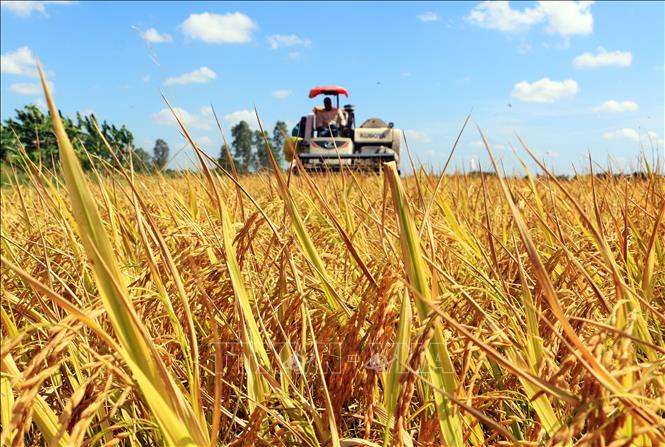
Vietnam exporta casi seis millones de toneladas de arroz en los primeros ocho meses de 2023. Foto: VNA

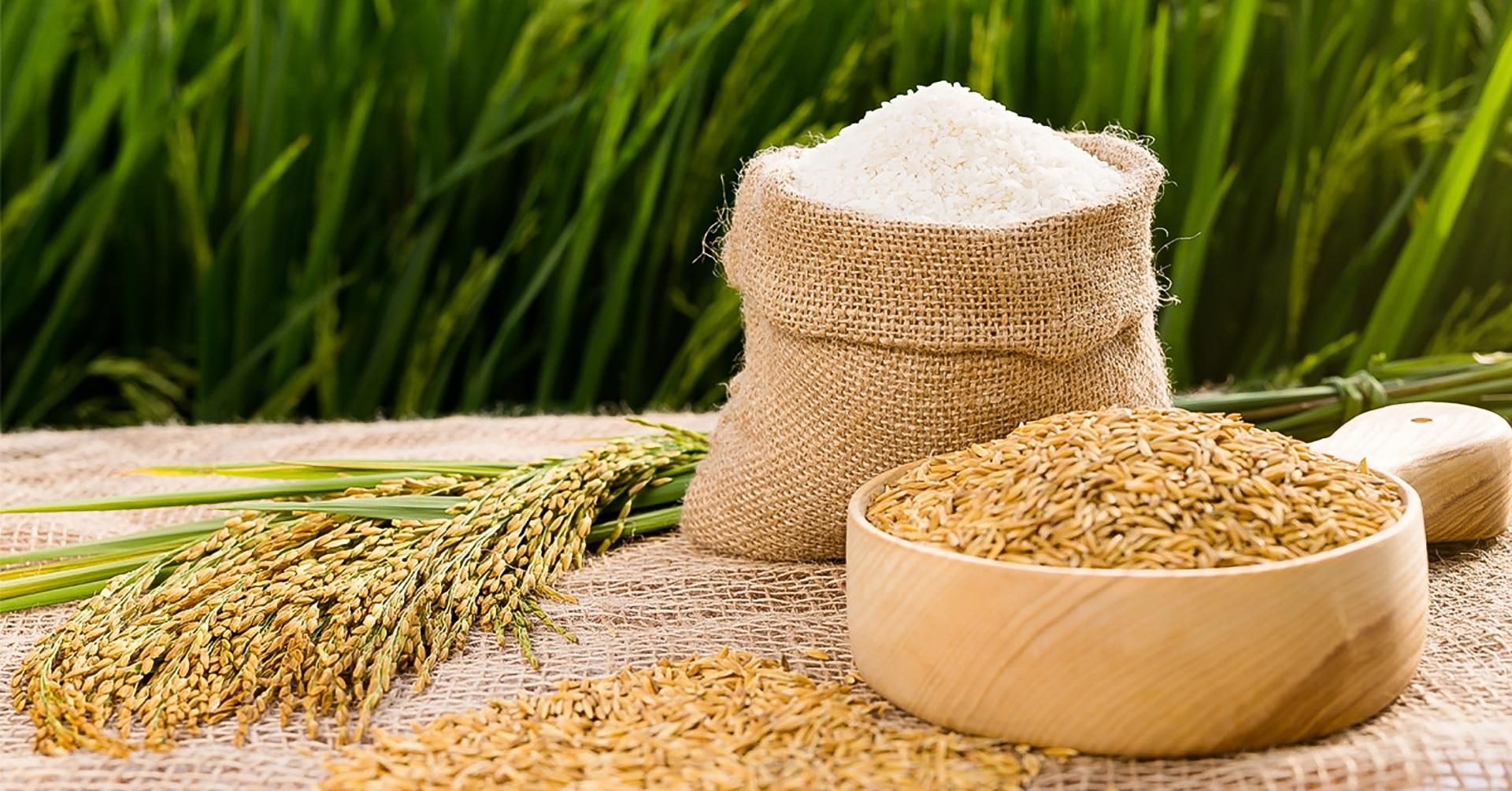
El arroz vietnamita enfrenta una gran oportunidad después de que la India y algunos países suspendieron temporalmente las exportaciones de arroz, a partir de julio de 2023.

Foto: VNA

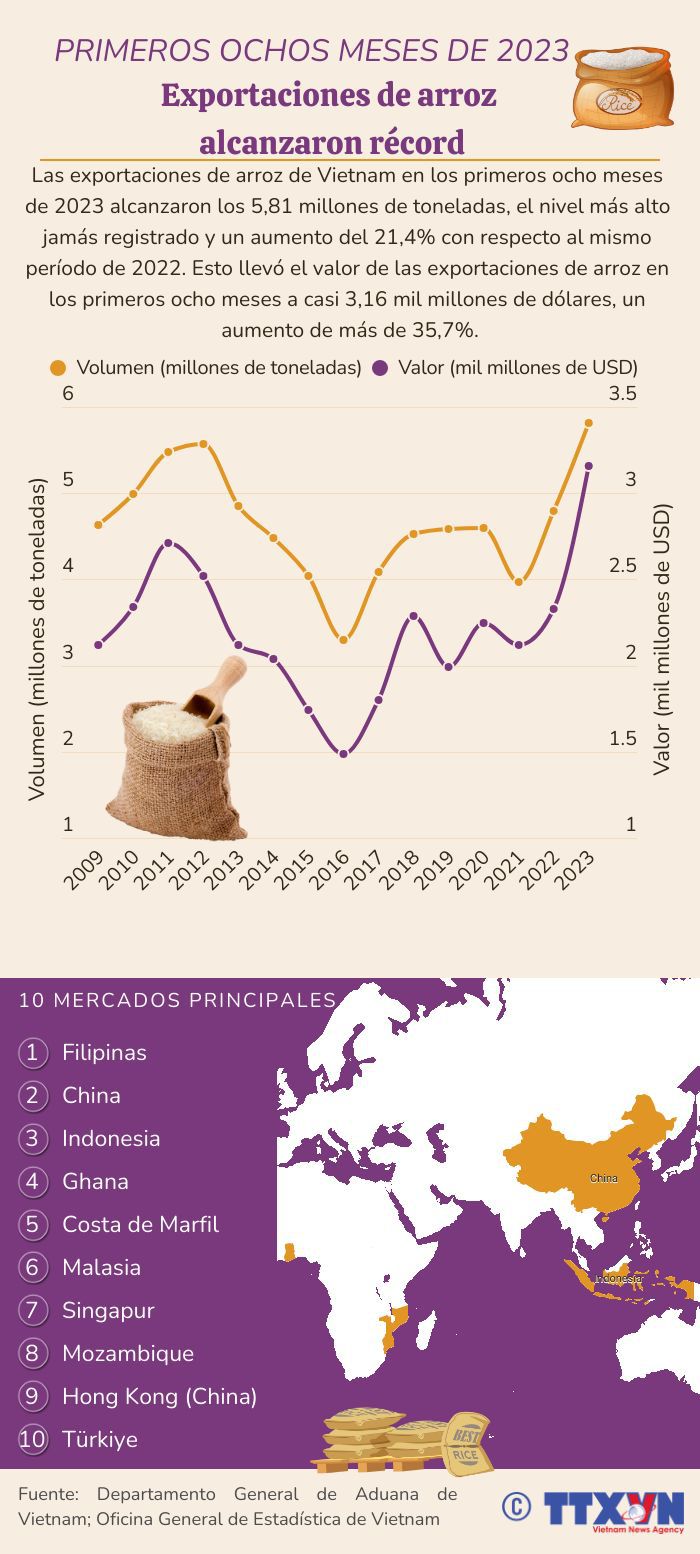
A finales de agosto de 2023, Vietnam exportó casi seis millones de toneladas, el nivel más alto registrado, un 20% más que en el mismo período del año pasado y representando el 89% del plan anual, según estadísticas del Departamento General de Aduanas.

El nivel récord de las exportaciones ha elevado el volumen de ventas externas de arroz en los últimos ocho meses a casi 3,2 mil millones de dólares, un aumento superior al 34% en valor. Filipinas, China, Indonesia y Ghana figuran entre los principales mercados de importación del arroz vietnamita, con una tasa de crecimiento de más de 15 veces en comparación con el mismo período del año pasado.

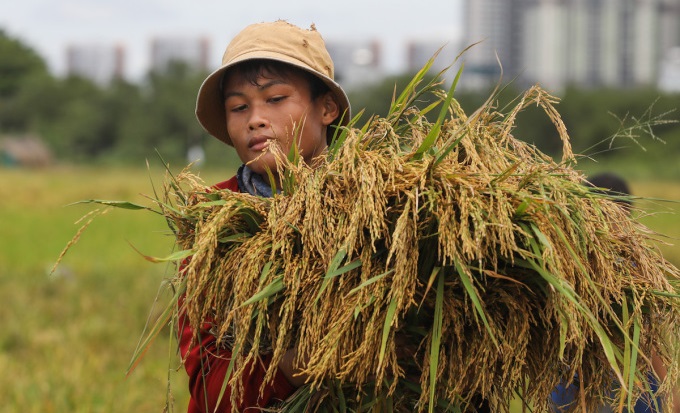
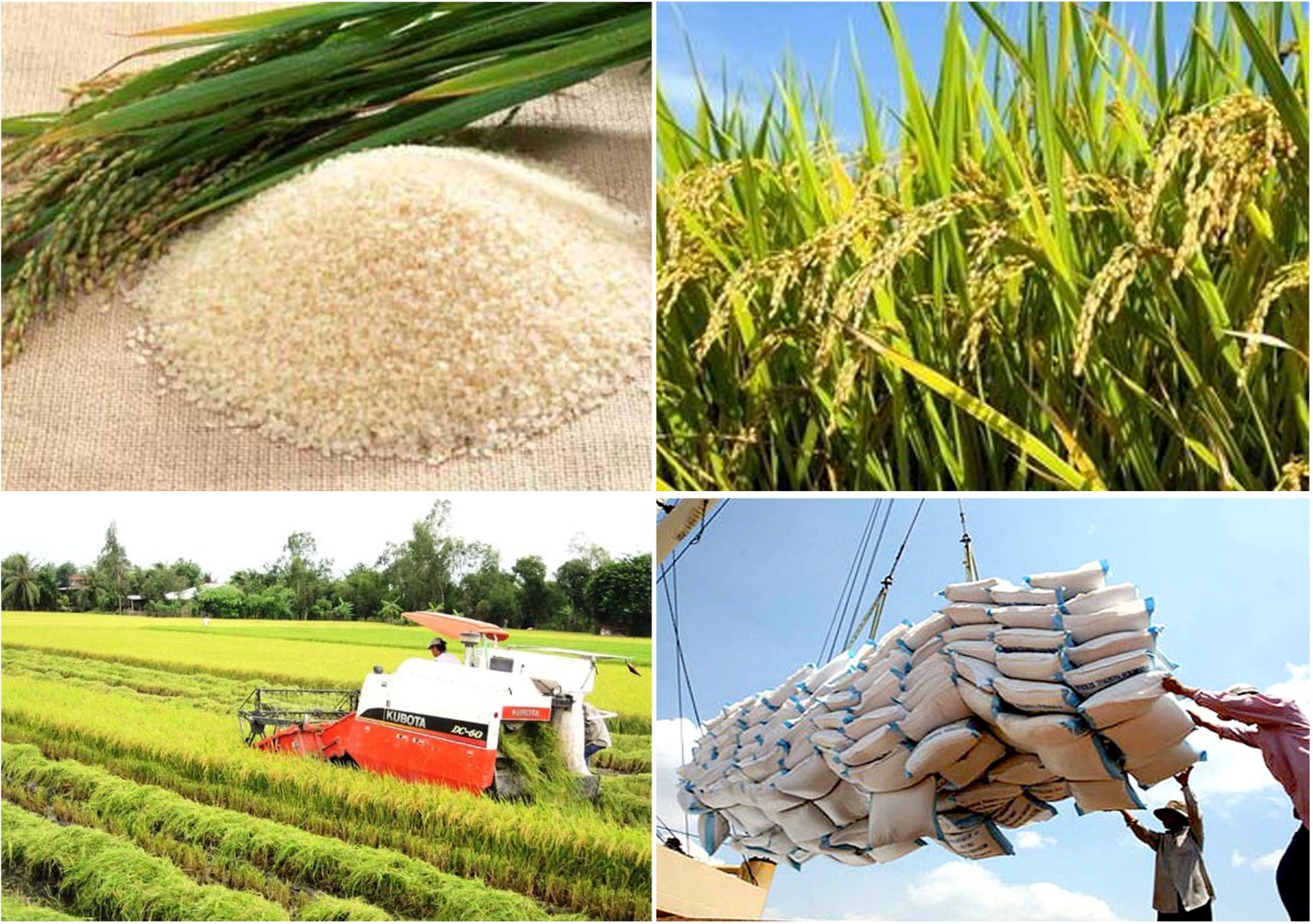
Los ministerios, sucursales y localidades desarrollan áreas de producción de arroz de alta calidad y a gran escala. Foto: nongnghiep.vn

Sin embargo, esto igual es un gran desafío porque Vietnam necesita garantizar la seguridad alimentaria interna y equilibrar la oferta y la demanda del mercado. Según los pronósticos, la demanda de importaciones de arroz en muchos países continuará aumentando en los últimos cuatro meses del año.

Para responder a esta situación, el primer ministro vietnamita, Pham Minh Chinh, emitió el 6 de agosto de 2023 la Directiva 24 para garantizar la seguridad alimentaria nacional y promover la producción y exportación sostenible de arroz en el período actual.

En el documento, el jefe de Gobierno pidió al Ministro de Agricultura y Desarrollo Rural coordinar con las carteras, ramas y localidades para planificar y desarrollar áreas de producción de arroz comercial de alta calidad y a gran escala, asegurando el objetivo de producir más de 43 millones de toneladas de arroz anuales en los años siguientes.

Do Ha Nam, vicepresidente de la Asociación de Alimentos de Vietnam (VFA), comentó que la directiva del Primer Ministro es muy adecuada para la situación actual de escasez de alimentos a nivel mundial. También recomendó a las empresas aumentar las reservas de alimentos y ahorrar el 70% de la producción de arroz para satisfacer las necesidades internas.

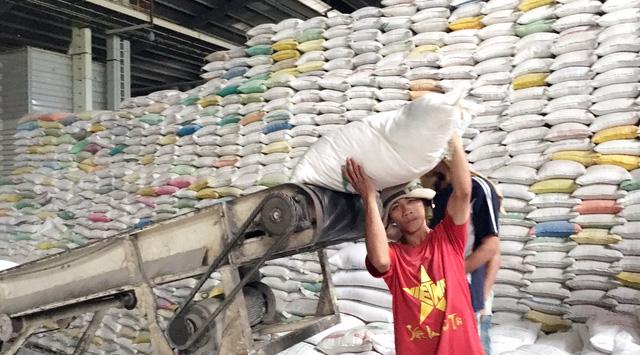
La Asociación de Alimentos de Vietnam recomienda que las empresas aumenten las reservas de alimentos y ahorren el 70% de la producción de arroz para satisfacer las necesidades internas. Foto: VNA

Por otro lado, el Ministerio de Industria y Comercio solicitó a las oficinas de comercio de Vietnam en el extranjero que sigan de cerca las condiciones del mercado de los principales países productores e importadores de arroz para proporcionar información a las agencias pertinentes. También pidió a los exportadores de arroz implementar el proceso de circulación de reservas mínimas y actualizar la información sobre el intercambio de mercado.

Sin embargo, aunque los organismos pertinentes regulan activamente el mercado, los precios del arroz han fluctuado en los últimos meses.

Los precios del arroz aumentan continuamente

En un informe recién enviado al Primer Ministro, la VFA señaló que el rápido incremento de los precios del arroz provocó una ruptura en la cadena de suministro desde los agricultores y los comerciantes hasta las plantas de procesamiento y las empresas exportadoras. Esto dificulta la movilización de bienes de las empresas exportadoras para llevar a cabo los contratos firmados.

El precio de exportación del arroz a principios de agosto de 2023 aumentó a más de 660 USD por tonelada. Foto: VNA

Desde principios de agosto de 2023, el precio del arroz de exportación ha aumentado a más de 660 dólares por tonelada, pero las empresas han enfrentado dificultades en comprar arroz para cumplir con los pedidos porque los precios internos del grano también se han incrementado. En septiembre, el costo interno del arroz se encuentra entre un 5% y un 7% más alto que el precio de exportación, equivalente a 660-680 dólares por tonelada con un 5% de arroz partido.

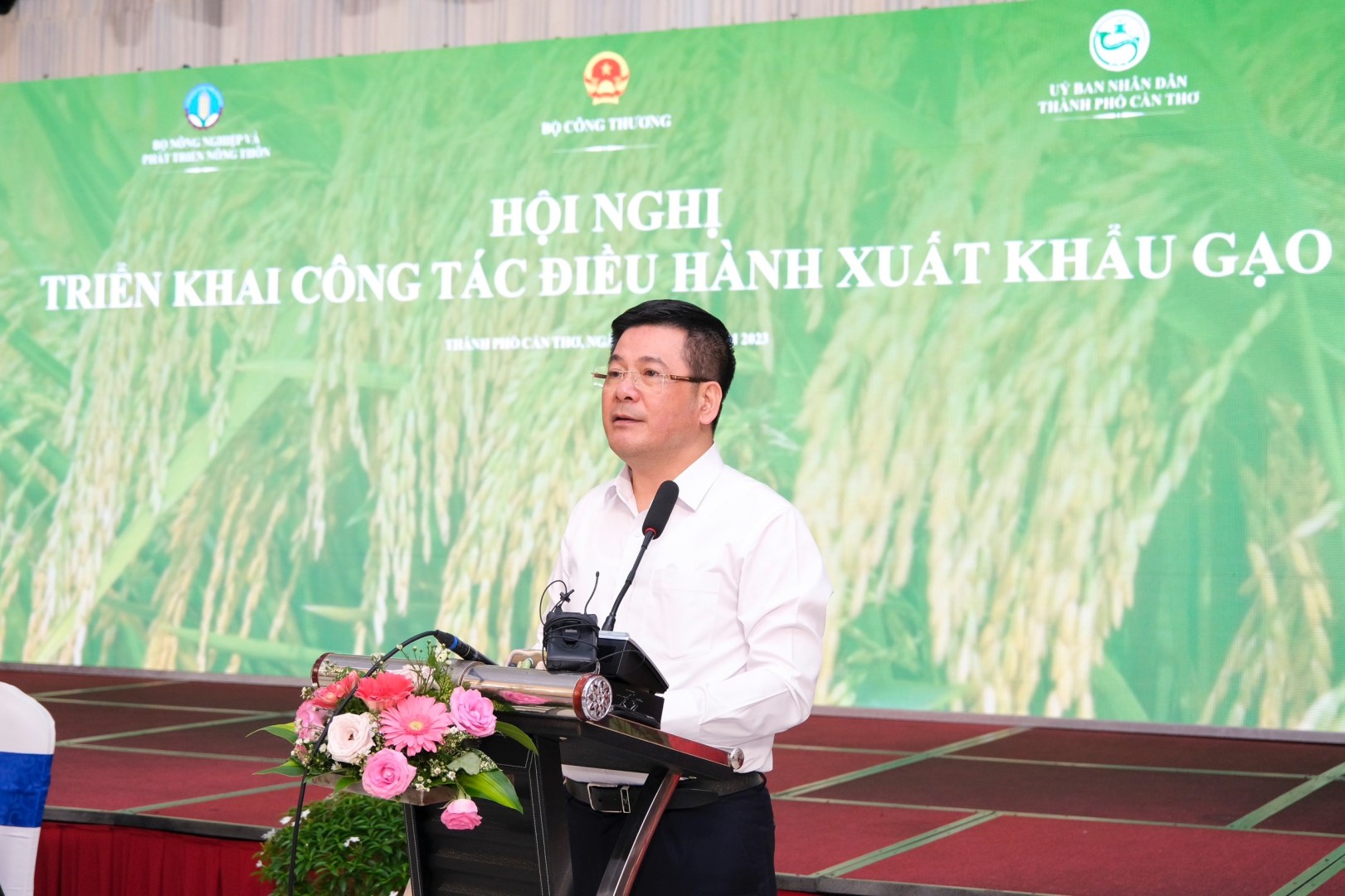
El ministro de Industria y Comercio, Nguyen Hong Dien, preside la conferencia sobre exportación de arroz en la ciudad de Can Tho. (Foto: Vietnam+)

Durante la conferencia de exportación de arroz de seis meses de 2023 en la ciudad sureña de Can Tho, el ministro de Industria y Comercio, Nguyen Hong Dien, destacó la necesidad de garantizar la seguridad alimentaria nacional y estabilizar el mercado doméstico del arroz con el fin de gestionar las exportaciones en el contexto de las volatilidades mundiales.

Sin embargo, el aumento de las exportaciones de arroz aporta el mayor valor y eficiencia a los productores y empresas, y a la vez constituye una oportunidad para expandir el mercado y afirmar la marca del arroz vietnamita en la arena internacional, especialmente en nuevos mercados.

Desde julio de 2023, el Ministerio de Agricultura y Desarrollo Rural ha ordenado a las localidades que aumenten la producción de arroz. Sólo en la región del Delta del Mekong, el área cultivada de arroz de otoño-invierno de este año alcanzó unas 700 mil hectáreas, una subida de 50 mil hectáreas en comparación con el año pasado.

La producción prevista para todo el año supera los 43 millones de toneladas de arroz. Si no hay epidemias, desastres naturales, tormentas o inundaciones, resulta probable que Vietnam tenga una cosecha exitosa en 2023.

¿Cuántas toneladas de arroz puede exportar Vietnam?

Al decir de Tran Duy Dong, director del Departamento de Importación y Exportación del Ministerio de Industria y Comercio, después de equilibrar las necesidades internas, la cantidad de arroz capaz de atender la exportación en 2023 es de aproximadamente 7,5 millones de toneladas.

En el primer semestre de 2023, las exportaciones de arroz de Vietnam continúan aumentando un 18,7% en volumen y casi un 30% en valor
en comparación con el mismo período del año pasado. Foto: nongnghiep.vn

Según dicho plan, Vietnam no sólo ganará divisas para el desarrollo económico, sino que también demostrará el papel y la posición del país en la contribución al desarrollo de la economía y garantía de la seguridad alimentaria mundial, como sus recientes compromisos en las Naciones Unidas (ONU).

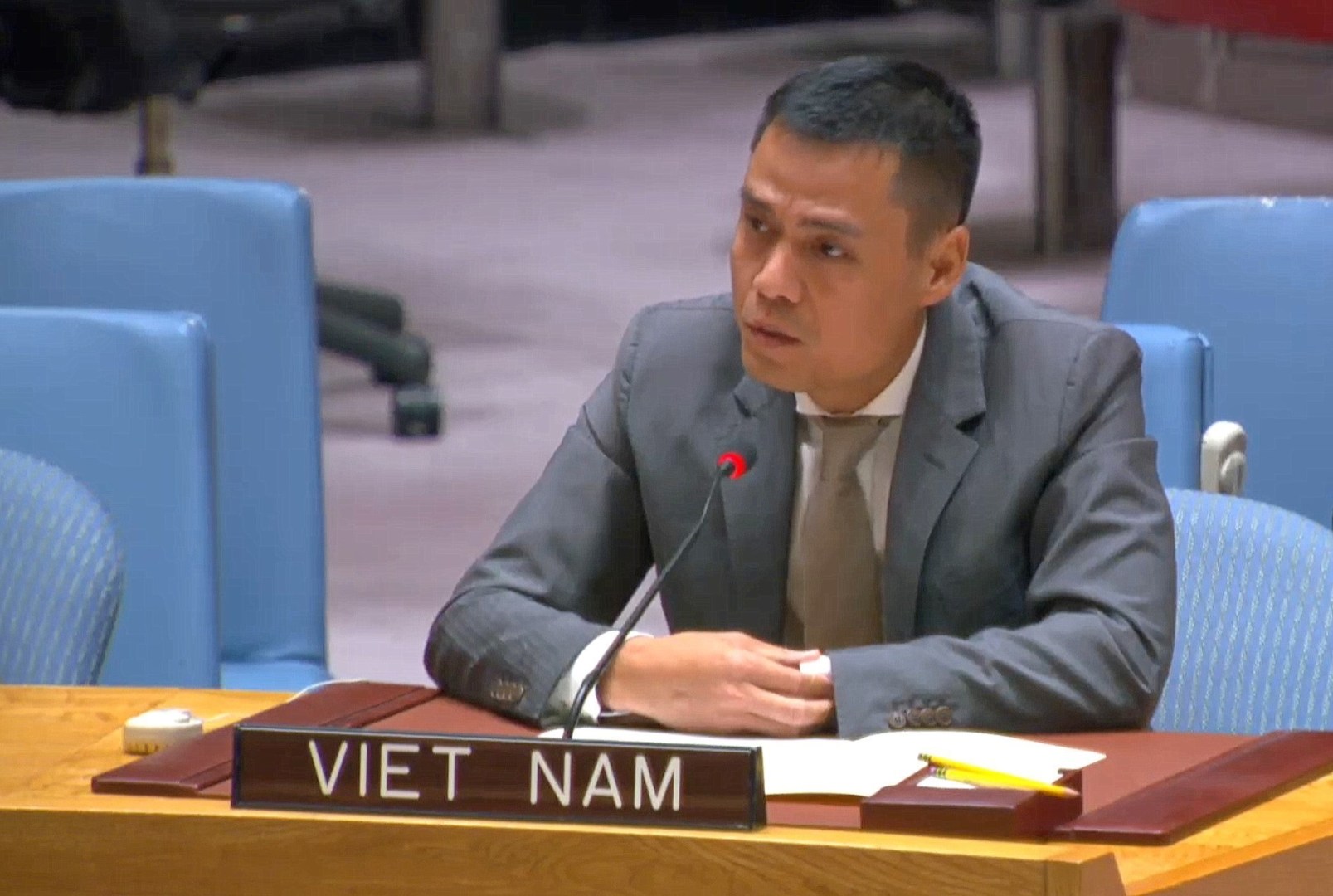
  El embajador Dang Hoang Giang, jefe de la delegación vietnamita ante las Naciones Unidas, participa en una reunión abierta del Consejo de Seguridad. Foto: VNA

Durante la reunión abierta del Consejo de Seguridad de la ONU el 3 de agosto de 2023, el embajador Dang Hoang Giang, jefe de la delegación vietnamita ante la mayor organización multilateral, afirmó que Vietnam continuará contribuyendo activamente a la seguridad alimentaria a nivel mundial mediante el mantenimiento de las exportaciones de arroz y otros productos agrícolas. El compromiso de Vietnam es apreciado por la comunidad internacional en el contexto de que muchos lugares del mundo enfrentan la hambruna y el riesgo de inseguridad alimentaria debido a los conflictos armados.

El diplomático enfatizó que además de contribuir a garantizar la seguridad alimentaria mundial, Vietnam está decidido a mantener la seguridad alimentaria interna, considerándolo tanto un objetivo como una solución para el desarrollo socioeconómico nacional.

Vietnam salió de la lista de países con mayor escasez de alimentos y se convirtió en un exportador de arroz en 1988. Las exportaciones de arroz vietnamita pronto alcanzaron más de un millón de toneladas en 1989 y luego ocuparon el segundo y tercer lugar en el mundo./.

NEW CHALLENGES AND OPPORTUNITIES FOR VIETNAM’S RICE EXPORTS

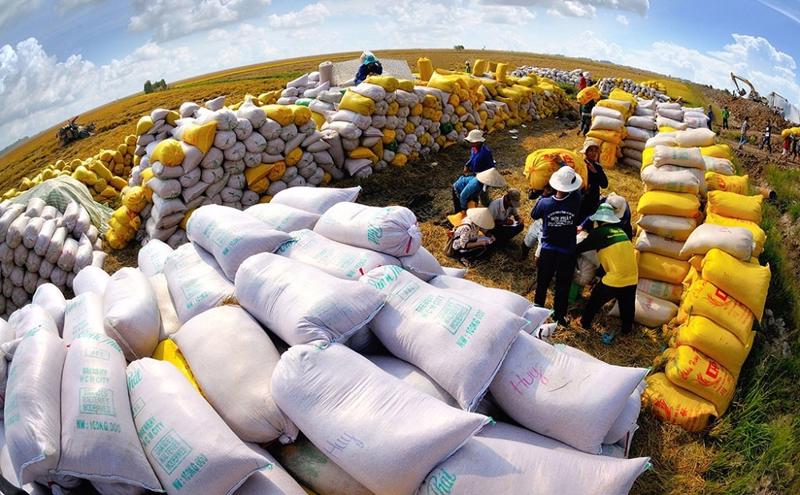
Vietnam shipped 6 million tonnes of rice abroad in the first eight months of 2023. (Photo: VNA)

Vietnam is looking to increase the volume and revenue of rice exports in the remaining months of this year. However, a wide range of hindrances are looming on the horizon.

Last July, India banned rice exports, a move that is widely seen as a golden opportunity for Vietnam to bolster rice shipments abroad.

Vietnam exported 6 million tonnes of rice during January-August. (Photo: VNA)

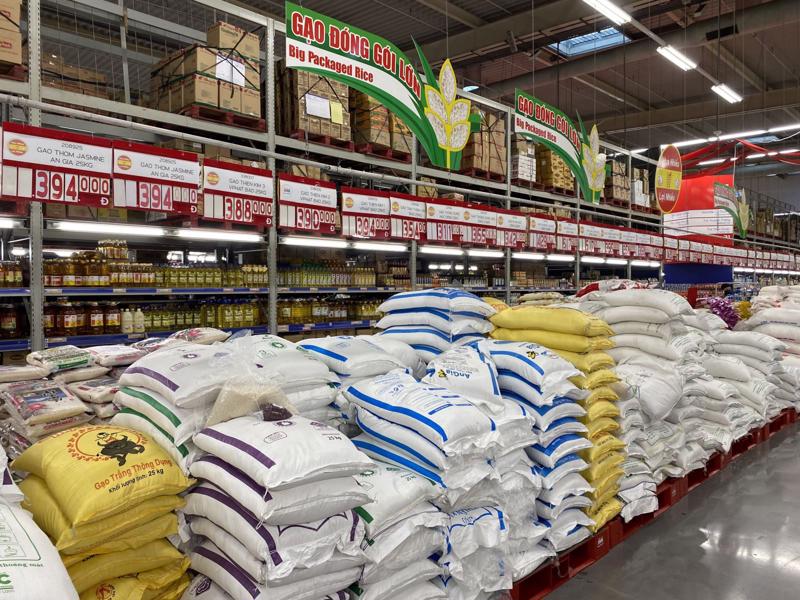
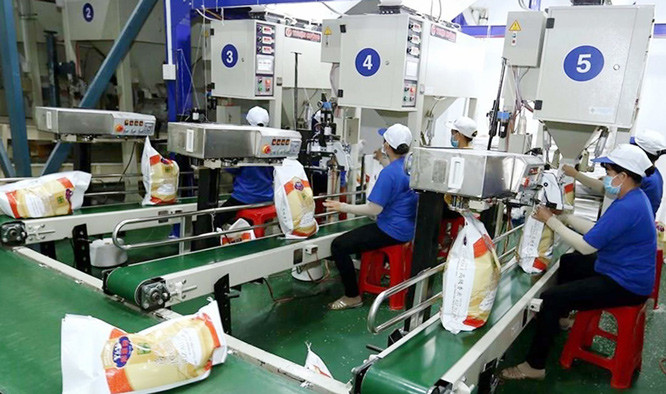
As of August, the country had exported nearly 6 million tonnes of rice, the highest amount ever recorded, up 20% year-on-year and accounting for 89% of the target set for the whole year, according to the General Department of Vietnam Customs.

This brought Vietnam’s total rice export turnover in the first eight months to almost 3.2 billion USD, a year-on-year increase of 34%.

China, Ghana, Indonesia and the Philippines were the largest buyers of Vietnamese rice.

Ministries, sectors and localities are zoning off areas to develop large-scale and high-quality rice production. (Photo: nongnghiep.vn)

However, along with exports, Vietnam needs to ensure food security in the domestic market, and balance rice supply and demand.

Exporters remain worried that supply might not be enough to meet demand which is increasing in many countries.

Under Directive No. 24 on ensuring national food security, and promoting sustainable rice exports, Prime Minister Pham Minh Chinh ordered the Minister of Agriculture and Rural Development to join hands with stakeholders in the industry to branch out large-scale and high-quality rice production, and keep a close watch on the weather conditions to adjust production plans to ensure a paddy output of over 43 million tonnes in 2023.

Do Ha Nam, Vice Chairman of the Vietnam Food Association (VFA), described the Prime Minister’s Directive suitable to deal with the supply shortage situation in the world. The association has recommended enterprises to increase food reserves, and set aside 70% of the rice volume to serve domestic demand, he said.

The Vietnam Food Association has recommended enterprises to increase food reserves, and set aside 70% of the rice volume to serve domestic demand. (Photo: VNA)

Meanwhile, the Ministry of Industry and Trade ordered its trade offices in foreign countries to keep a close watch on the global rice market so as to have sufficient information to provide for competent authorities who are responsible for outlining suitable production plans in the coming time.

Rice prices fluctuate

Despite concerted efforts from relevant sides to regulate the market, rice prices have fluctuated in recent days.

In a report to the Prime Minister, the VFA said exporters are facing formidable challenges to fulfill their contracts as a hike in rice price has put Vietnam’s rice supply chain in tatters.

Since the beginning of August, export prices have risen to more than 660 USD per tonne. (Photo: VNA)

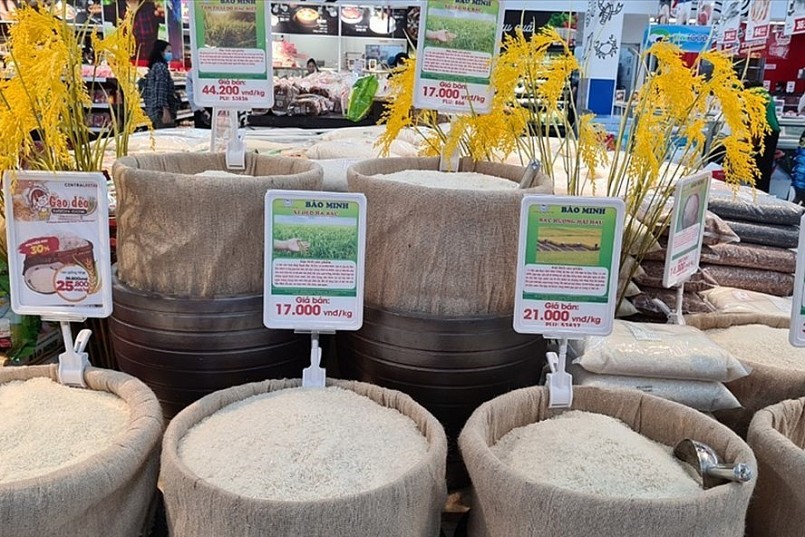
Since the beginning of August, export prices have risen to more than 660 USD per tonne. However, with the domestic prices hovering around 660-680 USD, exporters find it difficult to fulfill their signed contracts.

Minister of Industry and Trade Nguyen Hong Dien chairs a conference on rice export in Can Tho city. (Photo: VNA)

At the conference concerning rice export in the first half of the year held in Can Tho city, Minister of Industry and Trade Nguyen Hong Dien said that rice export management in a highly volatile market should ensure national food security and stablisation of domestic consumption.

He also stressed that an increase in rice exports is a golden opportunity to expand markets, and promote the brand of Vietnamese rice in the world, especially in new markets.

With a view to seizing the opportunity to increase rice exports, the Ministry of Agriculture and Rural Development has asked localities nationwide to increase rice production. Accordingly, the Mekong Delta is speeding up the production of fall-winter rice crops, with an expected increase of 50,000 hectares over the same period last year, reaching 700,000 hectares.  

Vietnam is likely to enjoy a bumper rice crop if there are no widespread diseases and natural disasters.

Vietnam eyes 7.5 million tonnes in rice exports

Evaluating the domestic demand and production capability, Tran Duy Dong, Director of the Foreign Trade Agency under the Ministry of Industry and Trade, said that Vietnam is able to ship some 7.5 million tonnes of rice abroad in 2023.

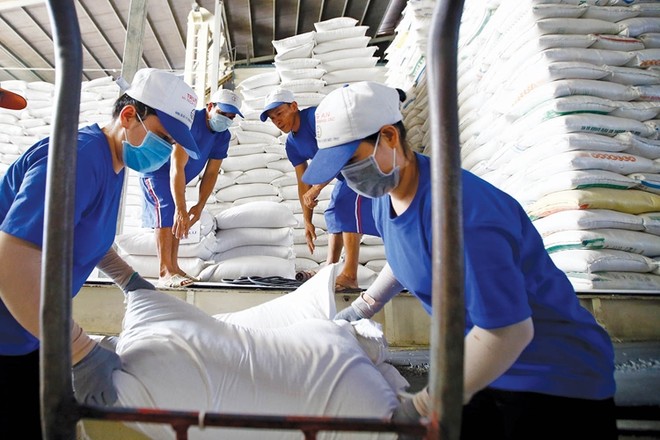
As of August, the country had exported nearly 6 million tonnes of rice, the highest amount ever recorded, up 20% year-on-year. (Photo: nongnghiep.vn)

If the target is met, Vietnam will gain more money for socio-economic development, while affirming its role in ensuring global food security as it has committed at the United Nations (UN).

Ambassador Dang Hoang Giang, Permanent Representative of Vietnam to the UN speaks at the UN Security Council’s open debate on August 3. (Photo: VNA)

At the UN Security Council’s open debate on August 3, Ambassador Dang Hoang Giang, Permanent Representative of Vietnam to the UN, affirmed that Vietnam will continue making contributions to ensuring global food security by  maintaining exports of rice and other agricultural products.

The commitment has been applauded by the international community in the context that famine and risks of food insecurity are plaguing many parts of the world due to armed conflicts.

The Vietnamese diplomat highlighted that Vietnam is also working to ensure food security in the domestic market, seeing this a target and a measure to boost its socio-economic development. 

Vietnam lifted its way out of the list of countries that suffered the most from hunger, and has become a rice exporter since 1998. The country has exported more than 1 million tonnes of rice every year since 1989, and been among the three biggest rice exporters in the world until 2022./.