VERS UNE ÉCOLOGISATION DES PORTS MARITIMES

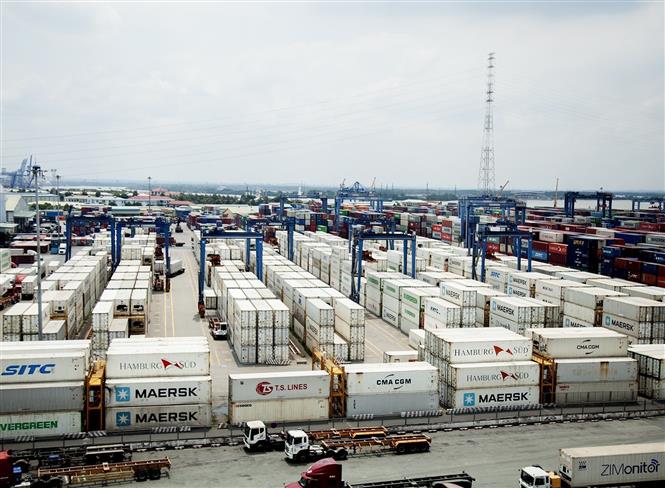
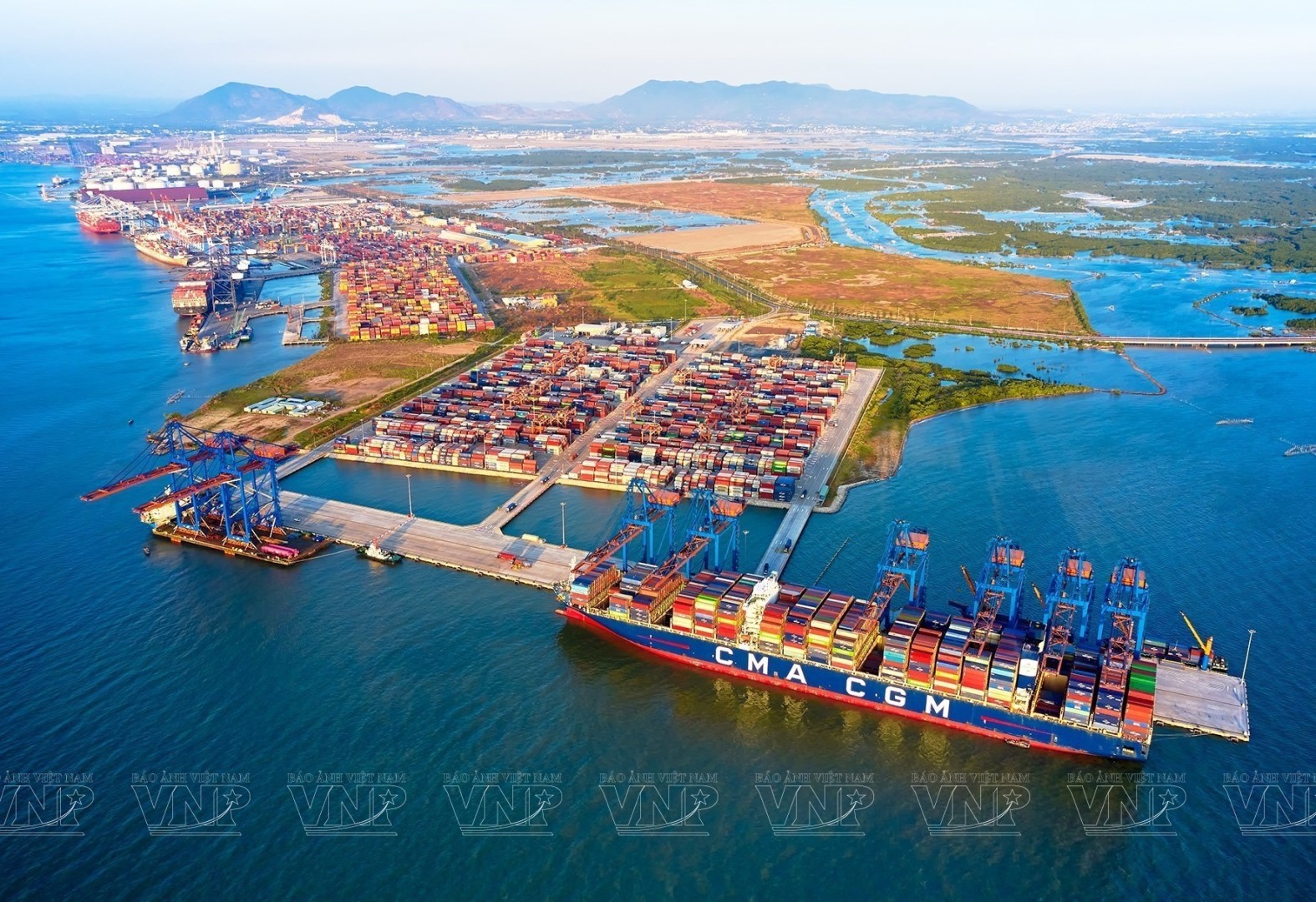
Le port international de Gemalink (dans la province méridionale de Ba Ria – Vung Tau) doté des infrastructures et des équipements les plus modernes du Vietnam. Photo : VNA

Hanoi (VNA) – Les ports maritimes sont d’importantes portes d’entrée pour le transport de biens et de services dans le monde entier. Cependant, les ports maritimes sont également l’un des principaux facteurs de pollution. Par conséquent, l’écologisation des ports maritimes pour équilibrer les fluctuations environnementales et les besoins de développement économique est une tendance que de nombreux ports maritimes dans le monde, au Vietnam notamment, envisagent de mettre en œuvre.

Avantages du « verdissement » des ports maritimes

L’Administration maritime du Vietnam a annoncé des normes de base sur les critères des “ports verts” afin que les entreprises puissent disposer d’une feuille de route de transformation appropriée et créer une nouvelle réflexion sur les opérations et l’exploitation des ports maritimes. Il s’agit d’une base importante pour que les entreprises puissent déployer des ports maritimes plus écologiques.

Selon l’Administration maritime du Vietnam, pour être reconnus “ports verts”, les ports doivent répondre à de nombreux critères allant de l’utilisation de sources d’énergie renouvelables (éolienne, solaire…), à l’utilisation de gaz naturel liquéfié (GNL), d’hydrogène, de carburant ammoniac… Ils peuvent également utiliser des équipements et des technologies économes en énergie ; optimiser les chaînes d’opérations minières ; effectuer des paiements en ligne et utiliser des documents électroniques…
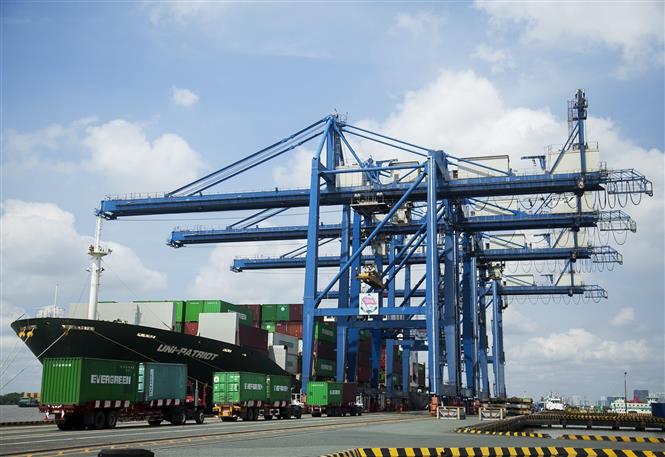
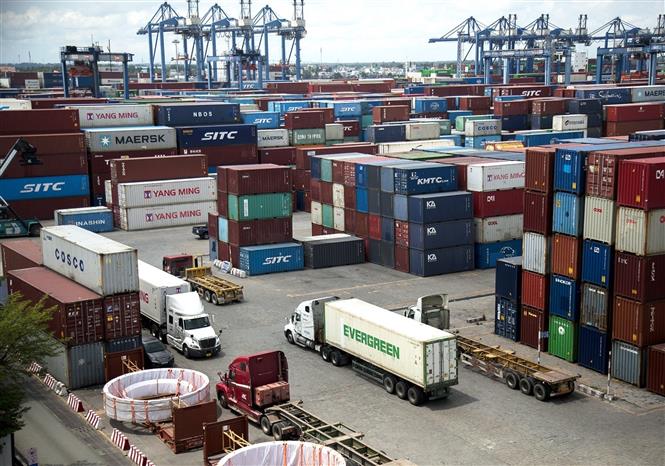
Les conteneurs au port de Tân Cang – Cat Lai à Ho Chi Minh-Ville. Photo : VNA

En tant que port pionnier adoptant cette tendance, le port de Tân Cang – Cat Lai à Ho Chi Minh-Ville a remporté le prix GPAS (Green Port Award System) du Forum de coopération économique Asie-Pacifique (APEC) pour avoir satisfait aux critères du programme de système de “ports verts” en 2018. En 2021, le port international Tân Cang – Cai Mep, situé dans la province de Bà Ria – Vung Tàu, a également été honoré en recevant le prix “Port vert 2020” attribué par le Conseil du réseau de services portuaires d’Asie-Pacifique.

On voit que le modèle de “port vert” et de “port intelligent” est le choix de nombreuses entreprises. L’application des technologies de l’information contribue également de manière significative à contrôler la consommation d’énergie et à optimiser la productivité opérationnelle et les économies de carburant.
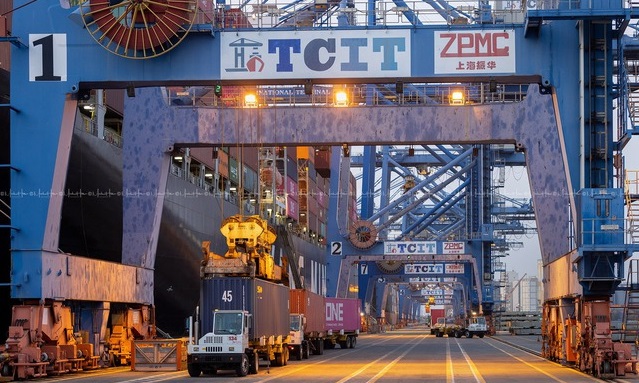
Le modèle de “port vert” et de “port intelligent” est le choix de nombreuses entreprises. Photo : VNA

Depuis 2022, le port de Quy Nhon est également passé au modèle de port maritime électronique Eport pour aider les clients à mettre à jour l’état réel des données des navires et des marchandises 24h/24 et 7j/7. 
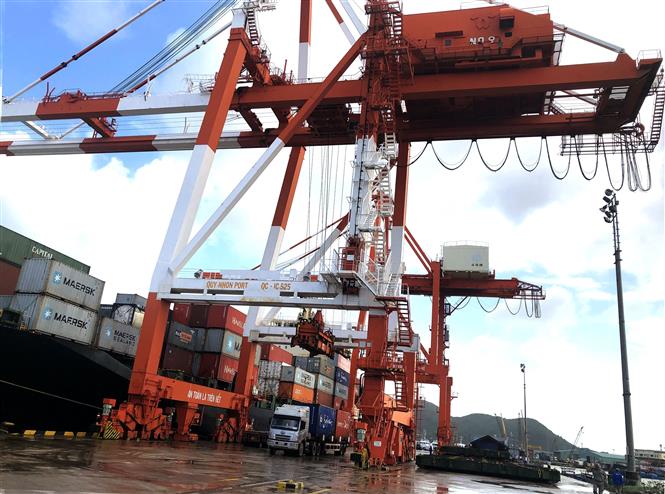
Depuis 2022, le port de Quy Nhon est également passé au modèle de port maritime électronique Eport pour aider les clients à mettre à jour l’état réel des données des navires et des marchandises 24h/24 et 7j/7.  Photo : VNA

Selon M. Ho Lien Nam, directeur général adjoint de la société par actions du port de Quy Nhon, le passage à un modèle de port électronique aide les clients à ne plus avoir à se rendre au port pour s’enregistrer directement comme avant, ce qui permet d’économiser du temps et des frais de déplacement, contribuant ainsi à réduire les émissions de carbone des véhicules de transport.

Depuis le passage au modèle de “port intelligent”, la capacité du port de Quy Nhon n’a cessé d’ augmenter. Auparavant, il fallait environ 5 jours au port pour libérer un cargo de 50.000 tonnes. Mais depuis l’utilisation des avancées technologiques, il suffit seulement de 2,5 jours. La productivité a augmenté de 10 à 20%, et les coûts d’exploitation ont diminué de manière significative.

Nguyen Thi Thu Thao, une responsable de la société par actions Gemadept (investisseur du port de Gemalink et du port de Nam Dinh Vu) a noté que grâce au développement de “ports verts”, à l’application de technologies et de logiciels avancés et à l’investissement dans des équipements de pointe, les ports peuvent augmenter leur capacité de débit  d’au moins 20% et réduire les coûts des papiers, augmentant  leur compétitivité, répondant aux tendances mondiales en matière de normes vertes et contribuant à promouvoir le processus national de transformation numérique.
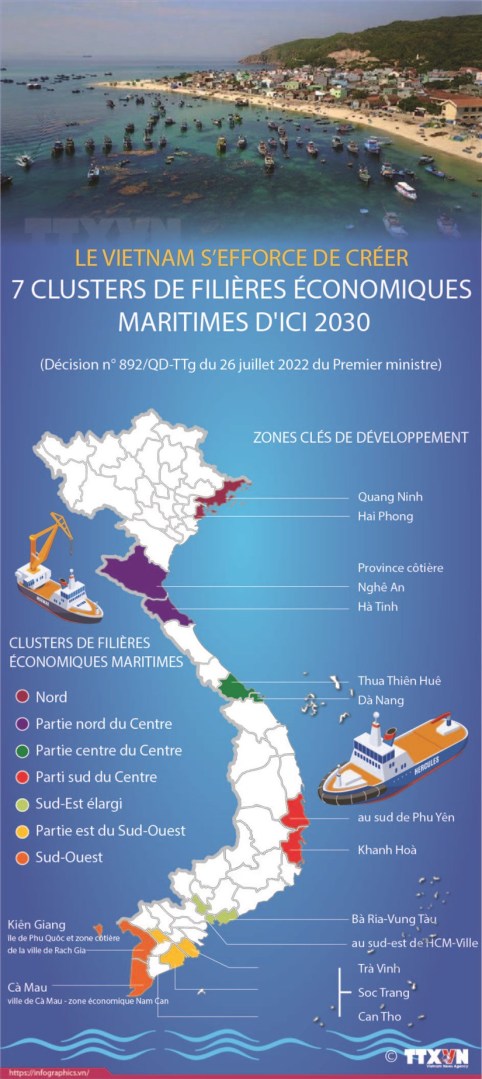
De nombreux défis subsistent

Lors de la 26e Conférence des Nations unies sur les changements climatiques (COP 26) tenue en juillet 2022 en Écosse (Royaume-Uni), 22 pays, dont les États-Unis, le Royaume-Uni, l’Allemagne, le Japon… ont signé la Déclaration de Clydebank annonçant la création d’itinéraires de transport zéro émission (des corridors maritimes verts). L’objectif est d’établir au moins 6 “corridors maritimes bleus” d’ici 2025.
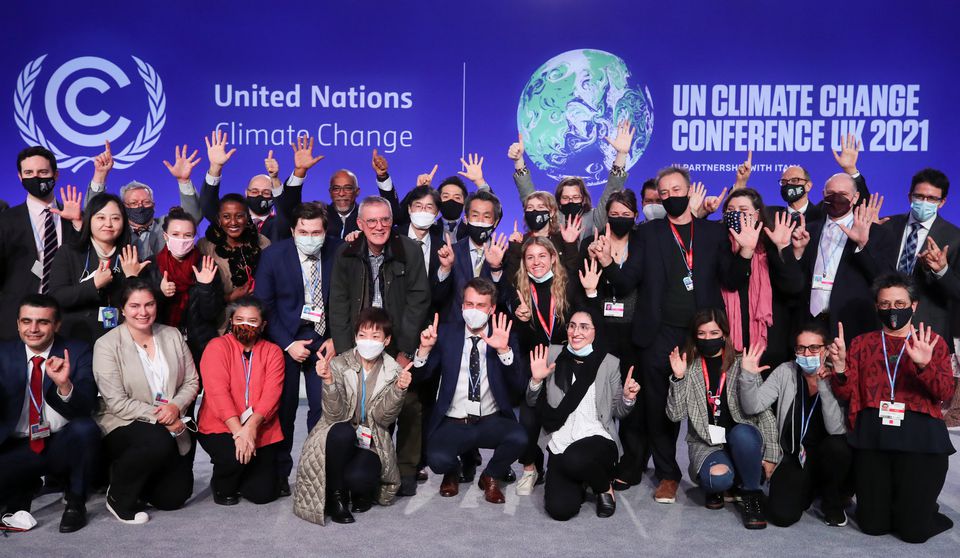
Les délégués à la 26e Conférence des Nations unies sur les changements climatiques (COP 26) tenue en juillet 2022 en Écosse (Royaume-Uni). Photo : Reuters

Considérant cela comme une pression sur les entreprises portuaires vietnamiennes pour qu’elles suivent les tendances mondiales, le vice-président de l’Association des ports maritimes du Vietnam, Tran Khanh Hoang, a déclaré que les entreprises elles-mêmes retireront de nombreux avantages et opportunités de l’écologisation des ports. Car investir dans des équipements, ce n’est pas seulement être “vert”, c’est aussi résoudre le problème de l’augmentation des capacités. Les ports dotés d’une bonne capacité et d’une productivité élevée bénéficieront d’avantages concurrentiels importants par rapport aux petits ports où les investissements sont fragmentés.
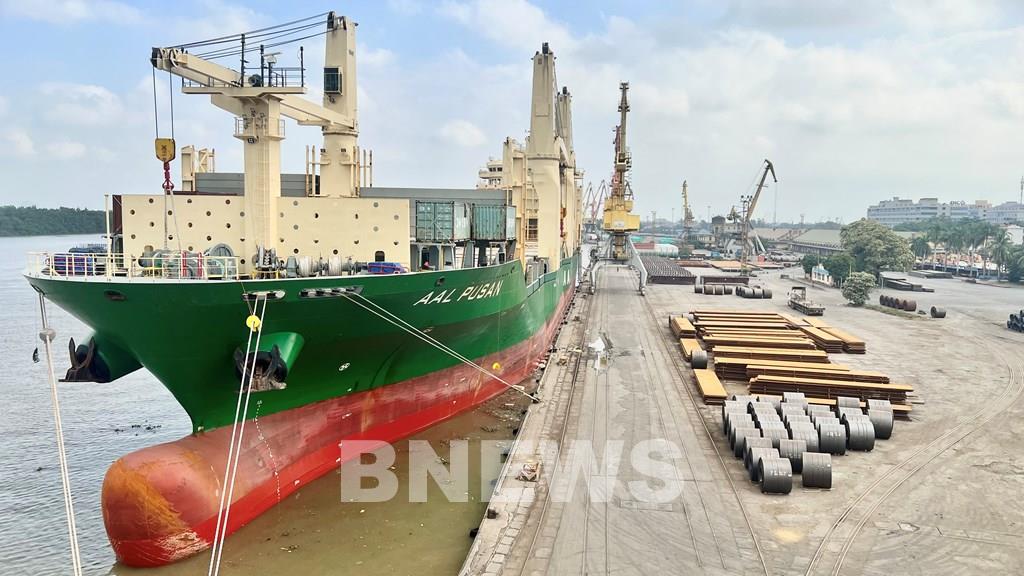
Pour développer un “port vert”, il est nécessaire de remplacer ces systèmes de chargement et de déchargement modernes par ceux à haut rendement, économes en énergie et respectueux de l’environnement… Photo : VNA

Ainsi, pour développer un “port vert”, il est nécessaire de remplacer ces systèmes de chargement et de déchargement modernes par ceux à haut rendement, économes en énergie et respectueux de l’environnement…

En outre, le développement des “ports verts” doit également rimer avec celui des “ports intelligents”, des zones urbaines vertes et intelligentes et l’application des technologies avancées  sans négliger l’écologisation des méthodes de connexion avec le port pour améliorer la protection de l’environnement. Cela nécessite des financements énormes, a reconnu M. Nguyen Anh Vu.

Les experts estiment que l’écologisation des ports maritimes se heurte encore à des difficultés en raison des investissements dans les infrastructures destinées à protéger l’environnement. La prévention des incidents et la réponse dans les activités maritimes dans les ports maritimes sont encore limitées.

Répondre aux critères de “port vert” demandera beaucoup d’efforts et de dépenses. Cependant, le secteur maritime a l’avantage de participer à de nombreuses conventions internationales, de sorte que les normes suivent presque les normes internationales, a reconnu Hoang Hong Giang, directeur adjoint de l’Administration maritime du Vietnam.-VNA
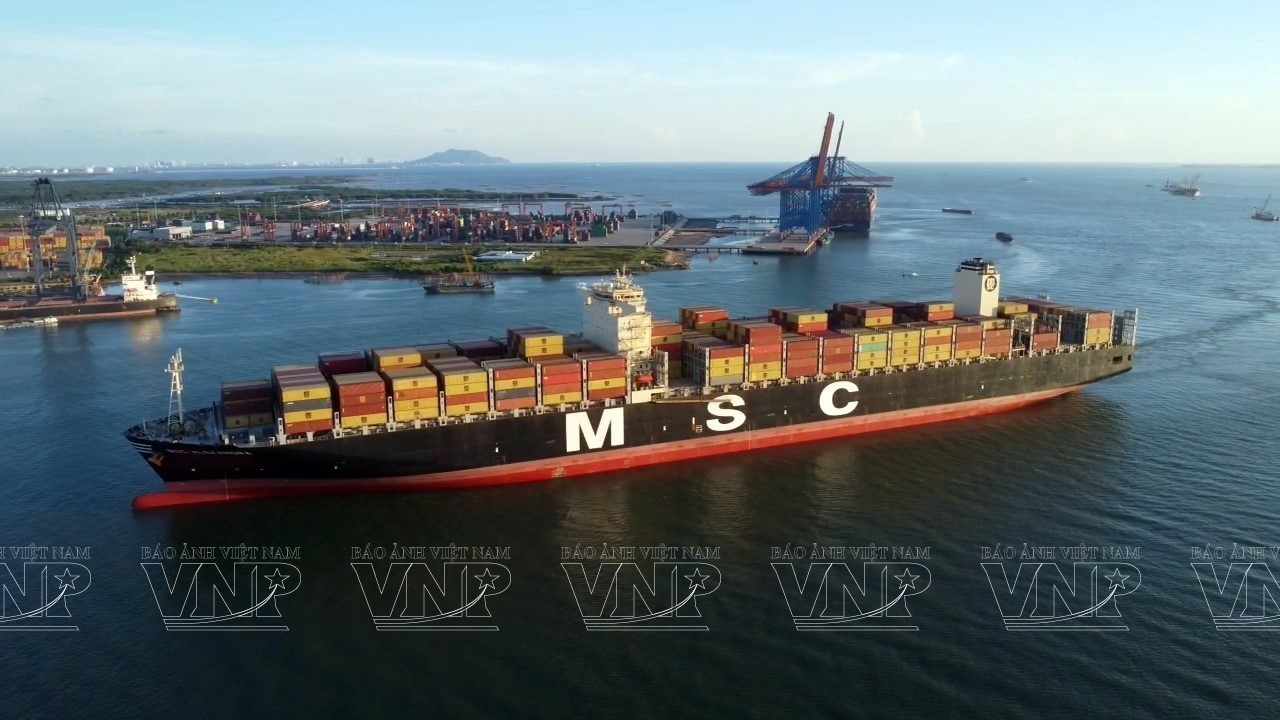
La plus grande compagnie maritime au monde, MSC, fait régulièrement escale au port de Cai Mep-Thi Vai, dans la province de Ba Ria-Vung Tau. Photo : VNA

SEAPORTS STRIVE TO KEEP UP WITH GLOBAL GREEN TREND

Gemalink International Port, located in Phu My town of Ba Ria – Vung Tau province, features modern infrastructure and equipment. (Photo: VNA)

Hanoi (VNA) – Seaports serve as important gateways for goods and services to reach the world, but they are also one of the main causes of environmental pollution. Therefore, greening seaports to balance environmental protection and economic development is now a trend in many countries, including Vietnam.

Benefits from green seaports

The Vietnam Maritime Administration has announced basic criteria for green seaports so that businesses can devise their own transition roadmaps and adopt a new mindset about port operations. This is an important foundation for businesses to start the process of greening seaports.

According to the administration’s criteria, to be recognised as a green, a port must satisfy many standards, including the use of renewable energy sources such as wind and solar power, liquefied natural gas, hydrogen, and ammonia. It also needs to use every-saving equipment and technology, optimise operations, and apply online payment and e-document processing.

Goods containers at Tan Cang – Cat Lai Terminal in HCM City (Photo: VNA)

Taking the lead in grasping the green trend, Tan Cang – Cat Lai Terminal in Ho Chi Minh City was the first in Vietnam to be granted the Green Port Award by the Asia-Pacific Economic Cooperation (APEC) Port Services Network in 2018 for meeting the Green Port Award System (GPAS). In 2021, Tan Cang – Cai Mep International Terminal in the southern province of Ba Ria – Vung Tau also won this award.

The green ports or smart ports are currently the choices for operation of many businesses during their transformation as information technology also helps to optimise operations and save energy.

Green ports or smart ports are currently the choices of many businesses. (Photo: VNA)

Since 2022, Quy Nhon Port in the central province of Binh Dinh has adopted an e-port model to help customers access real-time updates on the status of vessels and cargo around the clock.

Ho Lien Nam, Deputy General Director of the Quy Nhon Port Joint Stock Company, said thanks to the e-port model, customers no longer have to come to the port for handling procedures, thus saving time, travel cost, and carbon emissions from vehicles.

Since 2022, Quy Nhon Port has adopted an e-port model to help customers access real-time updates on the status of vessels and cargo around the clock. (Photo: VNA)

Quy Nhon Port’s capacity has increased since it applied this model, he said, elaborating that the time needed for handling a 50,000-tonne cargo vessel has been halved to 2.5 days from about five days. The cargo handling productivity has risen 10 – 20% while expenses also declined substantially.

For her part, Nguyen Thi Thu Thao from the Gemadept Joint Stock Company, the investor of Gemalink Terminal in Ba Ria – Vung Tau and Nam Dinh Vu Terminal in northern Hai Phong city, thought that by following green standards, applying advanced technology and software, and equipping themselves with modern facilities, ports can raise their capacity by at least 20%. This includes saving paper-based document expenses, and enhancing competitiveness, keeping up with the global green trend and contributing to the country’s digital transformation.

Multiple challenges ahead

At the 26th United Nations Climate Change Conference (COP26) in the UK in 2021, 22 countries, including the US, the UK, Germany, and Japan, signed the Clydebank Declaration, announcing the establishment of zero-emission maritime routes, also called green shipping corridors. It targets at least six such routes to be established to connect ports by 2025.

Delegates pose for a group photo after COP26 wraps up. (Photo: Reuters)

Considering this as impetus for seaport businesses in Vietnam to keep up with the global trend, Vice Chairman of the Vietnam Seaports Association Tran Khanh Hoang held that companies will benefit from many advantages and opportunities when greening ports as upgrading equipment is useful for not only meeting green standards but also improving capacity. A port with good capacity will be much more competitive than others.

To develop green ports, it is necessary to replace outdated equipment with highly efficient, energy saving, and environmentally friendly modifications. (Photo: VNA)

Meanwhile, Nguyen Anh Vu, Director of the Hai Phong Port Authority, pointed out that finance is the biggest obstacle to the development of green ports. To the ports that have operated for many years, they need funding to replace outdated equipment with highly efficient, energy saving, and environmentally friendly modifications.

The construction of green ports needs to be carried out in tandem with developing smart ports, building green and smart cities, and applying scientific and technological advances to operations. It is also necessary to green means of port connection to promote environmental protection. This requires major funding, he noted.

Though seaports have made certain preparations for adopting the green port model, experts believed difficulties remain as investment in infrastructure for environmental protection and marine incident prevention and response at seaports remains limited.

Hoang Hong Giang, Deputy Director of the Vietnam Maritime Administration, shared the view that many efforts and funding are required to satisfy the green port criteria. However, an advantage is that the maritime sector has joined in many international conventions, so the majority of existing ports currently meet global standards./.

Vessels of MSC, the world’s biggest shipping company, frequently come to the Cai Mep – Thi Vai port complex in Ba Ria – Vung Tau province. (Photo: VNA)

ПОВЫШЕНИЕ ОСВЕДОМЛЕННОСТИ О СИСТЕМЕ КУЛЬТУРНЫХ ЦЕННОСТЕЙ ВЬЕТНАМЦЕВ

Система культурных ценностей вьетнамцев включает в себя ценности, созданные самими людьми в сообществе 54 народностей в прошлом и настоящем (что носит исторический характер).

В нынешнем контексте воздействие глобализации и мощь информационных технологий, интернета вещей, мультимедиа, социальных сетей… создали и создают большие вызовы в создании и сохранении индентичности, о значении, роли, важности создания системы культурных ценностей вьетнамского народа.

Выявление этнических культурных ценностей

По мнению доцента, доктора Фам Ван Зыонга, заместителя директора Института культурных исследований Вьетнамской академии социальных наук, система культурных ценностей вьетнамцев включает в себя ценности, созданные самими людьми в сообществе 54 народностей в прошлом и настоящем (что носит исторический характер). Культурные ценности вьетнамского народа со временем кристаллизуются в систему культурных ценностей, которые проявляются не только в материальном аспекте как культурное наследие прошлого, но и как культурные мероприятия, которые сегодня несут «дыхание жизни», являются органичной частью жизни общин в каждой деревне, каждой семье.

Церемония поклонения этнической народности белых тайцев в Фонгтхо, провинция Лайчау. (Фото: ВИA)

Культурные ценности 54 вьетнамских этнических групп включают в себя культурные типы, связанные с обычаями проживания, архитектурой жилых зданий и уездов, деревни, а также с окружающей средой и народными знаниями об окружающей среде и ресурсах; обычные права,  регулирующие образ жизни общества; хозяйственную деятельность каждого этноса и этнических сообществ разного уровня в процессе урбанизации…
Элементы вышеуказанных культурных типов очень разнообразны, богаты самобытностью и являются материальными и нематериальными активами и капиталом сообщества, нации и местности. Это также природный ресурс для развития страны.

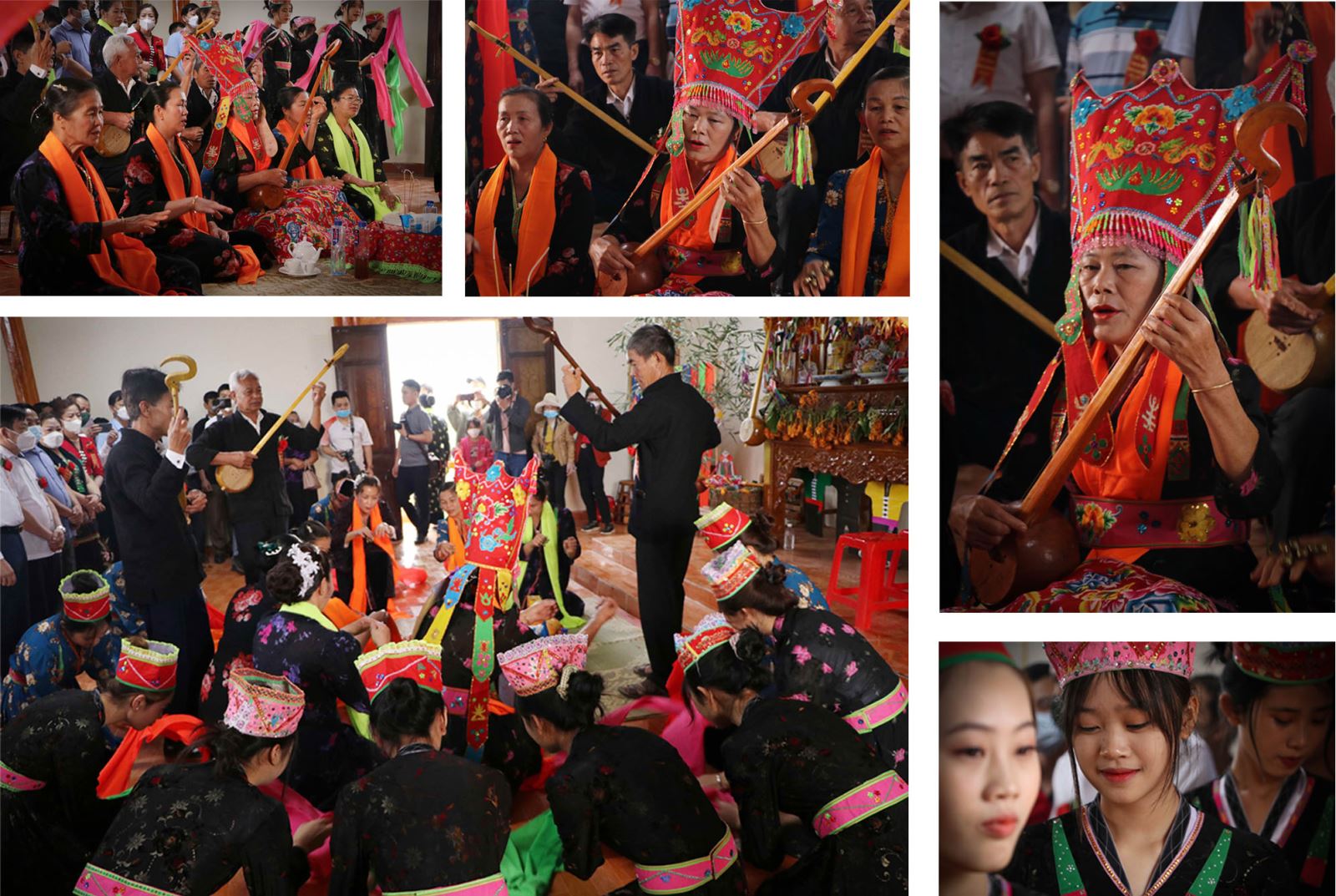
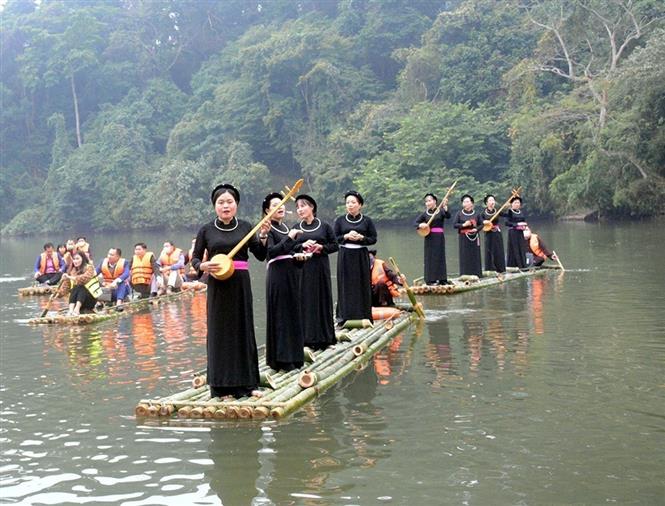
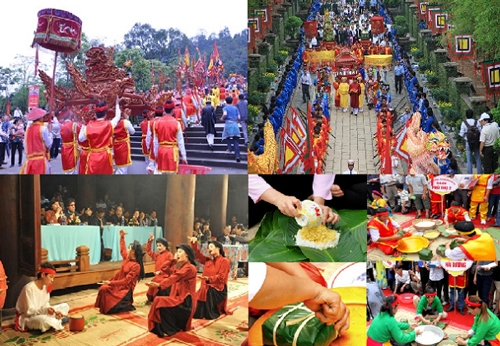
Вверху, слева: Тогдашние обычаи народностей тай, нунг и тай во Вьетнаме признаны ЮНЕСКО нематериальным культурным наследием человечества. (Фото: ВИA)
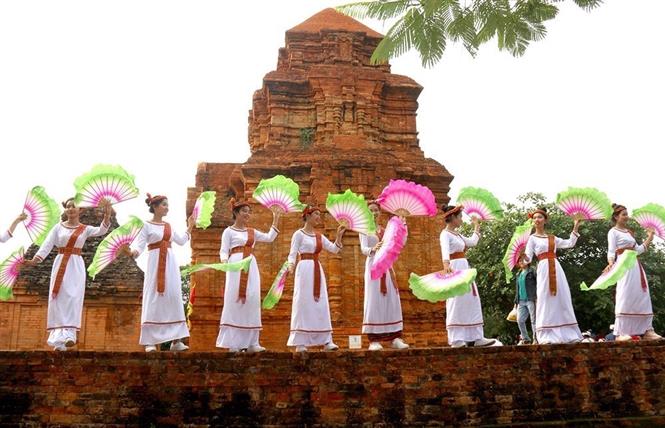
Вверху, справа: Фестиваль Кейт у народа чам брахман в провинции Биньтхуан (Фото: ВИA)
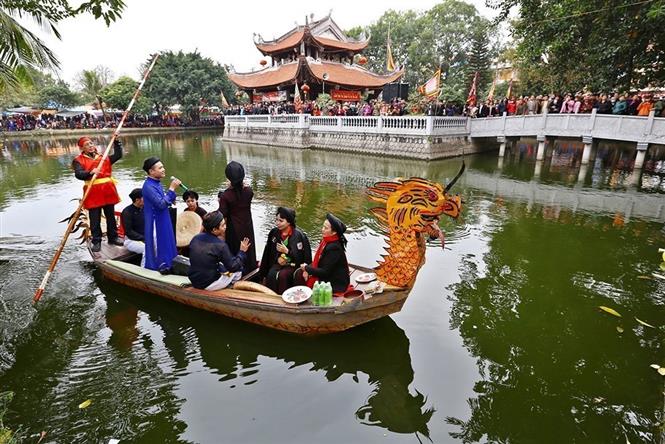
Внизу: Пение куанхо на общественном пруду в гордке Лим, уезд Тьензу, провинция Бакнинь. (Фото: ВИA)

Выявление этнокультурных ценностей помогает сообществу полностью и всесторонне интегрировать культурную картину каждого этноса, являяь основой одновременной реализации двух целей – сохранения и популяризации культурного наследия ради устойчивого социально-экономического развития. Если культурное наследие будет отделяется от ценностей современной жизни, то будет сложно успешно реализовать цель сохранения этнокультуры.

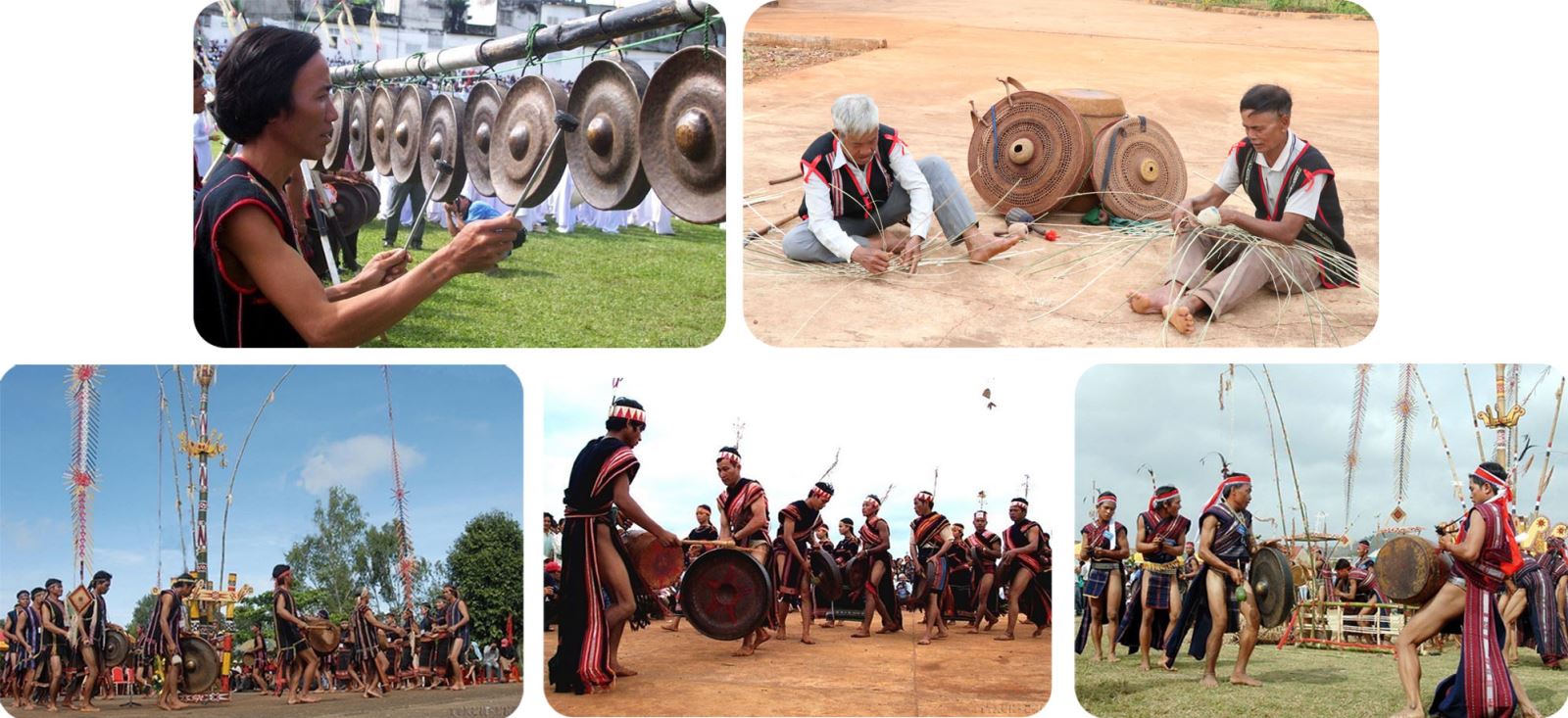
Культурное пространство Центрального нагорья с гонгом – нематериальное культурное наследие человечества ЮНЕСКО (Фото: ВИA)

Уважение этнической и региональной самобытности

Доцент, доктор Фам Ван Зыонг сказал, что собственные ценности вьетнамского народа несут в себе этническую, местную и региональную идентичность. Эти собственные ценности помогли каждой этнической общине выразить и утвердить свою собственную природу. Эта природа формируется на протяжении многих поколений, закаляется процессом выживания, взаимодействием с природой и людьми, а также между этническими группами; отсюда создаются собственные культурные особенности, отчетливые, но не отличительные и не противоречивые. Например, культурная ценность народа хмонг – это жизнестойкая энергия, гармонично адаптирующаяся к суровым условиям засушливого скалистого плато.

Уникальная ценность вьетнамского народа заключается в его этнических, региональных и местных особенностях. (Фото: baovanhoa.vn)

Что касается культурных ресурсов, доцент доктор Фам Ван Зыонг подтвердил, что человеческие культурные ресурсы представляют собой культурное содержание в поведении каждого человека; проявлениями являются достоинства, отношения, характер, чувство ответственности…
Достоинства вьетнамского народа, помимо универсальных факторов, таких как трудолюбие, изобретательность, адаптивность…, необходимо сосредоточить на выявление собственных ценностей местных, которые несут в себе региональные и этнические особенности. Отсюда в рамках общей системы культурных и вьетнамских человеческих ценностей выстраивается система человеческих культурных ценностей местного, регионального и этнического характера.

Выявление культурных ценностей вьетнамского народа идет рука об руку с выявлением региональных и местных вредных привычек, а также этнической общности… которые до сих пор считаются препятствиями на пути развития. Это очень деликатный вопрос, и по нему еще ведется много дискуссий. Поэтому доцент, доктор Фам Ван Зыонг подчеркнул, что к этому вопросу для исследования необходимо подходить как с научного, так и с культурологического аспектов. Исходя из этого, необходимо разрабатывать образовательные стратегии, учиться ценить красоту, позитив, ограничивать, устранять плохие и негативные аспекты в современной вьетнамской культуре.

Система ценностей вьетнамского гражданина

Для создания культурных ценностей вьетнамцев в новом контексте доцент, доктор Фам Ван Зыонг предложил, чтобы партия и государство были ключевыми и решающими факторами в формировании и развитии системы ценностей вьетнамцев, выступая как сильная эндогенная движущая сила для реализации процесса индустриализации, модернизации, быстрого и устойчивого развития страны.

Создание вьетнамской культуры является ключевым, жизненно важным и долговременным фактором в стратегии построения процветающего и счастливого Вьетнама.

Создание культурных ценностей вьетнамцев должно основываться на общей системе ценностей нации; выделении, наследовании, развитии и все большем совершенствовании культурных ценностей вьетнамцев, которые создавались, проверялись и подтверждались с течением времени. Создание системы культурных ценностей Вьетнамцев должно заключаться в кристаллизации и слиянии общих и универсальных культурных ценностей нации и человечества с собственными культурными ценностями каждой общины, этнической общности, местности, тем самым эксплуатируя, продвигая сильные стороны своих собственных особенностей.

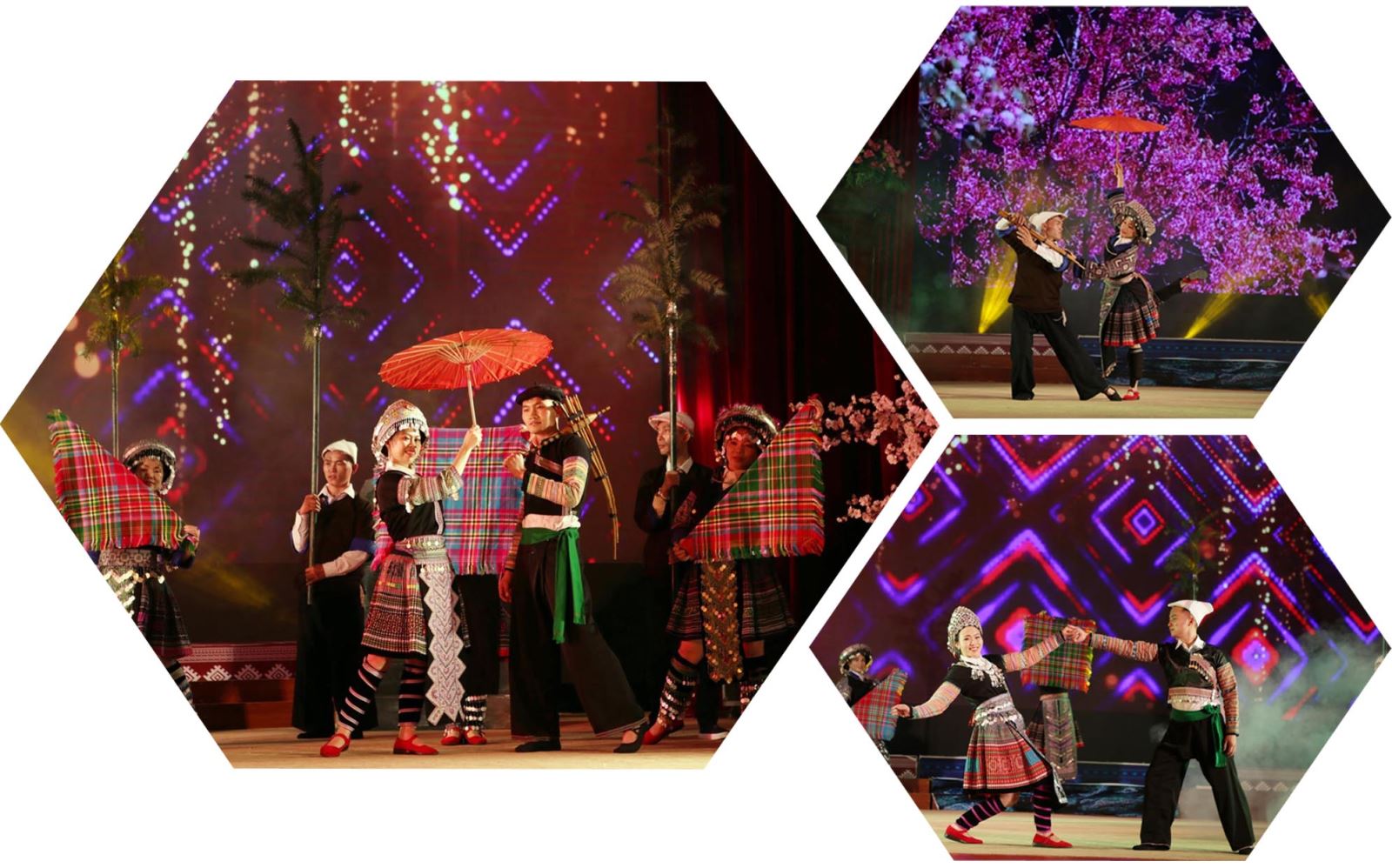
Представление национальных костюмов на фестивале этнической группы монг, проживающей в высокогорье провинции Йенбай. (Фото: ВИA)

В то же время система человеческих культурных ценностей вьетнамцев должна быть конкретизирована в критерии и цели каждого человека, сообщества и этнической общности, становясь гордостью, силой и способностью быть «сопротивлением, иммунитетом» к воздействиям глобализации. Система культурных ценностей вьетнамского народа должна стать системой ценностей вьетнамских граждан в новом контексте развития. В частности, формирование у вьетнамцев определенных качеств, достоинства, способностей и храбрости… способность противостоять вызовам и трудностям и справиться с ними в построении, защите и развитии процветающей страны, конкурируя с великими мировыми державами./.

Развитие культуры вьетнамского народа – важнейший, жизненно важный фактор в стратегии построения богатой и счастливой нации. (Фото: baovanhoa.vn)

重点建设越南人文化价值体系

重点建设越南人文化价值体系。图自越通社

在当前背景下,全球化的影响和信息技术、物联网、多媒体、社交网的力量给打造和维护越南文化特色以及越南人文化价值体系建设工作的意义、作用和重要性造成巨大的挑战。

越南翰林院社会科学院文化研究院副院长范文阳副教授表示,越南人文化价值体系包括由全国54个民族同胞在过去和现在创造出的价值(具有历史性意义)。越南人文化价值随着时间的推移而结晶成一种文化价值体系,它不仅体现在物质方面,即过去的文化遗产,而且也是承载着当今生活气息的文化活动,是每个村寨、每个家庭中民众生活的有机组成部分。

越南人文化价值体系包括由全国54个民族同胞在过去和现在创造出的价值(具有历史性意义)。图自越通社

越南54个民族的文化价值包括与居住习惯有关的文化类型、与环境有关的房屋和村庄建筑以及与环境和资源有关的民间知识;社区生活习惯的规定;乡村化、城镇化进程中各民族的经济活动等。上述文化类型的因素丰富多样,富有特色,是社区、民族和地方的有形和无形资产。这同时也是国家发展的资源。

越南岱依族、侬族和傣族天曲”人类非物质文化遗产。图自越通社
卡特(Kate)节是平顺省婆罗门教占族同胞历史悠久的传统节日。图自越通社
官贺民歌是越南北方红河流域的代表性民歌之一。图自越通社

识别民族文化价值有利于刻画出各民族全面生动的文化场景,是同时有效实现保护和传承文化遗产及推动经济社会可持续发展两项目表夯实基础。若文化遗产脱离了当代生活的价值,就难以成功实现民族文化保护的目标。

西原锣钲文化空间于2005年11月25日被联合国科教文组织正式列入《人类口头与非物质文化遗产代表作名录》。图自越通社

范文阳透露,越南人的特有价值具有民族、地方和地区特征。这些独特价值已帮助每个民族表达并确立了自己的本性。这个本性是经过多代人建立而成的,在生存和与自然、人类以及各种民族互动过程中得到锻炼,从而创造出独特的文化特色,与众不同但不怪异,也不矛盾。例如,赫蒙族的文化价值是顽强的意志,和谐地适应干旱岩石高原的恶劣环境。

尊重各族人和地区的特色。图自 baovanhoa.vn

对于文化资源,范文阳强调,人民文化资源就是每个人行为中的文化含量,具体的是品质、态度、个性、责任感等。越南人的品质除了勤劳、灵巧、适应力强等普遍因素外,还要重视识别带有地方、地区和民族特色的特有价值。在越南整体文化和人民价值体系中构建具有地方性、区域性、民族性的人文价值体系。

将识别越南人文化价值与识别阻碍发展进程的地区、地方和民族不良习惯齐头并进。这是一个非常敏感且引起争论的问题。因此,范文阳强调,这个问题需要从科学和文化两个方面进行研究。从而,制定越南当代人文化中美好事情、积极现象教育和推崇以及不良事情、消极现象限制和消除战略。

为了在新形势下打造越南人文化价值,范文阳提议,党和国家是越南人价值体系形成和发展的决定性因素,为加快国家工业化现代化进程以及实现快速可持续发展注入强大内生动力。

越南人文化价值体系建设工作须以国家共同价值体系为基础;从现有的越南人文化价值中选择,继承,发展并不断完善越南人文化价值体系。要确保越南人文化价值体系是民族、人类共同文化价值与每个社区、每个民族、每个地方特有文化价值之间的融合与结晶,从而充分挖掘各种特色的优势。

与此同时,须对越南人文化价值体系进行细化具体化,使其成为每个人、每个社区、每个民族的标志和目标,成为应对全球化影响的力量和“抵抗力、免疫力”。越南人文化价值体系须成为新发展阶段越南公民价值体系。具体的是,培养出品质良好、能力过硬、本领过硬、能够应对建设繁荣发展且能与世界大国并驾齐驱的越南国家进程中遇到的困难和挑战的越南人。(完)

文艺节目表演。图自baovanhoa.vn

VALORES CULTURALES DEL PUEBLO VIETNAMITA

Los valores culturales del pueblo vietnamita incluyen los creados por las 54 comunidades étnicas del país en el pasado y el presente (con importancia histórica). (Foto: VNA)

En el contexto actual, el impacto de la globalización y de las tecnologías de la información, internet de las cosas, multimedia, redes sociales, entre otros, han planteado grandes retos para la creación y preservación de la identidad, así como para la construcción del sistema de valores culturales del pueblo vietnamita.

Identifican los valores culturales étnicos

Según Pham Van Duong, subdirector del Instituto de Investigaciones Culturales de la Academia de Ciencias Sociales de Vietnam, el sistema de valores culturales del pueblo vietnamita incluye los establecidos por las 54 etnias del país en el pasado y el presente. Se trata de aquellos cristalizados en un sistema de valores culturales, que no sólo se expresan en el aspecto material como herencia cultural del pasado, sino también como actividades que llevan el aliento de la vida actual, y son una parte orgánica de la vida de las comunidades residenciales en cada pueblo y familia.

La ceremonia de adoración de la etnia Thai blanca en Phong Tho, provincia de Lai Chau. (Foto: VNA)

Los valores culturales de los 54 grupos étnicos vietnamitas incluyen diferentes tipos de cultura vinculadas a los hábitos de residencia, la arquitectura de casas y el conocimiento popular sobre el medio ambiente y los recursos; las leyes consuetudinarias que regulan el estilo de vida de la comunidad; actividades económicas de cada grupo étnico y de las comunidades con diferentes niveles en el proceso de ruralización y urbanización… Los factores de los tipos de cultura anteriores son muy diversos y ricos en identidad y devienen el activo y capital tangible e intangible de una comunidad, una nación y una localidad, así como un recurso para el desarrollo nacional.

Foro de arriba, izquierda: Las prácticas Then de los pueblos Tay, Nung y Thai en Vietnam están reconocidas por la UNESCO como patrimonio cultural inmaterial de la humanidad. (Foto: VNA)
Foro de arriba, derecha: El Festival Kate del pueblo Cham en la provincia de Binh Thuan (Foto: VNA)
Foto de abajo: Actuación del canto Quan họ en el Festival de Lim en el homónimo pueblo, comuna de Tien Du, provincia de Bac Ninh. (Foto: VNA)

La identificación de los valores culturales de cada grupo étnico ayudará a construir la imagen cultural integral, sirviendo como base para lograr simultáneamente los objetivos de preservar y promover el patrimonio cultural para el desarrollo socioeconómico sostenible. Si el patrimonio cultural se separa de los valores de la vida contemporánea, será difícil lograr con éxito la meta de preservación.

El espacio cultural del gong de la Altiplanicie Occidental: patrimonio cultural inmaterial de la humanidad de la UNESCO (Foto: VNA)

Respetan las identidades étnicas y regionales

Según Van Duong, el valor único del pueblo vietnamita radica en sus características étnicas, locales y regionales. Estos valores han ayudado a cada comunidad étnica a expresar y afirmar sus propias características, establecidas a lo largo de muchas generaciones, moldeadas por el proceso de supervivencia y las interacciones con la naturaleza y los humanos. A partir de ahí, se crearon rasgos culturales únicos, diferentes, pero no extraños ni contradictorios. Por ejemplo, el valor cultural humano del pueblo H’Mong es la resiliencia, la adaptación armoniosa al duro entorno de la árida meseta rocosa.

El valor único del pueblo vietnamita reside en sus características étnicas, regionales y locales. (Foto: baovanhoa.vn)

Afirmó que los recursos culturales del pueblo vietnamita son el contenido cultural en el comportamiento de cada persona, expresado en sus cualidades, actitud, personalidad y sentido de responsabilidad. Además de las cualidades del pueblo vietnamita como la laboriosidad, el ingenio y la adaptabilidad, resulta necesario centrarse en identificar los valores únicos preñados de las características locales, regionales y étnicas, para -a partir de ahí- construir un sistema de valores culturales de características locales, regionales y étnicas dentro del sistema de valores humanos y culturales vietnamitas en general.

Determinar los valores culturales del pueblo vietnamita va de la mano con identificar malos hábitos que hasta ahora han sido considerados obstáculos al desarrollo. Este constituye un tema muy delicado y todavía en discusión. Por lo tanto, Van Duong enfatizó que dicho asunto debe abordarse en la investigación, tanto desde el punto de vista científico como cultural. A partir de aquí, se diseñan estrategias educativas y de formación para honrar lo bello y lo positivo, limitar y eliminar lo malo y lo negativo en la cultura contemporánea.

Sistema de valores de ciudadanos vietnamitas

Para construir los valores culturales del pueblo vietnamita en el nuevo contexto, Van Duong propuso que el Partido y el Estado deben ser factores claves y decisivos en la formación y desarrollo del sistema de valores culturales, como la fuerza endógena para implementar el proceso de industrialización, modernización y desarrollo rápido y sostenible del país.

La construcción del sistema de valores culturales del pueblo vietnamita debe basarse en el sistema de valores comunes de la nación, y destilar, heredar, desarrollar y perfeccionar cada vez más aquellos que han sido creados y afirmados a lo largo del tiempo. La construcción de este sistema debe ser la cristalización y combinación de los valores culturales comunes y universales de la nación y la humanidad, con los únicos de cada comunidad grupo étnico y localidad, para desde allí explotar y promover las fortalezas de sus características.

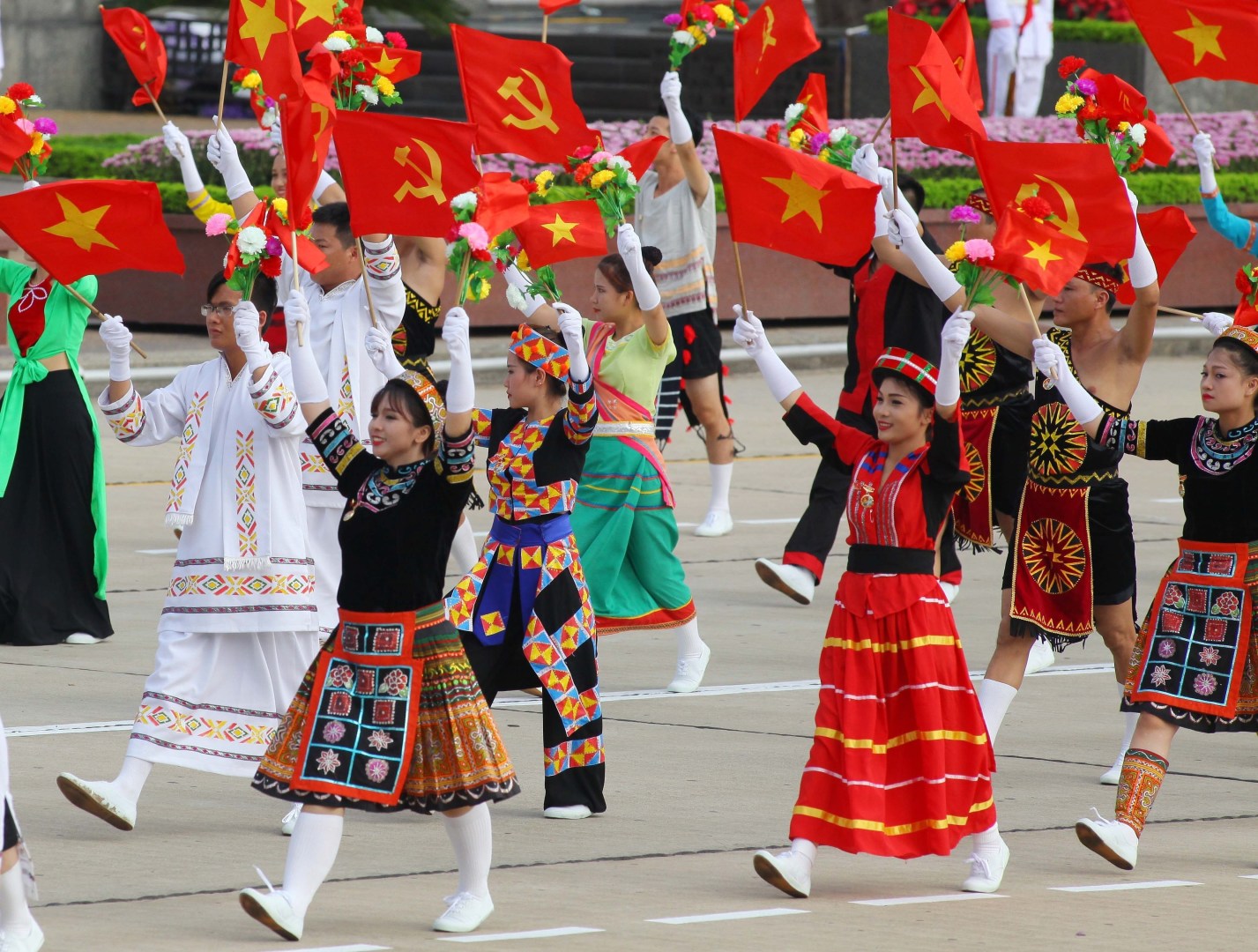
Actuación con trajes nacionales en un festival del grupo étnico Mong, que vive en las tierras altas de la provincia de Yen Bai. (Foto: VNA)

Al mismo tiempo, el sistema de valores culturales del pueblo vietnamita debe concretarse en los criterios y objetivos a los que apunta cada persona, comunidad y grupo étnico, convirtiéndose en orgullo, fuerza y capacidad de resistencia e inmunidad a los impactos de la globalización. El sistema de valores culturales del pueblo vietnamita debe convertirse en el sistema de valores ciudadanos vietnamitas en el nuevo contexto de desarrollo. En concreto, esto significa desarrollar un pueblo vietnamita con cualidades, capacidades y valentía capaz de afrontar y enfrentar los desafíos y dificultades en la construcción, protección y despliegue de un país próspero que alcance el nivel de las potencias del mundo./.

Desarrollar la cultura del pueblo vietnamita es un factor crucial y vital en la estrategia de construir una nación rica y feliz. (Foto: baovanhoa.vn)

CULTURAL VALUES OF VIETNAMESE PEOPLE

The cultural values of the Vietnamese people include those created by people belonging to the country’s 54 ethnic communities in the past and present (with historical significance).

Given the current globalisation and the power of information technology, multimedia communication, and social networks, significant challenges have arisen in preserving, building, and shaping Vietnamese people’s system of cultural values.

Identifying ethnic cultural values

According to Associate Professor, Dr. Pham Van Duong, Deputy Director of the Institute of Cultural Studies under the Vietnam Academy of Social Sciences, the cultural values of the Vietnamese people include those created by people belonging to the country’s 54 ethnic communities in the past and present (with historical significance). Over time, they have crystallised into a system of cultural values, not only manifested in material aspects as cultural heritage from the past but also in cultural activities reflecting the essence of contemporary life.

The Then worshiping ceremony of the White Thai ethnic people in Phong Tho, Lai Chau province. (Photo: VNA)

The cultural values of the 54 Vietnamese ethnic groups cover cultural forms related to habitation habits, architectural styles, and folk knowledge about the environment and resources, community customs, and economic activities of each ethnic group, and different levels of these activities during the processes of ruralisation and urbanisation. Such diverse cultural forms constitute tangible and intangible assets of a community, an ethnic group, and a region. They are also a resource for the country’s development.  

Upper, left: The Then practices of the Tay, Nung, and Thai people in Vietnam are accredited by UNESCO as an intangible cultural heritage of humanity. (Photo: VNA)
Upper, right: Kate Festival of Cham Brahman people in Binh Thuan province (Photo: VNA)
Bottom: Quan ho singing performance on a communal pond in Lim town, Tien Du district, Bac Ninh province
. (Photo: VNA)

Identifying the cultural values of each ethnic group helps build a comprehensive cultural landscape, providing the foundation for simultaneously achieving the two goals of preserving and promoting cultural heritage for sustainable socioeconomic development. If cultural heritage is separated from the values of contemporary life, it is challenging to successfully meet the conservation target.

Central Highlands gong cultural space – a UNESCO intangible cultural heritage of humanity (Photo: VNA)

Respecting ethnic identity, regions

Associate Professor, Dr. Duong stated that the unique value of the Vietnamese people lies in their ethnic, regional, and local characteristics. These values have enabled each ethnic community to express and affirm their own characteristics. Those characteristics are established over many generations, shaped by the process of survival and interactions with nature and humans. It creates unique but not conflicting or contradictory cultural traits. For example, the cultural value of the Mong ethnic group is the resilience, determination, and adaptability to the harsh environment of the arid highlands where they live.

The unique value of the Vietnamese people lies in their ethnic, regional, and local characteristics. (Photo: baovanhoa.vn)

The scholar asserted that the Vietnamese people’s cultural resources are the cultural content in the behaviour of each individual, manifested in his or her attitude, personality, and a sense of responsibility. In addition to Vietnamese’s universal factors such as diligence, cleverness, and adaptability, it is necessary to focus on identifying their specific values associated with local, regional, and ethnic characteristics. From there, a cultural value system of people with local, regional, and ethnic characteristics can be built within the overall system of Vietnamese people’s cultural values.

The identification of Vietnamese people’s cultural values goes hand in hand with recognising bad habits associated with regional, local, and ethnic customs, which have for long been considered obstacles to development. This is a highly sensitive issue subject to much discussion. Duong said research regarding both scientific and cultural aspects of this issue need to be carried out, which will serve the development of educational strategies that emphasise the positive aspects, while minimising the negative in the contemporary culture of Vietnamese people. 

Value system of Vietnamese citizens

To build the cultural values of Vietnamese people in the new context, Duong held that the Party and State are pivotal factors, determining the formation and development of a system of cultural values, serving as a strong internal driver of national industrialisation, modernisation and sustainable growth.

The construction of such values must be based on the foundation of the common values of the nation. The work must involve the harmonisation of the country’s common, universal cultural values and specific ones of each community, ethnic group, and region. It is necessary to exploit and promote the strengths of these distinctive traits.

National costume performance at a festival of the Mong ethnic group living in the highlands of Yen Bai province. (Photo: VNA)

At the same time, the cultural values of the Vietnamese people must be formalised into standards and goals of each individual, each community, and each ethnic group, becoming a source of pride, strength, and immunity to the impacts of globalisation./.

Building the culture of Vietnamese people is a crucial, vital factor in the strategy of building a rich and happy nation.  (Photo: baovanhoa.vn)

SENSIBILISER AU SYSTÈME DE VALEURS CULTURELLES DU PEUPLE VIETNAMIEN

Dans le contexte actuel, l’impact de la mondialisation et la puissance des technologies de l’information, de l’internet des objets, du multimédia, des réseaux sociaux… posent de grands défis à la création et à la préservation de l’identité, au rôle et à l’importance de l’édification du système de valeurs culturelles humaines vietnamiennes. Photo: VNA

Dans le contexte actuel, l’impact de la mondialisation et la puissance des technologies de l’information, de l’internet des objets, du multimédia, des réseaux sociaux… posent de grands défis à la création et à la préservation de l’identité, au rôle et à l’importance de l’édification du système de valeurs culturelles humaines vietnamiennes.

Identifier les valeurs culturelles ethniques

Selon le professeur associé et docteur Pham Van Duong, directeur adjoint de l’Institut de recherche culturelle de l’Académie des sciences sociales du Vietnam, le système de valeurs culturelles humaines vietnamiennes comprend des valeurs créées dans le passé et le présent par les 54 groupe ethniques vietnamiens. Les valeurs culturelles du peuple vietnamien se cristallisent au fil du temps dans un système de valeurs culturelles, qui ne s’expriment pas seulement sous l’aspect matériel en tant que patrimoine culturel d’hier, mais aussi en tant qu’activités d’aujourd’hui. La culture porte le souffle de la vie d’aujourd’hui et est une partie organique de la vie des communautés de chaque village et de chaque famille.

Cérémonie rituelle des Thai blancs à Phong Thô, province de Lai Châu (Nord). Photo: VNA

Les valeurs culturelles humaines des 54 groupes ethniques vietnamiens comprennent les types culturels associés aux habitudes de résidence, à l’architecture des maisons et des villages, à l’environnement et aux connaissances populaires sur l’environnement et les ressources naturelles ; les coutumes régissant le mode de vie de la communauté ; les activités économiques de chaque groupe ethnique et de toute la communauté ethnique à différents niveaux dans le processus de ruralisation et d’urbanisation… 

Les pratiques du “then” des groupes ethniques Tay, Nung et Thai ont été inscrites sur la Liste représentative du patrimoine culturel immatériel de l’humanité. Photo: VNA
La fête Katé de l’ethnie Cham dans la province de Binh Thuan (Centre) photo: VNA
Les chants populaires Quan ho de Bac Ninh sous les feux de la rampe à Bac Ninh. Photo: VNA

L’identification des valeurs culturelles ethniques aidera à intégrer pleinement et globalement l’image culturelle de chaque groupe ethnique, servant de base à la réalisation simultanée des deux objectifs de préservation et de promotion du patrimoine culturel pour un développement socio-économique durable. Si le patrimoine culturel est séparé des valeurs de la vie contemporaine, il sera difficile d’atteindre l’objectif de préservation de la culture ethnique.

Les gongs du Tây Nguyên (Hauts Plateaux du Centre) ont été reconnus en 2005 en tant que patrimoine culturel immatériel de l’humanité par l’UNESCO. Photo: VNA

Respecter les identités ethniques et régionales

Selon le professeur associé et docteur Pham Van Duong, les valeurs uniques du peuple vietnamien ont des identités ethniques, locales et régionales. Ces valeurs uniques ont aidé chaque communauté à exprimer et à affirmer sa propre nature. Cette nature s’est établie sur de nombreuses générations, est tempérée par le processus de survie, l’interaction avec la nature et les humains, et entre les groupes ethniques. Cela a créé des caractéristiques culturelles uniques mais pas différentes ou contradictoires. Par exemple, la valeur culturelle humaine des H’Mong est la résilience et l’adaptation harmonieuse à l’environnement rude du plateau calcaire.

Les valeurs uniques du peuple vietnamien ont des identités ethniques, locales et régionales. Photo : baovanhoa.vn

Concernant les ressources culturelles, M. Duong a affirmé que les ressources culturelles humaines expriment la qualité, l’attitude, la personnalité, le sens des responsabilités de chacun…  En plus des qualités générales du peuple vietnamien telles que assiduité, habilité, résilience.., il est nécessaire d’identifier des valeurs uniques locales, régionales et ethniques.  À partir de là, un système de valeurs culturelles humaines de nature locale, régionale et ethnique est construit au sein du système global de valeurs culturelles du peuple vietnamien.

Identifier les valeurs culturelles du peuple vietnamien va de pair avec l’identification des mauvaises habitudes et des coutumes régionales, locales et ethniques… qui étaient considérées comme des obstacles au développement. Il s’agit d’une question très sensible, qui fait encore l’objet de nombreuses discussions. Par conséquent, M. Duong a souligné que cette question devrait être abordée sous des aspects à la fois scientifiques et culturels. Il faut élaborer des stratégies d’éducation et de formation pour honorer le beau et le positif, limiter ou éliminer le mauvais et le négatif dans la culture humaine vietnamienne contemporaine.

Système de valeurs du citoyen vietnamien

Pour instaurer les valeurs culturelles humaines vietnamiennes dans le nouveau contexte, M. Duong a proposé au Parti et à l’État d’être les facteurs clés et décisifs dans la formation et le développement du système de valeurs, une force motrice pour la mise en œuvre du processus d’industrialisation, de modernisation, de développement rapide et durable du pays.

La construction du système de valeurs culturelles humaines vietnamiennes doit être basée sur le système de valeurs communes de la nation ; distiller, hériter, développer et perfectionner de plus en plus les valeurs culturelles humaines vietnamiennes qui ont été créées, mises à l’épreuve et affirmées au fil du temps. La construction du système de valeurs culturelles humaines vietnamiennes doit être la cristallisation et le mélange des valeurs culturelles communes et universelles de la nation et de l’humanité avec les valeurs culturelles uniques de chaque communauté, chaque groupe ethnique, chaque localité, ce pour exploiter et promouvoir les atouts de ses caractéristiques uniques.

Fête des H’Mông de la province de Yên Bai (Nord) . Photo: VNA

Dans le même temps, le système de valeurs culturelles humaines vietnamiennes doit se concrétiser dans les critères et les objectifs de chaque personne, chaque communauté et chaque groupe ethnique, devenant fierté, force et capacité “de résistance et d’immunité” aux impacts de la mondialisation. Le système de valeurs culturelles du peuple vietnamien doit devenir le système de valeurs des citoyens vietnamiens dans le nouveau contexte de développement. Plus précisément, il faut créer un peuple vietnamien doté de qualités, de courage et capable d’affronter et de gérer les défis et les difficultés dans l’édification, la protection et le développement d’un pays prospère, en concurrence avec les grandes puissances mondiales./.

Un spectacle présenté au public à Hanoï. Photo: baovanhoa.vn

НОВОЕ ВИДЕНИЕ ВЫСОКОТЕХНОЛОГИЧНОГО ПАРКА ХОАЛАК

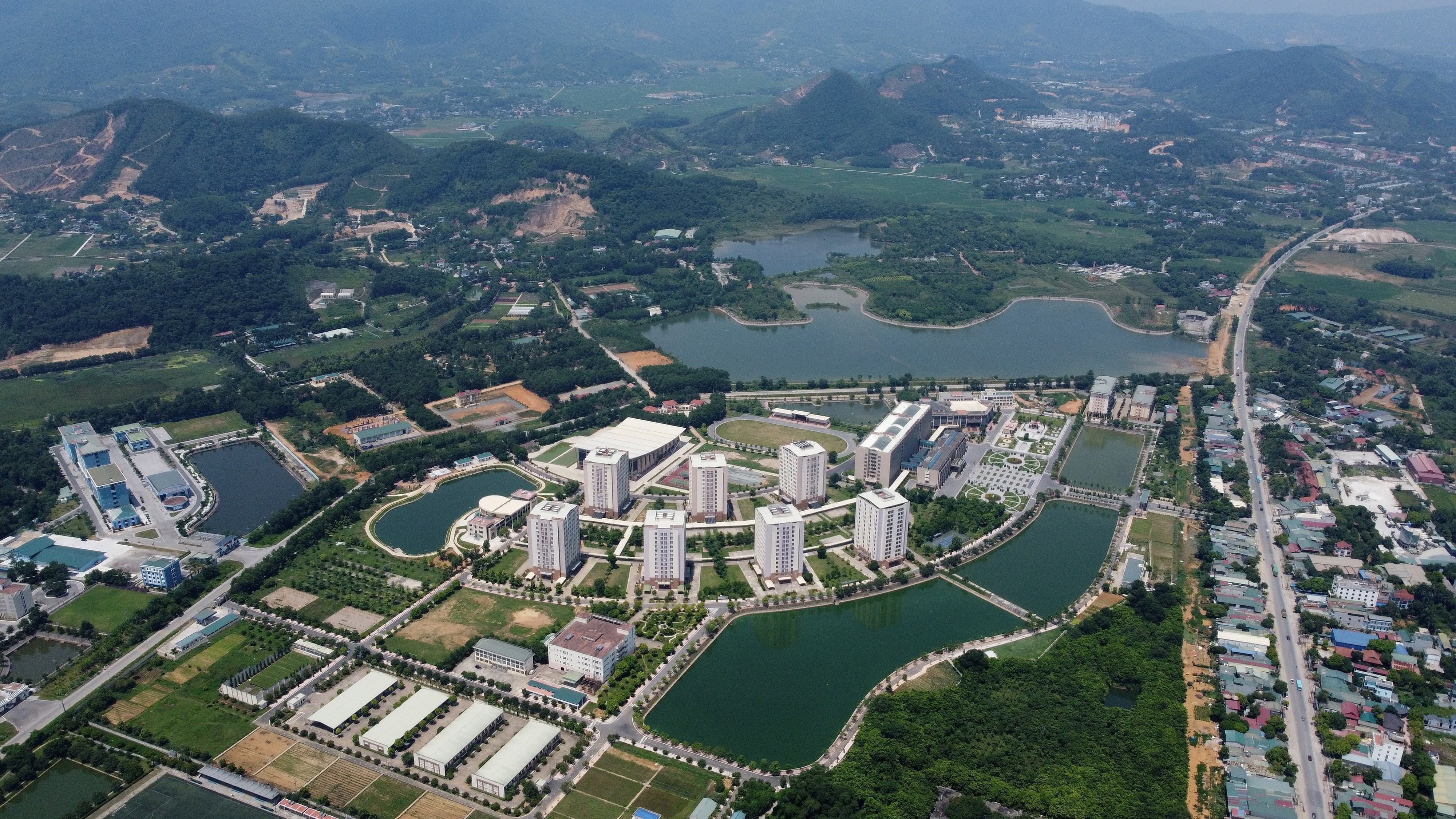
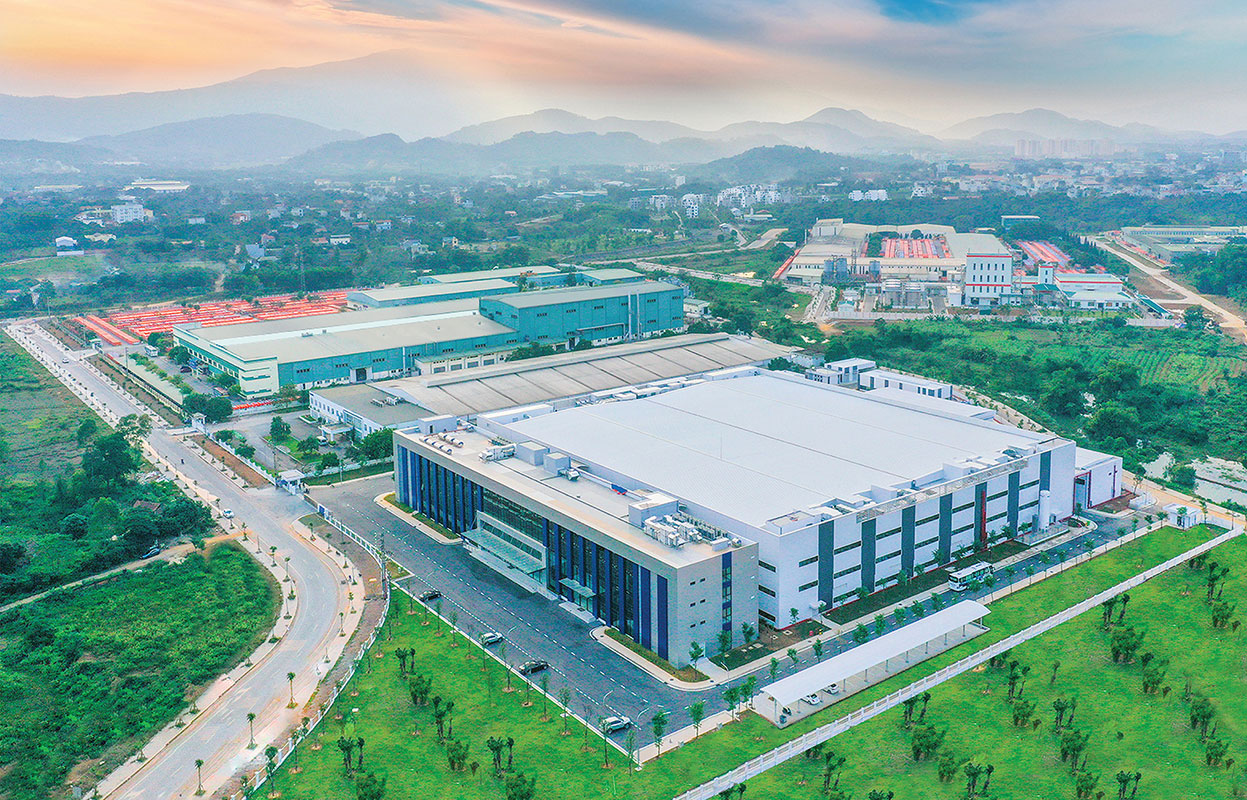
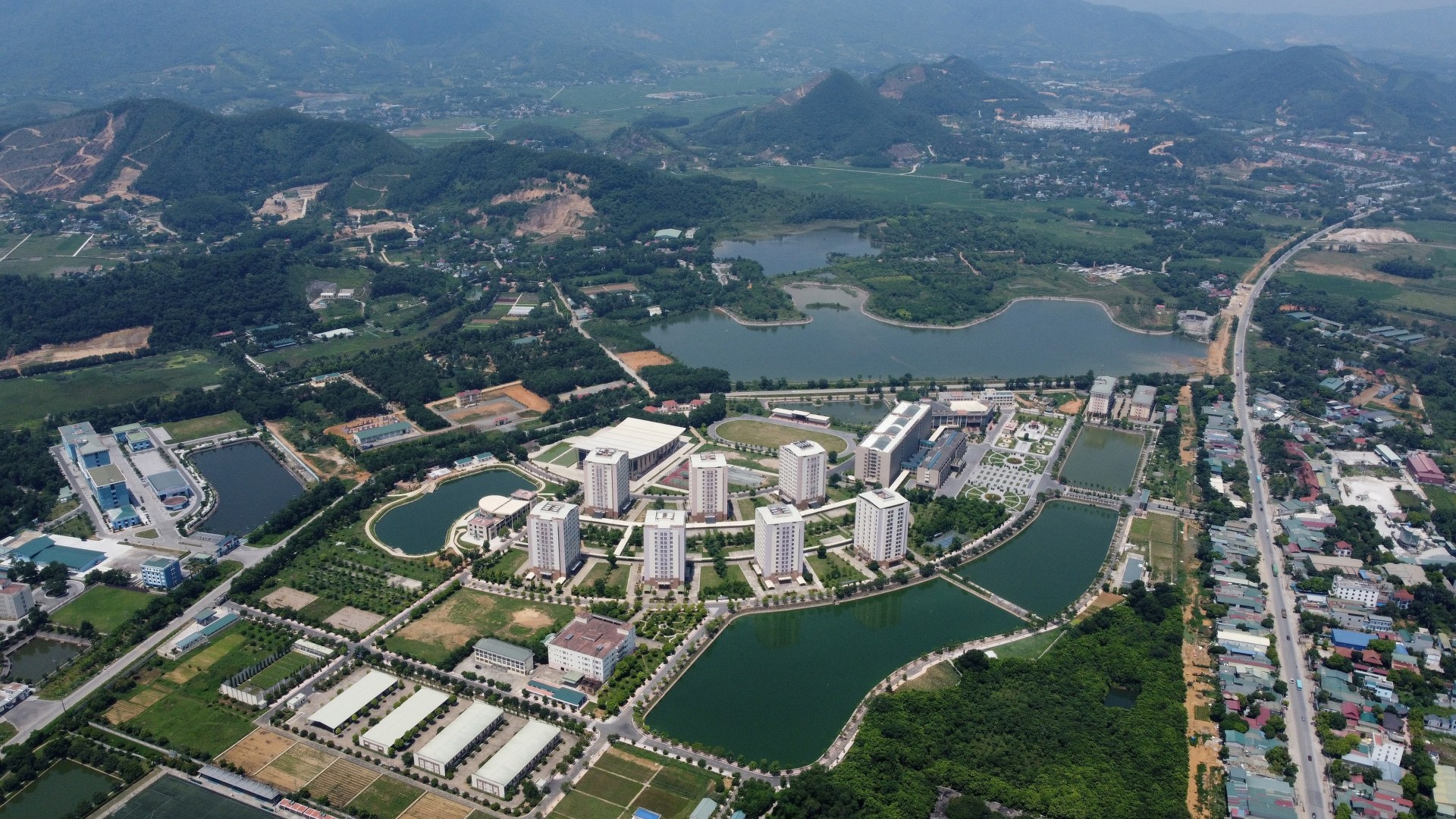
Городской район Хоалак, расположенный в уезде Тхатьтхат, должен стать самым большим среди пяти запланированных спутников вокруг центра Ханоя. (Фото: ВИA)

Ожидается, что высокотехнологичный парк Хоалак, который только что официально был передан Министерством науки и технологий под управление Ханойскому народному комитету, станет современным научно-техническим и образовательным городским районом регионального значения, оказывающим прямое, огромное влияние на экономический рост и развитие столицы Ханой, а также всей страны.

Основанный в 1998 году, за 25 лет становления, строительства и развития высокотехнологичный парк Хоалак привлек 111 инвестиционных проектов (в том числе 96 отечественных и 15 иностранных инвестиционных проектов) с общим зарегистрированным инвестиционным капиталом более 111.500 миллиардов донгов.

Возможность для конкретизации рядя целей

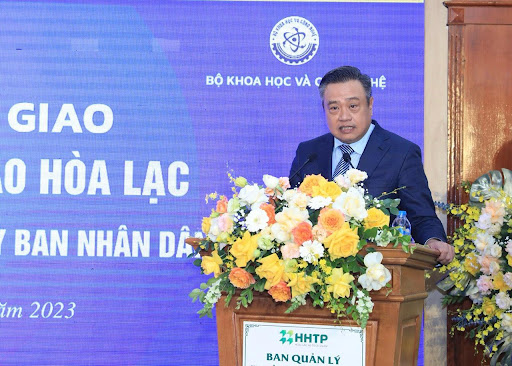
Председатель Народного комитета Ханоя Чан Ши Тхань выступает на церемонии передачи высокотехнологичного парка Хоалак от Министерства науки и технологий муниципальному Народному комитету 24 ноября 2023 года. (Фото: ВИA)

Выступая на церемонии приемавысокотехнологичного парка Хоалак Министерством науки и технологий председатель Народного комитета Ханоя Чан Ши Тхань подтвердил, что для города это является благоприятным условием для конкретизации цели, определенной в резолюции Политбюро № 15-NQ/Tu от 5-5-2022 г. о направлениях, задачах развития столицы Ханоя до 2030 года, с видением до 2045 года.

В презентации, адресованной семинару «Некоторые теоретические и практические вопросы в строительстве и реализации генерального плана Ханоя на период 2021-2030 годов, с видением до 2050 года», доктор Ха Хи Нгок (из Вьетнамского института экономики) сказал, что создание экосистем для науки, технологий и инноваций сосредоточивается на подразделениях, поддерживающих инновации, которые доказали и доказывают свою эффективность.

Проект корректирует генеральный план Ханоя до 2045 года, с видением до 2065 года и дает ориентацию на развитие двух динамичных районов столицы: северного района красной реки с высококачественными услугами и западного района – города науки, технологий, инноваций, цифровой трансформации.

Генеральное планирование Ханоя до 2045 года с перспективой до 2065 года определяет направления развития двух локомотивных районов – северной части Красной реки и западной части. (Фото: hanoimoi.vn)

В западном районе городской центр Хоалак является мозговым центром науки, высокотехнологичной инженерии, учебным центром с высококачественным образованием; где расположены исследовательский центр, университет, центр экспериментов с цифровыми технологиями, искусственным интеллектом, применением и передачей технологий, с приоритетной политикой привлечения высококачественных кадров вместе с предприятиями для работы и проживания.

Профессор, доктор Хоанг Ван Кыонг, бывший вице-ректор Национального экономического университета, прокомментировал, что высокотехнологичный парк Хоалак ориентирован на развитие по открытой модели и является ядром в создании и содействии тому, чтобы город Ханой стал ведущим инновационным центром всей страны.

К 2030 году Ханой намерен завершить строительство высокотехнологичного парка Хоалак и ввести его в полную эксплуатацию, работая по модели умного города, внося свой вклад в строительство инновационного города Хоалак.

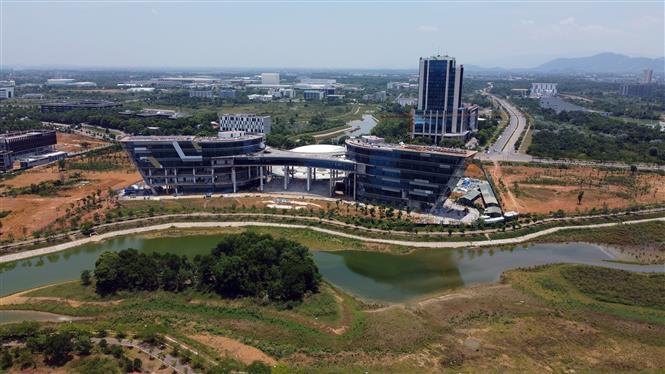
Ханой планирует в основном завершить строительство и ввести в эксплуатацию высокотехнологичного парка Хоалак к 2030 году. (Фото: tapchicongthuong.vn)

Устранение узких мест для развития

Доктор Ха Хи Нгок проанализировал, что в контексте смещения инвестиций между районами высокотехнологичный парк Хоалак, если он будет реорганизован, децентрализован, с привлекательными инвестиционными стратегиями, наряду с выдающимися инвестиционными институтами, станет местом назначения для привлечения высокотехнологичных проектов в столицу Ханой.

«Чтобы превратить это в жизнь, высокотехнологичному парку Хоалак необходимо преодолеть препятствия, связанные с основными потребностями, такими как снабжение чистой водой, общественный транспорт, жилье, общественные работы и усовершенствование внутренней дорожной инфраструктуры, открытие центра интернет-систем и центра обработки данных», – прокомментировал доктор Ха Хи Нгок.

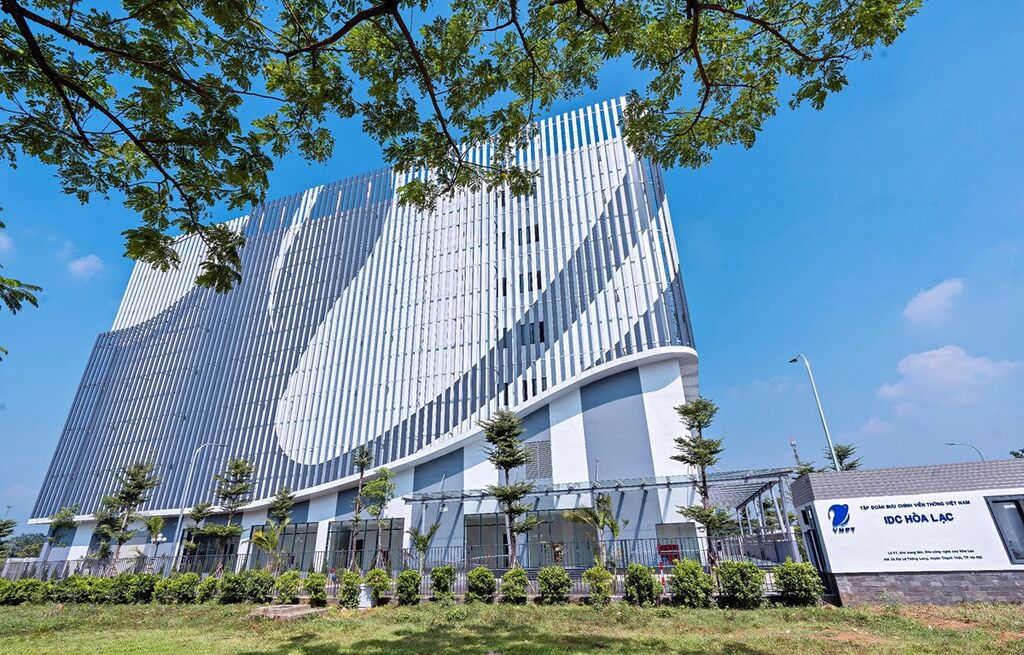
VNPT IDC Hoa Lac занимает общую площадь 23.000 кв. м. (Фото: VietnamPlus)

Эксперт также предложил cпециальные и выдающиеся механизмы и политики для высокотехнологичного парка Хоалак, которые являются главным приоритетом для привлечения стратегических инвесторов, поддержки инновационных стартапов в приоритетных областях города Ханой. Кроме того, городу также нужна политика по налоговым льготам.

Министерство науки и технологий разрабатывает план развития высокотехнологичного парка Хоалак до 2030 года с перспективой до 2045 года в соответствии со стратегией развития науки, технологий и инноваций на период 2021-2030 гг. (Фото: ВИA)

В другой презентации, доктор Нгуен Куанг (Программа Организации Объединенных Наций по населенным пунктам – ООН Хабитат) упомянул ориентацию развития «интеллектуальной деревни», важной составной части высокотехнологичного парка Хоалак. По его словам, деревня станет зеленым, креативным и гуманным городом со смешанным использованием и различными масштабами, обеспечивающим жилье, инфраструктуру, транспорт, социальные и экологические услуги.

«Необходимо планировать районы смешанного использования, разнообразного масштаба, жилищные проекты, бизнес-офисы и услуги, которые будут адаптированы к будущим потребностям и изменениям. Кроме того, устойчивое развитие с ролью зеленого города и зеленых технологий также имеет важное значение», – сказал доктор Нгуен Куанг.

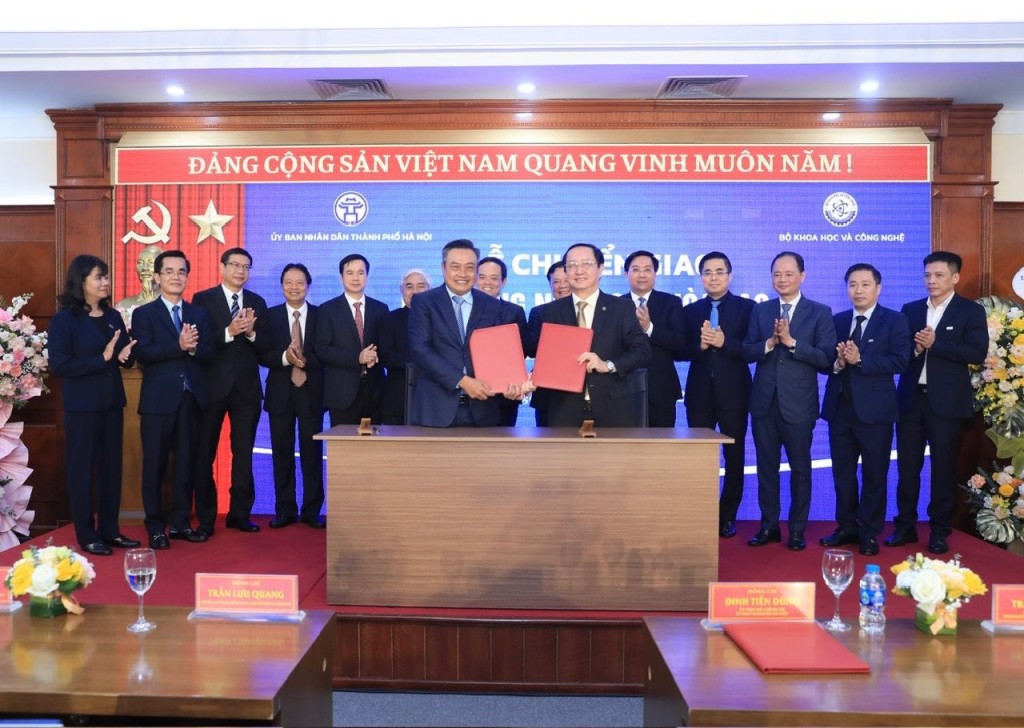
Министерство науки и технологий и Народный комитет Ханоя подписывают соглашение о сотрудничестве на церемонии передачи высокотехнологичного парка Хоалак. (Фото: ВИA)

На церемонии подписания соглашения о передаче высокотехнологического парка Хоалак между Министерством науки и технологий и народным комитетом Ханоя 24 ноября председатель народного комитета Ханоя подтвердил свою решимость мобилизовать и эффективно продвигать ресурсы из центрального бюджета, местного бюджета и социальных ресурсов в продолжении развития высокотехнологичного парка Хоалак в соответствии с изложенными направлениями и целями.

По словам министра науки и технологий Хиунь Тхань Дата, передача является крупным и значимым поворотным моментом в строительстве и развитии высокотехнологичного парка Хоалак. Министерство науки и технологий продолжит оказывать содействие Народному комитету Ханоя и координировать его действия в целях содействия развитию высокотехнологичного парка Хоалак в ближайшее время./.

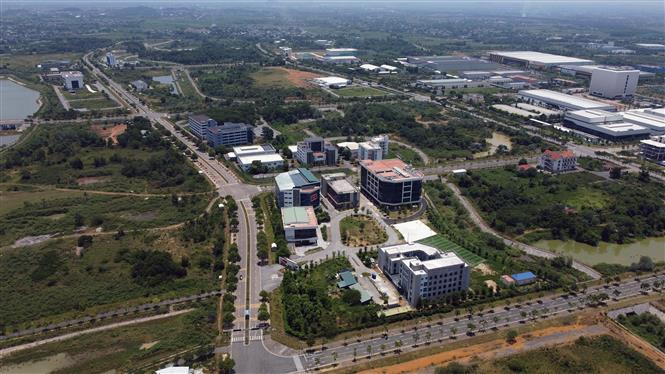
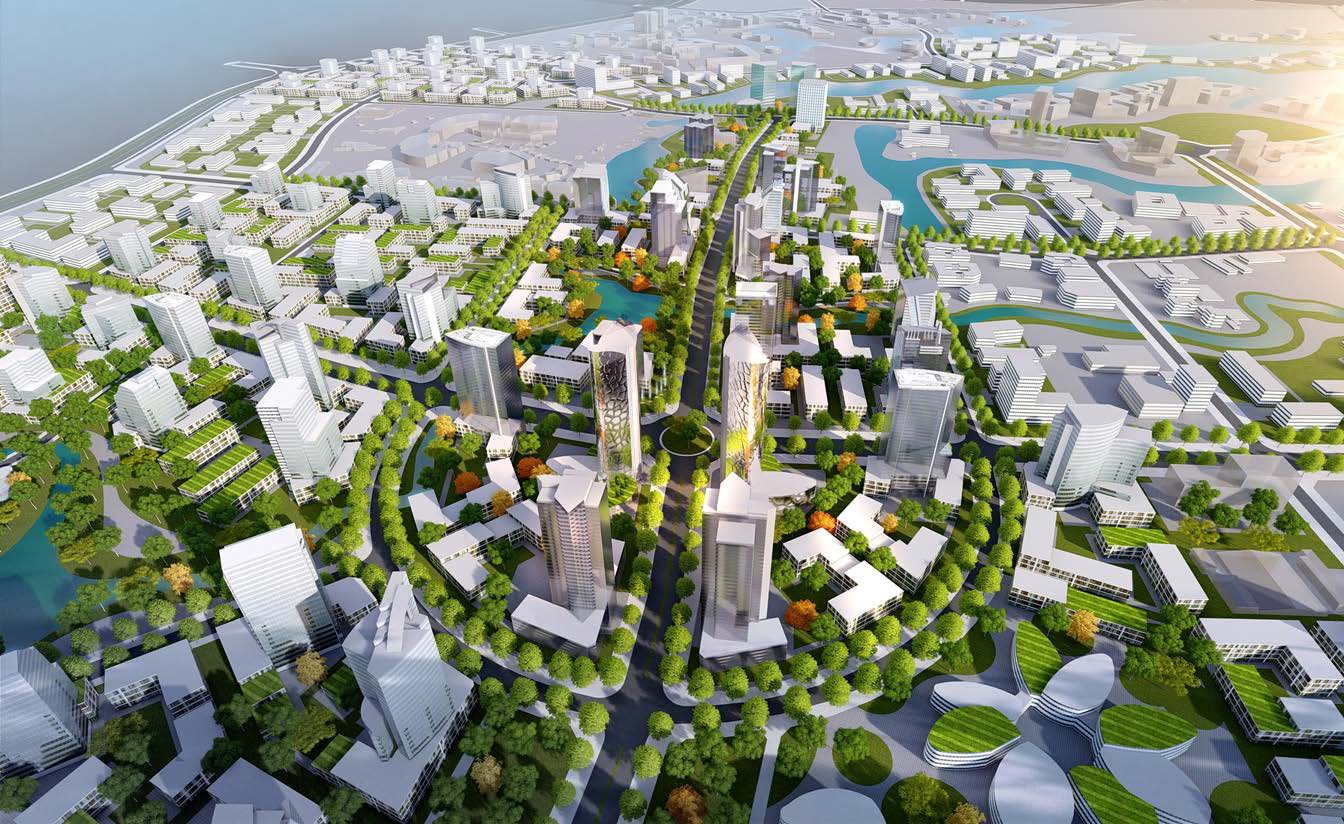
Графическое изображение городского района Хоалак. (Фото: baochinhphu.vn)

CHARTING NEW COURSE FOR HOA LAC HIGH-TECH PARK

The Hoa Lac urban area, located in Thach That district, is envisioned to become the biggest among the five planned satellite ones around the centre of Hanoi. (Photo: VNA)

Hanoi (VNA) – The Hoa Lac High-Tech Park, which has just been officially handed over to the Hanoi municipal People’s Committee from the Ministry of Science and Technology (MoST), is poised to develop into a sci-tech urban centre, a modern educational hub with regional influence that significantly shapes economic growth and development of both Hanoi and the entire country.

Founded in 1998, Hoa Lac High-Tech Park has successfully drawn 111 investment projects, including 96 domestic and 15 foreign-invested ones, accumulating a total registered investment capital of 111.5 trillion VND (4.64 billion USD at current exchange rate) over the past 25 years of formation and development.

Opportunity to materialise goals

Chairman of the Hanoi People’s Committee Tran Sy Thanh speaks at a ceremony for handing over the Hoa Lac High-Tech Park from the Ministry of Science and Technology to the municipal People’s Committee on November 24, 2023. (Photo: VNA)

During a ceremony marking the park’s transfer from the MoST, Chairman of the municipal People’s Committee Tran Sy Thanh affirmed that this shift provides the city with a favourable opportunity to concretise the goals outlined in the Politburo’s Resolution No. 15-NQ/TW dated May 5, 2022 regarding development orientations and tasks for Hanoi until 2030, with a vision to 2045.

In a presentation sent to a seminar on several theoretical and practical issues in the building and implementation of the Hanoi Capital Planning in 2021-2030 with a vision to 2050, Dr. Ha Huy Ngoc from the Vietnam Institute of Economics said building an ecosystem for sci-tech and innovation, centred around a supportive establishment, has proven effective.

A scheme on adjusting the General Planning of Hanoi until 2045 with a vision to 2065 has outlined development directions for two locomotive regions, including the north of the Red River, focusing on high-quality services; and the western part, envisioned as a city of sci-tech, innovation and digital transformation.

The General Planning of Hanoi until 2045 with a vision to 2065 outlines development directions for two locomotive regions, namely the north of the Red River and the western part. (Photo: hanoimoi.vn)

In the western part, Hoa Lac urban area is envisioned as a hub for advanced technology, top-notch education and training where there are research centres, universities, laboratories for digital technology and artificial intelligence, and facilities for technology application and transfer. Incentives will be put in place to attract high-caliber human resources and businesses.

Prof. Hoang Van Cuong, former Vice Rector of the National Economics University which leads the consulting consortium for the Hanoi Capital Planning, noted that Hoa Lac High-Tech Park is oriented towards an open development model, acting as a nucleus to build and propel Hanoi into a leading innovation centre in the country.

Hanoi plans to basically complete the construction of and put the Hoa Lac High-Tech Park into full operation by 2030. (Photo: tapchicongthuong.vn)

Untangling knots for development

“To realise this, the park needs to address bottlenecks related to basic needs such as clean water supply, public transportation, housing, public infrastructure, internal road infrastructure, central internet system, data centres”, he added.

VNPT IDC Hoa Lac covers a total area of 23,000 sq.m. (Photo: VietnamPlus)

He also proposed special mechanisms and policies for the park, including giving priority to drawing strategic investors and supporting innovative startup activities in priority areas of Hanoi. Additionally, the city should provide tax incentives.

The Ministry of Science and Technology is drafting a plan on the development of the Hoa Lac High-Tech Park until 2030, with a vision to 2045, in line with the strategy for developing science, technology, and innovation during the 2021 – 2030 period. (Photo: VNA)

In another presentation, Dr. Nguyen Quang from the United Nations Human Settlements Programme – UN Habitat) mentioned orientations to building a “knowledge village,” a crucial component of Hoa Lac High-Tech Park. Accordingly, the area will evolve into a green, innovative and humane city with mixed-use purposes, diverse scales, as well as housing, infrastructure, transportation, social and ecological services.

“It is necessary to plan areas with mixed-use purposes, diverse scales, residential and business office projects, and services that catch up with not only current needs but also future changes. Furthermore, sustainable development with the role of a green city and green technology is also crucial”, Quang said.

The Ministry of Science and Technology and the Hanoi People’s Committee sign a cooperation agreement at the hand-over ceremony for the Hoa Lac High-Tech Park. (Photo: VNA)

At a ceremony to sign minutes on the handover of Hoa Lạc High-Tech Park between the MoST and the municipal People’s Committee on November 24, Chairman Thanh affirmed the determination to pool and effectively tap resources from the State and local budgets, and social resources to continue developing the park according to the set directions and goals.

According to Minister of Science and Technology Huynh Thanh Dat, the transfer is a significant and crucial turning point in the building and development process of the park. The MoST will continue accompanying and working with the Hanoi municipal People’s Committee to propel the development of the park in the coming time./.

A graphic image of the Hoa Lac urban area. (Photo: baochinhphu.vn)

NUEVA VISIÓN PARA EL PARQUE DE ALTA TECNOLOGÍA HOA LAC

El Parque de alta tecnología Hoa Lac, que se ubica en el distrito de Thach That, busca convertirse en la mayor urbe satélite de la capital. (Fuente: VNA)

Recién transferido oficialmente del Ministerio de Ciencia y Tecnología al Comité Popular de Hanoi para su gestión, el Parque de alta tecnología Hoa Lac se espera que se convierta en un área urbana moderna de ciencia, tecnología y educación a nivel regional, teniendo un impacto directo y enorme sobre el crecimiento económico y el desarrollo de la capital de Hanoi, así como de todo el país.

Establecido en 1998, después de 25 años de formación, construcción y desarrollo, el Parque de alta tecnología Hoa Lac ha atraído hasta ahora 111 proyectos (incluidos 96 proyectos nacionales y 15 de capital extranjero) con una inversión registrada total de más de 4,64 mil millones de dólares.

Oportunidad de especificar diversos objetivos

El presidente del Comité Popular de Hanoi, Tran Sy Thanh, interviene en la ceremonia de transferencia del Parque de alta tecnología Hoa Lac efectuada por parte del Ministerio de Ciencia y Tecnología. (Fuente: VNA)

En la ceremonia de transferencia del Parque de alta tecnología Hoa Lac por parte del Ministerio de Ciencia y Tecnología, el presidente del Comité Popular de Hanoi, Tran Sy Thanh, afirmó que se trata de una condición favorable para que la ciudad pueda concretar los objetivos identificados en la Resolución 15 -NQ/TU del 5 de mayo de 2022 del Buró Político sobre direcciones y tareas para el desarrollo de la capital de Hanoi hasta 2030, con visión para 2045.

En una presentación enviada a la conferencia “Algunas cuestiones teóricas y prácticas en el desarrollo e implementación de la planificación de la capital de Hanoi para el período 2021-2030, con una visión hacia 2050”, Ha Huy Ngoc, del Instituto de Economía de Vietnam, considera que construir un ecosistema de ciencia, tecnología e innovación centrado en una base de apoyo a la innovación ha demostrado su eficacia.

El proyecto de ajuste de la Planificación general de Hanoi hasta 2045, con una visión para 2065, ha fijado la orientación para el desarrollo de dos regiones impulsoras de la capital, a saber: la zona urbana del Norte del Río Rojo con servicios de alta calidad y la zona urbana de la ciudad occidental- urbe de la ciencia, la tecnología, la innovación y la transformación digital.

Planificación general de Hanoi hasta 2045, con visión para 2065. (Fuente: hanoimoi.vn)

En la ciudad occidental, el área urbana de Hoa Lac es el centro neurálgico de la ciencia y la alta tecnología, así como de formación y educación de alta calidad, donde se concentran centros de investigación, universidades, centros experimentales de tecnología digital, inteligencia artificial, aplicación y transferencia de tecnología, con políticas prioritarias para atraer recursos humanos de alta calidad y que las empresas vengan a trabajar y vivir.

El profesor y doctor Hoang Van Cuong, ex vicerrector de la Universidad Nacional de Economía, entidad líder del consorcio consultor de Planificación de Capital, comentó que el Parque de alta tecnología Hoa Lac está orientado a desarrollarse según el modelo abierto, y constituye el núcleo para construir y promover la ciudad de Hanoi en aras de convertirla en el principal centro de innovación del país.

Para 2030, Hanoi se esfuerza por lograr que el parque de alta tecnología Hoa Lac complete básicamente su objetivo de construcción y operación, funcionando de acuerdo con el modelo urbano inteligente, en contribución a la construcción de una ciudad innovadora.

Para 2030, Hanoi se esfuerza por que el Parque de alta tecnología Hoa Lac entre en funcionamiento. (Fuente: tapchicongthuong.vn)

Eliminar los obstáculos para el desarrollo

Según el doctor Ha Huy Ngoc, en el contexto del movimiento de inversiones entre regiones, si el Parque de alta tecnología Hoa Lac se reorganiza y descentraliza, tiene una estrategia de inversión interesante, junto con instituciones de inversión destacadas, será un destino de atracción de proyectos de alta tecnología a la capital de Hanoi.

“Para lograrlo, el Parque de alta tecnología Hoa Lac necesita superar los obstáculos de las necesidades básicas, como el suministro de agua potable, el transporte público, la vivienda, las obras públicas y la finalización de la infraestructura de las carreteras internas, sistemas centrales de Internet y centros de datos.”, comentó el Ha Huy Ngoc.

VNPT IDC Hoa Lac tiene una superficie útil total de hasta 23 mil metros cuadrados, con una escala de hasta dos mil racks. (Fuente: Vietnam+)

El experto también propuso mecanismos y políticas específicas destacadas para el Parque de alta tecnología Hoa Lac, zona que recibe una máxima prioridad de Hanoi en la atracción de inversores estratégicos y apoyo a actividades innovadoras.

El Ministerio de Ciencia y Tecnología está elaborando el “Proyecto de Desarrollo del Parque de alta tecnología Hoa Lac hasta 2030, con visión hasta 2045” de acuerdo con la Estrategia de Desarrollo de Ciencia, Tecnología e Innovación para el período 2021-2030. (Fuente: VNA)

A su vez, el doctor Nguyen Quang, del Programa de Naciones Unidas para los Asentamientos Humanos (UN-Habitat), mencionó la orientación al desarrollo de la “aldea intelectual”, un componente importante del Parque de alta tecnología Hoa Lac. En consecuencia, este lugar se convertirá en una ciudad verde, creativa y humana con usos mixtos y diversas escalas, que proporcionará vivienda, infraestructura y servicios de transporte, sociales y biológicos.

“Existe la necesidad de planificar áreas con usos mixtos, escalas diversas, proyectos de vivienda, oficinas comerciales y servicios que se adapten a las demandas y cambios futuros. Además, el desarrollo sostenible con el papel de las ciudades verdes y la tecnología verde también es muy necesario”, afirmó Nguyen Quang.

En el acto de firma de cooperación entre el Ministerio de Ciencia y Tecnología y el Comité Popular de Hanoi (Fuente:VNA)

En la ceremonia de firma del documento de transferencia del Parque de alta tecnología Hoa Lac entre el Ministerio de Ciencia y Tecnología y el Comité Popular de Hanoi, el 24 de noviembre, el presidente del Comité Popular municipal, Tran Sy Thanh, afirmó su determinación de movilizar y promover eficazmente los recursos del presupuesto central, presupuesto local y recursos sociales para continuar desarrollando el Parque de acuerdo con la orientación y los objetivos establecidos.

Según el Ministro de Ciencia y Tecnología, Huynh Thanh Dat, la transferencia es un gran e importante punto de inflexión en el proceso de construcción y desarrollo del Parque de alta tecnología Hoa Lac. El Ministerio de Ciencia y Tecnología seguirá acompañando y coordinando con el Comité Popular de Hanoi para promover el desarrollo del parque en el tiempo venidero./.

Perspectiva del área urbana de Hoa Lac (Fuente: baochinhphu.vn)