The history of exploring, building, protecting, and developing the southern region has left behind numerous valuable historical and cultural sites. Over time, each of these sites serves as a landmark, an “invisible thread” connecting the past, present, and future, contributing to nation building, safeguarding, and development.
The Ho Chi Minh City Military High Command and the Ho Chi Minh City Veterans’ Association organise a friendship exchange programme gathering local war veterans and soldiers of the Gia Dinh Regiment, together with Lao and Cambodian students at the Cu Chi Tunnels Historical Site on October 29, 2022. (Photo: VNA)
The southern region is a place marked by heroic victories that contributed to the Great Victory on April 30, 1975, leading to the reunification of the country. Today, as the region develops alongside the entire nation in a new era, the historical and cultural sites related to the just struggle are preserved by all levels of government, sectors, and citizens to maintain their value for today and the future.
Visitors to Ho Chi Minh City War Remnants Museum (Photos: VNA)
Ho Chi Minh City – the centre of the southern region – has nearly 190 ranked historical and cultural relic sites, many of which are closely linked to the resistance war against US imperialists.
According to the municipal Department of Tourism, in recent times, the city’s tourism offerings have developed immensely, with many increasingly unique tours and products, among which, visits to historical and cultural heritage sites are indispensable. One of the most impressive and popular tours that has drawn large numbers of visitors is the “Biet dong Sai Gon” (Saigon Special Forces) tour, taking tourists to experience a wide range of exciting activities at historical sites.
Ho Chi Minh City opens to the public historical relic sites to help the young learn about the heroic feats of arms by the Saigon Special Forces as well as the remembrances bearing the mark of time. In the photo: Weapons hidden in the basement at 287/70 Nguyen Dinh Chieu street, District 3, Ho Chi Minh City. (Photo: VNA)
On this journey, tourists have an opportunity to visit a series of significant landmarks, including a secret mailbox and floating bunkers used by the Saigon Special Forces, the Saigon Special Forces Museum, a bunker storing weapons used to attack the Independence Palace in 1968, and a memorial for the Saigon Special Forces soldiers who sacrificed their lives during the 1968 Spring General Offensive and Uprising. Through these experiences, visitors can gain a profound understanding of a particularly significant period in Vietnam’s history, the heroic feats, and the sacrifices of the Saigon Special Forces in the struggle for national reunification.
The Phu Tho Hoa resistance tunnels mark periods of fierce fighting of the troops and people of Saigon-Gia Dinh during the resistance wars against France and the US. (Photo: VNA)
Nguyen Ngoc Trinh, from Penguin Travel Services Joint Stock Company, which operates tours related to historical and cultural monuments, shared that recently, tours to Cu Chi Tunnels and Phu Tho Hoa Tunnels have attracted a large number of visitors.
Enhancing connectivity, promoting creativity
From left to right: Nha Rong Wharf (now the Ho Chi Minh Museum branch in Ho Chi Minh City); Independence Palace – a “witness” to history; Inside the Saigon-Gia Dinh Special Force Museum at No. 145 Tran Quang Khai street, Tan Dinh ward, District 1, Ho Chi Minh City. (Photos: VNA)
Regarding the effective operation of tourism activities at historical and cultural sites, many experts agree that Vietnam has paid considerable attention to promoting revolutionary historical sites, attracting tourists. On one hand, this broadens the tourism product offerings, meeting the diverse and growing demands of visitors. On the other hand, it also helps promote the value of these sites, contributing to enhancing cultural and historical education, and fostering a deeper understanding of the nation’s traditions.
Illustrative photo: Ho Chi Minh Campaign Museum – a “red address” for revolutionary tradition education. (Photo: VNA)
It is also crucial to create engaging experiences for tourists. There should be well-designed connections that “guide” visitors to multiple meaningful attractions within a single journey.
Weaving under the moonlight by Cu Chi people in the liberated zone is recreated in the night tour “Moonlight in the Military Base”. (Photo: VNA)
Dang Thu Hien from Hanoi’s Dong Da district shared that when she visited Cu Chi Tunnels, a special national cultural and historical relic site earlier this year, she was pleasantly surprised, as in addition to exploring the underground tunnels, she had an opportunity to enjoy the “Moonlight in the Military Base” programme, which recreated the life and activities of the Cu Chi people from 1961 to 1964. This included activities such as local people digging tunnels and weaving baskets under the moonlight, young people grinding and pounding rice and singing folk songs in the fields and at the markets, and performances by art troupes serving soldiers and guerrillas.
This kind of immersive experience helps visitors not only learn about the historical importance of these sites but also feel connected to the lives of the people who lived and fought there, enriching their understanding of history and culture. Hien expressed her hope that other historical and cultural sites will continue to offer more creative products and attractive reality programmes to attract both domestic and international tourists.
Vice Chairman of the Ho Chi Minh City People’s Committee Nguyen Van Dung (Photo: VNA)
According to Nguyen Van Dung, Vice Chairman of the Ho Chi Minh City People’s Committee, 2025 holds significant importance for the city and the country as a whole, marking numerous major anniversaries and preparing for a new era for the nation. As such, the tourism sector, which is a key driver of the city’s economy, needs to undergo even more innovation and creativity. Historical and cultural sites will continue to play an important role in affirming the city’s position as one of the most vibrant tourist destinations in the country.
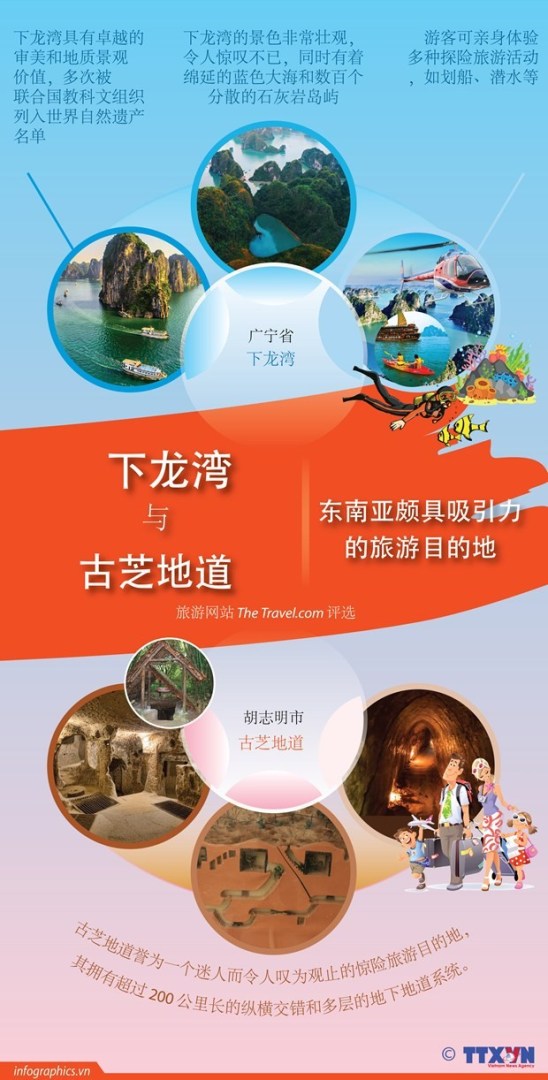
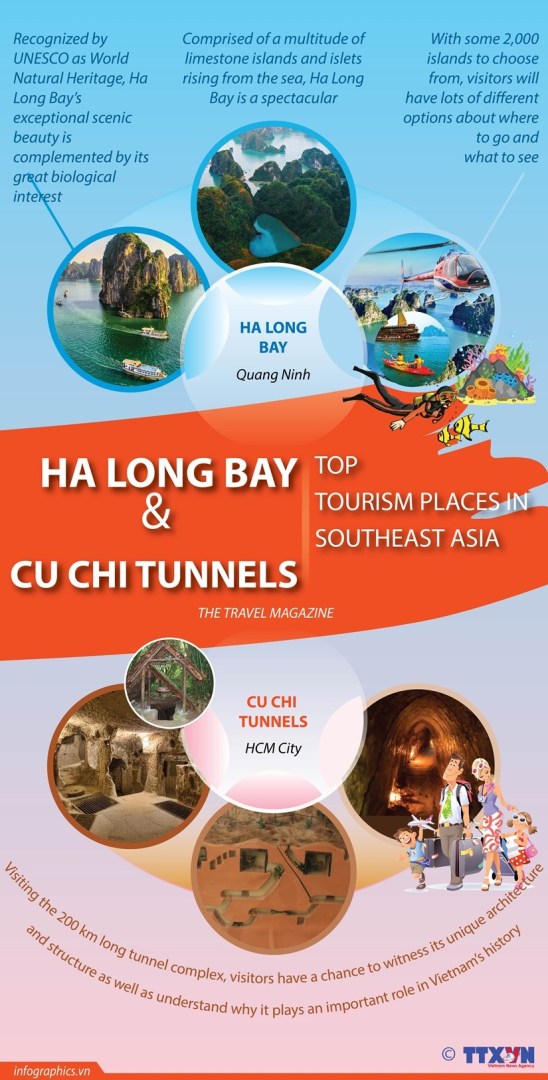
Ha Long Bay and Cu Chi Tunnels enter Top Tourism Places in Southeast Asia in March 2023 (Photo: VNA)
The city is focusing on improving the quality and diversifying its tourism products, aiming to bring into full play its unique strengths. A development plan for cultural and historical tourism products is being devised, conveying a message of “peace” and “happiness” in mind. HCM City set an ambitious goal of attracting 8.5 million foreign visitors and 45 million domestic holiday-makers in 2025, solidifying its tourism brand on the international stage, said Dung./.
Tourists visit Independence Palace in early 2025 (Photo: VNA)
Во время войны сопротивления американской агрессии за спасение страны (1954-1975 гг.), Северный Вьетнам играл роль основного тыла страны, обеспечивая всестороннюю поддержку в политической, военной, экономической и моральной сферах для фронта на юге. Особенно во время Всеобщего наступления и восстания весной 1975 года роль Северного Вьетнама стала особенно яркой, что сыграло решающую роль в освобождении Южного Вьетнама и воссоединения страны.
В период с 1958 по 1960 годы было построено несколько промышленных зон, таких как Тхыогдинь, Тхайнгуен, Намдинь, Хайзыонг, Куангнинь и Хайфон. На фото: в 1960 году в зоне Тхыогдинь было три завода: “Золотая звезда” по производству каучука, “Тханглонг” по производству табака и “Ханой” по производству мыла. Фото: Архив/ВИА.
Восстановление экономики и «заживление ран» войны
На фото: сбор урожая риса в сельскохозяйственном кооперативе Модао, коммуна Даодык, уезд БиньСуен, провинция Виньфук (1963 г.).
После Женевских соглашений 1954 года Северный Вьетнам вступил в этап восстановления экономики, заживления ран войны и строительства социализма. Это было не только задачей развития страны, но и прочной основой для борьбы за освобождение Южного Вьетнама.
В сельском хозяйстве была расширена ирригационная система, увеличены посевные площади, постепенно улучшалась производительность продовольствия, что обеспечивало продовольственное снабжение как тыла, так и фронта. Создание сельскохозяйственных кооперативов перевело производство от индивидуальной экономики к коллективной, соответствующей социалистической модели.
На фото: Рабочие завода механической промышленности Зуиенхай спешат завершить план производства насосов для водоснабжения, чтобы обеспечить кооперативы для посевов в зимне-весенний сезон 1961-1962 гг. Фото: ВИА.
В промышленности было восстановлено и построено множество заводов и фабрик, производящих необходимые товары и материалы для фронта. Одновременно инвестировали в модернизацию транспортной инфраструктуры – дорог, мостов, складов —–что способствовало эффективной перевозке грузов и снабжению Юга.
Наряду с экономическим развитием, Север также уделял внимание образованию, здравоохранению и научно-техническому прогрессу, повышая качество человеческих ресурсов для нужд сопротивления и восстановления страны. Благодаря этим усилиям к началу 1975 года на Севере была завершена система промышленно-сельскохозяйственного производства, обеспечивающая максимальное снабжение для крупных военных кампаний в борьбе против США за спасение страны. Продовольствие, оружие и боевые средства мобилизовались в беспрецедентных масштабах, создавая условия для быстрого, мощного и решительного наступления армии освобождения Южного Вьетнама весной 1975 года.
Под руководством партии, в первые 10 лет после Женевского соглашения, Северный Вьетнам продолжал завершать земельную реформу, восстанавливать экономику, проводить социалистическое преобразование и начинать строительство материально-технической базы социализма. Фото: ВИА.
Всесторонняя поддержка южного фронта
В ходе войны сопротивления американскому империализму (1954–1975 гг.) Северный Вьетнам проводил стратегию всесторонней поддержки Южного Вьетнама, максимально мобилизуя человеческие и материальные ресурсы ради достижения окончательной победы.
Что касается человеческих ресурсов, миллионы молодых людей были призваны в армию для пополнения сил на фронте. Иллюстративное фото: ВИА.
Что касается человеческих ресурсов, миллионы молодых людей были призваны в армию для пополнения сил на фронте. Призывы проходили не только по ежегодным планам, но и усиливались в ключевые моменты войны. Особенно в решающей фазе сопротивления Север вложил все силы, направив максимально возможные резервы, чтобы обеспечить боеспособность войск на юге.
Вся производственная система – от оборонных заводов, фабрик до сельскохозяйственных кооперативов – была мобилизована на полную мощность, чтобы удовлетворить потребности фронта. На фото: Самооборона Конфетной фабрики Ханоя активно увеличивает производство, одновременно тренируясь с оружием, готовая к бою в любой ситуации. Фото: ВИА.
Что касается материальных ресурсов, тыл Северного Вьетнама мобилизовал все возможные средства для поддержки южного фронта, отправляя огромное количество продовольствия, оружия, боеприпасов, медикаментов и различного военного снаряжения. Вся производственная система – от оборонных заводов, фабрик до сельскохозяйственных кооперативов – была мобилизована на полную мощность, чтобы удовлетворить потребности фронта.
Особенно с начала 1975 года Северный Вьетнам сосредоточил все силы на переброске десятков тысяч тонн продовольствия, оружия и обмундирования для подготовки к ключевым операциям. Была расширена стратегическая транспортная система, обеспечивающая бесперебойное снабжение армии освобождения Юга. Поезда и колонны грузовиков круглосуточно доставляли на фронт предметы первой необходимости; «безномерные» корабли, несмотря на жесткую блокаду противника, тайно перевозили тысячи тонн оружия и снаряжения на Юг.
Колонны грузовиков из тыла Северного Вьетнама преодолевают хребет Чыонгшон, доставляя продовольствие и оружие на главный фронт в Южном Вьетнаме. Фото: ВИА.
Для обеспечения непрерывного потока помощи с тыла на фронт важную роль сыграли две стратегические транспортные артерии – сухопутная и морская тропа Хошимин. Тропу Хошимин постоянно расширяли и модернизировали, превращая её в жизненно важную транспортную сеть через горы Чыонгшон. Несмотря на бомбежки и жестокую блокаду со стороны врага, по этой тропе прошли миллионы тонн оружия, продовольствия и сотни тысяч солдат и молодёжныз добровольцев. Кроме того, чтобы обойти жесткий контроль США на сухопутных маршрутах, была создана стратегическая морская транспортная линия. По ней «безномерные» корабли доставляли оружие и грузы в Южный Вьетнам. Этот морской путь обеспечивал снабжение ключевых районов боевых действий, таких как Южный регион и зона 5, и стал символом находчивости и творческого подхода вьетнамской армии и народа в борьбе за освобождение.
«Безномерные» корабли, несмотря на жесткую блокаду противника, тайно перевозили тысячи тонн оружия и снаряжения на Юг. Фото: ВИА.
Мужественное противостояние разрушительной войне, развязанной американским империализмом
Осознавая стратегическую роль Северного Вьетнама, американский империализм дважды развязывал разрушительную войну против Северного региона с целью прервать поддержку Южному Вьетнаму. Однако армия и народ мужественно сопротивлялись, надёжно защищая тыл и сохраняя боеспособность.
На фото: Подразделения зенитно-ракетных войск сыграли ключевую роль в победе над первой разрушительной войной США против Северного Вьетнама. Фото: ВИА.
На фото: Артиллерия армии освобождения обрушивает огненный шквал на базу Зокмиеу (1972 год). Фото: ВИА,
Первая разрушительная война (1965–1968 гг.): С 1965 года США начали воздушную операцию «Громовой удар» с целью ослабить тыл Северного Вьетнама. Транспортная система, заводы и склады подверглись ожесточённым бомбардировкам, но народ Северного Вьетнама стойко держался. Широко развернулось движение «Одновременно производить и сражаться», транспортная система своевременно восстанавливалась под лозунгом «Враг разрушает – мы чиним, мы идём». Силы противовоздушной обороны (ПВО) и военно-воздушные силы и народное ополчение сбили сотни американских самолётов, сорвав попытки США перекрыть линии снабжения. К 1968 году, понеся значительные потери, США были вынуждены объявить о прекращении бомбардировок Северного Вьетнама. Эта победа создала предпосылки для Всеобщего наступления и восстания во время праздника Тэт в 1968 году, что радикально изменило ход войны.
Вторая разрушительная война (апрель – декабрь 1972 года): В целях поддержки сайгонского режима на фоне того, что наши войска перехватили инициативу на южном фронте, США начали вторую разрушительную кампанию, кульминацией которой стала операция ковровых бомбардировок «Linebacker II» (18–30 декабря 1972 года).
Победа в кампании «Дьенбьенфу в воздухе» силыоказала мощное давление и вынудила США подписать Парижское соглашение (1973 г.), завершить войну и вывести войска из Вьетнама. Фото: ВИА.
Главной целью стало уничтожение Ханоя, Хайфона и других стратегически важных районов с целью оказания давления на Вьетнам на переговорах по Парижскому соглашению. Однако благодаря надёжной стратегией противовоздушной обороны армия и народ Северного Вьетнама оказали ожесточённое сопротивление. В компании «Дьенбьенфу в воздухе» силы ПВО сбили 81 американский самолёт, в том числе 34 стратегических бомбардировщика B-52, что стало невиданным поражением для США. Победа в этой кампании оказала мощное давление и вынудила США подписать Парижское соглашение (1973 г.), завершить войну и вывести войска из Вьетнама.
На фото: Солдаты Северного Вьетнама, среди которых – десятки тысяч сынов столицы, отправляются на юг для поддержки фронта. Фото: Архив/ВИА.
Благодаря несгибаемой решимости, духу единства и огромному вкладу в виде человеческих и материальных ресурсов, Северный Вьетнам не только выстоял перед лицом двух разрушительных войн, развязанных американским империализмом, но и оказал мощную поддержку южному фронту, способствуя Великой победе весной 1975 года.
Эта победа стала не только результатом мужества и стойкости, но и ярким доказательством объединённой силы всего народа в борьбе за независимость и воссоединение страны./.
Благодаря тропе Чыонгшон, наша армия смогла провести масштабные марш-броски, включая переброску танков и тяжёлой артиллерии вглубь Центрального нагорья, внезапно начав наступление в рамках кампании Буонматхуот. Шаг за шагом были разрушены оборонительные рубежи противника, а армия стремительно продвинулась вперёд, освободив Шайгон 30 апреля 1975 года, что ознаменовало завершение 30-летней войны и успешное завершение дела освобождения Южного Вьетнама и воссоединения страны. На фото: 29 марта 1975 года, спустя 22 часа стремительного и мощного наступления, наши войска полностью освободили город Дананг. Фото: Архив/ВИА.
Durant la guerre de résistance contre les impérialistes américains pour sauver le pays (1954-1975), le Nord du Vietnam a joué le rôle d’une vaste base arrière stratégique, apportant un soutien politique, militaire, économique et spirituel décisif au champ de bataille du Sud. Ce rôle s’est révélé encore plus crucial lors de l’Offensive générale et du soulèvement du Printemps 1975, contribuant de manière déterminante à la libération du Sud et à la réunification nationale.
Entre 1958 et 1960, un certain nombre de zones industrielles ont été construites telles que Thuong Dinh, Thai Nguyen, Nam Dinh, Hai Duong, Quang Ninh et Hai Phong. Photo : VNA
Reprise économique et guérison des blessures de guerre
Récolte du riz à la coopérative Mo Dao, commune de Dao Duc, district de Binh Xuyen, province de Vinh Phuc (Nord) (1963). Photo: VNA
Après les Accords de Genève de 1954, le Nord est entré dans une phase de relance économique, de reconstruction et de construction du socialisme. Ce n’était pas uniquement un objectif de développement national, mais aussi un socle essentiel pour soutenir la lutte pour la libération du Sud.
Dans le secteur agricole, les infrastructures d’irrigation ont été étendues, les surfaces cultivées ont augmenté, et la production alimentaire s’est progressivement améliorée, garantissant la sécurité alimentaire. La création de coopératives agricoles a transformé l’économie individuelle en une économie collective, conforme au modèle socialiste.
Sur la photo : les ouvriers de l’usine mécanique de Duyen Hai s’empressent de terminer le plan de production de pompes à eau supplémentaires pour approvisionner à temps les coopératives pour la récolte d’hiver-printemps 1961-1962. Photo : VNA
Dans l’industrie, de nombreuses usines et installations ont été restaurées ou nouvellement construites afin de produire les biens et fournitures essentiels destinés au front. Les réseaux de transport, les ponts, les routes et les entrepôts ont été modernisés, facilitant ainsi la logistique pour le soutien au Sud.
Parallèlement, le Nord a investi dans l’éducation, les soins de santé, les sciences et les technologies, renforçant la qualité des ressources humaines nécessaires tant pour la résistance que pour la construction nationale. Ces efforts ont permis, début 1975, la mise en place d’un système industriel et agricole performant, capable d’assurer un soutien massif aux grandes campagnes militaires du Sud. Nourriture, armes et véhicules ont été mobilisés à une échelle inédite, permettant à l’armée de libération du Sud de lancer une offensive rapide et décisive au printemps 1975.
Après les Accords de Genève de 1954, le Nord est entré dans une phase de relance économique, de reconstruction et de construction du socialisme. Photo: VNA
Un soutien global au Sud
Pendant toute la guerre contre l’armée américaine, le Nord a adopté une stratégie globale de soutien au Sud, mobilisant au maximum ses ressources humaines et matérielles pour assurer la victoire. Sur le plan humain, des millions de jeunes ont rejoint l’armée pour renforcer les effectifs sur le front. Lors des phases décisives de la guerre, le Nord a concentré tous ses efforts pour garantir la supériorité des forces de combat du Sud.
Sur le plan humain, des millions de jeunes ont rejoint l’armée pour renforcer les effectifs sur le front. Photo: VNA
Sur le plan matériel, les régions de l’arrière ont été entièrement mobilisées pour produire et acheminer nourriture, armes, munitions, médicaments et équipements vers les champs de bataille. Les usines, les entreprises de défense et les coopératives agricoles ont fonctionné à plein régime pour répondre aux besoins du front.
Les usines, les entreprises de défense et les coopératives agricoles ont fonctionné à plein régime pour répondre aux besoins du front. Photo: VNA
Dès le début de 1975, le Nord a expédié des dizaines de milliers de tonnes de nourriture et d’équipements militaires en prévision des campagnes décisives. Le réseau de transport stratégique a été intensifié, assurant un ravitaillement continu des forces du Sud.
Deux voies de communication majeures ont joué un rôle clé dans ce soutien : la piste Ho Chi Minh sur terre et la piste Ho Chi Minh en mer.
La piste Ho Chi Minh sur terre légendaire, sans cesse élargie et modernisée, formaient un réseau vital traversant les montagnes de Truong Son. Malgré les bombardements et les blocus ennemis, des millions de tonnes de matériel et des centaines de milliers de soldats et volontaires les ont empruntées. Photo : VNA
La piste Ho Chi Minh sur terre légendaire, sans cesse élargie et modernisée, formaient un réseau vital traversant les montagnes de Truong Son. Malgré les bombardements et les blocus ennemis, des millions de tonnes de matériel et des centaines de milliers de soldats et volontaires les ont empruntées. Pour contourner la surveillance terrestre de l’armée américaine, la piste Ho Chi Minh en mer a vu le jour, illustrant l’ingéniosité de l’armée et du peuple vietnamiens.
Pour contourner la surveillance terrestre de l’armée américaine, la piste Ho Chi Minh en mer a vu le jour, illustrant l’ingéniosité de l’armée et du peuple vietnamiens. Photo: VNA
Faire face avec résilience à la guerre américaine destructrice
Conscients du rôle stratégique du Nord, les impérialistes américains ont lancé deux grandes campagnes de bombardements afin d’enrayer son soutien au Sud. Toutefois, l’armée et le peuple du Nord ont résisté avec ténacité, protégeant l’arrière-pays tout en maintenant sa capacité de soutien.
Malgré les frappes intensives contre les routes, usines et entrepôts, le Nord a tenu bon. Photo: VNA
Des centaines d’avions américains ont été abattus. Photo: VNA
Première guerre destructrice (1965-1968) : En 1965, les États-Unis ont lancé l’opération « Rolling Thunder », visant à détruire les infrastructures du Nord. Malgré les frappes intensives contre les routes, usines et entrepôts, le Nord a tenu bon. Des centaines d’avions américains ont été abattus. En 1968, face aux pertes subies, Washington a dû suspendre les bombardements.
Deuxième guerre destructrice (avril-décembre 1972) : Afin de soutenir le régime de Saïgon alors que notre armée prenait l’initiative sur le terrain, les États-Unis ont lancé l’opération « Linebacker II » entre le 18 et le 30 décembre 1972, ciblant principalement Hanoï et Hai Phong.
La victoide de Dien Bien Phu a précipité la signature des Accords de Paris (1973), marquant le retrait de l’armée américaine. Photo: VNA
Grâce à une stratégie de défense aérienne efficace, le Nord a abattu 81 avions, dont 34 bombardiers B-52. Cette victoire spectaculaire a précipité la signature des Accords de Paris (1973), marquant le retrait de l’armée américaine.
Les troupes du Nord, dont des dizaines de milliers d’habitants de la capitale, sont allées soutenir le champ de bataille du Sud. Photo : VNA
Grâce à sa détermination inébranlable, sa solidarité et ses contributions massives en hommes et en matériel, le Nord a non seulement résisté aux deux campagnes destructrices, mais a également apporté un soutien décisif au Sud, conduisant à la Grande victoire du Printemps 1975./.
Le 29 mars 1975, après 22 heures d’attaque rapide et féroce, notre armée a complètement libéré Da Nang. Photo : VNA
In the spring of 1975, under the clear-sighted leadership of the Communist Party of Vietnam (CPV), the Vietnamese army and people achieved a historic victory – completely liberating the South, reunifying the country, and ending more than two decades of war against the US imperialists.
The Great 1975 Spring Victory came as not only a result of patriotism, resolute will, and indomitable fighting spirit of the Vietnamese people, but also the evidence of the Party’s sound strategic direction and military tactics. (Photo: VNA)
The triumph wasn’t merely the result of patriotism, unwavering determination, and the indomitable fighting spirit of the Vietnamese people, it stood as an evidence of the CPV’s strategic precision and military artistry.
People’s war – the cornerstone strategy
From the beginning of the resistance against the US imperialists, the Party established the people’s war as its guiding principle, placing the people at the core and harnessing the collective strength of the entire nation in coordination with international support. The armed forces, including the regular army, local troops and guerrilla militia, served as the backbone of this strategy.
Young men and women of Saigon welcome self-defence fighters advancing to liberate the city on April 30, 1975. (Photo: VNA)
The Party’s concept of the people’s war was manifested through clear principles:
“All-people, comprehensive resistance war”, mobilising the strength of the entire nation, and strongly combining military action with political, economic, cultural, and diplomatic efforts.
Together with the armed forces courageously fighting on battlefields, people of all ages, regardless of gender, participated in protecting and sustaining revolutionary forces, handling transportation and logistics work, building political foundations, or organising uprisings in enemy-controlled territories. This created a widespread combatant network.
Prime Minister Pham Van Dong, advisor Le Duc Tho, and Deputy Prime Minister Nguyen Duy Trinh in discussion with US government advisor Henry Kissinger regarding the implementation of the Agreement on February 10, 1973. (Photo: VNA)
Particularly, the Party directed close coordination between military and political actions, along with a combination of direct battlefield confrontation, diplomatic efforts, and enemy proselytisation to create collective strength for defeating the enemy. The 1973 Paris Peace Accords exemplified this approach. At the negotiating table, Vietnamese representatives tenaciously maintained advantageous terms
The historic victory of “Hanoi – Dien Bien Phu in the air” dealt a decisive blow to the enemy’s invasion will, forcing the US to sign the Paris Peace Accords on January 27, 1973. (Photo: VNA)
On battlefields, the strategic offensive campaign in 1972 weakened enemy forces. When the US escalated with the B-52 bombing campaign over Hanoi and Hai Phong, the Vietnamese army and people fought resolutely, achieving the historic “Hanoi – Dien Bien Phu in the air” victory. This decisive blow to the enemy’s invasion resolve forced the US to sign the Paris Peace Accords on January 27, 1973, laying groundwork for the 1975 Spring General Offensive and Uprising that ultimately liberated the South and reunified the country.
“The small defeating the large, the weak overcoming the strong”, leveraging flexible and creative fighting methods that utilised terrain and natural features to inflict losses on the enemy.
The people’s war strategy – the invincible strength of the revolution. In the photo: Training for guerrillas from communes in Asun district, Gia Lai province. (Photo: VNA)
Confronting a military superpower with superior weapons, equipment, and economic resources like the US imperialists, the Party capitalised on guerrilla warfare with flexibility and creativity. The guerrilla tactics were carried out widely, making use of the forests, rivers, and villages for surprise attacks that depleted enemy forces and demoralised the troops of the US and the puppet regime.
US soldiers guarding the US Embassy in Saigon flee during a surprise attack by the Saigon special force on January 30 night and early morning of January 31, 1968, or the first and second day of the Lunar New Year. (Photo: Liberation Press Agency)
Particularly, beyond rural areas, the guerrilla warfare flourished in urban centres, forming special forces that executed shocking operations like the attack on the US Embassy during the 1968 Tet holiday.
Continuous adjustments of strategies in response to changing realities
During the resistance against the US, the Party continuously adjusted strategies, aligning them with the realities, while making breakthrough decisions in a timely fashion. The Party’s astute leadership was manifested through each phase, with appropriate strategic steps that ultimately determined the final victory.
On December 2, 1960, more than 2,000 people from My Tho province rallied and demonstrated, demanding the US – Diem administration end military operations sweeping through villages, and calling for Ngo Dinh Diem’s resignation and the establishment of a progressive democratic government in South Vietnam. (Photo: VNA)
During 1954–1960: After the Geneva Accords were signed, the South fell under the regime of henchman Ngo Dinh Diem. Facing the extreme ordeal, the Party advocated combining political struggle with armed resistance, gradually building forces, and preparing necessary conditions for future offensives. This phase essentially laid the foundation for a prolonged struggle.
The 1968 Tet General Offensive and Uprising by armed forces and civilians in the South directly forced the Lyndon B. Johnson administration to de-escalate the war and seek a political solution to withdraw from the war in Vietnam. (Photo: VNA)
During 1961–1968: When the US escalated the war and sent its expeditionary forces to the South, the battlefield complexion changed dramatically. To counter this situation, the Party intensified guerrilla warfare to defeat the enemy’s “Special War” strategy and subsequent “Local War” approach. The peak of this phase was the 1968 Tet General Offensive and Uprising, a powerful strike against the US’s invasion resolve that changed the war’s course, forcing the imperialists’ de-escalation and gradual troop withdrawal.
During 1969–1973: Following battlefield victories, the Party continued promoting its diplomatic strength, with the 1973 Paris Peace Accords marking a crucial turning point with the US’s forced withdrawal, creating new conditions and capabilities for the revolution in the South to enter the decisive phase. With US troops gone, the Saigon regime weakened considerably, creating favourable conditions for Vietnam to prepare the general offensive to liberate the South.
The General Offensive and Uprising in the spring of 1975, beginning with the Central Highlands Campaign (March 1975) and ending with the Ho Chi Minh Campaign (April 1975), completely liberated the South and reunified the country. In the photo: The infantry and tanks of the liberation army advance to free Da Nang. (Photo: VNA)
During 1973–1975: Grasping the realities on the ground, the Party assessed that the Saigon administration was increasingly weakened and gradually losing control. Initially, the liberation of the South was planned for two years (1975–1976), but when opportunity arose, the Party made timely adjustments, shortening the timeframe to one year and eventually to a single dry season. The flexibility in strategic direction demonstrated the Party’s decisive mettle at the pivotal moments.
Meticulous combat plan
To deliver on the liberation goal, the Politburo and the Central Military Commission developed a meticulous operational plan, demonstrating sharp assessment of the situation and strategic command expertise. The pinnacle of this military art was to outline and implement three major decisive campaigns that created an overwhelming combined strength and led to the collapse of the Saigon regime in a shorter timeframe than initially anticipated.
The Central Highlands Campaign (from March 4 to April 3, 1975), the opening strike in the 1975 Spring General Offensive and Uprising by the Vietnamese army and people, secured victory, creating a turning point that changed the course of the war. (Photo: VNA)
The Tay Nguyen (Central Highlands) Campaign (from March 4 to April 3, 1975): Aiming at creating a strategic breakthrough, Vietnamese forces proactively attacked Buon Ma Thuot, surprising the enemy and forcing them into a passive position. This resounding victory shook the enemy’s defence system across the battlefield, compelling puppet forces to chaotically flee the Central Highlands and creating favourable conditions for promoting the offensive momentum.
In the photo: Armed liberation forces enter the Ngo Mon (Noon) Gate in Hue on March 26, 1975 morning. The campaign to liberate Thua Thien-Hue officially began on March 21, 1975, and by March 26, 1975, the revolutionary flag flew over Ngo Mon Gate. Thua Thien-Hue was completely liberated. (Photo: VNA)
The Tri Thien – Hue Campaign (from March 5 to 26, 1975) and the Da Nang Campaign (from March 26 to 29, 1975): Seizing upon the enemy’s retreating mindset following their defeat in the Central Highlands, the Vietnamese forces quickly advanced on Hue, and then proceeded to Da Nang. Within a brief period, the entire central region was liberated, pushing the puppet forces into a severe crisis.
The Ho Chi Minh Campaign (from April 26 to 30, 1975): With enemy forces extremely weakened, the Party launched the final assault on Saigon. The Vietnamese side arranged five military wings advancing into the city in accordance with the penned plan. At noon of April 30, 1975, the liberation army’s tanks crashed through the gates of the Independence Palace, and President Duong Van Minh of the puppet administration surrendered unconditionally.
It could be stated that the Party’s strategic command during the resistance war against the US was shown in its ability to identify the right moment for the general offensive, and execute quick attacks to quickly secure victories to prevent the US’s intervention. The Party combined military offensives with public uprisings to create overwhelming power while appropriately arranging forces to attack the enemy’s strategic weaknesses. This masterful leadership brought the Vietnamese revolution to complete victory, fully liberating the South and reunifying the country.
The Great 1975 Spring Victory powerfully demonstrated the Party’s sharp-witted leadership in outlining military strategy and organising and directing revolutionary warfare. The Party’s sound strategic thinking, flexible application of combat forms, and ability to seize political and military opportunities created a complete victory, ushering the nation into an era of independence and unity.
Nowadays, the lessons on strategic thinking and military artistry remain valuable, continuing to be the lodestar for the cause of national construction and safeguarding./.
The flag of the National Liberation Front and the flag of the Republic of South Vietnam flying over Tan Son Nhat airport on April 30, 1975 (Photo: VNA)
During the resistance war against the US invaders from 1954 – 1975, the North served as the country’s major rear base, providing comprehensive political, military, economic, and moral support for the southern battlefield. During the 1975 Spring General Offensive and Uprising, the North’s role became even more prominent, making a decisive contribution to the liberation of the South and national reunification.
Between 1958 and 1960, several industrial zones were established, including Thuong Dinh, Thai Nguyen, Nam Dinh, Hai Duong, Quang Ninh, and Hai Phong. In the photo: By 1960, the Thuong Dinh industrial zone was home to three factories — Sao Vang Rubber, Thang Long Tobacco, and Hanoi Soap. (VNA file photo)
Post-war economic recovery and reconstruction
Harvesting the autumn rice crop at Mo Dao Cooperative in Dao Duc commune, Binh Xuyen district, Vinh Phuc province (1963).
After the 1954 Geneva Agreement, the North entered a period of post-war economic recovery and reconstruction, and socialist building. This was not only a national development task but also a solid foundation for the struggle to liberate the South.
For agriculture, irrigation systems were expanded, cultivated land increased, and food production gradually improved, ensuring supplies for both the home front and the battlefield. The establishment of agricultural cooperatives transitioned the economy from individual farming to collective production, aligning with the socialist model.
Workers at Duyen Hai mechanical factory urgently produce additional water pumps to supply for cooperatives in time for the 1961–1962 Winter-Spring crop. (Photo: VNA)
In industry, many factories and enterprises were restored or newly built to produce essential goods and materials for the resistance war. At the same time, attention was paid to upgrading transport infrastructure, bridges and roads, and storage facilities, facilitating logistics and support for the South.
Apart from promoting economic development, the North also focused on education, healthcare, and science and technology, improving the quality of human resources to serve both the resistance war and national reconstruction. Thanks to these efforts, by early 1975, the North had perfected its industrial and agricultural systems, ensuring maximum support for major military campaigns in the national struggle against the US invaders and for national liberation. Food, weapons, and military equipment were mobilised on an unprecedented scale, facilitating the Southern liberation army’s rapid, powerful, and decisive offensive during the spring 1975 campaign.
Under the leadership of the Party, in the first decade after the Geneva Accords, the North completed land reform, restored the economy, carried out socialist transformation, and began laying the material and technical foundations for the building of socialism. (Photo: VNA)
Comprehensive support for southern battlefield
During the resistance against the American imperialists (1954–1975), the North implemented a comprehensive support strategy for the South, mobilising both human and material resources to ensure the ultimate victory.
In terms of manpower, millions of young people enlisted to reinforce the forces for the Southern front. – Illustrative image (Photo: VNA)
In terms of manpower, millions of young people enlisted to reinforce the forces for the Southern front. Recruitment campaigns were not only carried out in accordance with annual plans but also intensified during crucial moments of the resistance war. Especially as the struggle entered its decisive phase, the North committed all available forces to strengthen the South’s fighting power.
The production systems – from defence factories to agricultural cooperatives – were fully mobilised to meet the fight’s demands. In the photo: The self-defence force of the Hanoi confectionery company not only makes every effort in production, but also stands ready for fighting in all situations. (Photo: VNA)
In terms of material resources, the North dedicated all of its efforts to supplying the Southern battlefield with massive amounts of materials, including food, weapons, ammunition, medicines, and military equipment. The production systems – from defence factories to agricultural cooperatives – were fully mobilised to meet the fight’s demands.
Especially, since early 1975, the North fully mobilised thousands of tonnes of food, weapons, and military supplies in preparation for key campaigns. Strategic transport systems were expanded to ensure continuous supply to the southern liberation forces. Trains and trucks worked day and night to transport necessities to the battlefield, while the “no-number ships”, defying the enemy’s tight blockade, secretly transported thousands of tonnes of weapons and military supplies to the South.
Trucks from the northern region crossed the Truong Son mountain range, transporting military supplies and weapons to support the southern battlefield. (Photo: VNA)
To ensure a continuous flow of support from the North to the South, the crucial roles of two strategic transport routes – the Ho Chi Minh trails on land and at sea – must be highlighted. The Ho Chi Minh Trail on land was continuously expanded and upgraded, forming a vital transport network across the Truong Son mountain range. Despite bombs and the enemy’s fierce blockade, millions of tonnes of weapons and food, and hundreds of thousands of soldiers and young volunteers marched through this route. Additionally, to avoid the tight control of the US over land routes, a strategic sea transport route was established, using ships to carry weapons and supplies to the South. This sea route not only supported key battlefields in the South but also demonstrated the ingenuity, intelligence and creativity of the Vietnamese army and people in the resistance war.
“No-number” ships, defying the enemy’s tight blockade, secretly transport thousands of tonnes of weapons and military supplies to the South. (Photo: VNA)
Resolutely resisting US destruction campaigns
Recognising the strategic importance of the North, the US conducted two destruction campaigns in the North with the aim of cutting off support to the South. However, the Vietnamese military and people remained resilient, firmly defending the northern rear base while maintaining and strengthening the nation’s war-fighting capabilities.
Air defence missile troops play a crucial role in defeating the first destruction campaign of the US in the North. (Photo: VNA)
The artillery force of the Liberation Army launches an attack at the Doc Mieu base in 1972. (Photo: VNA).
The first destruction campaign (1965–1968): In 1965, the US made its first airstrike “Operation Rolling Thunder” against Northern Vietnam. Transport routes, factories, and warehouses were heavily bombed, yet the northern people remained resilient and stood their ground. The “Producing while fighting” movement developed strongly and gained momentum, and transport routes were urgently repaired under the slogan “The enemy destroys, we repair and move forward.” The air defence – air force, including the militia, shot down hundreds of American aircraft, foiling US efforts to cut off supplies from the North for the South. In 1968, after suffering heavy losses, the US was forced to halt its bombing campaign in the North. This victory paved the way for the General Offensive and Uprising in Spring 1968, which significantly altered the course of the war. The second destruction strike (April – December, 1972): In an attempt to support the Saigon puppet regime amid the growing momentum of northern forces in the South, the US launched its second destructive airstrike “Operation Linebacker II” from December 18–30, 1972, aiming to bomb Hanoi, Hai Phong, and other key areas in order to put pressure on Vietnam in the negotiation round of the Paris Peace Accords.
The victory in the “Dien Bien Phu in the Air” campaign put immense pressure on the US, forcing it to sign the Paris Peace Accords in 1973, ending the war and withdrawing its troops from Vietnam. (Photo: VNA)
However, with a solid air defence strategy, the northern military and people responded fiercely. During the “Dien Bien Phu in the Air” campaign, the northern air defence forces shot down 81 American aircraft, including 34 B-52 bombers, causing unprecedented losses for the US. The victory in the “Dien Bien Phu in the Air” campaign put immense pressure on the US, forcing it to sign the Paris Peace Accords in 1973, ending the war and withdrawing its troops from Vietnam.
Northern soldiers, including tens of thousands from Hanoi, set off to support the southern battlefield. (Photo: VNA)
With unwavering determination, solidarity, and great contributions in both manpower and resources, the North not only withstood two US bombing campaigns but also provided great assistance to the southern battlefield, playing a vital role in the great victory of Spring 1975.
This triumph was not only the result of courage and determination but also a powerful testament to the collective strength of the entire nation in the struggle for national independence and reunification./.
Thanks to the Truong Son trail, our army was able to launch large offensives, bringing tanks and heavy artillery deep into the Central Highlands, suddenly launching attacks to open the Buon Ma Thuot campaign, successively smashing the enemy’s defence lines, rapidly advancing to liberate Sai Gon on April 30, 1975, ending 30 years of war, and completing the historic mission of liberating the South, and reunifying the country. In the photo: On March 29, 1975, after 22 hours of rapid and brave attacks, our forces completely liberate Da Nang. (VNA file photo)
Durante la guerra de resistencia contra el imperialismo estadounidense (1954-1975), el Norte de Vietnam desempeñó un papel crucial como retaguardia estratégica, proporcionando apoyo político, militar, económico y moral a los combatientes del Sur. Especialmente durante la Ofensiva General y el Levantamiento de la Primavera de 1975, el Norte contribuyó decisivamente a la liberación del Sur y a la reunificación nacional.
Entre 1958 y 1960, se construyeron varios complejos industriales como Thuong Dinh, Thai Nguyen, Nam Dinh, Hai Duong, Quang Ninh y Hai Phong. En la imagen: Para 1960, el área de Thuong Dinh contaba ya con tres fábricas principales: la fábrica de caucho Sao Vang, la de tabaco Thang Long y la de jabón de Hanoi. Foto: Archivo/VNA
Recuperación económica y sanación de las heridas de la guerra
En la imagen: Cosecha de arroz en la Cooperativa de Producción Mo Dao, comuna Dao Duc, distrito de Binh Xuyen, provincia de Vinh Phuc (1963). Foto: VNA
Tras la firma del Acuerdo de Ginebra en 1954, el Norte inició un proceso de reconstrucción económica, recuperación de las secuelas de la guerra y construcción del socialismo. Este esfuerzo no solo buscaba el desarrollo nacional, sino también sentaba las bases para la lucha por la liberación del sur.
En el sector agrícola, se ampliaron los sistemas de riego, aumentó la superficie cultivada y mejoró la producción de alimentos, garantizando el suministro tanto para la retaguardia como para el frente. La creación de cooperativas agrícolas transformó la producción de una economía individual a una colectiva, alineándose con el modelo socialista.
En la imagen: Obreros de la Fábrica de Ingeniería Mecánica Duyen Hai trabajan intensamente para completar la producción de bombas de agua, destinadas a abastecer a las cooperativas agrícolas a tiempo para la estación de invierno-primavera de 1961-1962. Foto: VNA
En la industria, se restauraron y construyeron nuevas fábricas para producir bienes esenciales y suministros para el frente. Además, se invirtió en la infraestructura de transporte, puentes y almacenes, facilitando el traslado de mercancías y el apoyo al Sur.
Simultáneamente, se prestó atención a la educación, la salud y la ciencia, mejorando la calidad del capital humano para la resistencia y la construcción nacional. Gracias a estos esfuerzos, a principios de 1975, el Norte había consolidado un sistema económico industrial y agrícola, asegurando el máximo apoyo a las grandes campañas en la lucha contra el imperialismo estadounidense.
Bajo la dirección del Partido, en la primera década tras los Acuerdos de Ginebra, el Norte de Vietnam concluyó la reforma agraria, restauró la economía, emprendió la transformación socialista e inició la construcción de la base material y técnica del socialismo. Foto: VNA
Apoyo integral al Sur
Durante la guerra contra los imperialistas estadounidenses (1954-1975), el Norte implementó una estrategia de apoyo integral al Sur, movilizando al máximo los recursos humanos y materiales para garantizar la victoria final.
En cuanto a recursos humanos, millones de jóvenes se alistaron para reforzar las filas del frente de batalla. Foto ilustrativa: VNA
En términos de recursos humanos, millones de jóvenes se alistaron para reforzar el frente. Los reclutamientos no solo se realizaron según el plan anual, sino que se intensificaron en momentos clave de la guerra. Especialmente en las etapas decisivas, el Norte movilizó la mayor fuerza posible para asegurar el poder de combate en el Sur.
Todo el sistema productivo, desde fábricas, empresas de defensa hasta cooperativas agrícolas, fue movilizado al máximo para satisfacer las necesidades del combate. En la imagen: La unidad de autodefensa de la Fábrica de Dulces de Hanoi, mientras intensifica la producción, se entrena con armas, lista para defenderse en cualquier situación. Foto: VNA
En cuanto a recursos materiales, la retaguardia del Norte proporcionó al Sur grandes cantidades de suministros, incluidos alimentos, armas, municiones, medicinas y equipos militares. Las fábricas, empresas de defensa y cooperativas agrícolas fueron movilizadas al máximo para satisfacer las necesidades del combate.
Desde principios de 1975, el Norte movilizó miles de toneladas de alimentos, armas y equipamiento militar para preparar las campañas clave. Se amplió el sistema de transporte estratégico para garantizar el suministro continuo al ejército de liberación del Sur. Trenes y camiones transportaban suministros al frente día y noche; los barcos “sin número”, desafiando el bloqueo enemigo, transportaban miles de toneladas de armas y equipo a la región suerña.
Convoyes de vehículos desde la retaguardia del Norte atravesaron la cordillera de Truong Son para transportar provisiones y armamento hacia los principales frentes del Sur. Foto: VNA
Para asegurar el flujo continuo de suministros desde la retaguardia al frente, fueron fundamentales dos rutas logísticas estratégicas: la carretera Ho Chi Minh y la ruta Ho Chi Minh en el mar. La red de caminos Ho Chi Minh se amplió y mejoró constantemente, formando una arteria de transporte a través de la cordillera Truong Son. A pesar de los bombardeos y bloqueos enemigos, millones de toneladas de armas, alimentos y cientos de miles de soldados y jóvenes voluntarios marcharon por esta ruta. Además, para evitar el estricto control estadounidense en la ruta terrestre, se estableció una ruta marítima estratégica, utilizando barcos “sin número” para transportar armas y suministros al Sur. Esta línea no solo apoyó los frentes clave como el Sur y la región 5, sino que también demostró la astucia y creatividad del pueblo vietnamita en la resistencia.
Los llamados “barcos sin número”, desafiando el estricto bloqueo enemigo, lograron transportar en secreto miles de toneladas de armas y pertrechos al Sur. Foto: VNA
Resistencia ante la guerra de destrucción del imperialismo estadounidense
Conscientes de la importancia estratégica del Norte, los imperialistas estadounidenses llevaron a cabo dos campañas de destrucción en el Norte con el objetivo de interrumpir el apoyo al Sur. Sin embargo, el pueblo vietnamita resistió con firmeza, defendiendo la retaguardia y manteniendo y desarrollando el potencial de combate.
En la imagen: Las tropas de misiles antiaéreos desempeñaron un papel clave en la derrota de la primera operación de bombardeo estadounidense contra el Norte de Vietnam. Foto: VNA
En la imagen: La artillería del Ejército de Liberación lanza un intenso fuego sobre la base enemiga de Doc Mieu (1972). Foto: VNA
Primera campaña de destrucción (1965-1968): Desde 1965, Estados Unidos lanzó la operación militar “Rolling Thunder” para debilitar la retaguardia del Norte. El sistema de transporte, fábricas y almacenes fueron severamente atacados, pero la población del Norte persistió. El movimiento “Producir y luchar” se fortaleció, y el sistema de transporte se reparó rápidamente con el lema “El enemigo destruye, nosotros reparamos, nosotros avanzamos”. Las fuerzas de defensa aérea y la milicia derribaron cientos de aviones estadounidenses, frustrando sus intentos de cortar el suministro. En 1968, debido a las grandes pérdidas, la administración estadounidense se vio obligada a declarar el cese de los bombardeos en el Norte. Esta victoria sentó las bases para la Ofensiva General y los levantamientos de Mau Than de 1968, cambiando el curso de la guerra.
Segunda campaña de destrucción (abril-diciembre de 1972): Para apoyar al gobierno títere de Saigón en un momento en que nuestras fuerzas tomaban la iniciativa en el Sur, Estados Unidos lanzó la segunda campaña de destrucción, con el enfoque de la operación “Linebacker II” (18 al 30 de diciembre de 1972) con el objetivo principal de bombardear Hanoi, Hai Phong y otras áreas clave para presionar en las negociaciones del Acuerdo de París.
La victoria de “Dien Bien Phu en el aire” ejerció una fuerte presión que obligó a Estados Unidos a firmar los Acuerdos de París (1973), lo que sería fundamental para el fin de la guerra y la retirada de sus tropas de Vietnam. Foto: VNA
Sin embargo, con una estrategia de defensa aérea sólida, nuestro ejército y pueblo respondieron enérgicamente. Durante la campaña “Dien Bien Phu en el aire”, las fuerzas de defensa antiaérea de Vietnam del Norte lograron una hazaña sin precedentes al derribar 81 aviones estadounidenses, incluidos 34 bombarderos estratégicos B-52. Este contundente golpe militar infligió a Estados Unidos pérdidas severas, forzando finalmente la firma del Acuerdo de París en 1973, que puso fin a la guerra y condujo a la retirada de las tropas estadounidenses del país indochino.
En la imagen: Soldados del Norte, incluidos miles de jóvenes de Hanoi, partieron hacia el Sur para apoyar en el frente de combate. Foto: Archivo/VNA
Con determinación férrea, unidad nacional y grandes sacrificios tanto en recursos humanos como materiales, el Norte no solo resistió las intensas campañas de bombardeo de Estados Unidos, sino que también proporcionó un sólido apoyo al frente del Sur, contribuyendo a la Gran Victoria de la Primavera de 1975.
Este triunfo no solo fue resultado del coraje y la voluntad inquebrantable, sino también una prueba elocuente de la fuerza colectiva de toda la nación en su lucha por la independencia y la reunificación del país./.
Gracias a la ruta de Truong Son, el ejército vietnamita realizó grandes operaciones militares, llevando tanques y artillería pesada hasta la Altiplanicie Occidental. Sorprendió al enemigo con la ofensiva de Buon Ma Thuot, desmanteló sus líneas defensivas y avanzó con rapidez hasta liberar Saigon (actual Ciudad Ho Chi Minh) el 30 de abril de 1975, culminando 30 años de guerra y logrando la reunificación nacional. En la imagen: El 29 de marzo de 1975, tras 22 horas de ofensiva relámpago, las fuerzas revolucionarias liberaron completamente la ciudad de Da Nang. Foto: Archivo/VNA