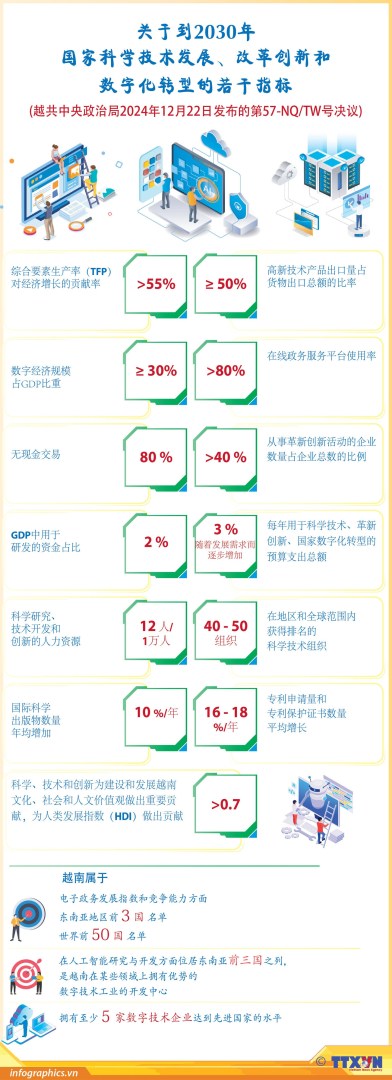
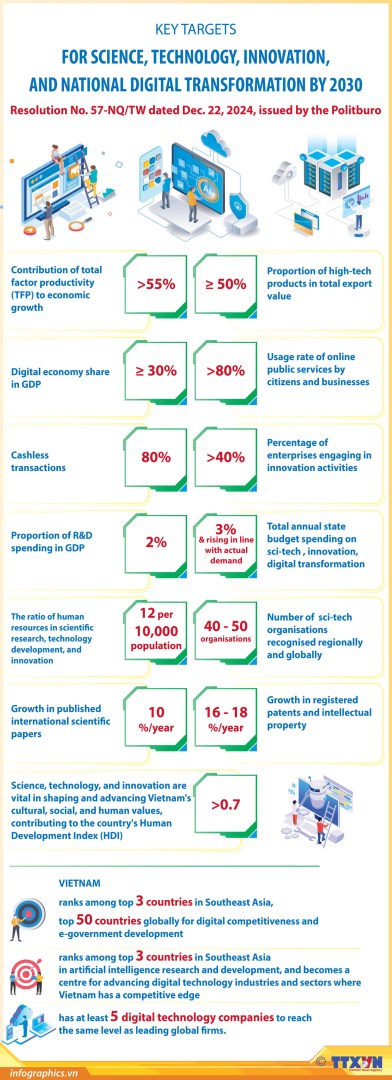
In the ongoing journey of industrialisation and modernisation, the Communist Party of Vietnam (CPV) has consistently identified science and technology as a top national policy and a critical driving force for rapid and sustainable development. The issuance of Resolution No. 57 marks a strategic move to affirm the pivotal role of science, technology, and innovation in Vietnam’s socio-economic advancement.
Recognising the importance of this resolution, Party General Secretary To Lam has assumed the role of head of the Central Steering Committee for the Development of Science, Technology, Innovation and Digital Transformation. From late January to early March 2025, he presided over two key committee meetings, underscoring the Party’s commitment to prioritizing science, technology, innovation, and digital transformation as essential tools for seizing opportunities and overcoming challenges in the country’s development path.
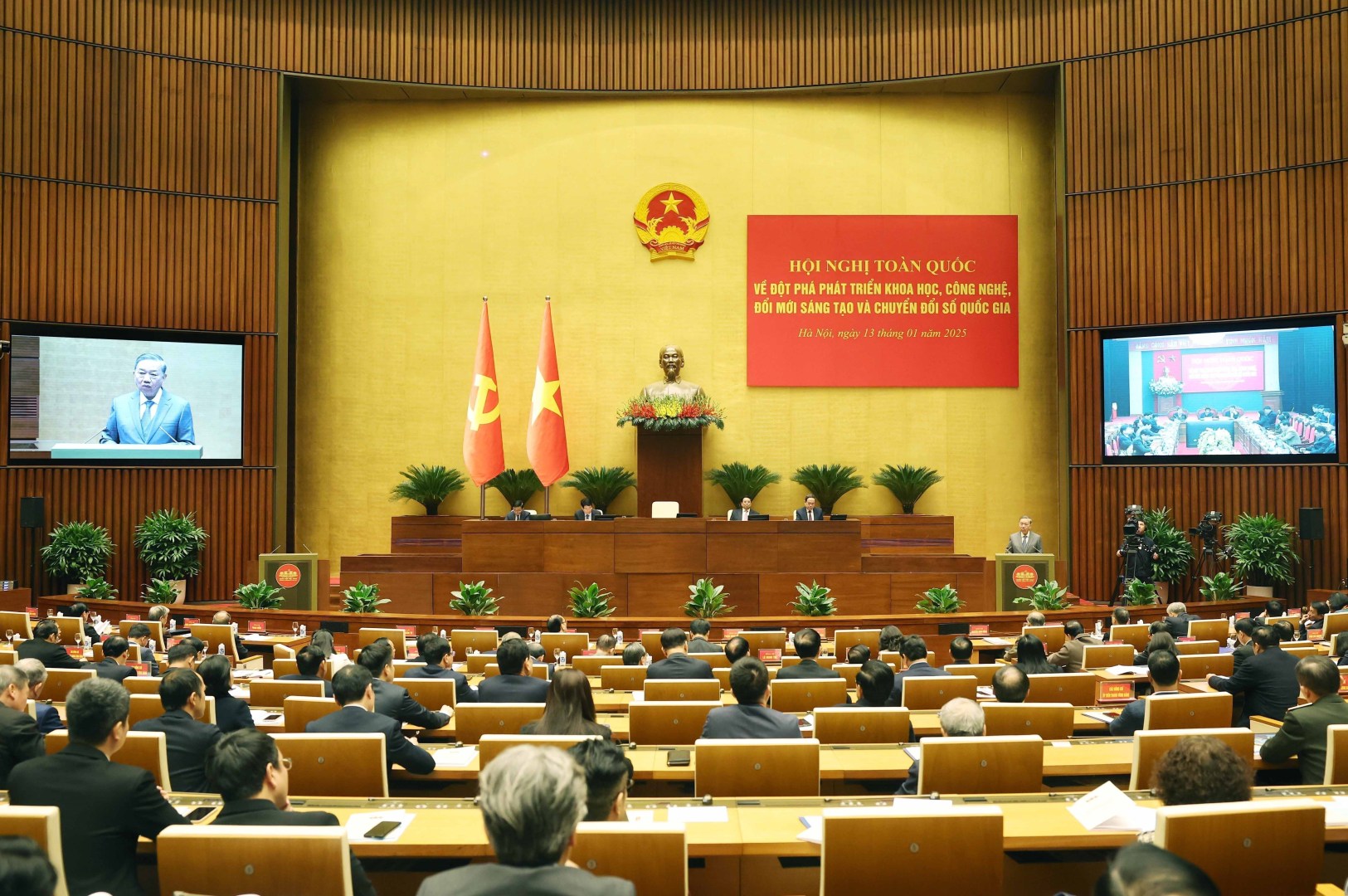
General Secretary To Lam delivers a speech at the national conference on breakthroughs in science and technology development, innovation, and national digital transformation, January 2025. (Photo: VNA)
2025 marks the beginning of a new phase, defining the strategic direction and roadmap for the implementation of Resolution No. 57.
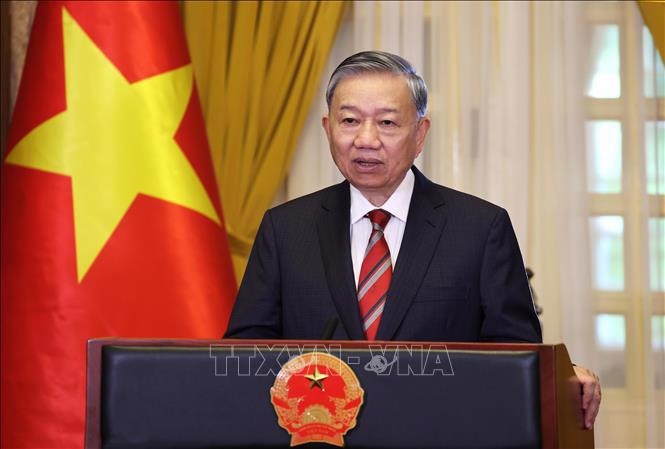
Party General Secretary To Lam (Photo: VNA)
He called for the integration of the resolution’s implementation with the organisational restructuring of government bodies, particularly in line with Resolution No. 18 and the directions of the Party Central Committee and Politburo. This integration must be grounded in the enhanced application of science, technology, innovation, and digital transformation to ensure leaner, more effective, and efficient operations.
The General Secretary further directed the construction and completion of digital infrastructure and platforms, particularly the National Data Centre, the National Business Database, and the National Land Database. He stressed the importance of developing high-tech zones and advancing strategic technologies such as artificial intelligence (AI), big data, and semiconductors. A national technology exchange platform will also be established, and the replication and application of successful science, technology, and digital transformation solutions will be actively encouraged.
At least 3% of the 2025 state budget will be allocated to science, technology, innovation, and digital transformation, with plans to raise this figure to 2% of GDP over the next five years. The strategy also includes expanding the network of national research and testing centres and key laboratories focused on strategic technologies. Incentives and supportive policies will be introduced to encourage individuals and organisations to participate in these activities. The institutional framework and establishment of a science and technology innovation investment fund must be finalised by the second quarter of 2025.
Artificial intelligence as a breakthrough frontier
In the photo: Workers of the Khanh Hoa Power Transmission install an AI-powered fire warning camera along the corridor of the 220kV Nha Trang – Krong Buk transmission line. (Photo: VNA)Lam Dong Power Transmission utilizes remotely piloted unmanned aerial vehicles (UAVs) equipped with imaging devices and specialized cameras for power grid management and operation. (Photo: VNA)
People’s Hospital 115 in Ho Chi Minh City applies the RAPID software, an artificial intelligence tool that extends the “golden hour” for intervention up to 24 hours from the onset of symptoms. (Photo: VNA)
A modern automobile production line at VinFast’s manufacturing plant. (Photo: VNA)
General Secretary To Lam has made clear directions to complete the digital infrastructure and ensure nationwide 5G broadband mobile coverage, alongside accelerating satellite internet deployment. AI is a breakthrough, frontier technology, he said, calling for the prompt development and issuance of a strategic technology list to be completed in Q2 2025.
Viettel announces its successful development of a 5G chip and an AI virtual assistant. (Photo: VNA)
He also called for concentrated research and development efforts in core technologies and next-generation electronic devices integrating specialised chips, particularly in AI and Internet of Things (IoT). This includes investing in semiconductor R&D centres and establishing shared research and laboratory infrastructure. The National Data Strategy must be reviewed and updated by Q2, while Q3 will mark the deadline for the digitalisation of internal administrative processes, public service records, and citizen/business-related documentation, ensuring 100% reuse of digitised data to reduce bureaucratic procedures and compliance costs.
Students from the Faculty of Agriculture and Forestry, Da Lat University, conduct hands-on practice in a laboratory applying drying technologies to produce high-value products. (Photo: VNA)
“In 2025, several digital applications will be deployed to enhance governance and public services,” said the General Secretary. “These include completing 61 utilities on the VNelD platform to support socio-economic development, innovation, and crime prevention. It also includes the expansion of automated immigration checkpoints using advanced technologies at all airports; and rolling out contactless fee collection systems in urban bus and parking stations to improve traffic management and promote urban civility.”
The Tran Nhat Duat parking facility in Hanoi features a three-level structure with a capacity of approximately 90 vehicles. (Photo: VNA)
The parking levels are designed to be compact and user-friendly. (Photo: VNA)
Staff operate and control the automated system each time a vehicle enters or exits the parking facility. Photo: VNA
At smart parking facilities, each driver spends only 2–3 minutes to move their vehicle in or out of the lot. Photo: VNA
The Party leadership has instructed the Government to design mechanisms and policies to attract and develop high-quality human resources in science, technology, innovation, and digital transformation. Universities are tasked with accelerating the training of skilled personnel in these fields, and pilot models linking universities, research centres, and production facilities will be promoted.
Eastern International University (EIU) in Binh Duong province plays a key role in developing a high-tech workforce for the Southeast region. (Photo: VNA)
“Only science, technology, and innovation can enable us to catch up, move forward, leap ahead, and surpass ourselves and the world.”
General Secretary To Lam
Therefore, to achieve the goals and targets outlined in the 2021–2030 National Development Strategy, and to mark the centenaries of both the founding of the Party and the nation, Vietnam must pursue breakthroughs, placing science, technology, innovation, and digital transformation at the core. This is the essential condition and a rare opportunity for Vietnam to achieve prosperity and strength, he noted./.
A rendering of the Da Nang Smart City project, valued at over 11.5 trillion VND (442.8 million USD). (Photo: VNA)
Dans le cadre de l’industrialisation et de la modernisation du pays, notre Parti a toujours affirmé de manière cohérente que la science et la technologie constituent une priorité nationale, étant un moteur essentiel pour promouvoir un développement rapide et durable. La Résolution n°57-NQ/TW marque une étape stratégique, réaffirmant le rôle clé de la science, de la technologie et de l’innovation dans le développement socio-économique du Vietnam.
Conscient de l’importance de cette Résolution, le secrétaire général Tô Lâm préside la Commission centrale de pilotage pour le développement de la science, de la technologie, de l’innovation et de la transformation numérique. En seulement quelques semaines, de fin janvier à début mars 2025, le leader du Parti a présidé deux réunions de cette Commission. Cela témoigne clairement du fait que le développement scientifique et technologique, l’innovation et la transformation numérique sont placés au rang de priorité absolue, une exigence pressante pour permettre au Vietnam de tirer pleinement parti des opportunités et de surmonter les défis actuels.
Le secrétaire général du Parti Tô Lâm s’exprime lors de la Conférence nationale sur les avancées scientifiques, technologiques, l’innovation et la transformation numérique, en janvier 2025. Photo : VNA
L’année 2025 constitue une étape initiale décisive, marquant l’orientation et la feuille de route pour la mise en œuvre des politiques et initiatives visant à concrétiser la Résolution n°57-NQ/TW, jetant ainsi les bases d’un développement durable et efficace pour les années suivantes.
Le secrétaire général du Parti Tô Lâm. Photo: VNA
C’est pourquoi, au cours du deuxième trimestre 2025 et pour la période à venir, il a demandé d’associer étroitement la mise en œuvre de la Résolution n°57-NQ/TW à la réorganisation du système administratif, en particulier au niveau des autorités locales, conformément à l’esprit de la Résolution n°18-NQ/TW et aux directives du Comité central et du Bureau politique. Cette réorganisation devra s’appuyer sur le renforcement de l’application des sciences, des technologies, de l’innovation et de la transformation numérique, afin de garantir un appareil administratif allégé, fonctionnant de manière efficiente, cohérente et performante.
Le haut dirigeant du Parti a insisté sur l’impératif de construire et de finaliser les infrastructures et plateformes numériques, notamment le Centre national de données et les bases de données nationales sur les entreprises et le foncier. Il a également encouragé le développement des zones de haute technologie et des technologies stratégiques telles que l’intelligence artificielle, les mégadonnées et les semi-conducteurs. Son plaidoyer a porté sur la mise en place d’une bourse d’échange technologique et sur l’adoption et la généralisation rapides des produits et solutions scientifiques et technologiques, ainsi que des outils de transformation numérique éprouvés.
Le projet de budget pour 2025 prévoit d’allouer au moins 3 % des dépenses publiques au développement de la science, de la technologie, de l’innovation et de la transformation numérique, avec l’ambition de porter progressivement cette part à 2 % du PIB dans les cinq prochaines années. Le pays entend poursuivre le développement d’un réseau de centres de recherche, d’expérimentation et de laboratoires nationaux clés, en privilégiant les technologies stratégiques. Des mécanismes et politiques de soutien seront mis en œuvre pour stimuler l’engagement des acteurs individuels et organisationnels dans ces domaines.
Le perfectionnement du cadre institutionnel, ainsi que la création d’un fonds d’investissement pour le développement de la science, de la technologie, de l’innovation et de la transformation numérique, devront impérativement être achevés au cours du deuxième trimestre 2025.
L’intelligence artificielle : une technologie de pointe à caractère révolutionnaire
Sur les photos: Installation d’une caméra d’alerte incendie à intelligence artificielle pour superviser la ligne de transport d’électricité de 220 kV Nha Trang – KrongBuk. Photo : VNADes véhicules aériens sans pilote (UAV) télécommandés et dotés d’équipement d’enregistrement d’images et des caméras spécialisées seront appliqués dans la gestion et l’exploitation du réseau électrique par la Compagnie de transport électrique de Lâm Dông. Photo: VNA
L’hôpital du peuple 115 d’Ho Chi Minh-Ville utilise RAPID, un logiciel d’intelligence artificielle qui permet de prolonger le « délai d’or » pour l’intervention jusqu’à 24 heures à compter de l’apparition de la maladie. Photo : VNA
Ligne de production automobile moderne à l’usine VinFast. Photo : VNA
Le secrétaire général Tô Lâm a donné pour directive de construire et de finaliser les infrastructures et plateformes numériques, en assurant une couverture nationale du réseau mobile à large bande 5G, couplée à une accélération du déploiement d’Internet par satellite. Il a également exigé la mise en service rapide du Centre national de données. Parallèlement, il a identifié l’intelligence artificielle comme une technologie de pointe à caractère révolutionnaire. Il a demandé l’élaboration et la promulgation en urgence d’une Liste des technologies stratégiques, à achever d’ici le deuxième trimestre 2025.
Viettel annonce le succès de ses recherches sur la puce 5G et l’assistant virtuel basé sur l’intelligence artificielle. Photo : VNA
Le Secrétaire général a aussi ordonné de concentrer les efforts sur la recherche et le développement des technologies de base et de produits de puces spécialisées de nouvelle génération, à travers des investissements dans des centres de recherche dédiés aux technologies fondamentales dans le domaine des semi-conducteurs, avec un accent mis sur les puces d’intelligence artificielle (puces AI) et les puces pour l’internet des objets (puces IoT). Il a appelé à la mise en place de mécanismes de soutien favorisant le partage et l’usage commun d’infrastructures telles que les laboratoires et centres de recherche.
D’ici le deuxième trimestre 2025, la Stratégie nationale sur les données devra être révisée et mise à jour. Et au troisième trimestre 2025, tous les processus opérationnels internes, les dossiers, documents ainsi que les résultats du traitement des procédures administratives dans les domaines liés aux citoyens, aux entreprises et à l’administration publique devront être entièrement numérisés. L’objectif est de réutiliser 100 % des données numérisées, afin de réduire au maximum les procédures administratives et les coûts de conformité pour les citoyens et les entreprises.
Des étudiants de la Faculté d’agriculture et de foresterie de l’Université de Da Lat s’exercent en laboratoire à l’application de la technologie de séchage, donnant des produits de haute qualité. Photo : VNA
Le Secrétaire général a exigé que plusieurs logiciels applicatifs soient déployés dès l’année 2025 dans le cadre de la gestion publique et au service des citoyens et des entreprises. Parmi ces mesures figurent : l’achèvement de 61 fonctionnalités sur la plateforme VNelD, destinées à favoriser le développement socio-économique, l’innovation et la lutte contre la criminalité ; l’élargissement du portail de contrôle automatisé aux frontières, en y intégrant des technologies de pointe dans l’ensemble des aéroports et ports d’entrée ; la mise en place du système de péage électronique sans arrêt dans les gares routières et parkings urbains, ainsi que l’évaluation de son efficacité afin d’améliorer la gestion du trafic et de promouvoir la civilité urbaine.
Le parking de Tran Nhat Duat est l’un des plus modernes à Hanoï. Photo: VNA
Composé de sept blocs de maisons à ossature métallique de quatre étages, le parking de Tran Nhat Duat peut accueillir environ 90 véhicules de moins de 7 places.Photo: VNA
Il applique de technologies japonaise et s’étend sur 412 mètres carrés.Photo: VNA
Il suffit de deux minutes pour y entrer et en sortir une voiture. Photo: VNA
Concernant le développement des ressources humaines, le Comité du Parti auprès du Gouvernement a ordonné l’élaboration de mécanismes et de politiques pour attirer et former des talents de haut niveau dans les secteurs de la science, de la technologie, de l’innovation et de la transformation numérique. Il a également chargé les universités de renforcer leur enseignement dans ces domaines clés et d’explorer des collaborations avec les centres de recherche et les entreprises.
L’Université internationale de l’Est (EIU) dans la province de Binh Duong joue un rôle important dans le développement des ressources humaines de haute technologie pour la région du Sud-Est. Photo : VNA
“Seules la science, la technologie et l’innovation nous donneront les moyens de rattraper notre retard, de progresser au même rythme, de réaliser des percées et de surpasser nos propres limites ainsi que celles du reste du monde.”.
Secrétaire général du Parti Tô Lâm
Ainsi, pour concrétiser les objectifs de la Stratégie de développement national 2021-2030, en perspective des centenaires de la fondation du Parti et du pays, des percées sont impératives, notamment dans le développement scientifique, technologique, l’innovation et la transformation numérique. C’est la voie privilégiée pour réaliser des bonds en avant et réduire l’écart avec les nations avancées, une condition essentielle et une opportunité unique pour que le Vietnam devienne un pays prospère et puissant./.
Perspectives du projet de zone urbaine intelligente de Da Nang d’une valeur de plus de 11,5 billions de dongs. Photo : VNA
Школьники-туристы развлекаются и получают новые впечатления в трёхзвёздочном туристическом центре OCOP — на ферме Фаннам в провинции Анзянг (Фото: ВИА)
Агротуризм, сочетающий отдых с участием в сельских занятиях, становится всё более популярным как во Вьетнаме, так и во всём мире. Это также один из видов туризма, который активно поощряется местными властями как направление «зелёного» и устойчивого развития.
Ближе к природе
Более десяти лет назад доктор Нго Киеу Оань решила переехать в сельскую местность Ба Ви и основать агроферму «Донг Куэ» для развития туризма. Туристические продукты, предлагаемые на ферме, основаны на принципах природосообразности и соответствия окружающему ландшафту, что позволило привлечь большое количество туристов.
«До сих пор я сохраняю модель экологической фермы, совмещённую с природными занятиями — ловля раков, крабов и рыбы, посев рассады, выращивание овощей, дегустация местных блюд, приготовленных жителями деревни»,
доктор Нго Киеу Оань
Зеленый уголок фермы Донгкуэ, район Бави, Ханой (Фото: ферма Донгкуэ)
Дети с удовольствием почувствуют себя фермерами на ферме Донгкуэ (Фото: ферма Донгкуэ, Tripadvisor)
По данным Департамента туризма Ханоя, в столице действует 11 агроэкологических ферм, работающих по модели туристического опыта, и 4 сельскохозяйственных кооператива, развивающих агротуризм. Среди них: сельскохозяйственный парк Long Việt (район Шокшон), ферма «Донгкуэ» (Бави), ферма Detrang (Бави), учебная ферма Ванан (район Тханьчи), экосад Фуктхо Хоабау (район Фуктхо) и др.
С целью привлечения туристов фермы организуют различные уникальные мероприятия. Так, органическое виноградное хозяйство в коммуне Виньнгок (район Донгань) площадью 5 гектаров предлагает гостям участие во всех этапах выращивания и сбора винограда по безопасной технологии. А на ферме Зечанг в Бави туристы могут познакомиться с разнообразными животными — козами, овцами, кроликами, пятнистыми оленями, верблюдами — и принять участие в активных играх.
Ферму Зечанг (Бави, Ханой) многие семьи выбирают как место, где можно насладиться экологичной жизнью (Фото: Ферма Зечанг)
Нгуен Тхи Хонг Ань (район Бадинь) отметила, что агротуризм особенно интересен семьям с детьми: «Занятия на свежем воздухе, контакт с животными и растениями способствуют развитию ребёнка и снимают стресс после учёбы». Оценивая эффективность агротуристических моделей, заместитель директора Департамента туризма Ханоя Чан Чунг Хиеу отметил, что за последние годы многие фермы стали популярными направлениями, особенно среди школьников и семейных туристов.
На пути к устойчивому развитию
«Aeroco Coffee» (Даклак) — пионер в развитии зеленого, устойчивого сельскохозяйственного туризма, фермы которого являются привлекательным местом для отечественных и иностранных туристов (Фото: ВИА)
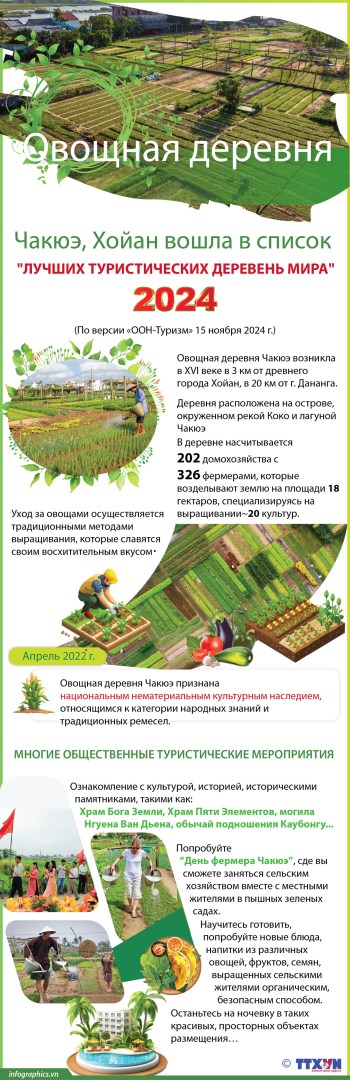
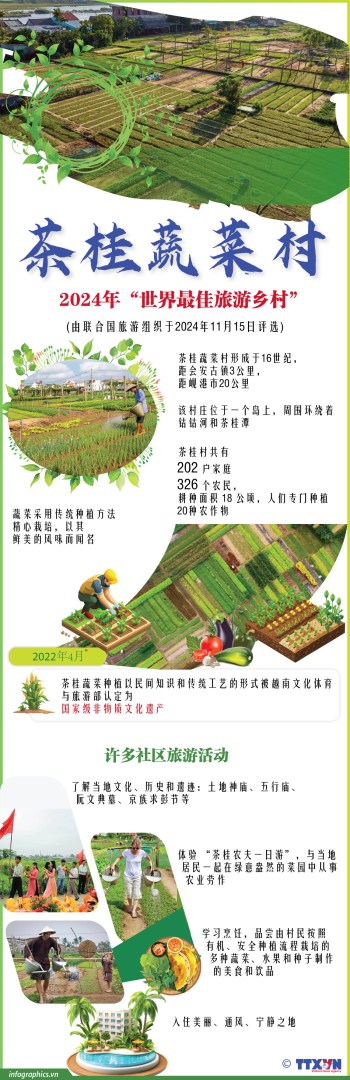
Во Вьетнаме многие провинции активно развивают сельское хозяйство, включая агротуризм. Помимо регионов с природными и инфраструктурными преимуществами, таких как Ламдонг, Донгнай, Далат, а также провинции Северо-Запада, другие территории также стремятся развивать агротуризм для расширения туристического опыта. Например, провинция Куангнам развивает деревню Чакуэ как агротуристическое направление, привлекающее множество иностранных туристов.
В провинции Куангнинь фермы Ферма Туанчау и фермерский дом Биньлиеу вызвали настоящий туристический бум в период празднования Тэта.
Фермерский дом Биньлиеу в провинции Куангнинь предлагает посетителям незабываемые впечатления от агротуризма (Фото: Фермерский дом Биньлиеу)
Несмотря на популярность, эксперты считают, что агротуризм во Вьетнаме пока развивается неустойчиво. Некоторые модели быстро закрываются из-за сезонного характера, отсутствия уникального продукта и неиспользованного потенциала сельского хозяйства.
Директор Института развития туризма Азии Фам Хай Куинь
Для эффективного и устойчивого развития агротуризма директор Института развития туризма Азии Фам Хай Куинь подчёркивает важность создания соответствующей инфраструктуры: сельхозугодий, садов, ремесленных производств, культурной самобытности, фестивалей, местной кухни и пр. Не менее важно участие местных сообществ, которое способствует долгосрочной устойчивости моделей.
Устойчивое развитие сельского туризма требует согласованных действий со стороны местных властей, туристических компаний и самих жителей по сохранению ландшафта, экосистемы и созданию релевантных туристических продуктов. Также ключевыми являются организация туристических маршрутов и активное продвижение продукта, что повышает узнаваемость и устойчивый поток туристов.
доктор Нго Киеу Оань
Согласно Решению № 922/QĐ-TTg от 2 августа 2022 года, которым утверждена Программа развития сельского туризма в рамках Национальной целевой программы «Новая сельская местность» на 2021–2025 годы, развитие агротуризма обозначено как одно из приоритетных направлений.
По словам заместителя директора Чан Чунг Хиеу, в Ханое агротуризм рассматривается как одно из ключевых направлений развития. В ближайшие годы город сосредоточится на использовании потенциала в области экологии, культуры и традиционных ремёсел, поощряя развитие агротуризма в районах с соответствующими условиями через создание привлекательных, устойчивых форм туристического опыта./.
Ханой рассматривает агротуризм, в том числе фермерский туризм, как одно из ключевых направлений развития (Фото газета Лаодонг)
Des enfants s’amusent à la ferme touristique 3 étoiles Phan Nam, province d’An Giang. Photo : VNA
Le tourisme à la ferme, combinant hébergement et activités immersives en milieu rural, gagne en popularité au Vietnam comme ailleurs dans le monde. Cette forme de tourisme est encouragée par les autorités locales dans une démarche de développement durable et de promotion du tourisme vert.
Une expérience en immersion avec la nature
Il y a plus de dix ans, la docteure Ngo Kieu Oanh a choisi la région rurale de Ba Vi pour y créer la ferme touristique Dong Que. Développés dans le respect de la nature et en harmonie avec l’environnement, ses services touristiques – hébergement et expériences à la ferme – attirent de nombreux visiteurs.
“Jusqu’à aujourd’hui, je continue de maintenir ce modèle de ferme écologique, en y intégrant des activités proches de la nature comme la pêche aux crevettes, aux crabes et aux poissons, le repiquage du riz, la culture des légumes ou encore la dégustation de spécialités locales préparées sur place par les habitants”
Docteure Ngo Kieu Oanh
Un espace vert de la ferme Dong Que, district de Ba Vi, Hanoï. Photo : Ferme Dong Que
Des enfants vivent l’expérience du métier d’agriculteur à la ferme Dong Que. Photo : Ferme Dong Que, Tripadvisor
Selon le Service du tourisme de Hanoï, la capitale compte actuellement 11 fermes écologiques proposant des activités de tourisme expérientiel, ainsi que quatre coopératives agricoles développant ce type d’activité. Parmi les sites notables figurent le parc agricole Long Viet (district de Soc Son), la ferme Dong Que (district de Ba Vi), la ferme Detrang (Ba Vi), la ferme éducative Van An (district de Thanh Tri) et le jardin écologique Phuc Tho Hoa Bay (district de Phuc Tho).
Pour attirer les visiteurs, ces fermes développent une variété d’activités spécifiques. Par exemple, le vignoble biologique de la commune de Vinh Ngoc (district de Dong Anh), s’étendant sur 5 hectares, est une destination prisée. Les touristes peuvent participer aux différentes étapes de la culture du raisin – plantation, entretien, récolte – dans un cadre sécurisé. À la ferme Detrang (Ba Vi), les visiteurs découvrent un monde animal diversifié, comprenant chèvres, moutons, lapins, cerfs sika et chameaux, et peuvent s’adonner à divers jeux en plein air.
La ferme Detrang (Ba Vi, Hanoï) est choisie par de nombreuses familles comme un lieu pour découvrir la vie verte. Photo : Ferme Detrang
Nguyen Thi Hong Anh, habitante de l’arrondissement de Ba Dinh, confie que le tourisme à la ferme séduit particulièrement les familles avec de jeunes enfants. Les activités en plein air, en contact direct avec la nature et les animaux, contribuent au développement personnel des enfants et les aident à évacuer le stress accumulé pendant l’année scolaire.
Évaluant l’efficacité de ce modèle, Tran Trung Hieu, directeur adjoint du Service du tourisme de Hanoï, affirme que ces dernières années, de nombreuses fermes ont su tirer leur épingle du jeu, devenant des destinations prisées, notamment par les élèves et les familles.
Vers un développement durable et structuré
« Aeroco Coffee » (Dak Lak) est un pionnier dans le développement d’un tourisme agricole vert et durable pour les touristes. Photo : VNA
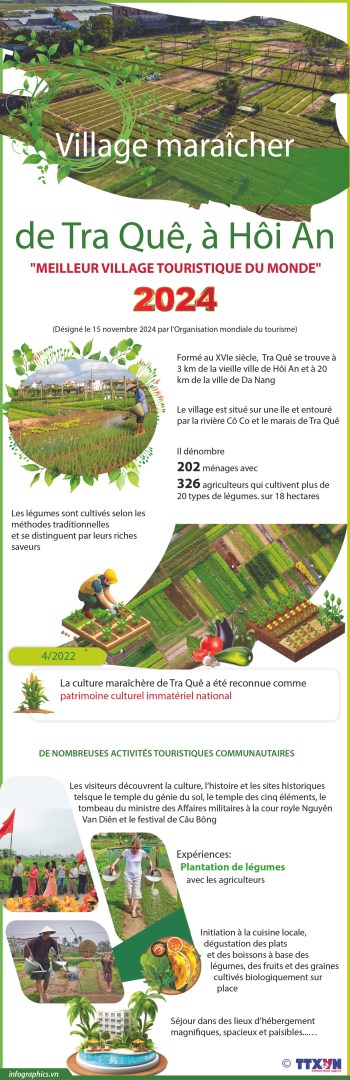
De nombreuses localités misent sur le tourisme à la ferme pour dynamiser l’économie rurale. Outre les provinces et villes dotées d’un fort potentiel en tourisme rural, comme Lâm Dong, Dong Nai ou les provinces du Nord-Ouest, d’autres régions s’engagent activement dans cette voie afin d’enrichir l’expérience des visiteurs. La province de Quang Nam, par exemple, a transformé le village maraîcher de Tra Quê en une destination phare du tourisme agricole, très prisée des touristes étrangers.
Dans la province de Quang Ninh, des fermes telles que Tuan Chau Farm et Binh Liêu Farmstay attirent un nombre croissant de visiteurs, notamment lors des festivités du Nouvel An lunaire 2025.
Le Binh Lieu Farmstay à Quang Ninh offre aux visiteurs des expériences mémorables de tourisme agricole. Photo : Binh Lieu Farmstay
Bien que le tourisme à la ferme soit en pleine expansion, les experts soulignent qu’il peine encore à se structurer de manière durable. De nombreux modèles fonctionnent de façon saisonnière et manquent d’une identité propre mettant en valeur les atouts agricoles locaux.
Pham Hai Quynh, directeur de l’Institut du Développement du Tourisme Asiatique(AIT)
Pour assurer un développement efficace et pérenne du tourisme à la ferme,il est nécessaire de mettre en place des infrastructures adaptées, incluant notamment des exploitations agricoles de taille suffisante, des vergers, de l’artisanat traditionnel, des festivals et une gastronomie locale typique. De plus, l’implication active des communautés locales est essentielle pour garantir la viabilité de ce modèle.
Pour que le tourisme rural puisse se développer durablement, une coopération entre les autorités locales, les acteurs du tourisme et les habitants est nécessaire. Cette collaboration doit viser a préserver les paysages et les écosystèmes tout en développant des produits touristiques adaptés. En outre, la mise en réseau des circuits touristiques et une promotion efficace sont des leviers clés pour assurer la pérennité et l’attractivité du modèle.
Docteure Ngo Kieu Oanh
La Décision n° 922/QD-TTg du 2 août 2022 du Premier ministre, qui approuve le Programme de développement du tourisme rural dans le cadre de la construction de la Nouvelle Ruralité pour la période 2021-2025, met en avant le tourisme rural comme un axe stratégique du Programme cible national pour la Nouvelle Ruralité.
Dans la capitale, Tran Trung Hieu souligne que le tourisme agricole, y compris le tourisme à la ferme, est une priorité pour Hanoï. La ville entend exploiter son potentiel écologique, culturel et artisanal tout en encourageant les localités disposant des conditions requises à développer des activités touristiques à la ferme attractives et durables, capables de séduire un public de plus en plus large./.
Hanoï considère le tourisme agricole, y compris le tourisme à la ferme, comme l’un des filières clés du développement touristique. Photo d’llustration : Journal Lao Dong
Los pequeños turistas se divierten y disfrutan de experiencias en el destino turístico OCOP de 3 estrellas, Granja Phan Nam, en la provincia de An Giang. (Foto: VNA)
El turismo en granjas, que combina el alojamiento con experiencias en entornos rurales, se está consolidando como una tendencia en auge tanto en Vietnam como a nivel mundial. Esta modalidad también ha sido promovida activamente por las autoridades locales como una estrategia para fomentar un turismo verde y sostenible.
Conexión con la naturaleza
Hace más de una década, la doctora Ngo Kieu Oanh tomó la decisión de establecer la granja Dong Que en la zona rural de Ba Vi para desarrollar actividades turísticas. El modelo de turismo experiencial y alojamiento en su granja ha sido cuidadosamente diseñado en armonía con el entorno natural, lo que le ha permitido atraer un número creciente de visitantes.
“Hasta hoy, mantengo el modelo de granja ecológica integrada con actividades cercanas a la naturaleza, como la pesca de camarones, cangrejos y peces, el cultivo de vegetales y arroz, así como la degustación de platos elaborados por la comunidad local”.
Doctora Ngo Kieu Oanh
Un rincón verde de la Granja Dong Que en el distrito de Ba Vi, Hanoi. (Foto: Granja Dong Que Ba Vi)
Los niños disfrutan la experiencia de ser agricultores en la Granja Rural. (Foto: Granja Dong Que Ba Vi, Tripadvisor)
Según el Departamento de Turismo de Hanoi, actualmente hay 11 granjas ecológicas que operan bajo el modelo de turismo experiencial, además de cuatro cooperativas agrícolas que explotan este tipo de actividades. Entre los ejemplos más representativos se encuentran el Parque Agrícola Long Viet (distrito de Soc Son), la Granja Dong Que (Ba Vi), la Granja Detrang (Ba Vi), la Granja Escolar Van An (Thanh Tri) y el Jardín Ecológico Phuc Tho Hoa Bay (Phuc Tho), entre otros.
Para atraer visitantes, estas granjas han desarrollado programas diferenciados. Un ejemplo destacado es el cultivo orgánico de uvas en la comuna Vinh Ngoc (distrito de Dong Anh), en una superficie de cinco hectáreas, donde los visitantes pueden participar en todas las etapas del proceso agrícola. En la granja Detrang, por su parte, los turistas pueden interactuar con una diversidad de animales como cabras, ovejas, conejos, ciervos y camellos, además de participar en juegos al aire libre.
La Granja Detrang (Ba Vi, Hanoi) es una opción popular para las familias que buscan experiencias de vida ecológica. (Foto: Granja Detrang)
Nguyen Thi Hong Anh, residente del distrito de Ba Dinh, señaló que el turismo en granjas es especialmente atractivo para familias con niños pequeños, ya que les brinda la oportunidad de interactuar con la naturaleza y conocer de cerca la fauna y flora, lo cual contribuye a su desarrollo emocional y reduce el estrés académico.
Al evaluar la eficacia del turismo en granjas, el subdirector del Departamento de Turismo de Hanoi Tran Trung Hieu dijo que en los últimos años, muchos modelos han resultado eficaces y se han convertido en destinos atractivos para muchos visitantes, especialmente estudiantes y familias.
Hacia un modelo sostenible
“Aeroco Coffee” (Dak Lak), granja pionera en el desarrollo del turismo agrícola verde y sostenible, se ha convertido en un destino atractivo para turistas nacionales e internacionales. (Foto: VNA)
En Vietnam, varias provincias están impulsando el desarrollo agrícola a través del agroturismo. Además de regiones como Lam Dong, Dong Nai, Da Lat y las provincias del noroeste, otras zonas también están apostando por este modelo. Por ejemplo, la aldea de vegetales Tra Que, en la provincia central de Quang Nam, se ha convertido en un destino turístico popular entre los visitantes internacionales.
Asimismo, iniciativas como Tuan Chau Farm y Binh Lieu Farmstay en la provincia norteña de Quang Ninh han generado un verdadero auge durante las recientes festividades del Año Nuevo Lunar.
Binh Lieu Farmstay, en la provincia de Quang Ninh, ofrece a los visitantes experiencias inolvidables de turismo agrícola. (Foto: Binh Lieu Farmstay)
Sin embargo, a pesar del creciente interés, los expertos advierten que muchos modelos aún carecen de sostenibilidad. Diversas iniciativas han tenido que cerrarse al poco tiempo de su apertura debido a su carácter estacional, la falta de identidad propia o la incapacidad para explotar el potencial agrícola local.
Pham Hai Quynh, director del Instituto Asiático de Desarrollo Turístico
Para garantizar el desarrollo sostenible del agroturismo, es necesario contar con una infraestructura adecuada: tierras agrícolas, huertos, oficios artesanales, valores culturales, festivales y una gastronomía distintiva. Asimismo, la participación activa de la comunidad local es clave para mantener la autenticidad y viabilidad del modelo.
El desarrollo sostenible del turismo rural requiere la cooperación entre las autoridades locales, operadores turísticos y la población para preservar el paisaje, el ecosistema y crear productos turísticos apropiados. Además, la promoción y el diseño de circuitos turísticos juegan un rol vital en la visibilidad del modelo y en la atracción constante de visitantes.
Doctora Ngo Kieu Oanh
Según la Decisión 922/QĐ-TTg del Primer Ministro, emitida el 2 de agosto de 2022, el desarrollo del turismo rural es una de las tareas prioritarias dentro del Programa de Objetivo Nacional de Construcción de Nuevas Zonas Rurales para el período 2021-2025.
En Hanoi, el subdirector del Departamento de Turismo municipal Tran Trung Hieu afirmó que la ciudad considera al turismo agrícola, incluido el turismo en granjas, como uno de sus pilares estratégicos. En los próximos años, la capital planea aprovechar su potencial ecológico, cultural y artesanal, alentando a las localidades con condiciones favorables a desarrollar actividades experienciales atractivas que aseguren un crecimiento turístico sostenible./.
Hanoi considera el turismo agrícola, incluido el de granja, como uno de los pilares clave para el desarrollo sostenible de la industria. (Foto ilustrativa: Periódico Lao Dong)
Young visitors enjoy fun and hands-on activities at the 3-star OCOP tourist destination Phan Nam Farm in An Giang province. Photo: VNA
Farm tourism, a unique blend of rural retreats and hands-on countryside experiences, is gaining traction across Vietnam and beyond. Local authorities, sensing a chance to cultivate green and sustainable tourism, are fanning the trend.
A return to nature
More than a decade ago, Dr. Ngo Kieu Oanh made a bold leap back to her rural roots in Ba Vi district on the outskirts of Hanoi, transforming her vision into reality with the establishment of Dong Que farm. This eco-friendly site now beckons urbanites craving respite from the city hustle and bustle.
“To date, I still maintain the concept of an eco-farm combined with nature-based activities such as fishing, sowing rice seeds, and planting vegetables, and enjoying locally sourced cuisine”
Dr. Ngo Kieu Oanh
A corner of green space in Dong Qua farm, Ba Vi district, Ha Noi. Photo: Dong Que Farm
Children excitedly experience life as farmers at Dong Que Farm. Photo: Dong Que Farm, Tripadvisor
The Hanoi Department of Tourism has clocked the surge, reporting that the capital now boasts 11 ecological farms and four agricultural cooperatives dedicated to this model. Standouts include the Long Viet agricultural park in Soc Son district, about 30km from downtown Hanoi, Dong Que farm and Detrang farm, both in Ba Vi district, Vạn An school farm in Thanh Tri district, and the Phuc Thi Hoa Bay ecological garden in Phuc Tho district, each a portal to the pastoral.
These farms are not just destinations, they are gateways to unforgettable experiences. At a sprawling 5-ha organic grape vineyard in Vinh Ngoc commune, Dong Anh district, visitors can plunge into the rhythm of viticulture, from planting to picking, guided by safe, sustainable practices. Detrang farm in Ba Vi district, meanwhile, feels like a storybook menagerie – goats, sheep, rabbits, spotted deer, even camels roam its fields, paired with a dizzying array of outdoor games.
Detrang Farm in Ba Vi is a popular choice among families seeking a green, nature-based lifestyle experience. Photo: Detrang Farm
Nguyen Thi Hong Anh, a resident of Ba Dinh district, said farm tourism is particularly appealing to families with young children. Outdoor activities, touching animals and tending plants not only build kids’ character but also give them a refreshing break from textbooks.
Deputy Director of the Hanoi Department of Tourism Tran Trung Hieu noted that many farm models are thriving, pulling in numerous visitors, especially students and families.
Toward sustainable development
Aeroco Coffee (Dak Lak ) is a pioneer in developing green, sustainable agri-tourism, with its farm becoming an increasingly popular destination for both domestic and international visitors. Photo: VNA
Across Vietnam, many localities are leaning into farm tourism, merging agriculture with unique visitor experiences. In places like Lam Dong, Dong Nai, Da Lat, and the northwest, vibrant models flourish, while others scramble to catch up. Tra Que vegetable village in central Quang Nam province has become a siren call for foreigners, showing the best of what farm tourism can offer.
Infographic published on November 24, 2024
Up north, Quang Ninh province’s Tuan Chau Farm and Binh Lieu Farmstay have experienced a surge in popularity, particularly during the recent Lunar New Year holiday
Binh Lieu Farmstay in Quang Ninh offers visitors memorable experiences in agricultural tourism. Photo: Binh Lieu Farmstay
Yet hurdles loom. Many farms grapple with seasonal slumps, lack distinctive flair, or fail to tap local agricultural riches fully.
Director of the Asia Tourism Development Institute Pham Hai Quynh
Director of the Asia Tourism Development Institute Pham Hai Quynh laid out the blueprint for long-term success: a robust infrastructure with sprawling farm areas, orchards, craft workshops, cultural festivals, distinctive dishes, and a fierce sense of place. “Local communities must be the heartbeat”, he insisted.
Authorities, operators, residents – we need to link tours, market our story, keep the spotlight on
Dr. Ngo Kieu Oanh
According to the Prime Minister’s Decision No. 922/QD-TTg issued on August 2, 2022, rural tourism development is a key solution and priority within the National Target Programme on New Rural Building for the 2021-2025 period.
Hieu saw farm stays and agricultural escapes as growth engines. Moving forward, Hanoi plans to leverage its ecological, cultural, and craft village heritage, encourage localities to craft experiences that captivate and endure. “It’s about keeping visitors coming back,” he mused, “and building a future that doesn’t just grow, but lasts”.
Hanoi considers agricultural tourism, including farm-based tourism, a key pillar for development. Photo: Lao Dong newspaper
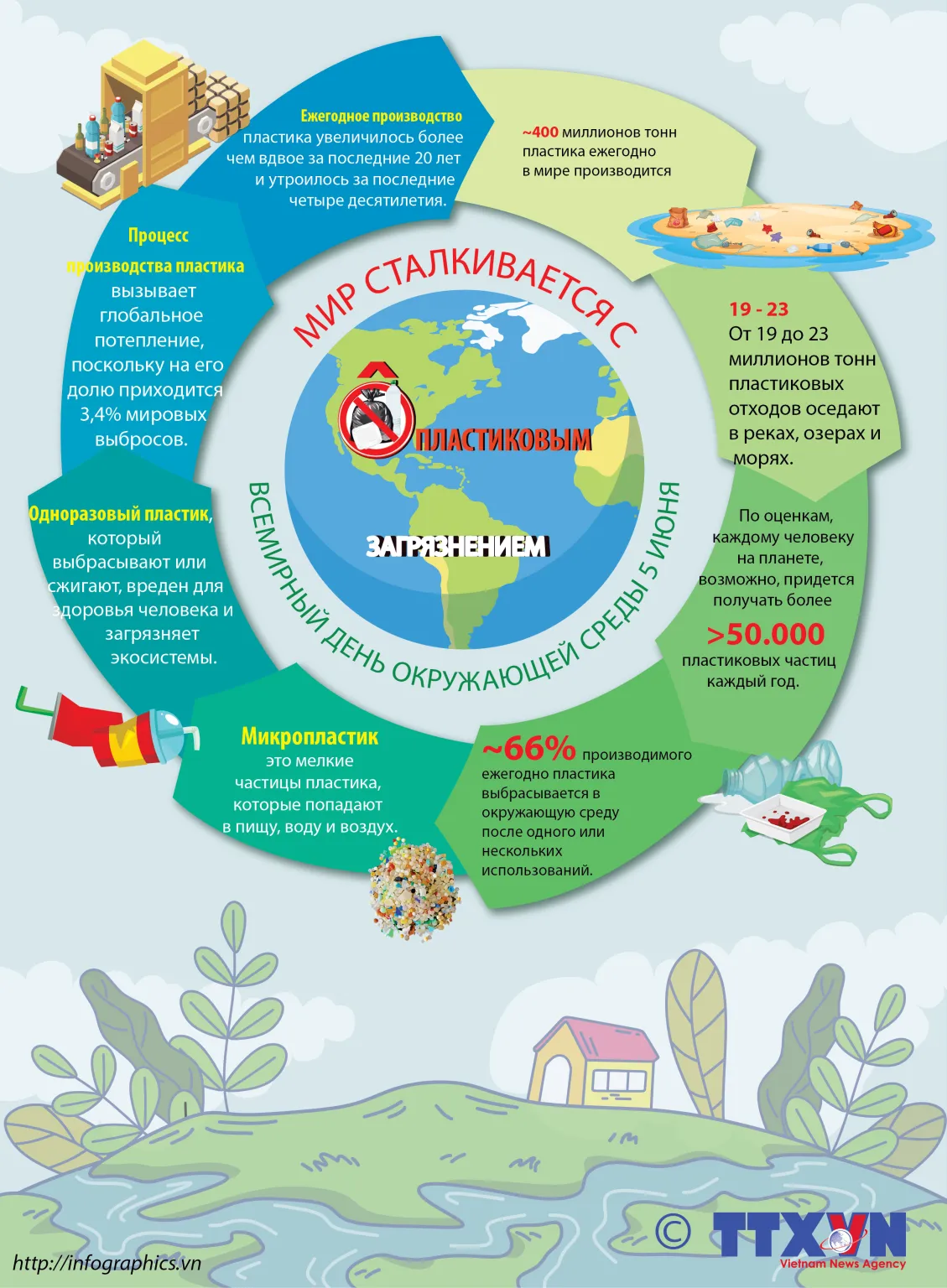
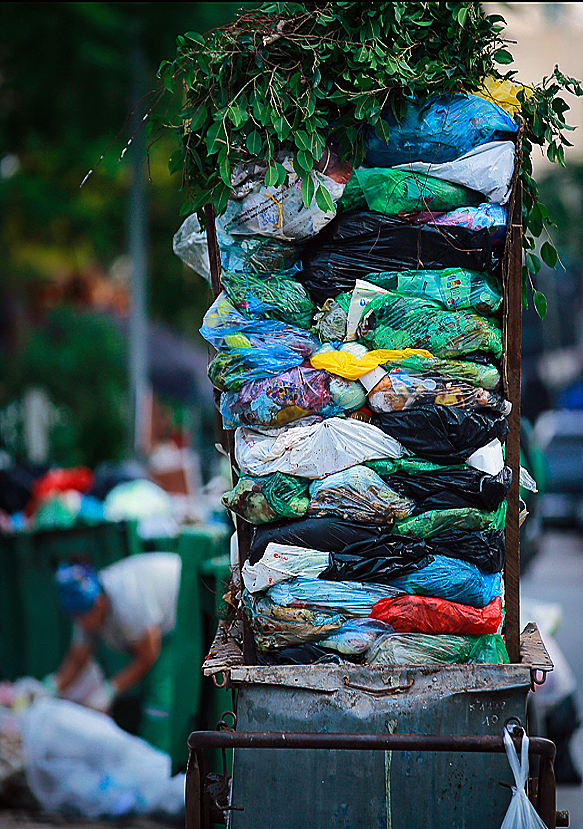
Согласно данным Министерства природных ресурсов и охраны окружающей среды (ныне — Министерство сельского хозяйства и окружающей среды), каждый житель Вьетнама использует более одного пластикового пакета в день. Ежегодно в окружающую среду выбрасывается около 31,4 миллиарда пластиковых пакетов, при этом только 17% из них перерабатываются или используются повторно.
Школьники участвуют в украшении тканевых сумок на втором фестивале «День переработки в Хюэ 2023», организованном Норвежским отделением Всемирного фонда дикой природы (WWF) через WWF Вьетнам и акционерным обществом «Окружающая среда и городская инфраструктура Хюэ» (HEPCO). Фото: ВИА.
Во Вьетнаме одноразовые пластиковые изделия широко используются благодаря своей практичности, низкой стоимости и современным тенденциям потребления. Согласно данным Министерства природных ресурсов и охраны окружающей среды (ныне — Министерство сельского хозяйства и окружающей среды), каждый житель Вьетнама использует более одного пластикового пакета в день. Ежегодно в окружающую среду выбрасывается около 31,4 миллиарда пластиковых пакетов, при этом только 17% из них перерабатываются или используются повторно. Большинство одноразового пластика попадает на свалки или выбрасывается в природу. Чтобы изменить эту ситуацию, необходимо участие всего общества, особенно молодёжи, которая рассматривается как передовая сила с большим влиянием.
Необходимость менять привычки
Согласно статистике Министерства сельского хозяйства и окружающей среды, Вьетнам входит в число стран с наибольшим количеством пластиковых отходов в мире. При этом именно молодёжь потребляет наибольшее количество одноразовой пластиковой продукции. Основные причины кроются в стремлении к быстрой и удобной покупке, а также в стремительном росте электронной коммерции, особенно в сфере доставки еды и онлайн-шопинга.
Привычка быстро и удобно потреблять, а также бурное развитие электронной коммерции, особенно служб доставки еды и онлайн-покупок, способствуют увеличению потребления одноразового пластика. Фото: ВИА.
Результаты опроса «Что говорят более 3000 студентов о культуре потребления одноразового пластика», проведённого Вьетнамским национальным партнерством по борьбе с пластиком (NPAP Вьетнам) и Вьетнамской ассоциацией электронной торговли, показывают, что молодое поколение не только осознаёт проблему, но и готово высказываться и действовать ради улучшения окружающей среды. Опрос проводился с ноября по декабрь 2024 года и собрал почти 3 500 ответов в онлайн-формате. Опрос проводится с двумя основными целями: оценить факторы, влияющие на восприятие и потребительские привычки молодежи, а также создать базу данных для поддержки предложений и рекомендаций по сокращению пластикового загрязнения во Вьетнаме в будущем.
До 60% студентов подтверждают, что пластиковые пакеты являются наиболее распространённым одноразовым пластиковым изделием. Иллюстративное фото: ВИА.
Большинство студентов по-прежнему сохраняют привычку использовать одноразовый пластик в повседневной жизни. До 60% студентов подтверждают, что пластиковые пакеты являются наиболее распространённым одноразовым пластиковым изделием и должны быть приоритетным объектом в решениях по сокращению пластикового загрязнения во Вьетнаме. Особенно примечательно, что частота использования пластиковых пакетов в течение недели достигает 54%, что отражает распространённость этой привычки.
При более глубоком анализе факторов, влияющих на потребительское поведение, опрос показал, что главной причиной продолжения использования одноразового пластика является удобство — об этом заявили 67% студентов. Кроме того, цена также представляет собой значительное препятствие: 39% студентов считают, что альтернативные изделия стоят слишком дорого. Осознание необходимости охраны окружающей среды и социальное давление также оказывают определённое влияние — на 38% студентов. Примечательно, что доступность альтернативных продуктов не является решающим фактором — многие молодые люди продолжают выбирать одноразовый пластик, несмотря на наличие альтернатив на рынке.
Социальные сети играют важную роль в распространении информации о вреде одноразового пластика. Иллюстративное фото: AFP/ВИА.
Что касается потребительского сознания, опрос показал, что социальные сети играют важную роль в распространении информации о вреде одноразового пластика. До 92% студентов сообщили, что получают эту информацию через такие платформы, как Facebook, TikTok и Instagram. При покупке одноразовых пластиковых изделий 39% студентов признались, что испытывают угрызения совести в разной степени. Особенно важно, что 40% студентов заявили о наличии мотивации предпринимать меры по сокращению использования пластика в потреблении. 83% студентов, что эквивалентно 2 900 из 3 945 респондентов, согласились с тем, что основную ответственность за сокращение одноразового пластика должны нести сами потребители.
Иллюстративное фото: Миски, тарелки и контейнеры, изготовленные из пальмовых листьев (мо кaу), как экологичная альтернатива пластиковым изделиям, производятся на предприятии Чан Тхи Нгок Ан в коммуне Диньхоа, уезд Лайвунг (провинция Донгтхап). Фото: ВИА.
С точки зрения студентов, более 50% считают, что основным препятствием на пути сокращения использования одноразового пластика является устоявшаяся потребительская привычка; 53% отметили, что удобство — это фактор, заставляющий их продолжать использовать одноразовый пластик, тогда как 54% указали на отсутствие стимулирующих политик для перехода бизнеса на экологически чистые продукты как на серьёзное препятствие.
Многие молодые люди приняли участие в акции по обмену мусора на подарки в рамках «Дня зелёной жизни» в Кьенжанге, 2023 год. Фото: ВИА.
По словам Нгуен Ву Линь, помощника по коммуникациям и связям с общественностью Вьетнамского национального партнерства по борьбе с пластиком (NPAP Вьетнам), несмотря на ограниченное время проведения и масштабы опроса, полученные результаты показывают, что значительная часть вьетнамской молодёжи уже осознаёт проблему пластикового загрязнения, готова изменить потребительское поведение и активно поддерживает информационные кампании в пользу «зелёной» продукции. Это открывает широкие возможности для разработки практических программ действий, направленных на продвижение устойчивого образа жизни и формирование более зелёной, чистой и красивой окружающей среды в будущем.
Решения для отказа от одноразового использования пластика
Ле Нгок Туан выступает на круглом столе «Размышления о культуре использования одноразового пластика среди молодежи», Ханой, 28 февраля 2025 года. (Фото: Журнал «Сельское хозяйство и окружающая среда»)
На недавнем круглом столе «Размышления о культуре использования одноразового пластика среди молодежи», организованном Программой развития ООН во Вьетнаме, Ле Нгок Туан, представитель NPAP Вьетнама, подчеркнул, что пластиковое загрязнение уже стало частью повседневной жизни и представляет серьезную угрозу для окружающей среды и здоровья человека. Истоки проблемы кроются в неустойчивом производстве, потреблении и утилизации пластика. Мы жертвуем устойчивостью жизни на планете ради мимолетного удобства. Пришло время задуматься, особенно молодежи – будущим хозяевам страны.
Использование пластика стало неотъемлемой частью современной жизни. На фото: Модель «Пластиковый глобус» и макет «Река, загрязнённая пластиком», представленные на фотовыставке и экспозиции материалов по пропаганде борьбы с пластиковыми отходами в провинции Фуйен. Фото: ВИА.
По мнению доктора Ким Тхи Тхуи Нгок из Института стратегий и политики в области сельского хозяйства и окружающей среды (Министерство сельского хозяйства и окружающей среды), использование пластика стало неотъемлемой частью современной жизни. От уличных лавок, традиционных рынков до супермаркетов и ресторанов быстрого питания – везде присутствует одноразовый пластик. Для решения этой проблемы необходимо изменение как осознания, так и поведения каждого человека, а также государственная поддержка для продвижения производства и потребления экологичных альтернатив.
Иллюстративное фото: Из листьев морского винограда, Нгуен Ван Туен (городок Донгхоа, провинция Фуйен) создал экологически чистые тарелки. Фото: ВИА.
Одним из важных решений по сокращению использования одноразового пластика является стимулирование изменения поведения в обществе, особенно среди молодежи. Доктор Ким Тхи Тхуи Нгок считает, что ограничение использования пластиковых пакетов и одноразового пластика среди студентов может быть достигнуто через конкурсы, «зеленые» клубы и экологические кампании. Эти инициативы не только повышают осведомленность, но и побуждают студентов активно участвовать в охране окружающей среды. Вместе с тем, изменения со стороны бизнеса в направлении производства и предоставления экологичных альтернатив также играют важную роль.
На фото: Союз молодёжи провинции Тэйнинь в сотрудничестве с Руководящим комитетом по реализации Программы развития молодежи деревни Суой Да организовали ярмарку «Чай», где покупатели расплачиваются пластиковыми отходами вместо денег. Фото: ВИА.
С точки зрения потребителя, студент Хоанг Вьет Ань из Национального экономического университета поделился, что он сам старается придерживаться «зеленого» образа жизни, но его потребительское поведение все еще спонтанное и непоследовательное. Поэтому необходимо наличие четких механизмов поощрения, например, награды или признание за использование альтернатив пластиковой продукции. При получении признания и поощрения молодые люди легче сохраняют устойчивые потребительские привычки, формируя экологическое сознание естественным и долговременным образом.
Линия производства биоразлагаемой продукции на полностью разлагающихся материалах в компании An Phat Bioplastic, Намшач, Хайзионг. Фото: ВИА.
Согласно исследованию 2023 года Института стратегий и политики в области сельского хозяйства и окружающей среды, стоимость является одним из главных препятствий для перехода на экологичные продукты. Стоимость биоразлагаемых пакетов в 2,6 раза выше, чем у обычных пластиковых пакетов, а бумажные коробки стоят от 2 до 10 раз дороже, чем пластиковые. Это заставляет как бизнес, так и потребителей колебаться при выборе в пользу замены.
Программа обмена пластиковых отходов на зелёные растения или подарки проводится при совместном участии молодёжи и буддистов города Хошимин. Фото: ВИА.
Помимо повышения осведомленности, необходимы конкретные меры, такие как льготная политика при использовании экологичных продуктов, программы обмена одноразового пластика на многоразовые изделия, а также постепенный переход бизнеса к использованию экологичной упаковки – всё это является практичными направлениями действий.
Осознавая серьезность пластикового загрязнения, правительство Вьетнама поставило задачу решения этой проблемы в число приоритетных, закрепив ее в законодательстве и конкретных программах действий. Закон «О защите окружающей среды» 2020 года и Постановление № 08/2022/NĐ-CP, детализирующее некоторые положения закона, устанавливают план поэтапного ограничения производства и импорта одноразового пластика, труднобиоразлагаемой пластиковой упаковки и продукции, содержащей микропластик.
Согласно этим положениям, с 1 января 2026 года будет запрещено производство и импорт труднобиоразлагаемых пластиковых пакетов размером менее 50 см × 50 см и толщиной стенки менее 50 мкм. С 31 декабря 2030 года полностью прекращается производство и импорт одноразового пластика (за исключением продукции с экомаркировкой Вьетнама), труднобиоразлагаемой упаковки (включая такие пакеты и пластиковые контейнеры для упаковки и хранения продуктов питания), а также продукции, содержащей микропластик./.
Группа проекта «Доброта с Шаканом» собирает пластиковые отходы в морском устьевом районе Шакан, коммуна Биньтхань, уезд Биньшон, провинция Куангнгай. Фото: ВИА.
According to the Ministry of Natural Resources and Environment (now the Ministry of Agriculture and Environment), each Vietnamese person uses more than one plastic bag per day, resulting in approximately 31.4 billion plastic bags being discarded into the environment annually. Only 17% of these are reused or recycled, and single-use plastics make their way to landfills or are released into the environment.
Students decorate canvas tote bags at a recycling festival in Hue in November, 2023. (Photo: VNA)
In Vietnam, single-use plastic products are commonly used because of their convenience and low cost. According to the Ministry of Natural Resources and Environment (now the Ministry of Agriculture and Environment), each Vietnamese person uses more than one plastic bag per day, resulting in approximately 31.4 billion plastic bags being discarded into the environment annually. Only 17% of these are reused or recycled, and single-use plastics make their way to landfills or are released into the environment. Addressing the issue requires a joint effort of society, with young people playing a key role as the pioneering force with significant influence.
Habits that need to be changed
Statistics from the Ministry of Agriculture and Environment indicate that Vietnam is among the countries with the highest volume of plastic waste, with young people being the largest consumers of single-use plastics. The primary reason is fast and convenient consumption habits, along with the rapid growth of e-commerce, particularly food delivery and online shopping services.
Fast and convenient consumption habits, along with the rapid growth of e-commerce, particularly food delivery and online shopping services push the consumption of single-use plastics. (Photo: VNA)
A recent survey, by the Vietnam National Plastic Action Partnership (NPAP Vietnam) in collaboration with the Vietnam E-Commerce Association, of nearly 3,000 university students, shows that the younger generation is not only aware of the issue but also eager to speak out and take action. The survey, conducted between November and December last year, aimed to assess awareness and consumption habits among the youth and to build a database to support recommendations for reducing plastic pollution in Vietnam in the future.
Up to 60% of students confirmed that plastic bags are the most popular single-use plastic products. (Illustration photo: VNA)
Most students still maintain the habit of using single-use plastics in their daily lives. About 60% identified plastic bags as the most commonly used single-use item and emphasised that they should be a priority in efforts to reduce plastic pollution in Vietnam. The survey reveals that the frequency of plastic bag use within a week is 54%, reflecting the prevalence of this habit.
A deeper analysis of factors influencing consumption behaviour shows that convenience is the leading reason for continued use of single-use plastics, cited by 67% of respondents.
Additionally, cost is a significant barrier, with 39% of the students believing that alternative products to single-use plastics are expensive. Environmental awareness and social pressure also have a certain impact, affecting 38% of the students. Notably, the availability of alternative products is not a decisive factor, as many young people still choose single-use plastics despite alternative solutions being available in the market.
Social media plays a crucial role in disseminating information about the harms of single-use plastics. (Photo: AFP/VNA)
The survey indicated that social media plays a crucial role in disseminating information about the harms of single-use plastics. As many as 92% of the students said that accessing this information through platforms like Facebook, TikTok, and Instagram. When purchasing single-use plastic products, 39% of the students admitted to feeling guilty to varying degrees. Notably, 40% of the students expressed motivation to take measures to reduce plastic use. Additionally, 83% of the students, equivalent to 2,900 out of 3,945 responses, agreed that consumers bear primary responsibility for reducing single-use plastics usage.
Plates, containers made from areca spathes replace plastic products. (Photo: VNA)
From the students’ perspective, over 50% identified consumption habits as the biggest barrier to minimising single-use plastics, 53% believed that convenience is the factor that leads them to continue using single-use plastics, while 54% noted that the lack of policies encouraging businesses to transition to environmentally friendly products is also a significant obstacle.
Young people exhange waste for gifts at a green lifestyle festival in the southern province of Kien Giang in 2023. (Photo: VNA)
According to Communications and Connectivity Assistant for the NPAP Vietnam Nguyen Vu Linh, although the survey was conducted over a short period and on a limited scale, the results show that a considerable segment of Vietnamese youth is well aware of plastic pollution issues, willing to change their consumption behaviors, and actively supports green product campaigns. This opens up many opportunities to develop practical action programmes aimed at promoting sustainable lifestyles and striving for a greener, cleaner, and more beautiful environment in the future.
Solutions to eliminate single-use plastics
Le Ngoc Tuan from NPAP Vietnam speaks at a recent seminar on the culture of using single-use plastics organised by the United Nations Development Programme (UNDP) in Vietnam. (Photo: Agriculture and Environment Magazine)
At a recent seminar on the culture of using single-use plastics organised by the United Nations Development Programme (UNDP) in Vietnam, Le Ngoc Tuan from NPAP Vietnam emphasised that plastic pollution is visible, posing serious threats to the environment and human health. The root of the problem stems from unsustainable production, consumption, and disposal of plastics. People are trading the sustainable future of our planet for immediate convenience. It is time to rethink this, especially for the youth who are the owners of the future.
The model of a globe with plastic waste and the model of a plastic polluted river are displayed at an exhibition held in Phu Yen province to promote waste plastic prevention and control. (Photo: VNA)
Dr. Kim Thi Thuy Ngoc from the Institute of Strategy and Policy on Agriculture and Environment under the Ministry of Agriculture and Environment noted that plastic use is pervasive in today’s society. Single-use plastic products are everywhere, from street vendors and local markets to supermarkets and fast-food restaurants. To address this issue, a shift in both awareness and individual actions is necessary, along with supportive policies from the government to promote the production and consumption of alternative products.
From the leaves of the sea grape tree, Nguyen Van Tuyen from Dong Hoa town, Phu Yen province creates environmentally friendly plates. (Photo: VNA)
One important solution to reduce single-use plastics is to encourage behavioral change within the community, especially among youth.
Ngoc held that reducing the use of plastic bags and single-use plastics among students can be achieved through competitions, green clubs, and environmental campaigns. These initiatives not only raise awareness but also motivate students to actively participate in environmental protection activities. Also crucial is businesses changing production habits and providing alternative products.
People buy products with plastic waste instead of money in a fair called Cho Chai (Bottle Market) in Tay Ninh province. (Photo: VNA)
From a consumer perspective, Hoang Viet Anh, a student at National Economics University, shared that while he practices a green lifestyle, his consumption behavior remains impulsive and inconsistent. Therefore, clear incentive mechanisms, such as rewards or recognition for choosing alternative products, are necessary. When acknowledged and encouraged, young people will find it easier to begin sustainable consumption habits and naturally develop long-term environmental awareness.
The production line of completely biodegradable biological products at An Phat Bioplastic Company in Nam Sach district, Hai Duong province. (Photo: VNA)
According to a 2023 study by the Institute of Strategy and Policy on Agriculture and Environment, cost is one of the major barriers to transitioning to environmentally friendly products. The price of biodegradable bags is 2.6 times higher than that of plastic bags, while paper boxes are priced 2 to 10 times higher than plastic containers. Increased costs are the primary reason businesses and consumers are hesitant to change.
A young girl exchanges plastic waste for trees/ gifts under a programme jointly implemented by Ho Chi Minh City Youth and Buddhists. (Photo: VNA)
In addition to awareness, implementing specific solutions such as incentive policies for using environmentally friendly products, programmes to exchange single-use plastics for reusable items, and gradual shifts by businesses to eco-friendly packaging are practical directions.
Recognising the severity of plastic pollution, the Vietnamese Government has prioritised addressing this issue through specific laws, regulations, and action programmes. The Environmental Protection Law and Decree No. 08/2022/ND-CP that concretises some provisions of the law outline a roadmap to limit the production and import of single-use plastic products, non-biodegradable plastic packaging, and products containing microplastics.
Accordingly, from January 1, 2026, the production and import of non-biodegradable plastic bags smaller than 50 cm x 50 cm and with a thickness of less than 50 µm will be prohibited. After December 31, 2030, the production and import of single-use plastic products, except those certified with the Vietnam Eco-Label; non-biodegradable plastic packaging, including non-biodegradable plastic bags, foam plastic containers for food; and products containing microplastics will cease./.
People collect plastic waste at the Sa Can estuary, Binh Thanh commune, Binh Son district, Quang Ngai province. (Photo: VNA)