Début 2022, le Comité populaire de Ho Chi Minh-Ville a promulgué une décision sur le Programme de relance et de développement socio-économique de la ville pour la période 2022 – 2025.
Pour le rétablissement socio-économique comme l’objectif fixé, il est nécessaire d’introduire Ho Chi Minh -Ville dans la planification globale de la Zone économique clé du Sud, en association avec les localités voisines. Pour atteindre cet objectif, la ville est dynamique dans la recherche de sources de capitaux pour investir dans le développement des infrastructures de transport.
La 4e vague de l’épidémie de COVID-19 a gravement affecté les activités socio-économiques de la ville. Pendant la période de distanciation sociale, de nombreux projets ont dû s’arrêter ou ralentir son rythme. Après la maîtrise de l’épidémie, les investisseurs et les maîtres d’ouvrages ont rapidement accéléré les travaux et les projets pour rattraper le temps perdu. De nombreux projets de connectivité interrégionale sont également mis en œuvre avec rapidité.
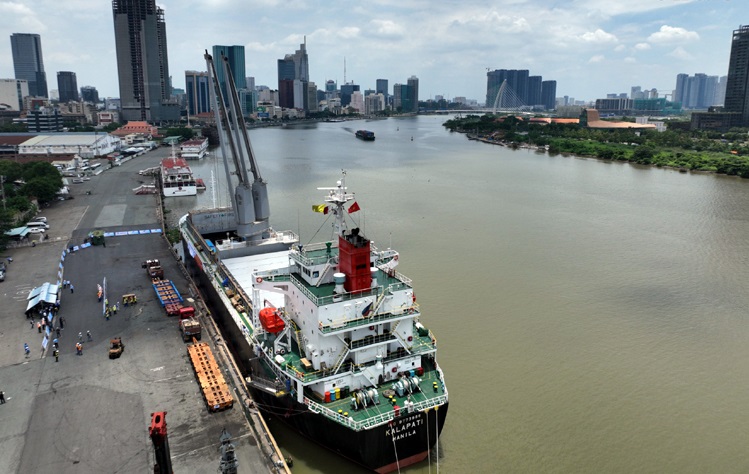
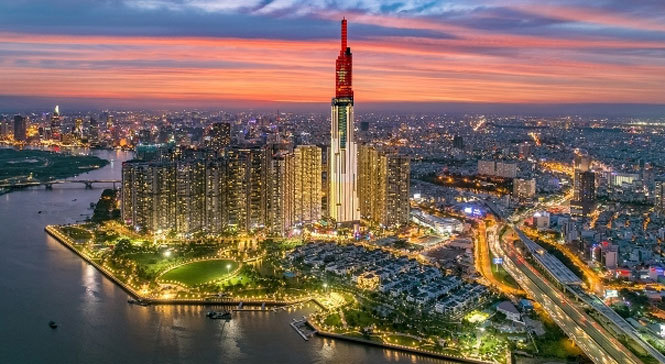
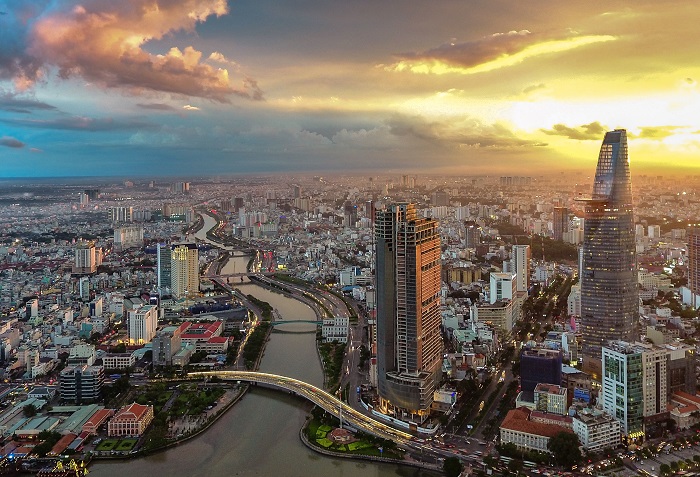
Le pont Thu Thiem 2 d’une longueur de près de 1,5 km avec six voies, au-dessus de la rivière Saigon, considérée comme un nouveau symbole de Ho Chi Minh-Ville, a été officiellement ouvert à la circulation le 28 avril. L’ouvrage contribue à compléter le réseau de circulation de l’axe principal de Ho Chi Minh-Ville et à relier le centre-ville à la nouvelle zone urbaine de Thu Thiem.
Pont Thu Thiem 2
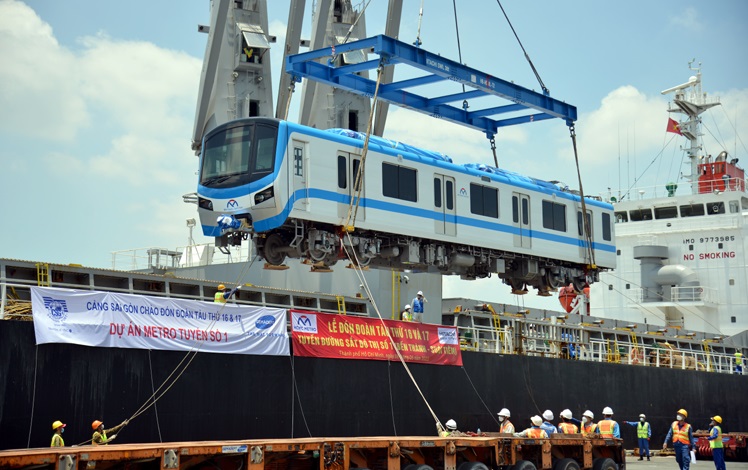
Pour le projet de ligne de métro Ben Thanh – Suoi Tien, environ 90% de ses travaux sont achevés. Les deux dernières rames sur le total de 17 ont également été livrées en mai 2022. La ligne de métro Ben Thanh-Suoi Tien fera 19,7 km de long et comprendra 14 stations avec trois souterraines et 11 surélevées. Le projet bénéficie d’aides publiques au développement du Japon.
Connexion pour la relance régionale
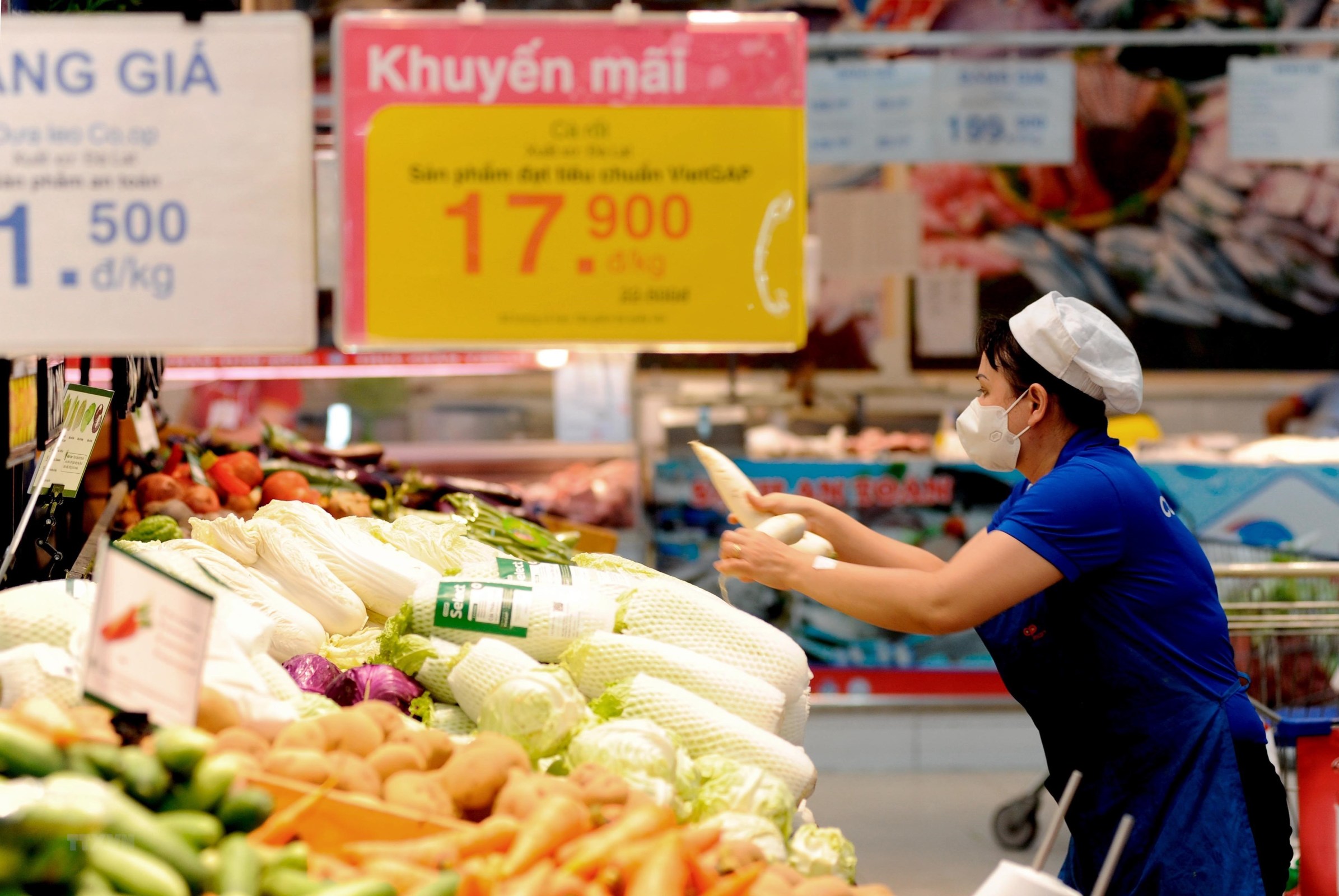
Ho Chi Minh-Ville et les localités mettent en œuvre de nombreux projets d’autoroutes afin de connecter efficacement la chaîne d’approvisionnement des marchandises entre Ho Chi Minh-Ville et les provinces de la Zone économique clé du Sud. Photo: VNA
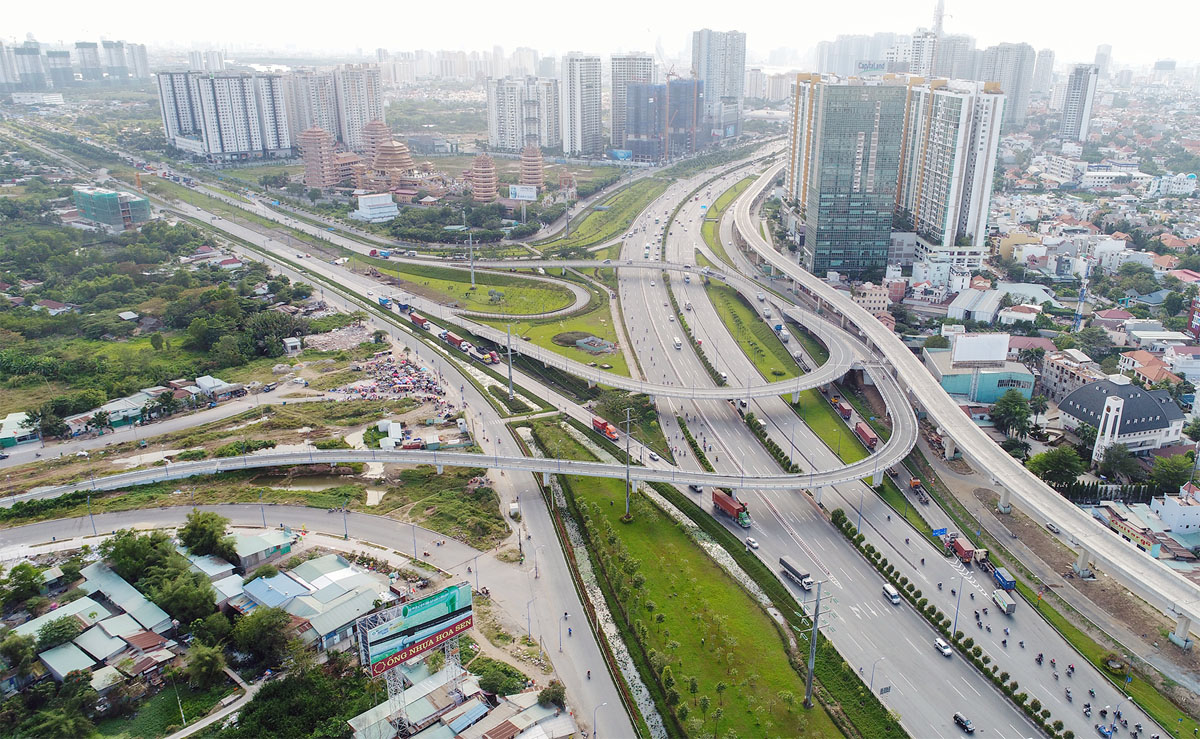
Pour l’heure, Ho Chi Minh-Ville et les localités mettent en œuvre de nombreux projets d’autoroutes afin de connecter efficacement la chaîne d’approvisionnement des marchandises entre Ho Chi Minh-Ville et les provinces de la Zone économique clé du Sud.
En particulier, Ho Chi Minh-Ville, Long An, Binh Duong, Dong Nai accélèrent les procédures pour la réalisation de la 3e ceinture péripérique de Ho Chi Minh-Ville.
De nouveaux ouvrages de transport ont donné un nouvel élan à la ville après la pandémie. Cependant, la ville a encore besoin d’une grande ressource pour investir dans le développement du transport, non seulement pour la ville mais aussi pour toute la région.
Exploiter des ressources
Dans son plan de développement des infrastructures du transport, pour la période 2021-2025, vision d’ici 2030, Ho Chi Minh-Ville nécessitera plus de 900.000 milliards de dongs.
Selon le président du Comité populaire municipal, Phan Van Mai, la ville a activement élaboré et publié le Programme de relance socio-économique pour la période 2022 – 2025 afin de fournir des solutions urgentes et primordiales pour relancer son économie et restaurer ses activités socio-culturelles.
Actuellement, le taux de régulation budgétaire de Ho Chi Minh-Ville a été porté de 18% à 21%, c’est un fonds d’investissement dans le développement de la ville dans la prochaine période. Ho Chi Minh-Ville et les provinces de Binh Duong, Dong Nai et Long An remplissent toutes les formalités pour la mise en œuvre du projet de la 3e ceinture péripérique.
Selon Tran Quang Lam, directeur du Service du transport de Ho Chi Minh-Ville, l’appel à des investissements hors du budget de l’État est nécessaire et devrait être accéléré. Le Service a également dressé une liste des projets d’appel à l’investissement pour la période 2021-2025 et a proposé des mécanismes, des politiques et des plans pour mobiliser des fonds pour les projets urgents pour la période 2021-2030 auprès du Comité populaire municipal.
Ho Chi Minh-Ville exploitera également les ressources, conformément au mécanisme spécifique mentionné par la Résolution 54 de l’Assemblée nationale ainsi que de nouvelles réglementations telles que frais d’utilisation des infrastructures, actionarisation des entreprises publiques, revenus de l’utilisation foncière, vente de biens publics d’agences publiques…
Pour l’heure, Ho Chi Minh-Ville s’efforce de trouver des ressources pour investir dans les infrastructures de transport, de relever les obstacles dans le développement. La Zone économique clé du Sud attend une “impulsion” des projets de transport pour “ouvrir la voie” à sa reprise et son développement socio-économiques, avec Ho Chi Minh-Ville comme le moteur dans les années à venir./.
The COVID-19 pandemic has caused a great impact on the operation of many enterprises, but it is in such difficult circumstances that the “female generals” of the Vietnam Association of Women Entrepreneurs (VAWE) have proved their mettle and talent.
The businesswomen have not only led their businesses through the COVID-19 storm, but also shown a spirit of compassion and mutual support through the organization of various activities to support the community.
A proud journey
Looking back on the past period of great challenges, VAWE Chairwoman Thai Huong expressed her gratitude to the Party, State and Government for taking drastic actions to fight the pandemic like fighting the enemy.
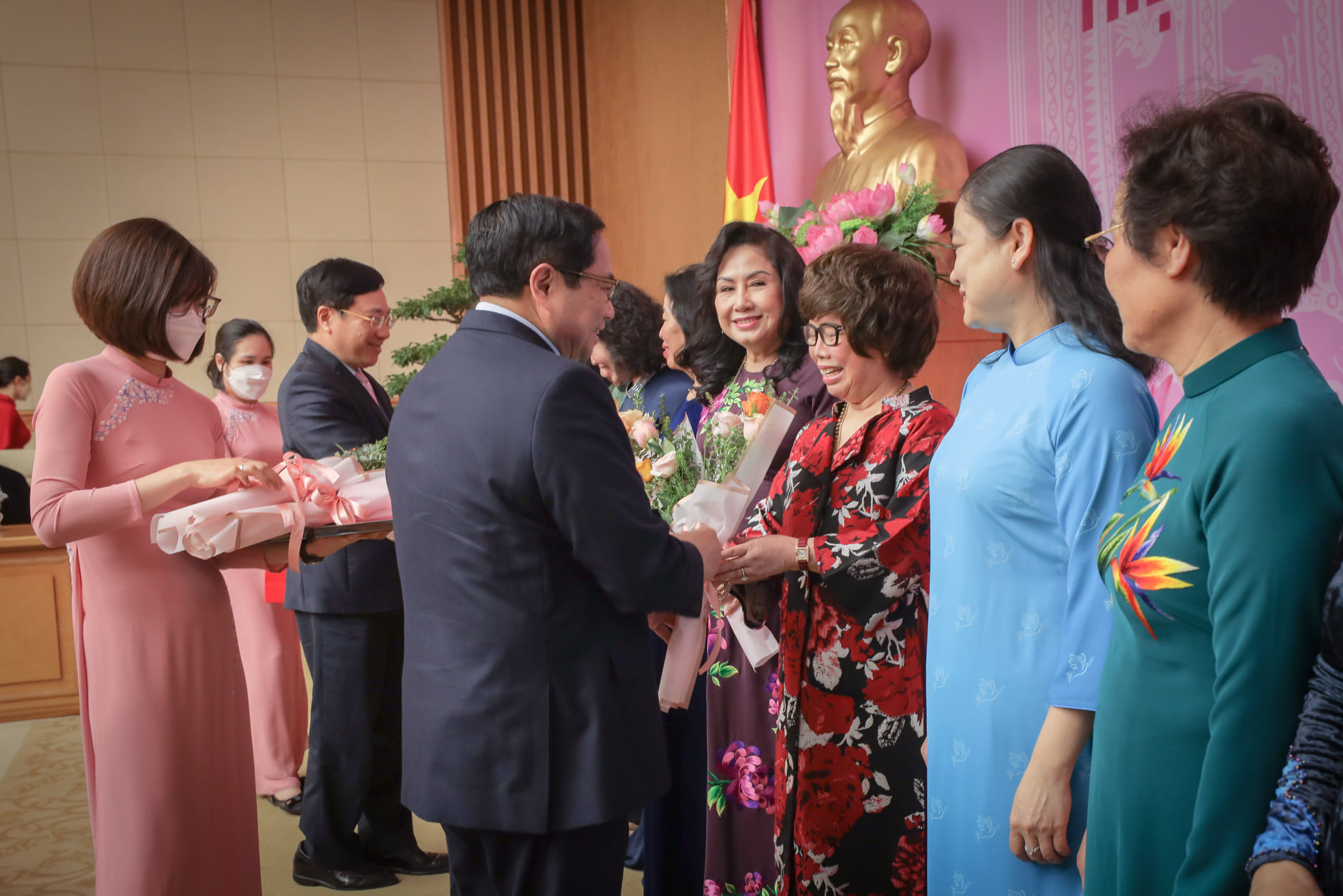
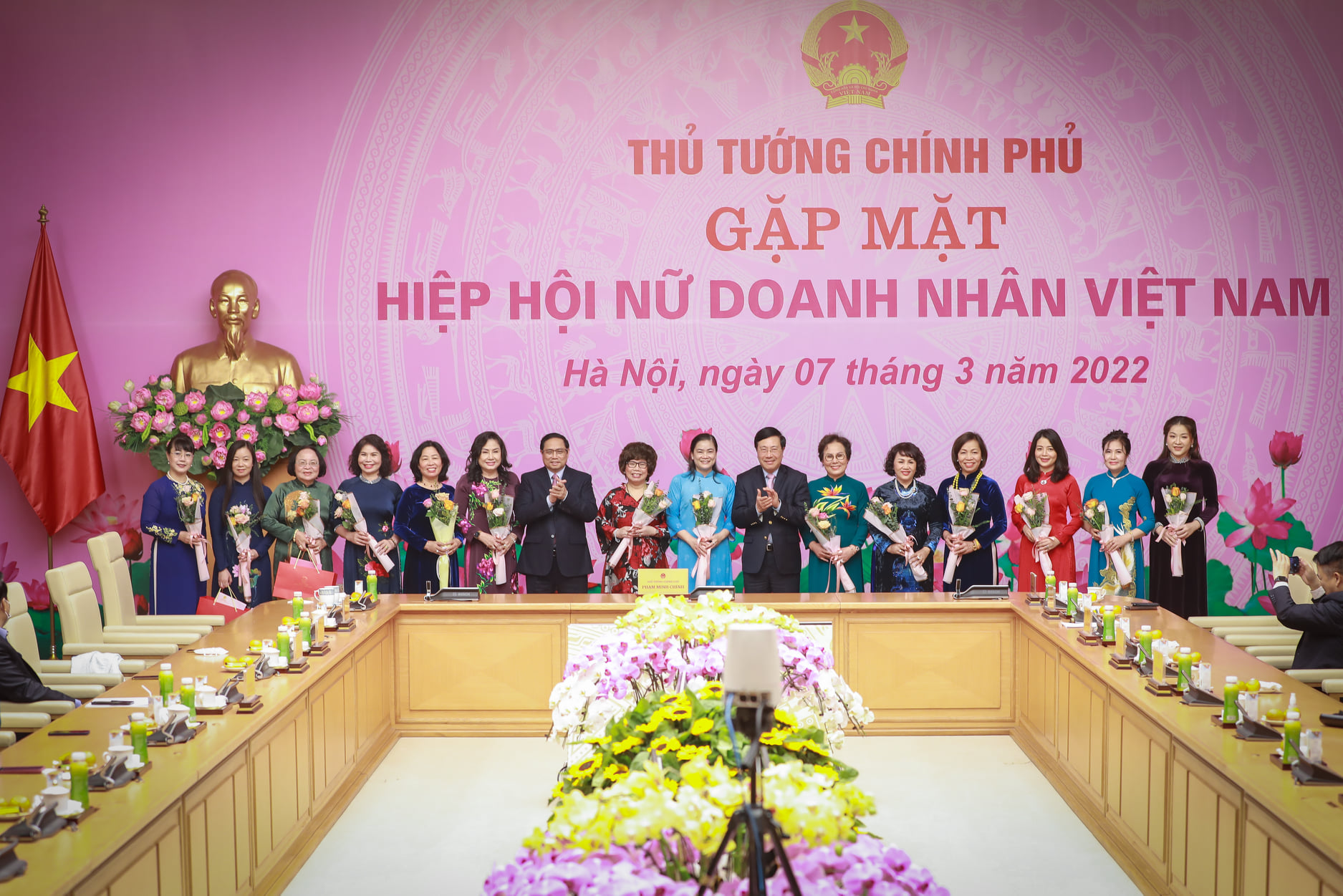
The Prime Minister presents flowers to VAWE members (Photo: VAWE)
“The pandemic broke out across the world in an unprecedented manner, so we have no experience in coping with it, but with a progressive and resolute attitude, the Party, the State and the head of the Government have made clear-sighted decisions thus gradually driving back the pandemic,” Huong said.
“And more than ever, businesses have been aware of their role and responsibility in seriously implementing the Government’s decisions and policies,” the VAWE Chairwoman stressed.
She noted that women entrepreneurs nationwide have held significant activities, for example conferences and forums to share values, help each other enhance capacity in digital transformation, corporate governance reform and response to newly arising problems. She cited as examples forums held by the Ho Chi Minh City Association of Women Entrepreneurs on leadership to create breakthrough, adaptation to the new normal situation, and surmounting life crises. The association of Hanoi women entrepreneurs has initiated a so-called diplomatic party programme linking members with embassies and international organisations. Meanwhile, the association in Hai Phong city opened a showroom for hand embroidery products, which helps provide occupational training for women with disabilities or rehabilitated women.
Marching side by side with their male peers, many members of VAWE have gained great achievements, and been honoured by noble titles and international awards, such as Labour Hero in the Doi Moi Period, 50 most powerful businesswomen for many consecutive years, Outstanding ASEAN Women Entrepreneurs, ASEAN Empowering Women Award at the World Knowledge Forum in the Republic of Korea, Asia Responsible Enterprise Awards, Stevie Award, 50 most influential women in Vietnam, and more.
Many VAWE members have also been recognized by the Government, sectors and organisations for their outstanding contributions, including Nguyen Thi Bao Hien CEO of Hien Le Group, Vice Chairwoman of VAWE and Standing Vice Chairwoman of the Business Association of Vietnamese Veterans; and Nguyen Thi Vinh, Director General of Thai Hung Trading JSC and Chairwoman of the Thai Nguyen Association of Women Entrepreneurs, who were conferred with the Vietnam Women Awards 2021 last October.
VAWE, in coordination with the Improving Private Sector Competitiveness (IPSC) project, holds a workshop on the theme “Digital leadership thinking for women entrepreneurs”. The ISPC is sponsored by USAID and the Enterprise Development Agency under the Ministry of Planning and Investment is the project’s leading agency. The workshop receives technical support from Deloitte Vietnam (Photo: VAWE)
Community sharing spirit
During the difficult period under the great impact of the pandemic, women entrepreneurs did not become discouraged or look for outside support. Instead, they proactively worked to address problems inside their businesses and at the same time took the lead in joining hands with the State and the community to fight the pandemic. They have donated to the national vaccine fund, purchased ventilators and medical supplies for the frontline forces in the pandemic fight, and opened “zero-dong” markets and charity programmes for labourers in hardship with total funding amounting to thousands of billions of dong.
As head of the VAWE, Chairwoman Thai Huong hopes that her companions continue to show their compassion, especially in the post-pandemic period.
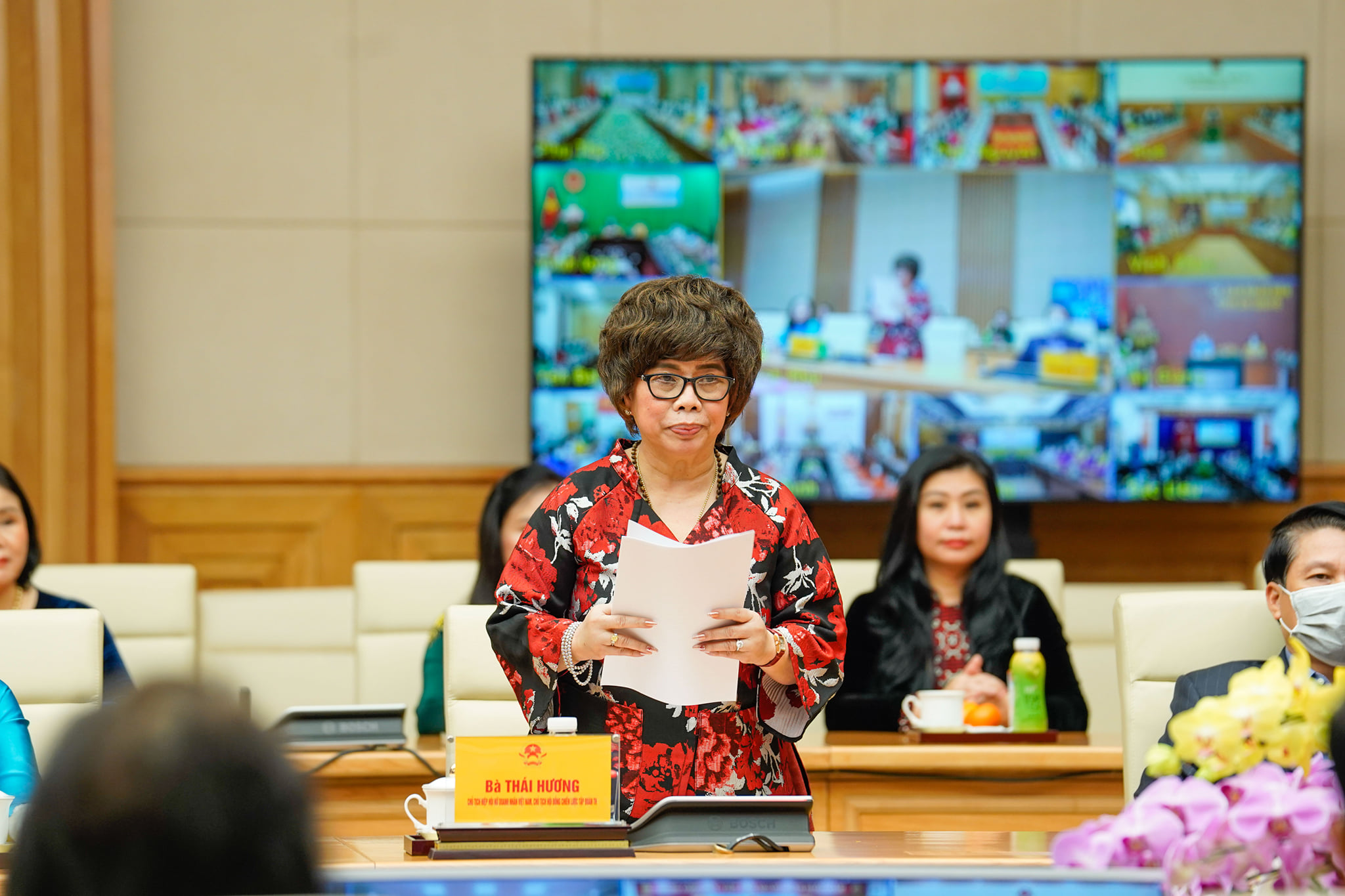
Thai Huong speaks during a meeting with the Prime Minister (Photo: VAWE)
“In family, we keep the home fires burning and help our partners and children overcome hardship. In society, we are leaders of collectives and contribute to realizing the growth target set by the Government,” she said.
Huong noted that businesswomen, especially those in the VAWE Executive Committee had initiated many significant activities during the pandemic to share difficulties with the business community and the people.
They have made contributions in the capacity of not only VAWE members but also their own firms, with total value reaching thousands of billions of dong. For example, VAWE Vice Chairwoman Nguyen Thi Nga who is chairwoman of BRG group and vice chairwoman of the SeABank donated 50 billion VND, while TH Group and Bac A Bank of Ms Thai Huong contributed hundreds of billions of dong in cash and kinds.
But according to Huong, the biggest contribution of women entrepreneurs is their compliance with the Government’s policies in the pandemic fight. Next is their efforts to ensure the livelihoods for hundreds of thousands of their employees.
“In the TH Group where I chair the Strategy Council, I have built a sustainable development strategy with five core values, with the first one being Community Health and the fifth one Harmony of Benefits. The benefits here are not only of the State, the company and consumers, but also of all species, towards sustainable development and with an emphasis on the environment,” she shared.
Thanks to those values, TH Group has stayed strong, with yearly growth constantly rising since the financial crisis in 2011. Even during the COVID-19 pandemic, the group still enjoyed two-digit growth. Along with growth, TH has always ensured that its products bring health benefit meeting the people’s needs during the time of pandemic.
Huong added that the VAWE has upheld its role in connectivity by organizing activities to help women entrepreneurs realise their potential, and foster their innovative spirit of as well as the nation’s aspiration. Besides capacity building work, the association also facilitates members’ participation in trade promotion events both in and outside the country, and promote linkages among members.
The association also held events for members to contribute feedback and recommendations to draft documents of the National Party Congress, laws and policies, while encouraging members to observe the law and fulfil their duties to the State as well as to employees.
Huong took the occasion to call on all member associations and individual members of the VAWE to work together to build a strong association and help realise the aspiration of Vietnamese women entrepreneurs.
On March 20, 2022, the Hai Phong Women’s Union held a programme entitled “Godmother” at the municipal convention centre in response to an appeal by the Vietnam Women’s Union Central Committee. At the programme, members of the Hai Phong Association of Women Entrepreneurs become benefactors for 75 orphans (Photo: VAWE)
According to Ha Thi Thu Thanh, Chairperson of Deloitte Vietnam and Vice Chairwoman of VAWE, in the 2021-2026 tenure, the association sets the target of expanding its membership and improving the quality of members by helping member businesses develop production and business activities along with promoting cooperation and linkage.
VAWE will cooperate with local chapters to build the Vietnamese corporate culture, enhance members’ leadership capacity, support community development, thus continuing to spread good values in society and contributing to national economic development.
Motivation to surmount the pandemic storm
The fight against COVID-19 has witnessed the concerted efforts of the entire political system and the drastic engagement of the Government, ministries, all-level administrations and sectors under the motto of putting people’s health and safety at the centre of all decisions and moves.
It is the Government’s hard work to care for the people and the business community that has created the motivation for businesses nationwide to sail through the pandemic storm.
Huong shared her feelings at seeing the Prime Minister in a sweat-drenched shirt inspecting pandemic prevention work in Binh Duong, waiting for reply to a call on the pandemic hotline or checking food supply for people under quarantine. She was also deeply moved by the images of medical workers, soldiers and policemen who worked round the clock in pandemic-hit areas. Such images have awakened and encouraged the business community to work harder in surmounting difficulties.
“Women entrepreneurs nationwide have held significant activities, for example conferences and forums to share values, help each other enhance capacity in digital transformation, corporate governance reform and response to newly arising problems.” Huong noted.
She highly valued the Government’s care for the business community. In August and September, 2021, the Prime Minister held two big online conferences to listen to the business community’s problems and gave timely directions to ministries and agencies to remove difficulties for the community.
The Prime Minister meets representatives from VAWE (Photo: VAWE)
“Thanks to those efforts and the unity of the entire society, the pandemic has gradually been contained. Along with other countries, Vietnam has actively rolled out a vaccination campaign against COVID-19, with 52 million doses administered so far, helping quickly reduce infections and fatalities. Vietnam’s economy is also showing good signs of gradually returning to normal,” Huong said.
She went on, “We believe that the Government headed by the Prime Minister will have suitable policies to reap benefit from the recovering trend in other countries and help the Vietnamese economy to join the world trend, step by step overcoming post-pandemic difficulties.”
“Weapon” of women entrepreneurs
2021 was a year full of great changes under the unprecedented impact of the COVID-19 pandemic. Many localities recorded a surge in COVID-19 cases, causing disruption to socio-economic activities. In just six months since the start of the fourth wave of outbreaks, the country reported nearly 900,000 cases with more than 21,000 deaths.
In such circumstances, the “steel roses” of the VAWE have made flexible transitions to adapt to the new situation and face head-on with difficulties.
At the dialogue, the entrepreneurs shared their feelings and thoughts when the country shifted from “zero COVID-19” to “safely adaptation” to the pandemic, amidst uncountable challenges to recovery. One of the issues that attracted the greatest attention was the “weapon” of women entrepreneurs to lead their firms safely through the COVID-19 storm.
“In any storm, be it in family or society, it is the strong points of women that help us avoid risks. Feelings, caring and flexibility help women entrepreneurs a lot in their business activities,” Huong said.
She recalled the time she attended the Global Summit of Women in 2017 in Japan. When asked about difficulties of female entrepreneurs, she replied that both men and women entrepreneurs share such virtues as strength, firmness, decisiveness and deep understanding. But women entrepreneurs are different in that they are forgiving, flexible and have the heart of a mother in their relations with employees, colleagues, and are calm in any situation.
She said she hopes female business leaders can keep up their optimism, compassion and sharing spirit in their work in order to surmount ups and downs in life and society, and to join hands with the Party, State and Government just like in the past period.
“It is now the time to restructure our companies, keeping strong segments and cutting weak ones. We are now in a time of hardship, but with the strength and mettle of the women entrepreneurs, we will rise above difficulties, contributing to economic growth,” Huong said, noting her belief that the goal of 3 percent GDP growth of the Government is quite feasible.
Chairwoman of TH Group’s Strategy Council (centre) and members of the Vietnam Association of Women Entrepreneurs (Photo: VietnamPlus)
Also about the weapon of female entrepreneurs, Le Thi Nam Phuong, Chairwoman of the Da Nang Association of Women Entrepreneurs, emphasized that women are persistent, careful, meticulous and understanding, which she said is very important in connecting with their teams and employees, from which they would be able to find solutions to strengthen their companies.
Looking back on the past journey with countless hardship but also full of pride, VAWE leader – entrepreneur Thai Huong affirmed that if businesses keep following the direction of sustainable development and rely on their own internal resources, they will be able to surmount any crisis. And that is also the philosophy for VAWE’s “steel roses” to stand firmly in a storm and continue to send forth their wonderful fragrance./.
В начале 2022 года городской народный комитет Хошимина принял решение о программе социально-экономического восстановления и развития города на период 2022-2025 гг., отметив, что для выполнения поставленной цели необходимо развивать город Хошимин в общем региональном планировании, связывая его с соседними населенными пунктами. Город активно ищет источники капитала для инвестирования в развитие транспортной инфраструктуры в ближайшее время для достижения этой цели.
Четвертая вспышка COVID-19 повлияла на социально-экономическую деятельность в Хошимине. В период социального дистанцирования многие проекты остановили реализацию или работали в умеренном режиме, что серьезно повлияло на график их завершения. Как только произошло отмена ограничительных мер, работы и проекты начали активизироваться и ускоряться инвесторами и подрядчиками, чтобы компенсировать время простоя. Также в срочном порядке реализуются многие проекты межрегиональной связности.
В центральной части города введен в эксплуатацию мост Тхутхием 2 с общим объемом инвестиций в 3.900 млрд. донгов, в рамках формирования полной транспортной системы, связывающей Восточный регион с существующим центром города на западном берегу реки Сайгон.
Cầu Thủ Thiêm 2 TPHCM.
Еще одним положительным моментом является то, что проект метро Бентхань-Шуойтиен достиг выполнения 90,31% работ от общего объема. Последние два поезда из 17 поездов проекта метро Бентхань-Шуойтиен были получены в мае 2022 года. Это было важное событие, когда все 17 поездов были доставлены в депо Лонгбинь, знаменуя собой переход к этапу подготовки к пробному запуску.
* Транспортные связи для восстановления региона
Супермаркет Saigon Co.op в районе Говап, Хошимин обеспечивсает стабильную поставку товаров. (Фото: ВИА)
Являясь социально-экономическим центром южного региона, Хошимин имеет связи с населенными пунктами в регионе для развития. Социально-экономические решения по восстановлению и развитию увязывают роль и положение города с региональными связями, помещают его в масштабы всей страны и способствуют эффективной реализации государственной социально-экономической программы восстановления и развития.
В настоящее время Хошимин и его населенные пункты реализуют множество проектов по созданию автомагистралей, чтобы эффективно соединить цепочку поставок товаров между городом Хошимин с провинциями в южной ключевой экономической зоне. Хошимин, Лонг-ан, Биньзыонг, Донгнай активно внедряют процедуры для проекта третьей Кольцевой дороги Хошимина.
Завершенные и сданные в эксплуатацию дорожные проекты придали развитию города дополнительный импульс. Тем не менее, город по-прежнему нуждается в больших ресурсах для инвестиций в развитие дорожного движения, и не только для Хошимина, но и всего региона, чтобы восстановиться и развиваться в социально-экономическом отношении.
* Поиск ресурсов
В плане развития транспортной инфраструктуры города Хошимин в период 2021 – 2025 гг., с видением до 2030 г. требуется более 900.000 млрд. донгов для реализации дорожных проектов в период с 2021 по 2030 год. Однако годовой инвестиционный капитал для инфраструктуры ограничен, особенно из-за воздействия эпидемии COVID-19, поэтому город пытается найти и организовать источники капитала для развития транспортных работ.
Председатель городского комитета Хошимина Фан Ван Май сообщил, что город активно разработал и опубликовал Программу социально-экономического развития и восстановления на период 2022-2025 годов, чтобы обеспечить срочные и целенаправленные решения для восстановления пострадавших отраслей экономики и социально-культурной деятельности.
В настоящее время центральное правительство увеличило ставку бюджетного регулирования с 18% до 21% для Хошимина, что станет источником капитала для инвестиций в развитие в предстоящий период. Хошимин и провинции Биньзыонг, Донгнай и Лонг-ан пытаются завершить процедуры и готовы реализовать проект 3-й Кольцевой дороги Хошимина. Что касается капиталовложений местного бюджета в этот проект, населенные пункты продемонстрировали свою приверженность выделению достаточного капитала для реализации проекта в соответствии с графиком.
По словам экономиста Чан Зу Литя (члена Экономической консультативной группы премьер-министра), при наличии хорошего механизма мобилизации капитала к 2030 году можно завершить транспортные проекты региональной значимости, и тогда населенные пункты будут вносить большой вклад в национальный бюджет.
По словам г-на Чан Куанг Лама, директора городского департамента транспорта в Хошимине поощрение привлечения инвестиций из источников вне государственного бюджета в соответствии с законом очень необходимо и должно быть проведено в ближайшее время. Департамент транспорта также рассмотрел и составил список проектов транспортной отрасли, которые, как ожидается, потребуют инвестиций в период 2021–2025 годов, и предложил городскому народному комитету механизмы, политику и планы по мобилизации инвестиционных средств, а также для выполнения срочных проектов в период 2021-2030 гг.
Город также будет использовать доходы от специального механизма, предусмотренного резолюцией 54 Национального собрания и новых правил для Хошимина, например, в отношении платы за пользование инфраструктурой; акционирования государственных предприятий; доходов от землепользования; продажи государственного имущества центральных органов города; изменения использования земли для посевов…
Город Хошимин пытается найти ресурсы для инвестиций в транспортные проекты, устраняя «узкие места» в развитии. Южная ключевая экономическая зона ждет «толчка» от транспортной инфраструктуры, чтобы «проложить путь» региону к социально-экономическому подъему и развитию, главным драйвером которого будет Хошимин в ближайшие годы./.
Hanoi (VNA) – Ho Chi Minh City is implementing a programme that seeks to restore capital resources for investment in transport infrastructure to drive socio-economic recovery and growth for 2022 – 2025.
The fourth wave of COVID-19 came as a severe blow to the southern economic hub. Reopening has meant that work has sped up on a host of projects which had been worked on slowly or postponed throughout the pandemic. In addition, many programmes for regional connectivity have gone ahead.
The Thu Thiem 2 bridge project has opened, completing the transport link between downtown and the city’s eastern districts. The project comes at a cost of 3.9 trillion VND (168.17 million USD).
The Thu Thiem 2 bridge in downtown HCM City
The Ben Thanh – Suoi Tien metro project is another highlighted project that is 90.31 percent complete. The last two of a total 17 trains docked in May this year. The train cars were then brought to the Long Binh depot, marking a transition to the preparation phase for testing on the long-awaited elevated (or L-train) line in the city.
* Regional connectivity for recovery
The Saigon Co.op supermarket in HCM City’s Go Vap distric supplies abundant goods to people (Photo: VNA)
As a socio-economic hub in the southern region, HCM City boasts connectivity for development with regional provinces and cities. The connectivity is considered an important solution to economic recovery.
Currently, the city and other localities in the southern key economic region are implementing a variety of highway projects in order to effectively connect goods supply chains. Notably, the city’s Ring Road 3 project is moving forward, linking the hub with the neighbouring provinces of Long An, Binh Duong, and Dong Nai.
A fully operational traffic network charts the course for the city’s economic recovery. However, a great number of resources are still required to invest in transport development not only for HCM City but for the entire region to recover and grow socially and economically.
Exploitation of resources
In its transport infrastructure development plan for 2021 – 2025 with a vision to 2030, HCM City needs more than 900 trillion VND in the 2021 – 2030 period. However, due to COVID-19 there has been limited annual investment in infrastructure. The city is endeavouring to find and arrange capital sources to fund the development of the remaining traffic networks.
According to Chairman of the municipal People’s Committee Phan Van Mai, the local recovery programme for 2022-2025 aims to lay out urgent solutions to alleviate disruptions in economic recovery.
The Government has increased the budget distribution rate for HCM City from 18 to 21 percent. This represents a significant source of capital for development investment in the coming period.
According to economist Tran Du Lich, a member of the Prime Minister’s economic advisory group, if there is a good capital mobilisation mechanism, it is possible for the region to complete its transportation network by 2030. In turn, this will allow localities in the region to make a great contribution to the national budget.
According to Tran Quang Lam, Director of the municipal Department of Transport, seeking out funding apart from the state budget is very necessary and should be promoted in the coming time.
The southern hub also plans to capitalise on revenue sources using the specific mechanism for the city in the National Assembly’s Resolution No. 54 and new regulations for the city regarding fees to use infrastructure. The city also plans to generate funds from the equitisation of state-owned enterprises, revenue from land use, and sales of public properties, among other sources.
HCM City is sparing no effort to secure resources to fund transport development; and the southern key economic region is waiting for ‘a push’ from traffic projects, mostly driven by the city, to pave the way for its socio-economic recovery and growth in years to come./.
Début 2022, le Comité populaire de Ho Chi Minh-Ville a promulgué une décision sur le Programme de relance et de développement socio-économique de la ville pour la période 2022 – 2025.
Pour le rétablissement socio-économique comme l’objectif fixé, il est nécessaire d’introduire Ho Chi Minh -Ville dans la planification globale de la Zone économique clé du Sud, en association avec les localités voisines. Pour atteindre cet objectif, la ville est dynamique dans la recherche de sources de capitaux pour investir dans le développement des infrastructures de transport.
La 4e vague de l’épidémie de COVID-19 a gravement affecté les activités socio-économiques de la ville. Pendant la période de distanciation sociale, de nombreux projets ont dû s’arrêter ou ralentir son rythme. Après la maîtrise de l’épidémie, les investisseurs et les maîtres d’ouvrages ont rapidement accéléré les travaux et les projets pour rattraper le temps perdu. De nombreux projets de connectivité interrégionale sont également mis en œuvre avec rapidité.
Le pont Thu Thiem 2 d’une longueur de près de 1,5 km avec six voies, au-dessus de la rivière Saigon, considérée comme un nouveau symbole de Ho Chi Minh-Ville, a été officiellement ouvert à la circulation le 28 avril. L’ouvrage contribue à compléter le réseau de circulation de l’axe principal de Ho Chi Minh-Ville et à relier le centre-ville à la nouvelle zone urbaine de Thu Thiem.
Cầu Thủ Thiêm 2 TPHCM.
Pour le projet de ligne de métro Ben Thanh – Suoi Tien, environ 90% de ses travaux sont achevés. Les deux dernières rames sur le total de 17 ont également été livrées en mai 2022. La ligne de métro Ben Thanh-Suoi Tien fera 19,7 km de long et comprendra 14 stations avec trois souterraines et 11 surélevées. Le projet bénéficie d’aides publiques au développement du Japon.
*
Connexion pour la relance régionale
Siêu thị Saigon Co.op, quận Gò Vấp, Thành phố Hồ Chí Minh cung ứng hàng hóa dồi dào cho người dân. Ảnh TTXVN
Pour l’heure, Ho Chi Minh-Ville et les localités mettent en œuvre de nombreux projets d’autoroutes afin de connecter efficacement la chaîne d’approvisionnement des marchandises entre Ho Chi Minh-Ville et les provinces de la Zone économique clé du Sud.
En particulier, Ho Chi Minh-Ville, Long An, Binh Duong, Dong Nai accélèrent les procédures pour la réalisation de la 3e ceinture péripérique de Ho Chi Minh-Ville.
De nouveaux ouvrages de transport ont donné un nouvel élan à la ville après la pandémie. Cependant, la ville a encore besoin d’une grande ressource pour investir dans le développement du transport, non seulement pour la ville mais aussi pour toute la région.
Exploiter des ressources
Dans son plan de développement des infrastructures du transport, pour la période 2021-2025, vision d’ici 2030, Ho Chi Minh-Ville nécessitera plus de 900.000 milliards de dongs.
Selon le président du Comité populaire municipal, Phan Van Mai, la ville a activement élaboré et publié le Programme de relance socio-économique pour la période 2022 – 2025 afin de fournir des solutions urgentes et primordiales pour relancer son économie et restaurer ses activités socio-culturelles.
Actuellement, le taux de régulation budgétaire de Ho Chi Minh-Ville a été porté de 18% à 21%, c’est un fonds d’investissement dans le développement de la ville dans la prochaine période. Ho Chi Minh-Ville et les provinces de Binh Duong, Dong Nai et Long An remplissent toutes les formalités pour la mise en œuvre du projet de la 3e ceinture péripérique.
Selon Tran Quang Lam, directeur du Service du transport de Ho Chi Minh-Ville, l’appel à des investissements hors du budget de l’État est nécessaire et devrait être accéléré. Le Service a également dressé une liste des projets d’appel à l’investissement pour la période 2021-2025 et a proposé des mécanismes, des politiques et des plans pour mobiliser des fonds pour les projets urgents pour la période 2021-2030 auprès du Comité populaire municipal.
Ho Chi Minh-Ville exploitera également les ressources, conformément au mécanisme spécifique mentionné par la Résolution 54 de l’Assemblée nationale ainsi que de nouvelles réglementations telles que frais d’utilisation des infrastructures, actionarisation des entreprises publiques, revenus de l’utilisation foncière, vente de biens publics d’agences publiques…
Pour l’heure, Ho Chi Minh-Ville s’efforce de trouver des ressources pour investir dans les infrastructures de transport, de relever les obstacles dans le développement. La Zone économique clé du Sud attend une “impulsion” des projets de transport pour “ouvrir la voie” à sa reprise et son développement socio-économiques, avec Ho Chi Minh-Ville comme le moteur dans les années à venir./.
El Comité Popular de Ciudad Ho Chi Minh emitió a principios del año el programa de recuperación y desarrollo socioeconómico en el período 2022 – 2025, enfocado en la mejora del sistema de transporte interregional.
Con el fin de materializar el proyecto, la metrópoli ha promovido los planes de atracción de capitales para invertir en el desarrollo de la infraestructura de transporte clave.
Tras el estallido de la cuarta y peor ola de la pandemia de la COVID-19, tan pronto cuando se reabrieron las actividades socioeconómicas en Ciudad Ho Chi Minh, inversores y contratistas restauraron y aceleraron las obras y proyectos, incluidos los planes de conectividad interregional.
Entre ellos, sobresale el proyecto del puente Thu Thiem 2, con inversión de casi 170 millones de dólares, que busca conectar el centro de la ciudad con el Este del río Saigón.
El puente Thu Thiem 2 en Ciudad Ho Chi Minh
Otro punto sobresaliente en el desarrollo de la infraestructura de transporte en la urbe constituye la obra del metro Ben Thanh – Suoi Tien, que cumplió hasta la fecha el 90,31 por ciento del plan trazado. Una vez finalizada, la línea, con una inversión total de casi 25 mil millones de dólares, contará con una longitud de unos 220 kilómetros.
* Promover la conexión interregional, impulsar recuperación y desarrollo socioeconómico
Supermercado Saigon Co.op, distrito de Go Vap, Ciudad Ho Chi Minh
Como centro socioeconómico del Sur de Vietnam, Ciudad Ho Chi Minh posee estrechas conexiones con otras localidades vecinas y juega un importante papel en la estrategia de recuperación regional, en contribución a la implementación efectiva del programa de desarrollo del país post-COVID-19.
Actualmente, se han impulsado una serie de proyectos viales para conectar de manera efectiva la cadena de suministro de bienes entre Ciudad Ho Chi Minh con otras provincias meridionales, especialmente el plan de la carretera de circunvalación 3 que conecta la urbe con las localidades de Long An, Binh Duong y Dong Nai.
Las obras de tráfico finalizadas y puestas en servicio han dado un nuevo impulso a la mayor urbe vietnamita en el proceso de recuperación económica.
Sin embargo, la ciudad aún necesita grandes recursos para invertir en el desarrollo del tráfico, con el fin de impulsar el desarrollo armonioso de toda la región sureña, donde se ubican importantes parques industriales del país.
* Aprovechar los recursos de inversión en desarrollo de infraestructura
En el plan de desarrollo de la infraestructura vial de Ciudad Ho Chi Minh en el periodo 2021 – 2025, con visión a 2030, la metrópoli necesita más de 39,1 mil millones de dólares para el desarrollo de las obras de tráfico en la próxima década.
Sin embargo, el capital de inversión anual para ese sector de la ciudad aún es limitado, especialmente en el contexto del impacto de la pandemia; por lo tanto, la urbe se ha esforzado por diversificar las fuentes de capital para el desarrollo de los proyectos de tránsito.
Según el presidente del Comité Popular municipal, Phan Van Mai, el programa de recuperación y desarrollo socioeconómico en el período 2022 – 2025 apunta a brindar soluciones urgentes y enfocadas para restaurar la cadena de producción y servicios, retomando paso a paso la normalidad.
Informó que el gobierno central aumentó la tasa de la regulación presupuestaria del 18 al 21 por ciento, equivalente a casi 261 millones de dólares, para la inversión en desarrollo de la urbe sureña en el próximo período.
En tanto, el economista Tran Du Lich, miembro del Grupo Asesor Económico del Primer Ministro de Vietnam, puntualizó que si se implementa efectivamente el mecanismo de movilización de capital, es posible completar hasta 2030 el proyecto de mejora del sistema de transporte en la región sureña, contribuyendo de este modo a la recaudación del presupuesto nacional.
Por otra parte, Tran Quang Lam, director del Departamento de Transporte de Ciudad Ho Chi Minh, señaló la importancia de promover diferentes fuentes de inversiones de conformidad con la ley, en el contexto de que se reporta una alta demanda de capital para el desarrollo económico en la etapa pospandémica.
Las autoridades de Ciudad Ho Chi Minh están tratando de encontrar recursos para invertir en la infraestructura de tráfico, eliminando los “cuellos de botella” en el desarrollo. La región económica clave del Sur espera un “empuje” de los proyectos de tráfico para “allanar el camino” a la recuperación y el desarrollo socioeconómico de la región, con Ciudad Ho Chi Minh como fuerza motriz./.
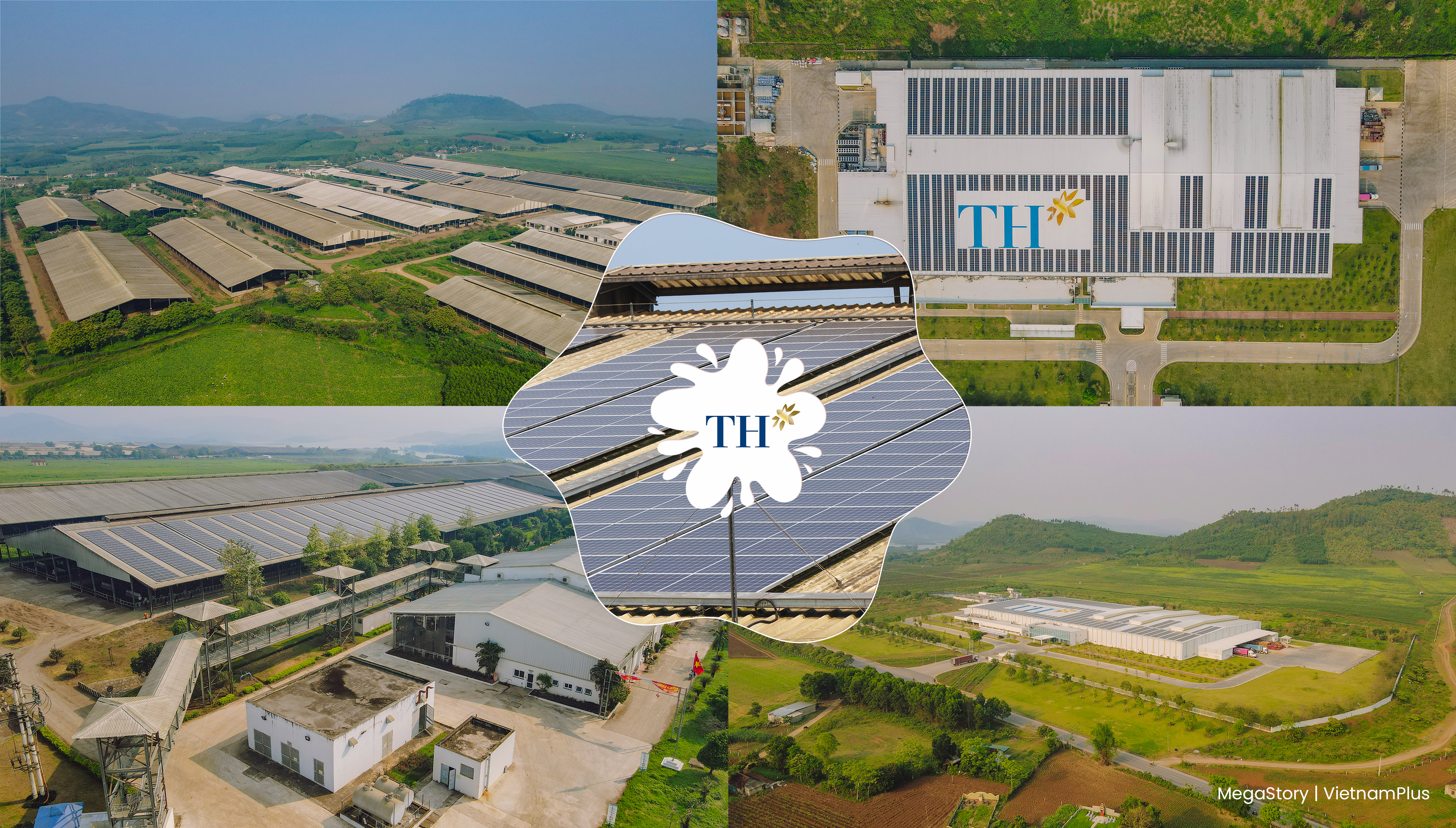
Với việc tạo ra “nguồn điện xanh” từ hệ thống pin năng lượng Mặt Trời trên những mái nhà Cụm trang trại chăn nuôi bò sữa khép kín quy mô lớn nhất thế giới và các nhà máy tại Nghệ An, Tập đoàn TH tiếp tục kiên định với tôn chỉ “trân quý Mẹ Thiên nhiên,” để hiện thực hóa Chiến lược phát triển kinh tế xanh, bền vững, vừa giúp tiết kiệm chi phí sản xuất, vừa góp phần đảm bảo an ninh năng lượng quốc gia, bảo vệ môi trường…
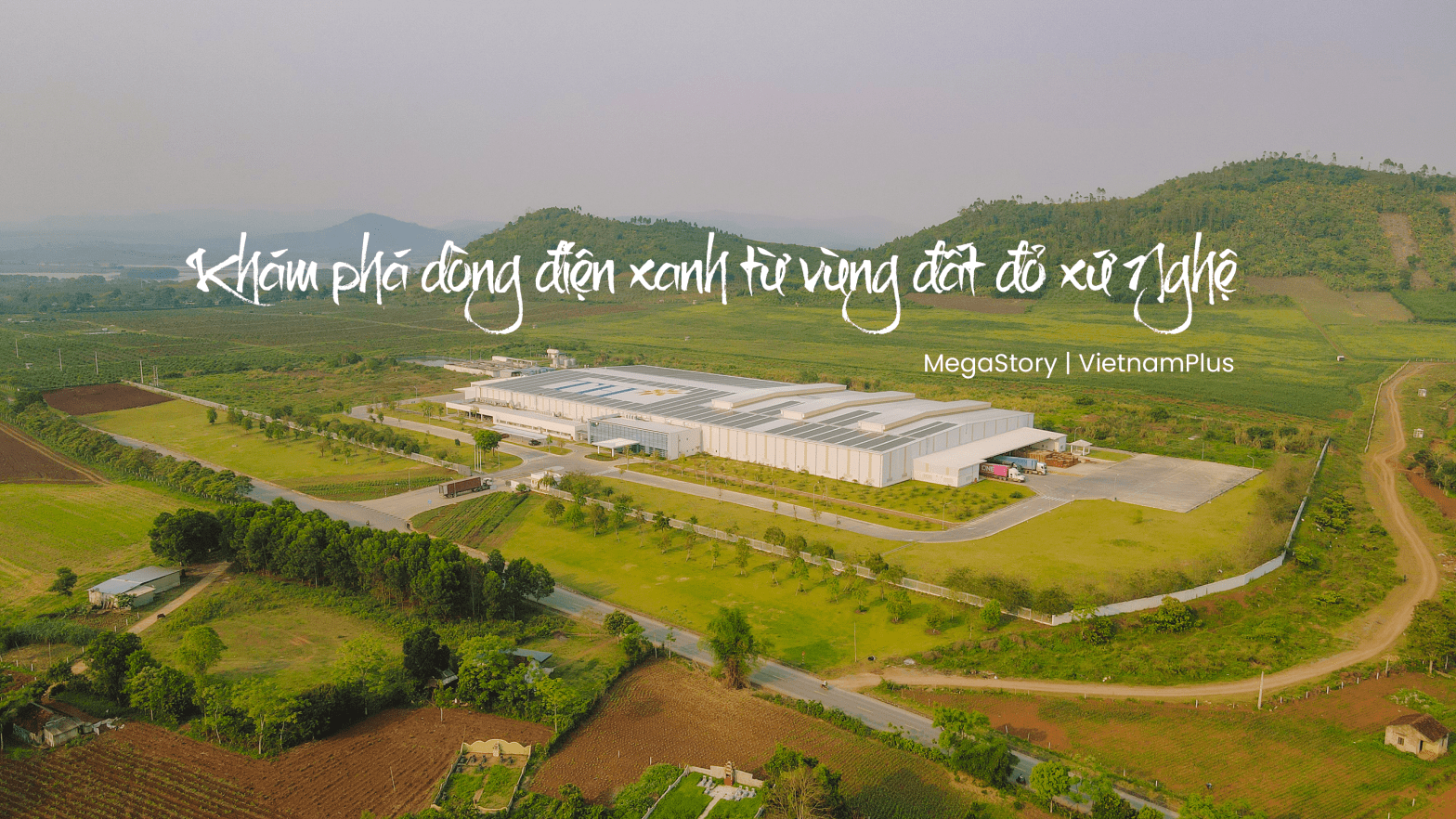
Chúng tôi tới huyện Nghĩa Đàn – vùng cao nguyên đất đỏ Phủ Quỳ đúng vào những ngày thời tiết ở trên toàn tỉnh Nghệ An được dự báo đang dần vào độ oi ả. Cái cảm giác nắng nóng của vùng “chảo lửa” miền Trung dễ khiến người ta khó chịu. Ấy thế mà, đến thăm Cụm trang trại bò sữa tập trung ứng dụng công nghệ cao với quy trình sản xuất khép kín quy mô lớn nhất thế giới của Tập đoàn TH (do Liên minh Kỷ lục Thế giới World Records Union chứng nhận năm 2020), đứng dưới những mái nhà được phủ kín lớp pin năng lượng Mặt Trời rộng lớn, cánh nhà báo chúng tôi vẫn phải mặc thêm chiếc áo khoác mỏng bởi sự dịu mát như tiết trời mùa Xuân.
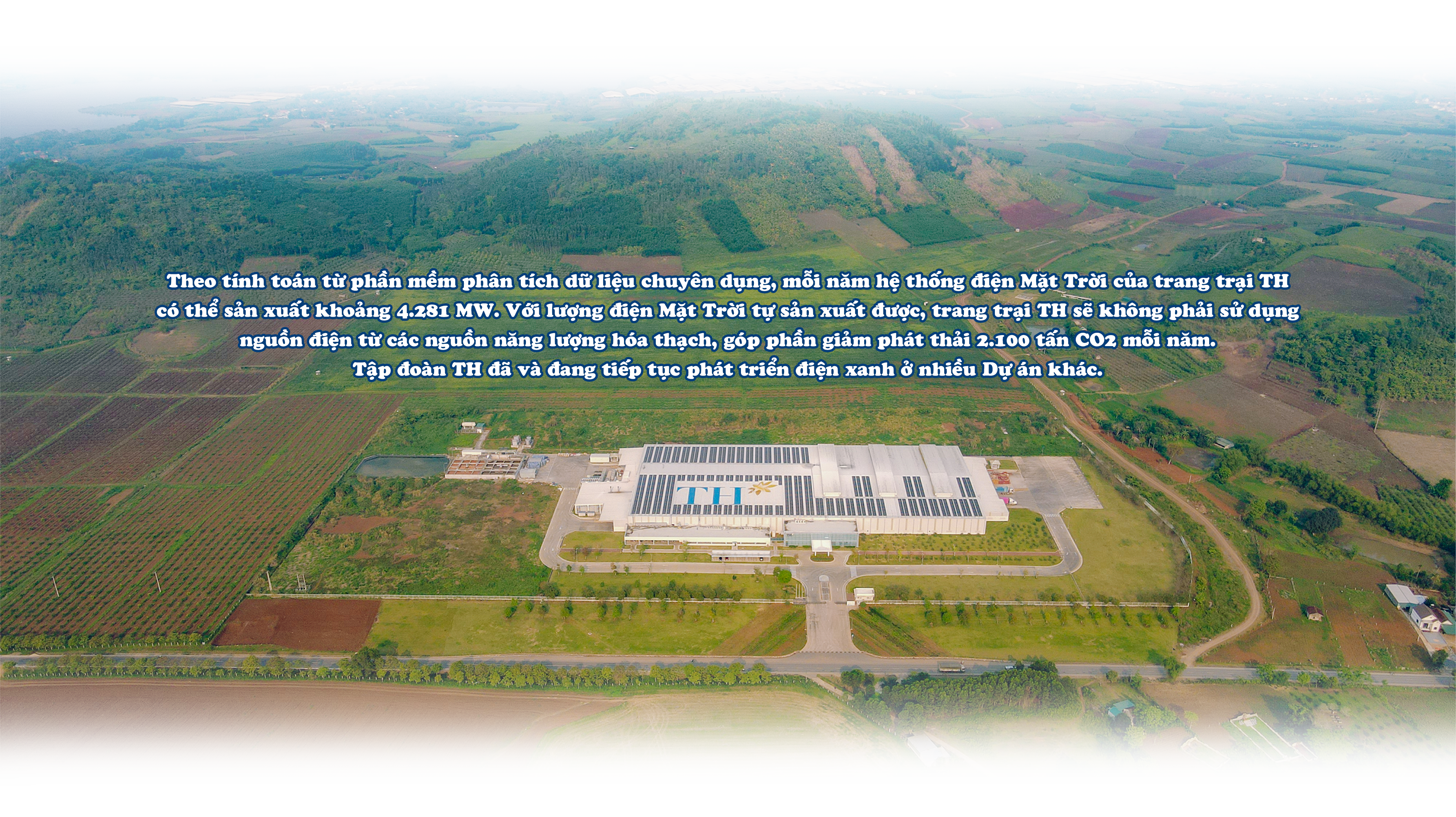
Nghệ An được biết đến là địa phương nóng nhất cả nước. Cũng bởi tác động từ nắng nóng có những thời điểm lên tới trên 42 độ C, nhiều năm qua, không ít khu vực của địa phương này thường xuyên bị quá tải điện lưới do nhu cầu tiêu thụ điện tăng cao. Từ năm 2020, Tập đoàn TH đã đầu tư hệ thống pin năng lượng Mặt Trời ngay trên những mái nhà của cụm trang trại, nhằm tạo ra “nguồn điện xanh” phục vụ cho nhu cầu sản xuất của tập đoàn. Tới giai đoạn năm 2022, Tập đoàn TH có 8 dự án điện Mặt Trời áp mái, bao phủ trên khắp các mái nhà của Nhà máy sữa TH; Nhà máy gỗ của công ty Lâm nghiệp Tháng Năm (May Forestry); Nhà máy nước tinh khiết, thảo dược và hoa quả Núi Tiên, và 5 trong số 9 trang trại bò sữa TH tại Nghệ An, với tổng quy mô công suất lắp đặt trên 9 MW.
Cho đến nay, toàn bộ hệ thống pin sản xuất điện Mặt Trời lắp đặt trên những mái trang trại, nhà máy của Tập đoàn TH tại huyện Nghĩa Đàn, tỉnh Nghệ An đã hòa lưới điện quốc gia. Nguồn điện xanh, sạch hoàn toàn từ thiên nhiên này đã đáp ứng phần lớn nhu cầu tiêu thụ điện của toàn trang trại TH.
Đặc biệt, hệ thống điện Mặt Trời trên các mái nhà của trang trại TH còn vận hành như một lớp cản nhiệt, làm dịu mát hơn những mái trang trại, tạo môi trường sống mát mẻ, khỏe mạnh cho đàn bò sữa gần 70.000 con – cung cấp dòng sữa tươi chất lượng cao làm nên thương hiệu sữa tươi sạch TH true MILK…
Ngoài ra, trang trại TH tại Phú Yên cũng đã lắp đặt hệ thống pin Mặt Trời. Đặc biệt, Nhà máy mía đường Nghệ An (NASU, thành viên của Tập đoàn TH), từ nhiều năm nay cũng đã tham gia vào sản xuất điện từ bã mía. Theo đó, lượng bã mía từ quá trình ép mía lấy đường được đưa vào làm nhiên liệu sản xuất hơi. Khí hơi với áp suất cao từ quá trình đốt lò sẽ đẩy tuabin quay và chạy máy phát điện, không chỉ đáp ứng nhu cầu sản xuất của nhà máy mà còn được bán cho lưới điện quốc gia.
Dẫn chúng tôi lên thăm hệ thống điện Mặt Trời được lắp đặt như “chiếc ô khổng lồ” ngay trên mái Nhà máy nước tinh khiết, thảo dược và hoa quả Núi Tiên, lãnh đạo nhà máy chia sẻ: Đón đầu xu hướng của thế giới, dưới sự dẫn dắt của nữ doanh nhân Thái Hương, Anh hùng Lao động thời kỳ đổi mới, Tập đoàn TH đã phát huy lợi thế để phát triển hệ thống năng lượng tái tạo. Lợi thế sẵn có đầu tiên của TH là mặt bằng các mái chuồng có diện tích lớn. Điều kiện môi trường ở đây cũng rất thuận lợi cho việc lắp đặt và khai thác điện Mặt Trời. Lợi thế thứ 2 là TH luôn sẵn sàng áp dụng công nghệ hiện đại nhất trong lĩnh vực này để tối ưu hóa chi phí và nguồn lực.
Từ sự nhạy bén trong đầu tư phát triển “dòng điện xanh” bằng năng lượng Mặt Trời, kết hợp với ứng dụng công nghệ cao, đưa khoa học công nghệ và khoa học quản trị hiện đại hàng đầu thế giới vào chăn nuôi, sản xuất, cho thấy “tăng trưởng xanh” không còn là những mỹ từ trên giấy mà Tập đoàn TH đã hiện thực hóa vào thực tế – từ cách thức trồng trọt, chăn nuôi, xây dựng và quản lý trang trại cho tới đầu tư sản xuất, tiêu thụ năng lượng… Một nền kinh tế xanh đang thực sự chuyển động giữa vùng đất đỏ của miền Tây xứ Nghệ!
Ấn tượng hơn, với việc tạo ra “dòng điện xanh” từ nguồn năng lượng Mặt Trời tự sản xuất được, Tập đoàn TH đã ghi thêm dấu ấn khi tiên phong tham gia hưởng ứng Chương trình quốc gia về sử dụng năng lượng tiết kiệm và hiệu quả giai đoạn 2019-2030 của Chính phủ, nhằm tiết kiệm sử dụng năng lượng hóa thạch, góp phần bảo vệ môi trường cho đất nước. Không phải ngẫu nhiên mà tại Hội nghị Thượng đỉnh khí hậu COP26 diễn ra ở Vương quốc Anh hồi tháng 10/2021, Thủ tướng Phạm Minh Chính đã khẳng định: “Việt Nam là một nước có lợi thế về năng lượng tái tạo sẽ xây dựng và triển khai các biện pháp giảm phát thải khí nhà kính mạnh mẽ bằng nguồn lực của chính mình cùng với sự hợp tác và hỗ trợ của cộng đồng quốc tế, nhất là các nước đang phát triển kể cả tài chính và chuyển giao công nghệ, trong đó, thực hiện các cơ chế theo Thỏa thuận Paris, để đạt mức phát thải ròng bằng ‘0’ vào năm 2050.”
Thực tế, với sự khẳng định của Thủ tướng Chính phủ Phạm Minh Chính tại Hội nghị Thượng đỉnh khí hậu COP26, những tuyên bố hết sức mạnh mẽ của Việt Nam là có cơ sở và đã được thế giới đánh giá rất cao. Bởi theo kịch bản phát thải trong điều kiện phát triển thông thường (BAU) của Việt Nam, đến 2050, tổng lượng phát thải khí nhà kính của Việt Nam được dự báo sẽ đạt mức 1.495,4 triệu tấn CO2tđ, trong đó năng lượng là 1.210 triệu tấn CO2tđ (chiếm 81%), LULUCF giảm chiếm 4%, nông nghiệp chiếm 10%. Do vậy, năng lượng sẽ là ngành quyết định về tổng lượng phát thải và mục tiêu phát thải ròng bằng “0” của Việt Nam.
Theo phó giáo sư, tiến sỹ Huỳnh Thị Lan Hương – Phó Viện trưởng Viện Khoa học Khí tượng thủy văn và Biến đổi khí hậu (Bộ Tài nguyên và Môi trường), hiện nay, xu hướng dịch chuyển năng lượng đang diễn ra rất rõ ràng, đặc biệt trong ba lĩnh vực vận tải, dân dụng và sản xuất. Việt Nam cũng đã gửi Ban Thư ký của Liên hợp quốc về biến đổi khí hậu bản Báo cáo cập nhật Đóng góp do quốc gia tự quyết định (NDC cập nhật) vào tháng 9/2020, phê duyệt Chiến lược quốc gia về tăng trưởng xanh. Ngoài ra, Quy hoạch điện 8 đang ở trong giai đoạn xin ý kiến để hoàn thiện, Chiến lược quốc gia về biến đổi khí hậu cũng đang trong giai đoạn xây dựng.
Cho đến nay, việc các doanh nghiệp lớn như Tập đoàn TH tham gia hưởng ứng Chương trình quốc gia về sử dụng năng lượng tiết kiệm và hiệu quả giai đoạn 2019-2030 của Chính phủ, có thể tin tưởng rằng Việt Nam hoàn toàn có thể đa dạng hoá các nguồn cung năng lượng, đảm bảo an ninh năng lượng quốc gia, hoàn thành mục tiêu phát thải ròng bằng “0” vào năm 2050 như Thủ tướng Chính phủ đã cam kết với quốc tế.
Riêng với TH, xu hướng phát triển xanh như việc tự tạo ra “nguồn điện sạch” thay thế các nguồn năng lượng hóa thạch, góp phần bảo vệ môi trường đồng thời giúp đa dạng hoá các nguồn cung năng lượng, đảm bảo an ninh năng lượng quốc gia, càng khẳng định uy tín và tầm vóc của doanh nghiệp Việt trong hội nhập quốc tế.
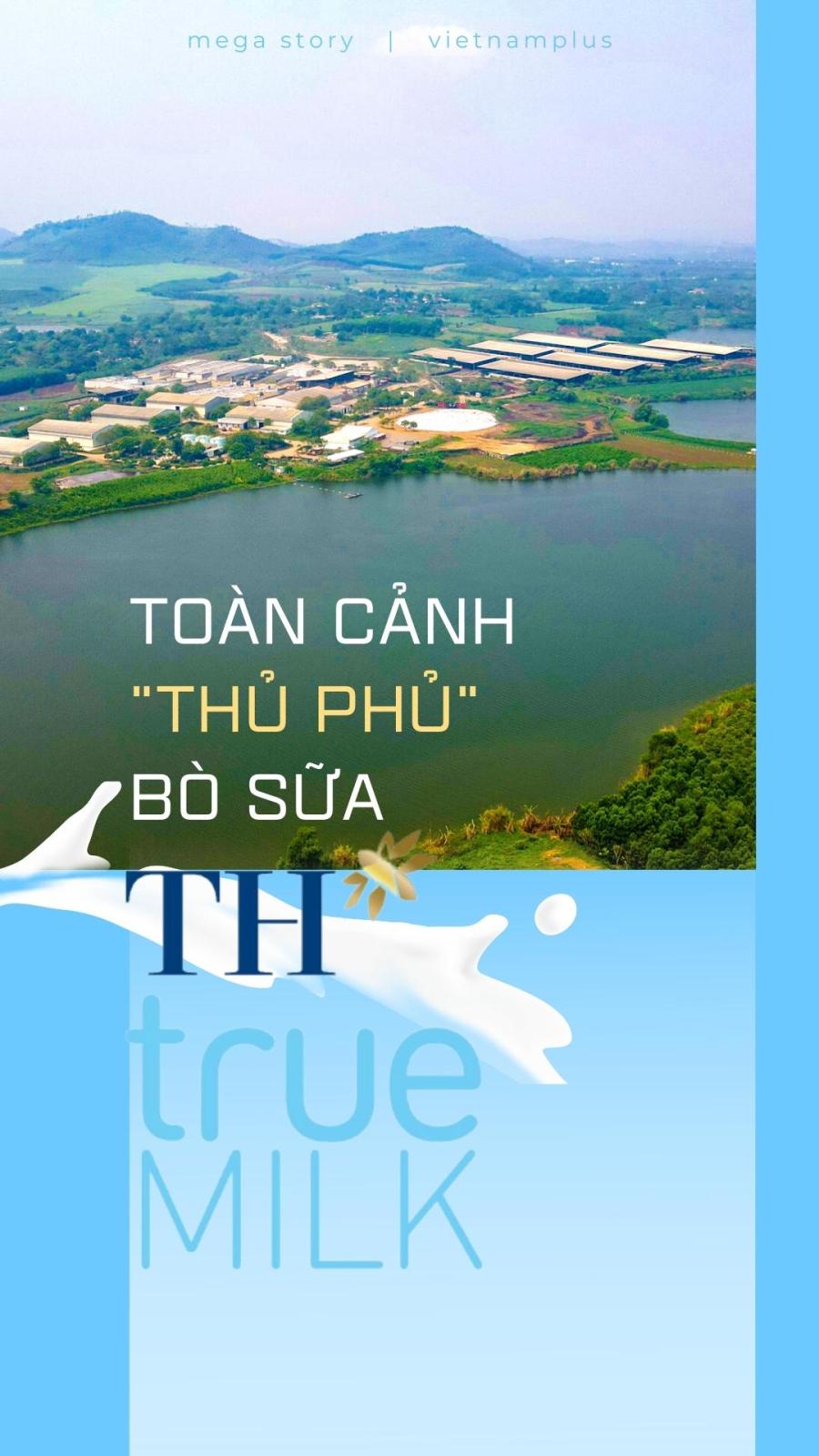
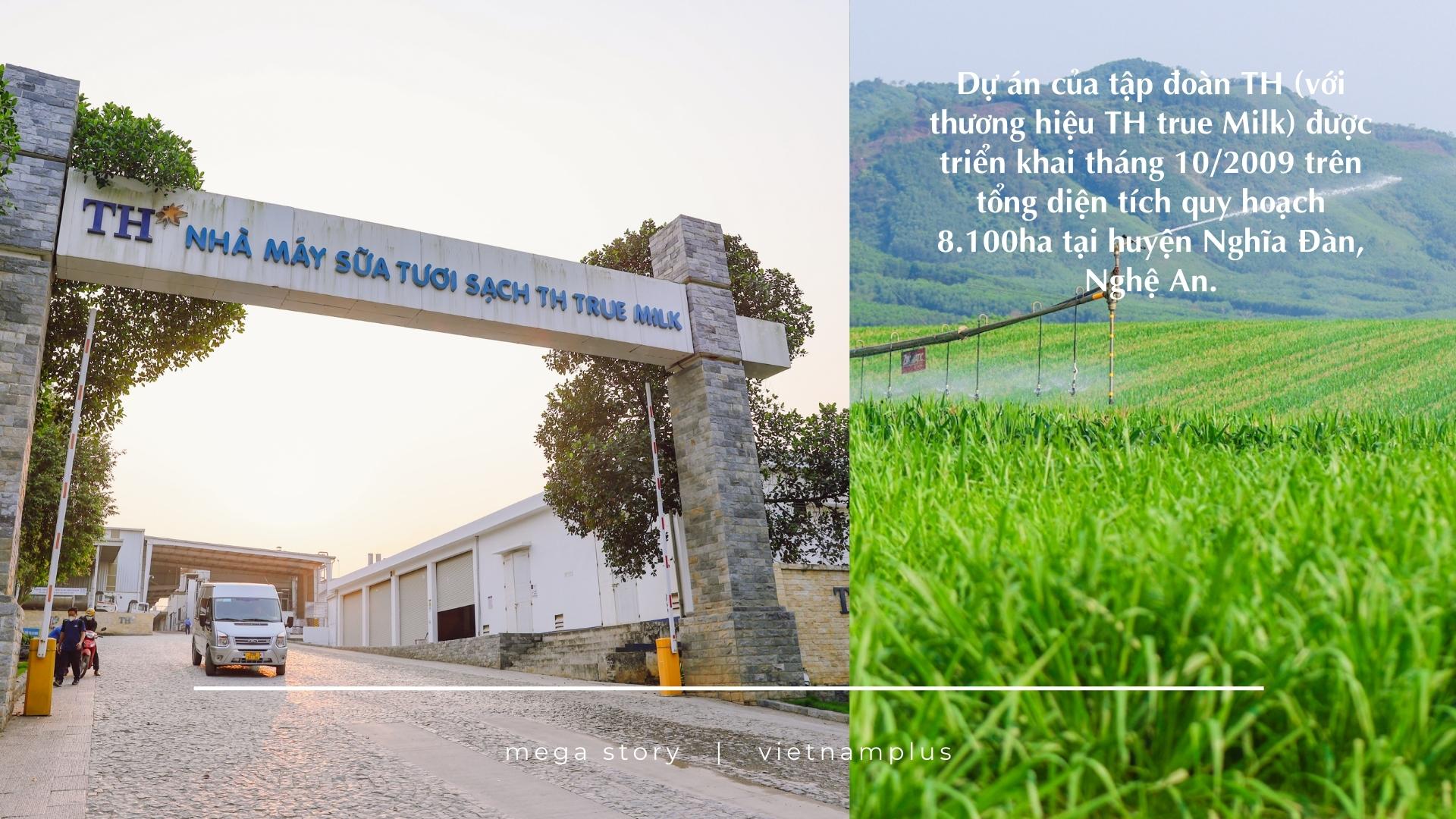
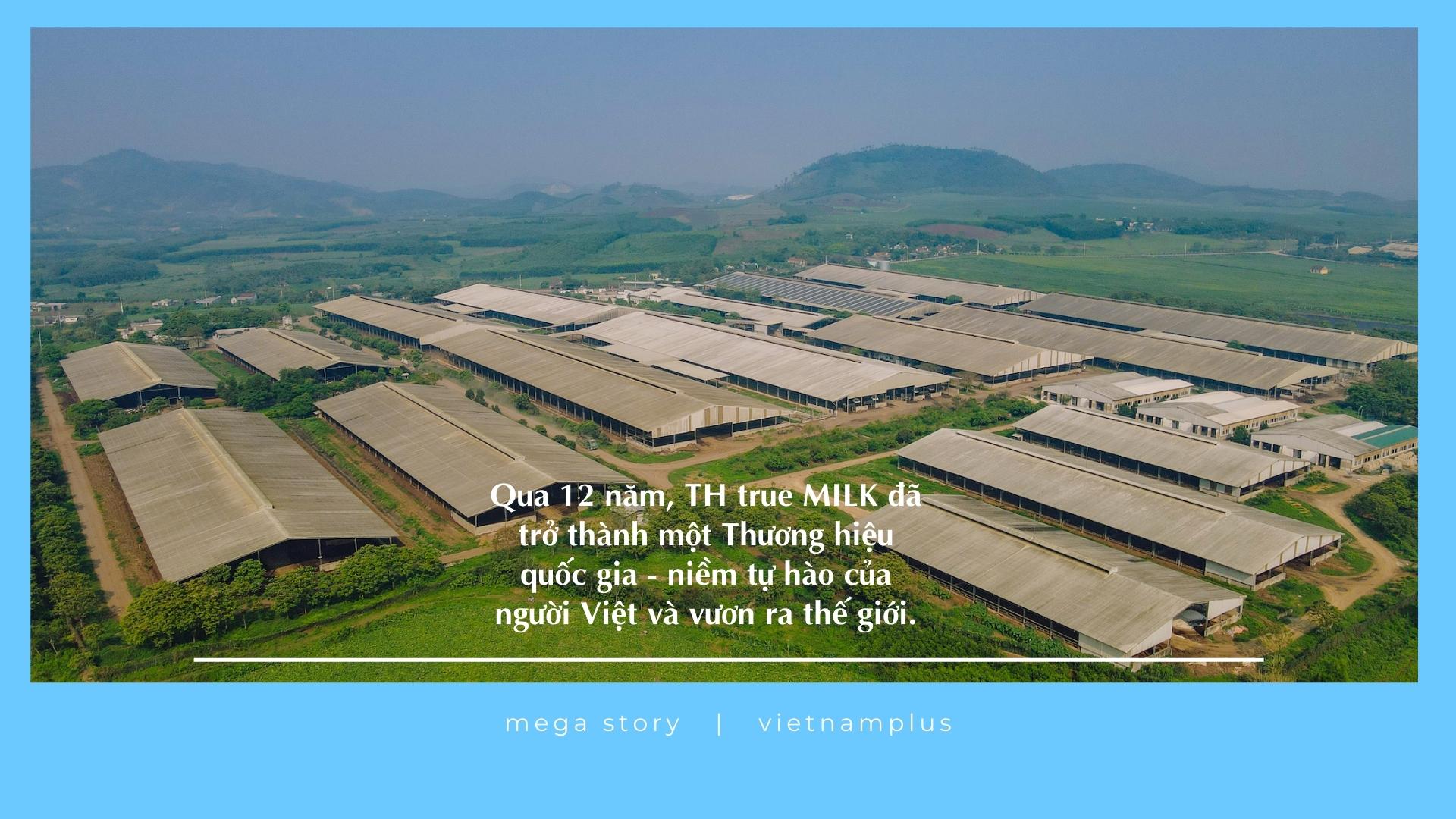
Cụm Trang trại của tập đoàn TH tại Nghĩa Đàn (Nghệ An) đạt kỷ lục với cánh đồng trồng nguyên liệu nuôi bò và một nhà máy sản xuất chế biến sữa tươi sạch công suất 500 triệu lít sữa/năm. Dự án của tập đoàn TH (với thương hiệu TH True Milk) được triển khai tháng 10/2009 trên tổng diện tích quy hoạch 8.100ha tại huyện Nghĩa Đàn, Nghệ An với tổng vốn đầu tư trên 1,2 tỷ USD.
Dự án “Chăn nuôi bò sữa và chế biến sữa tập trung quy mô công nghiệp công nghệ cao” do Tập đoàn TH triển khai dưới sự tư vấn đầu tư của Ngân hàng thương mại cổ phần Bắc Á được triển khai từ tháng 10 năm 2009 với tổng vốn đầu tư 1,2 tỷ USD.
Cụm trang trại đầu tiên được khởi dựng tại Nghĩa Đàn – Nghệ An, tới nay đã hoàn thành và đi vào vận hành 3 cụm trại, gồm 9 trang trại, số lượng bò sữa tiệm cận 70.000 con.
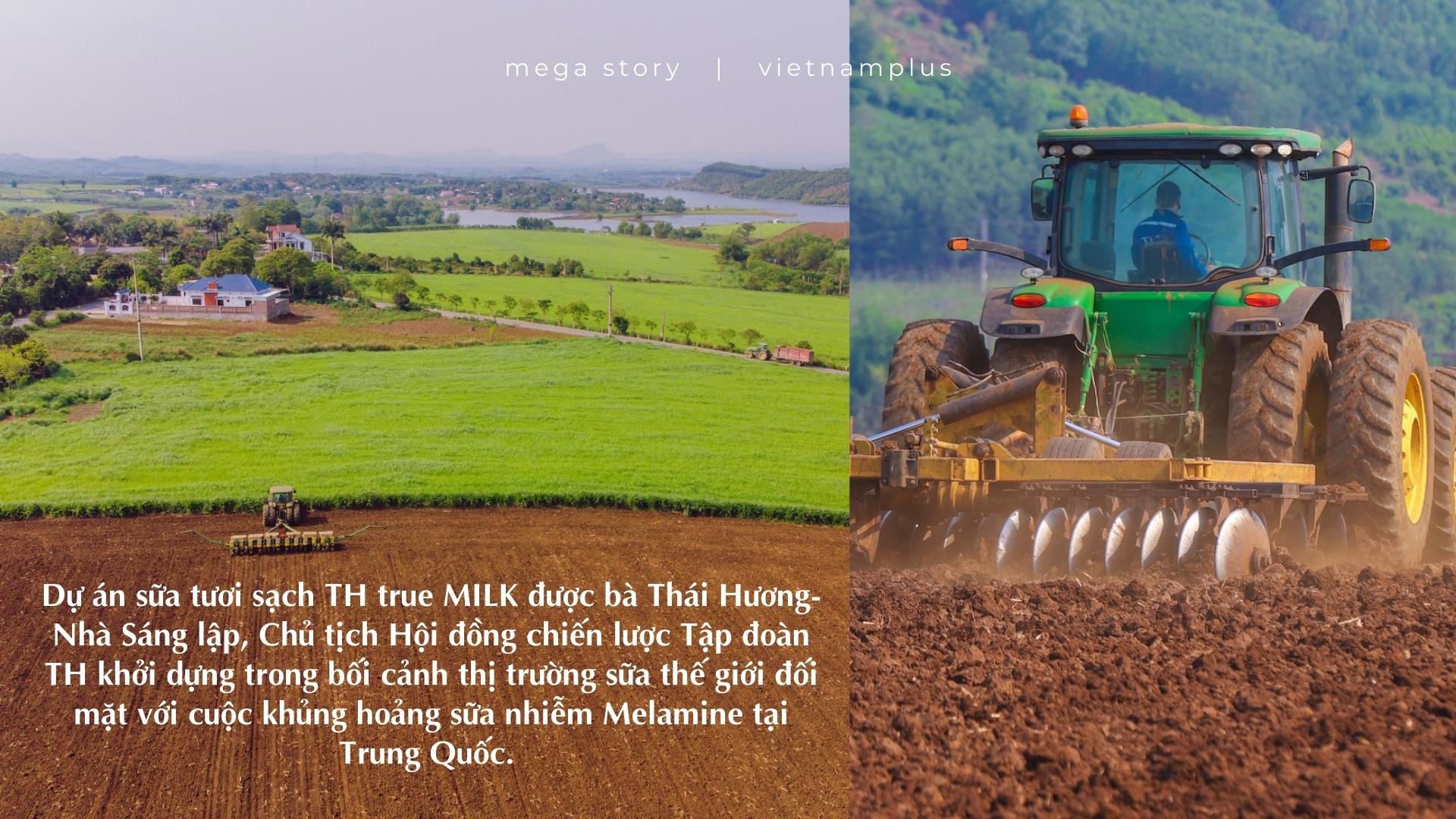
Dự án sữa với thương hiệu chủ đạo là sữa tươi sạch TH true MILK được bà Thái Hương- Nhà Sáng lập, Chủ tịch Hội đồng chiến lược tập đoàn TH khởi dựng trong bối cảnh thị trường sữa thế giới đối mặt với cuộc khủng hoảng sữa nhiễm Melamine tại Trung Quốc. Cùng với đó thị trường sữa Việt Nam có hơn 500 nhãn hiệu sữa và các quy định ghi nhãn sữa chưa minh bạch, 92% sản phẩm sữa nước trên thị trường là sữa bột pha lại.
Qua 12 năm, TH true MILK đã trở thành một Thương hiệu quốc gia – niềm tự hào của người Việt và vươn ra thế giới, đứng đầu thị trường trong phân khúc sữa tươi với thị phần lên tới 45%. Sự vào cuộc của TH góp phần giảm tỷ lệ sữa bột pha lại trên thị trường xuống mức dưới 60%, minh bạch thị trường sữa.
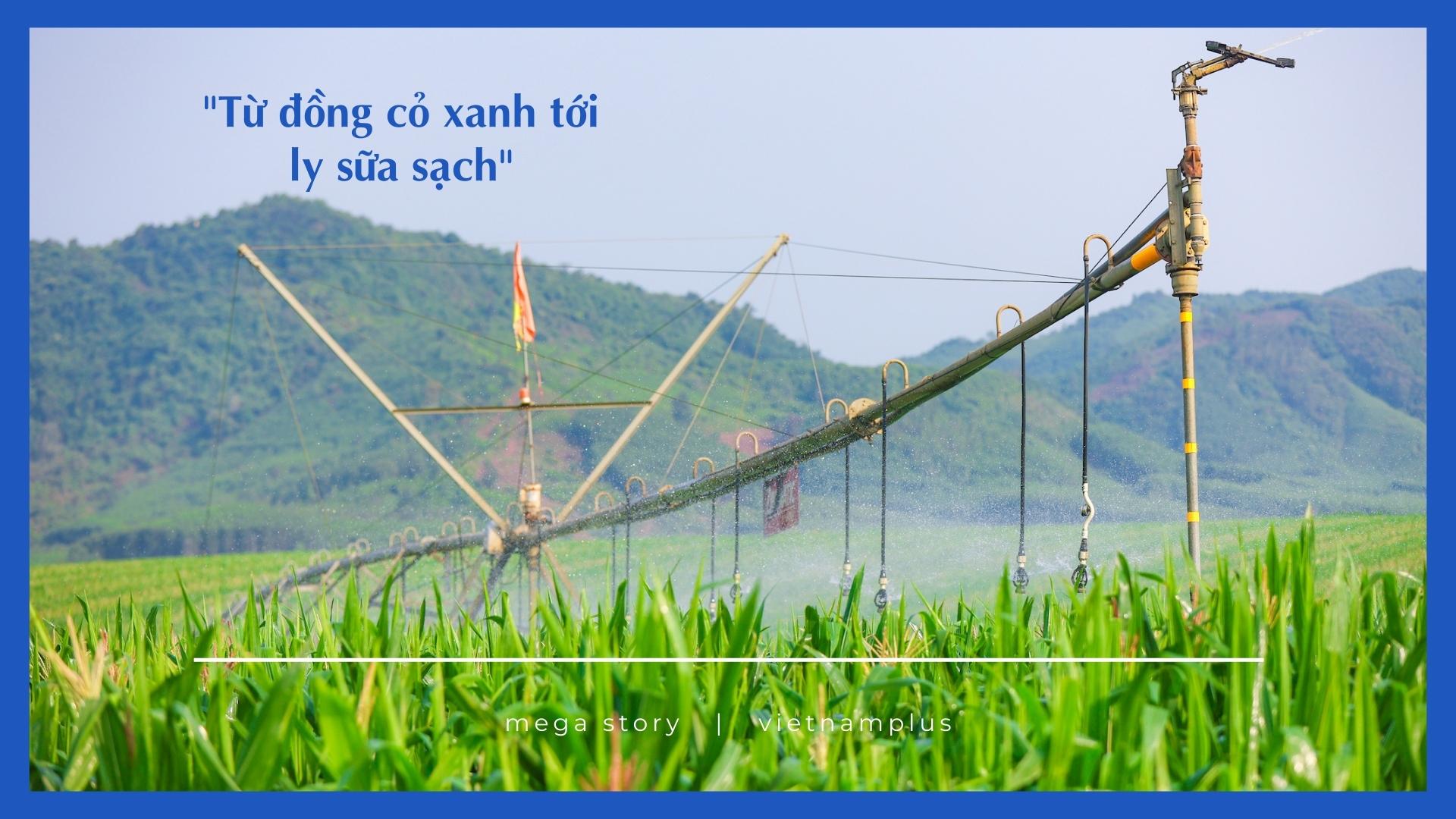
Với tiêu chí “Sữa tươi sạch là con đường duy nhất,” TH đã áp dụng một chu trình khép kín ứng dụng công nghệ hiện đại, đầu cuối của thế giới trong chăn nuôi bò sữa tập trung theo chuỗi sản xuất “từ đồng cỏ xanh tới ly sữa sạch” để cho ra đời dòng sữa tươi sạch TH true MILK đạt tiêu chuẩn quốc tế.
Bằng việc tự động hóa, ứng dụng công nghệ cao, công nghệ 4.0 một cách mẫu mực trong sản xuất nông nghiệp và chế biến, Tập đoàn TH đã tạo ra dòng sữa tươi sạch mát lành, chất lượng…
Năm 2020, Trang trại TH đã được Liên minh Kỷ lục Thế giới (World Records Union) chứng nhận đạt kỷ lục “Cụm trang trại chăn nuôi và chế biến sữa công nghệ cao khép kín lớn nhất thế giới.”
Trong các hạng mục của cụm Trang trại bò sữa TH đạt kỷ lục thế giới có cánh đồng trồng cỏ Mombasa- nguyên liệu thô xanh cho đàn bò sữa với diện tích lên tới 2000 ha và nhiều cánh đồng khác trồng các loại ngô, cao lương, hướng dương,..
Chỉ trong khoảng hơn 12 năm, vùng đất khắc nghiệt ở huyện Nghĩa Đàn, tỉnh Nghệ An đã được phủ xanh bằng những cánh đồng hoa hướng dương, đồng cỏ, cao lương bạt ngàn của trang trại TH.
Cánh đồng cỏ áp dụng nhiều khoa học kỹ thuật tiên tiến như máy làm đất, gieo hạt và thu hoạch cỡ lớn có năng suất làm việc bằng 800 người làm thủ công.
Chất lượng đất cũng được các kĩ sư nông nghiệp chú trọng vì ảnh hưởng rất lớn tới chất lượng nông sản – thức ăn chủ yếu cho bò sữa.
Các loại máy móc hiện đại được TH đầu tư giúp tăng năng suất trên những cánh đồng mẫu lớn. TH cũng đầu tư những cỗ máy tưới nước tự động dài từ 250m đến 550 m.
Mảnh đất Nghĩa Đàn khắc nghiệt đã đổi thay khoác lên mình chiếc áo xanh mướt. Đây là thành quả không chỉ của TH mà còn từ bàn tay của những người dân nơi đây.
Anh Nguyễn Lê Thăng, Phó Giám đốc Công ty AgriTech của TH cho biết, công việc phun tưới mà lẽ ra phải cần đến cả ngàn người giờ đây chỉ có một cánh tay tưới nhiều khớp, có thể nối dài đến 550m đảm trách toàn bộ.
Theo anh Thăng, tất cả đều được vận hành bởi công nghệ. “Cánh tay tưới này cũng giống như các hệ thống tự động khác của TH, đều có thể điều khiển từ xa, qua điện thoại hoặc thậm chí là tự động vận hành. Hệ thống vi tính sẽ tính toán độ ẩm và tiến hành phun nước. Thậm chí, nếu bánh xe gặp vật cản, cánh tay sẽ co lại, hoặc nâng lên và vòi phun từ cánh tay bên cạnh sẽ điều hướng nước về phía cánh tay bị liệt để tưới giúp”.
Cánh đồng hoa hướng dương tại trang trại TH cũng là địa điểm du lịch nổi tiếng nằm trên thuộc tỉnh Nghệ An. Tập đoàn TH trồng hướng dương làm nguồn nguyên liệu thức ăn cho đàn bò, nhưng chỉ sau một thời gian ngắn vẻ đẹp rực rỡ của cánh đồng hướng dương lớn nhất Việt Nam đã thu hút hàng trăm nghìn lượt khách du lịch đến với trang trại TH để tham quan chụp ảnh.
Cánh đồng hoa hướng dương bạt ngàn này lại là một trong những nguyên liệu trong thực đơn dành cho bò sữa của TH.
Cây hoa hướng dương sau khi thu hoạch sẽ được cắt nhỏ, ủ lên men để làm thức ăn cho bò. Theo kỹ sư của trang trại, hoa hướng dương có lượng protein cao hơn từ 6-16% so với ngô và cỏ. Việc trồng luân canh hướng dương cũng sẽ giúp phòng trừ sâu bệnh cho các loại cây trồng khác.
Mỗi chiếc xe cắt ngô, cỏ hay hướng dương trị giá 700.000 USD (khoảng 1,5 tỷ đồng), có thể thay thế cho sức làm việc của 800 thanh niên lực lưỡng với công suất 1 tấn cỏ/phút.
Toàn bộ thức ăn thô xanh sau khi thu hoạch được chở luôn tới nhà máy chế biến thức ăn chăn nuôi của TH.
Chị Vy Thu Hằng, Giám đốc Trung tâm Thức ăn và Dinh dưỡng cho biết, để phục vụ cho đàn bò sữa quy mô lớn này, mỗi ngày hai nhà máy chế biến phải sản xuất và phối trộn khoảng 1.600 tấn thức ăn (trên tổng công suất 2.000 tấn), toàn bộ thực hiện bằng máy móc hiện đại và điều khiển thông qua hệ thống máy vi tính.
Thức ăn và nước uống là hai trong số những yếu tố quan trọng nhất để quyết định đến chất lượng sữa bò. Chính vì thế mà, ở trang trại TH, nước uống cho bò được lọc qua hệ thống máy móc hiện đại nhập từ Hà Lan. Mỗi cụm trại đều có một nhà máy xử lý nước sạch để cung cấp nước uống, tắm mát cho bò sữa.
Quy trình xử lý nước thải và phân bò cũng được chú trọng hết sức nhằm đảm bảo vệ sinh môi trường. TH cũng sở hữu riêng một nhà máy chuyên xử lý nước thải và phân bò nằm trong khu vực trang trại.
Các cô bò sữa trong trang trại luôn được chăm sóc trong điều kiện mát tự nhiên. Mỗi chuồng được thiết kế không gian cho chính xác 500 con bò trú ngụ.
Những cô bò sữa sống dưới các chuồng trại lợp tôn lạnh 3 lớp, có quạt gió, hệ thống phun sương làm mát… Chúng được nghe các bản nhạc cổ điển, dân ca mỗi ngày. Bò sữa tại trang trại TH chủ yếu là bò cao sản thuần chủng HF, được nhập khẩu từ các nước có nguồn giống tốt, cho năng suất sữa cao, chất lượng như New Zealand, Mỹ…
Công nghệ vắt sữa dạng kín, không cho sữa tiếp xúc với không khí là yếu tố quan trọng kiểm soát chất lượng sữa. Đây là điều khác biệt lớn giữa mô hình chăn nuôi công nghiệp và chăn nuôi bò sữa nông hộ. Hiện năng suất sữa trung bình của mỗi cô bò khoảng hơn 36 lít sữa/ngày (chia ra nhiều lần vắt); cá biệt có cô bò có thể cho đến 60 lít sữa/ngày. Mùa đông là mùa có năng suất sữa cao hơn so với mùa hè.
Nhà máy sản xuất chế biến sữa tươi sạch có công suất thiết kế hơn 500 triệu lít sữa/năm, lớn nhất và hiện đại nhất châu Á cả về quy mô lẫn công nghệ. Các thiết bị hiện đại nhập khẩu từ châu Âu, toàn bộ hệ thống vận hành thực hiện theo tiêu chuẩn ISO 9001 và ISO 22000.
Kể từ khi ra mắt người tiêu dùng năm 2010, với triết lý xuyên suốt “Trân quý Mẹ Thiên nhiên, người sẽ cho mình tất thảy”, hơn 12 năm qua, Tập đoàn TH không ngừng tiên phong thúc đẩy nền nông nghiệp công nghệ cao, nông nghiệp sạch, nông nghiệp hữu cơ Việt Nam.
Tâp đoàn TH cũng đơn vị đầu tiên tại Việt Nam thực hiện chuyển đổi một phần đồng cỏ, đàn bò sang chăn nuôi organic (hữu cơ) để sản xuất sữa tươi organic theo tiêu chuẩn Châu Âu.
Quy trình “organic hóa” một cách bài bản đối với đàn bò sữa nuôi tại đồng đất Việt Nam được thực hiện ngay từ năm 2015 và đến giữa 2017, sau những nỗ lực bền bỉ, Control Union – đơn vị chứng nhận hữu cơ uy tín trên thế giới đã cấp giấy chứng nhận châu Âu EC 834-2007, EC 889-2008 cho trang trại bò sữa hữu cơ của TH. Điều này xác nhận TH đáp ứng các tiêu chuẩn hữu cơ trên toàn bộ chuỗi sản xuất từ giống bò, nguồn thức ăn, nguồn nước đến các điều kiện tự nhiên như khí hậu, môi trường.