Primavera de 1979:

Desde Hanoi, el fotógrafo Tran Tuan atravesó Truong Son (Sierra Larga) para participar en la guerra contra Estados Unidos. Pocos años después de la liberación del sur, y de la reunificación nacional en 1975,  llegó al extremo norte del país en 1979 para unirse a la defensa de la frontera ante los ataques de las fuerzas chinas, apoyadas por centenares de tanques, vehículos blindados, y cañones.  

Para las generaciones de hoy, su largo viaje es como un documental sobre la vida de un combatiente que consagró su juventud y su vida a la causa revolucionaria del pueblo, en particular a la garantía de la divulgación de las informaciones e imágenes desde los campos de batalla a la Agencia Vietnamita de Noticias (VNA).    

Las fotos capturadas por Tran Tuan en medio del fuego y los bombardeos son obras históricas que reflejan las hazañas y el espíritu indomable del ejército y el pueblo vietnamita, así como exponen los crímenes de los enemigos.   

Después de cuatro décadas con incontables vaivenes en la vida, ese soldado-reportero guarda intactos en la mente los recuerdos de aquella primavera de 1979 en la frontera norteña de la Patria.     Son momentos que ningún vietnamita puede olvidar.    

Tran Tuan nos cuenta sus recuerdos en la siguiente entrevista.

Son momentos que ningún vietnamita puede olvidar.

“La vida en un hilo”

Pregunta: ¿Cuáles fueron sus pensamientos cuando fue reclutado para la defensa de la frontera septentrional en 1979 como corresponsal de guerra?  

Respuesta: Fueron momentos inolvidables, y creo que ningún vietnamita los debe olvidar.  

Ante los enfrentamientos desde 1978 entre el ejército vietnamita y las fuerzas en el otro lado de la frontera, nosotros los reporteros estábamos listos para viajar al campo de batalla. A finales de 1978, después de que el compañero Quang Trieu (fotoperiodista de la VNA) fue hospitalizado, la agencia inmediatamente me encargó la continuación de su trabajo. Entonces la provincia de Quang Ninh era uno de los centros de mayor complejidad.  

A mediados de febrero de 1979, el pescador Nguyen Dinh Phuc fue asesinado a balazos por un barco desconocido cuando faenaba en el mar de Tra Co. Cuando llegué al escenario, noté la presencia de numerosos reporteros extranjeros. Después, los boletines transmitidos consecuentemente por la VNA y otras agencias noticiosas en el mundo revelaron al público nacional e internacional la naturaleza del acontecimiento, exponiendo el crimen del enemigo al asesinar a un inocente. Entonces, una oleada de agitación se expandió por toda la sociedad. 
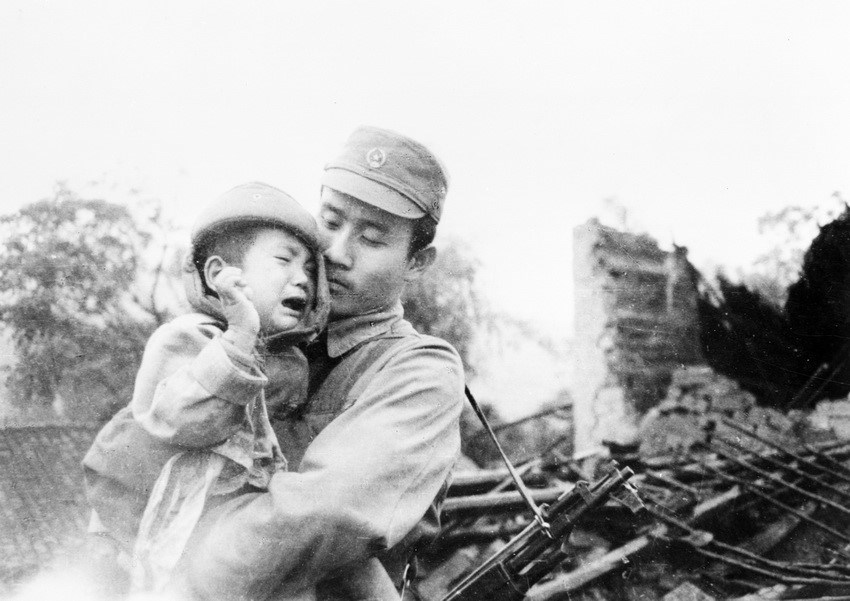
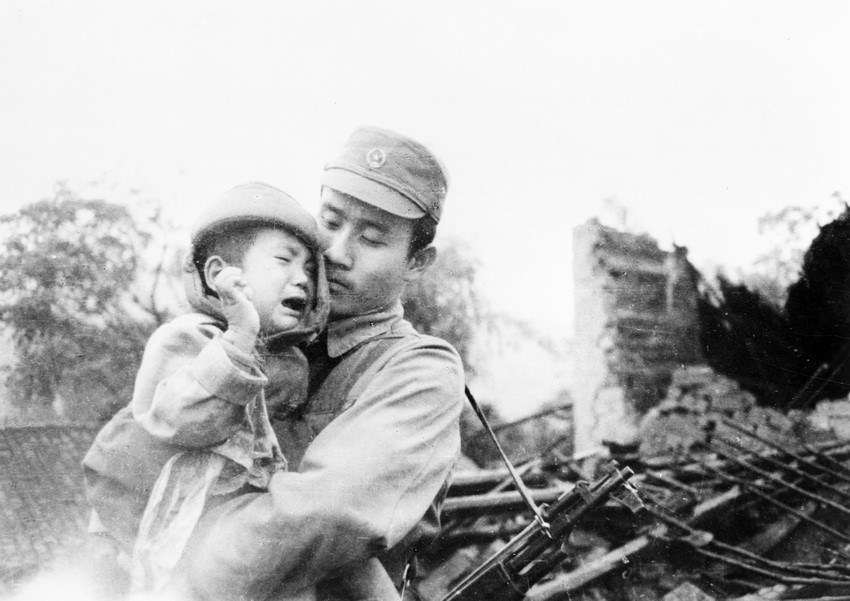
El guardia fronterizo Ngo Duy Nhung salva a este niño de las ruinas en un abrir y cerrar de ojos

Después de ese acontecimiento, fui trasladado al frente de Cao Bang-Lang Son. Las constantes movilizaciones me hicieron entender que la guerra estaba muy cerca. La historia, de nuevo, puso en prueba a nuestro pueblo. Estuve orgulloso de mi trabajo, pero a cierto nivel no quise ser corresponsal de guerra. No porque me diera miedo la muerte, sino porque mi tierra natal, mi Patria, de nuevo, se convertirían en un campo de batalla, y la sangre de mis compatriotas seguiría perdiéndose.    

La madrugada del 17 de febrero de 1979, un conflicto se estalló de repente en la frontera norteña de Vietnam, cuando los líderes de China ordenaron una invasión masiva del territorio del país desde Po Hen (en la provincia de Quang Ninh) hasta Pa Nam Cum (Lai Chau).      

Con el fin de salvaguardar a la nación y ejercer el legítimo derecho a la autodefensa, el ejército y el pueblo de Vietnam se vieron obligados a luchar por la independencia, la soberanía y la integridad territorial. En esos momentos, no tuvimos tiempo para atemorizarnos.
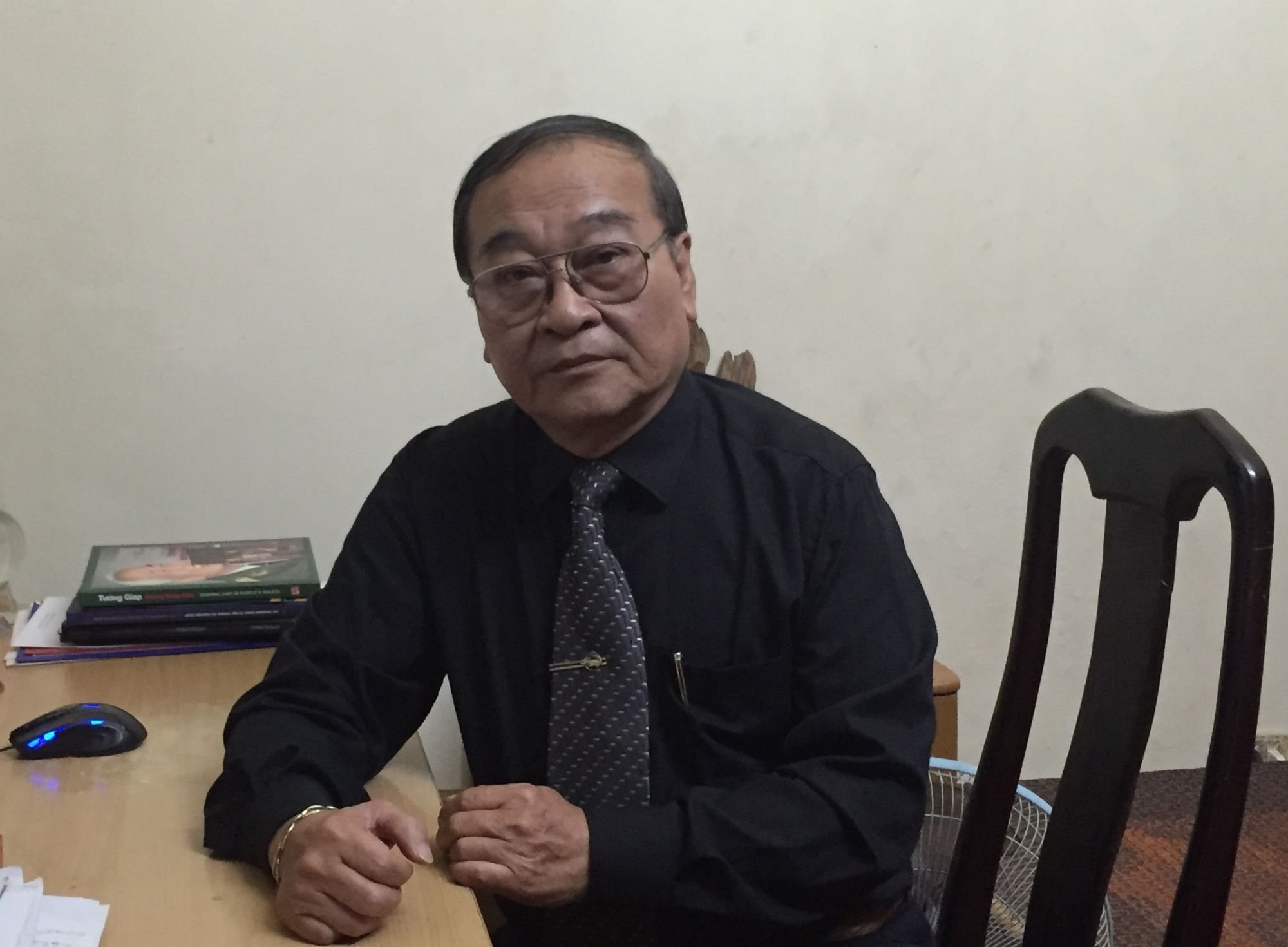
Tran Tuan, corresponsal de guerra de la VNA durante la defensa de la frontera norte en 1979  

P: ¿Cómo era el campo de batalla por esos días?  

R: De hecho, los enfrentamientos comenzaron a finales de 1978. Para muchos fue una sorpresa el momento de inicio de la invasión, en la madrugada del 17 de febrero de 1979, pero la inevitabilidad de ese conflicto, no.    

Fueron las últimas semanas de aquel invierno. El frío, el viento y la niebla estremecían hasta los huesos…Tras las luchas contra el colonialismo y el imperialismo, Vietnam enfrentaba a las fuerzas del régimen genocida camboyano de Pol Pot en la frontera del sudoeste. Para describir esa situación, podemos decir que “la vida pendía de un hilo”. Pese a todo, fuerzas mal armadas, y el pueblo vietnamita, fortalecieron las actividades de estudio, producción y entrenamiento para prepararse.    

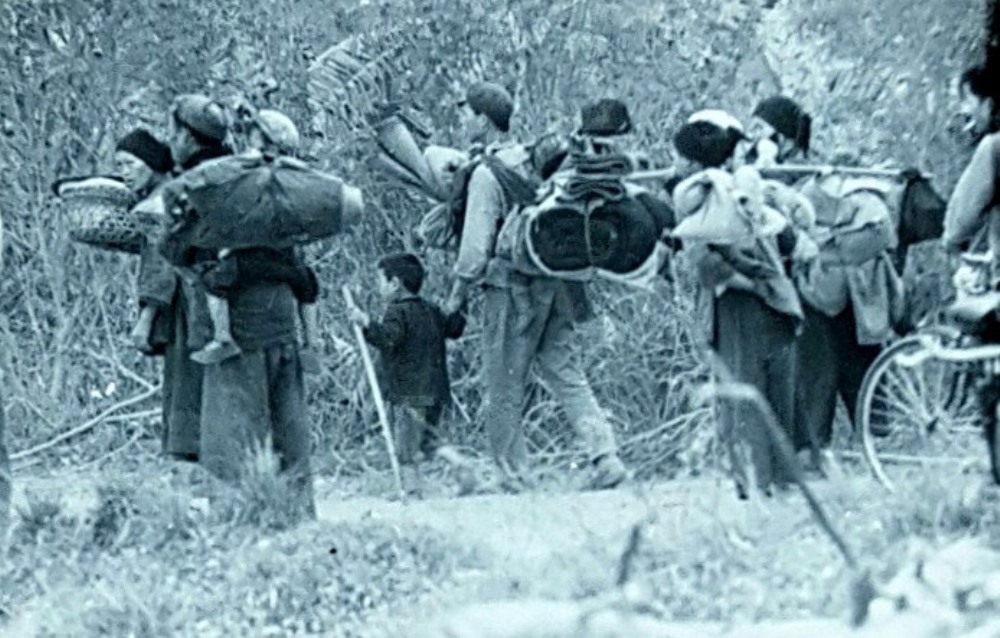
Antes del 17 de febrero de 1979, la vida era totalmente normal. Esa madrugada, se anunció la presencia de tanques chinos en Cao Bang. Los vehículos del enemigo se congregaron en la zona céntrica de la localidad, con intención de exhibir su poder para atemorizar a los lugareños. Con cada paso, destruyeron, quemaron y robaron todo a su alcance. Los pobladores gritaron y corrieron evacuándose hacia Tai Ho Sin.

Una hazaña que todavía no recibió el reconocimiento que merece

P: ¿Ante ese escenario, como se sintió?  

R: Por más que me doliera, me esforcé para calmarme, de manera que los sentimientos negativos no afectaran a otras personas. A todo costo, debí mantener la confianza de los soldados y pobladores.    

La ardua realidad me instó a llevar la cámara al campo de batalla. Nadie me obligó, la conciencia me exhortó a demostrar el espíritu indomable del pueblo y los crímenes del enemigo. Sentí la responsabilidad de demostrar al público nacional e internacional la justa causa de la lucha de mis compatriotas.
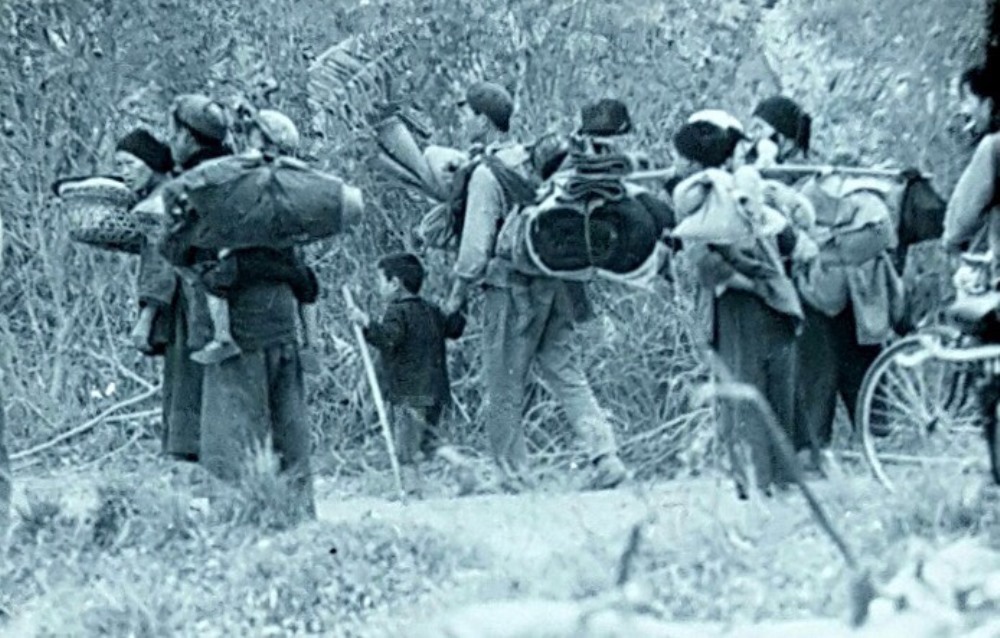
Residentes en áreas fronterizas del norte de Vietnam en 1979

Siendo un corresponsal de guerra durante la campaña de Ho Chi Minh, que liberó el sur y reunificó al país en 1975, supe enfocarme en momentos y escenarios para transmitir los mensajes necesarios. Era un crimen desperdiciar cualquier película, dada la escasez de los recursos entonces.

Nadie me obligó, la conciencia me exhortó a demostrar el espíritu indomable del pueblo y los crímenes del enemigo.

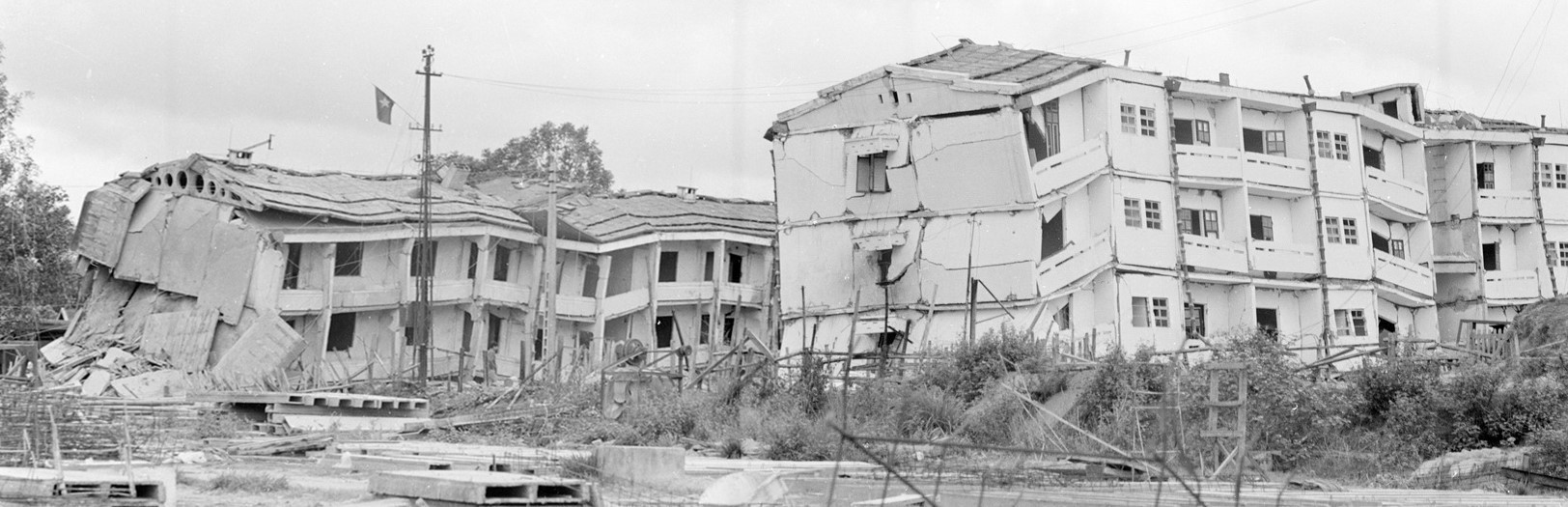
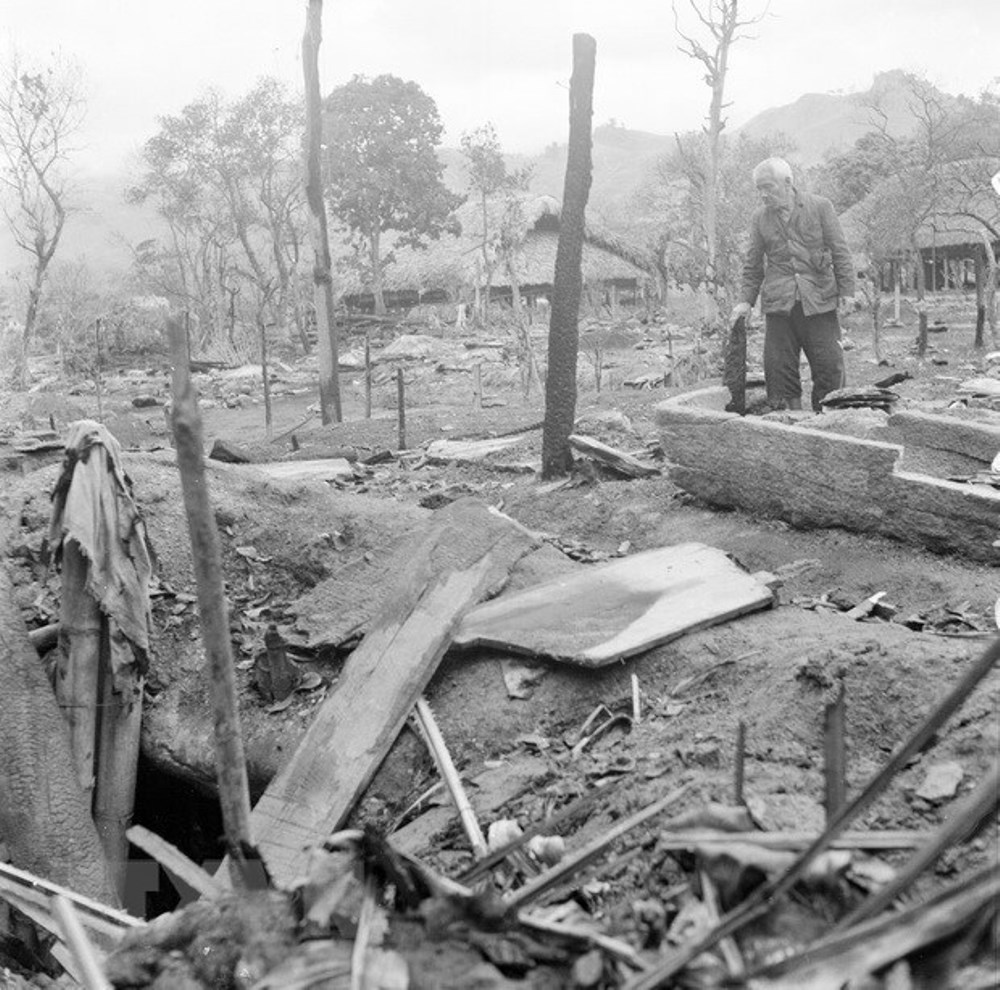
P: ¿Algún momento de la guerra que lo obsesionó?   R: Durante años no pude olvidar la conmoción cuando llegué a la comuna Tong Chup, en la provincia de Cao Bang, y vi con mis propios ojos la devastación después de un ataque del enemigo.    

Tampoco puedo olvidar las ruinas en Cao Bang cuando regresé a esa provincia a mediados de marzo de 1979. Todos los faroles cayeron, las casas y escuelas se derrumbaron, cadáveres de ganado y aves de corral estaban esparcidos en todos los lugares, e incluso los metates se redujeron en polvo.

P:¿Alguna vez se ha reunido con los personajes de sus fotos realizadas en la defensa de la frontera norteña? 

R: Regresé muchas veces a los sitios que fueron campos de batalla, pero nunca tuve la oportunidad de reunirme con los rostros del pasado.  

Jamás hubo una guerra sin consecuencias. Lo que siempre me atormenta es el hecho de que esa justa lucha del pueblo todavía no aparece tan ampliamente como lo merece en los medios de comunicación y libros de historia. Espero que se recuerden a aquellos soldados y pobladores, quienes sacrificaron sus bienes, su juventud y hasta su vida por la paz, la independencia y la integridad territorial de la Patria.

Lo que siempre me atormenta es el hecho de que esa justa lucha del pueblo todavía no aparece tan ampliamente como lo merece en los medios de comunicación y libros de historia.
1979 Spring:

Hanoi (VNA) – From Hanoi, photographer Tran Tuan went along the Truong Son mountain range in the war against the US, and then crossed forests and rivers to the northern border during the war for the defence of the nation.

His journeys help his successors imagine the way of a “fighter” in the months and years of the devotion of youth for the nation, contributing to the keeping of the uninterrupted flow of information and images from the battlefields, thus maintaining the pioneer role in the Vietnam News Agency in the field of information.

The photos he took at bloody battlefields are those of archival value, depicting victories and staunch spirit of our people and army, as well as the enemies’ crimes. Four decades have passed by and the life have experienced various ups and downs, but the memory of the 1979 Spring in the Motherland’s northern border remains fresh in  his mind.

Those are the unforgettable and must-not-forget months and years for every Vietnamese.

– What were your feelings when you received the order to join the war for the defence of the northern border in 1979 as a battlefield photographer?

Photographer Tran Tuan: Those are the unforgettable and must-not-forget months and years for every Vietnamese.

As field clashes between our forces and those on the other side of the border line happened in 1978, we were ready to take our cameras and backpacks. At the end of that year when photographer Quang Trieu of the photo department of the Vietnam News Agency was wounded at Bac Luan bridge in Quang Ninh province, the leadership of the VNA decided to send me to continue his job. At that time, Quang Ninh was a hot spot with complicated situation.

In mid-February 1979, fisher Nguyen Dinh Phuc was fishing in Tra Co sea in Quang Ninh province when he was shot dead by a foreign crew. Arriving at the site, I found many foreign correspondents. Continuous reports released right afterward by the Vietnamese side as well as news agencies and press outlets of the world helped the public opinion inside and outside the country get a clear understanding of the incident and the crimes of the other side as they pointed their guns at innocent fishermen. The public was full of anger and hatred.

Border guard Ngo Duy Nhung saves this child from the ruins.

After the incident, I was sent to the Cao Bang, Lang Son frontiers. The constant movement and orders made me understand that the war was inching in. Once again, the history tested our nation. I am proud of my job but from a certain angle, I don’t want to become a war correspondent. That is not because I am afraid of being killed or wounded but I know that when I am, my home country will become a battlefield and the blood of my fellow country people will continue to shed.

In the small hours of February 17, 1079, suddenly Vietnam had to coper with a war on the whole of its northern border as the Chinese administration waged a large-scale aggression war on Vietnam’s territory from Po Hen in Quang Ninh province to Pa Nam cum in Lai Chau province.

As the country was in danger and realising our legitimate self-defence right, our people and army took up arms in the fight for the safeguard of independence, sovereignty and territorial integrity. In that context, we do not have time and mind to hesitate, think over or be scared. The common atmosphere pulled me to the flow.

Photographer Tran Tuan is a former war correspondent of the Vietnam News Agency in the war for the defence of the northern border in 1979. (Photo: P. Mai/VietnamPlus)

– How was the border area then?

Photographer Tran Tuan: In fact, hostilities started in late 1978. People can feel surprised with the timing of the launch of the war, but not with the war itself.

It was in late winter, chilly cold, strong wind and mist blanketed the roads! It was not long after our country got out of two long resistance wars and was fighting the Pol Pot forces in the southwest. The situation was very critical. Successive difficulties and sufferings. However, together with the daily study and production activities, out people and semi-armed forces were actively preparing and training themselves to cope with the changes of the situation.

Before February 17, 1979, the life was normal but in the early morning of that day, it was reported that Chinese tanks were gathering in Cao Bang town. At that time of the year, streams were dry. The enemy’s tanks rumbled along the beds of the streams towards the centre of the town. On their way to the destination, they destroyed all that fell in their sight. Local screamed, and they got the order to move in the direction to Tai Ho Sin (Hoa An, Cao Bang).

– Witnessing that scene, how did you feel?

Photographer Tran Tuan: Very painful! But we had to keep the pain down so as to not adversely affect the morale of the people around us.

The reality prompted me to take my camera and rush to the battlefield. Nobody forced me, but I made it an order to myself: I must capture the staunch combat spirit of our people and army as well as the brutal crimes of the enemy. I must contribute to the common voice, helping the public opinion inside and outside the country to understand correctly on the just struggle of my fellow country people as well as the crimes committed by the enemy.

Northern border locals in 1979 photographed by Tran Tuan.

My experiences as a war correspondent during the Ho Chi Minh campaign in 1976 provided much help to me in my work in 1979. I knew that I had to focus on the moments and images which could highlight the contents and the messages that need to express. And I ordered myself not to waste my film rolls and cameras, as the materials then were very scarce.

I made it an order to myself: I must capture the staunch combat spirit of our people and army as well as the brutal crimes of the enemy. I must contribute to the common voice, helping the public opinion inside and outside the country to understand correctly on the just struggle of my fellow country people as well as the crimes committed by the enemy.

Working as a war correspondent during both the Ho Chi Minh Campaign in 1975 and the war for the defence of the northern border in 1979, but I could feel a big difference: joy towards the national reunification, and pains and hatred for our fellow country people’s blood shed along the border line. The country had been reunited but the gun fire had not ceased, my compatriots could not live in peace.

– What are the most haunting images to you?

Photographer Tran Tuan: Many years after that, I could not erase my feeling when I saw with my eyes what remained of Tong Chup village, Hung Dao commune, Hoa An district, Cao Bang province after the enemy’s raid.

Besides, I could not either forget the scene of devastation and death of Cao Bang town when I came back in March 1979: no electricity posts stood upright, houses and schools leveled, scattering carcasses of cattle and poultry. Even household rice husking mills were broken into pieces.

– Have you got any chance to meet again those in your photos?

Photographer Tran Tuan: I have revisited the former battlefields several times but have not got any chance to see them again.

No wars go without casualties. What makes me feel unceasingly painful and haunts me up to now is that the stories and images of that war of justice by our nation are still very vague in the books and the media. Our compatriots shed their blood and sacrificed their youth to keep the border line in peace, but their devotion has not been much mentioned.
What makes me feel unceasingly painful and haunts me up to now is that the stories and images of that war of justice by our nation are still very vague in the books and the media. 
Thank you very much for the interview!-VNA

La République démocratique populaire de Corée

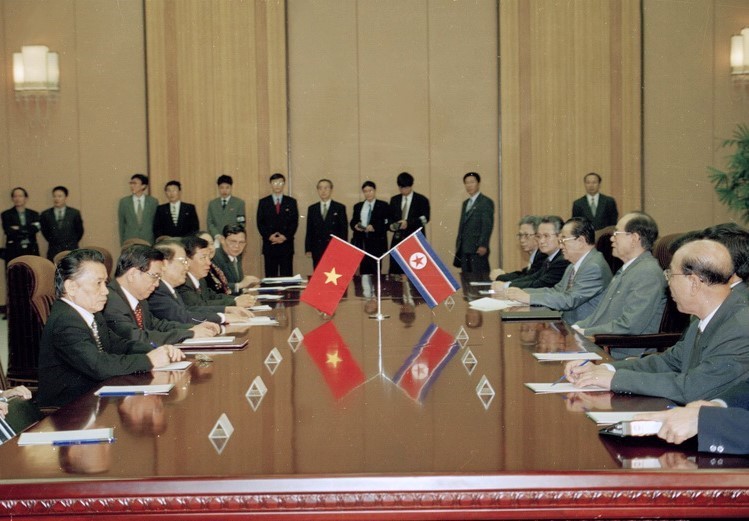
Au début des années 1950, le Vietnam a officiellement établi des relations diplomatiques avec la République populaire démocratique de Corée (RPDC). Durant ces 70 ans, les relations entre les deux pays sont devenues de plus en plus stable.

En tant qu’un rare groupe de journalistes qui a eu la chance d’arriver dans ce pays entre 1988 et 2002, les photographes professionnels de l’Agence vietnamienne d’information (VNA) ont eu des expériences intéressantes sur un pays pacifique mais tout aussi «mystérieux ».

Haute conscience en matière de défense

En septembre 1988, le président du Conseil d’Etat Vo Chi Cong s’est rendu dans ce pays pour remettre la Médaille de l’Etoile d’or au président Kim Il-sung. Selon le photographe Minh Dien, qui était en compagnie du dirigeant vietnamien lors de ce voyage historique, la conscience des Coréens en matière de défense était toujours très élevée.

Le président du Conseil d’Etat de Vo Chi Cong a visité la tour Juche  dans la capitale Pyongyang, lors de sa visite et a assisté à la  cérémonie de célébration du 40e anniversaire de la fondation de la RPDC  en septembre 1988. Photo: Minh Dien - VNA
Le président du Conseil d’Etat de Vo Chi Cong a visité la tour Juche dans la capitale Pyongyang, lors de sa visite et a assisté à la cérémonie de célébration du 40e anniversaire de la fondation de la RPDC en septembre 1988. Photo: Minh Dien – VNA

«Je trouve que les Coréens était très sérieux. Partout, ils respectent la discipline. Voyant les invités étrangers, ils se sont arrêtés pour les saluer, même les paysans qui travaillaient dans les champs, ont également quitté leur emploi pour le faire. », a-t-il estimé.

Outre la discipline, ce pays intéresse les hôtes vietnamiens par la haute conscience en matière de défense.

Cette route est comme la 17e parallèle du Vietnam

Lors du voyage, je trouve que le pays a une haute conscience en matière de défense. Sur la route de 40 kilomètres de Panmunjeom à la ville, j’ai vu les arbres séculaires coupées d’un côté de sorte qu’ils puissent être jetés dans la route en cas nécessaire. Cette route est comme la 17e parallèle du Vietnam.

En RPDC, la délégation vietnamienne est chaleureusement accueillie. Kim Il-sung a rencontré trois ou quatre fois le feu président Vo Chi Cong et la délégation l’accompagnant.

Les photojournalistes ont seulement quelques minutes au début des rencontres pour prendre de photos. J’ai une belle impression devant une atmosphère ouverte, harmonieuse de ces rencontres.

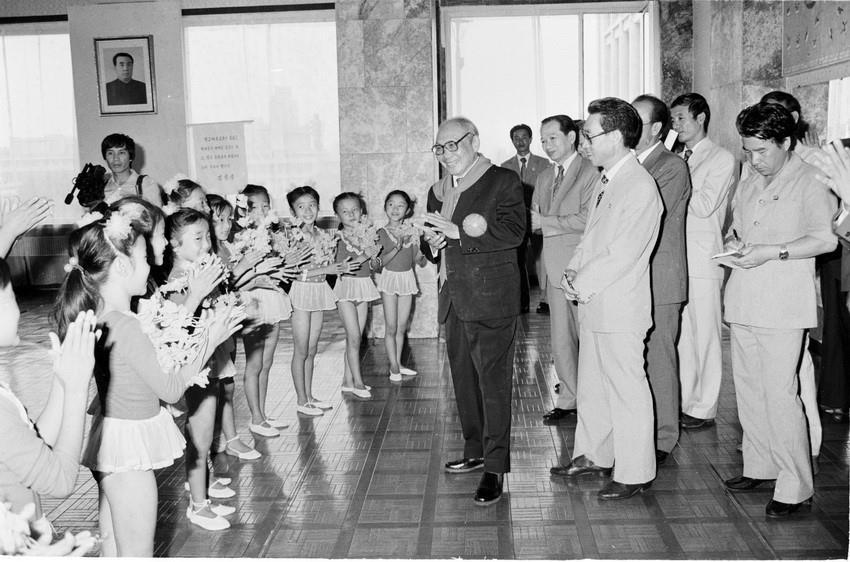
Président du Conseil d’Etat de Vo Chi Cong avec les enfants coréens lors  de sa visite en RPDC et cérémonie de remise de la Médaille d’Etoile  d’or au président Kim Il-sung en septembre 1988. Photo: Minh Dien - VNA
Président du Conseil d’Etat de Vo Chi Cong avec les enfants coréens lors de sa visite en RPDC et cérémonie de remise de la Médaille d’Etoile d’or au président Kim Il-sung en septembre 1988. Photo: Minh Dien – VNA

Le pays mystérieux mais paisible

En mai 2002, le président Tran Duc Luong, à la tête d’une délégation vietnamienne, a effectué une visite officielle dans ce pays. Le journaliste Trong Nghiep de la VNA, accompagnant la délégation, a dépassé quatre jours dans ce pays. Ce voyage très court lui a laissé beaucoup d’impressions sur un pays mystérieux mais paisible et proche.

«Avant de me rendre en RPDC, j’ai essayé d’étudier des documents sur ce pays. Cependant, au début des années 2000, la source de référence était très peu”, se souvient-il.

Le Président Tran Duc Luong s’est entretenu avec Kim Yong-Nam, président  du Présidium de l’Assemblée populaire suprême le 3 mai 2002, dans le  cadre de sa visite officielle en RPDC. Photo: Trong Nghiep - VNA
Le Président Tran Duc Luong s’est entretenu avec Kim Yong-Nam, président du Présidium de l’Assemblée populaire suprême le 3 mai 2002, dans le cadre de sa visite officielle en RPDC. Photo: Trong Nghiep – VNA

Après la cérémonie d’accueil, la délégation vietnamienne s’est déplacée vers Pyongyang – une capitale “mystérieuse”.

«C’était une ville très étrange. Il y a très peu de gens, même dans le matin. Les rues sont désertes, les véhicules sont rares. Les voitures sont généralement de vieilles voitures soviétiques. Le soir, il n’y a pas de magasins et de cafés. L’hôtel où vit la délégation vietnamienne ne dispose que d’un bar vendant du vin et du ginseng, il n’y a aucun produit étranger », a rappelé Trong Nghiep.

Particulièrement, en 2002, les contacts avec les Coréens étaient extrêmement difficiles. Selon Trong Nghiep, le personnel de l’hôtel n’a pas contacté avec les étrangers.

Même les routes coréennes, il y a 17 ans, étaient aussi très … étranges.

«En déplaçant de Pyongyang vers le site de commémoration du défunt président Kim Il-sung, sur la route bien asphaltée de 100 kilomètres, nous avons vu seulement un et deux camions et certaines personnes prenant le vélo », a constaté Trong Nghiep.

Pratiquer le métier de journalisme dans ce pays était ce moment aussi très difficile et stricte.

Le Président Tran Duc Luong et le président du Présidium de l’Assemblée populaire suprême, Kim Yong-Nam, ont assisté à la cérémonie de signature de l’accord de coopération entre les deux pays, le 3 mai 2002, à Pyongyang. Photo: Trong Nghiep - VNA

Le Président Tran Duc Luong et le président du Présidium de l’Assemblée populaire suprême, Kim Yong-Nam, ont assisté à la cérémonie de signature de l’accord de coopération entre les deux pays, le 3 mai 2002, à Pyongyang. Photo: Trong Nghiep – VNA

Trong Nghiep a raconté: «Il y a toujours des gardiens chargés de séparer les journalistes des dirigeants des deux pays. Nous devons rester loin de la séance de travail entre eux pour photographier. Toutes les contenus des rencontres sont fournis par le département des affaires étrangères du Bureau présidentiel et le ministère des affaires étrangères.”

En regardant cette scène, il sembla vivre dans l’espace du village du Nord Vietnam dans les années 1970 …

Pour les clients vietnamiens, la RPDC n’est pas seulement un « mystère », mais encore un pays étonnant, aussi proche. Il a vu, par la fenêtre de la voiture, de petites fermes situées sur des collines, des maisons carrées avec des fenêtres toujours ouvertes, des personnes âgées assises au soleil. Il a dit qu’en voyant cette scène, il semblait vivre dans l’espace du village du Nord Vietnam dans les années 1970 …

Un pays coréen qui se transforme en pays moderne jour après jour

En octobre 2007, le journaliste Xuan Tuan a accompagné le secrétaire général du Parti communiste du Vietnam (PCV) Nong Duc Manh, en visite officielle en RPDC, sur invitation du secrétaire général du Comité central du Parti des travailleurs de Corée, président du Comité national de la défense, Kim Jong Il.

La visite s’est déroulée après le tour de négociations des pourparlers à six sur la situation en péninsule coréenne.

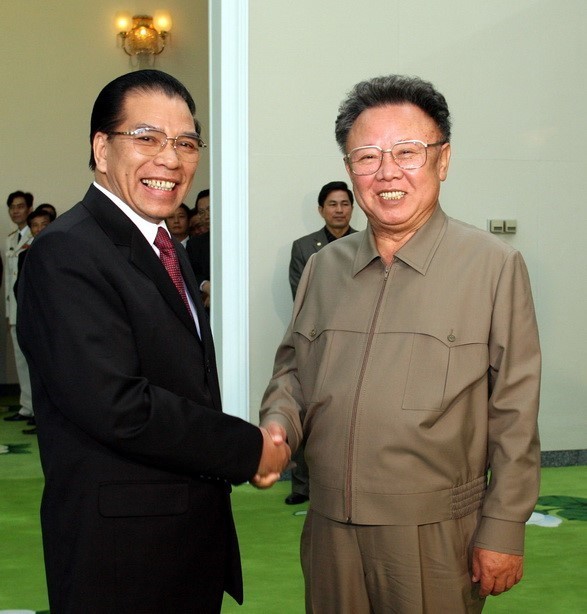
Le secrétaire général du PCV Nong Duc Manh et le secrétaire général du Comité central du Parti des travailleurs de Corée, Kim Jong Il, à l’aéroport international de Sunan (Pyongyang). Photo: Dinh Xuan Tuan - VNA
Le secrétaire général du PCV Nong Duc Manh et le secrétaire général du Comité central du Parti des travailleurs de Corée, Kim Jong Il, à l’aéroport international de Sunan (Pyongyang). Photo: Dinh Xuan Tuan – VNA

La visite du secrétaire général du Parti, Nong Duc Manh, visait à renforcer les relations d’amitié traditionnelles entre les deux pays et à réaffirmer la volonté du Vietnam d’attacher une grande importance au développement des relations avec la RPDC.

Dès son arrivée à Pyongyang, il était attiré par les paysages de ce pays. Un pays coréen moderne apparaît sous ses yeux …

Avant son départ en RPDC, le journaliste Xuan Tuan imagine que ce pays fait face à de nombreuses difficultés. Cependant, dès son arrivée à Pyongyang, il était attiré par les paysages de ce pays. Un pays coréen moderne apparaît sous ses yeux …

«Les habitants de Pyongyang portant des costumes nationaux sont présents à l’aéroport et le longue de la route pour saluer le secrétaire général du Parti Nong Duc Manh et sa suite. J’ai l’impression que toute la capitale de Pyongyang accueille en pleine joie les invités vietnamiens comme son ami proche. Le secrétaire général du Comité central du Parti des travailleurs de Corée, Kim Jong Il, était lui-même présent lors des cérémonies d’accueil. »

Secrétaire générale Nong Duc Manh et le secrétaire général du Comité central du Parti des travailleurs de Corée, Kim Jong Il. Photo: Dinh Xuan Tuan - VNA
Secrétaire générale Nong Duc Manh et le secrétaire général du Comité central du Parti des travailleurs de Corée, Kim Jong Il. Photo: Dinh Xuan Tuan – VNA

A ce moment, selon le journaliste Xuan Tuan, les infrastructures et le système de transport à Pyongyang étaient planifiés de manière très scientifique. Les voies sont clairement aménagées, avec celles réservées aux piétons. Le réseau de transports en commun est également très efficient.

“La conscience de la population est très bonne et la modalité de gestion et d’opération est très formelle”, a-t-il souligné.

Pyongyang et la RPDC, en général, demeure une localité, un pays moderne mais très pacifique. Il ne peut pas oublier l’image d’un village traditionnel, avec des maisons, des cours, des jardins… connectées, pas haie de clôture, pas de séparation. Les habitants ne se soucient pas du vol.

«Les gens vivent ensemble très simplement. Ce mode de vie nous fait avoir une vision différente sur les Coréens et la RPDC. », a estimé le journaliste Xuan Tuan.

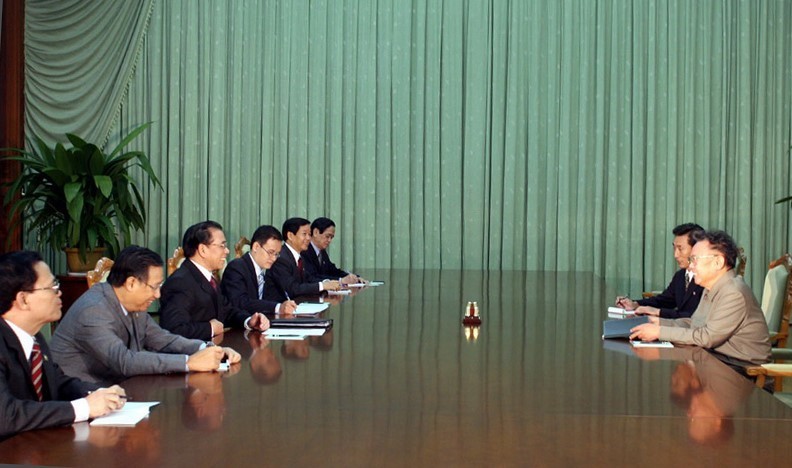
Entretien entre le secrétaire général du Parti Nong Duc Manh et le secrétaire général du Comité central du Parti des travailleurs de Corée, Kim Jong Il, à Pyongyang en 2007.  Photo: Dinh Xuan Tuan . -VNA
Entretien entre le secrétaire général du Parti Nong Duc Manh et le secrétaire général du Comité central du Parti des travailleurs de Corée, Kim Jong Il, à Pyongyang en 2007. Photo: Dinh Xuan Tuan . -VNA

Spectacular transformation of the city for peace: CNN

Covering the second DPRK-USA Summit in Hanoi in February, US-based Cable News Network (CNN) wrote an article on changes of the capital city turning itself from a place ravaged by the war into a city promoting peace.

Part of the article, quoted by Vietnam Plus, follows:

On December 18, 1972, two squadrons of hulking US B-52 bombers roared off from the U-Tapao airfield in Thailand and Andersen Air Force Base in Guam to begin what one Air Force officer called “the largest operation in the history of air power”.

Their destination: Hanoi, the capital of Vietnam. Their mission: bomb a city that was considered the most heavily fortified in the world at the time.

The mission would be repeated for 11 days straight.

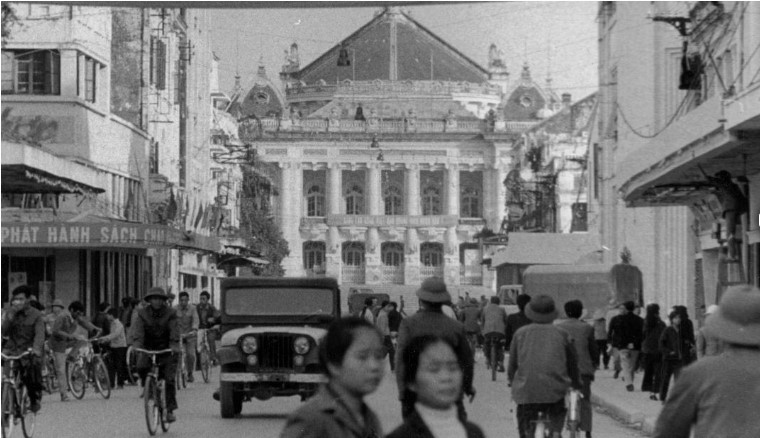
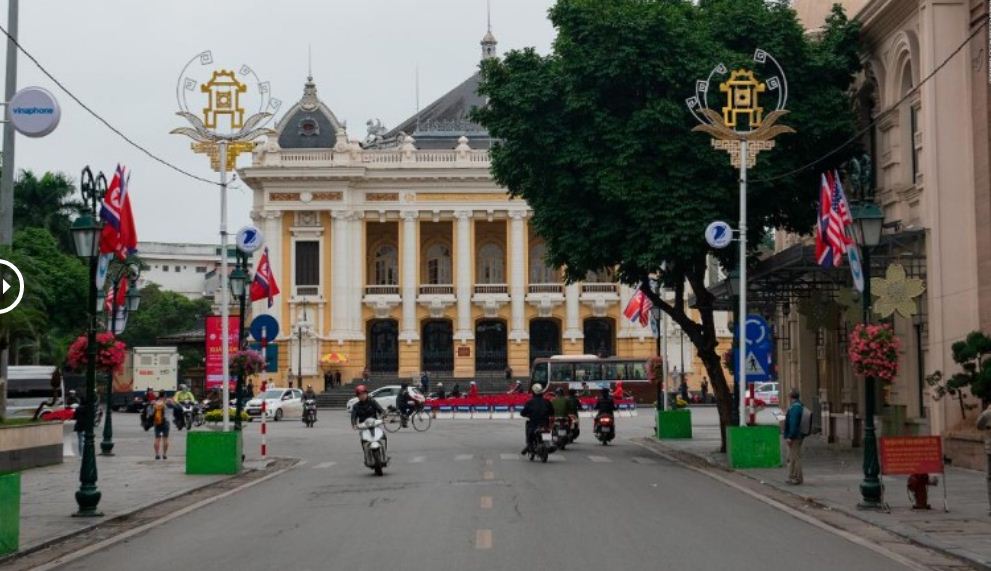
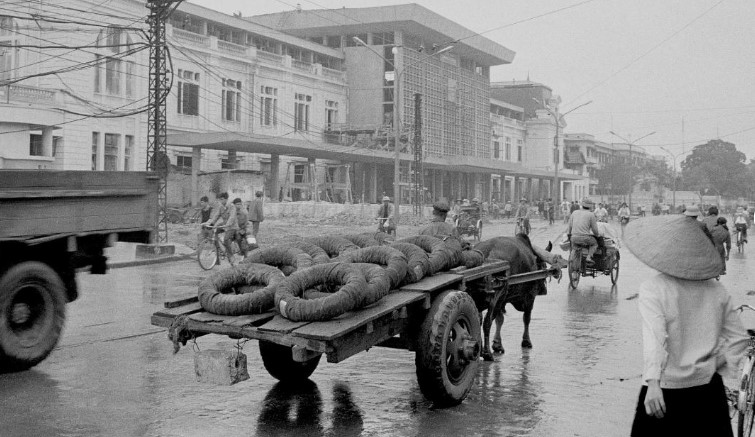
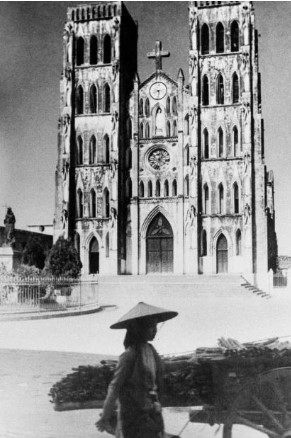
Trang Tien street - Hanoi Opera House area in 1976 
Trang Tien street – Hanoi Opera House area in 1976 
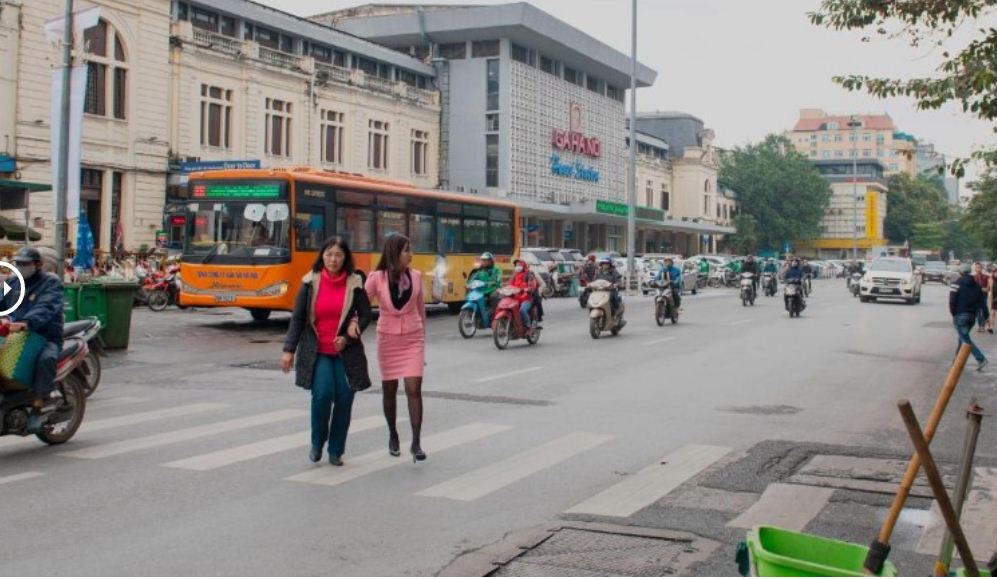
and 2019.
and 2019.

This week, that same city will host US President Donald Trump and leader of the Democratic People’s Republic of Korea (DPRK) Kim Jong-un for their second in-person meeting.

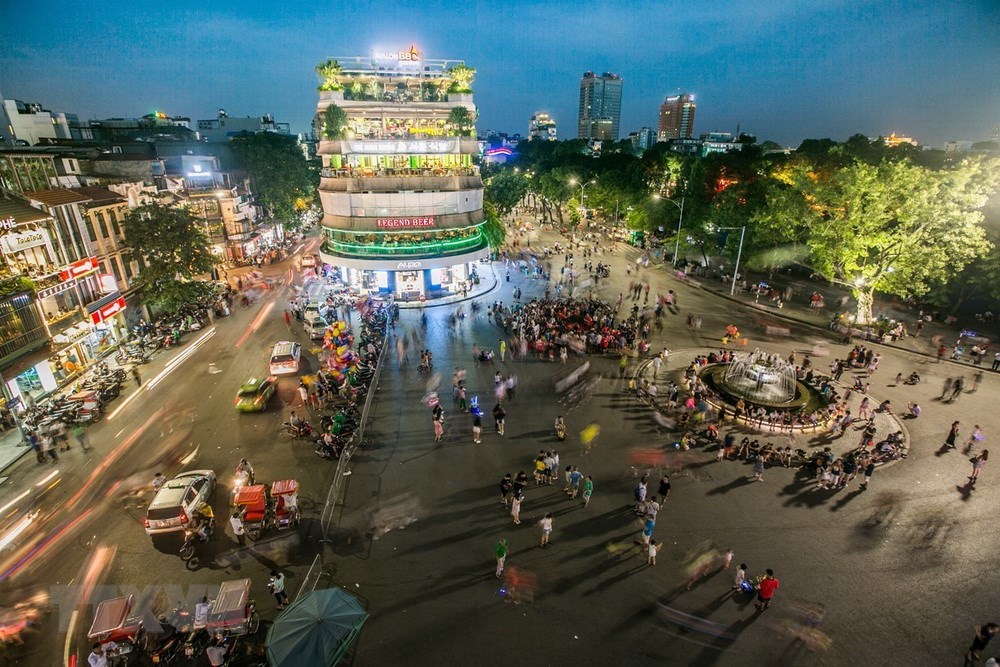
In 1954, the city was home to 53,000 people and was only 152 square kilometres. Today it’s more than 3,000 square kilometres large and boasts a population of more than 7 million. Skyscrapers dominate the newer suburbs on the city’s outskirts. Shops and restaurants are everywhere.

Its reinvention since the end of the war and the beginning of the Doi Moi economic reforms is believed to be a key reason it was chosen as host for the talks between the US President and the DPRK leader.

21551325269-1560250544-99.jpg capture1-1560250552-73.jpg

For Washington, Vietnam is proof that enmity doesn’t have to last forever. For Pyongyang, it’s proof of a vibrant economy.

Duong Van Mai Elliott spent the first four years of her life in Hanoi. One of her book was a finalist for the Pulitzer Prize.

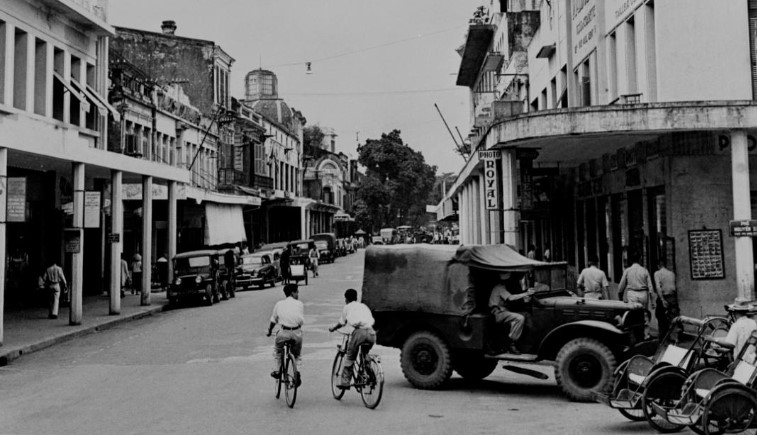
Though Elliott was young when she left Hanoi, she remembers the city as “a very quiet, romantic city, very old, full of history and tradition”.

“By this time, the French had been in Vietnam for almost 80 years, and Hanoi had acquired a French appearance, layered on top of and next to ancient Hanoi,” said Elliott.

Almost no one had cars, she said. Traffic jams and pollution were nonexistent.

“The old quarters of small lanes and small shops, where my maternal grandmother had her silk store, were still more or less intact, albeit transformed with modern amenities like paved sidewalks and streets, running water and electricity,” she said.

61551325535-1560248724-50.jpg capture3-1560248732-74.jpg

Hanoi suffered its most devastating blows in the war with the US at the end of 1972 during Operation Linebacker II, a mission better known as the Christmas bombing. The purpose was to get the Vietnamese back to the negotiating table after talks stalled, and US President Richard Nixon’s administration thought a shock and awe campaign would do the trick.

In a conversation on December 17 in Washington, National Security Adviser Henry Kissinger told President Richard Nixon he thought the Vietnamese are “going to be shaken to their core”. Nixon said: “They’re going to be so surprised”.

By the end of Operation Linebacker II, the US Air Force had flown more than 700 B-52 bomber sorties and dropped 15,000 tonnes of ordnance. More than 1,300 people were killed in Hanoi.

41551325371-1560248941-94.jpg capture4-1560248945-22.jpg

Elliott said her relatives in Hanoi still remembered the Christmas bombings were the most frightening experience for them throughout the war.

“The buildings shook,” Elliott said. “They thought they were going to die.”

“Those who survived told me when they went out to look, they found dead bodies lying around,” she said. “To this day, they can still smell the rotting bodies.”

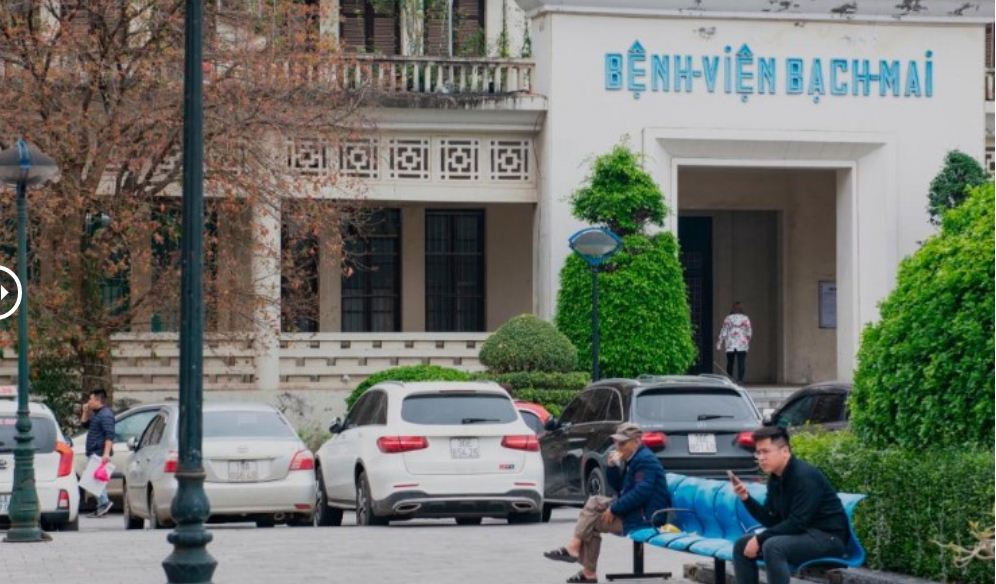
Bach Mai hospital was hit during the bombing, killing patients and hospital staff. One of the hospital’s main structures was heavily damaged.

Dr. Carl Bartecchi of the University of Colorado visits the hospital twice a year for two or three weeks at a time to teach students. He’s been going since 1997, when much of the city was very different.

“You’d drive into town, and it used to be all rice fields. You’d see water buffalo, people working there,” Bartecchi said.

“Now there’s a lot of buildings going up there and palm trees line the way. There are brand-new bridges going into town and along the way, you see some new high-rise buildings.”

31551325337-1560249065-53.jpg capture5-1560249110-77.jpg

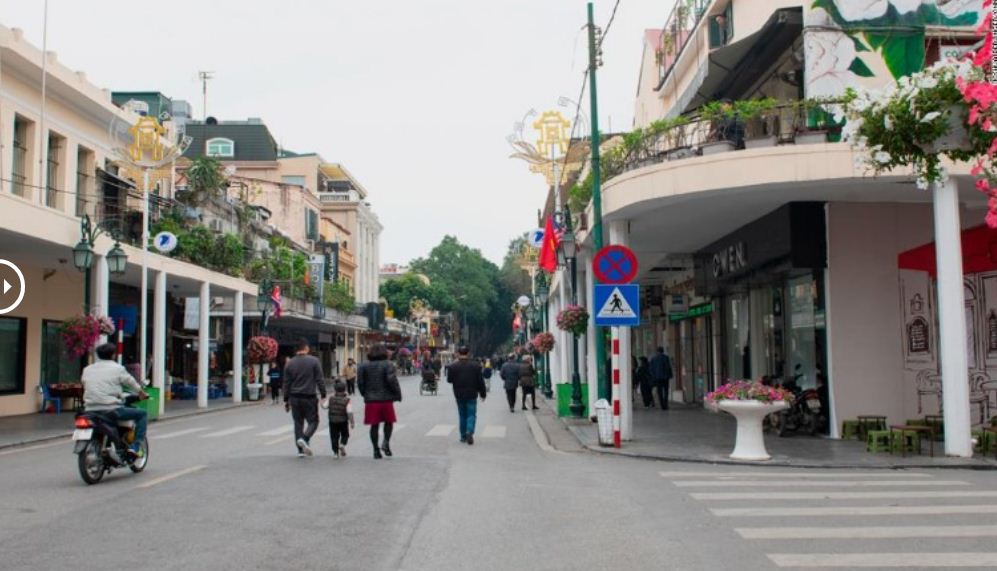
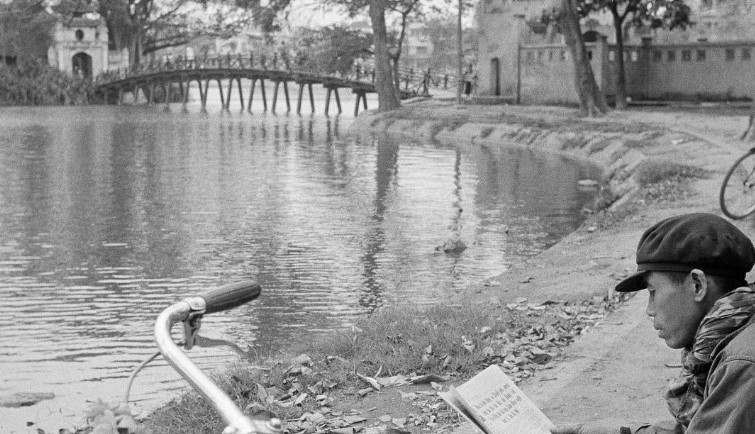
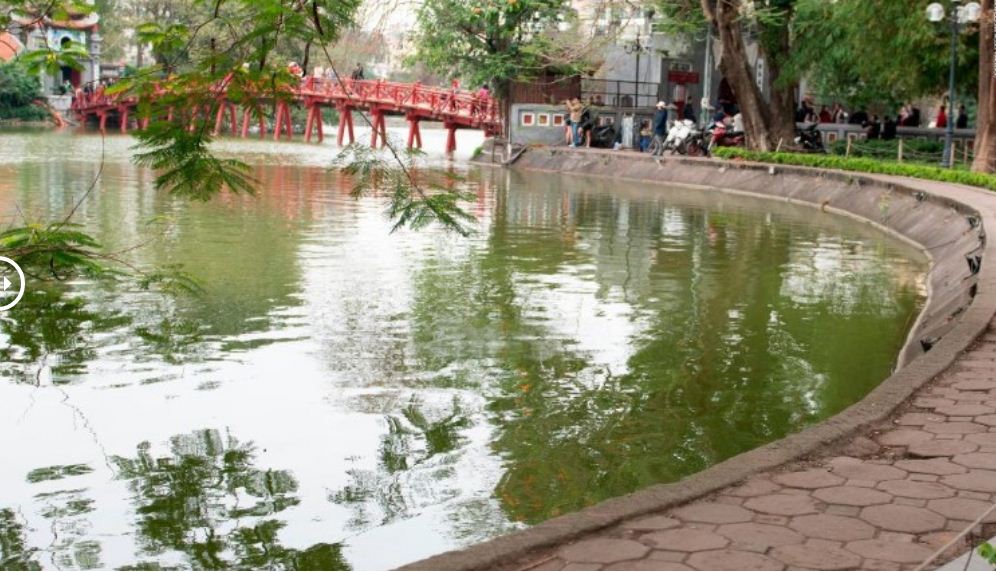
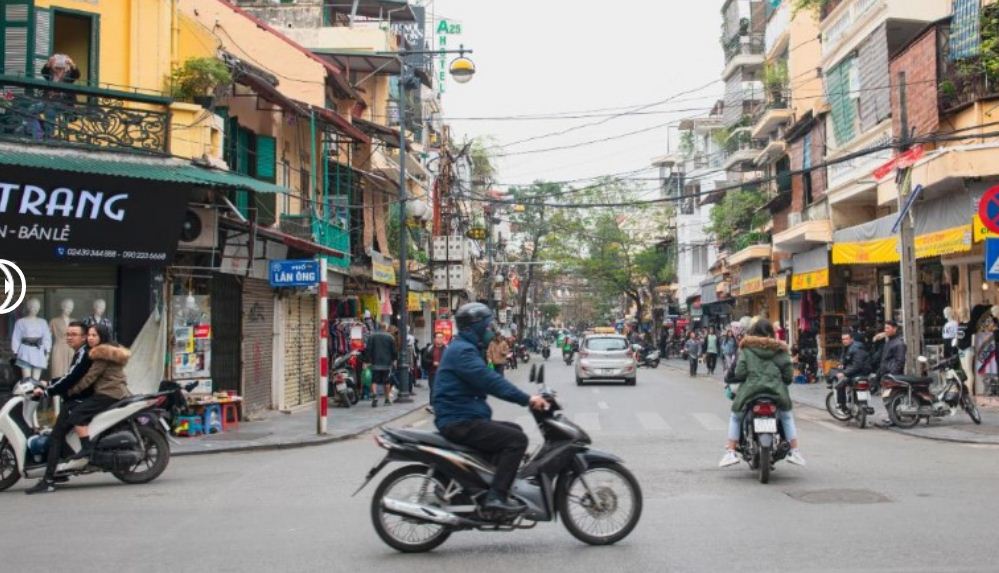
But the older parts of the city have retained a certain charm. “The old town, north of Hoan Kiem lake, hasn’t changed much at all,” he said. “It’s really a neat place.”

The transformation of Hanoi didn’t begin until 1986, more than a decade after the country’s reunification. That’s when Hanoi enacted market reforms to boost the economy, known as Doi Moi (Renewal).

The city continues to breathe a dynamic relationship between old and new.

Nguyen Qui Duc was a correspondent for US National Public Radio in Hanoi in 1989, and returned to the city in 2006. He obtained a business license and eventually became a restauranteur.

He said he recognises there has been good brought about in the last few years. Livelihoods have improved and people have more money.

51551325405-1560249240-61.jpg capture6-1560249242-96.jpg

Elliott said she didn’t see the reforms take effect until after 1993, her first visit back to Hanoi in nearly 40 years. The city appeared frozen in time. “Nothing had changed really much,” said Elliott.

“I remember the streets were deserted. People moved around on old, rickety bicycles. There were very few restaurants and cafes, and even then, the locals couldn’t afford it.”

But Elliott said on every trip she made to Hanoi after her first, the city would get “better and better”.

The city that US President Donald Trump and DPRK leader Kim Jong-un will see, she said, is not one marred by the scars of war. It’s very modern meets quaint.

The two leaders will drive down new highways leading into the city, “cross the new suspension bridge over the Red River, pass newly built houses, high rises, factories, shops, restaurants, cafes and hotels,” Elliott said.

71551325593-1560249415-60.jpg capture7-1560249422-90.jpg

“They will see a city that has recovered from a devastating war and is thriving in the global economy — a metropolis that is confident in the promise of the future.” -VNA

NguyenDinh Cung: Too haunted by challenges, firms will become hesitant in action

2018 continues to be a year full of outstanding achievements in socio-economic development, as all the 12 targets have been completed and exceeded the National Assembly-set goals. It was an important driving force for successful implementation of tasks set for 2019.

Speaking at the Government’s conference with localities on December 28, 2018, Party General Secretary and State President Nguyen Phu Trong emphasised that many important and encouraging outcomes were achieved in most of the fields in 2018.

On the basis of the achievements, the leader proposed that the Government, ministries, and sectors strive to achieve higher results in all fields in 2019. Dr. Nguyen Dinh Cung, Director of the Central Institute for Economic Management (CIEM) and member of Prime Minister’s economic advisory team, talks to Vietnamplus about the targets set for 2019. – What were the key factors helping Vietnam’s economy achieve the simultaneous goals of high growth and low inflation below 4 percent in 2018? There are many reasons for these outcomes. In my opinion, the achievements in 2018 are highest and most comprehensive in the last decade. It can be said that the first highlight is fundamental reforms on economic institutions in this tenure that have created a more favourable business environment, along with resolutions of the Party Central Committee, especially the one on major guidelines and solutions to promote economic restructuring, and the economic growth model switch towards improving quality and efficiency. In addition, there are three important others, namely the resolution on perfecting institutions of the socialist-oriented market economy; the resolution on rearranging, reforming, and improving state-owned enterprises; and the resolution on developing the private sector into an important driving force of the economy.

Vinh Phuc province is moving to develop supporting industry (Photo: VientamPlus)

Half of the companies rated the business environment of 2018 much better than 2017.

Following these resolutions, the Government has implemented action programmes with strong reforms to improve the business environment.

Workers at Haiduong Assembly Factory – Ford Vietnam (Photo: VientamPlus)

The abolition of business conditions also saw progress with half of them removed and the remaining waiting for implementation guidelines in the following years. In particular, in 2019, a series of simplified business conditions will impact the business community depending on the implementation of decisions.

Thus, ministries need specific guidelines, while localities must direct the organisation of implementation more thoroughly to ensure that all reforms benefit the business community.

In 2018, the macroeconomic stability was well maintained. Despite unfavorable external fluctuations, the PM and the Government took the initiative in developing options and implementing solutions to mitigate adverse impact and take advantage of opportunities.

I also see that numerous localities have actively conducted reforms and improved the competitiveness index, especially in investment attraction, contributing to mobilsing social resources for development.

– With the above-said premises, what do you think of the development opportunities in 2019?

In 2019, the Government is putting forward a clear message of “the year of breakthroughs” to fulfil the tasks and targets of the 2016-2020 tenure. Breakthroughs are necessary to prepare a better basis for implementing socio-economic development tasks in the 2021 tenure and the following years.

As we know, in 2016-2018, many solid achievements were obtained in terms of macroeconomic stability, resilience, and an increase in economic momentum through growth.

On the basis of the outcomes, in 2019, the operation of the Government and the PM must speed up the implementation of solutions on reform, and improvement of the business environment, creating more resources, and increasing economic growth momentum.

This is based on the maintenance of macroeconomic stability, economic restructuring, and model shifting so as to further increase factors on growth quality, while attention is paid to solving social issues, aiming for inclusive development, and ensure all feel benefits in the development process.

– At a recent meeting, the advisory team proposed three growth scenarios. The Government has set a target of 6.9-7 percent growth and inflation below 4 percent for 2019, could you share some further detail on this as a member of his economic advisory team?

The National Assembly issued a resolution, which sets the economic growth of 6.6-6.8 percent and inflation at about 4 percent.

However, based on the attainments recorded in 2018 and an analysis on the economic potential to accelerate the progress along with outside opportunities, the team agreed to propose that the PM push management to achieve the goal on a growth rate higher than the NA-set target.

In the opinion of the team, if we can do that, more room will be created and the economy’s resilience increased. In the current context of uncertainty, we need a method of operating to respond to changes from the outside, especially in the field of operating macroeconomic, fiscal, and monetary policies.

If there is such a determination, the Government’s message is the basis for the PM to operate more drastically and create a stronger pressure on ministers and chairmen of local People’s Committees, and the whole political system, thereby creating the confidence of market and businesses to arouse the dynamism of the economy and get an outcome better than expected.

– The set GDP growth target for 2019 is based on two main driving forces: the manufacturing and processing industry, and services. What is your assessment of the two areas’ potential towards making a breakthrough in economic growth?

We still consider the processing industry and services as the main contributors to the growth. But to determine their potential, we must look into the issue in a deeper and more specific way to truly evaluate it.

First of all, the manufacturing and processing industry still contributes a great deal to growth. The field’s scale is relatively large, and the growth rate is also high, so the best bet is to strive to keep it on the track, keeping it on the rise and thereby maintaining contribution to the economic growth.

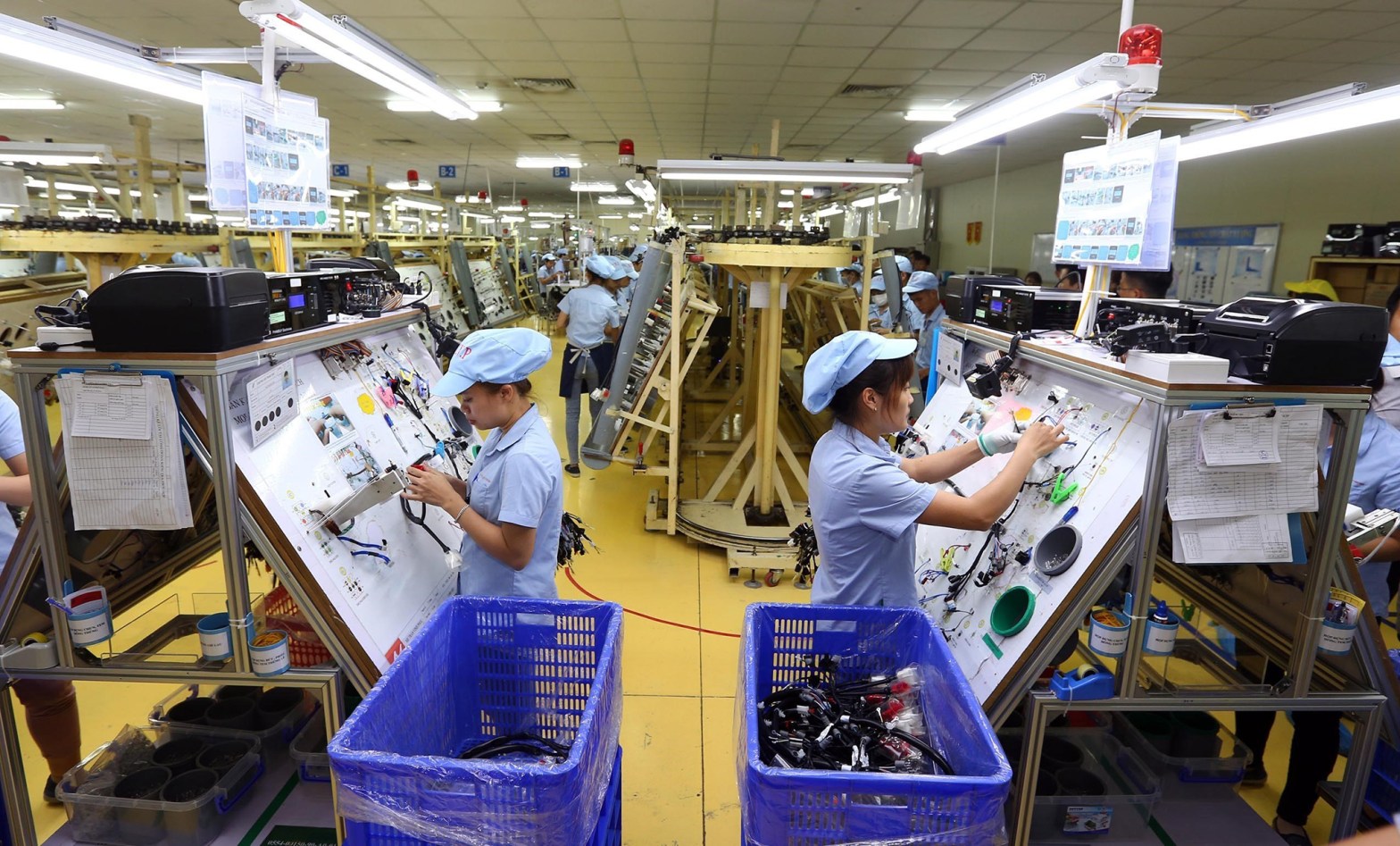
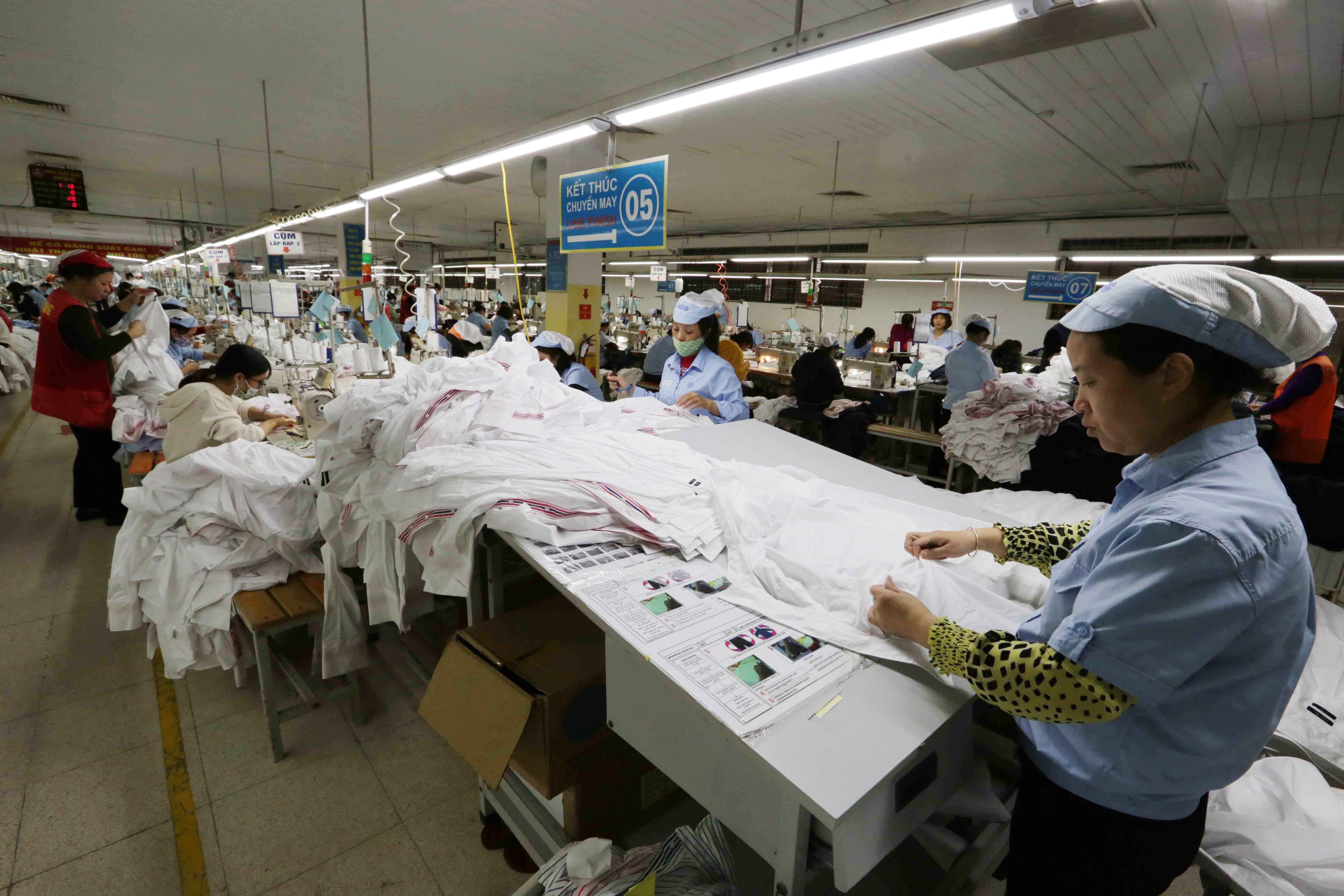
A worker at Tri Cuong Co.,Ltd in Nguyen Khe industrial park, Hanoi (Photo: VietnamPlus)

Let’s look at industries and products that have small potential and scale whose growth rate will not push development.

For example, tourism services are promising and post relatively good growth; or the wholesale and retail sector can be utilized more easily to contribute to growth; or scientific and technological research and development services. These are areas that make small contributions and record relatively low growth rates, but are able to be intervened so that less resources can be poured into them but they can create high growth rates. We still consider agriculture a contributor to growth that we have yet to fully tap, proposing fundamental solutions such as the flexible management of land-use purposes; adjustment of land-use plans (especially agricultural land) so that farmers, cooperatives, and enterprises can be active in selecting products, crops, and livestock for production in line with market demand. If we shift ineffective paddy fields into areas for other crops, such as vegetables, flowers, or aquaculture, the added value will be 7-15 times that of rice cultivation. These are great areas for potential, as well as for foreign investment attraction. Although there are outside fluctuations, we can still see opportunities for imports and exports to maintain the 2018 level. From the above-said preliminary analysis, we think that there is a lot of room. The problem is the flexible, consistent, and drastic operation of the Government and PM; the implementation by ministries, sectors, and localities; as well as continued investment by businesses. – You said 2019 is the year of Vietnam’s deep integration with high-quality trade agreements like the CPTPP and the EVFTA, so what are some of the challenges for Vietnam in this issue?

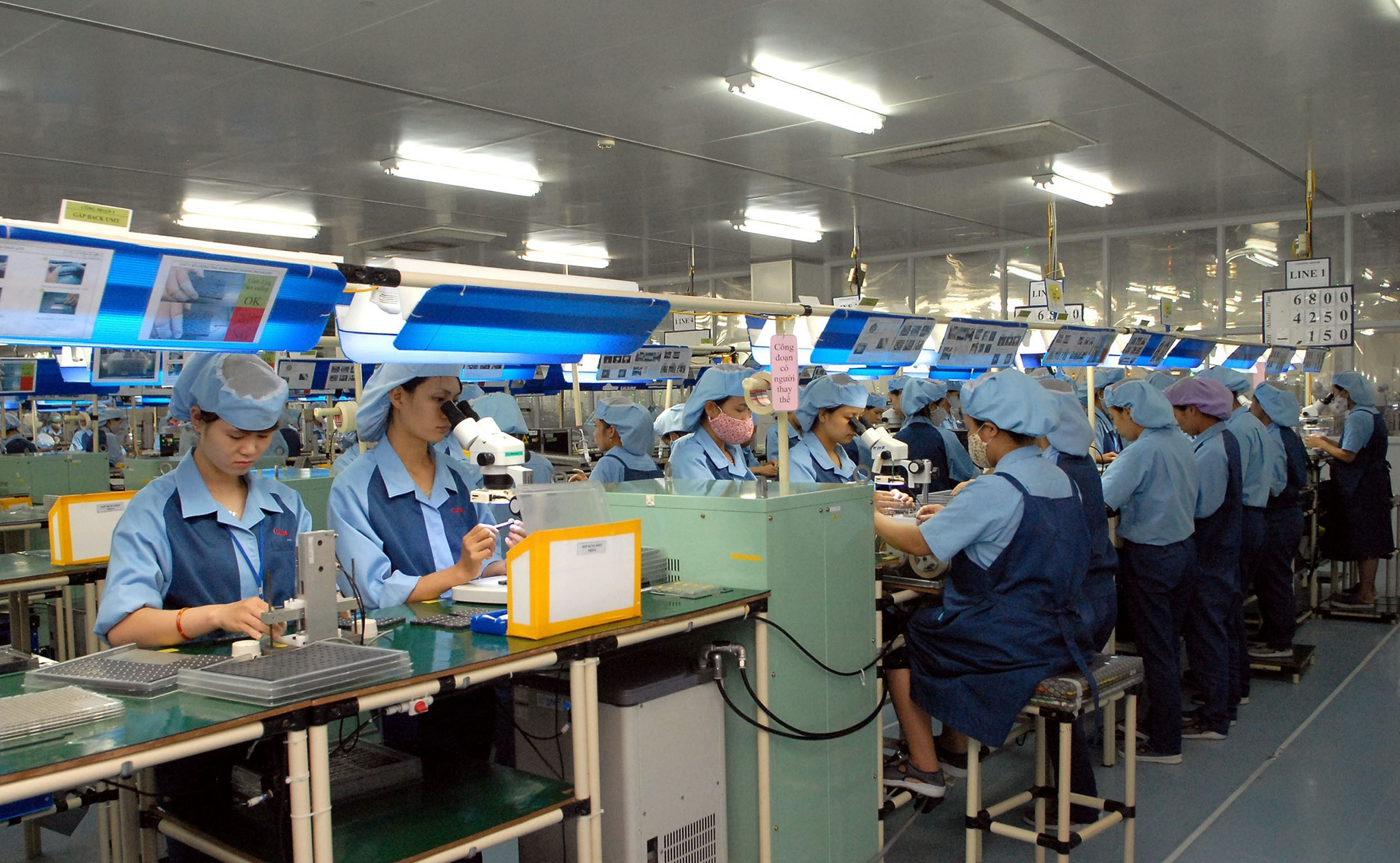
Production of spare parts in Canon Vietnam (Photo: VietnamPlus)

Một năm sau cuộc gặp lịch sử Mỹ-Triều

Cách đây một năm, ngày 12/6/2018, sau rất nhiều nỗ lực, thiện chí, và cả sóng gió, cuộc gặp thượng đỉnh đầu tiên giữa Tổng thống Mỹ Donald Trump và nhà lãnh đạo Triều Tiên Kim Jong-un tại khách sạn Capella trên đảo Sentosa của Singapore, đã kết thúc tốt đẹp.

Cuộc gặp này là minh chứng cho thấy hai nhà lãnh đạo của hai quốc gia từng có gần 7 thập kỷ đối địch đã vượt qua “phép thử” của lòng tin và cùng nhau tạo một “cú hích” cho hòa bình và thịnh vượng lâu dài trên bán đảo Triều Tiên cũng như đảm bảo an ninh cho toàn khu vực Đông Bắc Á.

Một năm sau cuộc gặp lần thứ nhất, dù hai nhà lãnh đạo Mỹ-Triều đã tiếp tục có cuộc gặp thượng đỉnh lần thứ hai tại Hà Nội, song với những nghi kỵ còn tồn tại giữa hai bên, tiến trình đàm phán về hòa bình trên Bán đảo Triều Tiên hiện vẫn đang lâm vào thế bế tắc.

Hãy cùng nhìn lại các diễn biến liên quan một năm sau cuộc gặp thượng đỉnh Mỹ-Triều.

Singapore ngày 12/6/2018: Khoảnh khắc bước ngoặt Mỹ-Triều

Trong cuộc gặp thượng đỉnh với Tổng thống Donald Trump, cái bắt tay của nhà lãnh đạo hai nước Mỹ và Triều Tiên chính là khoảnh khắc mà cả thế giới đã trông đợi từ rất lâu, được nhiều tờ báo lớn của khu vực và thế giới đánh giá là “khoảnh khắc bước ngoặt của chính trị Đông Á.”

Sau cuộc hội đàm tại Singapore vào ngày 12/6/2018, Tổng thống Mỹ Donald Trump và Chủ tịch Kim Jong-un đã ký Tuyên bố chung.

Bản tuyên bố chung lịch sử được Tổng thống Trump và ông Kim Jong-un ký kết khi kết thúc cuộc gặp chỉ dài hơn một trang giấy nhưng đã phản ánh đúng những điều như ông Trump khẳng định rằng đây là văn kiện “tốt đẹp và toàn diện.”

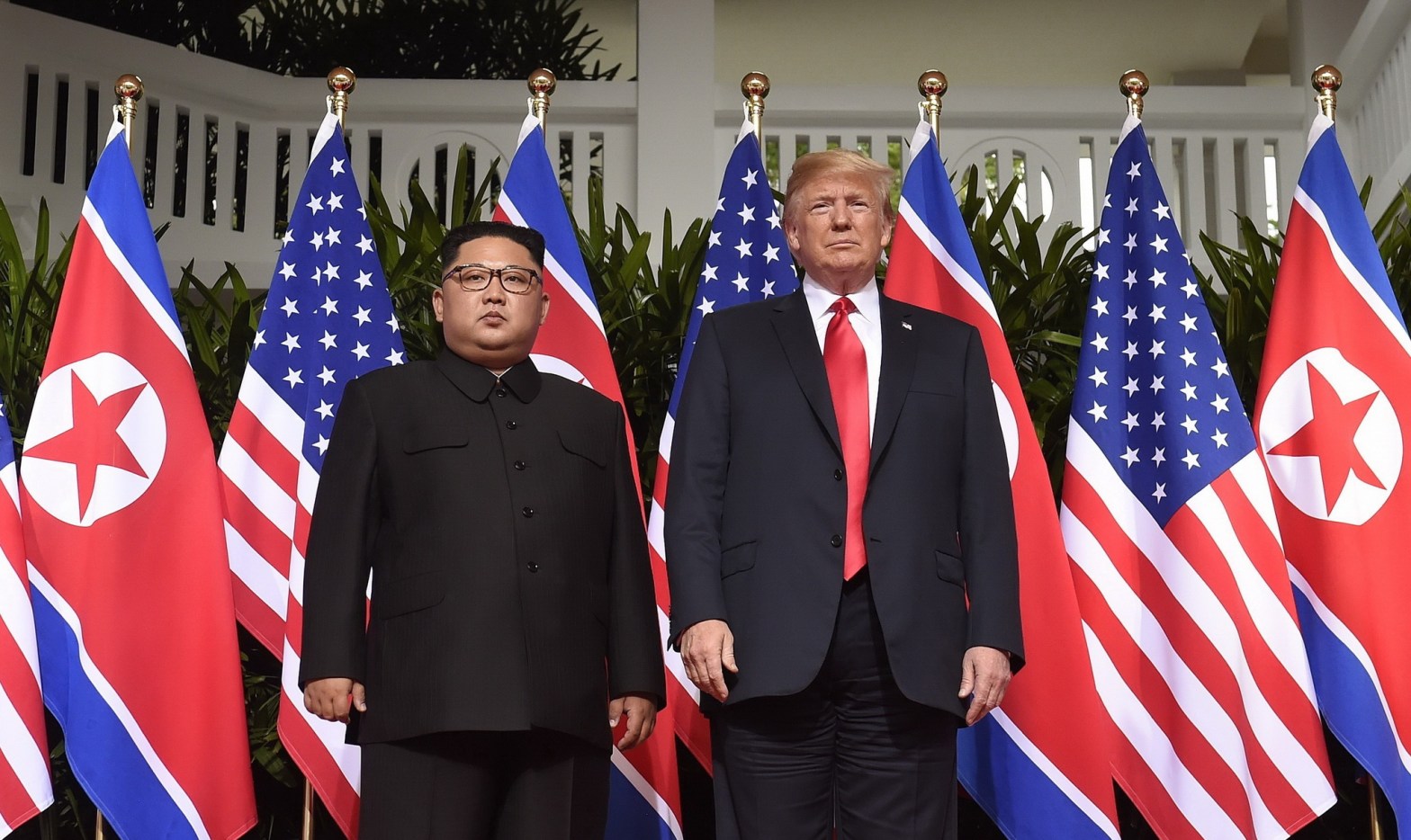
Tổng thống Mỹ Donald Trump (phải) trong cuộc gặp thượng đỉnh lịch sử với Nhà lãnh đạo Triều Tiên Kim Jong-un tại Singapore ngày 12/6/2018. (Ảnh: THX/TTXVN)

Văn kiện này bao gồm 4 điểm chính:

Một là Mỹ và Triều Tiên cam kết thiết lập quan hệ song phương thể theo nguyện vọng của người dân hai nước vì hòa bình và thịnh vượng.

Hai là Mỹ và Triều Tiên sẽ cùng tham gia các nỗ lực xây dựng một cơ chế hòa bình ổn định và lâu dài trên Bán đảo Triều Tiên.

Ba là tái khẳng định Tuyên bố Panmunjom được đưa ra ngày 27-4-2018, Triều Tiên cam kết hành động hướng tới phi hạt nhân hóa hoàn toàn Bán đảo Triều Tiên.

Bốn là Mỹ và Triều Tiên cam kết tìm hài cốt tù binh chiến tranh (POW) và mất tích trong chiến tranh (MIA) và sẽ lập tức đưa những những bộ hài cốt đã được nhận dạng về nước.

Tinh thần nổi bật nhất toát lên trong toàn bộ cuộc gặp lịch sử ngày 12/6/2018 là lãnh đạo Mỹ-Triều đã trao gửi lòng tin

Vào thời điểm cách đây một năm, cuộc gặp giữa Tổng thống Donald Trump và Chủ tịch Kim Jong-un tại Singapore đã được xem là một “cú hích” vô cùng quan trọng và quý giá cho các bước đi tiếp theo trên con đường bảo đảm an ninh khu vực, thiết lập hòa bình lâu dài cũng như thịnh vượng cho bán đảo Triều Tiên.

Các nhà phân tích khẳng định tinh thần nổi bật nhất toát lên trong toàn bộ cuộc gặp lịch sử ngày 12/6/2018 là việc hai nhà lãnh đạo của hai quốc gia đối địch đã trao gửi lòng tin cho nhau.

Hà Nội ngày 27 và 28/2/2019: Tạo đà giải quyết mâu thuẫn

Những gì hai nhà lãnh đạo Mỹ và Triều Tiên đạt được tại cuộc gặp đầu tiên ở Singapore đã trở thành tiền đề quan trọng để 8 tháng sau đó, Tổng thống Mỹ Donald Trump và Chủ tịch Triều Tiên Kim Jong-un quyết định gặp nhau lần thứ 2 (vào ngày 27 và 28/2/2019 tại Hà Nội).

Trong vòng 8 tháng đó, cả Mỹ và Triều Tiên đều đã thực hiện một số bước đi, tạo đà cho nỗ lực giải quyết những mâu thuẫn dai dẳng nhiều thập niên.

Về phía Triều Tiên, nước này đã phá hủy một số đường hầm và cơ sở ở địa điểm thử hạt nhân Punggye-ri trước sự chứng kiến của các nhà báo quốc tế; tháo gỡ một số cơ sở ở trung tâm phóng vệ tinh Sohae.

Đặc biệt, phía Mỹ cũng ghi nhận Triều Tiên đã không tiến hành một vụ thử vũ khí hạt nhân hay tên lửa nào nữa, đồng thời cam kết tháo dỡ các cơ sở làm giàu plutoni và urani.

Về phía Mỹ, sau cuộc gặp lần đầu tiên với nhà lãnh đạo Triều Tiên Kim Jong-un, Tổng thống Mỹ Donald Trump đã đáp lại bằng tuyên bố hủy, hoãn hoặc giảm quy mô nhiều cuộc tập trận chung với Hàn Quốc, vốn từ trước đến nay luôn bị Bình Nhưỡng chỉ trích là nhằm chuẩn bị cho cuộc xâm lược Triều Tiên…

Tuy nhiên, những bước đi trên được đánh giá chủ yếu mang tính xây dựng lòng tin, chưa đủ mạnh để phá vỡ bế tắc liên quan đến mục tiêu phi hạt nhân hóa bán đảo Triều Tiên.

Trong khi Triều Tiên muốn phi hạt nhân hóa theo từng giai đoạn và Mỹ phải giảm nhẹ lệnh trừng phạt đối với nước này, thì Mỹ lại yêu cầu Triều Tiên phải phi hạt nhân hóa hoàn toàn, với việc làm đầu tiên là Triều Tiên phải bàn giao bản danh sách đầy đủ các cơ sở hạt nhân và cho phép thanh sát viên quốc tế tiếp cận.

Trong bối cảnh đó, cả hai nước đều đã hy vọng sẽ có những “đột phá mới” tại thượng đỉnh Mỹ-Triều lần 2 tại Hà Nội. Và cho dù được kỳ vọng rất nhiều, nhưng điều đáng tiếc là hội nghị này đã không ra được Tuyên bố chung và hai bên cũng không ký kết bất kỳ văn bản nào.

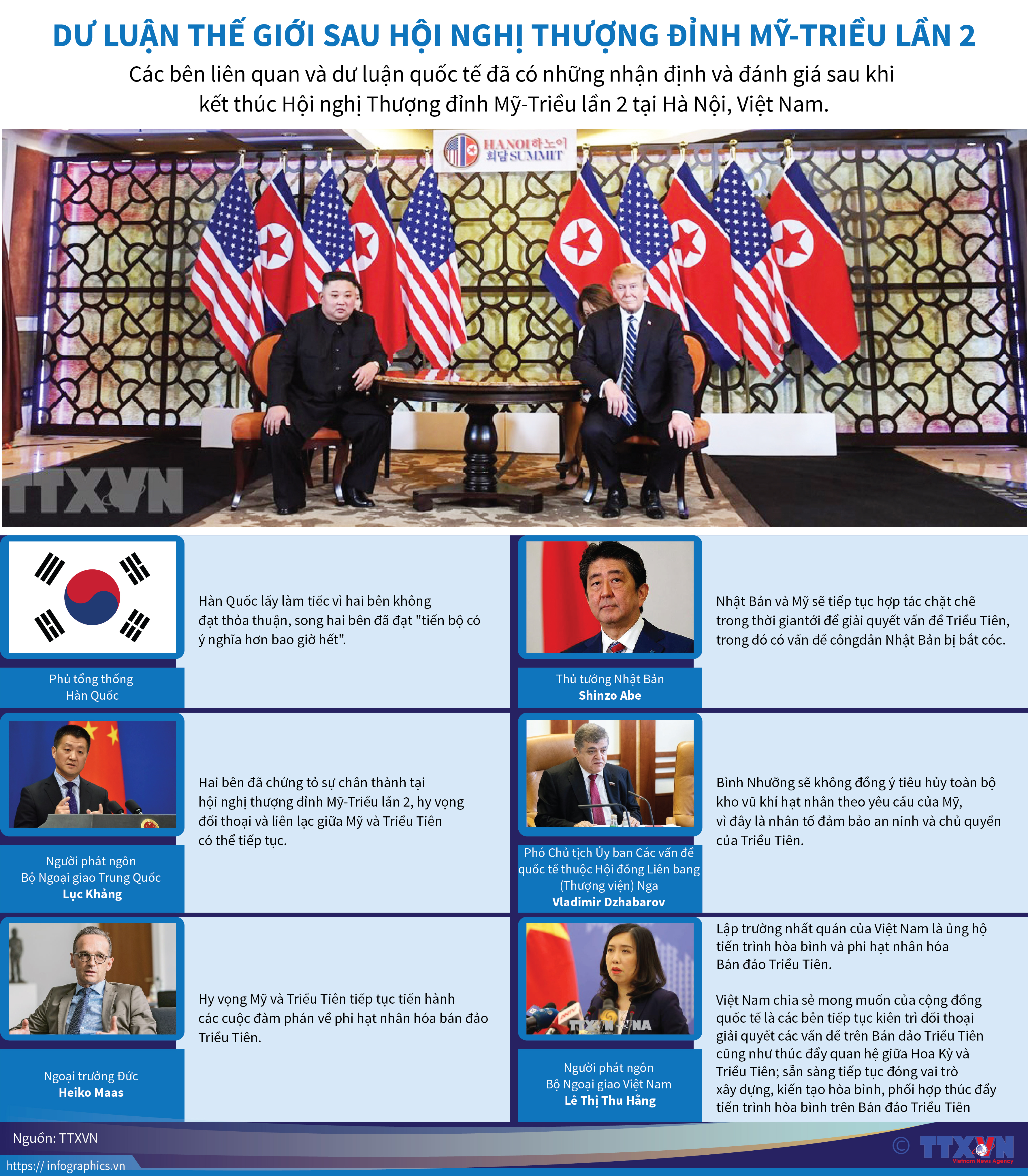
Tổng thống Mỹ Donald Trump (phải) và Chủ tịch Triều Tiên Kim Jong-un tại hội nghị thượng đỉnh Mỹ-Triều lần hai ở Hà Nội ngày 28/2/2019. (Ảnh: Yonhap/TTXVN)

Kết quả duy nhất của hội nghị lần hai chỉ là việc Tổng thống Mỹ Trump cam kết rằng Washington sẽ không gia tăng các biện pháp trừng phạt đối với Triều Tiên, còn nhà lãnh đạo Kim Jong-un thì khẳng định Bình Nhưỡng sẽ không tiến hành thêm các vụ thử hạt nhân và tên lửa.

Kết quả duy nhất này được dư luận đánh giá là mới chỉ giúp hai bên hiểu nhau hơn và giúp thu hẹp đáng kể khoảng cách khác biệt về cách thức giải quyết các vấn đề then chốt trong tiến trình phi hạt nhân hóa.

Cũng kể từ sau hội nghị lần 2 tại Hà Nội, tiến trình đàm phán giữa hai nước đã bị rơi vào bế tắc do Mỹ và Triều Tiên liên tục thể hiện quan điểm bất đồng về việc phi hạt nhân hóa bán đảo Triều Tiên. Mỹ vẫn hối thúc từ bỏ vũ khí sát thương hàng loạt, còn Triều Tiên thì giữ vững lập trường giải quyết vấn đề theo từng bước một.

Sau hội nghị lần hai, tiến trình đàm phán giữa Mỹ và Triều Tiên lại rơi vào bế tắc

Có thể thấy rõ, kể từ sau cuộc gặp lần hai, thông điệp mà Mỹ đưa ra là cánh cửa đàm phán luôn để ngỏ nếu Triều Tiên có thiện chí, nhưng “thiện chí” mà Mỹ muốn, là Triều Tiên phải tuân thủ những cam kết trong việc loại bỏ hoàn toàn vũ khí hạt nhân trước khi Mỹ đồng ý dỡ bỏ các lệnh trừng phạt.

Trong khi đó, thông điệp từ phía Triều Tiên cũng được cho là rất rõ ràng: duy trì đối thoại tích cực, tổ chức một hội nghị thượng đỉnh mới để “mở ra kỷ nguyên mới trong quan hệ Mỹ-Triều và phi hạt nhân hóa bán đảo Triều Tiên” là ưu tiên, nhưng phải luôn kèm điều kiện “có đi có lại.”

Con đường phi hạt nhân hóa: Đòi hỏi nỗ lực từ hai phía

Trong bối cảnh các cuộc đàm phán hạt nhân với Mỹ đang bị đình trệ, kể từ sau hội nghị thượng đỉnh Mỹ-Triều lần hai, Triều Tiên đã nhiều lần thể hiện sự “bất mãn” của mình với Mỹ.

Nhà lãnh đạo Triều Tiên Kim Jong-un đã đặt ra một thời hạn chót là đến cuối năm nay Mỹ phải thay đổi yêu sách trong đàm phán phi hạt nhân hóa với nước này.

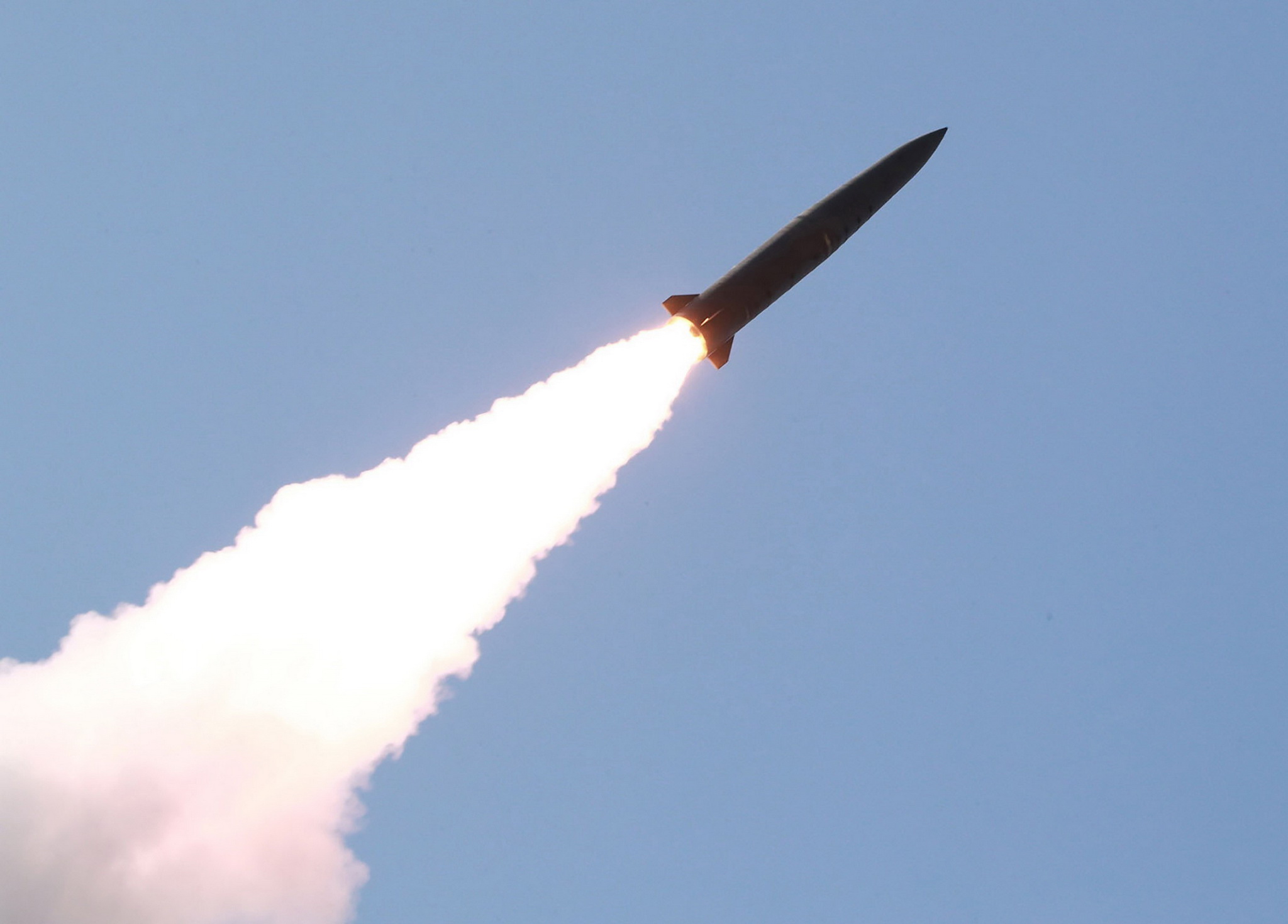
Song song với đó, Triều Tiên đã thực hiện một số vụ phóng tên lửa tầm ngắn vào vùng biển phía Đông, như vụ thử vũ khí mới ngày 18/4/2019, hay vụ phóng các vật thể bay về phía biển Nhật Bản từ ngày 4 đến 9/5/2019…

Giới phân tích nhận định đây là những động thái cứng rắn, nhưng được xem như là bước đi chiến thuật của Triều Tiên nhằm gây sức ép buộc Mỹ mềm dẻo hơn trong đàm phán hạt nhân, ít nhất là dỡ bỏ một phần các biện pháp trừng phạt hiện nay.

Một mặt, đây là cách Triều Tiên gây sức ép đối với Mỹ nhằm hối thúc Mỹ phải có hành động cụ thể trong vấn đề đàm phán hạt nhân.

Với mục tiêu này, các hành động quân sự của Triều Tiên chỉ là một phần, bên cạnh đó Triều Tiên còn gây sức ép ngoại giao khi nước này còn củng cố mối quan hệ và phối hợp hành động với các nước như Nga hay Trung Quốc.

Mặt khác, đằng sau những vụ thử vũ khí mới đã được lên kế hoạch của Triều Tiên này còn cho thấy một thông điệp rằng Triều Tiên có đủ tiềm lực quân sự mạnh mẽ, đủ khả năng để đương đầu với các mối đe dọa từ bên ngoài ngay cả khi tiếp tục đàm phán với Washington về vũ khí hạt nhân.

Các vật thể bay rời khỏi bệ phóng rocket trong cuộc diễn tập của các đơn vị phòng vệ Quân đội Nhân dân Triều Tiên ở phía Tây nước này, ngày 9/5/2019. (Ảnh: AFP/TTXVN)

Thời gian gần đây, Triều Tiên tiếp tục đưa ra cảnh báo rằng các cuộc đàm phán hạt nhân sẽ “không bao giờ được nối lại” nếu Mỹ không chấm dứt “những hành động thù địch” và yêu sách đòi Triều Tiên phải “đơn phương” từ bỏ vũ khí hạt nhân. Triều Tiên hối thúc Mỹ đưa ra cách thức mới để phá vỡ thế bế tắc trong vấn đề hạt nhân.

Ngay trước thềm kỷ niệm 1 năm sau hội nghị thượng đỉnh Mỹ-Triều tại Singapore, ngày 4/6/2019, Triều Tiên tiếp tục hối thúc Mỹ từ bỏ “sự tính toán hiện nay” và đưa ra đề xuất mới để nối lại các cuộc đàm phán hạt nhân đang bị đình trệ.

Hãng thông tấn Trung ương Triều Tiên dẫn lời người phát ngôn Bộ Ngoại giao Triều Tiên nêu rõ Mỹ nên nghĩ tới “lựa chọn chiến lược đúng đắn” để duy trì các thỏa thuận mà hai bên đạt được trong hội nghị thượng đỉnh Mỹ-Triều đầu tiên vào tháng 6/2018, trước khi quá muộn.

Những tiến bộ ít ỏi trong đàm phán Mỹ-Triều còn đang gây trở ngại cho cả mối quan hệ liên Triều

Theo người phát ngôn, Mỹ nên thay đổi phương thức tính toán và đáp ứng đề nghị của Triều Tiên sớm nhất có thể, bởi sự kiên nhẫn của Bình Nhưỡng là có giới hạn.

Đáp lại những lời cảnh báo của Triều Tiên, Bộ Ngoại giao Mỹ khẳng định lập trường kiên định về Tuyên bố chung đã ký giữa lãnh đạo hai nước tại Hội nghị thượng đỉnh Mỹ-Triều lần thứ nhất ở Singapore, trong đó có việc phi hạt nhân hóa hoàn toàn bán đảo Triều Tiên và xây dựng nền hòa bình lâu dài trên bán đảo này. Bộ Ngoại giao Mỹ khẳng định nước này luôn sẵn sàng cho một cuộc thảo luận mang tính xây dựng với Triều Tiên để thúc đẩy tiến trình này.

Cho đến nay, những tiến bộ ít ỏi trong đàm phán Mỹ-Triều còn đang gây trở ngại cho cả mối quan hệ liên Triều, làm đình trệ các dự án hợp tác xuyên biên giới quan trọng trong nhiều tháng.

Trong bối cảnh đó, Hàn Quốc đang thể hiện vai trò tích cực nhằm phá vỡ bế tắc trong đàm phán phi hạt nhân giữa Mỹ và Triều Tiên. Hiện Hàn Quốc đang nỗ lực nhằm tổ chức một hội nghị thượng đỉnh liên Triều mới. Tuy nhiên, Bình Nhưỡng chưa phản hồi về đề xuất đối thoại này.

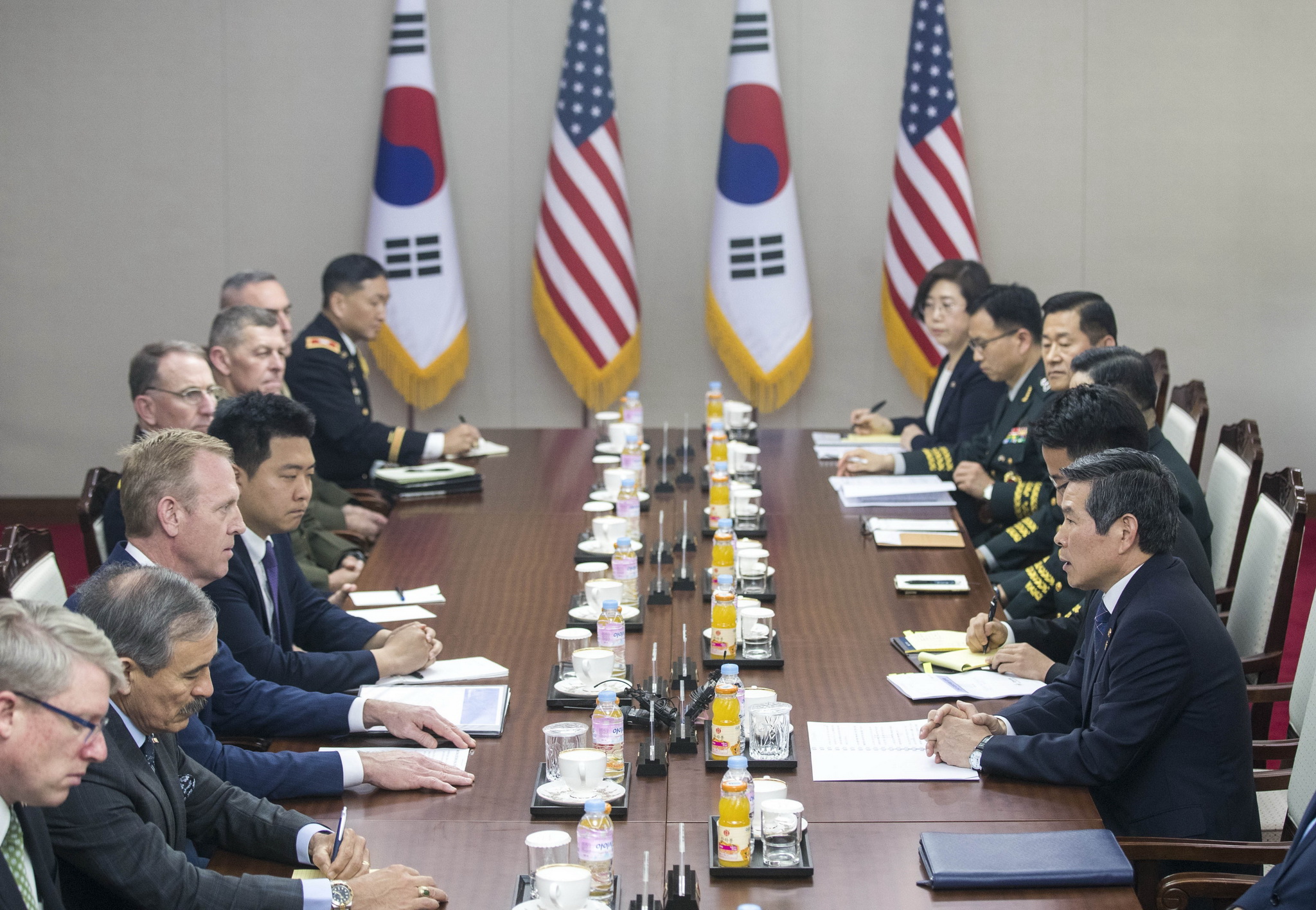
Bộ trưởng Quốc phòng Hàn Quốc Jeong Kyeong-doo (phải) và quyền Bộ trưởng Quốc phòng Mỹ Patrick Shanahan (thứ 3, trái) trong cuộc hội đàm tại Seoul ngày 3/6/2019. (Ảnh: Yonhap/TTXVN)

Ngày 9/6/2019, Chính phủ Hàn Quốc tuyên bố đã đến lúc phải hành động nhằm tạo bầu không khí tích cực cho Hội nghị Thượng đỉnh Mỹ-Triều tiếp theo.

Theo Bộ trưởng Thống nhất Hàn Quốc Kim Yoen-chul, đối với chính quyền Hàn Quốc, giờ là lúc phải nỗ lực hết sức để nối lại hội nghị thượng đỉnh Mỹ-Triều vào thời điểm sớm nhất. Điều quan trọng là Mỹ và Triều Tiên phải có một cuộc gặp thượng đỉnh khác sau hội nghị thượng đỉnh tại Hà Nội.

Chưa rõ liệu Mỹ và Triều Tiên có vượt qua được những rào cản để đi đến được một thỏa thuận cuối cùng hay không. Dù còn nhiều bất đồng thì nhìn chung, các nhà phân tích đều nhận định rằng nhiều khả năng hai nhà lãnh đạo Mỹ-Triều sẽ tìm kiếm một cuộc gặp thượng đỉnh Mỹ-Triều lần thứ 3 trong năm nay. Nhưng để tiến tới một hội nghị thượng đỉnh thứ 3 giữa Tổng thống Mỹ Donald Trump và nhà lãnh đạo Triều Tiên như dư luận mong đợi, chắc chắn còn rất nhiều rào cản và thách thức.

Việc phi hạt nhân hóa bán đảo Triều Tiên vẫn là một vấn đề nan giải

Rõ ràng, việc phi hạt nhân hóa bán đảo Triều Tiên vẫn là một vấn đề nan giải mà bất đồng cơ bản nhất của Mỹ và Triều Tiên là cách tiếp cận đối với việc phi hạt nhân hóa của mỗi bên. Tuy nhiên, chừng nào hai bên vẫn duy trì thiện chí đối thoại và hai nhà lãnh đạo tiếp tục “giữ cái đầu lạnh” để giải quyết bất đồng, thì tiến trình phi hạt nhân hóa vẫn nằm trong tầm kiểm soát.

Cơ hội cho các cuộc gặp thượng đỉnh tiếp theo nhằm tiến tới một thỏa thuận làm hài lòng cả hai bên và giải quyết triệt để vấn đề hạt nhân trên bán đảo Triều Tiên, vẫn còn ở phía trước.

Và vì vậy, cuộc gặp thượng đỉnh Mỹ-Triều lịch sử đầu tiên (vào tháng 6/2018) và cuộc gặp thứ hai ở Hà Nội (vào tháng 2/2019) vẫn được xem là minh chứng cho sự đúng đắn của cách tiếp cận mang tính xây dựng, đó là “đối thoại” thay cho “đối đầu”./.

La BAD maintient

Malgré une légère réduction par rapport à 2018 où la croissance du Vietnam a atteint 7,08% – un record depuis dix ans, l’économie vietnamienne devrait progresser de 6,8% en 2019, selon les prévisions de la Banque asiatique de développement (BAD).

Les experts de la BAD ont estimé que le ralentissement des principaux partenaires commerciaux du Vietnam, tels que l’Union européen, les Etats-Unis, le Japon et la Chine, pourrait affecter les perspectives de l’économie nationale.

LA CROISSANCE RESTERAIT ÉLEVÉE

Nguyen Manh Cuong, économiste de la BAD, a rappelé trois scénarios de l’économie mondiale présentés en décembre 2018 par la BAD : la guerre commerciale américano-chinoise maintiendrait ses tensions ; les Etats-Unis taxeraient 200 milliards de dollars de produits chinois et la guerre commerciale américano-chinoise créerait des tensions commerciales mondiales.

La dépendance du Vietnam au commerce extérieur qui représente en effet le double du PIB national, et les faiblesses du processus de restructuration des entreprises publiques, pourraient freiner la croissance de l’économie vietnamienne, a estimé Nguyen Manh Cuong.

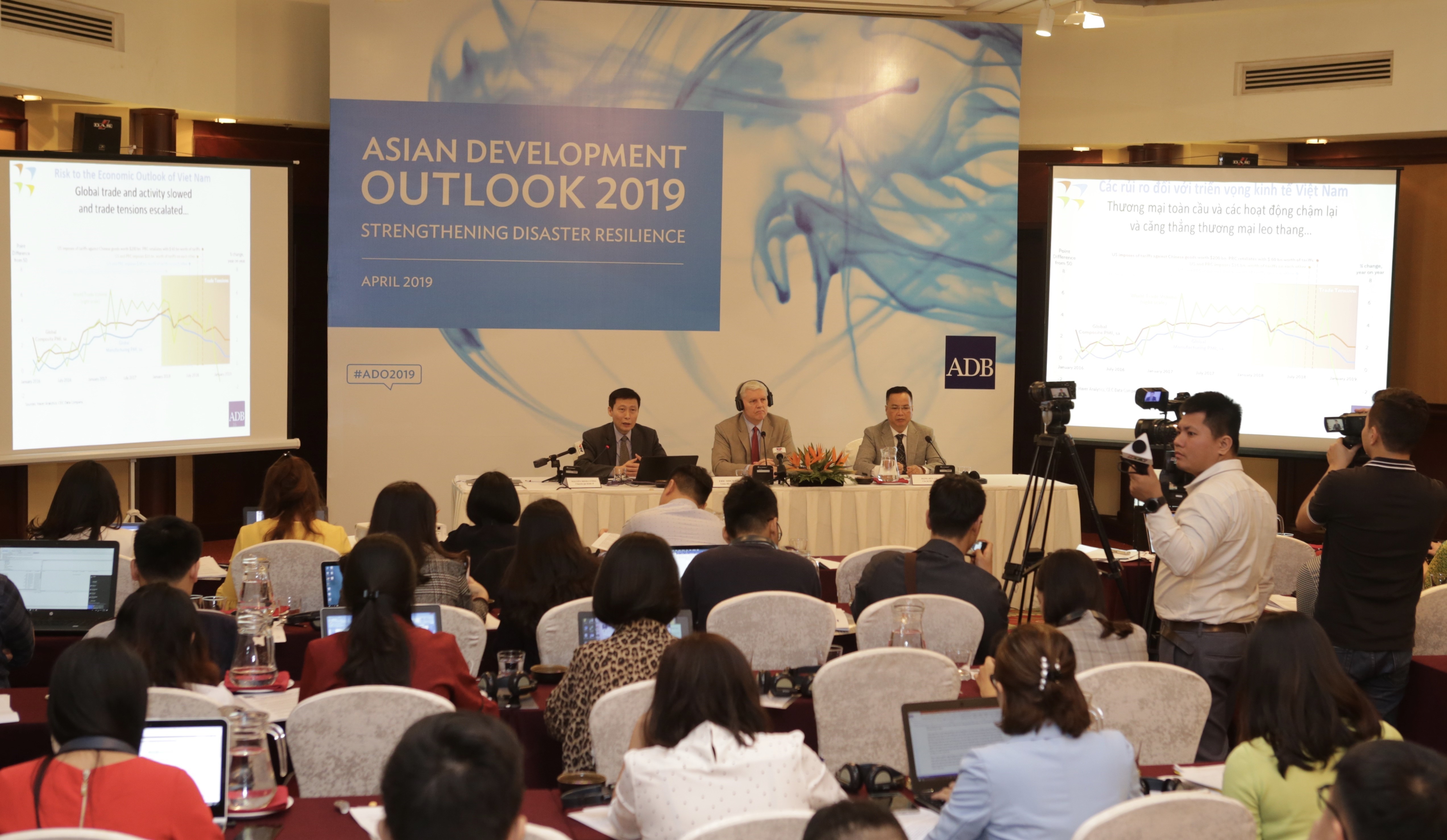
La conférence de presse consacrée à la publication du rapport Asian development outlook 2019 de la Banque asiatique de développement. Photo: VNA

Cependant, l’économiste de la BAD s’est déclaré toujours optimiste. Selon lui, dans n’importe quel scénario, le Vietnam serait toujours un bénéficiaire avec des gains qui pourraient se chiffrer à 2% de son PIB.

Cependant, la BAD indique que cela dépendrait encore d’autres facteurs, tels que la productivité et la compétitivité économique nationale. Des risques deviendraient réels si le processus de restructuration des entreprises publiques se ralentissait.

De son côté, l’économiste Nguyen Tri Hieu a déclaré que le ralentissement de la croissance économique du Vietnam en 2019 était raisonnable. Selon lui, en 2019, il est impossible d’atteindre une même croissance que 2018, notamment dans le contexte d’instabilité continue de l’économie mondiale. Par ailleurs, les impacts de la guerre commerciale américano-chinoise pourraient durer plusieurs années. C’est pourquoi les prévisions de la BAD et d’autres organisations internationales sur une croissance inférieure sont rationnelles.

Des risques deviendraient réels si le processus de restructuration des entreprises publiques se ralentissait.

Des produits de la société Duc Giang réservés aux marchés européens. Photo: VNA

Cette année, la croissance économique de la Chine et des Etats-Unis se ralentirait. La réserve fédérale américaine (Fed) a prédit que l’économie américaine pourrait être confrontée à des difficultés, avant de décider de ne pas relever les taux d’intérêt.

« Les Etats-Unis sont le plus important marché d’exportation du Vietnam et la Chine est son plus grand marché d’importation. Si leur croissance économique se ralentit, l’économie vietnamienne rencontrera certainement des difficultés. C’est pourquoi une croissance économique de 6,8% semble raisonnable pour le Vietnam cette année», a analysé Nguyen Tri Hieu.

DES POINTS D’APPUI POUR LA CROISSANCE ÉCONOMIQUE

Les experts de la BAD se sont également déclarés optimistes quant aux perspectives de croissance des secteurs de la fabrication et de la construction grâce au flux d’investissement direct étranger (IDE).

Concrètement, au premier trimestre, le Vietnam a attiré 10,8 milliards de dollars d’IDE, soit une hausse de 86,2% en glissement annuel. Hong Kong (Chine) était en tête parmi les pays et territoires investissant au Vietnam avec 4,4 milliards de dollars, représentant 40,7% du total. Elle a été suivie par Singapour, la République de Corée, la Chine et le Japon.

Cette année, les secteurs bancaire, des services et des finances connaîtraient une bonne croissance. Le nombre de touristes devrait progresser de 16% cette année et en 2020, ce qui favoriserait le développement de l’hôtellerie-restauration et des transports. Le secteur de l’agriculture pourrait atteindre l’objectif de croissance de 3% fixé par le gouvernement.

Des ouvrières de la société Viet Hung dans la commune de Hoai Tan, district de Hoai Nhon, province de Binh Dinh, classifient des noix de cajou. Photo: VNA

Selon Eric Sidgwick, directeur national de la BAD au Vietnam, l’économie vietnamienne a enregistré une croissance élevée en 2018 grâce à la forte hausse des exportations et de la demande intérieure. Il est probable que la croissance économique du Vietnam sera maintenue dans les temps à venir, grâce à l’industrie manufacturière, aux investissements directs étrangers et à la demande intérieure, ainsi qu’aux réformes pour améliorer l’environnement des affaires et encourager les investissements privés.

Le gouvernement a fixé l’objectif de 140.000 nouvelles entreprises créées en 2019, contribuant à la promotion des exportations et à l’attraction d’IDE et d’investissements privés.

Pour favoriser les investissements privés, Eric Sidgwick a conseillé au Vietnam de poursuivre les réformes afin d’améliorer son environnement des affaires et d’intensifier ses relations avec des partenaires à travers les accords commerciaux.

La ratification de l’Accord global et progressif de partenariat transpacifique (CPTPP) en 2018, et les efforts pour accélérer la signature et la ratification de l’Accord de libre-échange entre le Vietnam et l’Union européen (UE), permettent d’attirer plus d’entreprises étrangères au Vietnam.

Ces accords commerciaux illustrent l’engagement du gouvernement vietnamien sur l’ouverture de l’économie nationale. Le gouvernement a fixé l’objectif de 140.000 nouvelles entreprises créées en 2019, contribuant à la promotion des exportations et à l’attraction d’IDE et d’investissements privés.

Dans une succursale de Vietcombank à Vinh Yen. Photo: VNA

Les perspectives de la consommation personnelle demeurent optimistes grâce au rehaussement des revenus des foyers et au maîtrise efficace de l’inflation. Les activités d’investissement seront multipliées grâce à l’augmentation des investissements publics d’ici l’an prochain, pour atteindre les objectifs de développement socio-économique fixés pour la période 2016-2020.

DÉFIS POLITIQUES

Le plus grand défi actuel pour l’économie vietnamienne est d’accélérer la participation de ses entreprises aux chaînes de valeur mondiales, a déclaré Eric Sidgwick.

Selon lui, la plupart des entreprises vietnamiennes sont des PME qui ne peuvent pas créer de produits et services répondant aux exigences des chaînes de valeur mondiales. La participation du Vietnam aux chaînes de valeur mondiales se base principalement sur les entreprises à participation étrangère.

L’ère du développement basé sur l’avantage concurrentiel d’une main-d’œuvre bon marché mais peu qualifiée s’est passée et le Vietnam doit devenir une économie fondée sur des ressources humaines hautement qualifiées.

La BAD a souligné les limites dans la perception des petites et moyennes entreprises vietnamiennes qui ne considèrent l’innovation de produits comme un moyen visant à réduire les coûts plutôt qu’à améliorer la qualité.

Eric Sidgwick a souligné les faiblesses des petites et moyennes entreprises vietnamiennes en termes d’achat et d’application de nouvelles technologies, en raison d’un accès difficile aux capitaux et de pénurie de main-d’œuvre qualifiée.

Les entreprises vietnamiennes ont souvent du mal à accéder aux capitaux avec des coûts raisonnables, en raison de conditions strictes et de procédures compliquées, a-t-il ajouté.

Concernant la pénurie de main-d’œuvre qualifiée, une récente enquête de Manpower Group montre que seulement 11% des entreprises vietnamiennes disposent des capacités nécessaires pour participer aux chaînes de valeur mondiales.

L’ère du développement basé sur l’avantage concurrentiel d’une main-d’œuvre bon marché mais peu qualifiée s’est déjà passée et le Vietnam doit devenir une économie fondée sur des ressources humaines hautement qualifiées.

Pour résoudre le problème de qualité des produits, les experts ont souligné que les politiques devraient encourager et soutenir l’application des nouvelles technologies et l’innovation.

Le développement des compétences nécessaires exige une solution globale et synchrone avec la participation du gouvernement, des établissements de formation et des entreprises privées pour fournir des services de formation professionnelle de haute qualité.

Si les petites et moyennes entreprises vietnamiennes ne peuvent pas accéder aux capitaux et améliorer leurs compétences, elles continueront de prendre du retard sur la voie de l’intégration dans les chaînes de valeur mondiales./.

Des chaussures produites par la société Ha Tay dans la commune de Tan Lap, district de Dan Phuong, Hanoï, pour être exportées en Europe, au Royaume-Uni et aux États-Unis . Photo: VNA

Minister: stronger measures taken to reduce traffic accidents

The transport sector has taken strong measures to reduce the number of serious traffic accidents, focusing on upgrading road and railway infrastructure systems, Minister of Transport Nguyen Van The has said.

In an interview with the Vietnam News Agency, The affirmed that in 2019, the Ministry of Transport will pay attention to reducing traffic accidents, strictly handling aviation safety incidents and solving problems related to BOT projects.

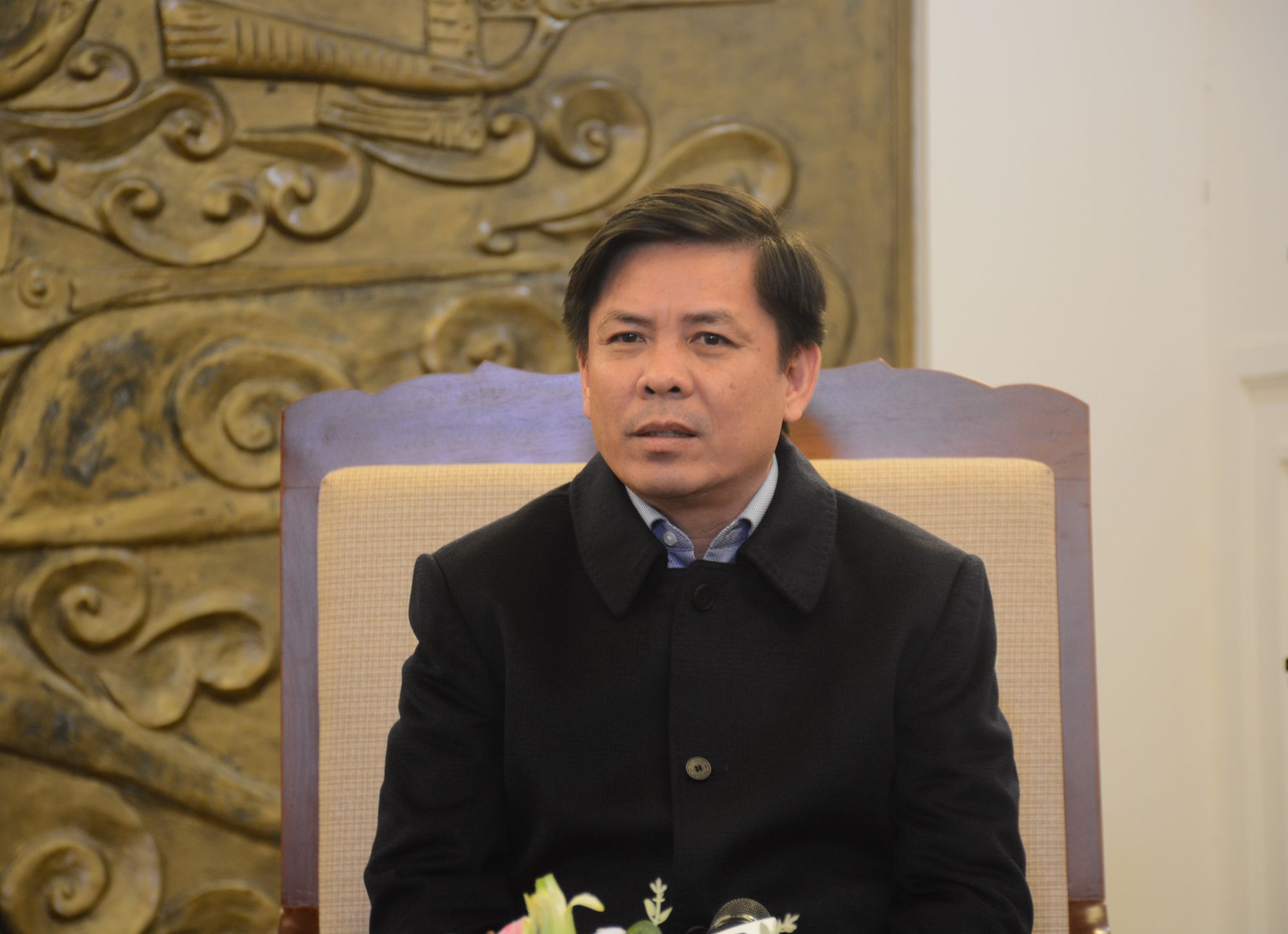
Minister of Transport Nguyen Van The (Source: VietnamPlus)

According to the minister, in 2018, the number of traffic accidents was reduced by 6.7 percent and the number of injured people by 13.1 percent,but the number of deaths due to traffic accidents dropped by only 0.4 percent – much lower than the target of 5 percent.

The attributed this to low awareness of drivers, violations of regulations of traffic safety such as drinking alcohol or using drugs and pressure on professional drivers. In the near future, there will be a number of binding regulations on the responsibility of owners of vehicles, even in particularly serious fatal accidents, allowing vehicles in accidents to be confiscated permanently while the driver can be banned from driving forever.

“In particularly serious fatal accidents, vehicles causing accidents can be confiscated permanently while the driver can be prohibited from driving forever,” he said.The also also admitted the weaknesses of road infrastructure system.Vietnam has more than 24,000 km of road with many bridges, he said, noting that about 5,000 km of road need to be upgraded annually but the current maintenance fund for this is very low, only meeting about 20-30 percent of demand.The ministry has directed the Directorate for Roads of Viet Nam (DRVN)to build a project on road maintenance, The said, adding that it considers maintenance and repair of the utmost importance.The railway system is currently very weak,he said, noting that there are 5,719 crossings along the railway line, so it is very difficult to ensure traffic safety.The Ministry of Transport has launched a project to construct overpasses and detours at crossroads, which needs more than 7 trillion VND.On aviation safety, Minister The said the industry has recently seen problems affecting security such as aircraft technical quality.The ministry will work with aviation safety technical staff to ensure absolute safety for landing, while inspecting both domestic and foreign pilots to rule out unqualified pilots.The ministry has assigned the Civil Aviation Authority of Vietnam to work with the International Civil Aviation Organization (ICAO) and aircraft manufacturers to analyse the causes of each accident and handle the crews, businesses, airports as well as management agencies.

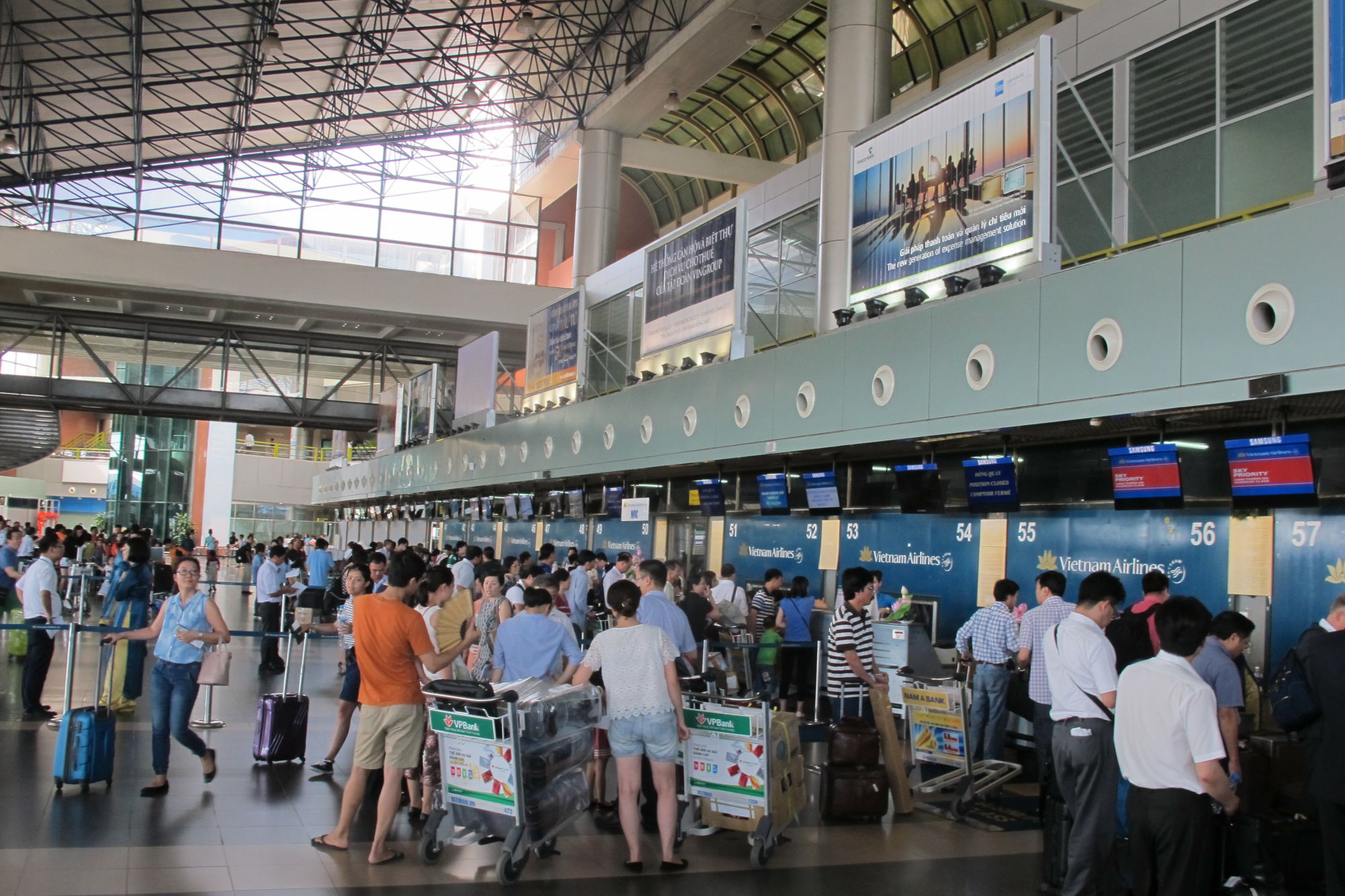
Aviation security is considered the most important goal of the aviation sector (Photo: Vietnam+)

When violations are detected, the ministry will handle them strictly, he said, stressing that special supervision will be put on airlines with many problems.With the aviation sector, when a light incident occurs, the ministry will withdraw take-off and landing permits, and if serious incidents occur, stronger measures will be taken.Per the direction of the Party Central Committee Secretariat, the Government will issue new and stricter regulations.

Overall handling of BOT projects-related problemsRegarding build-operate-transfer (BOT) transport projects, Minister The said all BOT projects have been supervised by ministries and localities in line with legal regulations.

However, he admitted the great number of BOT toll stations in certain areas has forced people to bear high transportation fees.

The ministry is focusing on evaluating and taking solutions to BOT projects that have problems and is sending monthly reports to the Government to take plans and actions to handle the, the official said.

He touched upon difficulties facing the transport sector in managing BOT projects, saying that the ministry is still reporting to the Government to submit a solution to the NA.

The Ministry of Transport cannot decide to suspend or dismantle any BOT toll station, he said, stressing that if the NA agrees, it can spend tens of trillion VND to solve some projects.However, he noted that the five-year budget has been almost entirely allocated, so hopefully capital can be arranged for 2020-2025.

Regarding delays of construction of transport projects in the last two years, The said the construction cannot be started because it is necessary to strictly implement the Law on Public Investment.

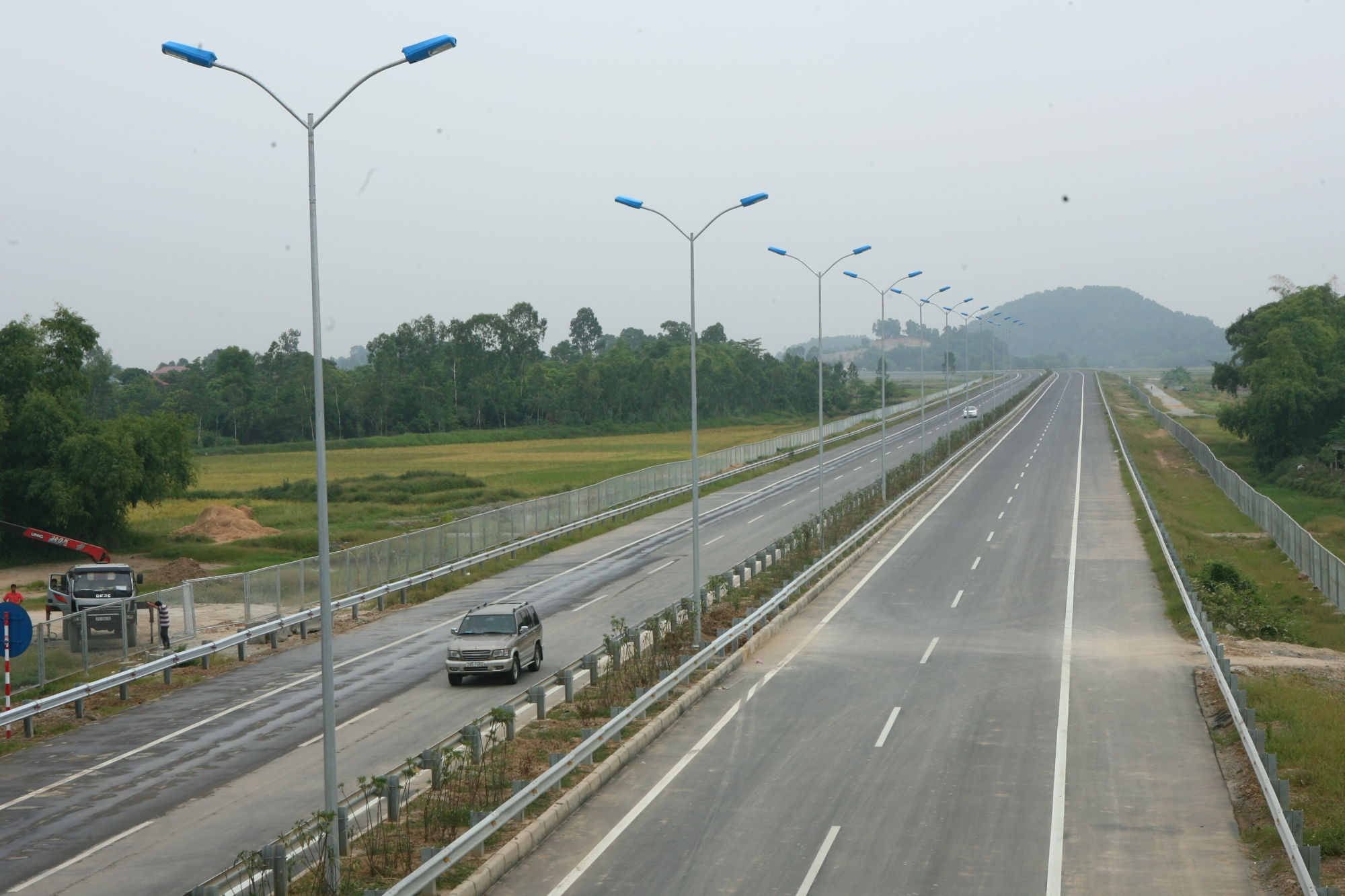
In 2019, the Ministry of Transport will focus on the North-South highway projects. (Source: VietnamPlus) 

In 2019, the ministry will deploy several key projects, namely the North-South Expressway to the East and Long Thanh International Airport in the southern province of Dong Nai, The said, noting that these projects basically meet the construction progress.For Long Thanh International Airport, the Government has approved the site clearance project, and the Ministry of Transport is working with local authorities to organise compensation work in 2019.As many as 11 projects related to the North-South Expressway have been approved, he said.

According to the minister, areas required for clearance will be notified to relevant localities in April 2019.As much as half (about 7 trillion VND) of the capital for the clearance work arranged by the NA is expected to be disbursed in the year.

Disbursement advance will be implemented for three State budget projects, which will be  constructed in 2019. For eight public-private partnership (PPP) projects, the selection of contractors is scheduled to be completed in September, while that of investors for the projects will be fulfilled in late 2019 to prepare for construction in 2020-2021.

The ministry will carry out international bidding widely to select investors. The State will manage the price frame, and investors can be active in adjusting it, the minister said.-VNA

L’artiste Tran Luc

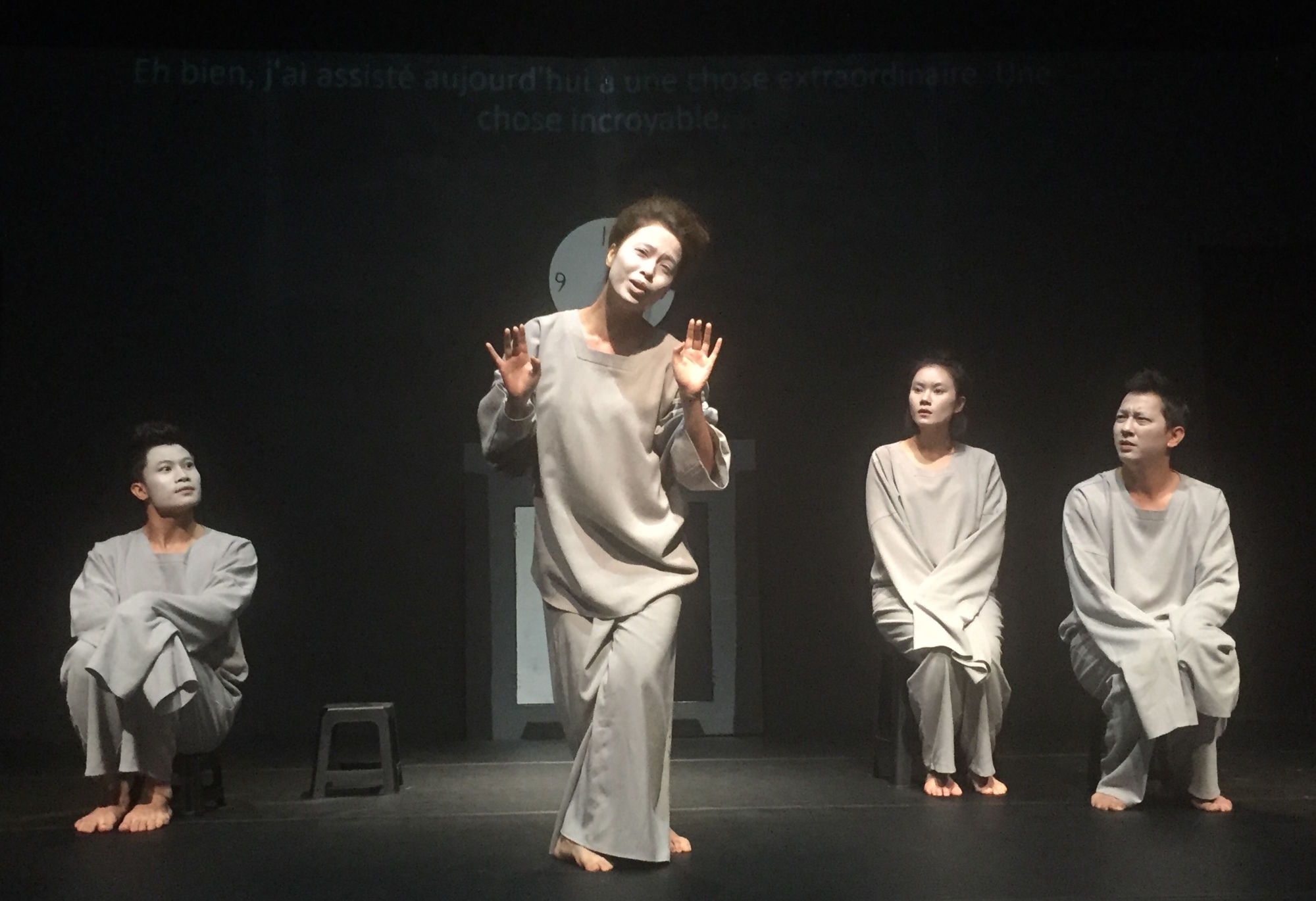
Le théâtre de l’absurde demeure presque inconnu au Vietnam. Cependant, le réalisateur Tran Luc a décidé de monter la pièce « La Cantatrice chauve » – l’une des œuvres du théâtre de l’absurde les plus connues du dramaturge et écrivain français Eugène Ionesco.

« Beaucoup me disent que je suis téméraire mais je ne le pense pas. La témérité correspond à des actions plutôt aveugles, alors que je suis assez lucide. J’ai bien réfléchi et j’ai eu des préparatifs dans toutes les étapes, de la préparation professionnelle à la logistique comme la vente des billets… Les artistes doivent vivre aussi. De plus, je considère les recettes comme l’un des facteurs pour évaluer la pièce », a-t-il partagé.

« Beaucoup me disent que je suis téméraire mais je ne le pense pas! »

Une aventure enthousiasmante

– Si ce n’est pas la témérité, quelle est donc votre motivation pour monter la pièce « La Cantatriche chauve » ?

Tran Luc : Je pense que c’est la confiance en soi et le courage. En outre, je suis un peu impatient en attente des réactions des spectateurs.

De nombreuses pièces de théâtre de l’absurde ont vu leurs scénarios être traduits en vietnamien, mais elles n’ont pas été mises en scène. C’est pourquoi le théâtre de l’absurde demeure mal connu au Vietnam. Plusieurs personnes semblent réservées sur ce style qui se caractérise par l’absence d’histoire, le manque total de continuité dans les actions, de la cohérence à l’intrigue et de la logique.

Personnellement, je pense que sous l’angle des valeurs fondamentales, le théâtre de l’absurde n’a pas de grandes différences par rapport à d’autres styles car tous tournent autour de l’homme et décrivent la vie humaine…

Les dialogues dans la pièce « La Cantatrice chauve » se détraquent. Photo : Vietnam+

Par exemple, pour le cas de « La Cantatrice chauve », la pièce n’a pas de l’intrigue. Eugène Ionesco a écrit des dialogues avec des propos incohérents, banaux, contradictoires et dépourvus de sens, afin de railler les compétences linguistiques de certaines personnes, la répétition ennuyeuse de la routine et la distance entre les membres de la famille. De plus, à travers les détails absurdes, l’auteur voulait parler du destin de l’homme…

Les dialogues sont incohérents, les personnages racontent des histoires dépourvues de sens et de logique. Chacun une phrase et il laisse les autres comprendre à leur façon !

« Je recours aux langagues et aux images conventionnelles du théâtre traditionnel de l’Orient pour monter une pièce du théâtre de l’absurde de l’Occident. »

– Vous dites que vous vous occupez même de la vente des billets et des recettes. Est-ce que cela affecte votre caractéristique d’artiste et la qualité de la pièce ?

Tran Luc : Je ne pense pas qu’il s’agisse du pragmatisme, mais c’est la réalité. Il n’y a pas question d’investir sans penser au rendement. De plus, je considère les recettes comme l’un des facteurs pour évaluer le succès de la pièce. Le nombre de billets vendus m’aidera à répondre à des questions comme : La pièce est-elle reconnue du public ? Sa qualité est suffisamment attractive pour qu’une personne achète un billet ? …

Si l’on veut attirer les spectateurs, on doit avoir des pièces intéressantes. Plusieurs gens disent que les spectateurs tournent le dos au théâtre mais les artistes doivent se revoir. Il est évident que les pièces montées selon les styles des années 1960 et 1970 ont du mal à attirer des spectateurs ».

« La Cantatrice chauve » est une nouvelle « aventure » de Tran Luc et LucTeam. Photo : LucTeam

Après des pièces montées selon de nouveaux styles comme « La Jalousie du Barbouillé » de Molière, j’ai trouvé que les spectateurs s’étaient montrés enthousiastes bien que les scénarios soient pas nouveaux.

Cela ne signifie pas que je ne m’intéresse qu’aux ventes des billets. L’art me semble une aventure et dans ce cas, il faut la liberté et l’enthousiasme pour assurer la qualité des œuvres. Si l’artiste possède des œuvres intéressantes, il n’aura pas peur que les spectateurs l’oublient ou l’abandonnent.

« Si l’artiste possède des œuvres intéressantes, il n’aura pas peur que les spectateurs l’oublient ou l’abandonnent. »

– Alors, comment vous débrouillez-vous avec « La Cantatrice chauve » ?

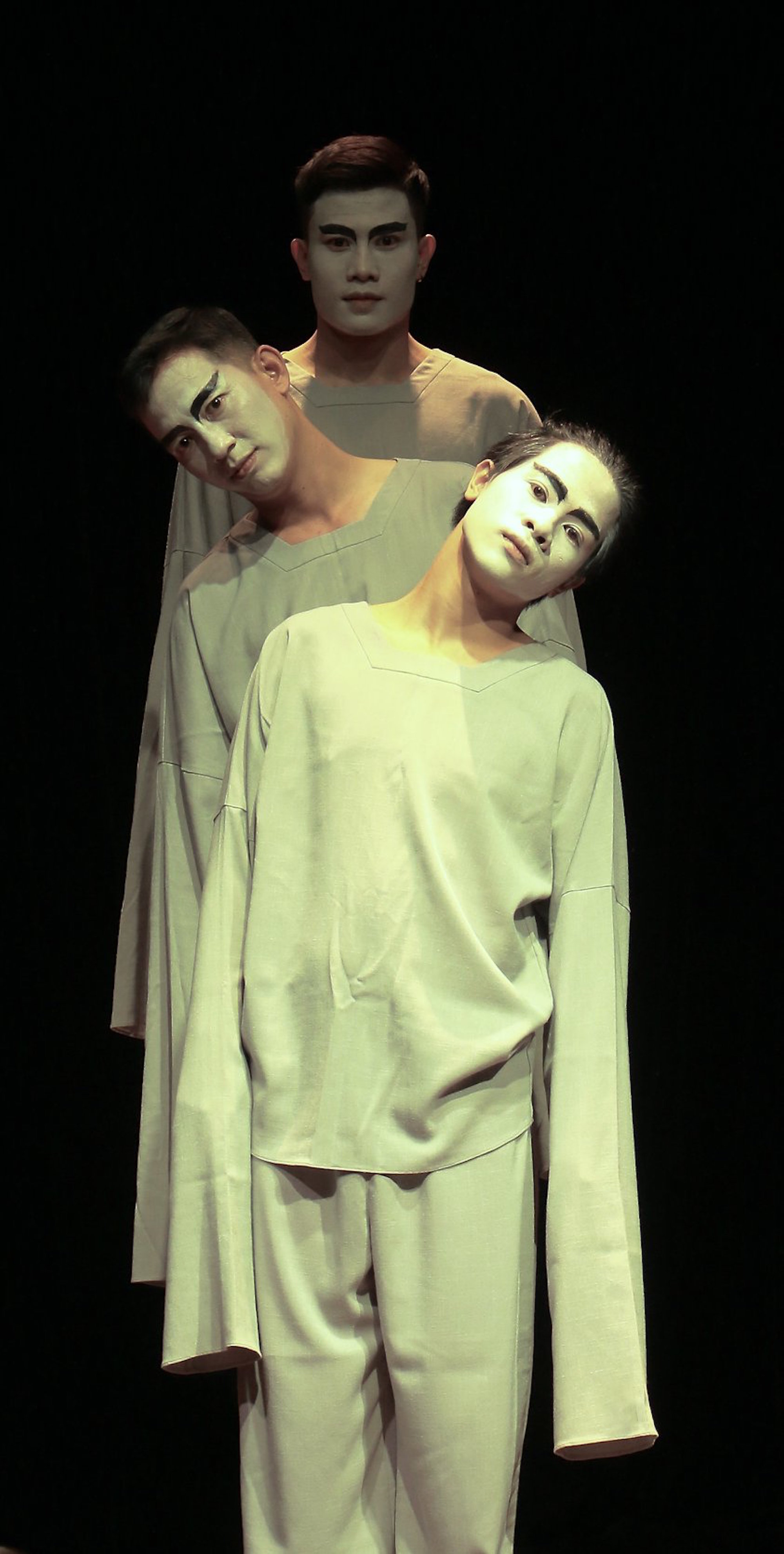
Tran Luc : Je recours aux langages et aux images conventionnelles du théâtre traditionnel de l’Orient pour cette pièce occidentale. Les pièces selon ce style comprennent trois éléments : une simple histoire ; de simples décoration et accessoires ; des artistes avec de bonnes capacités de communiquer et d’interagir. Les acteurs doivent jouer avec une grande diversité d’expressions faciales, en libérant leurs corps et contrôler eux-mêmes les déplacements dans chaque acte pour susciter l’imagination des spectateurs et les intégrer dans le courant de l’histoire. Une grande importance est attribuée à l’interaction entre les acteurs et les spectateurs, ainsi qu’à la « plongée » des spectateurs dans l’histoire pour éviter un public passif.

Le réalisateur Tran Luc monte la pièce « La Cantatriche chauve » en recourant aux images conventionnelles. Photo : Vietnam+

Sujets d’actualité de la société vietnamienne

Le théâtre de l’absurde demeure étranger aux spectateurs vietnamiens. Est-ce qu’il a fallu « vietnamiser » le scénario de « La Cantatrice chauve » pour la rendre plus compréhensible aux Vietnamiens ?

Tran Luc : Normalement, pour les scénarios étrangers, les réalisateurs doivent y ajouter des détails ou changer quelques situations pour faciliter l’accès des spectateurs vietnamiens. Mais j’ai trouvé qu’il n’était pas nécessaire de vietnamiser « La Cantatriche chauve » en lisant son scénario.

« Les jeunes acteurs n’ont pas beaucoup d’expériences mais leur naïveté, leur fraîcheur et leur enthousiasme ne sont pas les moindres. »

Les écarts, les régressions mentales, l’ennui dans la vie…, sont tous des problèmes qui peuvent arriver à l’être humain où qu’il soit, bien que l’histoire de la pièce se déroule dans une famille au Royaume-Uni. Les grands artistes, ce sont ceux qui peuvent écrire des histoires universelles et humaines comme « La Cantatriche chauve ». Cette pièce et plusieurs autres d’Eugène Inonesco comme « La Leçon », « Les Chaises » et « Victimes du devoir » sont des pièces de culte du théâtre occidental contemporain.

– Qu’est-ce qui fait donc la différence entre votre version de « La Cantatriche chauve » et celles d’autres réalisateurs ?

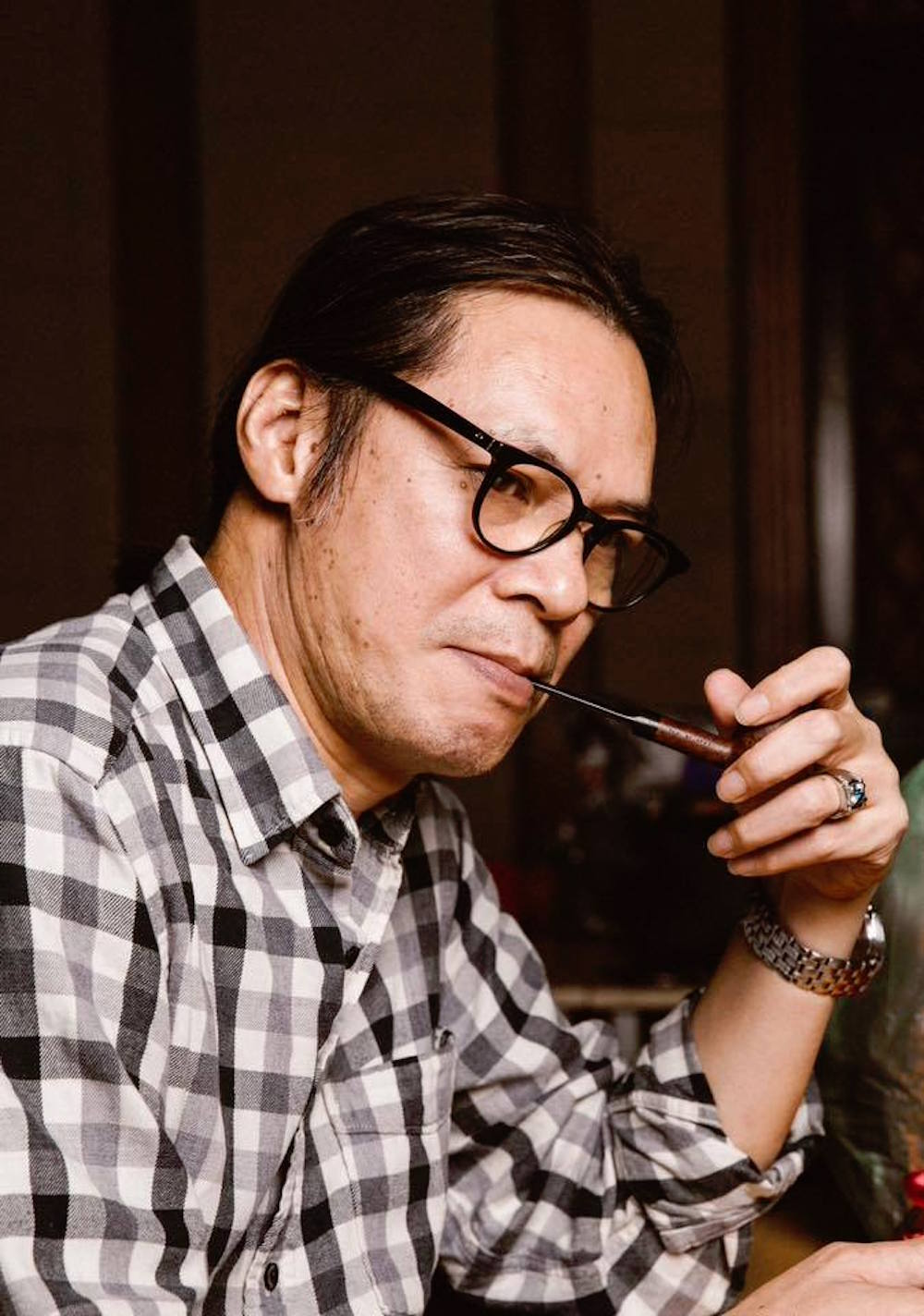
L’artiste Tran Luc.
L’artiste Tran Luc.

Tran Luc : Il est certain que je ne garde pas le scénario original intact. J’ai introduit quelques phrases pour étonner les spectateurs, comme par exemple : « Il sait à la fois jouer du piano et agiter le +mam tom+ (salaison de crevettes) ».

Mais je pense que ma plus grande empreinte est l’utilisation des langages et des images conventionnelles du théâtre traditionnel de l’Orient pour monter une pièce du théâtre de l’absurde de l’Occident.

En outre, avant le baisser de rideau, nous avons un dialogue entre quatre personnages principaux qui parlent des histoires et des sujets d’actualité de la société vietnamienne tels que les « faux diplômes », la violence en milieu scolaire, des téléfilms préférés et des footballeurs favoris des Vietnamiens…

Ce dialogue n’est pas trop long, soit l’équivalent de deux feuilles de page format A4. Les personnages continuent de parler mais chacun à sa façon, sans s’intéresser aux autres.

– Je trouve que vous être assez audacieux en montant « La Cantatriche chauve » avec de jeunes acteurs. Les acteurs déjà connus ne sont-ils pas une condition favorable au succès d’une pièce ?

Tran Luc : Tous les huit acteurs participant à cette pièce sont parmi mes étudiants. La moitié d’entre eux viennent d’être diplômés, les autres sont des étudiants de la 3e ou 4e année à l’Académie du Théâtre et du Cinéma de Hanoï.

Il est vrai que les jeunes acteurs n’ont pas d’expériences mais leur naïveté, leur fraîcheur et leur enthousiasme ne sont pas les moindres. S’ils n’ont pas d’opportunités, ils ne pourront pas grandir.

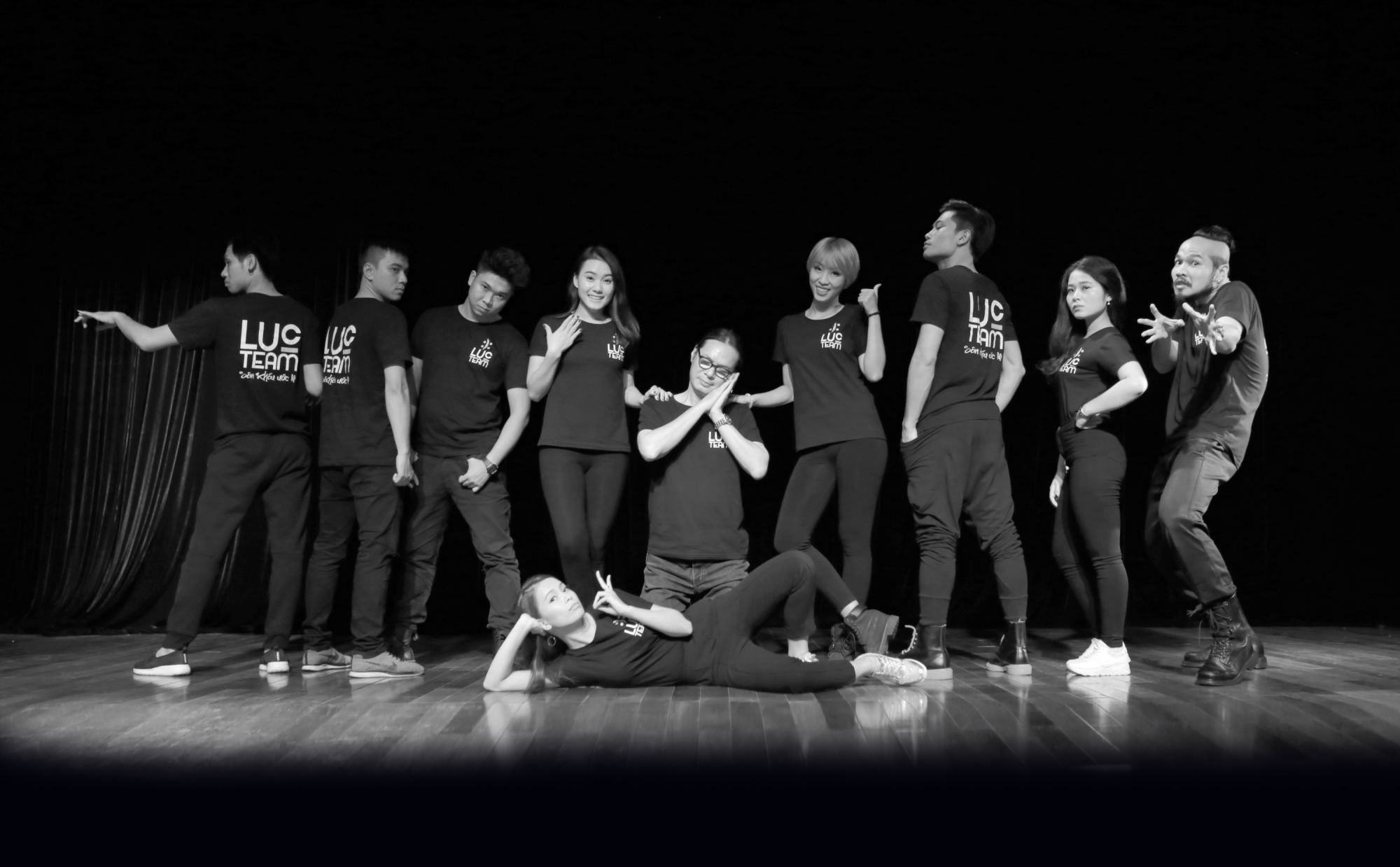
J’ai déjà dit mon opinion et je la garde toujours : il faut des pratiques dans l’art du jeu d’acteur. LucTeam est une troupe des professeur et étudiants. Je suis professeur qui travaille avec mes étudiants, de jeunes artistes. Nous avons formé cette troupe car nous avons une même volonté et une même aspiration à conquérir les nouveaux monts de l’art du théâtre. La naïveté et la fraîcheur sont des éléments qui font la différence de nos œuvres.

« La Cantatriche chauve » est présentée au public à l’Institut français de Hanoï-L’Espace au 24 rue Trang Tien, à partir de mi-janvier. Elle sera envoyée au 4e Festival international de théâtre expérimental de Hanoï.

– Je vous remercie !

LucTeam est une troupe des professeur et étudiants. Photo : LucTeam

Credit tightened over overheated property market concerns

Experts have described real estate loans as “the goose that lays the golden eggs” of credit institutions. In the past, massive lending led to overheated credit growth, and many property projects became non-performing loans that were extremely difficult to be dealt with.

To ensure the safe development of each market segment and the economy, the State Bank of Vietnam (SBV) has decided to tighten credit for the property market.

Recently, the central bank issued warnings and requested banks be prudent and have strict lending requirements to minimise risks when providing loans in this field. Accordingly, banks must control the capital flow well to ensure that borrowers use loans for the right purposes.

In fact, the policy on tightening credit for high-risk areas dates back several years ago when the property market was developing strongly. It has been carried out in a larger scale since the beginning of 2018.

The capital-to-risk weighted assets ratio has been changed many times. The ratio for real estate loans used to be set at 100 percent in 2005. It was raised to 250 percent in 2010, and then cut to 100 percent in 2014.

In 2016, the SBV issued Circular No. 06/2016/TT-NHNN, which stipulated that the capital-to-risk weighted assets ratio for real estate loans would be kept at 150 percent until the end of 2016 and later increased to 200 percent as from January 1, 2017.

Banks have tightened credit for the property market due to overheated growth concerns (Photo: VNA)

The tightening of real estate credit is not a temporary move but a long-term trend. It is necessary to develop other capital sources for the property market instead of depending solely on bank loans.

Meanwhile, the maximum rate of short-term capital used to fund medium- and long-term loans would be gradually reduced from 60 percent to 45 percent. In Circular No. 19/2017/TT-NHNN, the SBV set this rate at 40 percent from the beginning of 2019, and raised the capital-to-risk weighted assets ratio for real estate loans from 200 percent to 250 percent.

The maximum rate of 40 percent in short-term capital used to fund medium- and long-term loans should have been applied from 2018, but too fast reduction might cause pressure on banks. Therefore, the SBV decided to extend the time for applying this rate to 2019 so that credit institutions could have more time to prepare.

Banks’ financial reports showed that most of them maintain a rate of real estate loans at 7 percent, a strong decline from the rate of more than 30 percent in 2007 and 2008. Statistics released by the SBV also showed the rate of real estate loans of total outstanding loans in the economy was about 7.5 percent at the end of June 2018, much lower than the 15.8 percent in 2017 or 17.1 percent in 2016.

However, the actual rate of real estate loans remains controversial. In meetings of the National Financial Supervisory Commission, real estate credit hidden in the form of consumer credit was mentioned several times.

Experts are also concerned the decline in real estate credit is a tactic of banks. Loans for house purchases that used to be classified as real estate credit are now defined as consumer credit.

Dr Can Van Luc, a financial-banking expert, proposed loans for house purchases and repairs be separated from consumer credit and classified as real estate credit.

He said the tightening of real estate credit is not a temporary move but a long-term trend. It is necessary to develop other capital sources for the property market instead of depending solely on bank loans.

Echoing this view, Dr Nguyen Tri Hieu said it is crucial to tighten credit for the property market although there could be several unwanted impacts on the market.

“Although that policy could make the property market shrink, the impact is not much, it can even support the settlement of banks’ non-performing loans more actively,” he stressed.

In late October 2018, the Ho Chi Minh City Real Estate Association (HoREA) proposed the SBV permit banks to continue using short-term capital to fund medium- and long-term loans at a maximum rate of 45 percent in 2019.

The HoREA said according to the Law on Real Estate Business, depending on projects’ scale, investors’ ownership capital must account for 15 – 20 percent of total investment capital. The remaining 80 – 85 percent is mainly financed by bank loans and housing buyers.

Additionally, the search for other capital sources from property investment funds and the stock market hasn’t met expectations. Aside from several foreign financial investment funds, there is only one domestic property investment fund in Vietnam with charter capital of only 50 billion VND. As a result, the huge amount of spare money in the country hasn’t been mobilised, and the great demand for capital in the property market remains unsatisfied, the HoREA said.

In contrast, expert Nguyen Tri Hieu said the SBV’s tightening of credit for the real estate and stock markets in 2019 is reasonable.

A bank’s transaction office (Photo: LienVietPostBank)

In 2019, both housing buyers and investors will encounter numerous difficulties in accessing bank loans because of higher interest rates and less capital allocated for real estate.

“Banks should be cautious to help purify the property market,” Hieu recommended.

Sharing the same view, a leader of a commercial bank said the banking sector should not delay or extend the deadline for reducing the rate of short-term capital used to fund medium- and long-term loans to minimise liquidity-related risks and limit banks’ enhancement of lending for the real estate market which could boost risks in banking.

Many property businesses also predicted that in 2019, both house buyers and investors will face difficulties in accessing bank loans because of higher interest rates and less capital allocated for real estate.

The central bank’s tightening of short-term capital used to fund medium- and long-term loans has forced banks to shorten the lists of property projects entitled to loans. Besides this, real estate companies are also switching to the corporate bond channel to mobilise capital for their projects.

In reality, some firms like Dat Xanh have raised capital via bond issuance. Thuduc House is also planning to issue some 300 – 500 billion VND of corporate bonds to mobilise capital and reduce its reliance on bank loans.

Meanwhile, some experts said stocks should be issued by only businesses with good financial capacity, a stable market and high profitability. Small enterprises that lack their own market share, financial statements audited independently or profits are unlikely to succeed in this regard.

“To property businesses, the issuance of stocks is somehow more difficult because most of them are small firms with low ownership capital. Therefore, opportunities are only truly opened up for enterprises with good plans and transparent business activities,” Dr Nguyen Tri Hieu said.

On the other hand, Director of the SBV’s Department of Credit for Economic Sectors Nguyen Quoc Hung said the central bank still encourages loans for good property projects. However, banks are very careful about lending for real estate projects. Many of them have stopped providing loans for land-related projects but still lend to projects that have land use right certificates and good prospects.

Illustrative image (Photo: VNA)

The tightening of real estate credit is essential to reduce risks for all parties participating in the market because if investors abuse financial leverage and negative developments appear in project implementation or the market, crises are unavoidable.

Director General of the Orient Commercial Joint Stock Bank (OCB) Nguyen Dinh Tung said his bank is still providing loans for property projects, but it chooses projects carefully and prioritises those with a good profile. Real estate loans only make up 10 percent of the outstanding loans in OCB’s retail banking segment. It is even smaller compared to total outstanding loans of the bank.

A survey of credit institutions showed that facing the abnormal real estate price hike over the past year, many banks raised their lending standards and conducted stricter verification. They supplied loans whose value was not higher than 70 percent of borrowers’ total asset value.

Nguyen Hoa An, a representative of CBRE Vietnam, said many banks are boosting real estate loan rates by 1 – 2 percent and plan to raise more, which will influence the property market as once lending interest rates increase, different investment channels, including investment in real estate, will be affected.

However, it’s obvious the tightening credit for real estate is essential to reduce risks for all parties participating in the market because if investors abuse financial leverage and negative developments appear in project implementation or the market, crises are unavoidable, she added.-VNA

Illustrative image (Photo: VNA)