Un élan dans le Centre-Sud pour restaurer les forêts de mangrove

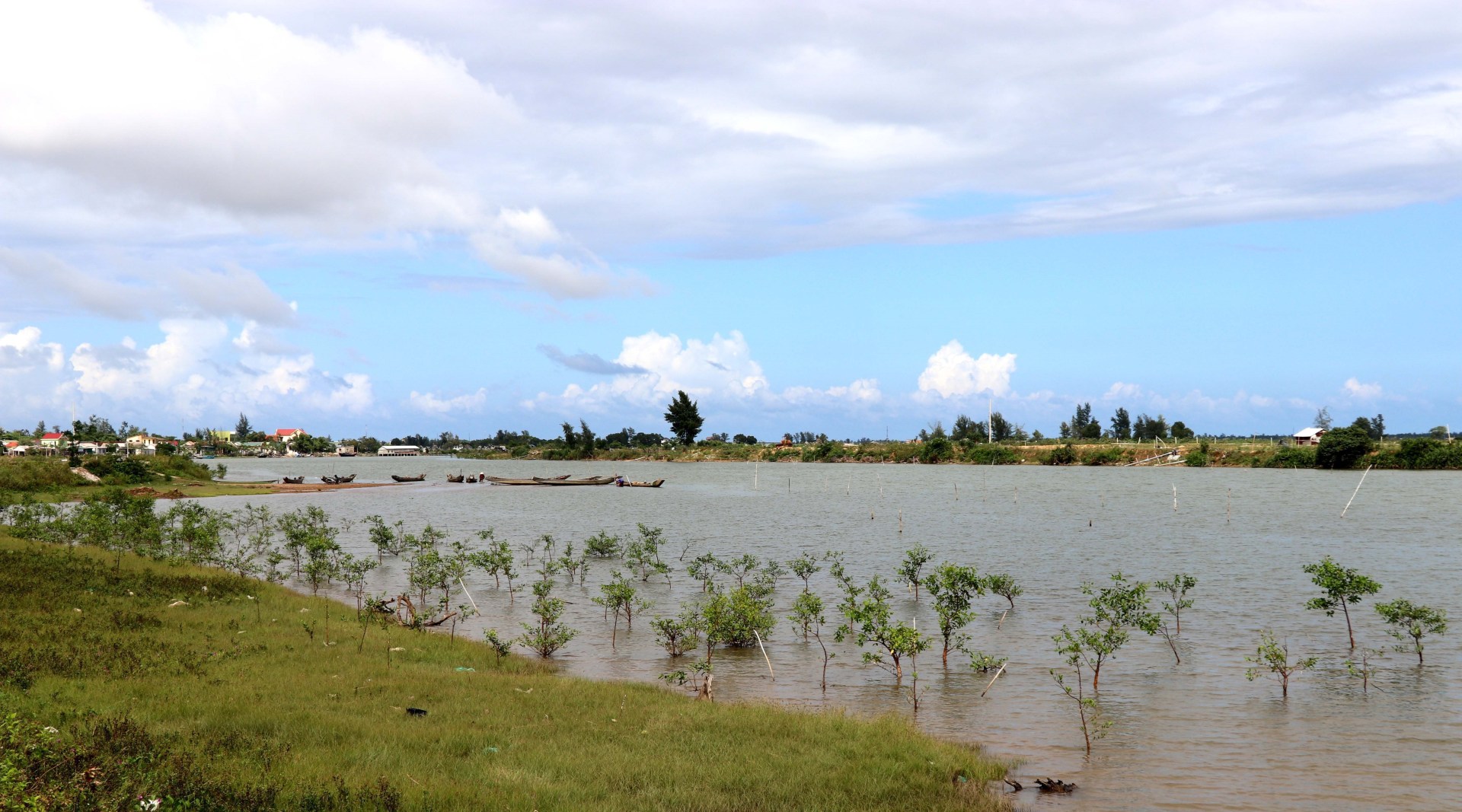
La mangrove “Bàu Ca Cai” à Quang Ngai est restaurée depuis 2015 . Photo : VNA

Les forêts de mangroves sont des écosystèmes spéciaux et rares qui se forment dans les zones côtières et les estuaires des zones affectées par les marées. Bien qu’elles ne représentent que plus de 1% de la superficie forestière totale du Vietnam (14,4 millions d’hectares), les forêts de mangrove jouent un rôle important dans l’atténuation des effets du changement climatique.

Le Centre du Vietnam en général, et le Centre-Sud en particulier, sont des zones fortement touchées par le changement climatique et les risques de catastrophes naturelles. En ligne avec les orientations du gouvernement, les provinces du Centre-Sud ont déployé des efforts pour restaurer la ceinture forestière de mangrove, qui ont produit de premiers résultats positifs.
Régénérer les forêts de mangrove

Les provinces du Centre-Sud, dont Quang Ngai, Binh Dinh, Phu Yen et Khanh Hoa, possèdent plus de 800 km de côtes. Les forêts de mangroves de cette zone sont souvent réparties dans des lagons côtiers de petites superficies..

Sous la pression économique, en particulier la « vague » d’expansion des étangs de crevettes, le développement de projets d’infrastructure et l’impact des catastrophes naturelles qui ont détruit la plupart des forêts primaires de mangrove dans le Centre-Sud, l’écologie forestière du système est en déclin rapide.

De précieuses pousses de manglier laissées dans la zone d’élevage de crevettes du village de My Lai, commune de Tinh Khe, Quang Ngai. Photo : VNA

L’épuisement des forêts de mangrove dans le Centre-Sud entraîne une intrusion de plus en plus grave de l’eau de mer et la perte progressive des ressources aquatiques côtières dans de nombreuses localités.

De nombreuses forêts de mangroves primaires dans la région du Centre-Sud ont été détruites. Photo : VNA

Ces dernières années, des populations et des organisations nationales et internationales se sont unies pour restaurer et planter de nouvelles mangroves. De nombreuses terres alluviales dégradées et incultes ont été recouvertes par des centaines d’hectares de forêt.

Selon le directeur du Département de l’agriculture et du développement rural de la province de Quang Ngai, Hô Trong Phuong, au cours de la période 2014-2021, Quang Ngai a mis en œuvre 3 projets de nouvelle plantation, de zonage et de régénération des forêts de mangroves avec un coût d’investissement total d’environ 33 milliards de dôngs (plus de 1,3 millions de dollars).
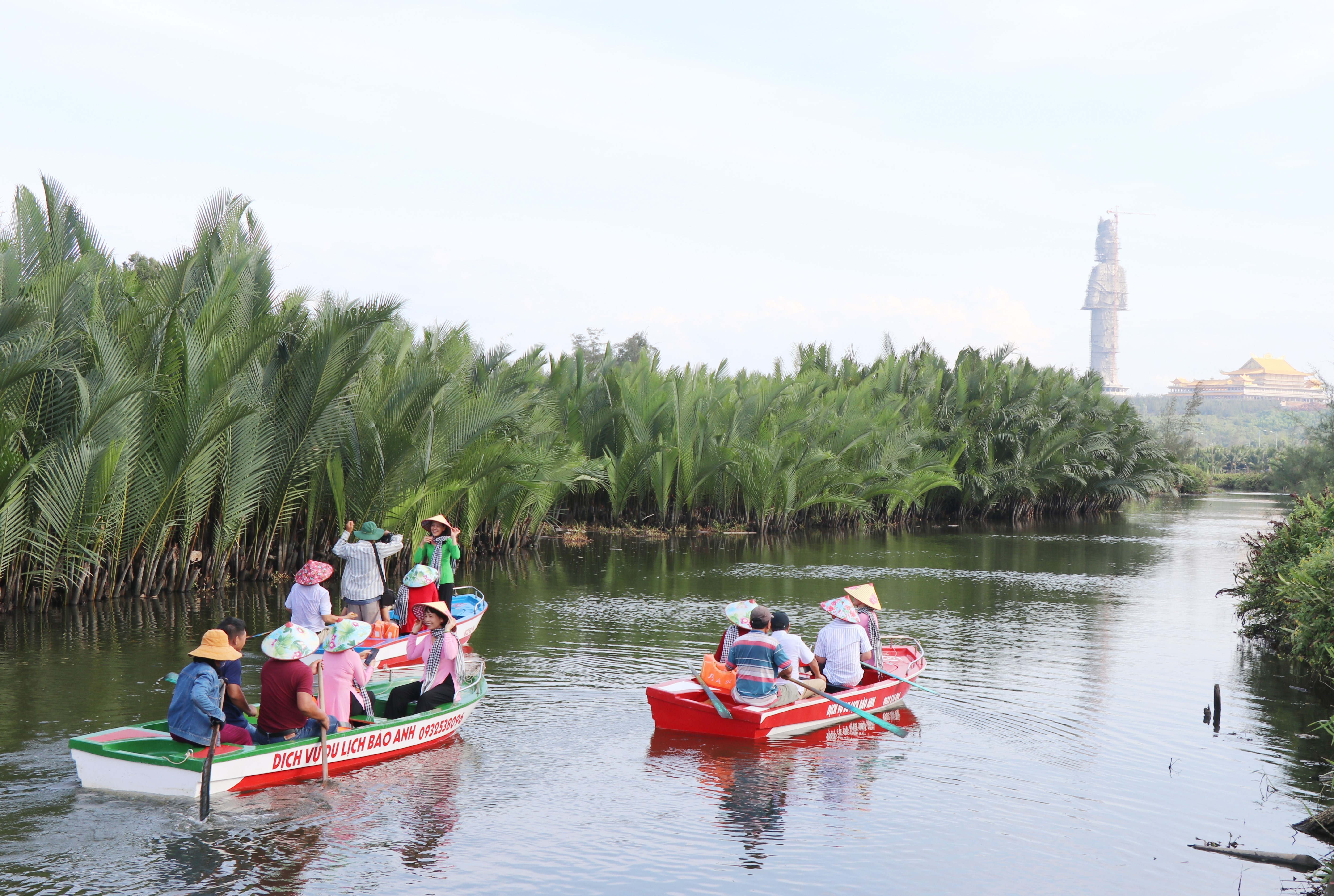
Les touristes visitent la forêt de palmiers à Quang Ngai. Photo VNA

Dans la province de Binh Dinh, depuis 2003, les autorités locales ont déployé de nombreuses solutions pour restaurer et développer ses forêts. En plus de planter des forêts dans la zone écologique de Côn Chim (commune de Phuoc Son, district de Tuy Phuoc), elle a également étendu la plantation de mangroves dans les vasières le long des lagons de Thi Nai et Dê Gi, portant la superficie de forêts nouvellement plantées à près de 90 hectares.

La superficie des forêts de mangroves dans la province de Binh Dinh (en décembre 2021) était de 88,11 hectares. Photo : VNA

Truong Xuân Dua, chef de la station de recherche sur les applications des technologies agricoles relevant du Centre provincial de vulgarisation agricole de Binh Dinh a fait savoir : Les mangroves restaurées aident à prévenir l’érosion, les glissements de terrain et à restaurer l’écologie, à préserver la biodiversité, à créer des emplois et des revenus pour la population côtière, contribuant au développement socio-économique et à la protection de l’environnement..

Avec la détermination de verdir la lagune d’Ô Loan, Phu Yên a lancé début 2024 un projet de plantation de forêts de mangrove sur la lagune d’une superficie totale de 50 hectares, avec un budget de plus de 18 milliards de dôngs (plus de 715.000 dollars). En particulier, la localité a planté de nouvelles forêts de mangrove dans la commune d’An Hoa Hai (42,8 hectares), la commune d’An Ninh Dông (5,7 hectares) et la commune d’An Hiêp (1,5 hectares) avec les espèces d’arbres telles que la pomme de mangrove (Sonneratia caseolaris), le palétuvier à arceaux (Rhizophora stylosa), et le palmier d’eau (Nypa fruticans).

La mise en oeuvre du projet de plantation de mangroves sur une superficie de 50 hectares dans la lagune d’O Loan (Phu Yen).Photo : VNA

Le directeur adjoint du Département de l’agriculture et du développement rural de la province de Phu Yên, Lê Van Be, a déclaré que les 50 hectares de forêts de mangrove fourniront un habitat aux espèces aquatiques, ce qui contribuera à restaurer la biodiversité et à préserver les espèces aquatiques précieuses et rares dans la lagune d’Ô Loan. Ainsi, la population lagunaire peut bénéficier de nombreus avantages liés à l’aquaculture et à la pêche.

Construire des produits touristiques distinctifs

La province de Quang Ngai exploite l’écotourisme expérientiel dans la forêt de mangrove de Bàu Ca Cai (commune de Binh Thuân), la forêt de palmier d’eau de Cà Ninh (commune de Binh Phuoc, district de Binh Son) et la forêt de palmier d’eau de Tinh Khê (commune de Tinh Khê, ville de Quang Ngai).

L’arbre crapaud blanc de la forêt de mangrove de Bàu Ca Cai passe du vert au blanc comme neige à l’automne, créant une scène impressionnante. Photo : VNA

Selon le directeur du Département de la culture, des sports et du tourisme de la province de Quang Ngai, Dinh Tiên Dung, outre le tourisme maritime et insulaire, la province envisage de faire du tourisme rural communautaire en produit phare dans les temps à venir.

Directeur du Département de la culture, des sports et du tourisme de la province de Quang Ngai, Dinh Tiên Dung :  Actuellement, chaque année, des dizaines de milliers de touristes viennent visiter la forêt de mangrove de Bàu Ca Cai, les forêts de palmiers d’eau de Cà Ninh et Tinh Khê. Dans les temps à venir, Quang Ngai s’efforcera de développer les écosystèmes de mangroves de Bàu Ca Cai, Cà Ninh et Tinh Khê en destinations touristiques ou destinations touristiques OCOP (À chaque commune son produit), aidant à garantir la qualité des services touristiques, à augmenter leur valeur et à créer des moyens de subsistance durables pour la population locale.

Les mangroves de Bàu Ca Cai apportent des bénéfices économiques aux populations locales. Photo : VNA

La lagune de Thi Nai, dans la province de Binh Dinh, s’étend sur 5.000 hectares dont plus de 1.000 hectares de mangroves. Au milieu de la lagune émergent trois polders Côn Chim, Côn Trang, Côn Gia qui forment la zone écologique de Côn Chim de 480 hectares, surnommée “oasis verte” de Binh Dinh. Les experts considèrent la lagune de Thi Nai, y compris Côn Chim, comme un trésor écologique qui est voué à devenir le “poumon vert” de la localité.

À Khanh Hoa, la forêt de mangrove de l’île de Hoa Lan (commune de Ninh Phu, cité municipale de Ninh Hoa) est exploitée à des fins d’écotourisme, créant de nombreuses valeurs pour la communauté. Elle est une ancienne communauté forestière primitive précieuse avec un écosystème diversifié et de nombreuses espèces rares de flore et de faune telles que le palétuvier à arceaux, l’Avicennia, le Bruguiera, le Sonneratia caseolaris ainsi que des espèces d’oiseaux, de poissons, de crevettes et de crabes./.

Ninh Thuan promeut la restauration et la protection de l’écosystème de Dam Nai. Photo : VNA

重塑南中部“绿环”

广义省个盖凹红树林于2015年获得恢复。图自越通社

红树林是遭受潮汐影响的沿海地区和河口的稀有和特殊生态系统。红树林尽管仅占越南森林总面积(1440万公顷)的1%以上,但其在减少气候变化影响中起着重要作用。

南中部乃至越南中部是遭受气候变化影响和自然灾害风险最大的地区。紧随政府的大方向,南中部各省正努力恢复红树林并初步取得效果。

恢复红树林

南中部省份包括广义、平定、富安、庆和四省,海岸线长800公里。该地区红树林普遍分布在面积较小的沿海沼泽。

在经济压力,尤其是养虾池塘扩建,基础设施项目发展浪潮的压力和自然灾害的影响下,南中部大面积原始红树林被毁坏,森林生态系统退化速度加快。

广义省净溪乡美赖村养虾潭地区仍留下来的稀有海榄雌树芽。图自越通社

南中部红树林枯竭,致使海水入侵现象日趋严重,许多地方沿海水产资源逐渐消失。

南中部许多原始红树林地区遭毁坏。图自越通社

近年来,人民群众,国内外组织已携手恢复和新造红树林。许多光秃秃、未开垦的冲积地已被数百万公顷树林覆盖。

据广义省农业与农村发展厅厅长胡仲方介绍,在2014-2021年阶段,地方已开展3个新造、恢复红树林项目,投资资金约330亿越盾。截至目前,该省平山县平顺、平治、平东、平福等乡所恢复的红树林面积达10908公顷,主要红树植物为榄李(学名:Lumnitzera racemosa Willd)、红树和水椰等。

游客参观广义省水椰林里的红树林。图自越通社

在平定省,2003年至今,该省已开展多项恢复和发展树林的措施。除了在绥福县福山乡鸟栖岛(Cồn Chim)生态区造林外,该省还在氏奈潭和提基潭周边各潮滩种植红树林面积。基于此,截至目前,全省红树林新造林面积近90公顷。

目前,平定省境内红素翰林面积为88.11公顷(截至2021年12月)。图自越通社

平定省助农中心农业技术应用研究站站长张春多表示,获恢复的红树林将有助于防止海水入侵、塌陷,恢复生态系统,保护生物多样性,为沿海居民创造就业机会,提升收入,为推动经济社会发展,保护环境等做出贡献。

为了绿化乌鸾潭,2024年,富安省已启动乌鸾潭红树林造林项目,造林面积50公顷,总经费180亿美元。其中,该省已在安海河乡村新种植面积达42.8公顷红树林,安宁东乡5.7公顷,安协1.5公顷,主要为海桑、红树和水椰。

富安省乌鸾潭上总面积的50公顷的红树林造林项目启动。图自越通社

富安省农业与农村发展厅副厅长黎文小表示,在50公顷的红树发展成林,将为各种水产资源栖息和繁殖创造生活环境,有助于增加恢复生物多样性,保护乌鸾潭各种珍惜的水产资源。从而,乌鸾潭周边居民将从从水产品养殖和捕捞等行业获益。

打造独特的旅游产品

广治省正把平山县平顺乡个盖凹(Bàu Cá Cái)红树林、平福乡袈宁水椰林、广义市净溪乡净溪水椰林等体验生态旅游模式投入运营。其中,个盖凹红树林红树林拥有特有生态系统,主要为本地榄李。春天到来时,这里就是一片绿葱葱的榄李。夏季末转入秋季,树叶全都落下来,形成白雪皑皑的景象,吸引大量游客前来参观。

秋天到来时,个盖凹红树林的榄李的绿色转向白雪色,形成迷人的景象。图自越通社

广义省文化体育旅游厅厅长丁进勇表示,除了海岛旅游外,农业与乡村旅游得到鼓励发展并被定向发展成为该省今后主要旅游产品。

广义省文化体育旅游厅丁进勇:目前,每年前来参观个盖凹红树林、净溪和袈宁水椰林的游客年均数万人次。今后,广义省关注为个盖凹、袈宁和净溪红树林生态系统被承认为旅游点或“一乡一村”旅游点创造更多条件,确保服务质量,提升价值和为居民创造可持续就业。

个盖凹红树林给当地居民带来巨大经济效益。图自越通社

平定省氏奈潭面积5000公顷,红树林系统超1000公顷。潭中拥有鸟栖岛、状岛和架岛三座岛(统称为鸟栖岛生态区)。当地居民常把其叫做平定省“绿色岛州”。各位专家认为,包括鸟栖岛在内的氏奈潭像一个拥有特别价值的生态宝库。若得到保护和按正确方向发展,这里将称为该地方“绿色之肺”。

庆和省宁和市宁富乡兰花岛红树林被投入生态旅游运营,为社区创造许多价值。这里红树林是幸运留下来的珍贵古老原始森林群。这里生态系统丰富多样,是红树、海榄雌、木榄、海桑、各种鸟类、渔、虾和螃蟹等珍稀动植物的栖息地。

从2022年,兰花岛红树林对外开放,推出多种林下具有吸引力的体验旅游活动,如皮划艇、穿越森林、钓鱼和了解当地居民生活等。这些体验不仅帮助游客休闲而还更加了解红树林独特的生态系统。(完)

宁顺省推进氏奈潭生态系统恢复和保护工作。图自越通社

REVIVING ‘GREEN BELT’ IN SOUTH-CENTRAL REGION

The Bau Ca Cai mangrove forest in Quang Ngai province has been recovered since 2015. (Photo: VNA)

Hanoi (VNA) – Mangrove forests are a unique and rare ecosystem that form in coastal areas and river estuaries that are influenced by tidal effects. Occupying just over 1% of Vietnam’s total forest area (14.4 million ha), yet they play a pivotal role in mitigating the impact of climate change.

The south-central provinces – Quang Ngai, Binh Dinh, Phu Yen, and Khanh Hoa – are on the front lines, bearing the brunt of climate change and disaster risks. In response to the Government’s directions, they have embarked on a concerted effort to restore mangrove forest belts, and the results are beginning to shine through.

Reviving mangrove forests

With over 800 kilometers of coastline, these localities are home to mangrove forests nestled in coastal lagoons, albeit in small patches.

Economic pressure, particularly the rapid expansion of shrimp farming and infrastructure projects, has led to the destruction of much of these pristine mangrove forests and a rapid decline in their ecosystem.

The “mam” (Avicennia marina) plants left in a shrimp farming area in My Lai hamlet of Tinh Khe commune, Quang Ngai province. (Photo: VNA)

This degradation has not only accelerated coastal erosion but also resulted in significant losses for local fisheries.

Many areas of primeval mangrove forests in the south-central region were destroyed. (Photo: VNA)

However, hope is on the horizon. Over the recent years, local residents, alongside various global and domestic organisations, have stayed united to restore these vital ecosystems. The once barren and desolate coastal lands are now being revitalised, with hundreds of hectares being reforested with mangroves.

Ho Trong Phuong, Director of the Quang Ngai Provincial Department of Agriculture and Rural Development, said from 2014 to 2021, the province launched three projects to plant, zone, and regenerate mangrove forests, with a total investment of about 33 billion VND (1.323 million USD). This initiative has successfully restored over 109 ha across Binh Thuan, Binh Tri, Binh Dong, and Binh Phuoc communes, featuring species such as ambarella, red mangrove, and nipa palm.

Tourists visit a nipa palm forest in Quang Ngai province. (Photo: VNA)

Binh Dinh has also been proactive since 2003, now boasting nearly 90 ha of newly-planted mangrove forests, including the Con Chim ecological area in Phuoc Son commune, Tuy Phuoc district, and tidal flats along Thi Nai and De Gi lagoons.

The mangrove forest area in Binh Dinh province reached 88.1ha as of December 2021. (Photo: VNA)

Truong Xuan Dua, head of the Agricultural Technical Application Research Station at the Provincial Rural Development Centre, said these restored mangrove forests not only help prevent erosion but also restore ecosystems, preserve biodiversity, and create jobs for coastal residents, thereby contributing to both socioeconomic development and environmental protection.

Phu Yen is making strides as well, with a commitment to greening O Loan Lagoon through a project that aims to plant mangrove forests covering 50 ha at a cost of over 18 billion VND. The newly planted mangroves in An Hoa Hai, An Ninh Dong, and An Hiep communes will provide essential habitats for species such as mangrove apple, ambarella, red mangrove, and nipa palm.

A project is launched to plant mangrove forest on 50ha of O Loan Lagoon in Phu Yen province. (Photo: VNA)

Le Van Be, Deputy Director of the Phu Yen Provincial Department of Agriculture and Rural Development, noted that when the 50ha of mangrove trees develop into a forest, they will provide a habitat for various fish species to shelter and spawn, enhance and restore biodiversity and preserve rare aquatic species in the O Loan Lagoon. Consequently, local residents around the lagoon will benefit from various replenished species, including aquaculture and fishing.

Developing unique tourism products

Quang Ngai province is already offering ecotourism experiences in the mangrove forests of Bau Ca Cai in Binh Thuan commune, Ca Ninh Nipa palm forest in Binh Phuoc commune, Binh Son district, and Tinh Khe Nipa palm forest in Tinh Khe commune, Quang Ngai city. Bau Ca Cai, in particular, has a distinctive ecosystem featuring the native white mangrove species. In spring, the landscape transforms into a lush green paradise, while late summer brings a breathtaking “snow-white” scenery as the trees shed their leaves, captivating visitors.

The “coc trang” (Lumnitzera racemosa) plants in the Bau Ca Cai mangrove forest transform the landscape from a lush green paradise into a breathtaking “snow-white” scenery in autumn. (Photo: VNA)

Director of the provincial Department of Culture, Sports and Tourism Dinh Tien Dung noted that beyond beach and island tourism, the province is keen on developing rural and agricultural community-based tourism as a key product for the future.

Each year, tens of thousands of tourists flock to the Bau Ca Cai mangrove forest, Ca Ninh and Tinh Khe Nipa palm forests. Going forward, Quang Ngai plans to improve infrastructure to officially recognise these ecosystems as official tourism sites or One Commune One Product (OCOP) tourism spots, ensuring high service quality, added value, and sustainable livelihoods for local residents.

The Bau Ca Cai mangrove forest is a source of livelihoods for local residents. (Photo: VNA)

Binh Dinh’s Thi Nai lagoon, spanning 5,000 ha with over 1,000 ha covered by mangrove forests, is another ecological treasure with significant value. Its three notable islands – Con Chim, Con Trang and Con Gia – are collectively known as the Con Chim ecological area covering 480 ha. Locals affectionately call it the “Green Oasis” of Binh Dinh. Experts believe that if properly conserved and developed, it could become a “green lung”.

In Khanh Hoa, the mangrove forest on Hoa Lan island in Ninh Phu commune, Ninh Hoa township, has also been tapped for ecotourism, providing substantial benefits for the community. This ancient primary forest is home to a diverse ecosystem, including rare flora and fauna such as mangrove, nipa palm, and various species of bird, fish, shrimp, and crab.

Since 2022, it has offered unique ecotourism experiences such as kayaking, trekking, and fishing, allowing visitors to learn about local life and immerse themselves in the unique mangrove ecosystem./.

Ninh Thuan province is promoting the recovery and conservation of Nai Lagoon’s ecosystem. (Photo: VNA)

СОДЕЙСТВИЕ ГЕНДЕРНОМУ РАВЕНСТВУ В РАЗЛИЧНЫХ СФЕРАХ ЖИЗНИ ОБЩЕСТВА

Женщины в традиционных вьетнамских длинных платьях аозай участвуют в параде в Хошимине. Фото: ВИA

В контексте нынешнего развития Вьетнама основные тенденции, такие как международная интеграция, воздействие 4-й промышленной революции, старение населения и новые социальные проблемы, затрагивают как женщин, так и девочек, рискуя усугубить существующие гендерные проблемы.

Эти ограничения и вызовы требуют создания инклюзивной системы социальной политики, учитывающей гендерные аспекты, для эффективного решения социальных проблем в целях обеспечения всенародного социального обеспечения на пути к достижению прогресса и социальной справедливости.

Обнадеживающие результаты

За последние годы Вьетнам добился значительных успехов в продвижении гендерного равенства и прогресса женщин, за что получил признание международного сообщества.

По данным Всемирного экономического форума (ВЭФ), в 2023 году Вьетнам по индексу гендерного разрыва занял 72-е место из 146 стран-участниц рейтинга, поднявшись на 11 позиций по сравнению с 2022 годом.

Вьетнам всегда активно участвовал в продвижении повестки дня по вопросам женщин, мира и безопасности (WPS). Фото: ВИA

Согласно Программе развития ООН (UNDP), индекс человеческого развития Вьетнама (ИЧР) в 2021 году занял 6-е место в Юго-Восточной Азии. Индекс гендерного неравенства Вьетнама (GII) продолжил улучшаться, достигнув 0,296, заняв 71-е место среди 170 стран.

Кроме того, Вьетнам продолжает укреплять свою политику и законы по вопросам гендерного равенства, такие как закон о поддержке малых и средних  предприятий (2017 г.); национальная стратегия и программа по борьбе с гендерным насилием (2021-2030 гг.); поправки к закону о предотвращении и борьбе с насилием в семье (2022 г.); поправки к Трудовому кодексу (2019 г.) и совсем недавно Национальный план действий в интересах женщин, мира и безопасности.

Председатель Национального собрания Чан Тхань Ман встретился с группой женщин-законодателей и высокопоставленных чиновниц из канцелярии НС и Института законодательных исследований в Ханое 15 октября, в преддверии 94-й годовщины основания Союза женщин Вьетнама и Дня вьетнамских женщин (20 октября). Фото: ВИA

На международном уровне Вьетнам всегда заявлял о своей активной позиции в продвижении повестки дня в области женщин, мира и безопасности, в том числе председательствовал в принятии резолюции 1889 года Совета Безопасности ООН и содействовал принятию обязательств Ханоя в 2020 году с участием 75 соавторов.

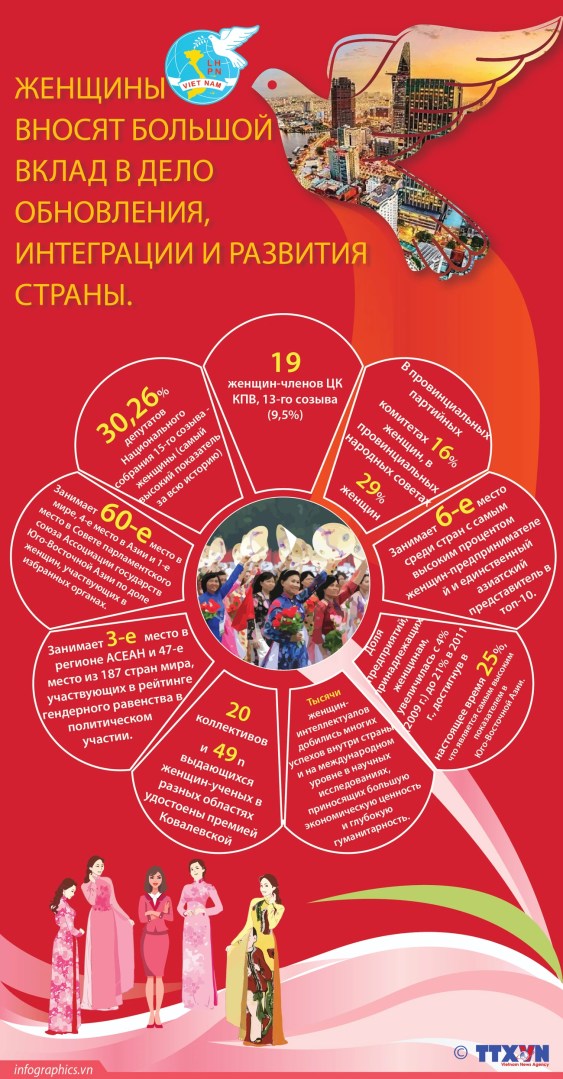
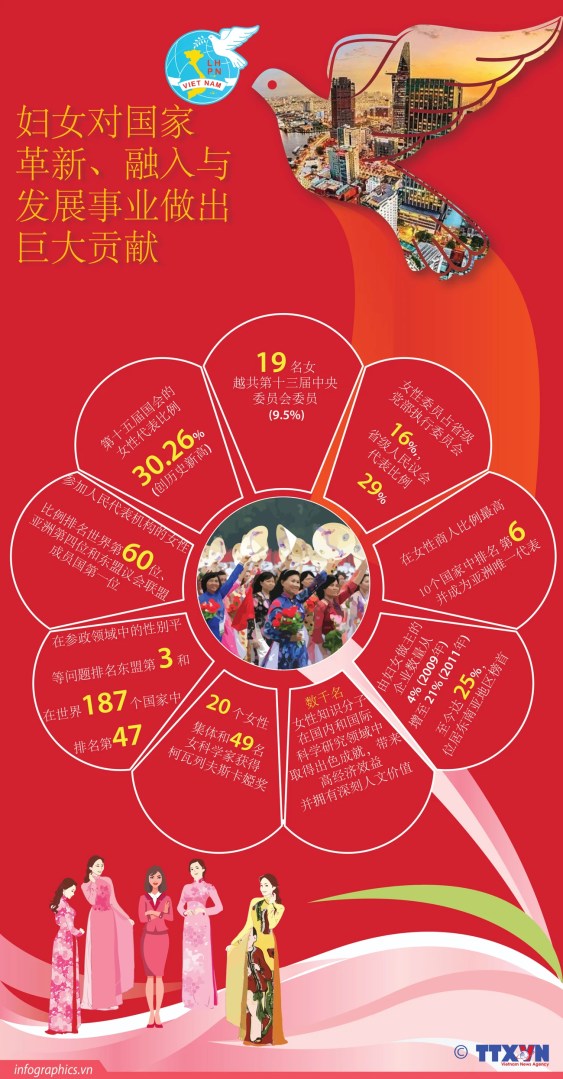
Доля женщин, вовлеченных в политическую жизнь Вьетнама, занимает ведущее место в мире. Согласно отчету Союза женщин Вьетнама, доля женщин, принимающих участие в партийных комитетах на всех трех уровнях по всей стране в период 2020–2025 годов увеличилась по сравнению с предыдущим сроком, превысив целевой показатель в 15%. Доля женщин-депутатов в Национальном собрании 15-го созыва достигла 30,26%, что является самым высоким показателем со времен Национального собрания 6-го созыва. Число женщин-лидеров, менеджеров в министерствах, центральном и местном секторах в 2023 году увеличилось по сравнению с 2022 годом..

Женщины составляют большую часть делегатов 7-й сессии Национального собрания 15-го созыва. (Фото: ВИA)

С целью обеспечения и дальнейшего продвижения гендерного равенства 25 января 2024 года заместитель премьер-министра Чан Лыу Куанг подписал Решение № 101/QD-TTg об утверждении Национальной программы действий в интересах женщин, мира и безопасности на период 2024-2030 годов.

Программа действий, направленная на достижение четырех целей, заключается в расширении участия женщин, более эффективном реагировании на гендерное насилие с помощью усиления интеграции гендерных аспектов в работу по оказанию помощи и восстановлению и укреплению международного сотрудничества.

Три вьетнамские предпринимательницы вошли в список самых влиятельных женщин Азии 2024 года (MPW Asia), составленный американским журналом Fortune.

Выпуск национальной программы действий в интересах женщин, мира и безопасности является важным направлением политики, подтверждающим решимость и приверженность Вьетнама обеспечению и дальнейшему продвижению роли и голоса женщин.

Содействие гендерному равенству в социальной сфере

Являясь частью рабочей силы, участие женщин и их статус в экономике все более подверждаются и имеют важное значение для целей экономического роста и устойчивого развития страны..

Премьер-министр Фам Минь Тьинь встречается с выдающимися женщинами-предпринимателями (Фото: ВИA)

В настоящее время необходимо решить ряд неадекватных социальных проблем, касающихся женщин и гендерного равенства. Трудовой кодекс 2019 года, несмотря на его расширение, по-прежнему имеет недостатки, связанные с регламентом в отношении женского труда.

Между тем гендерные стереотипы о статусе и роли женщин, наряду с бременем домашней работы и ухода за семьей, являются факторами, которые препятствуют участию женщин в мероприятиях политики и программах по сокращению бедности.

Женщины активно участвовали в социально-экономической деятельности и в то же время несли бремя домашней работы. Фото: ВИA

Кроме того, доступ к базовым социальным услугам остаётся недостаточно обеспеченным. Недостаточное внимание уделяется профессиональной подготовке людей в сложных жизненных обстоятельствах, представителей этнических меньшинств и женщин, а также не соответствует гендерным требованиям. Отдельные законодательные нормы в сфере здравоохранения ограничивают доступ к медицинским услугам для некоторых групп женщин и детей.

С приобретением нового опыта и достижений в интернализации международных обязательств по расширению прав и возможностей женщин и продвижению гендерного равенства, направленных на достижение целей социального прогресса и справедливости, построение инклюзивной системы социальной политики, отвечающей гендерным аспектам, в ближайшее время необходимо сосредоточиться на решении некоторых из следующих проблем:

Во-первых, укрепление политики и программ по поддержке создания рабочих мест. Модернизация взаимосвязей между спросом и предложением рабочей силы, прогнозирование рынка труда и управление человеческими ресурсами, создание баз данных о труде и занятости с разделением по полу.

Во вторых, необходимо изменить подход к гендерной интеграции в программы и политику сокращения бедности и, в то же время, конкретизировать механизмы и нормативные акты, включая выделение бюджета и адекватных ресурсов для реализации гендерной интеграции на практике.

В третьих, важно разработать гибкую, разнообразную систему социального страхования, сосредоточив внимание на пересмотре и дополнении политики добровольного социального страхования на основе принципа обеспечения гендерного равенства, чтобы стимулировать участие работающих женщин.

В-четвертых, необходимо усовершенствовать систему политики и законов о социальной помощи. Развивать и диверсифицировать социальные услуги по социальной помощи, создавать гибкие социальные системы, адаптироваться к возможным рискам, в которой уделяется особое внимание женщинам.

В-пятых, важно обеспечить некоторые базовые социальные услуги для населения, чтобы обеспечить доступ уязвимым группам, включая женщин.

В-шестых, необходимо продолжать расширять коммуникацию, повышать осведомленность о гендерном равенстве, применять информационные технологии для повышения осведомленности слоев населения о гендерном равенстве./.

Доля вьетнамских женщин-офицеров, участвующих в миротворческих операциях ООН, превышает общий показатель и целевой показатель ООН. Фото: ВИА

Promueven la igualdad de género en todos los ámbitos de la sociedad

Mujeres participan en el desfile de Ao Dai (traje tradicional) en Ciudad Ho Chi Minh. Foto: VNA

En el actual contexto de desarrollo de Vietnam, tendencias como la integración internacional, el impacto de la Cuarta Revolución Industrial, el envejecimiento de la población y los nuevos problemas sociales impactan en las mujeres y las niñas, lo que impone el riesgo de exacerbar los problemas de género existentes.

Estas limitaciones y desafíos plantean la necesidad de un sistema de políticas sociales inclusivo y con perspectiva de género para resolver eficazmente los problemas sociales y garantizar la seguridad social para todas las personas, hacia el objetivo del progreso y la justicia social.

Resultados notables

En los últimos años, Vietnam ha alcanzado muchos logros importantes en la promoción de la igualdad de género y el avance de la mujer, los cuales han sido reconocidos por la comunidad internacional.

Según el Foro Económico Mundial (FEM), el índice de brecha de género de Vietnam ocupó el puesto 72 entre 146 países del ranking de 2023, una mejora de 11 lugares con respecto a 2022.

Vietnam siempre se ha expresado con voz activa en la promoción de la Agenda de Mujeres, Paz y Seguridad. Foto: VNA

De acuerdo con el Programa de las Naciones Unidas para el Desarrollo (PNUD), el índice de desarrollo humano (IDH) de Vietnam en 2021 ocupó el sexto lugar en el sudeste asiático; el índice de desigualdad de género (GII) siguió mejorando en 2021, alcanzando 0,296, para ubicarse en el puesto 71 entre 170 países.

Además, Vietnam continúa fortaleciendo políticas y leyes sobre la igualdad de género, como la Ley de Apoyo a las Pequeñas y Medianas Empresas (2017); la Estrategia y el Programa nacional de lucha contra la violencia de género (período 2021-2030); la enmienda a la Ley de Prevención y Control de la Violencia Doméstica (2022); la modificación del Código del Trabajo (2019) y recientemente el Plan de Acción nacional sobre las mujeres, la paz y la seguridad.

El 15 de octubre de 2024, en Hanoi, el presidente de la Asamblea Nacional, Tran Thanh Man, presidió una reunión con diputadas a tiempo completo, con motivo del Día de la Mujer Vietnamita el 20 de octubre. Foto: VNA

En el ámbito internacional, Vietnam siempre ha mantenido una voz activa en la promoción de la Agenda sobre las mujeres, la paz y la seguridad, incluida la presidencia de la adopción de la Resolución 1889 del Consejo de Seguridad de las Naciones Unidas y la promoción de la adopción del Compromiso de Hanoi de 2020 con 75 países copatrocinadores.

Vietnam tiene una de las tasa más alta de participación de féminas en la política en el mundo. Según el Informe de la Unión de Mujeres de Vietnam, la proporción de las féminas en los comités partidistas en diferentes niveles en el período 2020-2025 aumentó en comparación con el período anterior, superando el objetivo del 15%. La tasa de diputadas a la Asamblea Nacional de la XV legislatura alcanzó el 30,26%, la más alta desde la VI legislatura. El número de las líderes y directivas en ministerios, sectores y localidades creció en 2023 en comparación con el año anterior.

Las diputadas representan una gran proporción en el séptimo período de sesiones de la Asamblea Nacional de la XV legislatura. (Foto: VNA)

Con el objetivo de garantizar y promover aún más la igualdad de género, el 25 de enero de 2024, el viceprimer ministro Tran Luu Quang firmó la Decisión No. 101/QD-TTg que dio luz verde al Programa de Acción nacional sobre las mujeres la paz y la seguridad en el período 2024-2030.

El programa incluye cuatro objetivos: aumentar la participación de las mujeres en todos los aspectos de la vida social, responder mejor a la violencia de género, fortalecer la integración de las perspectivas de género en el trabajo de socorro y recuperación, y robustecer la cooperación internacional.

Tres empresarias vietnamitas se encuentran en la lista de las 100 mujeres poderosas de Asia en 2025, anunciada por la revista Fortune de Estados Unidos.

La promulgación de ese programa es una dirección política importante, que reafirma la determinación y el compromiso de Vietnam de garantizar y promover aún más el papel y la voz de las mujeres.

Promover la igualdad de género en todos los sectores sociales

Cada vez se afianza más la certeza de que la participación y la posición de las mujeres en la economía son importantes para el crecimiento y los objetivos de desarrollo sostenible del país.

El primer ministro Pham Minh Chinh se reúne con empresarias destacadas. (Foto: VNA)

Actualmente, es necesario resolver una serie de problemas sociales relacionadas la igualdad de género. Aunque el Código del Trabajo de 2019 se ha ampliado, todavía existen deficiencias en relación con las regulaciones de políticas para las trabajadoras.

Mientras tanto, los estereotipos de género sobre el estatus y el papel de las mujeres, junto con la carga del trabajo doméstico y el cuidado de la familia, son factores que limitan su participación en las actividades de las políticas y programas para reducir la pobreza.

Las mujeres participan activamente en actividades socioeconómicas, y se encargan de las tareas domésticas y familiares. Foto: VNA

Además, el acceso a los servicios sociales básicos no ha recibido la atención adecuada. No se ha atendido debidamente a la formación profesional para grupos desfavorecidos, minorías étnicas y mujeres. Algunas disposiciones legales en el sector de la salud están afectando el acceso a los servicios de salud para algunos grupos de mujeres y niños.

Al adquirir nuevas experiencias y logros en la internalización de los compromisos internacionales sobre el empoderamiento de las mujeres y la promoción de la igualdad de género, en aras de lograr el progreso y la justicia social, y construir un sistema político inclusivo y con perspectiva de género, en el próximo tiempo es necesario:

En primer lugar, fortalecer las políticas y programas para apoyar la creación de empleo. Hace falta modernizar la conexión entre la oferta y la demanda laboral, la previsión del mercado laboral y la gestión de recursos humanos, así como establecer una base de datos sobre el trabajo y el empleo separado por género.

En segundo lugar, cambiar el enfoque de la integración de género en los programas y políticas de reducción de la pobreza y, al mismo tiempo, concretar mecanismos y regulaciones, incluida la asignación de presupuestos y recursos adecuados para la incorporación de la perspectiva de género en la práctica.

En tercer lugar, desarrollar un sistema de seguro social flexible y diverso, centrándose en modificar y complementar las políticas de seguro social voluntarias basadas en el principio de garantizar la igualdad de género para alentar la participación de las trabajadoras.

En cuarto lugar, perfeccionar el sistema de políticas y leyes de asistencia social, desarrollar y diversificar los servicios al respecto, construir un sistema de asistencia social flexible y adaptarse a los posibles riesgos, con especial atención a las mujeres.

En quinto lugar, garantizar algunos servicios sociales básicos para las personas a fin de garantizar que los grupos desfavorecidos, incluidas las mujeres, sean beneficiarios.

En sexto lugar, continuar fortaleciendo el trabajo de comunicación, sensibilizar sobre la igualdad de género y aplicar la tecnología de la información para elevar la conciencia de todos los estratos populares sobre el tema./.

La tasa de féminas soldados vietnamitas que participan en operaciones de mantenimiento de la paz de las Naciones Unidas es superior a la tasa general y al objetivo fijado por la mayor organización mundial. Foto: VNA

Promouvoir l’égalité des sexes dans tous les domaines de la société

Des femmes participent à un défilé de l’”ao dai” à Ho Chi Minh-Ville. Photo: VNA

L’intégration internationale, l’impact de la 4e révolution industrielle, le vieillissement de la population et les nouveaux problèmes sociaux affectent l’ensemble du pays, et notamment les femmes et les filles qui pourraient subir davantage les inégalités de genre.

Ces limites et défis nécessitent un système de politique sociale inclusif et sensible au genre pour résoudre efficacement les problèmes sociaux et garantir la sécurité sociale pour tous, dans la perspective du progrès et de la justice sociale.

Des résultats remarquables

Ces dernières années, le Vietnam a acquis de nombreuses réalisations significatives dans la promotion de l’égalité des sexes et de la promotion des femmes et ces réalisations ont été reconnues par la communauté internationale.

Selon le Forum économique mondial (WEF), l’indice d’écart entre les sexes du Vietnam en 2023 se classe au 72e rang sur 146 pays participant au classement, soit une hausse de 11 places par rapport à 2022.

Le Vietnam a toujours exprimé une voix active pour promouvoir l’Agenda “Femmes, Paix et Sécurité”. Photo: VNA

Selon le Programme des Nations Unies pour le développement (PNUD), l’indice de développement humain (IDH) du Vietnam se classait en 2021 au 6e rang en Asie du Sud-Est ; l’indice d’inégalité entre les sexes (GII) du Vietnam a continué de s’améliorer en 2021, atteignant 0,296, se classant 71e sur 170 pays.

En outre, le Vietnam continue de renforcer les politiques et les lois sur l’égalité des sexes, telles que la loi sur le soutien aux petites et moyennes entreprises (2017) ; la Stratégie et programme nationaux de lutte contre les violences basées sur le genre (période 2021-2030) ; la Modification de la loi sur la prévention et le contrôle de la violence domestique (2022) ; l’Amendements au Code du travail (2019) et récemment le Plan d’action national sur les femmes, la paix et la sécurité.

Le président de l’Assemblée nationale, Tran Thanh Man, a rencontré le 15 octobre à Hanoï des femmes députées à temps plein ainsi que d’autres femmes responsables du Bureau parlementaire et de l’Institut d’études législatives, à l’approche de la Journée des femmes vietnamiennes (20 octobre). Photo: VNA

Au niveau international, le Vietnam a toujours exprimé une voix active dans la promotion de l’Agenda Femmes, Paix et Sécurité, notamment en présidant l’adoption de la résolution 1889 du Conseil de sécurité des Nations Unies et en promouvant l’adoption de l’Engagement de Hanoï en 2020 avec 75 pays coparrainants.

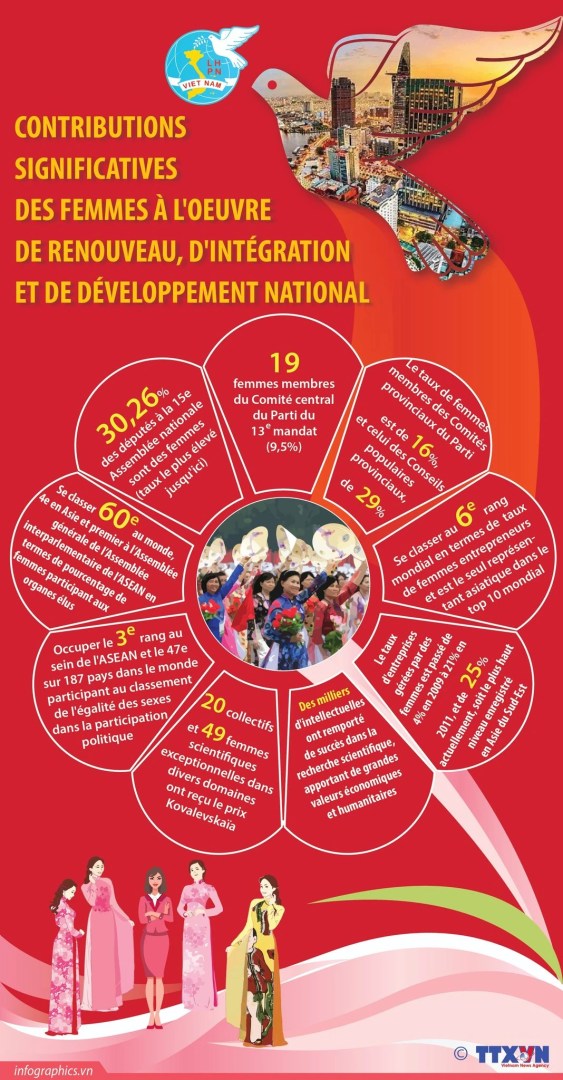
Le Vietnam a le taux de participation politique des femmes le plus élevé au monde. Selon le rapport de l’Union des femmes vietnamiennes, la proportion de femmes dans les Comités du Parti à trois niveaux dans tout le pays au cours de la période 2020-2025 a augmenté par rapport à la période précédente, dépassant l’objectif de 15%. La proportion de femmes députés à la 15e Assemblée nationale a atteint 30,26%, la plus élevée depuis la 6e Assemblée nationale. Les femmes dirigeantes et gestionnaires dans les ministères et les organes de ​ressort central et local ont augmenté en 2023 par rapport à 2022.

La proportion de femmes dans les Comités du Parti à trois niveaux dans tout le pays au cours de la période 2020-2025 a augmenté par rapport à la période précédente. Photo: VNA

Dans le but d’assurer et de promouvoir davantage l’égalité des sexes, le 25 janvier 2024, le vice-Premier ministre Tran Luu Quang a signé la décision n° 101/QD-TTg approuvant le Programme d’action national sur les femmes, la paix et la sécurité pour la période 2024-2030.

Ce programme d’action comprend quatre objectifs : accroître la participation des femmes, mieux répondre à la violence sexiste, renforcer l’intégration des perspectives de genre dans les travaux de secours et de redressement et renforcer la coopération internationale.

Le Vietnam compte trois représentantes nommées dans la liste des femmes les plus influentes d’Asie (MPW Asia) 2024

La promulgation du Programme d’action national pour les femmes, la paix et la sécurité constitue une orientation politique importante, affirmant la détermination et l’engagement du Vietnam à garantir et à promouvoir davantage le rôle et la voix des femmes.

Promouvoir l’égalité des sexes dans le secteur social

En tant que membres de la population active, la participation et la position des femmes dans l’économie sont de plus en plus importantes pour la croissance économique et les objectifs de développement durable du pays.

Le Premier ministre Pham Minh Chinh rencontre des entrepreneuses typiques. Photo: VNA

Actuellement, un certain nombre de problèmes sociaux inadéquats liés aux femmes et à l’égalité des sexes doivent être résolus. Bien que le Code du travail de 2019 ait été élargi, des lacunes subsistent en matière de réglementation politique en faveur des travailleuses.

Parallèlement, les stéréotypes de genre sur le statut et le rôle des femmes, ainsi que le fardeau des tâches ménagères et des soins familiaux, sont des facteurs qui empêchent les femmes de participer activement aux programmes visant à réduire la pauvreté.

Les femmes participent activement aux activités socio-économiques, mais sont toujours accablées par les tâches ménagères et familiales. Photo: VNA

En outre, l’accès aux services sociaux de base n’a pas reçu une attention adéquate. La formation professionnelle destinée aux groupes défavorisés, aux minorités ethniques et aux femmes n’a pas reçu l’attention voulue et ne tient pas compte du genre. Certaines dispositions légales dans le secteur de la santé affectent l’accès aux services de santé pour certains groupes de femmes et d’enfants.

En absorbant les nouvelles expériences et réalisations dans l’intériorisation des engagements internationaux en matière d’autonomisation des femmes et de promotion de l’égalité des sexes, en visant le progrès et la justice sociale, en construisant un système politique inclusif et sensible au genre, il sera nécessaire dans les temps à venir de se concentrer sur la résolution des problèmes suivants :

Premièrement, renforcer les politiques et les programmes visant à soutenir la création d’emplois pour les travailleurs. Moderniser le lien entre l’offre et la demande de main-d’œuvre, les prévisions du marché du travail et la gestion des ressources humaines, et créer une base de données sur le travail et l’emploi séparées par sexe.

Deuxièmement, il est nécessaire de changer l’approche de l’intégration du genre dans les programmes et politiques de réduction de la pauvreté, et en même temps concrétiser les mécanismes et les réglementations, notamment en allouant des budgets et des ressources adéquates pour la mise en œuvre de l’intégration actuelle du genre.

Troisièmement, développer un système d’assurance sociale flexible et diversifié, en se concentrant sur la modification et le complément des politiques d’assurance sociale volontaires basées sur le principe de l’égalité des sexes pour encourager les travailleuses à y participer.

Quatrièmement, perfectionner le système de politiques et de lois sur l’assistance sociale. Développer et diversifier les services d’assistance sociale, construire un système d’assistance sociale flexible, s’adapter aux risques éventuels, avec une attention particulière aux femmes.

Cinquièmement, garantir des services sociaux de base à la population à tous les groupes défavorisés, notamment les femmes.Sixièmement, continuer à renforcer la sensibilisation à l’égalité des sexes et à appliquer les technologies de l’information pour sensibiliser tous les habitants à l’égalité des sexes./.
À l’heure actuelle, le taux de femmes officiers vietnamiennes participant aux opérations de maintien de la paix de l’ONU est de 15,5%, ce qui est supérieur à l’objectif moyen fixé par l’ONU à 15% d’ici 2028. Photo: VNA

GENDER EQUALITY PROMOTED ACROSS ALL SOCIAL ASPECTS

Women in Ao Dai (Vietnamese traditional long dress) participating in a parade in Ho Chi Minh City. Photo: VNA

Vietnam is entering a period where major trends such as international integration, the impact of the 4th Industrial Revolution, population aging and new social issues are affecting women and girls. These new sociocultural concerns risk exacerbating Vietnam’s existing gender issues.

These challenges require an inclusive and gender-responsive social policy system to effectively address these issues to ensure universal social security, aiming to achieve the goal of social progress and equity.

Remarkable results

In recent years, Vietnam has made many remarkable achievements in promoting gender equality and the advancement of women, which have been recognised by the international community.

According to the World Economic Forum (WEF), Vietnam ranked 72nd out of 146 countries in the Global Gender Gap Index 2023, up 11 places compared to 2022.

Vietnam has always expressed an active voice in promoting the Women, Peace and Security (WPS) Agenda. Photo: VNA

The United Nations Development Programme (UNDP) placed Vietnam in the 6th position in Southeast Asia in its Human Development Index (HDI), while Vietnam’s Gender Inequality Index was 0.296 in 2021, giving the country a ranking of 71st out of 170 countries.

Vietnam has continued to perfect policies and laws on gender equality, including the issuance of the Law on Support for Small- and Medium-sized Enterprises (2017); the National Strategy and Programme on Combating Gender-Based Violence (2021-2030); Amendments to the Law on Prevention and Control of Domestic Violence (2022); Amendments to the Labour Code (2019) and the recent National Action Plan on Women, Peace and Security.

National Assembly Chairman Tran Thanh Man met with a group of full-time female lawmakers and high-ranking female officials from the NA Office and the Institute of Legislative Studies in Hanoi on October 15, ahead of the 94th founding anniversary of the Vietnam Women’s Union and Vietnamese Women’s Day (October 20). Photo: VNA

At the international level, Vietnam has always expressed an active voice in promoting the Women, Peace and Security (WPS) Agenda, notably leading the adoption of the UN Security Council’s Resolution 1889 and prompting the adoption of the 2020 Hanoi Commitment to Action co-sponsored by 75 countries.

Vietnam has one of the highest rates of women’s political participation in the world. According to a report by the Vietnam Women’s Union, the rate of female members of Party committees at all three levels nationwide for the 2020-2025 tenure has increased compared to the previous term, exceeding the target of 15%. Meanwhile, the rate of female deputies to the 15th National Assembly reaches 30.26%, the highest since the 6th National Assembly. Women leaders and managers in ministries, central and local agencies in 2023 was higher compared to 2022.

Female delegates make up a large proportion of the 15th National Assembly’s 7th session. (Photo: VNA)

Striving to ensure and further promote gender equality, on January 25, 2024, Deputy Prime Minister Tran Luu Quang signed Decision No. 101/QD-TTg approving the National Action Programme on WPS for the 2024-2030 period.

The action programme has four major objectives – increasing women’s participation, better responding to gender-based violence, strengthening gender mainstreaming in relief and recovery work, and strengthening international cooperation.

Three female Vietnamese entrepreneurs have been named in the list of the Most Powerful Women Asia 2024 (MPW Asia) announced by US magazine Fortune.

The programme serves as an important policy orientation, affirming Vietnam’s determination and commitment to ensuring and further promoting the role and voice of women.

Promoting gender equality in social aspects

As part of the workforce, women have shown their increasingly important participation and position in the economy and the country’s economic growth and implementation of sustainable development goals.

Prime Minister Pham Minh Chinh meets with outstanding female entrepreneurs (Photo: VNA)

However, the country has still faced a number of social issues related to women and gender equality. Although the 2019 Labour Code has been amended, there are still shortcomings in regulations and policies regarding female workers.

Meanwhile, gender stereotypes about the status and role of women, along with the burden of housework and family care, are still factors that prevent women from engaging in poverty reduction policies and programmes.

Women have actively participated in socio-economic activities, and beared the burden of housework at the same time. Photo: VNA

Besides, women’s access to basic social services has yet to receive due attention, the same as for vocational training for disadvantaged groups, ethnic minorities, and women. Legal regulations in the health sector impact women and children’s access to healthcare services.

Together with the adoption of new experiences and achievements in institutionalising international commitments on women’s empowerment and promoting gender equality, aiming at promoting social progress and justice and building a system of inclusive and gender-responsive social policies, experts have pointed to a number of issues that the country should focus on.

Firstly, it is necessary to design more policies and programmes to support job creation for workers, they said, urging the country to modernise the labour supply-demand connection, bettering labour market forecasting and human resources management, and building a gender-disaggregated labour and employment database.

Secondly, the country should renovate the approach to gender mainstreaming in poverty reduction programmes and policies, while specifying mechanisms and regulations, including allocating adequate budget and resources to efforts for gender mainstreaming in practice.

Thirdly, it is crucial to develop a flexible and diverse social insurance system, focusing on amending and supplementing voluntary social insurance policies based on the principle of ensuring gender equality to encourage female workers to participate.

Fourthly, the country needs to perfect the system of policies and laws on social assistance, they said, emphasising the necessity to develop and diversify social assistance services, build a flexible social support system, adapt to possible risks, with special attention to women.

Fifthly, they stressed the need to provide a number of basic social services for the people to ensure that vulnerable groups, including women, are protected.

Sixthly, the experts advised Vietnam to continue to step up communications to raise public awareness of gender equality, while promoting information technology application to disseminate gender equality among people from all walks of life./.

The rate of Vietnamese female officers participating in UN peacekeeping operations is higher than the general rate and the UN’s target. Photo: VNA

越南促进社会各领域性别平等

超5000名身穿奥黛的妇女参加“我爱越南奥黛”游行活动。图自越通社

在越南当前的发展背景下,国际一体化、第四次工业革命的影响、人口老龄化和新社会问题等重大趋势对妇女和女童产生影响,面临着加剧性别问题的风险。

这些短板和挑战要求建立包容性和促进性别平等的社会政策体系,以有效解决社会问题,确保全民社会保障,力争实现社会进步和公平的目标。

越南在性别平等方面取得可喜成果

近年来,越南在促进性别平等和提高妇女地位方面取得许多重大成就,并得到国际社会的认可。

据世界经济论坛(WEF)的数据,2023年越南性别差距指数在146个国家中排名第72,与2022年相比上升十一位。

越南一直在推进妇女、和平与安全议程方面发出积极声音。图自越通社

据联合国开发计划署(UNDP)的统计,2021年越南人类发展指数(HDI)在东南亚地区排名第6; 2021年,越南性别不平等指数(GII)继续得到改善,为0.296,在170个国家中排名第71位。

另外,越南继续巩固有关性别平等的政策和法律,例如《中小企业扶持法》(2017年)、预防与打击性别暴力国家战略和计划(2021-2030年)、修改《预防和控制家庭暴力法》(2022年)、修改 《劳动法》(2019 年)和《妇女、和平与安全国家行动计划》等。

值此越南妇女联合会成立94周年和越南妇女节之际,10月15日下午,越南国会主席陈青敏在国会大厦会见了中央机关女性国会专职代表、国会办公室和立法研究院司长级干部。图自越通社

在国际层面,越南一直在推进妇女、和平与安全议程方面发出积极声音,包括主持通过联合国安理会有关妇女、和平与安全的第1889号决议,促进通过2020年河内承诺等。

越南是世界上女性政治参与率最高国家之一。越南妇女联合会报告显示,2020-2025年任期,全国三级党委中女性比例比上一届任期增加,超额完成目标15%。第十五届国会女性代表比例达到30.26%,创第六届国会以来新高。与 2022 年相比,2023 年从中央到地方部委和行业女性领导和管理人员均增加。

女性代表在第十五届国会第七次会议上占比较高。图自越通社

为了确保和进一步促进性别平等,2024年1月25日,越南政府副总理陈流光签署关于批准《妇女、和平与安全国家行动计划》(2024-2030年阶段)的第101号决定(101/QD-TTg)。

这项行动计划包括加强妇女的参与、更好应对性别暴力、将性别问题纳入救援和复苏工作以及加强国际合作等四大目标。

越南三名女性企业家荣登美国《财富》杂志(Fortune)刚发布“2024年亚洲最具影响力女性”榜单

《妇女、和平与安全国家行动计划》是重要政策,强化越南在保障与进一步促进妇女的作用和声音下定的决心与做出的承诺。

促进社会各领域的性别平等

作为劳动力的一部分,妇女在经济中的参与和地位日益得到肯定,对国家经济增长和可持续发展目标具有重要意义。

越南政府总理范明政与模范女企业家会面。图自越通社

目前,与妇女和性别平等有关的社会问题需要得到解决。 2019年《劳动法》虽然已得到补充,但对于女职工的政策规定仍存在不足。

与此同时,关于妇女地位和角色的性别陈规定型观念,家务和家庭照顾的负担也是阻碍妇女参与减贫政策和计划活动的因素。

妇女积极参加经济社会活动,但仍然承受家务的负担。图自越通社

此外,获得基本社会服务和针对弱势群体、少数民族和妇女的职业培训尚未得到应有的重视,也没有考虑到性别问题。有关医疗卫生领域的一些法律法规正在影响到某些妇女和儿童群体获得医疗卫生服务。

吸取在将赋予妇女权力和促进性别平等的国际承诺内化方面的新的经验和成就后,为实现社会进步和公平目标,建立包容性和促进性别平等的社会政策体系,越南今后有必要注重解决以下问题:

第一,加强实施为劳动者创造就业机会的政策和计划。实现劳动力供需、劳动力市场预测和人力资源管理的现代化,按性别分列建立劳动力就业数据库。

第二,改变减贫计划和政策中性别主流化的做法,同时实现机制和规定,包括分配足够的预算和资源来落实性别主流化政策。

第三,发展灵活多样的社会保险系统,以确保性别平等为原则,注重修改和补充自愿性社会保险政策,鼓励女性职工参与。

第四,完善社会援助政策和法规体系。发展与实现社会援助服务多样化,建立适应可能出现的风险并特别关照妇女的灵活社会援助体系。

第五,确保为人民提供一些基本社会服务,保障包括妇女在内的弱势群体从中受益。

第六,继续加强传播工作,提高性别平等的意识,应用信息技术,增强各阶层人民对性别平等的认识。(完)

越南是女性参与维和行动的比例最大的国家之一,高于联合国既定的目标。图自越通社

FIVE NATIONAL INTANGIBLE CULTURAL HERITAGES RECOGNISED IN CULINARY CATEGORY 

Pho is one of the most long-standing dishes in Hanoi. CNN included Pho in a list of the 50 tastiest dishes on earth in 2018. (Photo: VNA)

The Ministry of Culture, Sports, and Tourism has recently recognised ‘Pho’ Nam Dinh (Nam Dinh-style noodle soup) and my Quang (Quang Nam-style noodle soup) as national intangible cultural heritage for their historical, cultural and communal significance.

Earlier, Pho Hanoi and the making of Nam O and Phu Quoc fish sauce were added to the heritage list.

Craft of Nam O fish sauce making

The traditional craft of fish sauce making in Nam O village in the central city of Da Nang was designated as a national intangible cultural heritage in August 2019. The city is planning to integrate the craft to the local community-based tourism offerings.

Located in Lien Chieu district, Nam O is a renowned craft village in Da Nang with a history of more than 400 years. Local artisans said the village ferments fish sauce in the third and seventh lunar months, the time when the fish is in the best taste.

Nam O village boasts three OCOP fish sauce brands of Da Nang city, namely Huong Lang Co, Binh Minh and Nam O – Hiep Hai. (Photo: VNA)

Black anchovies, the main raw material, are fermented with salt obtained from Sa Huynh in the central province of Quang Ngai for 12-18 months.

The authentic Nam O fish sauce is known for its rich salty flavor, blended with the sweetness of fresh fish, distinctive aroma and amber colour.

Nam O fish sauce has now been granted a trademark certificate from the Intellectual Property Office of Vietnam. (Photo: VNA)

According to the Lien Chieu District People’s Committee, 64 local households have engaged in the making of fish sauce. The craft village also boats ten large-scale fish sauce making facilities. Some 250,000 litres of fish sauce have been sold each year since 2020.

On June 27, the village was granted the geographical certification for its fish sauce, the first in Da Nang city.

Students experience the making of fish sauce in Nam O village. (Photo: VNA)

Craft of Phu Quoc fish sauce making

Phu Quoc, Vietnam’s biggest island off the coast of the Mekong Delta province of Kien Giang, is famous for the craft of fish sauce making. Phu Quoc’s sea area has been teeming with a variety of seaweed and plankton that are major feed sources for anchovies, a key ingredient in its fish sauce.

More than 200 years ago, local fishermen caught fresh anchovies and salted them before bringing them home for fermentation in giant wooden barrels.  

Phu Quoc fish sauce is produced in traditional methods, with the recipe being three layers anchovy and one layer of salt and the fermentation period from 10 to 15 months. (Photo: VNA)

Fermenting anchovies in wooden vats which are made of soft bollygum, is a outstanding feature of the Phu Quoc fish sauce making craft. The older the vats and barrels are, the more durable they become and the better the quality of the fish sauce is.

The vats have a wide mouth and are made from 55 planks of equal size, 2.2 metres long, 20cm wide, and 6cm thick. The diameter of the vat mouth is about 3.2m and that of the bottom is some 2.6m. It is also strapped with green rattan.

Phu Quoc fish sauce is produced in traditional methods, with the recipe being three layers anchovy and one layer of salt and the fermentation period from 10 to 15 months. From the first to final layers, the fish sauce is divided into different types based on their protein levels. The final product has an amber colour and a distinctive flavour characterised by a mild aroma, a salty taste on the tip of the tongue and a sweet aftertaste.

Thanh Quoc Fish Sauce Production and Trading Company Limited in Duong Dong town has got a concessional loan from Vietcombank to expand production. The firm provides some 5 million litres of fish sauce for the market every year. (Photo: VNA)

The Ministry of Culture, Sports and Tourism recognised the Phu Quoc fish sauce making craft as a national intangible cultural heritage on May 27, 2021.

Pho Nam Dinh

Pho in the northern province of Nam Dinh has become a source of pride for local people for its unique features at every stage, from the selection of ingredients, craft of flavouring and colouring to the careful cooking process that ensure authentic taste and nutritional value.

Noodles in Pho Nam Dinh are small and soft. To make delicious Pho, one must choose from seasonal rice, or rice from the previous crop. (Photo: VNA)

Artisans said good beef broth must include a full range of spies and aromatics like fried onions, mashed roasted ginger, cardamom, star anise, cinnamon, gloves, coriander seed and tasty fish sauce and bone marrow, among others, adding it always takes around a day to prepare the broth

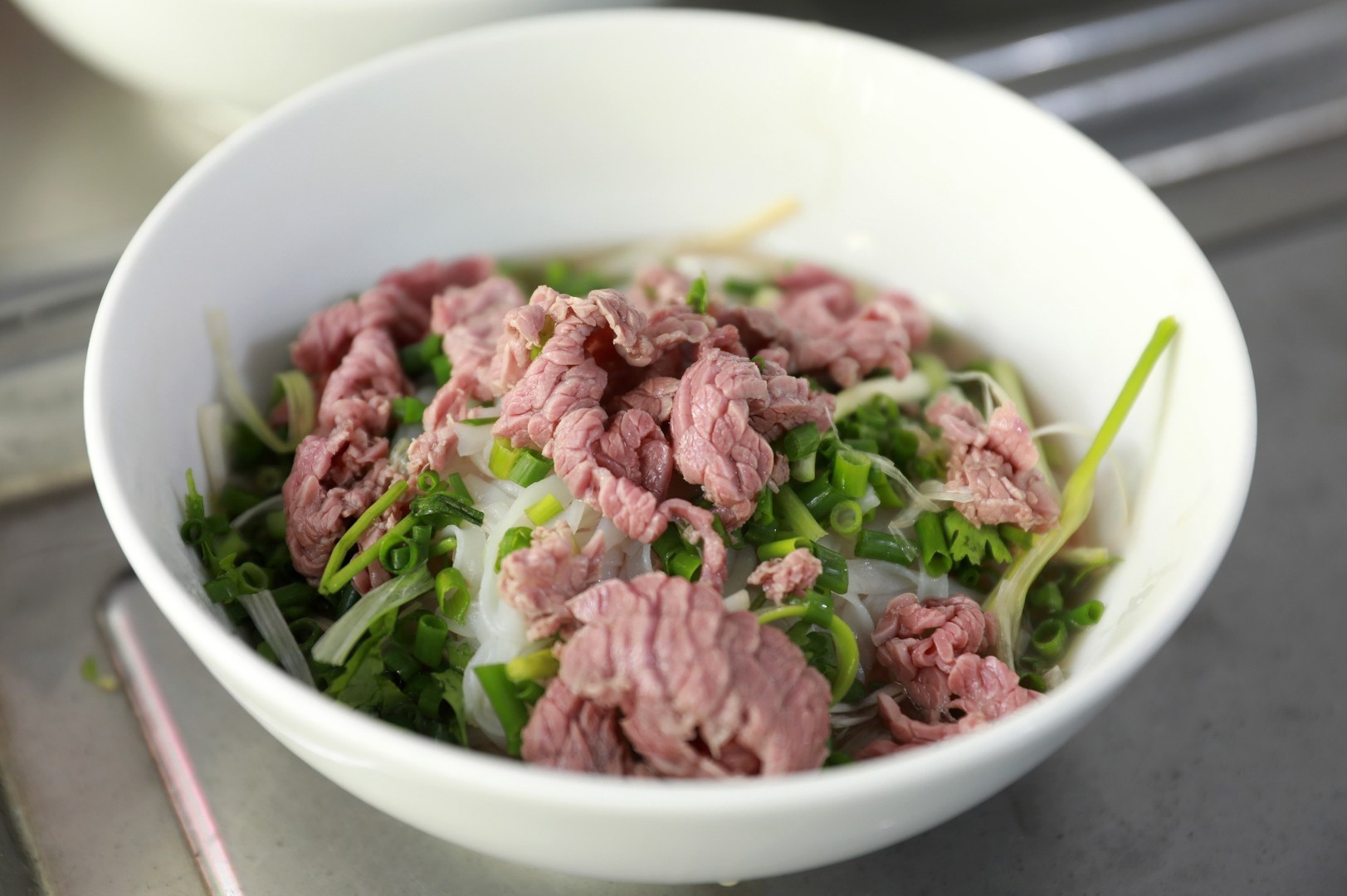
Pho Nam Dinh could be served with rare and well-done beef. (Photo: VNA)

Pho Nam Dinh could be served with rare and well-done beef. For a bowl with rare beef, the cook typically slices the beef after receiving customers’ orders to ensure its freshness then use a knife to tenderise the beef, making it stick together like a thin fillet before blanching and pouring it into the bowl.

Pho in the northern province of Nam Dinh has become a source of pride for local people for its unique features at every stage. (Photo: VNA)

The dish was added to the list of national intangible cultural heritages on August 9. The recognition is a crucial step towards seeking its inclusion in the UNESCO’s Representative List of the Intangible Cultural Heritage of Humanity.

Pho Ha Noi

Pho eateries have mushroomed in every corner of Hanoi, with nearly 700 facilities as of 2023, according to the municipal Department of Culture and Sports. However, most of the renowned Pho bo (beef noodle soup) and Pho ga (chicken noodle soup) brands are in Hoan Kiem, Ba Dinh and Hai Ba Trung districts.

Pho is a popular dish for breakfast in Hanoi. (Photo: VNA)

According to various historical records, Pho Hanoi was a street food that was hawked throughout the streets in the early 20th century.

The meticulous combination of neutral and cooling ingredients and spices in Pho demonstrates the awareness of creating a balance between human and the natural environment.

Most of the local Pho eateries do not have catchy names but they are referred to the name of the owner or distinctive characteristics of the owners like Pho Chieu, Pho Tinh, Pho Tu Lun (short), Pho Vui and Pho Khoi Hoi (bald).

Pho Thin has been served to eaters on Lo Duc street over the past 45 years. (Photo: VNA)

Pho has not only been embedded in the conscience of the Hanoi people but also enriched the Pho landscape of Vietnamese cuisine as a whole. Pho is present in more than 50 countries across the globe and has had its named defined in many reputable dictionaries.

Pho Hanoi was recognised as a national intangible cultural heritage on August 9.

Visitors taste Pho on Bat Dan street in Hanoi’s Hoan Kiem district. (Photo: VNA)

My Quang

Every region in Vietnam boasts unique culinary specialties. Pho hails from Hanoi while Bun Bo comes from the central city of Hue. My Quang is the spirit of the central province of Quang Nam.

My Quang is often served with toasted Vietnamese sesame rice crackers, fried shallots and herbs, such as rau ram (fragrant knotweed), coriander, perilla and lettuce. (Photo: VNA)

The craft of making My Quang is acknowledged for encapsulating the distinctive culinary values of the area. According to the Quang Nam People’s Committee, the dish evolved alongside the southward migration of settlers, adapting to available ingredients and thus contributing to its rich and varied flavours. This versatile dish highlights the folk culinary culture of the land, appealing to a broad range of tastes and embodying the local history and folk knowledge.

The craft of making My Quang is acknowledged for encapsulating the distinctive culinary values of the area. (Photo: VNA)

It is eaten with toasted Vietnamese sesame rice crackers, fried shallots and herbs, such as rau ram (fragrant knotweed), coriander, perilla and lettuce. The dish was served to world leaders at the Asia-Pacific Economic Cooperation (APEC) meeting in 2017.

It was added to the national intangible cultural heritage list on August 9./.

«ГЛОТОК СВЕЖЕГО ВОЗДУХА» СПОСОБСТВУЕТ МОДЕРНИЗАЦИИ СЕКТОРА ПО ПРОИЗВОДСТВУ РИСА

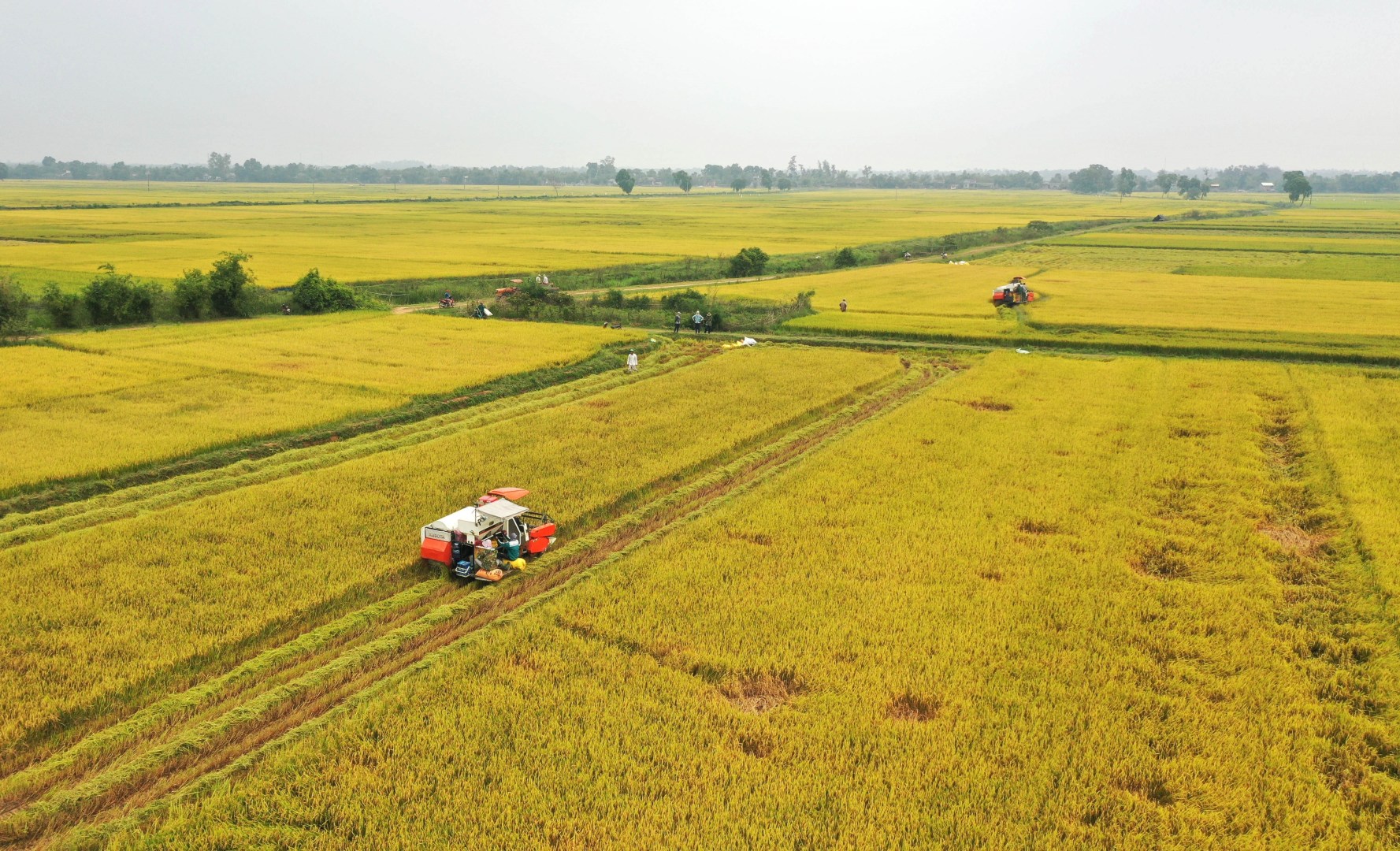
Уборка урожая зимне-весеннего риса в центральной провинции Куангчи (Фото: ВИA)

Вьетнам не только производит достаточно риса для удовлетворения потребностей почти 100 миллионов человек, но и обладает потенциалом в увеличении экспорта риса и вполне способен разделить ответственность за продовольственную безопасность со всем миром.

В настоящее время вьетнамский рис может похвастаться множеством высококачественных сортов, которые признаны во всем мире за их клейкие, ароматные качества, что является значительным преимуществом в повышении ценности бренда вьетнамского риса на мировом рынке.

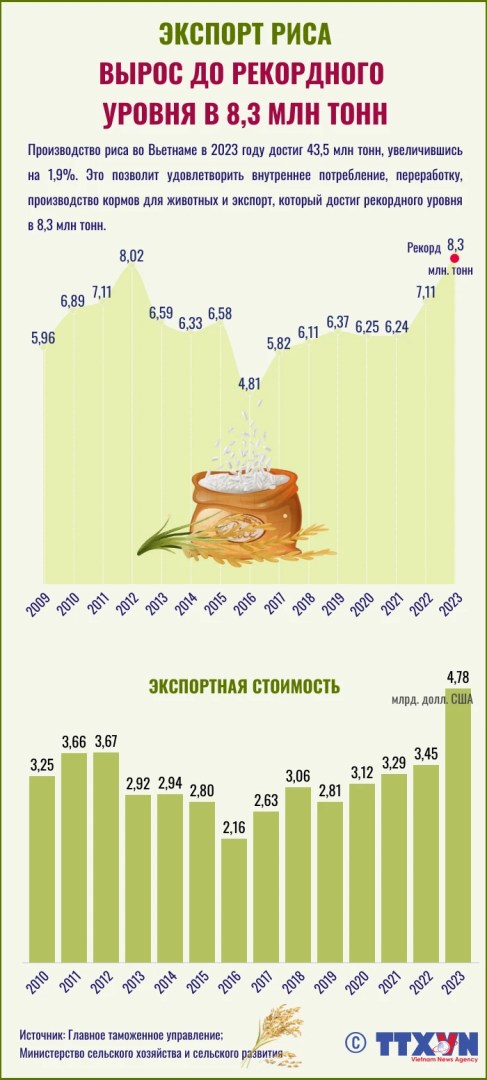
Экспорт риса из Вьетнама за 9 месяцев 2024 года достиг 4,37 млрд долларов США, увеличившись на 23,5% по сравнению с аналогичным периодом прошлого года. Объем экспорта превысил 7 млн тонн, увеличившись на 9,2%. Экспорт риса составил в среднем 624 доллара США за тонну, увеличившись на 13,1%.

По прогнозам, производство вьетнамского риса на экспорт в 2024 году, в основном по-прежнему будет сосредоточено в провинциях дельты Меконга – одной из крупных, плодородных дельт, которая оценивается как рисовая житница страны. Поэтому экспорт риса играет очень важную роль в экономическом развитии региона и страны.

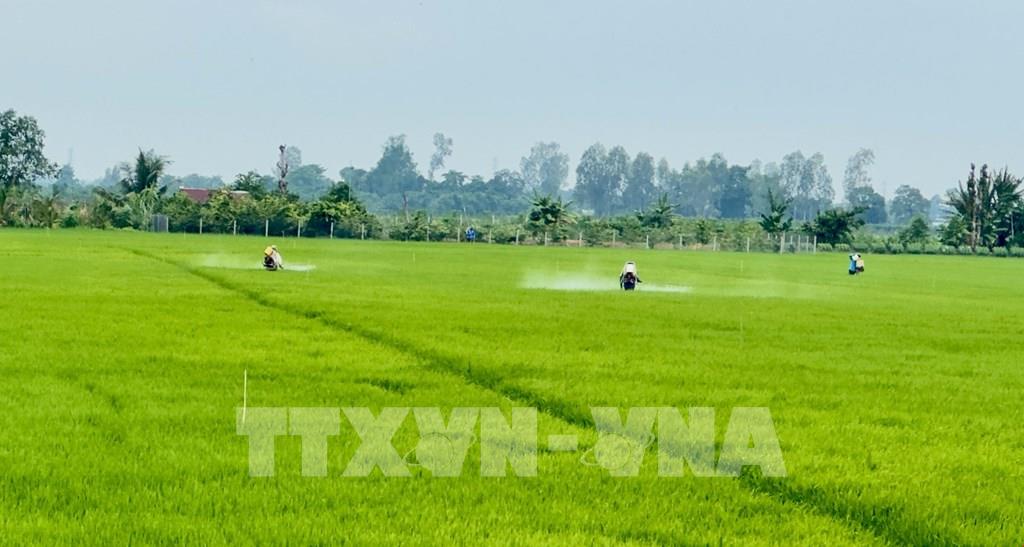
В дельте Меконга активно механизируются все этапы производства риса – от посева до сбора урожая. (Фото: ВИA)

Важный вклад в экспортный рынок

Дельта Меконга с природной площадью 4 092 тыс. га, из которых 2 575 тыс. га земли отведены под сельскохозяйственное производство, является одним из основных регионов Вьетнама по производству риса.

Производство риса в регионе в последние годы стабилизировалось на уровне 24-25 миллионов тонн, что составляет более 50% производства риса, а экспорт риса составляет более 90% экспорта риса страны, создавая рабочие места и доходы для миллионов сельскохозяйственных домохозяйств в регионе.

Статистика Министерства промышленности и торговли показывает, что в 2024 году, по оценкам, общий объем экспорта риса страны останется выше 8 млн тонн, из которых в дельте Меконга – 7,6 млн тонн.

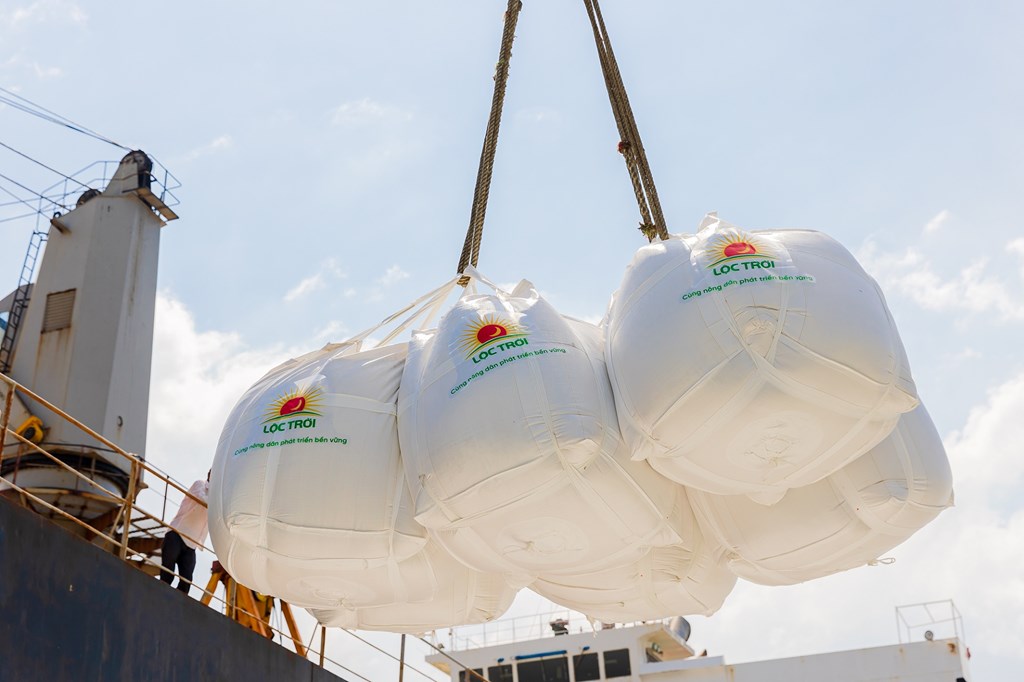
Группа компаний Loc Troi впервые экспортировала рис, используя балкеры для экономии затрат и повышения эффективности экспорта (Фото: ВИA)

Регион экспортирует рис в основном в ключевые традиционные рынки, такие как Китай, Филиппины, Малайзия, Кот-д’Ивуар. Кроме того существуют новые рынки, которые обладают большим потенциалом, такие как Россия и региональные рынки Африки, Западной и Южной Азии, Южной Африки, Алжир, Ангола, Объединенные Арабские Эмираты…

Министерство сельского хозяйства и развития сельских районов оценило, что ситуация с растениеводством с начала года показывает, что производственные мощности рисового сектора резко возросли, а ожидаемый объем экспорта превысит ожидания в 5,5 миллиардов долларов в год. В частности, в провинциях и городах дельты Меконга урожайность риса возросла, несмотря на сокращение посевных площадей по сравнению с 2023 годом.

Фермеры в городе Кантхо в дельте реки Меконг применяют технологии в ирригационных системах для повышения эффективности производства риса (Фото: ВИA)

В 2024 году в некоторых населенных пунктах региона был эффективно реализован проект «Устойчивое выращивание 1 миллиона гектаров высококачественного риса с низким уровнем выбросов, связанного с зеленым ростом, в дельте Меконга к 2030 году». Реализация этого проекта помогла фермерам повысить рентабельность более чем на 20% при одновременном снижении выбросов на 5-10 тонн, что эквивалентно CO2/га по сравнению с предыдущей моделью.

В 2024 году в дельте Меконга летом и осенью было реализовано 7 моделей (общей площадью 333,5 га) в 5 провинциях и городах: Кантхо, Шокчанг, Чавинь, Донгтхап и Кьенжанг.

LКак провинция с самой большой в стране площадью выращивания риса, Киенжанг производит 4,3 млн тонн риса в год. С 2024 года провинция вводит 60 000 га в производство в рамках проекта «1 миллион гектаров высококачественного риса». Зарегистрированная площадь составляет до 200 000 га и разделена на две фазы.

Согласно оценке Министерства сельского хозяйства и развития сельских районов, многие предприятия региона дельты Меконга приняли участие в предоставлении материалов, первоначальные услуги фермерам для производства и упаковки продукции.

«Большая игра»: 1 миллион гектаров ысококачественного риса

BНесмотря на достигнутые успехи, дельта Меконга по-прежнему сталкивается с такими проблемами, как отсутствие концентрированных, крупномасштабных районов производства риса, а также связей и сотрудничества в рамках цепочек создания стоимости между фермерами, кооперативами и предприятиями. Выращивание риса остается неустойчивым, поскольку многие фермеры по-прежнему используют химические удобрения и пестициды, что негативно сказывается на окружающей среде и увеличивает выбросы парниковых газов.

Кроме того, в последнее время требования рынка становятся все более жесткими: страны-импортеры вводят более строгие правила, требующие более высокого качества риса и обеспечения безопасности продуктов питания, что включает в себя минимизацию использования химических веществ и сокращение выбросов. Кроме того, на 26-й Конференции сторон ООН по изменению климата (COP26) премьер-министр подписал обязательство по достижению нулевого уровня выбросов к 2050 году.

На этом фоне правительство одобрило проект «Устойчивое развитие 1 миллиона гектаров, специализирующихся на выращивании высококачественного риса и низких выбросах, связанных с зеленым ростом, в дельте Меконга к 2030 году».

Пилотная модель проекта по выращиванию миллиона гектаров высококачественного риса с низким уровнем выбросов в атмосферу запущена в кооперативе Thuan Tien в общине Тханьан, уезд Виньтхань, город Кантхо, 5 апреля. (Фото: ВИA)

Этот проект не только напрямую приносит пользу почти 1,5 миллионам фермеров, но и способствует утверждению того, что Вьетнам несет ответственность за обеспечение глобальной продовольственной безопасности и сокращение выбросов парниковых газов.

Проект связан с реорганизацией производственной системы в соответствии с цепочкой создания стоимости, применением устойчивых процессов ведения сельского хозяйства для увеличения стоимости, устойчивым развитием рисового сектора, повышением эффективности производства и бизнеса, доходов и жизни рисоводов, защитой окружающей среды, адаптацией к изменению климата и сокращением выбросов парниковых газов.

После успешной реализации проекта модель будет тиражироваться по всей стране, чтобы сделать «зеленое развитие, снижение выбросов, высокое качество» брендом вьетнамского риса.

Производство риса является ключевым сектором, который не только помогает обеспечить национальную продовольственную безопасность, но и поддерживает экономическое развитие страны, а также демонстрирует ответственность Вьетнама за обеспечение международной продовольственной системы.

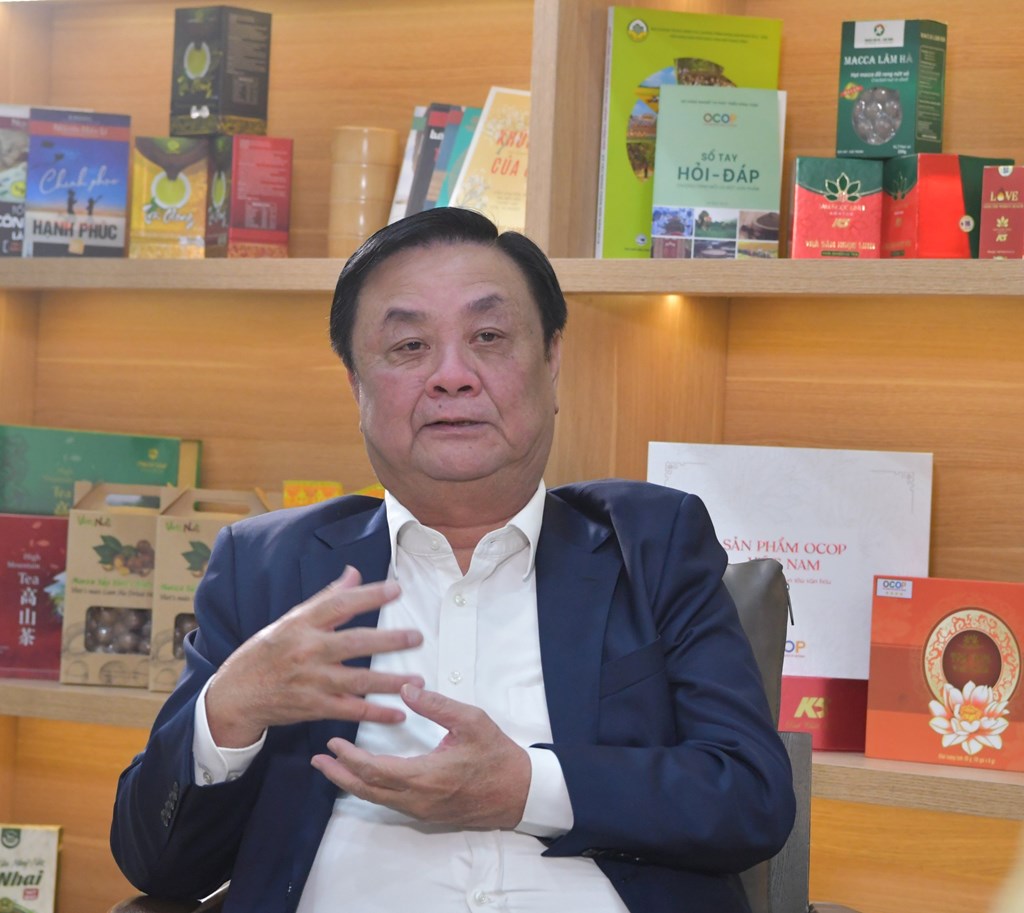
Министр сельского хозяйства и развития сельских районов Ле Мин Хоан (Фото: ВИA)

По оценкам Министерства сельского хозяйства и развития сельских районов, общий капитал проекта составляет около 8 800 миллионов долларов. Всемирный банк согласился выбрать проект в качестве одного из ключевых в Азиатско-Тихоокеанском регионе и предоставит Вьетнаму кредит в размере 500 миллионов долларов США./.

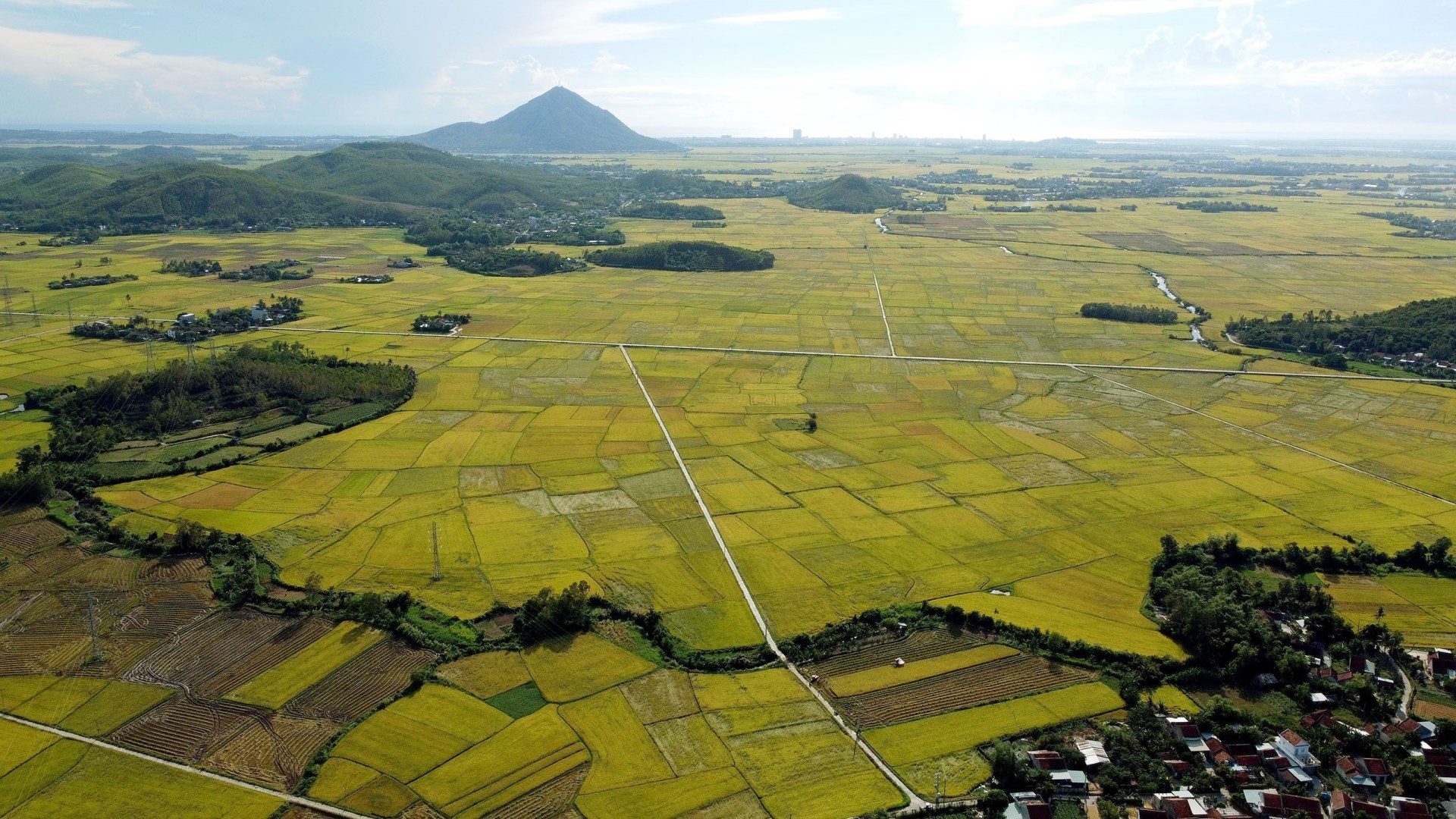
Созревшие рисовые поля также являются привлекательным местом для туристов (Фото: ВИA)