BINH DUONG: FROM WAR-TORN LAND TO A RISING ECONOMIC POWER

The Toyota Building in Binh Duong new city, a frequent venue for fireworks displays during festive occasions. (Photo: Binh Duong Newspaper)

Half a century after the nation’s reunification, Binh Duong has emerged as a shining beacon of economic transformation. What was once a battlefield scarred by bombs has now become a thriving industrial-urban hub, playing a vital role in Vietnam’s Southern Key Economic Region.

Emerging from its wartime resilience to achieving extraordinary growth during the nation’s renewal period, Binh Duong continues to assert itself as a leading economic driver. With a bold spirit of innovation and a relentless pursuit of growth, the province is committed to fostering sustainable development and strengthening its position as one of the country’s economic powerhouses.

The “Oil Flower Petal” symbol unveiled in Thu Dau Mot city, Binh Duong province, September 2024. (Photo: VNA)

The spirit of innovation and determination

Despite Binh Duong’s impressive growth today, memories of its resilience during wartime remain deeply etched in the hearts of its people.

As part of the heroic Eastern Region, Binh Duong was once a fierce battleground where countless soldiers laid down their lives for the nation’s independence and freedom.

Following the war’s end, the province faced immense challenges. Rising from the ashes, the people of Binh Duong pushed forward with unyielding determination.

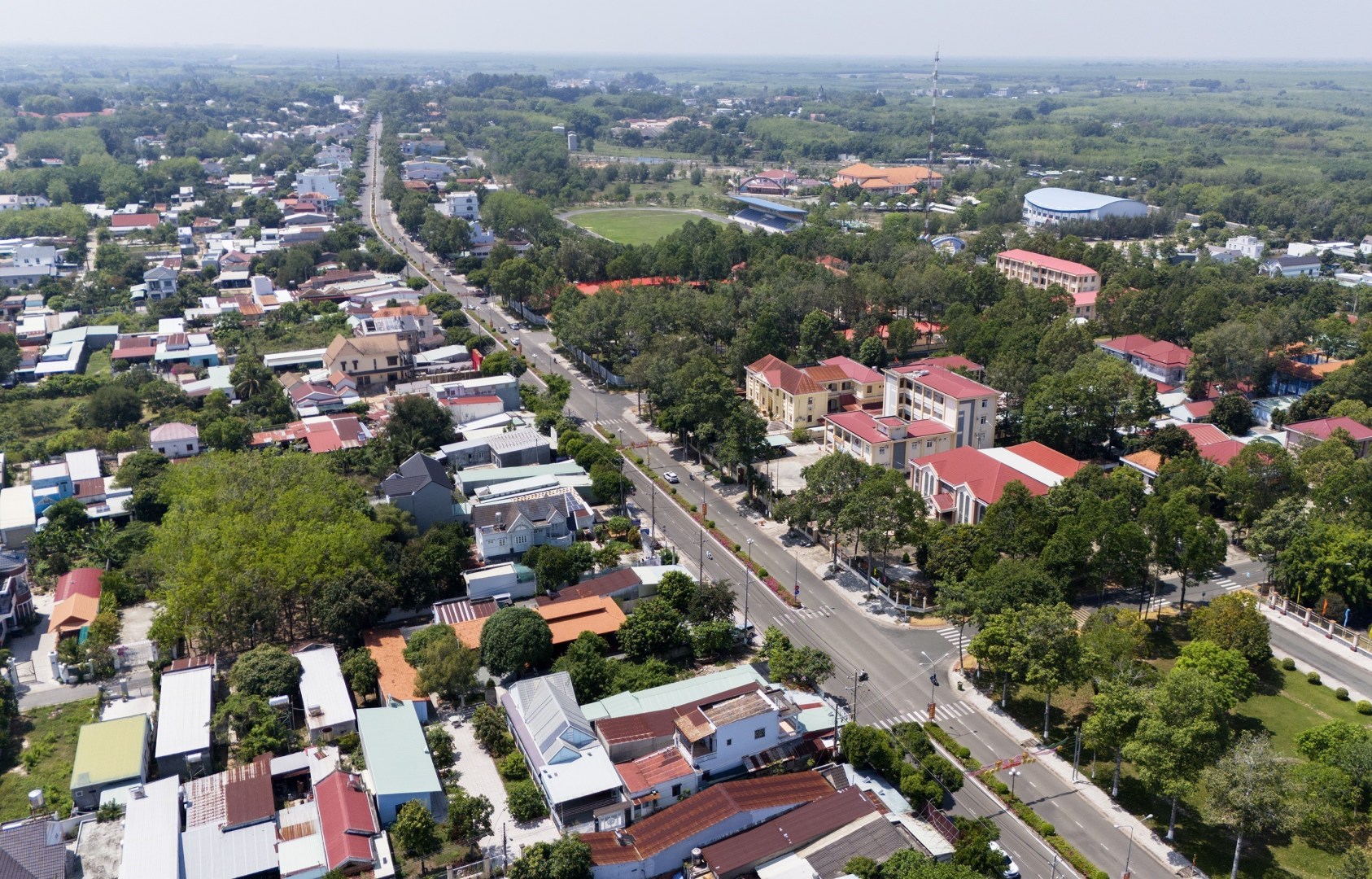
Industrial zones have flourished, and modern urban areas have taken shape, transforming this once agricultural province into one of the most dynamic industrial hubs in the country.

Chairman of the Binh Duong People’s Committee Vo Van Minh underscored the province’s success stems from its revolutionary spirit, solidarity, and the mindset of “thinking big, acting bold.”

Since the early days of economic reform, Binh Duong has pioneered new approaches, refining policies, attracting investment, and strategically developing infrastructure. This proactive strategy has empowered Binh Duong to flourish as one of Vietnam’s most prosperous provinces.


Hot Air Balloon Festival in Thu Dau Mot city, January 2025. (Photo: Thu Dau Mot city Centre for Culture, Information, and Sports)

The inaugural mountain bike race held in Thu Dau Mot city, Binh Duong province, January 2025. (Photo: Binh Duong Newspaper)

Binh Duong’s economic milestones are remarkable. In 1997, the province contributed a modest 1.25% to Vietnam’s GDP. Today, its economy is valued at an estimated 23 billion USD, accounting for nearly 4.83% of the nation’s projected 476.3 billion USD GDP in 2024.

With a GRDP per capita exceeding 195 million VND (approximately 7,654 USD), Binh Duong ranks among Vietnam’s top five revenue-generating provinces.

In 2025, Binh Duong aims to retain its status as a leading industrial hub while embracing a sustainable growth model.

Chairman of the Binh Duong People’s Committee Vo Van Minh

The province is investing heavily in green economic practices, circular industry development, and high-value foreign direct investment (FDI) to accelerate technological advancements.

Despite challenges in 2024, Binh Duong achieved notable progress: GRDP grew by 7.48%, industrial production expanded steadily, and the province maintained a robust trade surplus of 10 billion USD. These achievements have set the stage for Binh Duong to pursue double-digit economic growth in 2025.

With a forward-looking strategy, Binh Duong aims to become a leading smart city and green industrial centre. The province is prioritising infrastructure upgrades, strengthening regional connectivity, and expanding high-tech industrial zones to fuel economic growth.

To support this ambitious growth, Binh Duong is accelerating administrative reforms, improving workforce quality, and ensuring social welfare to create a solid foundation for sustainable economic advancement. With its unwavering commitment to “Solidarity – Innovation – Breakthrough,” Binh Duong pledges to support businesses, residents, and strategic partners by fostering a transparent and favourable investment environment.

The year 2025 is set to be a pivotal moment, positioning Binh Duong closer to its goal of becoming a prosperous, livable, and proudly thriving province.

A model of growth

At a recent conference evaluating “Binh Duong’s Development Model in the National Renewal Process with Vision and Orientation to 2050” and outlining the framework for the 12th Binh Duong provincial Party Congress (2025-2030 term), the Central Theory Council recognised Binh Duong’s pioneering success in resource mobilisation, industrial growth, infrastructure modernisation, and urbanisation.

Binh Duong’s success is built on three core pillars: “Proactive Governance – Public Engagement – Enterprise Initiative.”

Thanks to groundbreaking reforms in planning, infrastructure, and investment attraction, the province has emerged as one of Vietnam’s most dynamic localities.

Nguyen Xuan Thang, Politburo member and Chairman of the Central Theory Council and Director of the Ho Chi Minh National Academy of Politics, praised Binh Duong’s industrialisation strategy integrated with smart urban development. Leveraging its proximity to Ho Chi Minh City, Binh Duong has maximised its advantages to attract investment and accelerate economic growth.

With its strategic location near Ho Chi Minh City, Binh Duong holds significant potential to attract investment and drive economic growth. (Photo: VNA)
Manufacturing activities at an industrial park in Binh Duong. (Photo: VNA)

Currently, the province boasts 29 industrial parks with an occupancy rate exceeding 95%, attracting nearly 43 billion USD in FDI, a solid foundation for its economy. However, amid rapid global changes, Binh Duong is determined to innovate its development model, aiming to become a modern, high-income, and sustainable urban hub.

To achieve its ambitious goal of double-digit growth by 2025, Binh Duong is actively improving its investment climate, strengthening partnerships between businesses and government, investing in high-quality human resources, and advancing strategic infrastructure. These efforts are expected to propel Binh Duong forward, ensuring the province thrives in the new economic era.

Binh Duong Smart Monitoring and Operation Centre. (Photo: VNA)

Secretary of the provincial Party Committee Nguyen Van Loi stressed that the province’s growth momentum will continue to rely on the “three engines” of investment, exports, and consumption.

The province is focusing on attracting FDI in high-tech industries, green manufacturing, and smart urban development. Concurrently, Binh Duong is ramping up public investment, enhancing transportation infrastructure, and advancing green logistics systems to build a robust foundation for businesses to thrive.

Science, technology, and digital transformation will remain crucial drivers of Binh Duong’s growth. By integrating technology into production, digitising public services, and streamlining administrative procedures, the province aims to boost productivity, reduce costs, and enhance competitiveness.

The province is also accelerating administrative reforms, enhancing the efficiency of state management, and creating a transparent, business-friendly environment to support enterprises.

Loi called for the smooth, effective and efficient operation of the streamlined administrative apparatus. He stressed the need for proactive leadership, accountability, and decisive action to prevent delays and disruptions that could hinder development.

The province is committed to comprehensive reforms, improved governance, and a professional, transparent administrative system. If successful, Binh Duong will not only achieve its ambitious growth target in 2025 but also solidify its position as a key economic engine of the nation.

Prime Minister Pham Minh Chinh attends the Binh Duong province planning announcement conference, September 2024. (Photo: VNA)

Chairman Vo Van Minh reaffirmed that the resilient spirit of Binh Duong’s past, symbolised by the region’s wartime valor, remains a powerful driving force for today’s youth to continue building a prosperous and thriving future for the province.

With a spirit of pionnering, creativity and solidarity, Binh Duong confidently enters a new era – the era of growth and prosperity./.

Infrastructure development in Binh Duong. (Photo: VNA)

ЗНАНИЯ О ВЫРАЩИВАНИИ И ПЕРЕРАБОТКЕ КОФЕ В ДАКЛАКЕ СТАЛИ НЕМАТЕРИАЛЬНЫМ КУЛЬТУРНЫМ НАСЛЕДИЕМ

Это решение приняли после детального изучения, исследований и тщательной оценки, чтобы сохранить и развивать традиции кофейного ремесла. Эта отрасль сформировала культурную самобытность жителей Даклака на протяжении многих поколений.

Естественные методы возделывания, традиционные способы ухода, сбора урожая и переработки кофе не только свидетельствуют о богатстве народных знаний, но и служат источником вдохновения для творчества в искусстве и кулинарии.

Первозданная красота кофейных цветов в Центральном нагорье (Фото: ВИA)

Знания о выращивании и переработке кофе распространены практически во всех уездах провинции Даклак. При этом основные исследования сосредоточены в городе Буонметхуот, а также в уездах Кымгар, Кронгпак, Эа-Хлео, Кы-Куин и в городе Буонхо.

Носителями культуры «Знаний о выращивании и переработке кофе» являются отдельные люди и семьи, хранящие эти знания, передающиеся из поколения в поколение в семье и сообществе. Среди них – в основном представители народов эде и м’нонг, а также переселенцы, приехавшие сюда жить и заниматься выращиванием кофе с 1950-х годов. Особенно важно, что эти знания передаются из поколения в поколение, осмысливаются заново и продолжают развиваться.

Сбор, обработка и экспорт кофе в Даклаке (Источник: ВИA)

Кофейная столица Вьетнама

Даклак носит звание «кофейной столицы» Вьетнама с площадью плантаций около 210 000 га и годовым объемом производства более 520 000 тонн, что составляет более 30% от общего объема производства кофе в стране. Кофе – это основная сельскохозяйственная культура, играющая исключительно важную роль в экономической и социальной жизни региона, обеспечивая местное население средствами к существованию. На сегодняшний день продукция даклакского кофе экспортируется более чем в 70 стран и территорий по всему миру.

Всемирный музей кофе в городе Буонметхуот провинции Даклак считается символом вьетнамского кофе. (Фото: Всемирный музей кофе)

По словам Лай Дык Дая, заместителя директора Департамента культуры, спорта и туризма провинции Даклак, признание знаний о выращивании и переработке кофе в Даклаке в качестве национального нематериального культурного наследия не только подтверждает традиционную ценность, но и открывает возможности для развития экотуризма, культурного и сельскохозяйственного туризма в провинции, способствуя дальнейшему продвижению имиджа даклакского кофе на международной арене.

В ближайшее время Департамент культуры, спорта и туризма Даклака разработает конкретные планы по содействию местным органам власти и агропредприятиям в активизации исследований и распространении культурных ценностей, связанных с производством кофе, с целью защиты и продвижения народных знаний.

Парад на фестивале кофе в Буонметхуот 2025 года (Фото: Организационный комитет)

Дети в шлемах, украшенных кофейными цветами и фруктами, на уличном фестивале, посвященном кофе Даклак. (Фото: Организационный комитет)
Мисс Вселенная Вьетнам 2017 Х’Хен Ние, медиа-посол фестиваля, в наряде с кофейной тематикой привлекает внимание публики. (Фото: Организационный комитет)

“Департамент культуры, спорта и туризма будет рекомендовать Народному комитету провинции по вопросам сохранения и развития ценности этого наследия. Во-вторых, предложит признание мастеров по выращиванию и переработке кофе. В-третьих, Департамент будет играть роль консультативного органа в дальнейшем продвижении этого наследия, особенно бесценных знаний даклакских фермеров, занимающихся выращиванием и переработкой кофе”.

ЛАЙ ДЫК ДАЙ, ЗАМЕСТИТЕЛЬ ДИРЕКТОРА ДЕПАРТАМЕНТА КУЛЬТУРЫ, СПОРТА И ТУРИЗМА ДАКЛАКА
Посетители у выставочного стенда кофе «ДакЛак» (Фото: Организационный комитет)

Вызовы после внесения в список наследия

Признание знаний о выращивании и переработке кофе в Даклаке национальным нематериальным культурным наследием вызвало большую радость у местных фермеров. Ведь впервые официальное признание получили их многолетние усилия и вклад в развитие кофейной отрасли Вьетнама в целом и провинции Даклак в частности.

Кроме того, этот статус способствует увеличению добавленной стоимости кофейных зерен, улучшая благосостояние фермеров и стимулируя развитие кофейной индустрии. Даклак получает шанс стать туристическим центром для знакомства с культурой, дегустации и участия в процессе выращивания и переработки кофе.

Премьер-министр Фам Минь Тьинь и премьер-министр Кыргызстана Адылбек Касымалиев наслаждаются вьетнамским кофе. (Фото: ВИA)

Министерство культуры, спорта и туризма отметило, что в некоторых регионах основной акцент делается только на составление документации для включения объектов в национальный или международный список наследия. Однако при этом недостаточно внимания уделяется деятельности по сохранению и развитию ценности наследия, связанной с устойчивым развитием и интеграцией. Кроме того, местные власти сталкиваются с трудностями в планировании и реализации мероприятий по защите и продвижению наследия после его официального признания.

Принц Великобритании Уильям Артур Филипп пробует уличный кофе в Старых кварталах Ханоя в ноябре 2016 года. (Фото: ВИA)
Премьер-министр Канады Джастин Трюдо наслаждается уличным кофе в Хошимине в ноябре 2017 года. (Фото: Laodong.vn)

Традиционный вьетнамский капельный кофе, который подают в «Vot Cafe», является характерной частью культуры Сайгона и Хошимина с 1954 года. (Фото: ВИA)

Фам Хай Куинь, директор Института развития туризма Азии (AIT), сказал, что признание кофейного ремесла Даклака наследием – это важный шаг в деле сохранения и развития культуры, оно также открывает новые возможности для экономического роста региона. Особенно важно, что этот статус создает условия для развития устойчивых моделей выращивания кофе, защиты окружающей среды и повышения качества продукции.

Однако выращивание кофе сталкивается с такими вызовами, как изменение климата, высокая конкуренция на рынке и риск неурожаев. Поэтому необходимо разработать разумные меры поддержки для его устойчивого развития. Требуется сотрудничество со стороны властей, местных сообществ и организаций, чтобы обеспечить долгосрочное процветание этой отрасли.”

Фам Хай Куинь, директор Института развития туризма Азии

Сохранение наследия должно глубоко укорениться в сообществе

По словам Фам Хай Куиня для продвижения ценности наследия после его признания необходимо, чтобы как политическая система, так и местное сообщество глубоко осознавали свою ответственность за его сохранение и продвижение. В частности, важно разработать механизмы и политики, которые помогут сообществу – главному носителю наследия – защищать и продвигать его ценность. А также необходимы политики, стимулирующие и повышающие осознание значимости продвижения ценности наследия, связанные с его сохранением и устойчивым развитием на уровне управления и бизнеса.

Что касается кофейного производства в Даклаке, Фам Хай Куинь считает, что необходимо повысить уровень технологий выращивания и переработки кофе для фермеров, чтобы они лучше понимали культурную и экономическую ценность этой отрасли. Кроме того, следует развивать туры с погружением в процесс производства кофе, позволяя туристам участвовать в сборе урожая и его обработке. Это не только создаст дополнительный источник дохода для местных жителей, но и повысит осознание значимости данного наследия.

Вьетнамский кофе со льдом входит в десятку лучших напитков в мире. (Фото: ВИA)

Эксперты также отмечают, что для того чтобы бренд даклакского кофе смог продвинуться дальше в будущем, местные власти должны инвестировать в улучшение качества продукции. Важно создать альянсы между фермерами, предприятиями и неправительственными организациями, чтобы совместно обмениваться опытом и ресурсами, обеспечивая устойчивое развитие кофейного производства. Кроме того, проведение кофейных фестивалей станет не только способом почтить кофейное ремесло, но и возможностью вовлечь местное сообщество и туристов. Это также создаст условия для продвижения бренда даклакского кофе на более широком рынке.

В настоящее время во Вьетнаме уже существует правовая база для содействия сохранению и развитию нематериального культурного наследия. В частности, Постановление № 39/2024/NĐ-CP четко определяет принципы управления, сохранения и продвижения ценности нематериального культурного наследия, а именно: обеспечение его практического применения в интересах человека и общества, ориентация на сохранение культурных ценностей, поддержание самобытности, содействие всестороннему социальному развитию, обеспечение безопасности общества и сообщества, а также охрана окружающей среды./.

Разработка экскурсий на кофейных плантациях помогает повысить осведомленность местных жителей и посетителей о ценности кофейного наследия Буонметхуота. (Фото: Организационный комитет фестиваля кофе в Буонметхуот)

Le savoir-faire caféier de Dak Lak inscrit au patrimoine culturel immatériel national

Cette décision fait suite à des recherches, des enquêtes et des évaluations approfondies visant à préserver et promouvoir les valeurs traditionnelles associées à la caféiculture, une filière qui façonne l’identité culturelle des habitants de Dak Lak depuis des générations. Les méthodes agricoles naturelles et les pratiques traditionnelles de soins, de récolte et de transformation du café reflètent non seulement la richesse du savoir-faire populaire, mais inspirent également la créativité artistique et culinaire.

Le savoir-faire en caféiculture est présent dans de nombreux districts de Dak Lak, notamment dans la ville de Buon Ma Thuot et dans les districts de Cu M’gar, Krong Pak, Ea H’leo, Cu Kuin et la cité municipale de Buon Ho.

Fleurs de caféier dans les Hauts Plateaux du Centre. Photo: VNA

Les détenteurs culturels de ce patrimoine sont des individus et des familles qui ont transmis leurs connaissances en matière de culture et de transformation du café de génération en génération au sein de leurs communautés. Parmi eux figurent les ethnies autochtones telles que les Ede et les M’Nong, ainsi que les migrants installés à Dak Lak depuis les années 1950. Ce savoir-faire a été continuellement transmis et développé.

Récolte et transformation du café à Dak Lak. Photo : VNA

Capitale nationale café 

Le café joue un rôle crucial dans l’économie et la société de la région, assurant la subsistance des habitants. Les produits à base de café de Dak Lak sont aujourd’hui exportés vers plus de 70 pays et territoires à travers le monde.

Le Musée mondial du café dans la ville de Buon Ma Thuot, province de Dak Lak, est considéré comme un symbole du café vietnamien. Photo: Musée mondial du café

Selon Lai Duc Dai, directeur adjoint du Département de la culture, des sports et du tourisme de Dak Lak, la reconnaissance du savoir-faire de Dak Lak en matière de culture et de transformation du café comme patrimoine culturel immatériel national non seulement reconnaît la valeur de ces traditions, mais ouvre également des perspectives de développement de l’écotourisme, du tourisme culturel et de l’agrotourisme dans la province, tout en promouvant le café de Dak Lak sur la scène internationale.

Pour valoriser ce patrimoine, le Département provincial de la culture, des sports et du tourisme prévoit d’encourager les communautés locales et les entreprises agricoles à renforcer la recherche et la diffusion des valeurs culturelles associées à la production de café, garantissant ainsi la préservation et la promotion de ce savoir-faire populaire. Lai Duc Dai a déclaré que le Département conseillerait au Comité populaire provincial sur les stratégies de préservation et de valorisation du patrimoine et proposerait une reconnaissance aux artisans impliqués dans la culture et la transformation du café. 

Un défilé au Festival du café de Buon Ma Thuot 2025. Photo : Comité d’organisation
Enfants portant des casques décorés de fleurs et de fruits de caféier lors d’un festival de rue sur le café de Dak Lak.
Photo : Comité d’organisation
Miss Univers Vietnam 2017, H’Hen Nie, ambassadrice média du festival, vêtue d’une tenue inspirée du café, attire l’attention du public. Photo : Comité d’organisation

“Le Département provincial de la culture, des sports et du tourisme conseillerait au Comité populaire provincial sur les stratégies de préservation et de valorisation du patrimoine et proposerait une reconnaissance aux artisans impliqués dans la culture et la transformation du café”.

Lai Duc Dai, directeur adjoint du Département de la culture, des sports et du tourisme de Dak Lak
Visiteuses au stand du café de Dak Lak. Photo : Comité d’organisation

Défis post-reconnaissance

La reconnaissance du savoir-faire en caféiculture de Dak Lak comme patrimoine culturel immatériel national a réjoui les caféiculteurs locaux. Elle reconnaît officiellement, pour la première fois, la contribution de ces caféiculteurs et transformateurs à l’industrie du café au Vietnam, et à Dak Lak en particulier.

Parallèlement, cette reconnaissance valorisera les grains de café, améliorera les conditions de vie des caféiculteurs et stimulera le développement de la filière café. Dak Lak a désormais l’opportunité de devenir une destination où les visiteurs peuvent découvrir sa culture, déguster son café et participer aux activités de plantation et de transformation du café.

Le Premier ministre Pham Minh Chinh et le Premier ministre kirghize Adylbek Kasymaliev dégustent du café vietnamien. Photo : VNA

Le prince britannique William Arthur Philip expérimente un café sur le trottoir du Vieux quartier de Hanoï, en novembre 2016. Photo : VNA
Le Premier ministre canadien Justin Trudeau savoure un café sur le trottoir de Ho Chi Minh-Ville, en novembre 2017. Photo : Journal du Travail

Le café filtre traditionnel vietnamien intitulé « Vot Café » fait partie intégrante de la culture de Saigon-Ho Chi Minh-Ville depuis 1954. Photo: VNA

Pham Hai Quynh, directeur de l’Institut Asiatique de Technologie (AIT), a déclaré que la reconnaissance de ce patrimoine de Dak Lak constitue une étape importante dans la préservation et la promotion de la culture, tout en offrant des opportunités économiques à la région.

Il a toutefois souligné des défis tels que le changement climatique, la concurrence sur le marché et la variabilité saisonnière, et a insisté sur la nécessité de politiques de soutien pour assurer un développement durable.”

Pham Hai Quynh, directeur de l’Institut Asiatique de Technologie (AIT)

Préservation communautaire du patrimoine

Pour que ce patrimoine prenne pleinement conscience de sa valeur, Pham Hai Quynh a souligné l’importance d’impliquer l’ensemble du système politique et les communautés locales dans la reconnaissance de leur responsabilité en matière de préservation et de promotion du patrimoine culturel. Des mécanismes et des politiques devraient être mis en place.

Pour la filière café de Dak Lak, il a suggéré que l’amélioration des techniques de culture et de transformation du café pour les producteurs locaux, leur permettant de comprendre l’importance culturelle et économique de leur travail, et le développement des expériences touristiques autour du café, pourraient générer des revenus supplémentaires pour la communauté et sensibiliser le public au patrimoine.

De nombreux experts ont également suggéré que, pour accroître la notoriété de la marque de café de Dak Lak, les localités investissent dans la qualité des produits et nouer des alliances entre agriculteurs, entreprises et organisations non gouvernementales afin de partager leurs connaissances et leurs ressources, favorisant ainsi une culture durable du café. L’organisation de festivals du café pour honorer cet artisanat et attirer la participation locale et le tourisme pourrait également être une opportunité de promouvoir la marque de café de Dak Lak.

Le Vietnam dispose actuellement d’un cadre juridique pour promouvoir la préservation et le développement du patrimoine culturel immatériel. Le décret n° 39/2024/ND-CP précise les principes de gestion, de protection et de promotion du patrimoine culturel immatériel, garantissant que ces pratiques profitent aux populations, aux communautés et aux belles valeurs culturelles, tout en préservant l’environnement et en favorisant un développement social global./.
Le développement des visites expérientielles dans les zones de culture de caféiers contribue à sensibiliser les habitants et les visiteurs à la valeur patrimoniale du café de Buon Ma Thuot.
Photo : Comité d’organisation du Festival du café de Buon Ma Thuot

Conocimiento sobre el cultivo y procesamiento del café de Dak Lak, patrimonio cultural inmaterial de Vietnam

El documento fue adoptado después de un proceso de investigación y evaluación minuciosa, con el objetivo de preservar y promover los valores tradicionales vinculados al oficio del café, que ha construido la identidad cultural de los habitantes de Dak Lak a lo largo de generaciones.

Los métodos de cultivo naturales, las prácticas tradicionales en el cuidado, cosecha y procesamiento de este grano no solo son una prueba del vasto conocimiento popular, sino también una fuente de inspiración para la creatividad en el arte y la gastronomía.

La belleza pura de las flores de café en la región de Tây Nguyên. Fuente: VNA

El conocimiento sobre el cultivo y procesamiento del café está presente en casi todos los distritos de la provincia de Dak Lak; la investigación se centró principalmente en la ciudad de Buon Ma Thuot y los distritos de Cu M’gar, Krong Pak, Ea H’leo, Cu Kuin y el municipio de Buon Ho

Los portadores de la cultura del “Conocimiento sobre el cultivo y procesamiento del café” son individuos y familias que han mantenido el conocimiento a través de generaciones dentro de sus familias y comunidades, e incluyen a muchas de las etnias locales como los E De, M’Nong, así como a los inmigrantes que llegaron a esta región desde la década de 1950 para cultivar café. En particular, este conocimiento no ha dejado de ser heredado, innovado y desarrollado con el tiempo.

Galería de imágenes: Cosecha, procesamiento y exportación de café en Dak Lak. Fuente: VNA

Capital de café de Vietnam

Dak Lak es conocida como la capital del café de Vietnam, con una superficie de alrededor de 210 mil hectáreas y una producción anual de más de 520 mil toneladas, lo que representa más del 30% de la producción nacional de este producto. El café es un cultivo de gran importancia en la vida económica y social de la región, proporcionando sustento a los habitantes. Actualmente, el café de Dak Lak se exporta a más de 70 países y territorios en todo el mundo.

El Museo Mundial del Café en la ciudad de Buon Ma Thuot se considera un símbolo del café de Vietnam. Fuente: Museo Mundial del Café

Según Lai Duc Dai, subdirector del Departamento de Cultura, Deportes y Turismo local, distinguir el conocimiento sobre el cultivo y procesamiento del café de Dak Lak como Patrimonio Cultural Inmaterial Nacional no solo reconoce los valores tradicionales, sino que también abre oportunidades para el desarrollo del ecoturismo, la cultura y la agricultura en la provincia, ayudando a expandir la promoción de la imagen del café de Dak Lak a nivel internacional.

Para promover este patrimonio, el Departamento de Cultura, Deportes y Turismo de Dak Lak tiene planes específicos para alentar a las localidades y comunidades empresariales agrícolas a fortalecer la investigación y difusión de los valores culturales vinculados al proceso de producción del café, con el fin de proteger y promover la sabiduría popular.

Desfile callejero en el marco del Festival de Café Buon Ma Thuot 2025. Fuente: Comité Organizador del Festival

Niños con sombreros decorados con flores y frutos de café durante el desfile callejero promoviendo el café de Dak Lak. Foto: Comité Organizador del Festival
La Miss Vietnam H’Hen Niê, embajadora de medios del festival, atrae la atención del público con su traje de taza de café. Foto: Comité Organizador del Festival

“El Departamento de Cultura, Deportes y Turismo asesorará al gobierno provincial sobre los planes para preservar y promover los valores del patrimonio. En segundo lugar, propondrá el reconocimiento de los artesanos del café. En tercer lugar, esta entidad será el órgano asesor para promover el valor de esta herencia en el futuro, especialmente los valiosos conocimientos de los agricultores que cultivan y procesan café en Dak Lak”.

Lai duc dai, subdirector del departamento de cultura, deportes y turismo de dak lak
Visitantes observando el stand de exhibición del café de Dak Lak. Foto: Comité Organizador del Festival

Desafíos tras el reconocimiento

Este reconocimiento ha llenado de entusiasmo a los caficultores de Dak Lak, ya que es la primera vez que se honra oficialmente la contribución de los agricultores y procesadores de este grano en Vietnam, y especialmente los de Dak Lak.

Además, este reconocimiento también contribuye a generar un valor añadido al grano, ayudando a los agricultores a tener una vida más próspera y promoviendo el desarrollo del sector. La provincia de Dak Lak tendrá la oportunidad de convertirse en un destino para experimentar la cultura, disfrutar y participar en actividades de siembra y procesamiento de café.

Galería de imágenes: El primer ministro Pham Minh Chinh y su homólogo de Kirguistán Adylbek Kasymaliev degustan café vietnamita. Fuente: VNA

El Ministerio de Cultura, Deportes y Turismo ha señalado que algunas localidades solo se han centrado en la elaboración de expedientes para incluirlos en las listas nacionales o internacionales, sin desarrollar actividades para proteger y promover los valores asociados con el desarrollo sostenible e integración, y sin tener claridad en la implementación de actividades para proteger y promover el valor del patrimonio después de su inscripción.

El príncipe británico William Arthur Philip prueba café en las calles antiguas de Hanoi, noviembre de 2016. Foto: VNA
El primer ministro de Canadá, Justin Trudeau, disfruta de café en las calles de Ciudad Ho Chi Minh, noviembre de 2017. Foto: Periódico Lao Dong

Galería de imágenes: El café con filtro, creado en 1954, ha sido durante mucho tiempo una parte de la cultura distintiva de los habitantes de Ciudad Ho Chi Minh. Fuente: VNA

En una conversación con la prensa, Pham Hai Quynh, director del Instituto de Desarrollo del Turismo de Asia (AIT), expresó que convertir el oficio del cultivo de café de Dak Lak en patrimonio es un paso importante en la preservación y desarrollo de la cultura, al tiempo que crea oportunidades para el desarrollo económico local. En particular, el reconocimiento como patrimonio es una oportunidad para desarrollar modelos de cultivo de café sostenible, proteger el medio ambiente y crear productos de mayor calidad.

Sin embargo, la industria del café también enfrenta desafíos como el cambio climático, la competencia en el mercado y las malas cosechas. Por lo tanto, es necesario implementar políticas de apoyo razonables para mantener y desarrollar una industria sustentable, y debe haber colaboración entre el gobierno, la comunidad y las organizaciones para asegurar que este sector se desarrolle de manera sostenible.”

Pham Hai Quynh – director del Instituto de Desarrollo del Turismo de Asia (AIT)

Aumentar la conciencia en la población sobre la conservación del patrimonio

Según Hai Quynh, para promover el valor del patrimonio después del reconocimiento, es necesario que todo el sistema político y la comunidad tengan una comprensión profunda de la responsabilidad de preservar y promover su valor. En particular, es necesario crear mecanismos y políticas para apoyar a la comunidad, los portadores del patrimonio, para preservar y promover su valor. También se deben implementar políticas para fomentar y aumentar la conciencia sobre el tema, vinculándolo con la conservación y el desarrollo sostenible desde los niveles de gestión hasta las empresas.

En cuanto al cultivo de café de Dak Lak, el funcionario consideró que es necesario mejorar las técnicas de cultivo y procesamiento para los caficultores, ayudándolos a comprender mejor el valor cultural y económico de esta industria. Además, se deben desarrollar tours turísticos de experiencia en los huertos, permitiendo que los visitantes participen en el proceso de cultivo y poscosecha del café. Esto no solo creará ingresos para los habitantes, sino que también aumentará la conciencia sobre el valor del patrimonio.

El café helado vietnamita está en el top 10 de las bebidas más deliciosas del mundo. Fuente: VNA

Los expertos también sugieren que, para lograr un mayor avance de la marca de café de Dak Lak, las localidades deben invertir en la calidad del producto, establecer alianzas entre agricultores, empresas y organizaciones no gubernamentales para compartir experiencias y recursos, y desarrollar la industria cafetera de manera sostenible. La organización de festivales del café para atraer la participación de la comunidad y los turistas también será una oportunidad para promover la marca de Dak Lak.

Actualmente, Vietnam ya tiene un marco legal para promover la conservación y la promoción del patrimonio cultural inmaterial nacional. El Decreto No. 39/2024/NĐ-CP establece los principios para la gestión, protección y promoción de los valores de estas herencias, asegurando que se practiquen en beneficio de las personas y las comunidades, manteniendo las identidades y contribuyendo al desarrollo social integral, garantizando la seguridad comunitaria y social, y protegiendo el medio ambiente./.

Desarrollo de tours turísticos de experiencia en los huertos de café para aumentar la conciencia sobre el valor del patrimonio del café de Buon Ma Thuot. Foto: Comité Organizador del Festival

УСКОРЕНИЕ КОММЕРЦИАЛИЗАЦИИ 5G

Премьер-министр Вьетнама Фам Минь Тьинь недавно издал Директиву № 05/CT-TTg о мерах по стимулированию экономического роста. В этом документе глава правительства поручил активизировать коммерциализацию 5G и развивать высокоскоростной широкополосный интернет как новый драйвер экономического роста.

«Министерство науки и технологий должно ускорить коммерциализацию 5G, изучать технологии 6G, развивать телекоммуникационные спутники и модернизировать национальную телекоммуникационную инфраструктуру. Необходимо также активно инвестировать в развитие фиксированной широкополосной инфраструктуры с высокой скоростью передачи данных», – говорится в директиве.

Премьер-министр Фам Минь Тьинь принимает участие в Дне инноваций Вьетнама 2024. (Фото: ВИA)

Ранее Национальное собрание приняло Резолюцию № 193/2025/QH15 о пилотном применении ряда специальных механизмов и политик, направленных на прорывное развитие науки, технологий, инноваций и цифровой трансформации в стране.

В соответствии с этим документом государственный бюджет будет поддерживать предприятия в ускоренном развертывании сети 5G по всей стране. В частности, предприятия получат поддержку при условии, что к 31 декабря 2025 года они введут в эксплуатацию не менее 20 000 базовых станций 5G.

В ранее принятой Стратегии цифровой инфраструктуры до 2025 года с перспективой до 2030 года подчеркивается, что цифровая инфраструктура является основой экономики, а одним из её ключевых компонентов является телекоммуникационная и интернет-инфраструктура.

Согласно стратегии, к 2025 году все провинции и города, высокотехнологичные парки, IT-кластеры, центры исследований и инноваций, промышленные зоны, железнодорожные вокзалы, морские порты и аэропорты должны быть обеспечены мобильной связью 5G.

Спрос на 5G среди частных пользователей и бизнеса растет быстрыми темпами. Фам Ван Минь, директор по мобильным решениям компании Nokia, прогнозирует, что трафик 5G превысит трафик 4G уже в 2025 году, став технологией, способствующей развитию экономики и открывающей новые возможности для бизнеса. По его словам, 5G является самой быстроразвивающейся мобильной технологией на данный момент и уже к 2025 году будет обрабатывать более половины всего мирового интернет-трафика.

“5G создает новые бизнес-модели за счет оптимизации сети и предоставления новых услуг, таких как Network Slicing (разделение сети) и применение искусственного интеллекта (AI). Бизнесу важно воспользоваться возможностями, которые предоставляет эта технологическая трансформация. В ближайшее время ожидается активный рост внедрения 5G.”

Фам Ван Минь, директор по мобильным решениям компании Nokia

По данным исследования компании Ericsson, к 2029 году 5G составит около 50% всех мобильных подписок во Вьетнаме. Уже сейчас более 25% всего интернет-трафика передается через сети 5G. Эта технология станет ключевым инструментом для достижения цели построения цифровой экономики, которая, как ожидается, внесёт вклад в 20% ВВП к 2025 году.

Эти факторы показывают, что как политика, так и потребности пользователей в настоящее время создают благоприятные условия для вьетнамских операторов связи в развертывании широкой сети 5G и её масштабной коммерциализации.

5G помогает развивать электронную коммерцию, внося значительный вклад в экономическое развитие. (Фото: ВИA)

Согласно последним данным телекоммуникационных компаний, оператор Viettel уже достиг 5,5 млн пользователей 5G и активно продвигается к цели в 10 млн пользователей к 2025 году. Viettel стал первым оператором, объявившим о коммерческом запуске 5G 15 октября 2024 года, обеспечив покрытие в центральных районах всех 63 провинций и городов страны.

В 2025 году Viettel планирует расширять инфраструктуру 5G, развернув около 20 000 базовых станций, что составит 50% от общего количества станций 4G. Одновременно Viettel также изучает и создает экосистему приложений 5G для B2B.

Технологии не только являются неотъемлемой частью жизни, но и сближают людей. (Источник: Премия «Технологии с сердцем» 2024 года, организованная совместно Вьетнамским информационным агентством и группой военной промышленности и телекоммуникаций Viettel)

Тао Дык Тханг, председатель и генеральный директор Viettel, подчеркнул, что в 2025 году компания сосредоточена на развитии телекоммуникационной инфраструктуры, чтобы каждый гражданин имел доступ к высокоскоростному интернету через сети 4G и 5G.

Что касается сети 5G, Viettel в основном обеспечит покрытие во всех городских районах, промышленных зонах и на заводах. Когда население получит доступ к цифровым услугам, как отечественные, так и зарубежные предприятия смогут более эффективно осваивать рынок – от электронной коммерции и онлайн-образования до умного производства…

Цифровая трансформация в управлении работой систем электропередачи (Фото: ВИA)

“5G создаст условия для увеличения инвестиций в интеллектуальные производственные мощности во Вьетнаме, став важным фактором, способствующим тому, чтобы цифровая экономика обеспечивала 30% ВВП к 2030 году. Важно, чтобы правительство выделило больше частотного спектра в период 2027–2028 годов для удовлетворения растущего спроса на передачу данных, особенно в густонасёленных городах.”

Рита Мокбель, президент Ericsson Vietnam

В ближайшем будущем Viettel продолжит исследования и разработки в области телекоммуникационных сетей следующего поколения, включая усовершенствованное оборудование 5G (5G Advanced), чтобы повысить скорость соединения и расширить возможности его применения в таких сферах, как промышленная автоматизация и дополненная реальность (AR). Также компания примет участие в рабочей группе по исследованию и разработке технологии 6G.

Жители Ханоя с удовольствием общаются с гигантом DUNDU. (Фото: Viettel)

VNPT сообщил, что сеть 5G Vinaphone уже покрывает 63 провинции и города страны, хотя начала работать только 20 декабря 2024 года. Оператор уделяет особое внимание развертыванию сети и предоставлению услуг в ключевых экономических и социальных зонах, таких как административные центры районов и уездов, промышленные зоны, морские порты, аэропорты, школы, больницы и туристические зоны. VNPT увеличит зону покрытия 5G в 3 раза по сравнению с текущим уровнем, чтобы выполнить план по охвату 99% населения.

Медицинские работники больницы сердца и инсульта Кантхо справляются с установкой стента, вовремя спасая жизнь пациента с помощью технологии DSA (Фото: Организационный комитет премии «Технологии с сердцем» 2024)

Нгуен Ань Зунг, директор Департамента по работе с клиентами и корпоративными организациями (VinaPhone), заявил, что VNPT продолжит масштабное развертывание сети 5G. Ожидается, что в 2025 году VNPT установит около 20 000 станций 5G, охватывающих 63 провинции и города, создавая быструю, мощную и бесперебойную инфраструктуру связи.

Тем временем MobiFone готовится к предоставлению услуг 5G в ближайшее время, ориентируясь на покрытие 100% населенных пунктов. В связи с этим компания планирует развернуть почти 10 000 новых передающих станций для расширения зоны покрытия и повышения скорости соединения.

По словам генерального директора MobiFone То Мань Кыонга, 5G от MobiFone не только обеспечит высокую скорость, но и предложит интеллектуальные решения для бизнеса и общества. Кроме того, MobiFone предложила совместное использование 5G-инфраструктуры между операторами связи, что позволит сократить затраты и ускорить процесс развертывания сети.

Урок информационных технологий в средней школе уезда Кото, провинция Куангнинь (Фото: Организационный комитет премии «Технология с сердцем» 2024)

С точки зрения поставщиков технологий генеральный директор Qualcomm Vietnam, Cambodia & Laos Тхьеу Фыонг Нам отметил, что Qualcomm продолжит сотрудничество с технологической экосистемой и мобильной экосистемой, включая правительство, операторов связи и местных производителей, для  широкомасштабного развертывания 5G.

. Qualcomm ставит целью поддержать широкомасштабное развертывание 5G во Вьетнаме, обеспечивая высокое качество сети, которая будет отвечать не только требованиям по скорости, но и обеспечивать высокую степень подключения для применения в умных городах и умных заводах.

Viettel сотрудничает с Qualcomm для разработки решений 5G Open RAN. (Фото: Viettel)
Группа военной промышленности и телекоммуникаций Viettel демонстрирует передовые вьетнамские технологии на выставке Mobile World Congress (MWC) 2025, которая проходит в Барселоне, Испания, с 3 по 6 марта (Фото: Viettel)

Технология 5G начала коммерческое развертывание в мире пять лет назад, наиболее широко использовалась в Китае и США, в то время как многие другие страны все еще находятся на стадии испытаний.

Для обычных пользователей главным отличием технологии 5G является максимальная скорость, которая в идеальных условиях достигает 10 гб/с. В реальности некоторые тесты 5G во Вьетнаме показали скорость загрузки до 1 гб/с, что в 10 раз превышает показатели сети 4G на той же локации.

Кроме того, преимущества сетей нового поколения включают ультранизкую задержку и возможность поддержки большого количества устройств, что способствует развитию таких приложений, как автономные автомобили, дистанционное управление хирургическим оборудованием, а также технологии виртуальной и дополненной реальности.

Однако из-за использования высокочастотного спектра для 5G во Вьетнаме зона покрытия базовых станций меньше, что вынуждает операторов развертывать большее количество станций./.

Вьетнам стремится к коммерциализации 5G, чтобы стимулировать экономический рост (Фото: ВИA)

得乐咖啡种植与加工知识成为国家级非物质文化遗产

这一决定是在经过详细调查、研究和评估后作出的,旨在保护和弘扬与咖啡行业相关的传统价值。咖啡种植与加工不仅是得乐人民多代人努力的结果,更是塑造当地文化特色的重要组成部分。自然农法、传统的护理、收获和加工技术不仅展现了丰富的民间智慧,还为艺术和烹饪的创新提供了灵感。

咖啡种植与加工知识在得乐省几乎所有的县市都得到了认可,重点考察地点为邦美蜀市以及格穆加(Cư M’gar)县、克容帕(Krông Pắc)县、亚赫辽(Ea H’leo)县、格昆(Cư Kuin) 县和帮湖市。

咖啡花之美(图片来源:越通社)

咖啡种植与加工知识在得乐省几乎所有的县市都得到了认可,重点考察地点为邦美蜀市以及格穆加(Cư M’gar)县、克容帕(Krông Pắc)县、亚赫辽(Ea H’leo)县、格昆(Cư Kuin) 县和帮湖市。

“咖啡种植与加工知识”的文化主体是那些掌握并通过家庭和社区代代相传知识的个人和家庭,包括当地的埃地族、墨侬族以及自20世纪50年代以来移民至此并种植咖啡的居民。特别值得一提的是,这些知识随着时间的推移不断被继承、创新和发展,成为得乐文化的重要组成部分。

得乐省的咖啡收获(图片来源:越通社)

越南咖啡首付

得乐省被誉为越南的咖啡之都,咖啡种植面积约21万公顷,年产量超过52万吨,占全国咖啡产量的30%以上。作为当地的主要经济作物,咖啡在经济和社会生活中扮演着至关重要的角色,为居民提供了重要的生计来源。截至目前,得乐省的咖啡产品已出口到全球70多个国家和地区,成为越南咖啡产业的重要代表。

位于邦美蜀的世界咖啡博物馆。(图片来源:互联网)

得乐省文化体育与旅游厅副厅长赖德大表示,咖啡种植与加工知识被认定为国家非物质文化遗产,不仅是对传统价值的认可,还为该省发展生态旅游、文化和农业开辟了新的机遇,有助于进一步提升得乐咖啡在国际舞台上的形象。

为了充分发挥这一遗产的价值,得乐省文化体育与旅游厅将在未来制定具体计划,鼓励各地和农业企业加强研究与传播与咖啡生产相关的文化价值,以保护和弘扬民间知识。

以邦美蜀咖啡为灵感的街头艺术表演(图片来源:越通社)

以邦美蜀咖啡为灵感的街头艺术表演(图片来源:越通社)

“文化体育与旅游厅将向省人民委员会提出保护和弘扬遗产价值的计划,建议承认咖啡种植与加工的工匠,并作为咨询机构推动这一遗产的价值,特别是得乐省咖啡种植与加工农民的宝贵知识。.

得乐省文化体育与旅游厅副厅长赖德大
国际游客参观得乐省的咖啡园(图片来源:越通社)

认定后挑战

被认定为国家非物质文化遗产让得乐省的咖啡种植者感到无比振奋,因为农民和加工者为越南咖啡行业以及得乐省作出的贡献首次得到了正式认可。

同时,这一认定也为咖啡豆增添了附加值,帮助农民提高收入,并推动了咖啡产业的发展。得乐省将有机会成为文化体验的目的地,吸引游客参与咖啡种植与加工活动。

吉尔吉斯斯坦内阁主席阿迪尔别克·卡西马利耶夫 图自越通社

文化体育与旅游部指出,一些地方仅关注申遗档案的建设,缺乏与可持续发展和一体化相关的保护和弘扬活动,且在认定后对如何开展相关工作感到困惑。


英国王子威廉·阿瑟·菲利普于2016年11月在河内古街体验街头咖啡。图自越通社
加拿大总理贾斯廷·特鲁多于2017年11月在胡志明市品尝街头咖啡。图自《劳动报》

自1954年起,滴漏咖啡已成为西贡-胡志明市人民特有的文化。图自越通社

亚洲旅游发展研究院(AIT)院长范海琼在与媒体交流时表示,得乐咖啡种植业成为遗产是文化保护与发展的重要一步,同时也为地方经济发展创造了机遇。特别是,遗产认定为发展可持续咖啡种植模式、保护环境和生产更高质量的产品提供了机会。

咖啡种植业也面临着气候变化、市场竞争和歉收等挑战。因此,需要合理的支持政策来维持可持续发展,需要政府、社区和组织的协调联动,以确保这一行业能够可持续发展。

亚洲旅游发展研究院院长范海琼

遗产保护应加根社区

范海琼认为,要在认定后弘扬遗产的价值,需要整个政治体系和社区居民深刻认识到保护和弘扬遗产价值的责任。特别是,需要建立支持社区——遗产主体的机制和政策,同时从管理层和企业层面制定鼓励政策,提高对遗产价值的认识,并将其与保护和可持续发展相结合。

对于得乐咖啡种植业,范海琼建议提高农民的咖啡种植与加工技术,帮助他们更好地理解这一职业的文化和经济价值。此外,发展咖啡园体验旅游,让游客参与咖啡的收获和加工过程,不仅能创造收入,还能提高对遗产价值的认识。

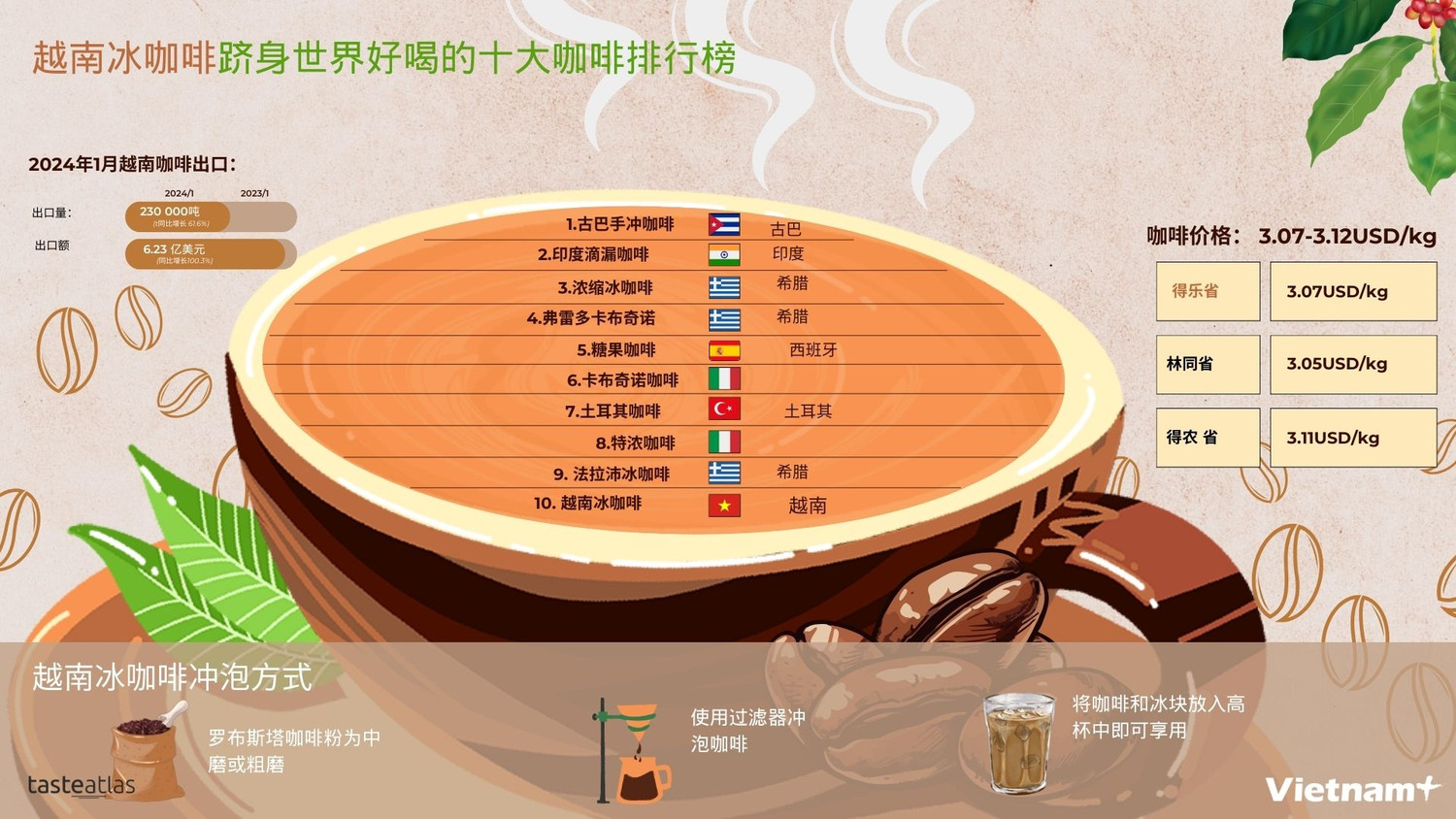
越南冰咖啡入选全球十大最佳饮品。图自越通社

专家还提出,为了让得乐咖啡品牌未来走得更远,各地需要投资于产品质量,建立农民、企业和非政府组织之间的联盟,分享经验和资源,推动咖啡种植业的可持续发展。通过举办咖啡节来表彰咖啡种植业,吸引社区和游客的参与,这也是推广得乐咖啡品牌的重要机会。

目前,越南已建立了促进国家非物质文化遗产保护与弘扬的法律框架。第39/2024/ND-CP号法令明确指出,管理、保护和弘扬非物质文化遗产价值的原则是确保非物质文化遗产的实践以人为本,面向社区,追求美好的文化价值;保持本色;促进社会的全面发展;确保社区和社会的安全;保护环境。(完)

得乐省邦美蜀市的咖啡收获场景(图片来源:越通社)

DAK LAK’S COFFEE PLANTING, PROCESSING KNOWLEDGE BECOMES INTANGIBLE CULTURAL HERITAGE

This decision follows thorough research, surveys, and evaluations aimed at preserving and promoting the traditional knowledge associated with coffee farming -an industry that has shaped the identity of Dak Lak’s people for generations. The natural farming methods, traditional practices in care, harvesting, and processing coffee, not only reflect the richness of folk knowledge but also inspire creativity in art and cuisine.

The pristine beauty of coffee flowers in the Central Highlands (Photo: VNA)

The coffee knowledge is present across many districts in Dak Lak, with particular focus on Buon Ma Thuot city and the districts of Cu M’gar, Krong Pak, Ea H’leo, Cu Kuin, and Buon Ho town.

The cultural holders of this heritage are individuals and families who have passed down coffee cultivation and processing knowledge through generations in their communities. This includes the indigenous ethnic people such as Ede, M’Nong, as well as migrants who have settled in Dak Lak and cultivated coffee since the 1950s. The knowledge has been continually inherited and developed.

Harvesting, processing, and exporting coffee in Dak Lak (Source: VNA)

Vietnam’s coffee capital

Dak Lak is often referred to as the coffee capital of Vietnam, with over 210,000 hectares dedicated to coffee cultivation, producing over 520,000 tonnes annually, accounting for more than 30% of the national coffee output. Coffee plays a crucial role in the region’s economy and society, providing livelihoods for local residents. Dak Lak’s coffee products are now exported to over 70 countries and territories worldwide.

The World Coffee Museum in Buon Ma Thuot city of Dak Lak province is considered a symbol of Vietnamese coffee.
(Photo: The World Coffee Museum
)

According to Lai Duc Dai, Deputy Director of the Dak Lak Department of Culture, Sports and Tourism, the recognition of Dak Lak’s coffee planting and processing knowledge as a national intangible cultural heritage not only acknowledges the value of these traditions but also opens up opportunities for the development of eco-tourism, cultural tourism, and agricultural tourism in the province, further promoting Dak Lak’s coffee on the international stage.

To further develop this heritage, the department plans to encourage local communities and agricultural businesses to enhance their research and dissemination of cultural values associated with coffee production, ensuring the preservation and promotion of this folk knowledge. Dai stated that the department will advise the provincial People’s Committee on strategies to preserve and enhance the heritage and propose recognition for artisans involved in coffee cultivation and processing.

A parade at the Buon Ma Thuot Coffee Festival 2025 (Photo: Organising Committee)

Children wearing helmets decorated with coffee flowers and fruits at a street festival promoting Dak Lak coffee.
(Photo: Organising Committee
)
Miss Universe Vietnam 2017 H’Hen Nie, the festival’s media ambassador, in a coffee-themed outfit, attracts the public’s attention. (Photo: Organising Committee)

“The Dak Lak Department of Culture, Sports and Tourism will advise the provincial People’s Committee on strategies to preserve and enhance the heritage and propose recognition for artisans involved in coffee cultivation and processing”.

LAI DUC DAI, VICE DIRECTOR OF THE DAK LAK DEPARTMENT OF CULTURE, SPORTS AND TOURISM
Visitors at the Dak Lak coffee exhibition booth. (Photo: Organising Committee)

Post-recognition challenges

The recognition of Dak Lak’s coffee knowledge as a national intangible cultural heritage has brought great happiness to the local coffee farmers, as it officially acknowledges the contributions made by these farmers and processors to the coffee industry in Vietnam as a whole, and in Dak Lak in particular, for the very first time.

At the same time, this recognition adds value to the coffee beans, improving the livelihoods of farmers and driving the development of the coffee industry. Dak Lak now has the opportunity to become a destination where visitors can experience its culture, enjoy the coffee, and participate in coffee planting and processing activities.

Prime Minister Pham Minh Chinh and Prime Minister of Kyrgyzstan Adylbek Kasymaliev enjoy Vietnamese coffee. (Photos: VNA)

The Ministry of Culture, Sports and Tourism has pointed out that some regions only focus on building a case for national or international recognition without accompanying efforts to protect and develop the heritage sustainably. There can be uncertainty regarding the implementation of protection and promotion activities after the recognition is granted.

Prince William Arthur Philip of the UK experiences street coffee in Hanoi’s Old Quarters in November 2016.
(Photo: VNA)
Canadian Prime Minister Justin Trudeau enjoys street coffee in Ho Chi Minh City in November 2017.
(Photo: Laodong.vn)

The traditional Vietnamese drip coffee served at “Vot Cafe” has been a characteristic part of Saigon-Ho Chi Minh City’s culture since 1954. (Photo: VNA)

Pham Hai Quynh, Director of the Institute for Asian Tourism Development (AIT), commented that the recognition of Dak Lak’s coffee heritage is a significant step in preserving and promoting the culture, as well as offering economic opportunities for the region. However, he noted challenges like climate change, market competition, and seasonal variability, and emphasised the need for supportive policies to ensure sustainable development.

“While the recognition is a source of pride for local coffee farmers and processors, it also presents challenges. These include maintaining and sustainably promoting the heritage, particularly ensuring the continuation of the practices within the community and creating long-term livelihoods.”

PHAM HAI QUYNH – DIRECTOR OF THE INSTITUTE FOR ASIAN TOURISM DEVELOPMENT

Community-based preservation of heritage

To fully realise the value of this heritage, Quynh stressed the importance of involving the entire political system and local communities in recognising their responsibility for preserving and promoting the cultural heritage. There should be mechanisms and policies to support the community – who are the stewards of the heritage – and promote awareness of the value of this heritage.

For Dak Lak’s coffee sector, Quynh suggests that improving coffee farming and processing techniques for local farmers, helping them understand the cultural and economic significance of their work, and developing coffee tourism experiences could create additional income for the community and increase public awareness of the heritage.

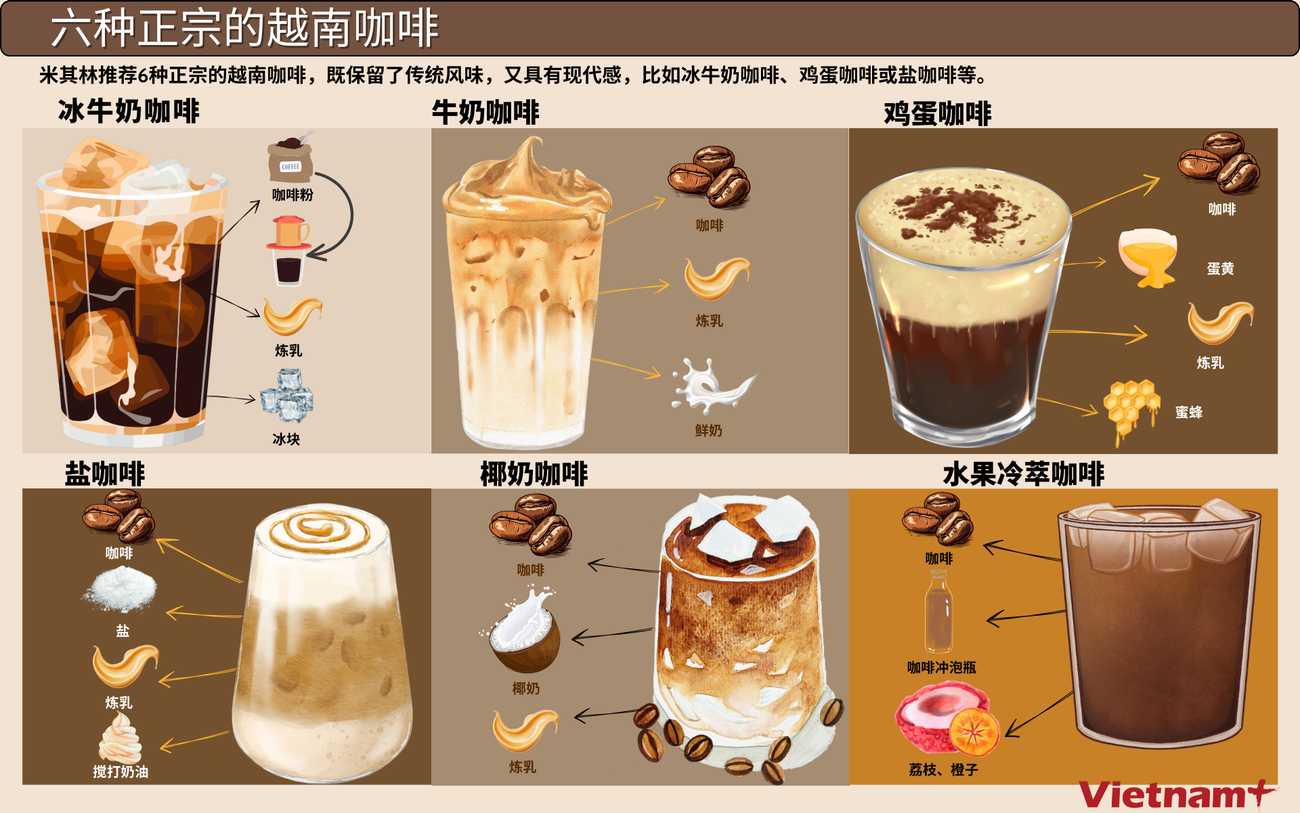
Vietnamese iced coffee is among the top 10 best drinks in the world. (Photo: VNA)

Experts also suggest that in order to enhance the Dak Lak coffee brand’s reach, localities should invest in product quality and establish alliances between farmers, businesses, and non-governmental organisations to share knowledge and resources, fostering sustainable coffee cultivation. Organising coffee festivals to honour the craft and attract both local participation and tourism could also serve as an opportunity to promote the Dak Lak coffee brand.

Currently, Vietnam has a legal framework to promote the preservation and development of intangible cultural heritage. Decree No. 39/2024/ND-CP specifies the principles of managing, protecting, and promoting intangible cultural heritage, ensuring that such practices benefit people, communities, and cultural values, while safeguarding the environment and promoting comprehensive social development./.

Developing experiential tours at coffee plantations helps raise both locals and visitors’ awareness of the coffee heritage value of Buon Ma Thuot.
(Photo: Organising Committee of the Buon Ma Thuot Coffee Festival)

Le Vietnam accélère le déploiement de la 5G comme moteur de croissance économique

Le Premier ministre Pham Minh Chinh a récemment publié la Directive 05/CT-TTg, mettant en avant des solutions pour stimuler la croissance économique. Parmi elles, l’accélération de la commercialisation de la 5G et le développement des infrastructures haut débit sont identifiés comme de nouveaux moteurs clés.

Conformément à cette directive, le ministère des Sciences et des Technologies est chargé de promouvoir la commercialisation de la 5G, d’étudier la technologie 6G, de moderniser les infrastructures de télécommunications et de développer des satellites de télécommunications et d’accélérer les investissements dans les infrastructures fixes à haut débit.

Le Premier ministre Pham Minh Chinh assiste à l’édition 2024 de la Journée nationale de l’innovation . Photo : VNA

Par ailleurs, l’Assemblée nationale a adopté la résolution n° 193/2025/QH15, instaurant des mécanismes et politiques spécifiques pour dynamiser l’innovation et la transformation numérique. L’État soutiendra financièrement les entreprises qui déploient au moins 20.000 stations 5G d’ici le 31 décembre 2025.

La Stratégie nationale d’infrastructure numérique à l’horizon 2025, avec vision jusqu’en 2030, insiste sur l’importance des infrastructures de télécommunications et d’Internet comme infrastructures essentielles à l’économie numérique..

Elle fixe un objectif ambitieux : d’ici 2025, 100 % des villes et provinces, zones industrielles et technologiques, gares, ports maritimes et aéroports… devront être couverts par la 5G.

Pham Van Minh, directeur des solutions mobiles chez Nokia, prédit que le trafic 5G dépassera celui de la 4G dès 2025. La 5G connaît la croissance la plus rapide aujourd’hui et devrait représenter plus de la moitié du trafic mondial de données cette année-là..

“La 5G a créé de nouveaux modèles commerciaux grâce à l’optimisation du réseau et à de nouvelles offres de services telles que Network Slicing et l’IA. Les entreprises doivent tirer parti des opportunités offertes par la transformation. La 5G devrait connaître une forte croissance dans les temps à venir.”

Pham Van Minh, directeur des solutions mobiles chez Nokia

Selon une étude d’Ericsson, la 5G représentera 50 % des abonnés mobiles au Vietnam d’ici 2029. Actuellement, 25 % du trafic de données sont transmis déjà par la 5G. L’objectif du Vietnam est que l’économie numérique contribue à 20 % du PIB en 2025.

La 5G contribue au développement du commerce électronique et au développement économique. Photo: VNA

Les derniers chiffres des opérateurs télécoms montrent que Viettel compte 5,5 millions d’utilisateurs 5G, avec un objectif de 10 millions d’ici 2025. Il a été le premier à lancer la commercialisation de la 5G le 15 octobre 2024, couvrant les zones centrales des 63 villes et provinces.

Viettel prévoit de déployer 20.000 nouvelles stations BTS en 2025..

La technologie n’est pas seulement un élément indispensable de la vie, elle rapproche également les gens. Photo : VNA

Tao Duc Thang, PDG de Viettel, affirme qu’en 2025, Viettel se concentre sur le développement de l’infrastructure du réseau de télécommunications, garantissant que tout le monde puisse accéder à des connexions à haut débit via les 4G et 5G. Rien que la 5G, Viettel va couvrir pratiquement toutes les zones urbaines, les parcs industriels et les usines.

La transformation numérique est appliquée dans la gestion de l’exploitation des systèmes de transport d’électricité. Photo: VNA

“La 5G permettra le renforcement des investissements dans la fabrication intelligente, deviendra un moteur important permettant à l’économie numérique de contribuer à 30 % du PIB d’ici 2030. Il est nécessaire pour le gouvernement de libérer davantage de spectre d’ici 2027-2028 afin de soutenir la croissance du trafic, notamment dans les grandes villes. .”

Rita Mokbel, présidente d’Ericsson Vietnam

Dans les temps à venir, Viettel continuera à rechercher et à développer des technologies de réseau de télécommunications de nouvelle génération telles que des équipements 5G de niveau avancé (5G Advanced) pour améliorer la vitesse, étendre les capacités d’application dans les domaines tels que l’automatisation industrielle et la réalité augmentée et participer au groupe de travail de recherche et développement de la 6G.

Le public de Hanoï apprécie d’interagir avec le géant de lumière DUNDU. Source: Viettel

Vinaphone a lancé son réseau 5G le 20 décembre 2024, couvrant les 63 localités du pays. L’entreprise prévoit d’augmenter la couverture de la 5G par trois et de couvrir 99 % de la population.

L’équipe médicale de l’hôpital cardiaque et vasculaire de Can Tho a pris en charge la pose du stent, sauvant la vie du patient à temps grâce au soutien de la technologie DSA. Photo : VNA.

Nguyen Anh Dung, directeur du département de clients et d’organisation d’entreprise (VinaPhone), déclare que VNPT poursuit sa campagne de couverture 5G généralisée. On prévoit qu’en 2025, VNPT déploiera environ 20 000 stations 5G couvrant 63 villes et provinces, créant une infrastructure de connexion rapide, solide et fluide.

MobiFone prévoit d’offrir la 5G dans 100 % des communes et quartiers, avec 10.000 nouveaux hotspots en 2025. L’opérateur est mis également sur le partage d’infrastructure entre opérateurs pour réduire les coûts et accélérer la couverture.

Selon To Manh Cuong, directeur général de MobiFone, son société vise également des solutions intelligentes pour les entreprises et la communauté. MobiFone a également proposé de partager l’infrastructure 5G entre les opérateurs pour réduire les coûts et accélérer la couverture.

Le cours d’informatique d’une école du district de Co To, province de Quang Ninh. Photo : VNA

Du point de vue des fournisseurs, Thieu Phuong Nam, directeur général de Qualcomm Vietnam, Cambodge et Laos, déclare que Qualcomm prévoit d’intensifier ses collaborations avec le gouvernement et les opérateurs vietnamiens pour garantir un déploiement massif et efficace de la 5G. L’entreprise met l’accent sur l’importance de la connectivité pour les villes intelligentes et l’industrie 4.0.

Viettel coopère avec Qualcomm pour déployer une station de diffusion 5G répondant à la norme Open RAN. Photo: Viettel
Viettel présente la technologie vietnamienne au plus grand événement mondial de l’industrie mobile – Mobile World Congress (MWC Barcelona 2025) du 3 au 6 mars à Barcelone, en Espagne. Photo: Viettel

La 5G a été déployée commercialement dans le monde depuis cinq ans, notamment en Chine et aux États-Unis, tandis que de nombreux pays en sont encore à la phase de test.

Pour les utilisateurs, la 5G offre des vitesses pouvant atteindre 10 Gbps dans des conditions idéales. Au Vietnam, des tests ont montré des vitesses de 1 Gbps, soit 10 fois plus rapides que la 4G. Ses atouts incluent aussi une latence ultra-faible et la capacité à gérer un grand nombre d’appareils connectés. Cela ouvre la porte à de nombreuses applications : véhicules autonomes; télémédecine et chirurgie assistée à distance; expériences immersives en réalité augmentée et virtuelle.

Cependant, les fréquences utilisées pour la 5G au Vietnam sont élevées, réduisant la portée des stations. Pour garantir une couverture optimale, les opérateurs devront donc déployer un plus grand nombre de stations./.

Accélérer la commercialisation de la 5G pour stimuler la croissance économique. Photo : VNA

Vietnam acelera la comercialización de la red 5G

El primer ministro de Vietnam, Pham Minh Chinh, emitió recientemente una directiva exigiendo acelerar la comercialización de 5G y desarrollar de manera intensiva las redes de banda ancha de alta velocidad, con el fin de crear nuevos motores de crecimiento.

“El Ministerio de Ciencia y Tecnología debe impulsar la comercialización del 5G, investigar la tecnología 6G, desarrollar satélites de telecomunicaciones y mejorar la infraestructura de la red de telecomunicaciones nacional. Se debe fomentar la inversión y el desarrollo de infraestructura de banda ancha fija de alta velocidad”, señala la instrucción.

El primer ministro Pham Minh Chinh asistió a la ceremonia por el Día de la Innovación de Vietnam 2024. (Foto: VNA)

Con anterioridad, la Asamblea Nacional adoptó la Resolución No. 193/2025/QH15 sobre la implementación piloto de ciertos mecanismos y políticas especiales para lograr avances en el desarrollo de la ciencia, la tecnología, la innovación y la transformación digital a nivel nacional.

En particular, el presupuesto estatal apoyará a las empresas para implementar rápidamente la infraestructura de redes 5G en todo el país. Las empresas recibirán apoyo si logran al menos 20 mil estaciones base de 5G aprobadas y en funcionamiento hasta el 31 de diciembre de 2025.

En la Estrategia de Infraestructura Digital hasta 2025, con visión hacia 2030, se establece que “la infraestructura digital es la infraestructura de la economía”, y uno de los componentes clave es el desarrollo de las telecomunicaciones e Internet.

La estrategia tiene como objetivo que, para 2025, el 100% de las provincias, ciudades, parques tecnológicos, centros de investigación y desarrollo, zonas industriales, estaciones, puertos y aeropuertos dispongan de servicios móviles 5G.

El número de usuarios individuales y empresas que utilizan 5G está aumentando rápidamente. Pham Van Minh, director de soluciones móviles de Nokia, pronostica que el tráfico de 5G superará al de 4G ya en 2025, convirtiéndose en la tecnología que impulsará la economía y abrirá nuevas oportunidades para las empresas. El 5G es la tecnología móvil de más rápido crecimiento en la actualidad y se espera que represente más de la mitad de todo el tráfico de datos global en 2025.

“El 5G ha creado nuevos modelos de negocio al optimizar redes y ofrecer nuevos servicios como el Network Slicing (segmentación de red) y la inteligencia artificial (AI). Las empresas deben aprovechar esta oportunidad. Se espera que la implementación del 5G crezca rápidamente en el futuro cercano.

PhAm VAn Minh, DIRECTOR DE SOLUCIONES MÓVILES DE Nokia

Según un estudio de Ericsson, en Vietnam el 5G representará alrededor del 50% de las suscripciones móviles para 2029. Actualmente, más del 25% del tráfico de datos se transmite a través de 5G. Esta tecnología será una herramienta crucial para que Vietnam logre su objetivo de construir una economía digital, que se espera que aporte el 20% del Producto Interno Bruto (PIB) en 2025.

Estos factores muestran que tanto las políticas como la demanda de los usuarios constituyen condiciones favorables para que los operadores de telecomunicaciones de Vietnam construyan una infraestructura 5G extensa y comercialicen ampliamente el servicio.

Serie de fotos: El 5G ayuda a desarrollar el comercio electrónico, contribuyendo significativamente al desarrollo económico. (Foto: VNA)

Los últimos datos de los operadores muestran que Viettel ha alcanzado 5,5 millones de usuarios de 5G y está avanzando rápidamente hacia la meta de 10 millones para 2025. Viettel fue el primer operador en anunciar la comercialización del 5G el 15 de octubre de 2024, con cobertura en el área central de las 63 provincias y ciudades del país.

Viettel está planeando expandir su infraestructura de redes en 2025, con la instalación de aproximadamente 20 mil estaciones base (BTS) para aumentar el número de estaciones 5G a un 50% del total de estaciones 4G. Además, está investigando la creación de un ecosistema del 5G para el mercado B2B (de empresa a empresa).

Serie de fotos: La tecnología no sólo es una parte indispensable de la vida, sino que también acerca a las personas. (Foto: Premio “Tecnología desde el corazón” 2024 organizado conjuntamente por VNA y Viettel)

Tao Duc Thang, presidente y director general de Viettel, afirmó que en 2025, la empresa se centrará en desarrollar la infraestructura de telecomunicaciones, asegurando que todos los ciudadanos puedan acceder a conexiones de alta velocidad a través de redes 4G y 5G.

En cuanto al 5G, Viettel cubrirá básicamente todas las áreas urbanas, parques industriales y fábricas. Una vez que los ciudadanos tengan acceso a los servicios digitales, las empresas, tanto nacionales como extranjeras, podrán aprovechar mejor el mercado, desde el comercio electrónico y la educación en línea hasta la producción inteligente.

Serie de fotos: Transformación digital en la gestión de la operación del sistema de transmisión de energía. (Foto: VNA)

“El 5G abrirá el camino para aumentar la inversión en capacidades de producción inteligente en Vietnam, siendo un motor clave para que la economía digital aporte el 30% del PIB en 2030. Lo más importante es que el gobierno debe proporcionar más espectro en el período 2027-2028 para poder satisfacer el crecimiento de los datos, especialmente en las ciudades densamente pobladas.”

Rita Mokbel, PRESIDENTA DE Ericsson ViEtNam

En el futuro cercano, Viettel continuará investigando y desarrollando tecnologías de redes de telecomunicaciones de próxima generación, como los dispositivos 5G de nivel avanzado, 5G Advanced, para mejorar la velocidad y ampliar las capacidades de aplicaciones en áreas como la automatización industrial y la realidad aumentada, al tiempo que participará en el Grupo de trabajo para la investigación y desarrollo de la tecnología 6G.

Serie de fotos: El público de Hanoi disfruta interactuando con el gigante de luz DUNDU. (Foto: Viettel)

Por otro lado, VNPT informó que la red 5G de Vinaphone ya cubre las 63 provincias y ciudades del país, aunque comenzó a operar el 20 de diciembre de 2024. Este operador se centra en la cobertura y prestación de servicios en áreas clave de importancia económica y social, como centros administrativos de distritos, zonas industriales, puertos, aeropuertos, escuelas, hospitales y áreas turísticas. Se espera que VNPT aumentará la cobertura de 5G tres veces respecto a la actual, con el objetivo de que el 99% de la población acceda a esa red.

El equipo médico del Hospital de Cardiología y Accidentes Cerebrovasculares de Can Tho se encargó de la colocación del stent, salvando la vida de un paciente a tiempo con el apoyo de la tecnología DSA. (Foto: Comité Organizador del Premio “Tecnología desde el Corazón” 2024).

Nguyan Anh Dung, director de la Oficina de Clientes – Organizaciones Empresariales de VinaPhone, señaló que en 2025, VNPT implemente aproximadamente 20 mil estaciones base 5G para cubrir las 63 provincias y ciudades, creando una infraestructura de conexión rápida, fuerte y fluida.

Mientras tanto, MobiFone se está preparando para ofrecer servicios 5G en el futuro cercano, con el objetivo de cubrir el 100% de las comunas. Para ello, se implementarán casi 10 mil nuevas estaciones base para mejorar la cobertura y acelerar la velocidad de conexión.

Según To Manh Cuong, director general de MobiFone, su empresa no solo ofrecerá alta velocidad, sino que también se orientará a soluciones inteligentes para empresas y la comunidad. MobiFone también propone compartir la infraestructura 5G entre los operadores para reducir costos y acelerar la expansión de la cobertura.

Clase de tecnología de la información en la escuela secundaria del distrito Co To, provincia de Quang Ninh. (Foto: Comité Organizador del Premio “Tecnología desde el Corazón” 2024)

Thieu Phuong Nam, director general de Qualcomm Vietnam, Camboya y Laos, indicó que su compañía continuará trabajando con los ecosistemas tecnológicos y móviles, incluidos el gobierno, los operadores y los fabricantes nacionales, para implementar el 5G de manera amplia, asegurando que la red tenga buena calidad, no solo en términos de velocidad, sino también con alta conectividad para aplicaciones en ciudades y fábricas inteligentes.

Viettel coopera con Qualcomm para implementar una estación de transmisión 5G con el estándar Open RAN. (Foto: Viettel)
Viettel lleva la tecnología vietnamita al evento más grande del mundo en la industria móvil Mobile World Congress (MWC Barcelona 2025), que tuvo lugar del 3 al 6 de marzo en Barcelona, España. (Foto: Viettel)

La tecnología 5G comenzó a implementarse comercialmente en todo el mundo hace cinco años, siendo más popular en China y Estados Unidos, mientras que muchos otros países aún se encuentran en la fase de pruebas.

En condiciones ideales, la velocidad máxima puede alcanzar los 10 Gbps. En Vietnam, algunas pruebas han mostrado velocidades de descarga que pueden alcanzar 1 Gbps, diez veces más rápidas que la red 4G en el mismo lugar. 

Además, se destaca por su ultra baja latencia y la capacidad de soportar una gran cantidad de dispositivos, lo que fomenta muchas aplicaciones como vehículos autónomos, control remoto de equipos quirúrgicos, y experiencias de realidad virtual y aumentada. 

Sin embargo, dado que las frecuencias utilizadas para 5G en Vietnam son frecuencias altas, las estaciones 5G tienen un área de cobertura más pequeña, lo que obliga a los operadores a implementar un mayor número de estaciones base./.

Acelerar la comercialización de 5G para impulsar el crecimiento económico. (Foto: VNA)

VIETNAM ACCELERATES 5G COMMERCIALISATION

Prime Minister Pham Minh Chinh has signed Directive 05/CT-TTg, outlining measures to boost economic growth, in which, he emphasised the need to accelerate 5G commercialisation and expand high-speed broadband infrastructure as a new drive for economic development.

The Ministry of Science and Technology has been assigned to speed up 5G commercialisation, conduct research on 6G technology, develop telecommunications satellites, and upgrade the national telecom backbone infrastructure, the directive stated. Investments in high-speed fixed broadband infrastructure should also be strengthened, it added.

Prime Minister Pham Minh Chinh attends the Vietnam Innovation Day 2024. (Photo: VNA)

Previously, the National Assembly issued Resolution 193/2025/QH15, outlining pilot mechanisms and special mechanisms to drive breakthroughs in science and technology, innovation, and national digital transformation. It also introduces financial support for businesses to speed up 5G deployment. Telecom firms that establish at least 20,000 certified 5G base stations between the resolution’s effective date and December 31 will receive a 15% subsidy on equipment costs.

Vietnam’s Digital Infrastructure Strategy for 2025, with a vision toward 2030, underscores that “digital infrastructure is the backbone of the economy.” It sets a target that by 2025, all localities, high-tech zones, IT hubs, R&D centres, innovation hubs, industrial parks, railway stations, seaports, and airports will have access to 5G services.

The demand for 5G among individuals and businesses is growing rapidly. According to Nokia’s Director of Mobile Solutions Pham Van Minh, 5G traffic is expected to surpass 4G usage by 2025, serving as a driver of economic growth and creating new business opportunities. He emphasised that 5G is currently the fastest-growing mobile technology and will account for more than half of the world’s data traffic by 2025.

“5G has enabled new business models by optimising networks and introducing advanced services such as Network Slicing and AI. Companies should seize the opportunities presented by this transition. The rollout of 5G is expected to accelerate significantly in the near future.”

Nokia’s Director of Mobile Solutions Pham Van Minh

A study by Ericsson estimated that 5G will account for approximately 50% of mobile subscriptions in Vietnam by 2029. Currently, more than 25% of the country’s data traffic is transmitted via 5G. This technology is seen as a crucial tool for Vietnam to achieve its goals in the digital economy, with a projected contribution of 20% to GDP by 2025.

Both policy support and increasing consumer demand create favourable conditions for Vietnamese telecom operators to expand 5G infrastructure and achieve large-scale commercialisation.

5G helps develop e-commerce, contributing significantly to economic development. (Photo: VNA)

The latest data from network operators showed that Viettel has reached 5.5 million 5G users and is on track to hit 10 million in 2025. The company launched its 5G services on October 15, 2024, covering central areas in all 63 provinces and cities.

By 2025, Viettel plans to expand its network by deploying approximately 20,000 new base stations, raising its 5G infrastructure to 50% of its 4G network. It is also developing a 5G application ecosystem for business-to-business (B2B) services.

Technology is not only an indispensable part of life but also brings people closer together. (Source: “Technology with Heart” Award 2024 jointly organised by Vietnam News Agency and the Viettel Military Industry and Telecoms Group)

Tao Duc Thang, Chairman and CEO of the Viettel Group stated that in 2025, it will focus on developing telecom infrastructure to ensure high-speed connectivity for all citizens via 4G and 5G networks. By expanding 5G coverage in urban areas, industrial zones, and factories, digital services will become more accessible. This will enable both domestic and international businesses to tap into Vietnam’s market more effectively, particularly in e-commerce, online education, and smart manufacturing.

Digital transformation in the management of power transmission system operations (Photo: VNA)

“5G will pave the way for increased investment in smart manufacturing capabilities in Vietnam and serve as a key driver for the digital economy to contribute 30% of GDP by 2030. It is crucial for the government to allocate more spectrum in the 2027–2028 timeframe to accommodate data growth, especially in densely populated cities.”

Rita Mokbel, Head of Ericsson Vietnam

Looking ahead, Viettel will continue to research and develop next-generation telecom technologies, including 5G Advanced, to improve speed and expand application capabilities in areas such as industrial automation and augmented reality, as well as participate in the 6G technology research and development working group.

Hanoi people enjoy interacting with DUNDU, the Giant of Light (Photo: Viettel)

VNPT, which operates Vinaphone, has also expanded 5G coverage to all 63 provinces and cities, despite only launching services on December 20, 2024. The company prioritises coverage in key economic and social hubs, including administrative centres, industrial parks, seaports, airports, schools, hospitals, and tourist destinations. It plans to triple its 5G coverage area, aiming to reach 99% of the population.

Health workers of Can Tho Heart and Stroke Hospital handle the stent placement, saving the patient’s life in time with the support of DSA technology (Photo: Organisation board of “Technology with heart” award 2024)

According to Nguyen Anh Dung, Director of Enterprise Customer Division at VNPT, the company is expected to install approximately 20,000 new 5G base stations across the country to enhance network connectivity this year.

Meanwhile, MobiFone is preparing to launch its 5G services nationwide, with plans to cover 100% of all communes and wards. To this end, the company intends to deploy nearly 10,000 additional base stations, expanding coverage and increasing connection speeds.

MobiFone General Director To Manh Cuong noted that the company is not only focusing on high-speed internet but also on smart solutions for businesses and communities. He suggested that telecom providers should share 5G infrastructure to reduce costs and accelerate nationwide deployment.

An information technology lesson at the Secondary School of Co To district, Quang Ninh provinec (Photo: Organising Board of the “Technology with heart” Award 2024)

From a supplier perspective, Thieu Phuong Nam, General Director of Qualcomm Vietnam, Cambodia and Laos, said that Qualcomm will continue to work with technology ecosystems, mobile ecosystems, including the Government, network operators, and domestic manufacturers to deploy 5G on a large scale.

He went on to say that it aims to support Vietnam in deploying 5G on a large scale, ensuring a high quality 5G network that meets not only speed requirements, but also high connectivity for applications in smart cities and smart factories.

Viettel collaborates with Qualcomm to develop 5G Open RAN solutions. (Photo: Viettel)
The Viettel Military Industry and Telecoms Group showcases cutting-edge Vietnamese technologies at Mobile World Congress (MWC) 2025, which is held in Barcelona, Spain, from March 3 to 6 (Photo: Viettel)

Globally, commercial 5G deployment began five years ago, with China and the US leading the way. Many countries are still in the trial phase.

For general consumers, the biggest advantage of 5G is its speed, with peak rates reaching up to 10 Gbps in ideal conditions. In Vietnam, some 5G tests have demonstrated download speeds of 1 Gbps—ten times faster than 4G in the same locations.

Beyond speed, 5G offers ultra-low latency and the capacity to support a vast number of connected devices. This will facilitate applications such as autonomous vehicles, remote-controlled surgeries, and immersive augmented/virtual reality experiences. However, due to the high-frequency bands used for 5G in Vietnam, coverage areas per base station are smaller, requiring telecom providers to deploy more base stations to ensure widespread service./.

Vietnam is driving 5G commercialisation to spur economic growth (Photo: VNA)