Năm 2019 sắp khép lại, nhưng có lẽ kỳ vọng của Tổng Thư ký Liên hợp quốc Antonio Guterres tạo ra những thay đổi ngoạn mục trước khi tổ chức đa phương lớn nhất hành tinh bước sang tuổi 75 vào năm 2020 khó có thể trở thành hiện thực.
Đầu năm, ông Guterres phát đi thông điệp 2019 sẽ là năm Liên hợp quốc ưu tiên cho ngoại giao hòa bình, chống biến đổi khí hậu, thúc đẩy các mục tiêu Phát triển bền vững (SDG), quản trị công nghệ mới hiệu quả và tái khẳng định những giá trị cốt lõi của Liên hợp quốc.
Tổng Thư ký Liên hợp quốc Guterres phải thừa nhận “lực bất tòng tâm” bởi thế giới vẫn tiếp tục đối mặt với những cuộc xung đột triền miên, chủ nghĩa khủng bố và nguy cơ chạy đua vũ trang ngày càng gia tăng.
Cuối năm, thông điệp mạnh mẽ của Tổng Thư ký Liên hợp quốc vẫn còn đó, nhiều thành quả đạt được rất đáng ghi nhận, nhưng người ta cũng hơn một lần thấy ông Guterres phải thừa nhận “lực bất tòng tâm” bởi thế giới vẫn tiếp tục đối mặt với những cuộc xung đột triền miên, chủ nghĩa khủng bố và nguy cơ chạy đua vũ trang ngày càng gia tăng.
Chính Liên hợp quốc cũng đang phải đối mặt với một cuộc khủng hoảng tài chính hết sức nghiêm trọng khi các nhân viên còn chưa được nhận lương, nhiều hội nghị và chuyến công tác của chuyên viên và quan chức Liên hợp quốc buộc phải hủy hoãn vì không có ngân sách. Nếu đến thăm trụ sở Liên hợp quốc vào những ngày này, thậm chí có thể thấy nhiều thang máy phải niêm phong không chạy để cắt giảm chi phí.
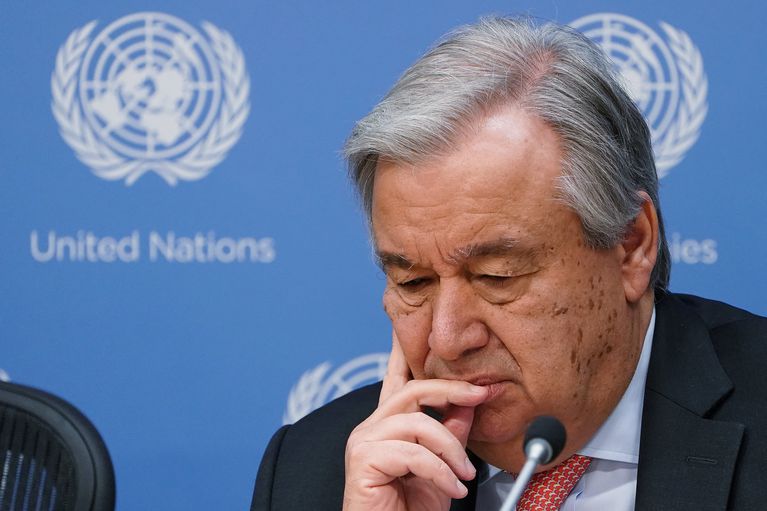
Tổng Thư ký Liên hợp quốc Antonio Guterres đang cảm thấy “lực bất tòng tâm.” (Nguồn: Reuters)
Không thể phủ nhận những đóng góp lớn lao của Liên hợp quốc cho an ninh và hòa bình thế giới suốt một năm qua. Nỗ lực của Liên hợp quốc có thể thấy rõ qua những cuộc bầu cử diễn ra trong hòa bình ở Madagascar và Cộng hòa Dân chủ Congo, việc tìm ra giải pháp cho cuộc xung đột giữa Hy Lạp và Bắc Macedonia.
Vai trò của Liên hợp quốc cũng nổi bật sau cuộc đối thoại chính trị thành công ở Sudan cũng như giải pháp vừa nhen nhóm cho cuộc xung đột dai dẳng ở Syria. Còn rất nhiều thành quả minh chứng cho những nỗ lực của Liên hợp quốc nhằm tái thiết hòa bình trên thế giới.
2019 là năm Liên hợp quốc đặt quyết tâm phải tập trung xây dựng hòa bình và tái thiết hòa bình thông qua nhiều giải pháp đa dạng, từ ngoại giao, hòa giải cho đến các biện pháp ngăn chặn khủng hoảng với hơn 100.000 quân lực lượng gìn giữ hòa bình được triển khai để bảo vệ người dân ở những khu vực có chiến tranh, chưa kể hàng nghìn nhân viên Liên hợp quốc ngày đêm làm công tác cứu trợ nhân đạo không mệt mỏi.
Không thể phủ nhận những đóng góp lớn lao của Liên hợp quốc cho an ninh và hòa bình thế giới suốt một năm qua.
Hơn một nửa tổng lượng hàng cứu trợ trên thế giới, từ thực phẩm cho tới thuốc men, nước uống và các nhu yếu phẩm khác được chuyển tới người dân thông qua các kênh của Liên hợp quốc. Hàng triệu người dân trên khắp thế giới sống sót được qua các cuộc xung đột tàn khốc nhờ những nỗ lực không mệt mỏi của Liên hợp quốc. Trong lúc thực thi sứ mệnh cao cả đó, 80 binh sỹ gìn giữ hòa bình và nhân viên cứu trợ Liên hợp quốc đã thiệt mạng.
2019 cũng là năm Liên hợp quốc tập trung nỗ lực cho công tác chống khủng bố và đưa ra nhiều chiến lược mới đối phó với chủ nghĩa bạo lực cực đoan, đồng thời bắt đầu lộ trình giải trừ vũ khí và củng cố các hiệp ước giải trừ vũ khí, một bước đi được đánh giá là hết sức quan trọng trong bối cảnh xu hướng chia rẽ, phân cực trên thế giới ngày càng rõ rệt, khi hai nền kinh tế lớn nhất thế giới Mỹ và Trung Quốc đang muốn cạnh tranh ảnh hưởng, tạo ra các luật lệ mới về thương mại và tài chính trên toàn cầu, chạy đua về khả năng công nghệ và trí tuệ nhân tạo cũng như xây dựng các chiến lược quân sự và địa chính trị “một mất một còn.”
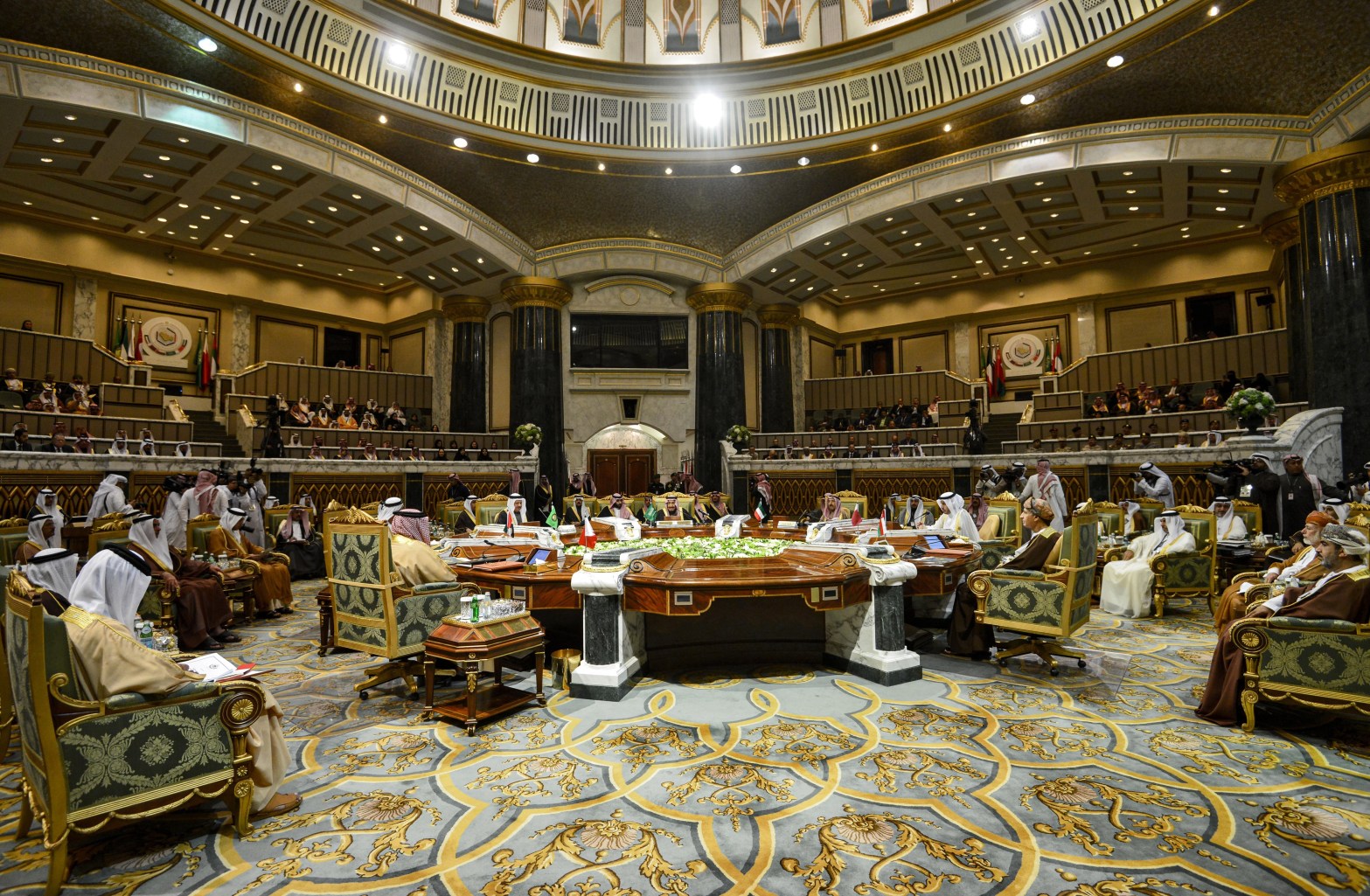
Quang cảnh hội nghị thượng đỉnh khí hậu của Liên hợp quốc. (Nguồn: Reuters)
Vấn đề phát triển bền vững, một trong các lĩnh vực trụ cột của Liên hợp quốc, cũng ghi khá nhiều dấu ấn. Liên hợp quốc đã đẩy mạnh tiến trình thực thi các SDG với một loạt chương trình phát triển được thông qua và triển khai. Dưới sự dẫn dắt của Liên hợp quốc, 4 năm sau khi 193 quốc gia phê chuẩn các SDG 2030, thế giới nhìn chung đã gặt hái được những kết quả rõ rệt trong việc thực hiện 17 mục tiêu và 169 chỉ tiêu toàn cầu, từ giải quyết đói nghèo cho tới cải thiện y tế, bảo vệ quyền con người và chống biến đổi khí hậu.
Thế nhưng, có những “điểm nóng” mà nỗ lực của Liên hợp quốc vẫn chưa đủ để chạm tới giải pháp hữu hiệu. Đó là các cuộc chiến ở Libya và Afghanistan; là giải pháp hai nhà nước đối với Israel và Palestine có nguy cơ đổ vỡ; là khả năng cuộc chiến vũ trang ở vùng Vịnh có thể nổ ra bất cứ lúc nào…
Hội đồng Bảo an Liên hợp quốc đã phải gia hạn hoạt động của phái bộ chính trị tại Afghanistan, bởi tình trạng bạo lực không hề giảm ngay cả trong thời điểm nước này tổ chức bầu cử tổng thống. Liên hợp quốc vẫn chưa thể hoàn thành sứ mệnh mang lại hòa bình cho đất nước đã trải qua 19 năm chiến tranh này.
Có những “điểm nóng” mà nỗ lực của Liên hợp quốc vẫn chưa đủ để chạm tới giải pháp hữu hiệu.
Với Libya, khả năng Liên hợp quốc có thể đưa ra giải pháp nhằm chấm dứt xung đột là rất khó bởi chính Hội đồng Bảo an vẫn không thể thống nhất quan điểm về vấn đề này, bất chấp Tổng Thư ký Liên hợp quốc Guterres đã nhiều lần cảnh báo Libya có thể rơi vào một cuộc nội chiến toàn diện nếu không có sự hỗ trợ của cộng đồng quốc tế để tìm ra giải pháp chính trị. Triển vọng giải quyết cuộc xung đột Israel/Palestine dựa trên các nghị quyết liên quan của Liên hợp quốc ngày càng xa dần khi các bên không thể tiến đến đàm phán với tinh thần xây dựng.
Đáng quan ngại nhất có lẽ là tình hình Vùng Vịnh mà tâm điểm là cuộc xung đột giữa Mỹ và Iran đã bị đẩy lên mức rất cao kể từ khi Tổng thống Donald Trump đơn phương rút Mỹ khỏi Kế hoạch hành động chung toàn diện (JCPOA), đồng thời tái áp đặt và ngày càng siết chặt trừng phạt Iran. Báo chí thế giới đã có lúc phải nhận định rằng Liên hợp quốc đang “bất lực,” bởi cơ quan quyền lực nhất của Liên hợp quốc là Hội đồng Bảo an lại luôn bị tê liệt vì sự chia rẽ và cạnh tranh lẫn nhau giữa 5 nước ủy viên thường trực có quyền phủ quyết.
Các tay súng trung thành với Chính phủ đoàn kết dân tộc Libya được quốc tế công nhận xung đột với lực lượng của Tướng Khalifa Haftar ở khu vực al-Sawani, phía Nam thủ đô Tripoli ngày 13/6/2019. (Nguồn: AFP/TTXVN)
Trong khi đó, tình trạng bất bình đẳng đang đe dọa xóa nhòa bước tiến đáng ghi nhận về phát triển bền vững. Dù nền kinh tế toàn cầu đang tạo ra nguồn của cải rất lớn, nhưng phần lớn lại nằm trong tay một số ít những tỷ phú giàu có.
Báo cáo của Liên hợp quốc công bố hồi tháng 7 cho thấy hơn 821 triệu người trên toàn thế giới rơi vào cảnh thiếu ăn trong năm 2018, đánh dấu năm thứ ba liên tiếp con số này gia tăng mà nguyên nhân chủ yếu là do biến đổi khí hậu và chiến tranh. Việc đảo ngược xu hướng này là một trong các SDG đã được Liên hợp quốc vạch ra, nhưng khi nào đạt được mục tiêu đó vẫn còn là câu hỏi lớn.
Thế giới sẽ không thể đạt mục tiêu xóa đói vào năm 2030, và khi an ninh lương thực không được đảm bảo thì thế giới sẽ không thể có hòa bình và ổn định. ( Ông David Beasley, người đứng đầu Chương trình Lương thực thế giới (WFP) của Liên hợp quốc)
Chính ông David Beasley, người đứng đầu Chương trình Lương thực thế giới (WFP) của Liên hợp quốc nhận định rằng thế giới sẽ không thể đạt mục tiêu xóa đói vào năm 2030, và khi an ninh lương thực không được đảm bảo thì thế giới sẽ không thể có hòa bình và ổn định.
Tổng Thư ký Guterres cũng cho rằng những gì Liên hợp quốc và các quốc gia làm được vẫn còn quá xa đích đến. Hơn nữa, sau 4 năm kể từ khi Liên hợp quốc đưa ra các SDG, nhiều chính phủ vẫn chưa triển khai những bước đi quan trọng để đạt những mục tiêu này. Tính tới nay, chưa có quốc gia nào đạt được tất cả 17 mục tiêu do Liên hợp quốc đề ra.
Bên cạnh đó, cuộc chiến chống biến đổi khí hậu ngày càng gian nan, dù Liên hợp quốc đã tập trung rất nhiều nguồn lực. Tổng Thư ký Liên hợp quốc gọi đó là “cuộc khủng hoảng” bởi thế giới giờ đây đang phải đối phó với tình trạng Trái Đất nóng lên chứ không phải ấm lên như người ta vẫn tưởng. Chính biến đổi khí hậu là nguyên nhân gây ra những hệ quả nặng nề, ảnh hưởng trực tiếp đến khả năng đạt được các SDG toàn cầu.
Người dân sơ tán tránh chiến sự ở thị trấn Ras al-Ain, tỉnh Hasakeh (Đông Bắc Syria) ngày 9/10/2019. (Nguồn: AFP/TTXVN)
Theo số liệu của Tổ chức Khí tượng thế giới (WMO) nhiệt độ trung bình toàn cầu giai đoạn từ năm 2015 đến năm 2019 đã tăng cao hơn so với bất kỳ giai đoạn 5 năm nào trước đây.
Lượng khí thải gây hiệu ứng nhà kính (CO2) đã tăng 2% trong năm ngoái, lên mức kỷ lục 37 tỷ tấn. Nỗ lực của Liên hợp quốc đang như “muối bỏ bể” bởi vô số rào cản, kể cả việc Mỹ, một trong những nền kinh tế đứng đầu về lượng khí thải, chính thức rút khỏi Hiệp định Paris về biến đổi khí hậu.
Khép lại một năm còn nhiều bộn bề và mục tiêu dang dở, năm 2020, Liên hợp quốc nói chung, đặc biệt là Hội đồng Bảo an nói riêng, sẽ phải giải quyết hàng loạt công việc, sẽ phải tăng thêm nỗ lực và ý chí chính trị để thực hiện sứ mệnh duy trì hòa bình và thúc đẩy phát triển, đúng như những gì được ghi trong Hiến chương Liên hợp quốc.
Đó cũng là cách để Liên hợp quốc khẳng định vai trò quan trọng hàng đầu, là nền tảng không thể thiếu cho một thế giới hòa bình, công bằng và thịnh vượng.
Sẽ phải tăng thêm nỗ lực và ý chí chính trị để thực hiện sứ mệnh duy trì hòa bình và thúc đẩy phát triển, đúng như những gì được ghi trong Hiến chương Liên hợp quốc.
El 7 de junio de 2019 marcó un hito importante para la diplomacia y la política de Vietnam, por la elección al país sudesteasiático como miembro no permanente del Consejo de Seguridad (CS) de las Naciones Unidas (ONU) para el período 2020-2021, con 192 de los 193 votos a favor. Vietnam se convirtió así al país que recibió un respaldo sin precedentes en la historia de 76 años de desarrollo de las Naciones Unidas y se trata también de la segunda vez que Hanoi desempeñe esa función, después del primer mandato 2008- 2009.
Junto con Estonia, en representación de Europa del Este; San Vicente y las Granadinas, de América del Sur; y Túnez y Níger, de África; Vietnam representa a Asia- Pacífico.
Ese hecho refleja la confianza de la comunidad internacional en Vietnam, y viceversa, y se considera, además, un logro digno de Vietnam después de un largo proceso de contribución a las misiones de paz y seguridad mundial.
Incluso al final del mandato 2008-2009, Vietnam continúa aportando de forma incesante a las labores de la ONU con el desempeño de papeles como miembro del Consejo de Derechos Humanos para el período 2014-2016, del Consejo Económico y Social de las Naciones Unidas (2015-2019) y el Consejo Ejecutivo de la UNESCO (2017-2021).
Misión internacional: oportunidades
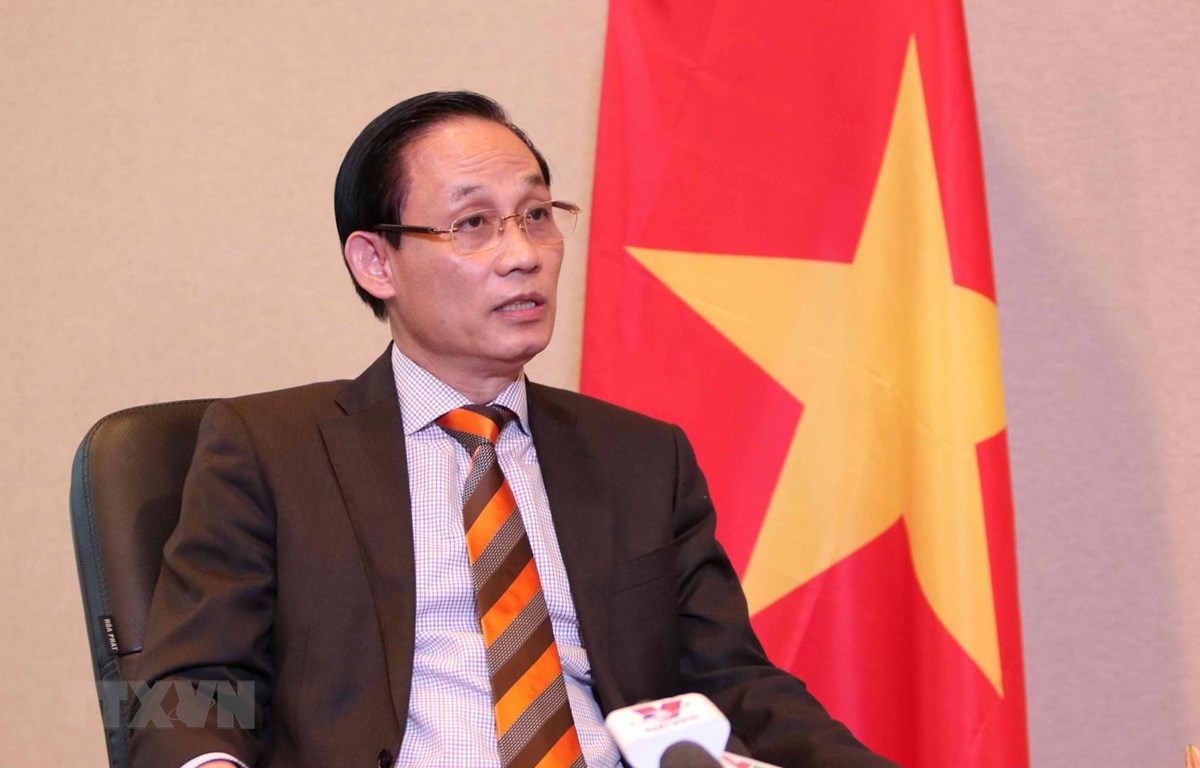
Según el vicecanciller vietnamita Le Hoai Trung, la incorporación al CS se considera una oportunidad importante para materializar la política exterior del Partido Comunista y el Estado, de impulsar la paz, la cooperación, el desarrollo, el multilateralismo y la diversificación de las relaciones del país.
El vicecanciller de Vietnam, Le Hoai Trung (Foto: VNA)
La nación sudesteasiática gozará, además, de oportunidad para consolidar su papel de núcleo y de mediación en diferentes asuntos, en concordancia con su interés y capacidad.
Ser miembro del CS significa, además, una oportunidad favorable para que Vietnam demuestre su papel tanto no solo el campo de la creación de paz y/o la prevención de conflictos, sino también la adaptación al cambio climático, un asunto que acapara especial atención de numerosos países en el mundo.
Asimismo, Vietnam dispone de varias ventajas para contribuir al impulso del papel protagónico de la mayor organización mundial en el mantenimiento de la paz y la seguridad en el mundo, en particular en la prevención de los conflictos y solución de las crisis, remarcó.
Ser miembro del CS significa, además, una oportunidad favorable para que Vietnam demuestre su papel tanto no solo el campo de la creación de paz y/o la prevención de conflictos, sino también la adaptación al cambio climático, un asunto que acapara especial atención de numerosos países en el mundo.
Desafíos y tareas para Vietnam
El alto número de votos a favor significa una gran esperanza de los países en Vietnam.
“El hecho de que Vietnam se convierta en un miembro no permanente del Consejo de Seguridad de las Naciones Unidas es un gran honor y reafirma la política exterior sabia del Partido Comunista y el Estado, pero significa también una gran responsabilidad y exige de mayores esfuerzos para cumplir con la responsabilidad encomendada por la comunidad internacional”,afirmó Nguyen Phu Trong, secretario general del Partido Comunista y también presidente de Vietnam.
El país indochino asumirá nuevas tareas en el contexto de que Asia se asciende como un punto focal del desarrollo económico y también una región de competencia por la influencia entre las grandes potencias.
Mientras, el contexto mundial se caracteriza hoy por múltiples cambios. Las complejas evoluciones de la situación en Oriente Medio, en Venezuela, el asunto nuclear en Irán y las separaciones entre las grandes potencias plantean ciertos retos para el CS. Esa realidad requiere de Vietnam empeñarse en los preparativos a fin de mostrar su posición y punto de vista concreto en cada asunto, de tal manera que se garantiza la armonía entre intereses de los países involucrados.
Según la profesora Shankari Sundararaman, directora del Centro Indo-Pacífico, de la Escuela de Estudios Internacionales, Universidad JNU, Nueva Delhi, en términos de economía, Vietnam posee un papel importante en el contexto de que el crecimiento económico mundial se está tornando hacia el Este, en medio de las tensiones comerciales entre Estados Unidos y China.
Shankari Sundararaman, directora del Centro Indo-Pacífico, de la Escuela de Estudios Internacionales, Universidad JNU, Nueva Delhi (Foto: VNA)
Notificó que Vietnam es hoy una de las economías más destacadas de la región Asia-Pacífico con una tasa de crecimiento anual del 6,8 por ciento y se espera que esa cifra continúe ascendiendo de forma enérgica hasta 2030. La especialista añadió, además, que con la asunción del cargo de presidente de la Asociación de Naciones del Sudeste Asiático en 2020, la voz de Vietnam será aún más ponderada.
Al comentar sobre el papel de Vietnam como miembro del Consejo de Seguridad para el período 2020-2021, Sundararaman dijo que Vietnam puede aplicar sus experiencias en las relaciones con Estados Unidos para resolver el conflicto en la Península Coreana.
Además, como miembro del Consejo de Seguridad, Vietnam también desempeñará un papel importante en el mantenimiento de la seguridad marítima, mientras que promueve constantemente los principios del derecho internacional, incluida la Convención de las Naciones Unidas sobre el Derecho del Mar, y la garantía del orden basado en normas.
La experta señaló que uno de los problemas más desafiantes que Vietnam y otros miembros del Consejo de Seguridad enfrentarán en los próximos años es reformar la agencia más poderosa de la ONU y expandir los puestos de miembros permanentes y no permanentes.
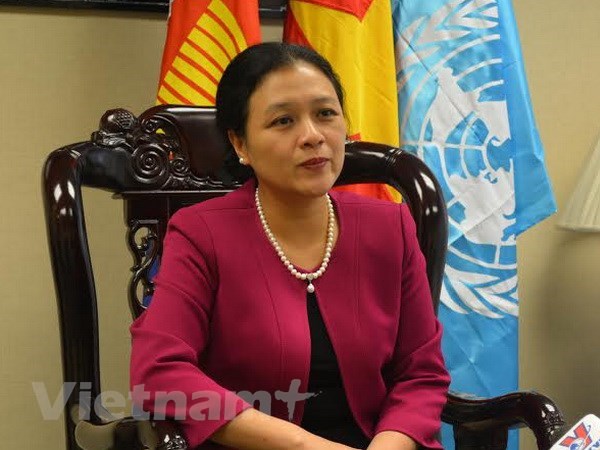
A su vez, la presidenta de la Unión de Asociaciones de Amistad de Vietnam y también exembajadora vietnamita en la ONU, Nguyen Phuong Nga, se refirió al desafío relativo a la garantía de los intereses nacionales y el mantenimiento de las relaciones de cooperación con otros países, especialmente las grandes potencias, a la hora de cumplir los principios de la Carta de la mayor organización internacional.
La presidenta de la Unión de Asociaciones de Amistad de Vietnam y también exembajadora vietnamita en la ONU, Nguyen Phuong Nga (Foto: VNA)
Asimismo, Phuong Nga notificó que la carga de trabajo aumenta, puesto que la situación en el mundo hoy es muy diferente, citando las competencias entre las potencias, la debilitación del multilateralismo y las amenazas al derecho internacional, así como la situación en la Península de Corea, las tensiones en el Mar del Este, las relaciones entre Estados Unidos e Irán, los conflictos persistentes en Siria, Yemen y Libia.
“Por lo tanto, Vietnam necesitará realizar esfuerzos para mantener el ritmo del trabajo del Consejo de Seguridad, preparar de antemano el contenido de los temas para los debates en el período 2020-2021”.
A su vez, el embajador vietnamita Dang Dinh Quy, jefe de la misión del país indochino ante la mayor organización mundial, reafirmó que Hanoi se empeñará en prevenir los conflictos, impulsar la diplomacia preventiva y resolver de forma pacífica las disputas, conforme al artículo 6 de la Carta Magna de la ONU.
El embajador Dang Dinh Quy, jefe de la misión de Vietnam ante la ONU (Foto: VNA)
Notificó que su nación prestará atención a contribuir con su voz en asuntos de mayor importancia como protección civil y a mujeres y niños, preservación de infraestructuras básicas para los pobladores en áreas de conflicto y superación de los riesgos de bombas y minas remanentes tras guerra.
Acerca de las relaciones con Pionyang, el diplomático insistió en los esfuerzos de Hanoi por transmitir a ese estado peninsular el mensaje de que la apertura y la integración internacional favorecerá el desarrollo enérgico de cada país.
En tanto, Arthur Erken, director del Departamento de Comunicaciones y Socios Estratégicos, Fondo de Población de las Naciones Unidas (UNFPA), notificó que el CS necesita voces como Vietnam para la preservación de los valores del multilateralismo e impulsar la cooperación, en búsqueda de soluciones comunes, especialmente en el contexto actual marcado por la necesidad de una institución multilateral lo suficientemente enérgica para resolver problemas globales, tales como la degradación ambiental, las amenazas a la paz y la seguridad, la migración y la presión demográfica.
Explicó que “Vietnam entiende la naturaleza y la importancia de la garantía de la seguridad, el desarrollo nacional y la protección de los derechos humanos “, dijo Arthur Erken.
Vietnam reafirma responsabilidad con misión del contingente de casco azul
La participación activa de Vietnam en las operaciones de mantenimiento de la paz de la ONU, forma parte de la proyección de la política exterior nacional, y evidencia la imagen de un país prestigioso y responsable ante la comunidad internacional, que contribuye a garantizar la paz y la seguridad mundiales.
Sobre los aportes de la nación indochina a esas tareas de la ONU, cabe destacar que la misma se convirtió en miembro de la Conferencia de Desarme en 1996, de la Convención de Armas Químicas (CWC) en 1998, y así como uno de los primeros países en firmar el Tratado de Prohibición Completa de los Ensayos Nucleares en 1996.Vietnam se integró oficialmente a la ONU en 1977, y fue elegido para varios cargos de las entidades de esta organización internacional, como vicepresidente de la Asamblea General de la ONU para ese año, presidente de la Asamblea General de la Organización de la Alimentación y la Agricultura (FAO), vicepresidente del Comité Ejecutivo de la Organización del Programa para el Desarrollo (PNUD) y del Fondo de Población (FPNU).
Representantes de la delegación de Vietnam durante la elección del país al miembro no permanente del CS de la ONU (Fuente: VNA)
También fue integrante del Consejo Director del Organismo Internacional de Energía Atómica, del Consejo administrativo de la Unión Postal Internacional y la Unión Internacional de Telecomunicaciones, así como de la Organización Mundial de la Salud y de la Organización Internacional del Trabajo, entre otras entidades.
El país desempeñó por primera vez el cargo de miembro no permanente del Consejo de Seguridad en el mandato 2008-2009, durante el cual impulsó iniciativas destinadas a resolver conflictos y crisis en el mundo. En junio de 2014, Vietnam inició su participación en las Operaciones de Mantenimiento de la Paz de la ONU, y envió, hasta el momento, decenas de militares a las misiones de ese organismo internacional en África Central y Sudán del Sur.
Los oficiales del primer Hospital de Campaña regresaron a su Patria en noviembre pasado (Foto: VNA)
El primer Hospital de Campaña de nivel dos de Vietnam partió el primero de octubre del año pasado hacia Sudán del Sur, y cumplió con éxito las misiones de atención médica al personal de mantenimiento de la paz de ONU en el país africano.
Gracias a sus contribuciones, la unidad recibió el 14 de noviembre pasado la Medalla por la Causa del Mantenimiento de la Paz, que otorga la mayor organización mundial.
El mes pasado, el segundo Hospital de Campaña de nivel dos partió hacia Sudán del Sur, lo que muestra una voluntad política constante y una posición activa de Vietnam en el mantenimiento de la paz y la seguridad tanto en la región como el mundo, en concordancia con los compromisos de los dirigentes de la nación en foros internacionales.
Personal del Segundo Hospital de Campaña parten a cumplir una misión de mantenimiento de la paz en Sudán del Sur (Foto: VNA)
Mientras, el Departamento de Mantenimiento de la Paz de Vietnam también fue seleccionado como uno de los cuatro centros en el Sudeste Asiático que cumplen con los estándares internacionales en capacitación de personal para ese tipo de operaciones.
Además, como miembro del Consejo de Derechos Humanos del mandato 2014-2016, Hanoi participó activamente en los foros al respecto de la ONU, la Asociación de Naciones del Sudeste Asiático (ASEAN) y otros mecanismos.
En particular, las propuestas del país sobre la garantía de los derechos de las féminas, niños, minusválidos y personas afectadas por el cambio climático fueron aplaudidas por la comunidad internacional.
En particular, las propuestas del país sobre la garantía de los derechos de las féminas, niños, minusválidos y personas afectadas por el cambio climático fueron aplaudidas por la comunidad internacional.
En 2016 y 2018, dos resoluciones propuestas por el país sudesteasiático sobre los efectos del cambio climático en los derechos infantiles y femeninos fueron aprobadas por el Consejo de Derechos Humanos.
Al mismo tiempo, Vietnam presentó y participó en iniciativas destinadas a proteger a los empleados con discapacidad y marineros, así como a fortalecer la lucha contra la trata de personas. Otra contribución de Hanoi a la paz del mundo fue la organización de la segunda Cumbre Estados Unidos-Corea del Norte a finales de febrero de este año, coincidiendo con el XX aniversario del reconocimiento de la UNESCO a la capital vietnamita como Ciudad por la Paz.
La segunda Cumbre Estados Unidos-Corea del Norte fue efectuada en Hanoi a finales de febrero de este año (Foto: VNA)
Los aportes de Vietnam a la garantía de los derechos humanos también fueron reconocidos por la comunidad internacional durante la sesión 41 del Consejo de Derechos Humanos, efectuada en julio pasado. Hanoi fue uno de los primeros 52 países en firmar el Tratado de Desarme Nuclear en 2017, y el décimo en ratificarlo en 2018. Después de que Vietnam, de un país de bajos ingresos, se convirtió en uno de ingresos medios, la cooperación entre Vietnam y la ONU ha cambiado su enfoque de la asistencia técnica al asesoramiento sobre políticas para lograr un desarrollo sostenible y centrarse en áreas como la reducción de la pobreza, la protección del medio ambiente, la respuesta al cambio climático y al aumento del nivel del mar, además de la capacitación de recursos humanos y la igualdad de género, entre otras.En general, los esfuerzos de Vietnam han logrado resultados reconocidos por la ONU y la comunidad internacional.Ese hecho posibilita a la nación consolidar su imagen como miembro responsable de la ASEAN y de la ONU, así como promover su política exterior independiente, de multilateralismo, diversificación de las relaciones, integración internacional, así como de ser amigos y socios de confianza, y miembros responsables de la comunidad internacional./.
“Giải ngân vốn đầu tư công vẫn là khâu yếu, chưa có nhiều chuyển biến.” (Thủ tướng Nguyễn Xuân Phúc)
Năm tài chính 2019 sắp kết thúc với tỷ lệ giải ngân vốn đầu tư phát triển chỉ đạt 78,6% kế hoạch năm (thời gian giải ngân năm 2019 kết thúc vào ngày 31/01/2020) và khó có thể giải ngân hết nguồn vốn trong năm nay.
Tình trạng chậm giải ngân vốn đầu tư công đã được Thủ tướng Nguyễn Xuân Phúc chỉ rõ “giải ngân vốn đầu tư công vẫn là khâu yếu, chưa có nhiều chuyển biến.” Do vậy, Thủ tướng yêu cầu các cấp, các ngành quan tâm, đẩy mạnh hơn nữa giải ngân vốn đầu tư công, bảo đảm đạt mức cao nhất trong tháng cuối cùng của năm 2019 và đến hết tháng 1/2020.
Đặc biệt, đẩy mạnh giải ngân nhưng không để xảy ra tham nhũng, lợi ích nhóm, lãng phí, thất thoát và kém hiệu quả trong sử dụng vốn đầu tư công.
Đâu là nguyên nhân?
Theo Tổng cục Thống kê, tình hình thực hiện vốn đầu tư từ nguồn vốn ngân sách Nhà nước tháng 11 và 11 tháng năm 2019 dù đã được đẩy mạnh theo chỉ đạo của Thủ tướng Chính phủ nhưng tỉ lệ thực hiện so với kế hoạch năm và tốc độ tăng so với cùng kỳ năm trước vẫn đạt mức thấp so với các năm trong giai đoạn 2015-2019.
Cụ thể, 11 tháng, vốn đầu tư thực hiện từ nguồn ngân sách Nhà nước đạt 299.000 tỷ đồng, bằng 78,6% kế hoạch năm và tăng 5,5% so với cùng kỳ năm 2018.
Báo cáo của Bộ Kế hoạch và Đầu tư đã chỉ ra nguyên nhân cơ bản là do công tác lập kế hoạch chưa sát với thực tế khiến khả năng giao và giải ngân vốn của các bộ, cơ quan Trung ương và địa phương không thể sát được với khả năng thực hiện của từng dự án.
Dự án đường sắt đô thị Hà Nội vẫn gặp rất nhiều ách tắc. (Ảnh: Huy Hùng/TTXVN)
Trong đó, một số dự án không có khả năng hoàn thiện thủ tục đầu tư và khả năng thực hiện, nhưng vẫn đăng ký để giao kế hoạch. Ví dụ điển hình cho việc này là dự án đường sắt đô thị Hà Nội (tuyến số 1, giai đoạn 1) do Bộ Giao thông vận tải phụ trách. Hiện dự án phải phân kỳ lại đầu tư và điều chỉnh tổng mức đầu tư, chưa thể hoàn thành các thủ tục đầu tư trong nước. Dự án được xếp vào loại “chưa thể thực hiện,” nhưng vẫn đề xuất giao vốn.
Một nguyên nhân chủ quan nữa cũng được Bộ Kế hoạch và Đầu tư thừa nhận là bộ phận tổng hợp rà soát chưa kỹ, còn nể nang, chờ đợi các bộ, ngành, địa phương hoàn thiện thủ tục đầu tư, đánh giá không sát khả năng thời gian kịp phê duyệt thủ tục đầu tư làm chậm việc giải ngân vốn theo kế hoạch năm 2019.
Thậm chí việc thực hiện tổng hợp cũng được cơ quan này giữ nguyên trên cơ sở đề xuất từ các bộ, ngành khi trình Chính phủ báo cáo Quốc hội phân bổ vốn ngân sách Trung ương khiến tình trạng phân bổ vốn không sát với thực tiễn của danh mục dự án đủ thủ tục đầu tư.
Tình trạng thiếu minh bạch, công bằng trong lập phương án đền bù giải phóng mặt bằng đã gây tâm lý không tin tưởng trong dân
Tuy nhiên, theo Bộ trưởng Bộ Kế hoạch và Đầu tư Nguyễn Chí Dũng, chính sự thiếu chỉ đạo kiên quyết của chính quyền địa phương, không thực hiện quy định phân cấp nghiêm túc, còn lỏng lẻo trong việc phối hợp với chủ đầu tư trong triển khai dự án đã dẫn đến tình trạng tuyên truyền đến người dân về chính sách bồi thường, hỗ trợ giải phóng mặt bằng chưa đầy đủ.
Bên cạnh đó, tình trạng thiếu minh bạch, công bằng trong lập phương án đền bù giải phóng mặt bằng đã gây tâm lý không tin tưởng trong dân, dẫn tới người dân cố tình không di dời hoặc khiếu kiện vượt cấp.
Các chủ đầu tư còn chậm quyết toán dự án hoàn thành, quyết toán hợp đồng nên không giải ngân được kế hoạch vốn được giao. Có chủ đầu tư chưa quyết liệt thực hiện theo kế hoạch, tiến độ giao.
Riêng khâu kỹ thuật, việc thiết kế-dự toán công trình, đấu thầu lựa chọn nhà thầu diễn ra chậm do chủ đầu tư và tư vấn trong một số trường hợp có chuyên môn chưa sâu, chất lượng hồ sơ không đáp ứng yêu cầu, phải chỉnh sửa nhiều lần hoặc thời gian nộp lại hồ sơ chỉnh sửa kéo dài, phải điều chỉnh liên tục…
Giải phóng mặt bằng thi công ga ngầm tuyến đường sắt đô thị ở Hà Nội. (Ảnh: Huy Hùng/TTXVN)
Tại cuộc họp gần đây nhất của Bộ Giao thông Vận tải, Bộ trưởng Nguyễn Văn Thể cũng thừa nhận, nguyên nhân giải ngân chậm do hầu hết các dự án đường bộ cao tốc Bắc-Nam chưa thực hiện được chi trả đền bù giải phóng mặt bằng; các dự án đường bộ cấp bách sử dụng vốn ngân sách 15.000 tỷ đồng, dự án ODA sử dụng vốn dư chưa xong thủ tục đấu thầu xây lắp hoặc chưa ứng hợp đồng…
Trà Vinh là một trong những địa phương có tỷ lệ giải ngân vốn đầu tư công rất chậm. Phó Chủ tịch Ủy ban Nhân dân tỉnh Trà Vinh, ông Nguyễn Trung Hoàng cho biết, tổng kế hoạch vốn đầu tư công năm 2019 của tỉnh hơn 4.632 tỷ đồng, nhưng đến ngày 15/11/2019, toàn tỉnh mới giải ngân được 2.099 tỷ đồng, đạt hơn 45% kế hoạch.
Lý do ông đưa ra là một số chủ đầu tư thiếu chủ động trong chuẩn bị đầu tư; hoặc giao cùng lúc nhiều dự án cho nhà thầu tư vấn lập dự án, thiết kế lập bản vẽ thi công, dự toán nên dẫn đến sự chậm trễ. Mặt khác, một số đơn vị tư vấn có năng lực hạn chế khiến hồ sơ dự án phải điều chỉnh bổ sung nhiều lần làm mất thời gian.
Tỷ lệ giải ngân vốn trái phiếu Chính phủ và ODA thấp hơn nhiều so với cùng kỳ năm ngoái. ( Ông Đỗ Thành Trung, Vụ phó Vụ Tổng hợp Kinh tế Quốc dân, Bộ Kế hoạch và Đầu tư)
Ông Đỗ Thành Trung, Vụ phó Vụ Tổng hợp Kinh tế Quốc dân, Bộ Kế hoạch và Đầu tư cũng cho biết, năm 2019 là năm có nhiều điều chỉnh trong kế hoạch trung hạn, như sử dụng dự phòng 10% tại các bộ, ngành, địa phương, điều chỉnh cắt giảm, bổ sung vốn và danh mục dự án… nên mất nhiều thời gian rà soát, xét duyệt của các cấp có thẩm quyền theo quy định pháp luật. Trong khi đó, danh mục và số vốn kế hoạch trung hạn là điều kiện tiên quyết để giao kế hoạch vốn hàng năm.
Ông Trung cũng chỉ ra, tỷ lệ giải ngân vốn trái phiếu Chính phủ và ODA thấp hơn nhiều so với cùng kỳ năm ngoái, chủ yếu do năm 2019 phải thực hiện đồng thời với thủ tục điều chỉnh kế hoạch trung hạn, điều chỉnh hiệp định, nhiều dự án chưa kịp điều chỉnh để thực hiện. Bên cạnh đó, nhiều dự án trái phiếu Chính phủ vào chu kỳ cuối, kết thúc thực hiện và giải ngân, các dự án trái phiếu Chính phủ quy mô lớn như: dự án đường cao tốc Bắc-Nam, Cảng hàng không quốc tế Long Thành, các dự án hạ tầng giao thông… chiếm tới gần 50% tổng số vốn trái phiếu Chính phủ của kế hoạch năm 2019, nhưng tiến độ giải ngân rất chậm, ảnh hưởng lớn đến tỷ lệ giải ngân chung của cả nước.
Giải pháp đồng bộ
Nhằm khắc phục tình trạng giải ngân kế hoạch vốn đầu tư công chậm, mới đây Thủ tướng Chính phủ đã ban hành Nghị quyết số 94/NQ-CP về những nhiệm vụ, giải pháp chủ yếu đẩy nhanh tiến độ phân bổ và giải ngân kế hoạch vốn đầu tư công năm 2019.
Theo đó, một trong những giải pháp được Thủ tướng nhấn mạnh là tiếp tục rà soát, hoàn thiện khung khổ pháp lý, bảo đảm tính thống nhất, đồng bộ của hệ thống pháp luật về quản lý đầu tư. Tiếp theo là tập trung tháo gỡ kịp thời các rào cản, tạo điều kiện thuận lợi đẩy nhanh tiến độ giải ngân và nâng cao hiệu quả các dự án đầu tư công.
Bên cạnh đó, Chính phủ yêu cầu các bộ, cơ quan Trung ương và địa phương chủ động kiểm tra, giám sát việc thực hiện kế hoạch; kiên quyết xử lý nghiêm và kịp thời các tổ chức, cá nhân, lãnh đạo, cán bộ, công chức vi phạm quy định của pháp luật và cố tình cản trở, gây khó khăn, làm chậm tiến độ giao, thực hiện và giải ngân kế hoạch đầu tư công. Các bộ, ngành thay thế kịp thời những cán bộ, công chức yếu kém về năng lực, trình độ hoặc suy thoái đạo đức nghề nghiệp, gây nhũng nhiễu, tiêu cực hoặc thao túng, chi phối trong quản lý vốn đầu tư công, đấu thầu.
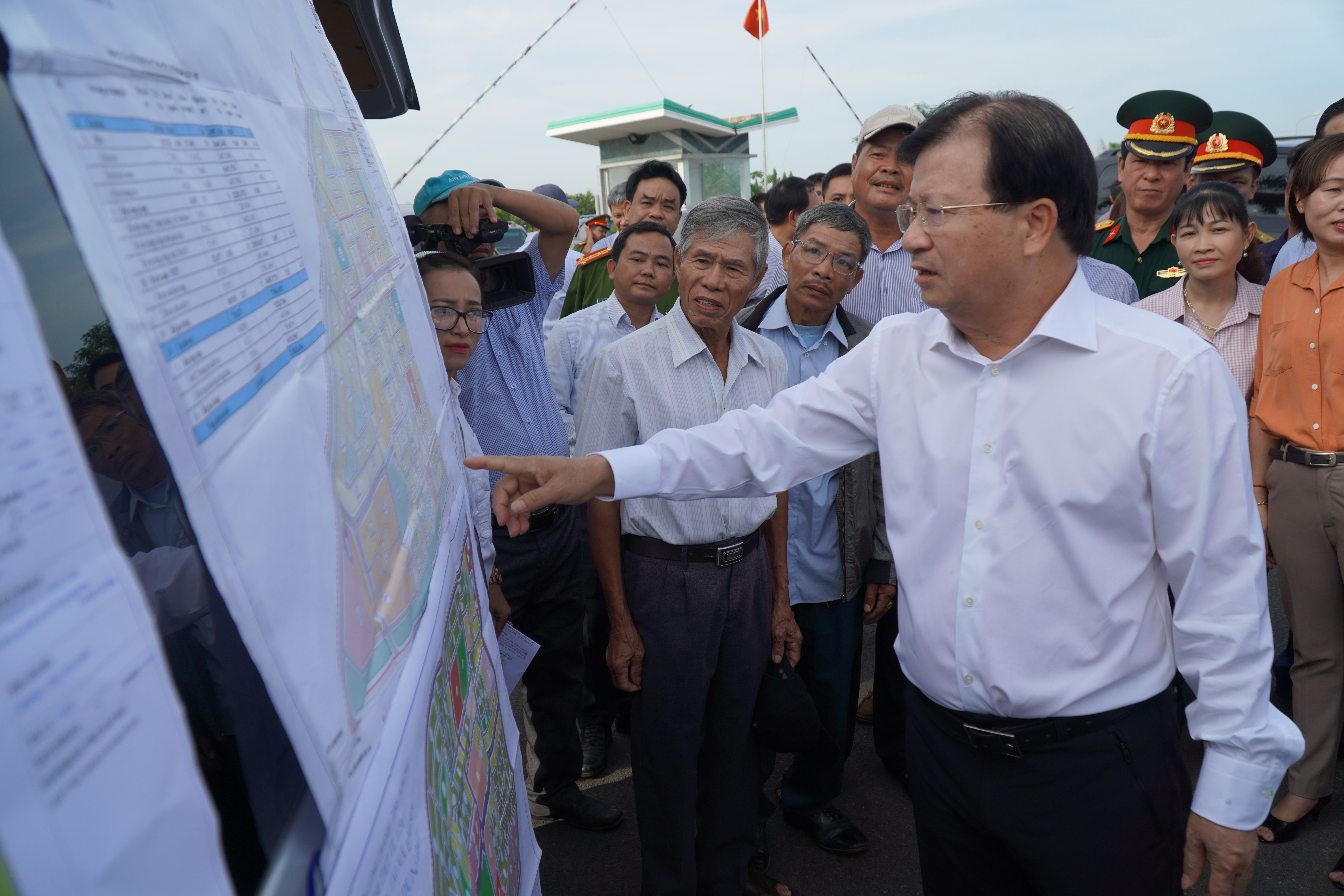
Phó Thủ tướng Chính phủ Trịnh Đình Dũng kiểm tra tại khu vực xây dựng khu tái định cư phục vụ Dự án Sân bay Long Thành. (Ảnh: Công Phong/TTXVN)
Thủ tướng cũng yêu cầu các cơ quan chức năng kiên quyết xử lý các hành vi tiêu cực trong quản lý đầu tư công như thông thầu, gian lận, cản trở, hối lộ, can thiệp bất hợp pháp…, Đồng thời, kịp thời kiến nghị cấp có thẩm quyền xử lý nghiêm các tổ chức, cá nhân gây cản trở, trì trệ, thiếu trách nhiệm trong việc giao vốn và giải ngân vốn đầu tư công.
Ông Trần Quốc Phương, Thứ trưởng Bộ Kế hoạch và Đầu tư cho biết, trước đó Bộ Kế hoạch và Đầu tư cũng đã đưa ra 4 nhóm giải pháp để thúc đẩy giải ngân vốn đầu tư công. Cụ thể, với nhóm giải pháp về thể chế, sẽ tập trung tháo gỡ những vướng mắc liên quan đến các quy định thuộc thẩm quyền của Chính phủ nhằm đẩy mạnh phân bổ, giao kế hoạch, giải ngân vốn đầu tư công.
Nhóm giải pháp về chỉ đạo, điều hành, phối hợp giữa các bộ, ngành trong toàn bộ các hoạt động liên quan đến phân bổ, giao kế hoạch và giải ngân vốn đầu tư công của kế hoạch năm 2019 cũng được Bộ Kế hoạch và Đầu tư đưa ra.
Kiên quyết không bố trí vốn kế hoạch năm 2020 đối với các dự án sử dụng vốn ngân sách Nhà nước (vốn trong nước) đến ngày 30/11/2019 giải ngân đạt dưới 50% kế hoạch vốn năm 2019 được giao đầu năm
Tiếp đến là nhóm giải pháp về tăng cường thanh tra, kiểm tra, kiểm toán, giám sát phân bổ và giải ngân vốn đầu tư công. Cuối cùng là nhóm giải pháp về chế tài.
Bộ Kế hoạch và Đầu tư đề nghị người đứng đầu các bộ, ngành, địa phương chịu trách nhiệm trước Chính phủ, Thủ tướng Chính phủ về kết quả giải ngân không chỉ cho năm 2019 mà cả với dự kiến kế hoạch năm 2020 của đơn vị mình; trong đó, Bộ kiến nghị kiên quyết không bố trí vốn kế hoạch năm 2020 đối với các dự án sử dụng vốn ngân sách Nhà nước (vốn trong nước) đến ngày 30/11/2019 giải ngân đạt dưới 50% kế hoạch vốn năm 2019 được giao đầu năm, trừ những dự án mua sắm trang thiết bị.
Một giải pháp được ông Trần Kim Chung, Phó Viện trưởng Viện Nghiên cứu quản lý kinh tế Trung ương đề xuất là thay đổi “mô hình” truyền thống dồn giải ngân vào các tháng cuối năm. Theo đó, chế tài cho việc này được ông Chung đề nghị là mạnh mẽ xử lý cán bộ cố tình làm chậm giải ngân vốn đầu tư công cũng như cần nêu cao trách nhiệm của người đứng đầu.
Đồng tình ý kiến này, chuyên gia kinh tế Vũ Đình Ánh kiến nghị, kiên quyết loại bỏ các dự án kém hiệu quả, triển khai chậm, hay thậm chí chưa chuẩn bị đầy đủ thủ tục đầu tư theo quy định để tập trung vốn cho các dự án đầu tư có hiệu quả cao, triển khai đúng tiến độ, làm tốt khâu chuẩn bị đầu tư. Ngoài ra, có thể cho phép những dự án đầu tư tốt được đầu tư vượt tiến độ kế hoạch để sớm đưa vào khai thác.
Thi công mở rộng Quốc lộ 1A. (Nguồn: TTXVN)
Ở góc độ địa phương, ông Nguyễn Trung Hoàng, Phó Chủ tịch Ủy ban Nhân dân tỉnh Trà Vinh cho rằng, để tháo gỡ kịp thời, đối với các dự án đang trong giai đoạn lựa chọn nhà thầu thi công, thương thảo hợp đồng, các đơn vị khẩn trương hoàn chỉnh các thủ tục liên quan, sớm ký kết hợp đồng thi công và giải ngân ngay cho nhà thầu.
Bộ trưởng Bộ Kế hoạch và Đầu tư nhấn mạnh, các cấp, các ngành phải có trách nhiệm trong việc quản lý, sử dụng hiệu quả vốn đầu tư công. Đây là tiền thuế đóng góp của người dân, việc phân bổ, giao kế hoạch, giải ngân vốn đầu tư công ảnh hưởng rất lớn đến kết quả thực hiện mục tiêu, nhiệm vụ phát triển kinh tế-xã hội nên phải nhanh, hiệu quả và phải đảm bảo đúng pháp luật.
Từ ngày 1/1/2020, Luật Đầu tư công (sửa đổi) có hiệu lực nên việc giải ngân vốn đầu tư công sẽ được cải thiện hơn nữa. (Bộ trưởng Nguyễn Chí Dũng)
Mặt khác, cần xây dựng giải pháp tổng thể, đồng bộ từ thể chế, pháp luật đến chỉ đạo, điều hành, đôn đốc, thực hiện, thanh tra, kiểm tra, kiểm toán và phải có chế tài đối với các hành vi vi phạm pháp luật, sách nhiễu, tiêu cực, lợi ích nhóm, cố tình làm chậm tiến độ phân bổ và giải ngân.
Bộ trưởng Nguyễn Chí Dũng cho biết, từ ngày 1/1/2020, Luật Đầu tư công (sửa đổi) có hiệu lực nên việc giải ngân vốn đầu tư công sẽ được cải thiện hơn nữa. Năm 2020 là năm chuyển tiếp giữa luật cũ và luật mới, việc cải thiện có thể chưa rõ nét, nhưng hy vọng từ năm 2021, việc đẩy nhanh tiến độ giao kế hoạch vốn, thực hiện và giải ngân kế hoạch vốn đầu đầu tư công sẽ tích cực hơn nhiều so với giai đoạn trước.
“Với tinh thần quyết tâm và triển khai đồng bộ các nhóm giải pháp trên, tình trạng chậm giải ngân vốn đầu tư công sẽ được sớm khắc phục,” Bộ trưởng Nguyễn Chí Dũng hy vọng./.
Xuyên suốt lịch sử từ khi thành lập nước Việt Nam Dân chủ Cộng hòa, Đại tướng Võ Nguyên Giáp đã để lại dấu ấn lớn ở cả hai cuộc kháng chiến chống thực dân Pháp và đế quốc Mỹ, cũng như trực tiếp chỉ huy những trận chiến mang tính “sống, còn” của dân tộc.
Ông không chỉ là vị tướng huyền thoại trong lòng người dân Việt Nam, mà còn là một thiên tài quân sự được thế giới trân trọng, cảm phục và suy tôn là một trong 10 vị tướng vĩ đại nhất lịch sử thế giới qua mọi thời đại.
Tài thao lược của vị Đại tướng nhân dân
Xuất thân là một giáo viên dạy lịch sử, Đại tướng Võ Nguyên Giáp (1911-2013) đã sớm tham gia vào các hoạt động cách mạng khi còn là một cậu thiếu niên.
Không chỉ là vị tướng huyền thoại trong lòng người dân Việt Nam,Đại tướng Võ Nguyên Giáp còn là một thiên tài quân sự được thế giới cảm phục và suy tôn là một trong 10 vị tướng vĩ đại nhất lịch sử thế giới qua mọi thời đại.
Tuy nhiên sự nghiệp quân sự của ông chỉ chính thức bắt đầu từ năm 1940 khi Võ Nguyên Giáp với bí danh là Dương Hoài Nam cùng Phạm Văn Đồng lên Lào Cai rồi vượt biên sang Trung Quốc để gặp Chủ tịch Hồ Chí Minh.
Chỉ sau một thời gian ngắn, Chủ tịch Hồ Chí Minh đã nhìn ra cái tâm và cái tài của chàng thanh niên này.
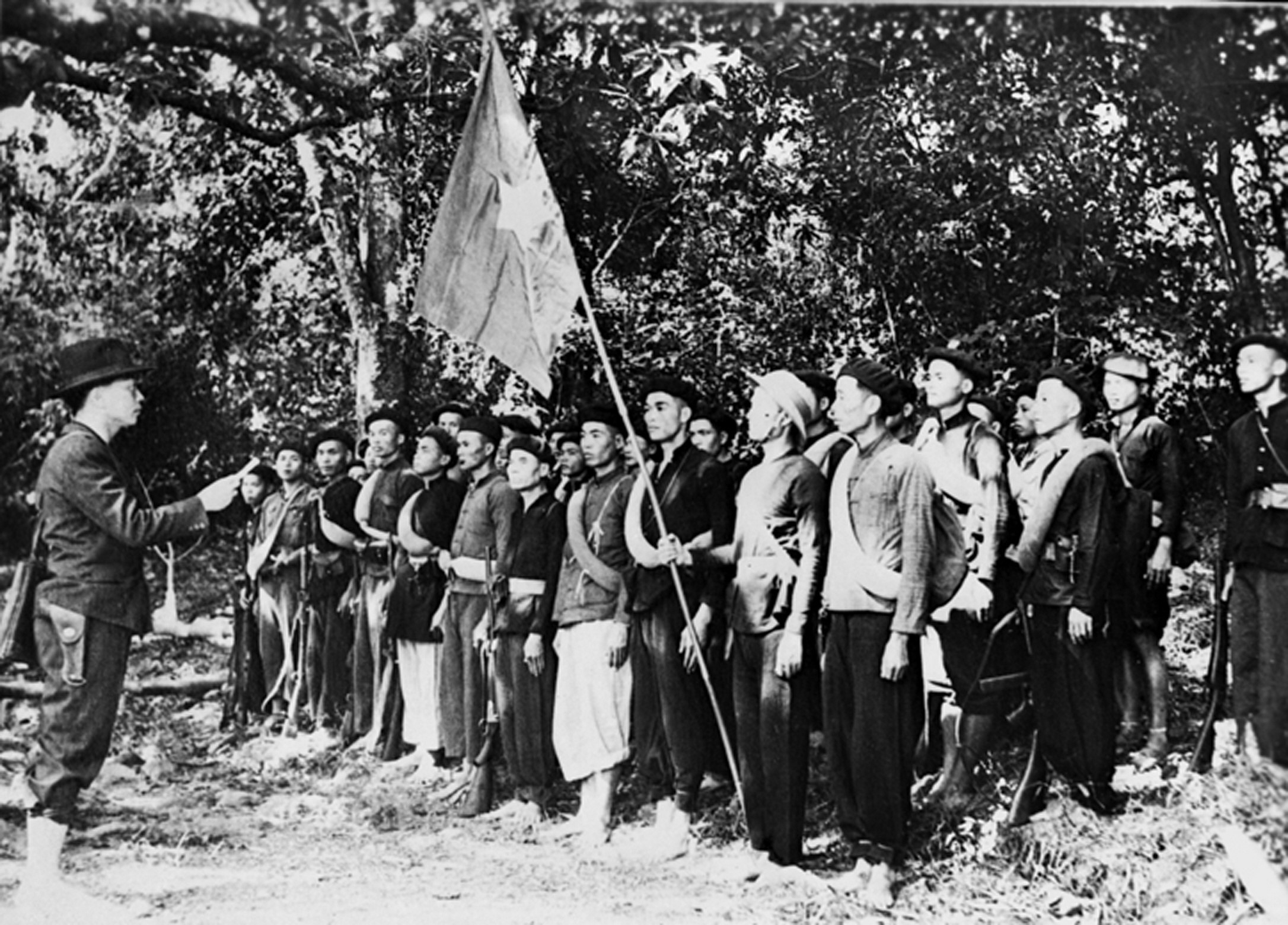
Ngày 22/12/1944, theo chỉ đạo của Chủ tịch Hồ Chí Minh, đồng chí Võ Nguyên Giáp thành lập Đội Việt Nam Tuyên truyền Giải phóng quân (tổ chức tiền thân của Quân đội Nhân dân Việt Nam) tại chiến khu Trần Hưng Đạo với 34 đội viên.
Chỉ 3 ngày sau đó, ngày 25/12/1944, đồng chí Võ Nguyên Giáp đã chỉ huy đội quân này lập chiến công đầu tiên là tập kích diệt gọn hai đồn Phai Khắt và Nà Ngần.
Trong tất cả những bước ngoặt lịch sử của cách mạng Việt Nam sau Cách mạng Tháng Tám năm 1945 và những chiến dịch quân sự trong kháng chiến chống Pháp và chống Mỹ cứu nước, Đại tướng Võ Nguyên Giáp luôn là một trong những nhân vật lịch sử đứng ở vị trí hàng đầu của Quân đội Nhân dân Việt Nam dưới ngọn cờ bách chiến bách thắng của Đảng và Chủ tịch Hồ Chí Minh vĩ đại.
Không được đào tạo tại bất kỳ trường quân sự nào, không trải qua các cấp bậc quân hàm trong quân đội, Võ Nguyên Giáp được phong hàm đại tướng ngày 28-5-1948. Ông trở thành vị đại tướng đầu tiên của Quân đội Nhân dân Việt Nam khi mới 37 tuổi. Ông là vị chỉ huy chính trong các chiến dịch quan trọng, có tầm ảnh hưởng trực tiếp đến vận mệnh của dân tộc.
Năm 1954, Đại tướng Võ Nguyên Giáp được Chủ tịch Hồ Chí Minh và Đảng tin tưởng trao toàn quyền chỉ huy Chiến dịch Điện Biên Phủ. Trước khi Đại tướng lên đường, Chủ tịch Hồ Chí Minh hỏi: “Chú đi xa như vậy chỉ đạo chiến trường có gì trở ngại?”, Đại tướng trả lời: “Thưa bác! Chỉ trở ngại là ở xa, khi có vấn đề quan trọng khó xin ý kiến của Bác và Bộ Chính trị.”
Chủ tịch Hồ Chí Minh nói: “Tướng quân tại ngoại, trao cho chú toàn quyền quyết định rồi báo cáo sau.” Khi chia tay, Chủ tịch Hồ Chí Minh chỉ thị: “Trận này rất quan trọng, phải đánh cho thắng, chắc thắng mới đánh. Không chắc thắng không đánh.”
“Quyết định khó khăn nhất trong cuộc đời tôi,” như sau này đại tướng đã chia sẻ. Đó là thay đổi phương châm tác chiến từ “đánh nhanh, thắng nhanh” sang “đánh chắc, tiến chắc.”
Và trong chiến dịch đó, với tư cách là Tổng Tư lệnh kiêm Chỉ huy trưởng Chiến dịch, Đại tướng đã đưa ra một quyết định lịch sử – “Quyết định khó khăn nhất trong cuộc đời tôi,” như sau này đại tướng đã chia sẻ. Đó là thay đổi phương châm tác chiến từ “đánh nhanh, thắng nhanh” sang “đánh chắc, tiến chắc.”
Với quyết định sáng suốt này, trận quyết chiến chiến lược Điện Biên Phủ đã giành được toàn thắng cao nhất với sự hy sinh xương máu thấp nhất.
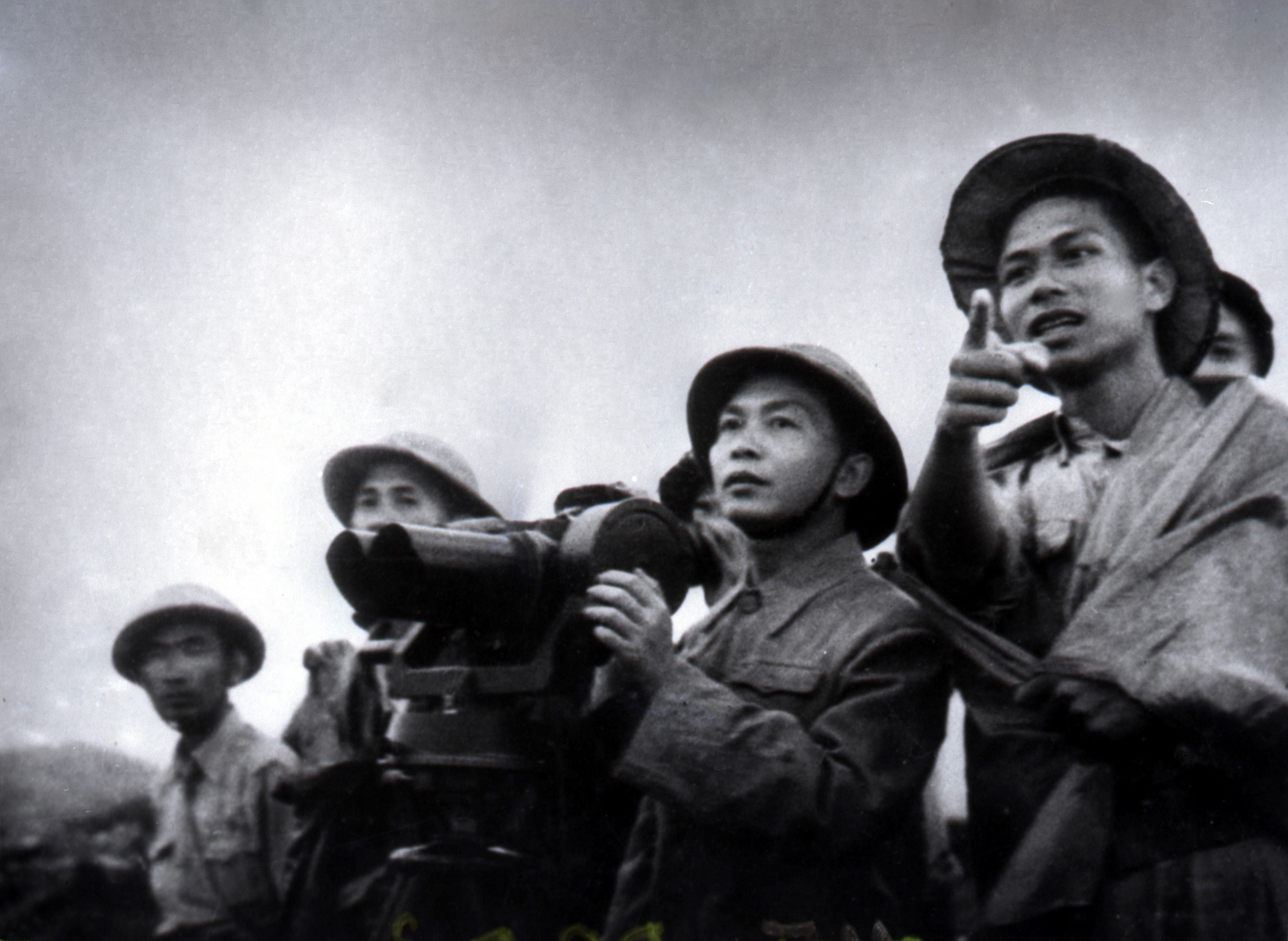
Đại tướng Võ Nguyên Giáp quan sát trận địa Điện Biên Phủ lần cuối trước khi phát lệnh nổ súng tấn công. (Ảnh: Tư liệu TTXVN)
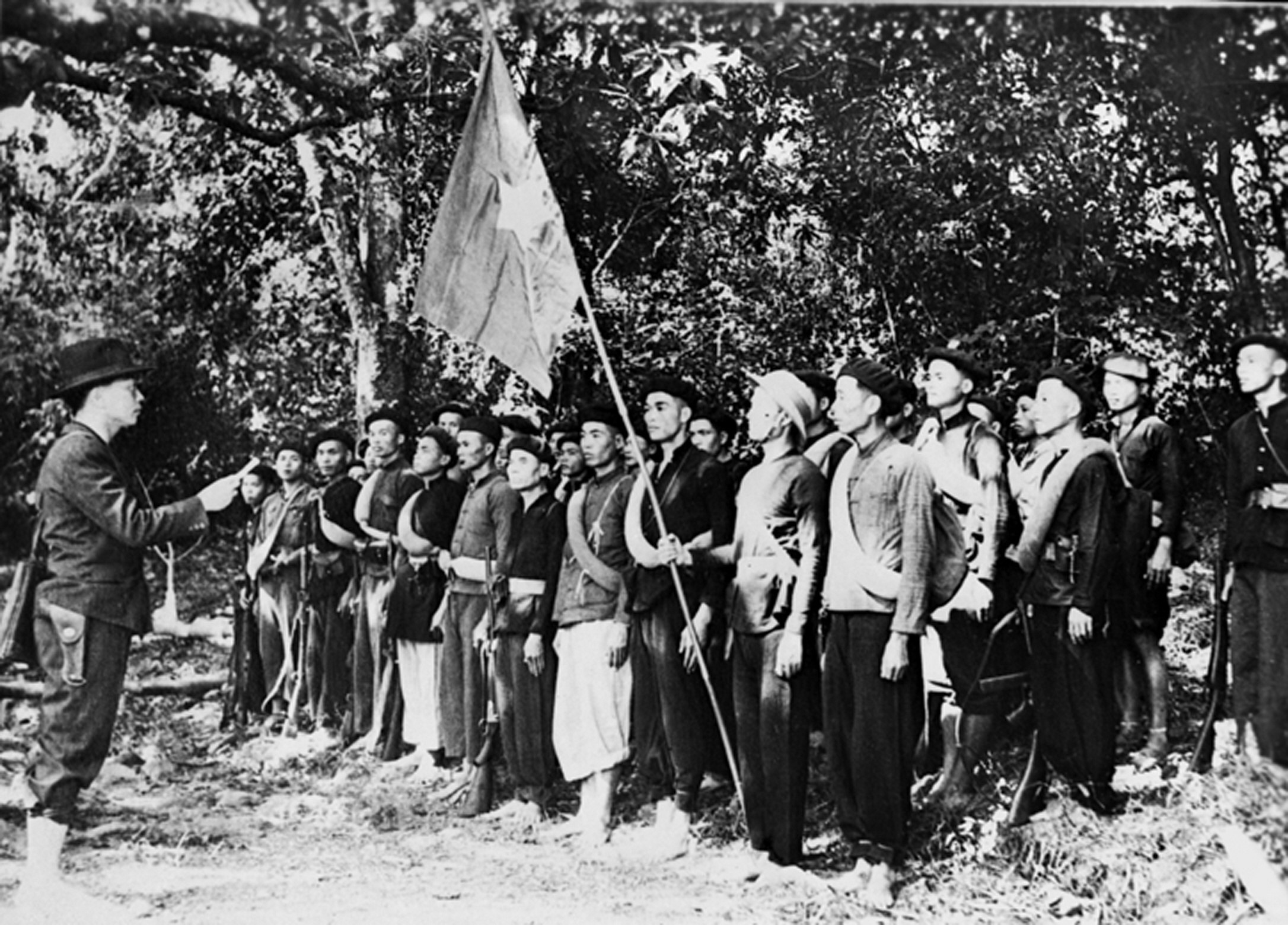
Đồng chí Võ Nguyên Giáp đọc Quân lệnh số I – Quyết định thành lập Đội Việt Nam Tuyên truyền Giải phóng quân (22/12/1944). (Ảnh: Tư liệu TTXVN)
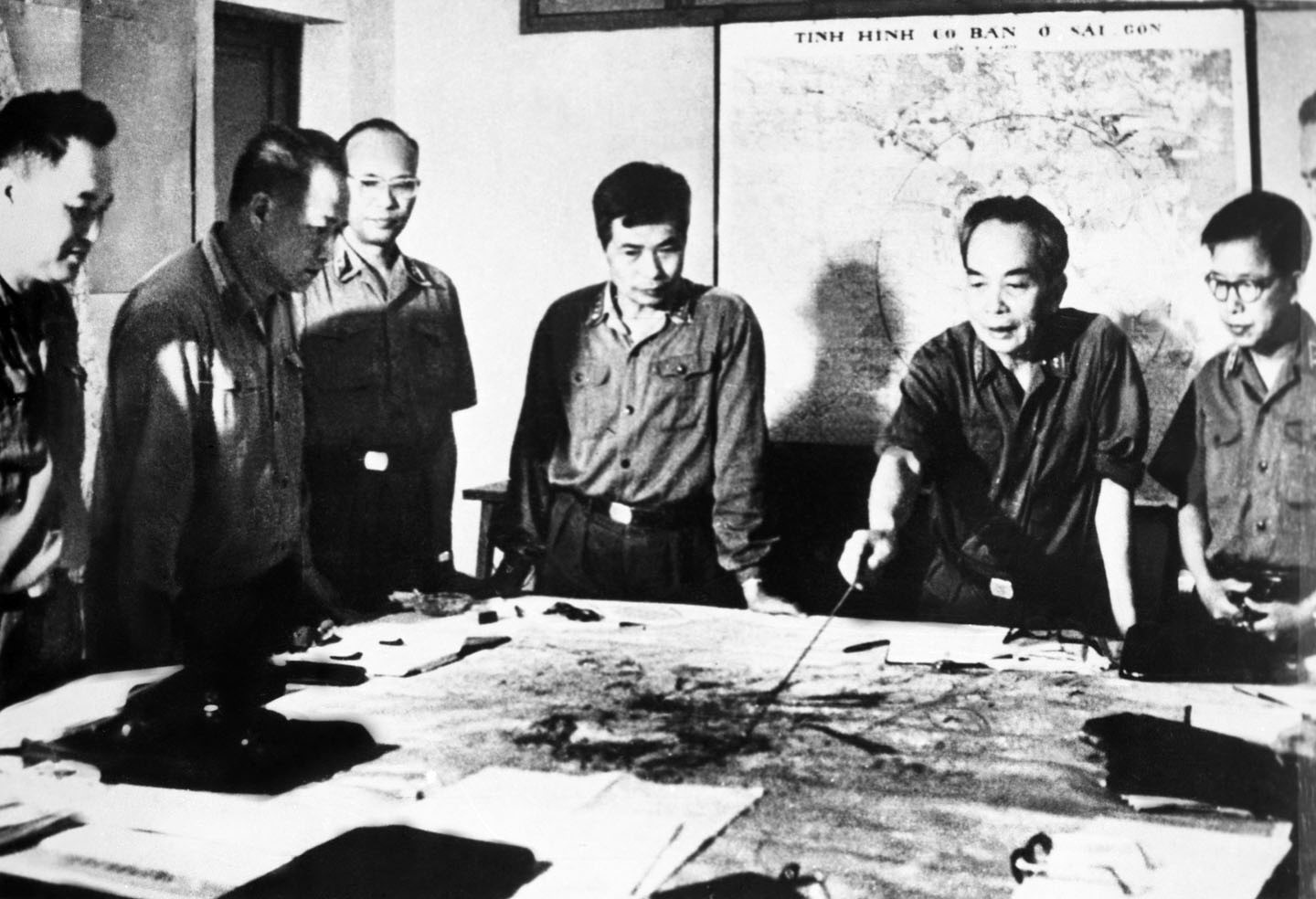
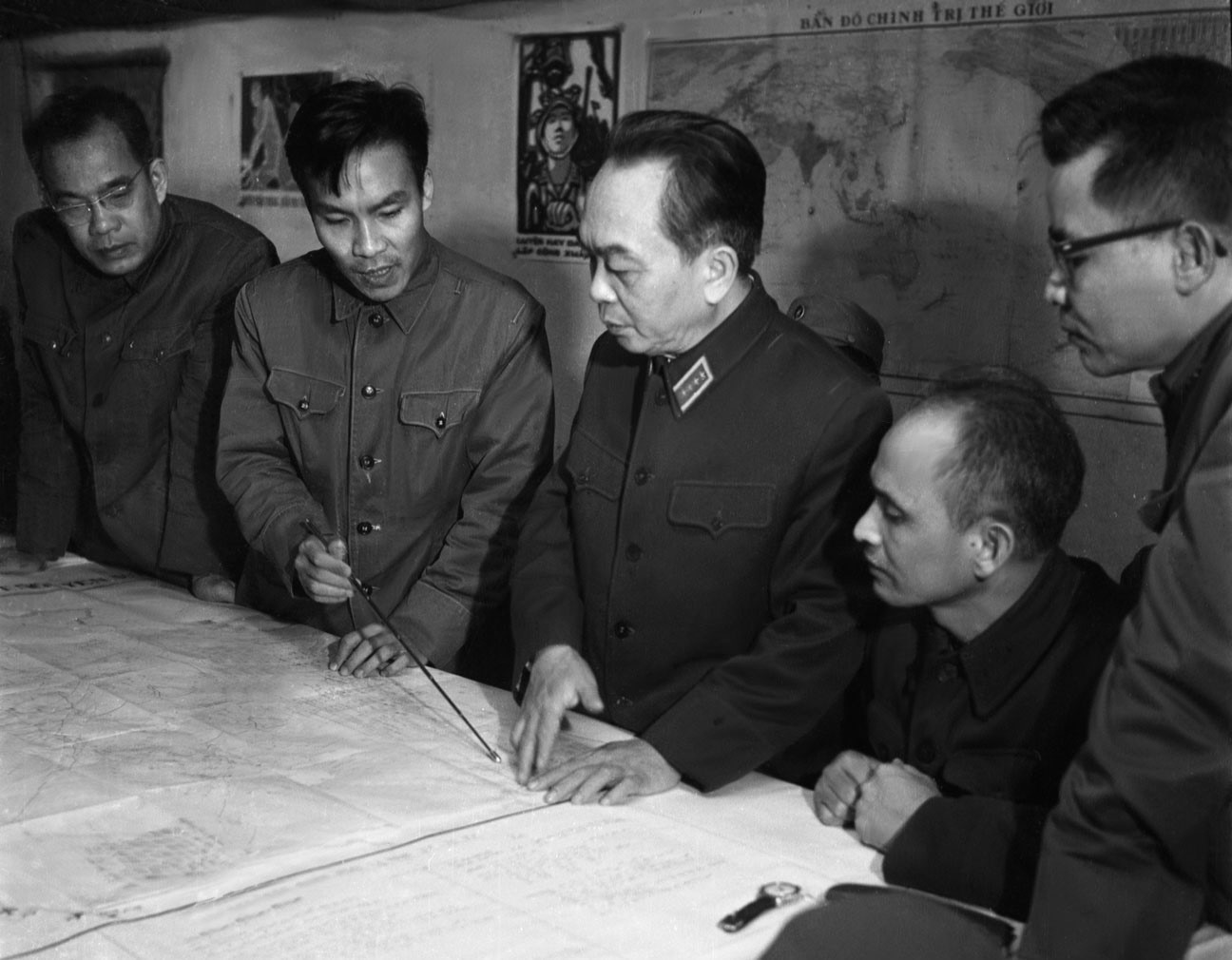
Đại tướng Võ Nguyên Giáp và các đồng chí lãnh đạo Quân ủy Trung ương theo dõi diễn biến Chiến dịch Hồ Chí Minh năm 1975. (Ảnh: TTXVN)
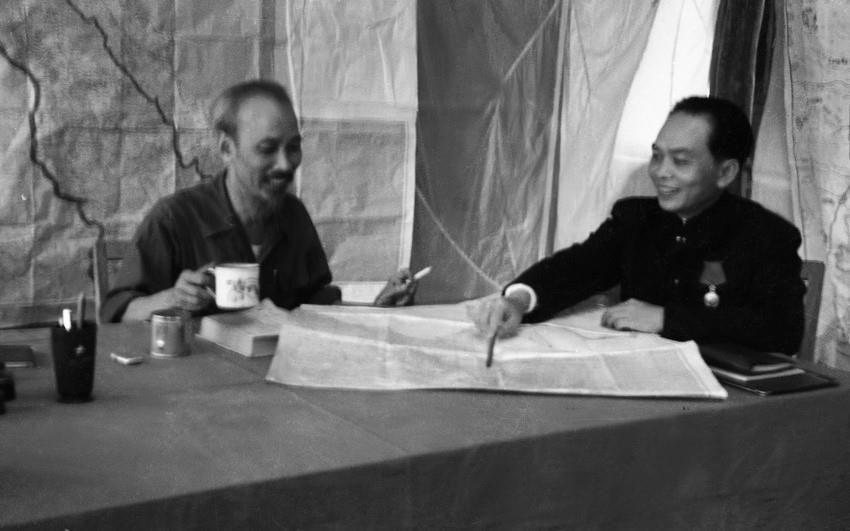
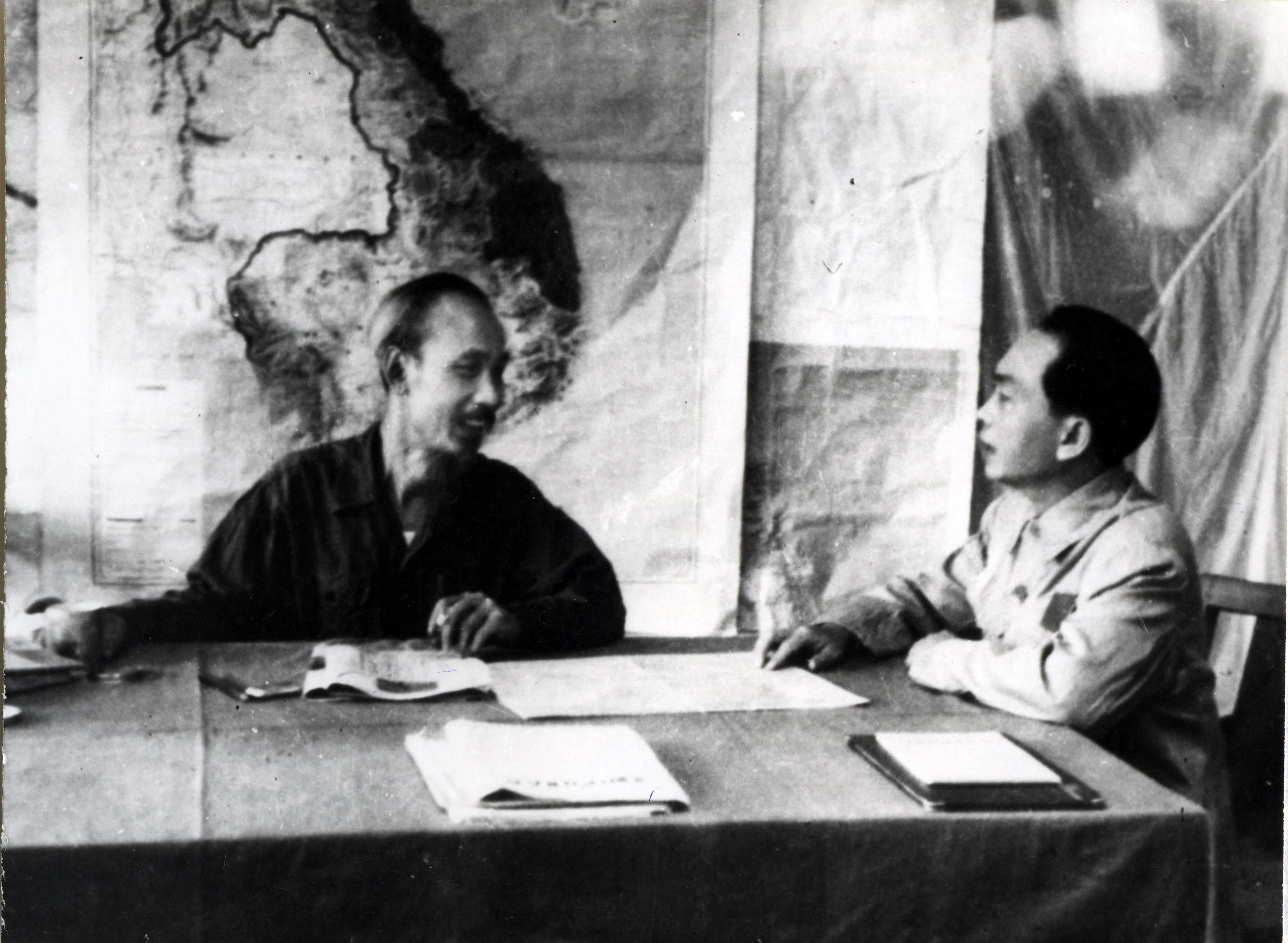
Chủ tịch Hồ Chí Minh và Đại tướng Võ Nguyên Giáp bàn kế hoạch quân sự cho chiến dịch Biên giới 1950. (Ảnh: Đinh Đăng Định/TTXVN)
Nhân dịp kỷ niệm 30 năm chiến thắng Điện Biên Phủ, Đại tướng Võ Nguyên Giáp lên thăm Điện Biên từ 2-5/5/1984. (Ảnh: Kim Hùng/TTXVN)
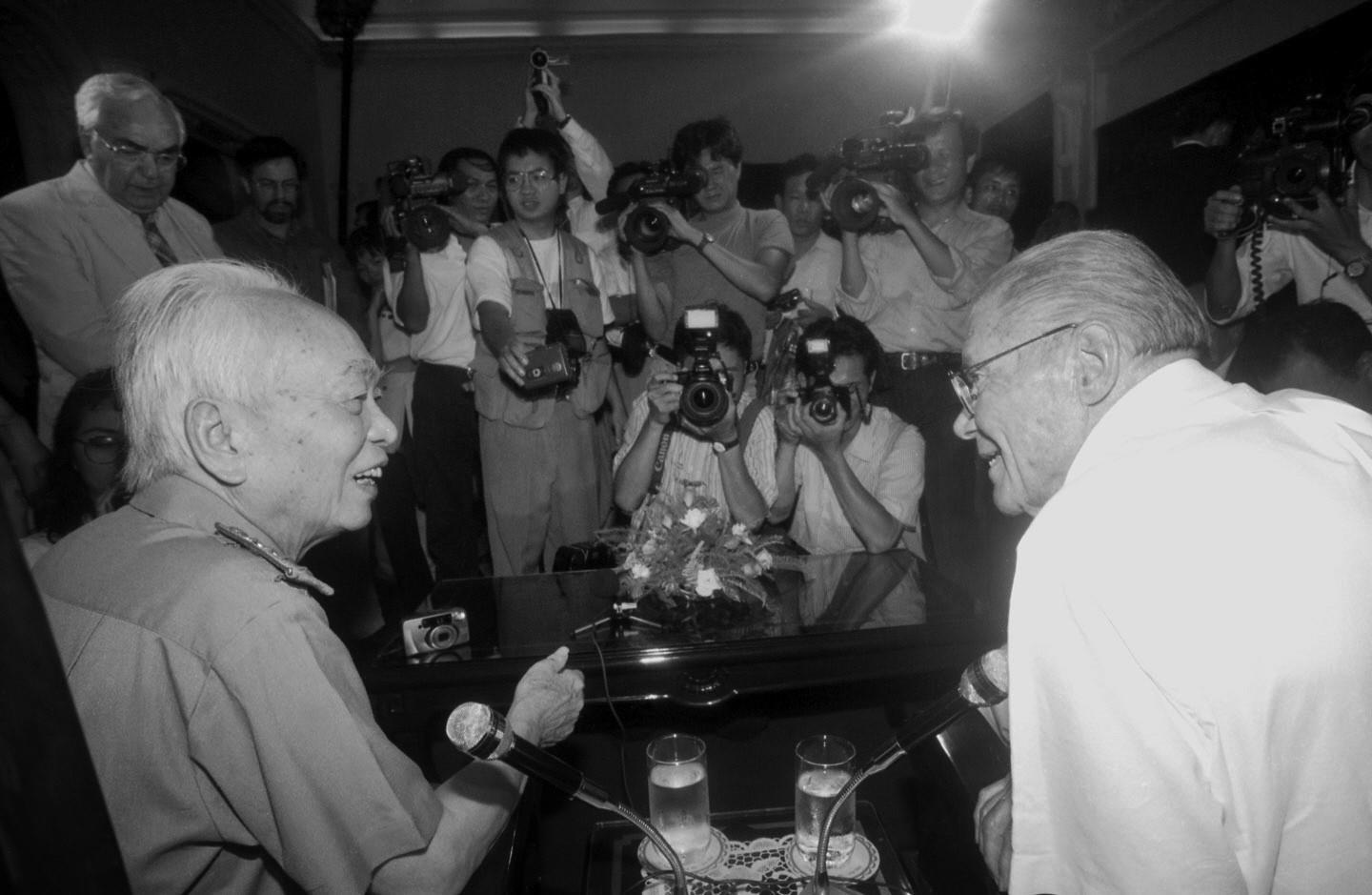
Đại tướng Võ Nguyên Giáp tiếp cựu Bộ trưởng Quốc phòng Mỹ Robert Mc Namara, Trưởng đoàn Mỹ tham dự Hội thảo Việt-Mỹ “Những cơ hội bị bỏ lỡ”, chiều 23/6/1997, tại Hà Nội. (Ảnh: Trần Tuấn/TTXVN)
Đại tướng Võ Nguyên Giáp cùng đội bay vũ trụ quốc tế Xô-Việt trong lễ tiễn đoàn tại Hà Nội, chiều 6/9/1980. (Ảnh: Kim Hùng/TTXVN)
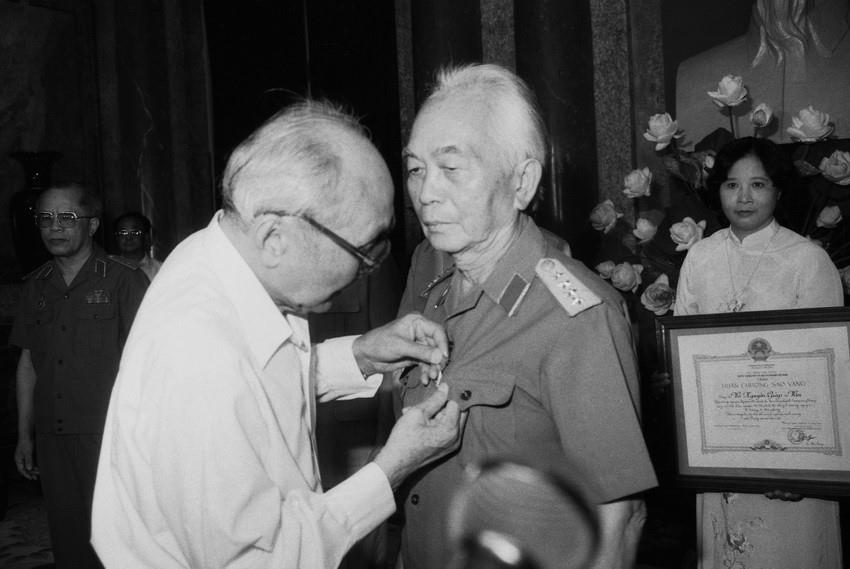
Chủ tịch Hội đồng Nhà nước Võ Chí Công trao tặng Huân chương Sao Vàng cho Đại tướng Võ Nguyên Giáp, ngày 20/8/1992. (Ảnh: Xuân Tuân/TTXVN)
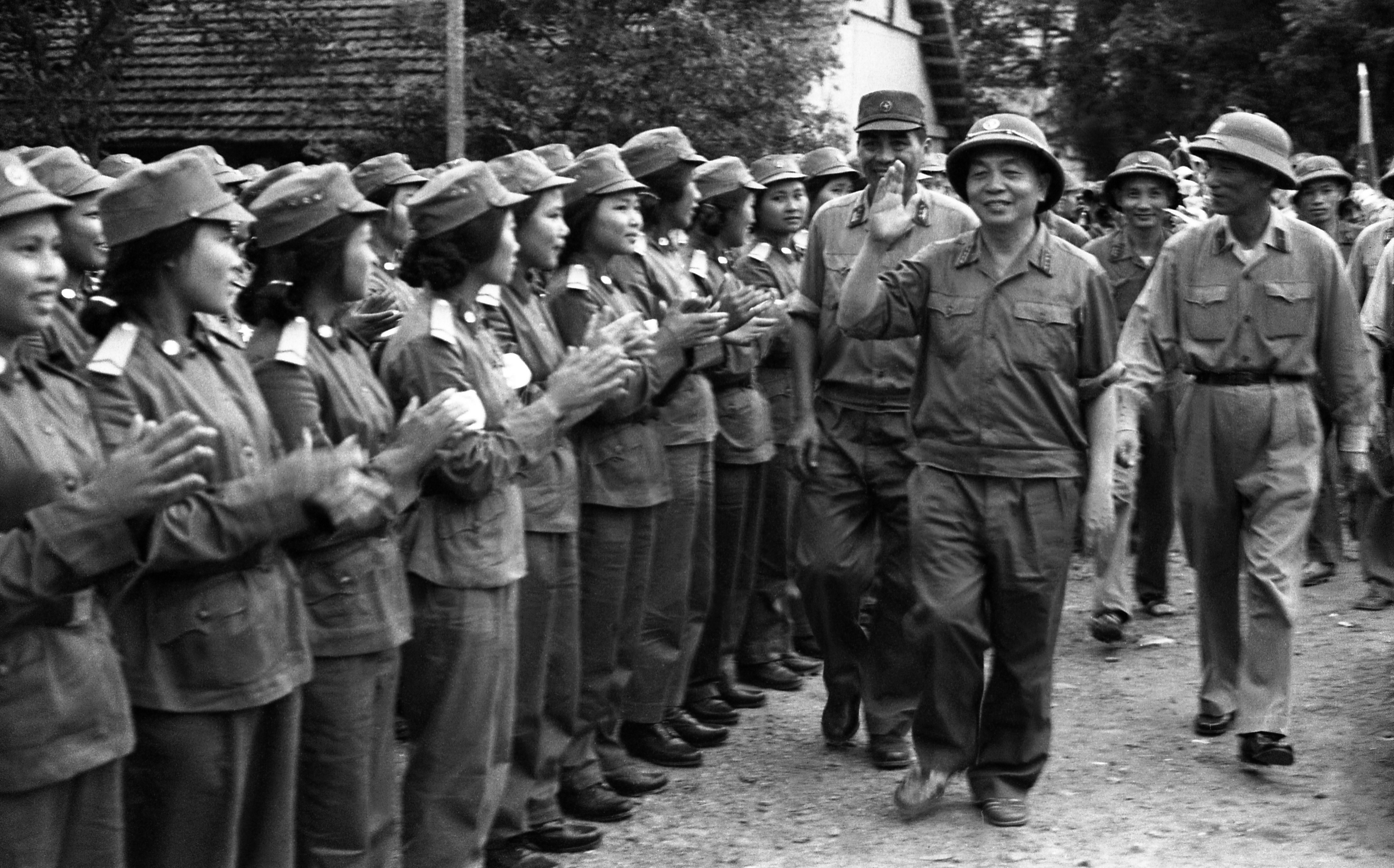
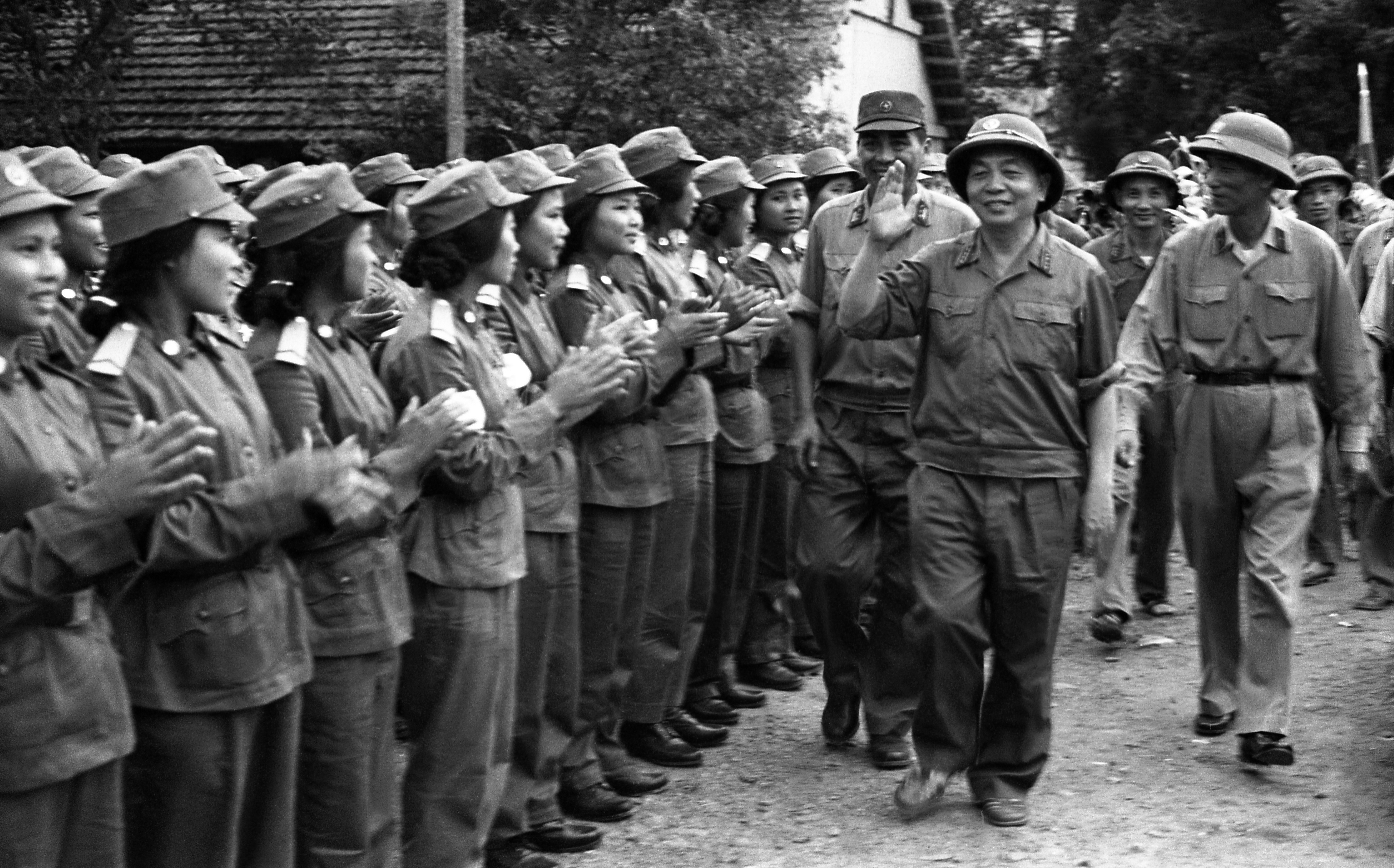
Đại tướng Võ Nguyên Giáp thăm đơn vị nữ thông tin và quân y (5/1973). (Ảnh: Vũ Tạo/TTXVN)
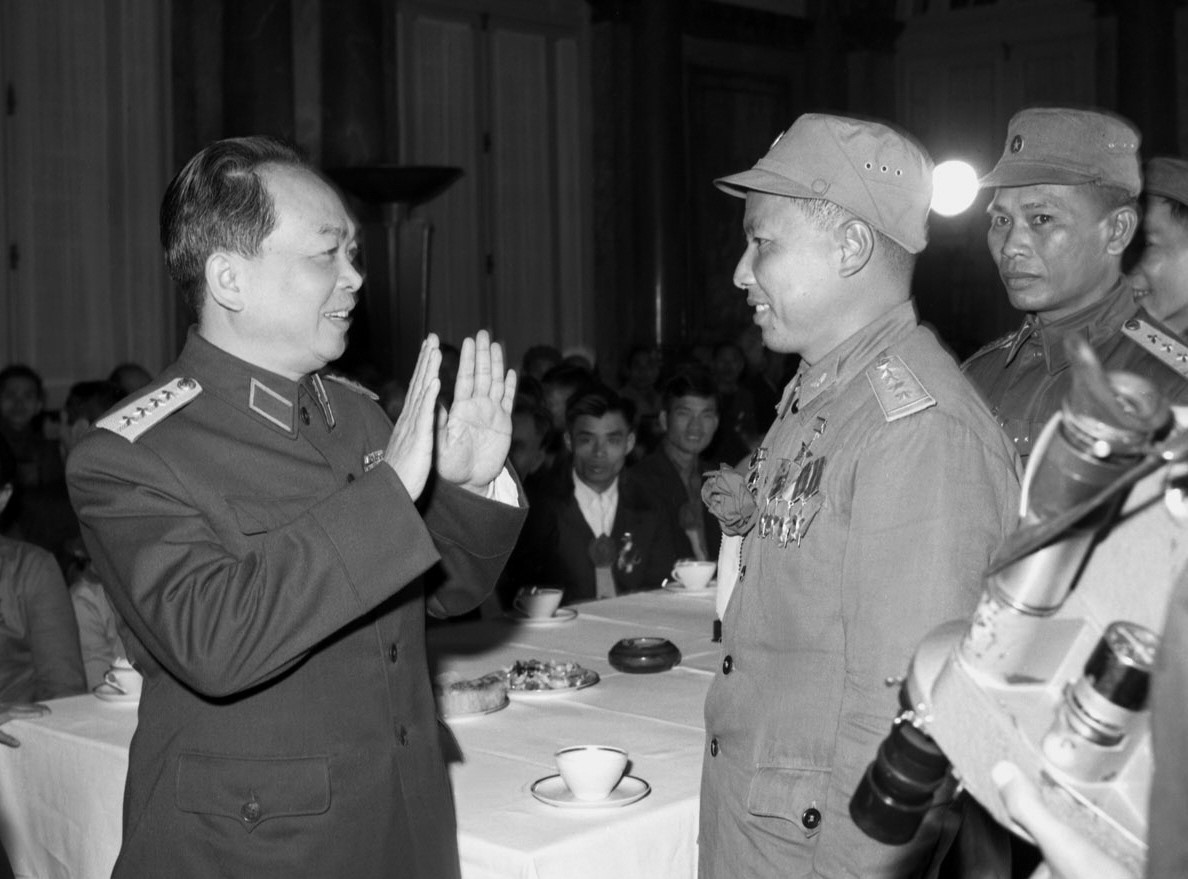
Đại tướng Võ Nguyên Giáp thân mật nói chuyện với Anh hùng lái máy bay Lâm Văn Lích, tại Đại hội Anh hùng, Chiến sỹ thi đua chống Mỹ cứu nước, tại Hà Nội, ngày 28/12/1966. (Ảnh: TTXVN)
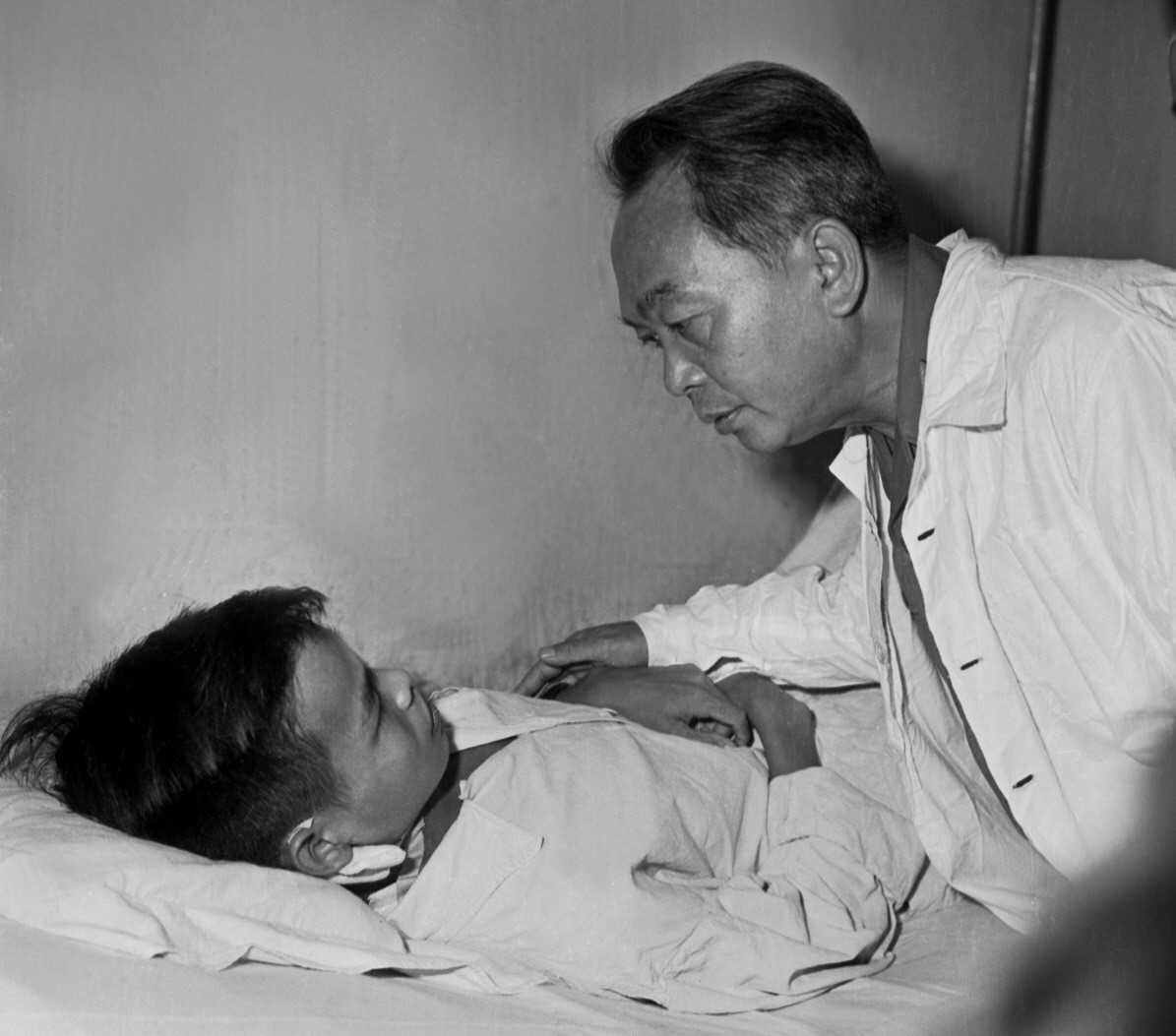
Ngày 27/7/1969, Đại tướng Võ Nguyên Giáp đến thăm các thương binh đang điều trị tại Quân y viện 108 (nay là Bệnh viện TƯ Quân đội 108). (Ảnh: Lâm Hồng/- TTXVN)
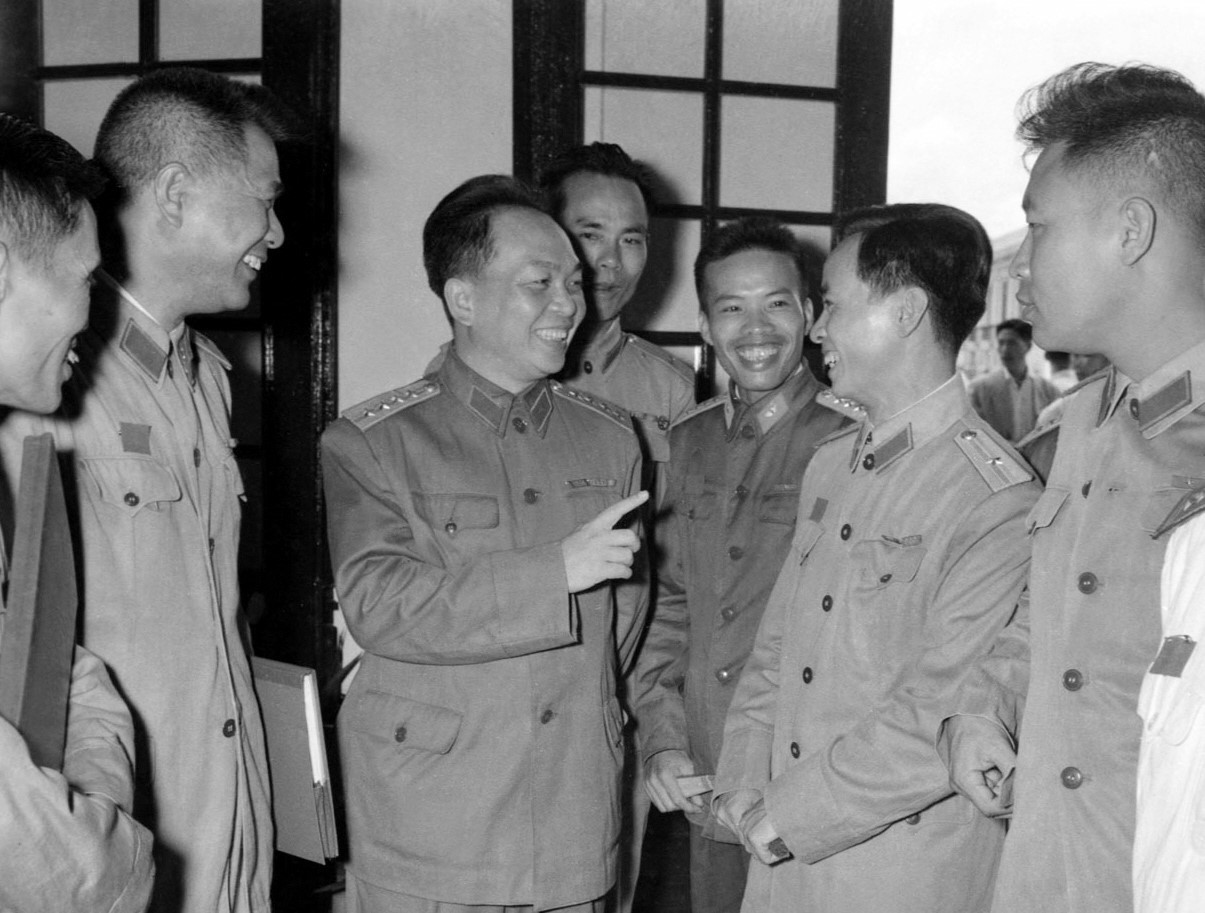
Đại tướng Võ Nguyên Giáp nói chuyện với các đại biểu quân đội tham dự Đại hội đại biểu toàn quốc Đảng Lao động Việt Nam lần thứ 3 (9/1960). (Ảnh: TTXVN)
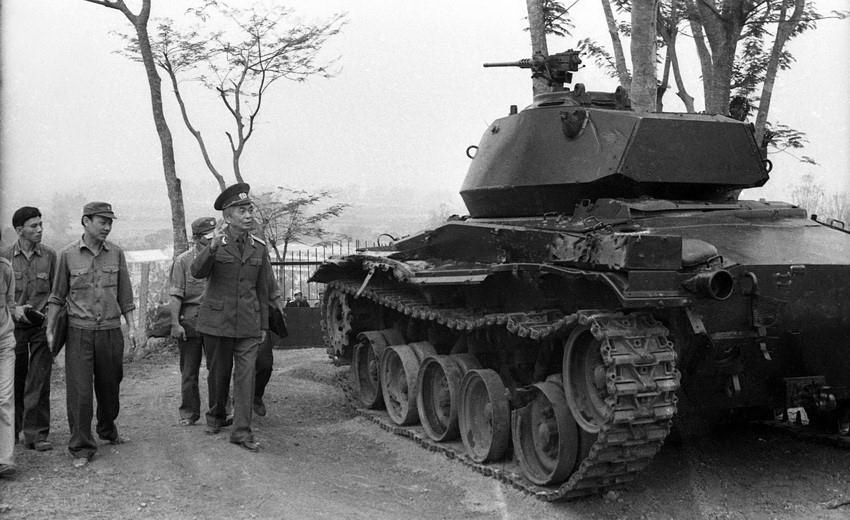
Ngày 30/12/1972, Đại tướng Võ Nguyên Giáp thị sát xác máy bay B52 Mỹ bị quân và dân ta bắn rơi tại làng Ngọc Hà (Hà Nội) trong chuyến thăm Tiểu đoàn 79 tên lửa, cuối tháng 12/1972. (Ảnh: TTXVN)
Đại tướng Võ Nguyên Giáp thăm Bộ Tư lệnh Quân chủng Phòng không-Không quân, ngày 30/12/1972, lực lượng nòng cốt cùng quân và dân Thủ đô đập tan cuộc tập kích chiến lược bằng không quân của Mỹ vào Hà Nội. (Ảnh: TTXVN)
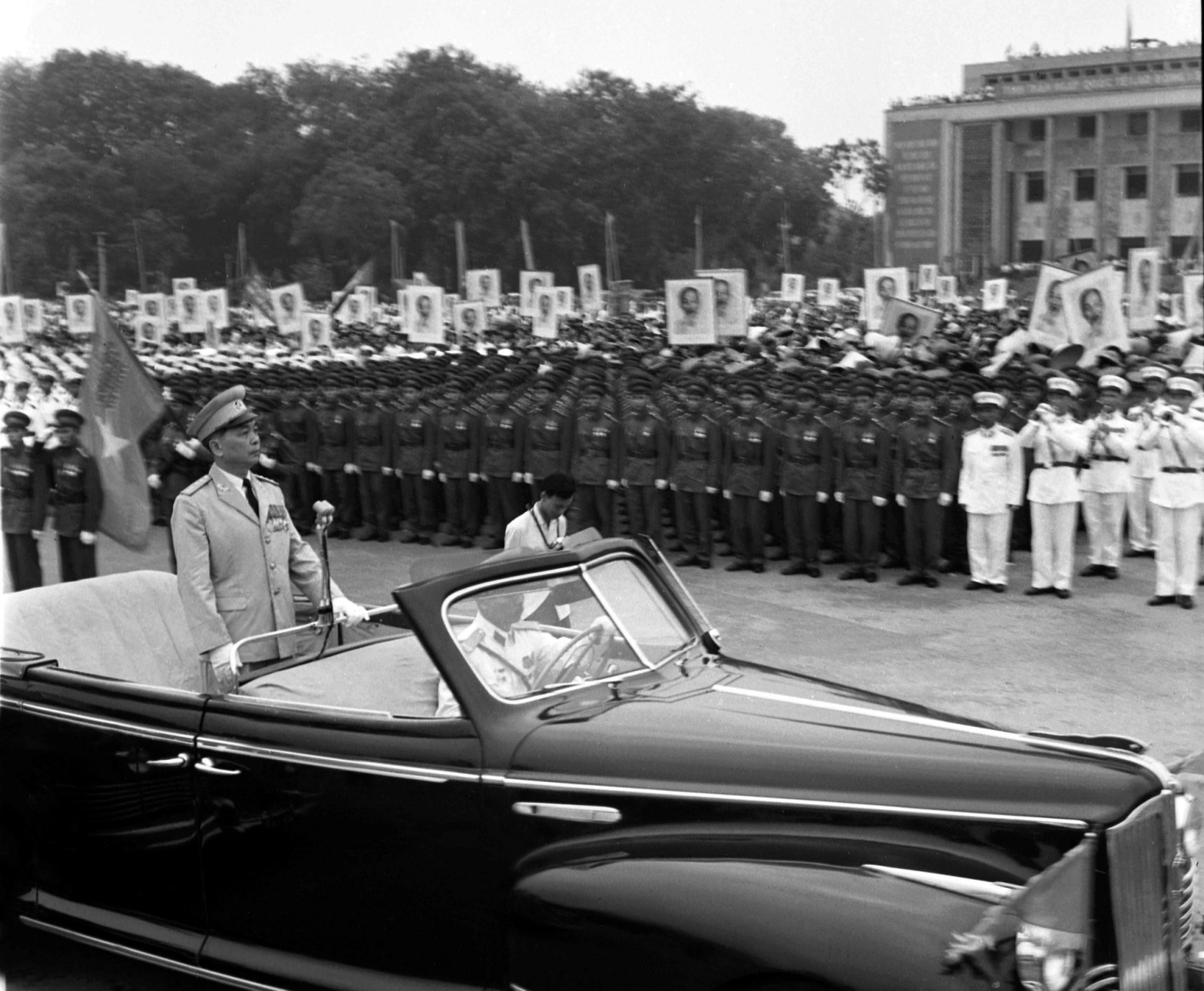
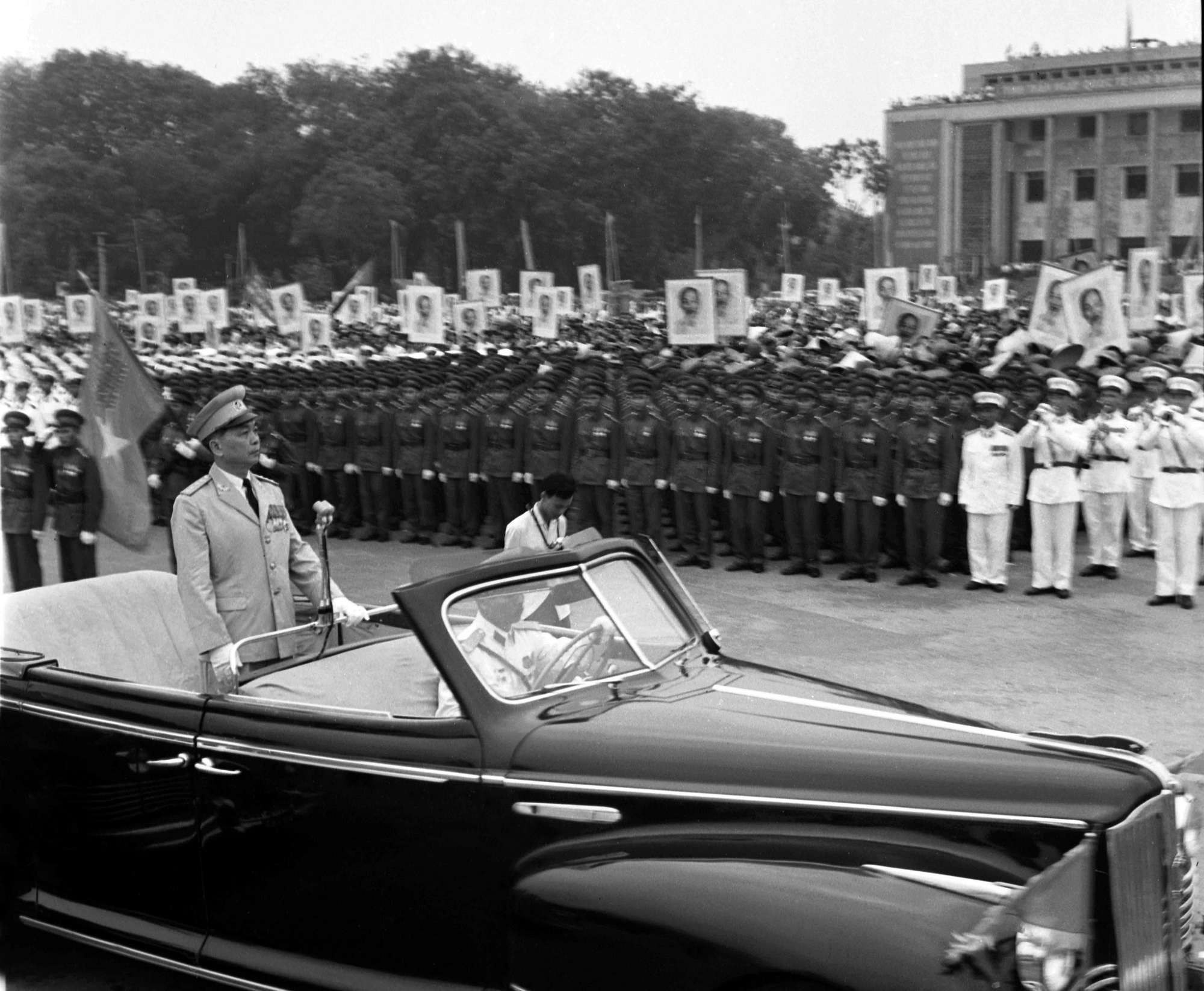
Đại tướng Võ Nguyên Giáp, Tổng Tư lệnh Quân đội Nhân dân Việt Nam tại Lễ duyệt binh trên Quảng trường Ba Đình, Hà Nội. (Ảnh: Thế Trung/TTXVN)
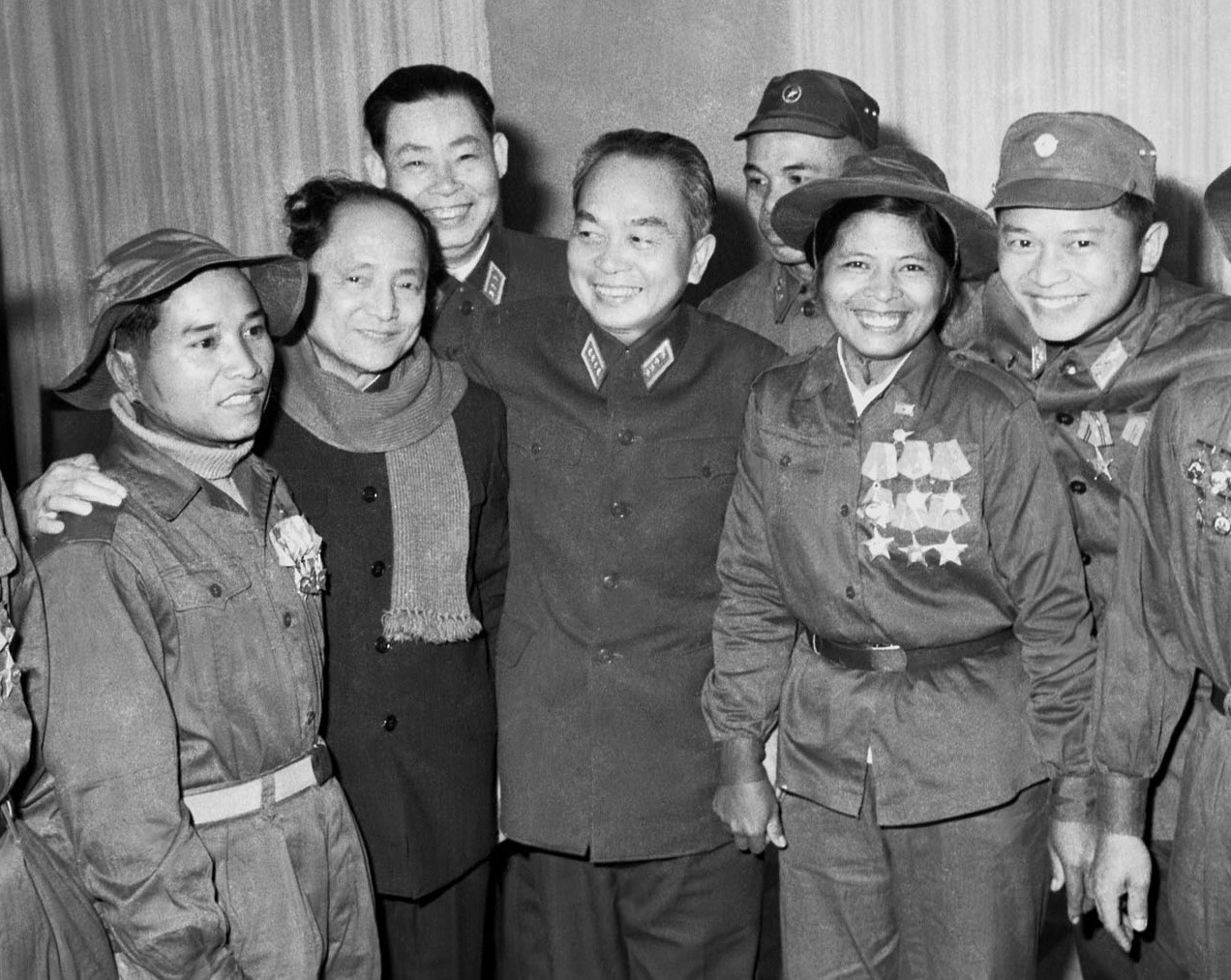
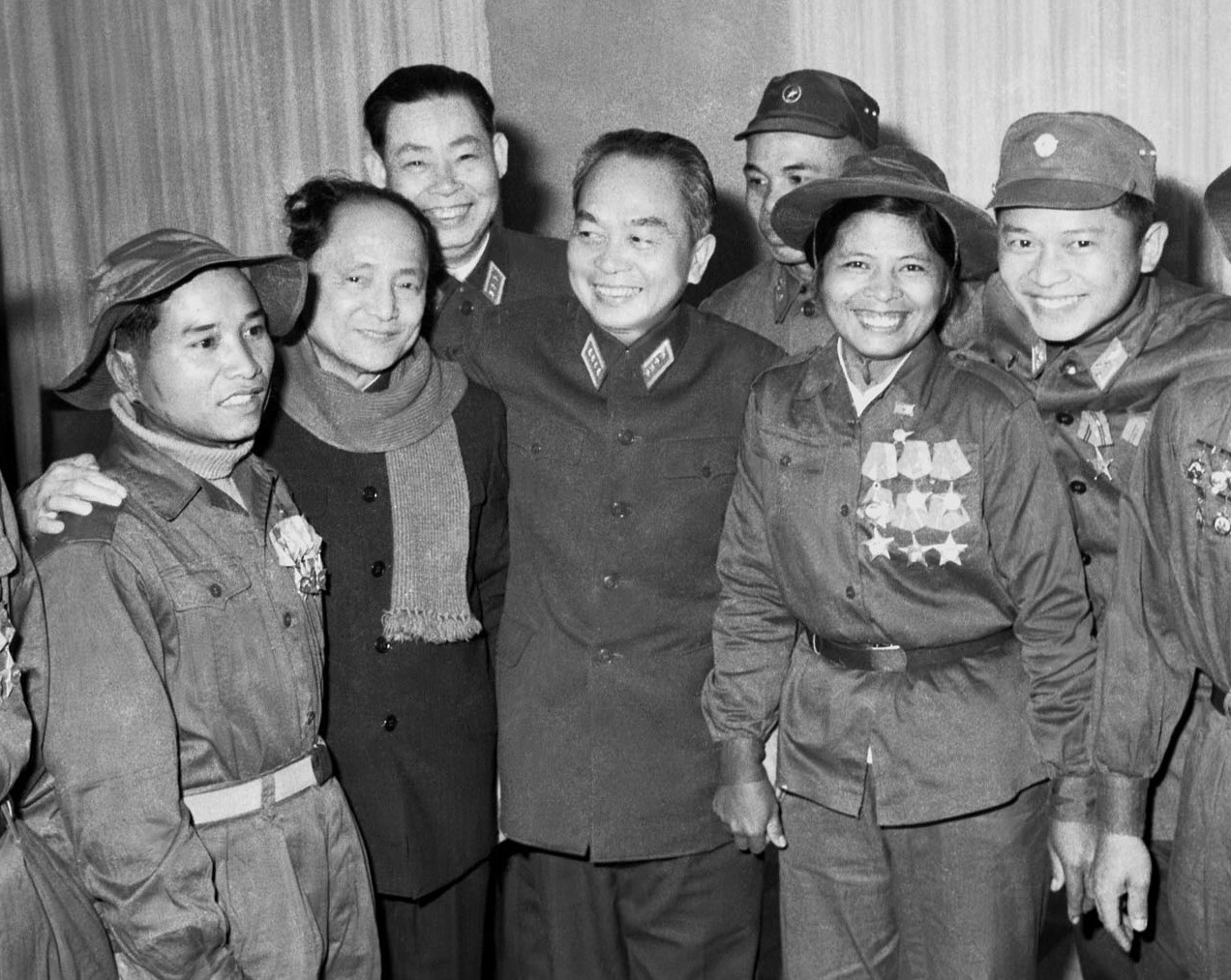
Ngày 12/2/1971, Đại tướng Võ Nguyên Giáp nói chuyện thân mật với các Anh hùng, dũng sỹ miền Nam ra miền Bắc dự Lễ kỷ niệm lần thứ 10 Ngày thống nhất các lực lượng vũ trang nhân dân giải phóng miền Nam Việt Nam. (Ảnh: Ngọc Khanh/TTXVN)
Đại tướng Võ Nguyên Giáp trao Huân chương cho các Anh hùng, tại Lễ tuyên dương Anh hùng quân đội lần thứ 3 ở Hà Nội, ngày 7/5/1956, nhân dịp kỷ niệm Ngày chiến thắng Điện Biên Phủ. (Ảnh: TTXVN)
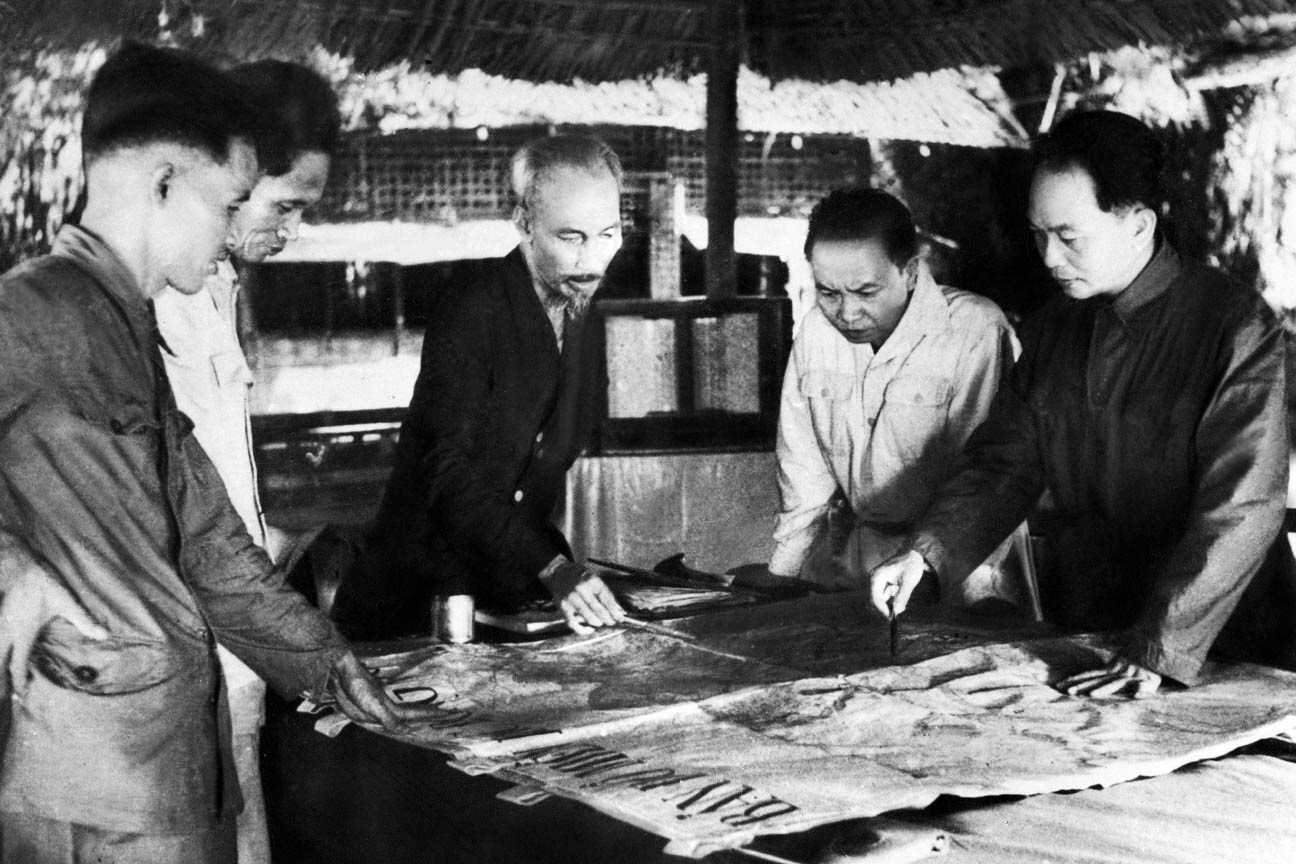
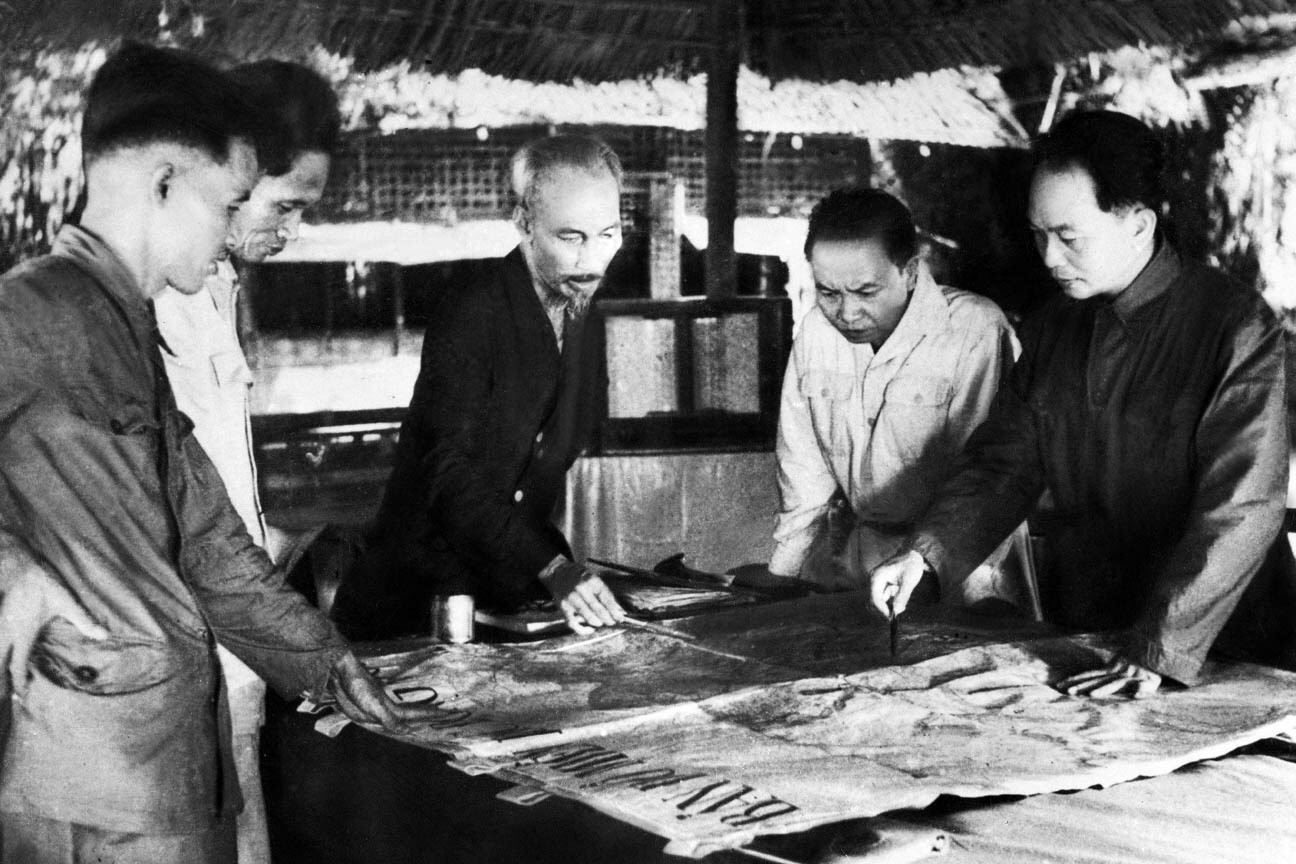
Bộ chỉ huy Chiến dịch Điện Biên Phủ: Chủ tịch Hồ Chí Minh (giữa), Đại tướng, Tổng tư lệnh Võ Nguyên Giáp (ngoài cùng bên phải) và các đồng chí trong Bộ chỉ huy chiến dịch. (Ảnh: Tư liệu TTXVN)
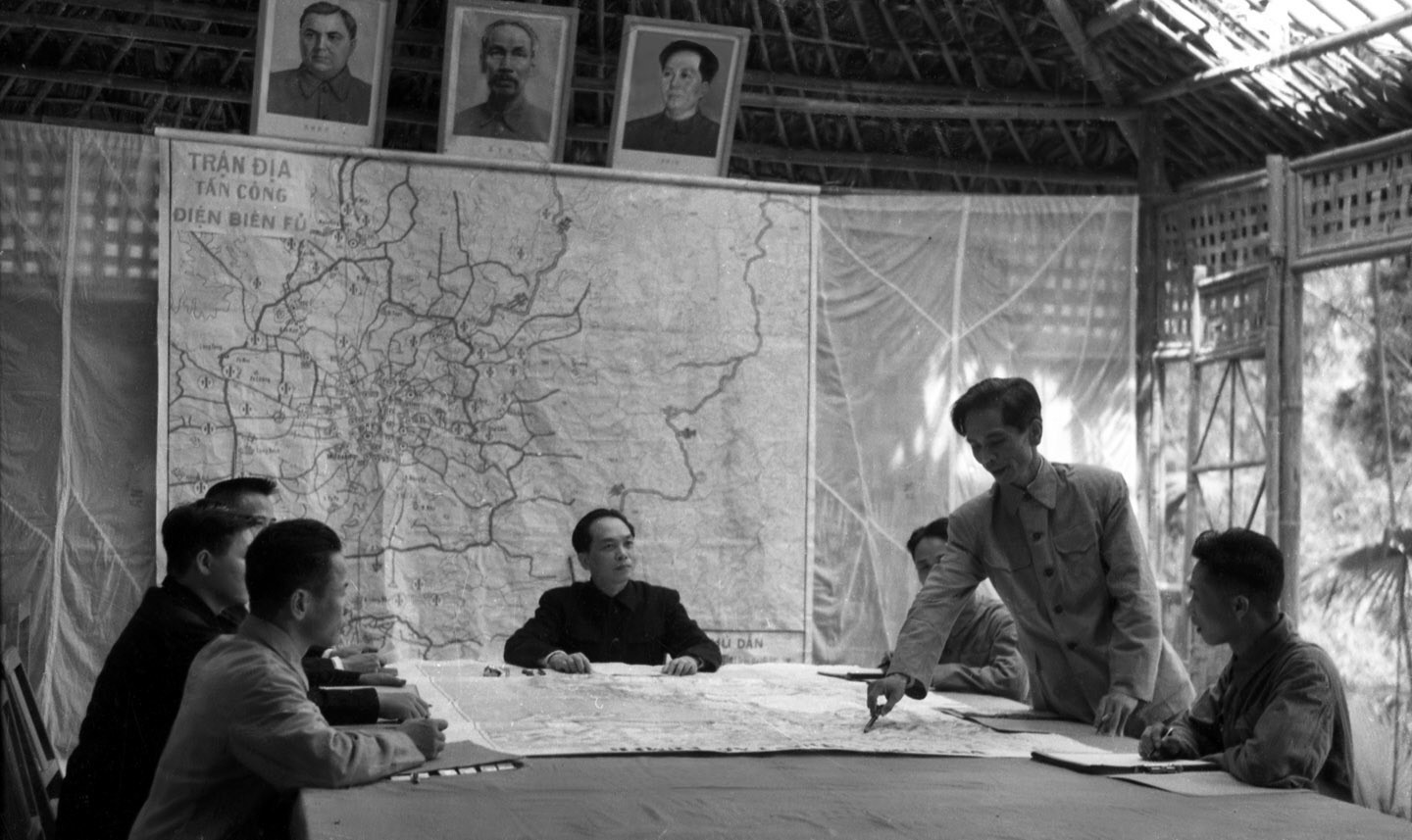
Đại tướng Võ Nguyên Giáp và các đồng chí trong Bộ Tổng tham mưu Quân đội nhân dân Việt Nam nghiên cứu kế hoạch tác chiến Chiến dịch Điện Biên Phủ năm 1954. (Ảnh: Tư liệu TTXVN)
Thay mặt Trung ương Đảng và Chính phủ, Chủ tịch Hồ Chí Minh trực tiếp giao nhiệm vụ cho Đại tướng Võ Nguyên Giáp nghiên cứu kế hoạch tác chiến và mở chiến dịch Điện Biên Phủ. (Ảnh: Tư liệu TTXVN)
Chủ tịch Hồ Chí Minh và Đại tướng Võ Nguyên Giáp trên đường đi Chiến dịch biên giới, năm 1950. (Ảnh: Tư liệu TTXVN)
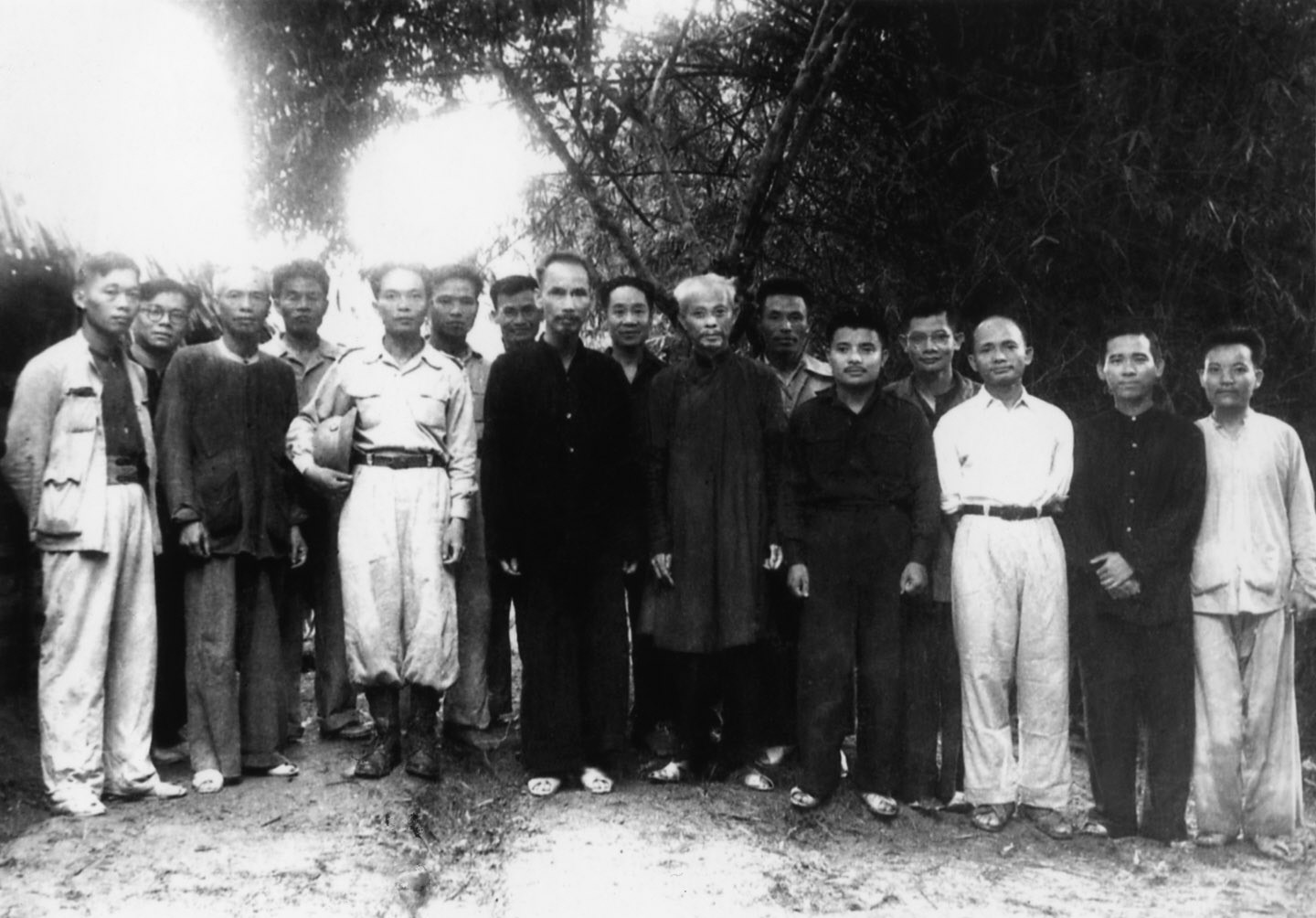
Đại tướng Võ Nguyên Giáp (hàng đầu, thứ ba từ trái sang) bên cạnh Chủ tịch Hồ Chí Minh, sau lễ phong quân hàm Đại tướng, tại Lục Rã, chân đèo Re, ngày 27/5/1948. (Ảnh: Tư liệu/ TTXVN)
Chiến thắng lịch sử Điện Biên Phủ là kết quả của sự lãnh đạo sáng suốt của Đảng, của Bác Hồ và nỗ lực của toàn quân, toàn dân ta, trong đó có sự đóng góp to lớn của Đại tướng Võ Nguyên Giáp.
Trong Chiến dịch Hồ Chí Minh lịch sử, Đại tướng Võ Nguyên Giáp và Bộ Tổng tư lệnh đã thiết kế nên một thế trận đặc biệt: Căng địch ra ở hai đầu chiến tuyến. Phía Bắc giữ địch ở mặt trận Huế-Đà Nẵng, phía Nam giữ địch ở Sài Gòn, làm cho địch bộc lộ sơ hở ở quãng giữa là miền Trung, Tây Nguyên.
Khi địch đã rơi vào thế trận do ta sắp đặt, quân ta bất ngờ phá vỡ Tây Nguyên, tạo ra đột biến về chiến lược. Lợi dụng thời cơ, ta giải phóng Huế, Đà Nẵng đẩy địch vào thế tan rã. Sau đó ta tập trung toàn bộ lực lượng gồm 5 quân đoàn giải phóng Sài Gòn.
Có thể nói, với nhãn quan thiên tài về quân sự, Đại tướng Võ Nguyên Giáp đã kế thừa tinh hoa quân sự của thế giới, phát huy cao độ nghệ thuật chiến tranh nhân dân của truyền thống đấu tranh chống giặc ngoại xâm của dân tộc, phát huy tư tưởng quân sự và sự chỉ đạo sâu sát của Chủ tịch Hồ Chí Minh để làm nên những chiến thắng vẻ vang, làm rạng danh dân tộc Việt Nam anh hùng.
Chủ tịch Hội đồng Nhà nước Võ Chí Công trao tặng Huân chương Sao Vàng cho Đại tướng Võ Nguyên Giáp, ngày 20/8/1992. (Ảnh: Xuân Tuân/TTXVN)
Những chiến thắng vĩ đại của cách mạng Việt Nam mà Đại tướng Tổng Tư lệnh Võ Nguyên Giáp góp phần làm nên đã tác động mạnh mẽ vào dòng chảy lịch sử của dân tộc.
Những chiến tích ấy đã nâng ông lên tầm một vị tướng huyền thoại, một thiên tài quân sự của mọi thời đại, để lại dấu son rực rỡ trong lịch sử quân sự không chỉ ở Việt Nam mà trên cả thế giới.
Chiều sâu nhân văn trong tư tưởng quân sự
Là một học trò xuất sắc và gần gũi của lãnh tụ Hồ Chí Minh, lại xuất thân từ một nhà giáo dạy sử, Võ Nguyên Giáp là một vị tướng hiểu rõ và thấm nhuần sâu sắc tư tưởng “trọng dân,” “nước lấy dân làm gốc” của các bậc tiền nhân.
Yếu tố nhân dân luôn bám rễ sâu trong tư duy quân sự của ông. Ngay trong buổi đầu thành lập Đội Việt Nam tuyên truyền giải phóng quân – đội quân chủ lực đầu tiên của Quân đội nhân dân Việt Nam, Võ Nguyên Giáp đã trực tiếp soạn thảo “Mười lời thề” cho đội, trong đó nhiều nội dung đều đề cập đến quan hệ quân-dân.
Đại tướng Võ Nguyên Giáp thăm đơn vị nữ thông tin và quân y (5/1973). (Ảnh: Vũ Tạo/TTXVN)
Trên cương vị Tổng Tư lệnh, Bộ trưởng Bộ Quốc phòng, Đại tướng Võ Nguyên Giáp đã có công lớn cùng tập thể Quân ủy Trung ương đưa quan hệ quân-dân trở thành một trong những nét đẹp truyền thống quý báu của Quân đội nhân dân Việt Nam, cũng như trong việc tạo dựng hình ảnh đẹp của Bộ đội Cụ Hồ trong lòng nhân dân.
Những tư tưởng của Chủ tịch Hồ Chí Minh về: xây dựng lực lượng quân đội nhân dân, từ nhân dân mà ra, vì nhân dân mà chiến đấu; xác định nhiệm vụ trọng tâm của quân đội “trung với Đảng, hiếu với dân, sẵn sàng chiến đấu hy sinh vì độc lập, tự do của Tổ quốc, vì chủ nghĩa xã hội. Nhiệm vụ nào cũng hoàn thành, khó khăn nào cũng vượt qua, kẻ thù nào cũng đánh thắng”… được Đại tướng áp dụng một cách nhuần nhuyễn.
Từ đó, đã xây dựng được một Quân đội Nhân dân Việt Nam vô địch, đánh thắng quân xâm lược, giành độc lập tự do cho dân tộc, thống nhất đất nước.
Với tư cách là Tổng Tư lệnh Quân đội Nhân dân Việt Nam, Đại tướng Võ Nguyên Giáp luôn ghi nhớ, noi gương và thực hiện lời căn dặn của lãnh tụ Hồ Chí Minh: Làm cách mạng là phải “dĩ công vi thượng,” tức là phải đặt lợi ích chung lên trên hết; đồng thời, ông luôn đề cao vai trò của tập thể, phục tùng tổ chức.
Đại tướng Võ Nguyên Giáp tiếp cựu Bộ trưởng Quốc phòng Mỹ Robert Mc Namara, Trưởng đoàn Mỹ tham dự Hội thảo Việt-Mỹ “Những cơ hội bị bỏ lỡ”, chiều 23/6/1997, tại Hà Nội. (Ảnh: Trần Tuấn/TTXVN)
Điển hình, tại Mặt trận Điện Biên Phủ năm 1954, tuy là người chỉ huy cao nhất được Bác Hồ và Bộ Chính trị trao toàn quyền quyết định các vấn đề, nhưng trước khi quyết định những vấn đề hệ trọng, bao giờ Đại tướng cũng đưa ra thảo luận ở tập thể Đảng ủy, Bộ chỉ huy chiến dịch, tham khảo ý kiến của Đoàn cố vấn, nhằm tạo sự đồng thuận, thống nhất cao.
Và quyết định thay đổi phương châm tác chiến, từ “đánh nhanh, giải quyết nhanh” sang “đánh chắc, tiến chắc” của Đại tướng Võ Nguyên Giáp không chỉ thể hiện tư duy quân sự sắc sảo, bản lĩnh của người cầm quân, mà còn thể hiện việc quán triệt sâu sắc, chấp hành tuyệt đối ý kiến chỉ đạo của Chủ tịch Hồ Chí Minh về “đánh chắc thắng.”
Ông cũng là một vị tướng thương yêu bộ đội hết mực. Với cán bộ, chiến sĩ dưới quyền, ông như người cha, người anh, người đồng chí thân thiết và gần gũi.
Trước nhiều trận đánh, Đại tướng đều viết thư động viên, nhắc nhở và thăm hỏi tình hình sức khỏe của bộ đội, dân công, thanh niên xung phong…
Ngày 30/12/1972, Đại tướng Võ Nguyên Giáp thị sát xác máy bay B52 Mỹ bị quân và dân ta bắn rơi tại làng Ngọc Hà (Hà Nội) trong chuyến thăm Tiểu đoàn 79 tên lửa, cuối tháng 12/1972. (Ảnh: TTXVN)
Trong điều kiện cực kỳ khó khăn, thiếu thốn tại chiến trường, Đại tướng vẫn thường xuyên quan tâm, nhắc nhở cơ quan hậu cần, lãnh đạo, chỉ huy các đơn vị chăm lo sức khỏe, bảo đảm đời sống vật chất, tinh thần cho bộ đội…
Viên tướng Nava, Tổng chỉ huy quân đội viễn chinh Pháp ở Đông Dương, khi nhận xét về “quan hệ cán-binh” của Việt Minh ở Mặt trận Điện Biên Phủ từng phải thốt lên: “Đã bao lần tôi phát ghen với tướng Giáp!”
Chiến thắng là cái đích của người cầm quân, song với Đại tướng Võ Nguyên Giáp, không phải lúc nào cũng giành chiến thắng bằng mọi giá, mà chiến thắng đó phải luôn đi kèm với việc giảm đến mức thấp nhất hy sinh xương máu của bộ đội.
“Đại tướng Võ Nguyên Giáp là một vị Tổng Tư lệnh biết đau với từng vết thương của mỗi người lính, biết tiếc từng giọt máu của mỗi chiến binh.” (Thượng tướng Trần Văn Trà)
Trong tư tưởng của vị Tổng tư lệnh Võ Nguyên Giáp, bảo vệ lực lượng, bảo vệ sinh mạng người lính của mình là mối quan tâm thường trực nhất, vì rằng “một chiến thắng lớn nhất là chiến thắng có được với số người phải hy sinh nhỏ nhất.”
“Đại tướng Võ Nguyên Giáp là một vị Tổng Tư lệnh biết đau với từng vết thương của mỗi người lính, biết tiếc từng giọt máu của mỗi chiến binh” (Thượng tướng Trần Văn Trà).
Ngày 27/7/1969, Đại tướng Võ Nguyên Giáp đến thăm các thương binh đang điều trị tại Quân y viện 108 (nay là Bệnh viện TƯ Quân đội 108). (Ảnh: Lâm Hồng/- TTXVN)
Ông còn là người rất coi trọng nhân nghĩa, khoan dung đối với kẻ địch đã đầu hàng. Trong Chiến dịch Điện Biên Phủ, sau trận mở màn chiến dịch, tiến công cụm cứ điểm Him Lam của Đại đoàn 312, thương vong của địch rất lớn.
Theo đề nghị của Đại đoàn trưởng Lê Trọng Tấn, Đại tướng Võ Nguyên Giáp đã chỉ thị cho ông Mạc Ninh thảo ngay một bức thư chuyển cho Bộ chỉ huy quân Pháp ở Điện Biên Phủ đề nghị cho người ra Him Lam nhận tử thương.
Ngay sau ngày chiến thắng, trên cánh đồng Mường Thanh và dọc theo bờ sông Nậm Rốm, Đại tướng cùng Bộ chỉ huy chiến dịch đã cho dựng hàng chục chiếc lều từ vải dù để cứu chữa cho tù binh, hàng binh bị thương…
Không phải ngẫu nhiên mà nhiều người từng một thời đứng bên kia chiến tuyến, từ những tướng lĩnh của Pháp đến những người lính Âu-Phi… đều dành cho Đại tướng, Tổng Tư lệnh Võ Nguyên Giáp sự kính trọng và khâm phục đặc biệt.
Trong suốt sự nghiệp quân sự của mình, Đại tướng Võ Nguyên Giáp luôn là người nghiêm khắc, nhưng khiêm tốn, bình dị, bao dung và độ lượng.
Đại tướng thường nói về cái tốt, cái đúng của đồng chí, đồng đội, mà ít khi thấy ông thanh minh bất cứ một vấn đề nào thuộc về bản thân mình.
Ngày 12/2/1971, Đại tướng Võ Nguyên Giáp nói chuyện thân mật với các Anh hùng, dũng sỹ miền Nam ra miền Bắc dự Lễ kỷ niệm lần thứ 10 Ngày thống nhất các lực lượng vũ trang nhân dân giải phóng miền Nam Việt Nam. (Ảnh: Ngọc Khanh/TTXVN)
Khi đề cập đến chiến thắng của các chiến dịch, thắng lợi của hai cuộc kháng chiến, bao giờ và trước hết Đại tướng cũng nói đến vai trò của Chủ tịch Hồ Chí Minh, của Trung ương Đảng, Bộ Chính trị, Tổng Quân ủy; nhắc đến công lao, cống hiến của đồng đội, đồng chí và đồng bào cả nước…
Cuộc đời của Đại tướng Võ Nguyên Giáp là một tấm gương phản chiếu của gần trọn thế kỷ XX – thế kỷ dữ dội nhất và cũng bi hùng nhất của dân tộc Việt Nam.
Đức độ, tài năng của ông đã đem lại cho ông niềm tin yêu trọn vẹn của toàn Đảng, toàn dân, toàn quân; lòng mến mộ của bạn bè quốc tế và cả sự khâm phục của những người hôm qua từng là đối thủ, đứng ở bên kia chiến tuyến.
Ông là một trong số ít các nhân vật trở thành huyền thoại ngay cả khi còn đang tại thế, và sẽ mãi được nhắc đến như một biểu tượng cho bản lĩnh, trí tuệ Việt Nam./.
Bộ chỉ huy Chiến dịch Điện Biên Phủ: Chủ tịch Hồ Chí Minh (giữa), Đại tướng, Tổng tư lệnh Võ Nguyên Giáp (ngoài cùng bên phải) và các đồng chí trong Bộ chỉ huy chiến dịch. (Ảnh: Tư liệu TTXVN)
On the 100th anniversary of the Republic of Azerbaijan’s diplomacy, e-newspaper VietnamPlus has the honour of introducing a summary of an article written by Azerbaijani Minister of Foreign Affairs Elmar Mammadyarov and published on IRS Heritage 2-3 (39-40), 2019, Special Edition and highlighting milestones in Vietnam-Azerbaijan diplomatic relations.
On July 9, 1919, the Government of the Azerbaijan People’s (Democratic) Republic (ADR) adopted a temporary instruction on the secretariat of the Ministry of Foreign Affairs.
According to a Decree of President of the Republic of Azerbaijan Ilham Aliyev sated August 24, 2007, this date was taken as the basis for the establishment of the Day of employees of the Diplomatic Service of Azerbaijan.
One century separates us from a time when the ADR was taking its first steps in the international arena. It was an incredibly hectic century which encompassed the collapse of former empires which perished in the fire of World War One, Azerbaijan’s state independence in the form of the first republic in the Muslim East, the loss of this independence, seven decades within the USSR and the new historic achievement – the proclamation in 1991 of the Republic of Azerbaijan which, for almost three decades, has consistently strengthened its positions in the region and the world as a whole.
August 24, 2007 was taken as the basis for the establishment of the Day of employees of the Diplomatic Service of Azerbaijan.
Despite living at a junction where the interests of global superpowers converged and often overtly collided, the Azerbaijani people always showed a strong determination and steadfast will to uphold its freedom. This demonstrates a continuity of the traditions of statehood and the fact that it is embedded in national consciousness. Emphasizing this, the Founding Father of the modern Azerbaijan State Heydar Aliyev said in an address to young people in 2001: “Our greatest achievement is the acquisition of state independence.”
In essence, the past hundred years have become the annals of the formation and development of modern Azerbaijan statehood. It should be noted that the Republic period of our history did not arise in a vacuum – it was organically prepared by all of its predecessors.
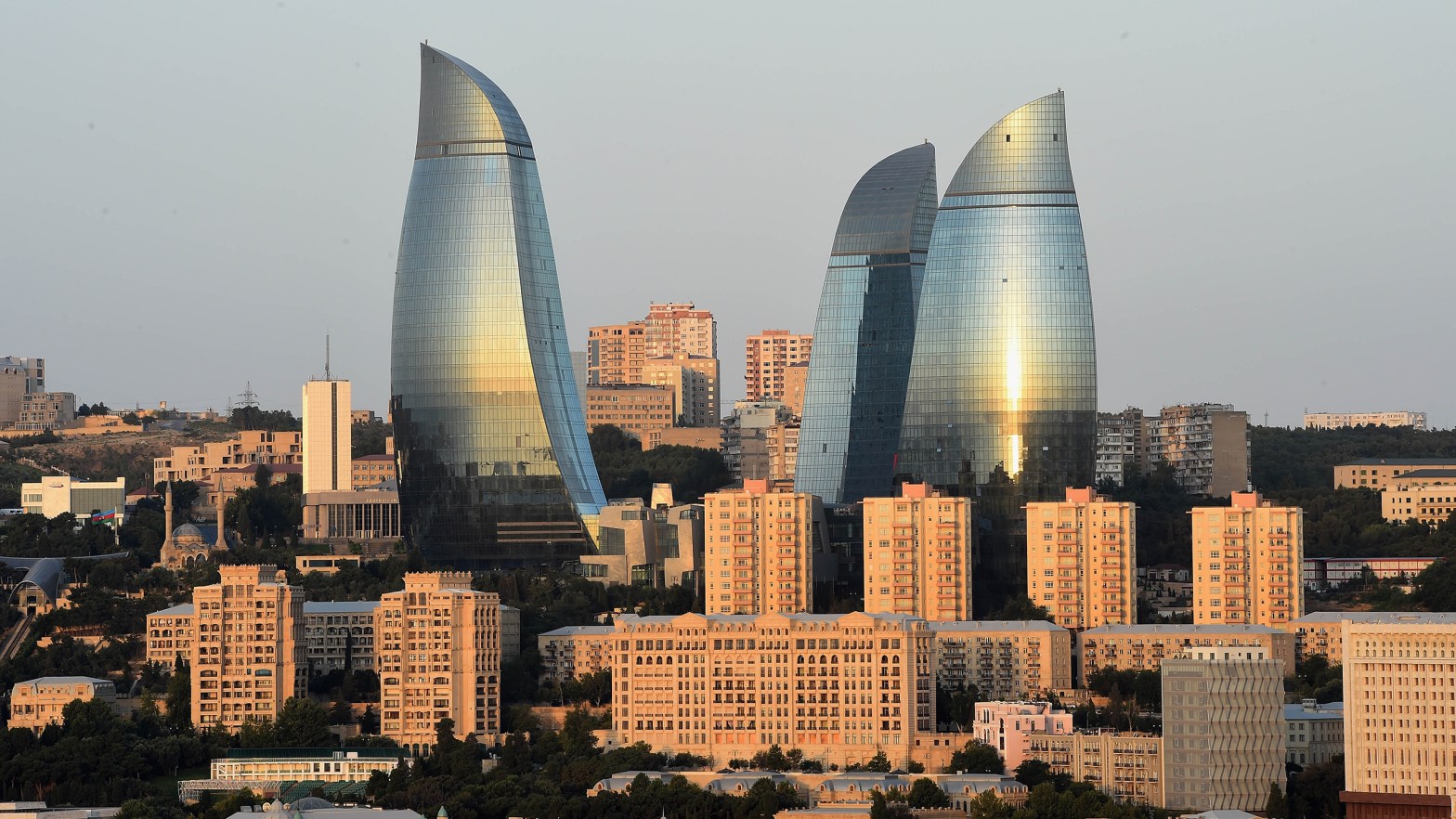
Baku capital of Azerbaijan (Source: SUITCASE Magazine)
Located at a crossroads of the Great Silk Road, Azerbaijan confirmed with its own example the accuracy of Napoleon’s saying that “Geography is a destiny”. Foreign policy mechanisms of promoting their own interests in such a difficult environment, their alignment with the aspirations of close and distant states were not at all alien to the old generations of our ancestors.
One of the most remarkable figures of that time was Sarah Khatun, the mother of Uzun Hasan – the ruler of the Aghgoyunlu dynasty.
There are quite a few documents in the archives of various countries regarding an exchange of embassies between medieval Azerbaijan states and those of Europe. Russia and Asia. One of the most remarkable figures of that time was Sarah Khatun, the mother of Uzun Hasan – the ruler of the Aghgoyunlu dynasty. She was so insightful in state affairs that she would conduct important negotiations and even succeeded in reaching an agreement with Ottoman Sultan Mehmet II, thus writing her name in history as the first female diplomat in the Muslim world.
Such was the rich historical foundation on which the people of Azerbaijan began to transform into a new social and political community, a nation, in the 19th century. This process proceeded synchronously with many countries of Eastern Europe and led to the subsequent proclamation of a state that embodied the model of a parliamentary republic. The Act of Independence of Azerbaijan adopted by the National Council on May 28, 1918 already stated: “The Azerbaijan Democratic Republic guarantees within its borders civil and political rights to all its citizens irrespective of ethnic origin, religion, social status and gender”. The document also emphasized the desire to “establish good-neighborly relations with all members of the international community”.
Of course, the very existence of the ADR in the aftermath of the World War One, the Bolsheviks’ expansion and the aggression on the part of neighboring Armenia was as difficult and turbulent as it was crucial in terms of the development of Azerbaijan’s foreign relations.
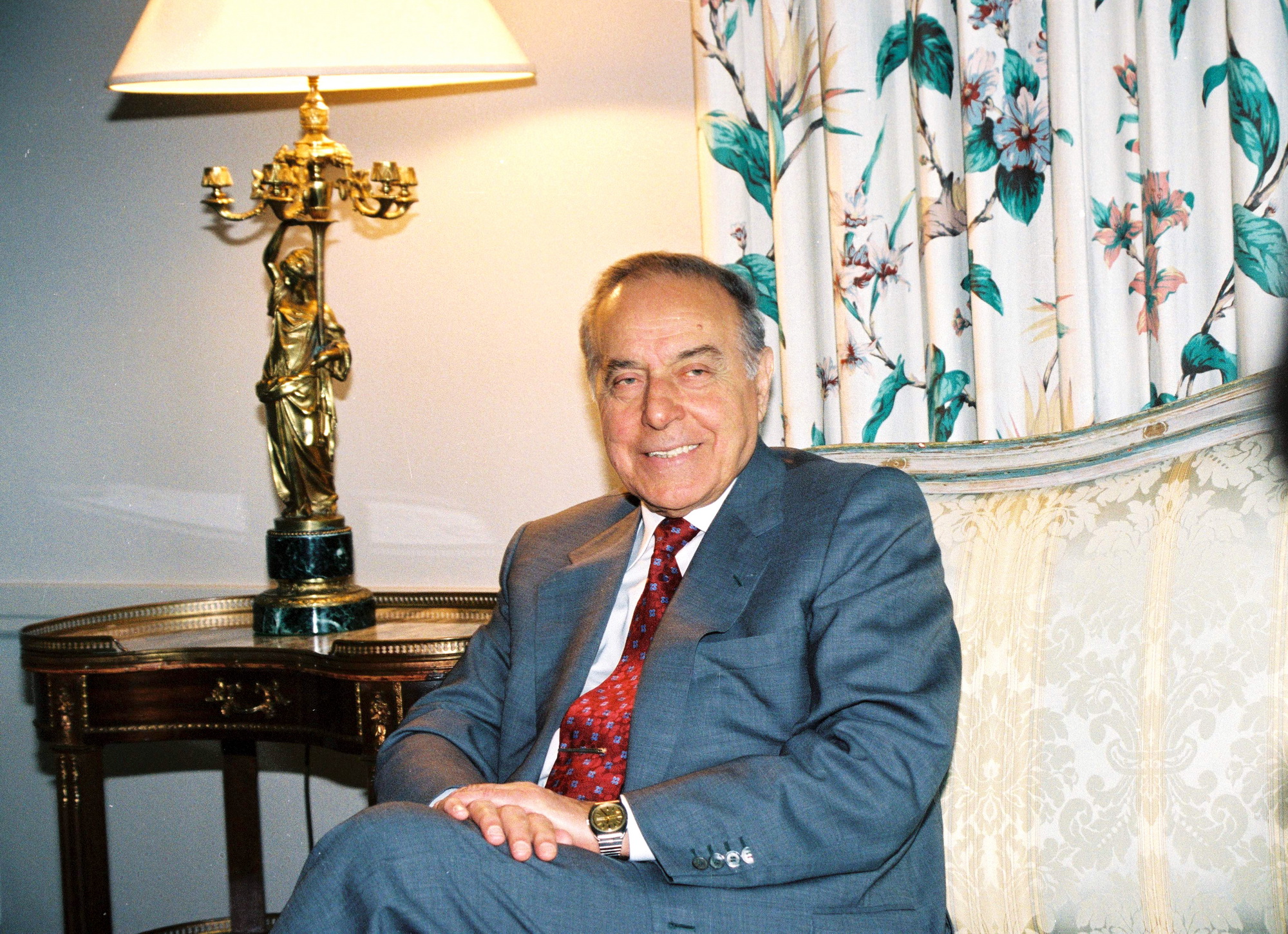
Heydar Alirza oglu Aliyev – the leader of the Azerbaijani people (Source: Teleqraf.com)
Overall, as was the case in many other areas, the period when Heydar Aliyev led Soviet Azerbaijan was marked by the emergence of qualified Foreign Ministry professionals who subsequently formed the backbone of the diplomatic corps for the young Azerbaijan Republic.
Having restored its state independence in 1991 and become a fully-fledged member of the UN on March 2, 1992, just like at the beginning of the 20th century Azerbaijan was faced with aggression on the part of the Republic of Armenia.
In the current circumstances, it is quite clear that the elimination of the consequences of the military aggression by the Republic of Armenia is the primary and most significant problem which the Republic of Azerbaijan as a responsible member of the international community is trying to peacefully resolve through substantive and result-focused negotiations.
On the other hand, despite the presence of foreign aggression, a balanced and multi-vector foreign policy pursued by the Azerbaijani state ensures consistent strengthening of Azerbaijan’s international authority and significance in the system of international relations.
A balanced and multi-vector foreign policy pursued by the Azerbaijani state ensures consistent strengthening of Azerbaijan’s international authority and significance in the system of international relations.
By developing mutually beneficial and equitable cooperation both in bilateral and multilateral formats, Azerbaijan follows the path of meeting the needs of national progress by promoting its external relations and partnership.
In particular, diversified cooperation develops successfully with all neighboring states – except for Armenia, of course. Azerbaijan grants its transit opportunities for the implementation of logistical projects within the framework of the East-West, North-South and South-West corridors. The development of the country’s rich energy potential continues.
Along with the Baku-Tbilisi-Ceyhan main export pipeline, which has been a source of major revenue for many years, work on the Southern Gas Corridor is also in its final stages.
Azerbaijan takes the most active part in the dialogue among Caspian littoral states, which led to the signing of the Convention on the Legal Status of the Caspian Sea in 2018 and created the conditions for the transformation of the sea into a zone of peace, good neighborliness and cooperation. All this has allowed us the opportunity to minimize the adverse impacts of crises which undermined global economic growth.
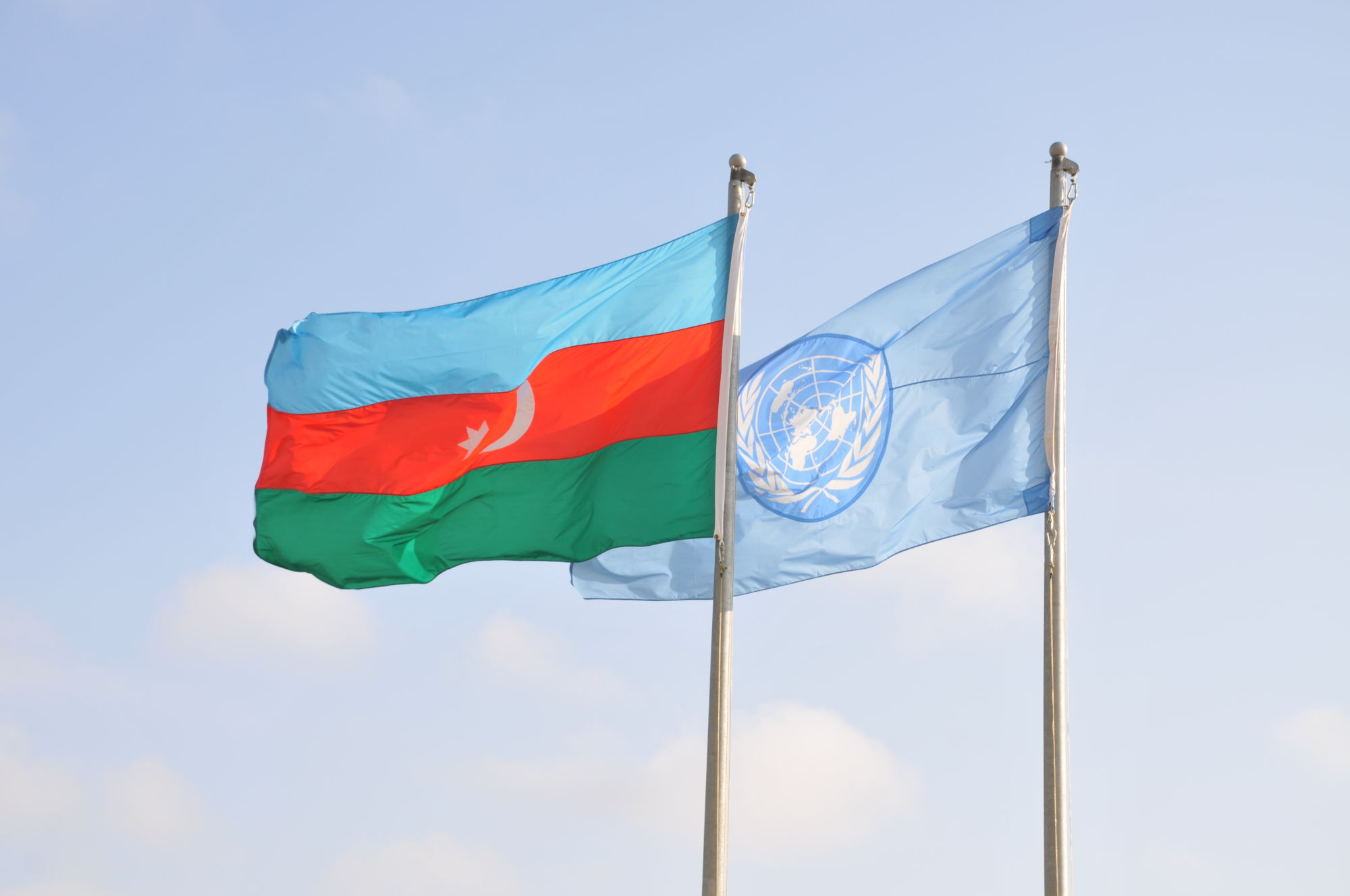
Source: United Nations Azerbaijan
The internal potential accumulated in this way is consistently converted into the successes of Azerbaijan in various international organizations and initiatives. In particular, after a non-permanent membership in the UN Security Council in 2012-2013, Azerbaijan was elected by 176 votes as a member of the UN Economic and Social Council for 2017-2019. From 2019, Azerbaijan will assume presidency in the Non-Aligned Movement, the world’s second biggest international platform Azerbaijan joined in 2011.
Baku takes the most active part in the interaction with the framework of international organizations it is a member of the OSCE, the Organization of Islamic Cooperation, the Cooperation Council of Turkic-speaking States, the CIS, GUAM, the Council of Europe and the BSEC are some of such multilateral formats.
The mere fact that a recent member of the Movement prepares to lead the organization is highly indicative. The significant progress made in advancing the cooperation with the European Union, as well as the consistent development of cooperation with NATO, the Shanghai Cooperation Organization, the League of Arab States, the African Union and the Organization of American States, also creates a favorable background for representing and defending out national interests. At the same time, Baku takes the most active part in the interaction with the framework of international organizations it is a member of the OSCE, the Organization of Islamic Cooperation, the Cooperation Council of Turkic-speaking States, the CIS, GUAM, the Council of Europe and the BSEC are some of such multilateral formats.
Speaking about the place and role of Azerbaijan in the system of international relations, it should be noted that our country acts not only as an acceptor of signals transmitted from the main power centers, but also as an active producer making a tangible contribution to the definition of the global agenda. In recent years, Baku has established itself as one of the leading platforms for promoting the values of the dialogue of cultures, religions and civilizations. Launched at the initiative of President of Azerbaijan Ilham Aliyev in 2008, the Baku process has become an effective factor in promoting the highest values of humanism at the global level.
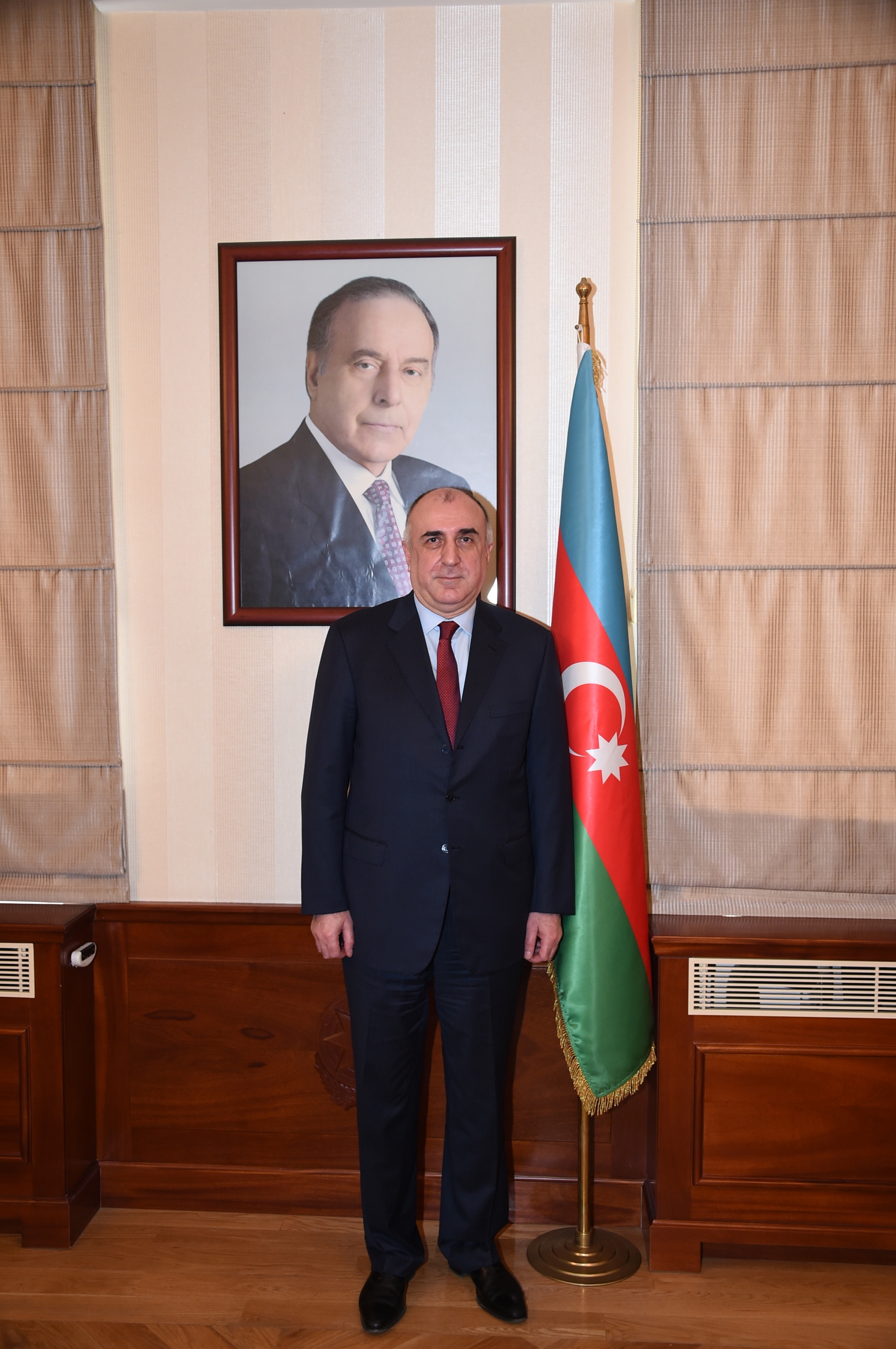
Azerbaijani Minister of Foreign Affairs Elmar Mammadyarov
It can be stated with full confidence that Azerbaijan diplomacy can be rightfully proud of the tumultuous century-old road it has covered. As President Ilham Aliyev said at the Global Baku Forum in 2018, “I think that if the founders of the first Democratic Republic had the chance to see how Azerbaijan develops today, they would have definitely been proud of us. We are proud of them. We demonstrate, first of all, to ourselves and also to the world that only during independence people can achieve success. Only when their destiny is in their hands, when they are masters of their fate they can be successful. Today’s Azerbaijan is a good demonstration of that.
Diplomacy of Vietnam and Azerbaijan: Similarities, development and important contributions to national construction
Opening a seminar “Diplomacy of Vietnam and Azerbaijan: Similarities, development and role in national construction” on March 12, Azerbaijani Deputy Minister of Foreign Affairs Ramiz Hasanov said July 9, 2019 marks 100 years of diplomatic service of the Republic of Azerbaijan.
The Ministries of Foreign Affairs of Vietnam and Azerbaijan have ceaselessly made efforts to boost bilateral relations.
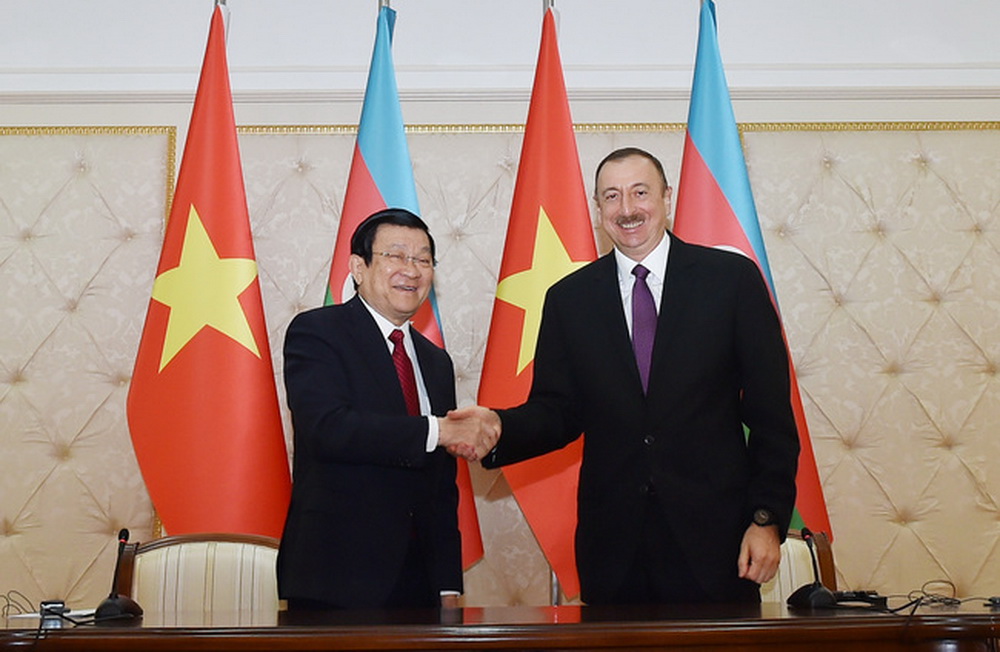
Azerbaijani President Ilham Aliyev meets with Vietnamese President Truong Tan Sang in May 2015 (Source: VNA)
Hasanov stressed that Vietnam is an important partner of Azerbaijan in Southeast Asia, expressed his belief that bilateral relations would develop to a new height.
Meanwhile, Vietnamese Deputy Minister of Foreign Affairs Bui Thanh Son affirmed that Vietnam and Azerbaijan have enjoyed a close traditional relationship which has been nurtured by late Presidents Ho Chi Minh and Heydar Aliev and generations of leaders and people of both nations over the past five decades.
In the past, thousands of Vietnamese students were trained at Azerbaijani universities, making important contributions to Vietnam’s successes today.
Under the Soviet Union’s regime, hundreds of Azerbaijani military and civil experts voluntarily came to assist the Vietnamese people in the struggles for national defence and construction. There remained works and symbols in Vietnam bearing the hallmarks of traditional friendship and effective cooperation between Vietnam and Azerbaijan such as Vietsovpetro joint venture.
Over the past 25 years since the two countries officially established diplomatic relations in September 1992, the Ministries of Foreign Affairs of Vietnam and Azerbaijan have closely coordinated together, helping to strengthen political trust between the two nations.
Son said over the past 25 years since the two countries officially established diplomatic relations in September 1992, the Ministries of Foreign Affairs of Vietnam and Azerbaijan have closely coordinated together, helping to strengthen political trust between the two nations. Azerbaijani President Ilham Aliyev’s official visit to Vietnam in 2014 and Vietnamese President Truong Tan Sang’s official visit to Azerbaijan in 2015 laid a firm foundation for multifaceted cooperation between the two countries.
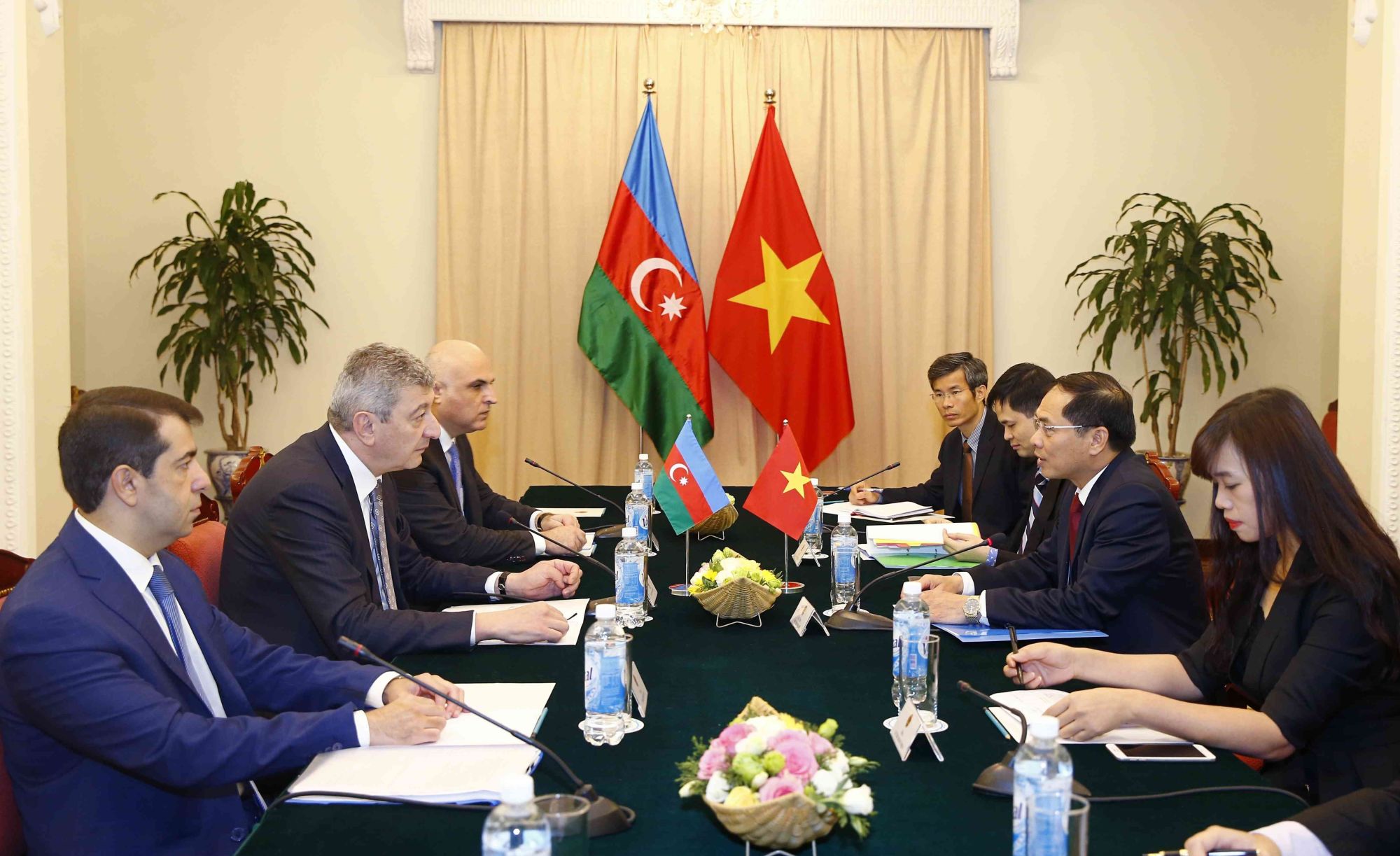
Vietnamese Deputy Minister of Foreign Affairs Bui Thanh Son and his Azerbaijani counterpart Ramiz Ayvaz oglu Hasanov at the consultation on March 12, 2019 (Source: VNA)
With their roles as coordinators of bilateral relations, the Ministries of Foreign Affairs of Vietnam and Azerbaijan have worked with ministries and sectors to deploy agreements reached by their senior leaders, gradually complete legal foundations for bilateral cooperation and expand cooperative ties in many fields such as trade, oil and gas, defence, education and training.-VNA
After years of negotiations and legal revisions, the EU – Vietnam Free Trade Agreement (EVFTA) and the EU – Vietnam Investment Protection Agreement (EVIPA) will be signed on June 30, 2019.
The implementation of those agreements will create many great chances for Vietnam, promising to turn the country into one of the commerce and investment centre of the EU in Southeast Asia.
STRONG “PUSH” FOR EXPORT AND INVESTMENT
Currently Vietnam is the second largest trade partner of the EU in the ASEAN, with a value of nearly 50 billion EUR (about 56 billion USD). That is why the signing and implementation of the EVFTA will create a very strong “push” for Vietnam’s exports which helps diversify exports and markets, especially agro-aquatic products as well as those of Vietnam’s competitive advantages like textile, leather and footwear, agro-aquatic products (rice, sugar, honey, vegetables), wooden furniture, etc.
Right after the agreement takes effect, the EU will remove import tax for about 85.6 percent of all the tax lines, or 70.3 percent of Vietnam’s export revenue to the EU.
And seven years after the pact comes into force, the EU will remove import tax for 99.2 percent of the tax lines, or 99.7 percent of Vietnam’s export revenue.
As for the remaining 0.3 percent of the export revenue, the EU pledged to apply a tariff quota with import tax of zero percent. That is to say that nearly all the export revenue of Vietnam to the EU will be free from import tax after a short period of time.
So far, this is the highest pledge a partner has given to Vietnam in the FTAs signed. This special benefit is very significance now that only about 42 percent of Vietnam’s export revenue to the EU is subject to the zero percent tax under the Generalized System of Preferences (GSP), while the bloc is constantly one of the two biggest export markets of Vietnam.
Minister of Industry and Trade Tran Tuan Anh at a working session with European Commissioner for Trade Cecilia Malmstrom. (Photo: Kim Chung/VNA)
For the other side, Vietnam also pledged to, right after the agreement takes effect, remove tariff for 48.5 percent of the tax lines, or 64.5 percent of the import revenue.
Seven years later, 91.8 percent of the tax lines or 97.1 percent of import revenue from the EU will be removed by Vietnam. After 10 years, 98.3 percent of the import lines or 99.8 percent of the import revenue will be removed.
As for the remaining 1.7 percent of the tax lines for the EU, Vietnam will apply a roadmap of erasing import tax for more than 10 years or a tariff quota after the WTO commitments. The commitments on tariff removal by Vietnam for the EU will help the customers of the country have an easy access to the supply of high-quality products and services from the EU like pharmaceuticals, health care, infrastructure building and public transport.
According to a research by the Ministry of Planning and Investment, the EVFTA will help Vietnam’s export revenue to the EU increase by 20 percent by 2020.
According to a research by the Ministry of Planning and Investment, the EVFTA will help Vietnam’s export revenue to the EU increase by 20 percent by 2020, 42.7 percent by 2025 and 44.37 percent by 2030.
At the same time, the import revenue from the EU will also increase, but the pace is slower than that of export, namely 15.28 percent by 2020; 33.06 percent by 2025; and 36.7 percent by 2030.
The EVFTA will help increase Vietnam’s GDP by an annual average of 2.18-3.25 percent (2019-2023); 4.57-5.30 percent (2024-2028); and 7.07-7.72 percent (2029-2033).
Besides, as the EVFTA is very comprehensive, spanning from goods, investment, government’s purchase, trade defence, intellectual property, etc., Vietnam will have favourable conditions to continue perfecting and improving the competitiveness of its economy, especially to form a new value chain.
Besides economic benefits, the pacts will also accelerate the strengthening of respect to the human right, the right of labourers and environmental protection.
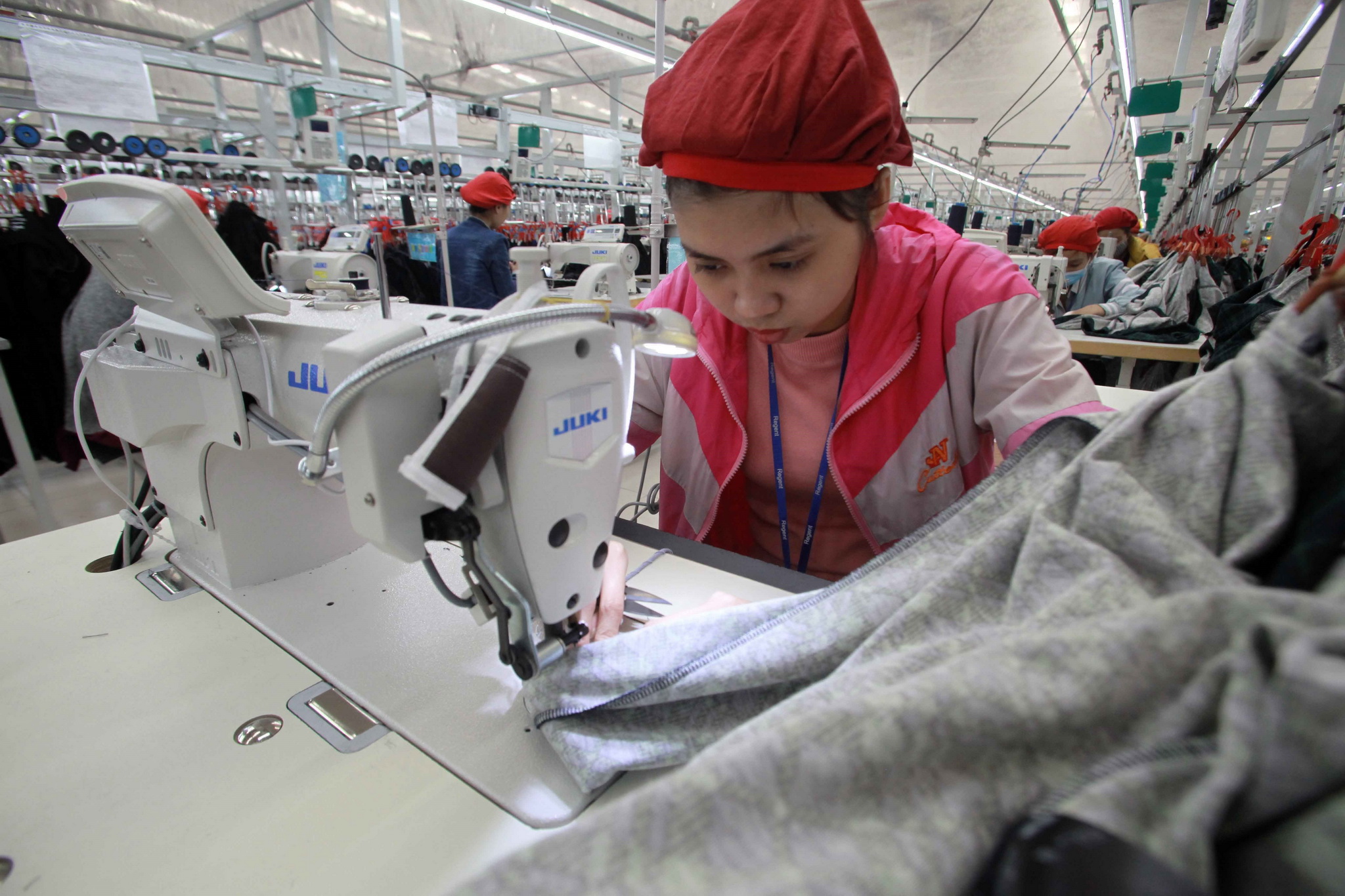
Textile products for export. (Source: VNA)
As for the EVIPA, the agreement includes modern provisions on the protection of investment, enabling the implementation through the new juridical system on investment, while ensuring that the governments of both sides have the right to regulate the benefits of their citizens.
The EVIPA will replace bilateral investments agreements the 21 EU member countries have signed with Vietnam so as to implement a new legal framework that ensures the prevention of contradictions on the benefits as well as increases the transparency.
To be concrete, the EVIPA will help protect investors, thus increasing EU investment into Vietnam. The commitments of giving fair treatment, safe and full guarantee for investments and investors of the other side in the EVIPA will make active contributions to the building of a transparent legal and investment environment. As a result, Vietnam will be able to attract more investors from the EU and other countries. This promises to turn Vietnam into one of the cetres of trade and investment of the EU in Southeast Asia.
On negotiations
Vietnam and the EU started their negotiations in June 2012 and concluded them in late 2015, and actively conducted the legal revisions so as to sign the EVFTA at an early date.
However, in the EU, a legal issue emerged relating to the right to ratification of the FTAs and the European Court of Justice was referred to. After consideration, the court issued its ruling on the new definition for the FTAs between the EU and partners.
In September 2017, the EU officially issued a new definition for the agreements to be signed with Vietnam, under which the EVFTA will be separated into the EVFTA and the EVIPA.
In June 2018, Vietnam and the EU officially agreed on the separation and concluded the EVFTA legal revisions, reaching consensus on all the contents of the EVIPA.
In August 2018, the two sides completed the legal revisions of the EVIPA.After years of negotiations and legal revisions, on October 17, 2018, the European Commission officially passed the EVFTA and the EVIPA and on June 25, 2019, the European Council approved the signing of the pacts.
The EVFTA has 17 chapters, two protocols and a number of MoU attached with main contents on the trade of goods, the trade of services, investment, trade defence, competition, state-owned enterprises, government’s purchases, intellectual property, trade and sustainable development, legal-institutional issues.
It is considered as a comprehensive and high-quality pact that ensures the balance of benefits for both Vietnam and the EU, suitable to the provisions by the WTO.
The EVFTA and the EVIPA are standard agreements and highest ambitions to have been sighed between the EU and a developing country on the basis of the legal provisions.On June 25,2019, the EU announced that European Commissioner for Trade Cecilia Malmstrom and Romanian Minister of Business Environment, Trade and Entrepreneurship Stefan-Radu Oprea will represent the EU to sign the EVFTA in Hanoi on June 30,2019.
According to the schedule, after being signed, the two pacts will be submitted to the European Parliament (EP) and the legislatures of the 28 member countries for voting.
It is expected that the EVFTA will be passed by the EP by the end of this year or early next year. As for the EVIPA, it will take longer, at least two years, for the EP and the legislatures of the 20 member countries to pass./.
“Waves of troops are marching/Units of the army are returning/We feel the joy when the enemy surrenders/The flags of the old day are now streaming on streets/We are engulfed in the song, the bayonets are sparkling/We have regained the glory and strength of the nation/The whole joyful life has returned…” (an excerpt from the song “Tien ve Ha Noi” (Marching to Hanoi) by Van Cao)
The date October 10, 1954 was a milestone that heralded a new era of Hanoi’s history. Since then, the capital city has undergone a path full of losses and pains but also glory and pride.
Sixty-five years have passed, but the memories of a time when the youth were engulfed in the simmering atmosphere of Hanoi’s army and people when taking over the capital remain intact in the minds of those involved.
Keeping the oath
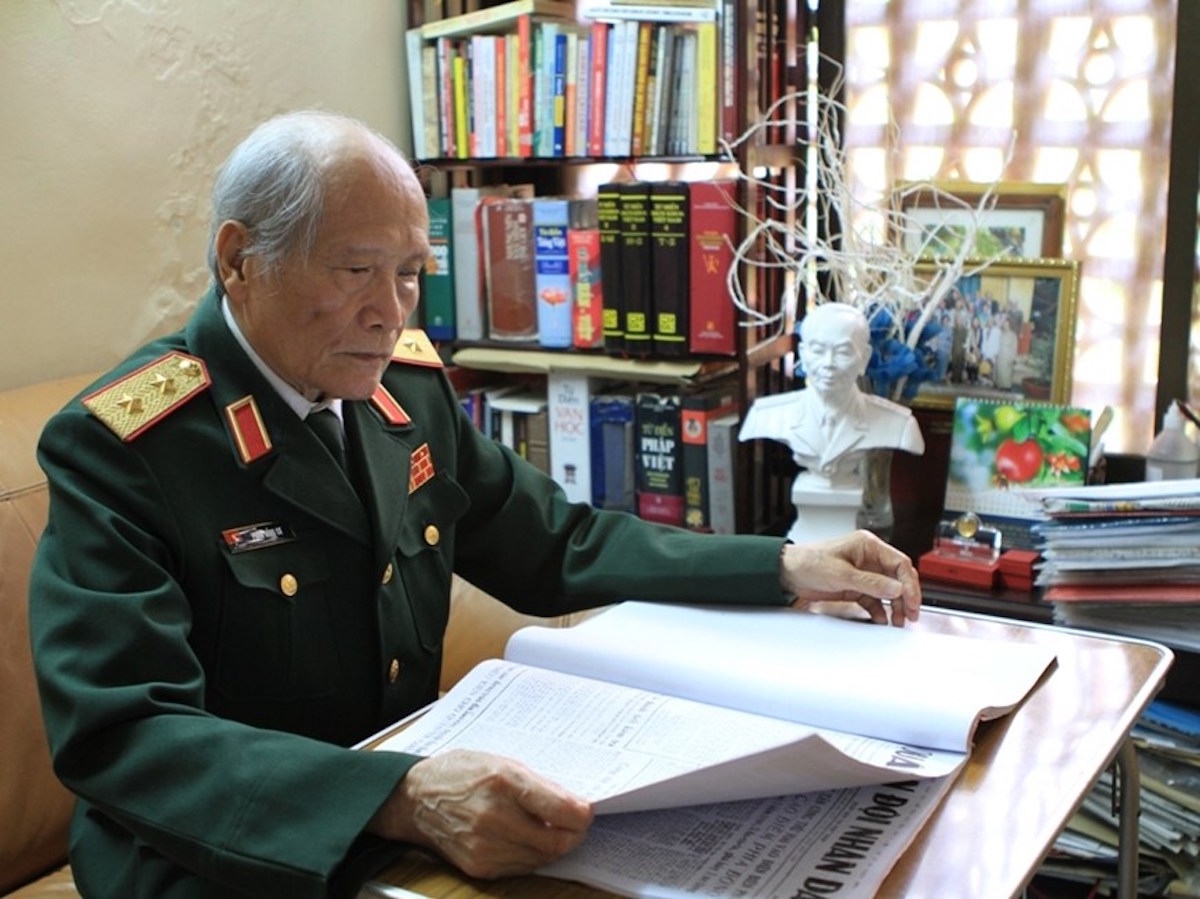
Turning pages of a newspaper on which pictures have already become dull through time, Lt. Gen. Pham Hong Cu, former Vice Chairman of the General Department of Politics of the Vietnam People’s Army, recalled the scene of the capital in the autumn of 1954.
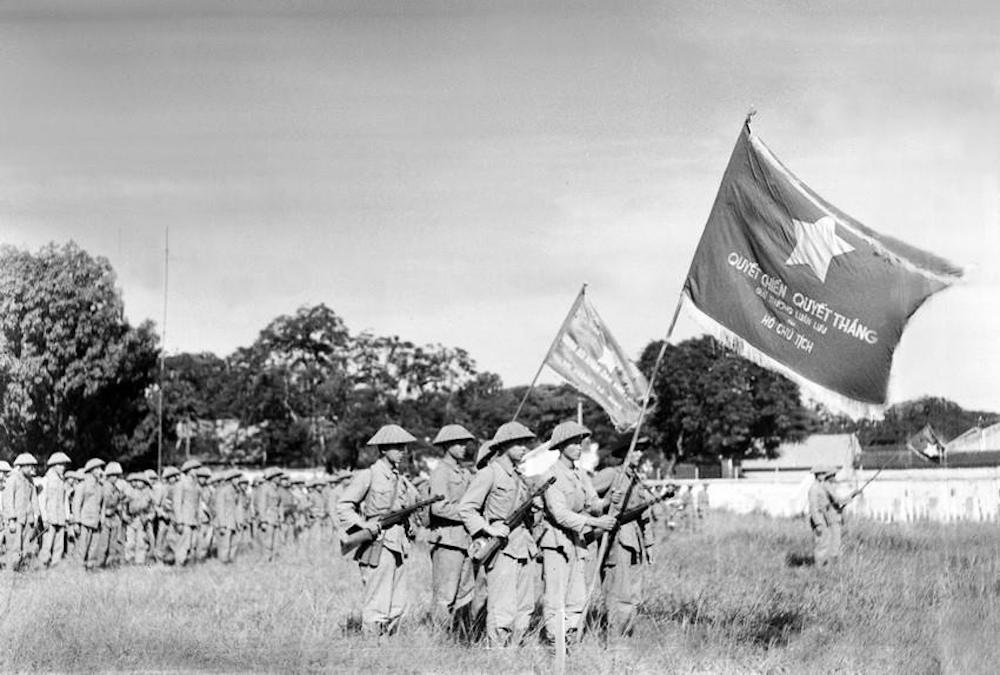
Foot soldiers of the Capital Regiment advance to the Cua Nam area in the morning of October 10, 1954 (File photo: VNA)
Clenching his hands, the old general recalled his military career. He was present throughout the two long struggles of the nation and witnessed many sacred moments of history. He said: “The destiny of I and people of my generation was linked to the nation’s destiny from the years of tenacious struggle to achieve victory in the Autumn Revolution in 1945. We are always proud of belonging to the generation that vowed to keep the independence and always exerted every effort to fulfill that oath.”
Six and a half decades ago, Cu was part of the revolutionary army that returned to take over Hanoi. “For compatriots across the country, it is the Capital Liberation Day. For us, it was also a historic returning day, the day to fulfill the vow: ‘Leaving to promise a returning day’,” he said.
On the tens-of-thousands-of-miles odyssey to fight against the French colonialists, we always dreamed of coming back to Hanoi and imagined the day of returning as the victors.
The memories come rushing back like a slow-motion film to the soldier of the then Vanguard Division 308. On February 17, 1947, after 60 days and nights of fighting in the spirit of “Determined to brave death for the survival of the Fatherland “, the Capital Regiment withdrew from Hanoi to preserve its forces and prepare for a long-term resistance war.
In their mind, every officer and soldier was always filled with nostalgia for Hanoi. “On the tens-of-thousands-of-miles odyssey to fight against the French colonialists, we always dreamed of coming back to Hanoi and imagined the day of returning as the victors,” the old general said emotionally.
During the resistance war against France, Cu was a commissar of Binh Ca Battalion and Vice Political Commissar of Regiment 36 under Brigade 308. He directly took part in many major campaigns, including the Dien Bien Phu Campaign.
The victory of the Vietnamese army and people in the Dien Bien Phu Campaign forced the French colonialists to come to the negotiating table and sign the Geneva Accords on July 21, 1954, to recognise the independence, sovereignty and territorial integrity of the three Indochinese nations (Vietnam, Laos and Cambodia) and withdraw troops from the north of Vietnam.
Under the terms of this agreement, Hanoi was part of the assembly area of the French troops in 80 days.
“In anticipation of the French colonialists’ conspiracy (taking advantage of this time to destroy economic, cultural and social facilities…), the takeover of the capital was planned quickly and prepared carefully. On September 17, 1954, the Hanoi Political and Military Committee was established,” said Lt. Gen. Pham Hong Cu.
Lt. Gen. Cu said for compatriots nationwide, the date October 10, 1954 was the Capital Liberation Day. For him and his comrades, it was also a historic returning day, the day to fulfill the vow: “Leaving, promising a returning day.” (Photo: VietnamPlus)
In September 1954, regiments of Brigade 308 gathered near Hanoi. He recounted: “Around mid-September of that year, I received a summoning order to reverse the direction the troops advancing to receive instructions from our superiors. On September 19, 1954, at Hung Kings Temple (in Phu Tho province), I was one of the officers and soldiers to have the honour to meet President Ho Chi Minh to listen to his directions and assignment of the task of taking over the capital.”
Keeping silent for a few minutes, the old general went on to say that he still remembers the scene on that day, when the president sat on the steps of Gieng Temple, graciously telling officers and soldiers taking over the capital to be united, strictly observe discipline, ensure security and order, protect the lives and property of the people, and resolutely fight against all sabotage acts of the enemy…
“In particular, the Uncle told us to stay close to the people, so that people from the old to small children will understand, trust and love the soldiers. He said: ‘The Hung Kings had the merit of building the country, we must together safeguard it.’ That instruction was like the proclamation of the nation that resounded in the minds of the Vietnamese people,” Cu recalled.
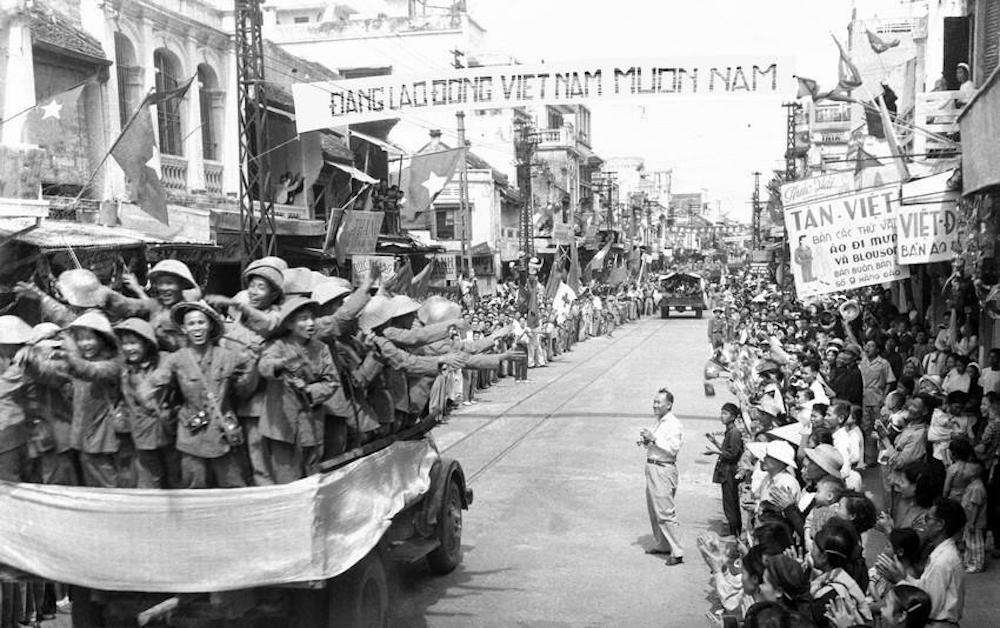
The convoy carrying soldiers of Brigade 308 (now Division 308 – Vanguard Division) moves on Hang Dao street on October 10, 1954 in the joyful welcome of thousands of people (File photo: VNA)
Glory of the returning day
Continuing his story, the soldier joining the troops that took over the capital in the past said the special coincidence of history brought much honour and good luck to his military life.
He noted: “I used to be a commissar of Binh Ca Battalion, the first generation of the Capital Regiment. Binh Ca Battalion was the first unit to withdraw from Hanoi in 1947 and was also the first to take over the capital in 1954. The witnesses of both events, ‘withdrawing’ and ‘returning’, like us have a special feeling: both joy and pain because many comrades and people had to lay down their lives in the odyssey to bring the glory back.”
On October 8, 1954, Binh Ca Battalion (of the Capital Regiment, Brigade 308) entered Duong Bridge, becoming the first military unit to advance to Hanoi with the task of receiving the French troops’ bases and ensuring the safety for the entire army which would take over the capital on October 10, 1954.
People joyfully look at the national flag flying on the flag tower of Hanoi on the Capital Liberation Day on October 10, 1954 (File photo: VNA)
At that time, Binh Ca Battalion was divided into 35 groups to take over 35 positions occupied by French troops. At the United Armistice Committee (located at Don Thuy Hospital, now Central Military Hospital 108), as the victors, the Vietnamese troops chanted the slogan “Long live peace!” and took the initiative to show the goodwill by putting flowers at the top of their guns…
At 5am of October 10, 1954, when the curfew ended, the whole city burst with joy and became animated. Tens of thousands of local residents happily welcomed the victorious army. The city’s Political and Military Committee and military units (including infantry, artillery, and anti-aircraft…) split into many groups to begin the historical march to Hanoi.
At 5am on October 10, 1954, when the curfew ended, the whole city burst with joy and became animated. Tens of thousands of local residents happily welcomed the victorious army.
“On that day, streets became jubilant and colorful with flags and banners. It seemed that everyone wore the best and most beautiful clothes to celebrate the big day. At about 8 o’clock, the revolutionary soldiers in uniform with shirts attached with the ‘Dien Bien Phu Soldier’ badge returned to Hanoi in the warm and joyful welcome of the people. Wherever the soldiers went, cheers resounded like waves. The smiles mixed with tears, the firm handshakes, and the radiant eyes of the capital’s people welcomed the revolutionary army,” Cu recounted.
The people of the capital happily welcome the victorious army back (File photo: VNA)
Historic flag saluting ceremony
On October 10, 1954, Hanoi became free of the enemy. One of the most sacred moments was the first flag saluting ceremony organised by the city’s Political and Military Committee after the capital liberation.
Looking back on the historic flag saluting ceremony, Lt. Gen. Pham Hong Cu said at 3pm of October 10, 1954, the horn at the Opera House made a long sound. The national flag fluttered on the flag tower of Hanoi. On the Cot Co yard (now part of the Imperial Citadel of Thang Long relic site), infantry, motor vehicle and artillery units gathered solemnly.
An overview of the historic flag saluting ceremony in the afternoon of October 10, 1954 (File photo: VNA)
In the old general’s memory, at that time, people crowded the outer area (Hoang Dieu street and Dien Bien Phu street today), their eyes filled with tears looking at the flag flying against the blue sky. People across city turned their hearts towards the ceremony.
At 3pm of October 10, 1954, the horn at the Opera House made a long sound. The national flag fluttered on the flag tower of Hanoi.
Lt. Gen. Cu recounted after the music sounded, all the soldiers and people attentively listened to Maj. Gen. Vuong Thua Vu, Chairman of the Hanoi Political and Military Committee, reading President Ho Chi Minh’s message for Hanoians: “Over the past eight years, the Government had to leave the capital to fight to save the country. Despite being far apart, the Government is always near the compatriots. Today, thanks to the solidarity and unanimity of our people, our army fought heroically and the resistance war came to success, the Government returns to the capital to reunite with the people.”
A unit of the Capital Regiment holding the “Determined to fight, determined to win” flag presented by President Ho Chi Minh at the first flag raising ceremony on the Capital Liberation Day (File photo: VNA)
“After the flag raising ceremony, people spread across the streets. Uncle Ho’s words still echoed in the minds of Hanoians: ‘After the transformation, the restoration of the normal life will be more complicated and difficult. With the resolve of the Government and all Hanoi people’s unanimity to join hands with the Government, we will certainly overcome all difficulties and achieve the common goal of turning Hanoi into a peaceful, happy and prosperous capital’,” Cu added./.
Hanoi is now on its way to become a creative city (Photo: VNA)
Hội nghị thượng đỉnh Hội đồng hợp tác Vùng Vịnh (GCC) lần thứ 40 khai mạc tại Thủ đô Riyadh của Saudi Arabia ngày 10/12 với mục tiêu củng cố sự hợp tác và hội nhập, tăng cường sự ổn định của các quốc gia thành viên.
Diễn ra trong bối cảnh căng thẳng giữa Qatar với 4 nước gồm Các Tiểu vương quốc Arab thống nhất (UAE), Saudi Arabia, Barain và Ai Cập đang có dấu hiệu nới lỏng, hội nghị đã được hy vọng sẽ tạo ra sự khởi động cho tiến trình hòa giải cuộc khủng hoảng ngoại giao này.
Hội nghị thượng đỉnh Hội đồng hợp tác Vùng Vịnh(GCC) lần thứ 40 được hy vọng sẽ tạo ra sự khởi động cho tiến trình hòa giải cuộc khủng hoảng ngoại giao trong khu vực.
Sau một ngày thảo luận về các vấn đề an ninh hàng hải, ảnh hưởng của Iran tại khu vực, xung đột Israel-Palestine, cuộc khủng hoảng Syria và cuộc chiến tại Yemen, hội nghị đã kết thúc với một tuyên bố chung, trong đó nhấn mạnh tầm quan trọng của việc thúc đẩy hợp tác an ninh và quân sự, cũng như cam kết thiết lập một khối tài chính và tiền tệ vào năm 2025, phù hợp với mục tiêu tăng cường sự gắn kết, hợp tác và bổ sung giữa các quốc gia thành viên.
Một điều đáng chú ý tại hội nghị là việc đại biểu 6 nước thuộc GCC đã đi đến kết luận cần phải thúc đẩy hợp tác và tiến hành các nỗ lực hòa giải nhằm giải quyết rạn nứt trong khu vực vùng Vịnh.
Lãnh đạo các nước thành viên Hội đồng Hợp tác vùng Vịnh (GCC) chụp ảnh chung tại Hội nghị thượng đỉnh GCC ở Riyadh, Saudi Arabia, ngày 10/12/2019. (Nguồn: AFP/TTXVN)
Tuyên bố được cho là nhằm hướng đến việc giải quyết căng thẳng với Qatar, quốc gia bị 4 nước gồm Các Tiểu vương quốc Arab thống nhất (UAE), Saudi Arabia, Barain và Ai Cập – nước không phải thành viên Hội đồng Hợp tác vùng Vịnh – cắt đứt quan hệ ngoại giao từ ngày 5/6/2017 vì cho rằng chính quyền Qatar ủng hộ các nhóm khủng bố trong khu vực, can thiệp vào công việc nội bộ của các nước này và hậu thuẫn các nhóm phá hoại ổn định chính trị.
Qatar bị 4 nước trên cáo buộc ủng hộ tổ chức khủng bố Anh em Hồi giáo tại Ai Cập; tài trợ cho các nhóm phiến quân tại nhiều nơi ở vùng Vịnh, trong đó có tổ chức khủng bố Nhà nước Hồi giáo (IS); can thiệp vào các vấn đề nội bộ các nước; mạng lưới truyền thông Al Jazeera của Qatar “liên tục thúc đẩy thông điệp và âm mưu của các nhóm khủng bố” thông qua việc phát các đoạn băng của các nhóm khủng bố và Quốc vương Qatar có những bình luận ca ngợi Iran trên trang tin chính thức của nước này, thể hiện một mối quan hệ mật thiết với Tehran.
Doha sau đó đã giải thích rằng trang tin chính thức của Qatar đã bị tấn công và những bình luận trên đã giả mạo tên của Quốc vương al-Thani. Qatar cũng thông báo trục xuất các thành viên cấp cao thuộc chi nhánh Palestine của Tổ chức Anh em Hồi giáo và buộc hồi hương một số người bất đồng chính kiến đang bị truy nã tại Saudi Arabia.
Quốc vương Qatar Tamim bin Hamad Al-Thani phát biểu tại một sự kiện ở Doha. (Nguồn: AFP/TTXVN)
Tuy nhiên, đối với 4 nước trên, các động thái đó của Qatar là chưa đủ. Các nước này đã đưa ra yêu sách 13 điểm, liệt kê các điều kiện chi tiết để cải thiện quan hệ với Qatar trong đó có yêu cầu giảm quan hệ ngoại giao với Iran, cắt đứt liên hệ với các nhóm khủng bố và đóng cửa mạng lưới truyền thông Al Jazeera.
Cho đến nay, Qatar vẫn từ chối vì cho rằng các yêu cầu đó xâm phạm chủ quyền của Doha.
Bên cạnh đó, quan hệ giữa Qatar với các nước vùng Vịnh còn bị phủ bóng đen sau một loạt các sự kiện như vụ nhà báo người Saudi Arabia Jamal Khashoggi bị sát hại hay gần đây nhất là việc Qatar rút khỏi Tổ chức các nước xuất khẩu dầu mỏ (OPEC).
Có thể nói các nước vùng Vịnh đang đứng trước nhiều thách thức, từ việc lấy lại uy tín, hình ảnh của một khối liên minh cho đến việc hàn gắn sự chia rẽ trong nội khối.
Có thể nói các nước vùng Vịnh đang đứng trước nhiều thách thức, từ việc lấy lại uy tín, hình ảnh của một khối liên minh cho đến việc hàn gắn sự chia rẽ trong nội khối.
Chính vì vậy, trong nỗ lực nhằm cải thiện bầu không khí căng thẳng trong GCC, trước thềm diễn ra hội nghị thượng đỉnh, đã có một số các động thái tích cực từ cả 2 phía.
Ngoại trưởng Qatar Mohammed bin Abdulrahman al-Thani (phải) trong cuộc gặp với Tổng thư ký Hội đồng Hợp tác Vùng Vịnh GCC AbdulLatif al-Zayani (trái) tại Doha, Qatar,ngày 3/12/2019. (Nguồn: AFP/TTXVN)
Ngày 8/8, UAE đã rút lại đơn kiện Qatar mà nước này nộp lên Tổ chức Thương mại Thế giới (WTO) hồi đầu năm về việc Qatar áp đặt các hạn chế thương mại mang tính phân biệt đối với hàng hóa của UAE.
Đầu tháng 12/2019, Saudi Arabia, UAE và Bahrain đã ngừng tẩy chay Giải Bóng đá vùng Vịnh lần thứ 24 tại thủ đô Doha của Qatar và cử đội tuyển đến tham dự giải đấu diễn ra từ ngày 24/11 đến ngày 6/12.
Vào tuần trước, Ngoại trưởng Qatar tiết lộ các quan chức của Qatar và Saudi Arabia đang đàm phán và bình luận rằng cuộc khủng hoảng vùng Vịnh đã “chuyển từ bế tắc sang tiến bộ.”
Đáng chú ý nhất là việc Quốc vương Saudi Arabia Salman đã chính thức mời Quốc vương Qatar Hamad Al-Thani tham dự hội nghị thượng đỉnh GCC tại Riyadh, động thái được đánh giá là thể hiện quan điểm sẵn sàng thúc đẩy hòa giải với Qatar.
Mặc dù, Quốc vương al-Thani không đến được Riyadh do có chuyến thăm Rwanda vào ngày 10/12, song việc cử Thủ tướng kiêm Bộ trưởng Nội vụ Abdullah bin Nasser bin Khalifa Al-Thani tham dự hội nghị dường như cũng là một cử chỉ cho thấy Qatar sẵn sàng hồi đáp những cử chỉ thiện chí từ các nước vùng Vịnh.
Quốc vương Saudi Arabia Salman bin Abdulaziz tại một Hội nghị của Hội đồng Hợp tác vùng Vịnh ở Riyadh ngày 9/12/2018. (Nguồn: AFP/TTXVN)
Tất nhiên một cuộc khủng hoảng ngoại giao đa quốc gia kéo dài nhiều năm do xung đột những lợi ích cơ bản khó có thể giải quyết một sớm một chiều.
Các nhà lãnh đạo GCC cũng nói rằng họ không dự đoán một sự đột phá lớn tại hội nghị lần này để giải quyết căng thẳng trong quan hệ với Qatar.
Việc Thủ tướng Qatar Al-Thani tham dự hội nghị thượng đỉnh được đánh giá cử chỉ mang tính nghi lễ ngoại giao nhiều hơn là thực chất. Tuy nhiên, không thể phủ nhận việc Thái tử Qatar tham dự hội nghị và nhận được “sự tiếp đón nồng hậu” từ phía chủ nhà là một tín hiệu lạc quan hơn sau nhiều năm căng thẳng và mất lòng tin từ hai phía.
Cho dù chặng đường phía trước sẽ có gập ghềnh và mất nhiều thời gian song với những dấu hiệu thiện chí từ hai phía, cơ hội hòa giải giữa Qatar với các nước trong vùng Vịnh đang đến gần.
Cho dù chặng đường phía trước sẽ có gập ghềnh và mất nhiều thời gian song với những dấu hiệu thiện chí từ hai phía, cơ hội hòa giải giữa Qatar với các nước trong vùng Vịnh đang đến gần.
Tổng thư ký GCC Abdullatif bin Rashid al-Zayani đã khẳng định rằng hội nghị thượng đỉnh đã thể hiện mong muốn của các nhà lãnh đạo GCC về việc đoàn kết và đảm bảo ổn định, an ninh cho khu vực vùng Vịnh. Đó cũng là mục tiêu hàng đầu mà GCC và Qatar đều muốn hướng đến./.
Ngoại trưởng Qatar Mohammed bin Abdulrahman bin Jassim al-Thani (thứ 2, trái sang) chụp ảnh cùng Ngoại trưởng các quốc gia thành viên Hội đồng Hợp tác vùng Vịnh (GCC) ở Riyadh, Saudi Arabia ngày 17/5/2017. (Nguồn: AFP/TTXVN)
Charming Hanoi keeps former French ambassador back
Every time he rides through Hanoi streets, Jean Noel Poirier, former French Ambassador to Vietnam, feels like watching a movie. Hanoi is charming in the eye of the former diplomat with street food shops, old buildings and small alleys with smiling vendors.
The street life in Hanoi has never been boring to the self-called “anew Hanoian” who has spent three decades living in the city.
To Poirier, Hanoi has a special attraction from its mixture of the old and the new, and the noisy and the quiet, which make the city peaceful with ancient and modern features. Improvisation, opening, friendliness as well as creativity and dynamism can be found in every corner, forming the unique and lovely characteristics for Hanoi.
“The soul of the city is not made by architects or urban planners but from the local residents,” stated the former ambassador.
Each day, Hanoi gives its guests like Poirier new and interesting experience.
Jean Noel Poirier, former French Ambassador to Vietnam in an interview with VietnamPlus. (Photo: VietnamPlus)
Attraction of an oriental city
What is the circumstance that brought you to Vietnam?
Jean Noel Poirier: I first came to Vietnam in 1989. However, my relationship with the city started far earlier. When I was a boy, I looked at images of the country through pictures on the wall in the house of my grandparents who told me many stories of the nation and people of Vietnam. Naturally, the images stayed in my mind.
I started to study Vietnamese language when I was 20, and continued to major in the eastern culture. Therefore, I had a lot of chances to explore Vietnam. My feelings naturally transformed from understanding to love.
What is your felling of the nation, culture and people of Vietnam?
Jean Noel Poirier: To me, Vietnam is not only a beautiful country but also an ideal destination with interesting “secrets” to explore and experience.
The beauty of the thousand-year-old city. (Photo: VNA)
One of the things that impressed me is the long-lasting culture of Vietnam. The values have still been present in the daily life of local residents and enriched with every day passing by.
Through decades and changes, the quintessence and identity of the nation have stayed intact, shown in the habit of family union in Tet or pagoda visiting on certain days of the year. This has formed a strong connection in the community and each Vietnamese family.
The Vietnamese cultural identity has attracted me and prompted me to further explore. I respect the way Vietnamese people preserve and promote traditional heritage and values.
Vietnam is not only a beautiful country but also an ideal destination with interesting “secrets” to explore and experience.
After your departures and returns, what do you feel about changes of Vietnam and Hanoi in particular since 1989 when you first came to the country?
Jean Noel Poirier: I found impressive changes. Urbanization and modernization have taken place very fast, and can be found in very few countries.
Thirty years ago, food was a great problem for Vietnam, but now the country has been one of the world top rice exporters.
In Hanoi, many new skyscrapers have been built to replace old apartment buildings. I found that people in Hanoi are much happier.
But despite all the changes, the “soul” of Hanoi stays the same.
What is the most interesting thing that you have found in Hanoi?
Jean Noel Poirier: I like the “mixture” of different shades and colours in the architecture, cuisine, art and lifestyle of Hanoi.
The daily life in the city is the most impressive to me. Watching the street life is also exciting. I’ve never felt bored with it as it changes and transforms continuously.
People make the “soul” of Hanoi
I like the pavement spaces with diverse life colours. Many activities of local residents take place on the pavements. They trade, chat, do exercise, drink coffee, have haircut, play with children or even nag each other on the pavements. Vietnamese people always form closely-linked community in their all activities, which is exciting.
To talk about a typical modern city, I will mention Singapore. But the island city could not keep me stay for long. But for Hanoi, it is different. The meeting of the old and the new, the peacefully quietness and the busy atmosphere of an eastern city arouses my curiosity, prompting me to explore and experience.
Pavement coffee – a “specialty” of Hanoi.(Photo: VietnamPlus)
Endless journey
During your time in Hanoi, what is the deepest memory for you?
Jean Noel Poirier: I have a lot of memories of Hanoi, so it is difficult to tell what is the deepest.
Each day I find a new joy here. Every time I explore a new restaurant or a new alley, I feel excited to find what are waiting for me there and where the alleys will lead me to.
So, if you choose a Hanoi landscape to introduce to your friends, what will you name?
Jean Noel Poirier: Every time a person asks me what is the most attractive place in Hanoi, I will immediately think about walking alongThanhNienstreet – a romantic street lying between West Lake and Truc Bach Lake. There, we will feel the beauty of a scene of “lakes inside the city”, a typical feature of Hanoi.
To me, Thanh Nien street is a space to “preserve” peaceful and pleasant moments.
The way Hanoians welcome visitors is always the same: warm, opening, enthusiastic, and friendly.
Alongside, it will not be difficult for visitors to meet lakes in different places in Hanoi. Together with their value in environment and landscape, they also serve as a space for locals to do exercise, sing, play or read the news, having some fun and looking around.
Truc Bach Lake and West Lake have the beauty of a scene of “lakes inside the city”, a typical feature of Hanoi. (Photo: VNA)
I think that it is crucial to maintain these spaces where many priceless values are maintained.
In your documentary film “My Hanoi” (Mon Hanoi), you said that Hanoi is a city that receives outside factors, keeps them and turns them to its own. It is like a jigsaw puzzle in which each resident addshis own part to the picture. Can you elaborate?
Jean Noel Poirier: The people here are the “soul” of Hanoi. I am particularly impressed at the way Hanoians live their life and adapt to different conditions. This is shown clearly in architecture.
The former ambassador is attracted by the meeting of the old and the new, the quiet and the busy atmosphere of Hanoi (Photo: VietnamPlus)
The architecture of Hanoi has many typical features of different historical periods from the feudal regimes. The ancient architecture has been preserved to be present at the same time with modern buildings.
I am fascinated with the moss-covered old village gates inside the modern city as well as the way Hanoians turn their old villas and apartment buildings into new spaces without destroying them.
So, in the future, what is the way you expect Hanoi to move in?
Jean Noel Poirier: I hope that Hanoi will maintain the current growth speed. Along with the building of modern works and the opening of new community spaces, Hanoi can still maintain cultural, art and architecture heritage as well as the traditional lifestyle, thus local residents will not feel strange and lost in their own homeland or every time they return from a faraway place.
Hanoi, 8 jul (VNA)- Hay muchas maneras en que las personas pueden enamorarse y mostrar su afecto. Sin embargo, el amor que le profesa el autor del libro “Hà Nội, một chốn rong chơi” (Caminata por Hanoi) a esta ciudad milenaria es muy singular.
El economista jefe para América Latina y el Caribe del Banco Mundial, Martín Rama, llegó por primera vez a Hanoi en 1998 y para él fue como amor a primera vista.
El uruguayo vivió por ocho años en la capital de Vietnam, después de que en 2002 fuera nombrado economista jefe del Banco Mundial para la nación indochina. Y durante su estancia en este país, aprovechó los fines de semanas para explorar cada rincón de Hanoi.
Martín Rama, economista jefe para América Latina y el Caribe del Banco Mundial
Grabó con su cámara numerosas instantáneas que capturan los diversos rasgos históricos, arquitectónicos y culturales de la ciudad, incluyendo la vida cotidiana de sus habitantes.
Para Martín Rama, Hanoi es como una musa a quien ama con pasión. “Ella” no es tan lujosa o sofisticada como las ricas capitales europeas, pero es absolutamente encantadora. Es caprichosa también. En verano, es impredecible y errática, entre calores agobiantes, tormentas enormes y otros indeseados caprichos del clima; sin embargo, en otoño es dulce como la miel.
“¿Podemos explicar las historias de amor?”, respondió el economista a preguntas sobre su afecto por Hanoi.
Si alguien lee su libro sobre la ciudad advierte de entrada que este no es un simple ensayo sobre temas urbanos, sino una historia de amor en la que “ella” hace de musa e impregna la obra de felicidad. Y a ratos, de nostalgia también. El autor no oculta sus deseos de caer nuevamente en los mil brazos asfaltados de esta amada amante.
Allá en Uruguay, como en otras tierras de América, se dice que el amor entra por la cocina. Y eso fue un poco lo que le ocurrió a Martín Rama en Hanoi, porque el Pho, una típica y popularísima sopa vietnamita, le conquistó el paladar, como después harían con sus otros sentidos los callejones estrechos y los mil ruidos de la vida citadina.
Como un amante verdadero a Hanoi, Martín Rama ama a Pho, una típica y popularísima sopa vietnamita
Y el lector de su libro agradece que haya ocurrido así, porque la obra, distante del estilo exacto pero frío que caracteriza a los informes económicos, se degusta con el mismo placer que un tazón de Pho.
Martín Rama considera a Hanoi como un plato especial y el libro es su intento de encontrar la receta
Martín Rama considera a Hanoi como un plato especial y el libro es su intento de encontrar la receta. Aparentemente algunos “ingredientes” del texto no guardan relación entre sí, como sucede con la carne de res y los chalotes. Así, algunos capítulos hablan de arquitectura, otros sobre la vida cotidiana o acerca del clima… La mezcla podría parecer antojadiza, desordenada incluso, pero tiene explicación.
“Es la misma sensación que cuando caminas por Hanoi: vas por calles llenas de gente y de pronto te encuentras un templo tranquilo; miras una casa colonial francesa y al lado hay un edificio moderno. Y mientras vagabundeas, todo se mezcla, componiendo un plato tan único, delicioso y perfecto como el Pho”, explicó.
Casa de Martín Rama en Hanoi
Con mucho más de media vida tras de sí, este hombre ha estado en diferentes lugares del mundo, pero ninguno le seduce tanto como Hanoi. Aquí se puede pasar casi inmediatamente de una calle ruidosa al patio íntimo de un viejo edificio colectivo o a un lago con parejas y pescadores.
A primera vista la ciudad puede parecer caótica, y de hecho uno de los capítulos del libro se titula ‘¡Caos!’ La densidad poblacional en Hanoi es tanta que las motos desbordan las calles y mucha gente vive en espacios reducidos.
Pero al caer la noche, pequeños restaurantes y cafetines invaden las aceras, mientras las plazas se llenan de gente que juega al bádminton. De noche, en las infaltables motos, los enamorados pasean; y al amanecer, los ancianos practican yoga o danzas clásicas en los parques…
Rostro de Hanoi por la noche
Caminar por la ciudad siempre fue para Martín Rama una pausa necesaria, un respiro cuando completaba un trabajo o se sentía cansado y necesitaba un momento de relajación. Durante los años en que trabajó en Hanoi disfrutó de la ciudad de todo corazón, viviendo en una antigua mansión de estilo francés que él mismo renovó. Y ahora que la visita ocasionalmente, tiene un apartamento, también renovado por él, en un viejo edificio colectivo.
Caminar por la ciudad siempre fue para Martín Rama una pausa necesaria, un respiro cuando completaba un trabajo o se sentía cansado y necesitaba un momento de relajación
Antes de conocer a Martín Rama, yo pensaba que esta ciudad, donde he residido durante mis más 30 años de vida, no era muy diferente de otras metrópolis.
Sin embargo, las conversaciones con este extranjero me revelaron que no es tan así. Hanoi, mi Hanoi, nuestra Hanoi, es muy amable. La vida en sus calles, la arquitectura y los lagos son muy singulares, y son algunos de los encantos que conquistaron a este economista uruguayo.
Según él, mientras que muchas grandes ciudades del Sudeste Asiático están tornándose feas o aburridas de una manera irremediable, Hanoi es siempre una experiencia que vale la pena vivir. En su opinión, puede llegar a volverse una de las ciudades más atractivas de Asia.
En opinión de Martín Rama, Hanoi puede llegar a volverse una de las ciudades más atractivas de Asia
A sus ojos, Hanoi es un plato elaborado con ingredientes frescos en una dosis ideal. Los edificios, construidos bajo muy diversos estilos arquitectónicos- desde Art Déco y Beaux Arts hasta los del estilo soviético y los viejos edificios colectivos – logran una sorprendente armonía entre sí. Los templos y las iglesias se entremezclan con abarrotadas zonas comerciales, mientras las calles arboladas se entretejen con callejones estrechos de inconfundible estilo oriental.
Hanoi preserva viejas construcciones de cientos de años de existencia, que representan la dimensión histórica de la capital en la que resaltan las herencias arquitectónicas de la época de dominación francesa al estilo europeo.
“La ciudad y su gente me encantaron, y no me llevó mucho tiempo decidir que quería pasar aquí una fase significativa de mi vida”
“La ciudad y su gente me encantaron, y no me llevó mucho tiempo decidir que quería pasar aquí una fase significativa de mi vida”, confiesa Martín Rama emocionado.
Sobre su libro “Hà Nội, một chốn rong chơi”, ganador en 2014 del premio “Bui Xuan Phai – Por el amor a Hanoi”, contó: “En algún momento me quedó claro que tenía suficientes fotos e informaciones para reunir historias convincentes sobre Hanoi: historias que combinaban textos e imágenes, pero también rigor académico y experiencias personales. Así surgió en algún momento de 2007 la idea de escribirlo”.
El libro “Hà Nội, một chốn rong chơi” (Caminata por Hanoi) de Martín Rama
El libro está acompañado de coloridas fotos de Hanoi e ilustra su visión única de esta ciudad donde aún vale la pena vivir, pese a que está en proceso de rápida urbanización. Martín Rama la describe como hermosa y dinámica, con su ajetreada vida en la calle.
Las calles de Hanoi crean una imagen vívida de tráfico intenso, vendedores ambulantes y tiendas de cerveza al lado de las calles. Los extranjeros que la visitan pueden sentirse apabullados, pero esa es la colorida y vibrante vida de la ciudad.
Las calles de Hanoi crean una imagen vívida de tráfico intenso, vendedores ambulantes y tiendas al lado de las calles.
“Hanoi tiene una ‘cultura de la acera’ que es única”
“Hanoi tiene una vida muy activa al aire libre. La gente hace muchas cosas en las aceras. De la misma manera que París tiene una ‘cultura del café’, Hanoi tiene una ‘cultura de la acera’ que es única”, comentó.
Como gran admirador de Hanoi, Rama dijo que se sentiría muy feliz si en algo pudiera contribuir a “hacer que Hanoi brille como una excelente ciudad amada por todo el mundo”.
Semejante amor lo ha llevado a lanzar un proyecto de desarrollo urbano inspirado en el objetivo de encontrar la manera de realizar las transformaciones necesarias de manera sostenible, con inversiones rentables pero respetuosas del carácter de esta ciudad milenaria. Es así que dirige de manera honoraria un proyecto de estudios en el Centro de Desarrollo Urbano Sostenible, de la Academia Vietnamita de Ciencias Sociales.
Martín Rama considera a los antiguos edificios colectivos como un patrimonio que debe integrarse en el proceso de desarrollo de la capital vietnamita
Martín Rama considera a los antiguos edificios colectivos (Khu Tap The) como un patrimonio que debe integrarse en el proceso de desarrollo de la capital. Para él, estas estructuras son parte de la memoria colectiva de la ciudad al estar estrechamente vinculadas a la infancia de muchas generaciones de hanoienses.
El proyecto podrá o no tener éxito, pero lo seguro es que reflejará los increíbles esfuerzos de un extranjero que ama sinceramente a Hanoi./.
Francesa expresa su amor por Hanoi en una canción
Hanoi, 09 jul (VNA)-Hanoi tiene millones de amantes en todo el mundo y cada persona expresa su amor por la capital vietnamita de manera diferente.
La cantante francesa de pop-rock La Grande Sophie (nombre real Sophie Huriaux) declaró su amor por la ciudad al escribir la canción “Hanoi”, que ha encantado a los amantes de la música en Vietnam y Francia.
Su canción fue honrada con el premio “Bui Xuan Phai- Por el amor a Hanoi”, que reconoce las contribuciones de individuos y organizaciones al desarrollo cultural y social de esa urbe.
La canción “Hanoi” de La Grande Sophie fue honrada con el premio “Bui Xuan Phai- Por el amor a Hanoi”
La obra fue elogiada por el jurado ya que “está profundamente imbuida del amor del cantante por Hanoi y difunde ese amor por esta ciudad entre los vietnamitas y en todo el mundo”.
Cuando La Grande Sophie interpretó la canción en Vietnam por primera vez en diciembre de 2015, conquistó los corazones de los lugareños, que se sensibilizaron ante el afecto de una foránea por su capital.
“Estoy muy conmovida por la decisión de los jurados. Me siento muy honrada”, dijo la cantante francesa.
Cuando La Grande Sophie interpretó la canción en Vietnam por primera vez en diciembre de 2015, conquistó los corazones de los lugareños, que se sensibilizaron ante el afecto de una foránea por su capital.
“Yo amo Hanoi. Los recuerdos vuelven, me veo de nuevo en la ciudad”.
“Lo que me hace muy feliz es saber que los habitantes de Hanoi pueden reconocerse en la canción. Yo amo esta ciudad. Los recuerdos vuelven, me veo de nuevo en la ciudad”.
“Para celebrar esta feliz noticia, fui a comer bun cha (fideos con cerdo a la parrilla y hierbas), una de las especialidades de Hanoi, y encontré de nuevo todos los gustos que extraño”, escribió en un correo electrónico desde París.
Canción para Hanoi
La Grande Sophie escribió la canción “Hanoi” después de su primera visita a este país indochino en 2013. Fue invitada a actuar en la capital vietnamita en el Festival de música “Oh la la”, como parte de las actividades para celebrar el 40 aniversario de las relaciones diplomáticas entre Francia y Vietnam.
Desafortunadamente, el concierto fue cancelado debido al fallecimiento del general Vo Nguyen Giap. El país celebró un funeral estatal y declaró duelo nacional durante varios días.
La cantante francesa planeó visitar la antigua ciudadela imperial de Hue, en el centro del país, pero un tifón la impidió salir de la ciudad y la obligó a quedarse en Hanoi mucho más tiempo de lo que esperaba.
La artista se conmovió al descubrir la ciudad, su encanto y tradiciones con sus motocicletas, títeres acuáticos, triciclos y vendedores ambulantes
“Conocí a algunos traductores vietnamitas y me hice amigo de ellos. Me ayudaron a descubrir la ciudad. Hablaban un francés perfecto a pesar de que nunca habían estado en Francia. Me impresionó mucho ver su disposición a hablar mi idioma”, recordó Sophie.
La artista se conmovió al descubrir la ciudad, su encanto y tradiciones con sus motocicletas, títeres acuáticos, triciclos y vendedores ambulantes.
“Es interesante ver que la vida aquí gira en torno al lago Hoan Kiem. Estoy impresionada de ver la energía y el dinamismo de sus habitantes. Son tiernos y muy amables.
Canté sobre la ciudad como si la hubiera descubierto. Hanoi me dio el deseo de volver a tocar mi guitarra y componer canciones”.
“Canté sobre la ciudad como si la hubiera descubierto. Hanoi me dio el deseo de volver a tocar mi guitarra y componer canciones”, comenta la cantante
“Después de las excursiones por Hanoi, desarrollé un verdadero apego hacia mis nuevos amigos locales y hacia la ciudad. Me sentí triste cuando tuve que dejar Hanoi para regresar a París. Me dije que tenía que volver a Vietnam. Cuando volví a París, sentía mucha nostalgia por esta ciudad. Tomé mi guitarra y compuse la canción “Hanoi” para mantener todos esos recuerdos conmigo”, recordó.
“Hanoi me dio el deseo de volver a tocar mi guitarra y componer canciones”
En sus 20 años de carrera musical, esa fue la primera vez que la artista escribió una canción sobre una ciudad visitada por ella.
Gran éxito en Francia
La canción fue bien recibida en Francia cuando se presentó por primera vez al público en su nuevo álbum en 2015. Las personas que escucharon la canción escribieron en la página de fans de Facebook de la cantante diciendo que podían reconocer imágenes de Hanoi en el video y la letra. Otros dijeron que la canción les hizo querer visitar la capital vietnamita.
Una fan, Nadine Meihac, escribió: “Mientras escucho la canción, guardo un recuerdo encantador de su visita a Hanoi y espero ir algún día a esa ciudad”.
Otro fan, Stephen Bunard, compartió en Facebook: “una melodía muy hermosa y una letra agradable que hace que los que conocen esa ciudad sientan nostalgia”.
Una fan, Nadine Meihac, escribió: “Mientras escucho la canción, guardo un recuerdo encantador de su visita a Hanoi y espero ir algún día a esa ciudad”.
La cantante dijo que siempre le ha gustado interpretar esa canción durante sus conciertos.
“Le digo al público que los llevaré al país de las sonrisas. Pero no tengo tiempo para terminar mi oración. Algunos ya dijeron Hanoi”, se emocionó.
Sophie comenzó a escribir canciones cuando tenía 12 años. Para ella, la música es un medio de comunicación para hacer amigos y conocer gente interesante.
Cantar es transmitir sus emociones a los demás y pasar buenos momentos juntos. La Grande Sophie comenzó su carrera en la década de 1990, y vio fama por primera vez en 2004 cuando su tercer álbum, “If It Were Me”, le valió los primeros Victoires de la Musique, un premio musical en Francia.
Y con el prestigioso premio Bui Xuan Phai, ya tiene un lugar en el corazón de los amantes de la música vietnamita.
“Mi historia con Hanoi continúa y es una historia hermosa”
“Mi historia con Hanoi continúa y es una historia hermosa. Escribí la canción para recordar siempre este fantástico viaje realizado en 2013, así como las personas amables que conocí. ‘Hanoi’ me acompaña en todos mis conciertos. El público la espera, la aprecia. Viajamos juntos y creamos un fuerte vínculo con Vietnam”, expresó./.
La canción Hanoi de La Grande Sophie
James Joseph Kendall y la misión “Mantener Hanoi limpio”
Hanoi, 10 jul (VNA)- Si estás en Hanoi un fin de semana, es probable que veas a un grupo de extranjeros deambulando por las calles, pero a diferencia de otros, estos no llevan las consabidas mochilas a las espaldas, sino bolsas en la mano en las que van echando cuanta basura detectan según avanzan.
Se trata de “Keep Hanoi Clean” (Mantener Hanoi limpio), un equipo de voluntarios fundado y administrado por Joseph Kendall, un expatriado estadounidense radicado en Hanoi.
Cuando Kendall y su insólita banda comenzaron a cumplir semejante tarea, muchos los miraron extrañados, pero poco a poco su ejemplo positivo de preocupación ambiental se extendió por la ciudad.
“Keep Hanoi Clean” (Mantener Hanoi limpio), un equipo de voluntarios fundado por Joseph Kendall.
Equipo de “Keep Hanoi Clean”
Una decisión de buena voluntad
El hecho de que Kendall comenzara a dirigir una organización ambiental en Hanoi fue pura coincidencia.
Cuando viajó por primera vez a Hanoi en 2016 para visitar a su hermano, luego instructor en una universidad local, la hospitalidad de la ciudad, su gastronomía única y, por supuesto, su desbordante cultura, lo cautivaron de inmediato.
Sin embargo, lo único que no pudo aceptar fue la lamentable despreocupación que observó entre los lugareños hacia el medio ambiente.
Las labores de Joseph Kendall son reconocidas por el Comité Popular de Hanoi
Aunque no dominaba bien el idioma vietnamita, Kendall intentó disuadirlos de tirar basura por doquier y no en los cestos habilitados a ese fin. Viendo que sus invocaciones no surtían efecto, decidió tomar el asunto en sus propias manos.
Llamó entonces a un pequeño grupo de amigos y, dispuestos a predicar con el ejemplo, se fueron a las orillas de un canal y se pasaron el día sacando montañas de basura de las aguas.
La persistencia con que realizaron esa labor llegó a ser conocida por el Comité Popular de Hanoi, cuyo presidente, Nguyen Duc Chung, agradeció públicamente el positivo ejemplo de “Keep Hanoi Clean” y sus contribuciones a la higienización de la capital vietnamita.
La iniciativa se expandió y en la actualidad “Keep Hanoi Clean” tiene divisiones funcionando en todos los distritos de Hanoi, cada una con su propia agenda
La iniciativa se expandió y en la actualidad “Keep Hanoi Clean” tiene divisiones funcionando en todos los distritos de Hanoi, cada una con su propia agenda.
Pero el amor duradero por la capital vietnamita, así como las preocupaciones sobre sus manejos y probabilidades ambientales, sigue siendo el objetivo común de la organización.
“Aunque (Kendall) es extranjero, se preocupa mucho por el medio ambiente local. Incluso limpia nuestro vecindario”, comentó una ciudadana después de presenciar sus actividades de limpieza.
“Inicialmente me parecieron extrañas sus acciones, pero la dedicación y la constancia con que las realizan me llevaron a admirarlos”, agregó.
La iniciativa se expandió y en la actualidad “Keep Hanoi Clean” tiene divisiones funcionando en todos los distritos de Hanoi, cada una con su propia agenda
Por un Hanoi más verde
A pesar de no ser un residente local, Kendall, “ong tay don rac” (el recolector extranjero de residuos, como muchos le llaman) está tan sensibilizado con el problema de la basura en Hanoi, que cualquiera diría que es como si la echaran en su patio cuando vivía en Estados Unidos.
Según él, muchos viven de espaldas al entorno circundante y erróneamente creen que recoger basura y mantener limpia la ciudad son responsabilidades exclusivas de los trabajadores a quienes se les paga por eso.
Kendall se rebela contra semejante forma de pensar y, con el ejemplo por consigna, proclama el principio de que esta es una tarea compartida de toda la comunidad.
No ignora, empero, que la recogida de basura y otros desechos es una labor que proporciona medios de vida a muchas personas.
“Nuestro acto potencialmente les quita trabajo a los recolectores de chatarra, por lo que teníamos que compensarlos de alguna manera”, explicó.
La solución consistió en clasificar la basura según los materiales para luego proporcionárselos a quienes los venden como materia prima para ganarse la vida.
Este estadounidense también organiza un taller regular cuya misión es combatir la tan generalizada mentalidad de tirar basura a diestra y siniestra y de abusar de los productos a base de plástico.
A pesar de no ser un residente local, Kendall, “ong tay don rac” (el recolector extranjero de residuos, como muchos le llaman) está tan sensibilizado con el problema de la basura en Hanoi.
En el foco de su atención están los más jóvenes, pues sabe que la receptividad de estos, y el trabajo a futuro, son la garantía de un medio ambiente más sano y de la permanente belleza de la ciudad.
Con esos objetivos en vista, Kendall planea organizar una caminata ecológica. “Todo lo hacemos para lograr un Hanoi más verde”, explica con seriedad.
“Todo lo hacemos para lograr un Hanoi más verde”
“Keep Hanoi Clean” se ha convertido en una organización estable y, en consecuencia incurre en gastos que debe cubrir de alguna manera.
Así, una de las formas con que Kendall planea atender las necesidades financieras del grupo es abrir un centro de enseñanza de idioma inglés en el que también compartirá con los niños pequeños sus ideas sobre la preservación del medio ambiente, incluida la clasificación de basura.
Fiel a su orientación ambientalista, “Keep Hanoi Clean” espera construir ese centro siguiendo pautas ecológicas, o sea, utilizando materiales reciclados en lugar de los habituales.
Kendall está apostando por ese proyecto algo más que ideas y energías. Un miembro del grupo reveló que el estadounidense ha llegado hasta a vender su moto para financiarlo.
No hay dudas: Kendall planea quedarse mucho tiempo en Vietnam y una de sus principales ocupaciones lo seguirá siendo mantener esmeradamente limpia a esta ciudad que ya siente suya./.
Fiel a su orientación ambientalista, “Keep Hanoi Clean” espera construir un centro ecológico, donde se utiliza materiales reciclados en lugar de los habituales
“Yo llamo a Hanoi el París del Oriente”
Hanoi, 11 jul (VNA)- Este francés, cuyo nombre vietnamita es Le Giang Sinh (que significa Noel en ese idioma), llegó por primera vez a Hanoi en 1989 para desempeñarse como diplomático, y la ciudad le causó una profunda impresión.
Para su satisfacción, en 2012 regresó como embajador de Francia y reafirmó su primera impresión de que “cada día de vivir y trabajar aquí es un día alegre”.
Jean-Noel Poirier, cuyo nombre vietnamita es Le Giang Sinh (que significa Noel en ese idioma), llegó por primera vez a Hanoi en 1989 para desempeñarse como diplomático, y la ciudad le causó una profunda impresión
“Sorprendentemente, me di cuenta de que mi deseo de vivir aquí crecía día tras día”, confiesa.
A lo largo de su mandato como embajador, su adoración por la ciudad lo ha llevado a caminar por rincones que la mayoría de los visitantes ocasionales suelen pasar por alto. Sus largas y frecuentes caminatas por esos sitios avivaron aún más su cariño por Hanoi, un lugar que desde entonces considerado su segundo hogar.
“A veces, paseando por Hanoi, desearía ser Trinh Cong Son para poder expresar mis sentimientos a la vista de escenas idílicas y maravillosas”, expresa Poirier.
Durante su mandato como embajador, Poirier dio rienda suelta a su fascinación al hacer un documental con la ayuda de su hermano, un director de cine.
En su obra “Mon Hanoi” (Mi Hanoi), Poirier, quien también es el narrador de la película, habla vietnamita con fluidez gracias a sus cuatro años como embajador y a las huellas que fueron dejando en él sus andanzas por casi todas las calles de Hanoi y los contactos con sus pobladores.
“Muchos diplomáticos decidieron escribir un libro sobre los lugares donde habían vivido después de que terminaron sus mandatos. Elegí filmar.”
Al explicar su motivación para hacer la película, dijo: “Me propuse atrapar el alma de la ciudad. Quería hacer una película sobre mi propio descubrimiento de la gente y la tierra de Hanoi, que se ha convertido en parte de mi alma”.
Durante más de un año, su hermano mayor, Henri-Louis Poirier, lo acompañó en la cautivante empresa de rodar la película.
Para capturar el ritmo diverso de la vida en Hanoi, los dos abandonaban las comodidades de sus residencias y se aventuraban por la ciudad lo mismo en verano, cuando el sol derretía el asfalto de las calles al mediodía, o durante las frías noches y los gélidos amaneceres del invierno.
Semejante disposición resultó en escenas increíblemente bellas y vívidas, como esas en que pueden verse a ciudadanos haciendo ejercicios temprano en la mañana, un bullicioso mercado callejero o el caótico tráfico de la urbe.
Poirier considera a la película una invitación para que el público se una a él en un viaje de descubrimiento de la ciudad, sobre todo aquellos lugares que el turista común no acostumbra a visitar y que incluso la mayoría de los hanoyenses no han pisado.
Poirier le encanta los ricones escondidos en de la ciudad, los cuales el turista común no acostumbra a visitar
La vertiginosa danza del tráfico
En el documental, Jean-Noël Poirier confesó que durante sus cuatro años en Hanoi siempre se preguntó: ¿son los vietnamitas conscientes de los peligros que para ellos mismos y los demás representa conducir un vehículo o caminar por estas calles?
En todo el mundo hay leyes de circulación vial, pero en Hanoi, los conductores de automóviles y motocicletas parecen olvidar las normas de la vida en comunidad: las calles son espacios sin reglas y cada acto está dictado por el único propósito de moverse sin tener que parar o reducir la velocidad.
Según Poirier, en Hanoi los conductores de automóviles y motocicletas parecen olvidar las normas de la vida en comunidad: las calles son espacios sin reglas y cada acto está dictado por el único propósito de moverse sin tener que parar o reducir la velocidad.
Según Jean-Noël Poirier, semejante anarquía vial puede causar reacciones violentas en París, pero no en Hanoi, donde esta suerte de “baile” a menudo hace que la gente se sienta mareada.
“Nunca había visto algo así en ningún otro lugar del mundo”, refiere.
“Cada esquina de calle, cada fachada, cada yeso simple, cada panel de ventana, cada inscripción en Hanoi, me recuerda a la vieja Francia”, confiesa Jean-Noël.
“Durante cuatro años como embajador, deambulé por las calles de Hanoi y traté de capturar las esencias de la ciudad. Hanoi se ha convertido en parte de mi alma”, confiesa Jean-Noël.
Y tanto se le adentró Hanoi en carne y espíritu, que al término de su misión como embajador, decidió quedarse en la ciudad.
Rincones escondidos
Uno de los rincones escondidos a los que conduce el documental, siguiendo los pasos de Poirier, es al humilde barrio de la clase trabajadora Van Chuong, al que encontró por casualidad.
Uno de los rincones escondidos a los que conduce el documental de Poirier es el barrio de la clase trabajadora Van Chuong.
Aquí, en este barrio, realizó un hallazgo significativo sobre Hanoi.
Ubicado no lejos de la estación de tren Hang Co y, por lo tanto, de la Embajada francesa, Poirier descubrió que ese era un lugar ideal para escapar del bullicio de su oficina.
“El patrimonio arquitectónico francés son casas más simples, escondidas en callejones estrechos. Esas casas han pasado por muchos altibajos, ahora hogar de docenas de hogares.”
“El área tiene un estilo de vida propio y una atmósfera única que es difícil de encontrar en cualquier otro sitio de la ciudad”,explica.
Golpeados por décadas de lluvia y luz solar, los bloques residenciales forman una “ciudad dentro de una ciudad” con varias tiendas, supermercados, mercados agropecuario y escuelas.
“He explorado los distritos del centro de la ciudad hasta las nuevas áreas urbanas en cuatro años en Hanoi y descubrí muchos lugares hermosos e interesantes. Quiero compartir mis puntos de vista y ayudar a promover lugares menos conocidos y olvidados.”
Las exploraciones de Poirier también lo llevaron al área de Linh Nam, al sur de la ciudad, que hace 20 años era un área agrícola. Hoy es el nuevo distrito de Hoang Mai e innumerables edificios recién construidos marcan el paisaje.
“Quiero expresar mis sentimientos y pensamientos a los vietnamitas y a los hanoyense en particular. Hanoi es un tema muy interesante. Se está desarrollando y cambiando rápidamente. Hanoi es como una ciudad joven, ocupada, desordenada pero creativa.”
Sin embargo, todavía sobreviven algunas áreas verdes que Poirier califica de “una porción de paraíso dentro de la ciudad”. Enamorado de esos relajantes espacios, Poirier dijo esperar “fervientemente” que nunca los invada la urbanización y, en cambio, se conviertan en parques donde los hanoyenses puedan caminar y solazarse.
Comparación interesante
Poirier dijo que su conexión con Vietnam ha recorrido un largo camino, pues su infancia estuvo enriquecida con historias sobre el país, particularmente Hai Phong y Saigón (ahora Ciudad Ho Chi Minh), narradas por su abuelo, quien solía trabajar para un alto comisionado marino que viajaba con frecuencia entre Francia y países asiáticos.
Jean-Noel Poirier
“Entonces, cuando regresé a Hanoi en julio de 2012, tenía la sensación de volver a casa”, dice en la película.
El exembajador establece varias comparaciones entre Hanoi y otros lugares, algunos comprensibles y otros sorprendentes. Algunas partes de la ciudad le recuerdan su lugar de nacimiento, la región portuaria de Bretaña.
“Algunas pequeñas mansiones parecen salir directamente de las páginas de Maupassant (Guy de Maupassant – escritor romántico y crítico francés del siglo XIX). Conozco algunas casas, en las que cada detalle, desde el piso hasta toda la carpintería, parece centenario.”
Sin embargo, reconoce que la imaginación de una persona debe flexibilizarse para visualizar similitudes entre la red de estrechos y pequeños callejones de Van Chuong con Venecia, la antigua reina del Adriático. Pero como en Venecia, explica, todos esos callejones finalmente conducen a áreas espaciosas.
Poirier compara la red de estrechos y pequeños callejones de Van Chuong con Venecia, la antigua reina del Adriático, ya que todos esos callejones finalmente conducen a áreas espaciosas
Las comparaciones impresionaron y sorprendieron a la audiencia.
En “Mon Hanoi”, Poirier hace otras comparaciones poéticas e interesantes.
El exdiplomático dice que ve las viejas paredes desvanecidas de la capital y sus anuncios borrosos como pinturas abstractas
El exdiplomático dice que ve las viejas paredes desvanecidas de la capital y sus anuncios borrosos como pinturas abstractas. Los icónicos cables aéreos son, a sus ojos, una hermosa pieza de geometría urbana.
También encuentra similitudes entre el ambiente que se respira en ciertos restaurantes callejeros de Hanoi y con el de algunos bistrós parisinos.
El exembajador quiere ofrecer a “Mon Hanoi” como “un regalo para los residentes de Hanoi y todos los vietnamitas”./.
Alivia veterano estadounidense heridas de guerra en Hanoi- Ciudad por la paz
Hanoi, 12 jul (VNA)- Paul George Harding, un veterano estadounidense de la guerra, se esfuerza día y día en Hanoi- “Ciudad por la paz” (título otorgado por la UNESCO en 1999) para curar las heridas de la pasada contienda bélica.
Dedica sus tiempos libres a la limpieza de paredes de esta capital vietnamita y a la enseñanza del idioma inglés a jóvenes locales, con el deseo de que su trabajo voluntario contribuya a aliviar las cicatrices de guerra.Paul desea que su trabajo voluntario contribuya a aliviar las cicatrices de guerra
Paul desea que su trabajo voluntario contribuya a aliviar las cicatrices de guerra
Paul dedica sus tiempos libres a la enseñanza del idioma inglés a jóvenes locales
Su misión de librar a Hanoi de los anuncios pegados ilegalmente en las paredes públicas ha inspirado a muchos ciudadanos a hacer lo mismo.
Esfuerzos para aliviar cicatrices de guerra
El hombre de 71 años llegó por primera vez a Vietnam en 1969 como soldado del Ejército de Estados Unidos. Regresó al país indochino a finales de 2014 con pesar, deseando compensar los errores que cometió durante la guerra.
Al regresar a casa después de haber experimentado por cuatro años la brutalidad de la guerra, Paul se convirtió en un activista antibélico, trabajando para ponerle fin al conflicto armado contra el país sudesteasiático, que se prolongó más de 20 años.
Lo que motivó su decisión de volver a Vietnam en 2014 fue el libro “Anoche soñé con la paz”, una historia basada en el diario de la doctora del ejército vietnamita Dang Thuy Tram, quien falleció en batalla cuando apenas cumplía 27 años.
Diario de la doctora del ejército vietnamita Dang Thuy Tram motivó a Paul a volverse a Vietnam para aliviar cicatrices de guerra
El diario, relato personal de Thuy Tram, reflexionaba sobre la crueldad de la guerra, en la cual pereció mientras trataba de defender a sus pacientes.
Paul dijo que venir a Vietnam era su forma de disculparse por los sufrimientos que su país había causado a este pueblo.
Al ver las paredes de la capital llenas de carteles y volantes, Paul inició una batalla para sensibilizar a los residentes con la limpieza de la ciudad.
El trabajo de Paul ha inspirado a más de 440 estudiantes, quienes tomaron sus clases de inglés, para seguir el mismo curso de acción.
Paul y otros voluntarios quitan los anuncios pegados en paredes en Hanoi
Paul recordó que estaba particularmente impresionado por una estudiante que persistió con el retiro del póster hasta las 3:30 a.m., a pesar de tener que trabajar por la mañana.
El veterano estadounidense considera que el trabajo es una batalla para sensibilizar a los residentes de Hanoi sobre cómo tales carteles ensucian la ciudad.
El veterano estadounidense considera que el trabajo es una batalla para sensibilizar a los residentes de Hanoi sobre cómo tales carteles ensucian la ciudad
Los dolores en los hombros y las muñecas, así como cortes y hematomas son las lesiones más comunes de su día a día, dado que se requiere una fuerza significativa para quitar completamente los carteles, y se necesitan escaleras para llegar a lugares altos.
El trabajo a veces es desalentador…
El trabajo a veces es desalentador, admitió, especialmente cuando una pared que se ha limpiado solo un día antes, aparece nuevamente llena de carteles.
“Esta útil labor ayuda a recuperar la belleza de las calles de Hanoi, donde vivo y trabajo”, explicó Paul.
“Esta útil labor ayuda a recuperar la belleza de las calles de Hanoi, donde vivo y trabajo”, explicó Paul. Ha estado obsesionado por los recuerdos de la guerra en Vietnam durante toda su vida, destruyendo cualquier paz en su corazón.
“Siempre me siento culpable por lo que hice en Vietnam y quiero hacer algo por los jóvenes vietnamitas para que puedan desarrollar sus carreras. También deseo hacer algo útil para la comunidad aquí”, manifestó.
“No me rindo”
A pesar de los constantes consejos sobre la inutilidad de su trabajo, dado el inmenso número de muros que existen en la ciudad, Paul respondió que no tenía planes de rendirse pronto.
De los primeros cinco o seis voluntarios que se unieron a él en sus primeras misiones, su equipo ahora se ha expandido a más de 440 personas e inspira a muchos otros.
Paul cree que está en el camino correcto para hacer que los hanoienses se den cuenta de lo hermosas que podrían ser sus calles
Paul cree que está en el camino correcto para hacer que los hanoienses se den cuenta de lo hermosas que podrían ser sus calles sin los feos carteles.
Asimismo, espera atraer la atención de las autoridades locales y lograr que intervengan en beneficio común de todos los residentes de Hanoi.
¿Quiere aprender inglés?
Además de limpiar paredes, durante los últimos cinco años Paul ha estado impartiendo clases de inglés para mejorar las habilidades de comunicación en ese idioma de los jóvenes vietnamitas.
Esa idea se le ocurrió a Paul después de investigar un poco y descubrir que el costo de aprender inglés en Vietnam era notablemente alto en comparación con el ingreso local promedio.
A pesar de no tener experiencia previa o calificaciones en educación, dijo que confiaba en su capacidad de enseñanza gracias a que sus padres eran ambos maestros.
Al principio, las clases de inglés de Paul se ofrecían de forma gratuita a los necesitados, en un sitio proporcionado por la administración local.
Sin embargo, a medida que las clases se ampliaron, la pequeña habitación que le dieron ya no era lo suficientemente grande para albergar a todos sus estudiantes, lo que lo obligó a asociarse con un centro local de inglés y alquilar un lugar.
Paul ahora cobra a sus estudiantes una tarifa de matrícula simbólica por mes para cubrir el alquiler y otros costos operativos.
Paul cuenta que está impresionado con los estudiantes vietnamitas por su diligencia y perseverancia
Contó que estaba impresionado con los estudiantes vietnamitas por su diligencia y perseverancia, lo que los ayuda a alcanzar sus metas deseadas.
A pesar de su avanzada edad, Paul asegura que aún se siente como un hombre de 30 años.
¿El secreto de su sentimiento eterno de juventud? Un cuerpo lleno de energía y una mente llena de esperanza, dijo./.