
(Photo: VNA)
Under a Party Central Committee plan to restructure provincial-level administrative units, two new localities are to be established in the Southeast region: Ho Chi Minh City (expanded to incorporate Binh Duong and Ba Ria – Vung Tau) and Dong Nai province (formed by merging Dong Nai and Binh Phuoc). This major reorganisation is expected to unlock new growth potential and provide fresh impetus for HCM City to accelerate its development.
From a “development triangle” to a mega urban hub
For over five decades, the Southeast region has been recognised as Vietnam’s economic and growth engine. At its core is HCM City, flanked by Binh Duong and Ba Ria – Vung Tau, together forming key growth poles not only for the Southeast but for the entire country.
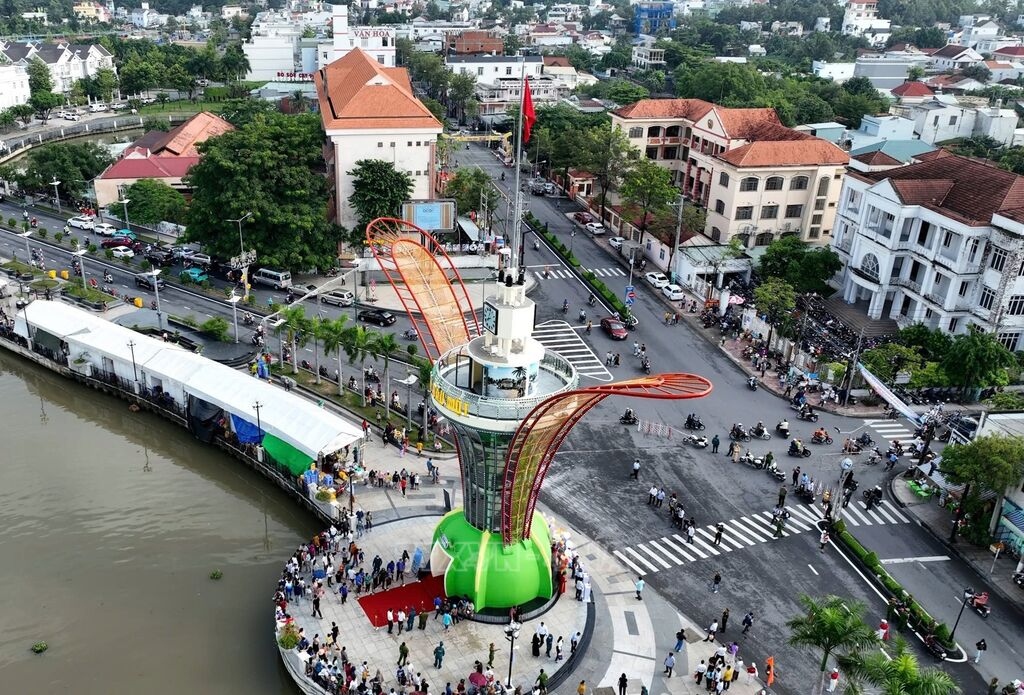

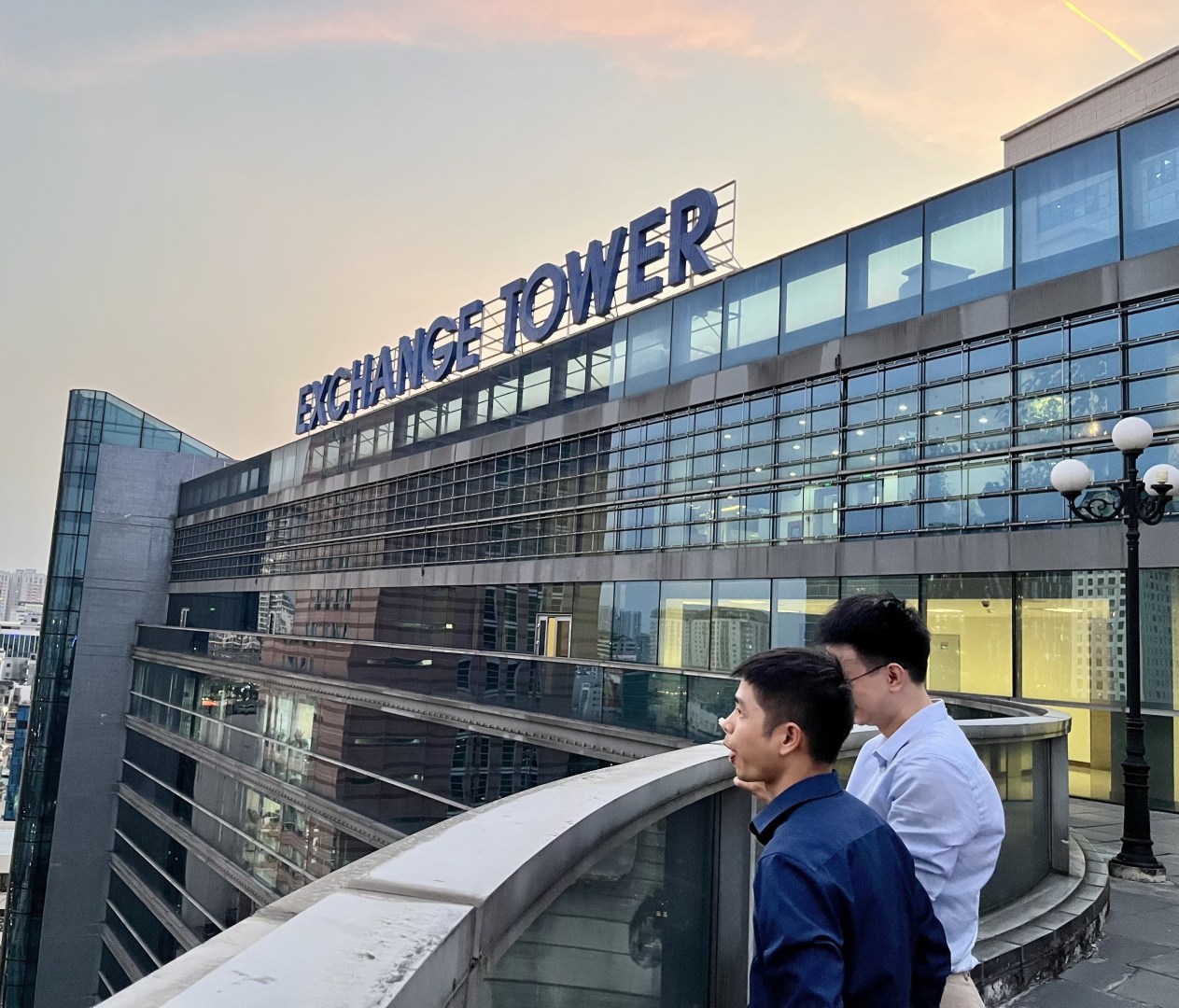
The linkage among these three localities has long existed and evolved organically. HCM City serves as the country’s financial and commercial hub, home to major banks, a stock exchange, leading universities and research institutes, high-tech parks, and innovation ecosystems.

inaugurated in 2010, the tower symbolises the city’s dynamic growth and modern skyline.
(Photo: VNA)

(Photo: VNA)
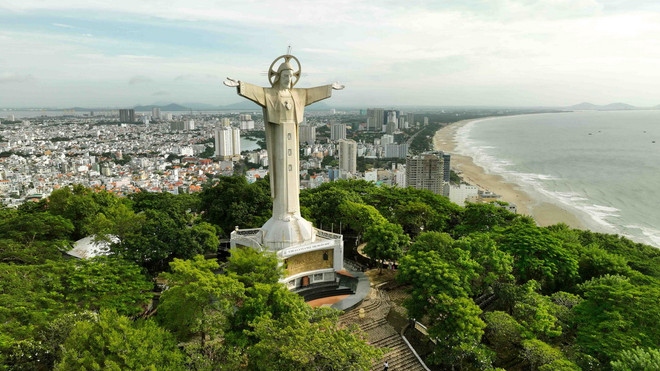
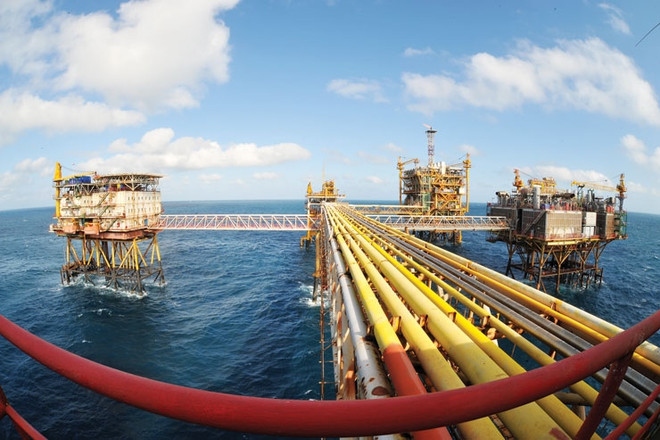
Binh Duong has emerged as a leading destination for processing and manufacturing industries, thanks to its well-developed industrial infrastructure, dynamic governance, and flexible investment policies. Meanwhile, Ba Ria – Vung Tau possesses strategic advantages in deep-water seaports, energy, and coastal tourism.

(Photo: VNA)


(Photo: VNA)

(Photo: VNA)

(Photo: VNA)
Experts point out that administrative fragmentation has hindered the three loalities from functioning as a unified urban system. Inter-provincial transport infrastructure projects are often disjointed, lacking coordination. Strategies for developing industry, services, logistics, and tourism frequently overlap, leading to intra-regional competition and inefficient resource use.
“The proposed merger will allow for institutional unification, enabling development planning based on functional connectivity. It would realign growth poles and balance development across urban, industrial, marine, and rural areas. This is how an ‘integrated mega-city’ can be built, one that is more harmonised and sustainable than the current fragmented development model. Successful mega cities worldwide share a common trait: deep institutional restructuring accompanied by a long-term development strategy”.
Nguyen Tuan Anh, M.A., from Saigon Industry Corporation
Dr. Nguyen Manh Hung, Dean of the Faculty of Administrative Law and State at Ho Chi Minh City University of Law, also stressed the need for new thinking in managing a mega urban area. To operate a city of continental scale, he said, HCM City must develop a unique, innovative, and efficient governance model. This includes a comprehensive urban administration mechanism with greater decentralisation and delegation of powers, alongside a robust push for digital transformation and smart e-government systems.
Notably, he stressed that improving the quality of governance personnel and empowering the private sector are key to enabling HCM City to rise as a true Asian mega city, in line with the Party and Government’s strategic focus on scientific development, innovation, digital transformation, and private sector dynamism as core drivers of the economy.
Unlocking new growth space

(Photo: VNA)

(Photo: VNA)

(Photo: VNA)

(Photo: VNA)

(Photo: VNA)
(Photo: VNA)
Following the merger, HCM City’s role as the nation’s economic locomotive will be further solidified. With an existing GRDP of nearly 1.78 quadrillion VND (71.2 billion USD), the highest in the country, the addition of Binh Duong and Ba Ria – Vung Tau would raise the city’s economic scale to over 2.7 quadrillion VND, accounting for a quarter of Vietnam’s GDP and nearly double that of Hanoi (1.42 quadrillion VND). The incorporation of these key manufacturing, energy, and tourism-service hubs is expected to reinforce HCM City’s status as a central pillar of the national economy.

(Photo: VNA)
Experts believe the expansion of HCM City’s administrative boundaries will significantly enhance regional connectivity, especially with the Eastern and Southwestern regions. It will pave the way for major upgrades in transport and logistics infrastructure and open up new land for industrial development, particularly in sectors such as seaport services, energy, and construction. This, they say, offers a long-awaited solution to the city’s long-standing challenges in space and resource limitations.
“After the merger, HCM City will gain access to two key infrastructure assets it currently lacks: the Cai Mep – Thi Vai deep-water port in Ba Ria – Vung Tau (the largest of its kind in the region), and the Song Than railway station in Binh Duong (Vietnam’s largest). This opens opportunities for industrial and high-tech urban development to the north, and for the expansion of coastal port cities and tourism hubs to the south and southeast”.
Dr. Ngo Viet Nam Son, urban planning expert

(Photo: CafeF)
Linking existing seaports with upcoming deep-water port projects will also provide the momentum needed for the new HCM City to emerge as a regional and global logistics hub, a gateway for maritime trade and a core of the blue economy, solidifying its status as a future Asian mega city.
While the expanded Ho Chi Minh City is expected to maintain its leading role in the national economy, the newly formed Dong Nai province, merging Dong Nai and Binh Phuoc, is also poised to rank among Vietnam’s top four in economic development, with a combined GRDP of around VND613 trillion. Dong Nai has long been a leading industrial powerhouse, and Binh Phuoc has shown strong momentum in economic development over the past years.

(Photo: VNA)
The merger of Binh Phuoc and Dong Nai not only gives the Southeast region two dynamic economic engines but also forms a key connection corridor linking the Central Highlands to the Southeast and the coast. This integration is expected to facilitate the transport of goods and raw materials from the Central Highlands to HCM City and the Southeast for consumption and export, while also boosting tourism and commercial services.

Ultimately, the proposed mergers are not just geographic realignments, they represent strategic breakthroughs, enabling the pooling of resources and expanding the development space for localities. In particular, this restructuring reinforces HCM City’s central role on the regional economic map, while elevating the Southeast’s significance in the national development strategy./.

(Photo: VNA)