For years, the Vietnamese community in many countries rarely had the chance to experience Vietnam’s traditional arts and culture actitivies organized by the Vietnam government, except the annual event “Vietnam Day Abroad” that has been organised by the Ministry of Foreign Affairs since 2010. But the year 2024 marked a turning point.


Prime Minister Pham Minh Chinh and other delegates watch a Vietnamese water puppetry performance during the Vietnam Day in Brazil event, November 17, 2024. (Photo: VNA)
The Saudi Arabian public shows great interest in Vietnam’s traditional lacquer art at the Vietnam Day in Saudi Arabia, December 13, 2024. (Photo: Vietnamese Gov’t Portal)

For the first time, the overseas Vietnamese community throughout the world had the opportunity to immerse themselves in Vietnam TV reality shows like ‘Anh trai vuot ngan chong gai’, ‘Anh trai say hi’, and ‘Em xinh say hi’ at the same time together with their compatriots in Vietnam. The concert series, which combines music, performance art, modern technology, and Vietnamese cultural identity, made a significant mark in terms of scale and quality, making Vietnamese audiences worldwide feel connected to their roots like never before.
Even after these concerts were already wrapped up, millions of Vietnamese youth and international fans continued to post photos and short videos on social media platforms such as Facebook, YouTube, and especially TikTok, sharing their love for the shows and their pride in the country.
It was an unprecedented phenomenon.
Source: Personal TikTok accounts of Giao Cun, Will in Vietnam, and Quang Lam Bao.
Markedly, these shows were among the first of their kind produced by the cooperative partnership between the State and the private sector. “Anh Trai Vuot Ngan Chong Gai (Call Me By Fire)” was co-produced by the Arts Department of Vietnam Television and 1Production Co. Ltd (Yeah1); “Anh Trai Say Hi” and more recently “Em Xinh Say Hi” were jointly developed by Vie Channel Corporation under DatViet VAC Group Holdings and the Editorial Board for Digital and Cable TV Channels of Ho Chi Minh City Television.


Illustrative photos: Music reality TV shows produced through public-private partnerships attract large audiences both domestically and among overseas Vietnamese communities.
Observing the hot hit of these concerts, international experts in the field of communication and public diplomacy have credited the artists’ talents and their outstanding performance for being able to touch the hearts of many generations of Vietnamese people, convey humanistic values through music and history and truly become a bridge for Vietnamese culture to integrate into regional and global currents. The huge success of the shows, they believe, has opened up opportunities for a notable shift in Vietnam’s approach to promoting cultural diplomacy in the future.

When the private sector joins the State’s cultural promotion efforts
In the past, Vietnamese cultural diplomacy was described as lacking public participation. Dr. Lam Vu from the University of New South Wales, Australia, noted in his 2015 article in the Asian Politics & Policy that Vietnam’s public diplomacy—primarily through cultural and people-to-people diplomacy—”is characterized by the State’s tight grip”.
Professor Gary Rawnsley of the University of Lincoln, UK, echoed this view in his chapter in the 2017 Routledge Handbook of Soft Power, stating that “the Vietnamese government has decided to take a central and hands-on role in the design and execution of the country’s cultural diplomacy activities.”
However, with the rapid development of the society, together with the growing public engagement in cultural and people-to-people initiatives, widespread tech applications, and the rise of social media, Vietnamese diplomacy sector has adapted to align with the ‘comprehensive and modern’ direction set at the 13th National Party Congress. Cultural diplomacy, one of three key pillars alongside political and economic diplomacy, has made remarkable strides by encouraging the involvement of businesses and citizens.
The “Vietnam’s Cultural Diplomacy Strategy to 2030,” approved by Prime Minister Pham Minh Chinh in 2021, clearly states that “Cultural diplomacy places localities, citizens, and businesses at its centre. They are not only beneficiaries but also partners in implementing the Strategy.”
This marks a shift in the Party and State’s approach compared to the 2011 External Cultural Strategy, which stressed the central role of the State: “External cultural activities are implemented by all social strata, with the State providing direction and policy as well as building national image or national motto.”


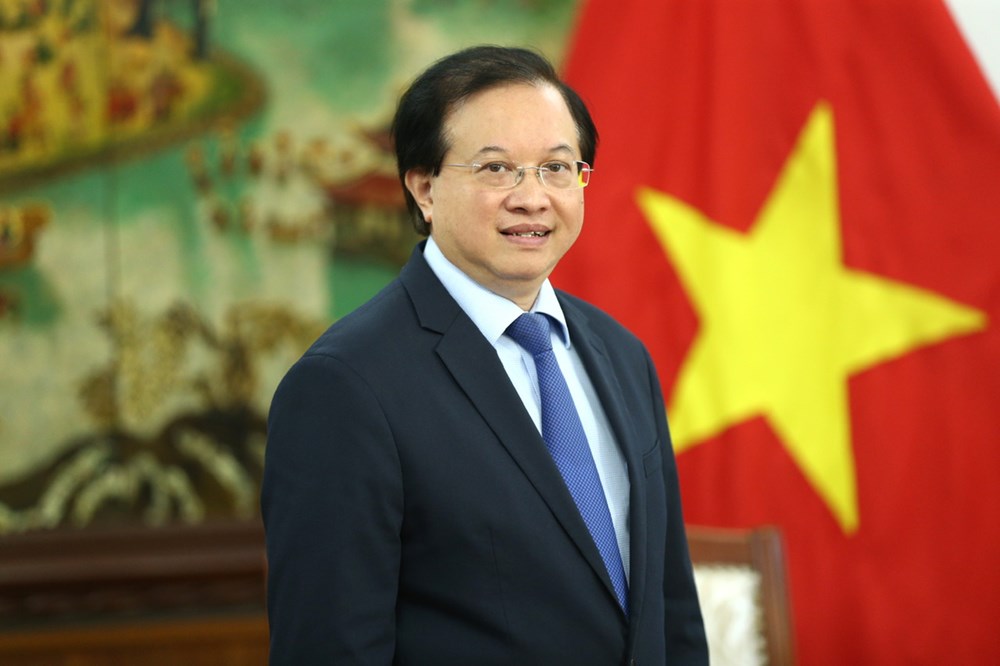
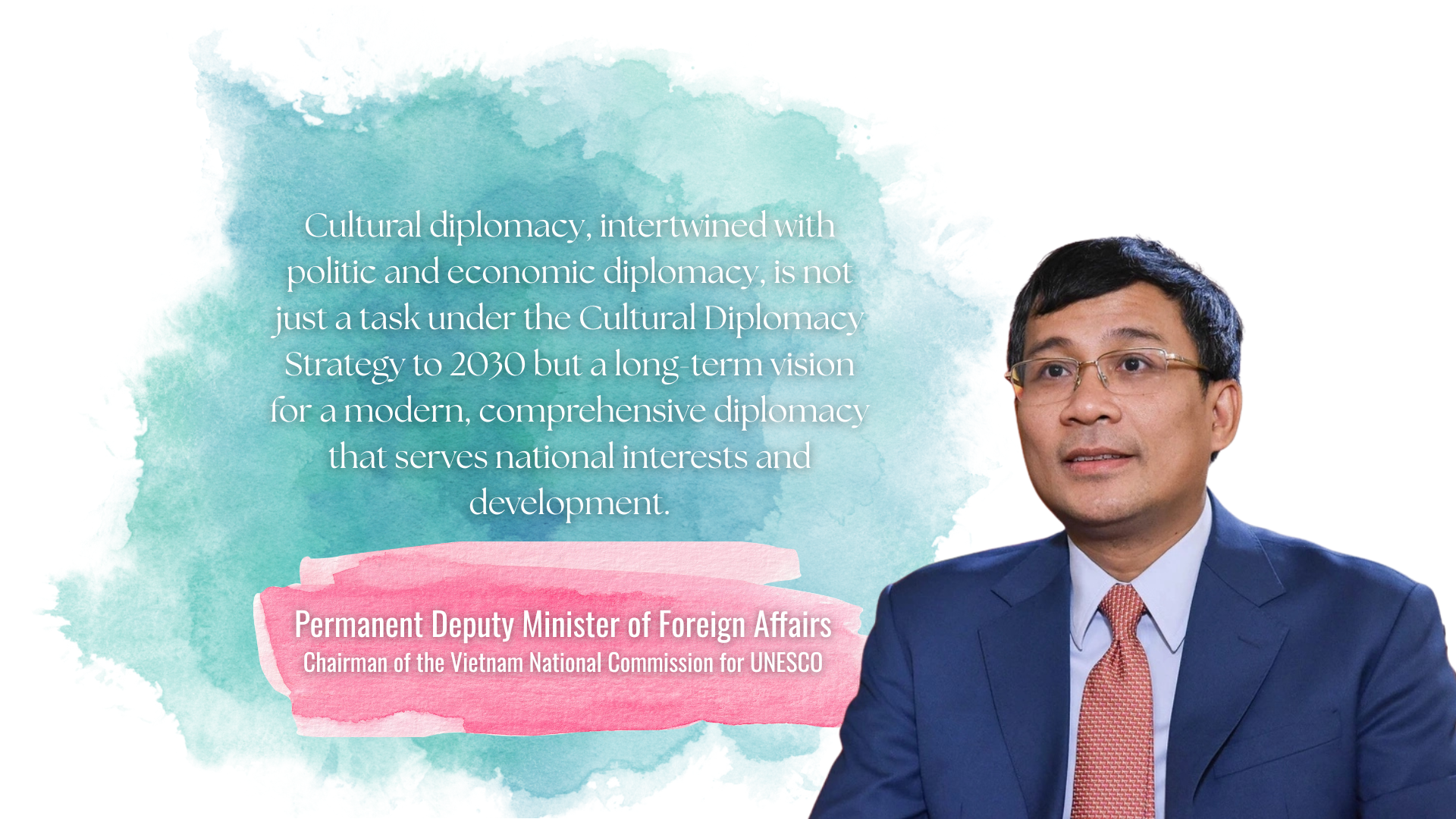
According to Deputy Minister of Culture, Sports and Tourism Ta Quang Dong,
The new approach to cultural diplomacy aligns with the concept of “public diplomacy” and interweaves with external cultural affairs.
Dr Lam Vu observes that the 2021 strategy reflects a “more coordinated and outward-looking model” compared to that of 2011, mobilizing not just diplomats but artists, local authorities and also the Vietnamese diaspora to promote the country’s cultural heritage and cultural creative products to the international community.”

Nguyen Le, a PhD candidate in Public Diplomacy at the University of Nottingham Ningbo, China, points out, “The public is no longer the passive target audience.” Now they can contribute to the State’s public diplomacy efforts or create their own ways of building connections thanks to the technology that they have, she says, adding, “People creating new forms of expression on social media to promote Vietnamese culture and patriotism deserve encouragement and applause.”


State-led cultural diplomacy continues to innovate
In a recent interview with the Vietnam News Agency, Deputy Minister Ta Quang Dong shared that Vietnam has successfully secured over 60 UNESCO recognitions. As the first country to propose that “Xoan Singing of Phu Tho” be transferred from the “List of Intangible Cultural Heritage in Need of Urgent Safeguarding” to the “Representative List of the Intangible Cultural Heritage of Humanity,” Vietnam has shown the world its proactive and responsible role in the conservation of global heritage.
Vietnam’s cultural diplomacy, which has been aligned with communication efforts, as outlined in Politburo Conclusion No. 57 dated June 15, 2023, is aimed at improving the effectiveness of external communication. Every year, the Ministry of Culture, Sports, and Tourism supports around 30 international film crews and major foreign media outlets such as BBC, CNN, NHK, and KBS coming to Vietnam to produce documentaries and news coverage that feature Vietnamese culture, people, and landscapes.
Promotional video on Vietnamese tourism aired on CNN (U.S.).
(Source: Vietnam National Authority of Tourism)

Professor Carlyle Thayer of the University of New South Wales, a leading scholar on Vietnam’s affairs, commented: “Over the past 14 years, since the 2011 strategy was formed, cultural diplomacy has contributed greatly in shaping the perceptions of the ‘brand name” of Vietnam.
Vietnam used to struggle hard just to prove itself a country, not a war, now Vietnam is portrayed as a vibrant, welcoming country with long historical traditions and a rich culture, he added, citing cultural diplomacy’s contributions to tourism and economic development, especially through UNESCO recognition and a series of Vietnam cultural events held across the globe.

Opening of Vietnam Cultural Week in Laos 2024, December 10, 2024. 
Vietnam Cultural Festival in Osaka (Japan), February 5, 2025. 
Vietnam Cultural Day in Tyumen, Russian Federation, March 25, 2025. 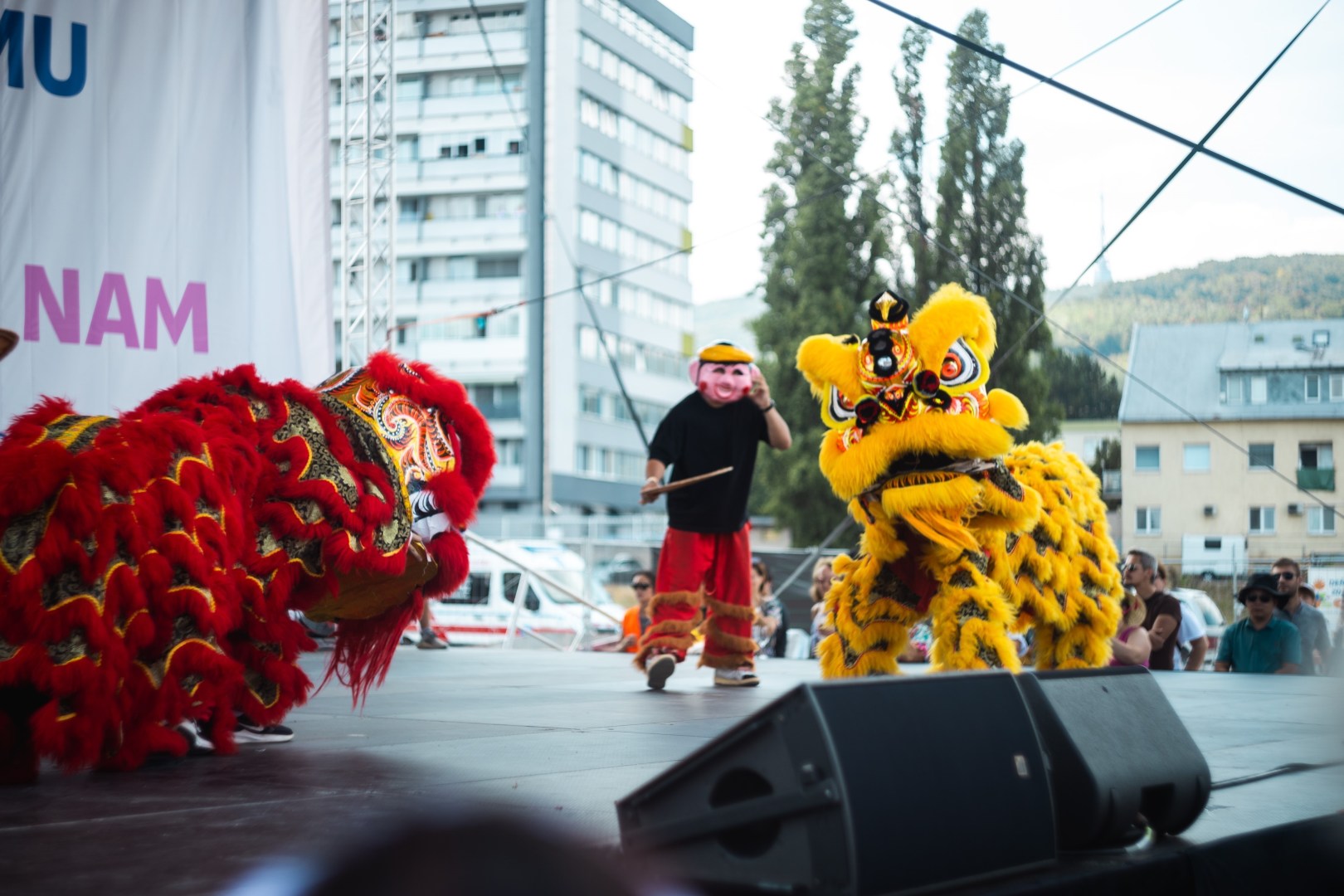
Vietnam Day in Slovakia draws large international attendance, August 20, 2024. 
Vietnam Cultural Week in Pyeongtaek (South Korea), June 21, 2025. 
Nguyen Dynasty costumes showcased at Vietnam Week in the United States 2024, October 15, 2024. 
Vietnam Cultural Day 2025 in Mexico, March 30, 2025.

Cultural diplomacy thrives in the era of the nation’s rise
According to the Lowy Institute’s 2024 Asia Power Index, Vietnam’s overall power increased by 1.2% from 2023, making its regional influence stronger than previously projected. Susannah Patton, Director of the Southeast Asia Program at Lowy, noted that Vietnam’s most significant gains were in diplomatic and cultural influence.

Vietnam’s achievements in cultural diplomacy are paving the way for Vietnam to enter “the era of the nation’s rise,” as outlined by Party General Secretary To Lam. At a seminar titled “A New Era of Development – The Era of Vietnam’s Rise” on November 25, 2024, at the Ho Chi Minh National Academy of Politics in Hanoi, the Party Chief declared:
“The new era is marked by the 14th National Party Congress. From then on, all Vietnamese citizens, united under the Party’s leadership, are to seize opportunities, overcome challenges, to propel the country forward in a comprehensive, robust, and breakthrough manner.”

Dr Lam Vu believes cultural diplomacy helps project Vietnam as both a modernizing and culturally rich country, and that the country’s achievements in heritage restoration and any international recognition it has received will bolster national pride and promote the development of Vietnam.

“This helps reinforce the public’s trust,” he says. “In an era of global challenges and declining trust between governments and nations, cultural diplomacy enables Vietnam to position itself as a trustworthy partner. Cultural diplomacy can be a strong driver to serve Vietnam’s national interests and objectives.” Therefore, cultural diplomacy efforts fit “tightly and closely into General Secretary To Lam’s vision for national rise,” Dr Vu adds.
Therefore, cultural diplomacy efforts fit “tightly and closely into General Secretary To Lam’s vision for national rise,” Dr Vu concluded.
However, to make cultural diplomacy a robust pillar of Vietnam’s soft power, greater public participation is needed, the scholars point out.

Speaking to the Vietnam News Agency about the challenges in implementing the 2021 strategy, Professor Gary Rawnsley observed: “Vietnam is currently focused on the ‘culture’ side, particularly heritage and cuisine. But for a comprehensive public diplomacy strategy, the country must also empower the ‘public’ and increase its presence abroad.” “For instance, Vietnam’s transformation from a war-ravaged country to a fast-growing economy is a compelling story—yet few people in my country (the UK) know about it.”


Vietnam with its diverse cultural values. (Photos: VNA)
Professor Rawnsley suggested Vietnam define specific goals within its cultural diplomacy strategy to turn intentions into soft power assets.

Nguyen Le, while also calling for public engagement in cultural diplomacy, warned that public-driven initiatives on social media carry risks of fake news and disinformation. She recommended a “proactive social media hearing and listening” mechanism, where the Government engages with trends and youth subcultures to bridge state-society gaps and shape emerging issues and relevant policies.
She also stressed the need for detailed plans, creative storytelling, and coordination among ministries, individuals, and organisations involved. She cited Thailand’s “5F’s” strategy—Food, Festival, Fashion, Film, Fight—as an example of how defining focus areas can generate strong global impressions.

Dr Lam Vu added that to strengthen Vietnam’s soft power amid global challenges, cultural diplomacy should “prioritize deeper localization, wider digital engagement and an alignment with topical global themes like sustainability, or cultural, eco resilience.” By localization, he elaborated, provinces and cities with deep heritage should be empowered to “lead their own international cultural initiatives” with support from the central government to enhance authenticity and reach.


Cultural diplomacy as a strategic pillar
Party General Secretary To Lam has prioritised Vietnam’s strategic goals for 2030-to become a modern industrialised country with upper-middle income-and by 2045, a high-income developed socialist nation. This requires awakening national pride and self-reliance while integrating national strength with global opportunities.
To achieve this, cultural diplomacy must affirm its role as a foundational pillar—alongside politics and economics—in Vietnam’s modern, comprehensive foreign policy.
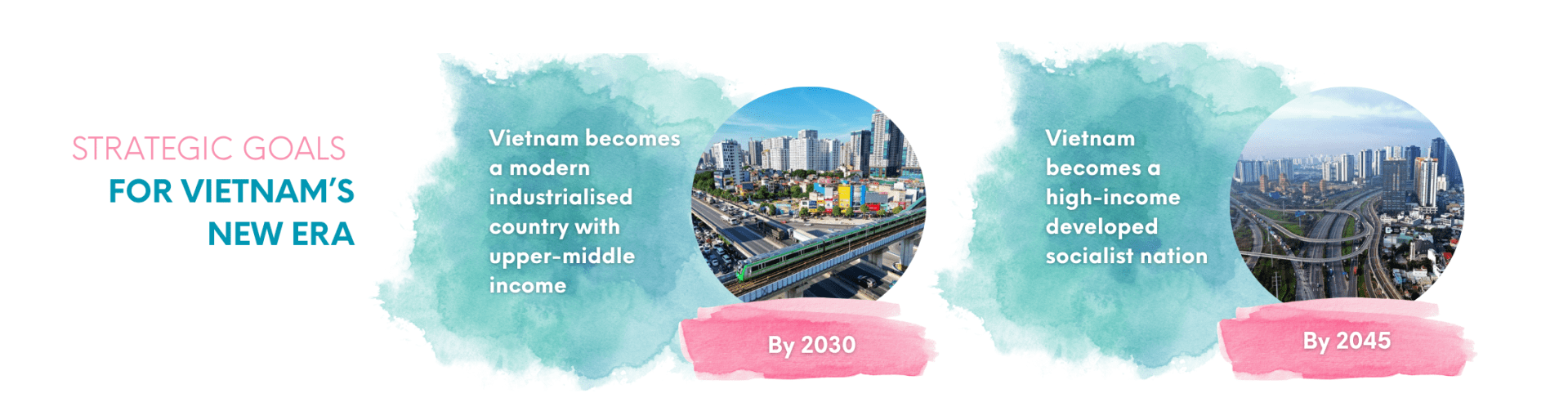
“Vietnam has set itself the goals of becoming a developing country with a modern industry and high-middle income by 2030 and a developed country with high income by 2045. This is the period of Vietnam’s rise. Vietnam’s fourteenth national party congress in early 2026 must give priority to cultural diplomacy and spell out its future direction and policies,” said Professor Thayer.

“Given positive growth outlooks over the next five years, Vietnam could further invest in global cultural diplomacy by expanding activities among its 35 strategic and comprehensive partners, including overseas Vietnamese communities,” he noted.
In line with the 13th National Party Congress and the 2021 National Strategy for Cultural Diplomacy, which approach culture development as promoting the nation’s finest values while embracing the cultural quintessence of humanity, Vietnam’s cultural diplomacy is undergoing a strong transformation.
Today, Vietnam is gradually asserting its position on the global stage—not only in politics and economics, but also in culture—projecting the image of a nation rich in identity, a trustworthy and responsible partner in the international community./.
By Hong Nhung & Ngoc Ly

Read more