
Streamlining the state apparatus is a crucial step for Vietnam to accelerate its digital transformation, enhance management efficiency, and improve the quality of public services, according to foreign experts.
In a recent interview granted to the Vietnam News Agency, Bruno Jaspaert, Chairman of EuroCham Vietnam, said: “Vietnam is still a country relying on lengthy processes, with a lot of paperwork, numerous checks, and multiple steps involving different ministries. The ministerial overhaul announced at the end of last year is a positive step in the right direction.”
The state restructuring may slow things down in the short term; however, it is ultimately expected to lead to a more efficient and proactive government, Jaspaert added.

Vietnam is actively promoting digital transformation to implement the Politburo’s Resolution No. 57-NQ/TW, dated December 22, 2024, with the goal of creating breakthroughs in science, technology, innovation, and national digital transformation. However, the cumbersome and multi-layered organisational structure remains a major bottleneck, hindering further progress.
In his article titled “Digital transformation: Crucial driving force for advancing productive forces and refining production relations to propel the nation into a new era,” Party General Secretary To Lam highlighted Vietnam’s significant socio-economic achievements in recent years. However, he noted that Vietnam’s digital transformation progress lags behind many other countries worldwide, mainly due to a cumbersome organisational structure with multiple intermediary levels and inefficient operations.
Allocating up to 70% of the state budget for monthly salary payments has left limited resources for investment and development, including the information technology infrastructure essential for digital transformation, according to the Party chief.
Consequently, reforming the organisational structure is imperative to advance digital transformation efforts. This will result in higher labour productivity to drive socio-economic development, he said.
PODCAST: Streamling apparatus to drive Vietnam’s digital transformation
The Party chief highlighted the gradual decline in Vietnam’s labour productivity growth rate. For instance, during the 2021-2025 period, it is estimated to be around 4.8%, down from 6.1% in 2016-2018. The target for 2021-2025 is 6.8%, but there is a significant risk of not meeting this goal. Therefore, it is necessary to promote digital transformation to increase labour productivity, Party General Secretary To Lam said.
He added that: “Over the past 40 years, we have achieved great development milestones, but compared to countries in the region like China, Japan, the Republic of Korea, and India, we still lag far behind.”

Experts said streamlining the state apparatus is not only aimed at improving the country’s management efficiency but also the economy’s competitiveness.
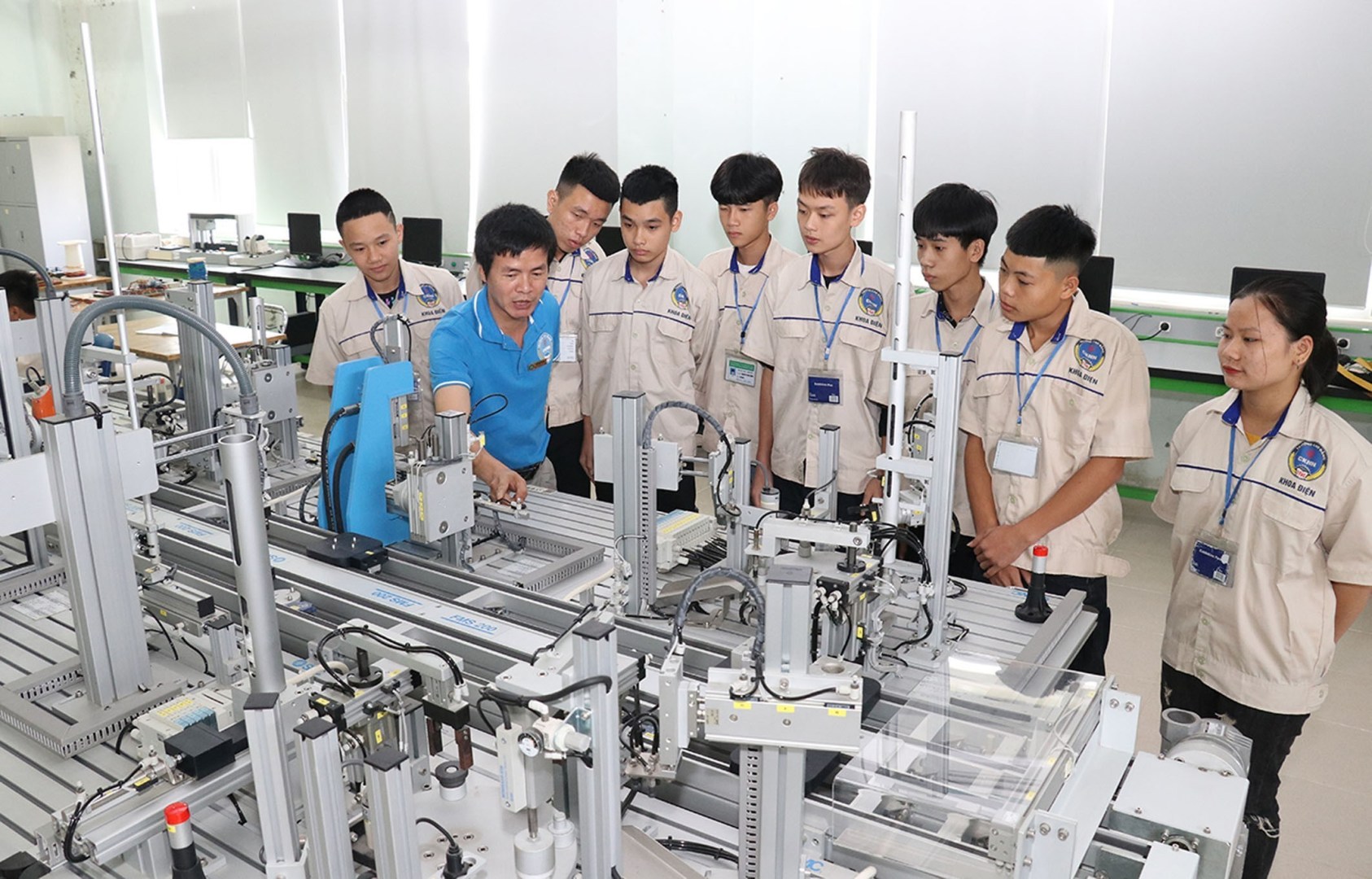
This process must go hand in hand with improving the skill level of the workforce, particularly in the technology sector, which will help Vietnam better leverage on advanced technologies such as artificial intelligence to boost labour productivity and accelerate digital transformation, according to Stephen Nagy, Director of Policy Studies at the Yokosuka Council on Asia Pacific Studies (YCAPS).
“Part of streamlining the state apparatus involves upgrading the skills of the Vietnamese workforce so that they can adapt to and effectively use advanced technologies like artificial intelligence. This is crucial as Vietnam pushes forward with digital transformation to ensure that the Vietnamese workforce is fully equipped with the necessary skills to meet the country’s current and future development needs.”
Stephen Nagy, Director of Policy Studies at Yokosuka Council on Asia Pacific Studies
Sharing the same view with Nagy, Professor Carl Thayer from the Australian Defence Force Academy, University of New South Wales, said streamlining the state apparatus would provide Vietnam with more resources to invest in developing a highly skilled and tech-savvy workforce.
“This, in turn, would boost labour productivity and help Vietnam escape from the “middle-income trap” while achieving its strategic goals of becoming a developing country with modern industry and upper-middle income by 2030 and a developed socialist country with high income by 2045.”
Carl Thayer, Professor at University of New South Wales
Meanwhile, the EuroCham Chairman underlined the significant role of the public-private partnerships in promoting innovation and digital transformation. “With the current stage of development in Vietnam, leveraging resources from investors and private companies is crucial,” Jaspaert said.
“Removing bottlenecks in the process of handling administrative procedures is essential. Vietnam can focus on “low-hanging fruit” areas such as online visa application, customs regulations, business establishment and online tax declaration. These examples not only reduce the amount of labour required from the government side but also make it easier for investors to do business in the country,” Jaspaert said.
To accelerate the digital transformation process, experts highlighted the need for a lean, compact, and efficient apparatus that eliminates unnecessary intermediary procedures. This approach is a crucial solution to accelerating digital transformation in Vietnam, while simultaneously optimising the state apparatus, reducing operational costs, and improving overall efficiency and effectiveness./.