
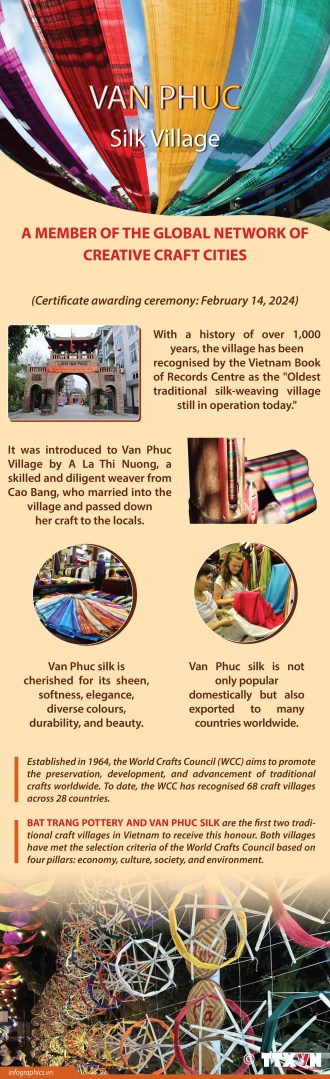
Hanoi proudly welcomed Bat Trang ceramic village and Van Phuc silk weaving village into the Global Network of Creative Craft Cities. This recognition builds on earlier achievements, which saw Ho Chi Minh City, Son La, Vinh, Cao Lanh, and Sa Dec honoured as part of the Global Network of Learning Cities, alongside Hanoi, Hoi An, and Da Lat inducted into the UNESCO Creative Cities Network (UCCN). These milestones underscore Vietnam’s expanding global presence and celebrate its rich cultural heritage and creativity.
Two craft villages included in “Global Network of Creative Craft Cities”


On February 14, 2025, a ceremony at the Thang Long Imperial Citadel celebrated the official induction of Bat Trang ceramic village and Van Phuc silk weaving willage into the Global Network of Creative Craft Cities. These are the first two Vietnamese craft villages to join this prestigious network, promoting Hanoi’s traditional craftsmanship and trade.
Bat Trang ceramic village

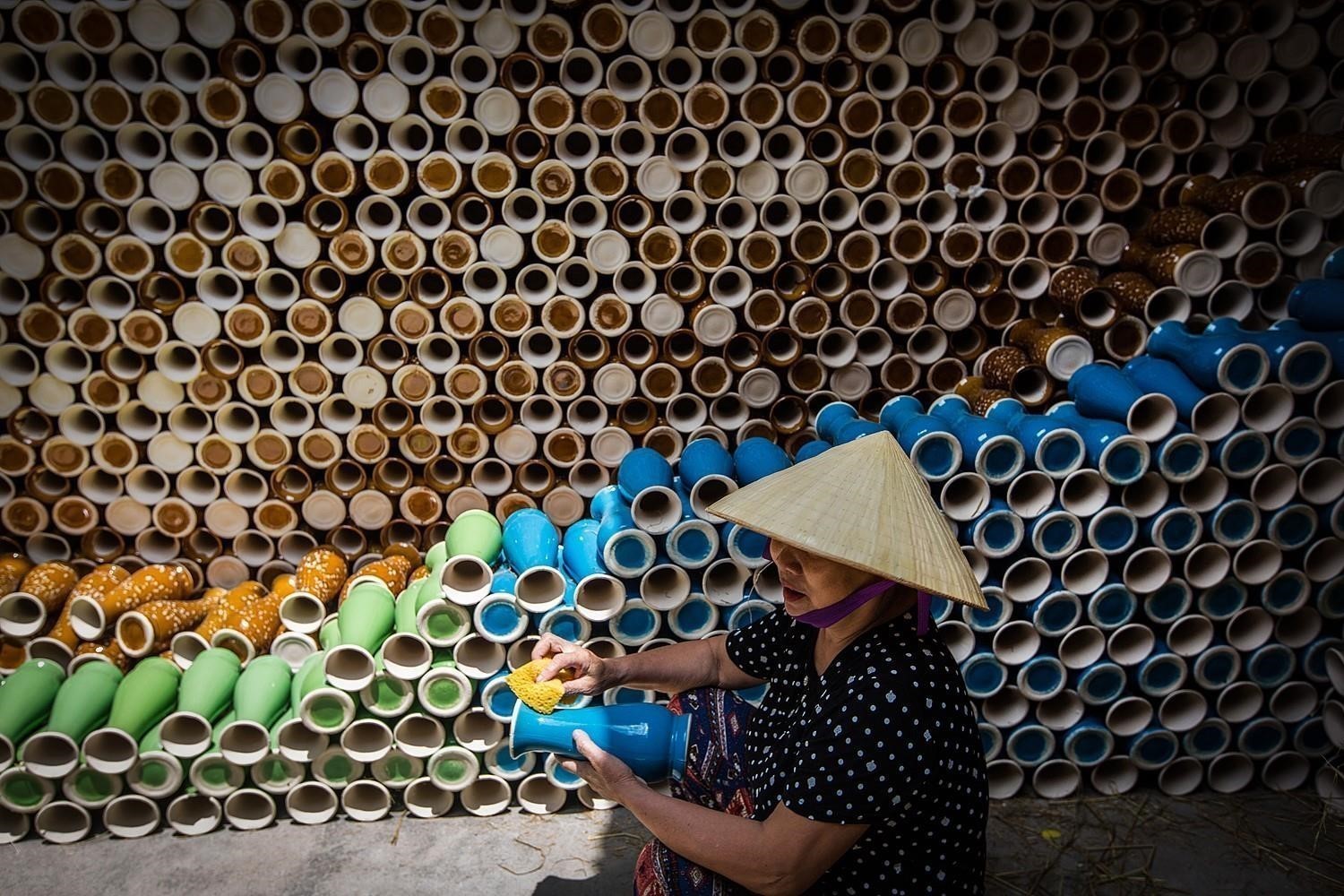
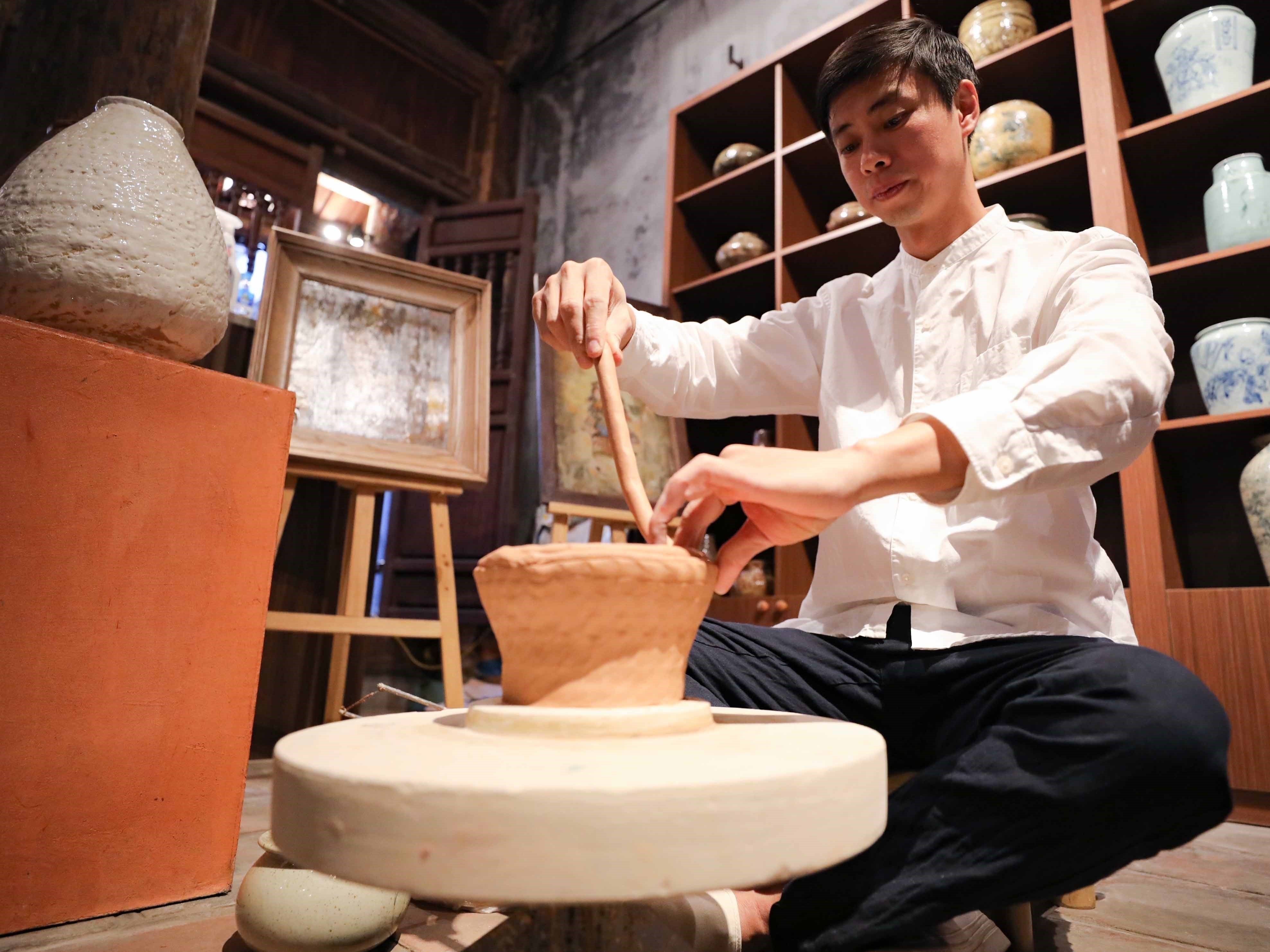

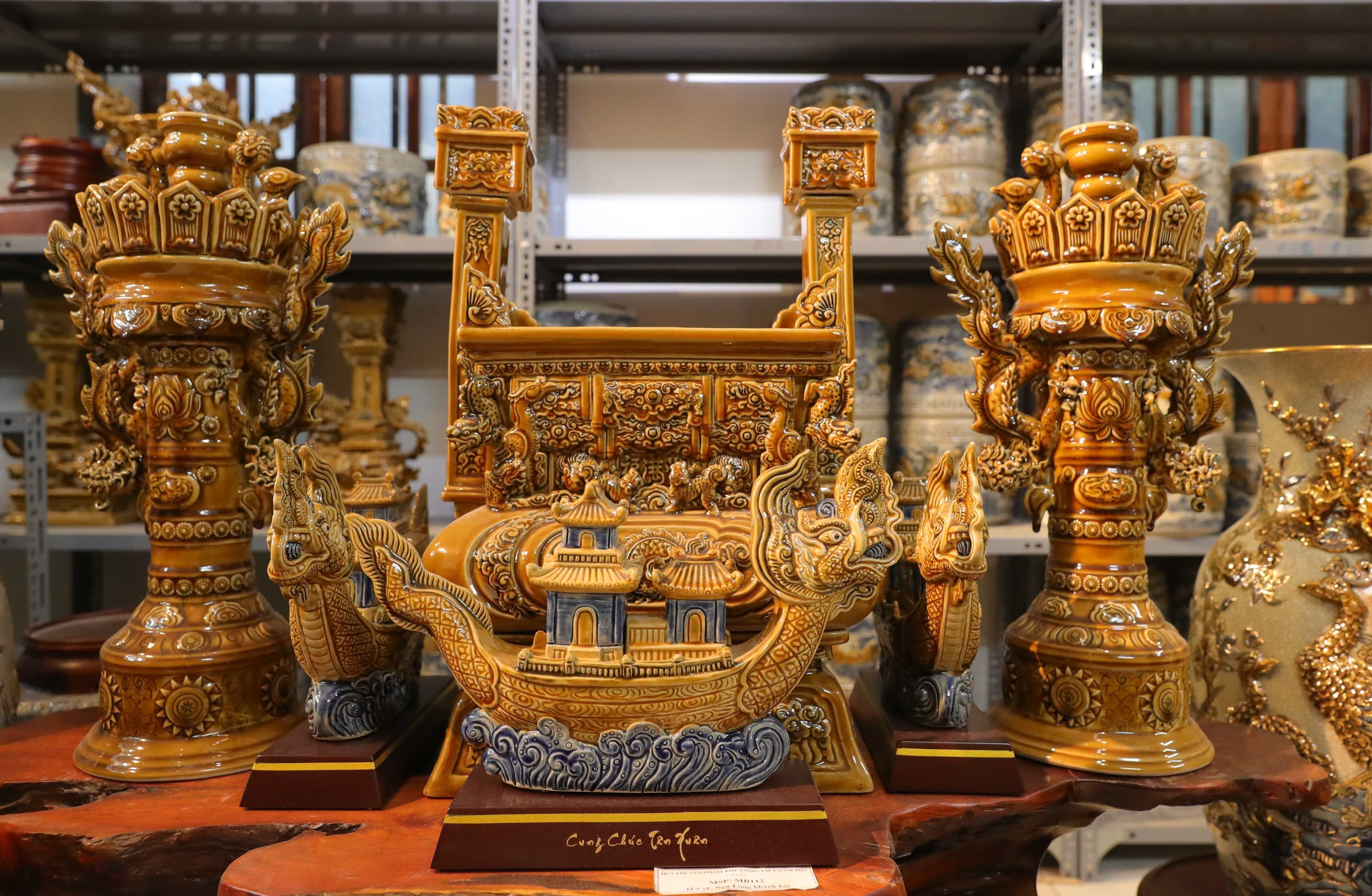


Photo essay: Bat Trang ceramic village is one of the oldest in Vietnam (Photo: VNA)
Nestled in Hanoi’s outlying Gia Lam district, Bat Trang ceramic village boasts a rich history dating back to the 14th-15th centuries. Originally settled by artisans from Ninh Binh province, the village thrived thanks to its abundant supply of white clay, becoming a renowned hub for ceramic production.
Today, Bat Trang stands as one of Vietnam’s oldest craft villages, preserving its cultural heritage while symbolising Vietnamese creativity and artisanal excellence.

Over centuries, Bat Trang pottery has evolved from simple household items to intricate artworks, blending tradition with modern creativity to meet contemporary market demands.
In 2019, Bat Trang pottery was honoured as a National Intangible Cultural Heritage, a testament to the village’s dedication to its craft.
Van Phuc silk weaving village


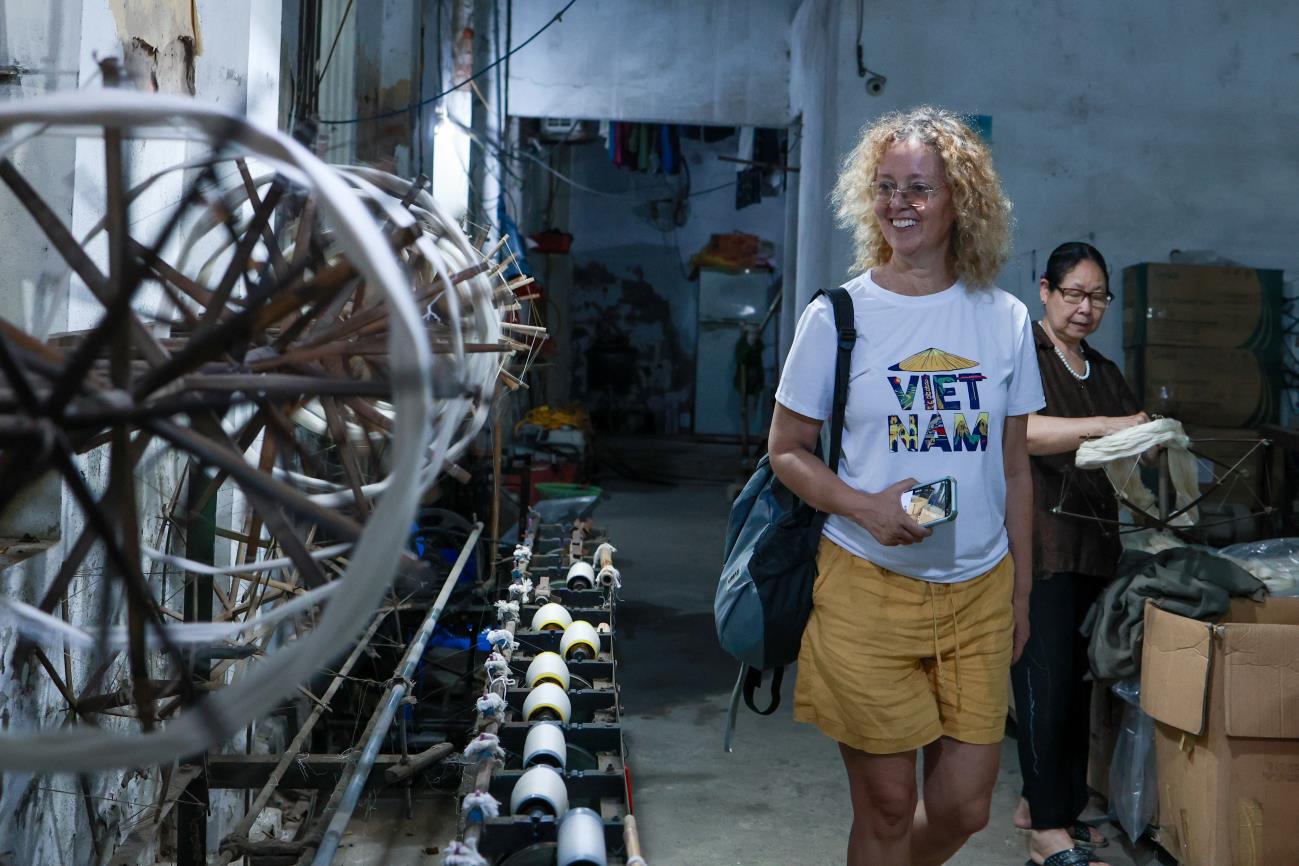
Photo series: Van Phuc Silk Village – traditional Vietnamese cultural beauty (Photo: VNA)
Located in Ha Dong district, Van Phuc village has long been a symbol of Vietnam’s rich silk-weaving tradition. What sets Van Phuc silk apart is its entirely handmade production process, requiring meticulous craftsmanship at every stage, from selecting silk threads to spinning and weaving fabric.
While preserving traditional techniques, local artisans keep innovating, blending classic patterns with modern motifs such as Ngu Phuc (Five Blessings), Long Van (Dragon and Clouds), and Quan Ngu Vong Nguyet (Carps Looking at the Moon). This fusion ensures that Van Phuc silk retains its cultural essence while appealing to contemporary tastes.
With over 1,000 years of history, Van Phuc has been recognised by the Vietnam Records Organisation as the oldest silk-weaving village still in operation today. In 2023, it was officially designated as a National Intangible Cultural Heritage by the Ministry of Culture, Sports and Tourism.
More than just a craft, Van Phuc silk has transcended its material value to become a cultural icon, reflecting the artistry and ingenuity of Vietnamese craftsmanship.
Three creative cities



Vietnam is home to three cities recognised by UNESCO as members of the UCCN, namely Hanoi, Hoi An, and Da Lat. This distinction not only honours their rich cultural heritage but also acknowledges their commitment to innovation and creativity. resulting in distinctive products with global appeal.
Hanoi: UNESCO Creative City for Design
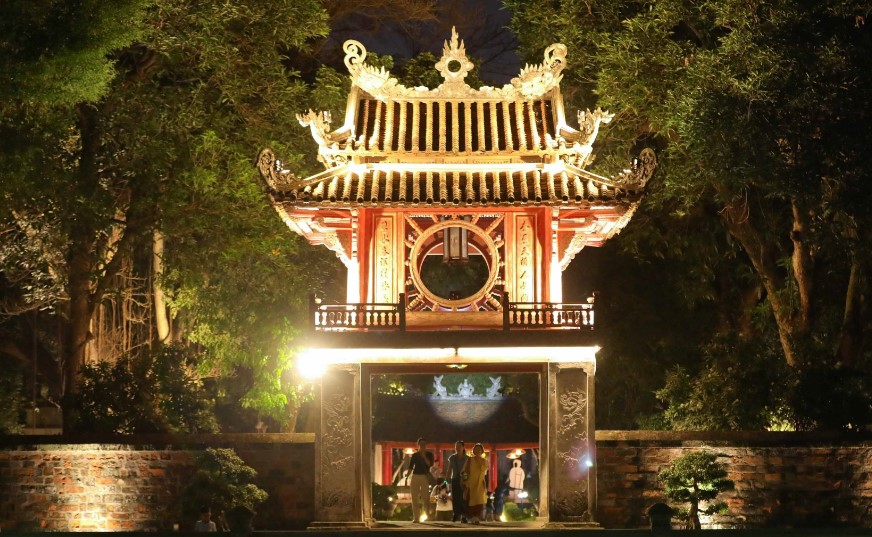
As the thousand-year-old capital of Vietnam, Hanoi is a city where rich cultural traditions and a vast heritage coexist with dynamic creativity. Iconic landmarks such as Hoan Kiem Lake, the Temple of Literature, and the Thang Long Imperial Citadel stand as testaments to its storied past. The city is also renowned for its famous craft villages, including Bat Trang ceramics and Van Phuc silk, as well as traditional performing arts like cheo (Vietnamese opera), tuong (classical drama), and ca tru (ceremonial singing).


In 2019, Hanoi became the UCCN’s 246th member for its excellence in design, a key pillar in the capital’s urban and cultural development strategy.
Over the past years, Hanoi has actively launched innovative initiatives to transform its creative potential into a driving force for growth, fulfilling its commitments to UNESCO.

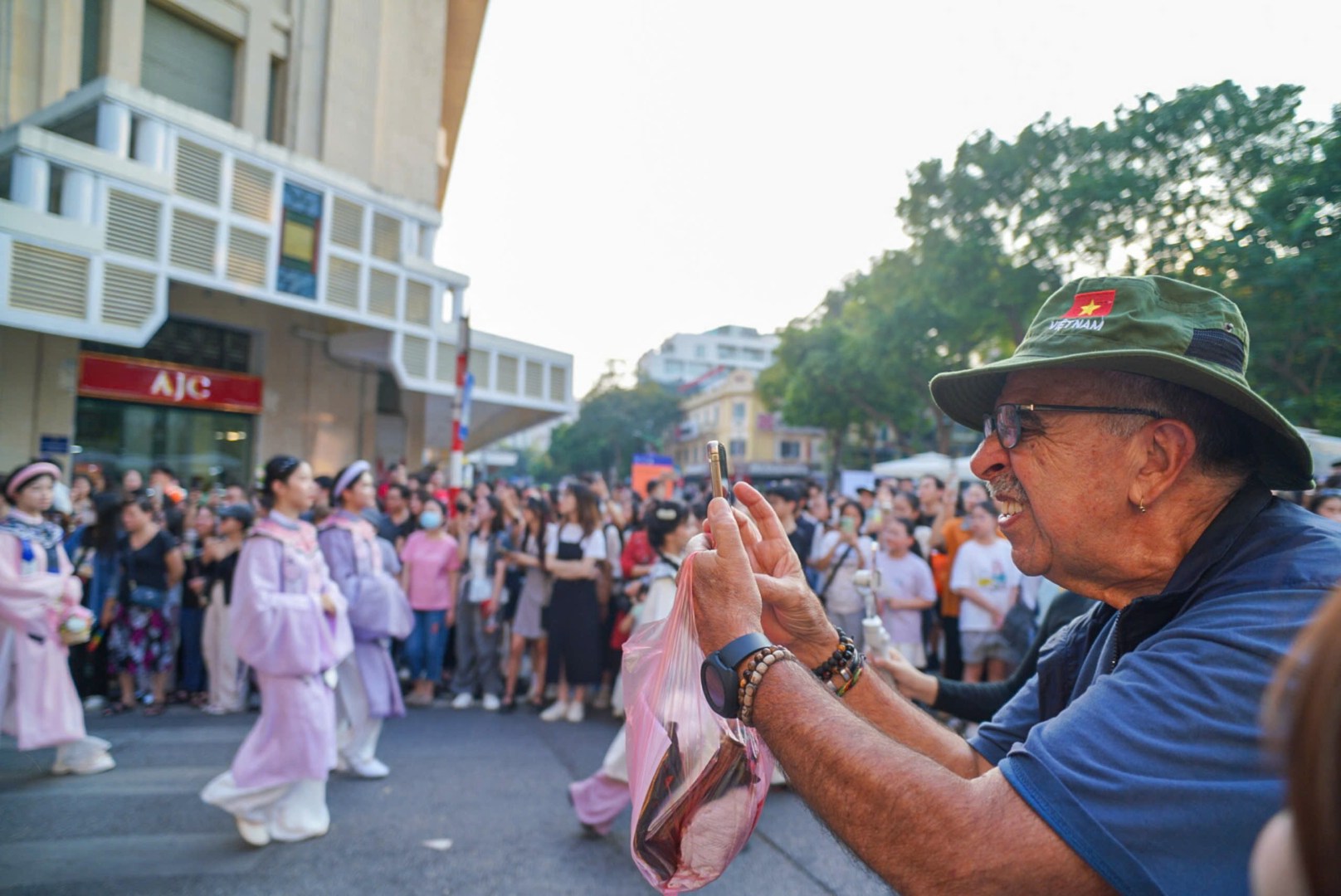

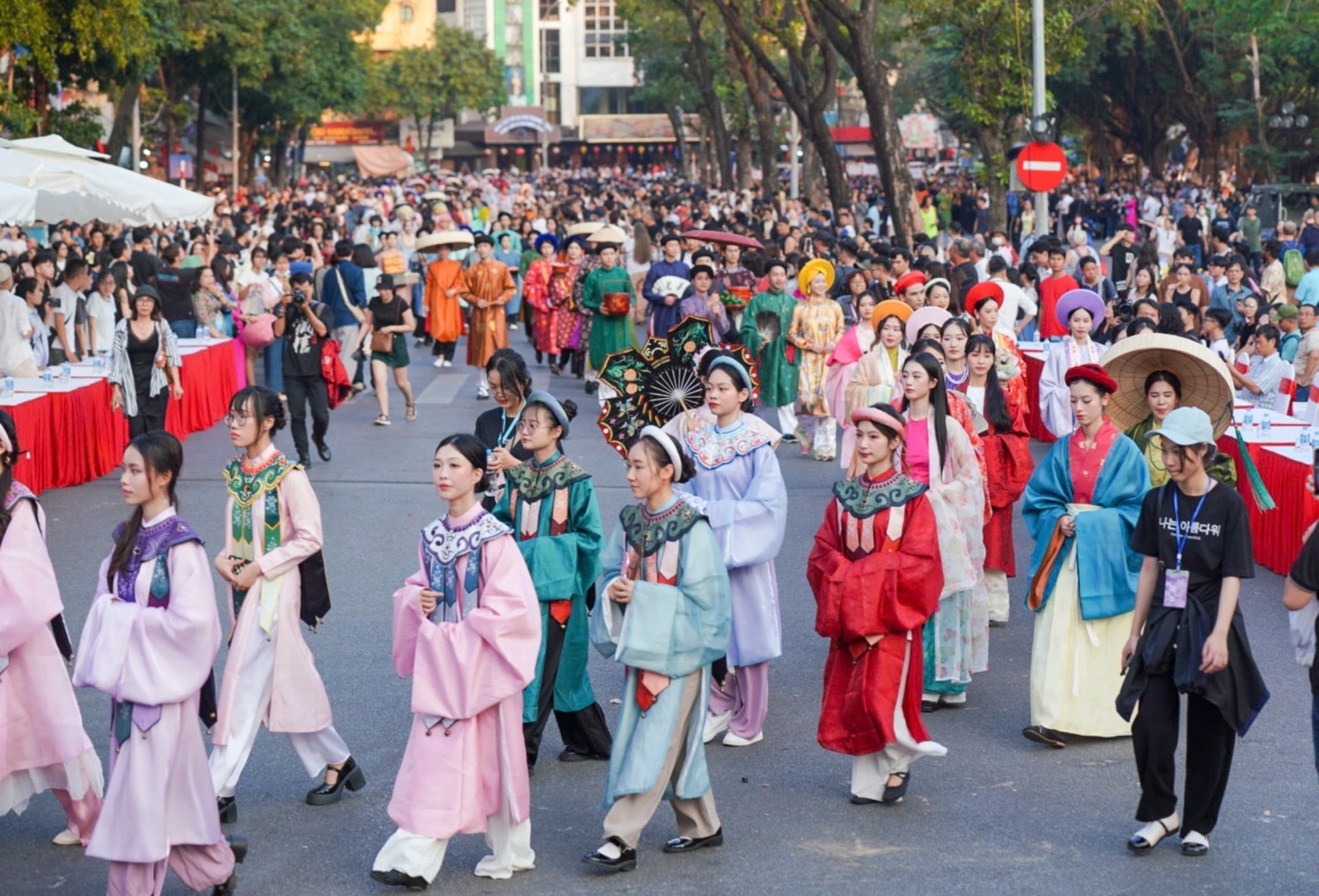


Photo series: Vietnamese traditional costume parade as part of the Hanoi Creative Design Festival 2024 (Photo: VNA)
Today, the city stands as a diverse cultural hub, hosting major art events such as the annual Hanoi Creative Design Week, which showcases public art and street performances. The rise of creative spaces across the city further highlights how innovation has become an integral part of everyday life in the capital.
Hoi An: UNESCO Creative City for Crafts, Folk Art

In 2023, Hoi An, together with Da Lat, was recognised as a member of UCCN in the field of crafts and folk art.
Traditional craftsmanship and folk arts have long been Hoi An’s cultural strengths, preserved and nurtured over generations. The city boasts five traditional craft villages and nearly 50 thriving handicraft industries, including woodworking, pottery, lantern making, bamboo and coconut crafting, tailoring, and leatherwork. Several of these crafts have been honoured as National Intangible Cultural Heritage.


For Hoi An residents, handicraft production is both a livelihood and a cultural expression, deeply embedded in their spiritual lives. This seamless blend of craftsmanship and folk artistry represents not only a legacy from ancestors but also a living heritage, continuously passed down and shared with the world.
The enduring creativity, practice, and transmission of these traditions have made Hoi An’s handicrafts, traditional villages, and folk art a “living heritage”, a valuable asset cherished by the local community.
Da Lat: UNESCO Creative City for Music

Dalat Spring Concert is the first annual international music project in Da Lat (Photo: organising board)
Da Lat is a renowned resort city known for its rare tranquility and romantic charm in Vietnam, making it a magnet for talented artists seeking inspiration in various art forms such as photography, music, poetry and painting.
Numerous theatres, music halls, galleries and art stages have been built to attract visitors eager to experience the city’s unique beauty. Every year, the city also hosts various events and music projects that cater to both locals and tourists alike.

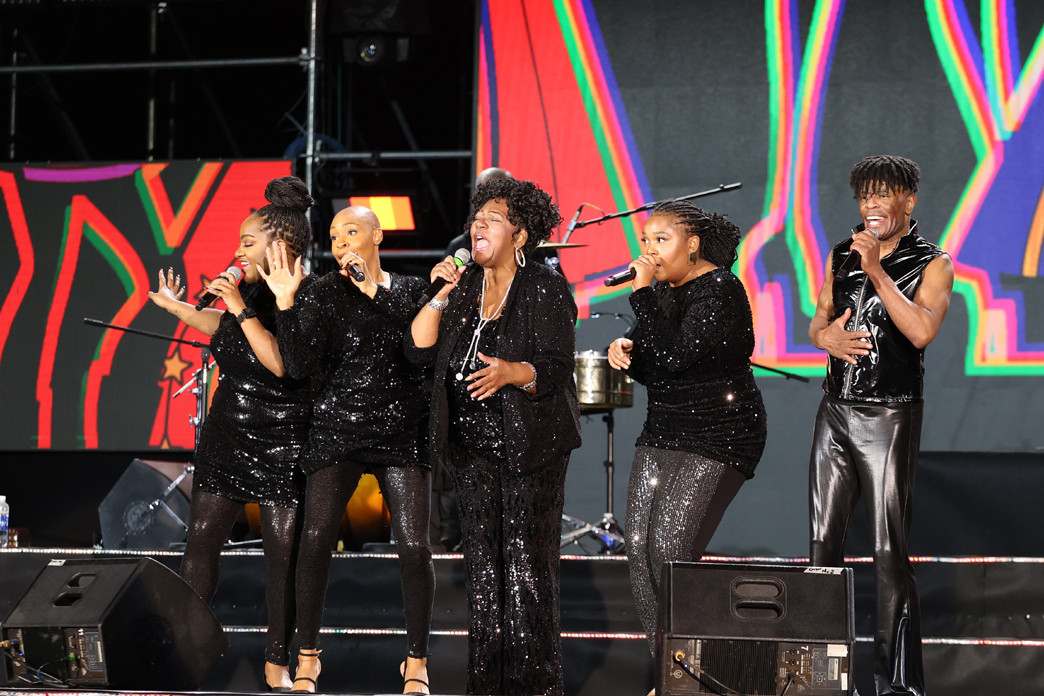

Recently, Da Lat has seen a rise in creative communities and artistic spaces, bringing contemporary art closer to the public. These venues offer opportunities for direct engagement with the creative process, fostering a deeper appreciation for the arts.
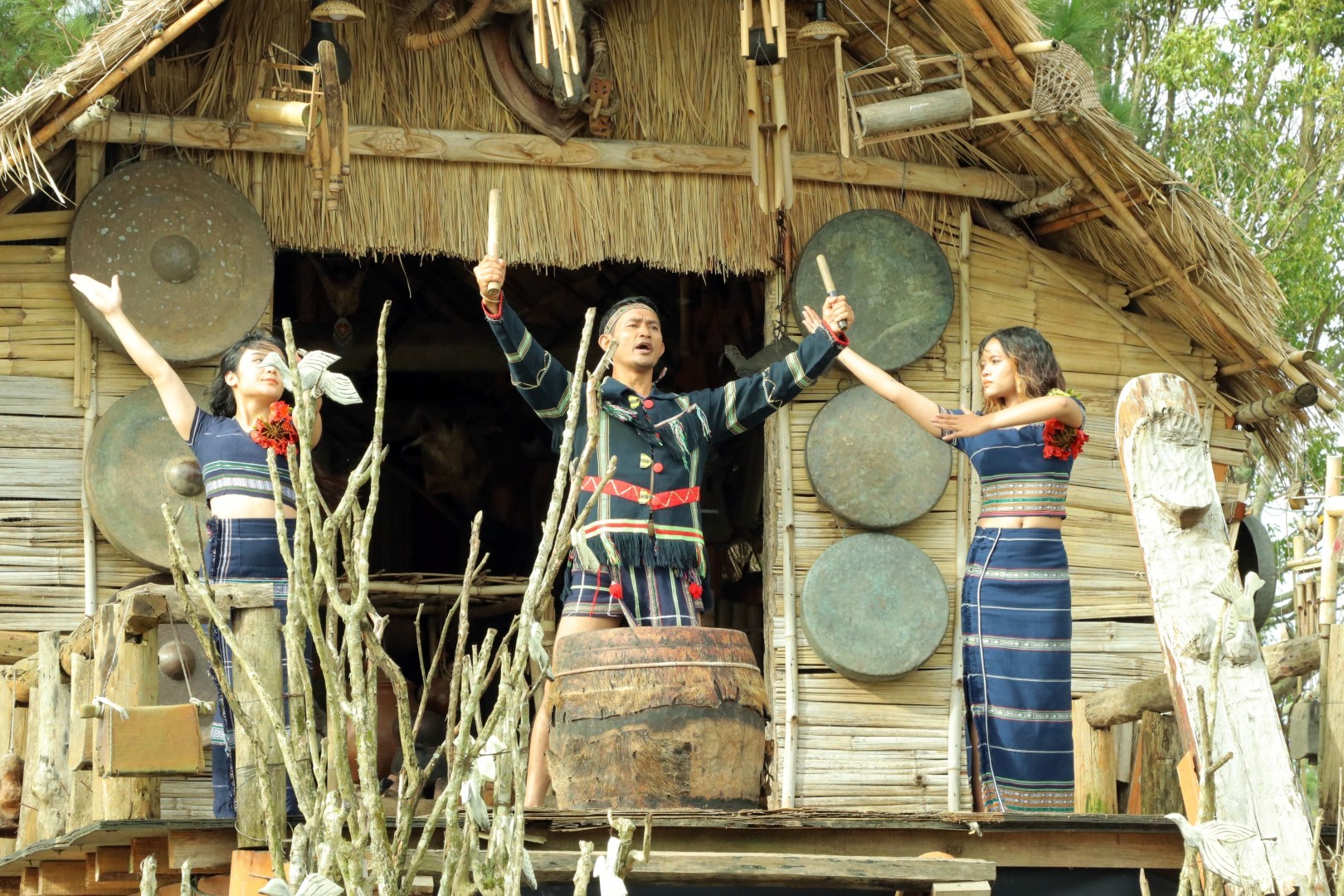
Since joining UCCN in music, Da Lat has committed to a 2024-2027 action plan, outlining clear annual initiatives.
Notable events include collaborations with firms to host music forums, such as “Music Landscape in a New Context – Da Lat as a UNESCO Music City,” as well as classical music concerts and the Vietnam Classical Music Festival.
Five named in UNESCO Global Network of Learning Cities
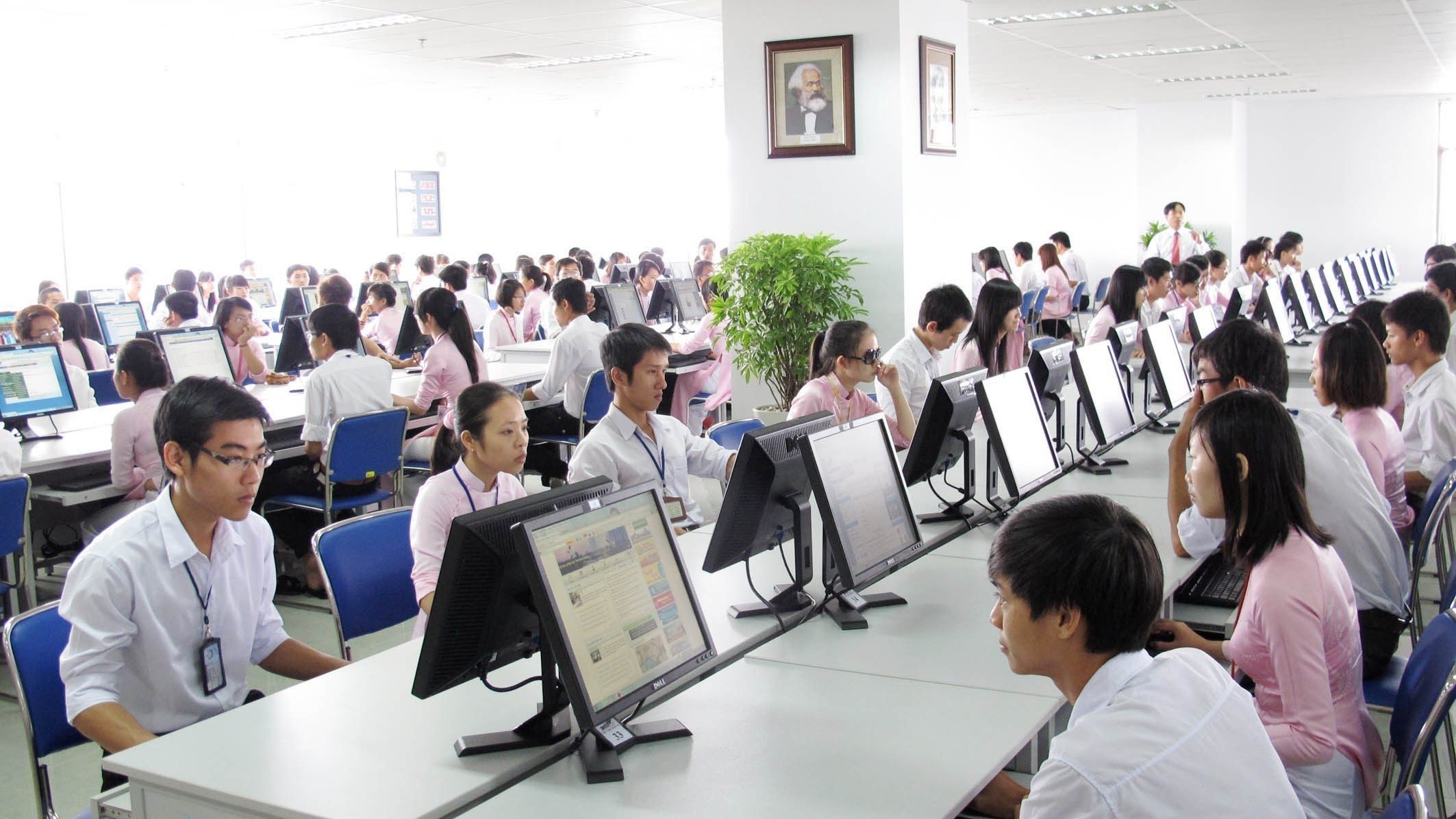
So far, five Vietnamese cities have been members of the UNESCO Global Network of Learning Cities (GNLC), namely Ho Chi Minh City, Son La, Vinh, Cao Lanh, and Sa Dec.
Ho Chi Minh City
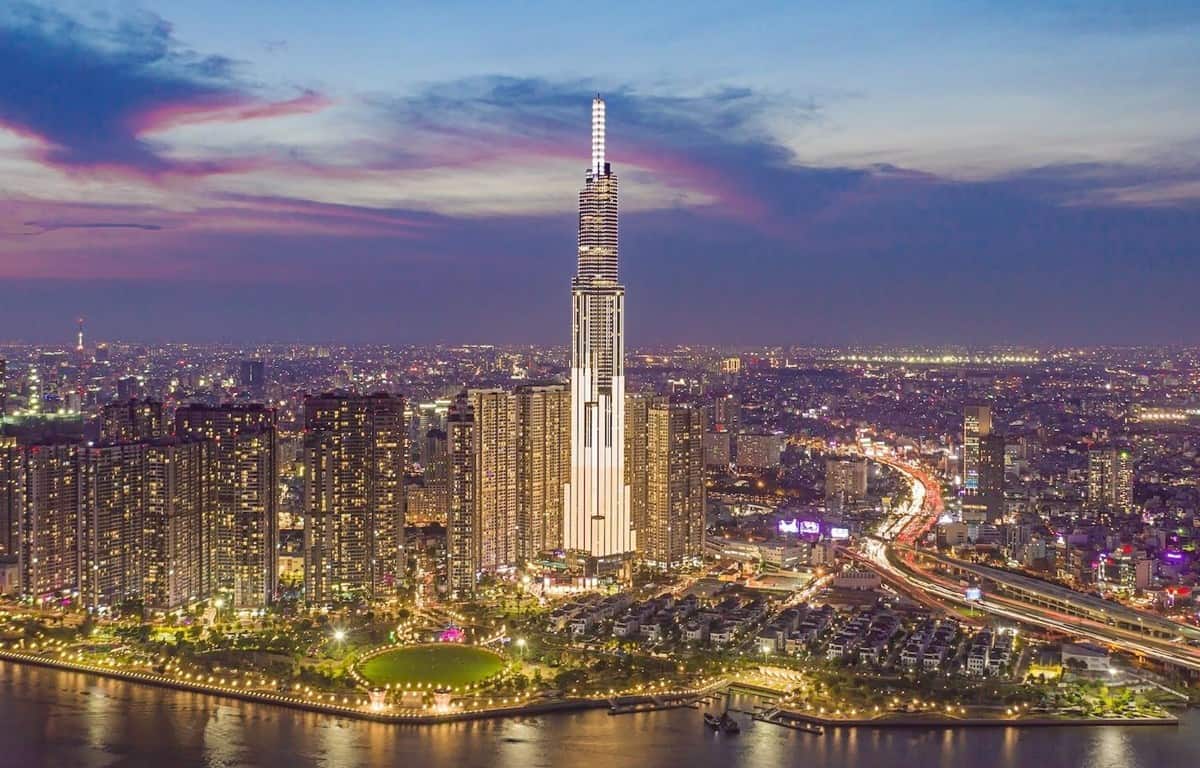
As the economic and cultural hub of both the country and the region, Ho Chi Minh City possesses great potential for ideas and creativity across various fields, including education.
The city is one of the first localities nationwide to meet the “Happy School” criteria at 100% of its educational establishments. The criteria encompasses 18 standards divided into three groups: standards related to individuals, standards for teaching and educational activities, and standards for the environment, all emphasising human well-being and connections with oneself, others, and nature.

Beyond the classroom, Ho Chi Minh City has fostered a culture of learning engaging families, communities, and organisations. The city is dedicated to building an inclusive learning society where all citizens have equal opportunities for lifelong education.
This commitment is part of a broader vision to develop a quality workforce that meets the demands of socioeconomic and cultural development, as well as global integration, toward achieving regional educational excellence by 2030 and reaching global standard by 2045, solidifying its position as a premier education and training hub in Southeast Asia.
Son La City
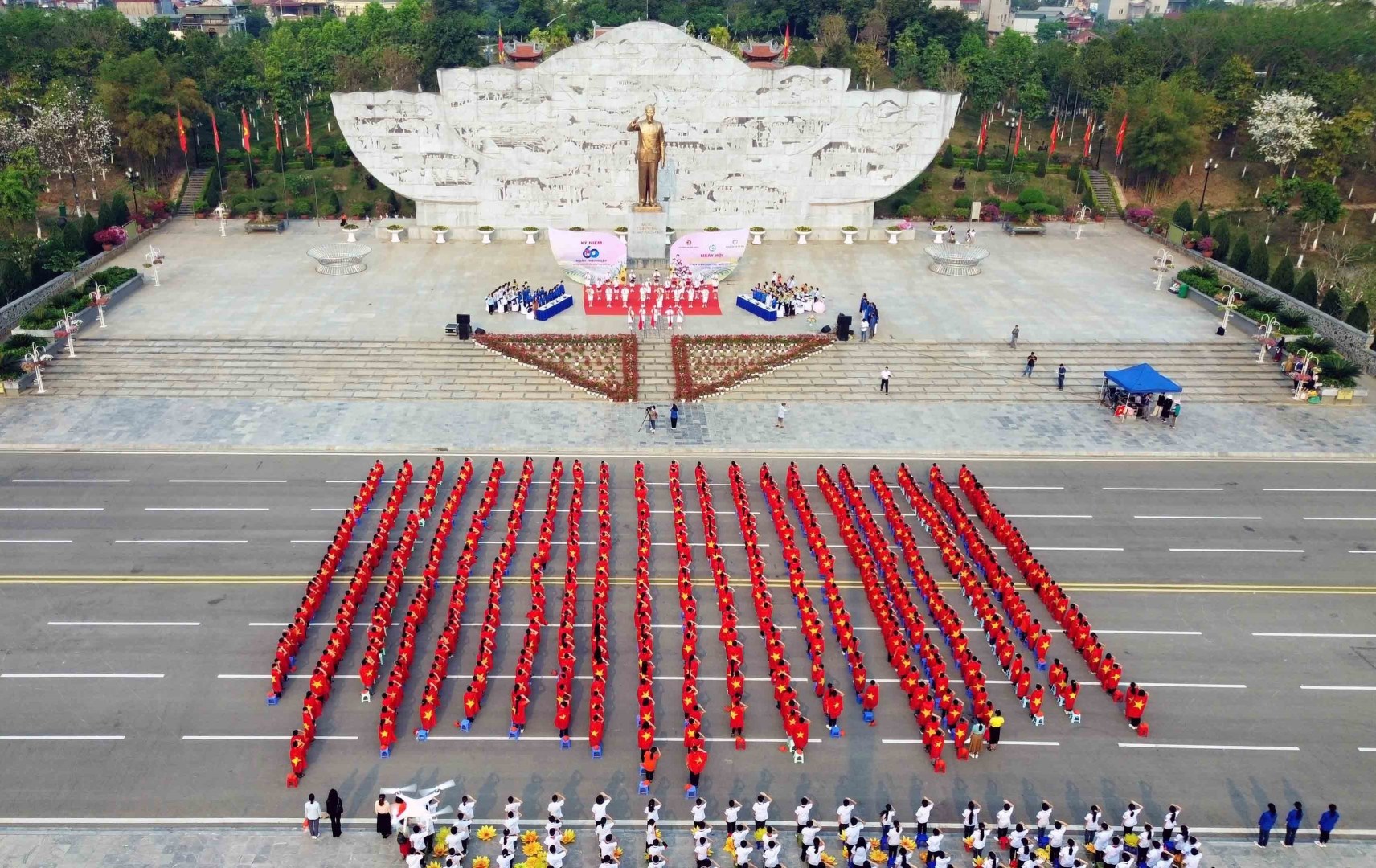
Son La city stands as the political, socioeconomic and cultural centre of Son La province. It has focused on improving the quality of universal education for 100% of children at the preschool, primary, and secondary levels. It has achieved Level 1 literacy elimination for 99% of those aged 35-60 and Level 2 literacy for 100% of those aged 15-34.
All educational establishments have transitioned their management, teaching and learning activities to digital platforms, incorporating information technology into administrative processes educational quality improvement.


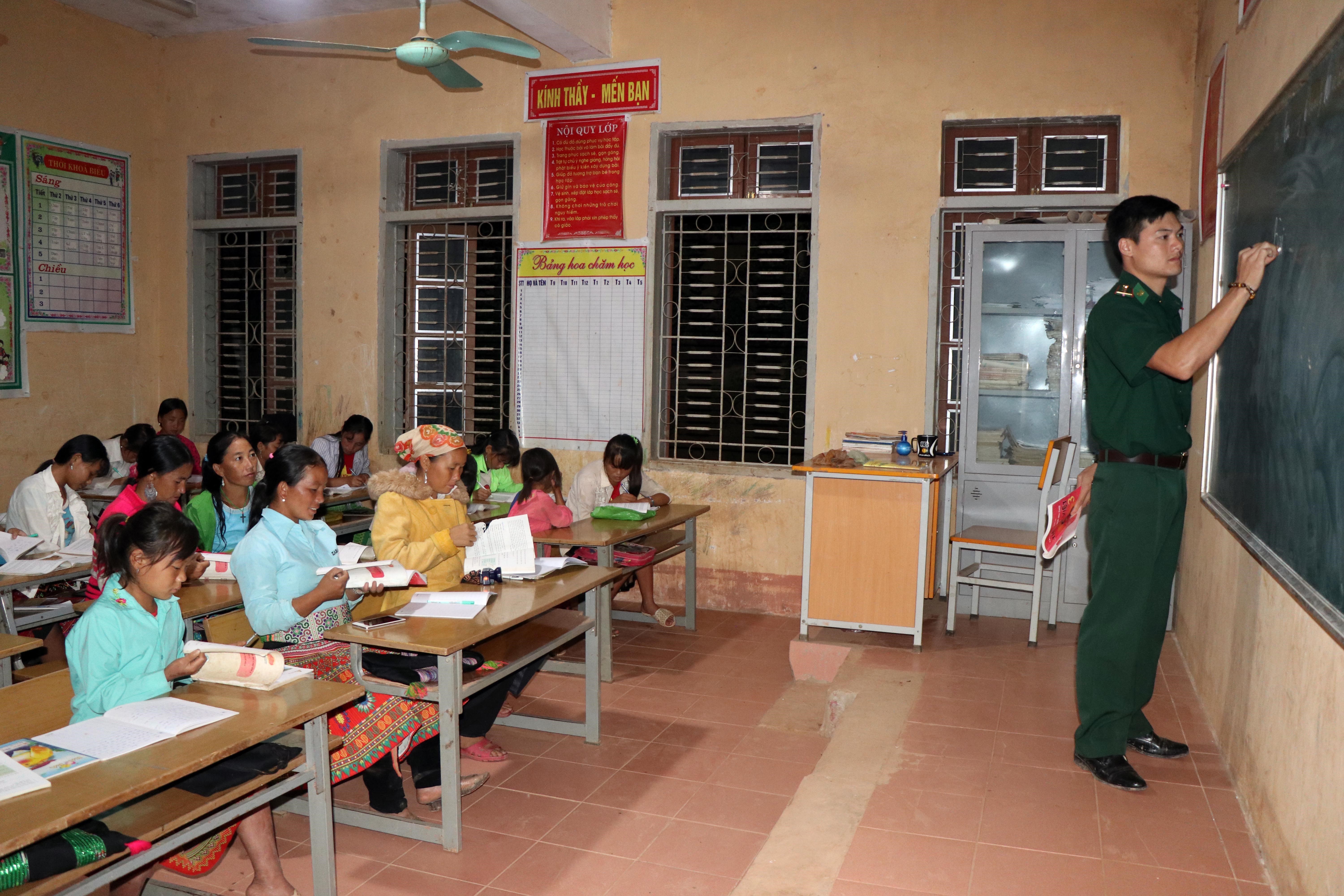

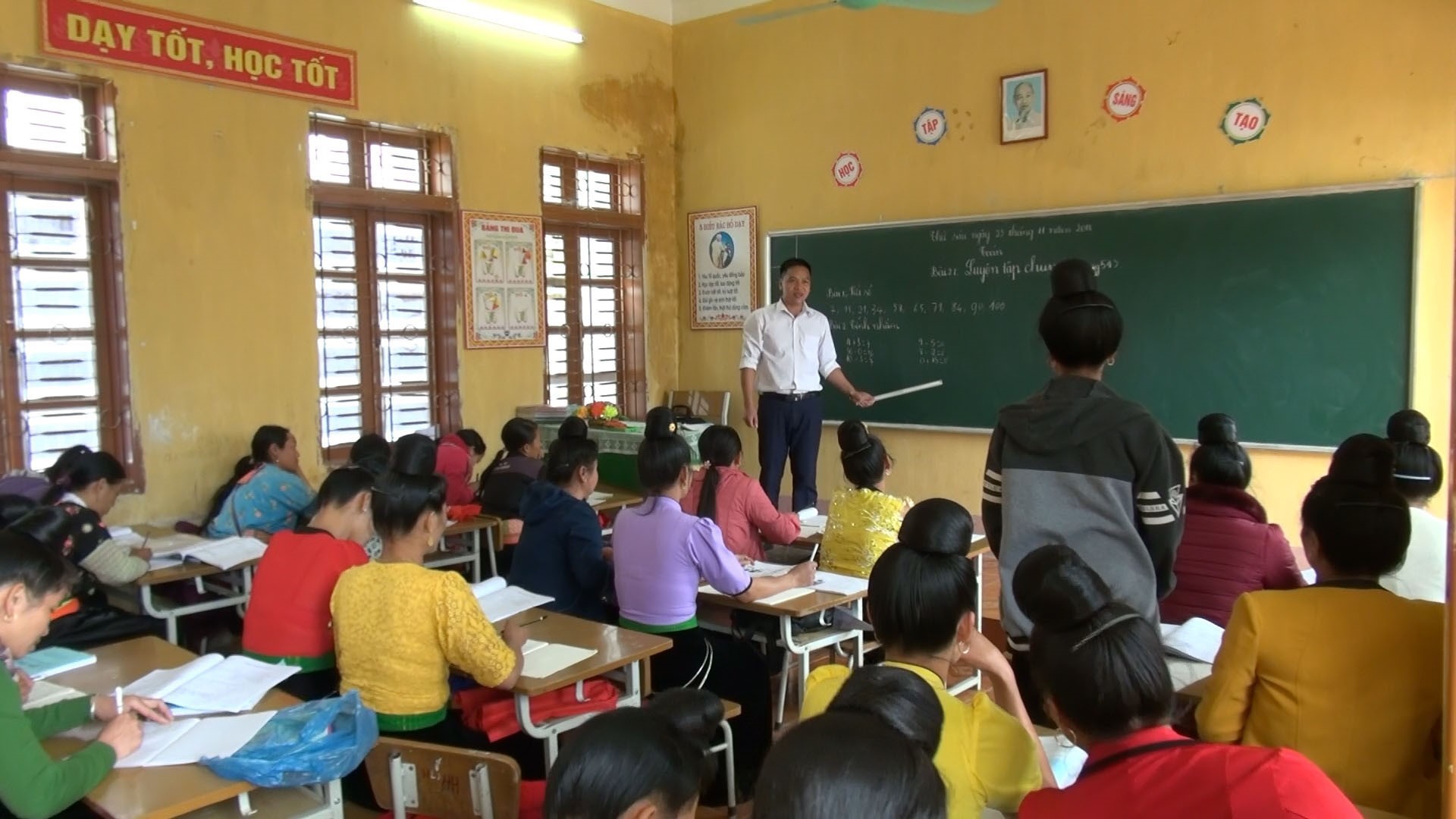

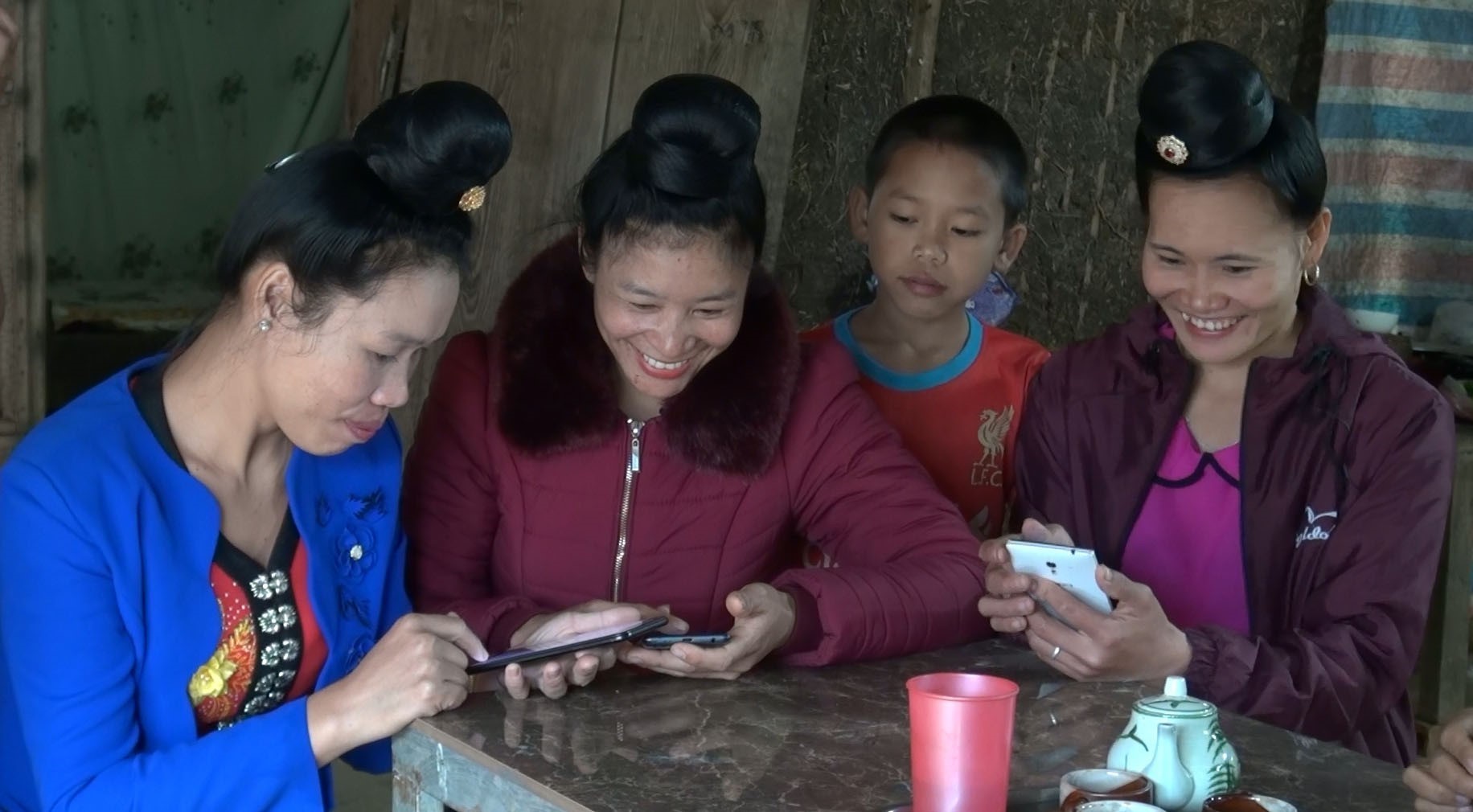
Photo essay: A literacy class for highland women in Son La province (Photo: VNA)
Dong Thap City

Dong Thap is unique in Vietnam as the only province with two cities -Sa Dec and Cao Lanh- recognised as GLNC members.
Dong Thap places a strong emphasis on educational development, learning promotion and talent cultivation, ensuring that all citizens have access to learning opportunities. Among the five strategic breakthroughs outlined in the province’s 2020-2025 development plan, education and training ranks second, it sets: “Continuously improving the quality of human resources to meet development requirements in the context of the Fourth Industrial Revolution and global integration”.
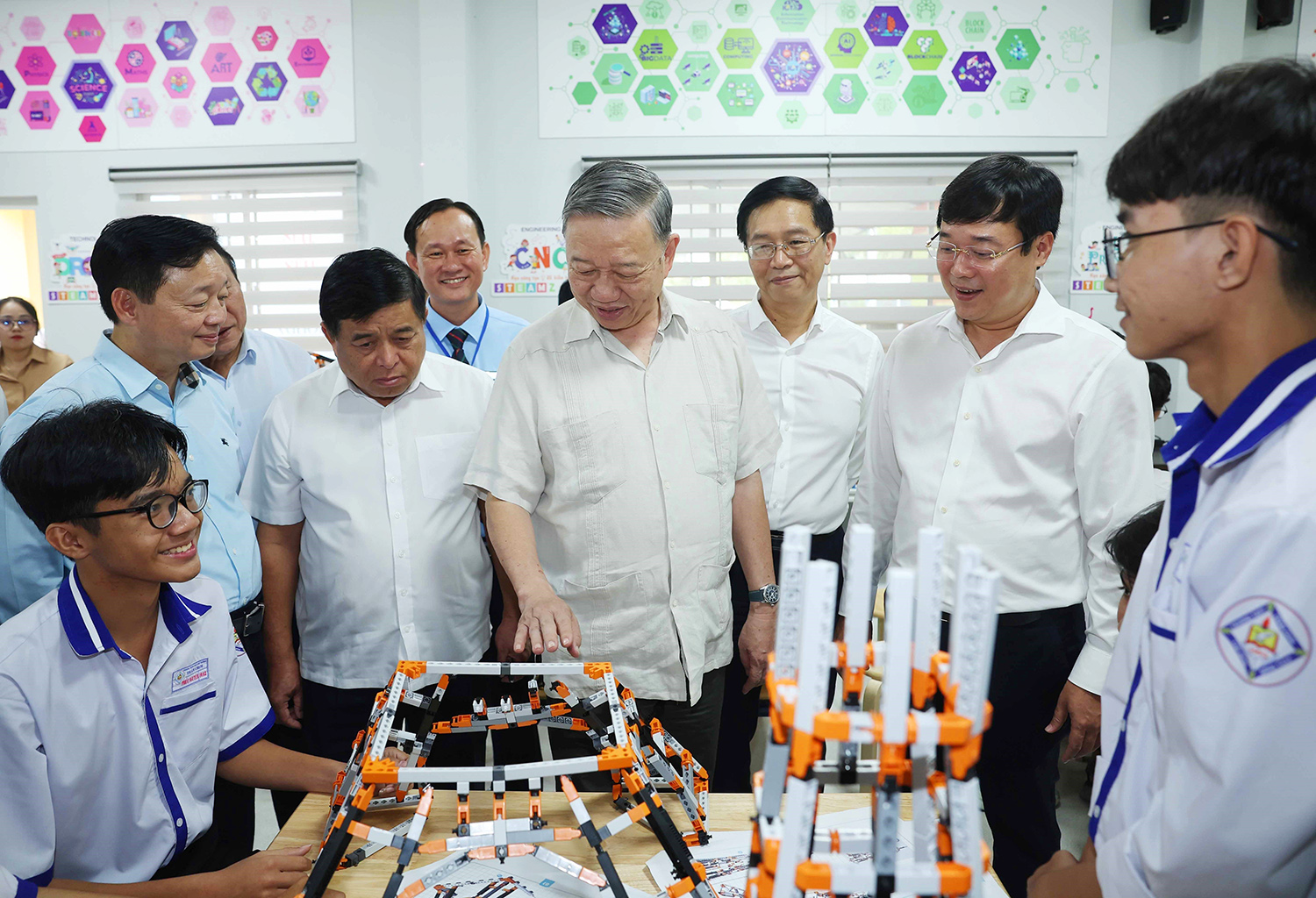
The Department of Education and Training has collaborated with Dong Thap Radio and Television Station to launch a bi-monthly programme entitled, “Dong Thap Education and Training”, airing every second Friday evening. It also partnered with the Dong Thap newspaper to publish a bi-monthly special section called “Dong Thap Education”.
Efforts for lifelong learning and academic excellence have been widely embraced at the grassroots level, with several successful models maintained over the past years, including community-based learning promotion groups, scholarly families/learning families, scholarly clans/learning clans, learning units, and commune-level learning communities. Movements such as the “Clay piggy bank for learning encouragement”, the creation of “Home Study Corners” and learning bookcases are underway.
Vinh City
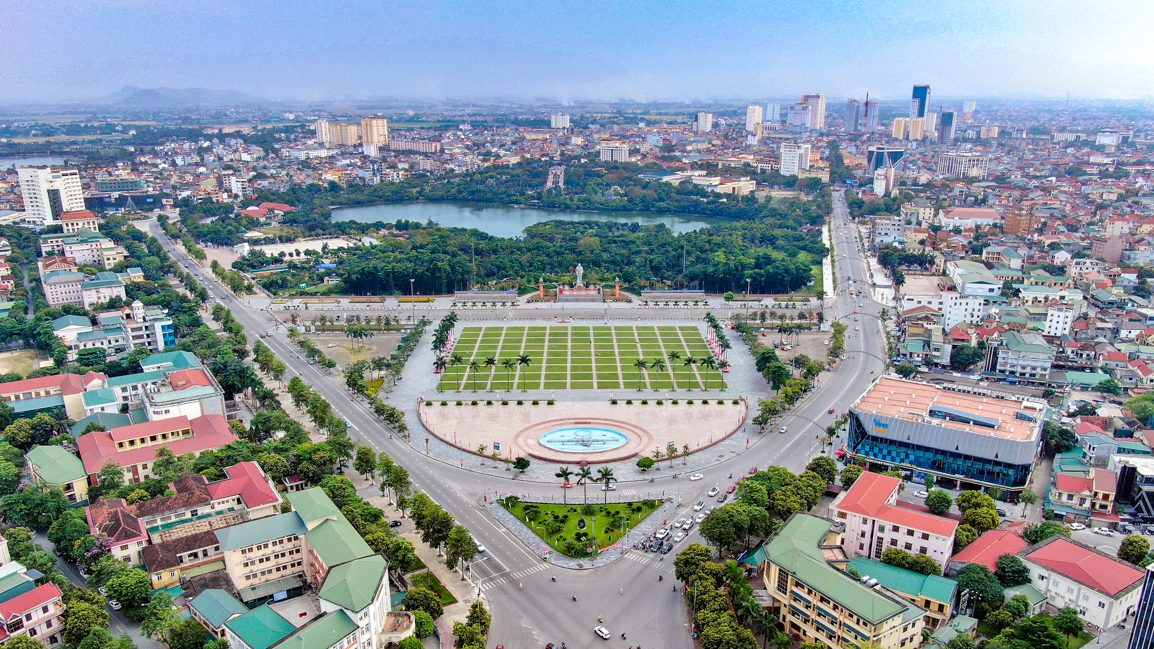
Vinh city in Nghe An province has launched a programme to promote lifelong learning activities in libraries, museums, and community cultural centres through 2030.
An annual book festival is held in schools, neighborhood cultural houses, and village halls to raise awareness about the importance of lifelong learning. Investments in infrastructure and engaging activities have been made to attract community involvement, particularly among youth, the elderly, and disadvantaged groups, helping them develop reading habits and skills to access and process information. The city is also working to establish and expand community libraries in neighborhood cultural houses, villages, and residential areas, providing residents with spaces to read anytime, anywhere.


Photo series: Students at Le Mao primary school in Vinh city are excited with STEM activities (Photo: VNA)
The city also collaborates with community learning centres, vocational training schools, career counseling centres, and continuing education establishments. In the city, there are 25 community learning centres, two continuing education centres, and numerous universities, colleges, secondary schools, and vocational training establishments.
A variety of courses are open to cater various needs, from vocational training to cooking, livestock farming and crop cultivation. This type of programming is brought directly to neighbourhoods and residential areas, thereby spreading the movement for lifelong learning in the community./.
