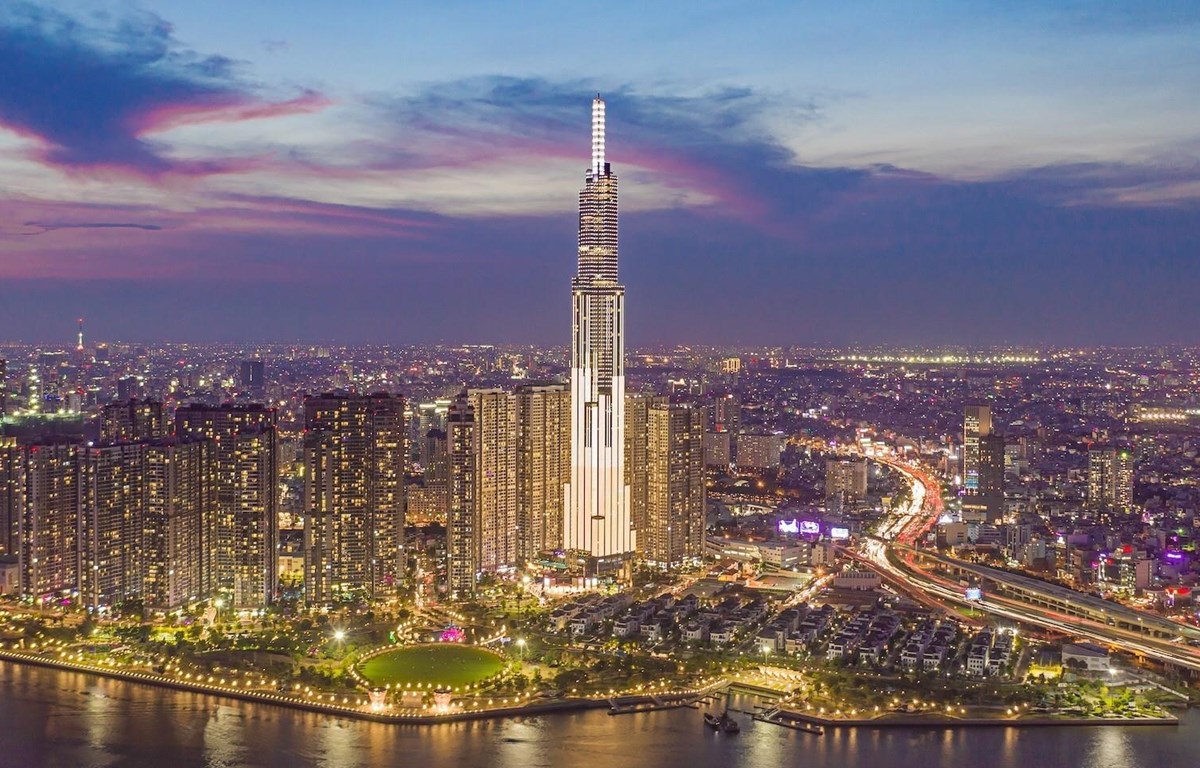
The southeastern region, the economic heart of the country, is riding a wave of profound growth model transformation, with the development of multiple high-tech and sustainable industrial parks. Innovative and sustainable growth models are being applied widely.

A shift towards sustainable, high-tech industries
Binh Duong, Dong Nai, and Tay Ninh provinces have emerged as pioneers with breakthrough strategies, demonstrating how technological advancement can go hand in hand with environmental protection.
The LEGO factory, registered 1.3 billion USD in investment in Binh Duong, epitomises this approach.
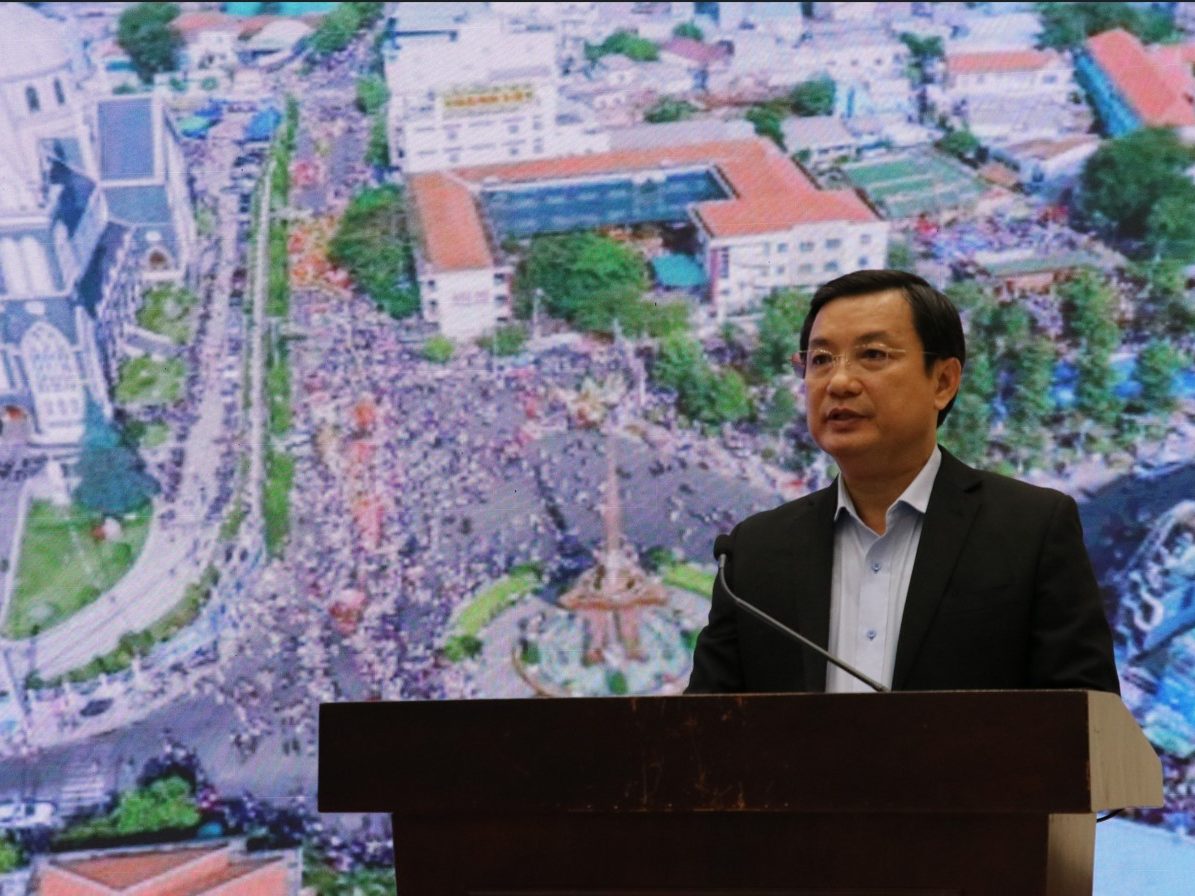
This is not merely a big project but a gateway for Binh Duong to access global high-tech standards, said Director of the provincial Department of Planning and Investment Pham Trong Nhan, noting the factory produces high-quality products while using advanced technologies to minimise environmental impact.


Lego Factory in Binh Duong province. (Source: Binh Duong Television)
LEGO is part of the province’s strategy to lure investors in smart industrial models, helping with the shift from traditional manufacturing to high-tech industries.
PHAM TRONG NHAN,
DIRECTOR OF THE DEPARTMENT OF PLANNING AND INVESTMENT OF BINH DUONG PROVINCE
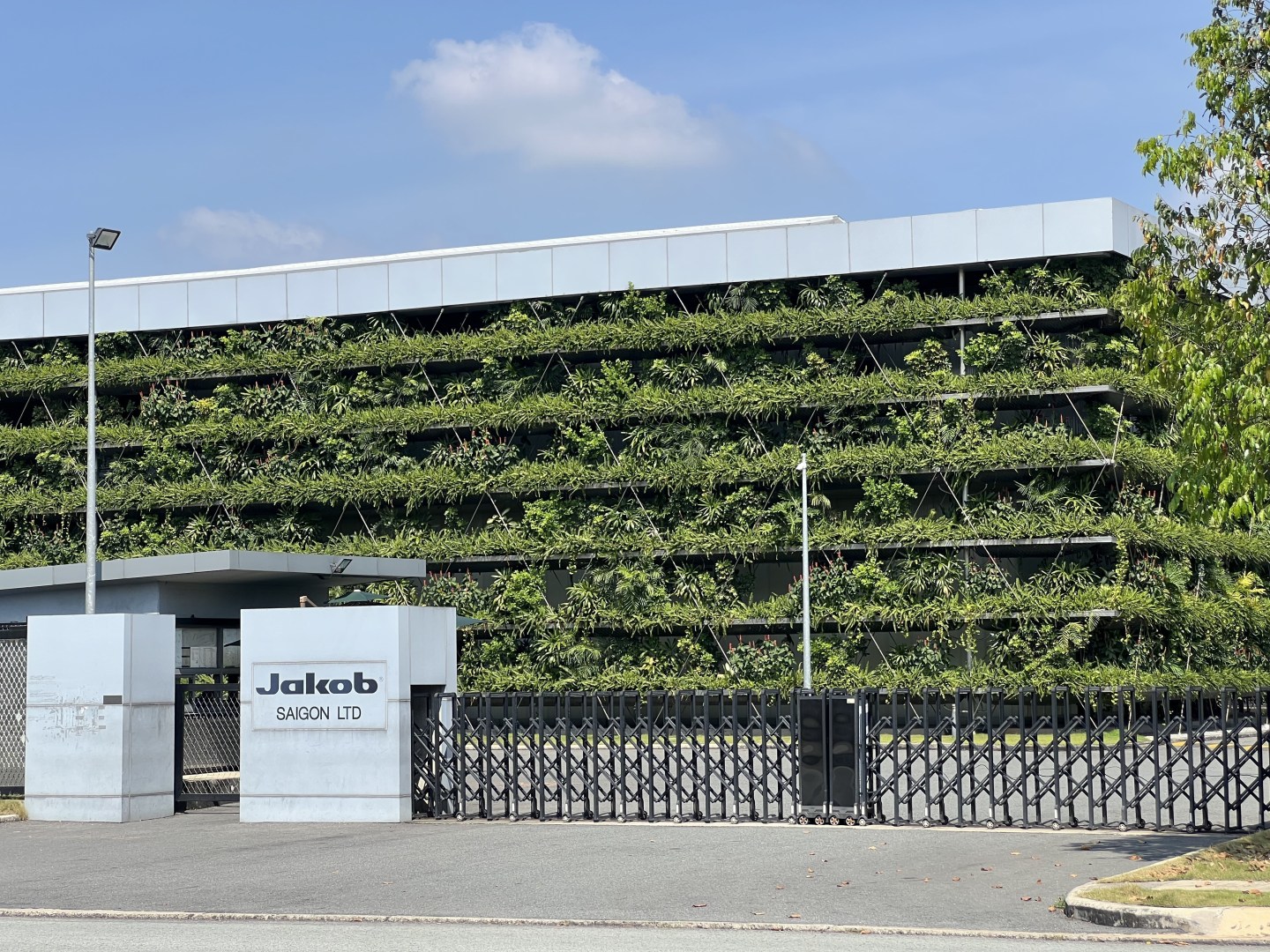
The Jakob Saigon factory in Binh Duong’s Tan Uyen city further illustrates this transformative vision. With nearly 40% of its area covered in greenery and solar energy systems, the facility represents an approach to industrial production that simultaneously reduces greenhouse gas emissions and creates a healthy working environment.
Deputy Director of the Binh Duong Industrial Zones Authority Truong Van Phong described Jakob Sai Gon as a standout model of green industry where the fusion of economic development and environmental protection is the core.

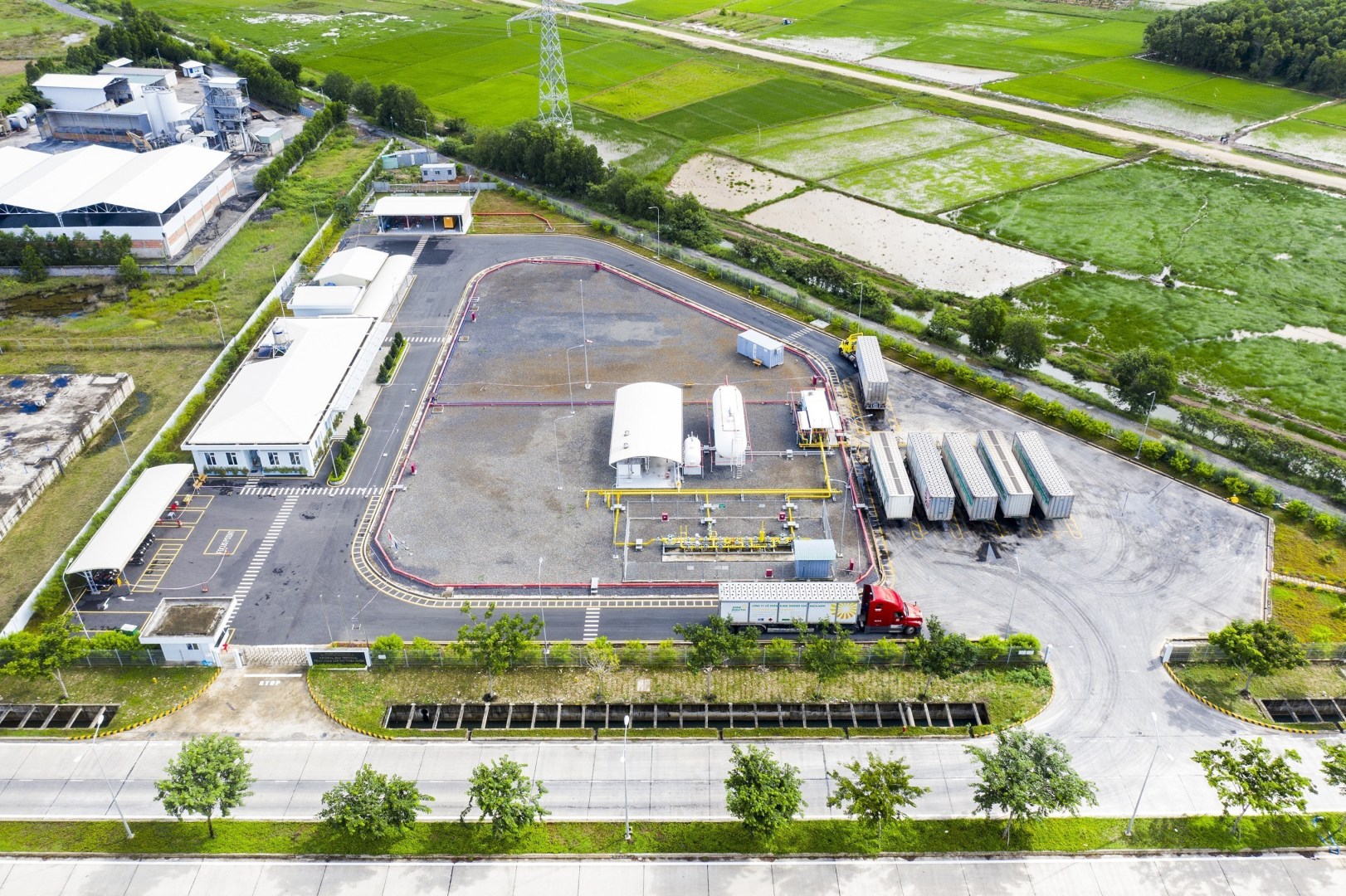
Dong Nai is also striving for green industrial development. Boasting 33 industrial parks, with 31 active ones, the province is encouraging businesses to invest in new technologies and digital transformation and build smart industrial zones. The Amata industrial park stands out, implementing an ecological model designed to minimise environmental impact while boosting cost-efficiency.
Such industrial zones not only help save energy but also generate sustainable production value chain, thus catering to investors’ interest.


Operations at industrial parks in Dong Nai province (Photo: VNA)
In Tay Ninh province, special attention has been paid to high-tech agriculture. The locality targets increasing the proportion of high-technology agricultural product value to 50% by 2030. Projects like the DHN Tay Ninh livestock farming complex demonstrate the province’s commitment to sustainable economic growth and environmental protection.
Gabor Fluit, CEO of De Heus Vietnam, held that Tay Ninh has significant advantages thanks to its well-developed infrastructure and strategic location, especially its easy access to Cambodia. These factors make the province an attractive destination for investors in high-tech agriculture, helping create clean and sustainable raw materials for the agro-processing industry.


Phuoc Dong Industrial Park, located in the Go Dau and Trang Bang districts, is the largest industrial park in Tay Ninh province, operational since 2008. (Photo: VNA)
Localities in the region are all adopting sustainable industrial and agricultural development strategies to enhance production value and ensure long-term stable growth. Their strategies focus on combining economic growth with environmental protection, reducing industrial impacts on nature, and establishing smart, green, and sustainable industrial parks.

Innovation as growth driver
Digital transformation and green transition have become pillars in the region’s development strategies.
Director of the Binh Duong Department of Industry and Trade said the province is moving to shape up a smart city where technologies and innovation are prioritised for modernisation and sustainable development.


Binh Duong targets to generate 1,497 MW of solar power by 2030 and 5,359 MW by 2050. (Photo: VNA)
Targeting to generate 1,497 MW of solar power by 2030 and 5,359 MW by 2050, Binh Duong has carried out incentives to develop solar electricity, particularly rooftop solar systems in industrial parks. This is a bold step in its green transition strategy, aimed at optimising available resources, preventing wastefulness, protecting the environment, and improving the quality of life. The province is also implementing smart governance platforms in six industrial parks to raise automated production efficiency and promote sustainable new-generation industries.
Meanwhile, Vice Chairwoman of the People’s Committee of Ho Chi Minh City Tran Thi Dieu Thuy underscored the significance of digital technology to the southern economic hub’s breakthrough development in the coming period. She said the city eyes a 25% share of the digital economy in its GDP by 2025 and 40% by 2030. The vision aims at bolstering economic growth and creating a green, smart, multi-centre city that is closely connected with neighbouring regions.
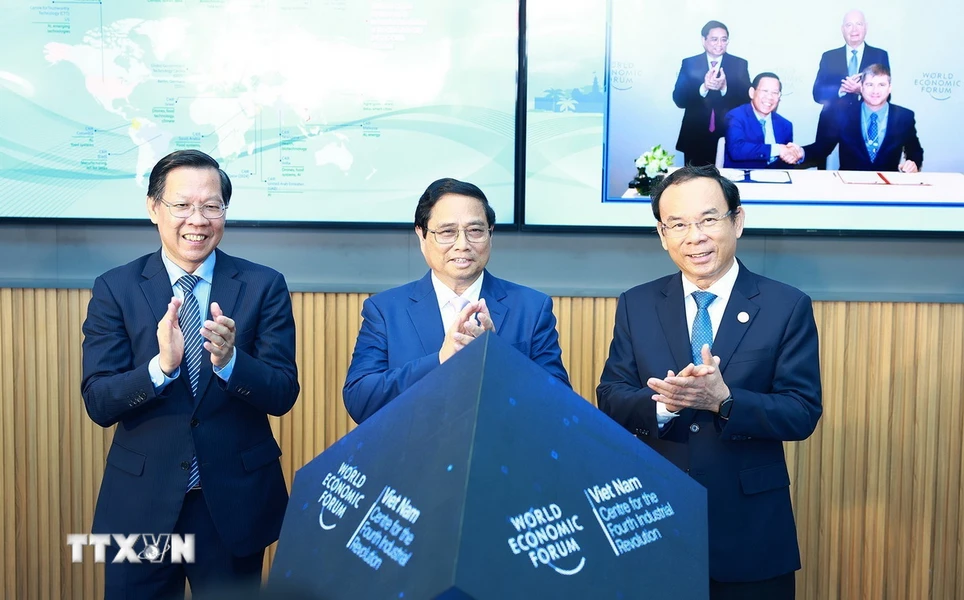
A milestone in the country’s digital transformation is the launch of the HCM City Centre for the Fourth Industrial Revolution (C4IR). As the first C4IR that is part of the World Economic Forum network in Vietnam and the second in Southeast Asia, it focuses on state-of-the-art technological solutions like artificial intelligence, Internet of Things and biotechnology.



Trainees practicing programming and operating robots at the Saigon Hi-Tech Park Training Centre (Photo: VNA)
Chairman of the municipal People’s Committee Phan Van Mai affirmed that the centre offers economic development opportunities to the city while boosting digital transformation nationwide. With some 300,000 active enterprises, the city will create favourable conditions regarding infrastructure, policies, and support for businesses to access 4.0 technological solutions.
As the country’s largest economic hub, HCM City is taking the lead in delivering on the industrialisation and modernisation goals, aiming to become a smart city in the new era.


Workers at industrial parks in Ho Chi Minh City (Photo: VNA)
The Politburo’s Resolution No.24-NQ/TW, dated October 7, 2022, emphasises the region’s sustainable and modern development by 2030 with a vision to 2045, with a focus on the digital economy, green economy, and circular economy. The region will concentrate on renewing growth models and restructuring the economy, ensuring they align with sustainable development and climate change adaptation strategies.
To realise fast and sustainable development goals, industrial, urban, service, and logistics hubs will be developed in conjunction with transportation corridors. Besides, maximising internal resources and combining them with external ones are expected to help promote the region’s self-reliance and extensive integration into the world./.