
After more than three decades of relentless dedication, Vietnam’s medical sector has achieved remarkable milestones in organ transplantation, becoming the leader in Southeast Asia in terms of the number of transplants performed annually.
Yet, amid these successes lies a pressing challenge: the limited availability of donated organs. Addressing this issue requires concerted efforts by the entire community to bring hope to the thousands of patients awaiting life-saving transplants.
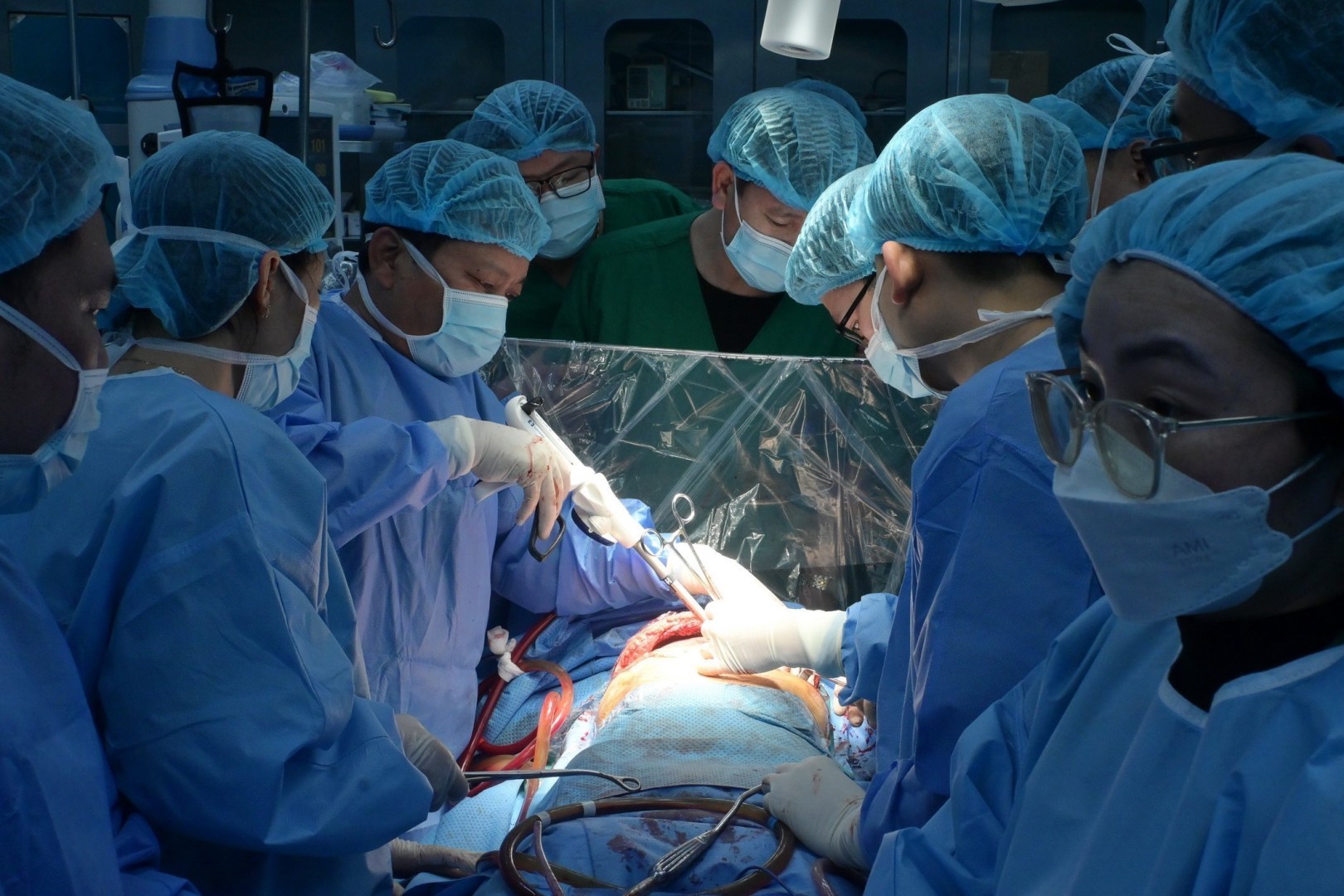


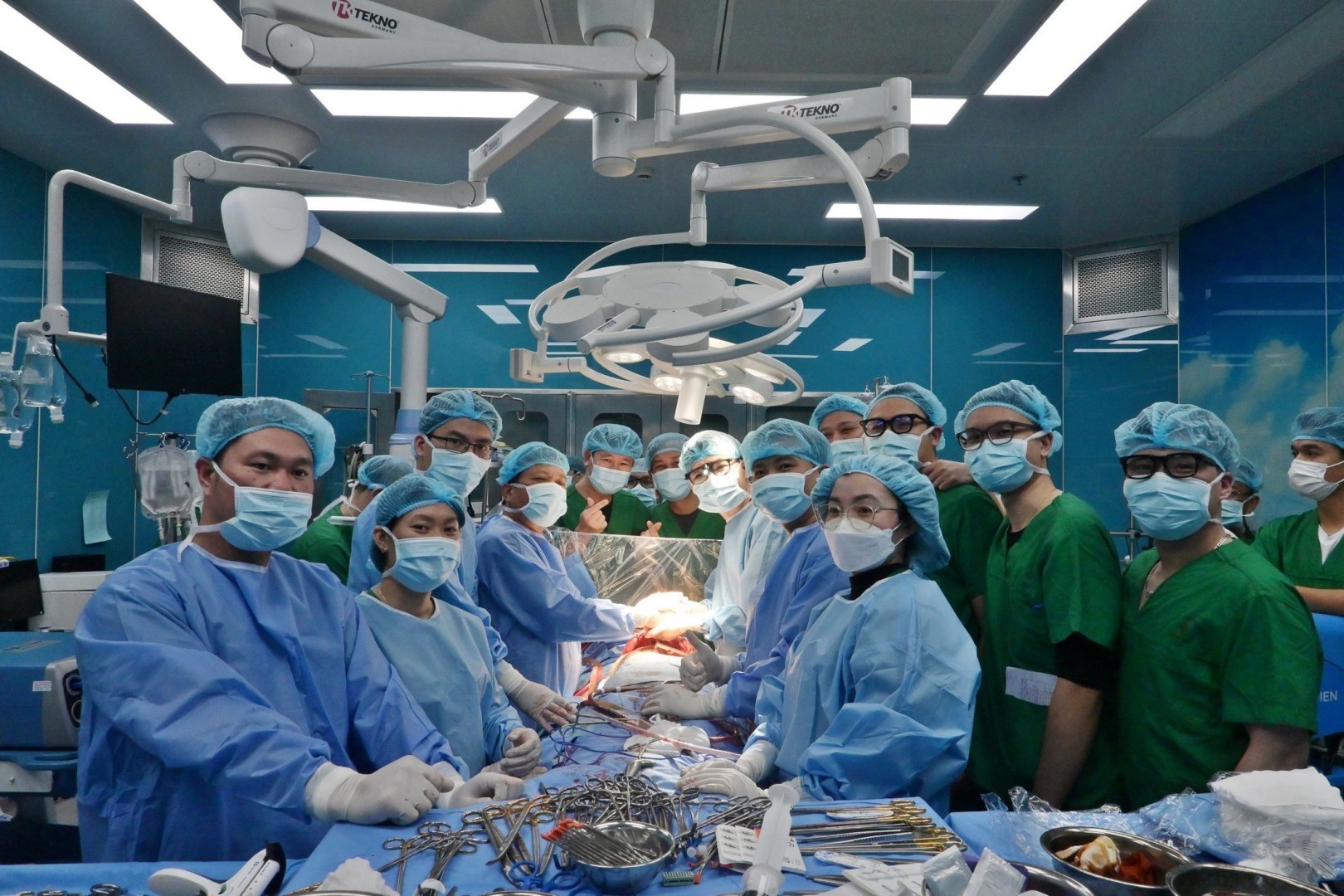
The Vietnam National Lung Hospital mobilises about 80 medical staff, together with domestic and foreign experts, for a lung transplant for a 21-year-old patient on 2024 Lunar New Year’s Eve (Photo: VNA)
Vietnam: Southeast Asia’s Leader in Organ Transplants
Dr. Pham Gia Khanh, President of the Vietnam Society of Organ Transplantation, described organ transplantation as one of the most miraculous achievements in medicine and one of humanity’s greatest scientific inventions of the 20th century. Organ transplants are only feasible in nations with advanced medical systems.
Vietnam’s journey began in 1992 with its first kidney transplant, facilitated by foreign experts. In July 1993, professors and doctors at the Military Medical Academy successfully conducted the first kidney transplant independently, without foreign support.
Since then, Vietnam has transformed from a newcomer in organ transplantation to a regional leader. The country has made remarkable progress, consistently achieving new milestones and demonstrating extraordinary development in this field.
In 2017: Vietnam successfully performed its first lung transplant and a heart transplant for a pediatric patient
In 2018: the country successfully conducted lung and kidney transplants from brain-dead donors
In 2019: a series of multi-organ retrieval and transplantation procedures from brain-dead donors were carried out simultaneously.
In 2020: Vietnam made history by performing Southeast Asia’s first successful limb transplant and conducting an intestinal transplant from a living donor, placing it among the only 22 countries worldwide to achieve this feat.
In 2023: a successful heart and kidney multi-organ transplant was carried out, with hospitals in Ho Chi Minh City and Hanoi collaborating to perform the first cross-country multi-organ transplant.

On September 8, 2024, Duc Giang General Hospital in Hanoi made its mark on Vietnam’s organ transplantation map by successfully performing the first kidney transplant for a female patient from Tuyen Quang (Photo: VNA)


A mother and her son successfully undergo kidney transplant at Duc Giang General Hospital (Photo: VNA)
As of early 2024, nearly 8,000 organ transplants had been performed in Vietnam, including over 7,000 kidney and 500 liver transplants, which meant thousands of lives had been saved or extended.
In the recent two years, Vietnamese doctors have carried out over 1,000 transplants annually, solidifying Vietnam’s position at the forefront of Southeast Asia in transplant number. These achievements reflect Vietnam’s exceptional advancements in medical expertise, intensive specialisation, and technical experience in organ transplantation.

With 26 organ transplant centres nationwide, both central and regional hospitals have mastered the techniques necessary for these life-saving procedures.
Remarkably, not only has Vietnam mastered the most important and common organ transplant techniques, such as kidney, heart, liver, pancreas, lung, and corneal transplants, with high post-transplant survival rates (higher than those in some developed countries), but the cost of organ transplants in Vietnam is much lower compared to other countries around the world. The cost is about 1/8 of that in Thailand and 1/24 of that in the US. This affordability has led many foreign patients to seek life-saving opportunities in Vietnam.


Doctors at Duc Giang General Hospital in Hanoi verify information before a kidney transplant (Photo: VNA)


Miraculous recovery of siblings after heart transplant at Viet Duc Friendship Hospital in Hanoi in early 2024 (Photo: VNA)
Life-saving organ transplants – A greater joint effort is needed
Despite significant achievements, the organ transplant sector still faces a major challenge: a shortage of donated organs. Statistics show that 96% of organ transplants come from living donors, with only 4% from deceased donors – a stark contrast to the 40-90% rates seen in developed countries.
This discrepancy is largely due to limited public awareness about organ donation and the misconceptions surrounding it. Many people do not fully understand the humanitarian value of organ donation and are influenced by hesitation, traditional beliefs and a lack of sufficient information.


For the first time, Thong Nhat Hospital in Ho Chi Minh City has successfully pursuaded an organ donation from a brain-dead donor, saving the lives of seven residents in Ho Chi Minh City, Hanoi and Hue (Photo: VNA)


Binh Thuan launches a drive to call for organ and tissue donation (Photo: VNA)
As of 2023, the organ donation rate in Vietnam was just 0.15% per million people (meaning 1.5 people per 10 million are organ donors). This rate is 300 times lower than in Spain and 40 times lower than in Thailand.
In Vietnam, around 300 people that die each day could be healthy organ donors, yet the majority of their organs and tissues go to waste, while the waiting list for transplants remains in the tens of thousands, with patients dying daily due to the lack of suitable organs. This situation highlights the urgent need to increase organ donations, particularly from deceased, but healthy donors.


On October 9, 2024, Viet Duc Friendship Hospital announced the successful simultaneous heart and liver transplant for a patient using organs from a brain-dead donor. It was the first time in Vietnam that doctors had carried out both a heart and liver transplant for a patient (Photo: VNA).


An emotional reunion between a couple from Quang Ninh province and the patients whose lives were saved thanks to their son’s organ donation (Photo: VNA)
Recognising the urgency of this issue, Vietnam has enacted laws governing the donation, retrieval, and transplantation of organs and tissues. The Health Insurance Law includes provisions for insurance coverage of transplant-related costs, both for the procedures and post-transplant treatment. Various regulations have also been issued to manage and allocate funds for organ donors.
The Government has introduced policies to encourage organ donation, with the “Register for Organ Donation to Save Lives – Giving is Forever” campaign, launched by the Prime Minister, having a positive impact. As of this year, nearly 100,000 people have registered to donate organs, an encouraging figure.


Prime Minister launches the “Register for Organ Donation to Save Lives – Giving is Forever” campaign in Hanoi on May 19 (Photo: VNA)


Prime Minister Pham Minh Chinh visits a heart transplant patient at Viet Duc Friendship Hospital (Photo: VNA)
However, to fulfill the donor’s wishes, family consent is required. Therefore, in order for those who have registered to donate organs and tissues to actually fulfill their wishes after death, it is crucial to raise public awareness about organ donation. When everyone understands the noble act of organ donation and its life-saving impact for others, the reluctance to fulfill the deceased’s wishes will decrease.
Over 30 years since the first kidney transplant, Vietnam has made significant strides in organ transplantation. However, to save more lives, a strong public effort is needed. Organ donation is not only a humanitarian act but also a way for each person to preserve the spirit of love and sharing./.
