Professor, Doctor, and People’s Teacher Nguyen Quang Ngoc, Vice President of the Vietnam Association of Historical Sciences and former Director of the Centre for Hanoi Studies and Capital Development, has conducted extensive research on Hanoi. He has served as the chief author or co-author for numerous books and dozens of scientific articles on the city, and successfully established the field of Hanoi Studies to support the capital’s development strategies. He also played a key role in developing the dossier for the Thang Long Imperial Citadel to be recognised as a UNESCO World Cultural Heritage Site. In 2020, Professor Ngoc was honoured with the title, “Outstanding Citizen of the Capital”.
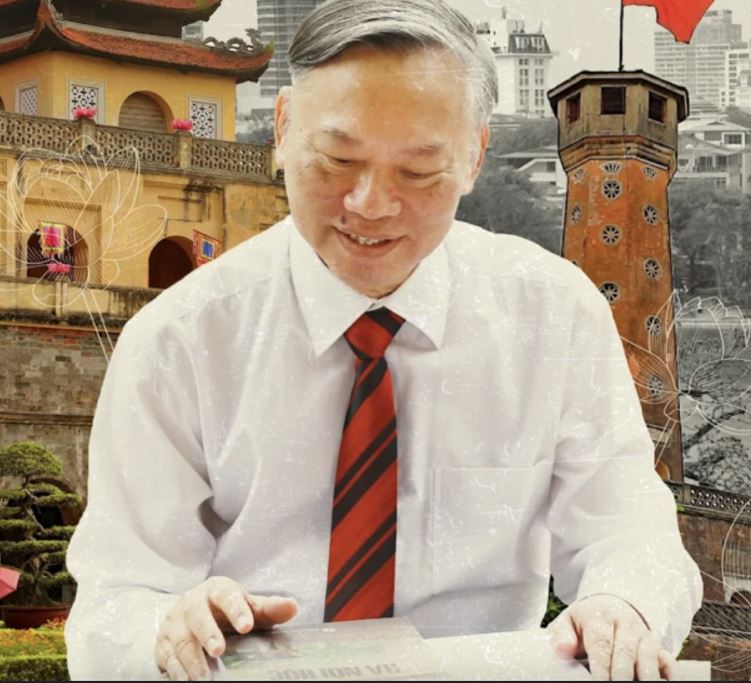
On the occasion of the 70th anniversary of the Liberation of Hanoi (October 10, 1954 – 2024), Professor Ngoc had a talk with a reporter from the Vietnam News Agency’s VietnamPlus e-newspaper about the heroic history of the capital and the core values necessary to preserve and develop it as the City for Peace.
– In the memories of many Vietnamese people, the event of the Liberation of the Capital on October 10, 1954 was a milestone in the heroic history of our nation, as the revolutionary army entered to liberate the capital, opening a new chapter in the struggle for national liberation. Could you please share the historical context of this significant milestone?
Professor Nguyen Quang Ngoc: On May 7, 1954, the historic Dien Bien Phu Victory put an end to our nation’s resistance war against French colonialism. We returned to the Geneva negotiating table in a position as a winner and signed the Accords on July 21, 1954. Under the Geneva Accords, France and the concerned parties, by signing, committed to respecting the independence, sovereignty, and territorial integrity of Vietnam, Laos, and Cambodia. Due to the balance of power, the parties designated the 17th Parallel as a provisional military demarcation line. France and pro-French forces had to move southward. The region from the 17th Parallel northward, including Hanoi, was completely liberated.
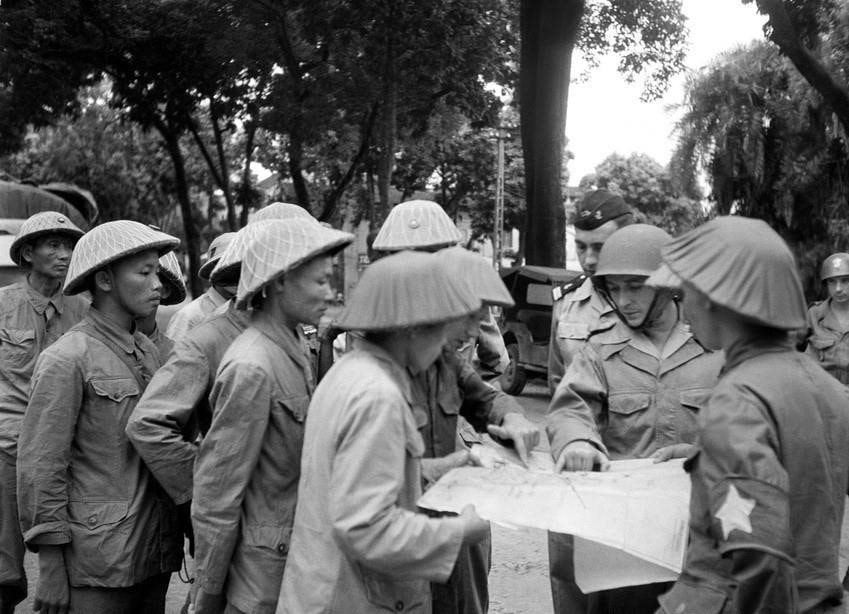
On the Vietnamese side, the Party and Government aimed to take control of the entire northern region, with a focus on the city of Hanoi. Meanwhile, French troops gradually withdrew from the city. From September 1954 to October 9, 1954, the last French soldiers exited Hanoi via Long Bien Bridge, signifying that the capital was liberated.
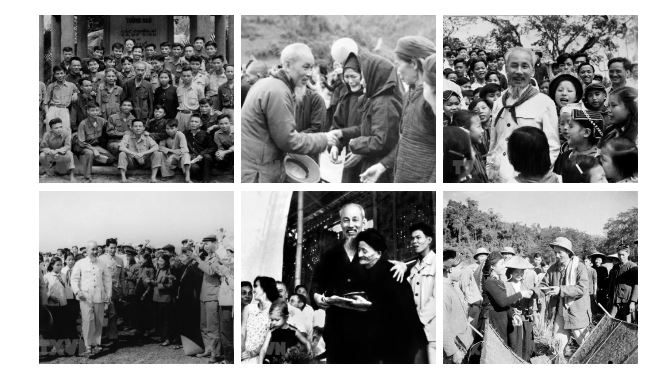
On September 19, 1954, Uncle Ho (President Ho Chi Minh) and the Vanguard Brigade (now Division 308) arrived in Phu Tho and stopped at the Gieng Temple in the Hung Kings Temple historical site. Talking to the Vanguard Brigade, Uncle Ho said, “The Hung Kings founded the nation; we must together protect it.”

“The Hung Kings had the merit of founding the country, we must work together to protect it.” (File Photo: VNA)
He instructed the officers and soldiers preparing to take over the capital to maintain discipline, ensure security and order, protect the lives and property of the people, and counter any sabotage from the enemy. Safeguard commerce, including that of foreign nationals. The troops were to assist the people, explain and educate them, and avoid any activities annoying them to ensure that everyone, from the elderly to children, were both fond of them, and trusted them. This was a sacred order and a strategy for taking over the capital, relying not only on military forces but also on the combined strength of the entire population – material strength, spiritual strength, and the strength of the depth rooted in the history and culture of the nation. Thus, on October 10, 1954, we witnessed the Vanguard Brigade taking over the capital in an atmosphere of peace and joy, without gunfire or bloodshed.
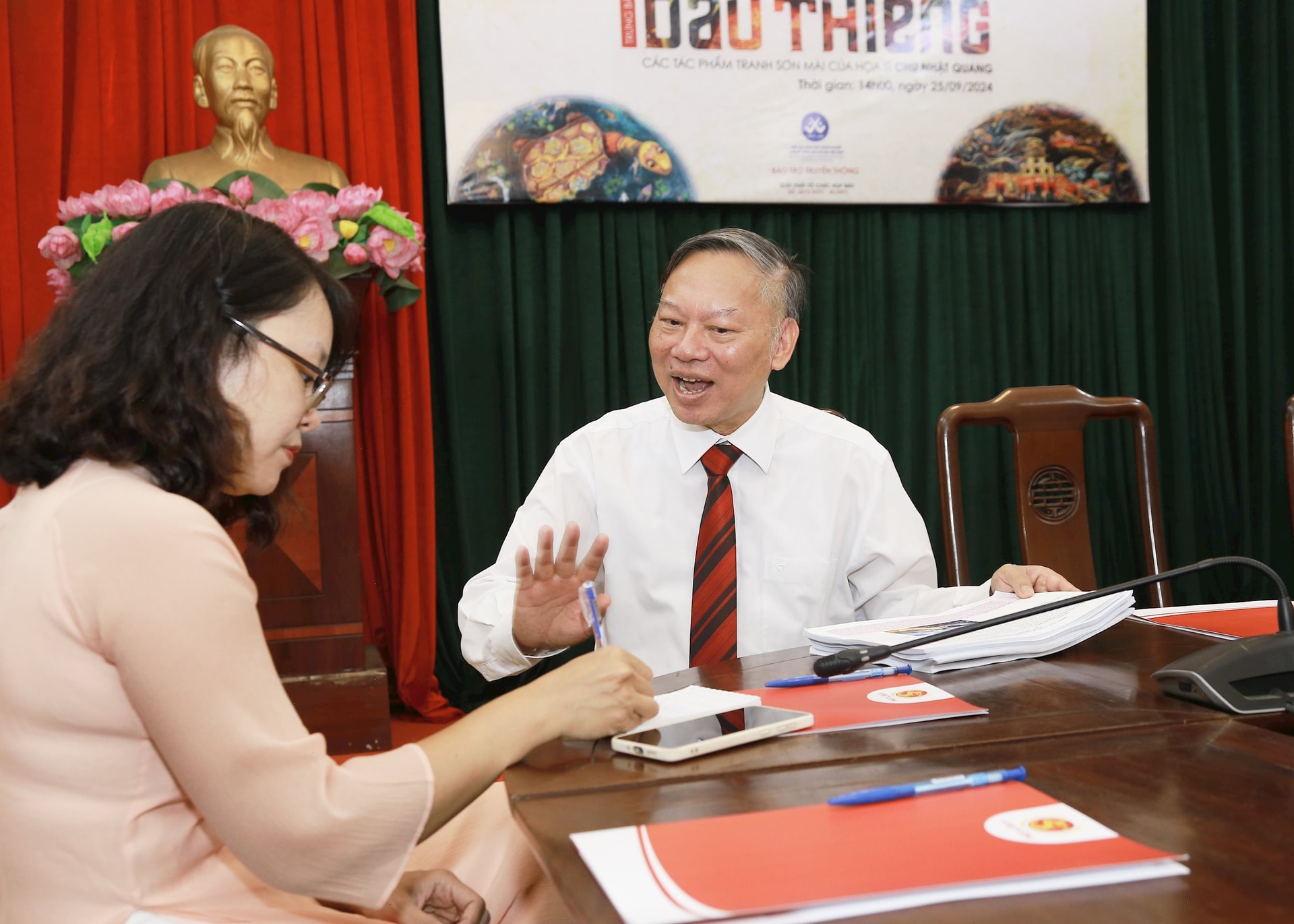
– What was the significance of President Ho Chi Minh and the Party’s decision to send educated youth from the military bases to the capital city in early October to prepare for the takeover in the initial days of building and developing the capital later on?
Professor Nguyen Quang Ngoc: When we had just seized power in Hanoi capital in the great August Revolution, we had to immediately enter the resistance war against the French troops. Most of the intellectuals in the capital had moved to the Viet Bac base to support the resistance war. Those remaining worked at Indochina University. By 1951, Indochina University had relocated to Sai Gon, and Hanoi had almost no intellectuals working directly. It was around this time that the Party and Government, in line with the policy of resistance and nation-building, focused on developing a new intellectual contingent for Hanoi. This was a crucial force in the takeover of the capital, following Uncle Ho’s teachings of, “making Hanoi a stable, joyful, and prosperous capital.”
The fact that we took over and preserved the capital relatively intact was a remarkable achievement. While the infrastructure was severely outdated and there were still plots of sabotage from the enemy, we ultimately overcame all obstacles, taking over the capital quickly and safely, maintaining peace, and promptly reconstructing the millennia-old cultural capital in accordance with the socialist orientation, making it a strong rear for the southern front. The new intellectuals of Hanoi always played a particularly important role in this monumental undertaking.
– As the one who has conducted extensive research on Hanoi, how do you evaluate the 70-year renewal and development process of Hanoi?
Professor Nguyen Quang Ngoc: First of all, I believe that Hanoi fulfilled its mission as a strong rear for the major front during the resistance war against the US imperialism. This mission was particularly epitomised by the historic “Dien Bien Phu in the Air” victory in late 1972. This event encapsulated all historical and cultural values, creating a miracle that contributed to the liberation of the South and the reunification of the country.
As the capital of the Socialist Republic of Vietnam, Hanoi has taken the lead in the nation building and renewal cause.
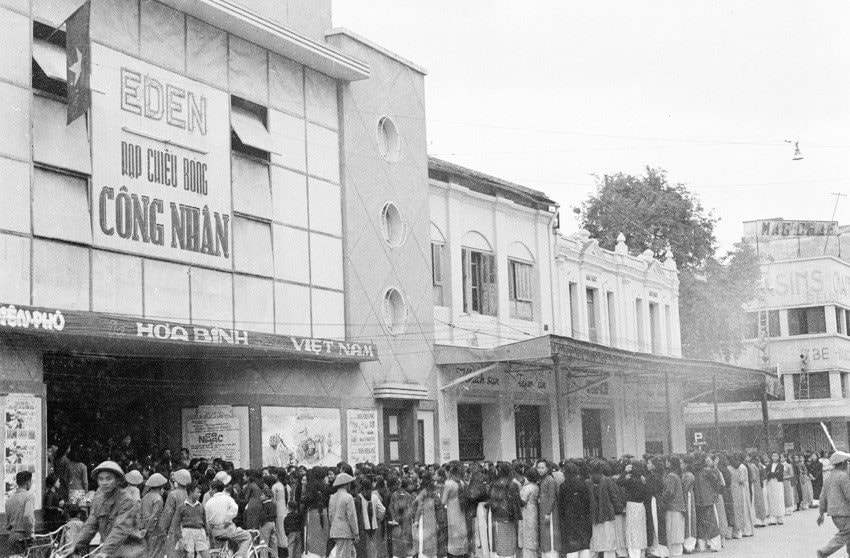
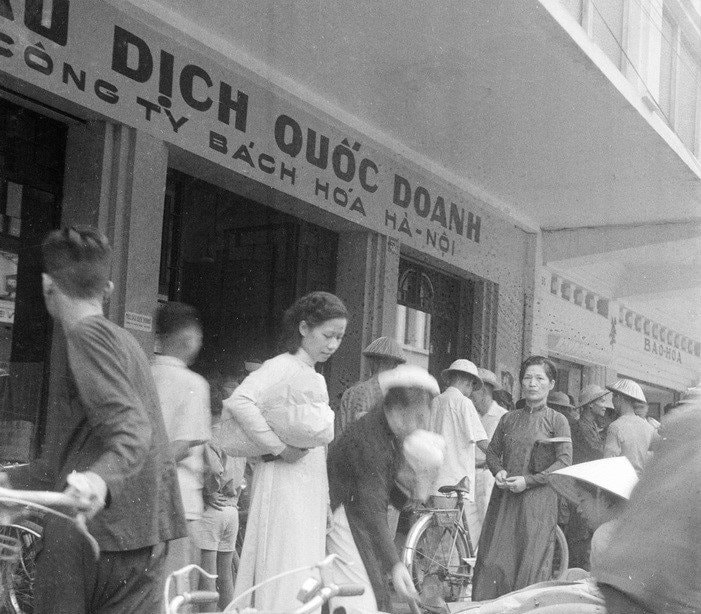
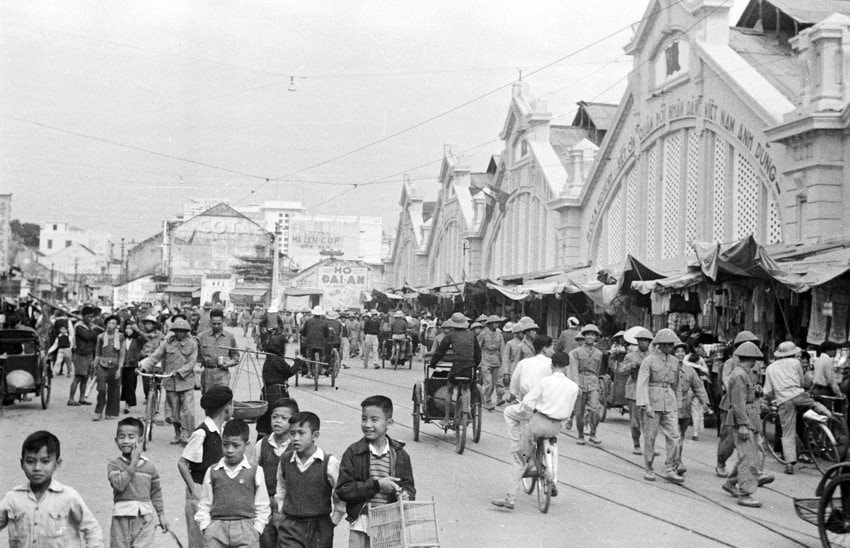
On the first day of the takeover, Hanoi had only 36 inner-city streets and four suburb districts (46 communes), with a population of around 400,000, the vast majority of whom being small traders and impoverished farmers. Today’s Hanoi has completely transformed compared to it 70 years ago. This is truly a miraculous advancement.
– As a capital with a thousand-year history, what should Hanoi do to preserve the cultural values that form its essence?
Professor Nguyen Quang Ngoc: One principle in building our capital is to develop on the foundation of heritage. It can be said that Hanoi possesses a vast wealth of historical, cultural, and natural heritage that is incredibly rich and diverse. If only tangible cultural heritage is taken into account, statistics show that Hanoi has nearly 6,000 relic sites, accounting for almost one-third of the total number in the country, while Hanoi’s area represents only 1% of the nation’s total area. This is a significant resource for the capital’s comprehensive and sustainable development, but it also poses a great challenge for its leaders and managers, as utilising this resource requires both dedication and vision.
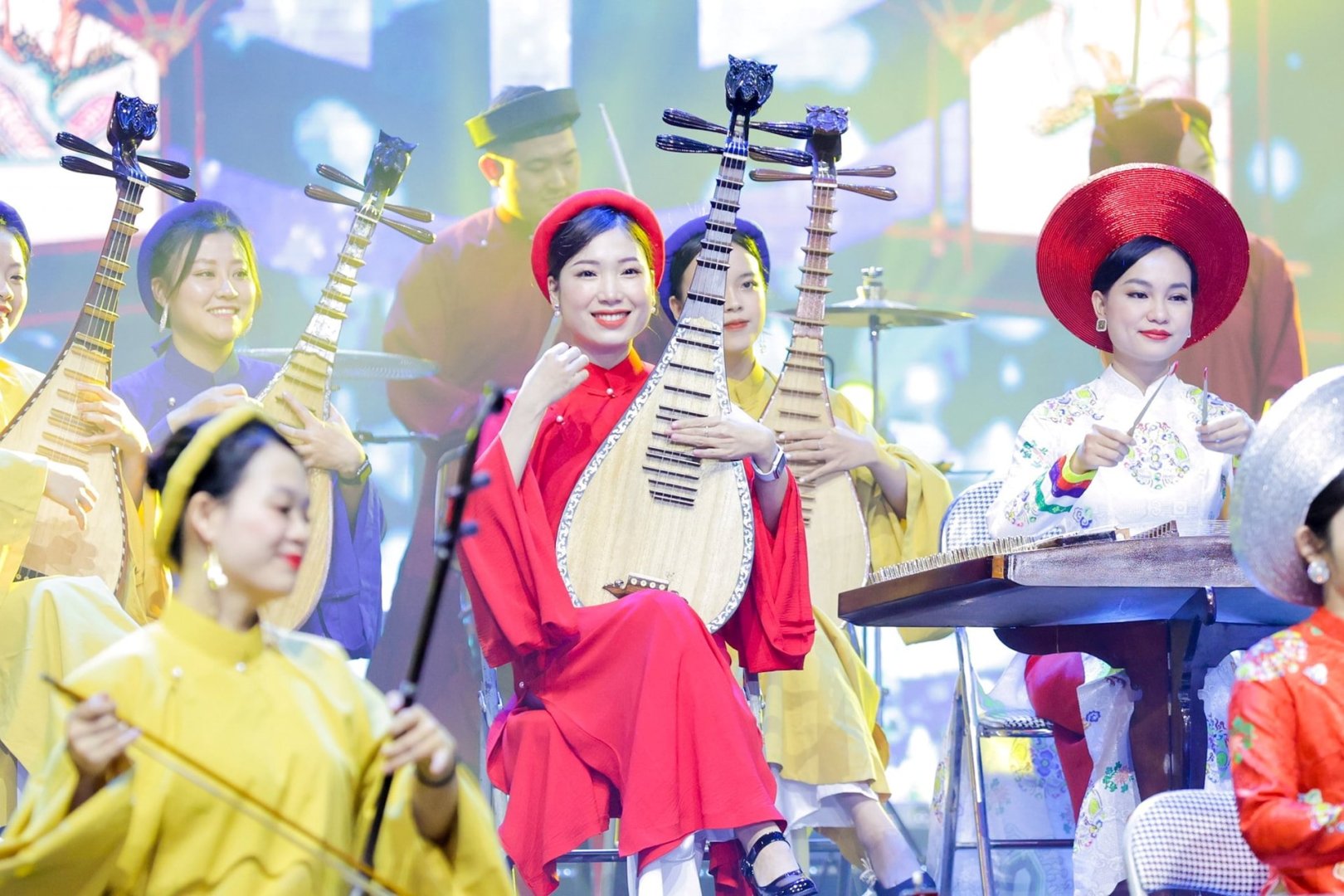
The city has shown its determination to build a cultural, civilised, and modern capital based on its heritage, with policies and decisions grounded in upholding historical and cultural values, and preserving and promoting heritage values. It aims to lead in the development of the cultural industry, boost cultural tourism, and elevate the heritage economy into a strong sector of the capital. I think this represents a sustainable direction for development with a high degree of successes for Hanoi today.
– Hanoi has been recognised by the world as a “Creative City,” a “City for Peace,” and “the Capital of Conscience and Human Dignity.” What should we do to promote these titles without straying from the flow of urban civilisation?
Professor Nguyen Quang Ngoc: On July 16, 1999, Hanoi was honoured by UNESCO as the “City for Peace.” However, we need to understand that it reflects the world’s recognition of the entire historical and cultural process of the city, not just the last year of the 20th century.
Our ancestors emphasised the importance of peace and stability. A deep love for independence and freedom, along with a burning desire for true peace, has always been a source of strength to overcome all challenges.
Today, we need to continue this tradition and elevate its values. This is truly a significant cultural revival, a period of “great renaissance” for our national culture, aimed at enhancing the comprehensive and sustainable development of the capital city.
Culture has become a torch guiding our people through two resistance wars, creating miracles in the building and safeguarding of the Fatherland. From the first National Culture Conference in 1946, Uncle Ho emphasised, “Culture must light the way for the nation,” and indeed, culture has served as a guiding torch for our people, helping us overcome two resistance wars and achieve remarkable feats in building and defending the Fatherland. Despite this proven role of culture, there are still opinions that view it merely as an adornment to life, a sector that “follows along” and only consumes resources without generating wealth for society. This perspective is unrealistic and naive. We live in an era where the economy and culture are intertwined as a unified whole, and culture is becoming the greatest and most important resource for development in any nation.
I am very pleased to know that Hanoi is the first locality in the country to have a specialized resolution on developing the cultural industry (Resolution No. 09-NQ/TU). Hanoi has also recently completed the revised Capital Law and the Capital Planning for the 2021-2030 period, with a vision toward 2050. All particularly emphasise the role of culture. This demonstrates the great determination of the entire political system of the city to realise the goal of building a cultural, civilised, and modern capital city.
– Thank you very much!


