
Since King Ly Thai To (974 – 1028) delivered the “Edict on the Transfer of the Capital” in 1010, Hanoi, called “Thang Long” at that time, has witnessed countless ups and downs.
Generations of Hanoians have followed in the footsteps of their predecessors, standing firm in defence, working tirelessly, and building a vibrant cultural legacy, marked by glorious achievements that will be remembered for eternity.
October 10, 1954 has stood as a historic milestone in the capital city’s development, marking the complete defeat of French forces in Vietnam and ushering in a new era of growth for both the capital and the nation.
In 2024, Hanoi celebrates the 70th anniversary of its Liberation Day, coinciding with the National Assembly’s approval of the amended Capital Law, which is expected to open up new opportunities for the capital’s development, making it on par with others in the region.
Covering nearly 3,400 sq.km and home to a population of almost 9 million, Hanoi is the second most populous centrally-run city in Vietnam. It has excelled in its role as an urban centre and the political and administrative hub of the country while leading the way in various sectors of society.

A view of Hanoi at night. (Photo: VNA)
Poised for further growth
Immediately after taking over the capital from the French colonialists, the municipal Party Committee and administration led the people in recovery and reconstruction. During the resistance war against the US imperialists, Hanoi emerged as a major economic hub of the socialist North, supporting the frontlines with the motto “Not a grain of rice, not a soldier short”.

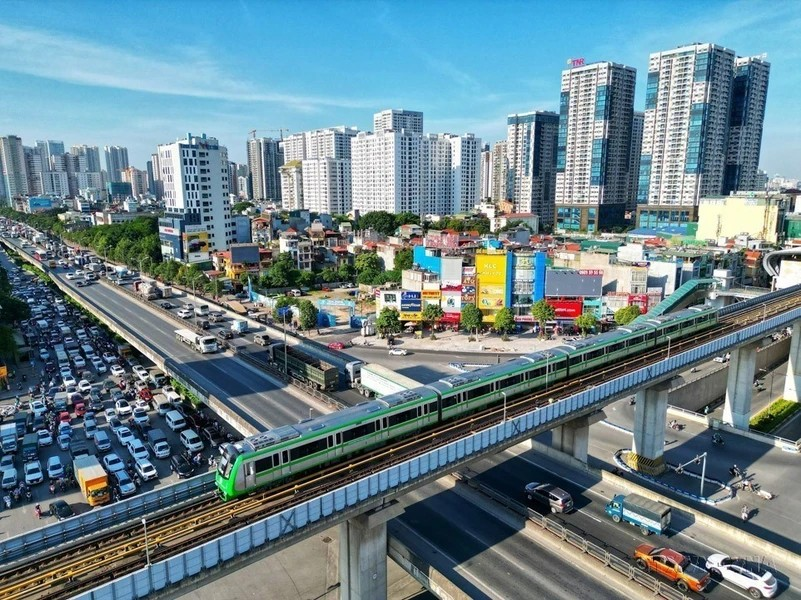
After the national reunification in 1975, Hanoi became a vast “construction site”, focusing on economic, cultural, and social development while improving living standards. Particularly, by thoroughly grasping and creatively applying the Party’s “Doi moi” (Renewal) policy, the city’s Party Committee put forth socio-economic strategies, and stayed resolved to revamp its management mechanisms, and promote a socialist-oriented multi-sector commodity economy operating in line with the market mechanism under state management.

Since the Liberation Day on October 10, 1954, Hanoi has undergone four administrative boundary adjustments and seven revisions of its master plan. With each adjustment, it has gained new advantages, steadily consolidating its power to match its role as the capital city.
Over the past many years, Hanoi has maintained its solid growth and made significant contributions to national growth. Despite accounting for only 1% of the national area and 8.5% of the total population, the city contributes 16% of the country’s GDP, 18.5% of budget revenue, 20% of domestic revenue, and 8.6% of total import-export turnover. In 2023, its GRDP grew by 6.27%, 1.24 times the national average. The city is also among the top five localities in attracting FDI, with over 2.94 billion USD in 2023, up 70.5% year-on-year.
Significant progress has been made in new-style rural area building. To date, all of its 18 districts and townships have met the criteria set for a new-style rural area, and all of the 382 communes have won the recognition. Additionally, 186 communes have been recognised as advanced new-style rural areas, and 68 have achieved the model new-style rural area status.
In addition, Hanoi has invested efforts in both economic and socio-cultural development, with a dedicated initiative on culture. The city has preserved and restored over 5,000 historical sites, and its education sector has led the nation. In terms of infrastructure, it has launched the Ring Road No. 4 – Capital Region project and others to build parallel routes in order to enhance connectivity with neighbouring provinces and cities.
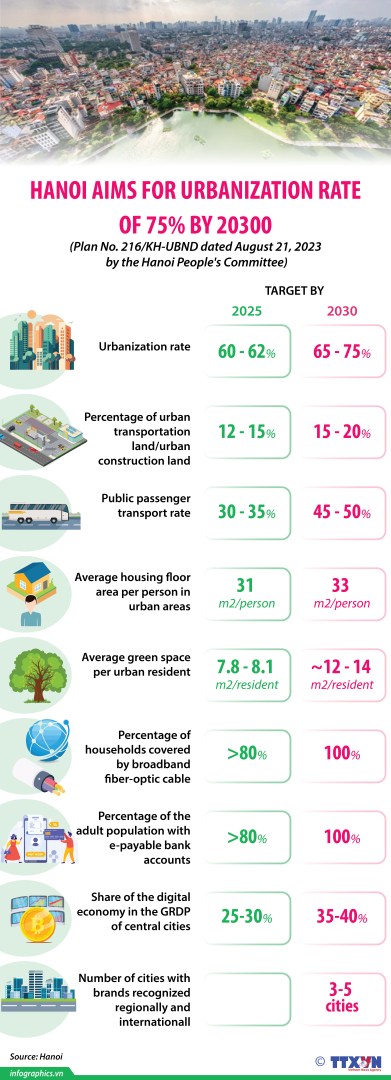
Alongside urbanisation, it has undergone a dramatic transformation by accelerating urban development and mobilising diverse social resources for the work. Numerous new, civilised, and modern urban area projects have given a facelift to the city.


The amended Capital Law features many specific mechanisms and policies for Hanoi’s quick, sustainable development. (Photo: VNA)
Hanoi is also working to upgrade the administrative status of Dong Anh, Gia Lam, Thanh Tri, Hoai Duc, and Dan Phuong districts, pushing for expansion to the north, and investing in comprehensive infrastructure with the goal of gradually transforming itself into a smart city in the near future.
“Golden opportunities” to advance to new height
To advance Hanoi to a new height, matching its glorious tradition and new stature, the Politburo issued Resolution No. 15-NQ/TW on May 5, 2022, outlining directions and tasks for the capital’s development by 2030, with a vision toward 2045. It envisions Hanoi as a civilised and modern city of time-honoured culture by 2030.

Accordingly, the city’s GRDP growth rate is set to exceed the national average from 2021 to 2025, and grow by 8 – 8.5% per year in the 2026 – 2030 period, while per capita GRDP is projected to reach 12,000 – 13,000 USD, and even more than 36,000 USD by 2045.
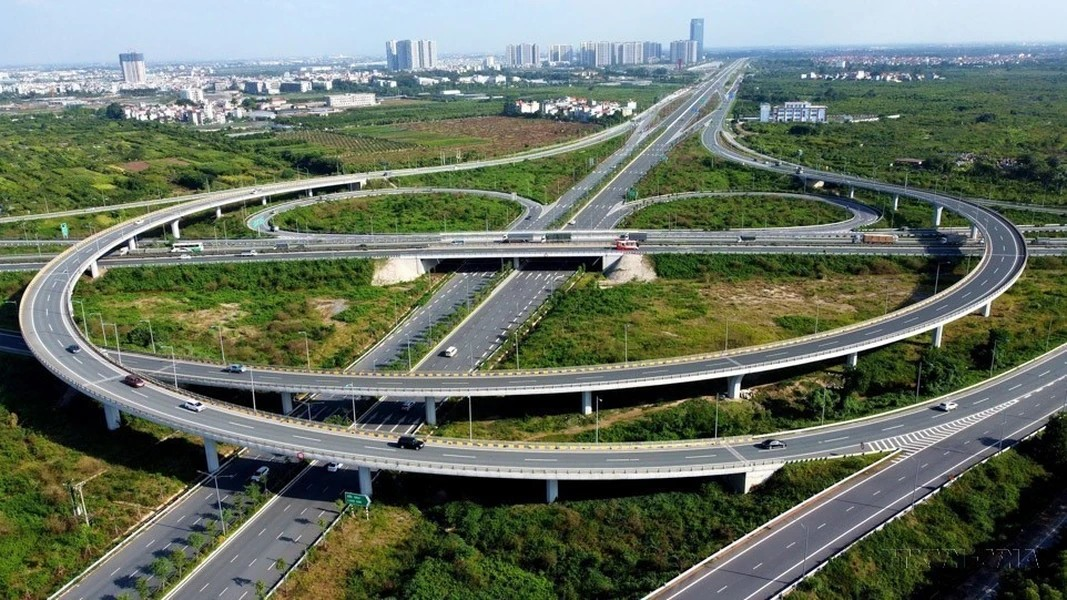
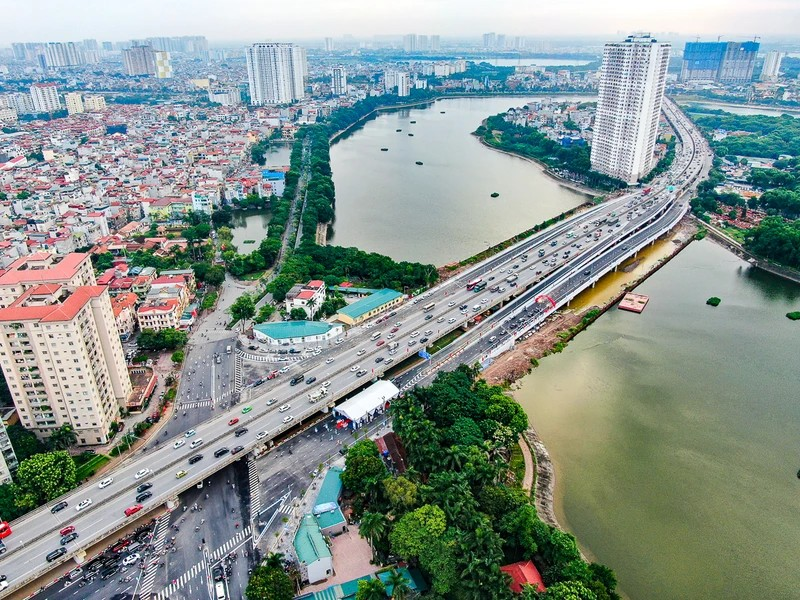
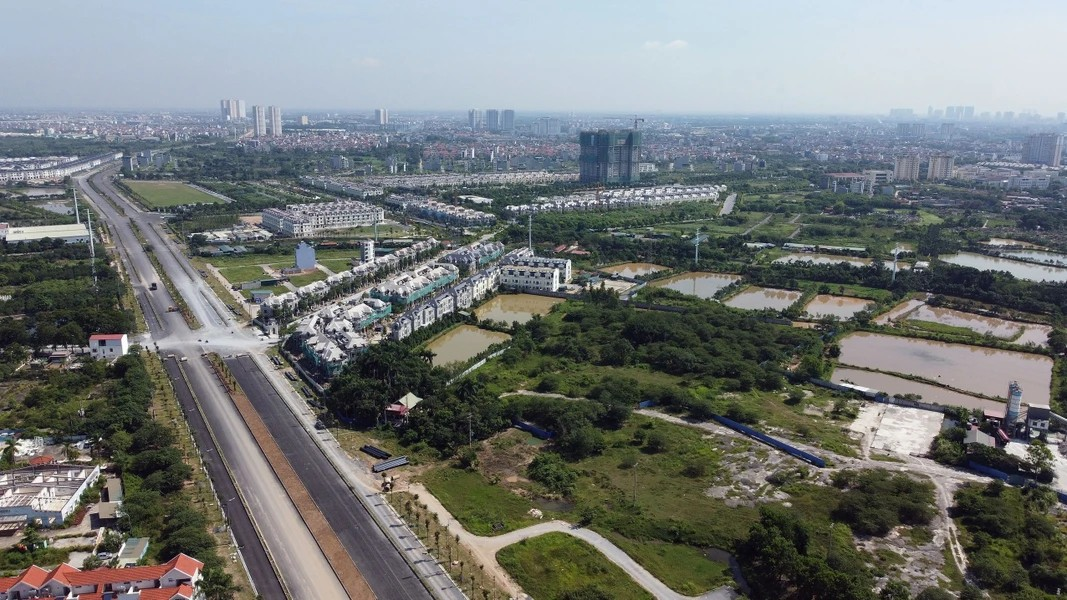


Hanoi focuses on developing harmonious infrastructure, connecting key economic regions. (Photo: VNA)
Regarding this as a particularly crucial political task in the national construction and defence strategy, Hanoi has developed programmes and plans implementing the resolution, focusing on building the amended Capital Law, and devising a capital masterplan with a vision towards 2050, and a project adjusting the masterplan by 2045 with a vision towards 2065.
The amended Capital Law, approved by the National Assembly and scheduled to take effect on January 1, 2025, features many special mechanisms and policies for Hanoi to make breakthroughs and develop fast and sustainably, helping stimulate growth in the Red River Delta, the northern key economic region, and the country as a whole.
Deputy Director of the Hanoi Department of Justice Nguyen Cong Anh said the adoption of the 2024 Capital Law is a joy shared by local authorities and residents, and brings hopes and aspirations for substantial changes, meeting national expectations for a capital city that develops in line with its potential.
The two major planning projects, passed by the legislature and the Politburo, play a crucial role in shaping the spatial layout, along with urban management, investment, and development of Hanoi in the future.
The planning process has been conducted with caution, diligence, and scientific rigour. The city has attracted the participation of the best and most experienced consulting teams, and numerous leading experts and scientists at home and abroad in the work.
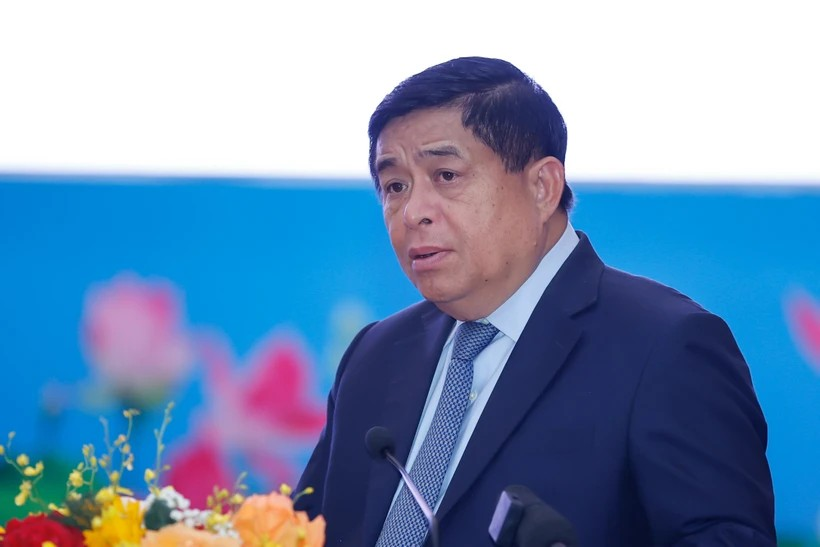
Minister of Planning and Investment Nguyen Chi Dung, head of the ministry that is the standing agency for the Hanoi master plan appraisal council.
Unlike other planning schemes, the Hanoi capital master plan places a strong emphasis on cultural and heritage issues. As the cultural epicentre of the country, Hanoi leads in research, creativity, and the cultivation of human potential while also promoting science, technology, and innovation.
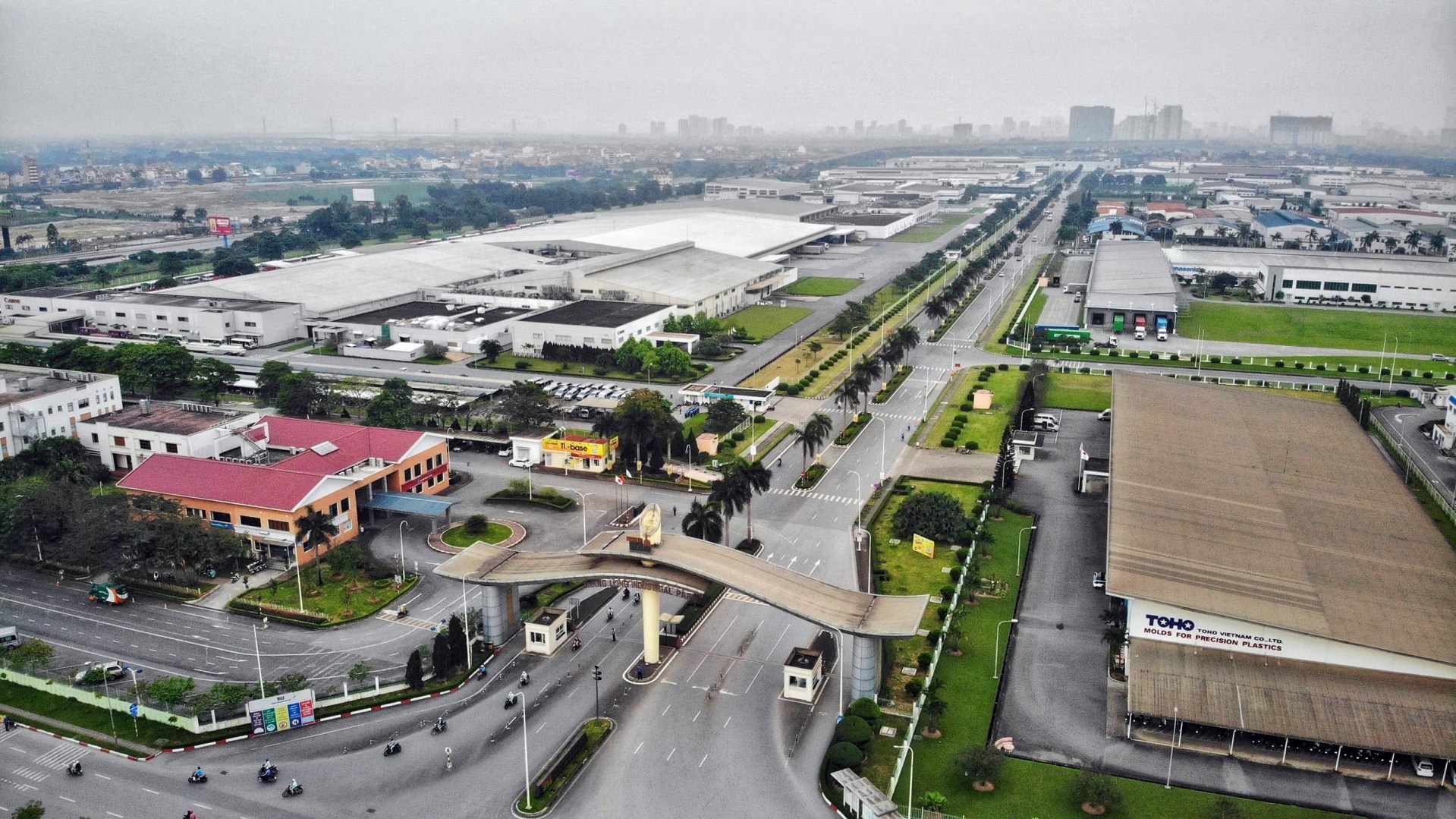
Khu công nghiệp Thăng Long Hà Nội, điểm sáng hợp tác kinh tế Việt Nam – Nhật Bản 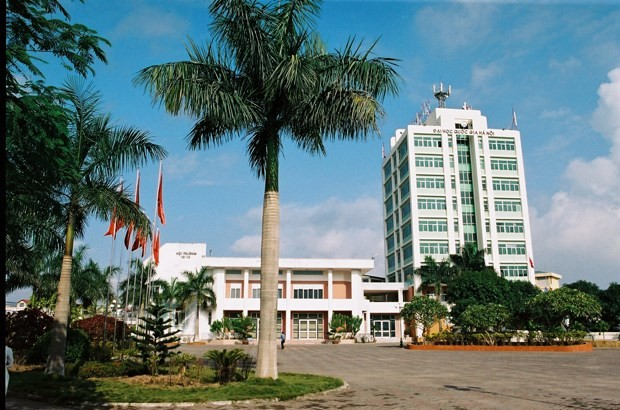
Đại học Quốc gia Hà Nội 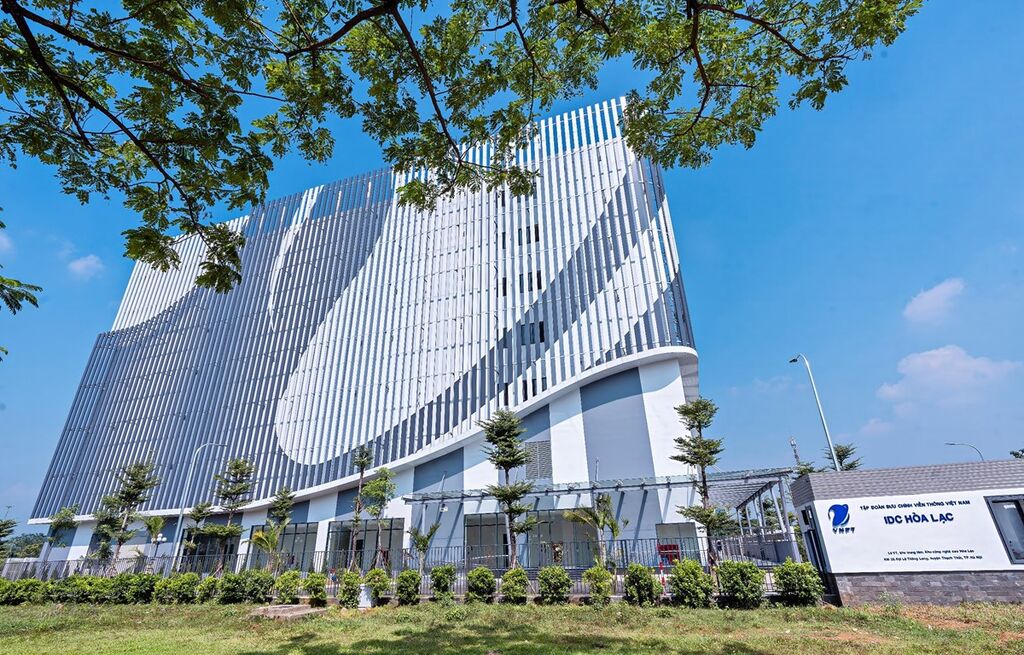
Khu Công nghệ cao Hòa Lạc. 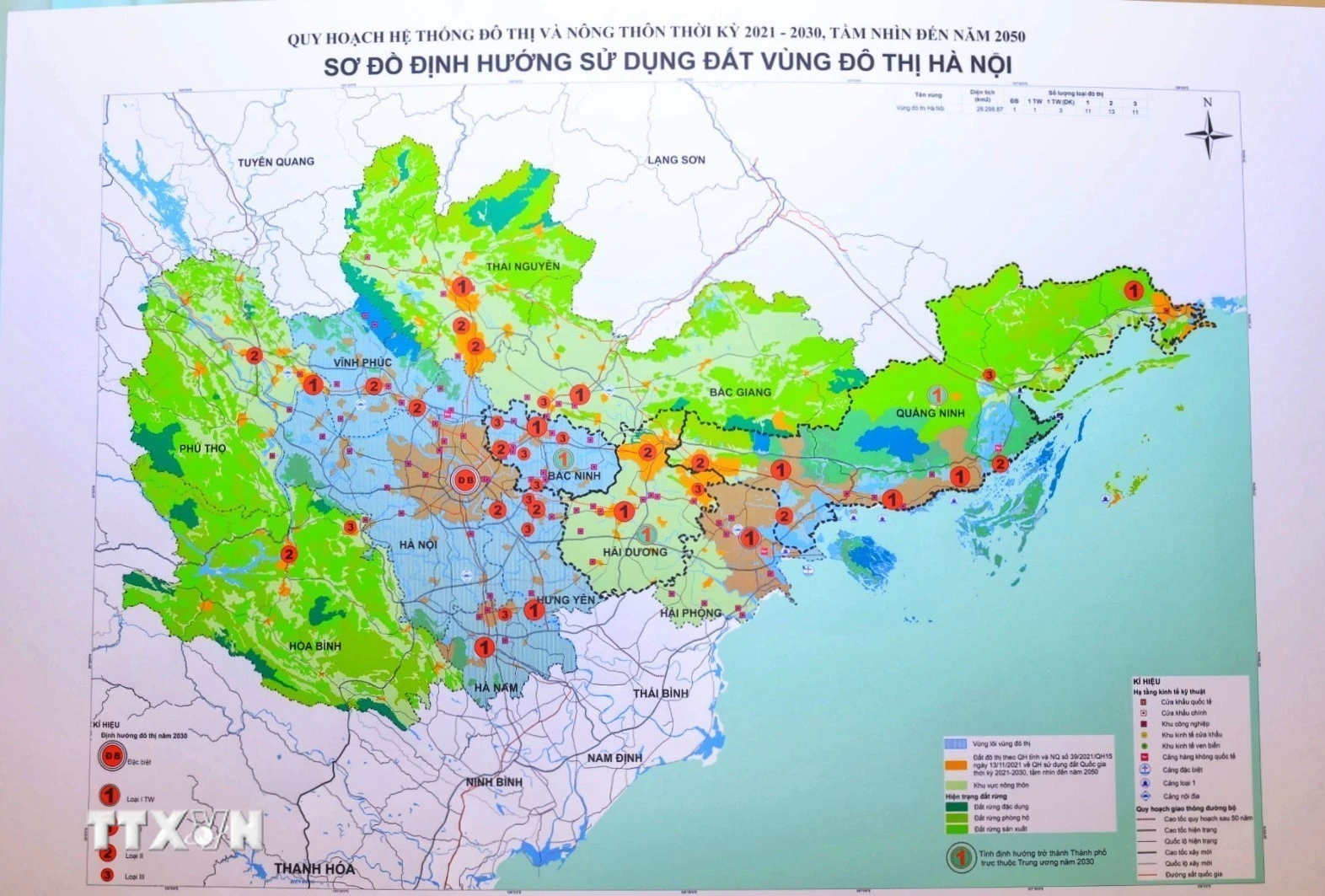
Bản đồ quy hoạch Hà Nội 
Cầu Nhật Tân
Hanoi has taken the lead in research, science-technology, and innovation. (Photo: VNA)
The implementation of the masterplan will likely face challenges ahead. However, with well-defined strategies and the special attention, trust, and expectations from the Party Central Committee, the Politburo, agencies, localities, and people nationwide, Hanoi is poised to confidently reshape its posture./.
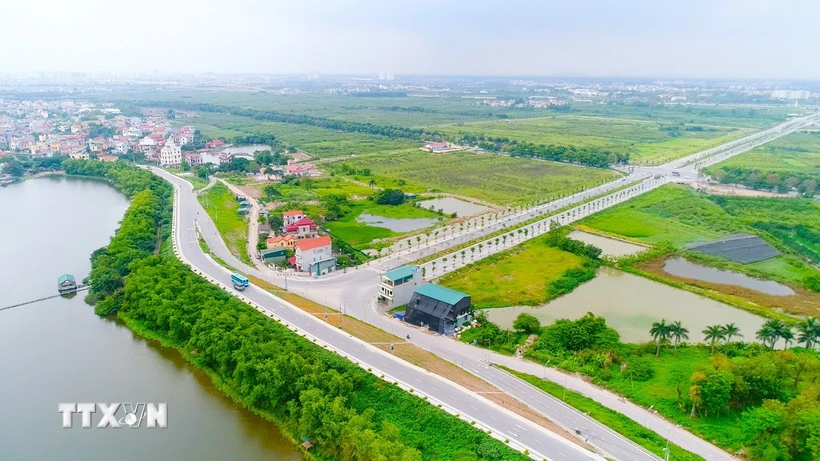
Gia Lam district has invested concertedly in transport infrastructure. (Photo: VNA)