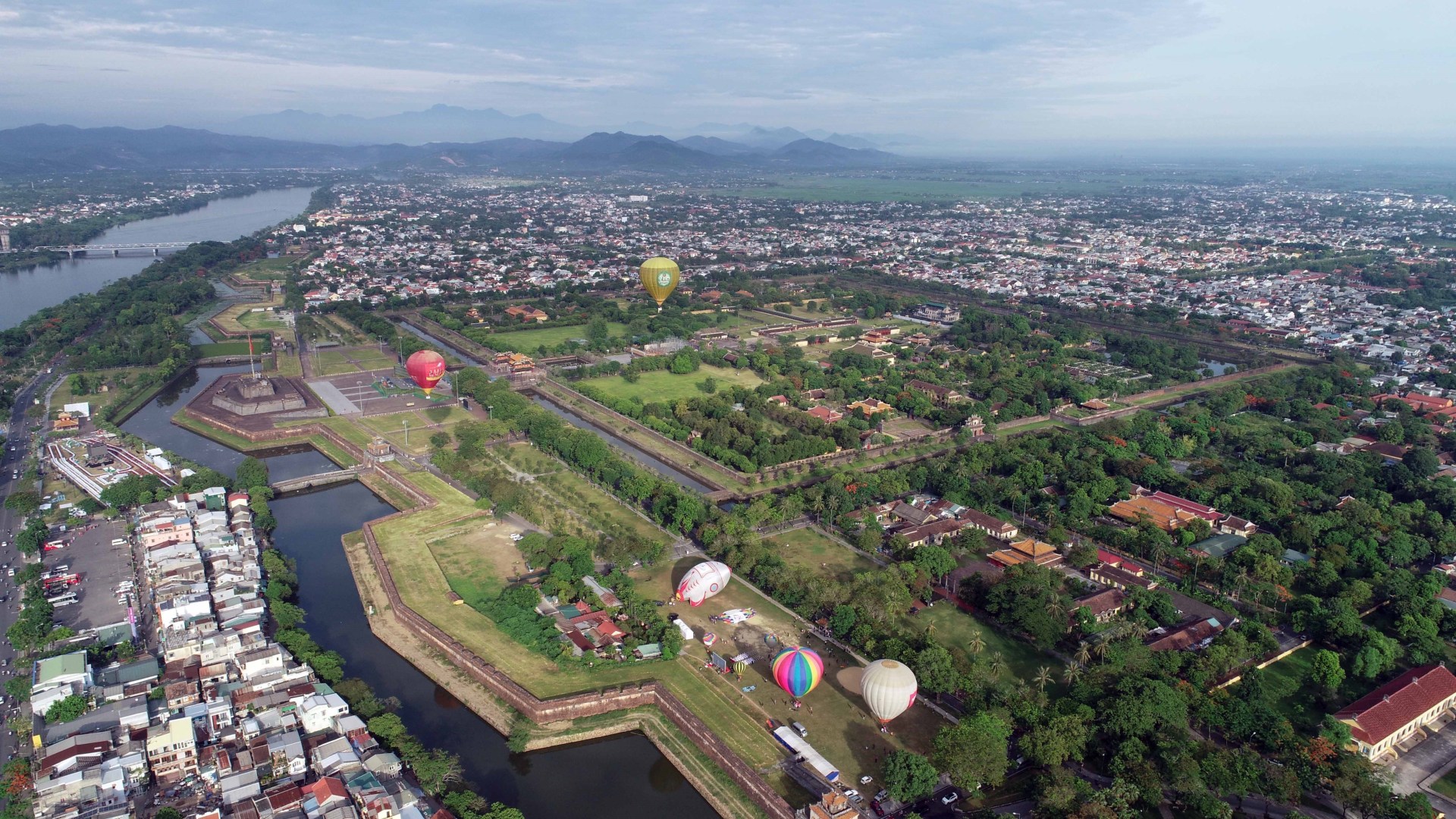
As a “National Green City” with a moderate urbanisation rate and environmental impacts, Hue in the central province of Thua Thien – Hue boasts numerous advantages to become a sustainable green urban area of Vietnam.
With a dense green tree system, in 2016, Hue was the first city in the country to be honoured by the World Wide Fund for Nature (WWF) as a “National Green City” – a worthy title for policies and initiatives that the city and its resident of Hue are implementing to become the country’s leading locality in sustainable and environmentally friendly development.
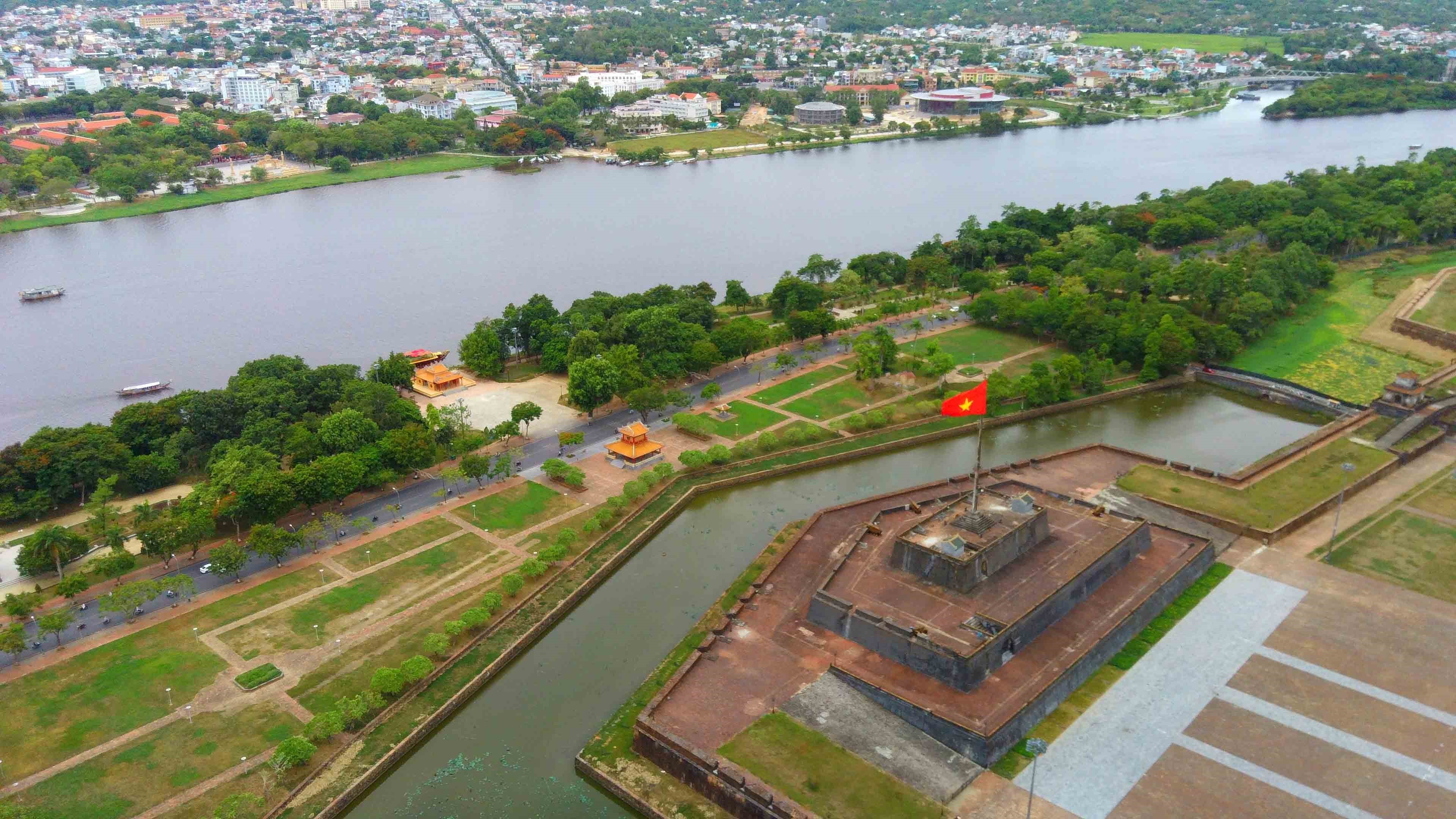
Hue is also the most intact ancient capital in Vietnam, which has preserved the typical culture of the country in many historic relics.


Green lifestyle trend
When first vying for the title of green city in 2016, Hue satisfied a series of strict requirements of the WWF to put itself on the list of the world’s greenest cities with the commitment of reducing 20% of the greenhouse gas (GHG) emissions by 2020 as compared to 2011.
Accompanying this commitment are seven specific action plans, which focus on urban greening, green tourism development, effective water and waste treatment, smart public lighting systems, and renewable energy and environmentally friendly construction materials.

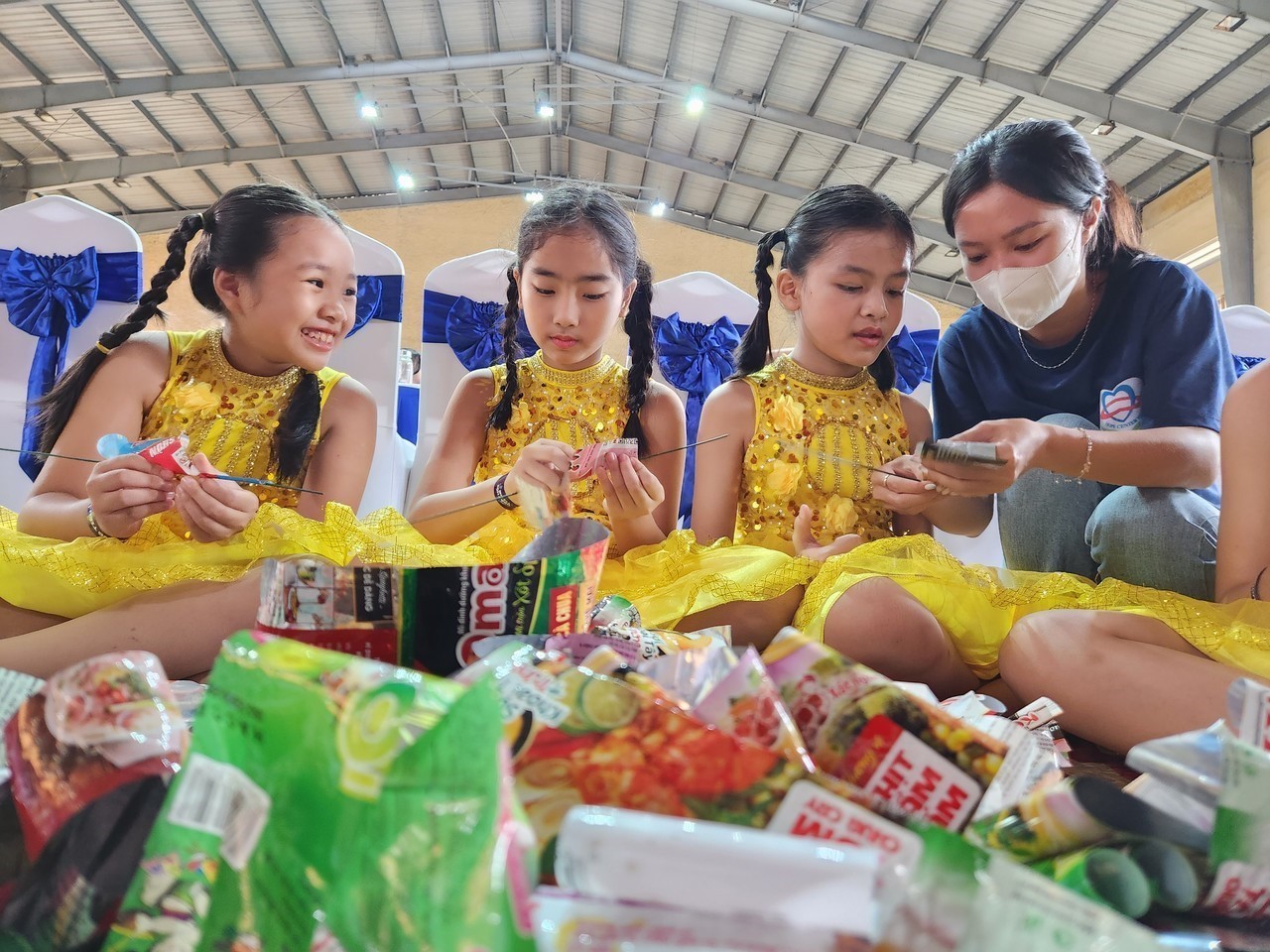
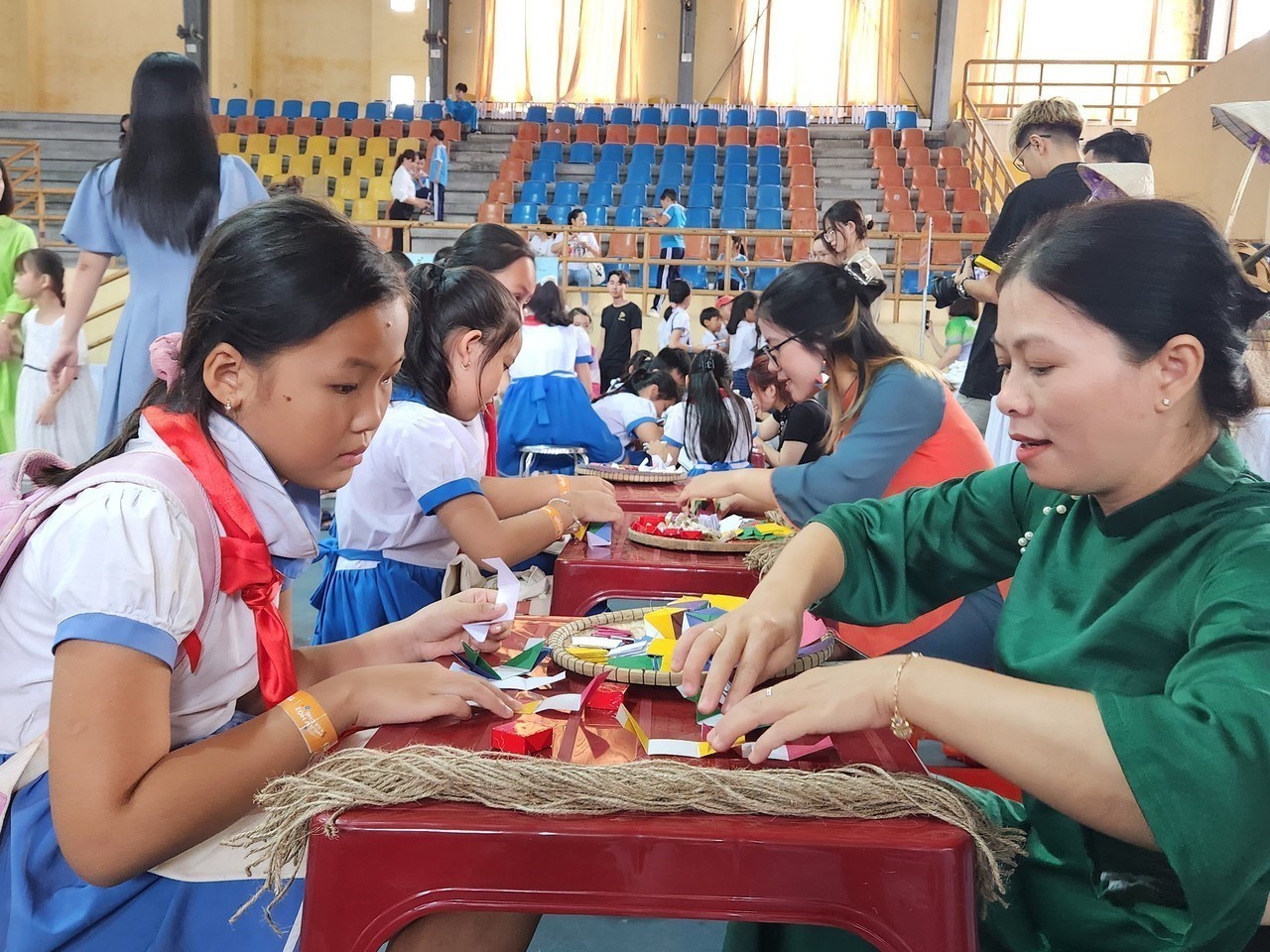
Since 2016, the city has shown great effort to realise its commitment in cutting down GHG emissions as well as the plan to turn it into a green, clean, bright and waste-free urban area.
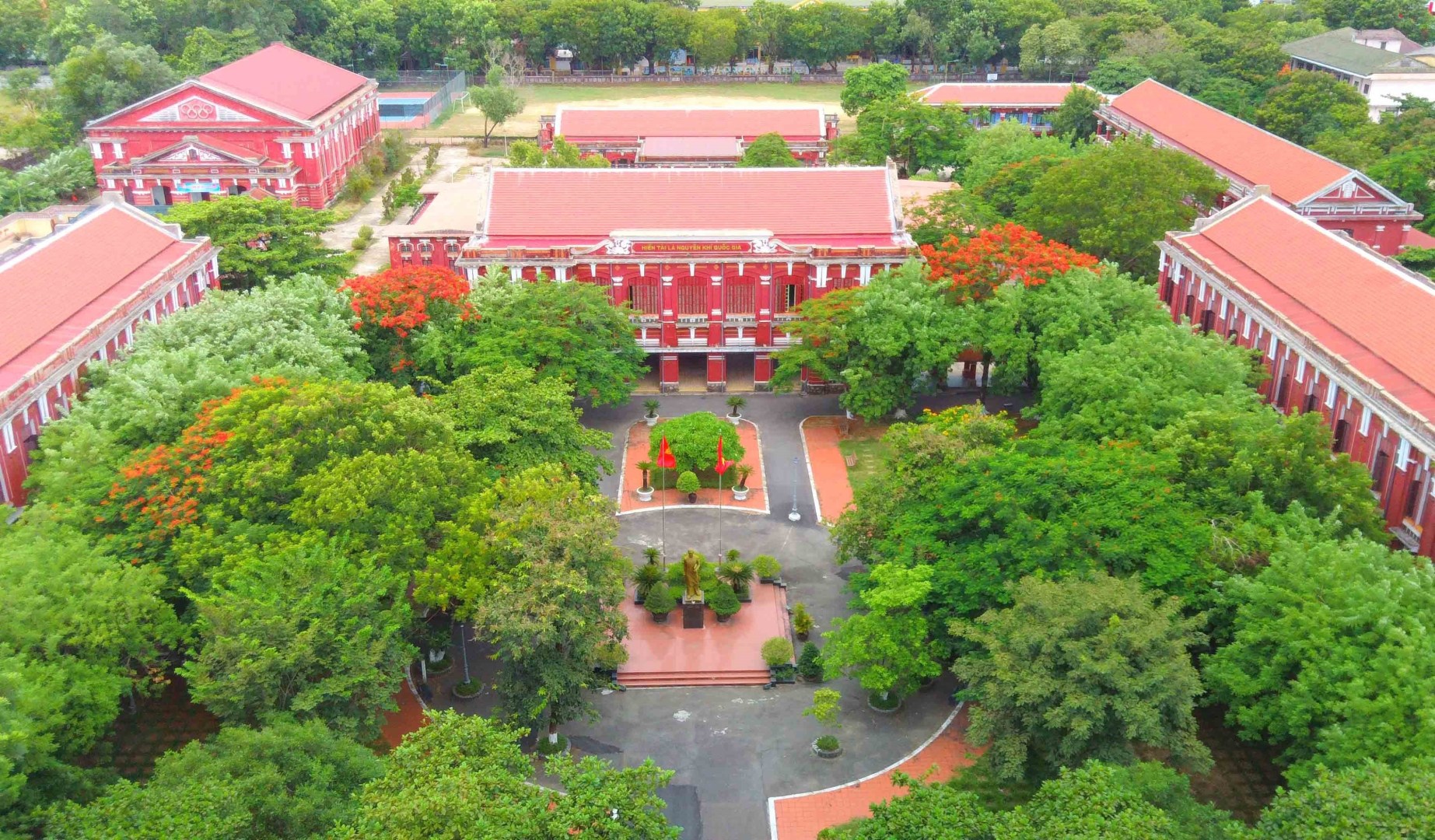
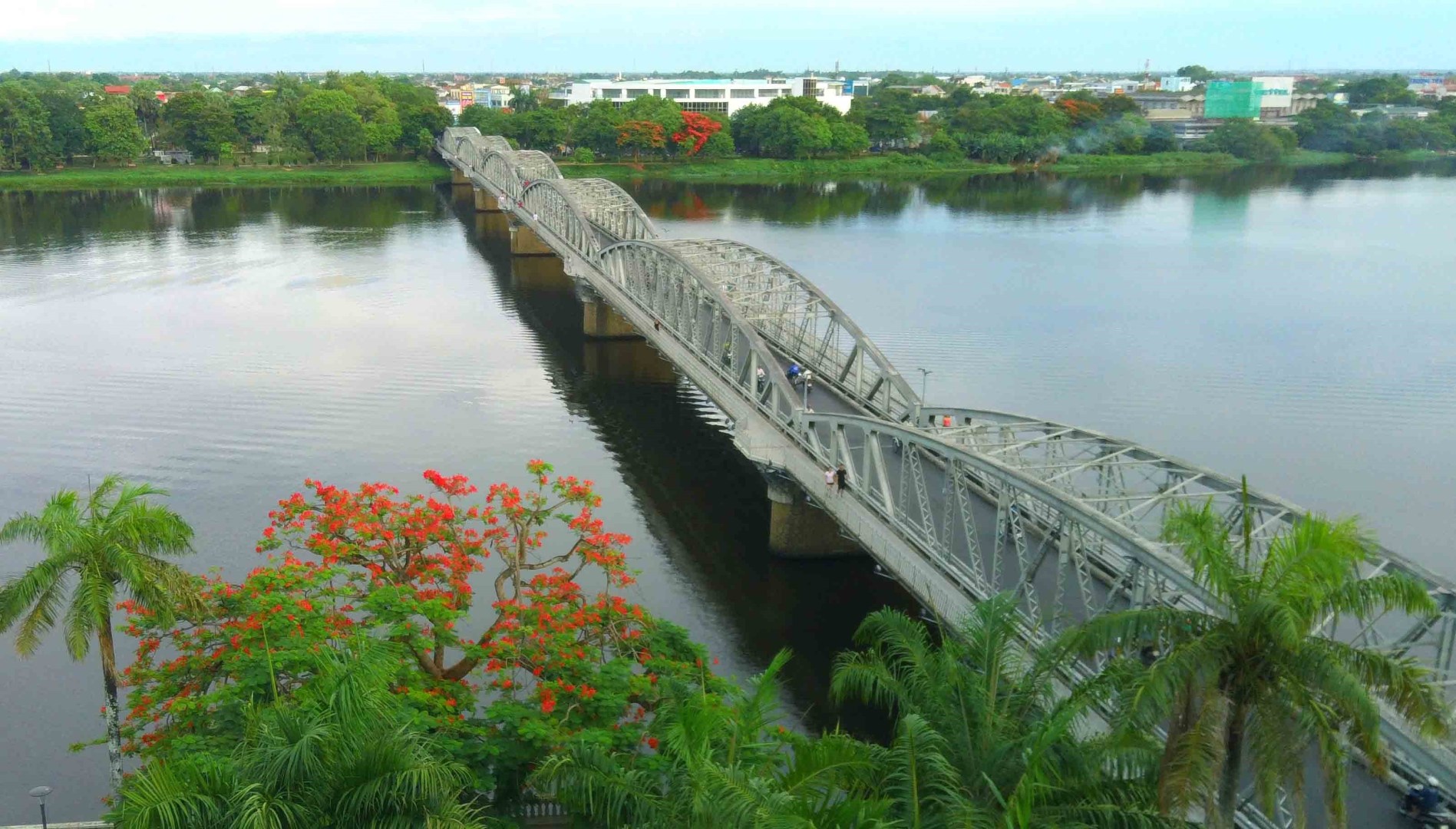
Hue is the urban area with the highest density of trees in the country, with more than 64,000 trees on each street. On both banks of the Huong River, community-sharing bicycle stations have not only made the city more environmentally friendly but also provided a new urban transportation solution for the city.

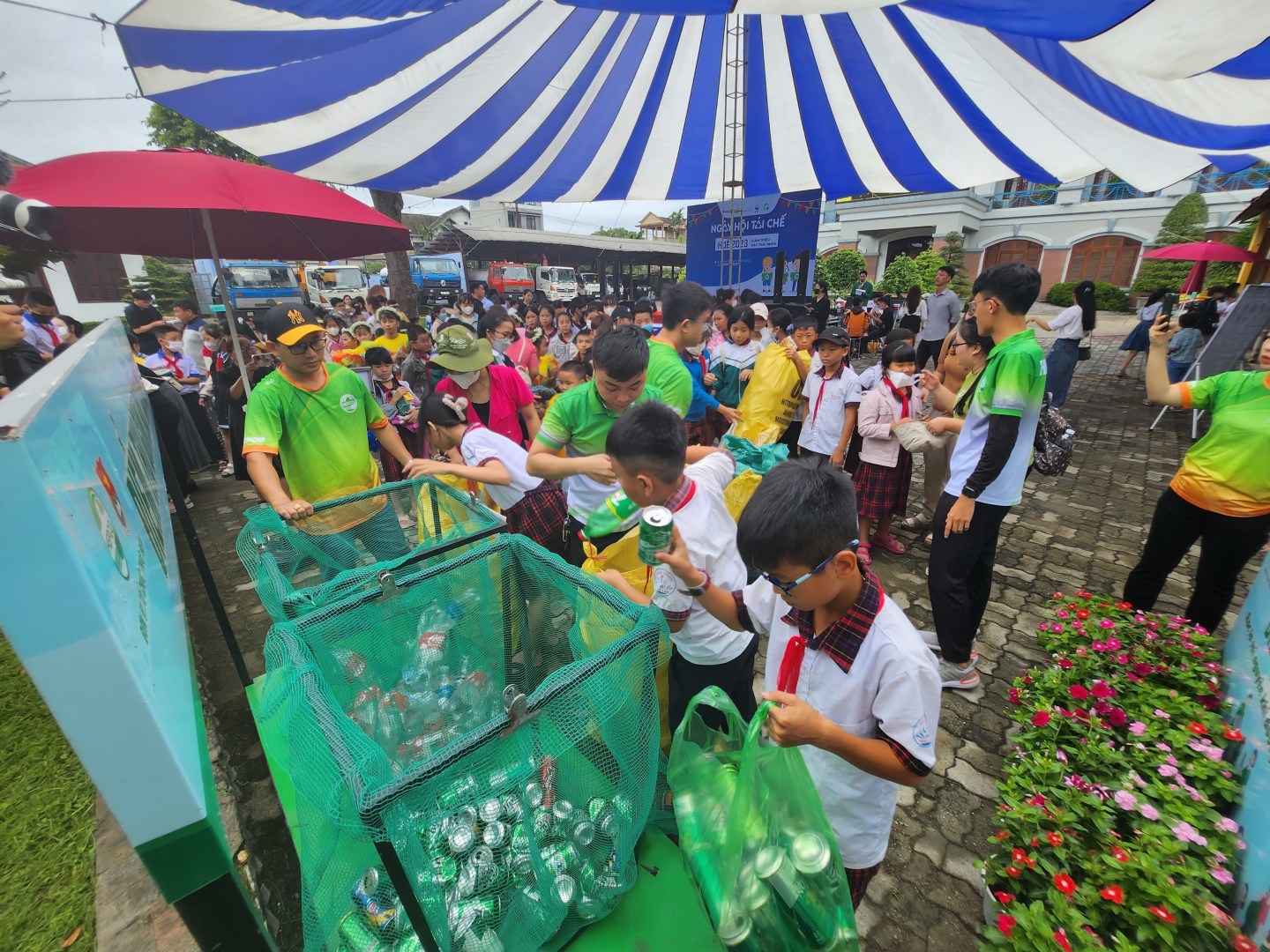
Recently, the project “Hue – Plastic Smart City in Central Vietnam” funded by the WWF Norway through the WWF Vietnam, has been launched in Hue city by deploying an application of waste classification technology at source and collecting recyclable waste in the city. The mGreen application is an award-winning initiative at the Hue 2023 Plastic Waste Reduction Initiative Contest that helps connect directly between sellers and collectors of recyclable waste. In addition, when people collect recyclable waste, they can earn points and receive gifts through the application.
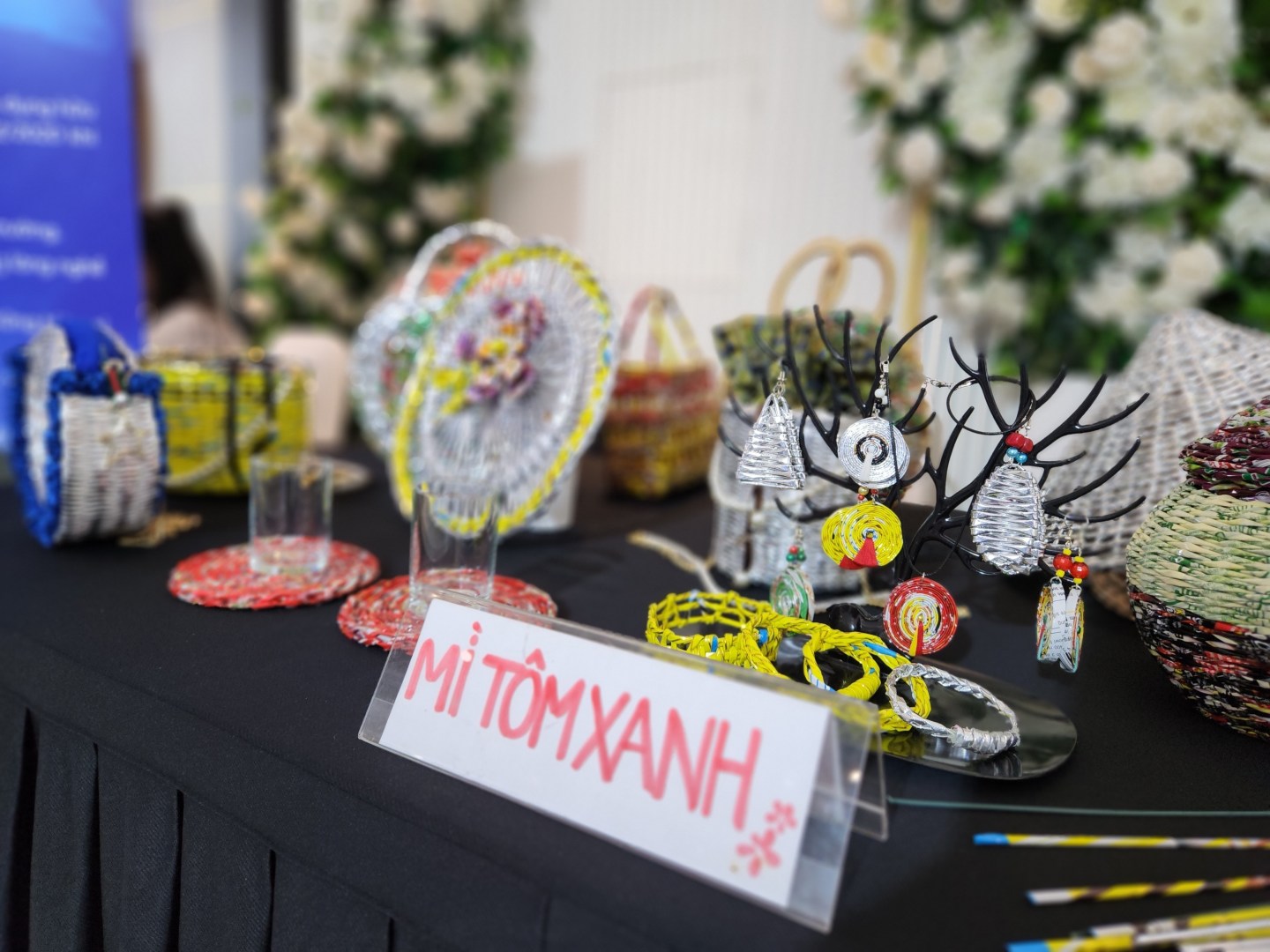
The WWF commented that Hue is a model in waste management, while municipal leaders have given specific commitments to promote the city’s growth towards green and sustainable direction. Over the years, thanks to the support from non-governmental projects and international organisations on environmental protection, Hue has seen an increase in number of trash bins and clean water refilling stations on local streets, residential areas, and tourist attractions of Hue city. The projects have contributed to strengthening the capacity of local social organisations and communities in forming green habits and awareness, while standardising waste treatment processes. The practical activities of the projects have supported local residents and authorities to continue to develop Hue towards a green and sustainable direction.
Keeping movements vital
In the project “Hue – Plastic Smart City in Central Vietnam,” Hue aims to cut its plastic waste by 30% before 2024, with 70% of solid waste classified at source, collected and treated.
To fulfil this target and promoting the sustainable development of Hue towards a green city of Vietnam, the city has worked to enhance the public awareness and sense of responsibility in protecting the environment and building a green city.
As a heritage city, Hue’s development path is unlike other urban areas. Along with promoting economic growth, local authorities are striving to solve the problem of preserving heritage and unique culture and protecting the ecological environment.
“A good model without spillover effects will have no vitality. “We not only need to make effective use of projects but also synchronise the organisation of movements to maintain their vitality. Synchronisation must be ensured from sanctions for environmental violations to the integration of mass movements into the common goals set by the province towards professionalism in the civilised and green lifestyle of the people”.
Phan Ngoc Tho, Permanent Deputy Secretary of the Party Committee of Thua Thien Hue
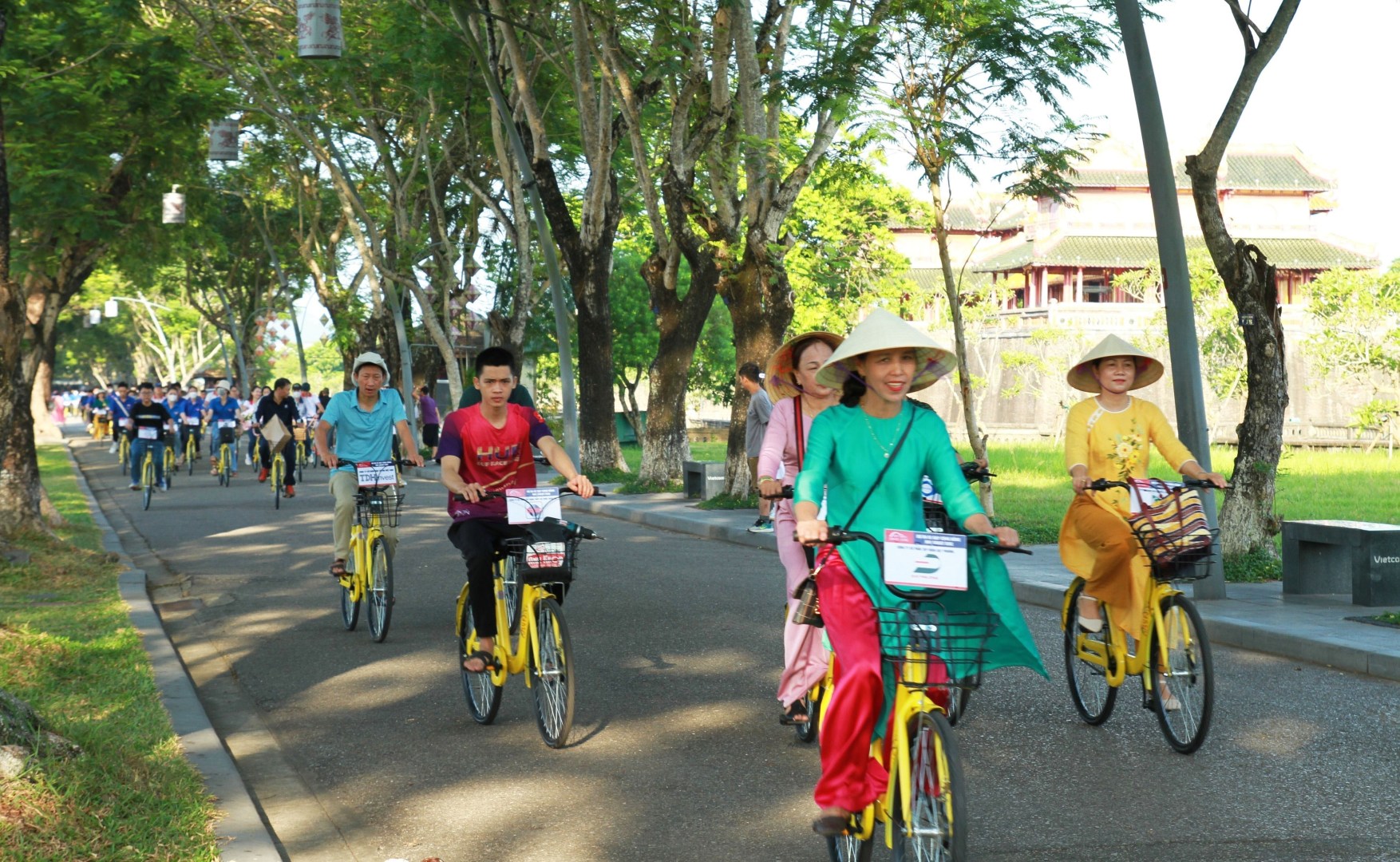
With Hue as its capital city, Thua Thien-Hue province has developed towards a heritage urban area that is environmentally friendly and smart, thus laying a solid foundation for “green tourism” development in the coming years.
Turning tourism into a spearhead sector and promoting sustainable development are also part of the Politburo’s Resolution No. 54-NQ/TW to develop Thua Thien-Hue to a centrally-run city in 2025 on the foundation of preserving and promoting the values of an ancient capital and Hue cultural identity./.