Vietnam is entering an ageing population stage. By 2036, people aged 60 and above are expected to account for 20% of the nation’s population. The country needs to develop an early, sustainable strategy on caring for the elderly that engages families, communities, and the state and private sectors. Among the options, the semi-boarding nursing model could become a long-term social safety net.


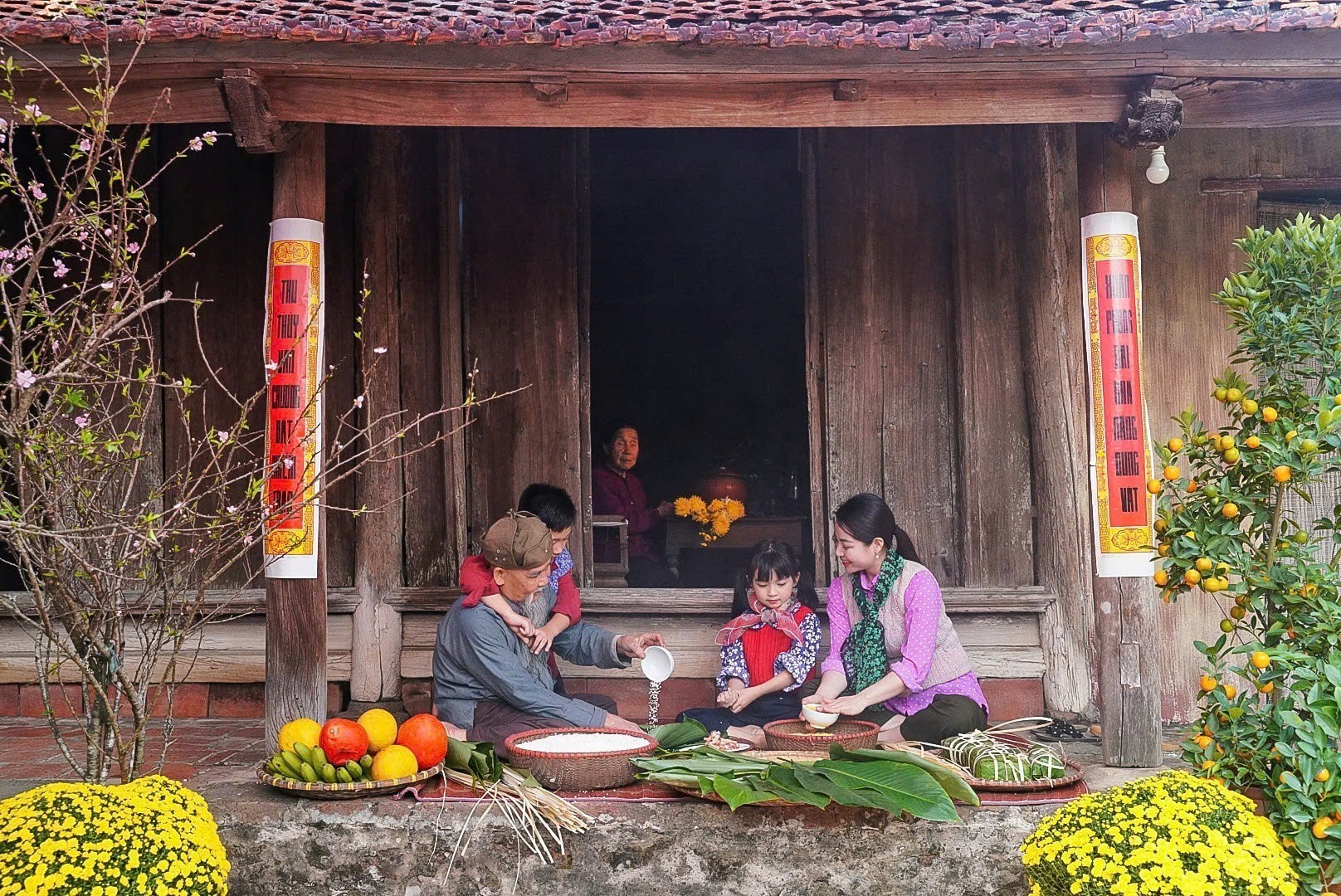


According to Prof. Dr. Huynh Van Son, Vice President of the Vietnam Psychological Association and Rector of Ho Chi Minh City University of Education, Vietnam had about 13 million people aged over 60 as of 2024, representing 12.8% of the population. Elderly care is still largely based on the traditional family model, where children and grandchildren look after their parents and grandparents – an identity of Asian culture that strengthens intergenerational bonds.
However, this model is under strain due to urbanisation, labour migration, the prevalence of nuclear families, and shifting intergenerational relations. In cities, many elderly people live alone or rely on a single caregiver. In rural areas, older people often stay behind with limited access to healthcare and emotional support.
“Nursing homes, care centres and social service facilities do not yet meet demands. In particular, mental health and psychological support services – which are critically important – have not received adequate attention,” Son noted.
Life expectancy in Vietnam is 73.7 years, but the average healthy lifespan is only about 64. This means each person spends the last 8–10 years of their life with illness. Around 27% of elderly people live alone or only with other elderly individuals.

Four main barriers in the elderly care:
🏠 Culture: In terms of culture, many Vietnamese people still consider bringing parents to nursing homes as abandoning them, while the elderly themselves are reluctant to leave their families.
💡Awareness: For awareness, many people believe professional care is only needed when one is too weak or seriously ill, while early care is actually the key to prolonging healthy life.
💰Finance: Financially, most elderly people do not have regular pensions. Care services remain expensive, and health insurance does not adequately cover long-term services.
👨👩👧👦Policy – workforce: Regarding policy and workforce, there is a shortage of geriatric doctors, nurses, and psychologists for the elderly. Care facilities remain far below demand.

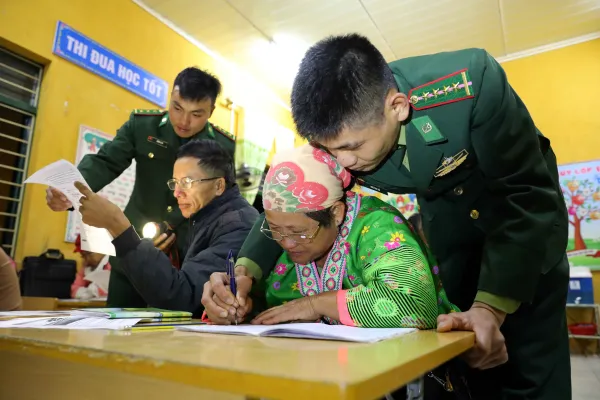


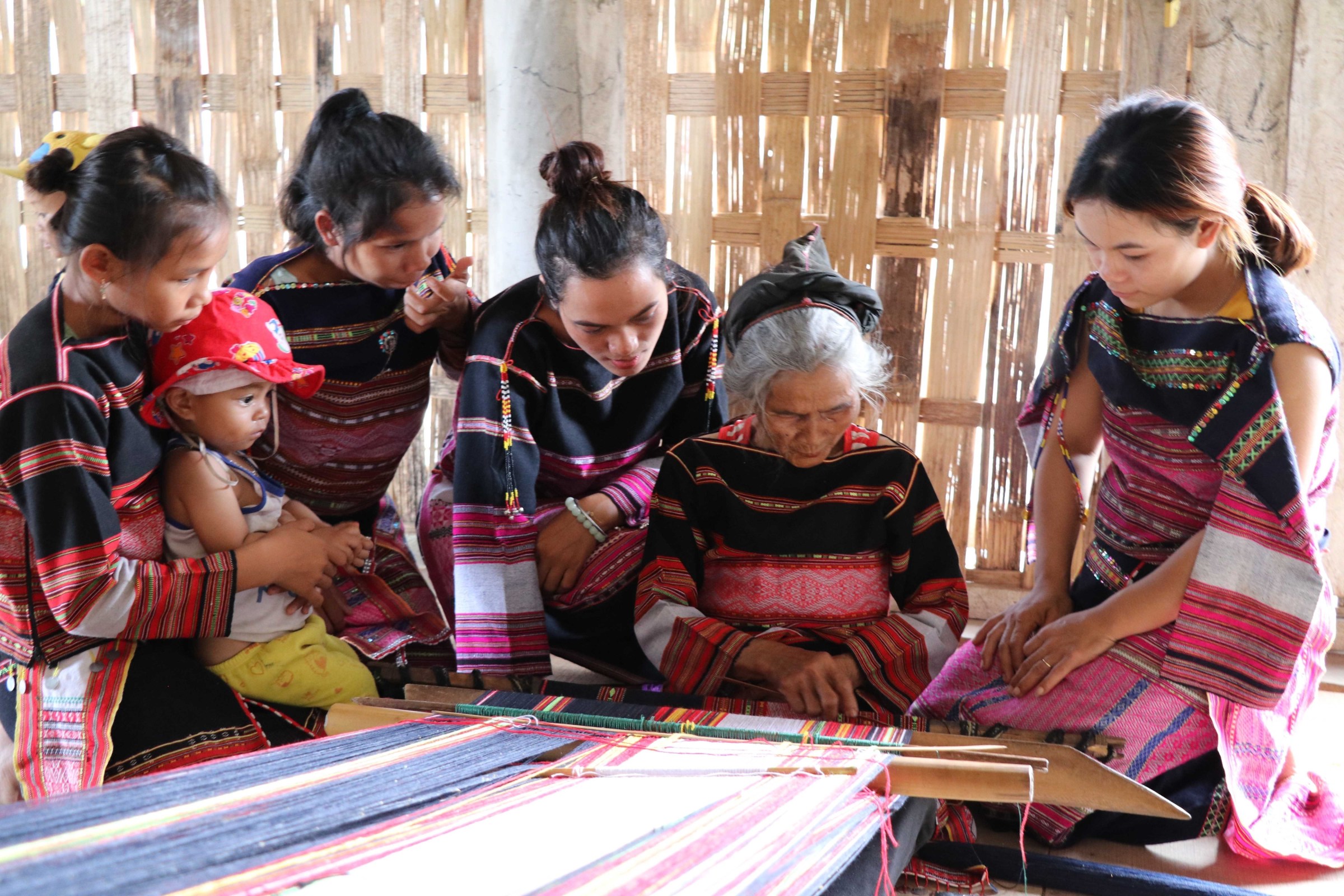
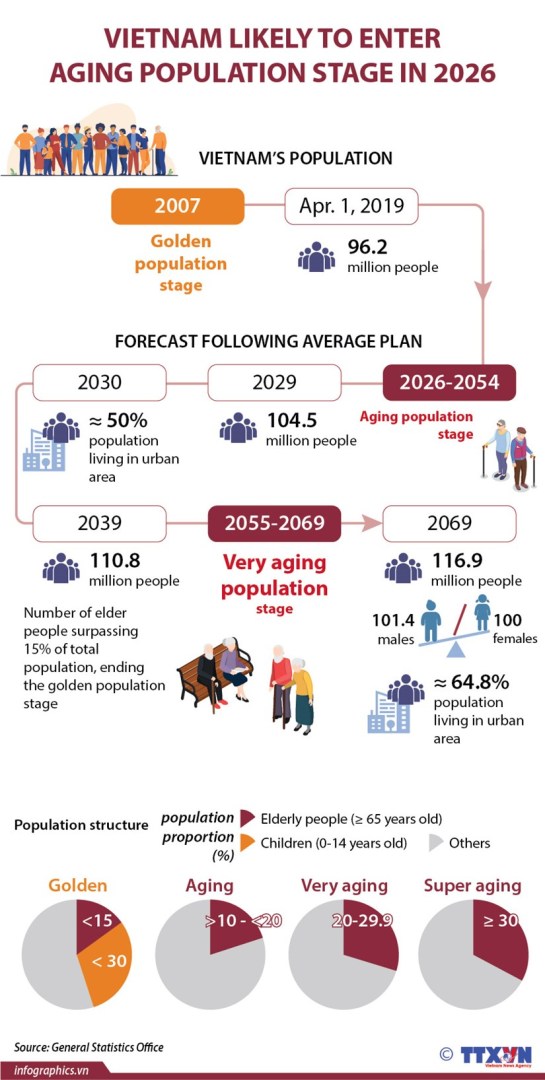
Vietnam entered the ageing stage in 2011 and is projected to become an “aged society” by 2036. By 2050, the elderly are expected to account for 25–28% of the population.

Given cultural traditions, the family nursing model cannot be abandoned, but additional models are needed to adapt to modern social changes. Flexible approaches tailored to local cultural habits and socio-economic conditions are essential.
Three main models
🏡 Home-based care: Serving as the foundation, but requiring support from grassroots healthcare, home nursing, psychological counselling, and caregiver training.
🎉Community-based care: Building clubs, community centres and semi-boarding care at affordable costs, promoting social bonds under the principle of “the elderly supporting the elderly.”
🏢 Semi-public and socially engaged care: Encouraging businesses and non-profit organisations to participate, creating diverse services accessible to different income levels.


Prime Minister Pham Minh Chinh visits a family receiving housing support. (Photo: VNA)
Semi-boarding care homes
Nursing home models are gaining social attention as humane and modern solutions. At the national conference on the dissemination and implementation of several Politburo resolutions on September 16, 2025, Party General Secretary To Lam emphasised the need for early solutions to combat loneliness among the elderly.
He stressed that semi-boarding care centres are a sound direction, though progress remains slow. The General Secretary called for the private sector’s greater involvement, including transport services and the creation of cultural and sports spaces to help seniors extend life expectancy and improve quality of life.
Unlike boarding homes where elderly people live permanently at the facility, semi-boarding care allows them to receive healthcare and take part in community activities during the day, before returning home to their families in the evening.
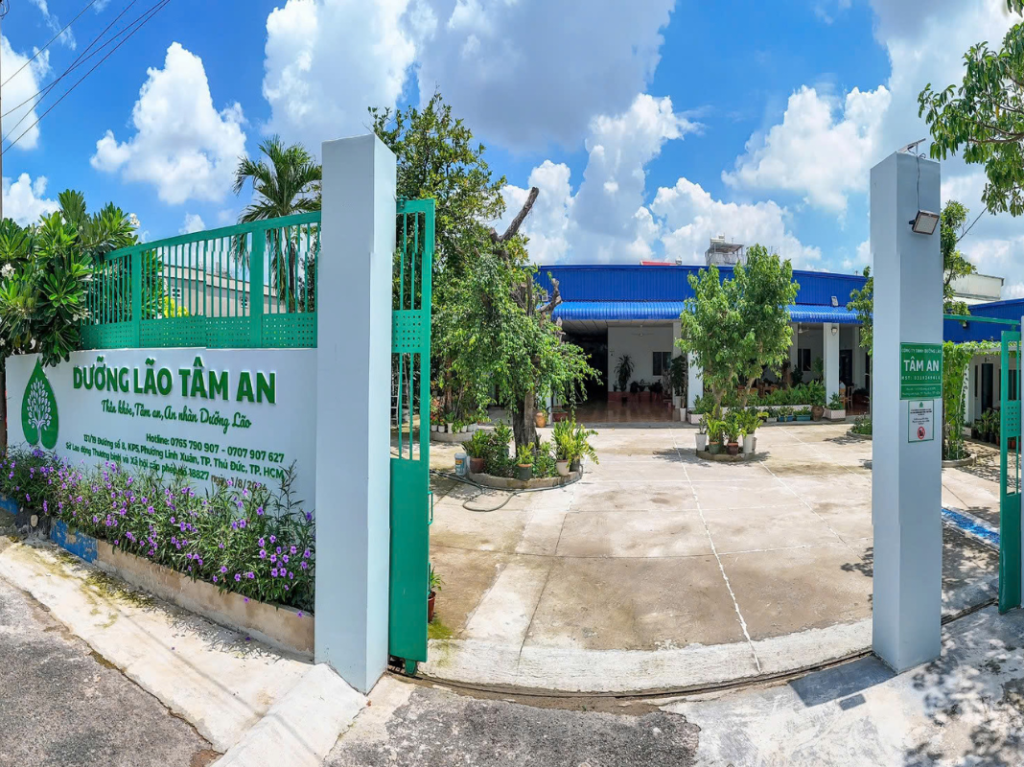

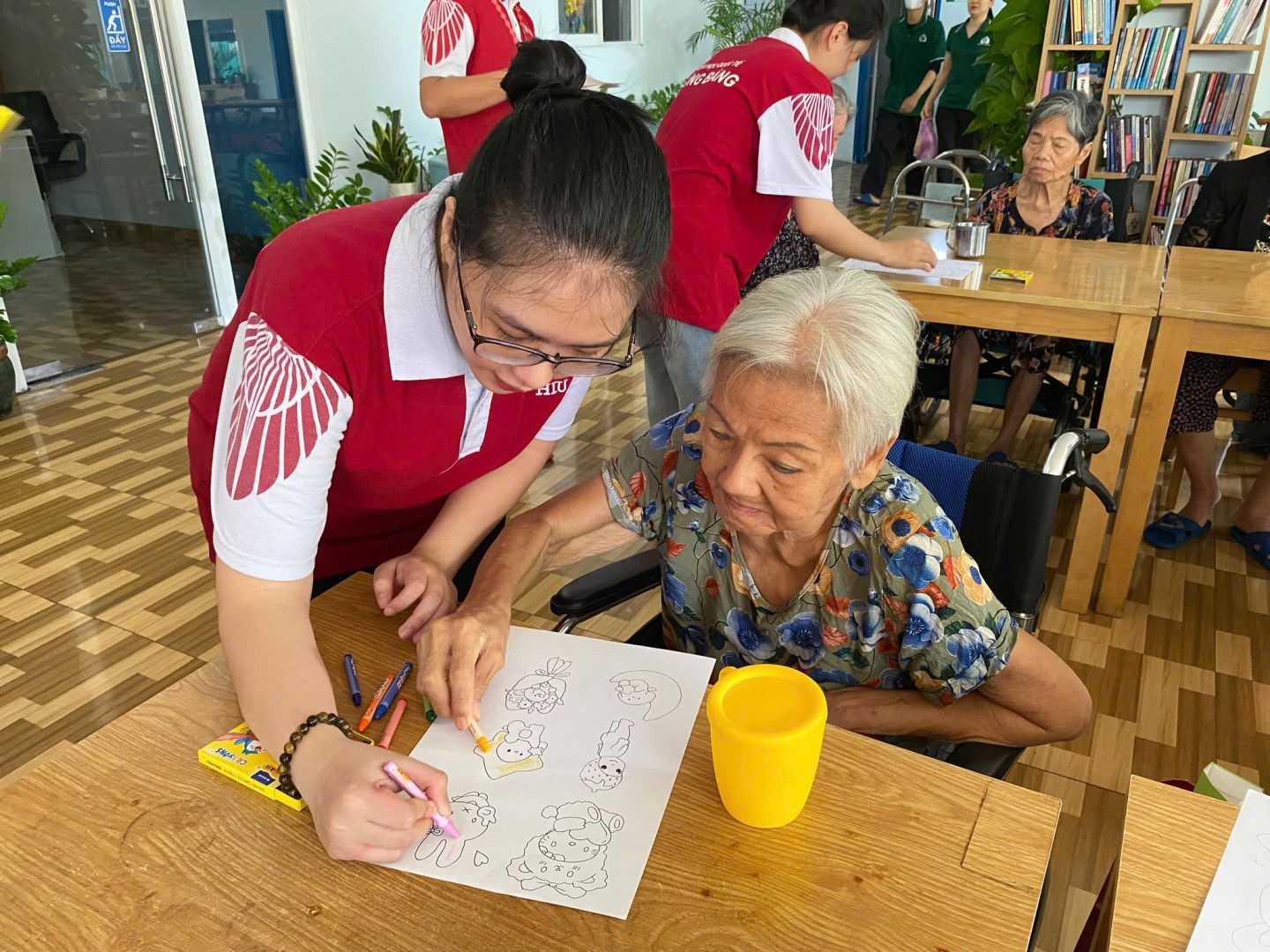
According to the Vietnam Real Estate Market Research and Evaluation Institute (VARS IRE), this model ensures a balance between the tradition of “living with family” and the need for professional elderly care.
The Ministry of Health reported that most elderly people suffer from chronic conditions such as diabetes, cardiovascular and bone-related diseases, with each person typically having three or more illnesses. This creates a strong need for regular health checks and specialised medical care.


At the same time, many seniors wish to receive professional healthcare while maintaining emotional ties with their families. Some specialised healthcare apartment projects near family homes have emerged in Vietnam, but costs are often beyond the reach of most households. Semi-boarding care homes could help address this challenge, ensuring both health and companionship.


Senior citizens exercise to stay healthy. (Photo: VNA)
The model also benefits younger generations, easing the burden of care. Under growing life pressures, many working adults struggle to provide daily care for their parents. Day-care nursing homes allow them to focus on their careers while preserving family bonds.
From a modern perspective, this should not be seen as “parent abandonment” but rather as an expression of responsibility and love. It also reflects the Vietnamese value of gratitude to one’s roots.


Experts from VARS IRE said that given Vietnam’s rapidly ageing population, developing a system of semi-boarding care homes would be well-suited to the country’s cultural, social and economic conditions.
However, current care costs remain relatively high, exceeding the average pension or support from children. By the end of 2024, the average pension stood at 6.2 million VND per month, while the average care fee was around 10 million VND (nearly 400 USD).
“Therefore, to make this model truly feasible, in addition to social welfare and health insurance policies to reduce costs for the elderly, the State should also introduce preferential land and credit policies for elderly care projects, thereby encouraging enterprises to invest in this promising segment,” VARS IRE experts suggested./.