
In the context of international integration and globalisation, culture and art education plays a vital role in promoting the all-round development of Vietnam’s young generation.
Aware of this necessity, experts and managers are calling for practical solutions to help students deepen their understanding of national identity, especially local ethnic cultures, so they can confidently engage with the modern world while preserving their heritage.
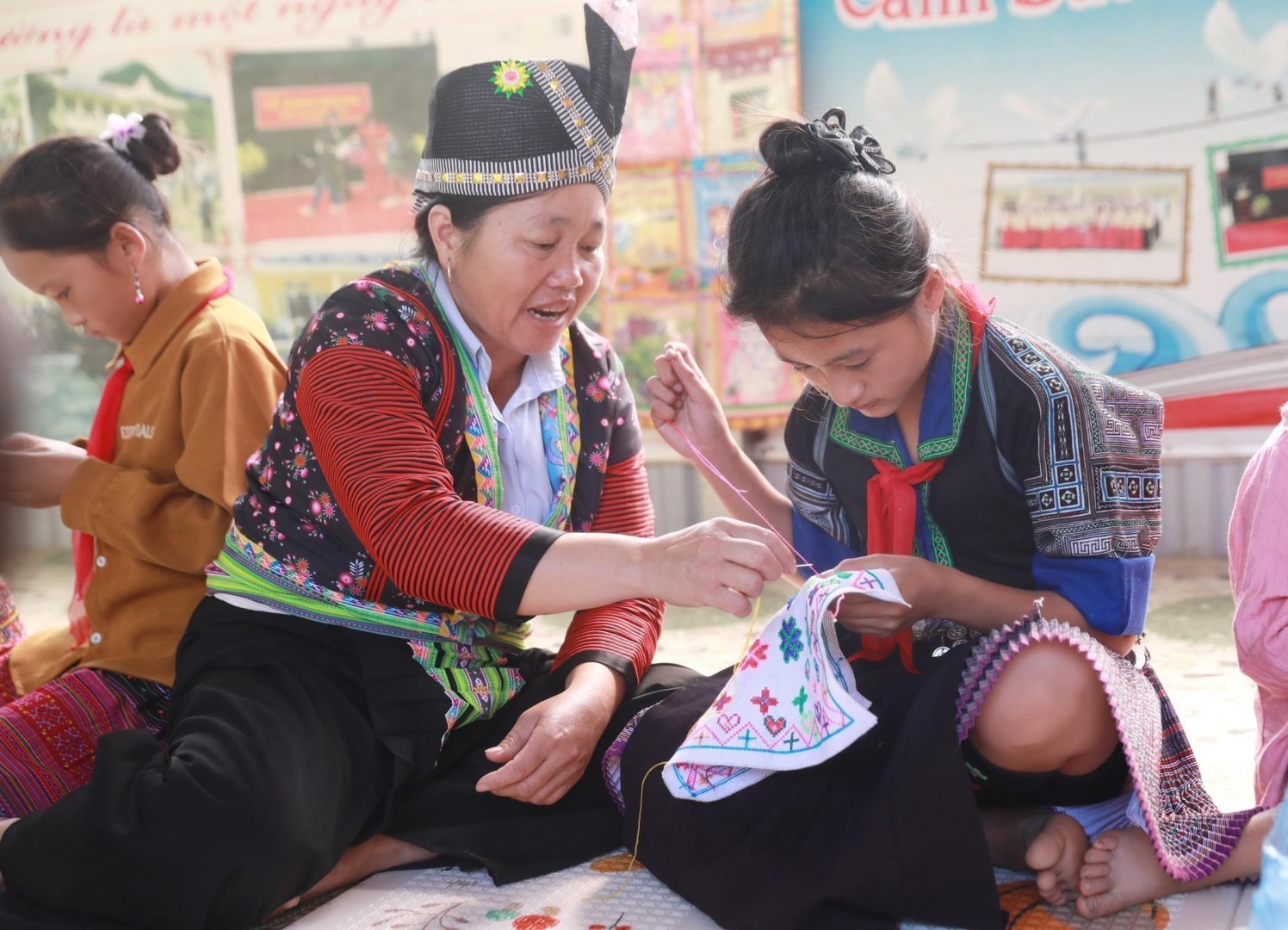


Amid integration and globalisation, culture and art education plays a vital role in promoting the all-round development of Vietnam’s young generation. (Illustrative photo: VNA)
Towards holistic education
National culture and arts are the crystallisation of traditional values throughout the process of building and defending their country. Experts affirm that in today’s era of rapid development and pervasive digital technology, culture and art education is more essential than ever for educational institutions.

Associate Professor Huynh Quoc Thang from the University of Social Sciences and Humanities under Vietnam National University, Ho Chi Minh City, emphasised that amid the expansion of industrialisation, modernisation, and globalisation, the values of national culture and arts are not only the fulcrum of national cultural identity but also the “soul” of national development in the new era. Culture and art education is an important part of both school and social education, and a major orientation aligned with the goal of comprehensive education – intellect, morality, physical fitness, and aesthetics – of the national educational system. For Vietnam, the education of national culture and art, including those of ethnic minorities, both inside and outside the classroom, carries great significance.


The Nga My Secondary Boarding School for Ethnic Minority Students in the central province of Nghe An has included the O Du culture into the curriculum, thereby helping preserve and revive the cultural values of the O Du people. (Photo: VNA)
According to Thang, since 2018, the Ministry of Education and Training has included local education as a new subject into the general education curriculum. It covers current and fundamental topics on local culture, history, geography, economy, society, environment, and vocational orientation. The new subject equips students with essential knowledge about their locality, fostering love for their homeland, a sense of community responsibility, and respect for traditional values, especially the unique cultural identities of local ethnic groups.


The gong club of the N’Trang Long Boarding High School for Ethnic Minority Students (Dak Lak province) has about 50 member students. (Illustrative photo: VNA)
Dr. Nguyen Huu Nghia from Ho Chi Minh City University of Education also underlined the urgency of this issue amid global technological shifts and cultural exchange. He pointed out that many traditional folk practices, such as love duet folk singing and ritual performances, are fading, while folk elements are becoming popular in digital media, including social platforms, reality shows, music videos, films, and games.
Folklore and traditional arts are living a different life in line with the trend of the times. Illustration: The music video Bac Bling by singer Hoa Minzy features traditional elements of the land of Kinh Bac (Bac Ninh province) combined with contemporary music.
This trend, Nghia argued, signals that traditional folk culture is evolving to adapt to contemporary life. He stressed the need for appropriate educational strategies to help learners engage with these changes while remaining grounded in their cultural roots.
Preserving national cultural heritage values

To preserve and promote the value of traditional culture and arts, educational activities need to adopt new approaches, with in-school initiatives playing a crucial role. Dr. Nguyen Ho Phong from Ho Chi Minh City University of Culture observed a noticeable shift in how young audiences, especially students, enjoy traditional arts.
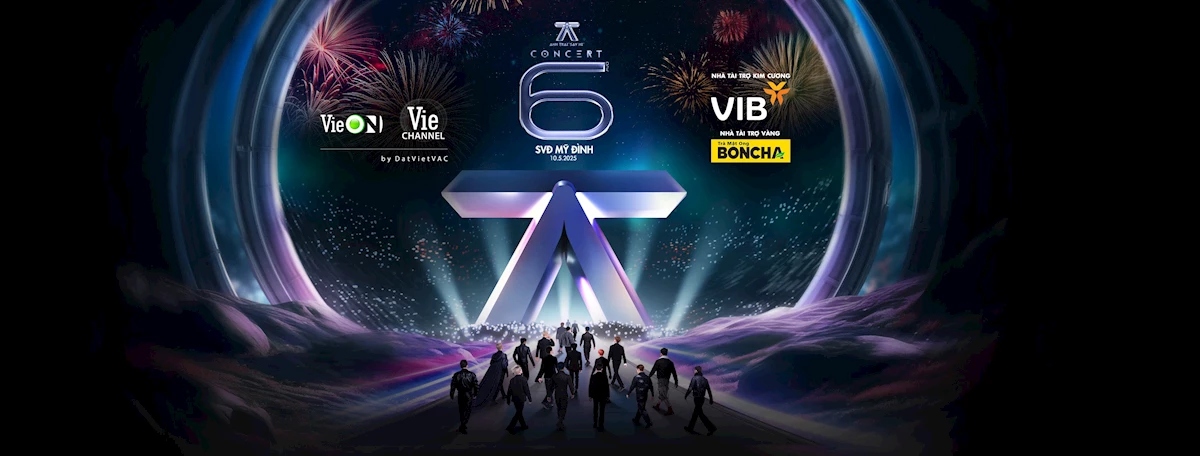

Students have many opportunities to choose, access and satisfy their needs for enjoying arts and entertainment without being limited by time and space. Illustration: Music reality TV shows broadcast on the social networking platform Youtube. (Photos: VieChannel, Znews)
With digital technology and video platforms now widely accessible via smartphones, internet-connected computers, and smart TVs, students have more freedom than ever to explore and enjoy cultural content anytime, anywhere.


The Nguyen Thi Minh Khai High School in Ho Chi Minh City and the interdisciplinary project “Continuing the Quintessence” performed by its students and teachers on February 22, 2025. (Photo: thanhnien.vn)
Recognising the importance of the school environment in shaping young people’s cultural knowledge, Ho Chi Minh City has implemented various initiatives, such as the “school stage” model, and integrated traditional arts into students’ extracurricular activities. These efforts have proven effective and should be further expanded.
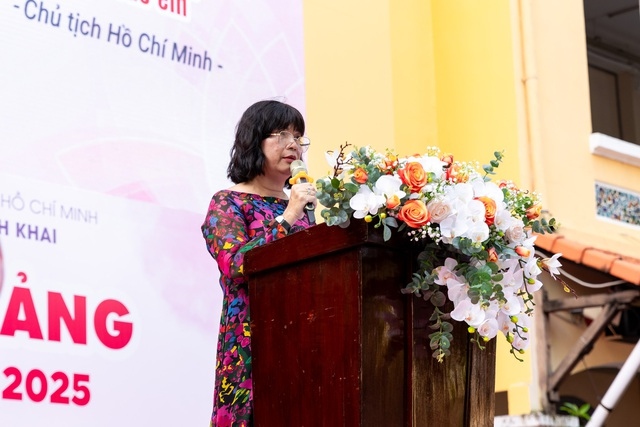
At Nguyen Thi Minh Khai High School in Ho Chi Minh City, hat boi (classical opera) has been successfully introduced in the classroom under a recent programme. Part of an interdisciplinary project combining literature, local education, and career orientation, the programme helped students gain their first exposure to this intangible cultural heritage. According to Principal Nguyen Thi Hong Chuong, many students were initially unfamiliar with hat boi but gradually became fascinated by its elaborate makeup, stylised movements, and expressive theatrical techniques. They were particularly intrigued by how a character’s personality – whether noble or villainous – can be conveyed simply through costume colour.


Tuong (classical opera) is a traditional Vietnamese performing art form (Photo: VNA)
These lessons in traditional art not only enrich students’ cultural knowledge but also help them confidently engage with the world. In the future, many students are expected to be ambassadors who spread the beauty of national arts and culture globally, she said.
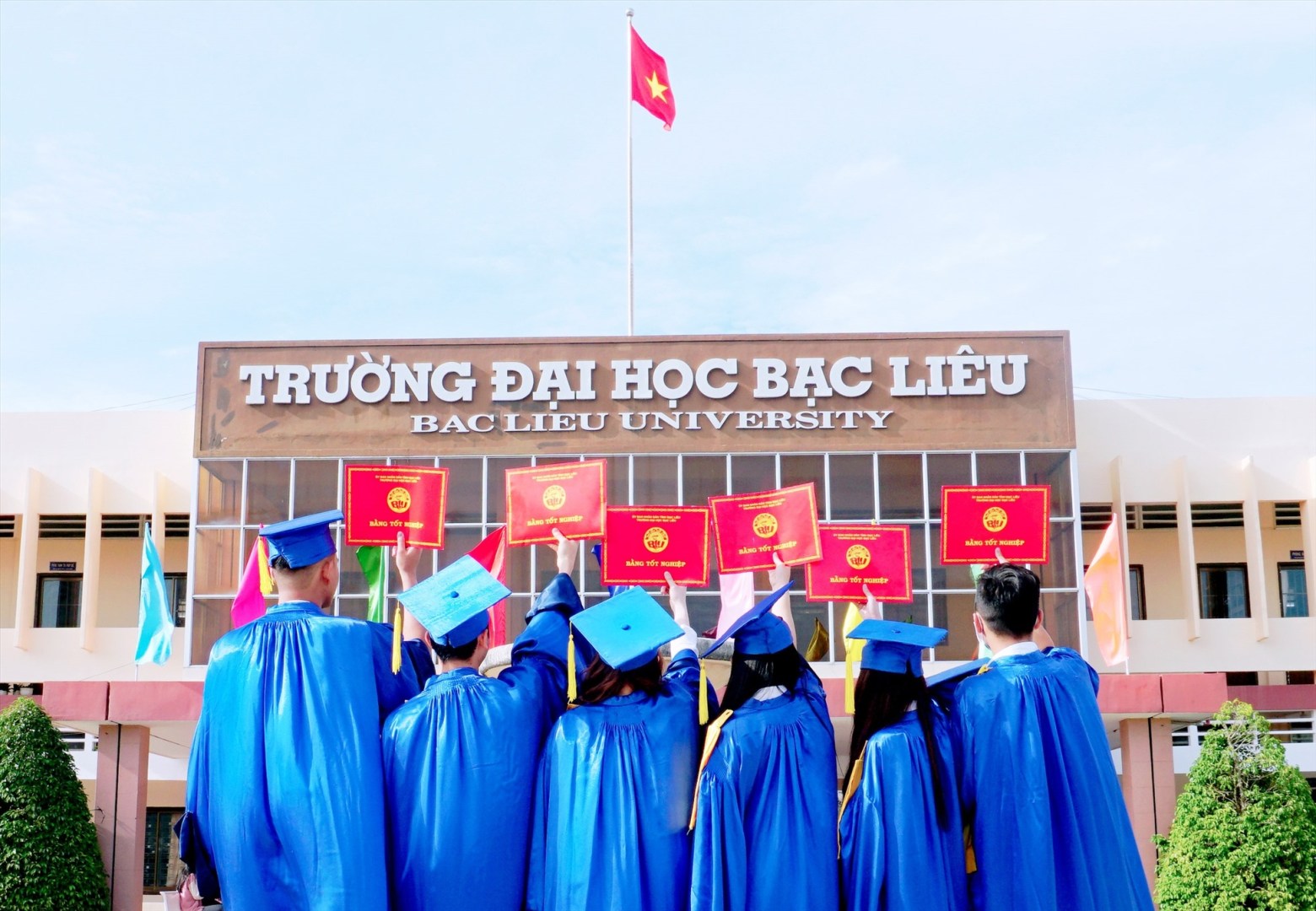
Dr. Nguyen Phuoc Hoang from Bac Lieu University described culture education as a key part of the curriculum from general to higher education.
Located in a province home to various ethnic groups such as the Kinh, Hoa, and Khmer, the university places special emphasis on preserving and promoting cultural diversity. Through various teaching methods and activities focused on ethnic minority cultures, the university is helping improve the quality of comprehensive education.
Faculty members have integrated culture education into curricula through general studies programmes for all majors, enabling students to explore the culture, language, history, customs, and practices of ethnic groups.
The university has also promoted cultural awareness through its internal communication system and by incorporating culture education into the implementation of Party resolutions and state policies. Its Information and Library Centre and faculty communication teams have actively disseminated cultural content via websites, billboards, and slogans, educating students about cultural identities of ethnic groups, thereby fostering pride, understanding, and commitment to preserving traditional cultural traits./.
