
Marine resources and culture have become the cornerstone of the south central province of Khanh Hoa’s emergence as one of Vietnam’s premier beach and island tourist destinations, capturing the hearts of international travelers for years.

With over 380 kilometres of coastline, Khanh Hoa is home to three major bays—Van Phong, Nha Trang, and Cam Ranh—each renowned globally for its stunning natural beauty. The province’s large continental shelf and territorial waters encompass nearly 200 islands of various sides, including Truong Sa island district holding both military and economic strategic significance.

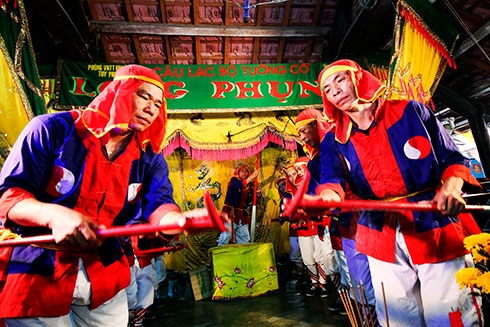
beyond its famous landscapes, Khanh Hoa preserves many long-standing cultural traditions with diverse customs, art forms, and folk festivals like the Cau ngu (fish worshipping) festival, Ponagar Tower Festival, bird’s nest festival, and bai choi folk singing.
Director of the provincial Department of Tourism Nguyen Thi Le Thanh

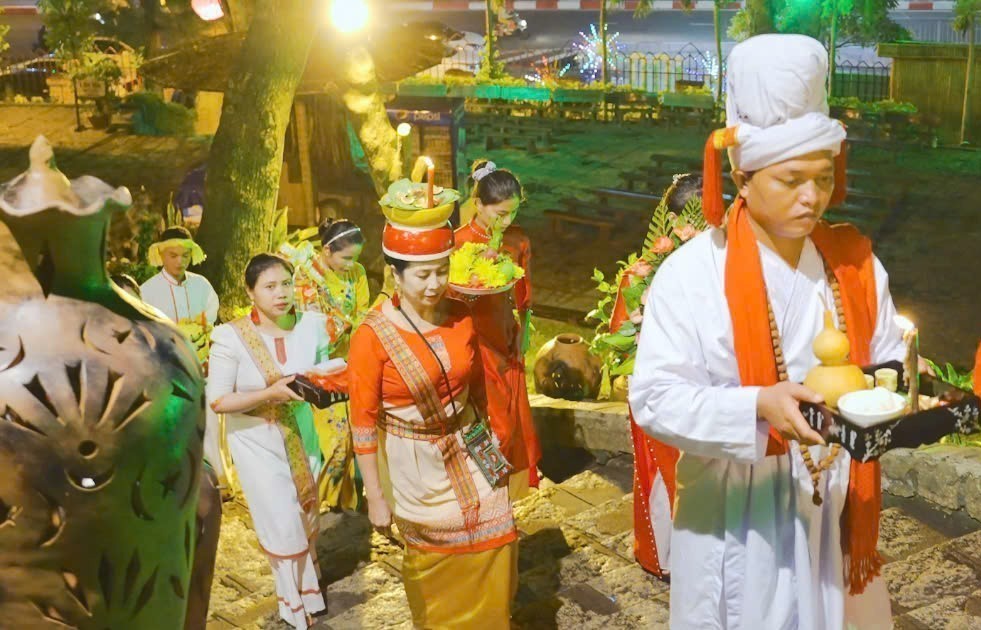


The vibrant fish worshipping festival in Khanh Hoa province (Photo: Khanh Hoa newspaper)
Over the past years, Khanh Hoa has developed various forms of high-quality sea and island resort tourism in combination with entertainment, sightseeing, adventure sports, and ocean exploration. Tourism has become an economic spearhead, creating jobs for dozens of thousands of workers while stimulating the development of many other economic sectors. Last year, the number of tourist arrivals to the province hit a record high of 10.8 million, including 4.7 million foreigners. Earnings from tourism services topped 53 trillion VND (2.04 billion USD).

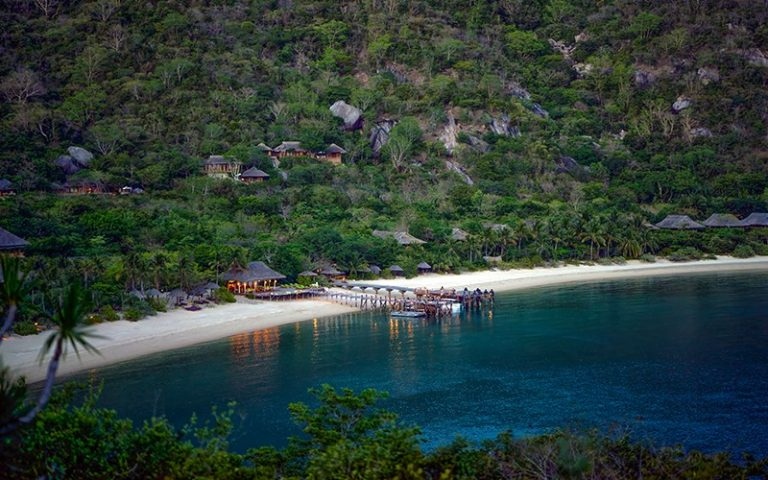
After more than a decade of construction, the tourist area in the north Cam Ranh peninsula now boasts dozens of modern hotels and resorts rated four to five stars lining the long beach. The Doc Let tourist area, while less bustling than Nha Trang city, captivates visitors with its pristine beauty and the tranquil atmosphere of a nearly 10-kilometre-long beach.
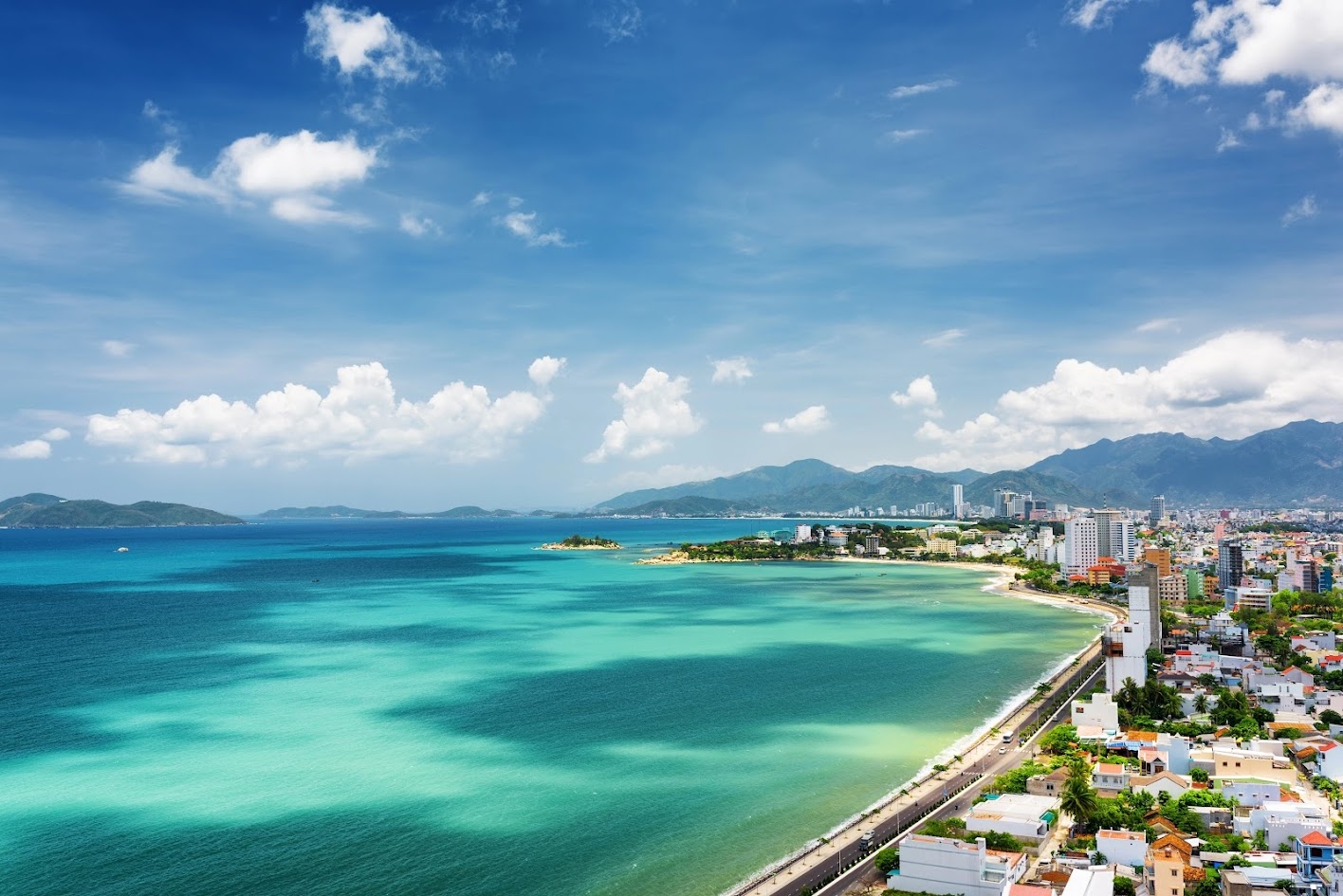

Khanh Hoa’s rich biodiversity, great potential for marine nature conservation, and diverse natural marine resources along with stunning landscapes are prerequisites for the province to develop marine economy, especially sea and island tourism.
Associate Professor, Dr. Nguyen Chu Hoi, Vice President of the Vietnam Fisheries Society, President of the Marine Environment Protection Association


Beyond leveraging its natural potential and longstanding cultural assets, Khanh Hoa has created distinctive tourism products and modern tourism activities based on the foundational values of its sea, islands, and maritime culture. The Nha Trang – Khanh Hoa Sea Festival has been held every two years in Nha Trang city over the past two decades, honouring the traditional and contemporary values of the locality’s sea and islands. Each festival season, tourists have the opportunity to immerse themselves in dozens of activities reflecting the local marine culture. Additionally, Khanh Hoa hosts events such as the Nha Trang Sea Tourism Festival and the Hong Kong-Nha Trang yacht race.


The carnival of lights is a highlight of the 2024 Nha Trang Sea Tourism Festival. (Photo: VNA)
Tourism businesses have paid due attention to creating new offerings, including entertainment complexes and accommodations on such islands as Hon Tre, Hon Tam, Monkey, and Orchid, alongside international cruise tourism, sunset cruises, tourist submarine excursions in Nha Trang bay, and adventure products like zip-lining and paragliding.
Green and sustainable tourism development
Dr. Nguyen Anh Tuan, Director of the Institute for Tourism Development Research, said many localities and destinations nationwide are actively promoting green tourism development, with projects focusing on optimising the use of natural resources, minimising negative impacts on the environment, and promoting local and community economic development.
Green tourism is considered a sustainable direction, delivering high economic value while harmonising with environmental protection and cultural value preservation, he said.
Khanh Hoa has established guidelines and begun implementing programmes and solutions to build a green and sustainable tourism environment. Beyond stricter management in reviewing and evaluating environmental impacts and revoking projects showing signs of marine pollution, Khanh Hoa has launched initiatives to enhance marine ecosystem protection. Efforts have been made to gradually restore mangrove forests, rehabilitate coral ecosystems in Nha Trang Bay, build wastewater treatment systems, and reduce single-use plastic products.
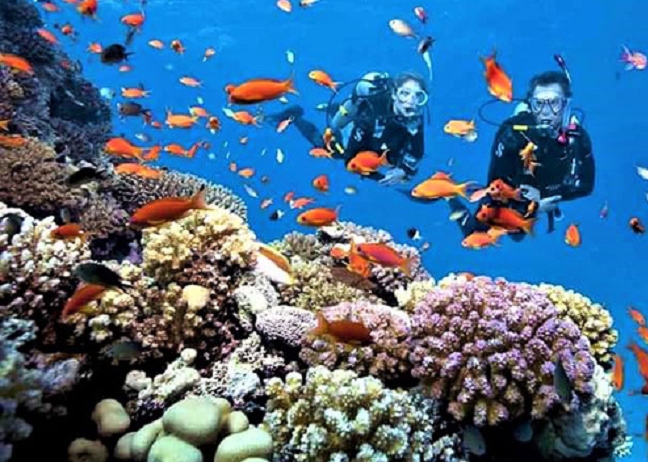
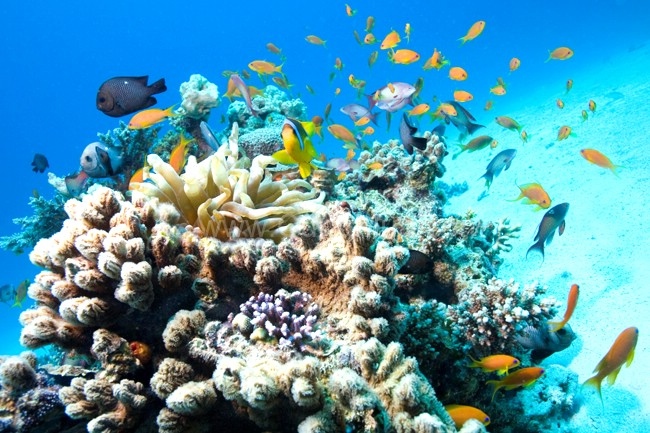
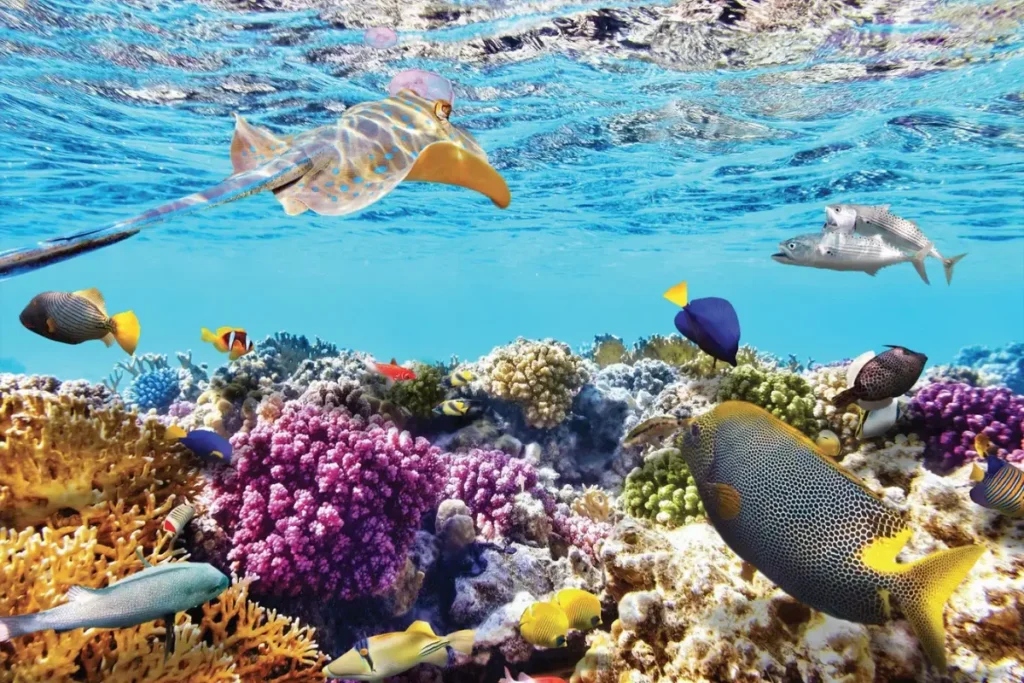
Khanh Hoa is restoring coral reef ecosystem in Nha Trang Bay. (Photo: Vietnam National Authority of Tourism, Canh Viet Travel)
However, the local tourism sector is facing several limitations, including over-exploitation of tourism resources, weak environmental protection monitoring at tourist sites, and sluggish adoption of advanced technology in tourism activities. Environmental sanitation and food safety remain big problems, while issues like solicitation, price gouging, illegal tourism operations, and false advertising continue to occur, threatening security and damaging the image of local tourism.
Director of the Vietnam National Authority of Tourism Nguyen Trung Khanh urged the province to strengthen destination management, promote green tourism solutions, and prioritise renewable and environmentally friendly energy.
He also called for better waste management practices in tourism activities and recommended that climate change adaptation strategies be integrated into the development of sea and island tourism./.
