The tourism industry will accelerate the application of digital technology, artificial intelligence (AI), and smart platforms to boost growth in the coming period to develop a smart tourism ecosystem.

Vietnam’s tourism industry has emerged as a standout success story in the country’s socioeconomic development landscape for 2024, with digital transformation playing a key role in its sustainable growth trajectory.

According to statistics from the Vietnam National Authority of Tourism (VNAT), Vietnam welcomed more than 17.5 million international foreign arrivals in 2024, representing a year-on-year increase of 38.9%. Meanwhile, domestic tourism saw 110 million travellers. Vietnam gained 850 trillion VND (33.4 billion USD) in total tourism revenue, up 23.8% from the previous year.
Notably, to adapt to post-COVID-19 changes, the tourism industry has undergone a remarkable digital transformation, focusing on serving individual customers and personalising services to enhance visitor experience and satisfaction.


Sun World Ba Na Hills in Da Nang city receives huge crowds of visitors on the occasion of the National Day in 2024 (Photo: VNA)
Nowadays, travellers increasingly rely on digital platforms, websites and social media to look for tourism information, book tours, reserve accommodations, and purchase transportation tickets. The digital shift has resulted in various creative forms of tourism promotion, enabling broader reach and access to diverse customer segments. Furthermore, holidaymakers frequently share their reviews, feedback and social media content about their visits, helping the industry better understand and respond to customer needs.

According to Deputy Minister of Culture, Sports and Tourism Ho An Phong, digital transformation is key to rapid and sustainable development in the coming time.
Recognising the significance of the process, the ministry has established important legal frameworks and approved various initiatives including the tourism industry database system and the application of Industry 4.0 Technologies for smart tourism development.

Phong said throughout 2024, the ministry focused on developing a harmonious smart tourism ecosystem to enhance state management, business operations, and tourist experiences. Multiple sets of criteria were set up to evaluate the national digital platform for tourism management and business to assess the efficiency of smart tourism destinations.

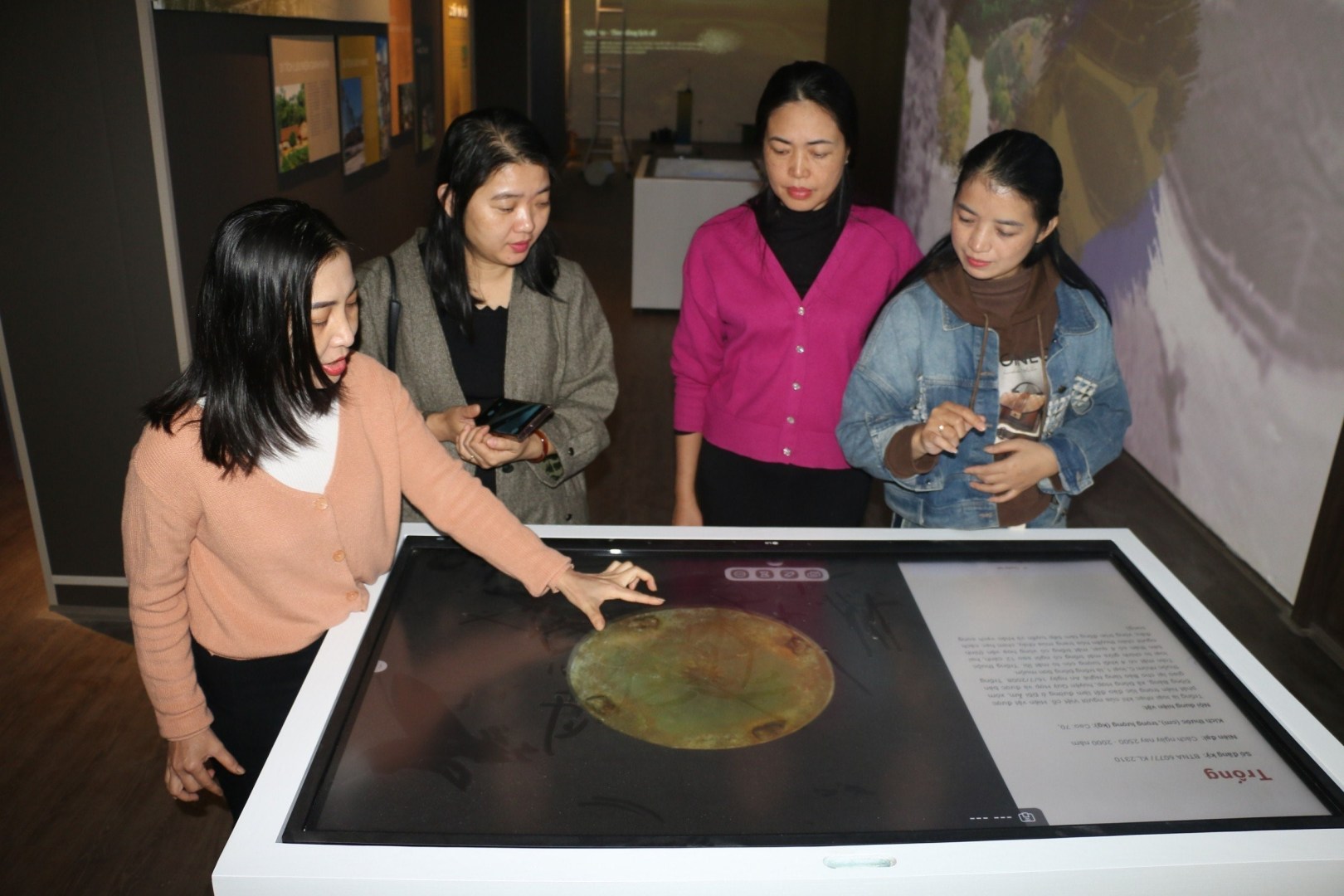

Keeping pace with digital transformation trends, Nghe An Museum is digitising its archaeological artifacts, wartime documents, and both tangible and intangible cultural heritage. (Photo: VNA)


Visitors use smartphones to view 3D images and audio guides about artifacts at Ninh Binh Museum. (Photo: VNA)
The ministry also provided extensive guidance and training to local authorities and businesses on digital transformation implementation while advancing three major projects nationwide, namely, heritage digitalisation, smart tourism and operations centre development.


An Giang launches smart tourism information portal, called checkinangiang.vn, on March 28, 2024. (Photo: VNA)
He expressed confidence that with the Party and State’s policies, the Government’s management, and close coordination with the industry, the sector will make giant strides in digitalisation, capable to obtain two-digit growth this year.
Developing smart tourism ecosystem


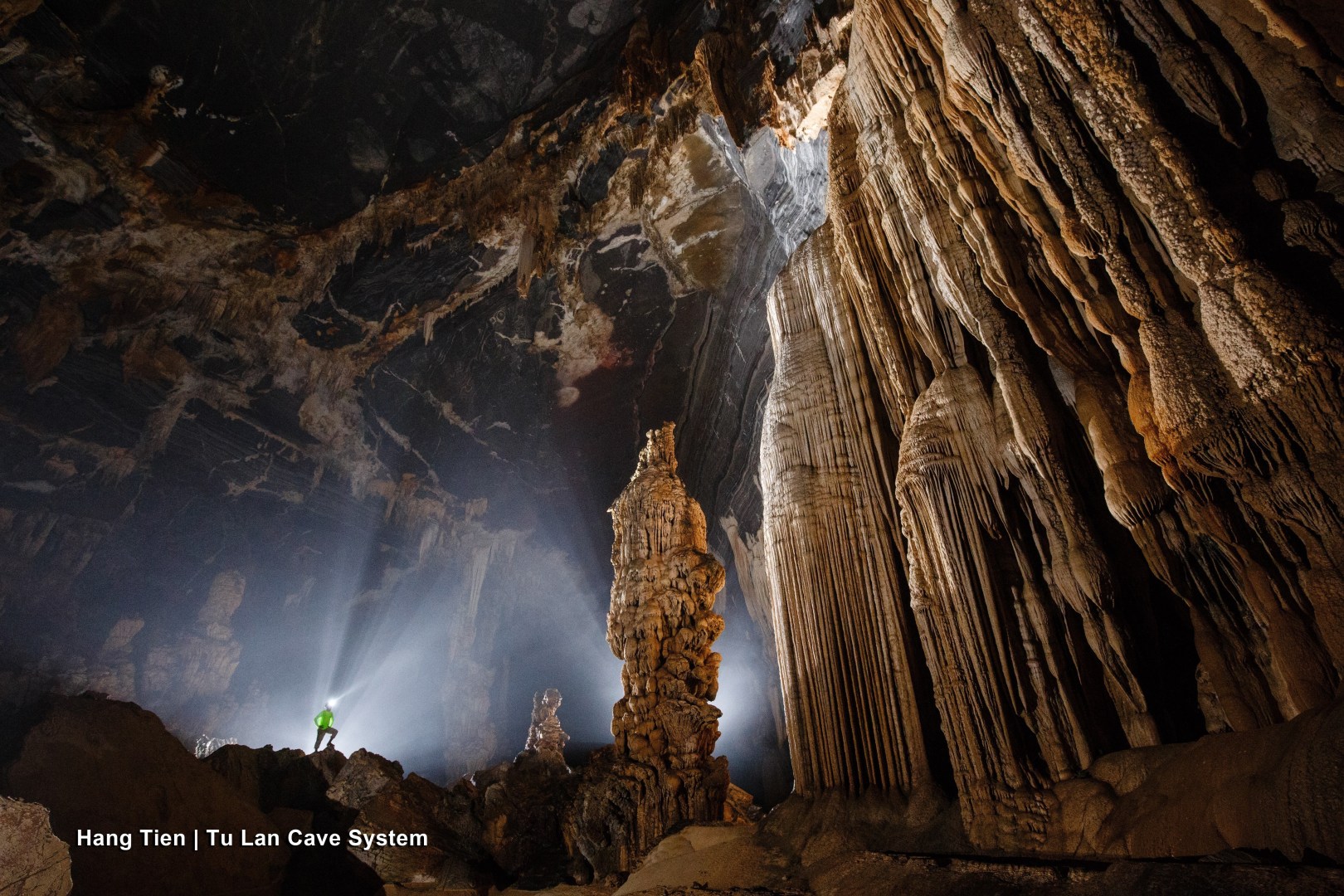
In 2020, the Guardian (UK) ranks Son Doong Cave in Quang Binh province among the world’s top 10 must-see virtual reality tours. (Photo: VNA)
Minister of Information and Communications Nguyen Manh Hung underscored that breakthrough development requires new approaches, management methods, and technologies. Digital transformation should not merely automate existing tourism operations but fundamentally change how tourism services are delivered, creating new value for visitors.


In the photo: The VR360 virtual tourism system showcases Da Nang’s tourist attractions. (Photo: VNA)
Digital technology has enabled the creation of a comprehensive tourism ecosystem and value chain connectivity. In the digital space, the tourism industry can easily connect with various sectors, products, and regions, expanding the traditional concept of tourism. This shift moves beyond promoting famous locations to creating complete experiences encompassing dining, shopping, and entertainment.


Various modern-technology tourism offerings with are being introduced at destinations nationwide. In the photo: Viglacera Aurora art exhibition held in November 2024 (Photo: VNA)

Director of the VNAT’s Tourism Information Technology Centre Hoang Quoc Hoa said a tourism database system was set up to support state management work, covering information related to tour operators, accommodations, guides, and tourist sites. Particularly the national tourism application called “Vietnam Travel” was launched, offering services from travel information and digital maps to flight bookings and attraction tickets.


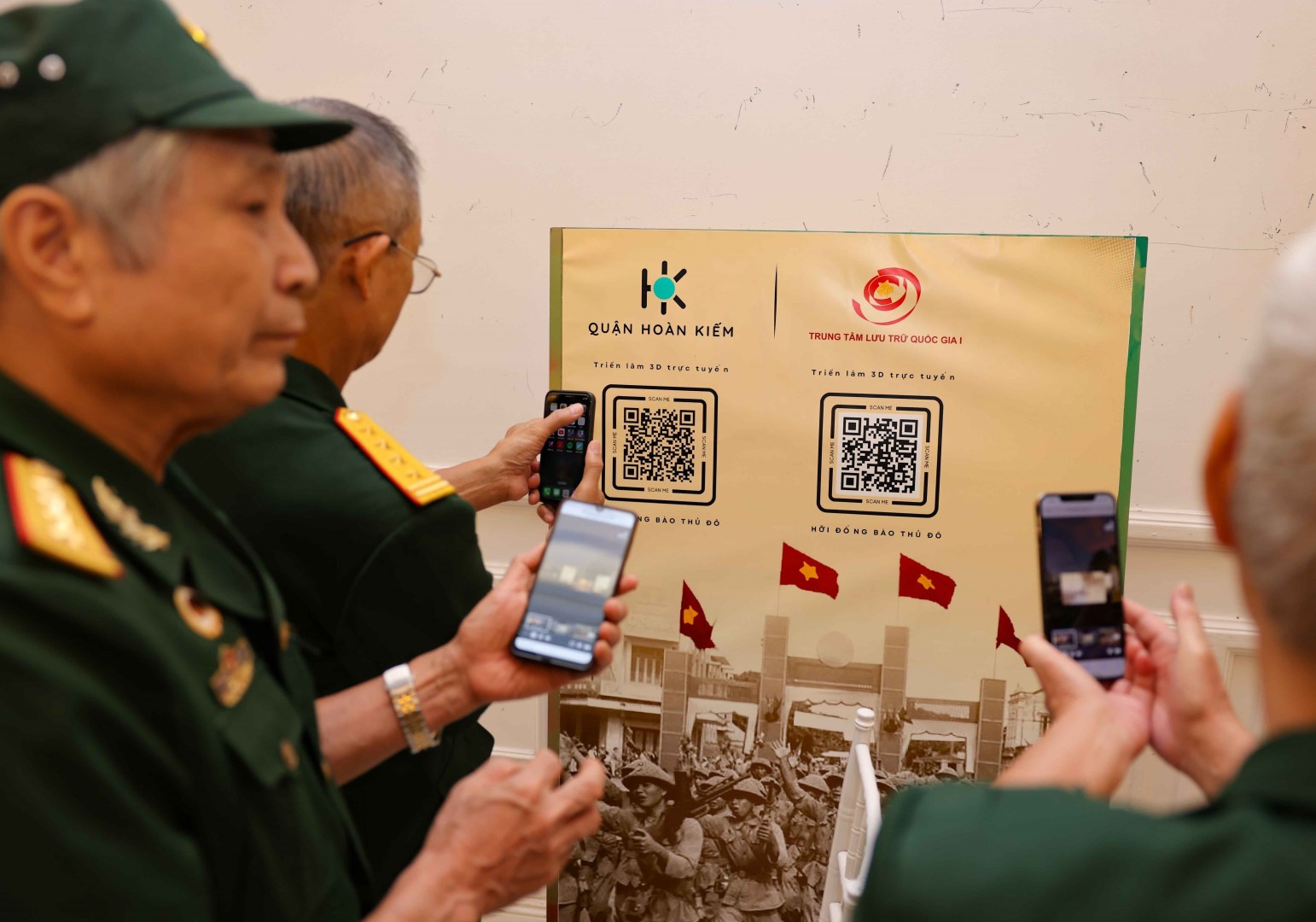
At the opening ceremony of an online 3D exhibition “Hoi dong bao Thu do” commemorating the 70th anniversary of Hanoi’s liberation (October 10, 1954 – October 10, 2024). (Photo: VNA)
Technological applications have made contributions to enhancing visitor experiences and destination promotion. The “Vibrant Vietnam” online exhibition project on Google Arts & Culture has helped showcase Vietnam’s cultural appeal. The “Wonders of Vietnam” project features 35 online exhibitions and over 1,300 photographs highlighting famous tourist destinations, heritage locations, natural landscapes, and Vietnamese cuisine. It promotes UNESCO-recognised sites in Da Nang City and Ninh Binh, Quang Binh, Thua Thien-Hue, and Quang Nam provinces.


Time Out magazine’s article “The world’s 20 best cities for food right now”
Boasting rich resources and cultural heritage, coupled with a smart tourism ecosystem and comprehensive digital transformation, Vietnam’s tourism sector is poised to take off in 2025 and the following years. It is ready to hit all set targets and become an economic spearhead while promoting Vietnam as an alluring destination for international visitors./.
